Articles
Excavations
Overview
Ophel Excavation 2025 (Upper Area)
Ophel Excavation 2025 (Lower Area)
Ophel Excavation 2024
Ophel Excavation 2023
Ophel Excavation 2022
Ophel Excavation 2018
Ophel Excavation 2013
Ophel Excavation 2012
Ophel Excavation 2009–2010
City of David Excavation 2007–2008
City of David Excavation 2006–2007
Exhibits
Kingdom of David and Solomon Discovered
Seals of Isaiah and King Hezekiah Discovered
Seals of Jeremiah’s Captors Discovered
Publications & Reports
Publications
Magazine
E-mail Newsletter
Videos
Visuals
Historic
Archaeology
Illustrations
Infographics
Tours
עברית
Articles
Excavations
Overview
Ophel Excavation 2025 (Upper Area)
Ophel Excavation 2025 (Lower Area)
Ophel Excavation 2024
Ophel Excavation 2023
Ophel Excavation 2022
Ophel Excavation 2018
Ophel Excavation 2013
Ophel Excavation 2012
Ophel Excavation 2009–2010
City of David Excavation 2007–2008
City of David Excavation 2006–2007
Exhibits
Kingdom of David and Solomon Discovered
Seals of Isaiah and King Hezekiah Discovered
Seals of Jeremiah’s Captors Discovered
Publications & Reports
Publications
Magazine
E-mail Newsletter
Videos
Visuals
Historic
Archaeology
Illustrations
Infographics
Tours
עברית
Articles
Latest
Tel Et-Tell
By
Armstrong Institute Staff
‘My Lord, Your Servant’:
Adoni
in the Bible and the Amarna Letters
Interesting parallels grounding the Israelite conquest in and around the Amarna age
By
Christopher Eames
• February 5
3,300-Year-Old Canaanite Tomb Shows Ties to Egypt and Ancient Canaanite Burial Rituals
Analysis of a tomb in Israel reveals ties with Egyptian administration.
By
Heather Lexa
• February 4
Categories
Categories
All
Antediluvian
Biblical Figures
Books of the Bible
Bronze Age
Cities
Civilizations
Conquest
Diaspora
Iron Age
Israel
Israel in Egypt
Jerusalem
Judges
Later Periods
Middle East
Monarchy
Patriarchs
Post-Flood
Prehistory
World
Cities
Hezekiah’s Occupation of Gath
By
Spencer Falk
INFOGRAPHIC: The Oldest Picture of Jerusalem?
By
Armstrong Institute Staff
Uncovering the Bible’s Buried Cities: Ekron
From the Late Bronze Age to the Iron Age, this city has a long history that matches the meaning of its name.
By
Micah van Halteren
Revealed: A 2,700-Year-Old Depiction of Jerusalem and Hezekiah?
Remarkably, the relief may picture not only Jerusalem but also King Hezekiah himself.
By
Brent Nagtegaal
Touring Tel Shiloh
By
Armstrong Institute Staff
King Josiah’s Last Stand
New excavations reveal Egyptian army’s presence at Megiddo.
By
Brent Nagtegaal
Touring Tel Shiloh With Dr. Scott Stripling
By
Armstrong Institute Staff
• July 13, 2025
Khirbet el-Maqatir: Evidence of Biblical Ai?
By
Armstrong Institute Staff
• July 2, 2025
Et-Tell: Joshua’s Ai After All?
Anticipation—and some skepticism—in awaiting publication of the latest findings, as heralded by a recent Expedition Bible episode
By
Christopher Eames
• June 23, 2025
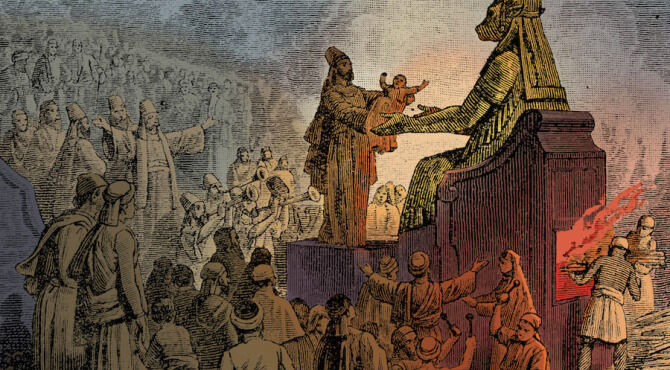
The Tophet—Where Israelites Sacrificed Their Children?
What archaeology and classical history have to say about a detestable practice the Bible describes in the heart of Jerusalem
By
Samuel McKoy
Excavating Area G—a Time Capsule of Jerusalem’s Destruction
A small excavation with a big message
By
Brent Nagtegaal
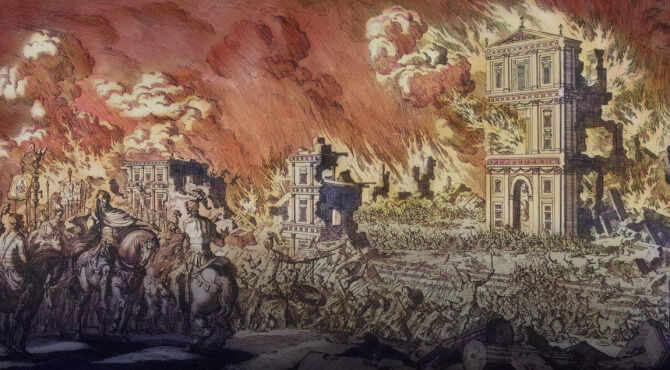
The Archaeology of Jerusalem’s Historic Collapse
The biblical text provides a detailed account of Judah’s early sixth-century B.C.E. destruction. What does archaeology tell us?
By
Nicholas Irwin
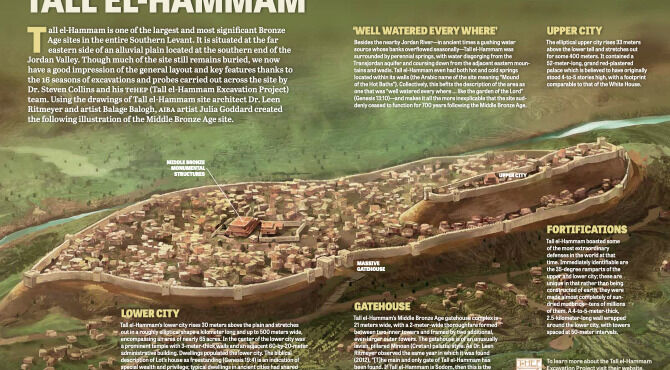
INFOGRAPHIC: Tall el-Hammam
By
Armstrong Institute Staff
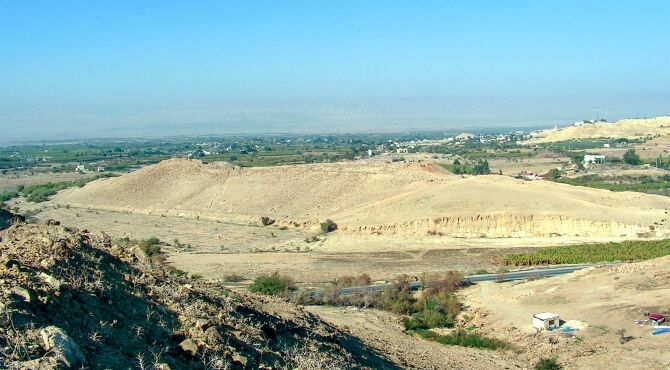
Uncovering the Biblical City of Sodom
Archaeologists have uncovered evidence of nuclear-level devastation at an ancient site near the Dead Sea. But is it in the right place, at the right time? Is it Sodom?
By
Christopher Eames
Did Nebuchadnezzar Really Go Mad?
The Bible says that Nebuchadnezzar II was driven to act like an animal, but he still retained his throne. What does archaeology and classical history say?
By
Samuel McKoy
• February 17, 2025
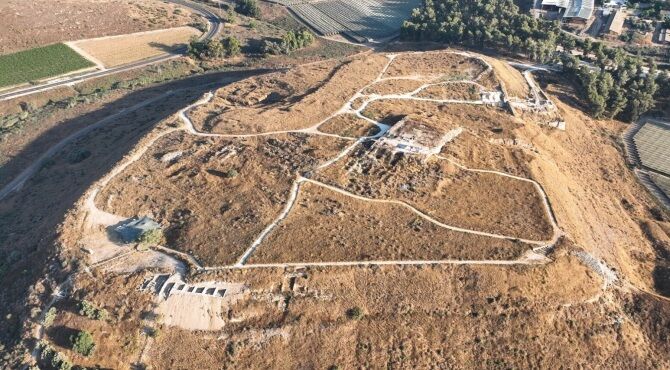
‘And Rehoboam Built … Lachish’
By
Armstrong Institute Staff
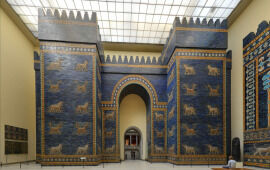
The Ishtar Gate—Built With Plunder From Jerusalem?
A new study shows that this grand gate’s layers were constructed by one king—Nebuchadnezzar II—not long after he destroyed Jerusalem.
By
Samuel McKoy
• January 17, 2025
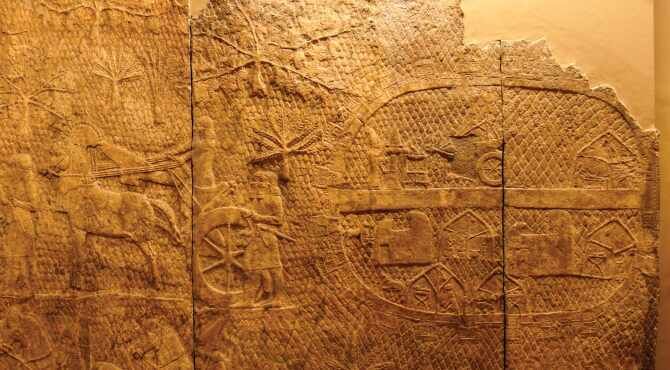
The Assyrian Military Camp at Lachish—and Maybe at Jerusalem Too: An Interview with Stephen C. Compton
Evidence of Jews in Babylon?
Archaeological evidence confirms the biblical text and the message of Jeremiah.
By
Brent Nagtegaal
Interview: The Moat of Ancient Jerusalem
By
Armstrong Institute Staff
• August 6, 2024

Tel Shiloh 2024: End-of-Season Interview With Dr. Scott Stripling
By
Armstrong Institute Staff
• June 27, 2024
What Happened to the Canaanite Temples in David’s Time?
By
Brent Nagtegaal
and
Samuel McKoy
• May 16, 2024
Psalm 102 and God’s Biblical Archaeology
By
Gerald Flurry
Was David and Solomon’s Jerusalem a ‘Godforsaken’ Place?
What does archaeology tell us?
By
Brad Macdonald
and
Christopher Eames
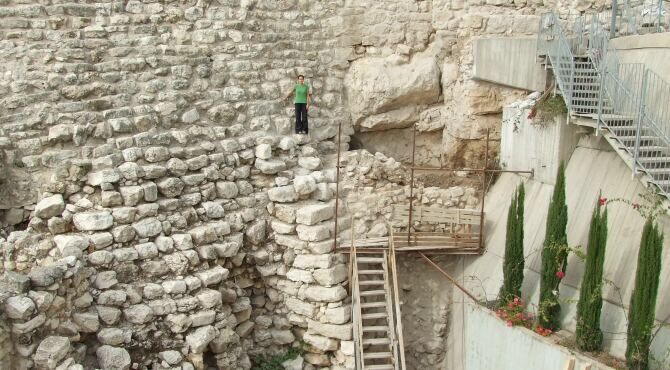
The Moat of Ancient Jerusalem
A monumental discovery reshapes our understanding of ancient Jerusalem.
By
Brent Nagtegaal
Load More Items