
Site History
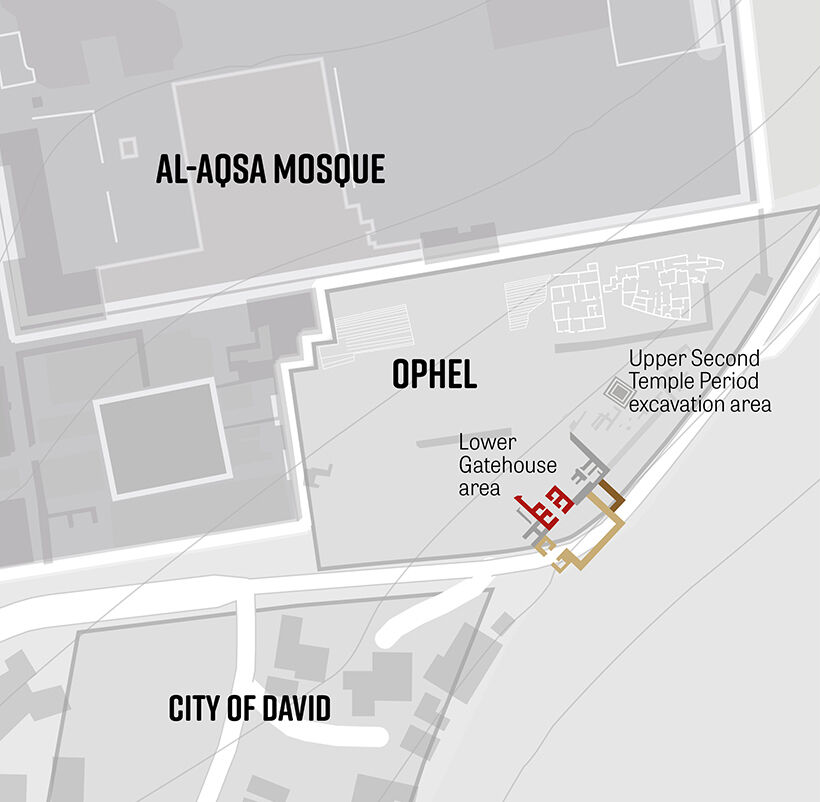
Most of our readers would be familiar with our Second Temple Period Ophel site that we excavate each summer with Prof. Uzi Leibner and Dr. Orit Peleg-Barkat. Perhaps most, however, are not familiar with the lower Ophel site (see map). Yet this was the first site we excavated with Dr. Mazar when we moved from the City of David to the Ophel in 2009.
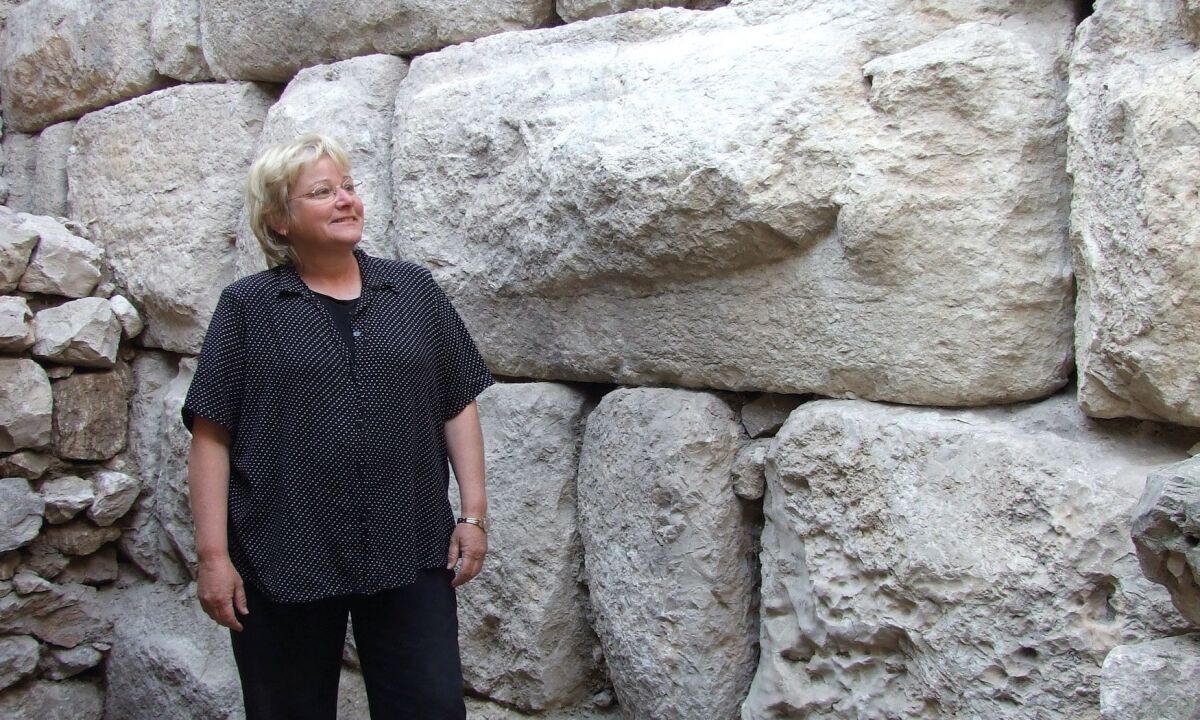
This is an important area of the Ophel because of what Prof. Benjamin Mazar and Dr. Mazar discovered while working there from 1986 to 1987: “About 90 meters south of the Triple Gate in the southern wall of the Temple Mount compound, a monumental structure from the First Temple Period was uncovered by Benjamin Mazar. … Though only partially excavated, its highly skilled, sophisticated construction made it clear to Mazar that this was a royal structure,” Dr. Eilat Mazar wrote in her book Discovering the Solomonic Wall in Jerusalem. “[O]ur own excavations at the site in 1986–1987 revealed that the structure was in fact a gatehouse incorporated into the First Temple Period fortification line.”
In 2009, Dr. Eilat Mazar returned to the site with some of our own volunteers from Herbert W. Armstrong College to further excavate the gatehouse area. Adding the discoveries from that dig to what was found in 1986–1987, she had enough evidence to date the gate complex to the 10th century b.c.e.—the time of King Solomon.
While Dr. Mazar was confident that the Iron Age structure was a gatehouse, there has been some debate about its exact function.
That’s where this year’s excavation comes in.
Working With Purpose
Along with the City of David, the Ophel is one of the most important locations in Jerusalem—and really, one of the most important locations in all of Israel. After Solomon expanded the borders of Jerusalem outside the City of David, the Ophel became the administrative center for the nation. That means a lot of important history happened at this site.
That also means it was a key target of Nebuchadnezzar’s 586 b.c.e. destruction of Jerusalem—an event that destroyed the city’s most important structures. Combine that with the fact that, over the centuries, later period infrastructure was built on top of the First Temple Period remains, and you have a conglomeration of Herodian, Byzantine and Muslim walls that obscure what is left of the Iron Age city. This was the case with our Iron Age gatehouse.
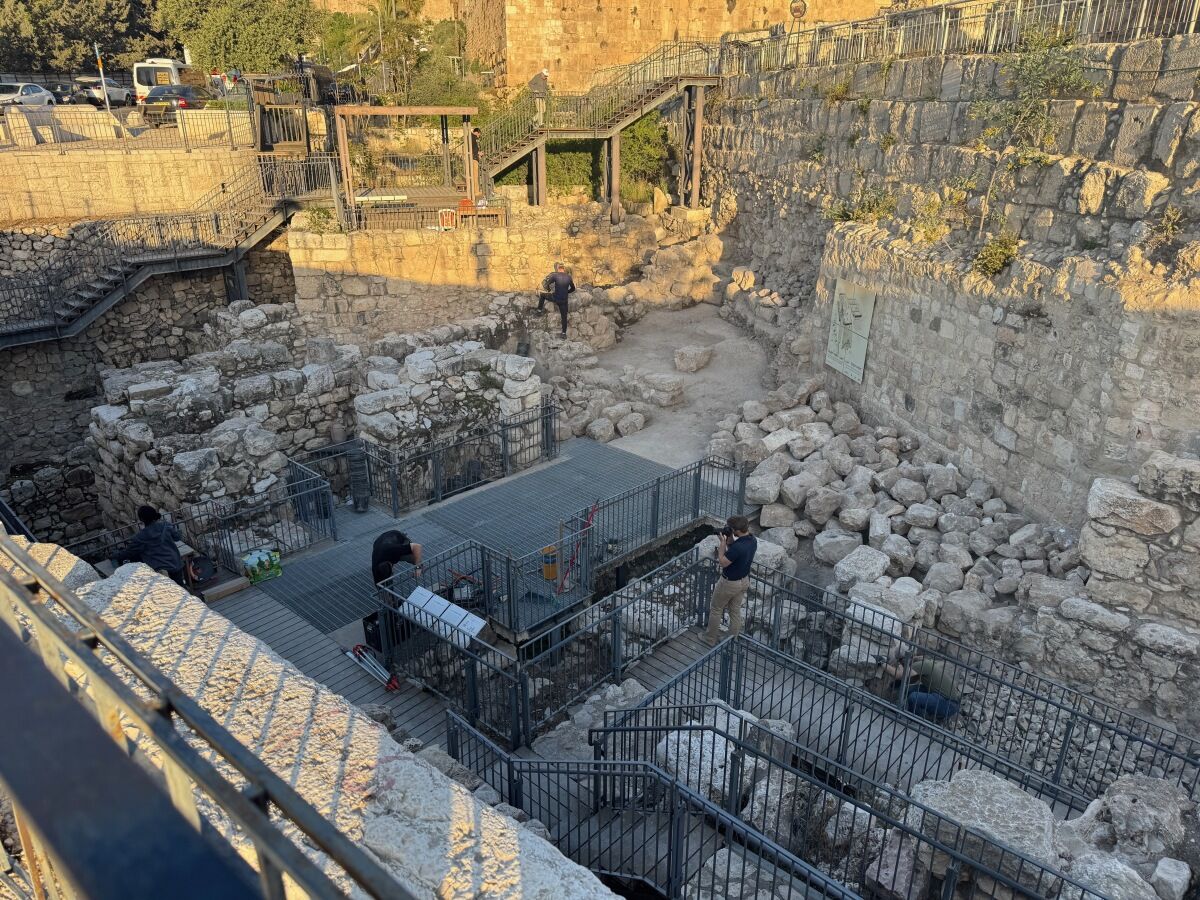
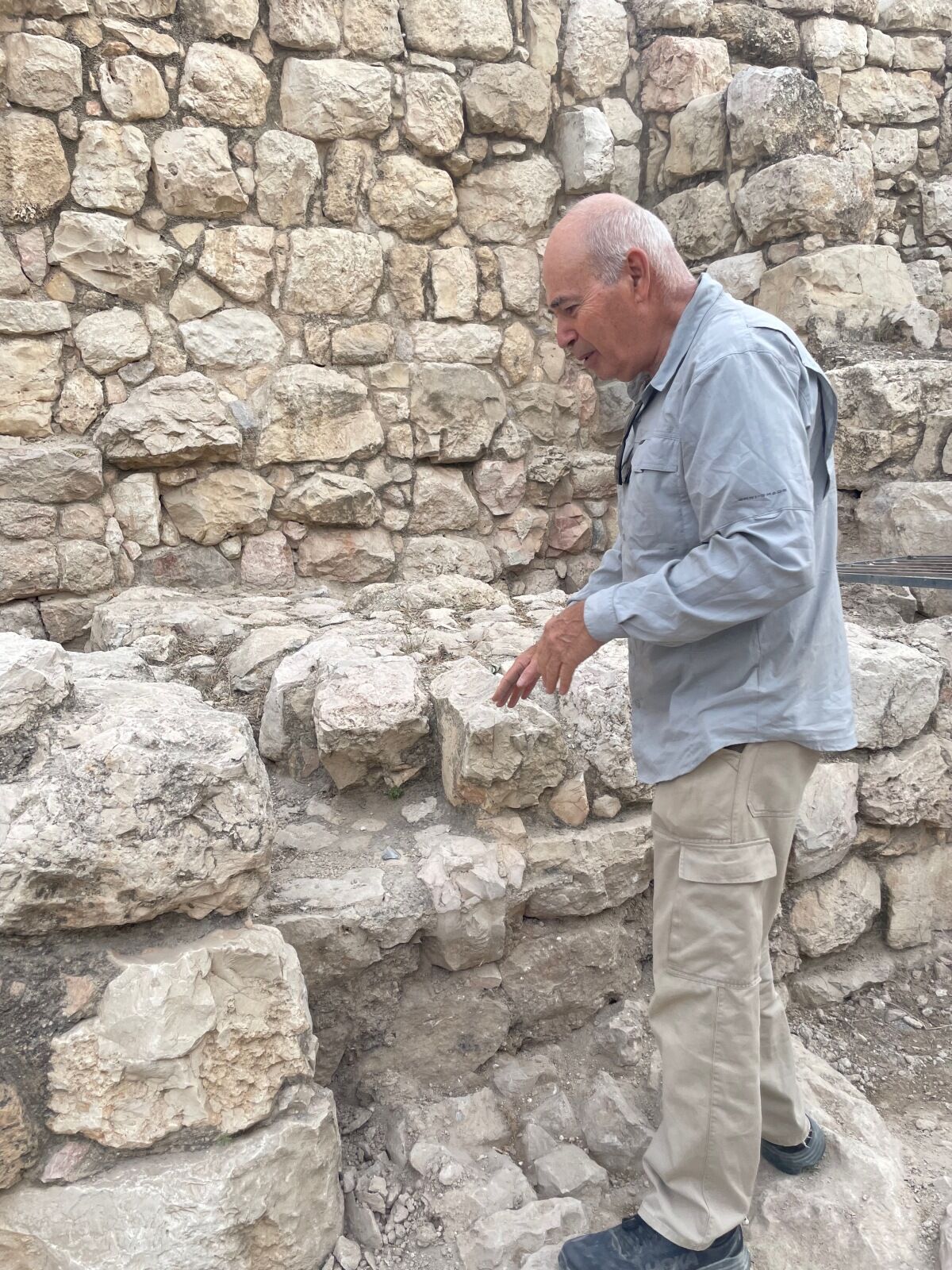
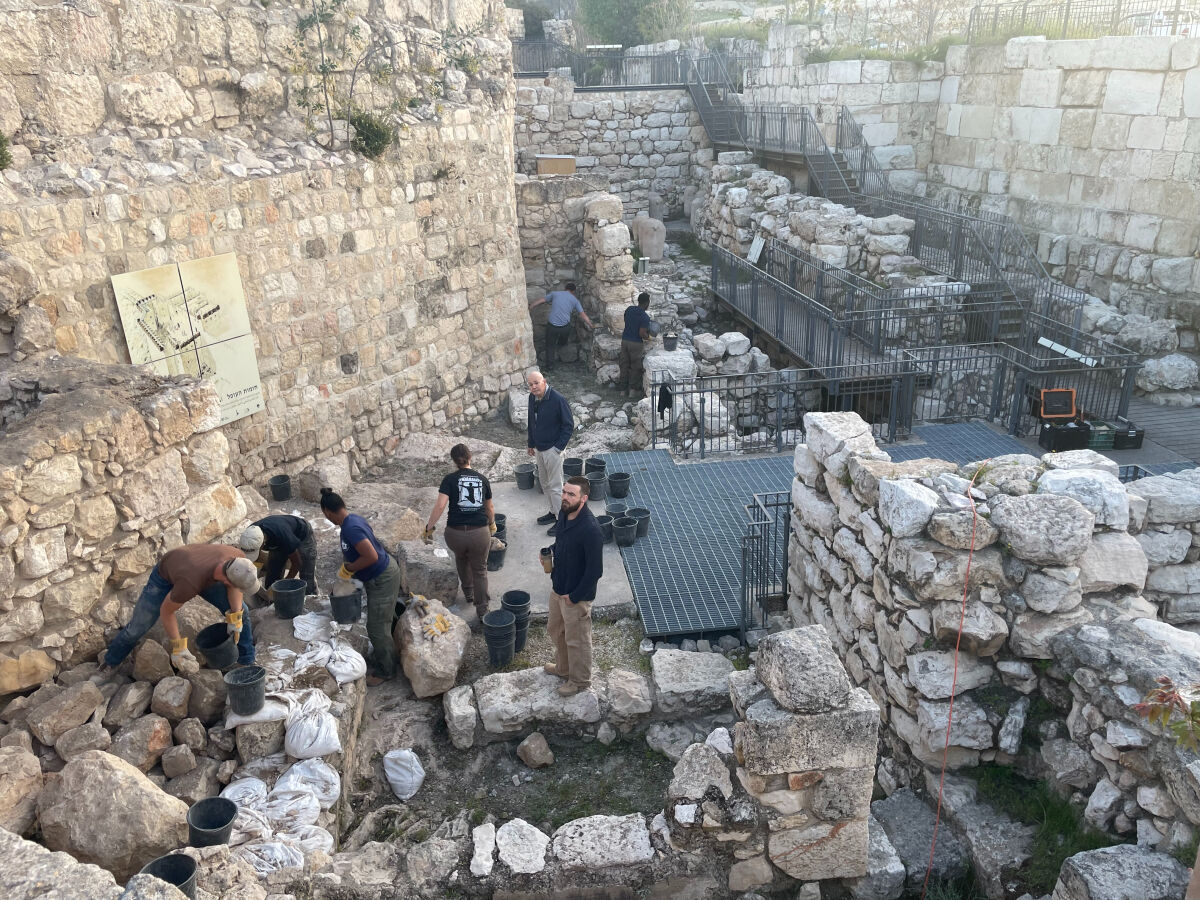
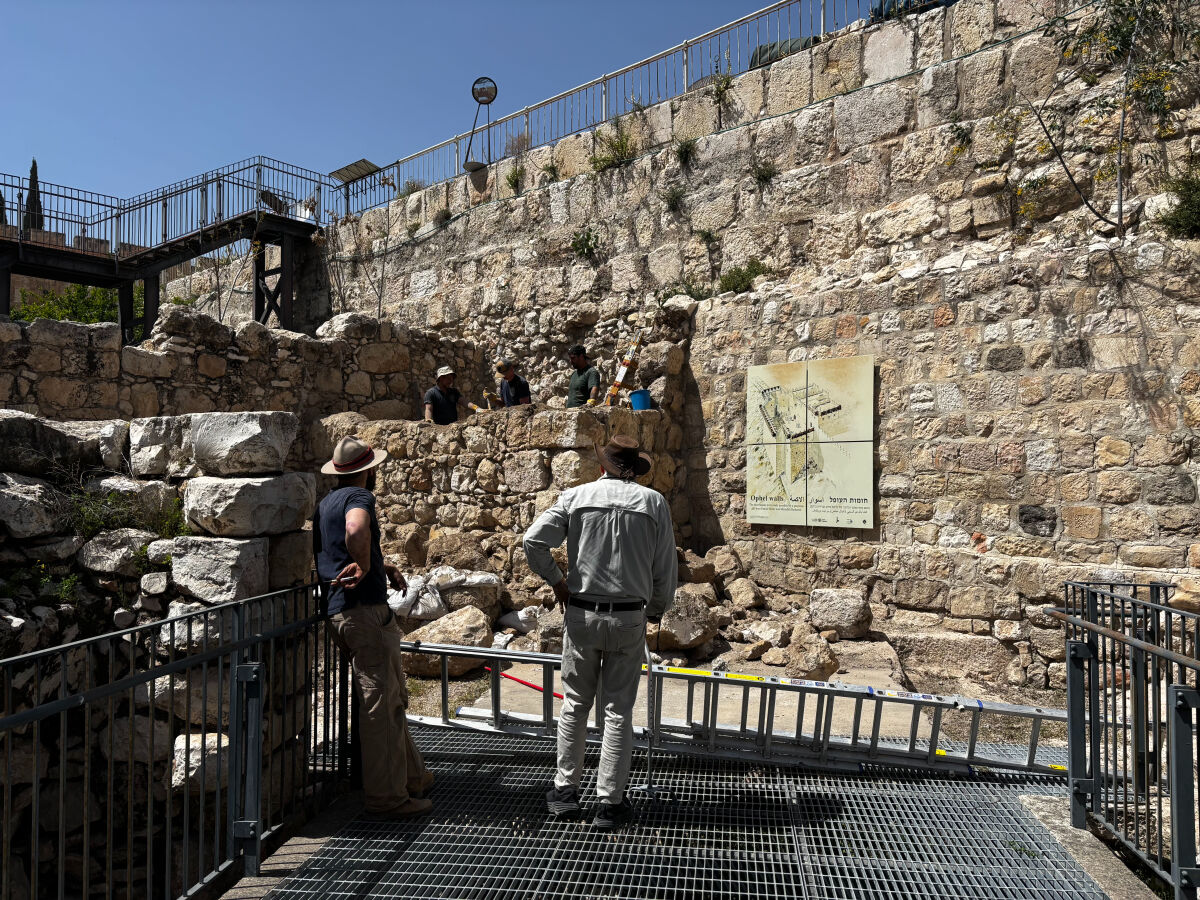
To those who knew which walls belonged to which period, the general structure of the gatehouse was obvious. But for those visiting the site for the first time, the whole area was unclear, a confusing labyrinth of walls and bedrock.
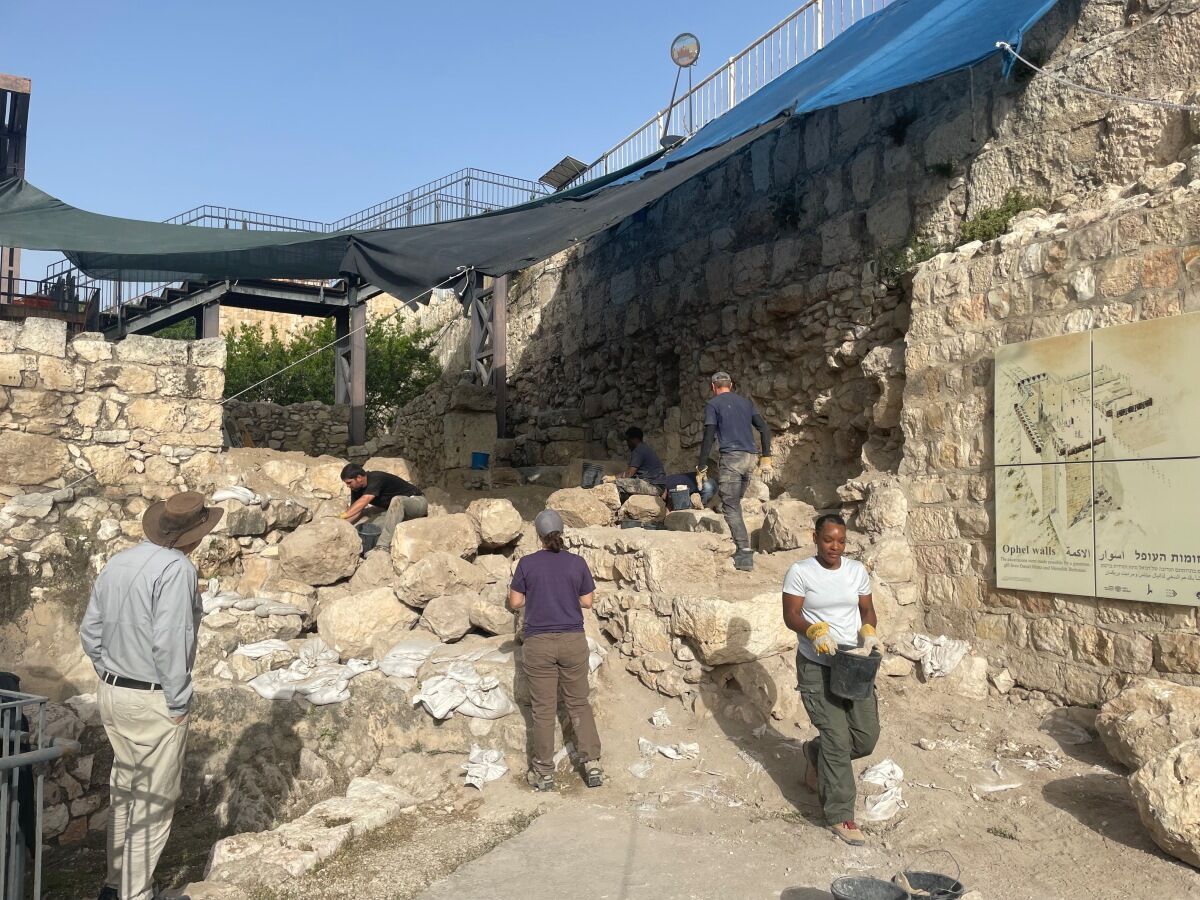
The purpose of our April 2025 excavation was to remove later-period remains—mostly Byzantine and Second Temple Period—and reveal the Iron Age remains around the gatehouse. The later-period remains are thoroughly represented elsewhere on the Ophel, but it is only here in the eastern Ophel where First Temple Period walls are preserved.
This excavation was part of a larger project we are conducting in partnership with the Israel Antiquities Authority, the Berkman-Mintz family, Hebrew University, East Jerusalem Development Ltd. and the Israel Nature and Parks Authority. As Let the Stones Speak managing editor Brad Macdonald outlined in his January-February 2025 article “Another Year of Growth!”, the goal of this project is to develop the Ophel into a tourist-friendly destination, with clear and visually appealing signage, pathways and infrastructure.
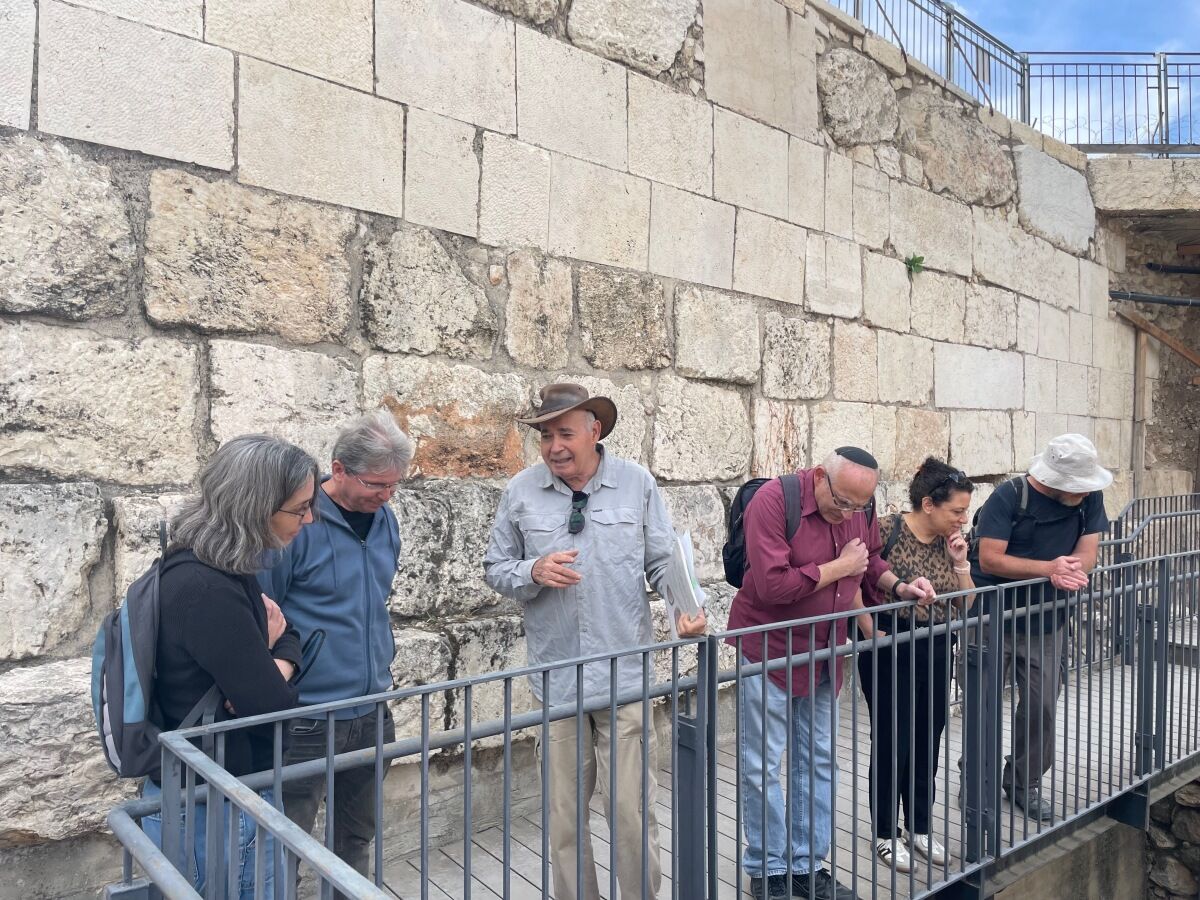
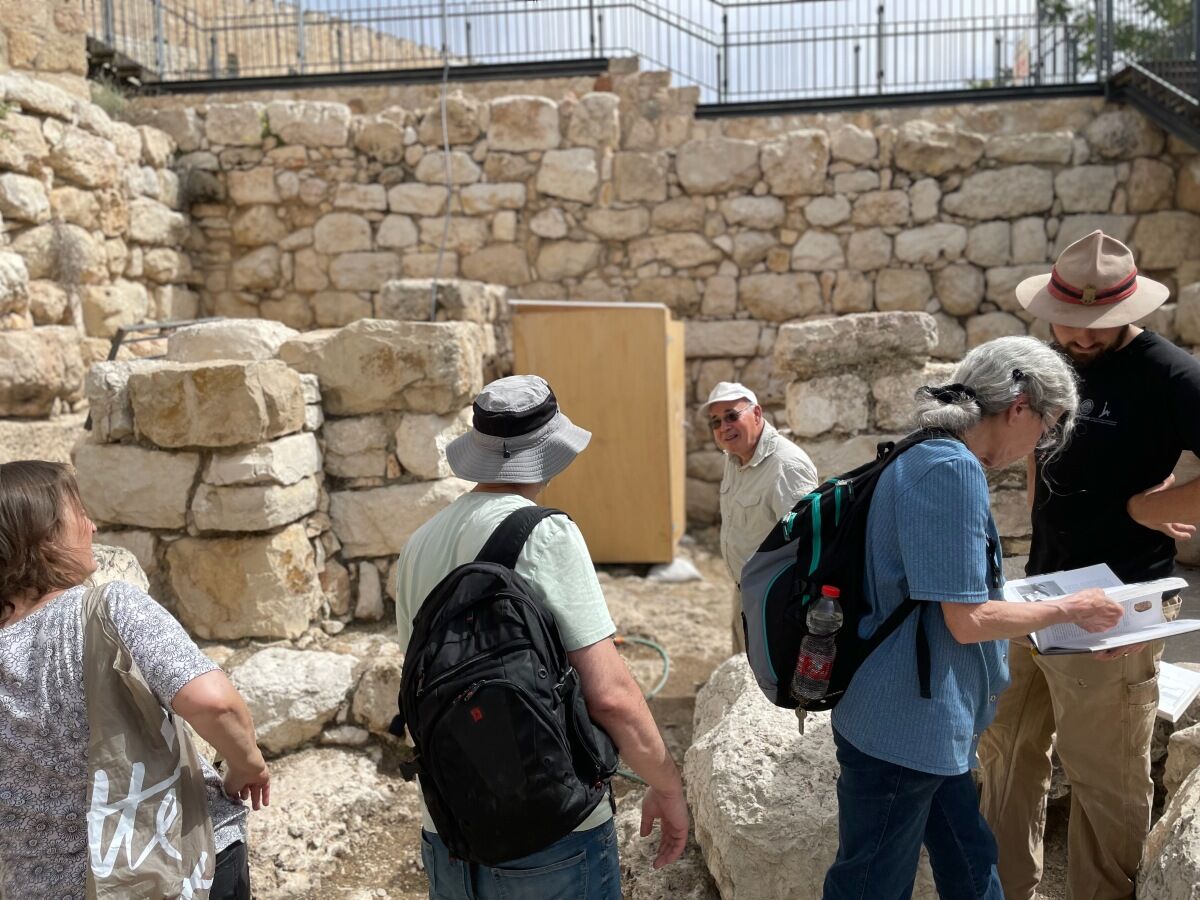
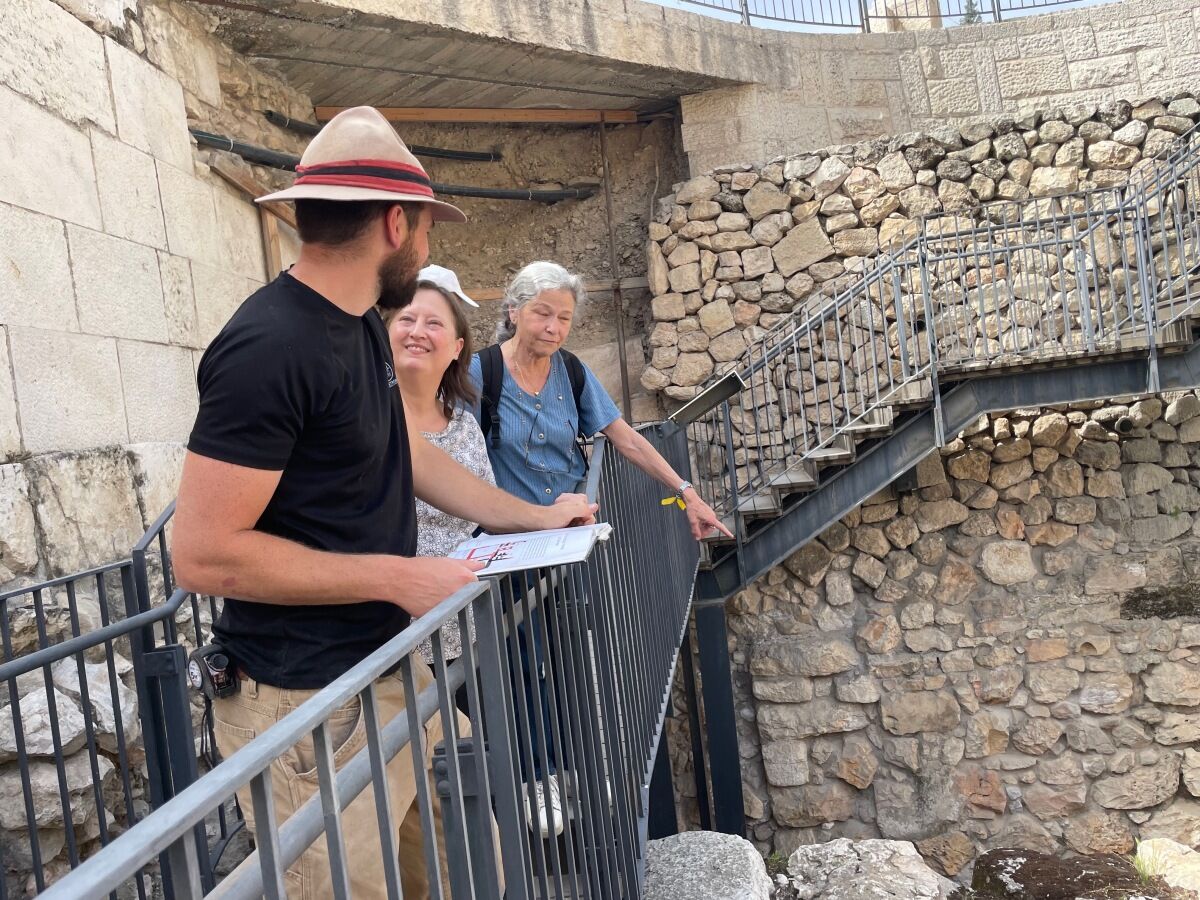
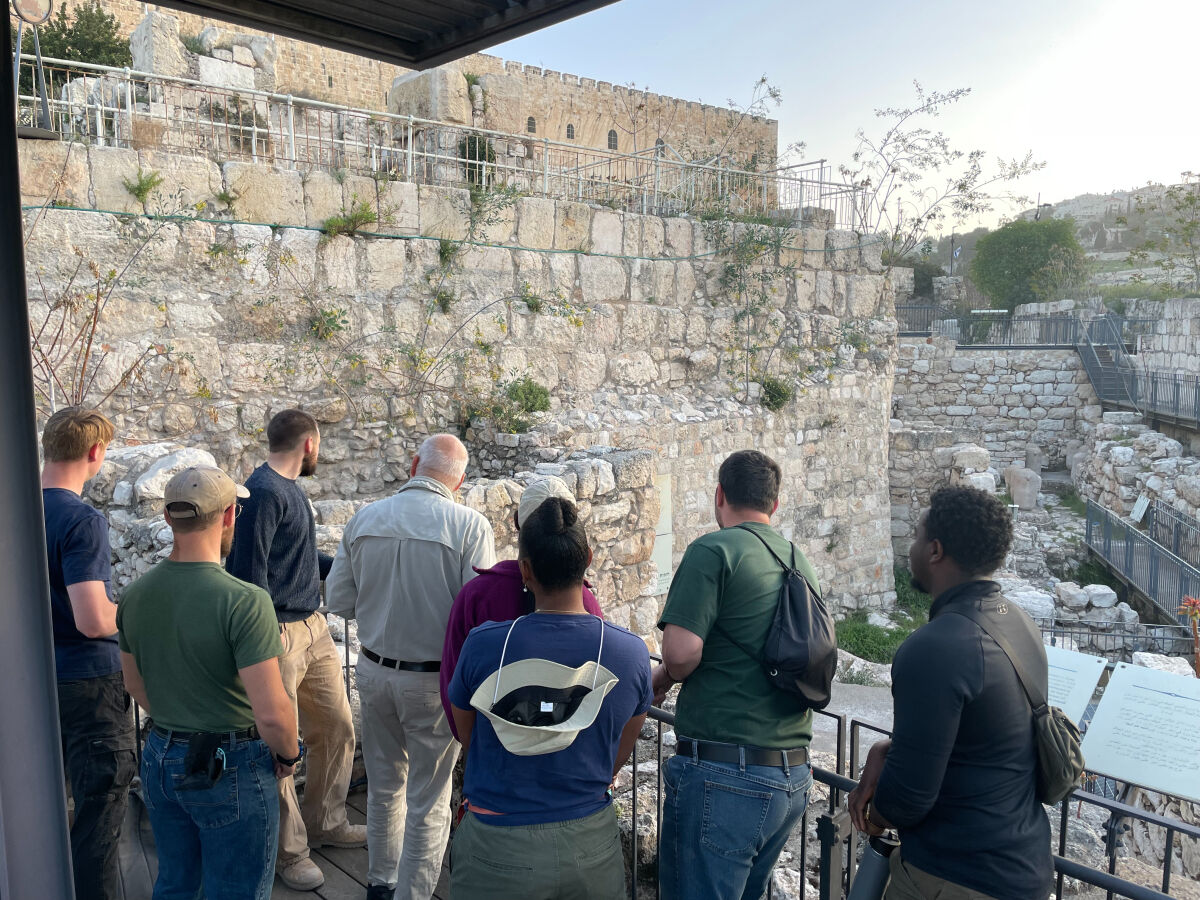
As it is now, most people overlook this site because it is unclear what they are looking at. During our excavation, however, we had many visitors. People walking to the City of David or the Old City would stop, look down into our site, and ask questions; they were curious about where we were working! Some certified tour guides who stopped by said they knew nothing about the site, but after having it explained to them, they were amazed by what it contains.
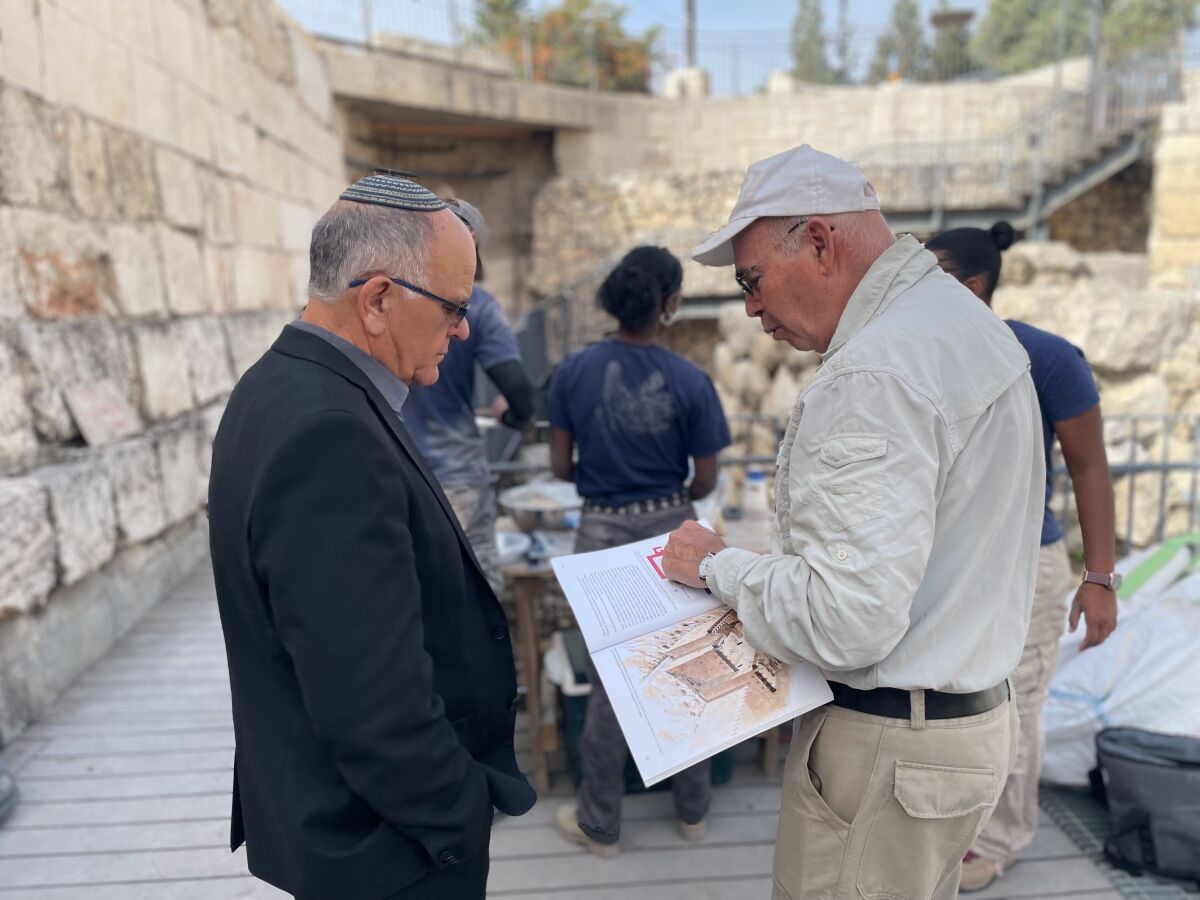
We want to make it so anyone interested can understand and appreciate this important but often overlooked location. To do that, however, we first had to reveal the First Temple Period remains.
What We Did
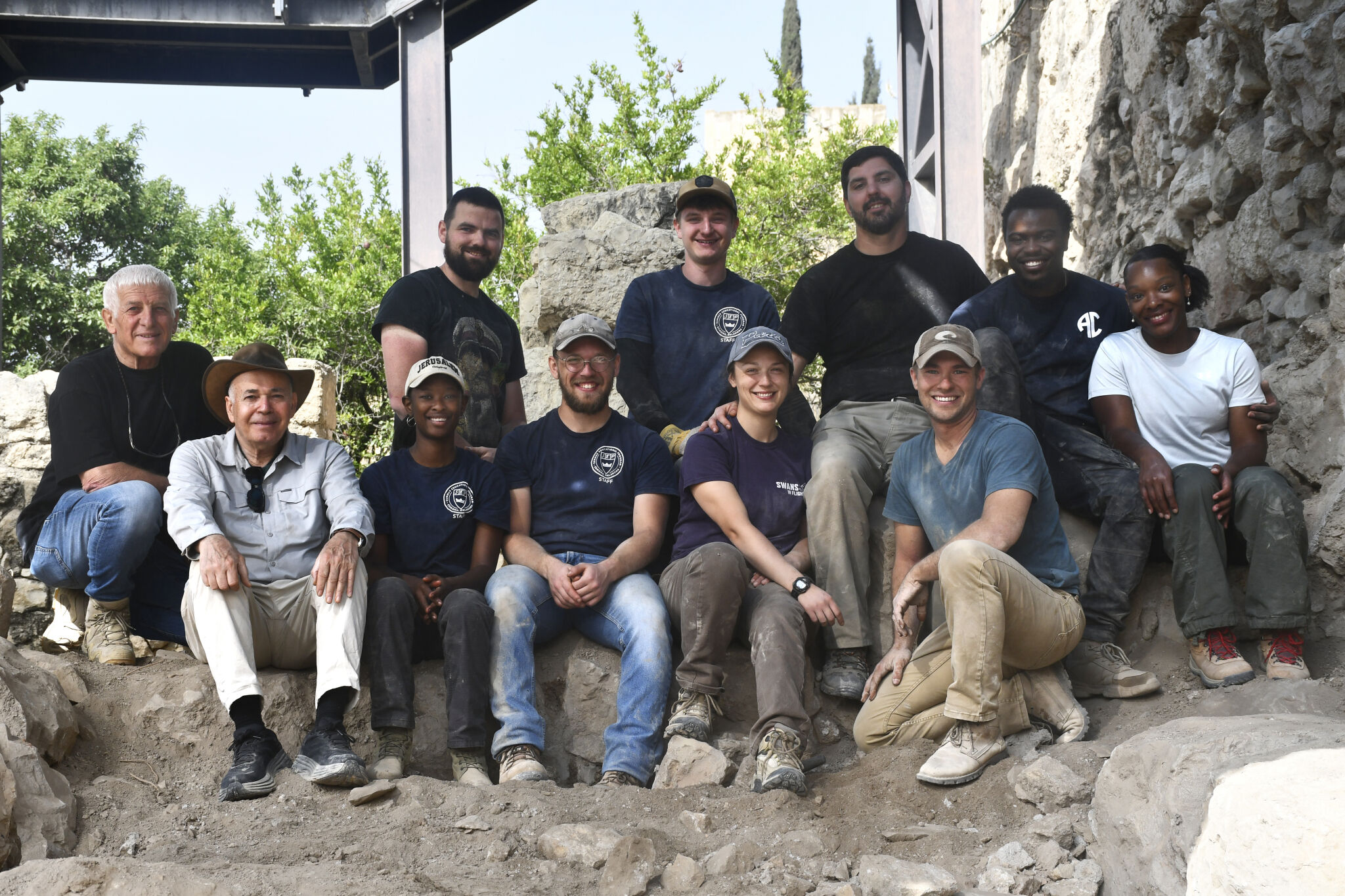
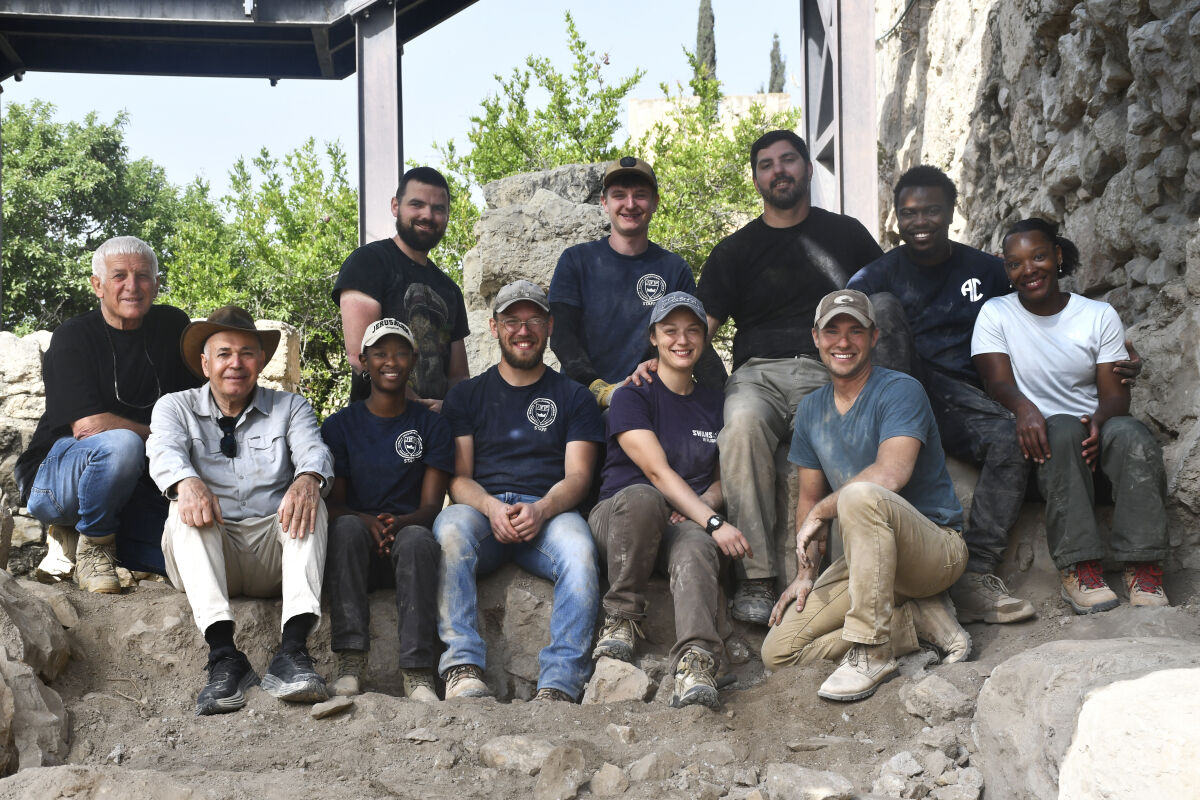
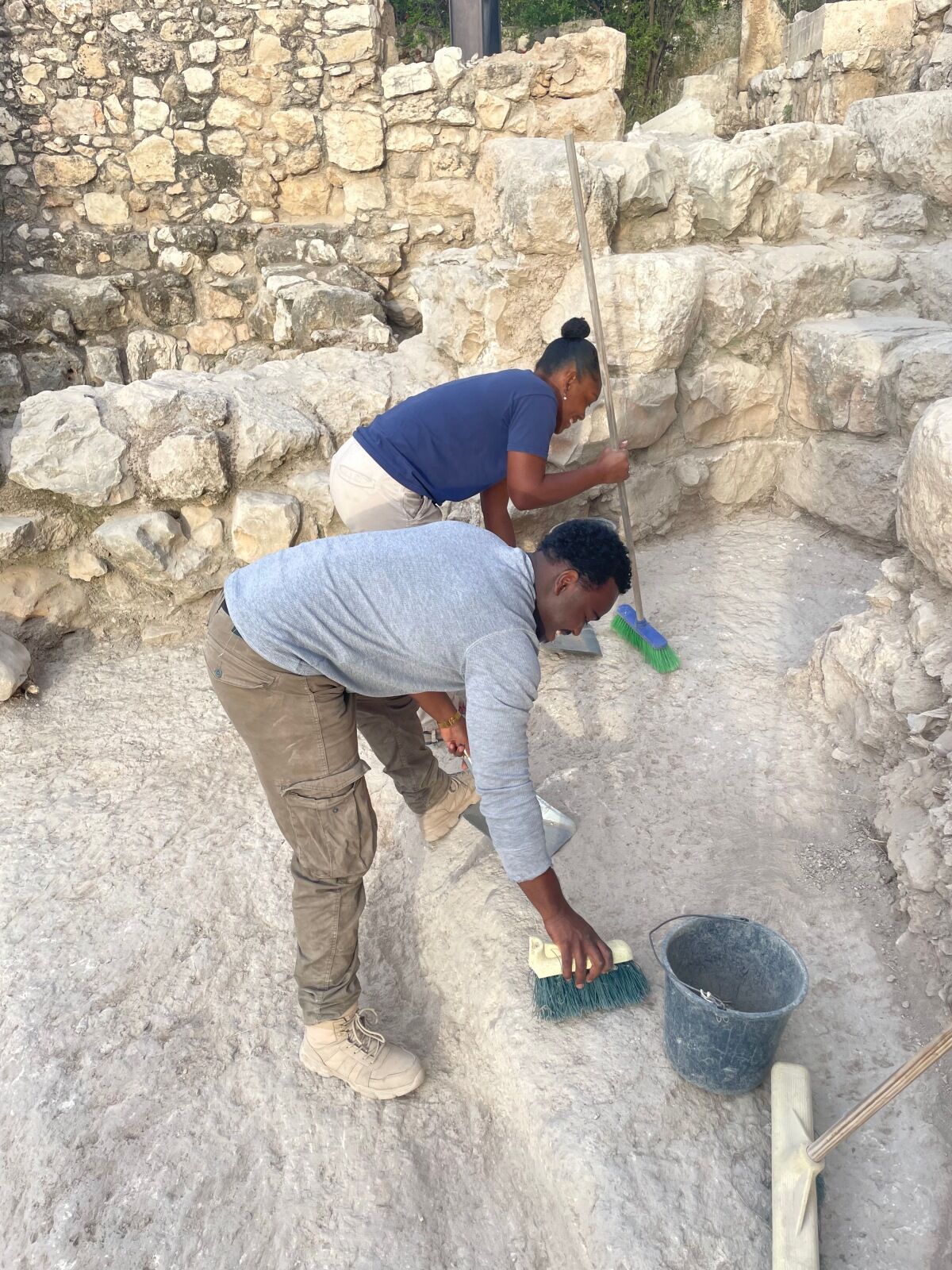
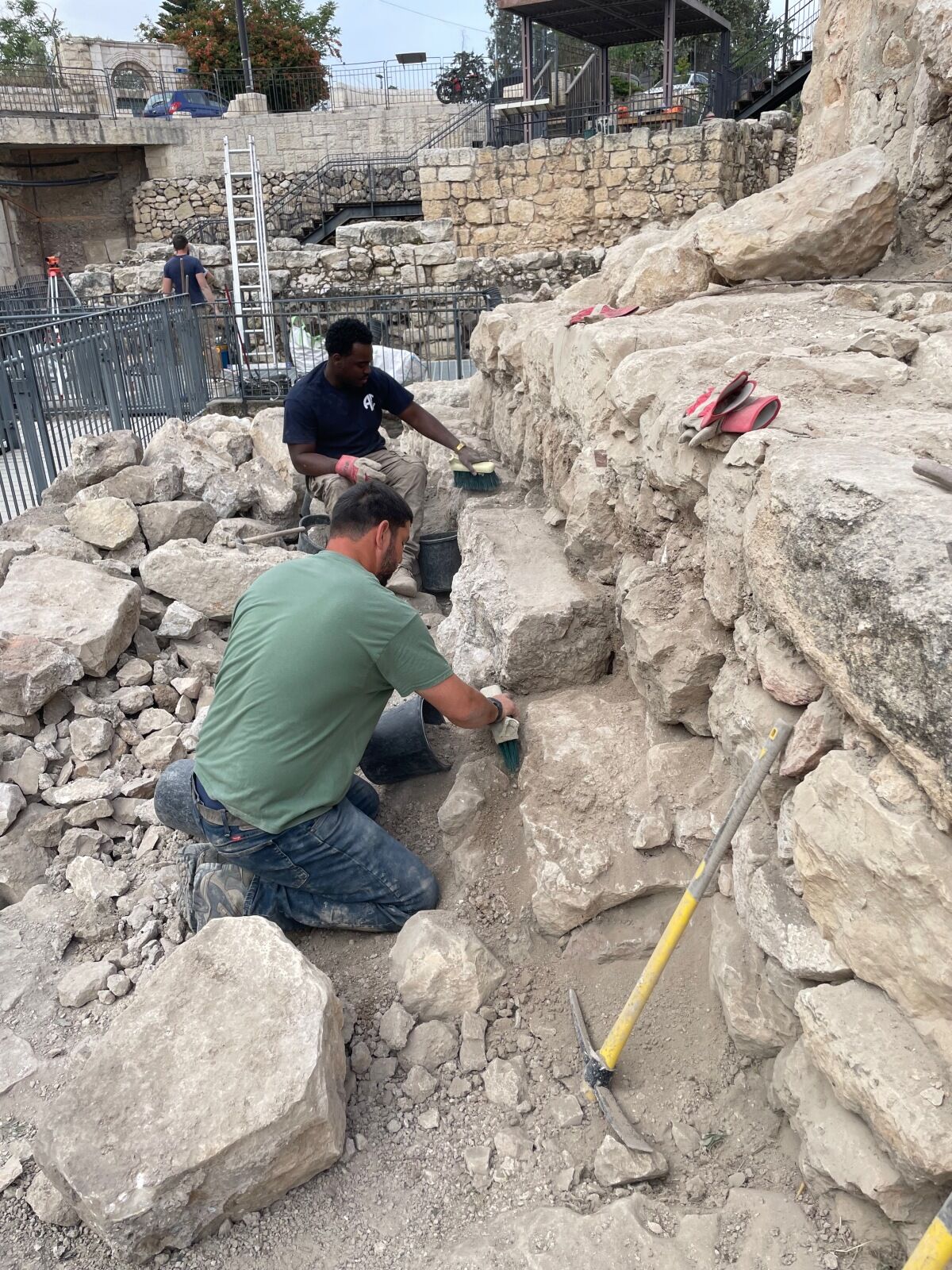
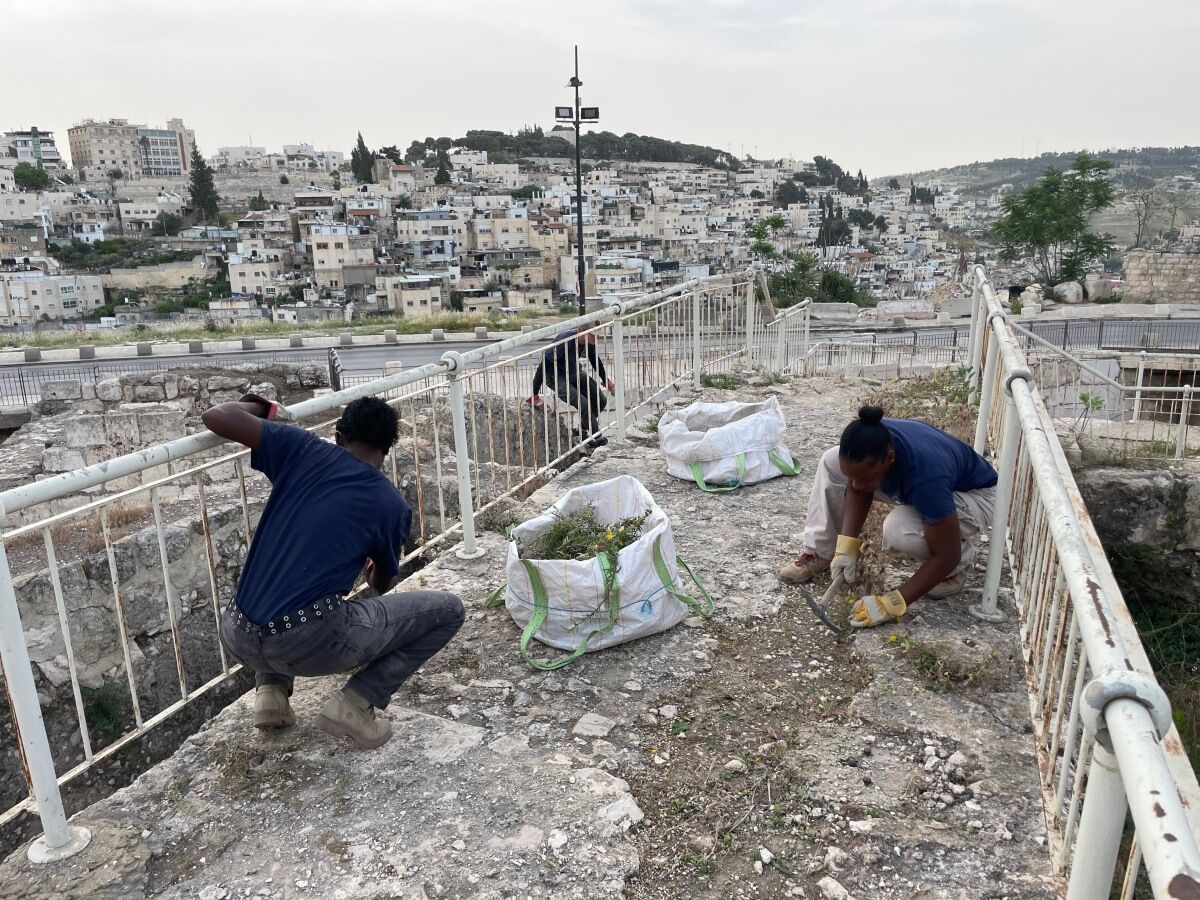
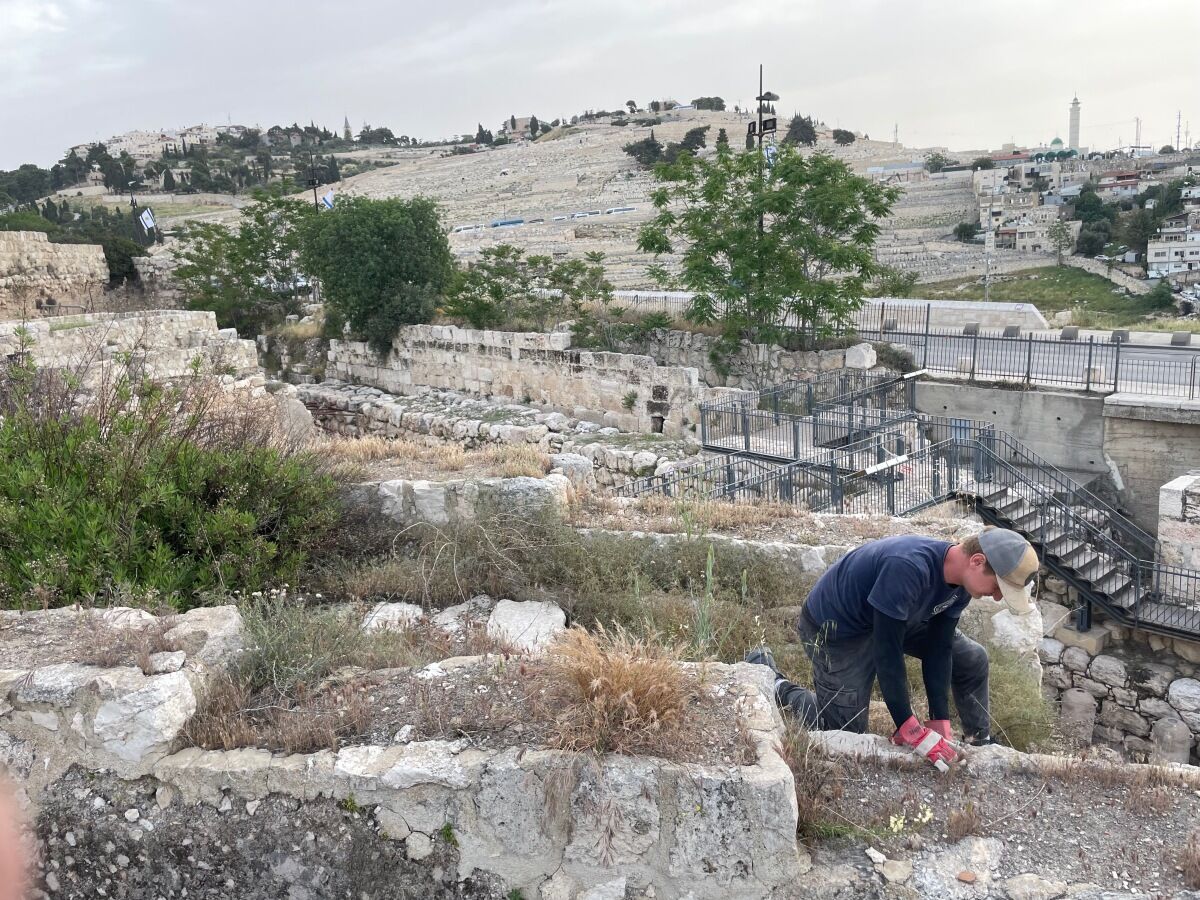
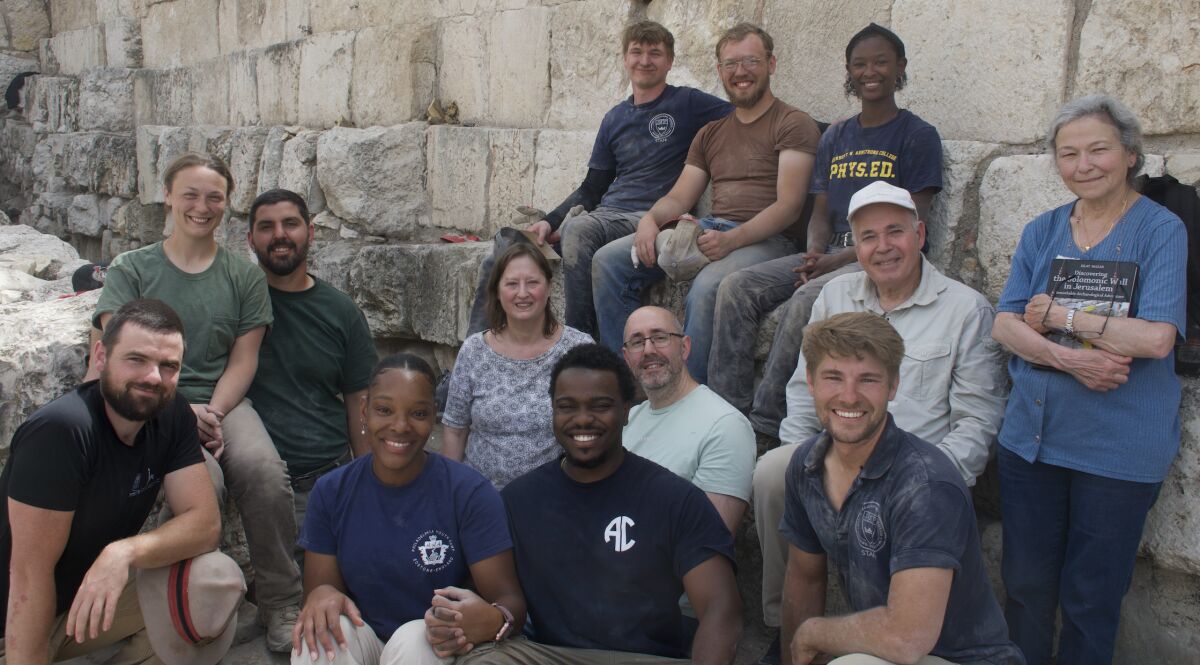
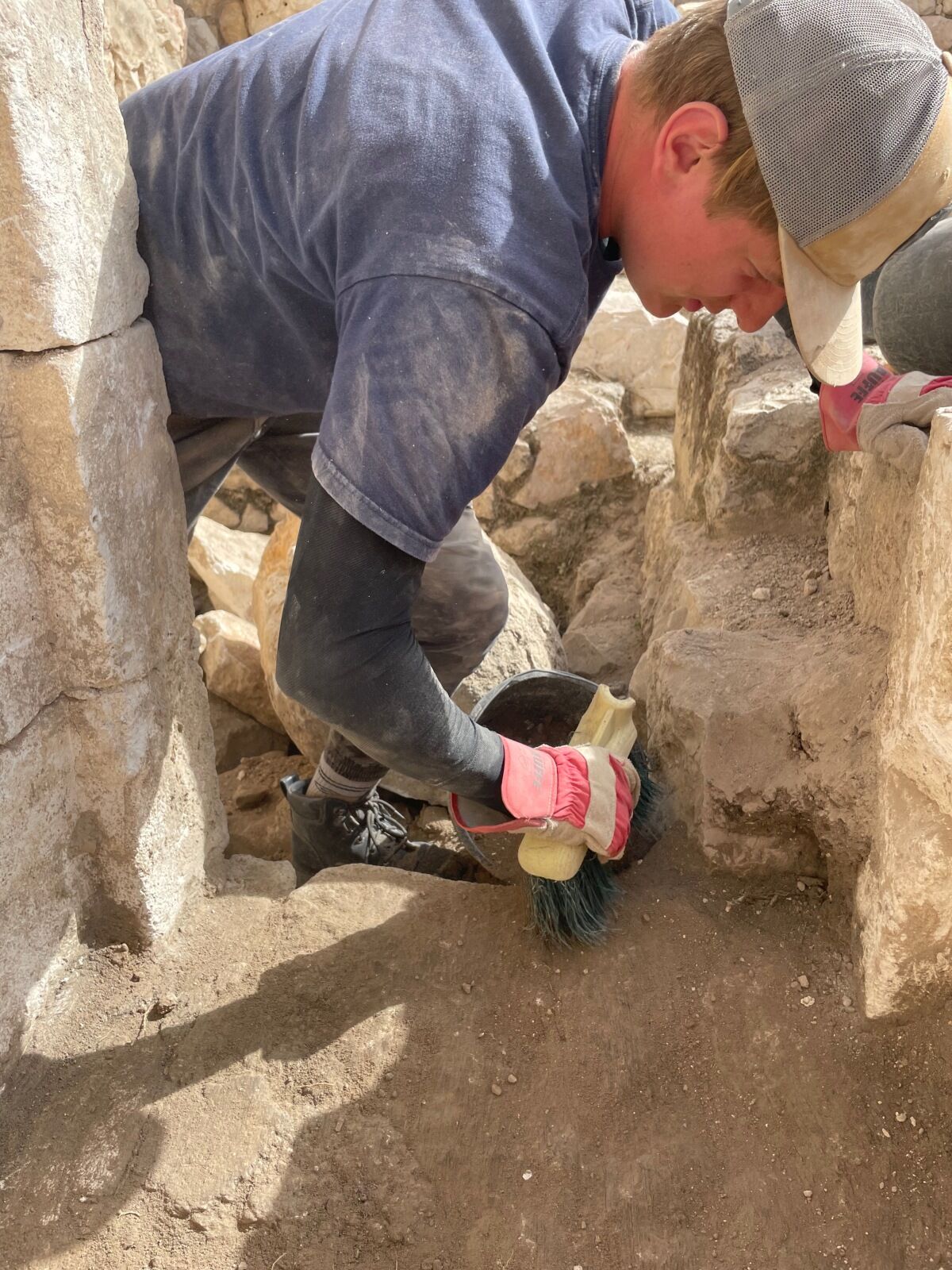
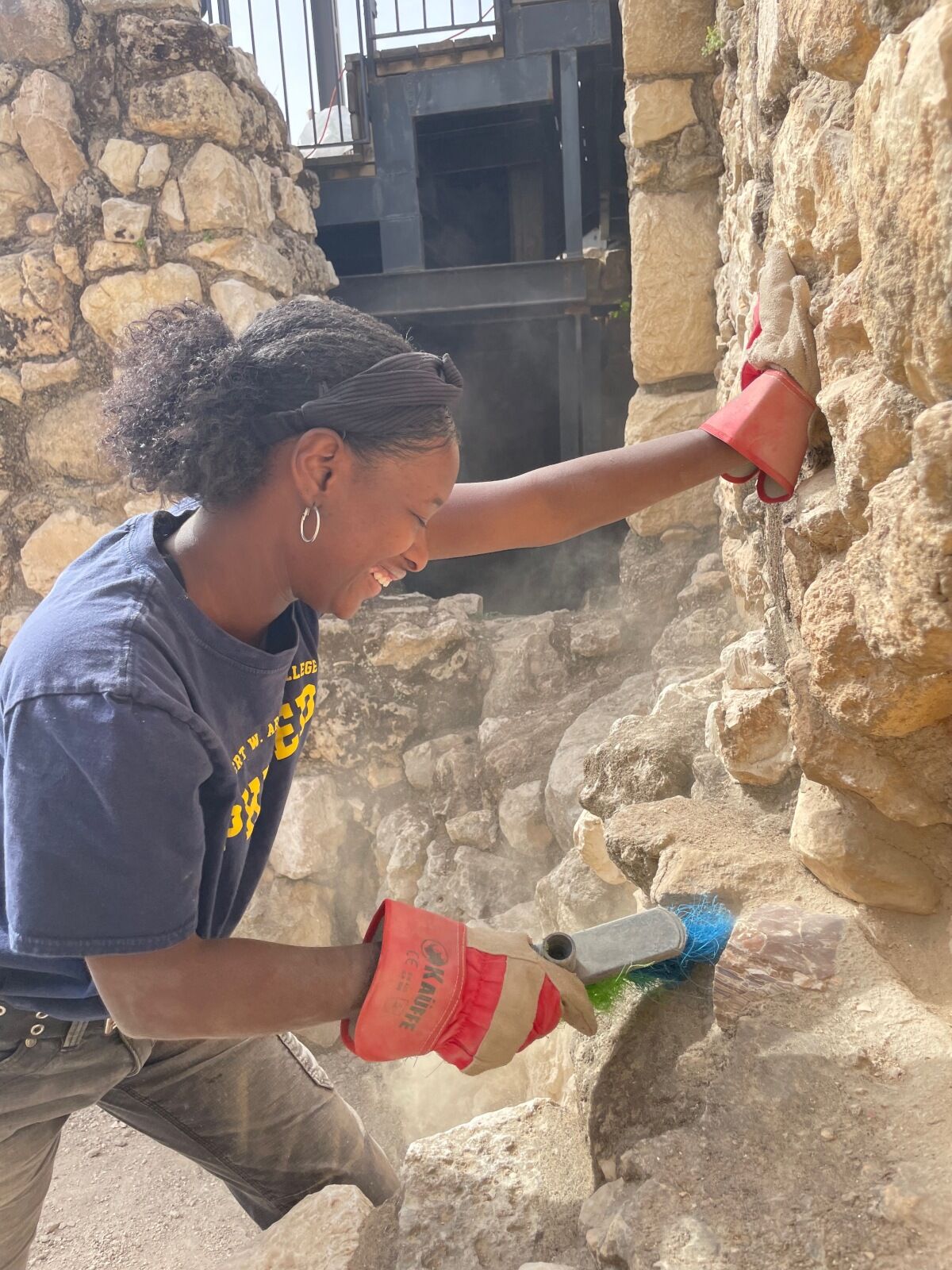
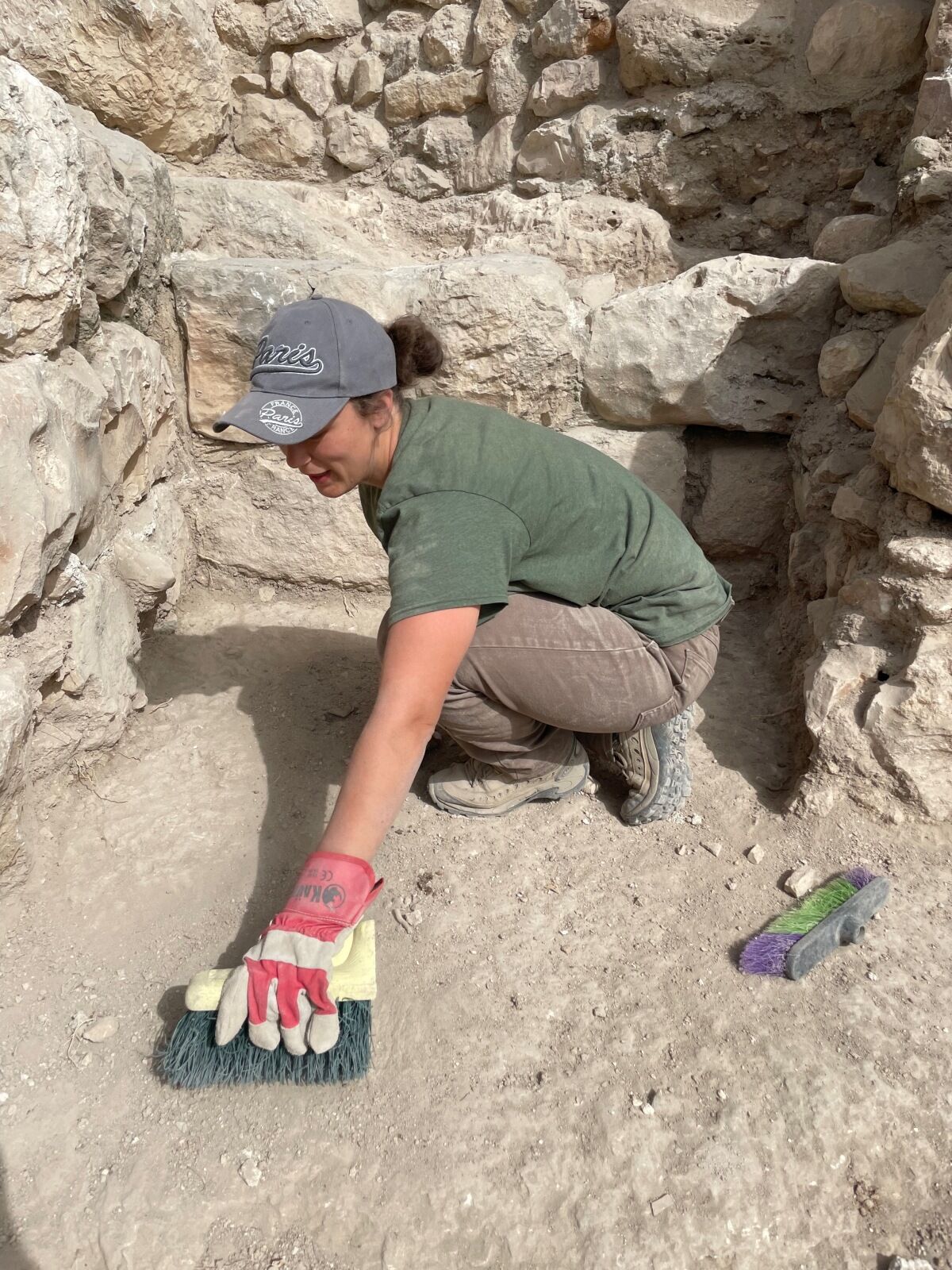
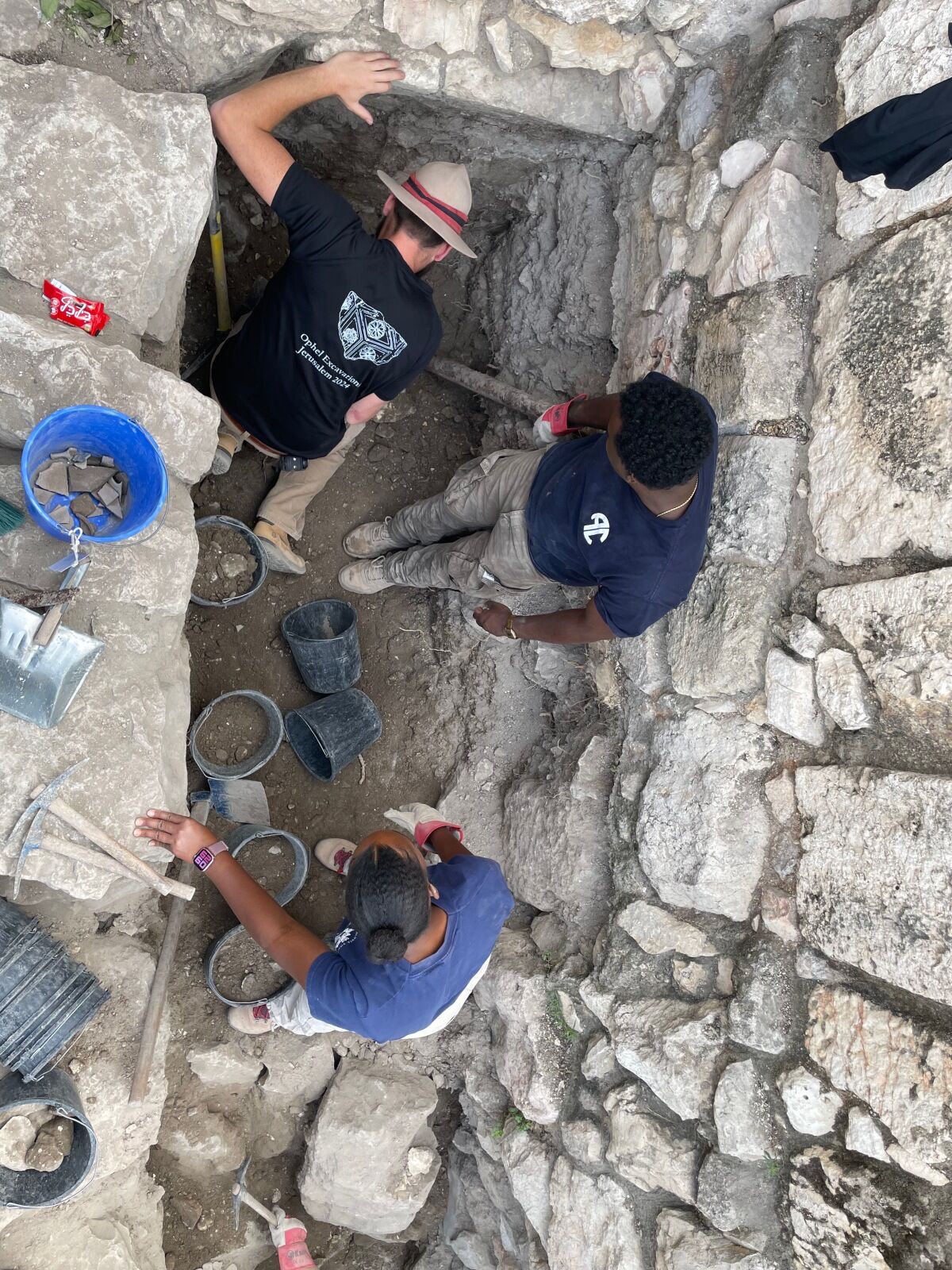
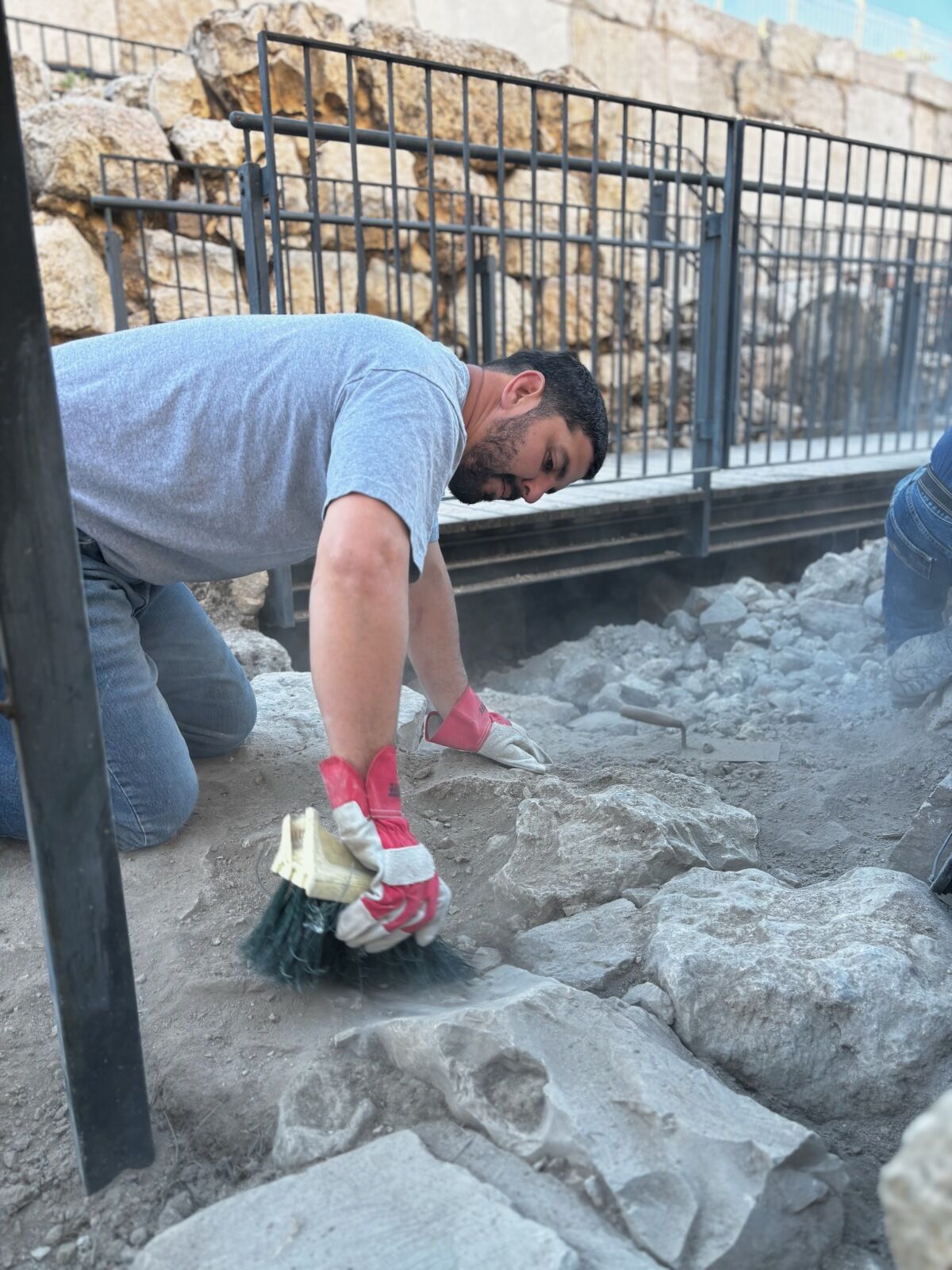
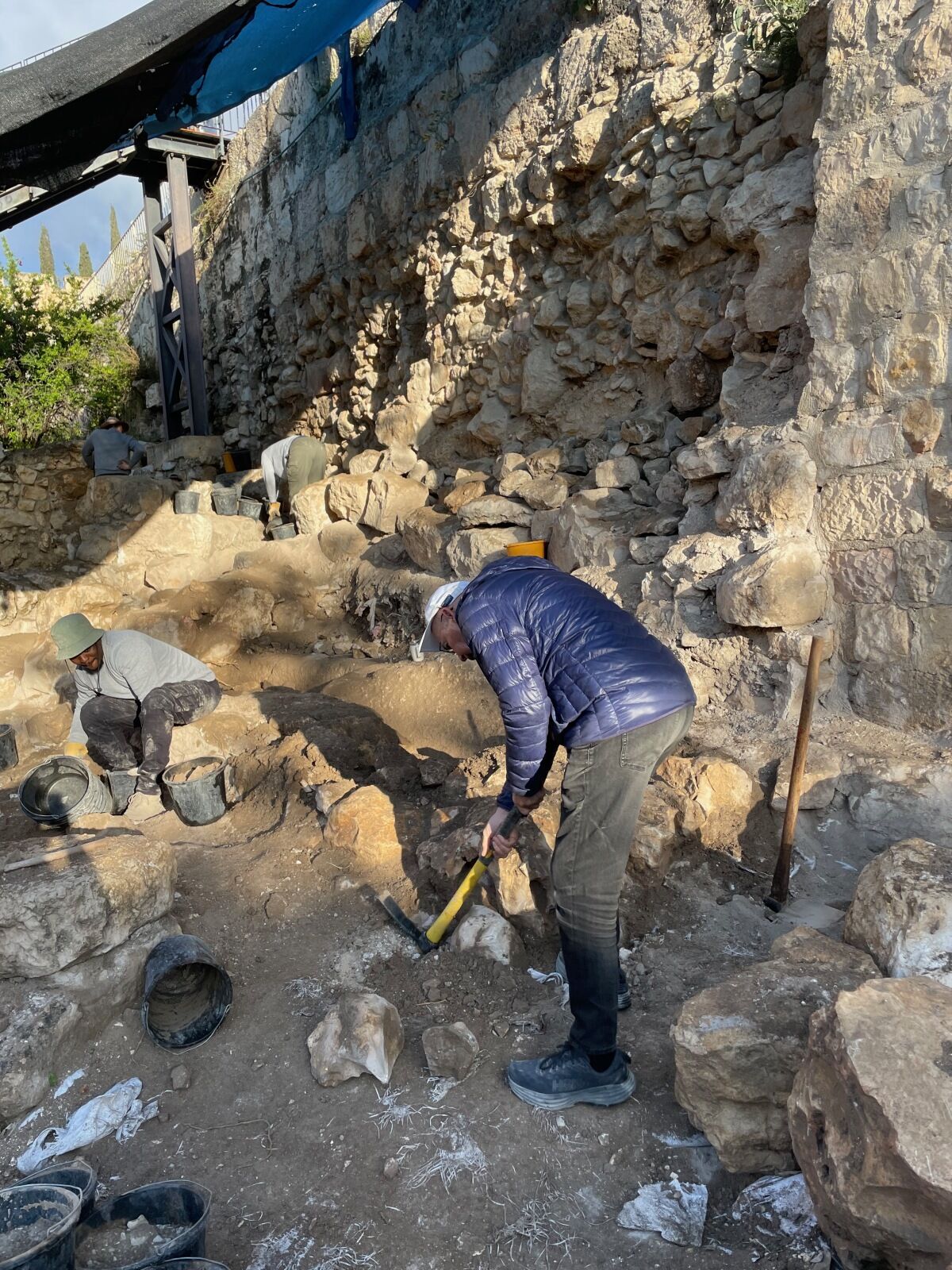
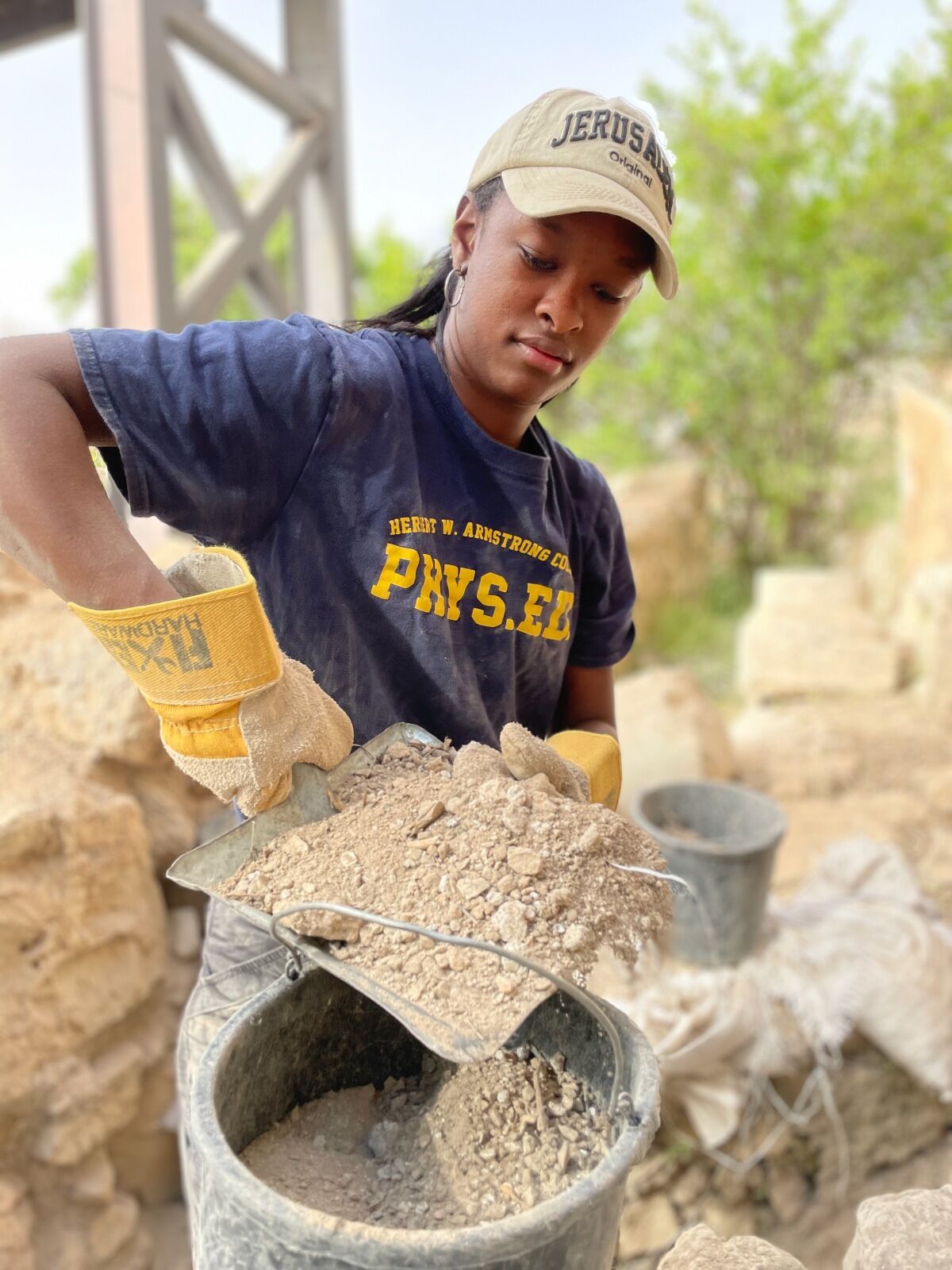
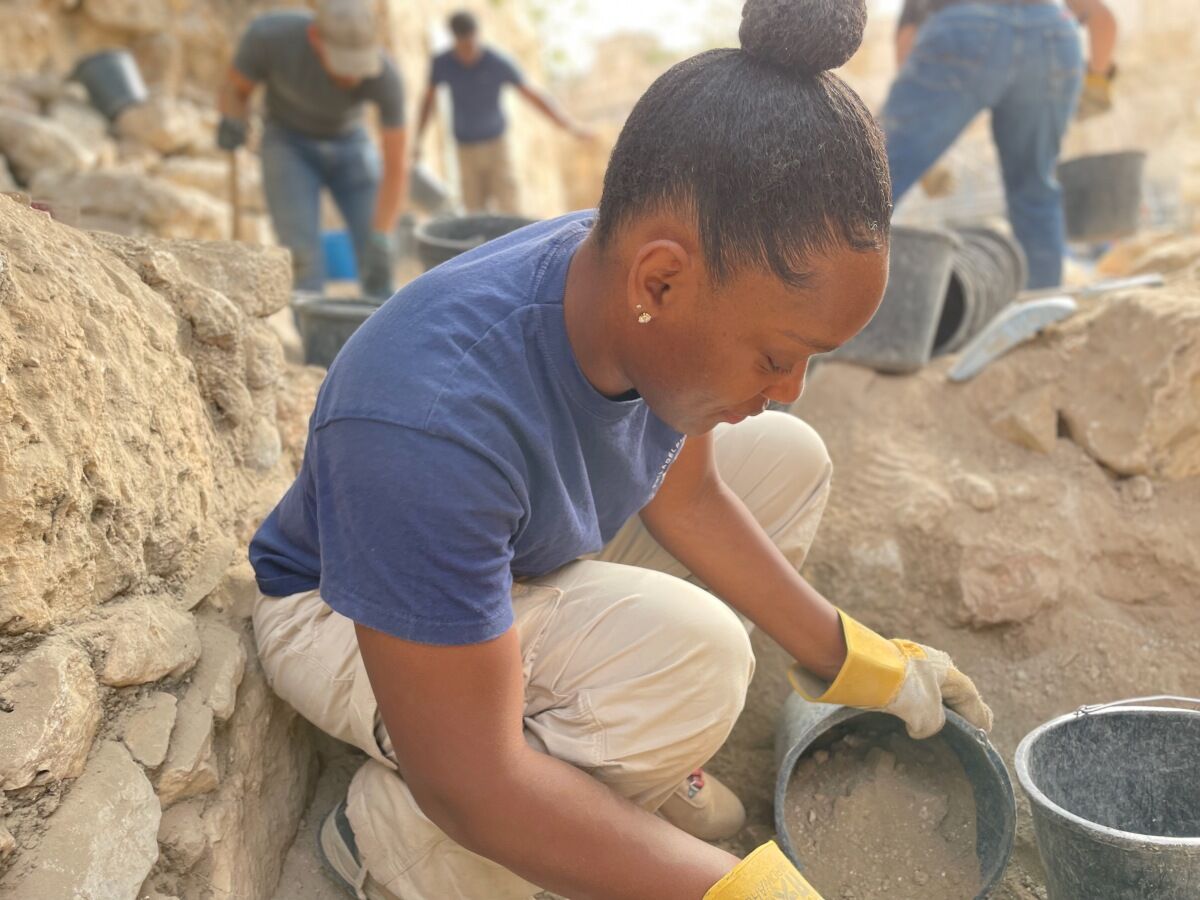
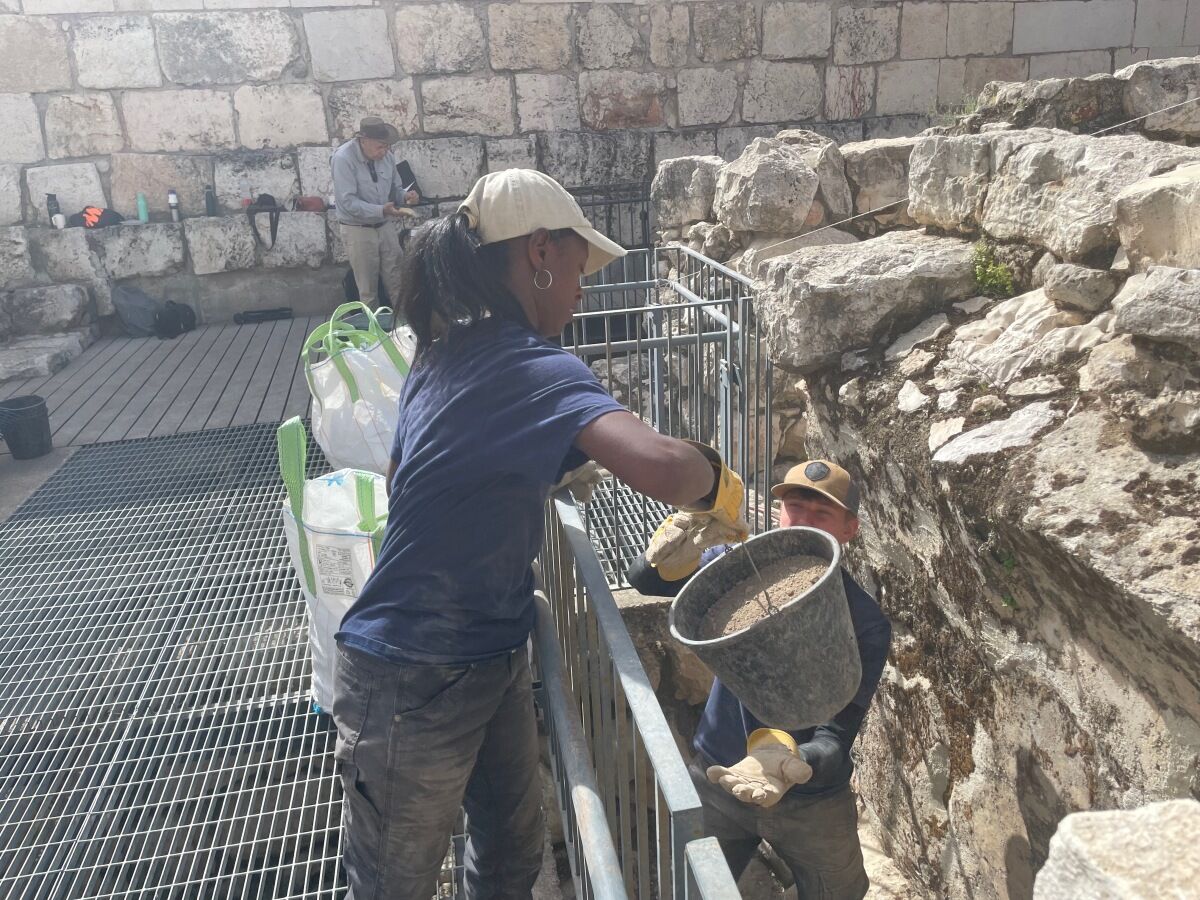
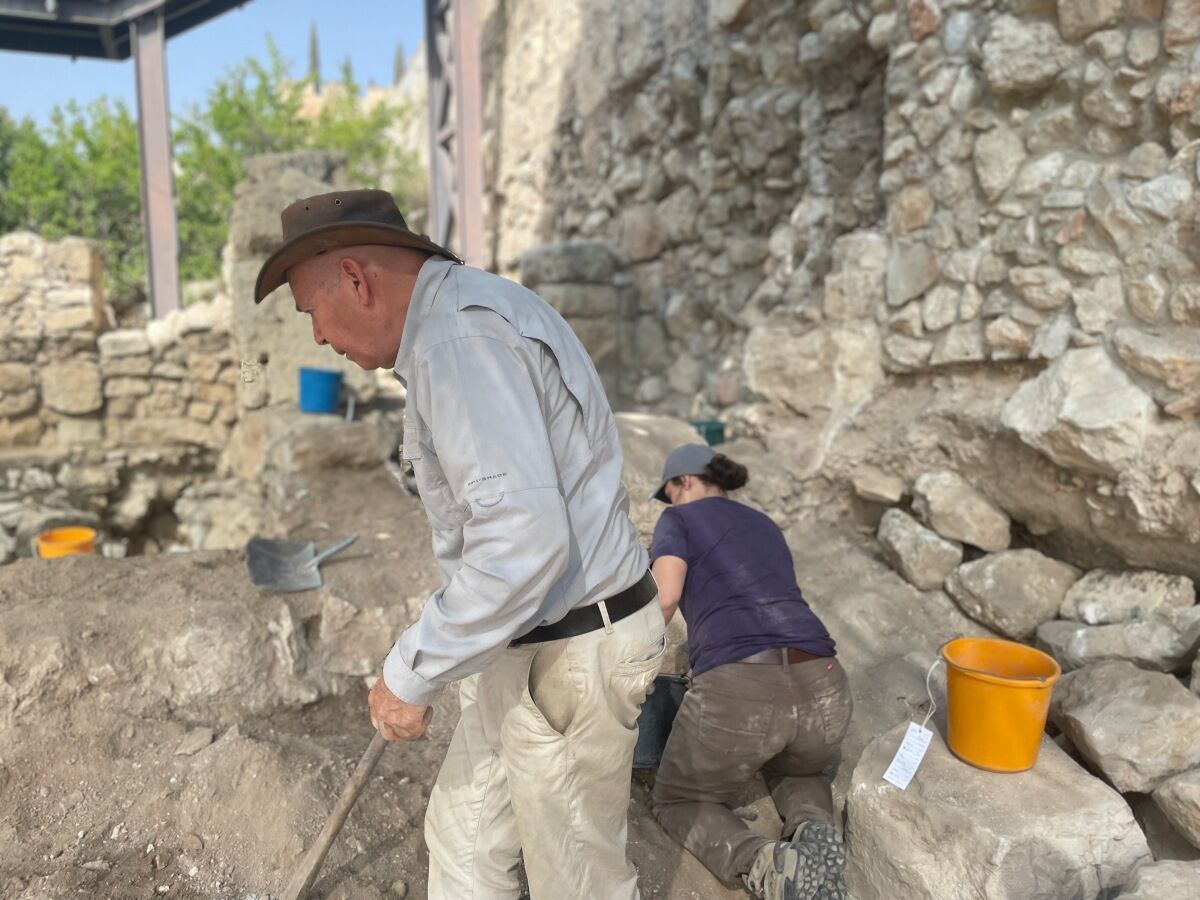
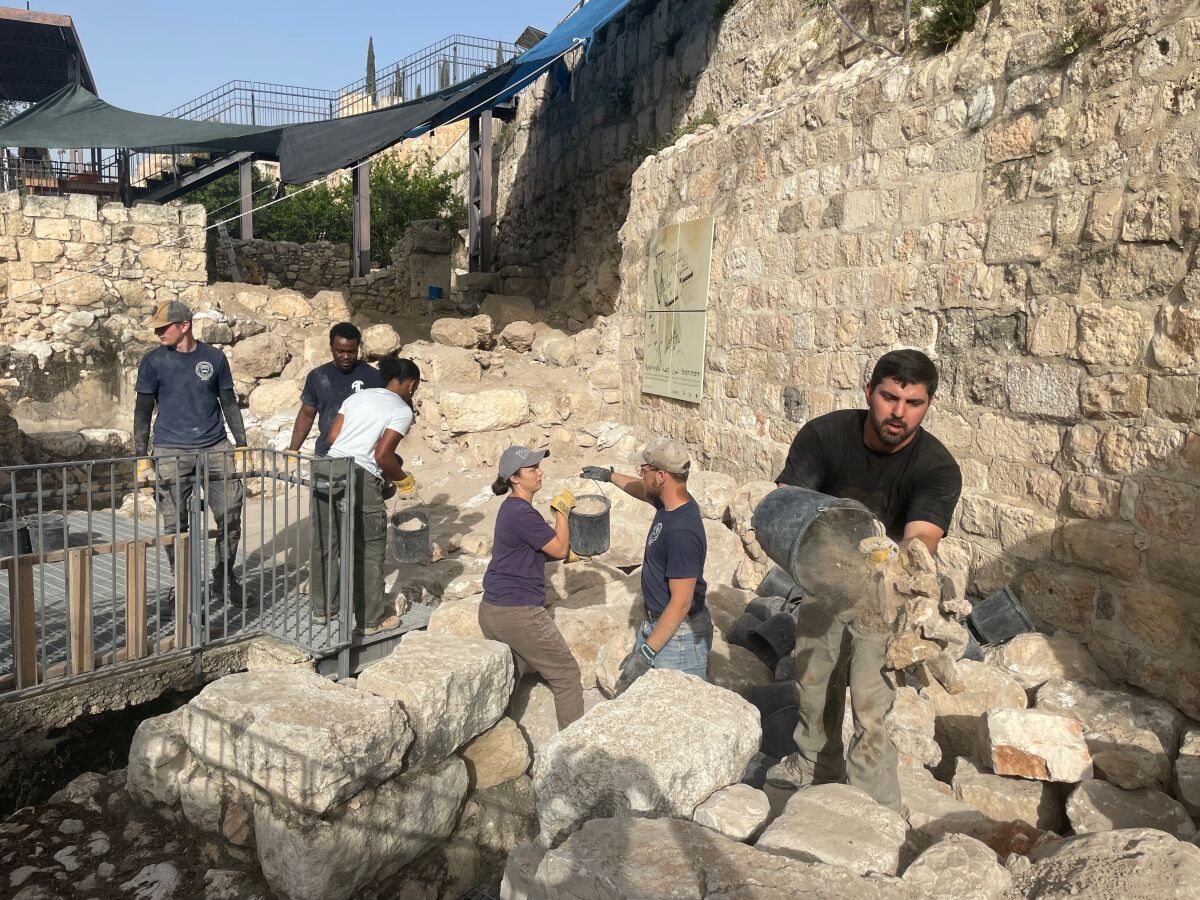
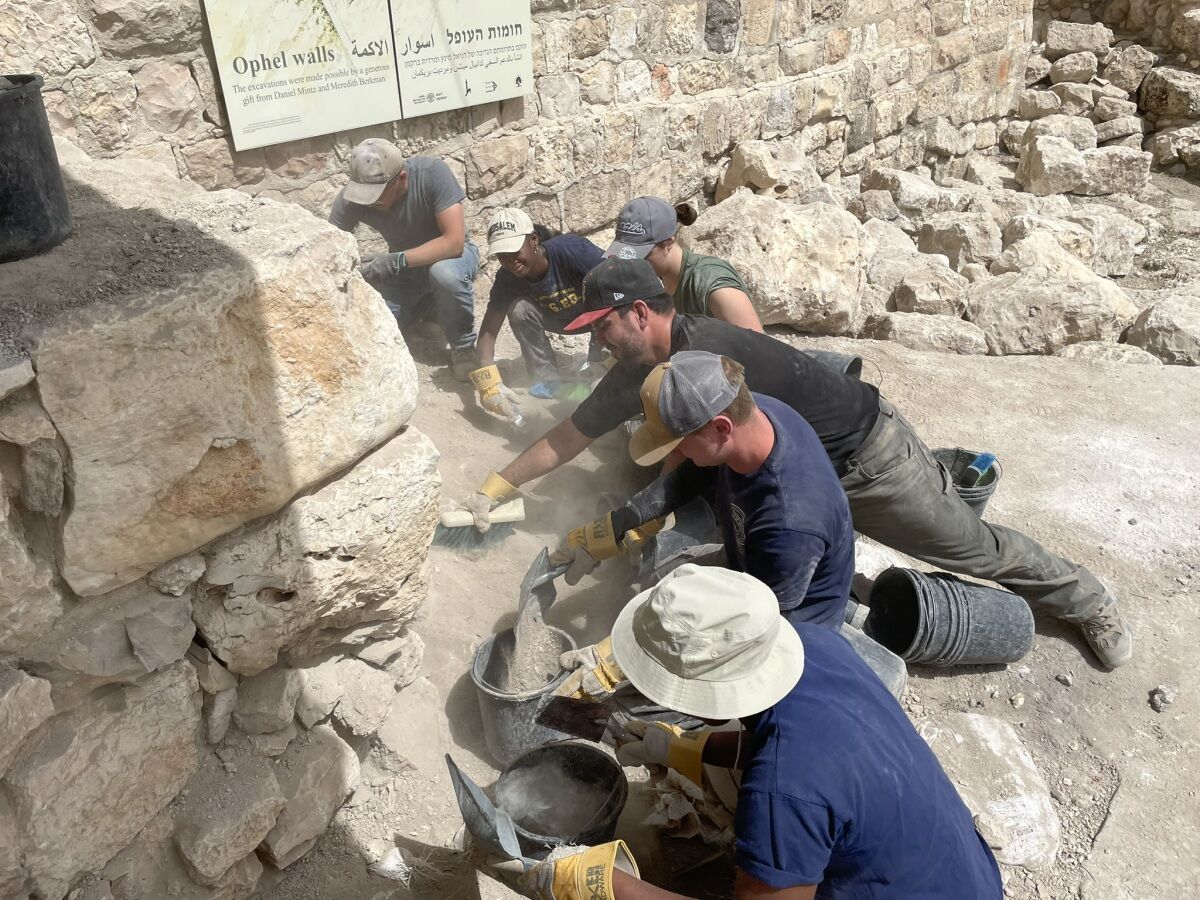
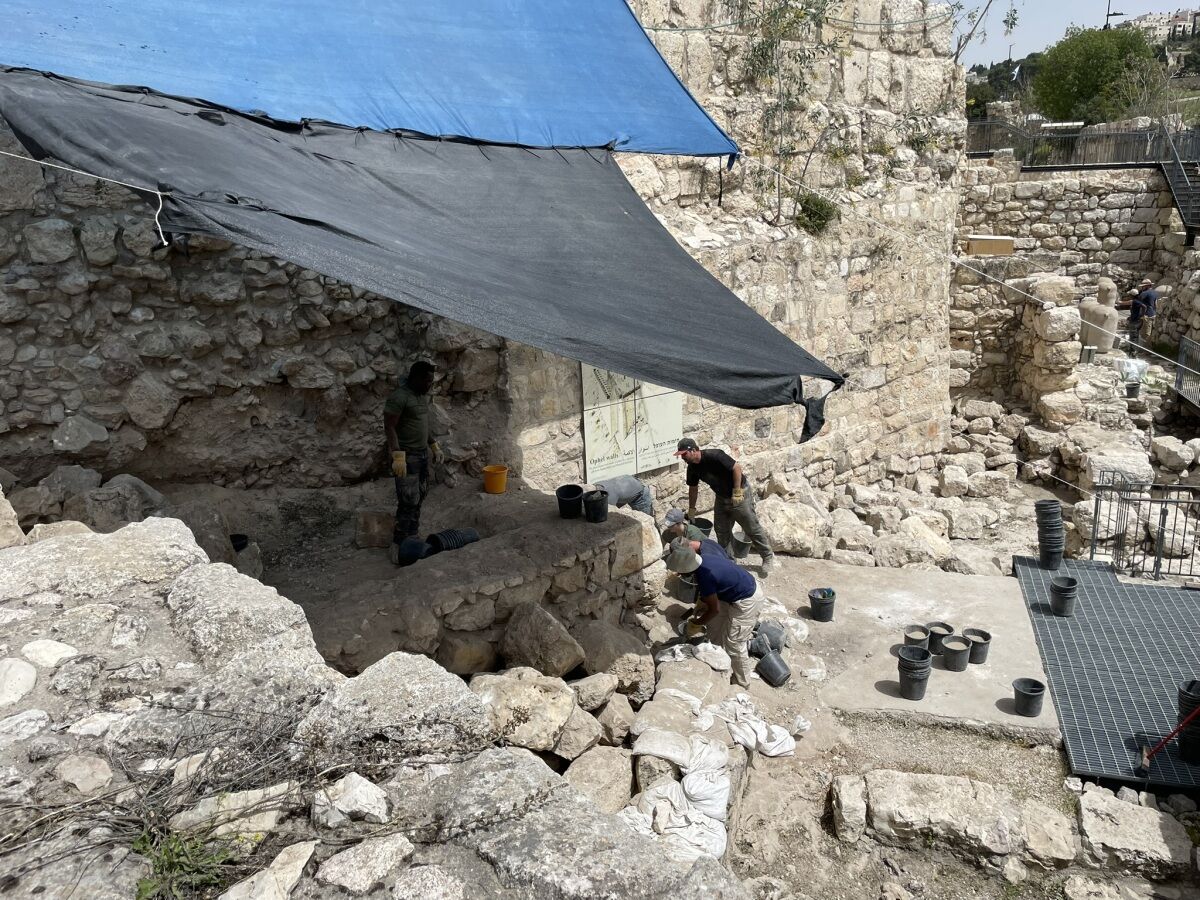
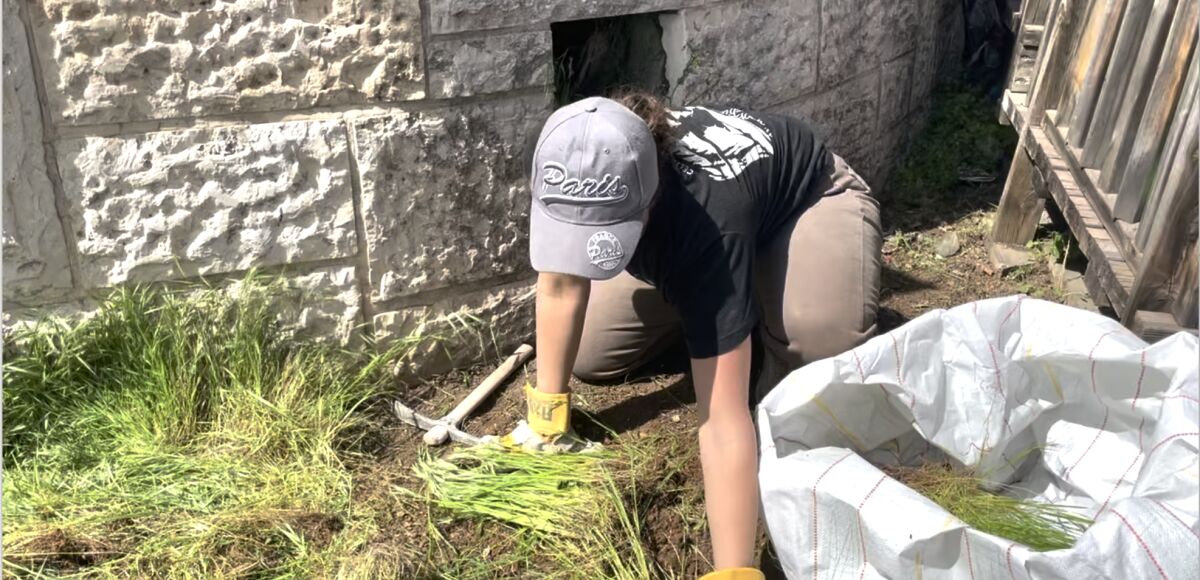
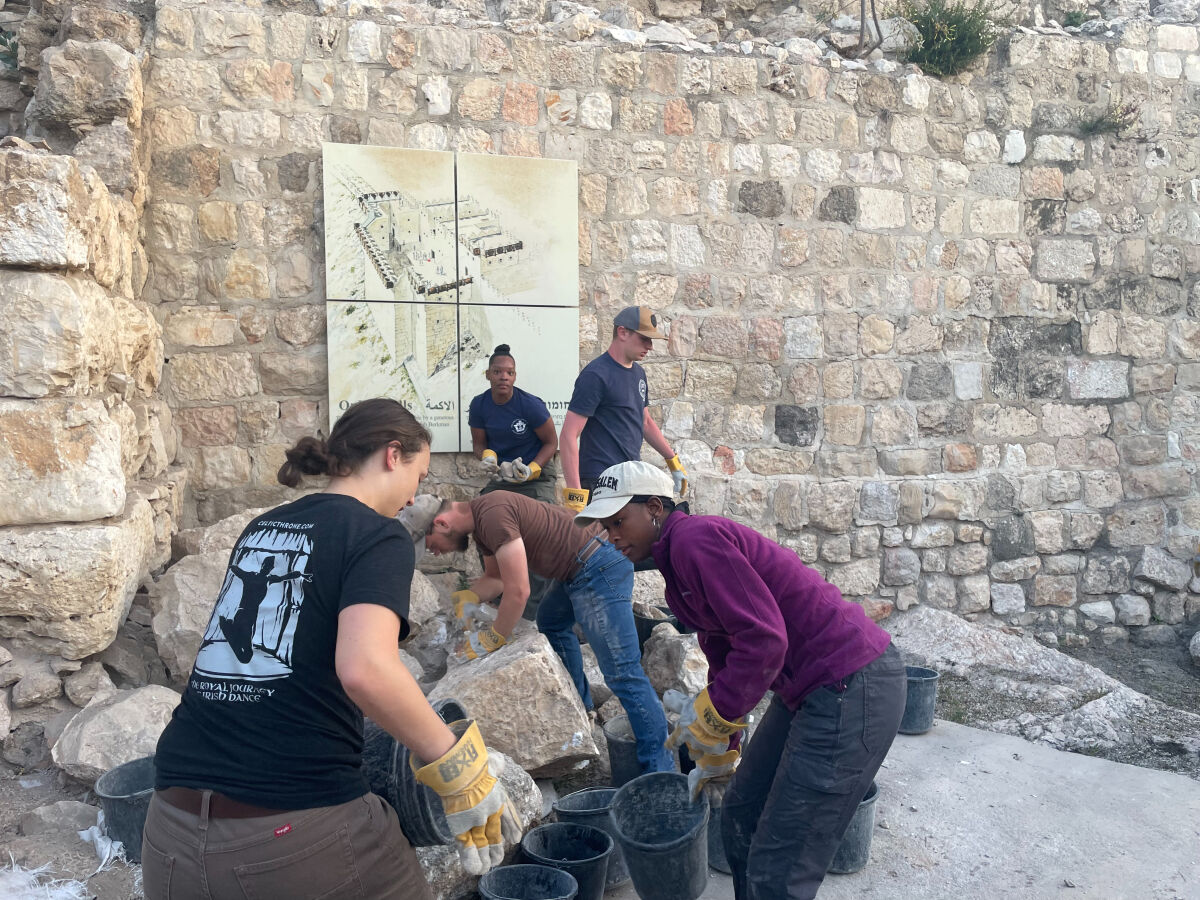
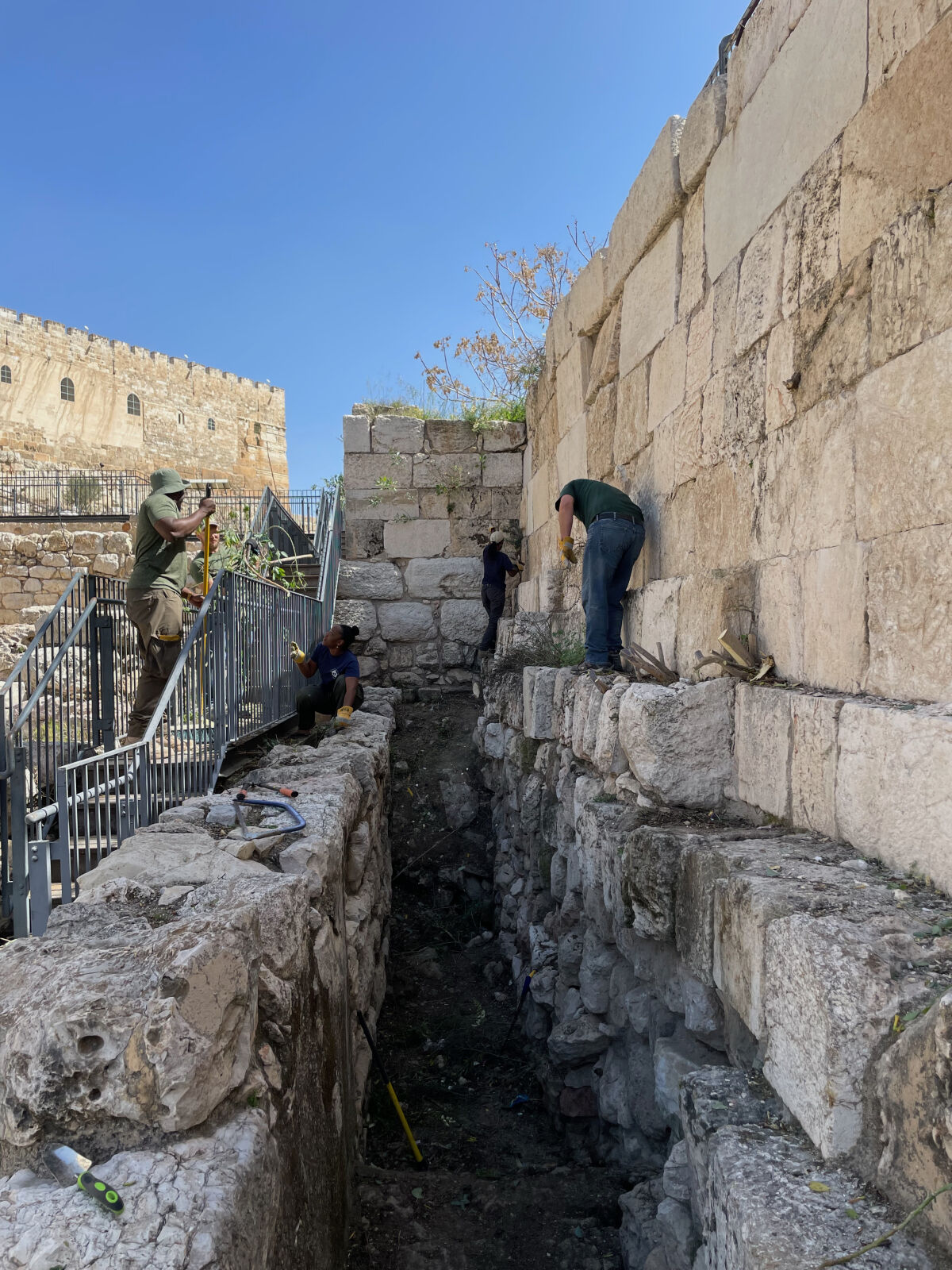
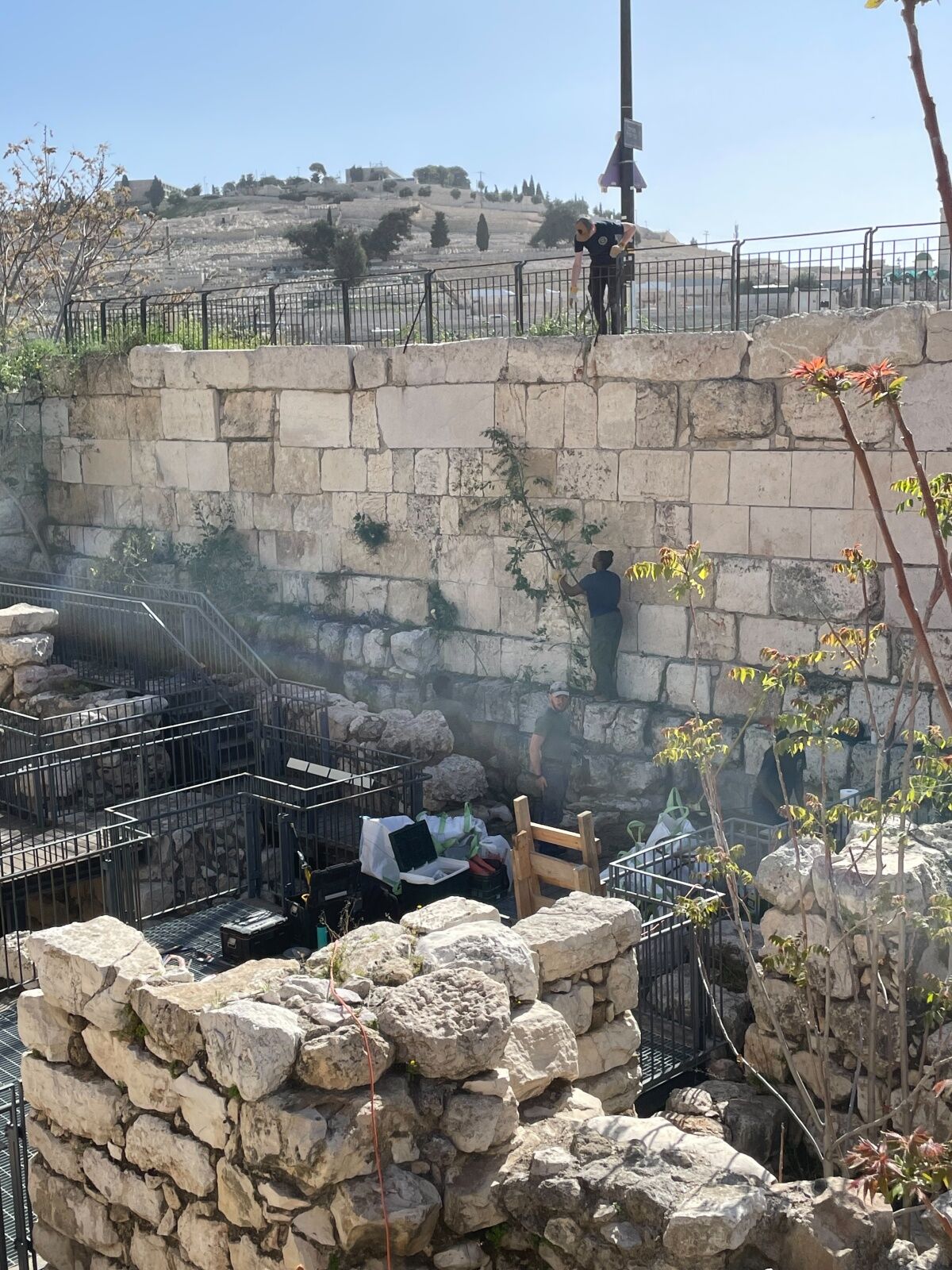
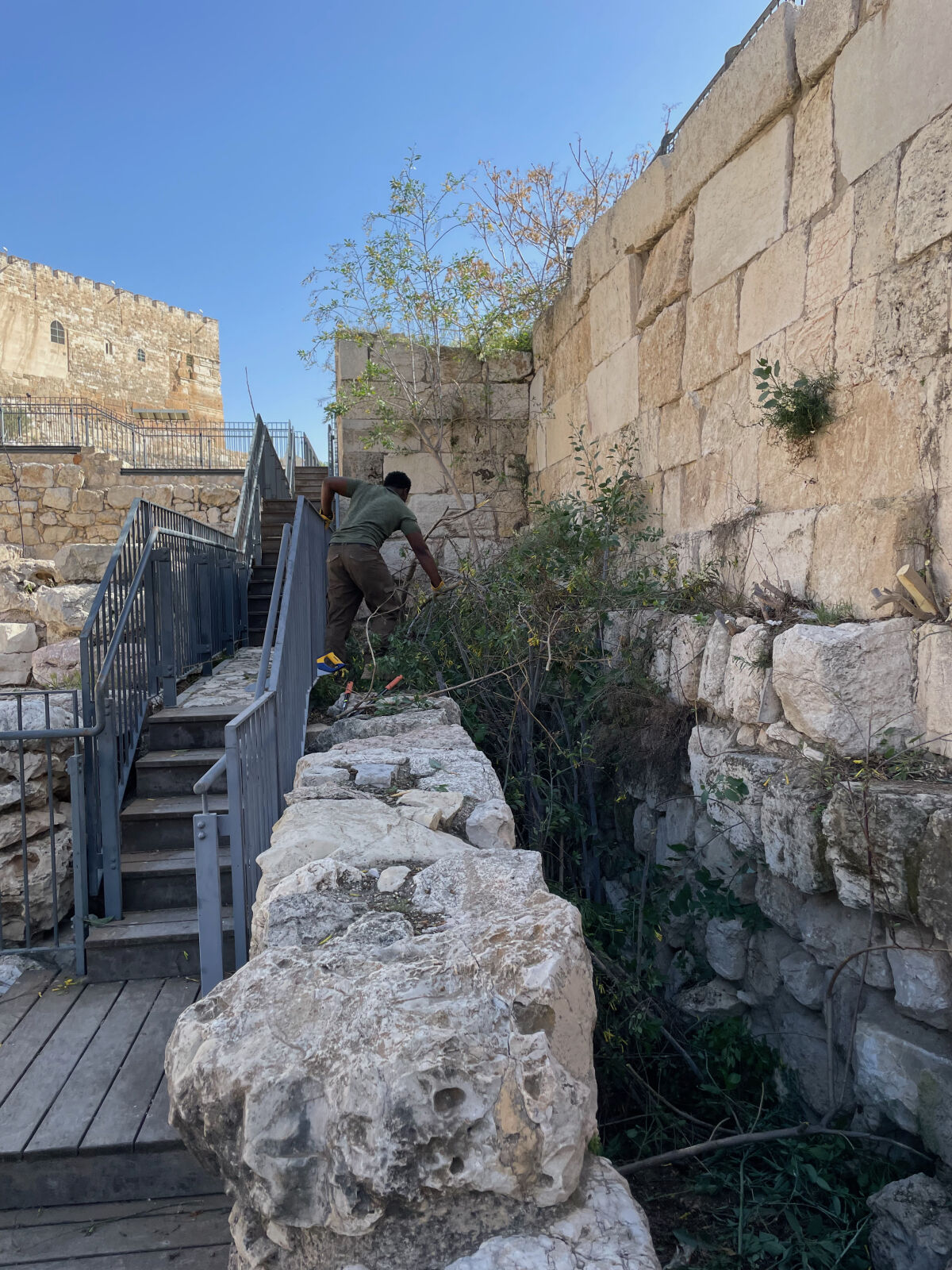
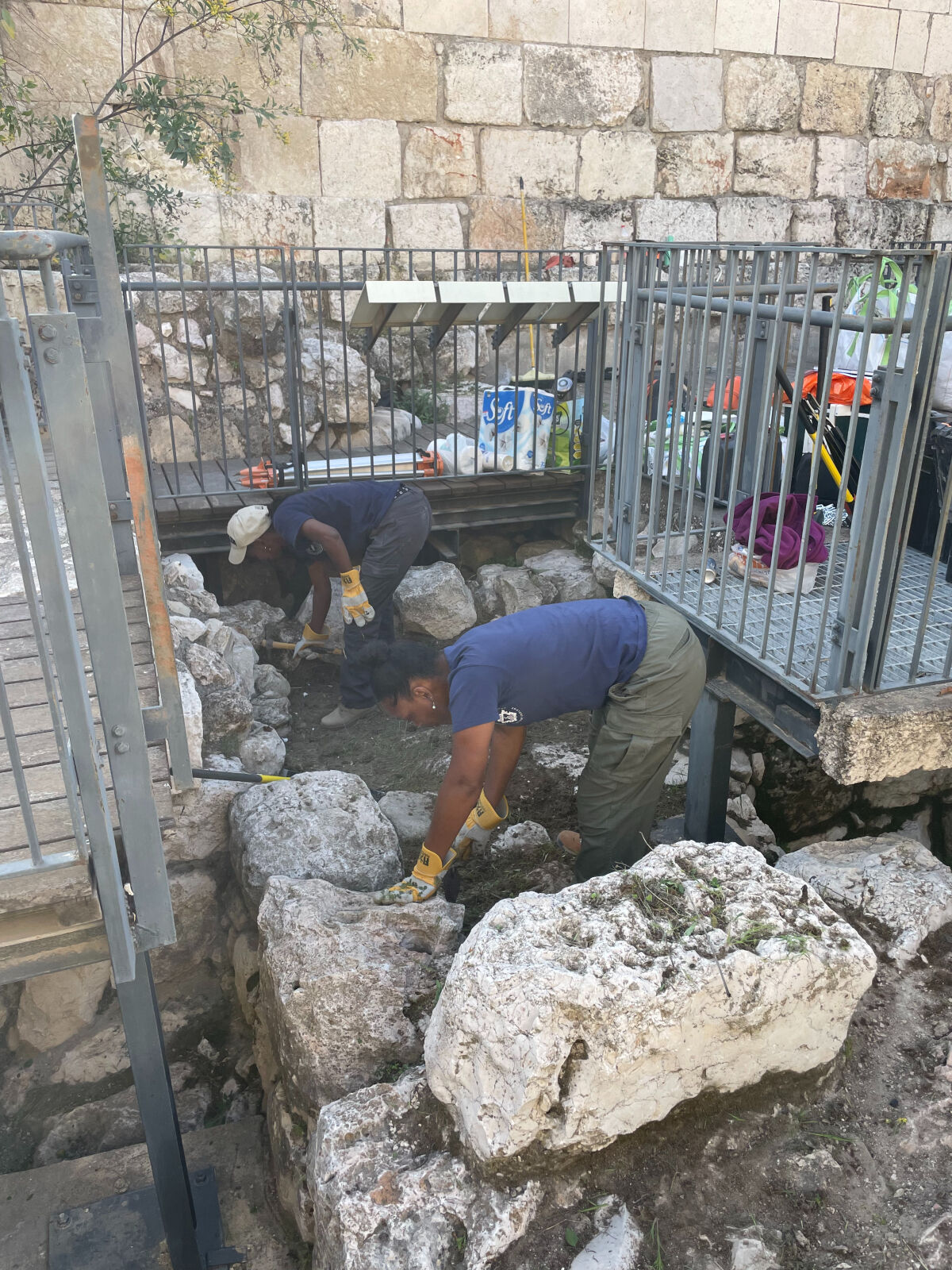
Between April 2 and 27, nine volunteers worked on the site. The tasks varied day to day. Some were assigned to clean up the years’ worth of trash accumulation; others cleared away overgrown vegetation. The main priority was removing later-period walls and preparing the site for conservation.
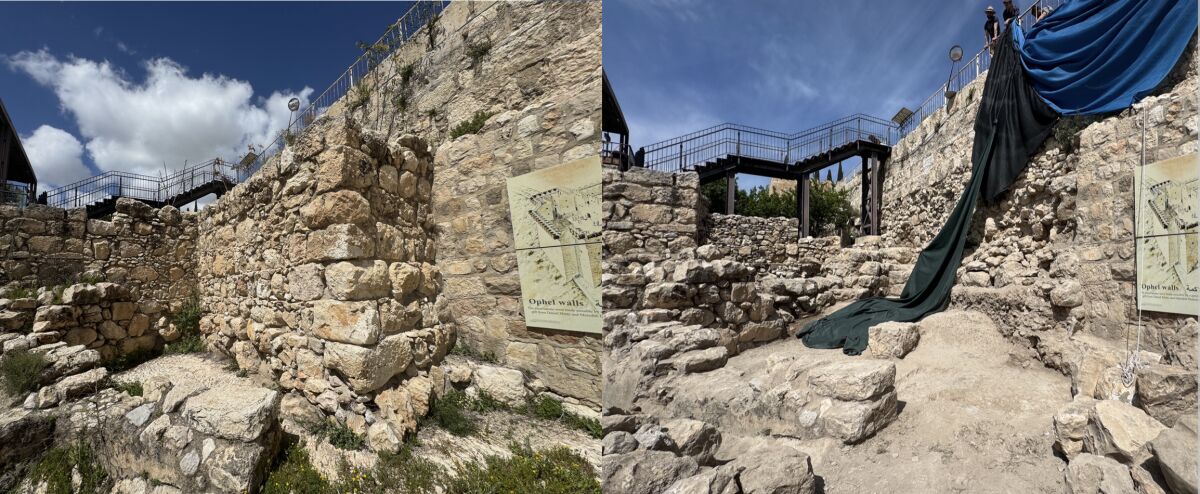
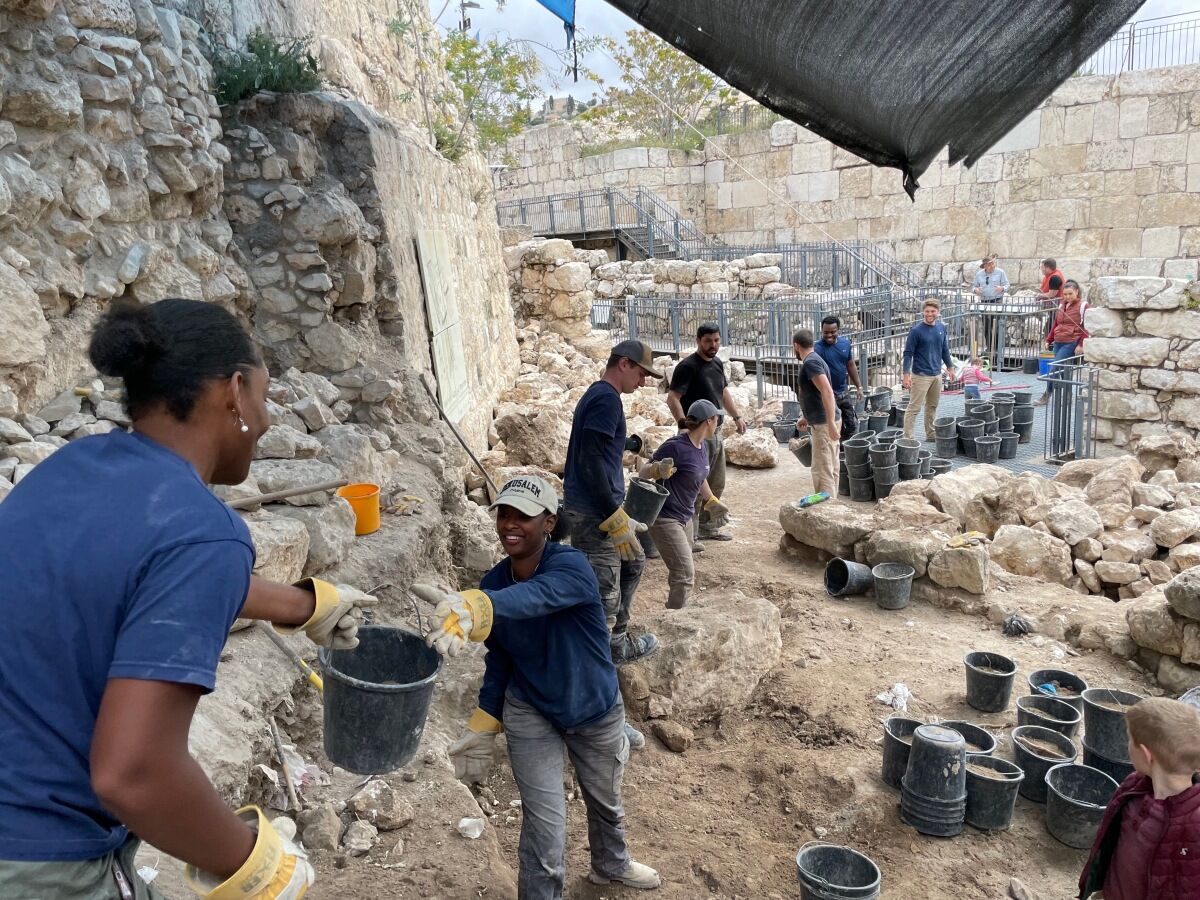
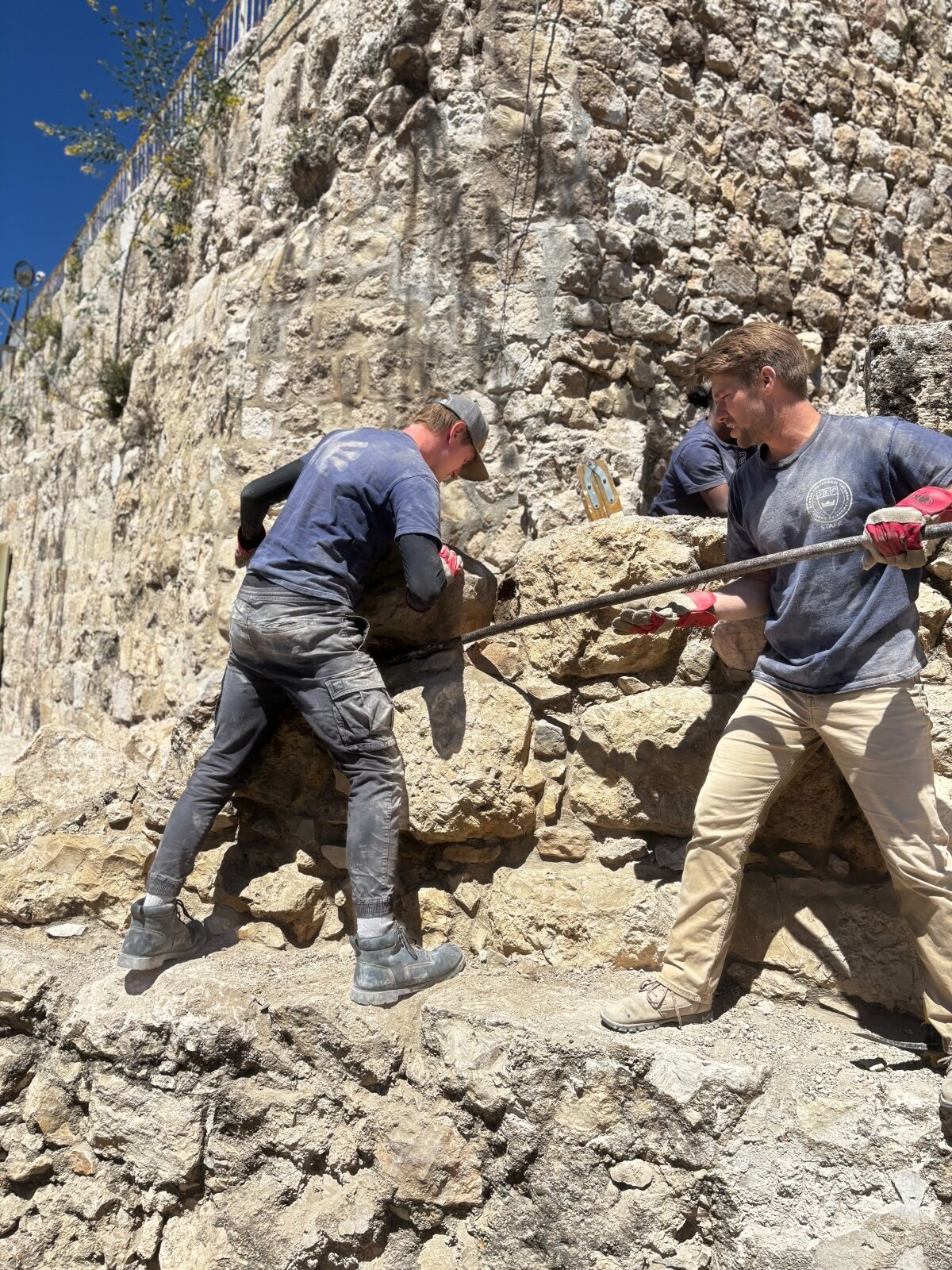
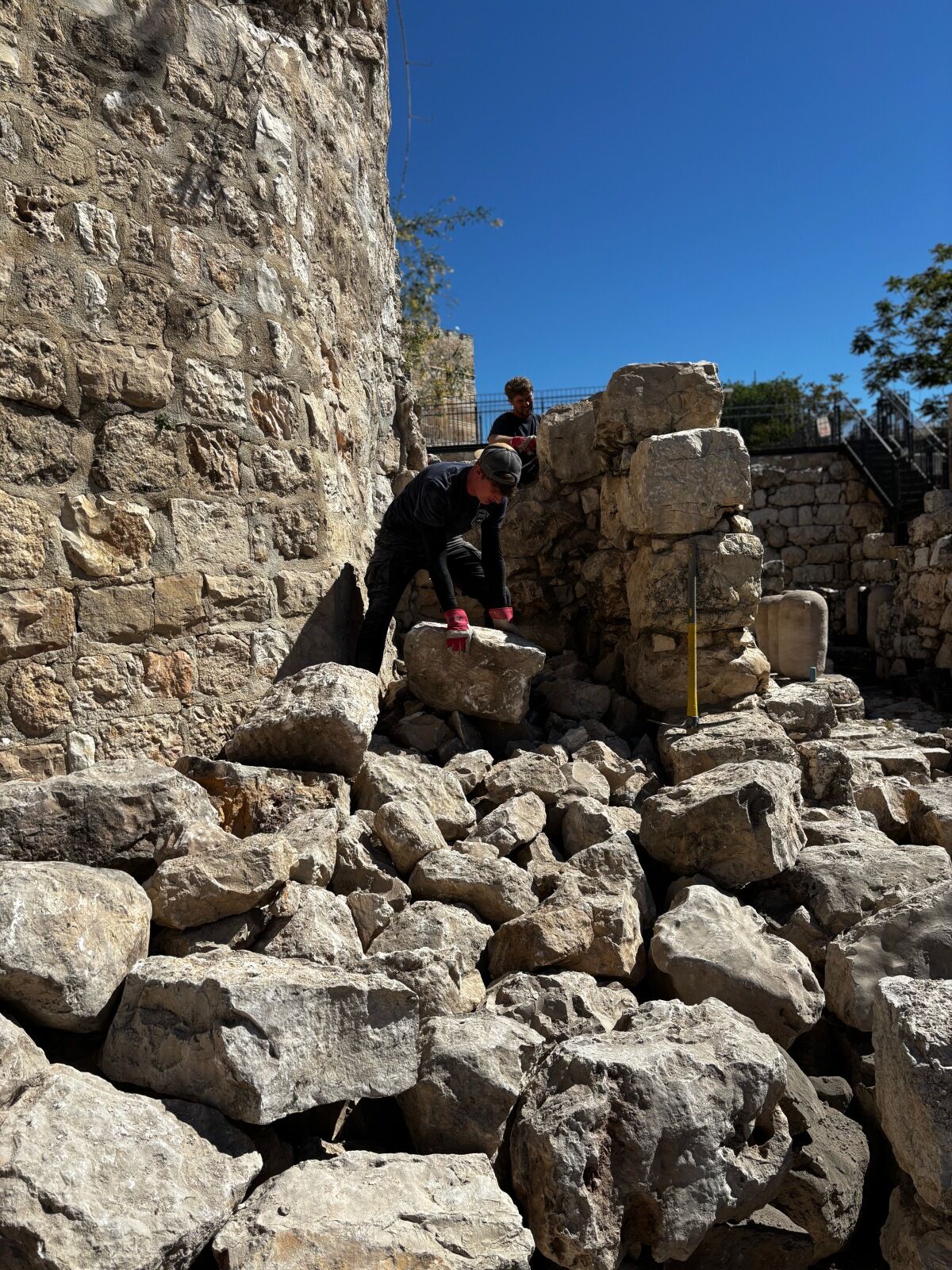
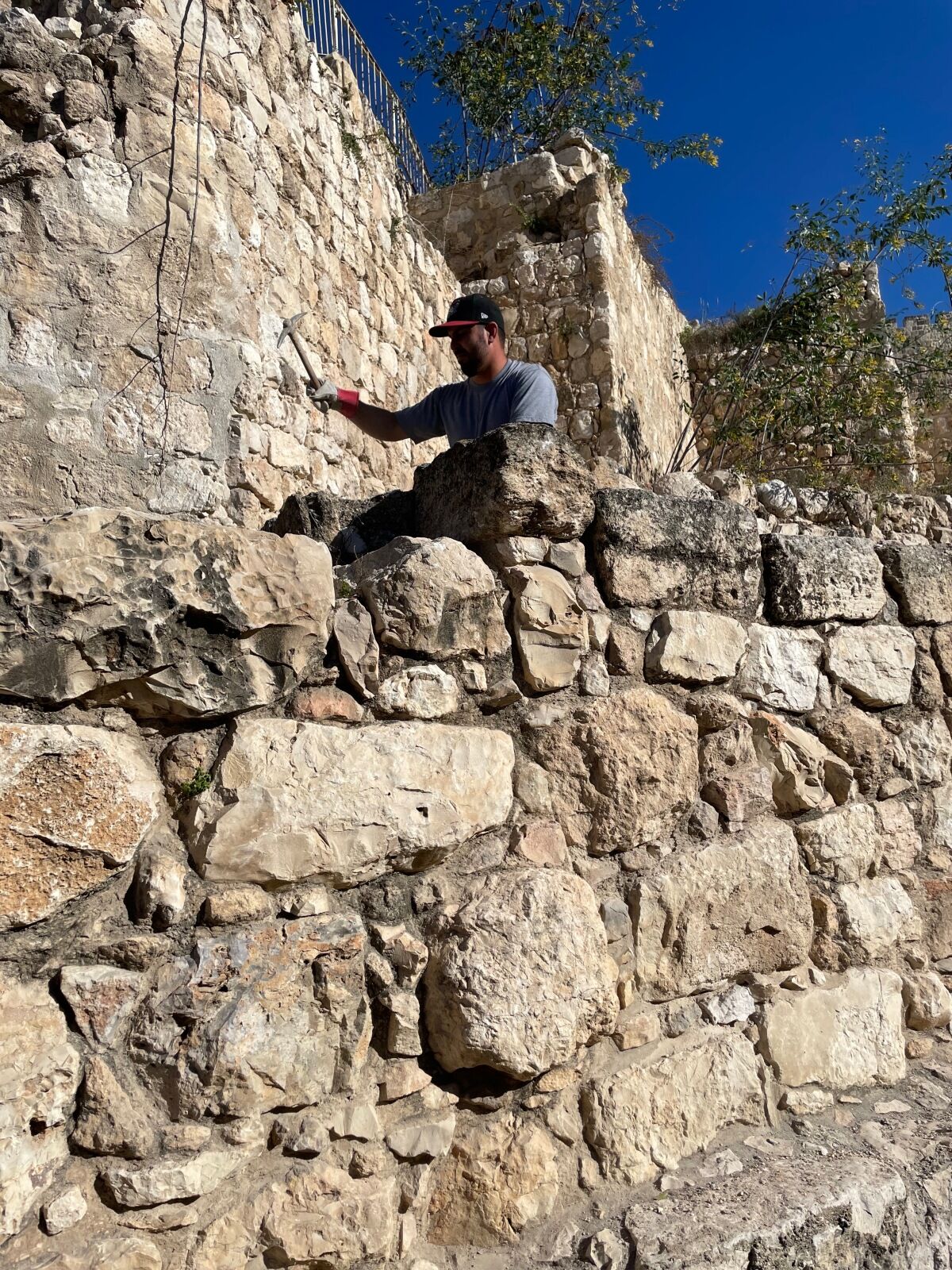
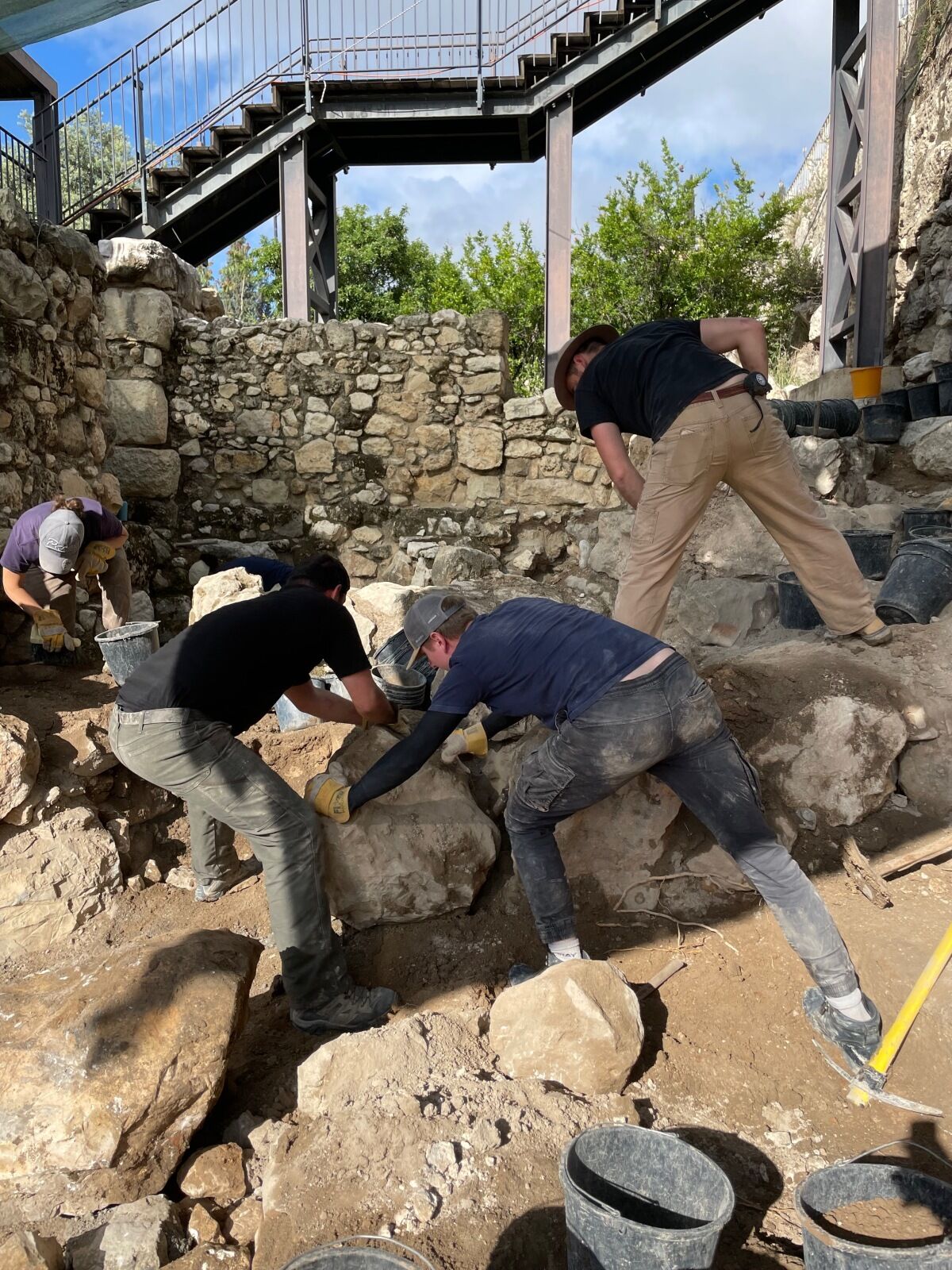
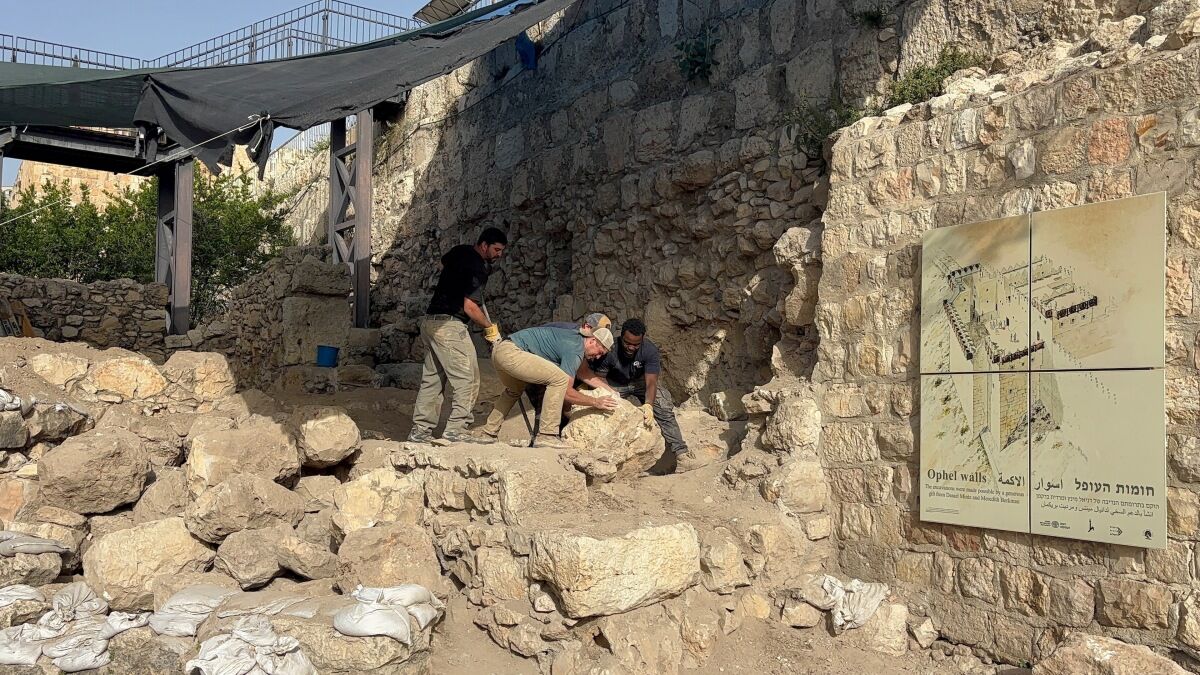
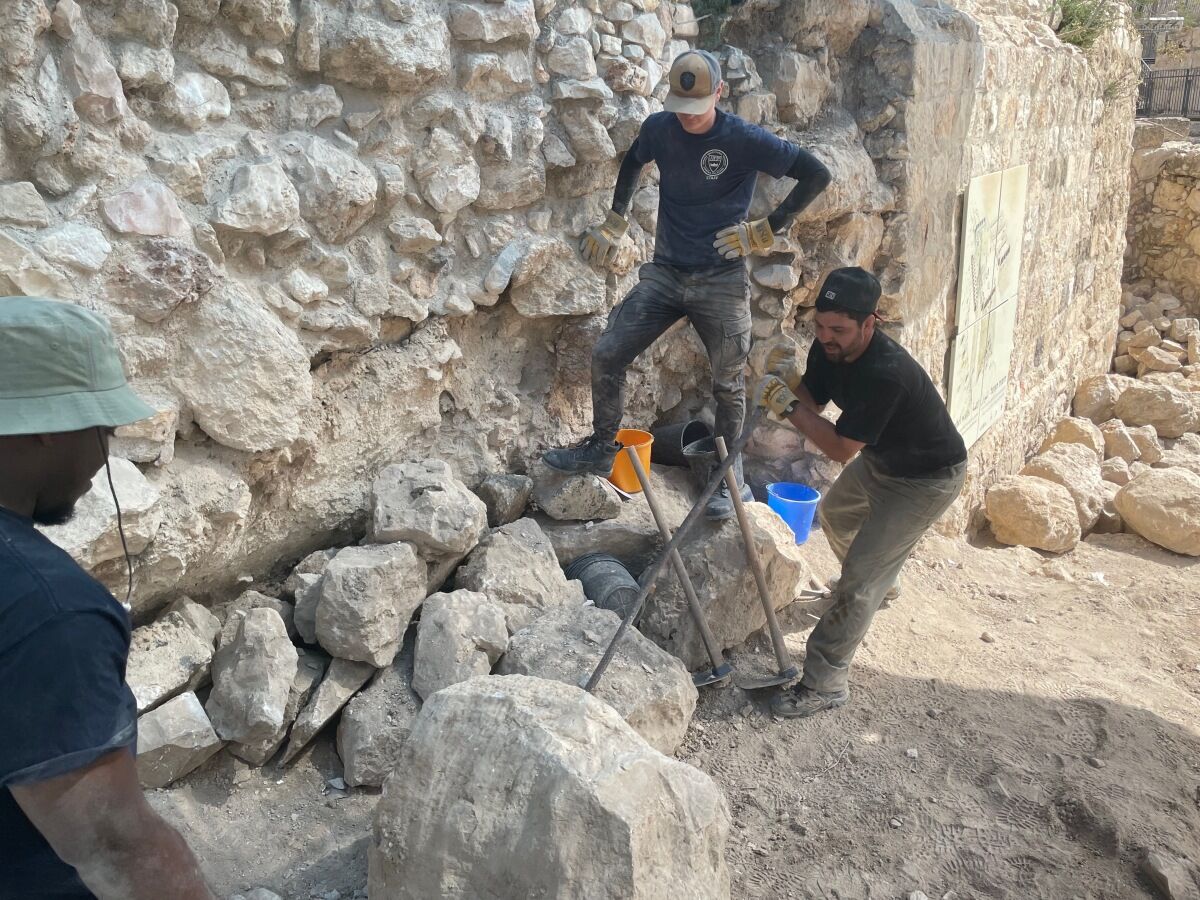
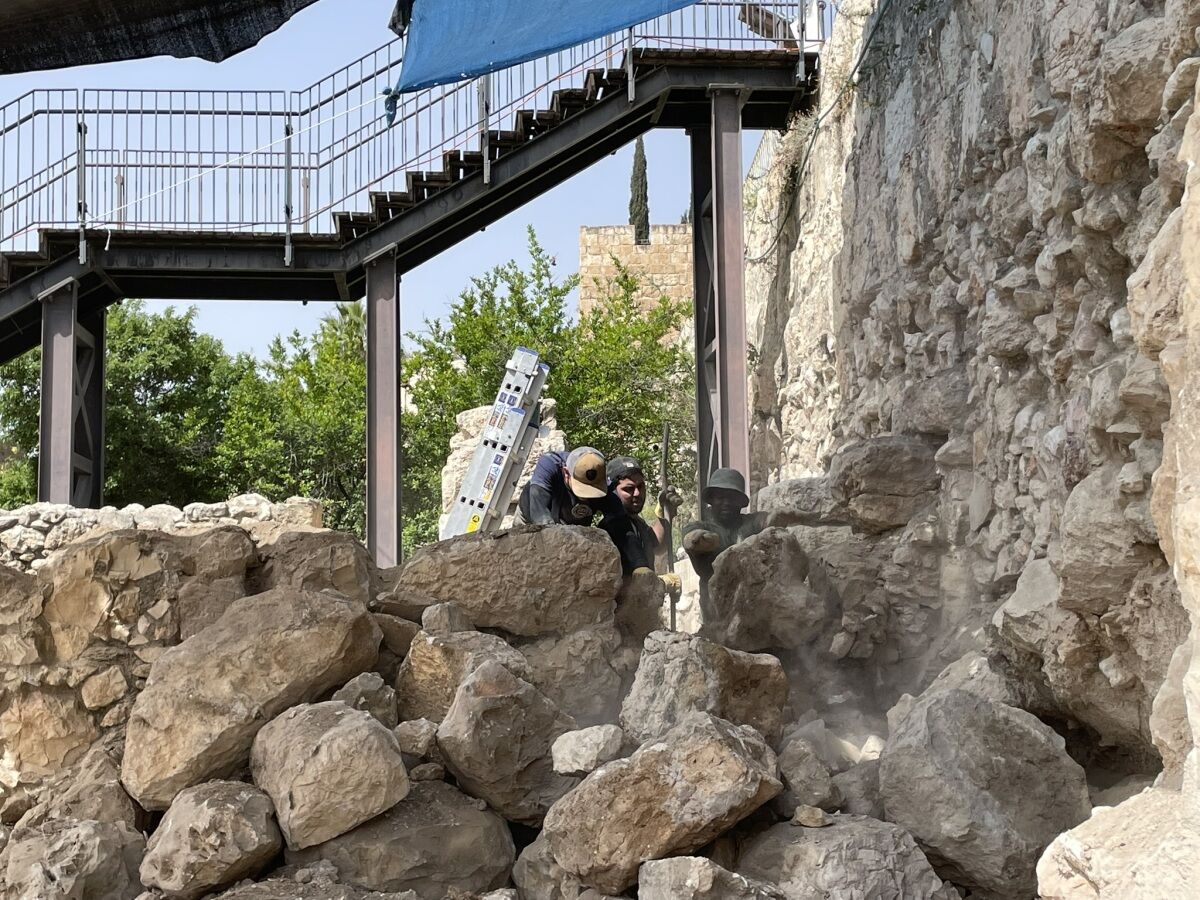
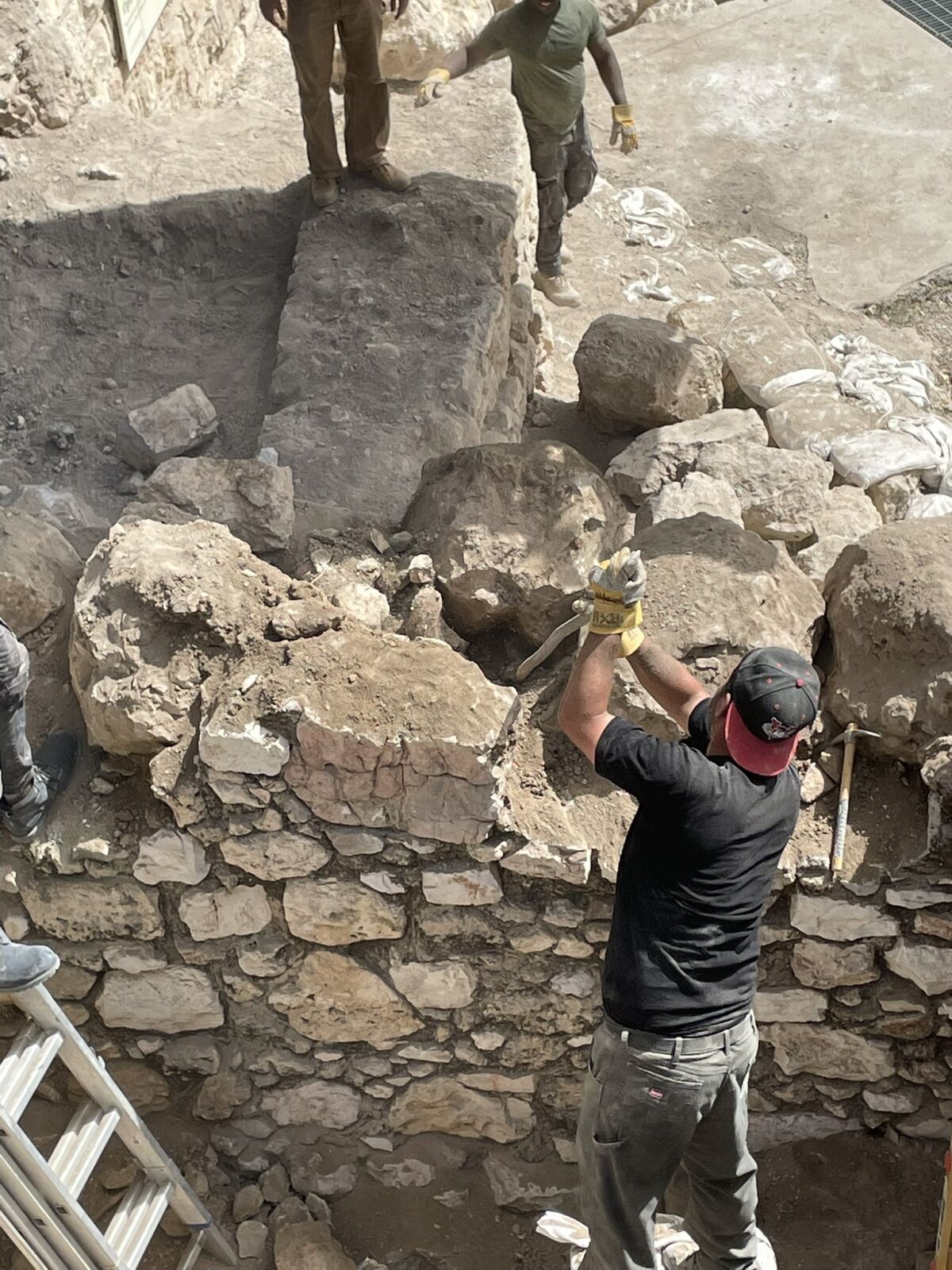
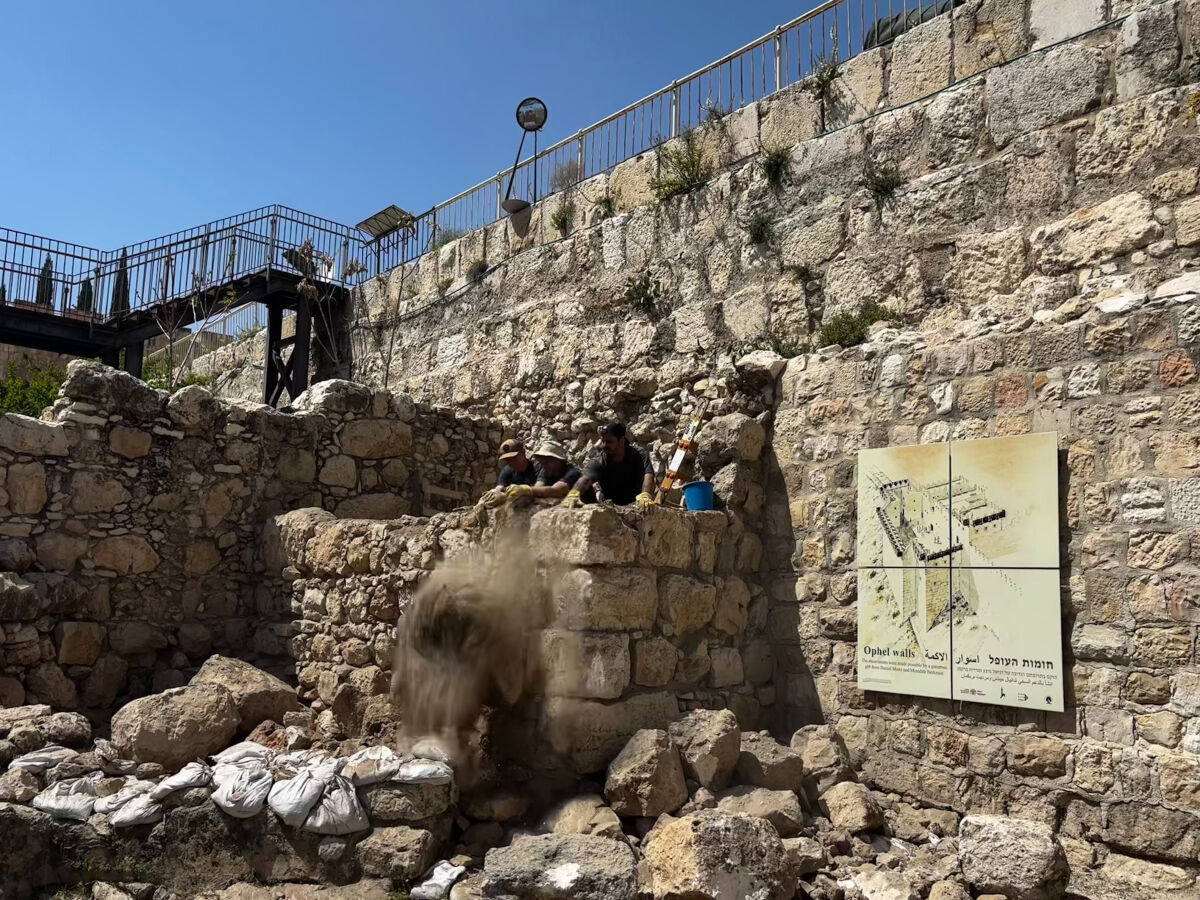
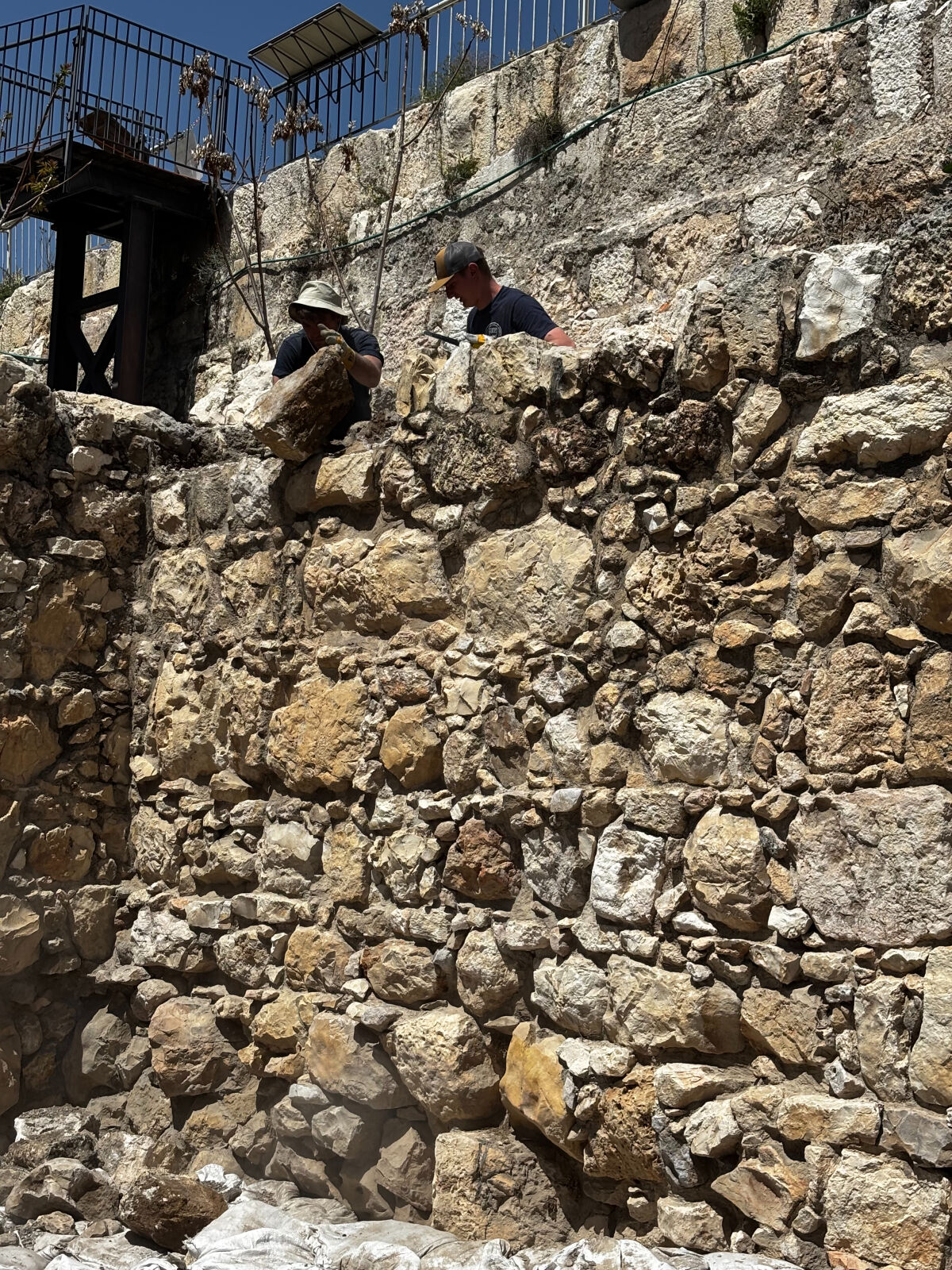
This was a labor-intensive process that involved rolling stones off the top of a wall, which in some areas was 10 feet tall, onto sandbags below. The stones were then collected into one primary spot where they can then be used by conservationists to reconstruct the Iron Age structure to the highest preserved height. By the end of the excavation, we ended up with dozens of massive stones. We didn’t count the exact number, but Professor Garfinkel estimates we removed 300 tons of stones.
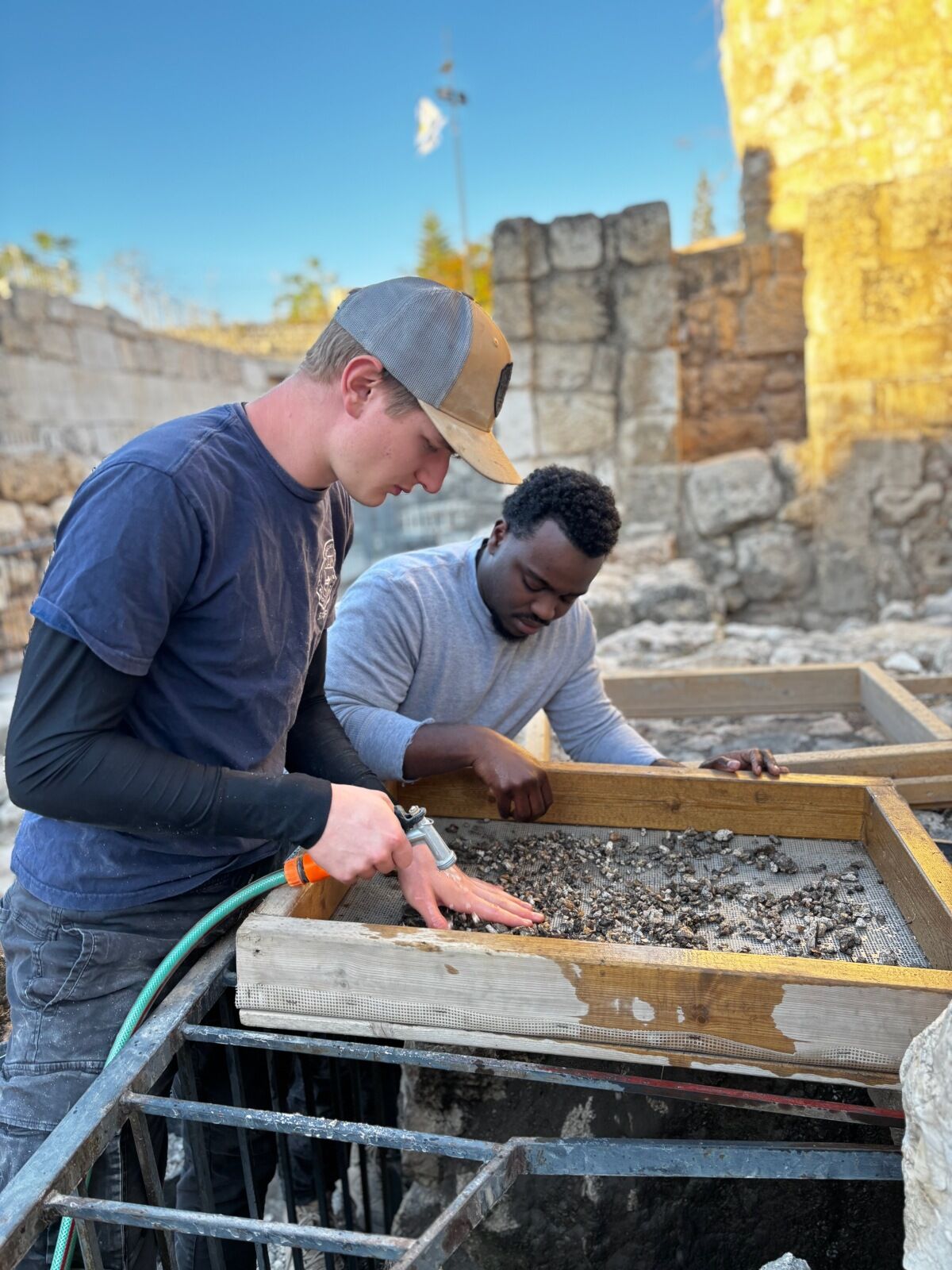
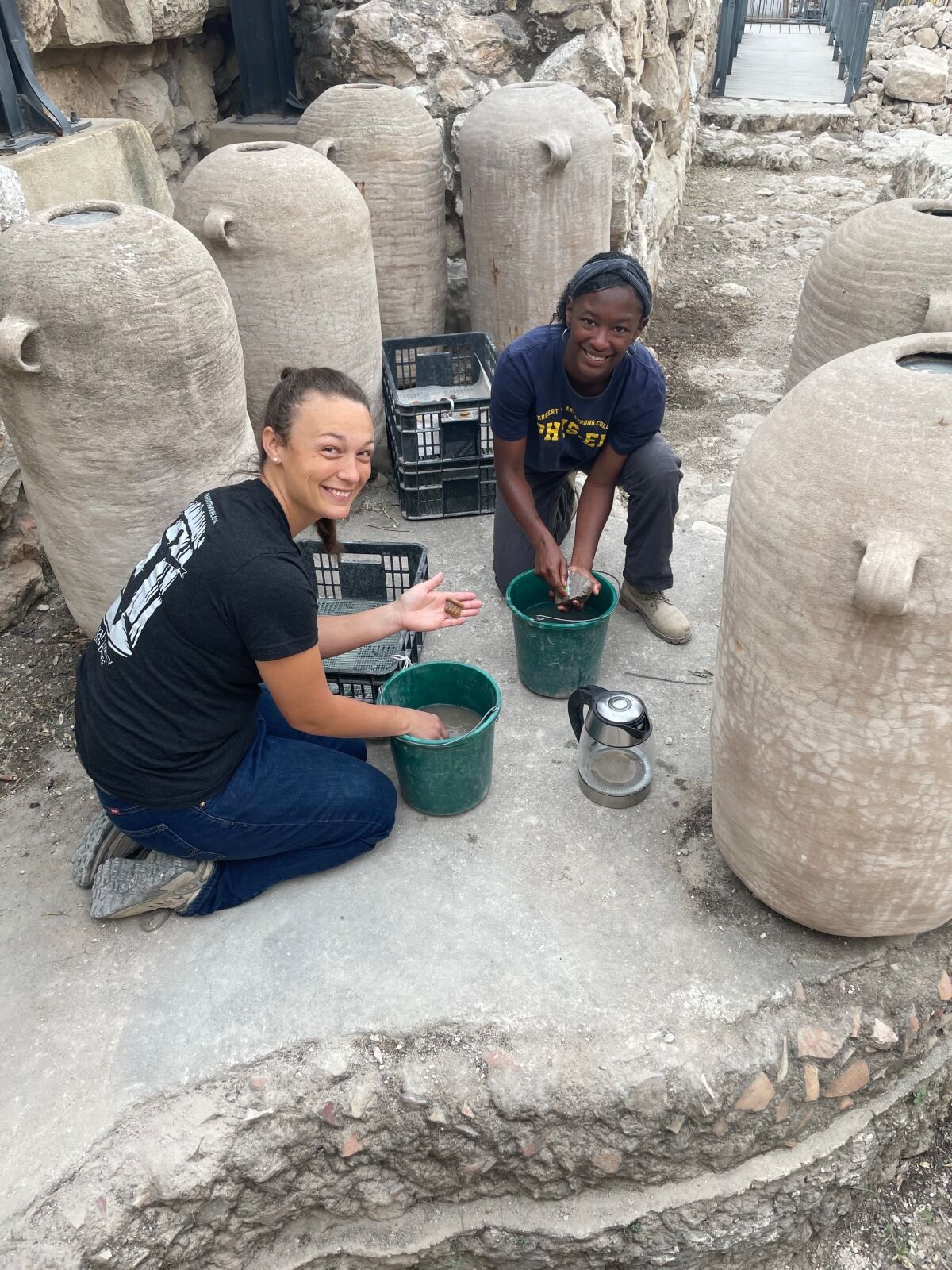
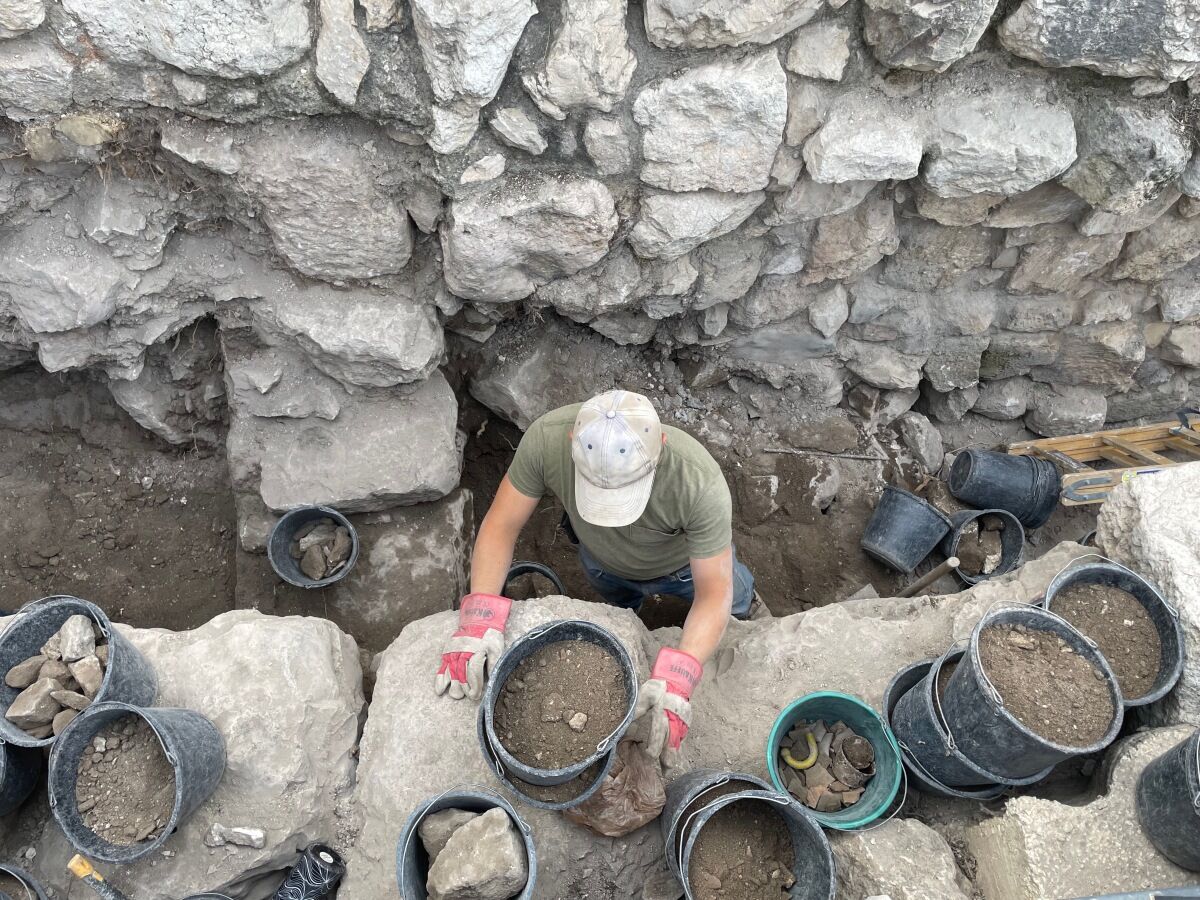
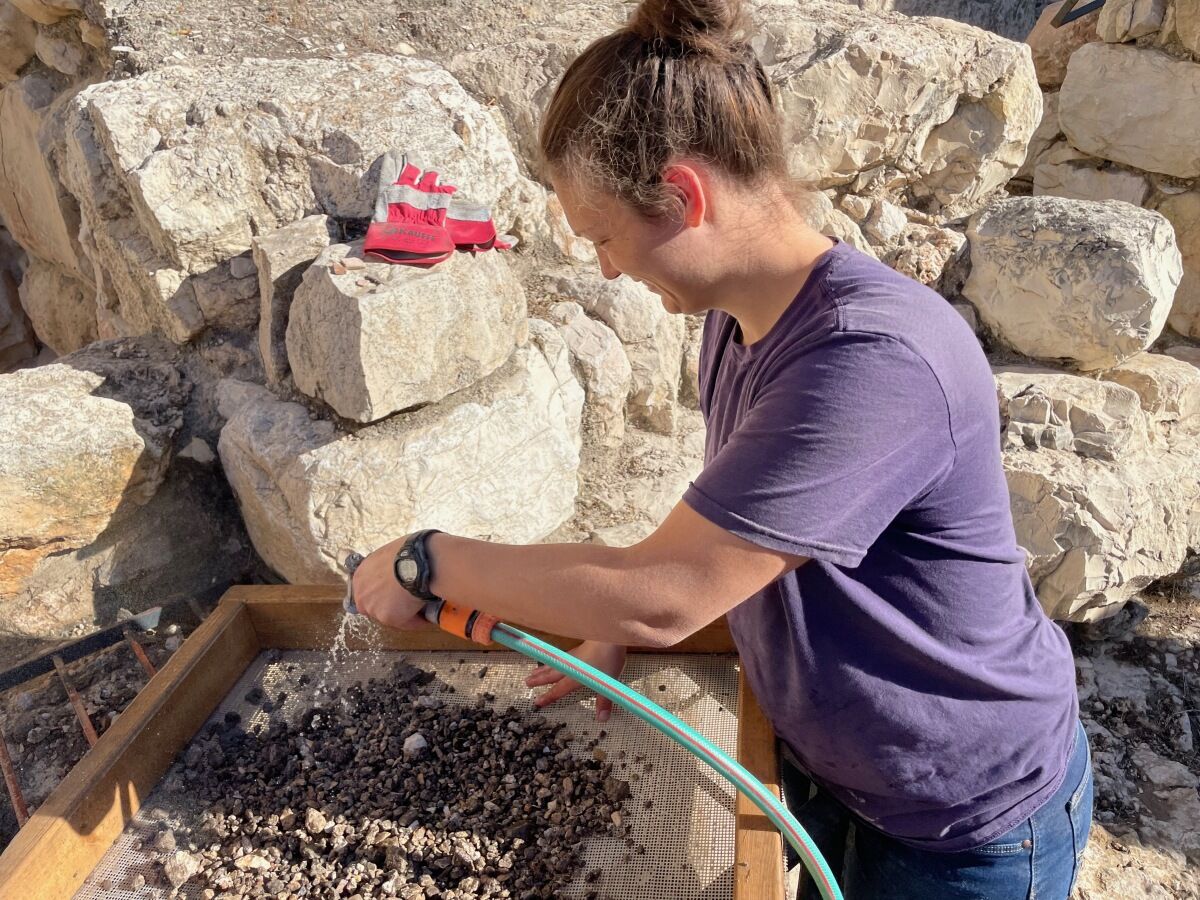
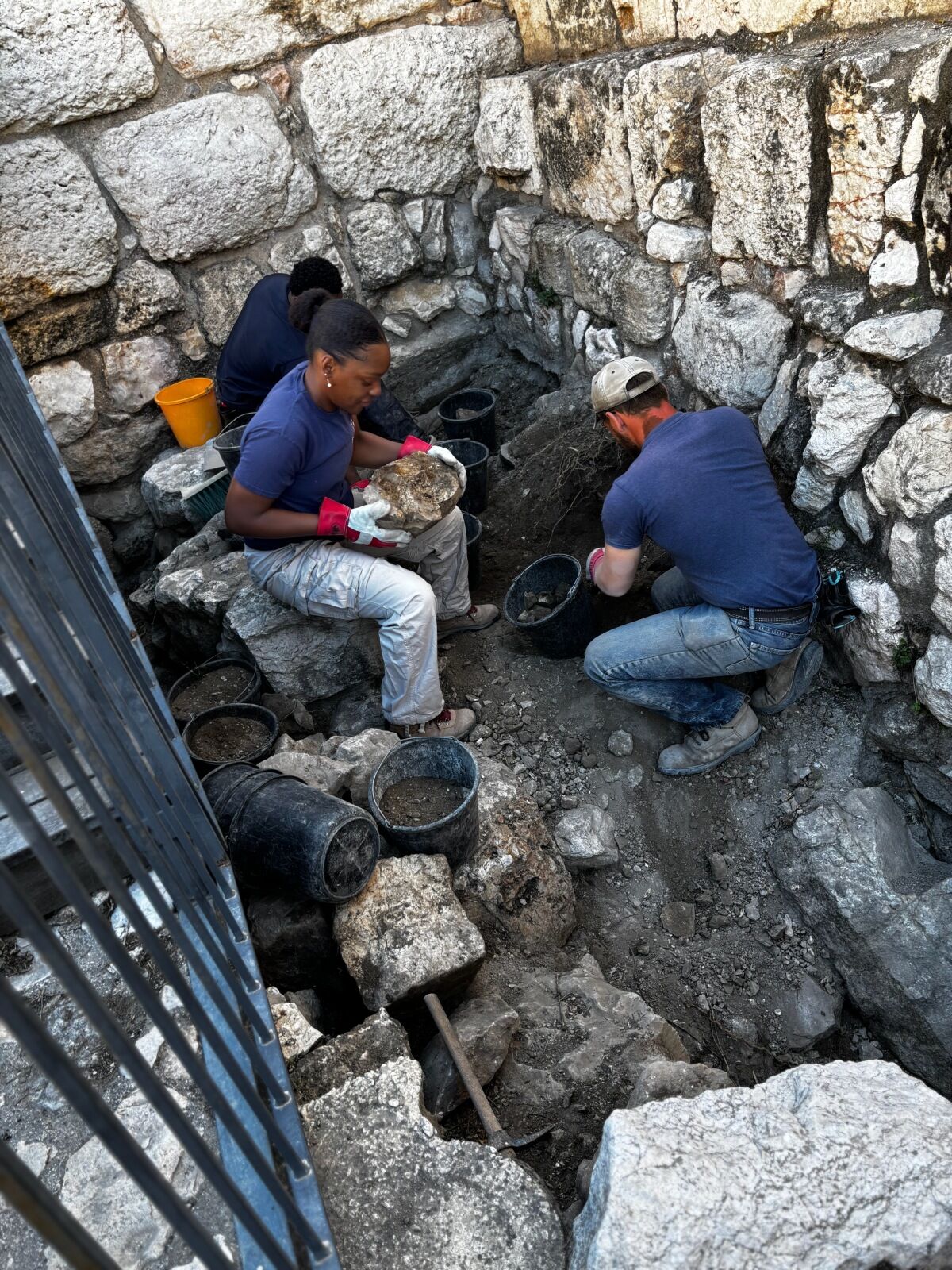
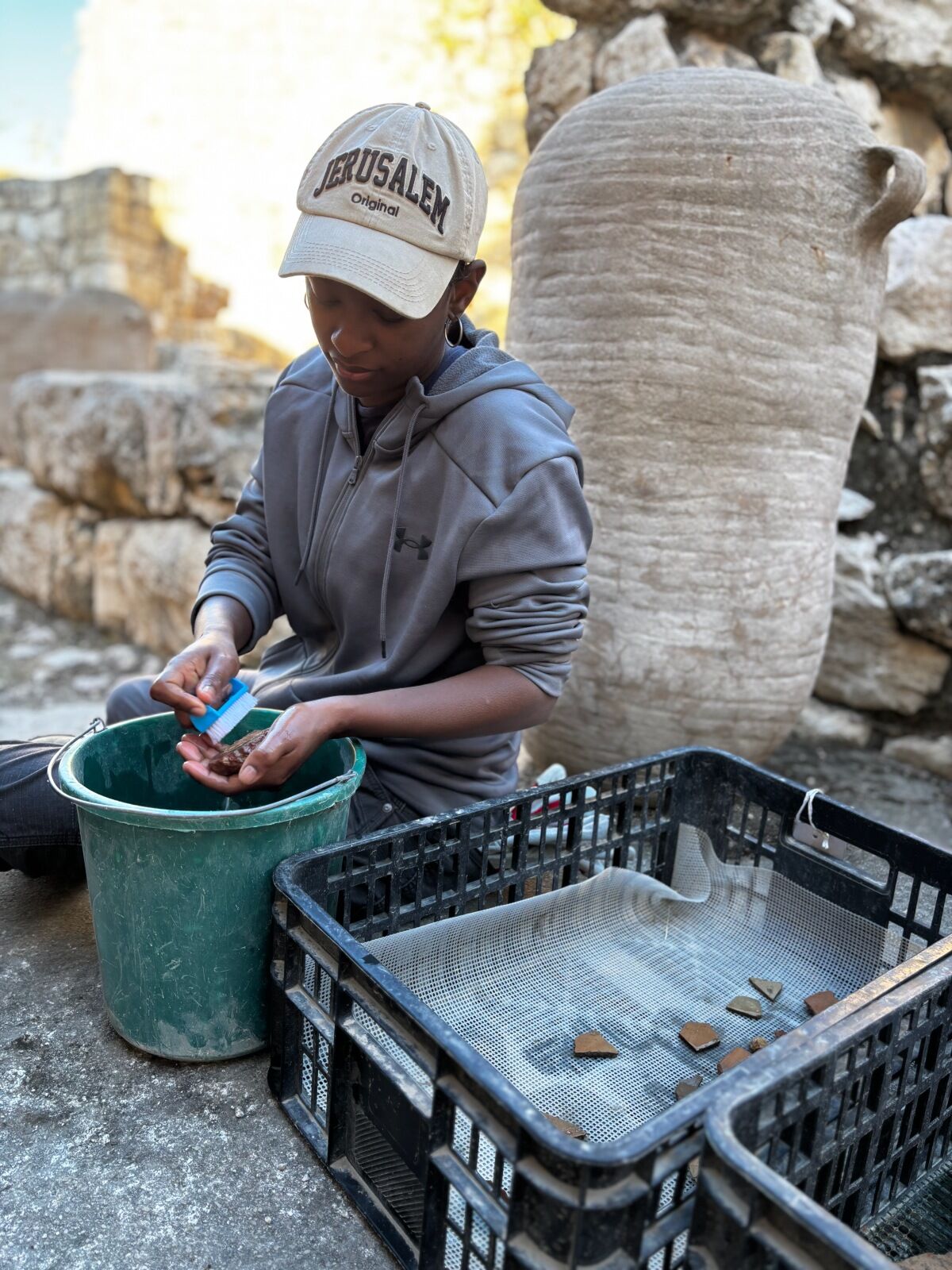
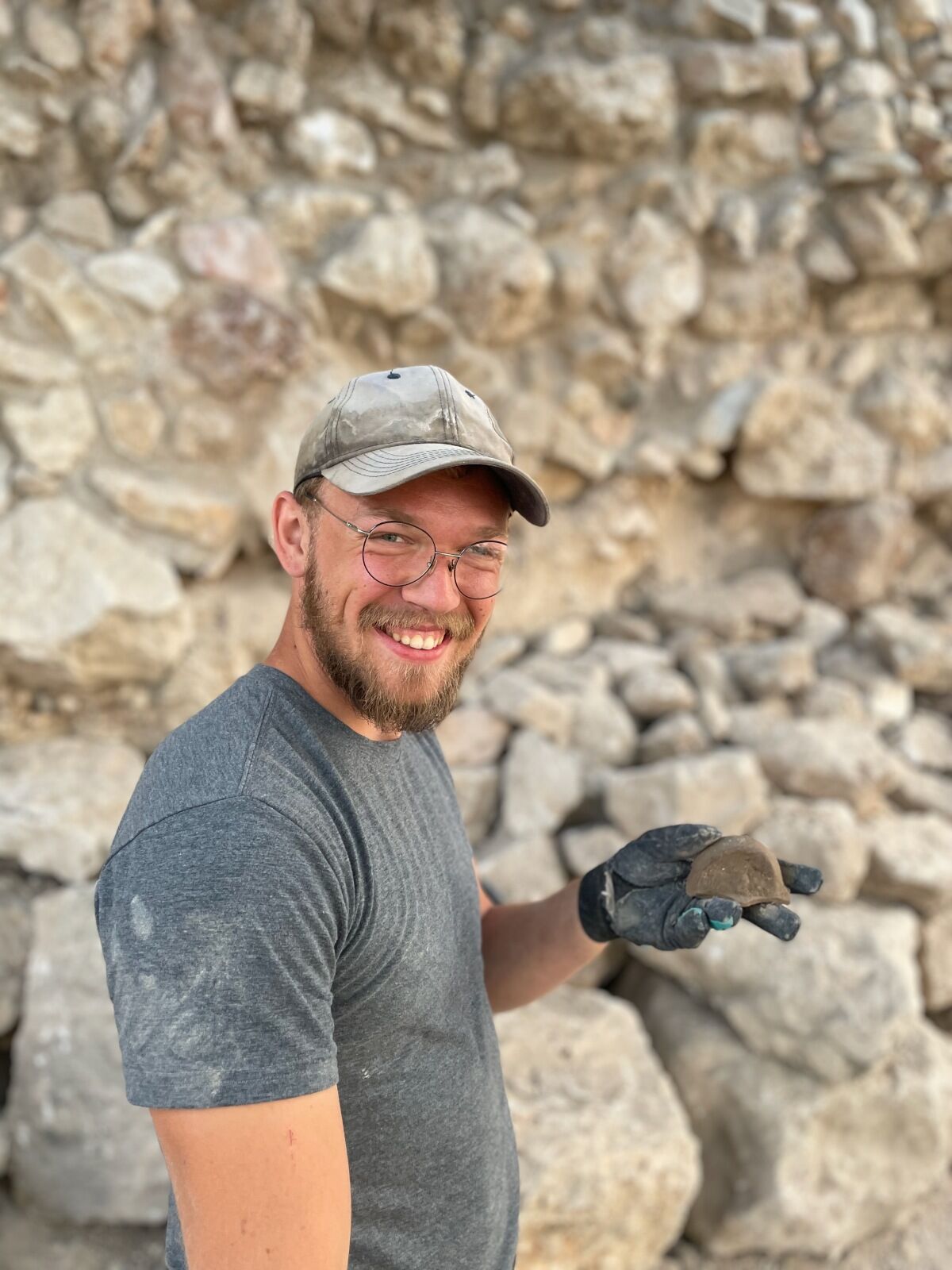
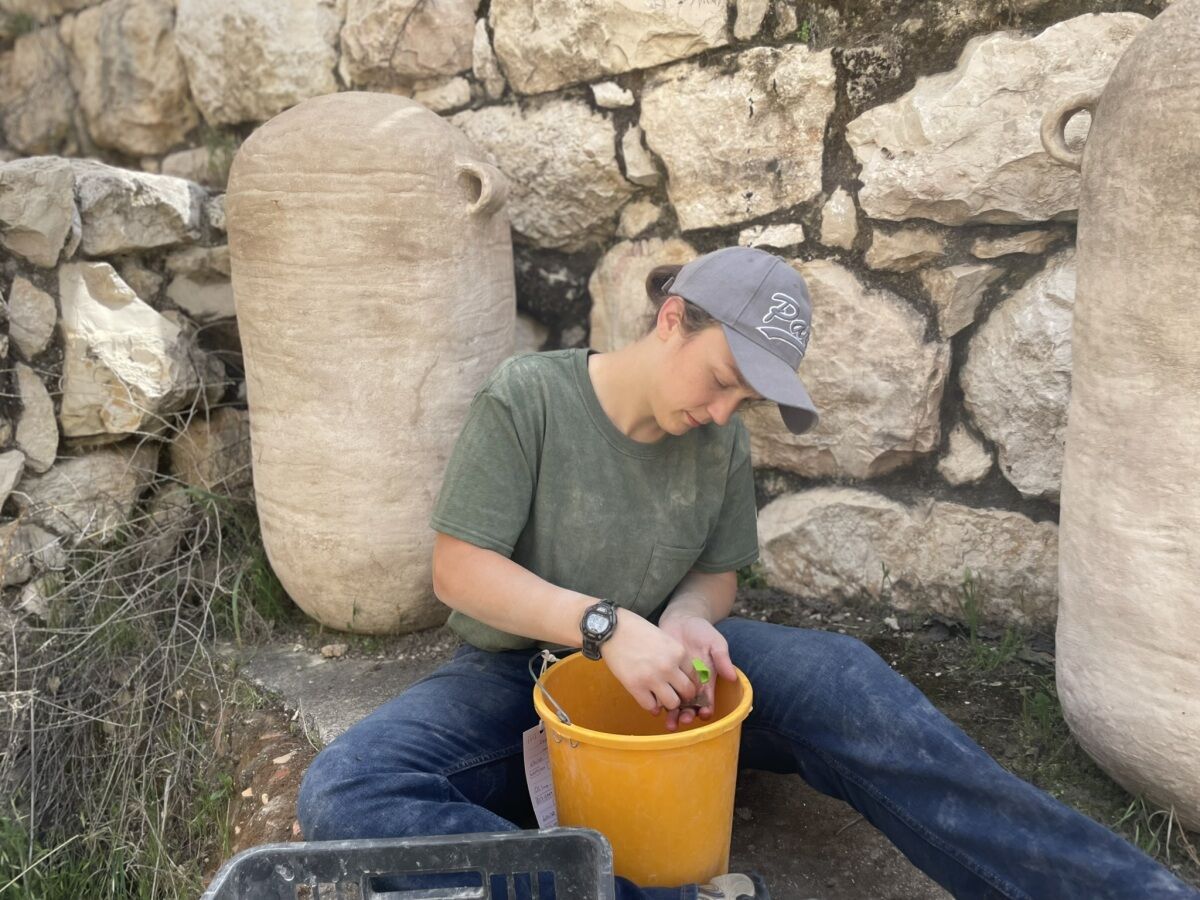
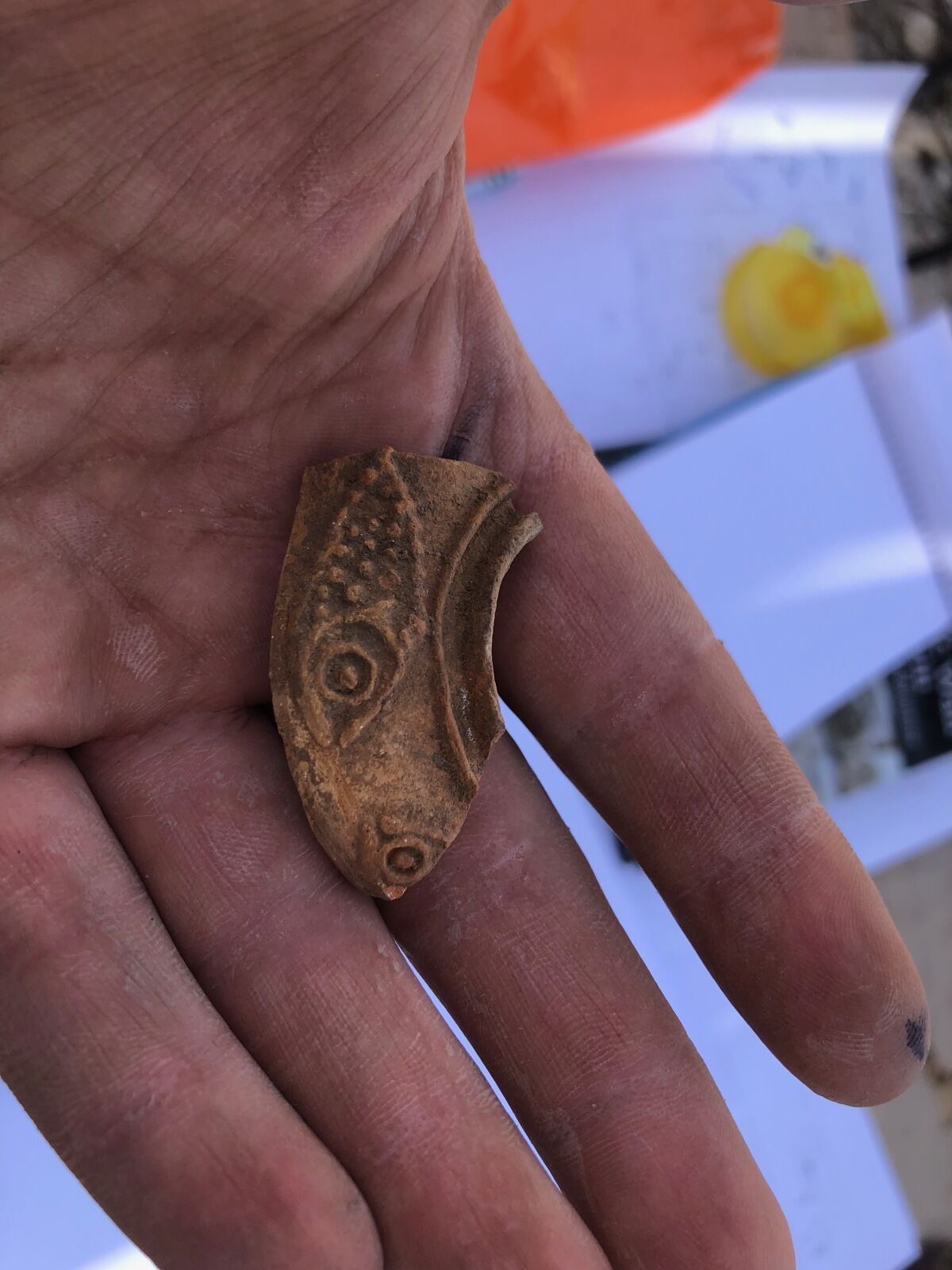
While there wasn’t as much unearthing involved in this dig, we still collected nearly 4,000 pottery sherds. These sherds represent many different periods—Iron Age, Roman, Byzantine and Crusader.
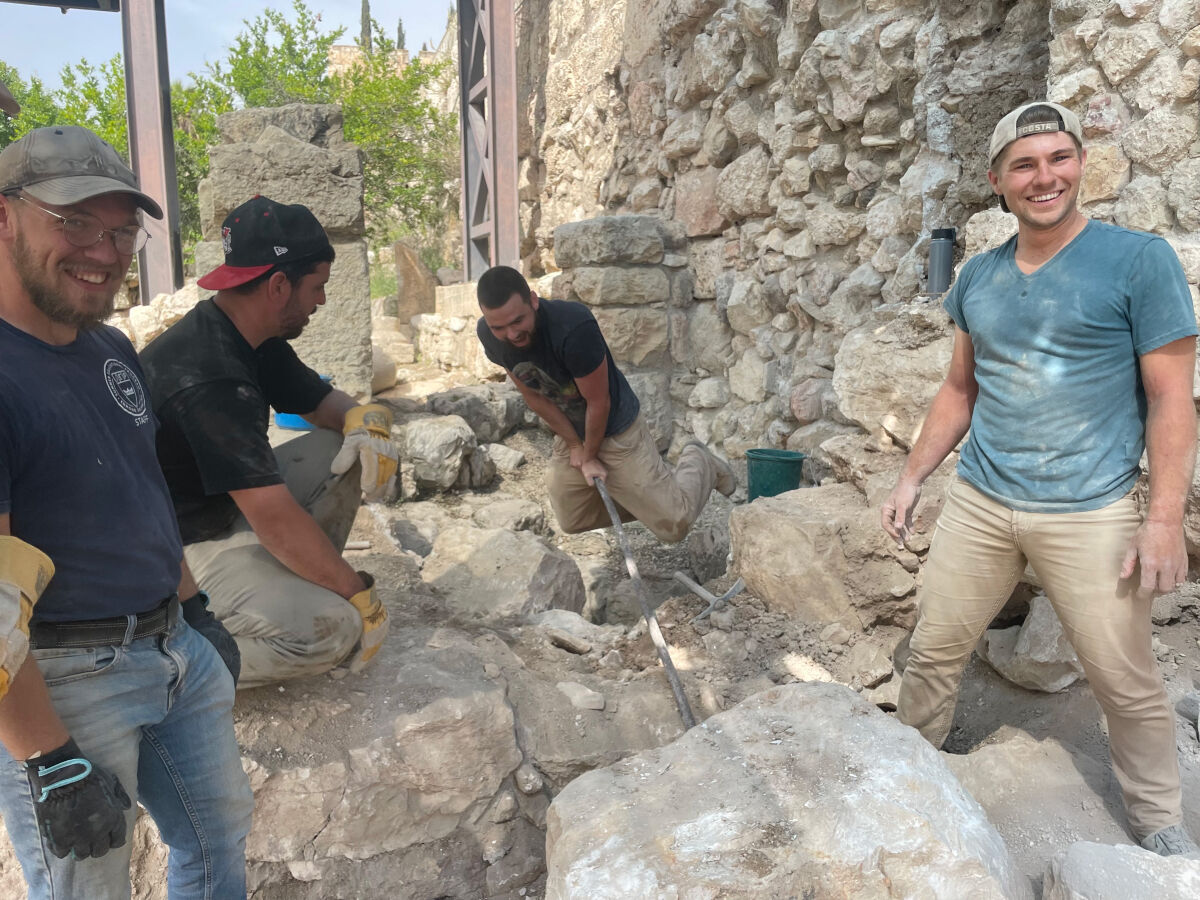
We’re very grateful to each of the volunteers who worked very hard over the course of the excavation to make it an incredible success. The work wasn’t easy, but each person approached every day eager to help wherever needed.
What’s Next?
Conservationists with the Israel Antiquities Authority are now working on rebuilding the Iron Age gatehouse structure to the highest preserved height. Soon, when tourists visit the site, it should be very clear what they are looking at.
We are eager to tell you more of what we learned about the gatehouse and to present this site to the general public for touring. The Ophel truly is a special location that deserves the attention it is finally receiving.
We’ll be back at our normal site this summer with Professor Leibner and Dr. Peleg-Barkat. Until then, stay tuned for more exciting updates to come!
Below is the full Blog of the 2025 Ophel excavation.
Welcome to the 2025 Ophel excavation—a joint project of the Institute of Archaeology of Hebrew University, the Armstrong Institute of Biblical Archaeology, the Israel Antiquities Authority, Daniel Mintz and Meredith Berkman.
This season we will once again be blogging our experience. This page will provide up-to-date information, photos and videos of the 2025 Ophel excavation. Check back often as we follow what we hope to be one of our most exciting excavations to date! The most recent post will be at the top.
On April 2, renewed excavation began in Jerusalem’s biblical royal quarter in preparation for reconstruction work to highlight the ancient city’s famed past. The three-to- four-week excavation is the first return to this particular area of the Ophel since the excavations led by the late Dr. Eilat Mazar in 2009–2010. This current excavation is led by Hebrew University’s Prof. Yosef Garfinkel, staffed by the Armstrong Institute of Biblical Archaeology (aiba) and funded by aiba alongside Daniel Mintz and Meredith Berkman.
The goal of the excavation is to systematically excavate later remains in the area that obscure a monumental First Temple Period building that Dr. Eilat Mazar identified as the “Water Gate” mentioned in Nehemiah 3, yet is still debated by other scholars. Following the excavation, large-scale reconstruction and development work will take place in order to open the area to tourists. This work will be led by the Israel Antiquities Authority and funded by aiba, Daniel Mintz, Meredith Berkman and others.
April 27: The Final Day
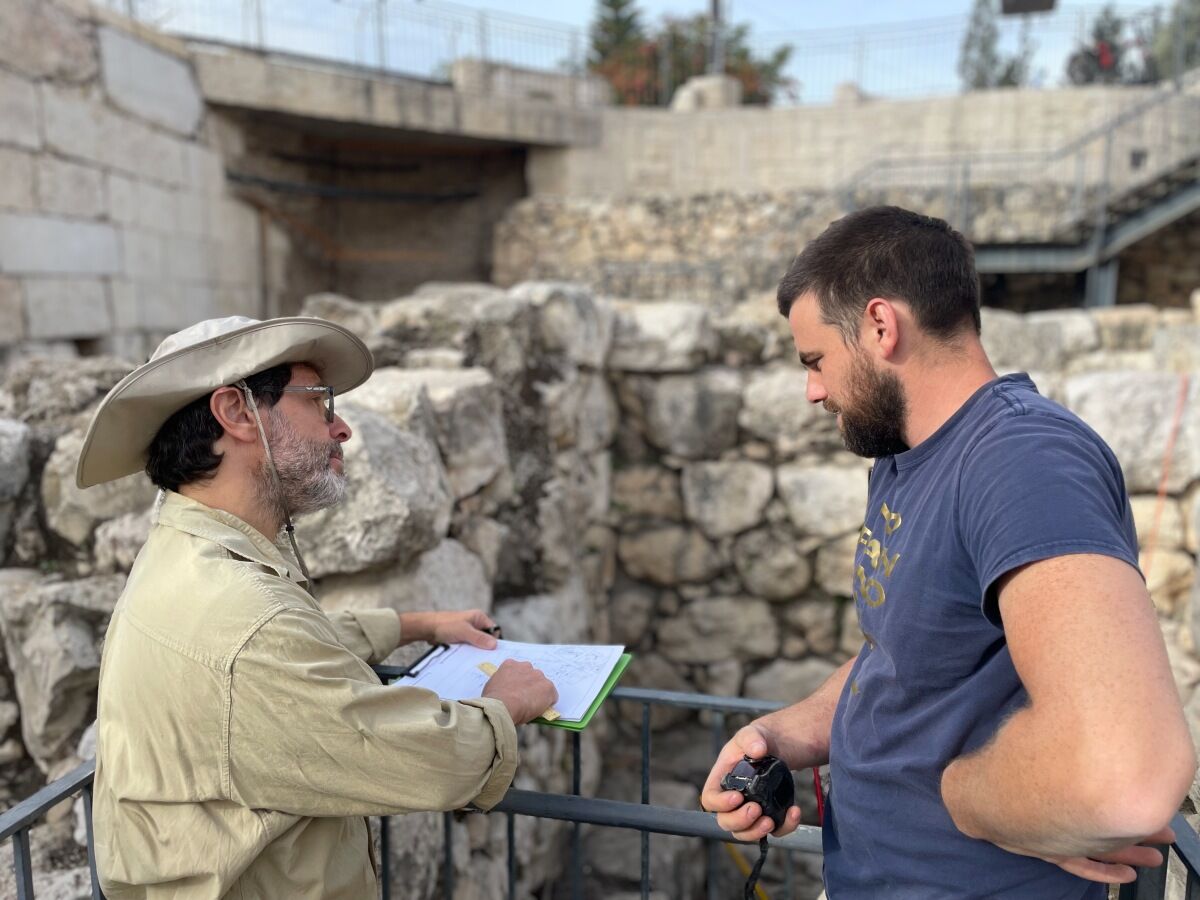
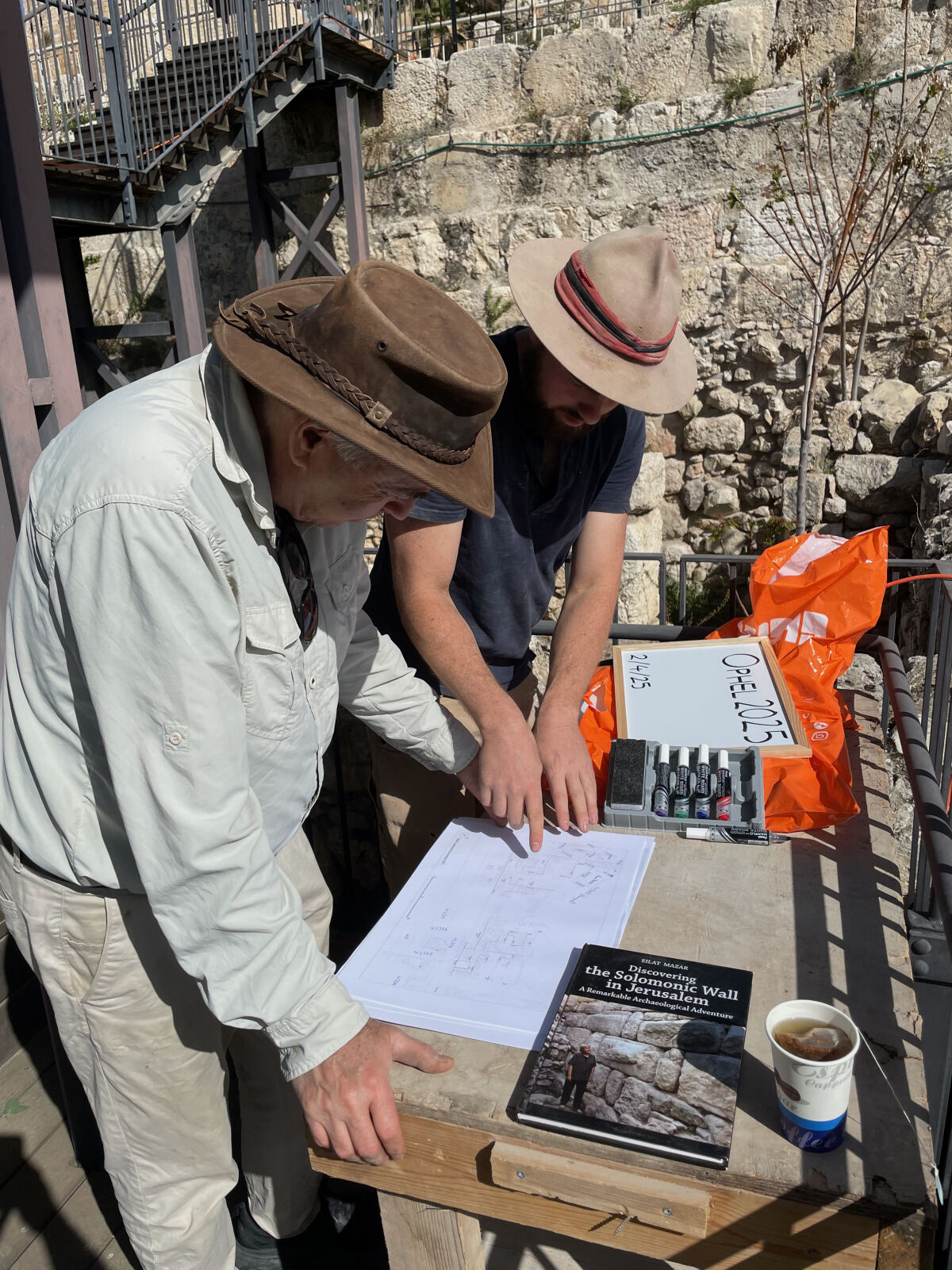
April 24: Drawing the Site
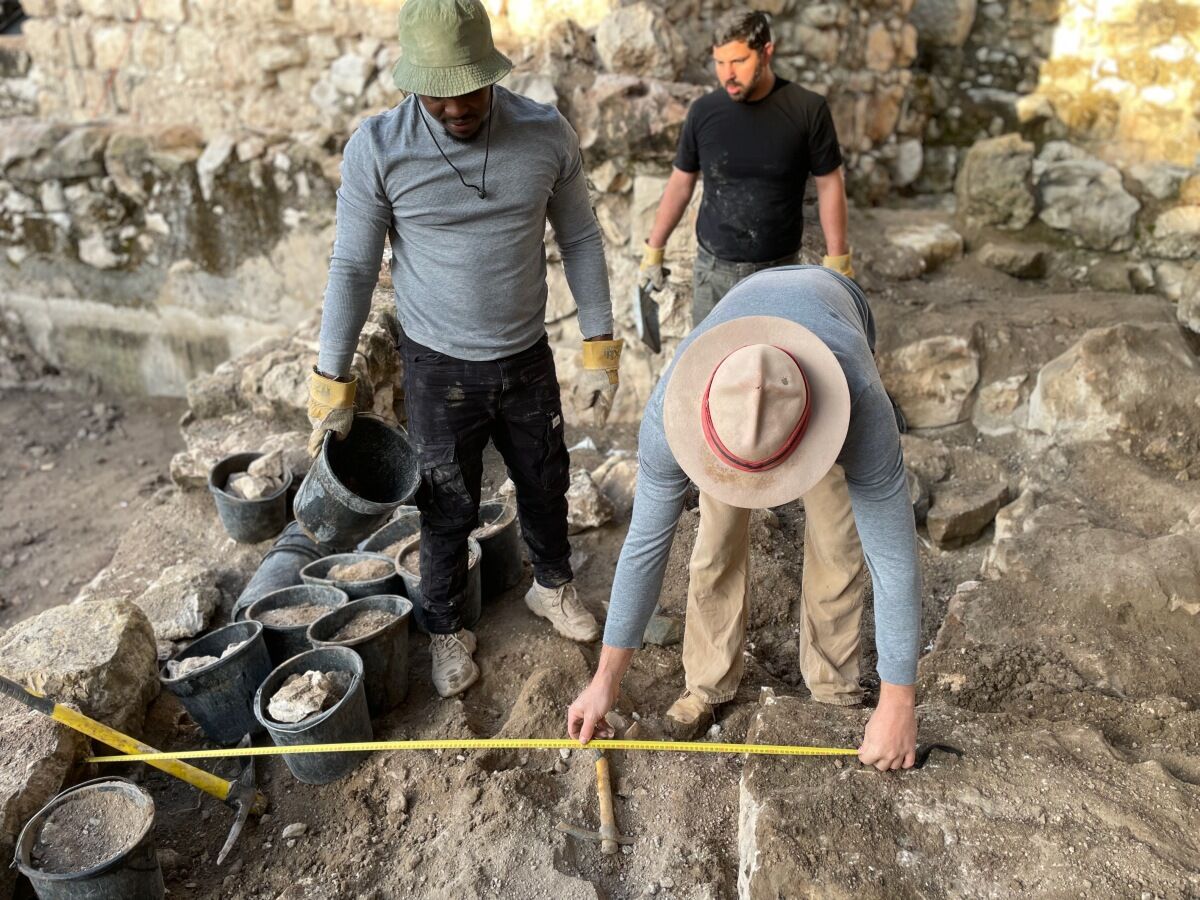
With the excavation coming to a close, Marcos Edelcopp, the Ophel dig architect, came by the site to draw updated plans.
April 22: VIP Visitors
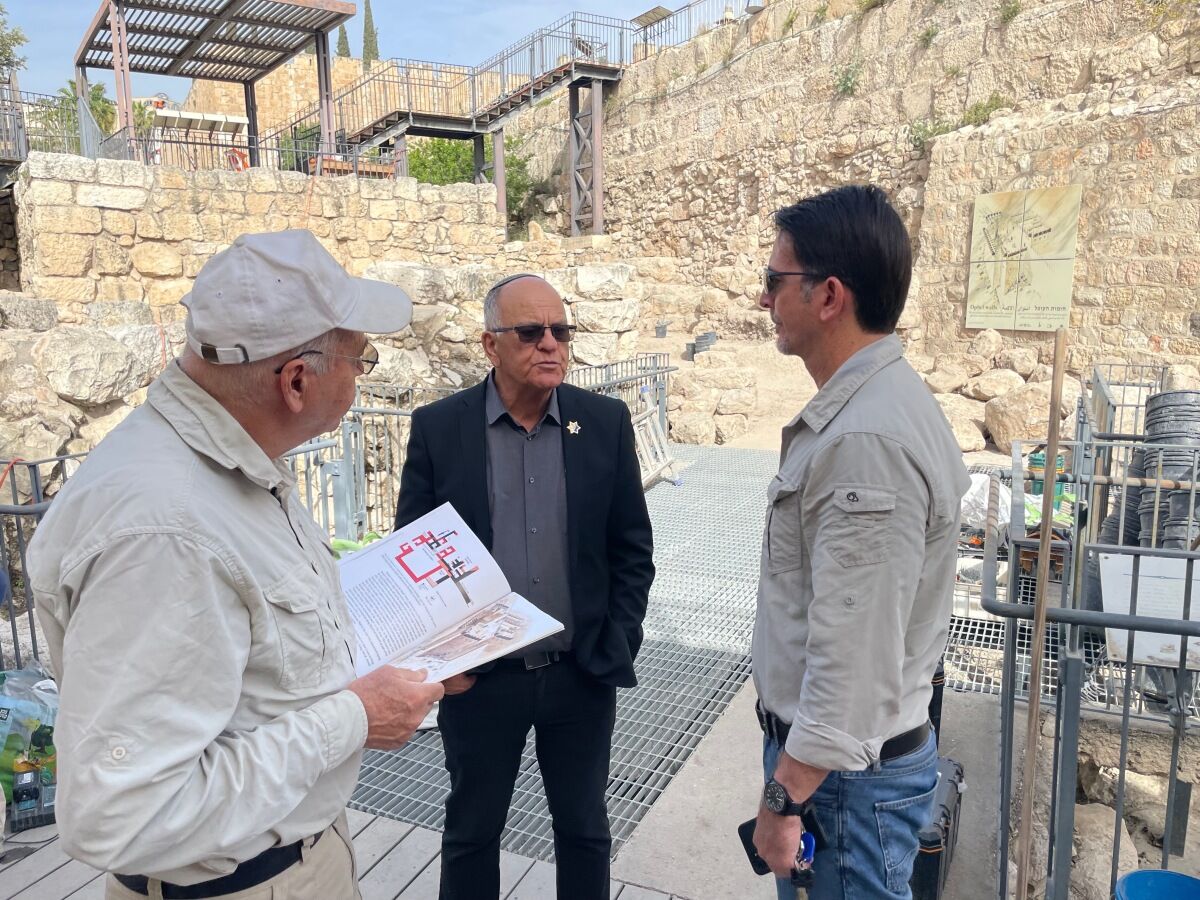
Today, we hosted some visitors at the site. Israel Antiquities Authority Director Eli Eskosido came to the site with Dr. Amit Re’em, the iaa’s Jerusalem district archaeologist. We’re very grateful that Eskosido took the time to see our progress at the Ophel. Some of our friends also came from Hebrew University for a visit: Avital Mazar-Tsairi (Dr. Eilat Mazar’s sister), Dr. Viviana Moscovich and Dr. Ariel Winderbaum.
April 21: The Work Continues
April 14: The Family Edition
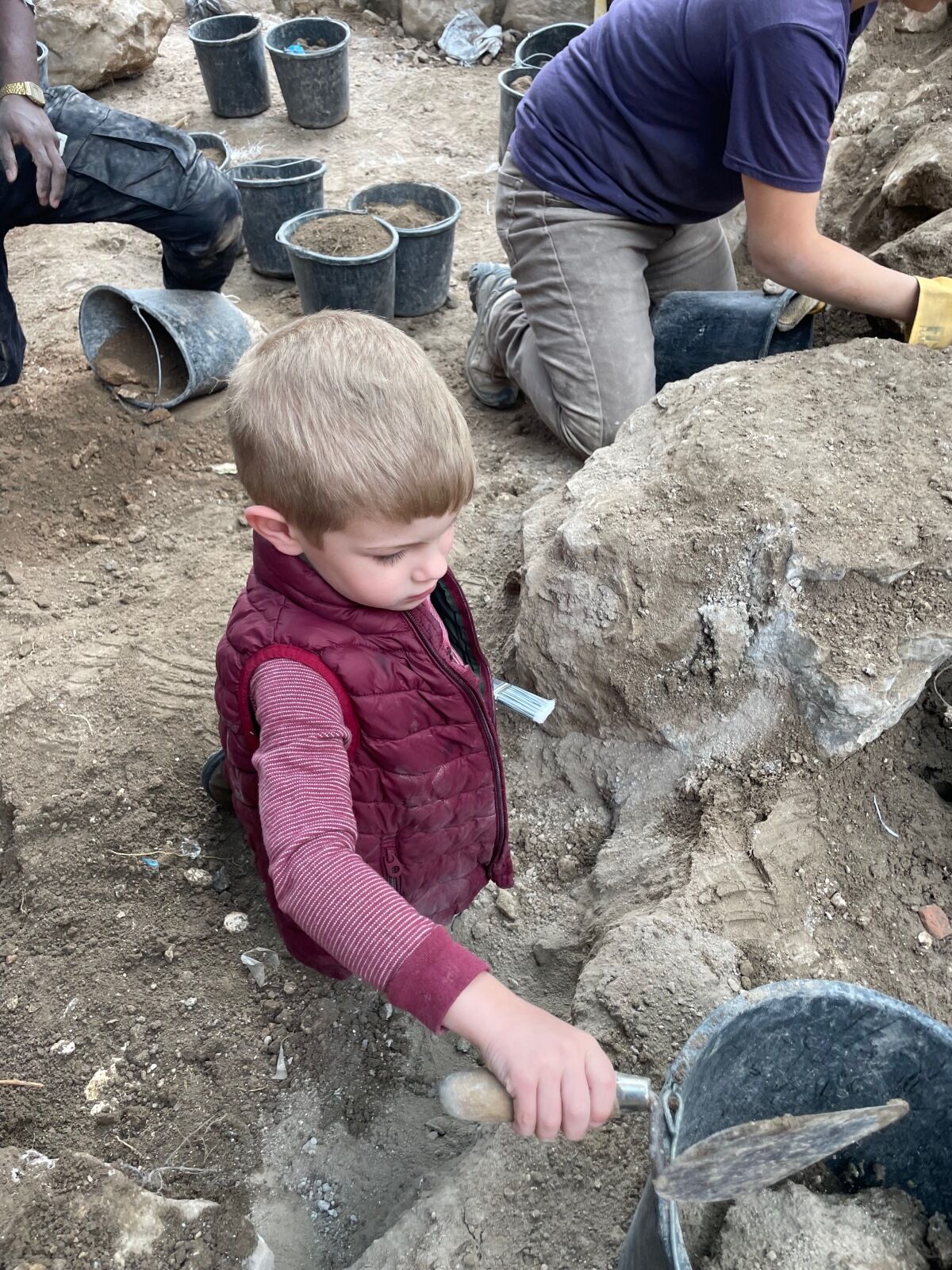
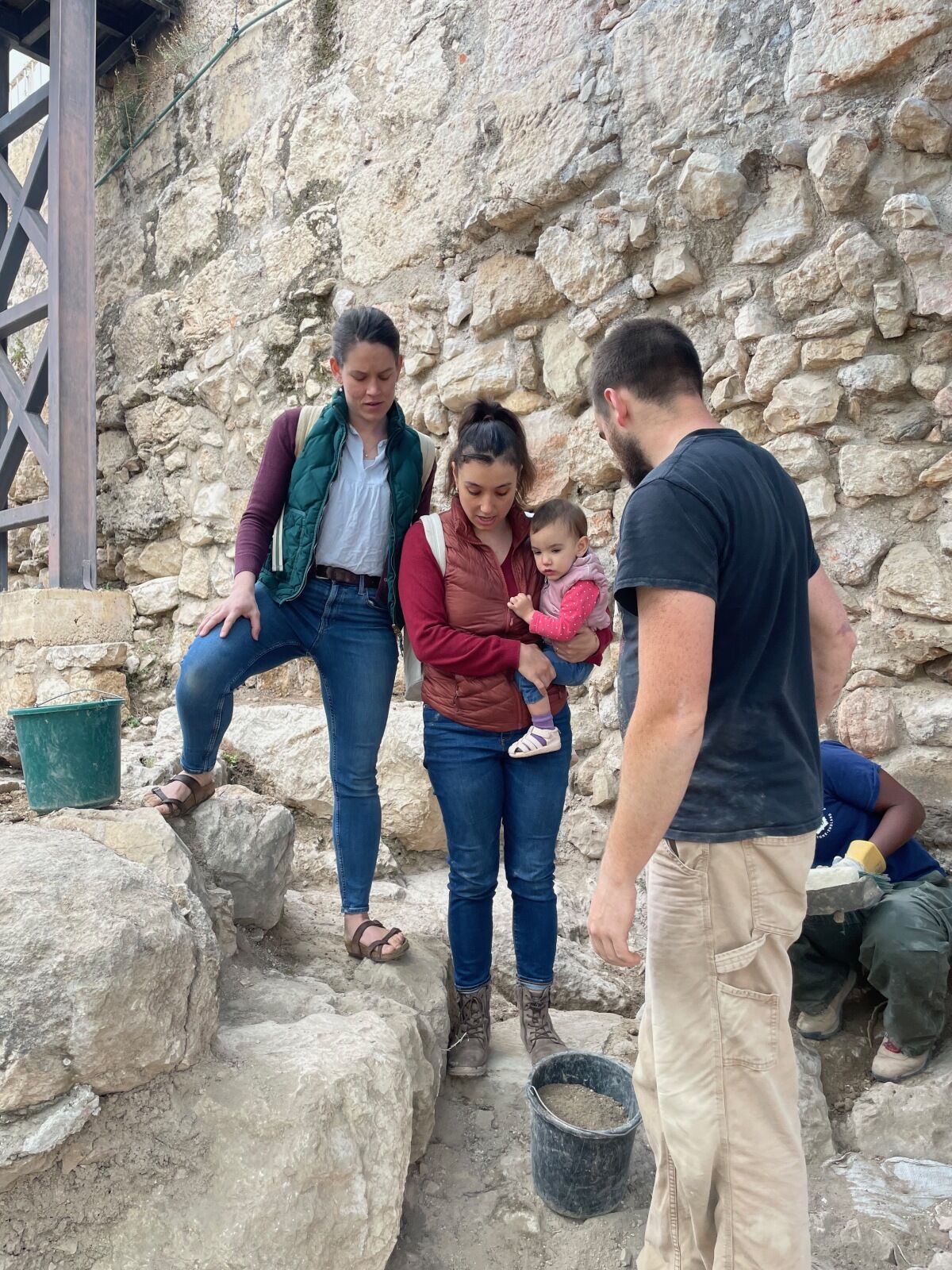
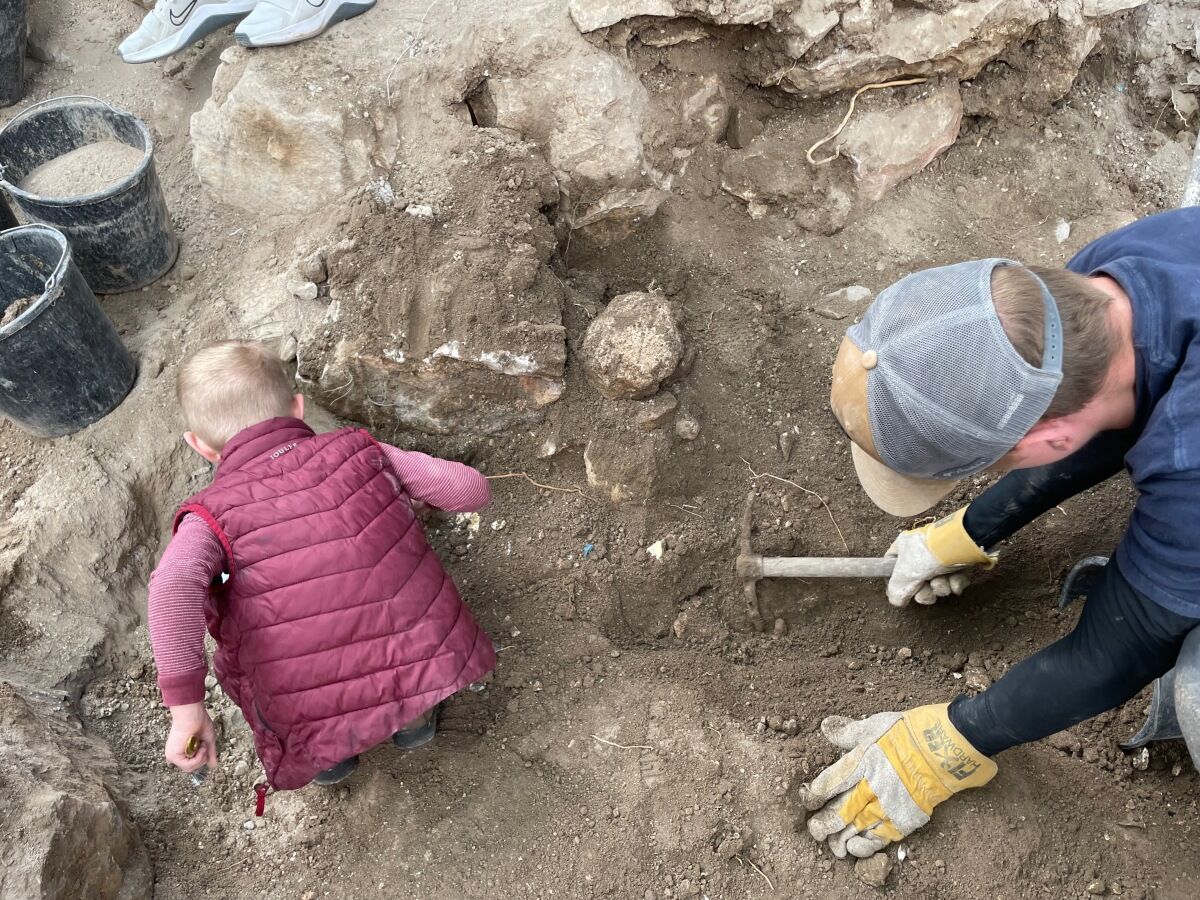
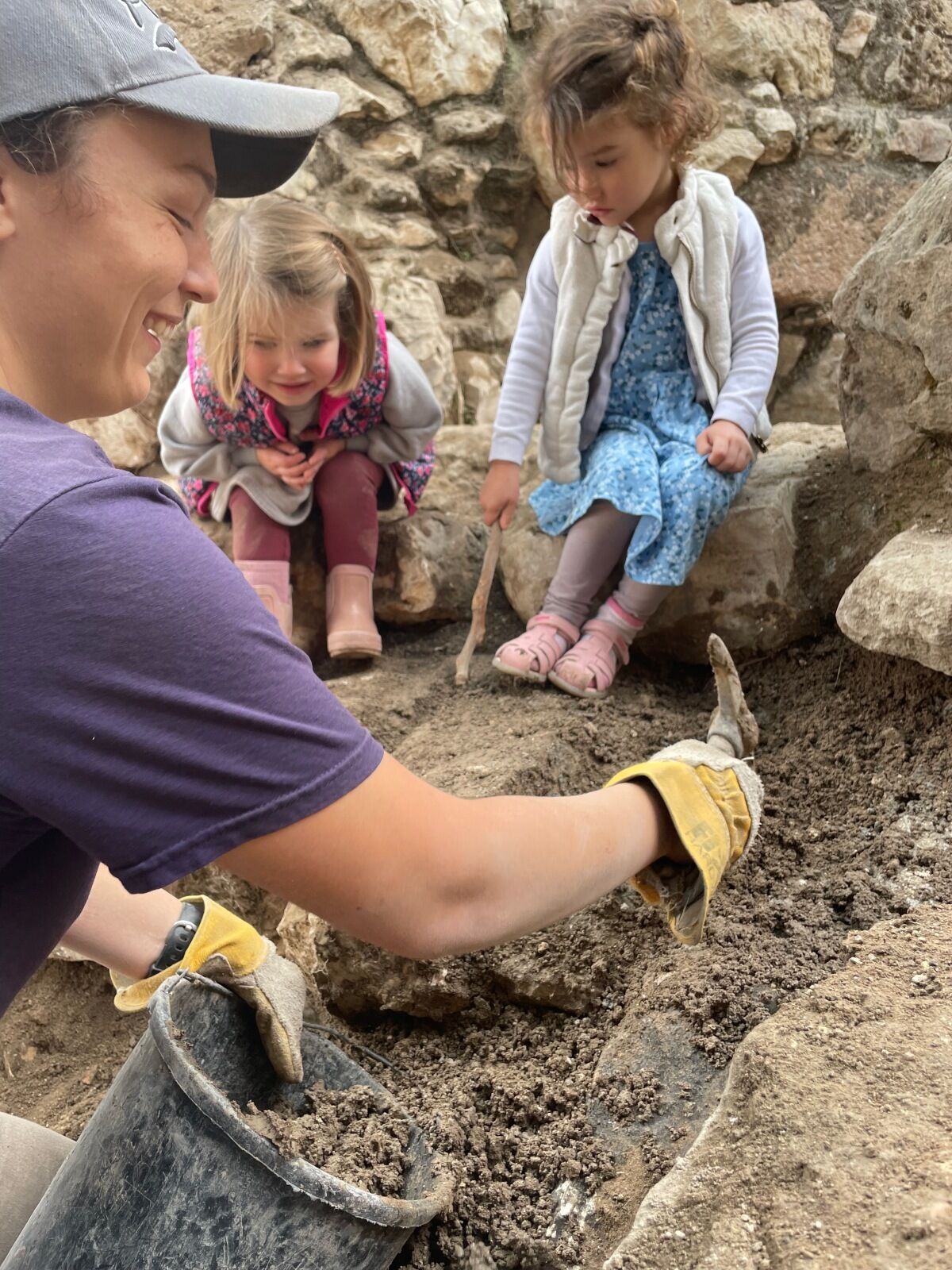
Today was a special day, not just because we had some new developments at the site, but also because our families visited! It added a lot to the day to have our wives and kids on site with us—even lending a helping hand.
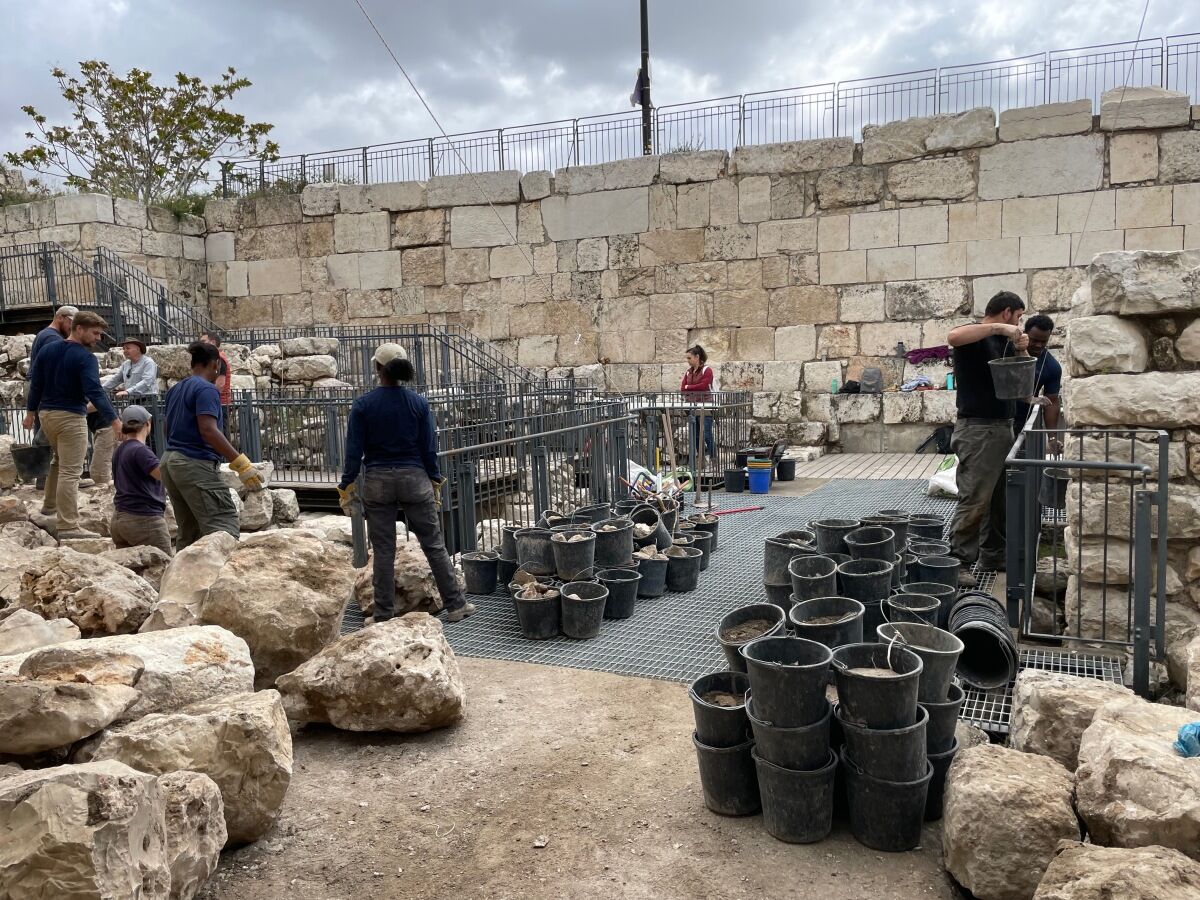
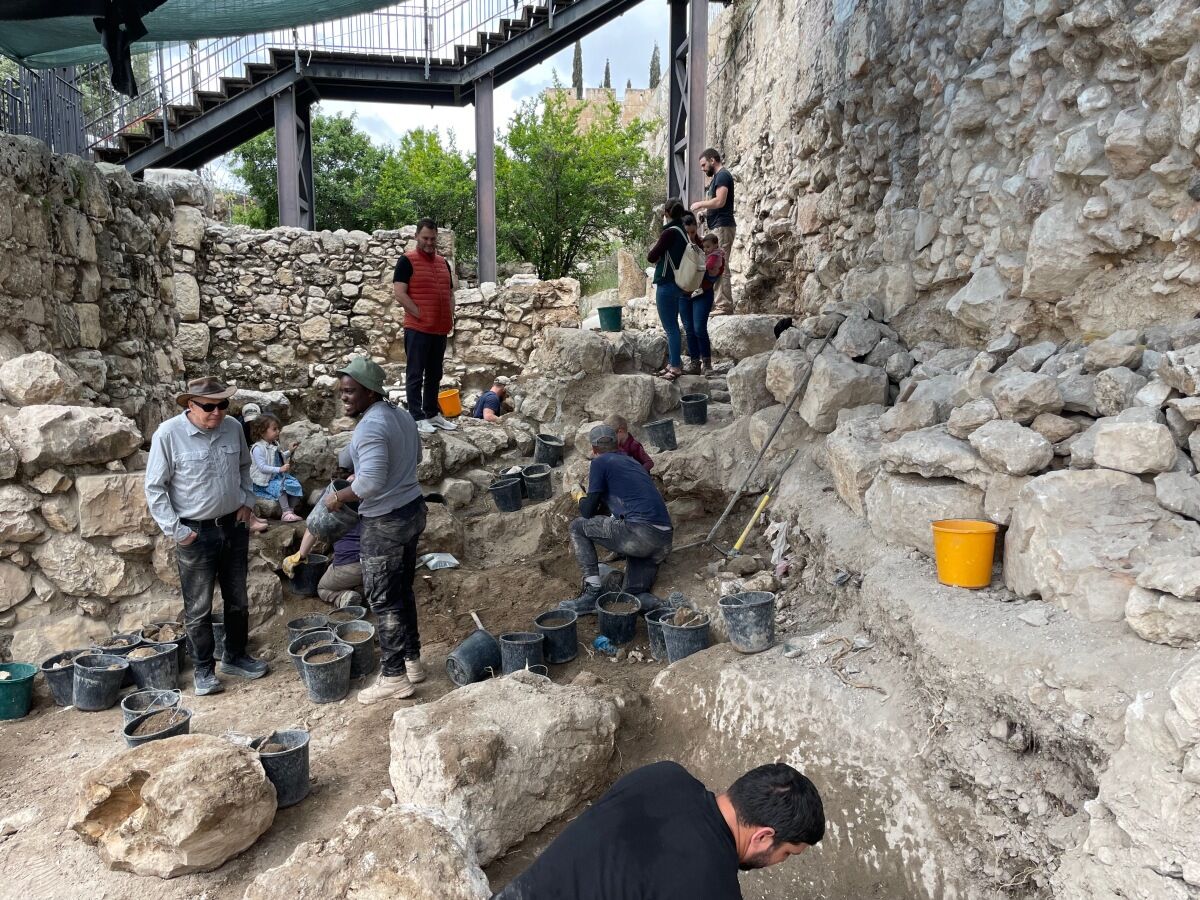
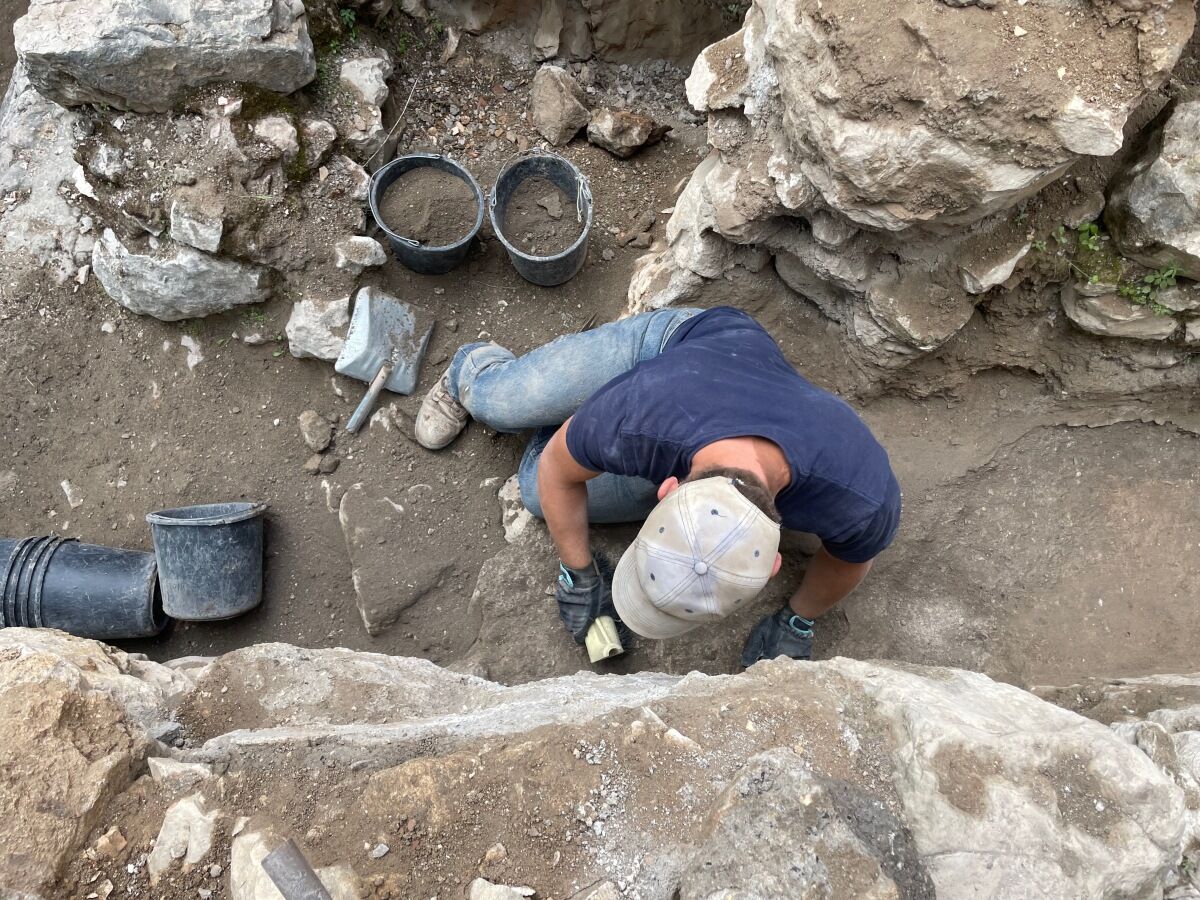
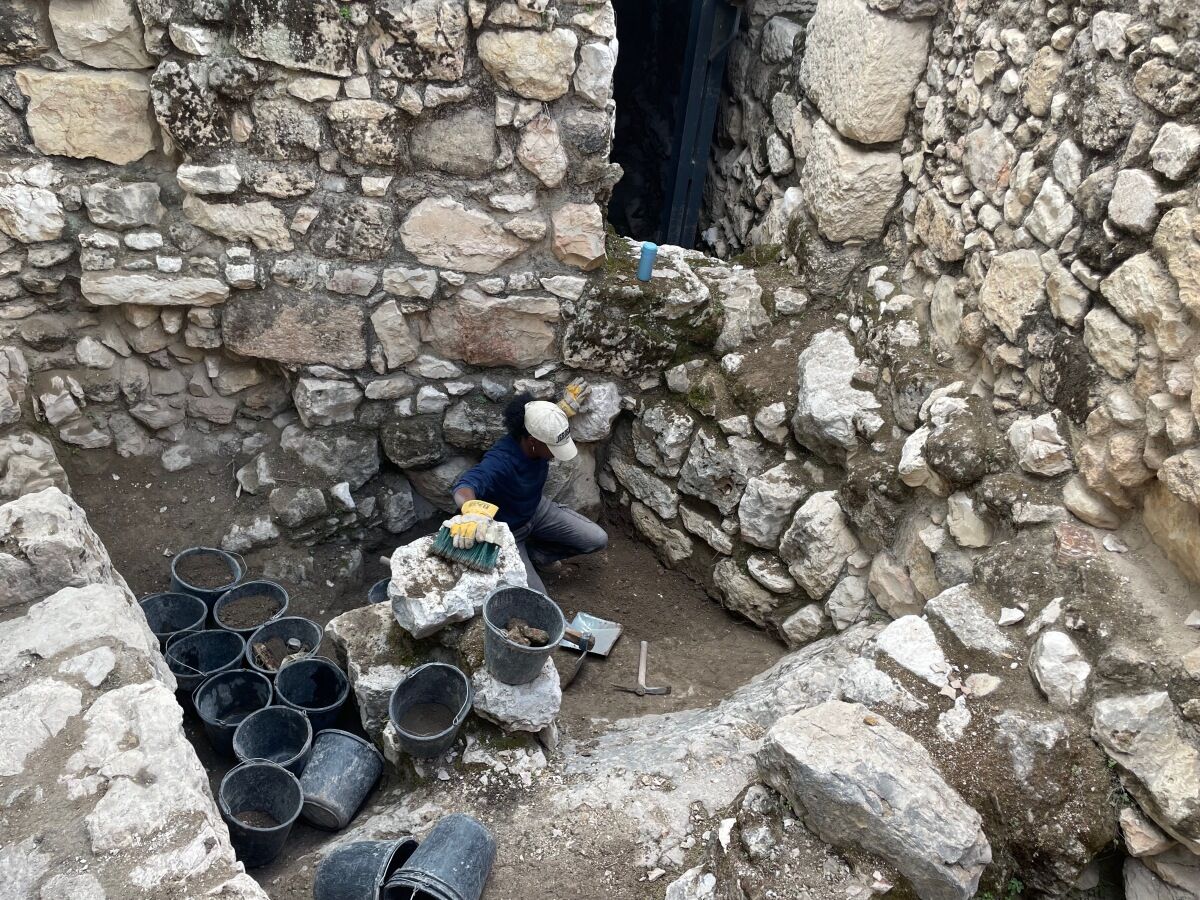
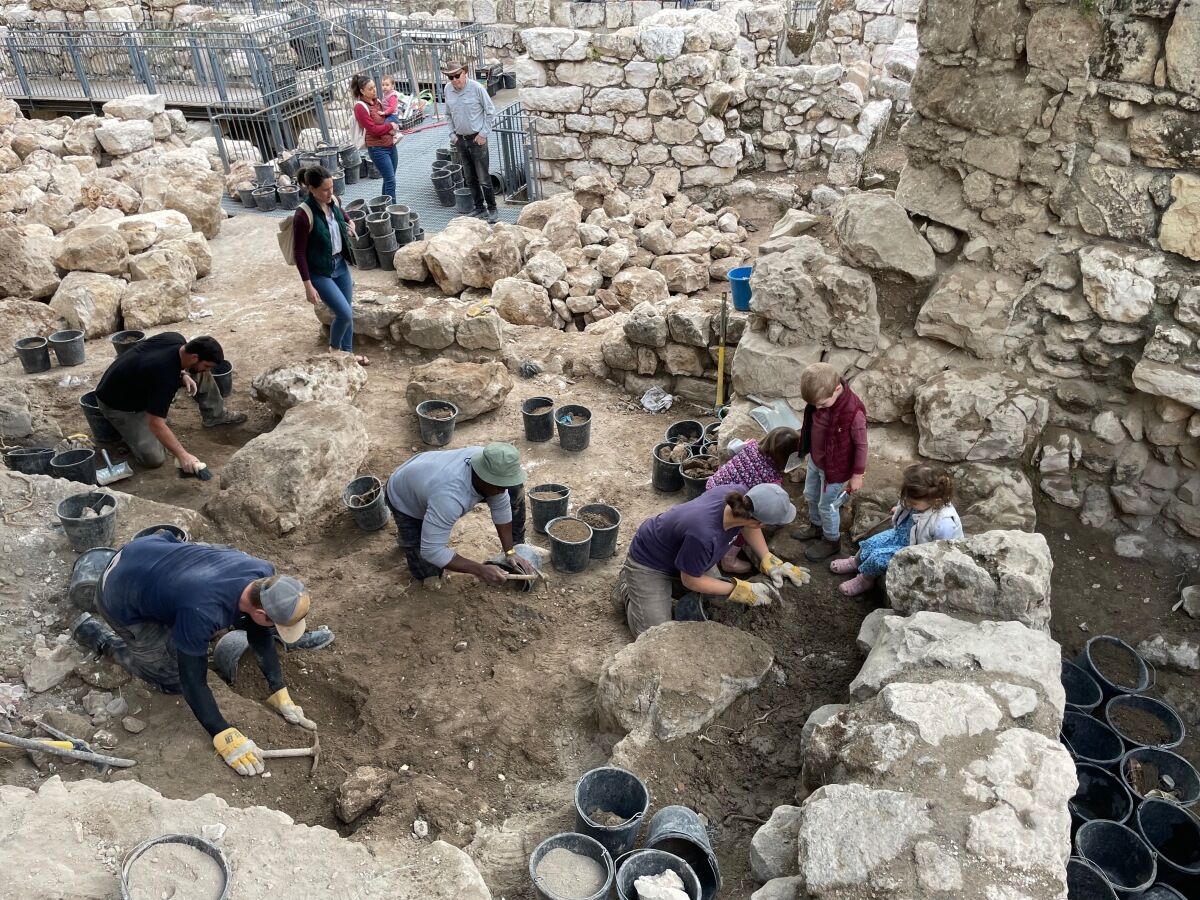
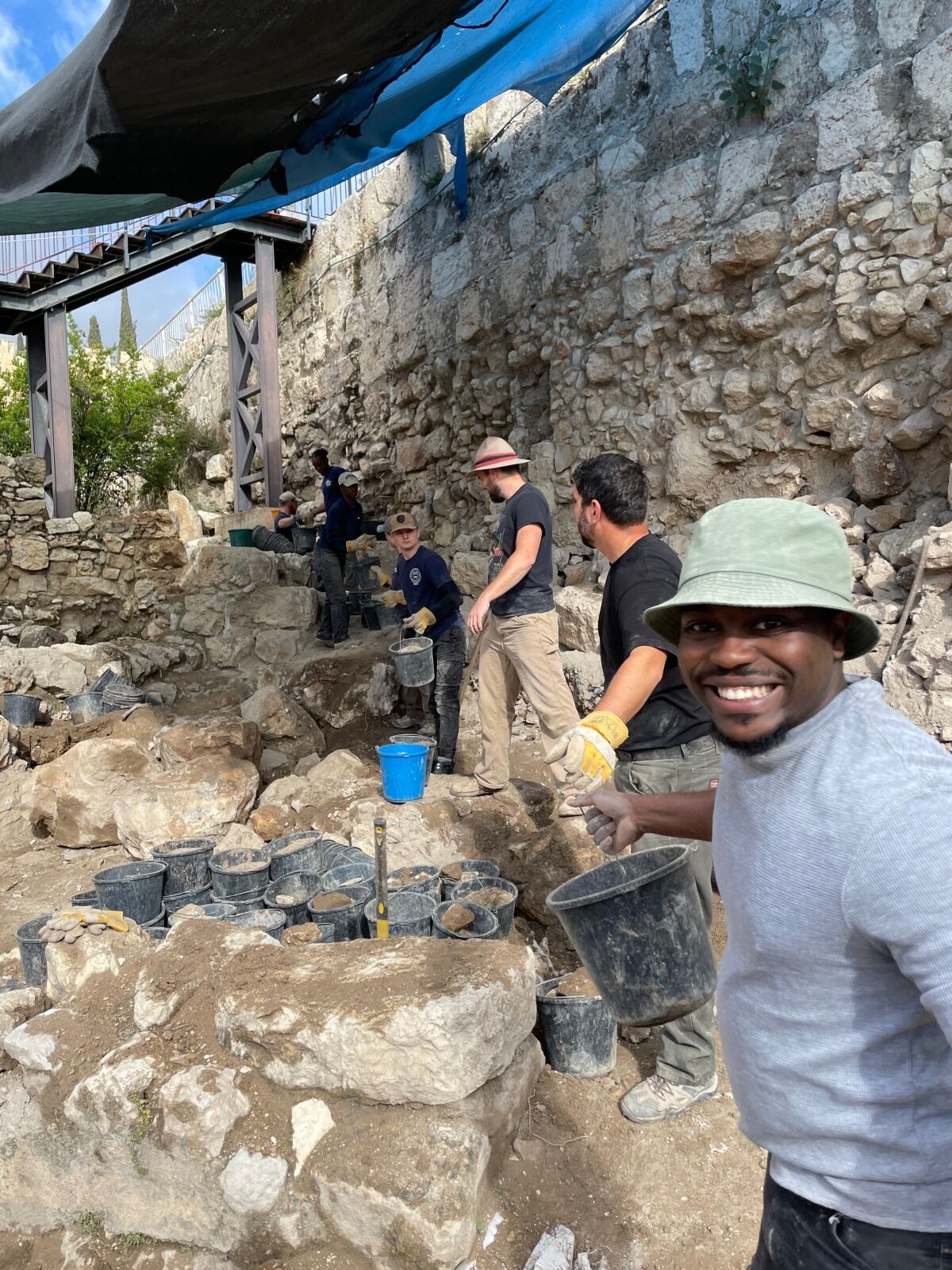
April 9: An Active Site
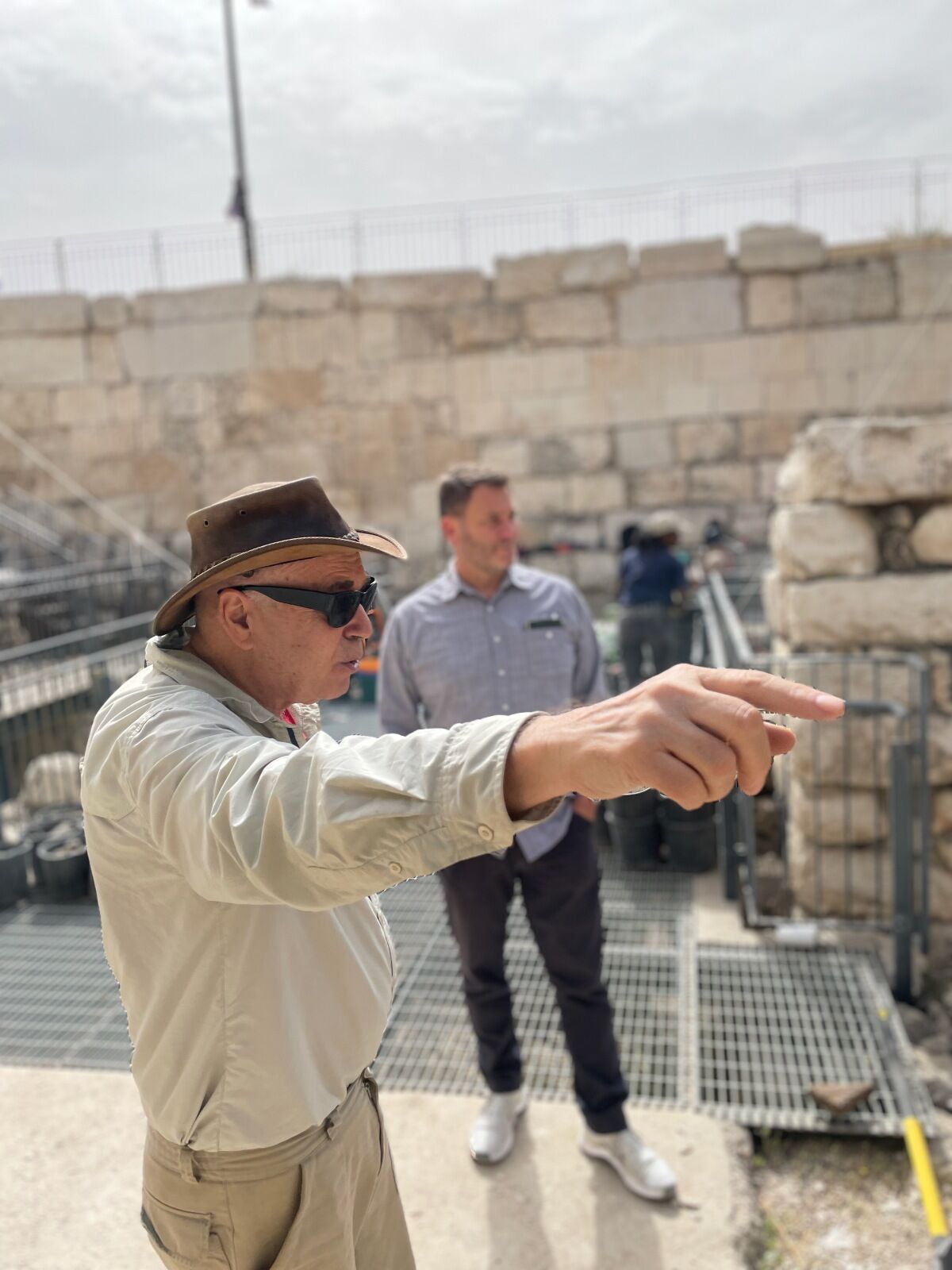
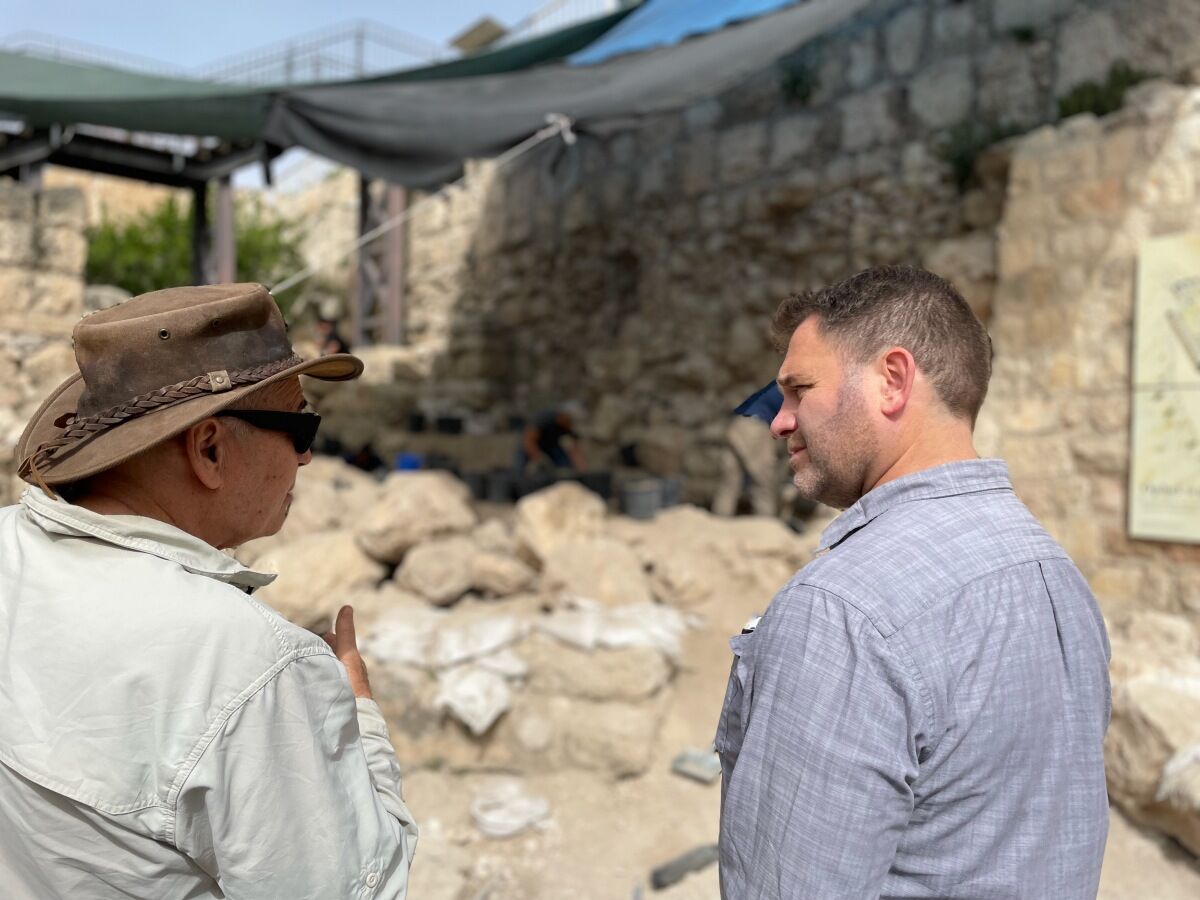
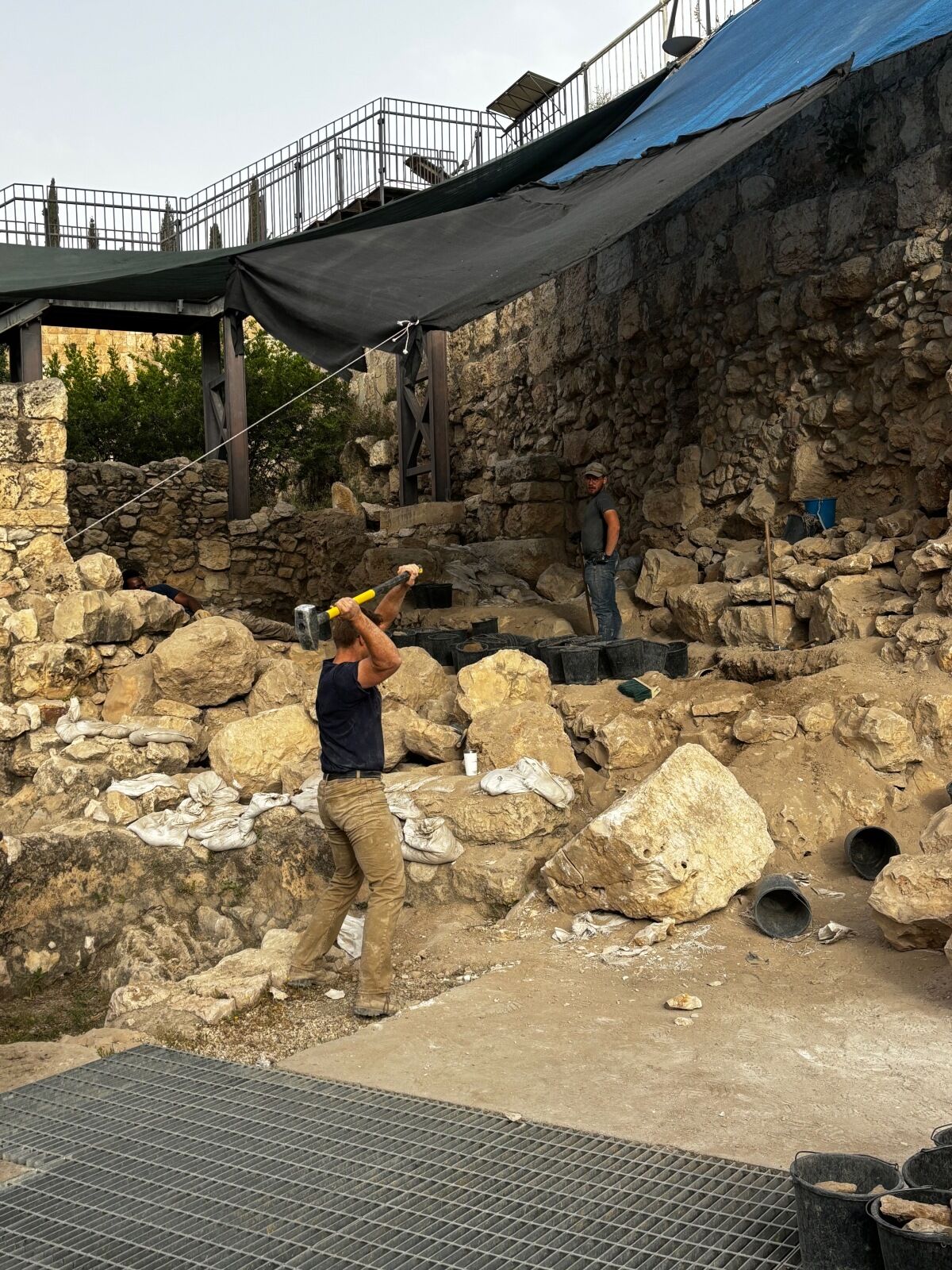
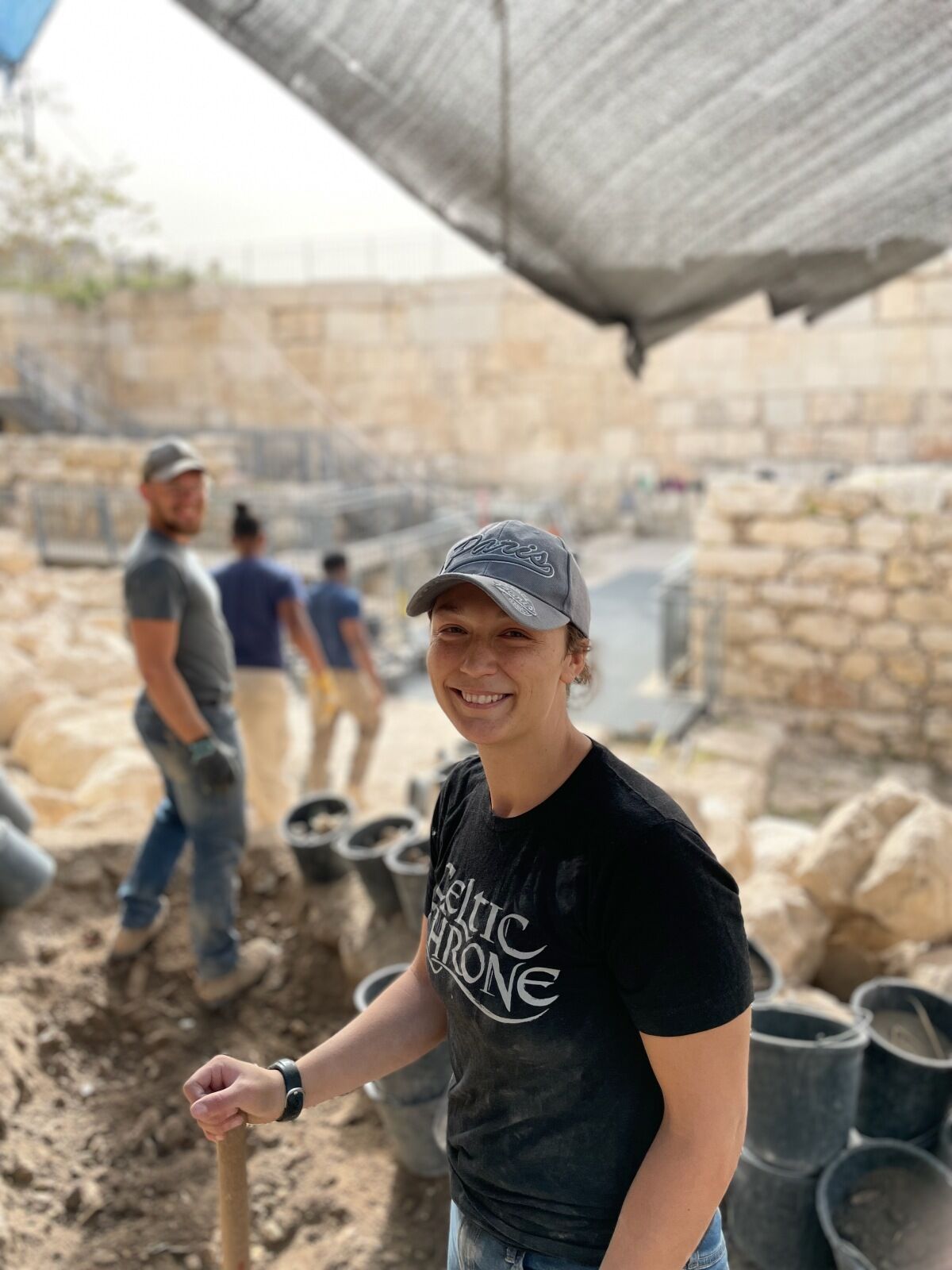
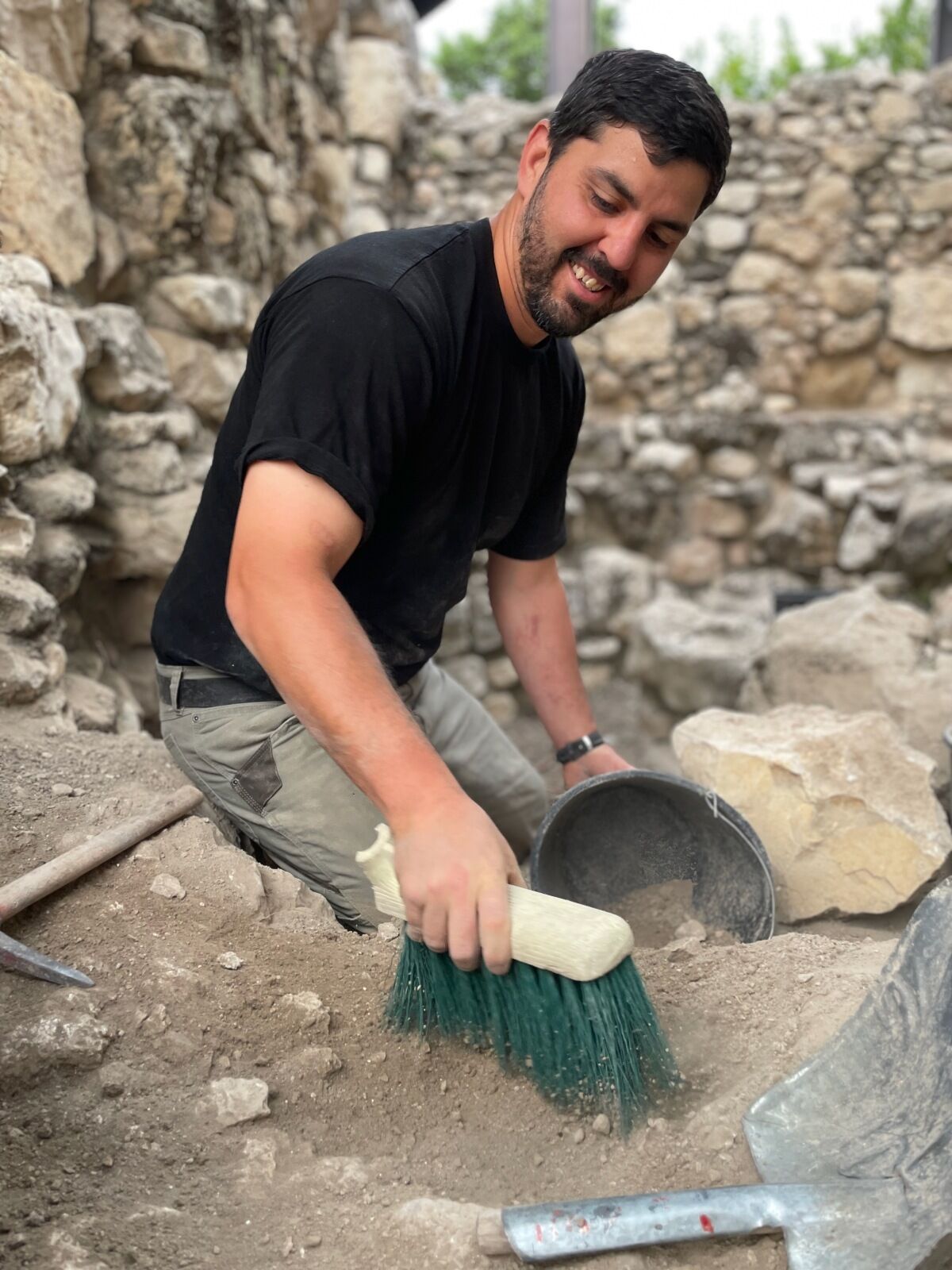
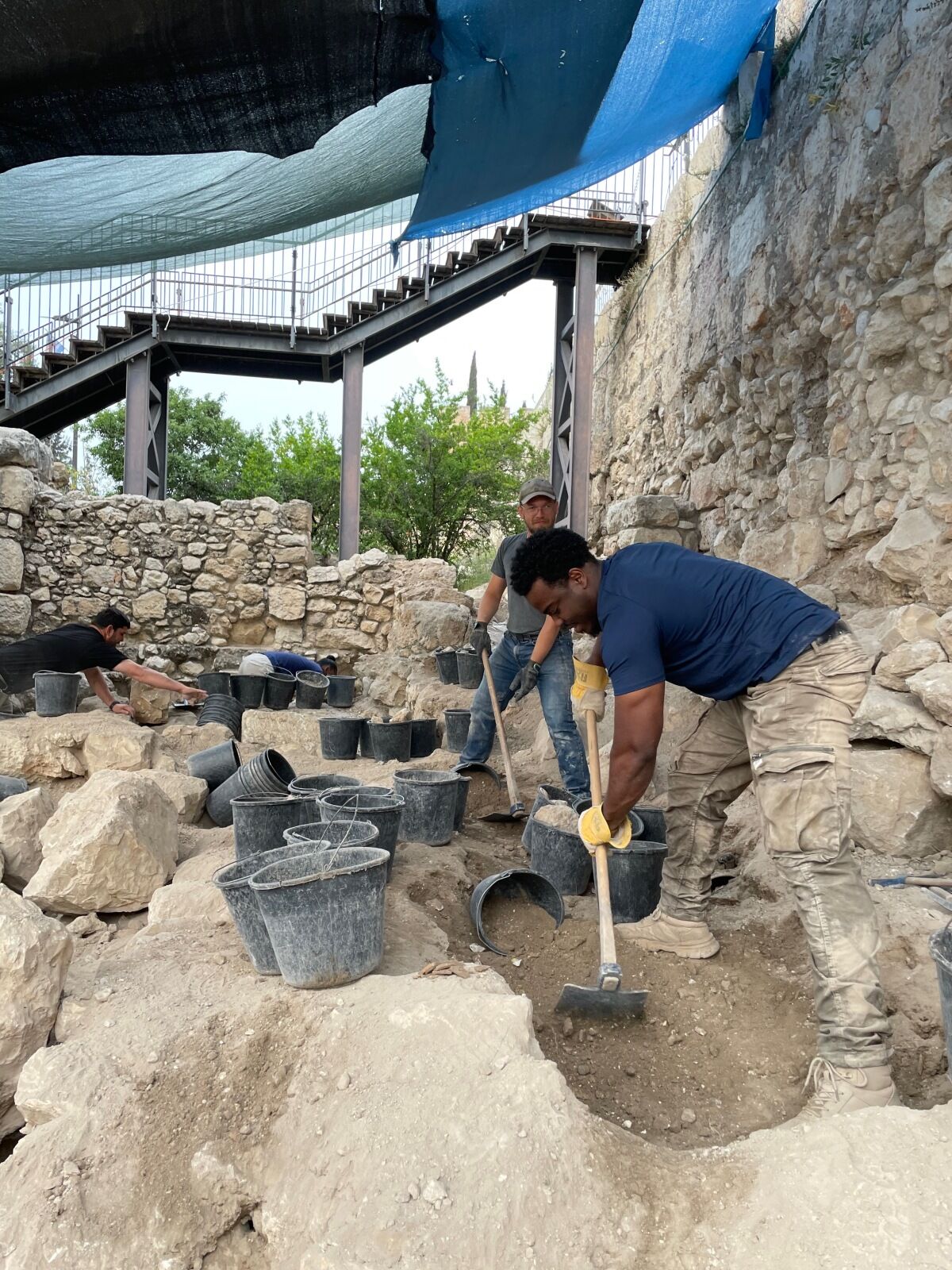
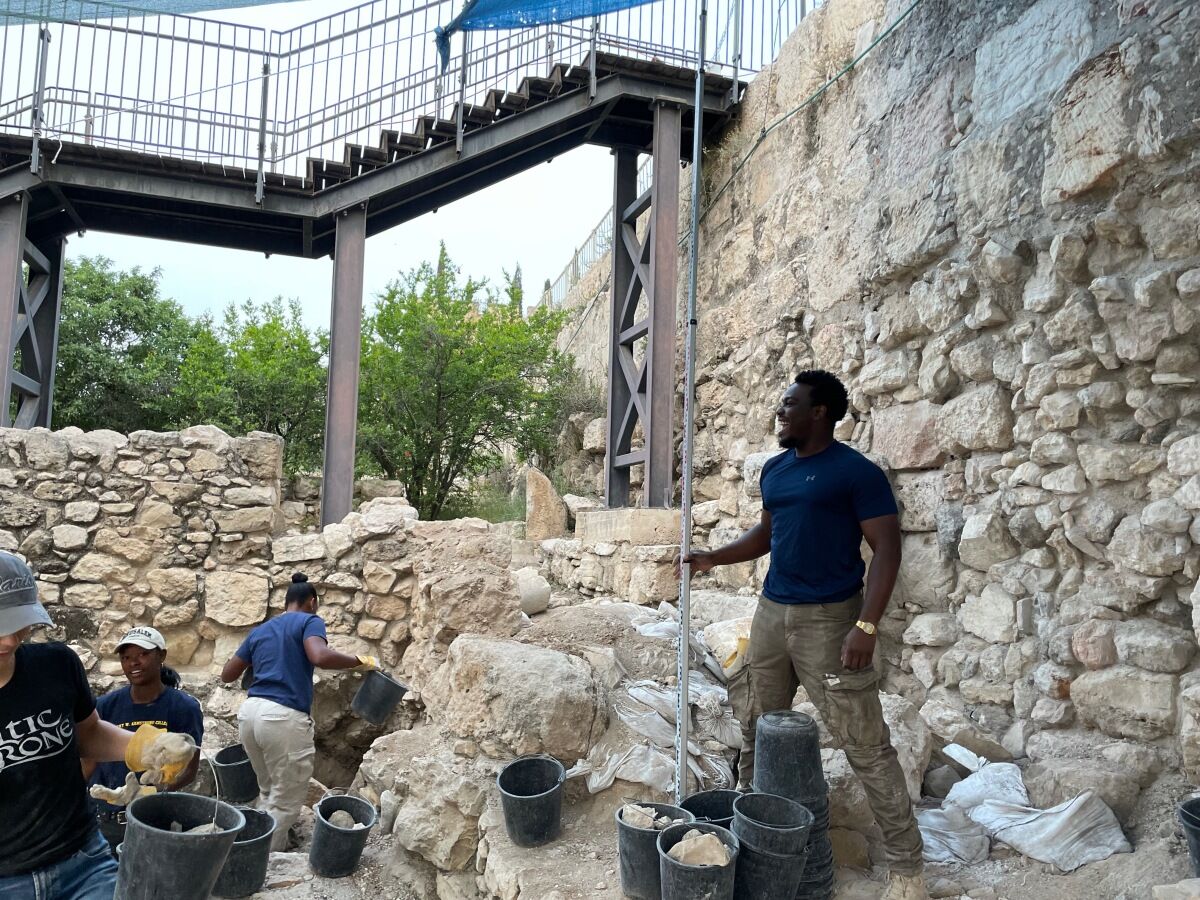
April 8: One Massive Stone
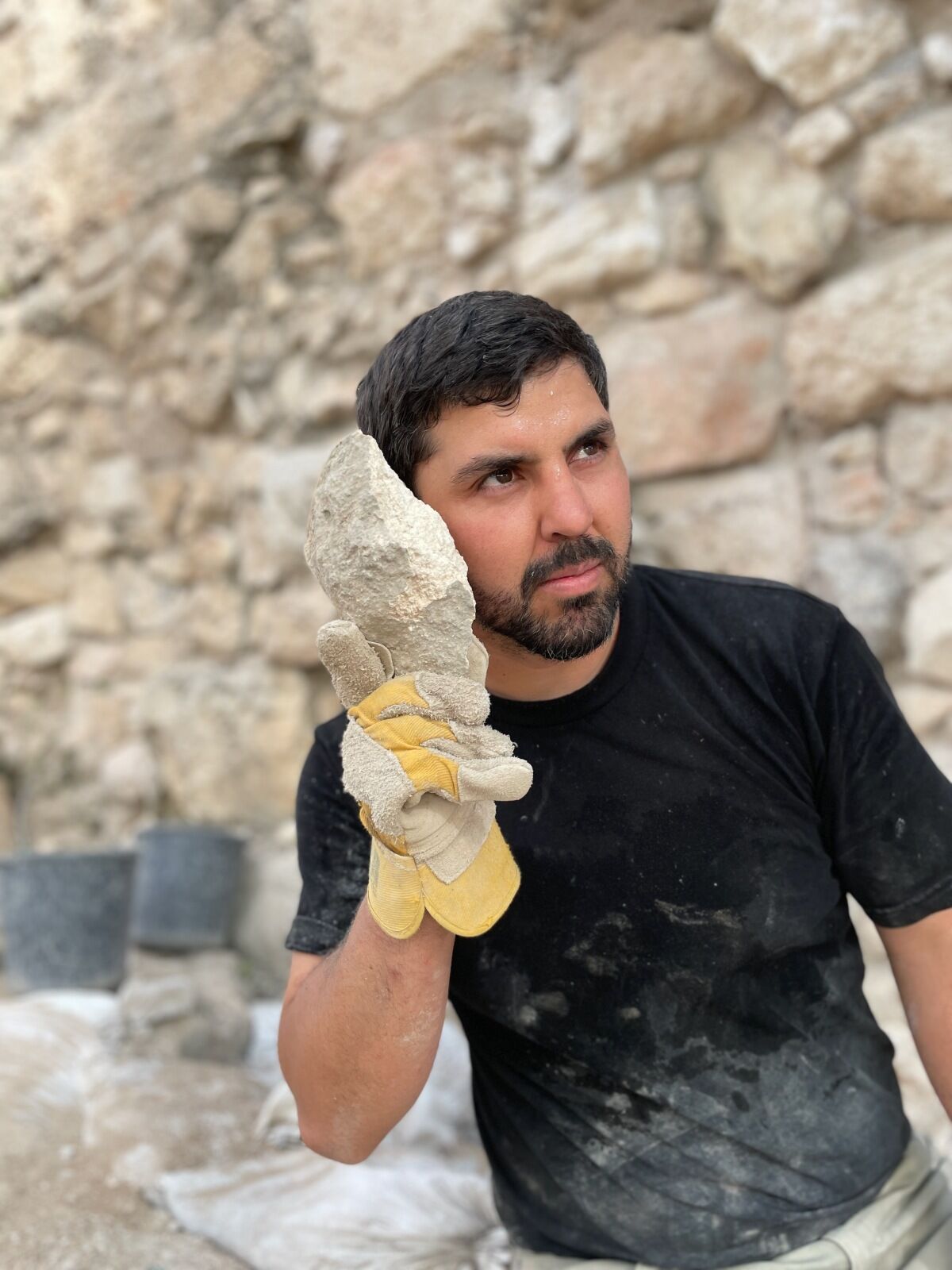
Today’s edition is highlighting a massive stone that some of the guys moved on the dig site—the largest stone we’ve had to move so far!
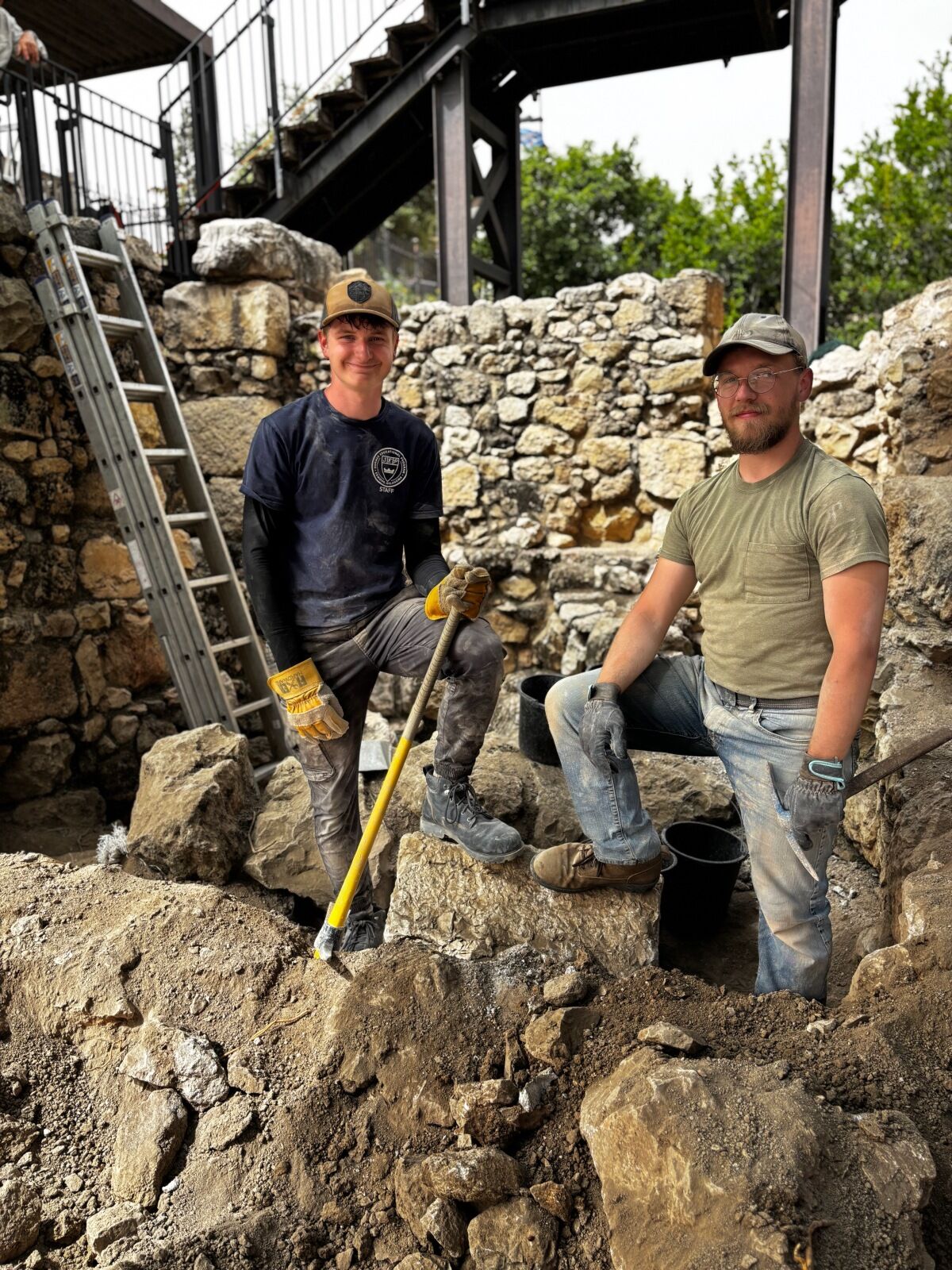
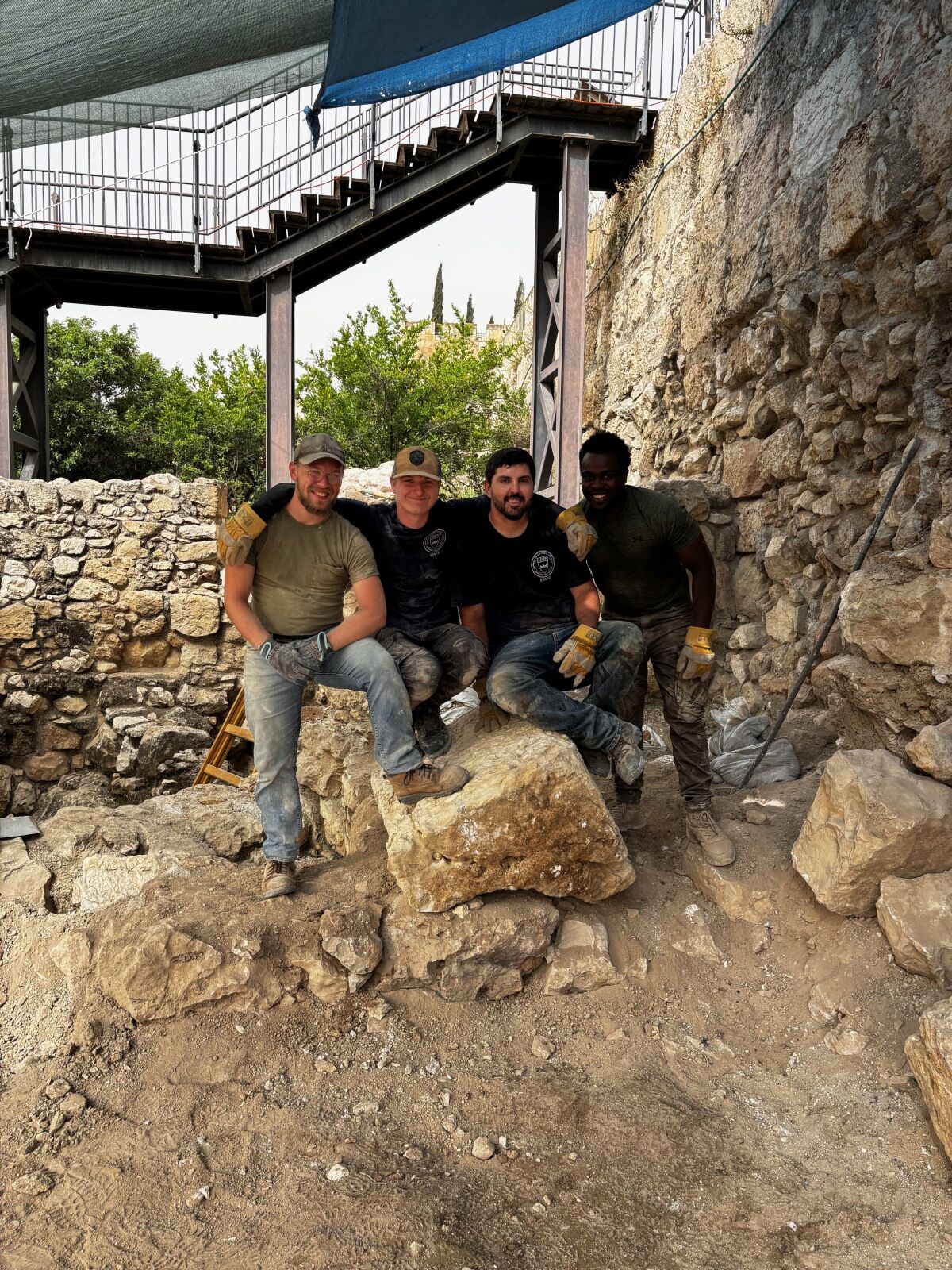
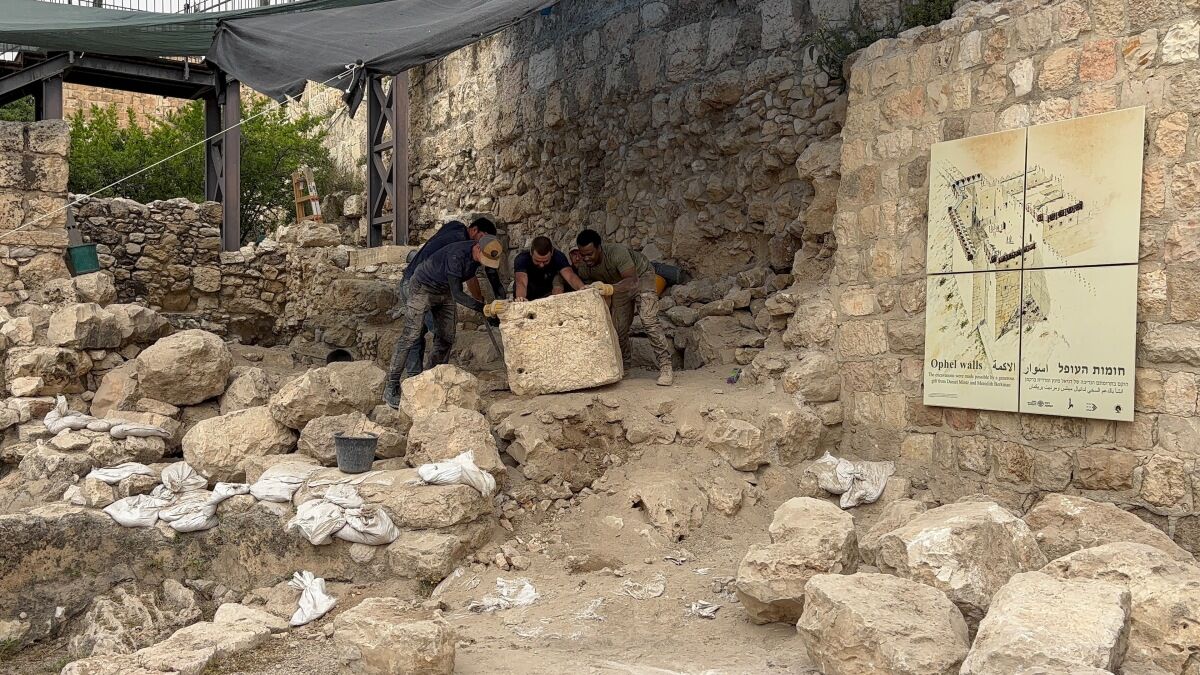
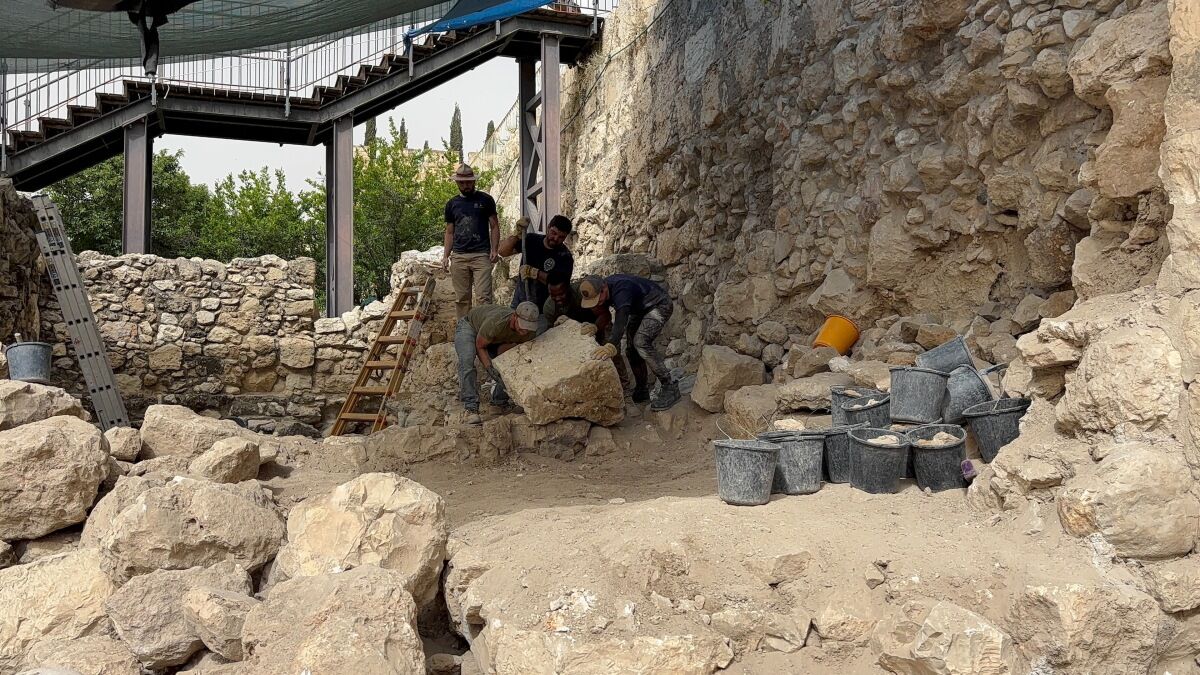
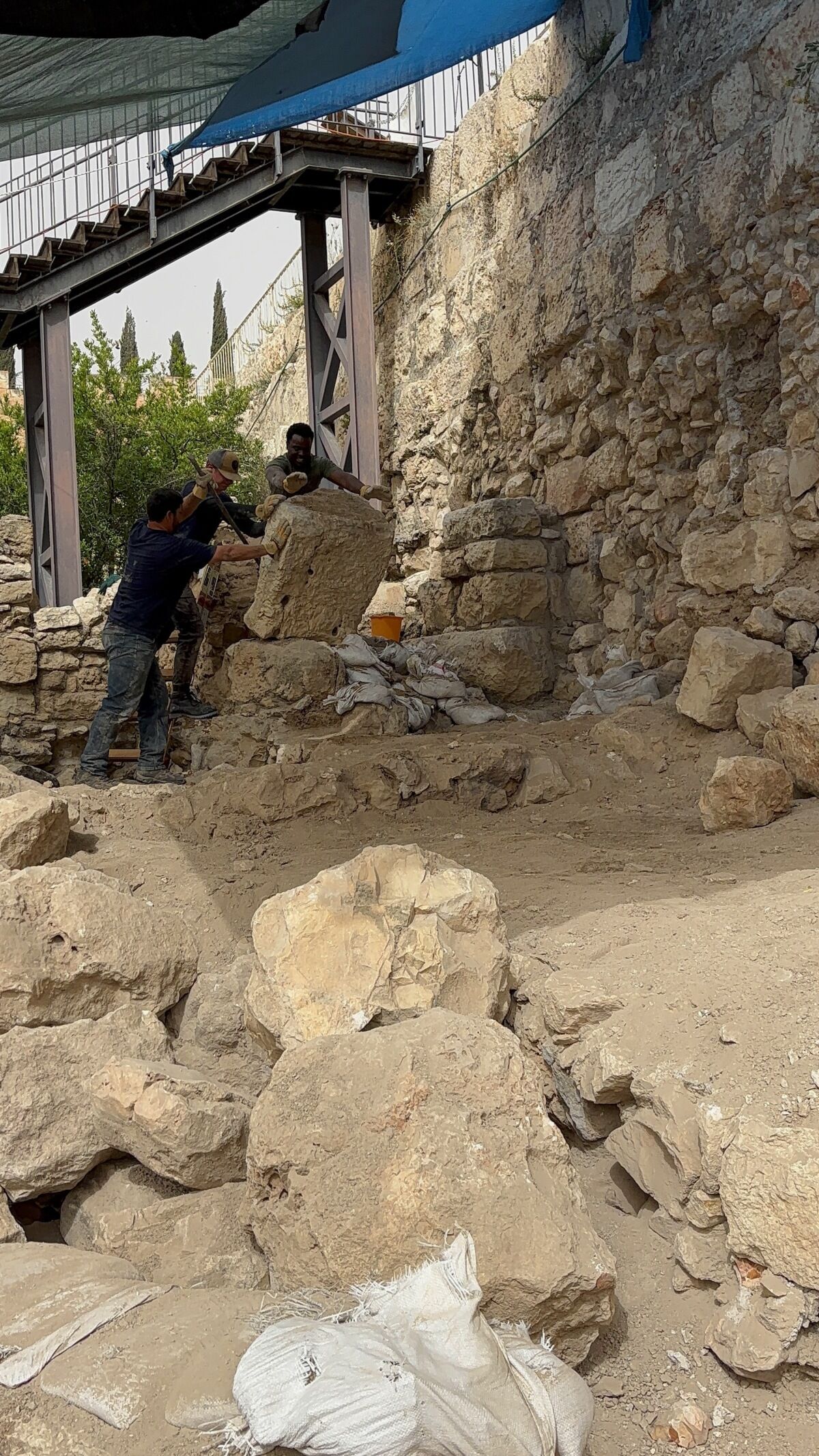
April 7: A Variety of Tasks
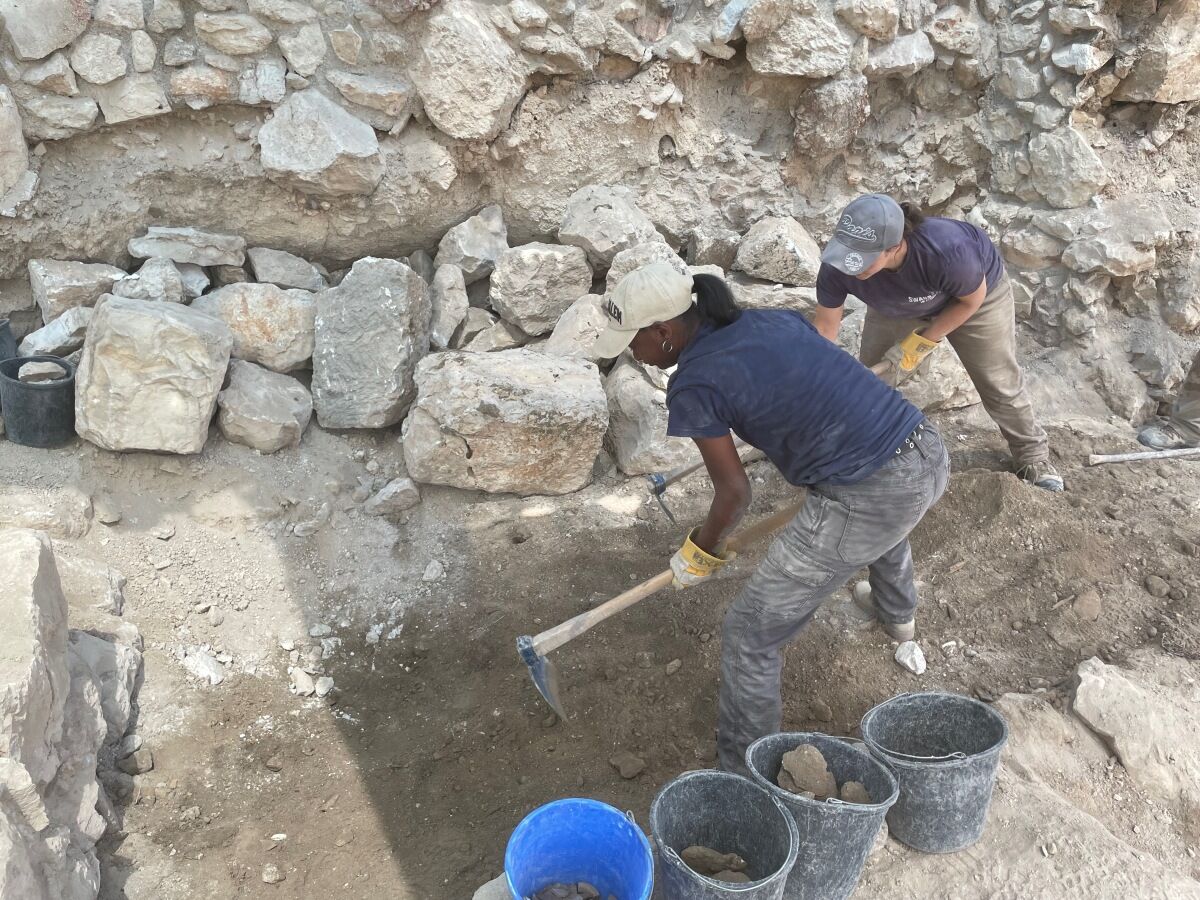
The walls are coming down quickly! We also began working within what was once a Byzantine room. We’re working to take the floor down to bedrock. This area was previously excavated, but we’ve still pulled out some interesting finds—and a lot of modern trash.
April 6: The Week Starts Strong
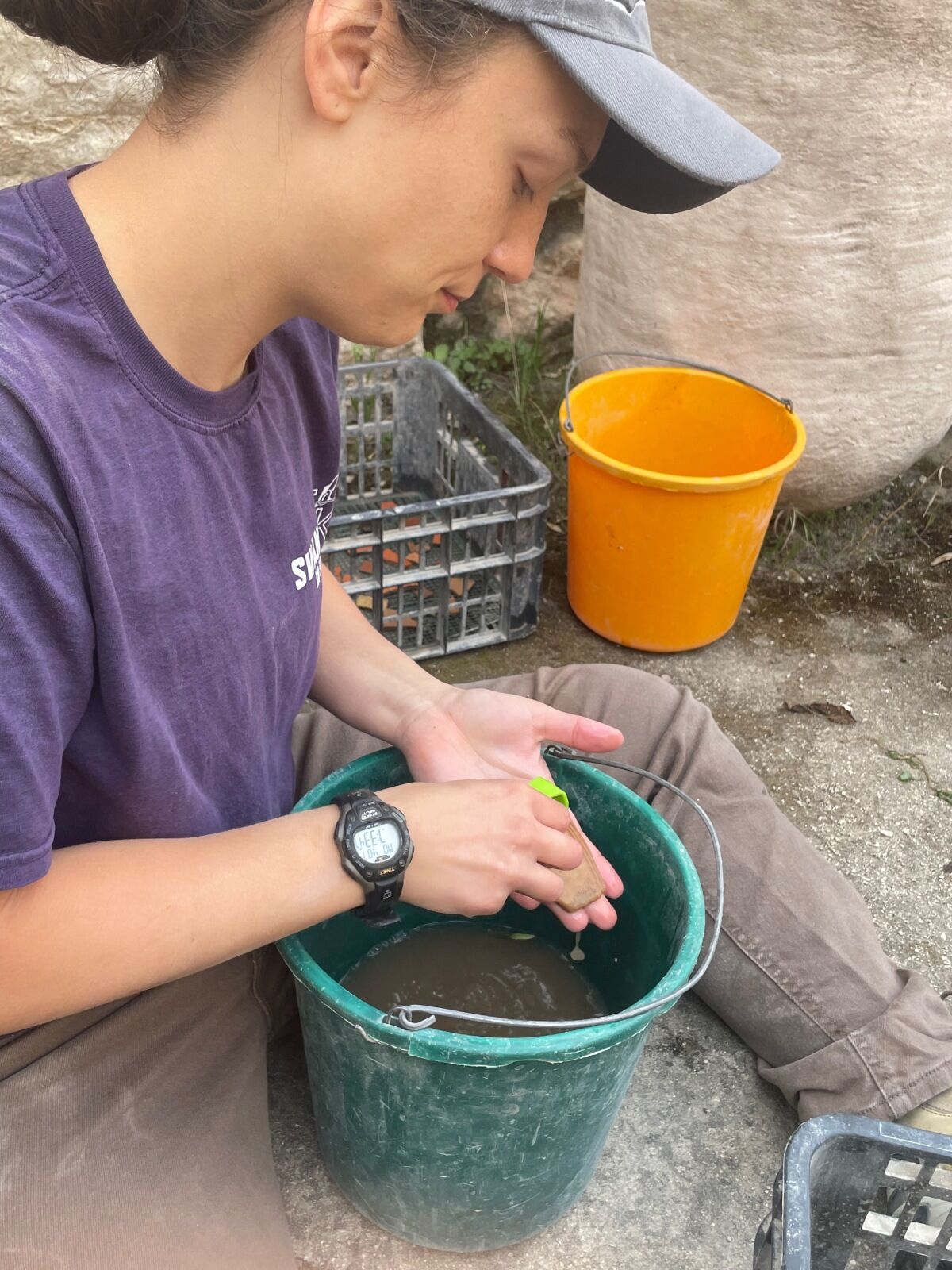
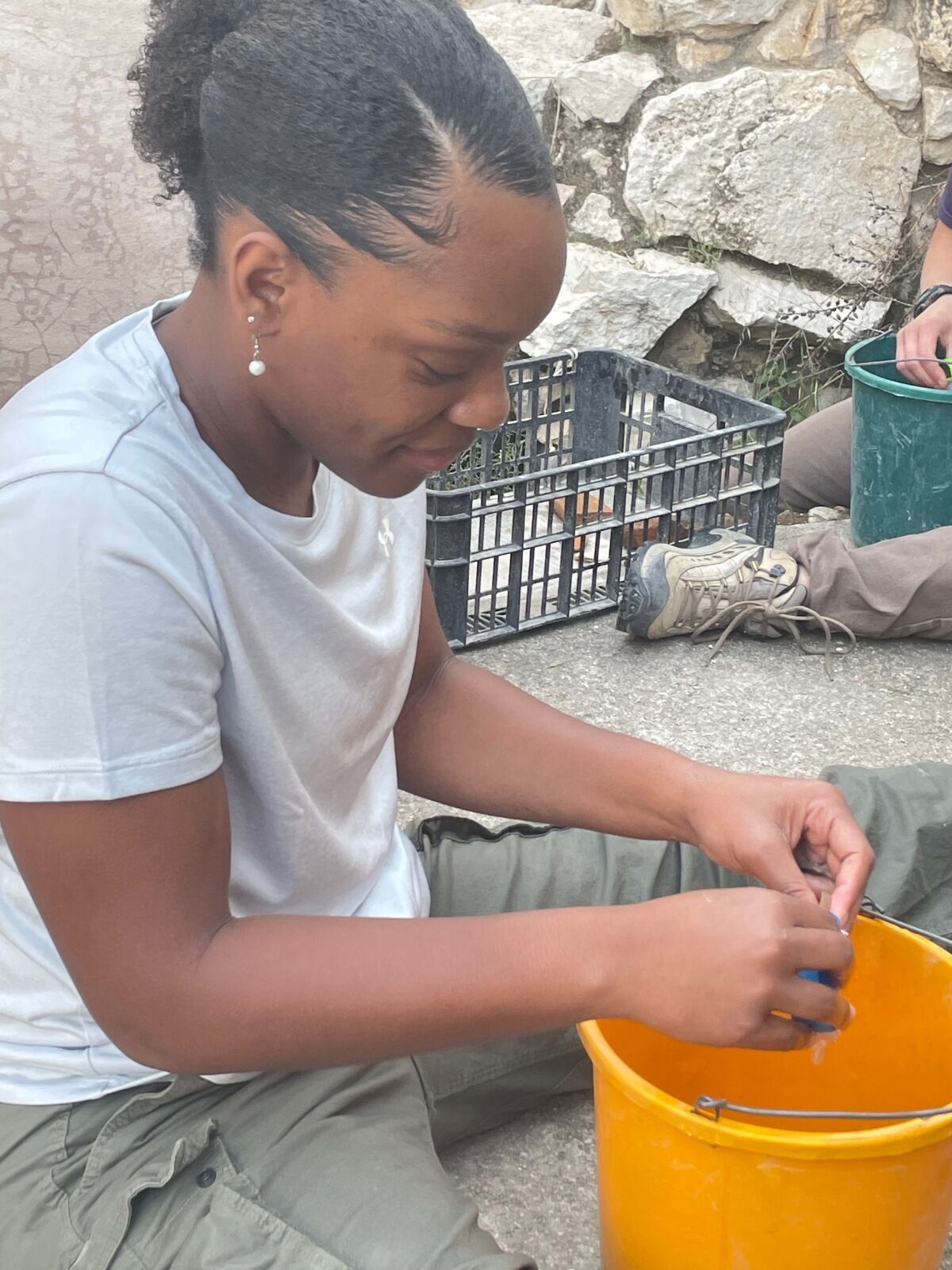
The second week, but only third day of excavation, started strong with more wall removal and even a little pottery cleaning!
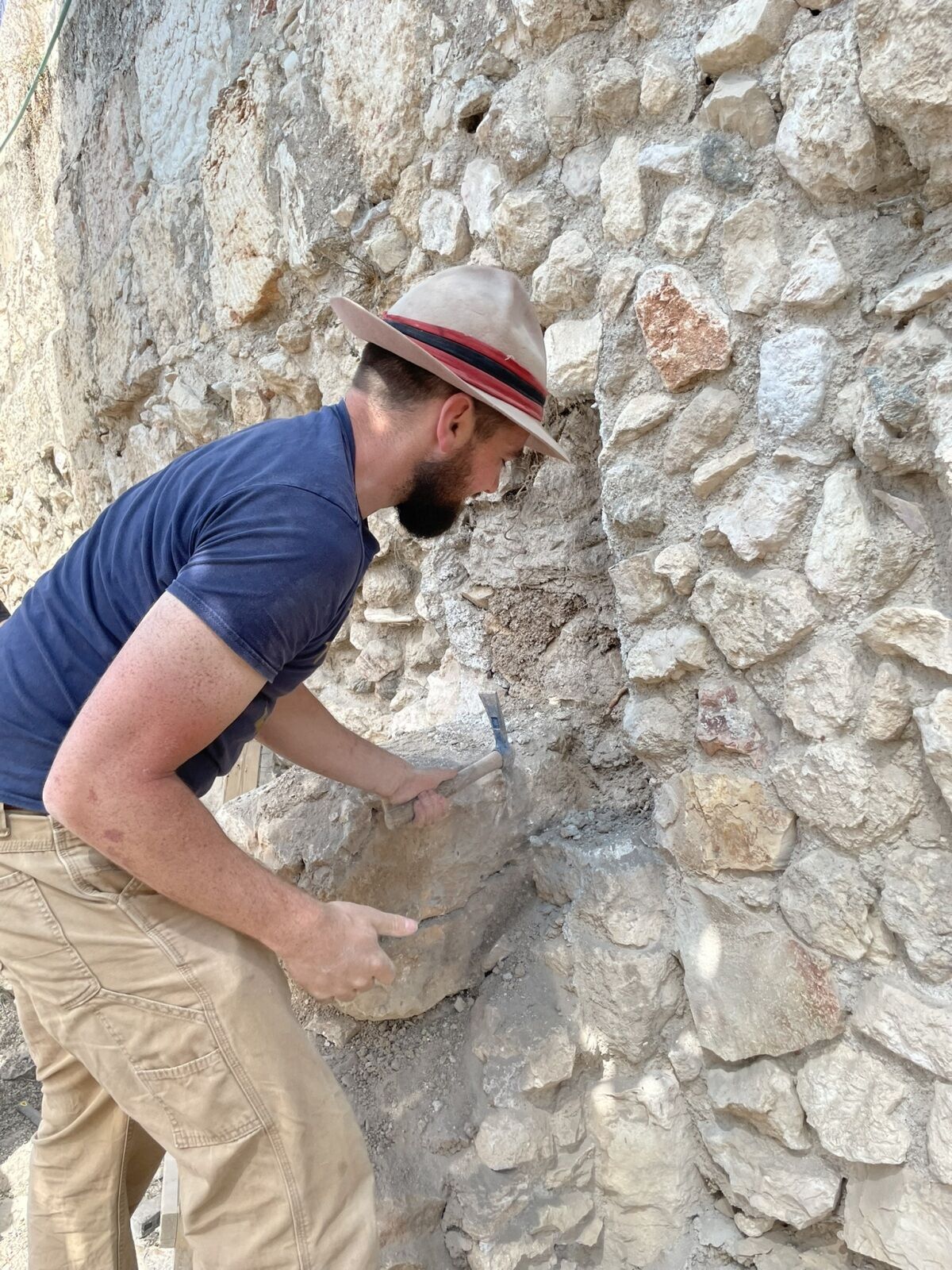
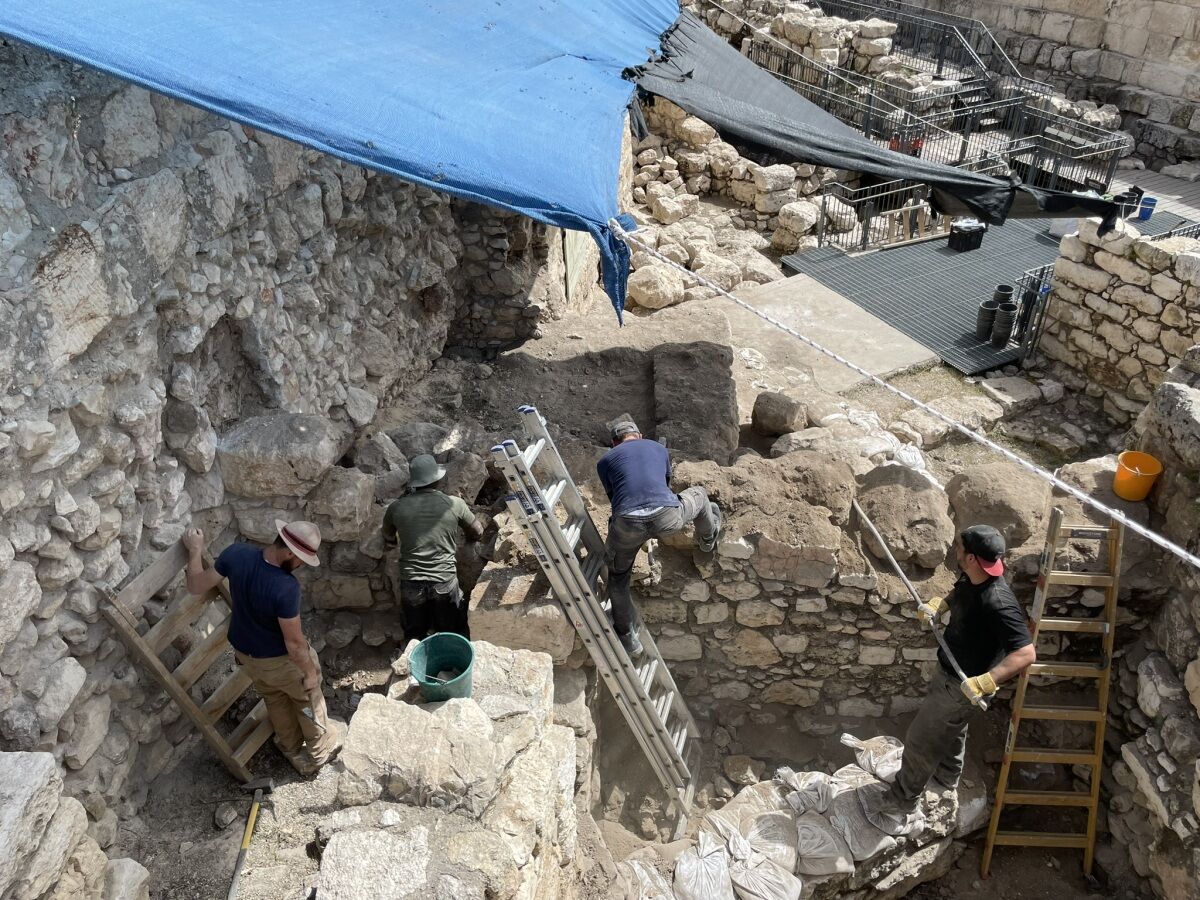
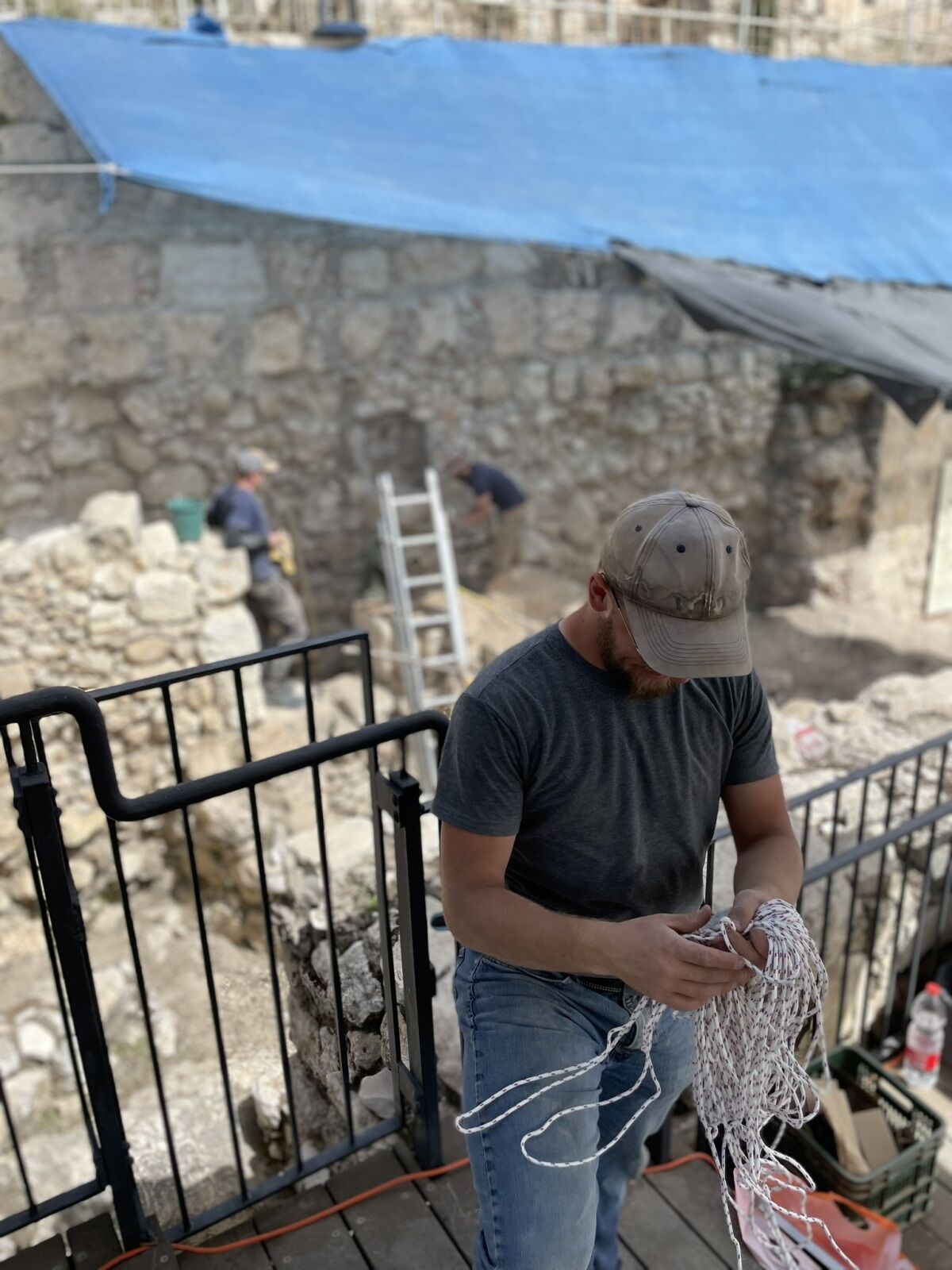
April 3: Clearing the Area
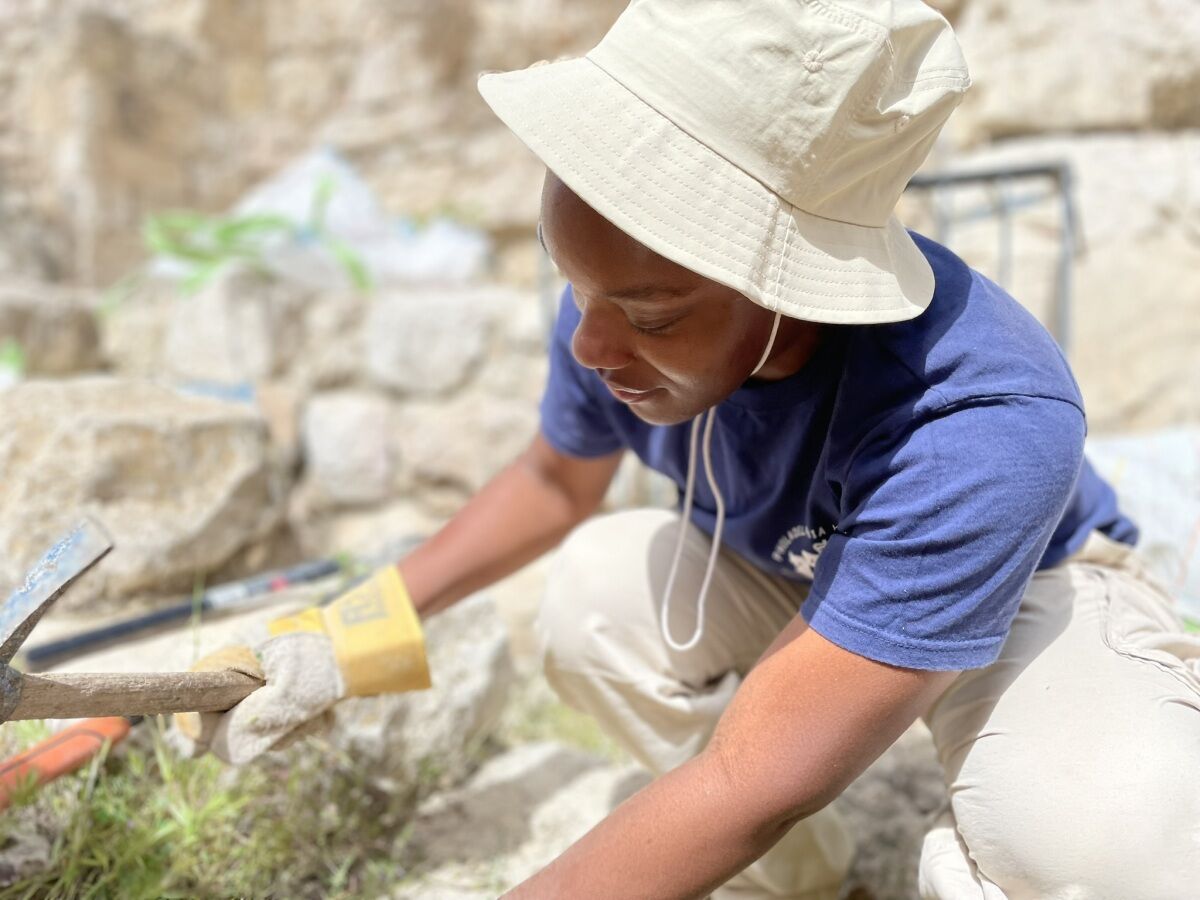
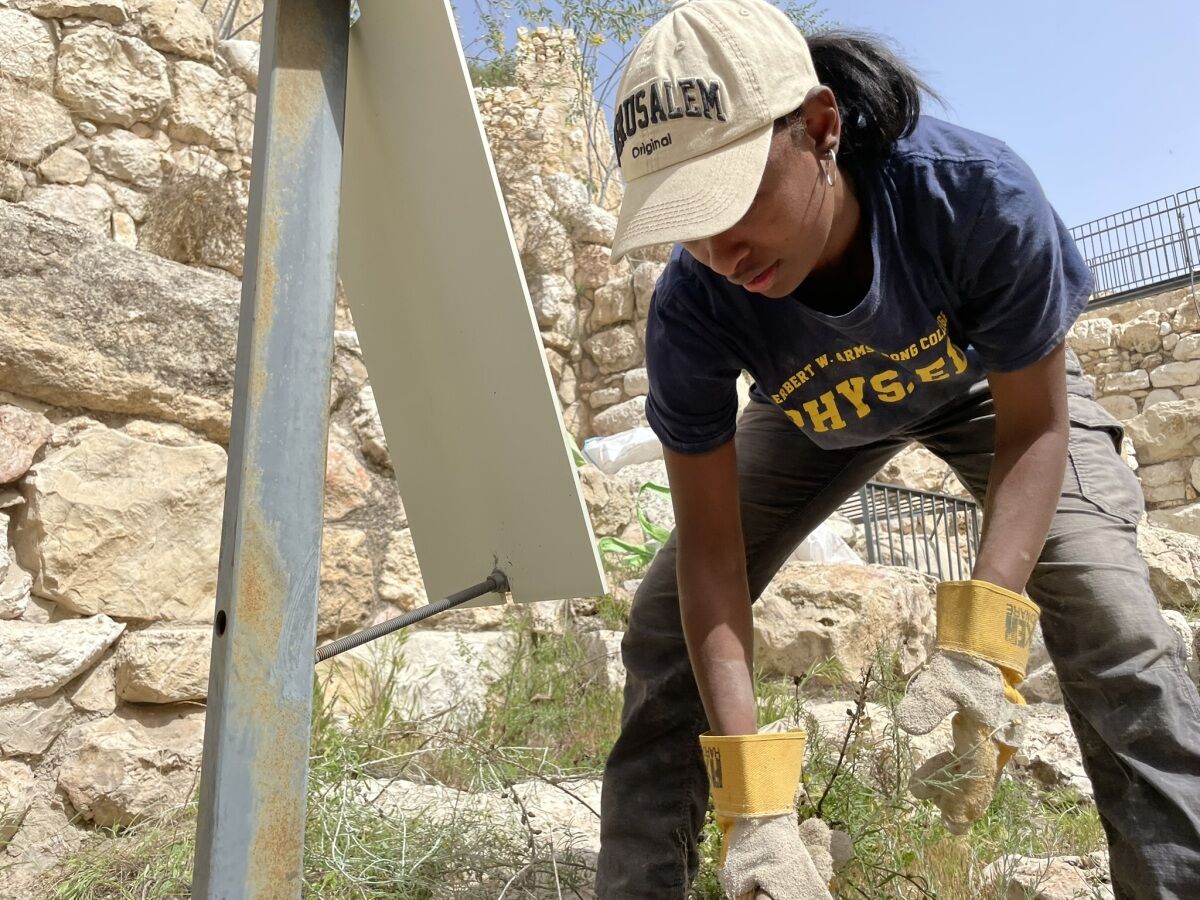
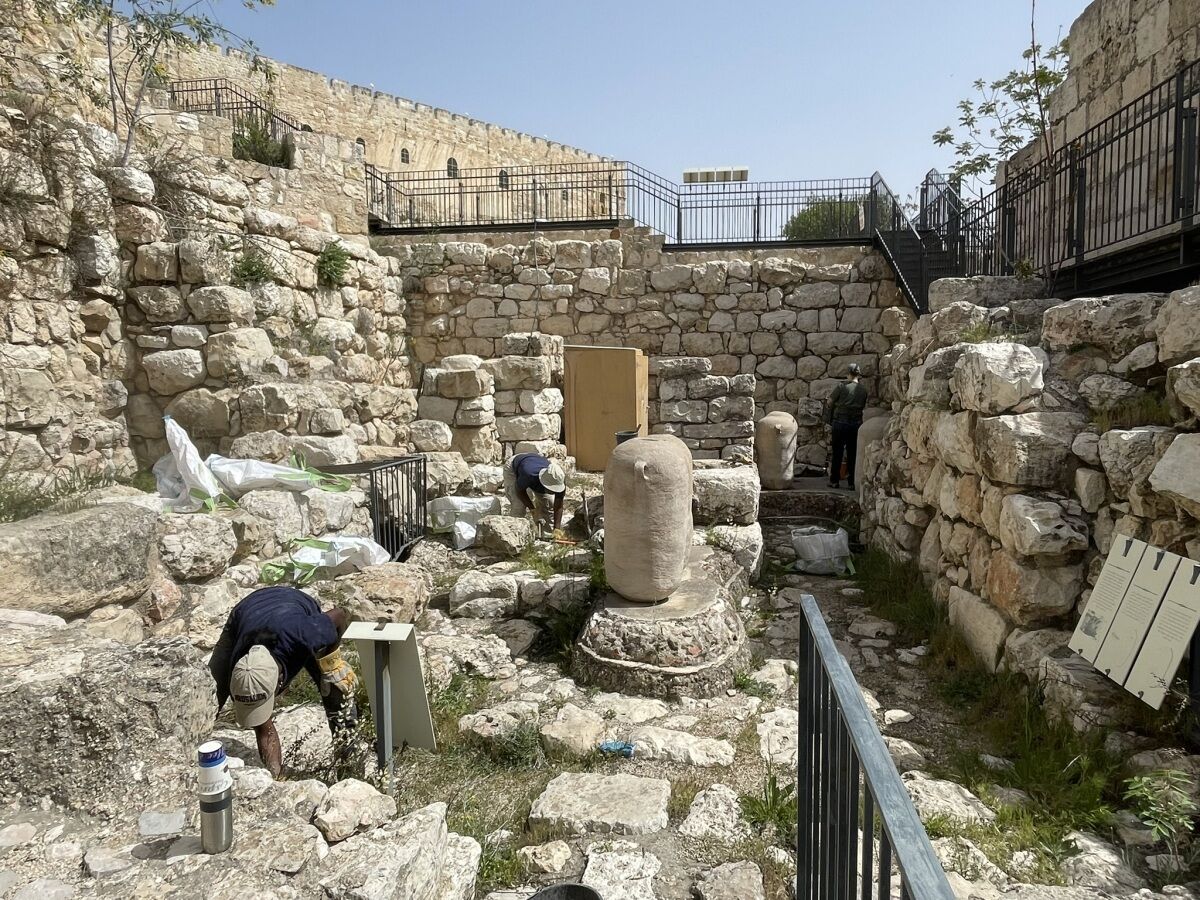
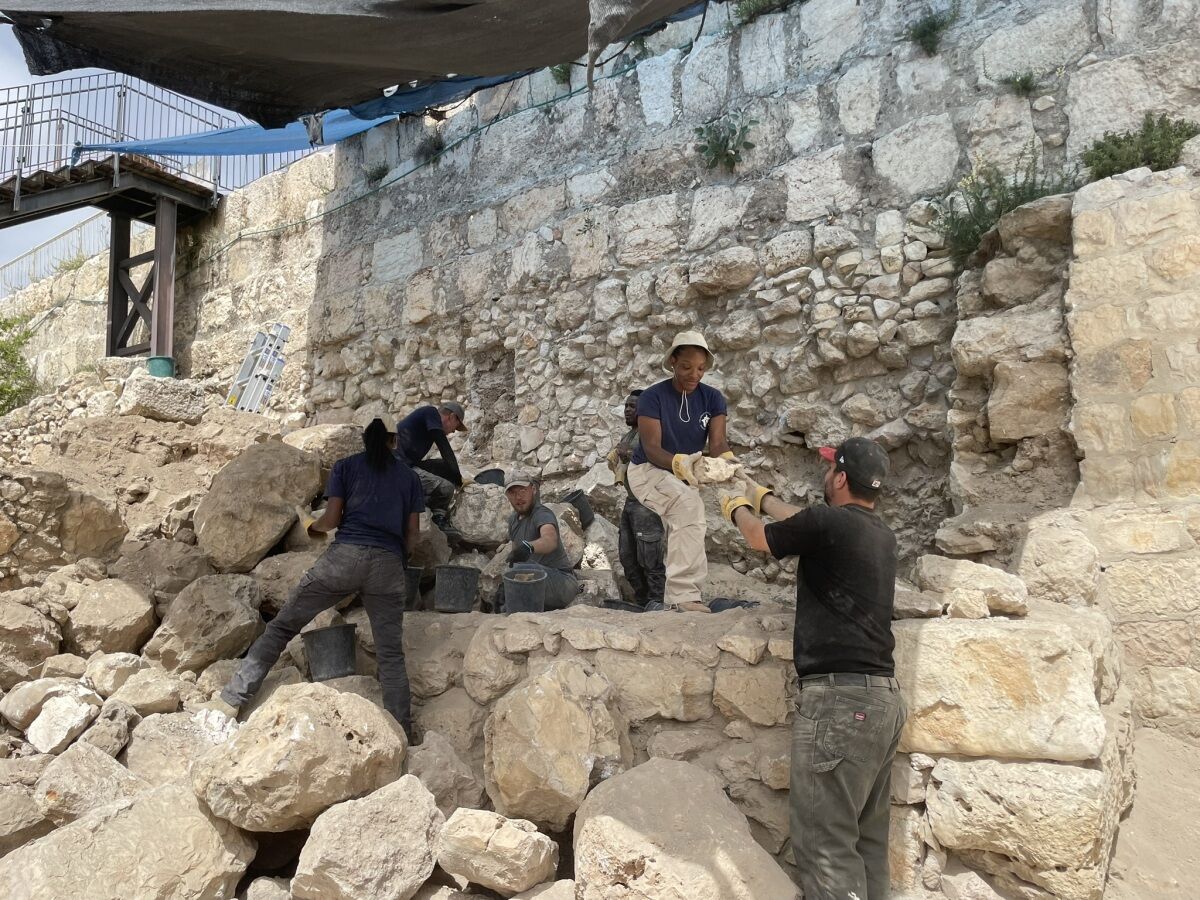
After all of the work removing walls on day one, the area had to be cleared of stones and sediment before more wall removal could continue. There was also more weeds and foliage that needed to be cleared away.
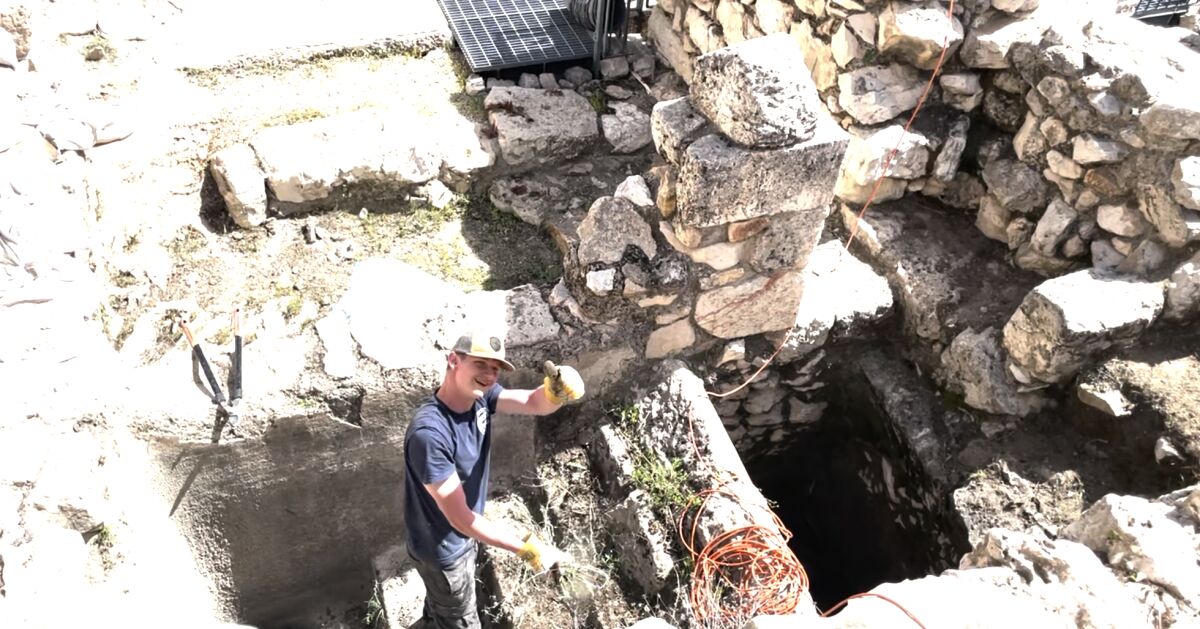
April 2: Work Begins!
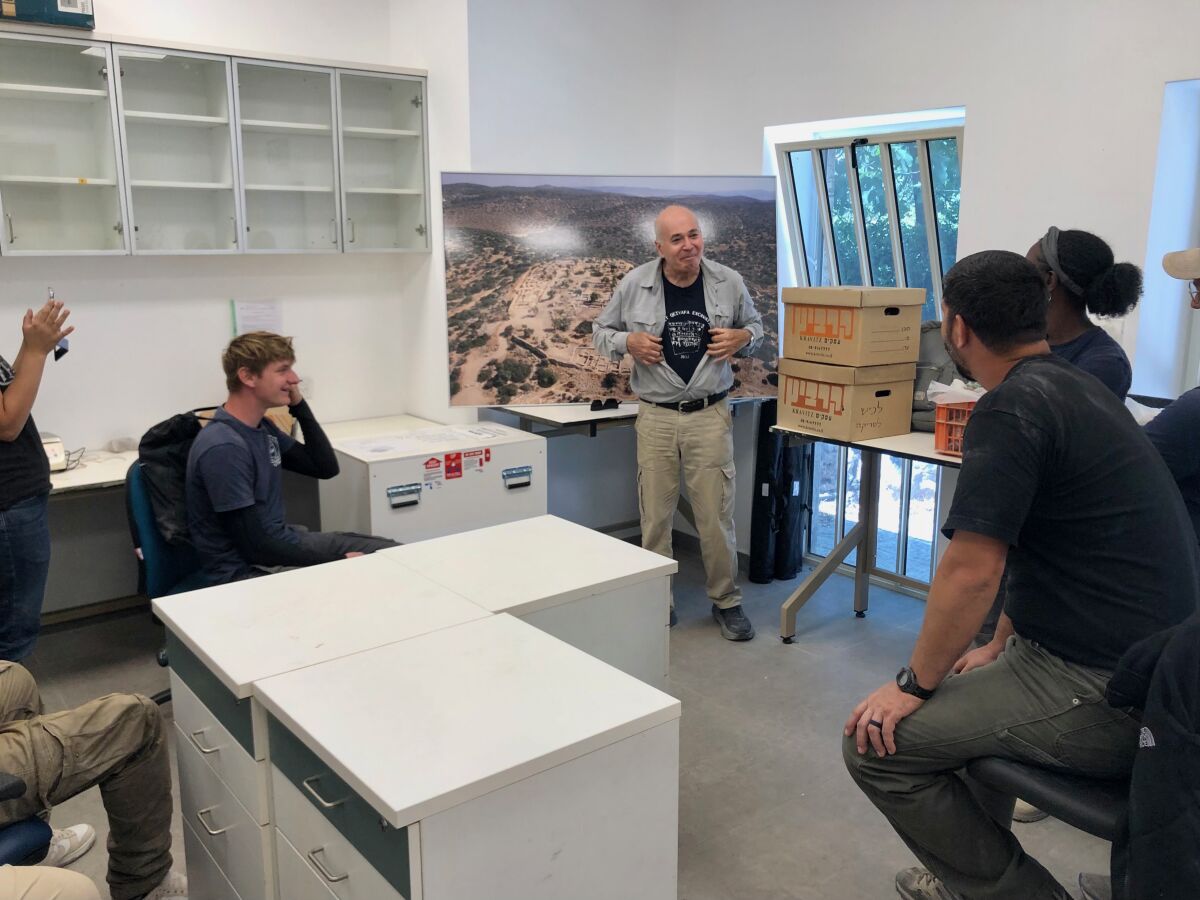
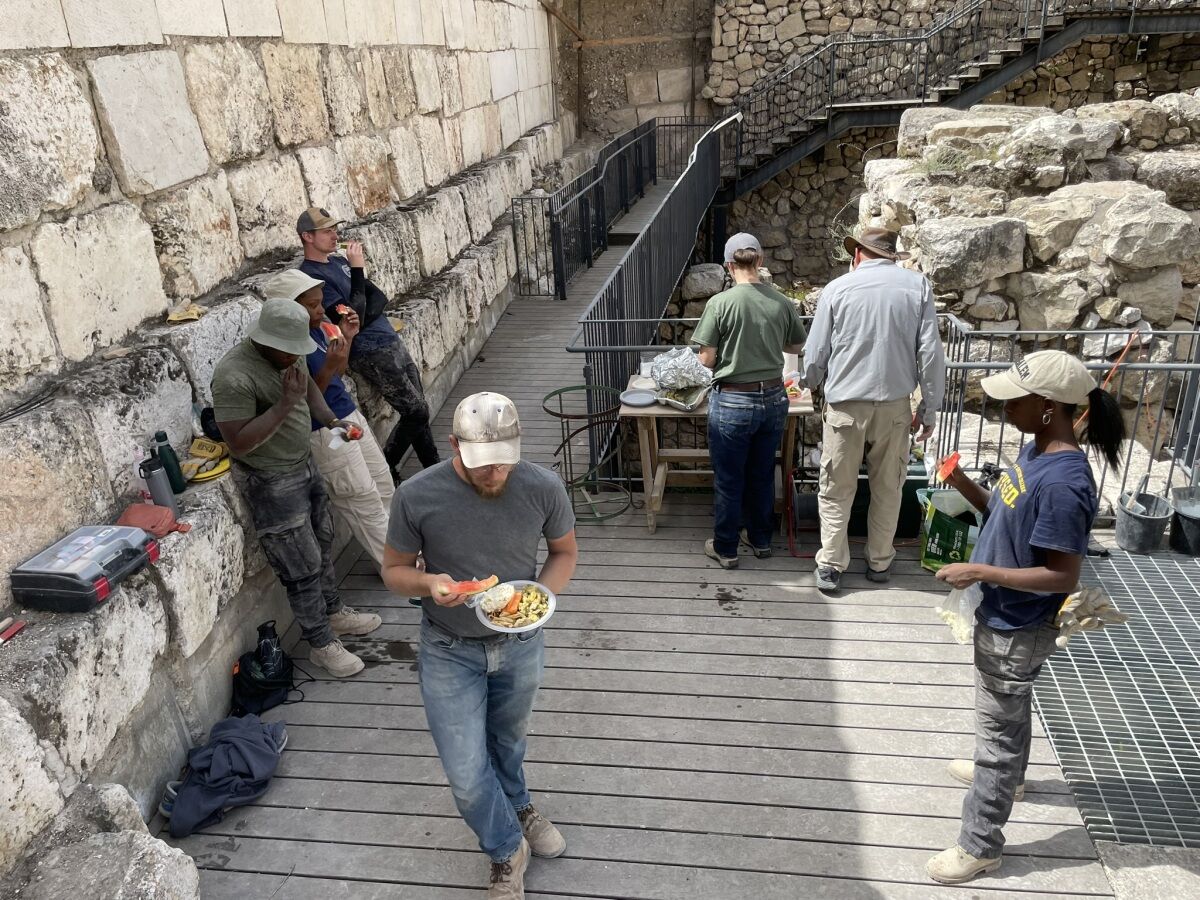
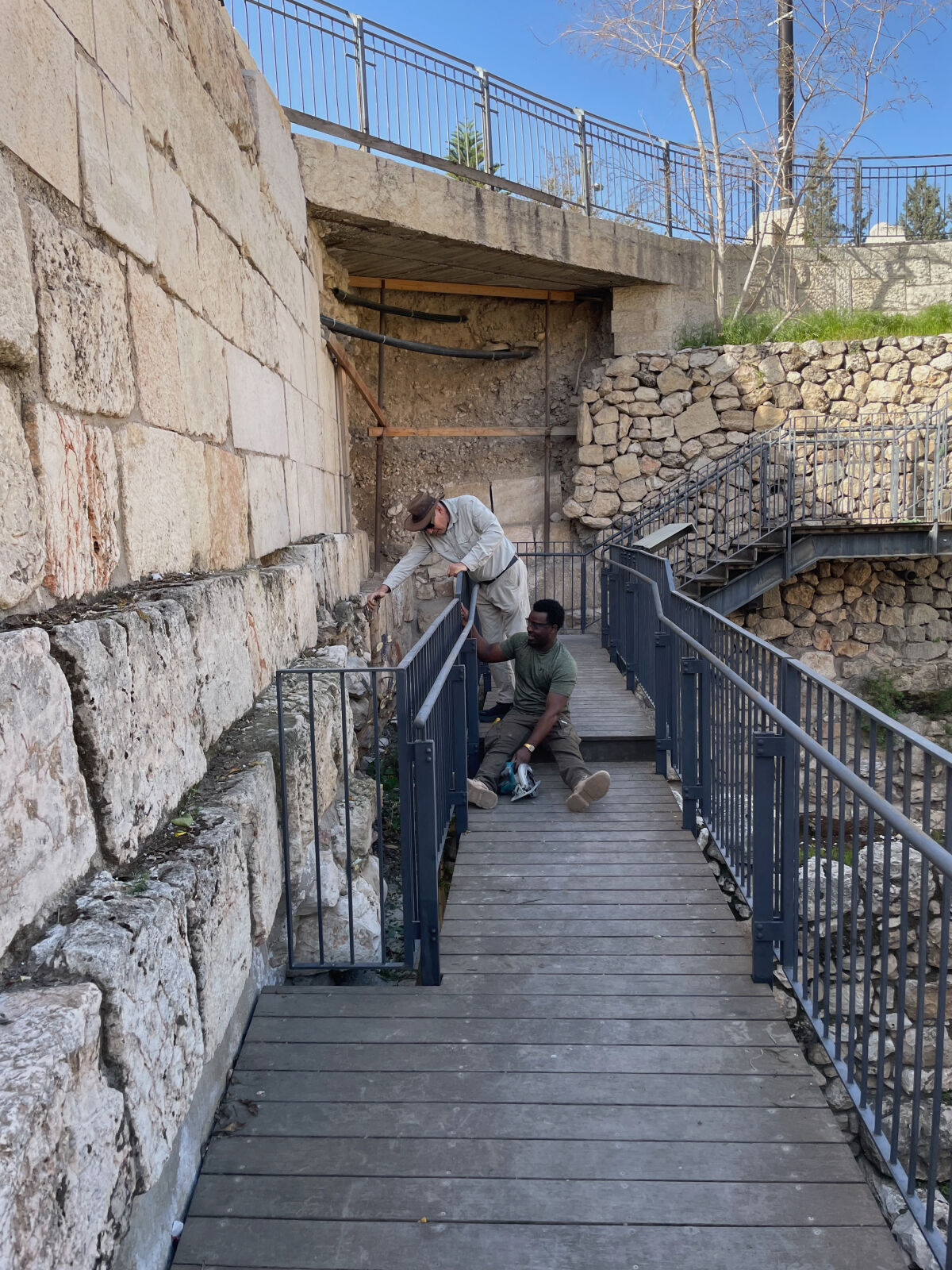
After a slight delay, work officially began on April 2. After a discussion on safety and goals for the excavation, everyone began working on clearing out foliage and trash. After the first break (hafsekah in Hebrew), work started on removing Byzantine walls.
PRE-EXCAVATION INTERVIEW:
