If you’ve been around biblical archaeology for any length of time, chances are you’ve come across the term bulla—plural, bullae.
What is a bulla? And why is it such an important item in biblical archaeology?
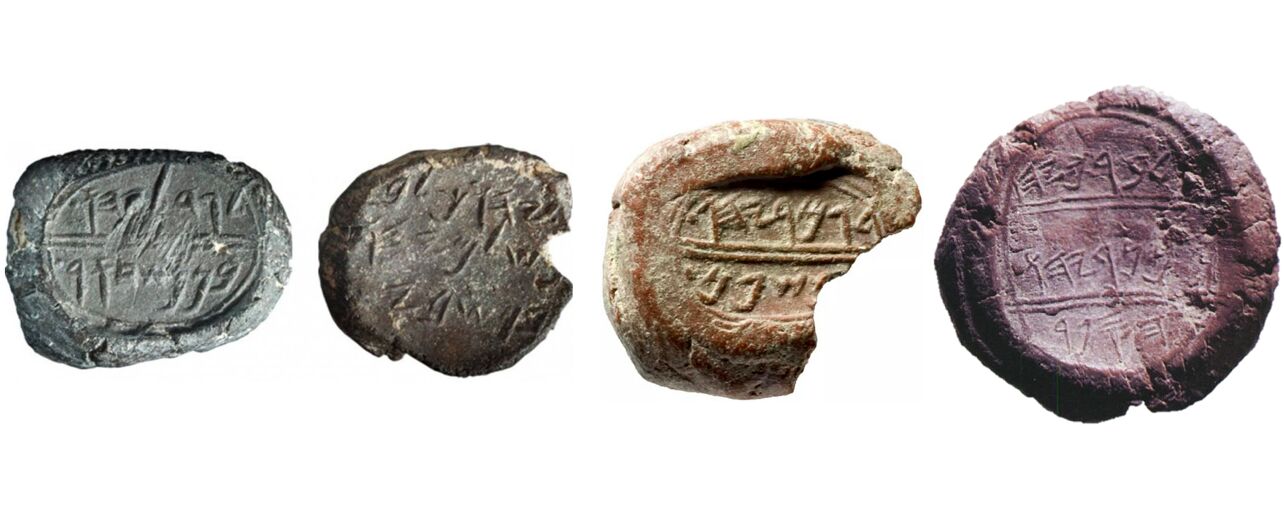
The word bulla, from a Latin word essentially meaning “blob,” describes a small, impressed piece of soft material, typically clay, used to seal a document or package. Bullae were stamped with seals, leaving either a picture, writing or both impressed on the surface. The bulla had a dual function: relaying the identity of the sender and sealing the package across the knotted string or other sealing mechanism.
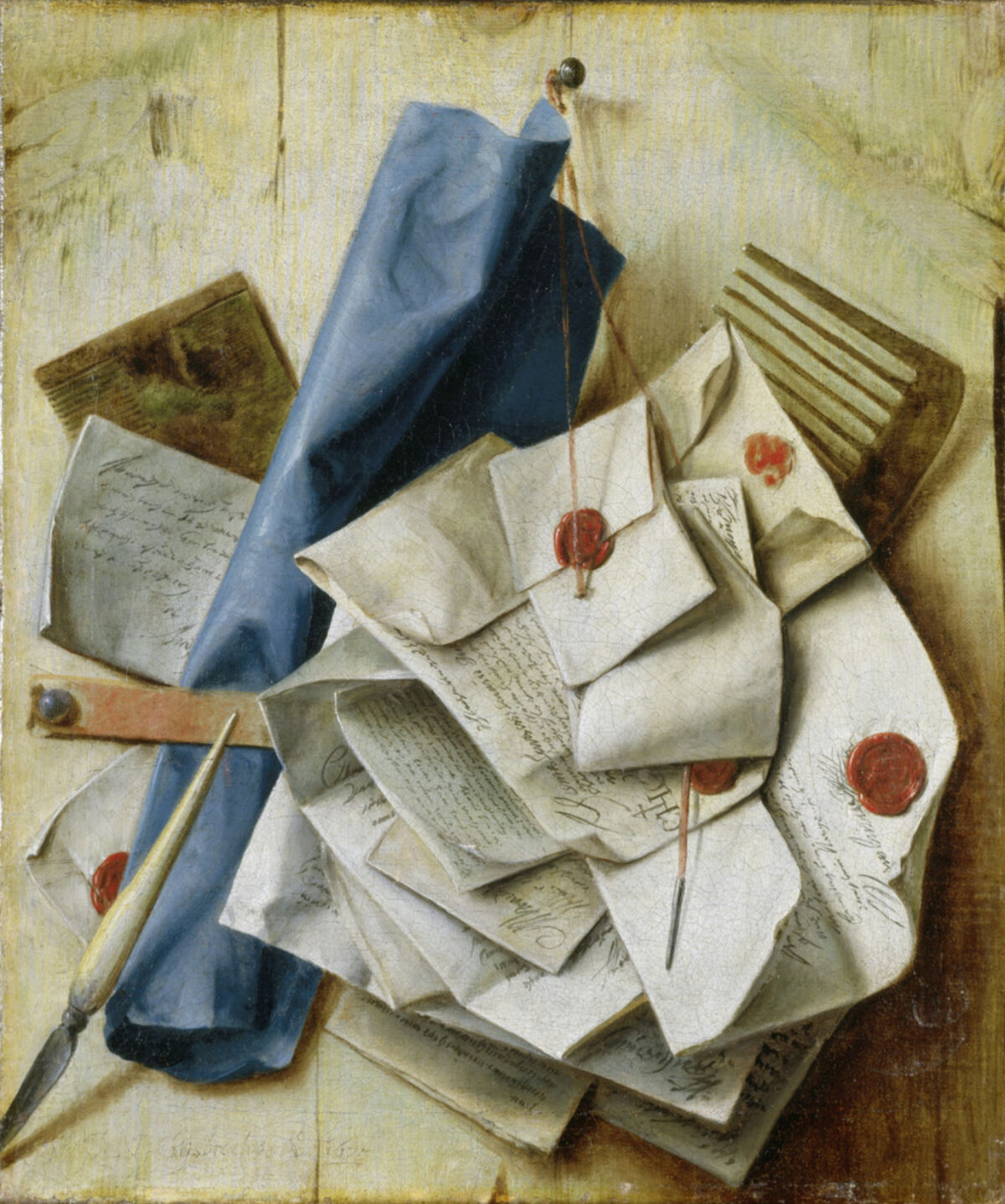
A common, comparatively more modern representation of this principle is the use of wax seals for envelopes—bearing both the stamp of the sender and sealing the flap used to open the envelope or fold in a letter. A broken seal indicated a document had been opened or tampered with. A famous scriptural illustration of this principle is in the book of Revelation, in the description of a document with “seven seals,” or bullae, which needed to be “loosed,” or broken, in order to read the contents.
The use of bullae for sealing documents goes back thousands of years in the ancient Near East. Bullae were typically made of clay and could take on various forms—from a tiny impressed disk barely a centimeter in diameter to a larger impressed ball or case entirely enveloping the contents of a message. Typically, a bulla would be impressed by a seal made of stone or metal—either in the form of a signet-style ring or a standalone object that could be carried or worn around the neck.
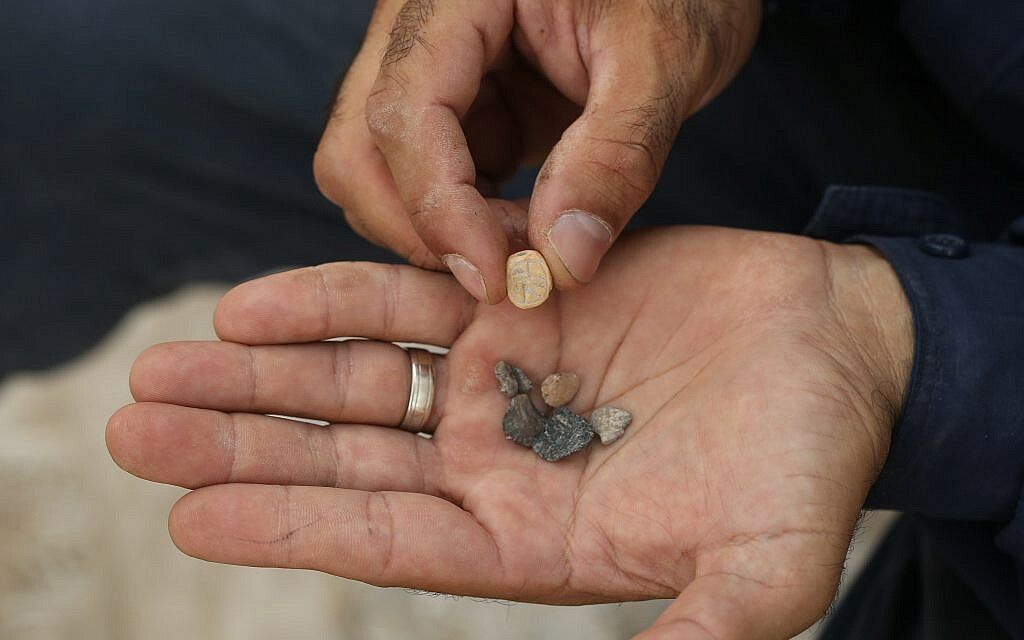
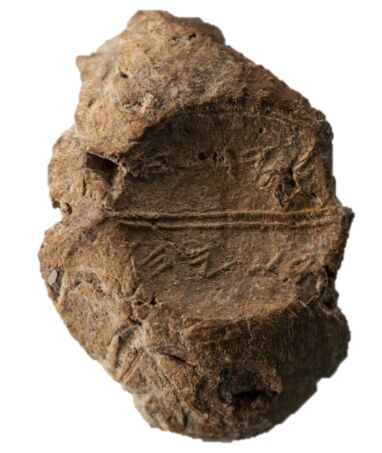
Archaeologically, a lot can be learned from bullae. Studying the face of a bulla—the obverse side, containing the seal impression—tells us about the identity of the sender, based on the images or writing used. Studying the back of a bulla—the reverse side—tells us about the type of document that was sealed. In many cases, bullae retain enough of an impression on the reverse to tell if the sealed item was a papyrus document, a fabric package, a wooden object or something else. Finally, the study of the clay composition of the bulla itself—through petrographic analysis—can help us determine what region the clay came from.
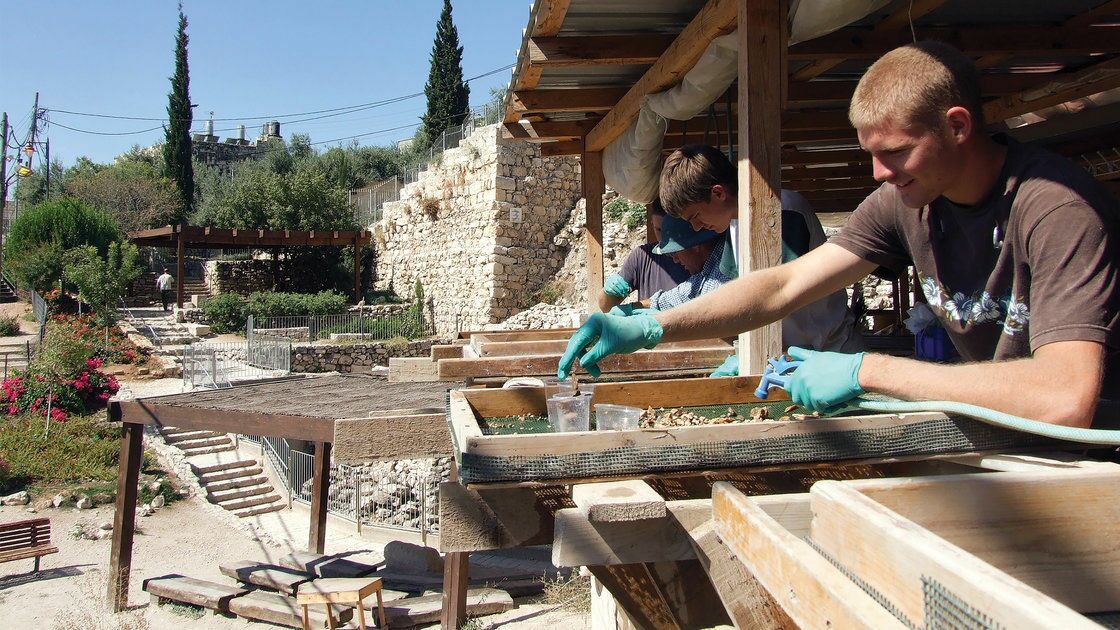
Many thousands of bullae have come to light, especially in the last few decades. Often bullae are near-impossible to spot while in the ground, blending in with the earth around them. The advent of wet-sifting excavated earth came in the early 2000s, pioneered in Jerusalem by the late Dr. Gabriel Barkay and Zachi Dvira of the Temple Mount Sifting Project (sifting dumps illegally excavated by the Islamic Waqf), allowing for the discovery of many times more bullae that would have otherwise been missed. The late Dr. Eilat Mazar was quick to catch on to this new method, pioneering its direct use in the excavation field, beginning with her excavations in Jerusalem’s City of David in 2006.
Bullae discovered in Jerusalem can give a good representative example of our topic in general and biblical archaeology specifically.

In 2024, Prof. Yosef Garfinkel and I co-authored an article for Hebrew University’s Jerusalem Journal of Archaeology, comprising a corpus of all inscriptions discovered in Jerusalem from the Iron Age ii, or First Temple Period. (Given the enormous amount of discoveries continually coming from Jerusalem, it is already out of date!) A bulk of these inscriptions was in the form of bullae, with 177 different epigraphic bullae (bullae with writing). Including iconographic bullae (bullae with pictures), the total is closer to 1,000. And where the reverse impression of the bullae can still be identified, a majority documented show the imprint of papyrus—thus, clear evidence of a significant degree of administration, reading, writing, receiving and delivering messages within the city, although no ancient papyri themselves have survived in the city due to climate conditions.
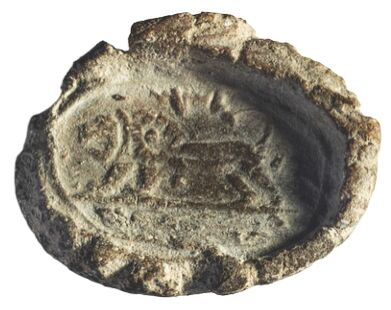
An interesting comparative study of these bullae reveals that during the Iron iia period—the early First Temple Period—iconographic seals and bullae seem to have been the preferred style, transitioning to a mix of both writing and images in the Iron iib period, and finally, a preference for epigraphic seals in the Iron iic period. While some have taken this to reflect a more limited ability to read and write during earlier periods, this is negated by the fact that, once again, a majority of the reverse impressions of these bullae were papyrus, indicative of written material being sealed. As such, preference for iconographic versus epigraphic bullae appears to have been a stylistic choice, gradually shifting over time—perhaps for political or religious reasons.
Bullae are especially famous in the world of biblical archaeology due to a number of biblical figures whose existence has been proved by them. Typically, to be considered an exact match, a number of criteria must be fulfilled. These include at least a two-generation name match (i.e. X son of Y) or a match in name and official position, together with a dating to the correct time period—typically derived from the layer in which the bulla was found, or through paleographic analysis (the study of the letters themselves). To date, around a dozen biblical figures have been discovered on bullae from Jerusalem. Given that epigraphic bullae are typically found within the latter half of the biblical kingdom period, the figures themselves corroborated by such bullae are those belonging to this later period. These biblically significant bullae include the following:
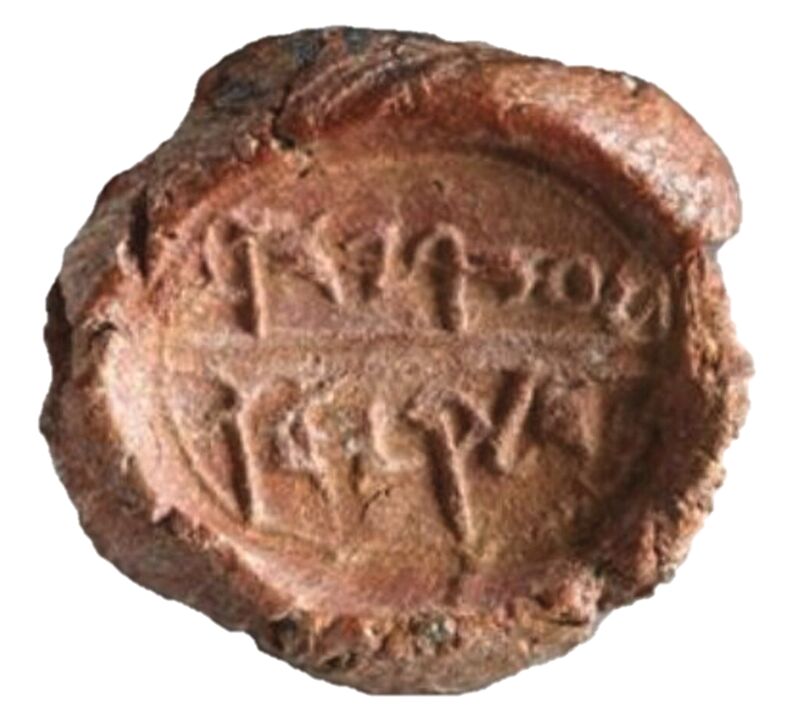
- A bulla from Prof. Yigal Shiloh’s 1982 excavation of the “House of Bullae” at the base of the Stepped Stone Structure in the City of David, with the inscription “Belonging to Azariah, son of Hilkiah”—a priestly father-son duo mentioned in 1 Chronicles 6:13
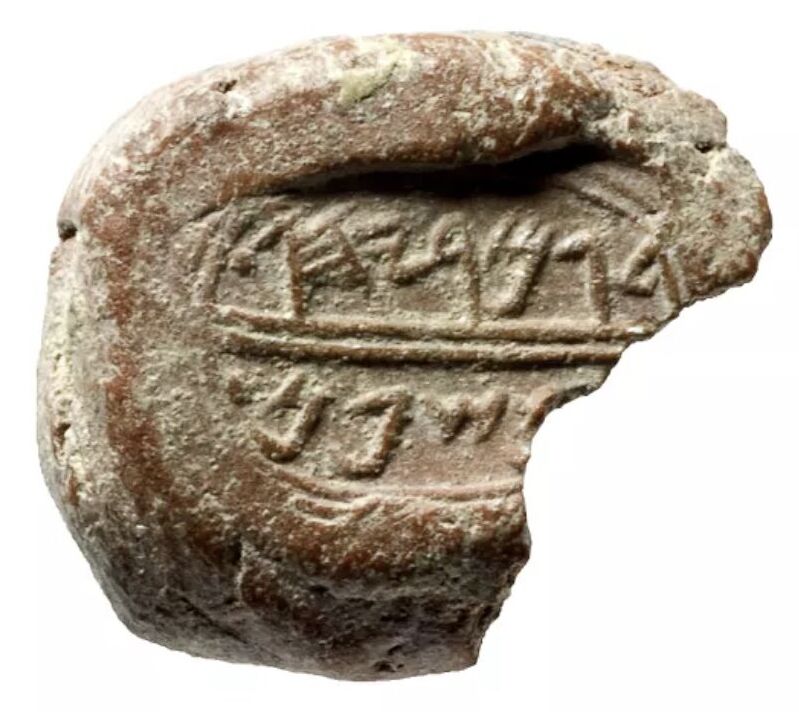
- Another bulla from the same location and during the same 1982 excavation, with the inscription “Belonging to Gemariah, son of Shapan”—a prominent scribe and his father mentioned in Jeremiah 36, who helped bring the prophet’s message before King Jehoiakim
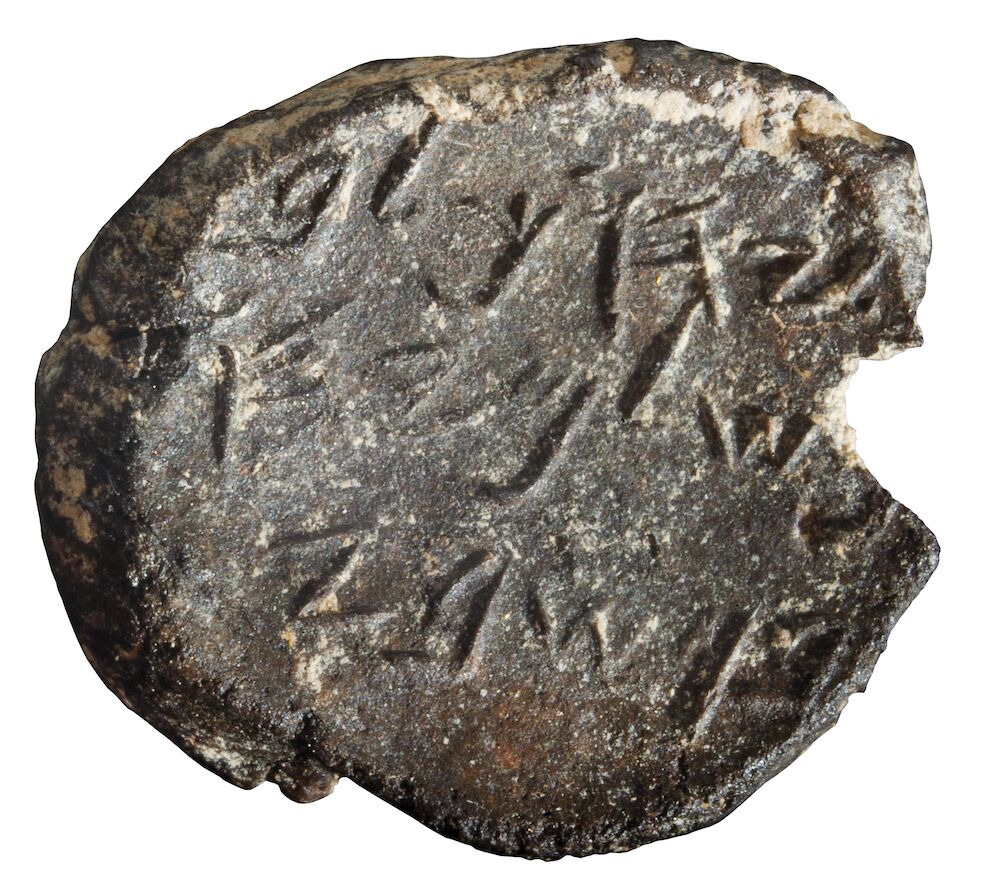
- A bulla from Dr. Eilat Mazar’s 2005 excavation within the Large Stone Structure (“David’s Palace”) above the Stepped Stone Structure in the City of David, with the inscription “Belonging to Jehucal, son of Shelemiah”—a royal prince and his father mentioned in Jeremiah 37:3 and 38:1 as having persecuted the Prophet Jeremiah
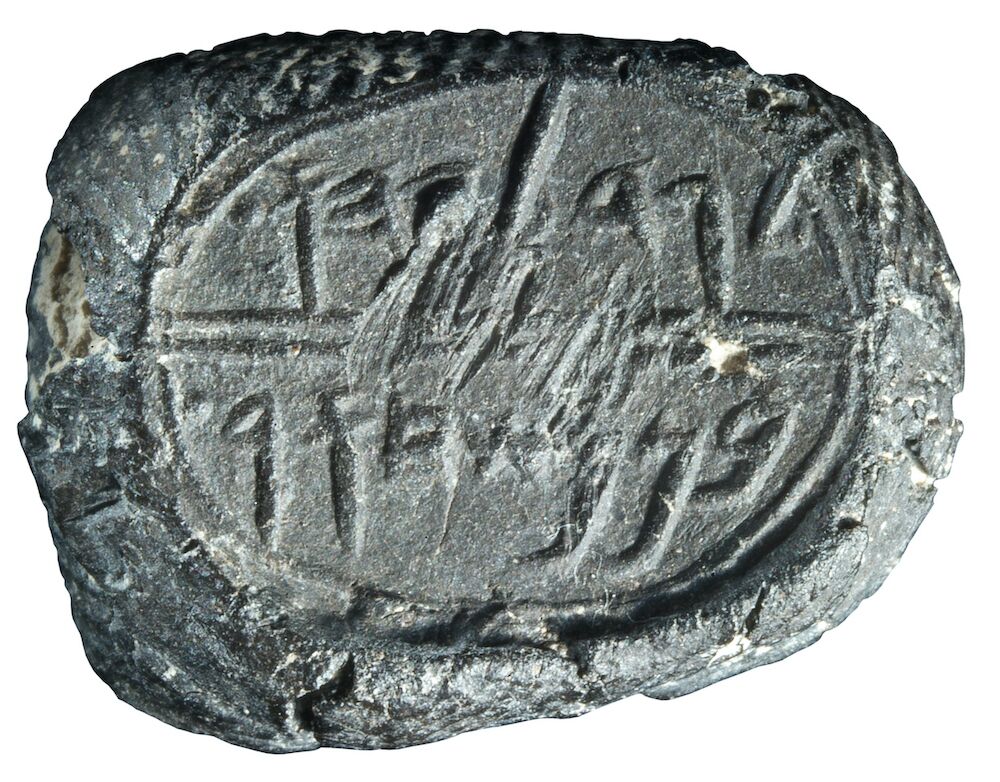
- A bulla from Dr. Eilat Mazar’s 2008 excavation adjacent to the Stepped Stone Structure in the City of David, with the inscription “Belonging to Gedaliah, son of Pashur”—another royal prince and his father who persecuted Jeremiah, mentioned side by side with Jehucal, son of Shelemiah in Jeremiah 38:1
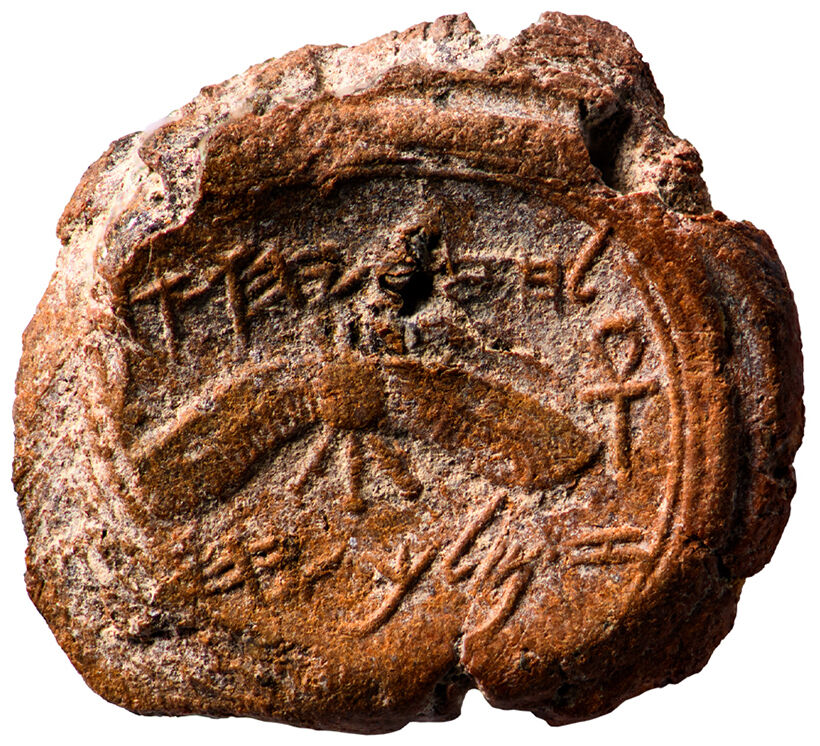
- A bulla from Dr. Eilat Mazar’s 2009–10 excavation on Jerusalem’s Ophel, near the southeast corner of the Temple Mount, with the inscription “Belonging to Hezekiah, son of Ahaz, King of Judah.” (While both King Hezekiah and his father, King Ahaz, were already known from other ancient inscriptions and other bullae belonging to Hezekiah had come to light on the antiquities market, this was the first, and remains the only, royal seal impression ever found on a controlled, scientific excavation belonging to a king of either Israel or Judah.)
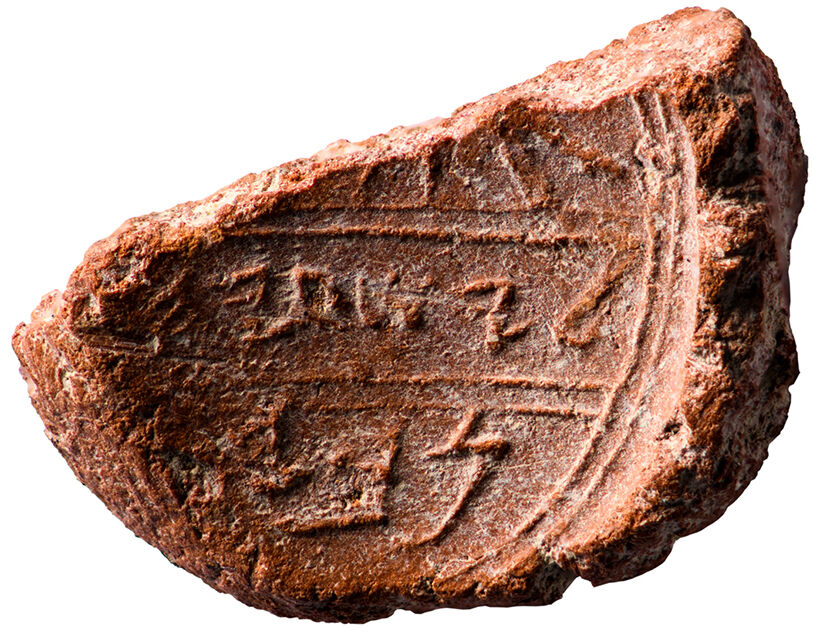
- Another bulla from the same 2009–10 excavation, with the inscription “Belonging to Isaiah … Navi.” (The end of the bulla is damaged, but the three preserved consonants attributed to Isaiah match the first three of the four-letter word “prophet,” thus Isaiah the Prophet; additionally, the bulla was found in proximity to the Hezekiah bulla, within the same stratigraphic context, matching the period of the contemporary prophet and king.)
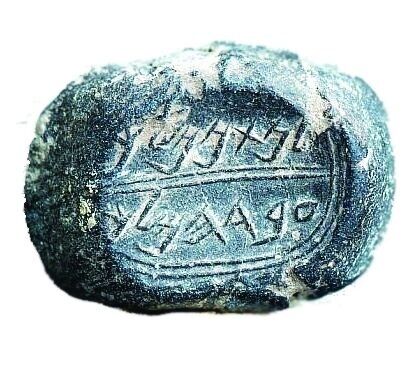
- A bulla from Prof. Yuval Gadot and Dr. Yiftah Shalev’s Givati Parking Lot excavations on the northwest edge of the City of David, the discovery of which was announced in 2019, with the inscription “Belonging to Nathan-Melech, Servant of the King”—a royal official during Josiah’s reign, mentioned in 2 Kings 23:11
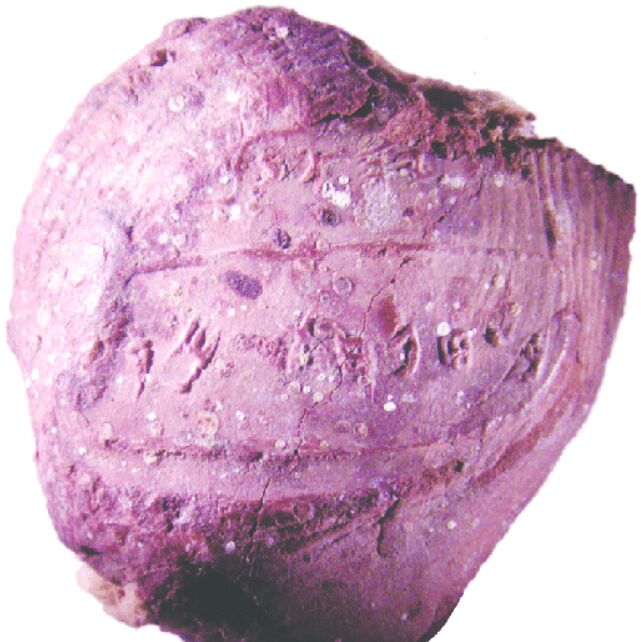
Other biblically significant bullae from outside Jerusalem have also been found, such as bullae from Lachish, possibly referring to the famous biblical treasurer Shebna of Isaiah 22. This list also excludes dozens of other names found on seal impressions in Jerusalem (and elsewhere) that could relate to biblical figures, yet additional information is needed for certainty. (For more on bullae referencing potential biblical figures, see our article “‘House of Bullae’ and the Book of Jeremiah.”)
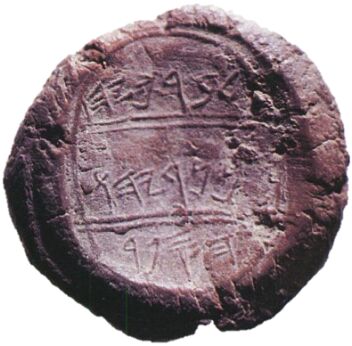
Additionally, the antiquities market has produced an enormous corpus of inscribed bullae—these are seals of unknown provenance; while many, if not most, are certainly legitimate, there is still a natural element of doubt that hangs over them. Arguably the most famous bullae from the antiquities market are 1) “Belonging to Ahaz, son of Jotham, king of Judah” and 2) “Belonging to Baruch, son of Neriah, the Scribe.”
It’s worth pointing out that the bullae belonging to these different individuals described above represent “private bullae”—bullae that refer to a specific individual by private name. These are the most common. Other types include “public bullae” (bullae bearing just the title of a public office without a personal name) and “fiscal bullae” (examples of which record a year, city and phrase such as “to the king,” used to track taxes and shipments).
Why does all this matter? Besides the thrill of finding corroboration for a biblical figure, a significant presence of bullae such as in Jerusalem indicates a working government and administration, replete with officials and scribes, as well as a significant level of literacy. In this, First Temple Period Jerusalem stands out as having more known inscriptions than any other Iron Age city in the Levant, bolstered in large part by the number of bullae found therein—biblical and otherwise.