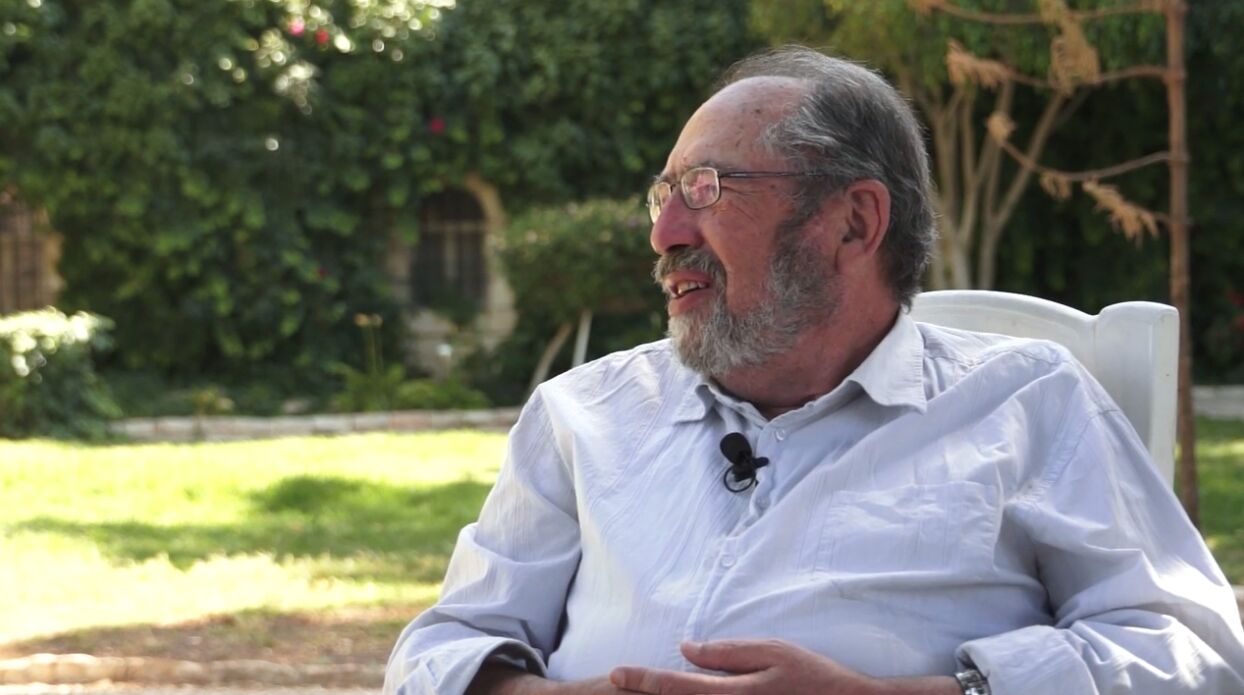
Yesterday, Israel lost another archaeology giant: Prof. Gabriel “Gaby” Barkay died at 81 years old (1944–2026).
Barkay was professor emeritus of Bar-Ilan University and Hebrew University. He was the recipient of a range of awards, including the Jerusalem Prize (1996), Moskowitz Prize for Zionism (2014) and Yakir Yerushalayim award (2018).
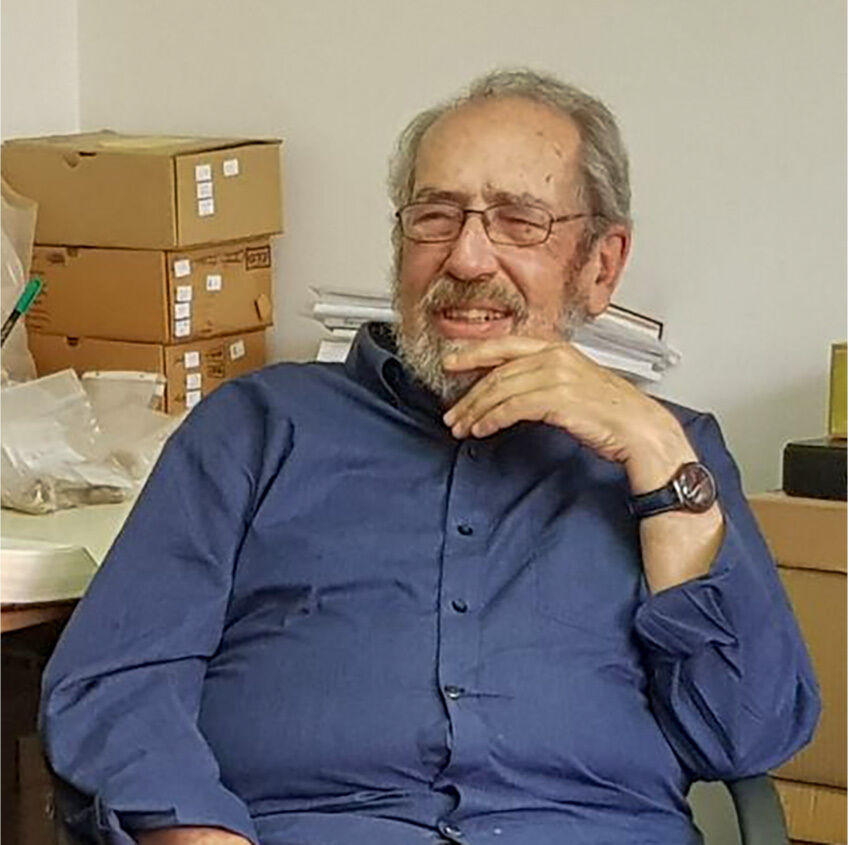
Professor Barkay, sometimes referred to affectionately as the “dean of biblical archaeology,” is known for his copious archaeological and epigraphical contributions to the world of biblical archaeology. He is best known for his work concerning Jerusalem, where he has to his name one of the greatest discoveries in biblical archaeology: the Ketef Hinnom Scrolls. Otherwise known as the Priestly Blessing Scrolls, these documents constitute the earliest biblical text ever discovered (dating to circa 600 b.c.e.), predating a bulk of the Dead Sea Scrolls by half a millennium. They were found during his 1979 excavations along the edge of the Valley of Hinnom.
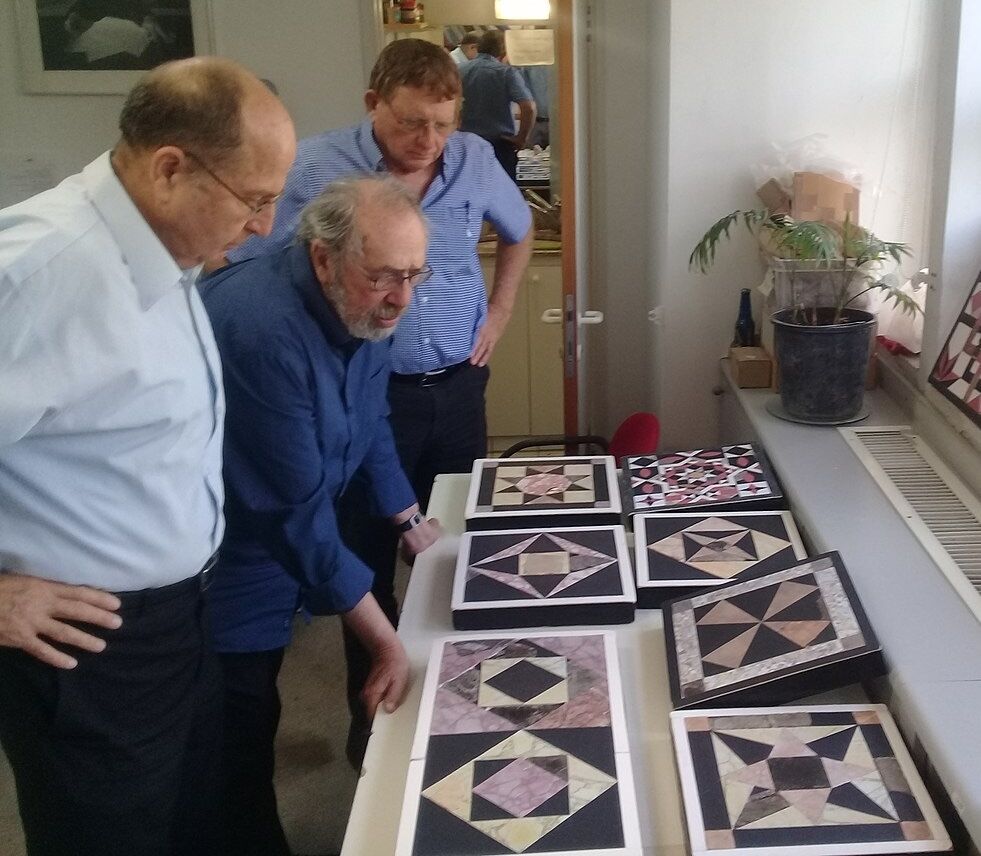
Also notable is his role as cofounder and director of the Temple Mount Sifting Project (tmsp), alongside Zachi Dvira. This initiative has been ongoing since 2004. It is unique in the world of archaeology, as workers sift and salvage precious finds from within the thousands of tons of earth illegally bulldozed by the Islamic Waqf from the Temple Mount and dumped outside.
The tmsp wrote yesterday in “The Passing of Dr. Gabriel Barkay”:
Among the last of a generation of giants in biblical archaeology, his immense knowledge illuminated and inspired countless people. A prolific scholar and beloved teacher, he helped uncover Jerusalem’s hidden treasures. He raised generations of students and shared his love of Jerusalem with many, in Israel and throughout the world.
“Gaby was for many years a leading figure in the archaeology of the land of Israel in general and Jerusalem in particular,” wrote Prof. Aren Maeir in his own post. “Gaby was universally appreciated for his erudite knowledge on many topics, and for being a real ‘mensch’! He will be missed by the entire archaeological community.”
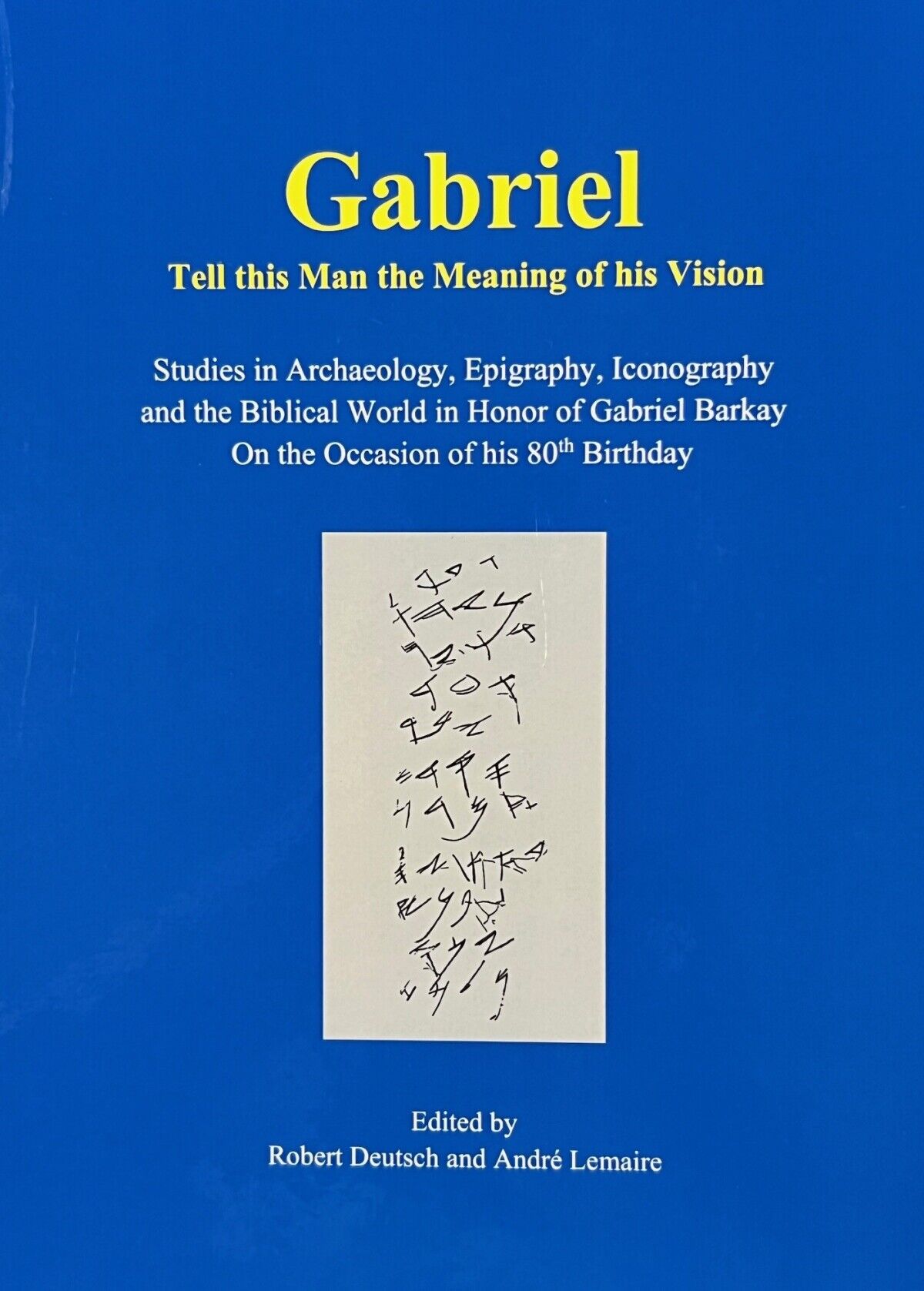
One of the final passion projects for Professor Barkay, despite struggling through his final years with ailing health, was the 2024 publication of a book on the Song of Songs (below), situating its composition within the 10th century b.c.e.—the time of Solomon—despite a common belief among textual critics that this biblical book is a very late one. His remarkable research has flown somewhat under the radar in the wider world of biblical archaeology, undoubtedly due to it being available only in Hebrew (an English version is in the works). We featured his publication in some detail for our English-speaking audience in our September-October 2025 issue of Let the Stones Speak (to which Professor Barkay was a subscriber; this would have been the last issue he would have received, due to delays in Israeli postage of the November-December issue). The novel subject and research brought in a wash of feedback from readers heaping praise on Barkay for his work.
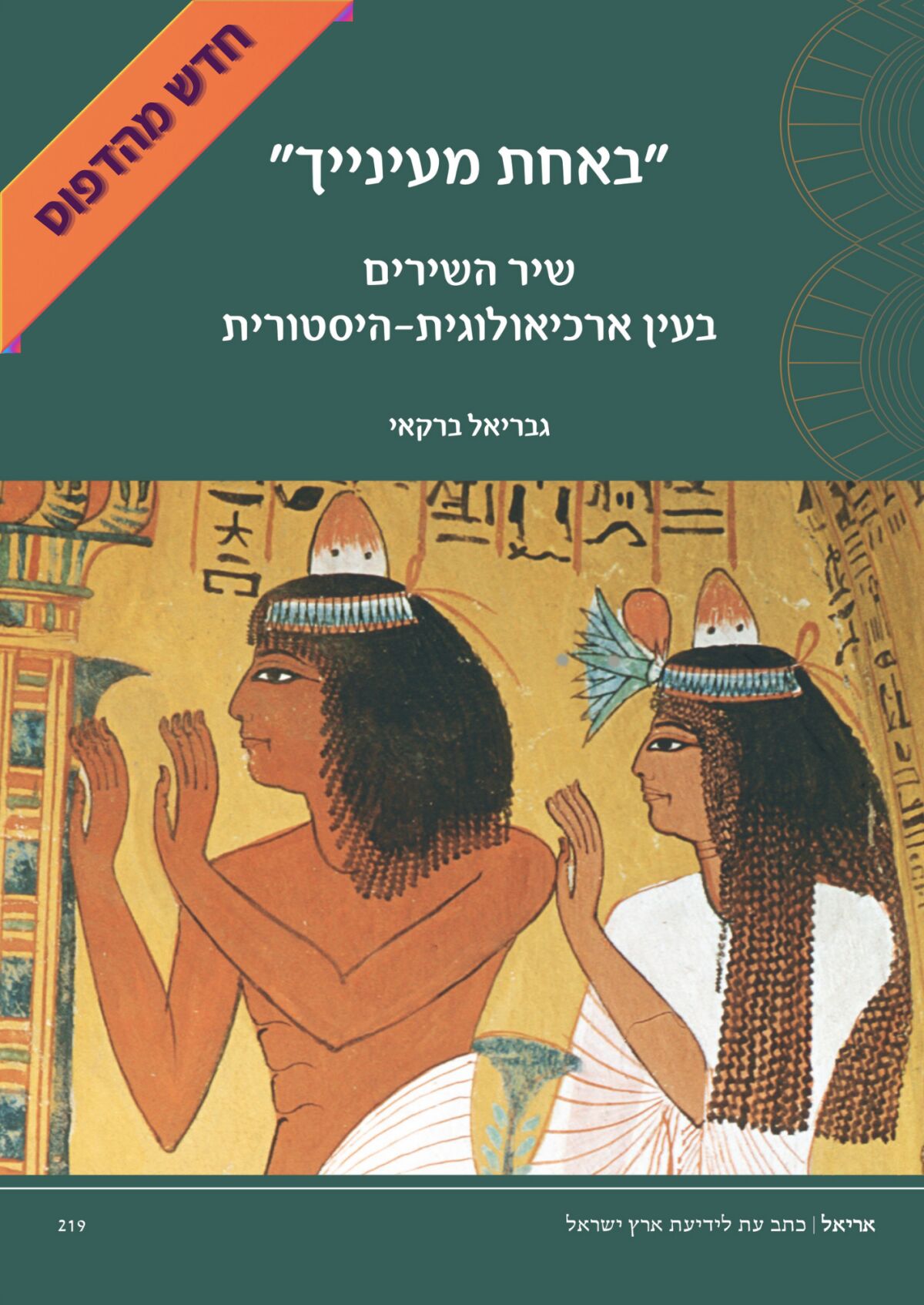
It seems appropriate to quote from Barkay’s remarks in the book, in a sense summarizing his own approach and life’s work in the field of biblical archaeology:
Since the 1970s, biblical studies on the one hand and archaeology on the other have drifted apart to the point of an almost complete disconnect …. The disconnect is so stark that many have questioned the very name ‘biblical archaeology,’ or the very existence of such a discipline. There were others who disdained this field and saw it as a fundamentalist pursuit …. There is a tendency among scholars of biblical language, literature and history to treat material culture with contempt or to ignore it ….
The Song of Songs is a book in which material culture occupies an extremely important place. … The purpose of the discussion here is also to restore the lost respect for the connection between the biblical text and material culture. The realia explain the text, and sometimes the text explains the material remains, and the two disciplines complement each other.
Professor Barkay was indeed a giant in his field and leaves behind a significant legacy—and now void—in the world of biblical archaeology. Our staff consider it a privilege to have known and interacted with him on a number of occasions. The dean of biblical archaeology will be missed.