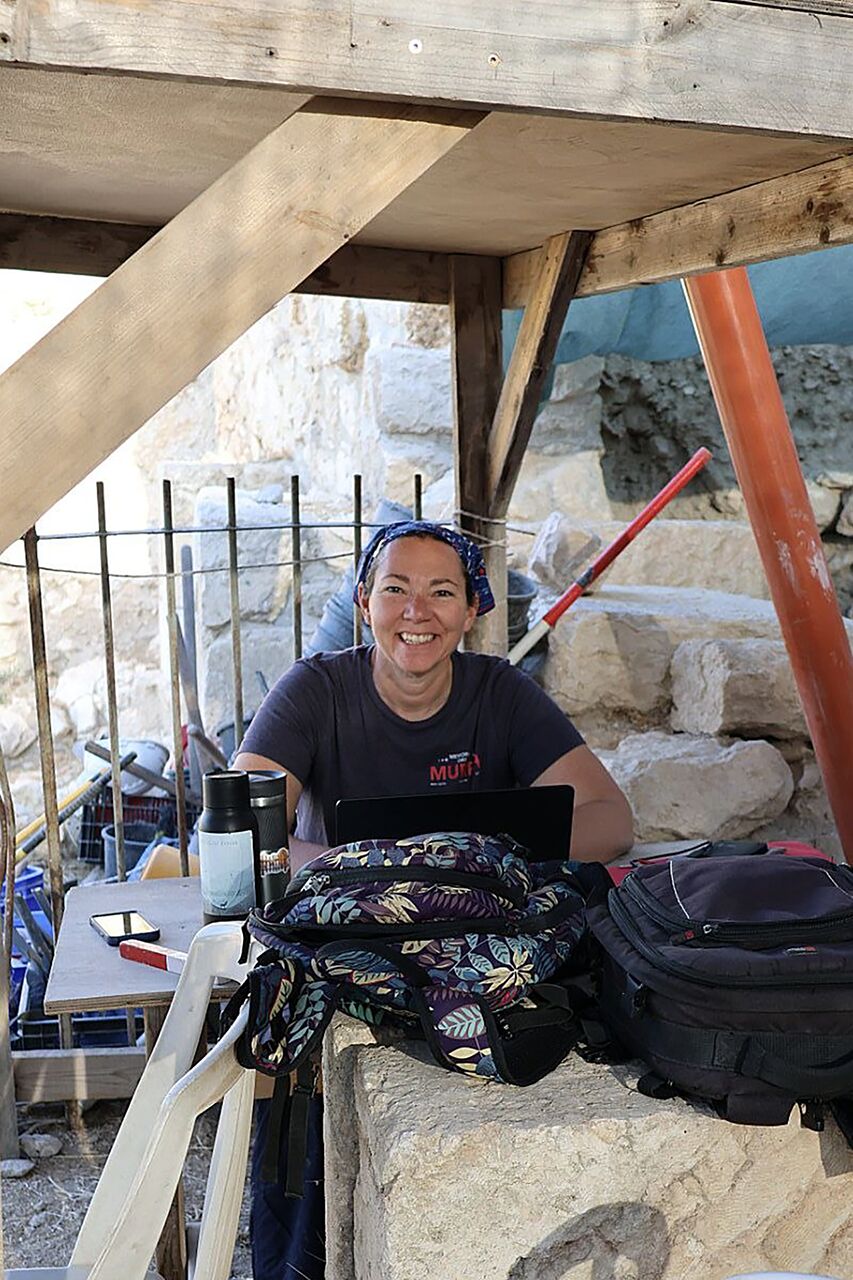
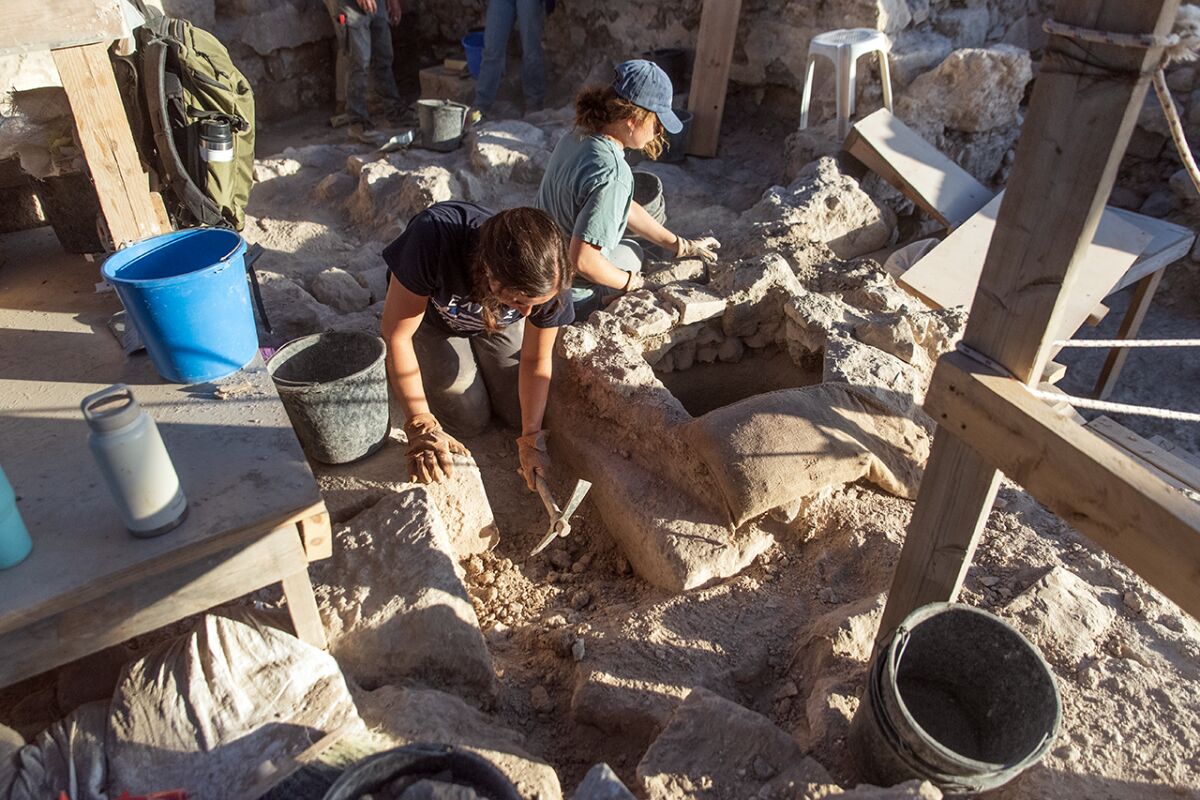
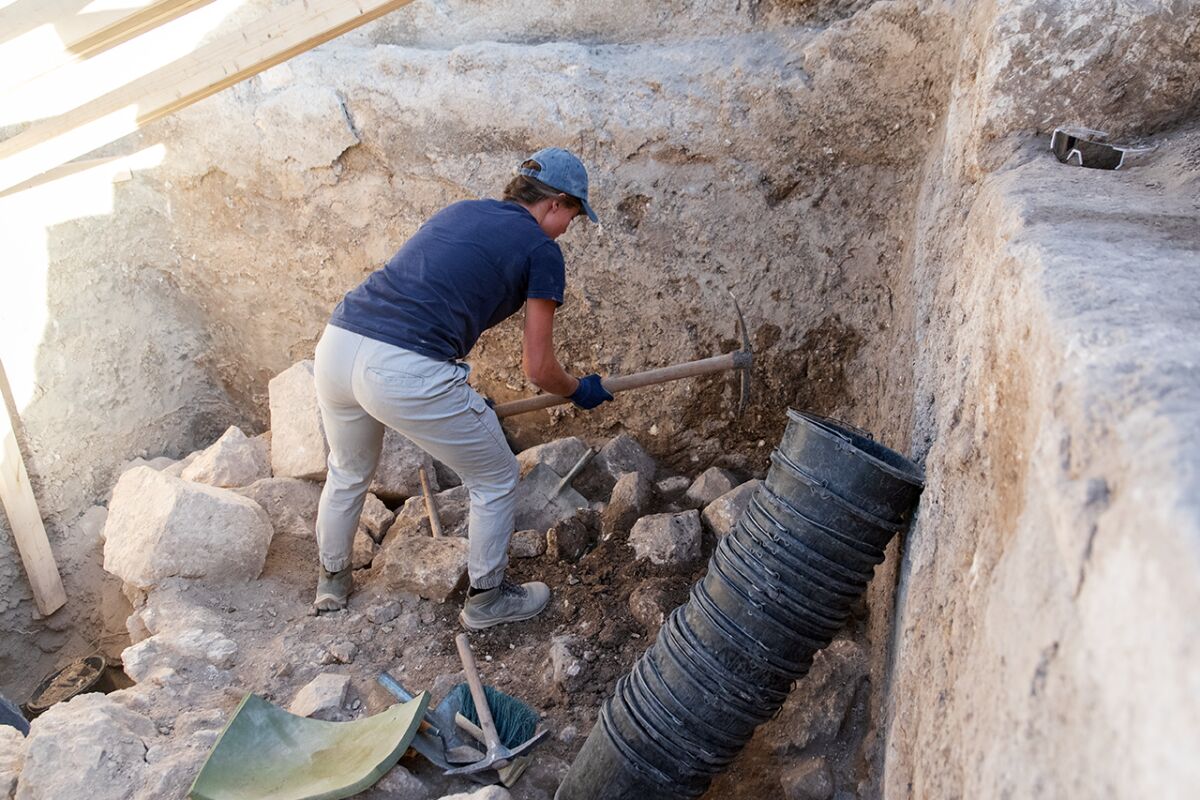
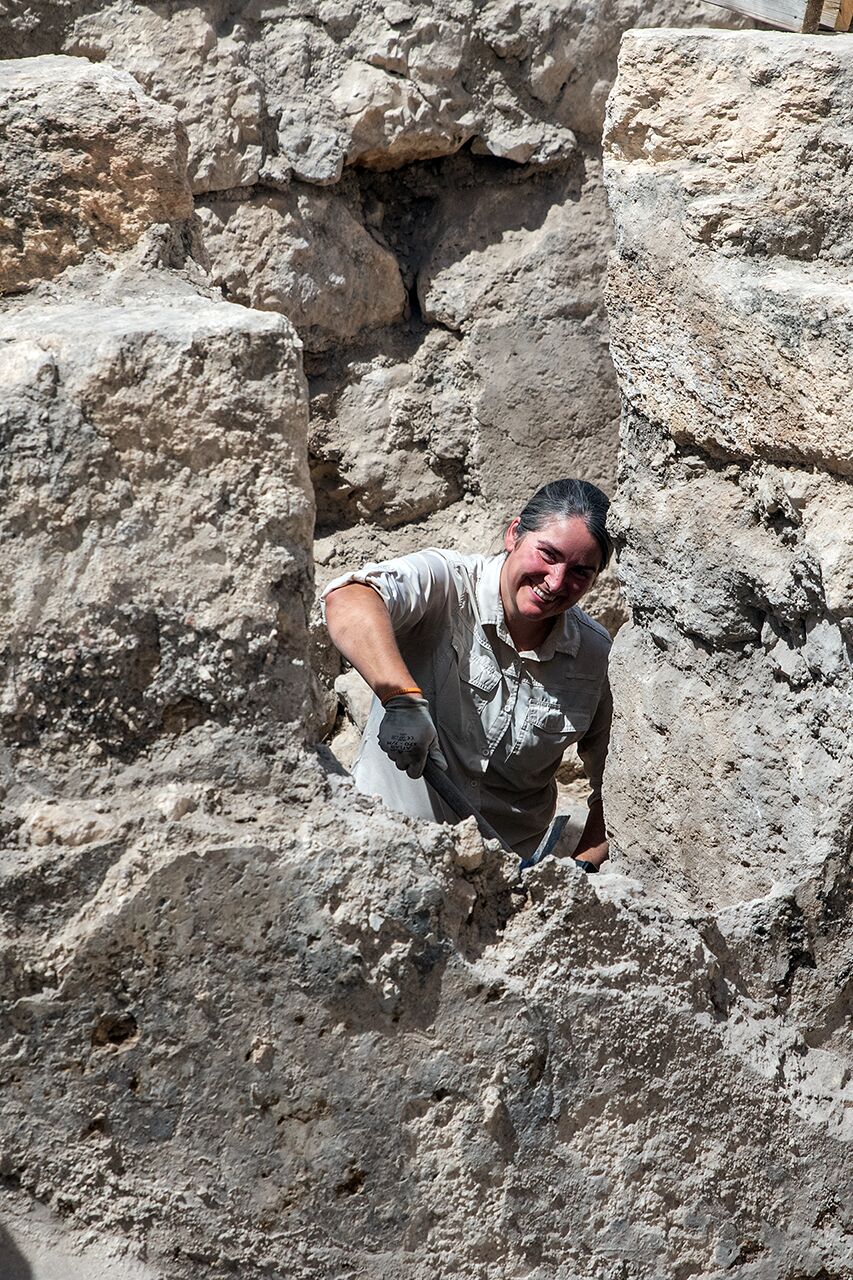
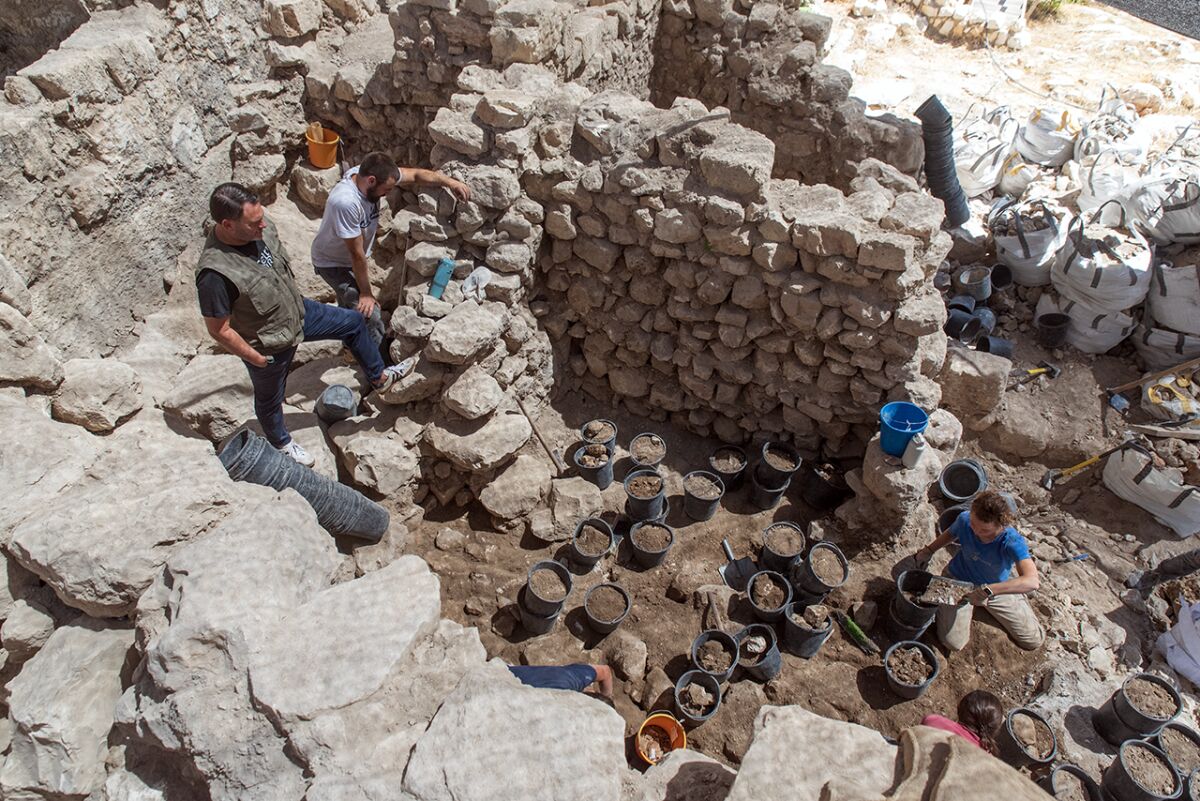
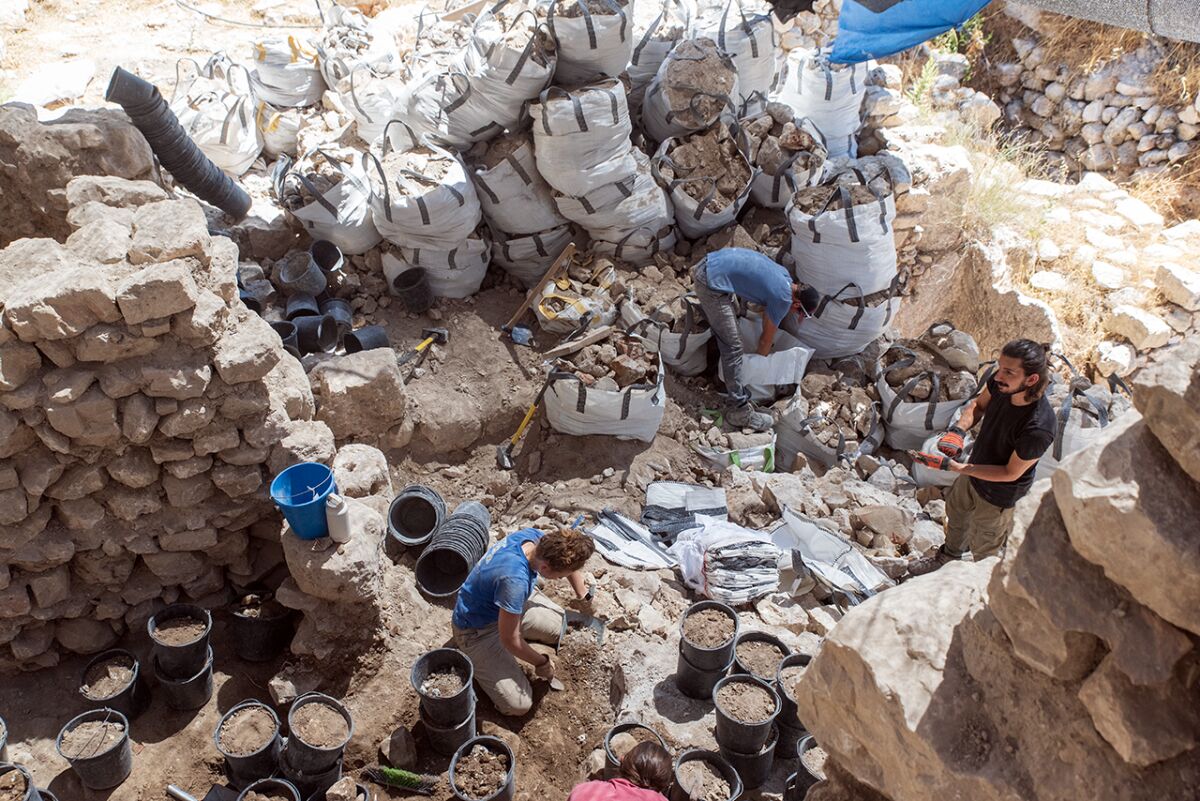
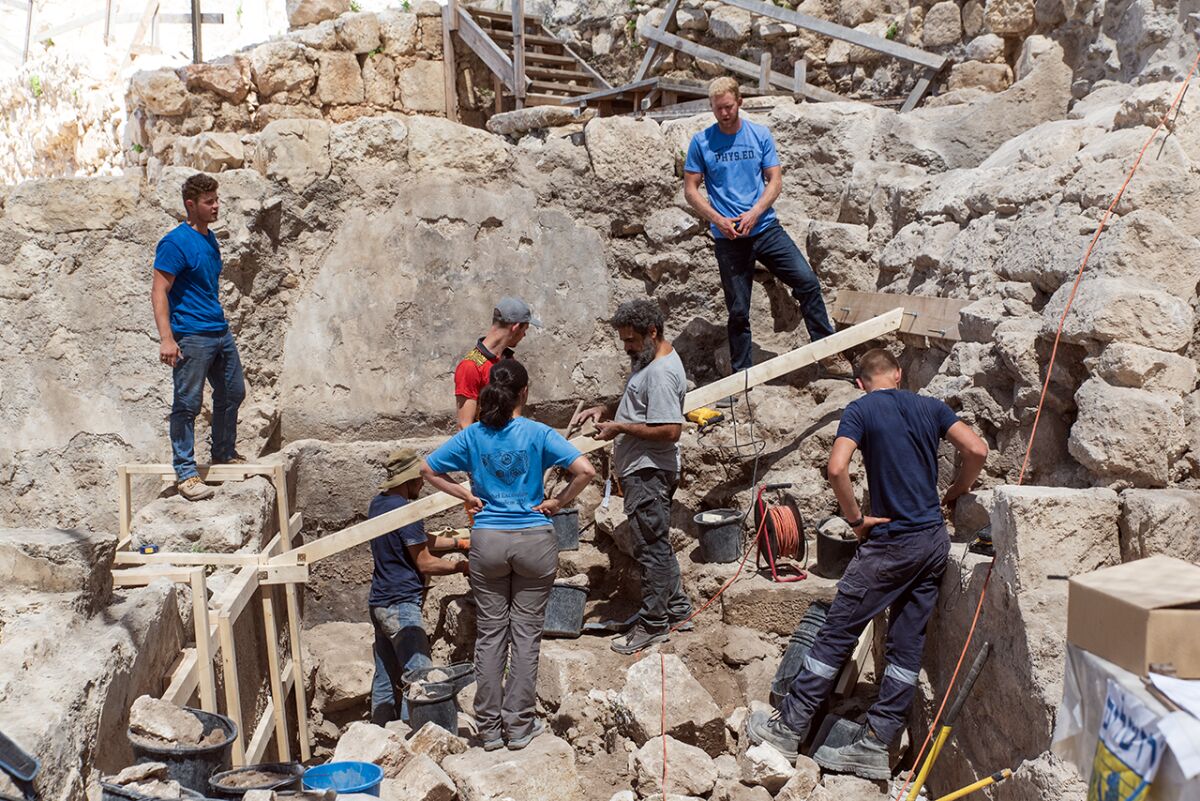
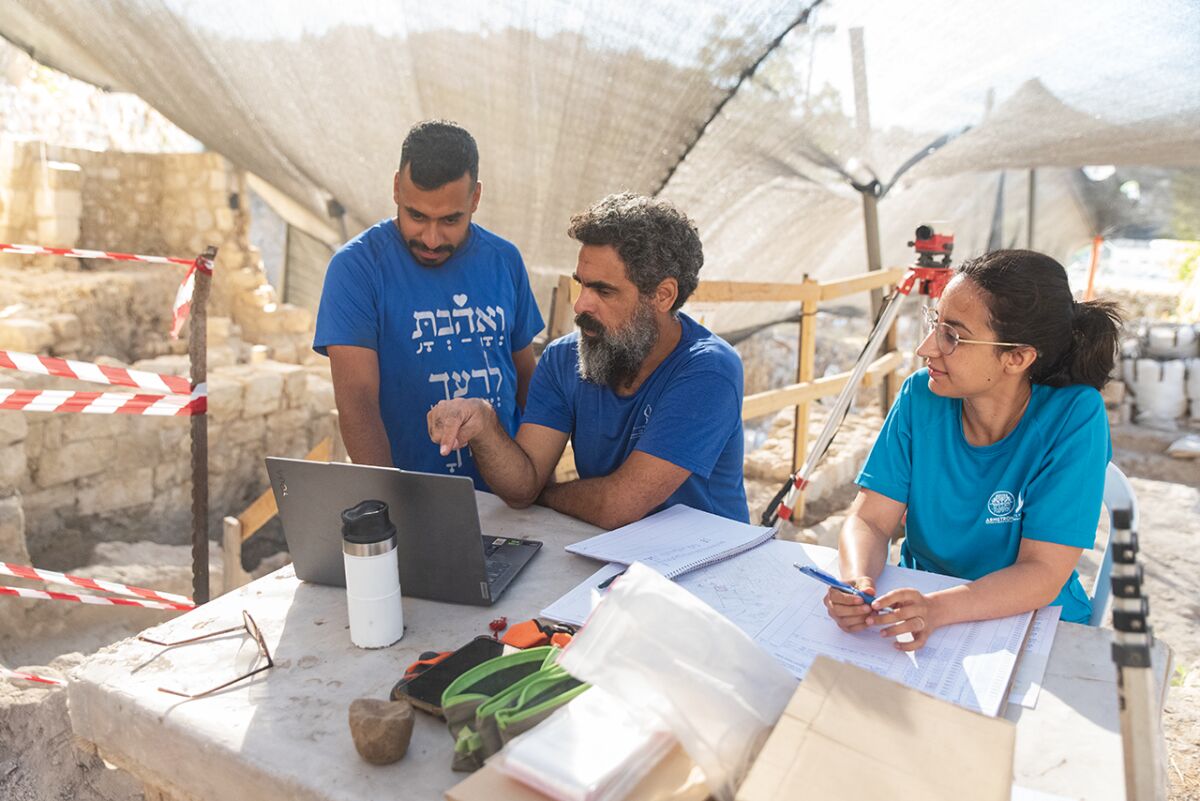
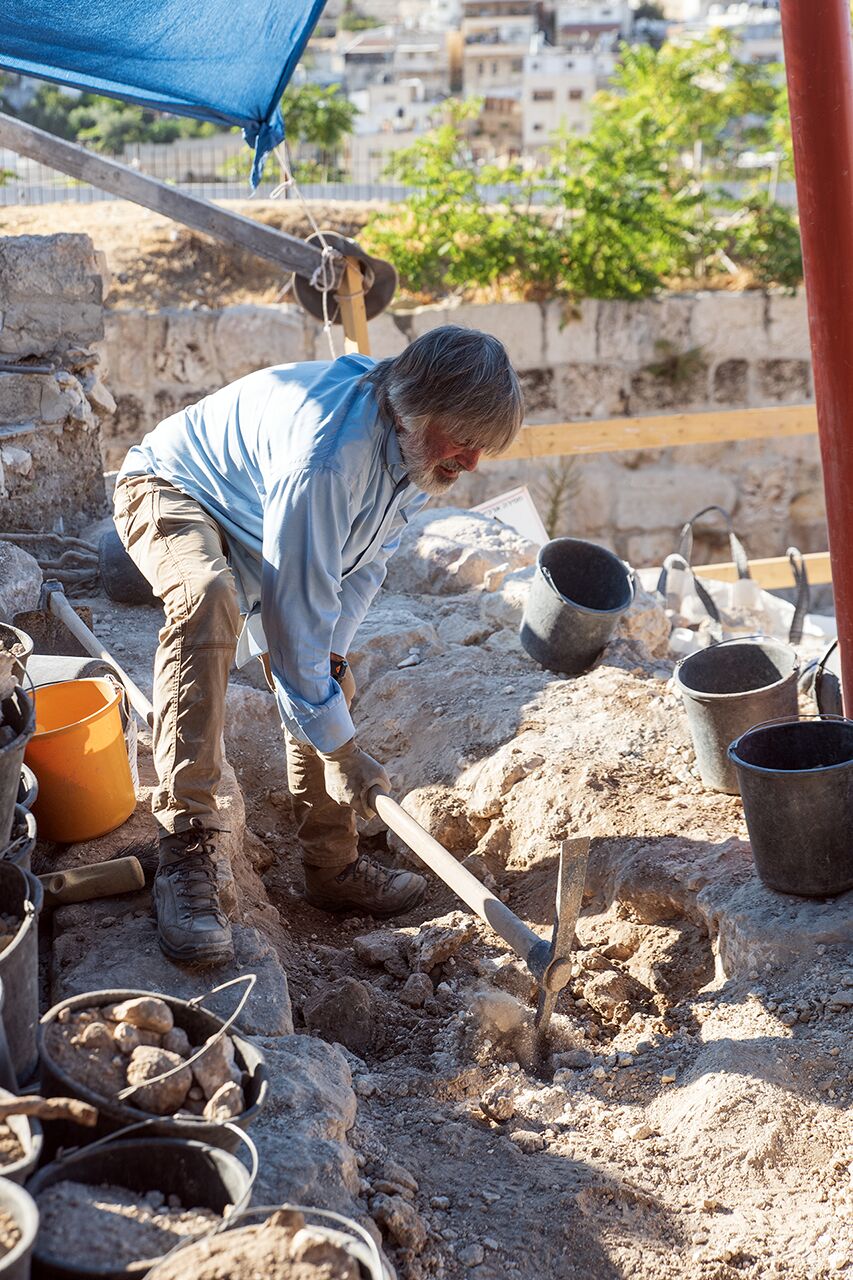
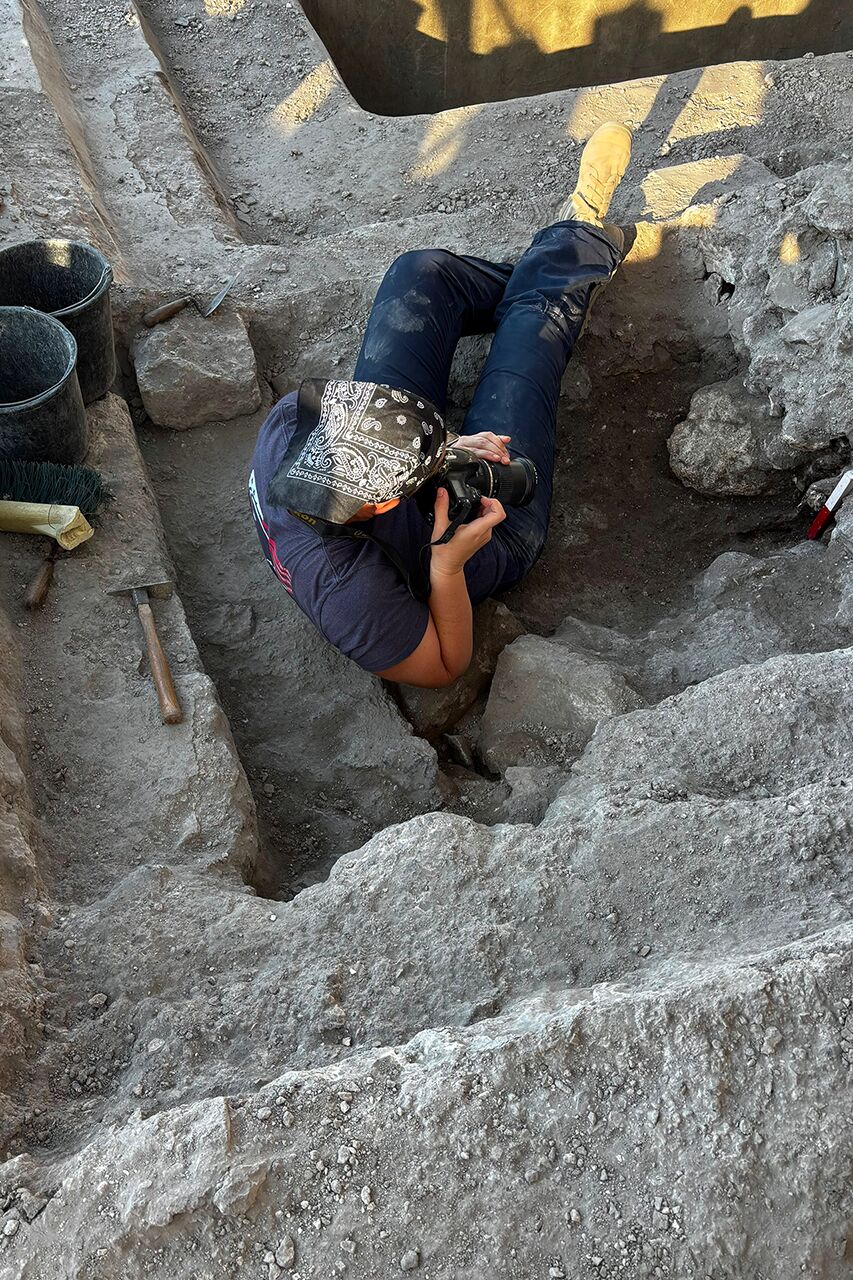
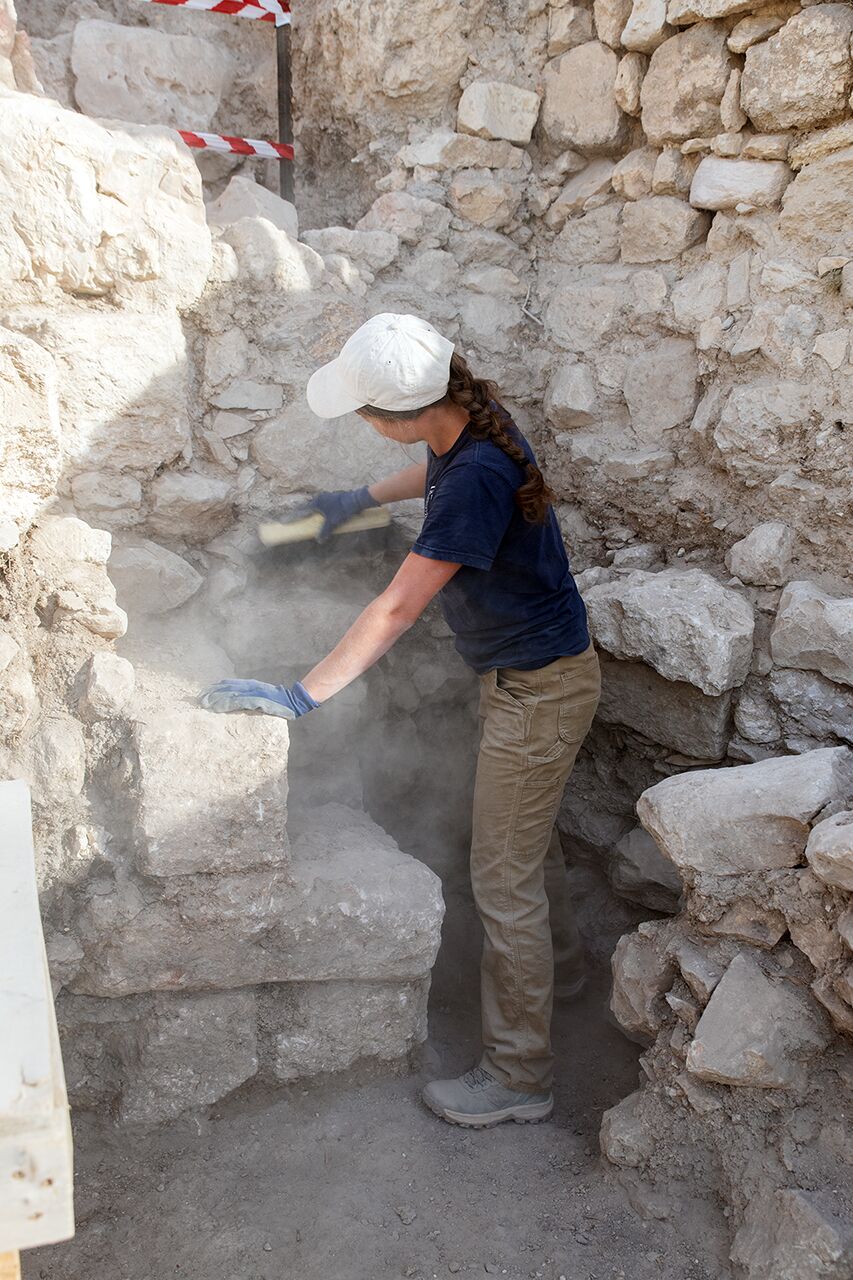
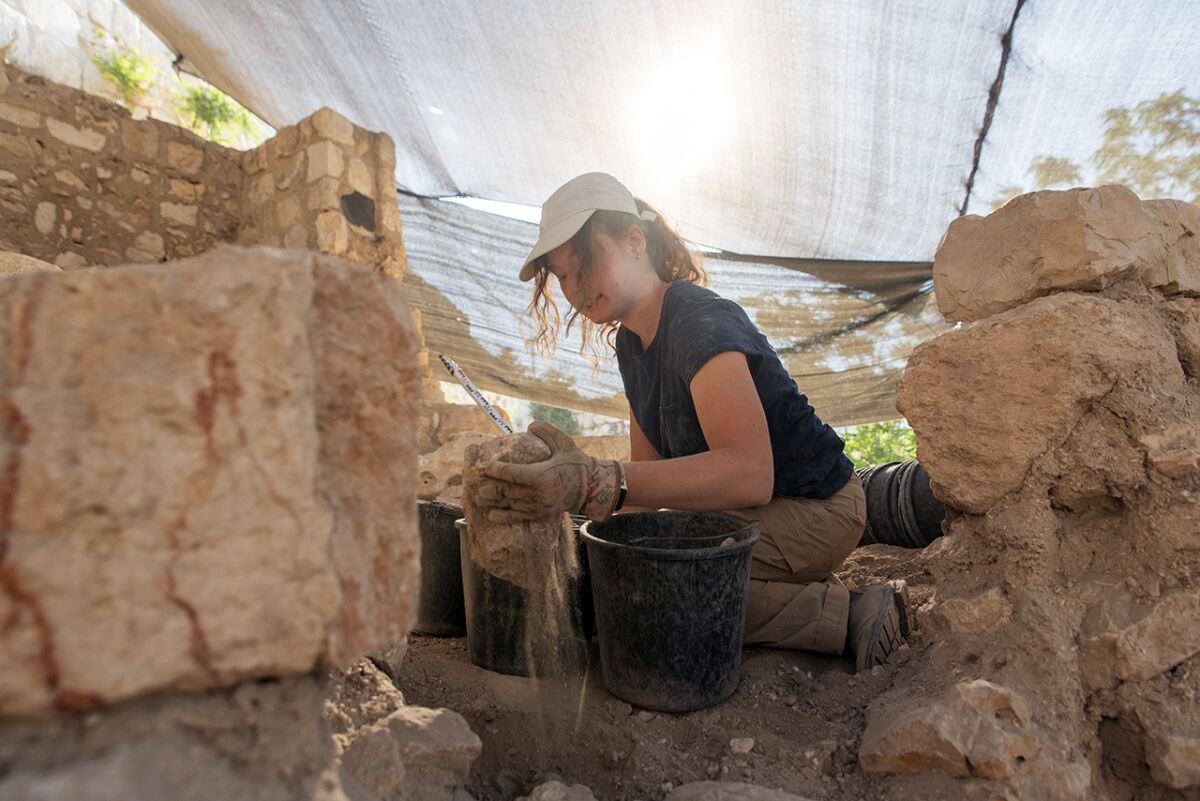
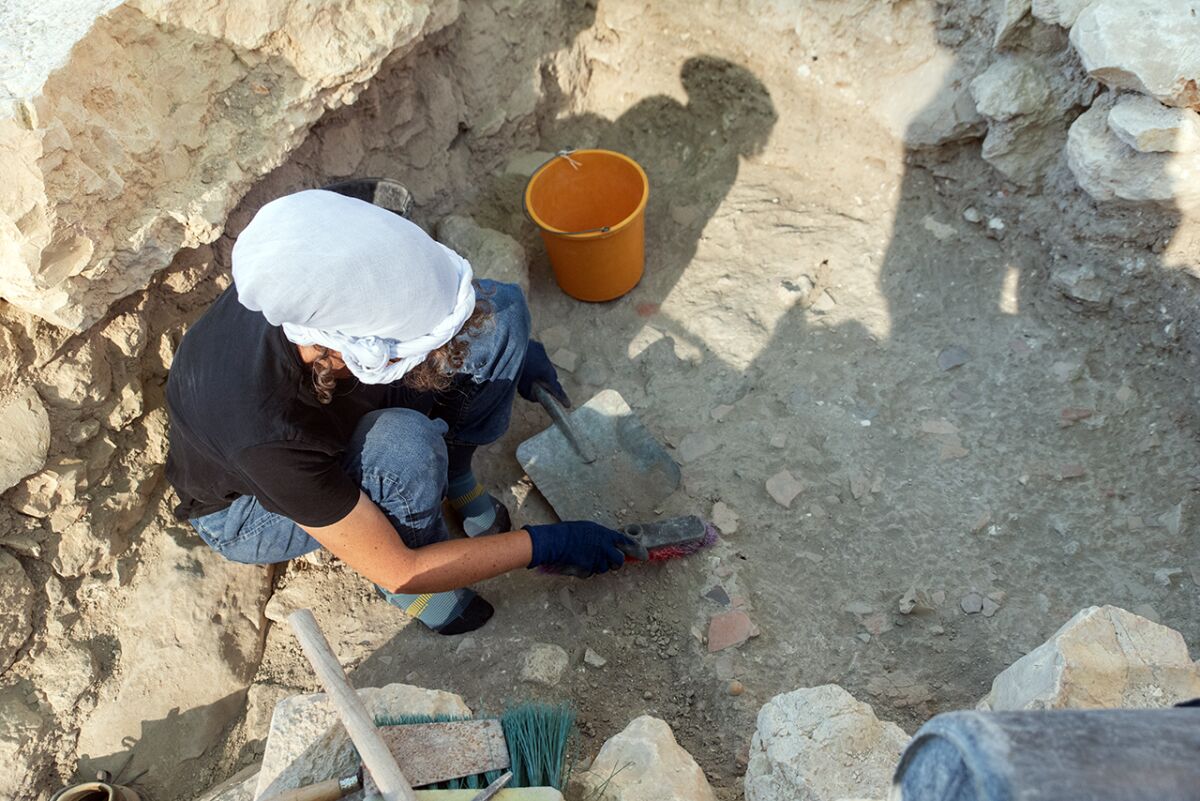
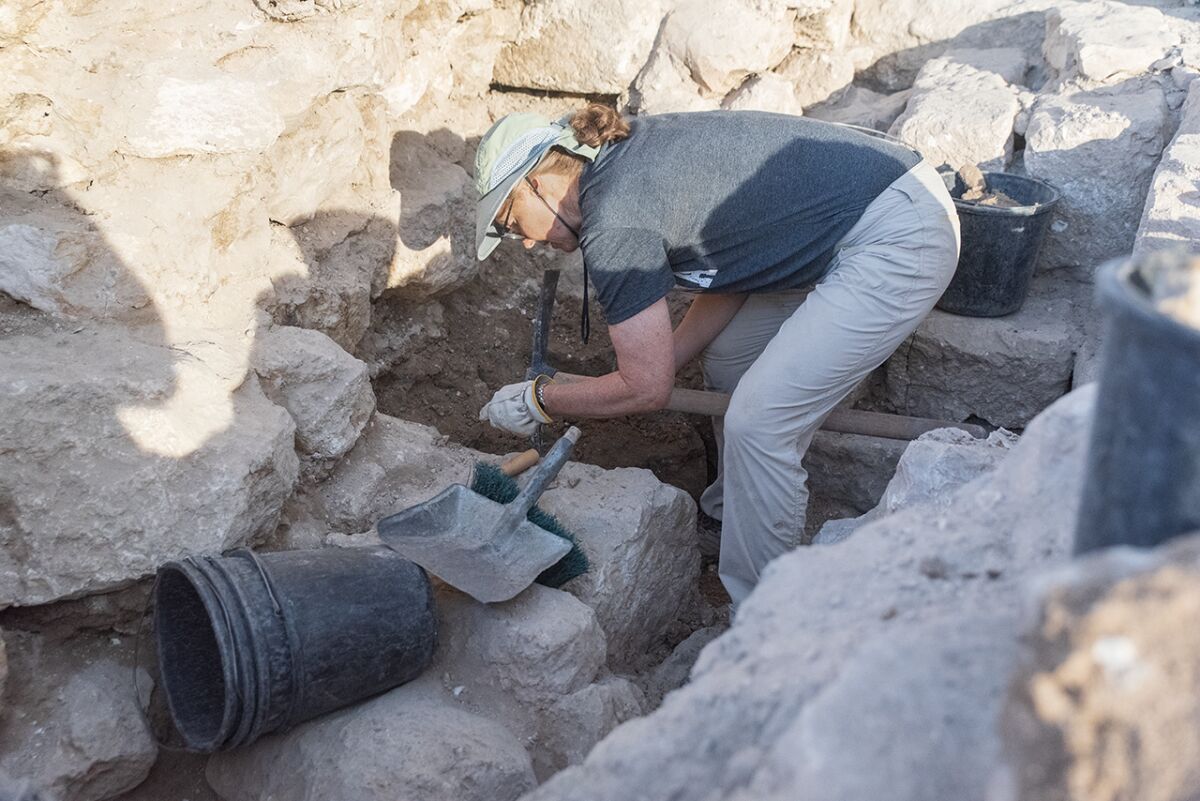
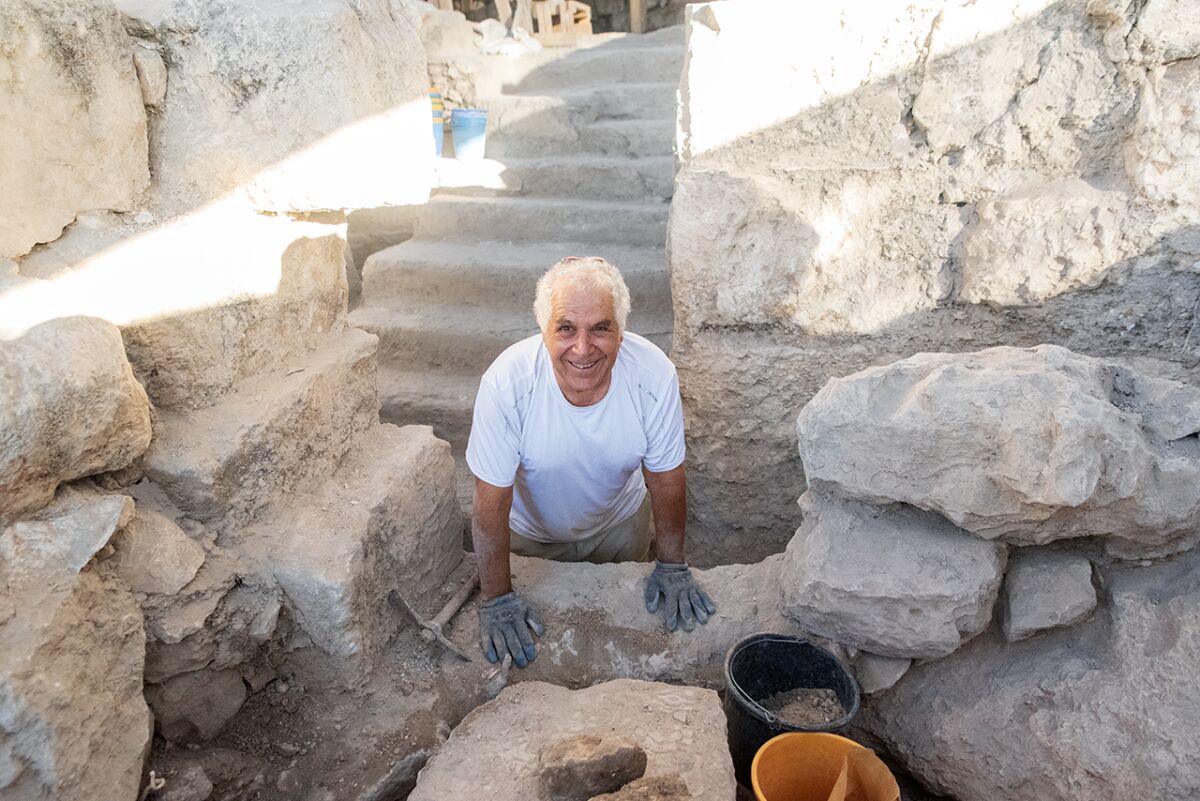
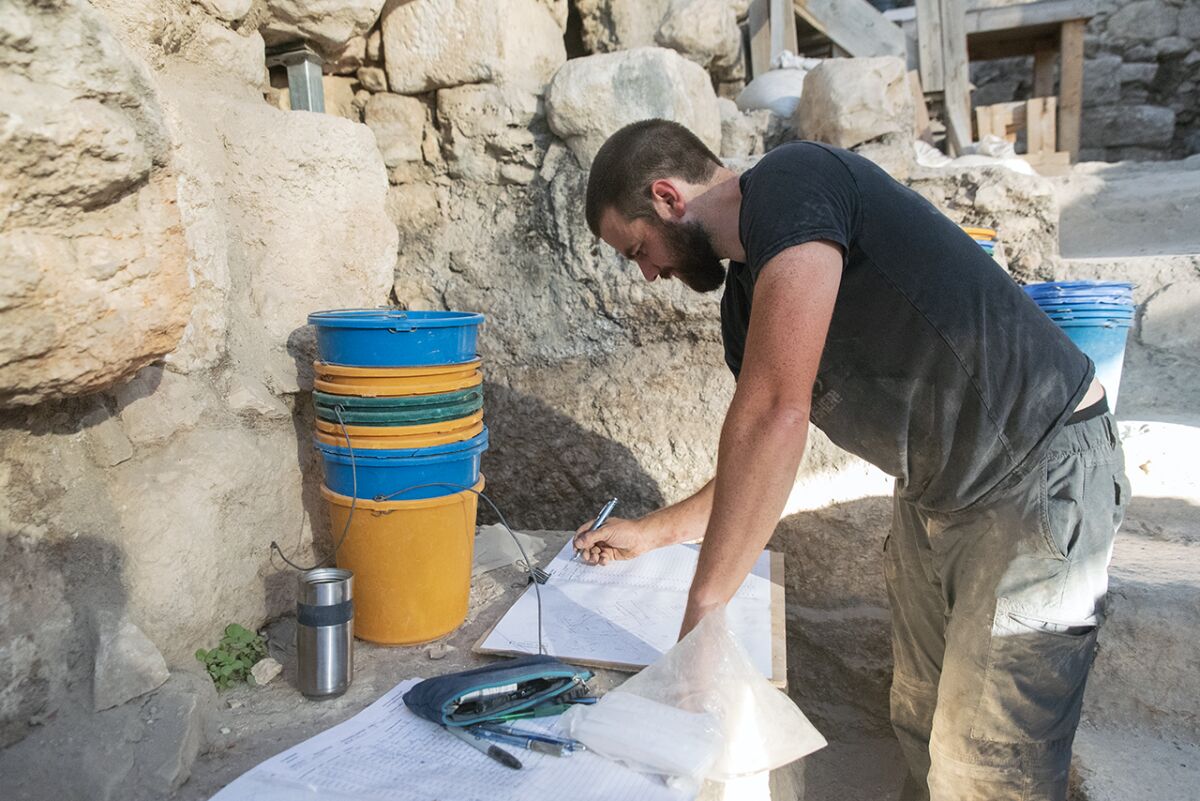
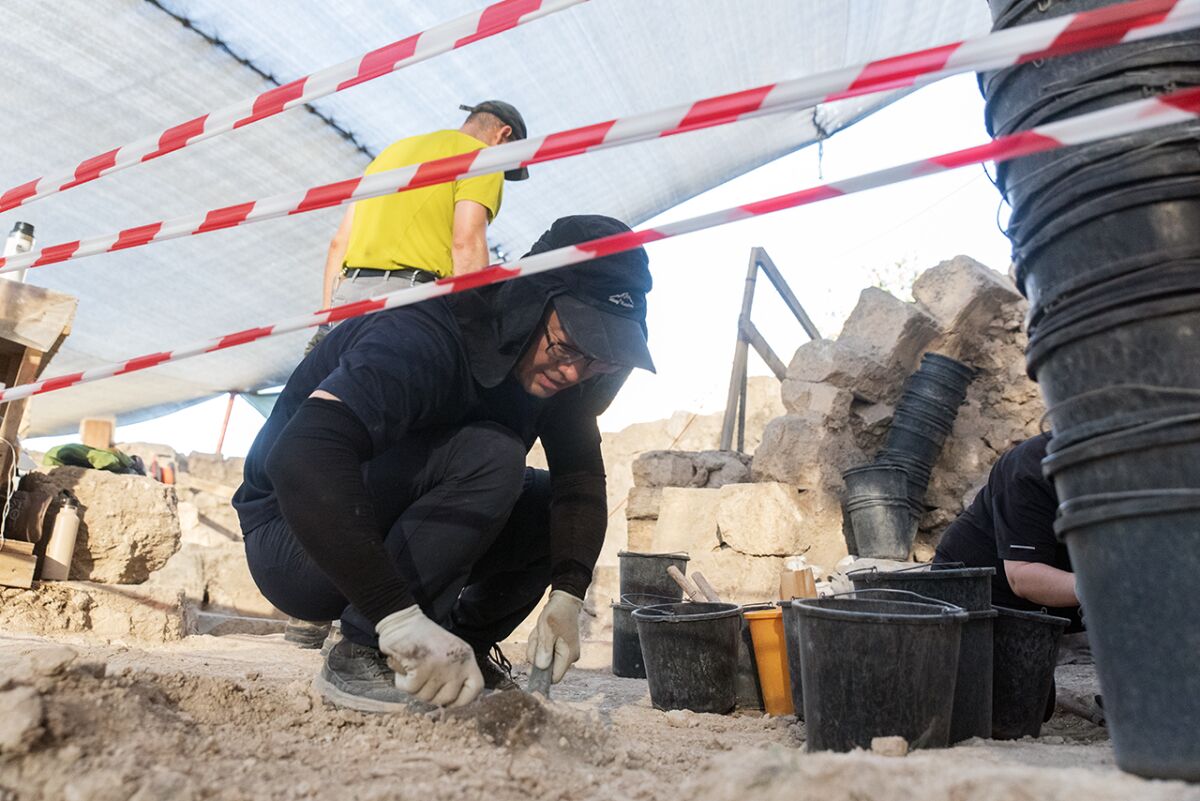
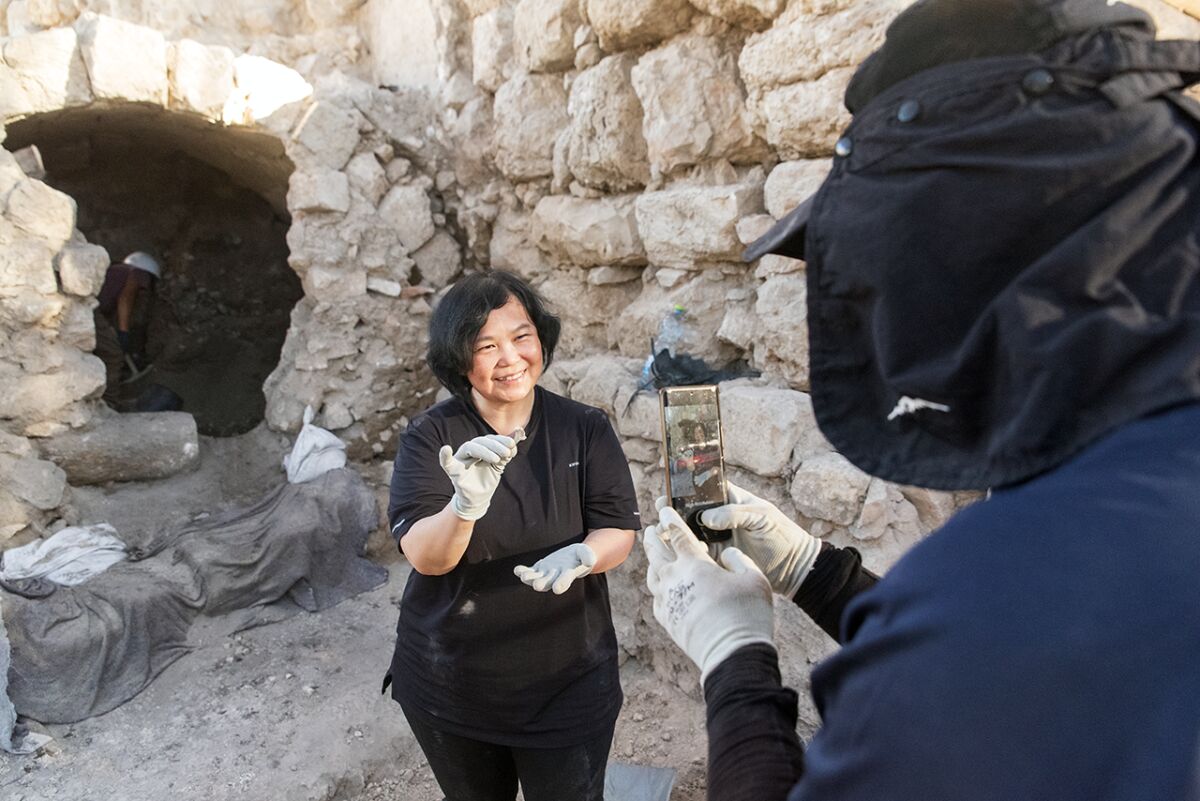
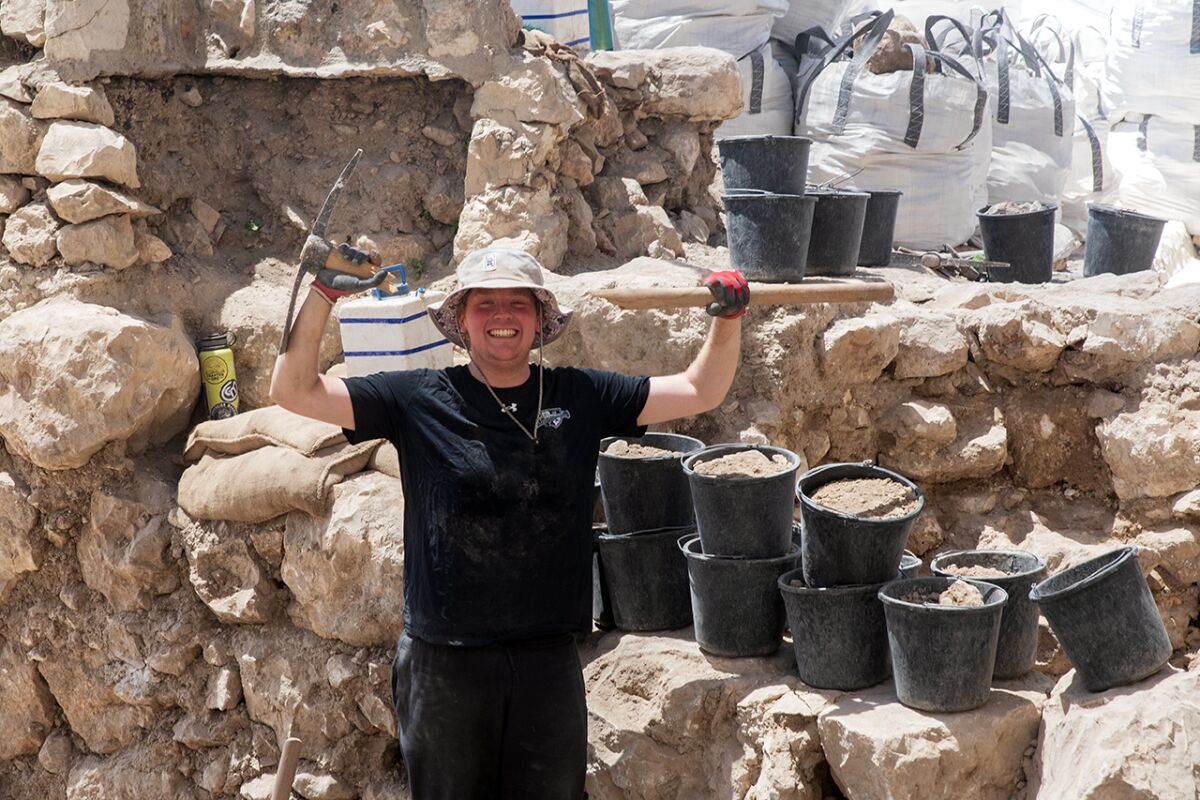
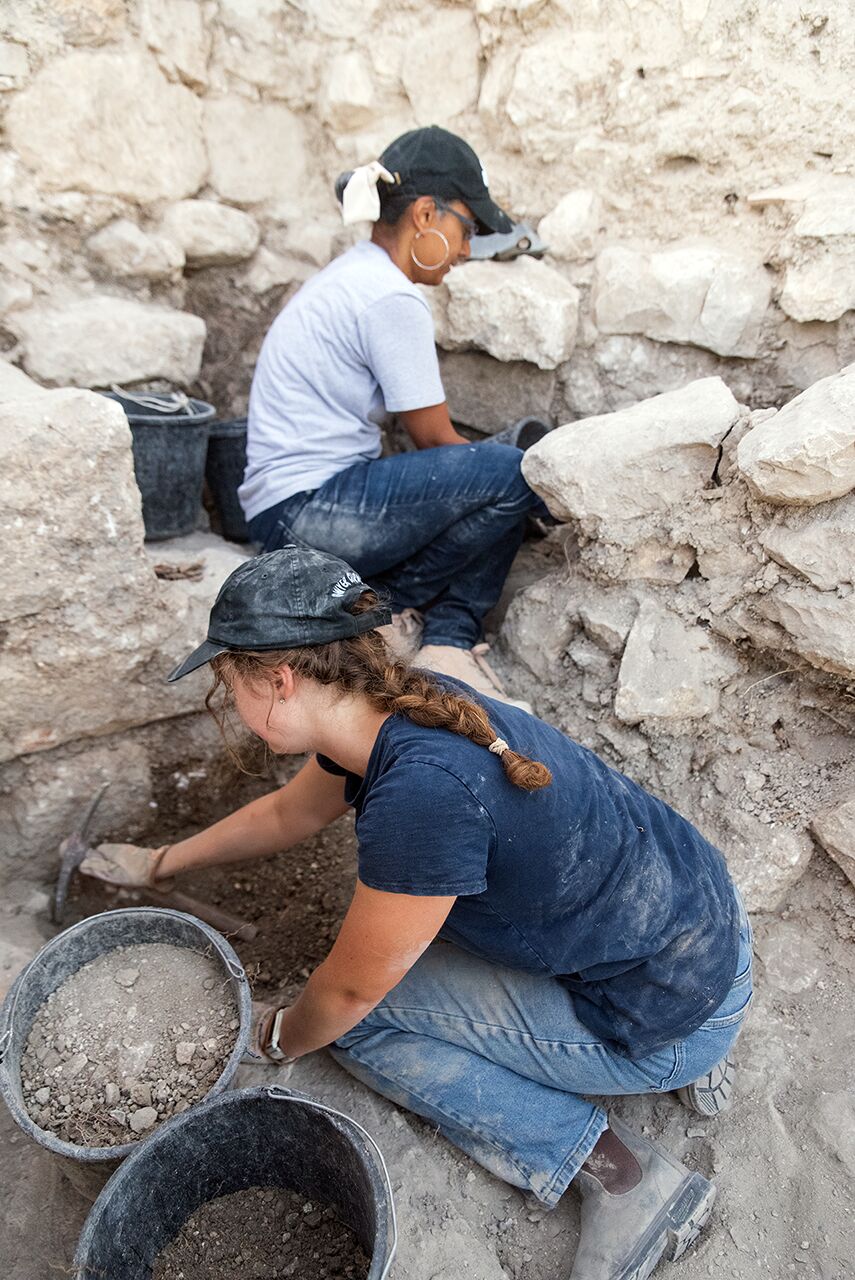
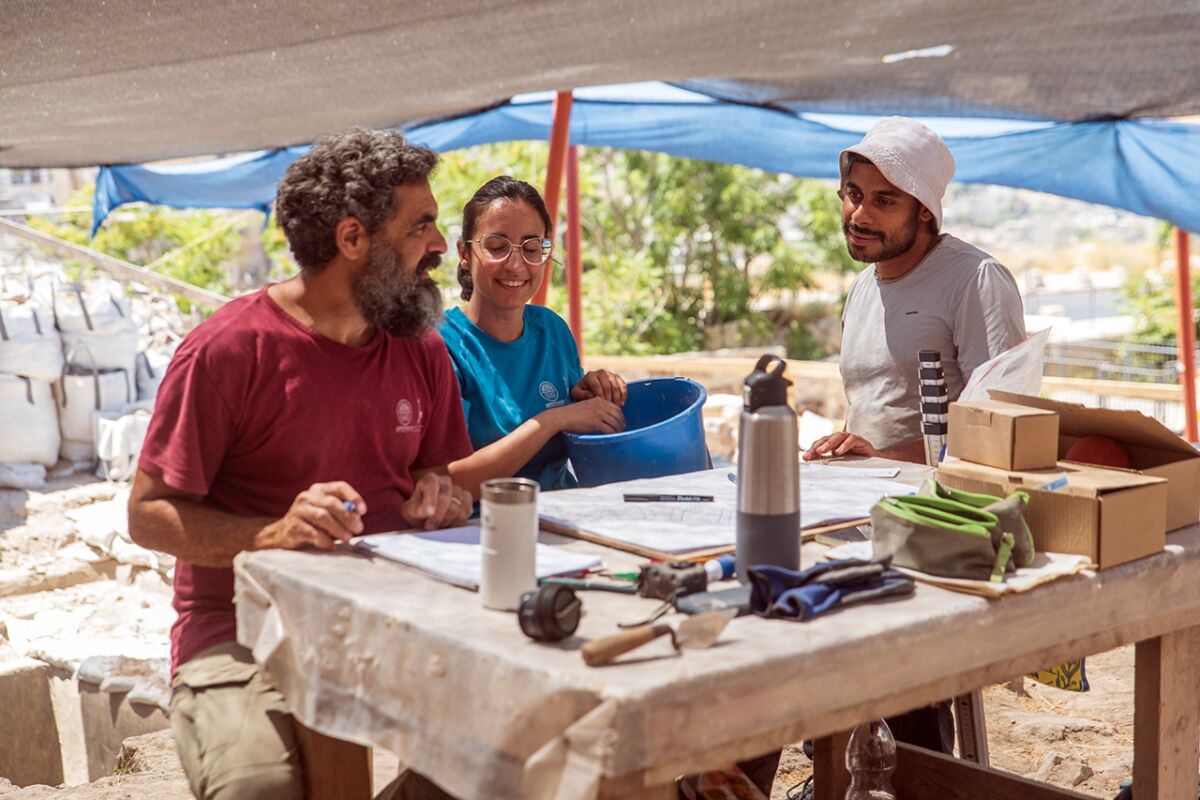
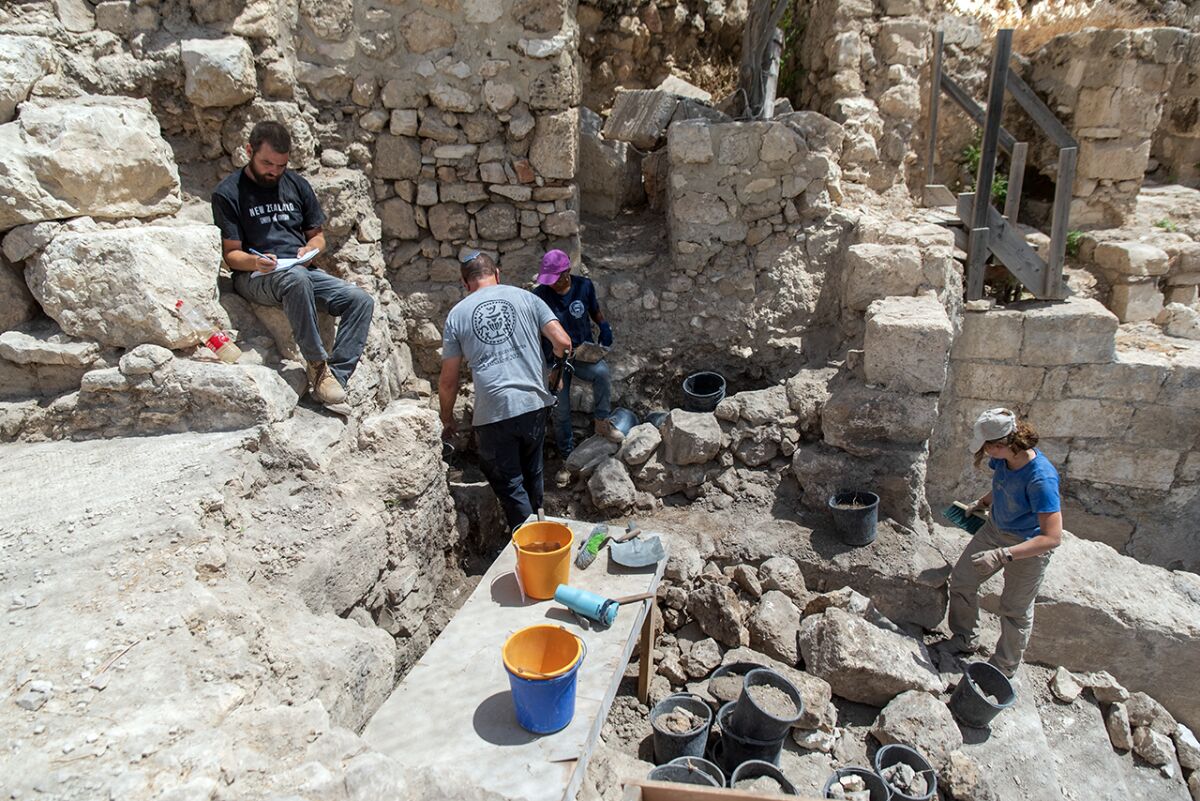
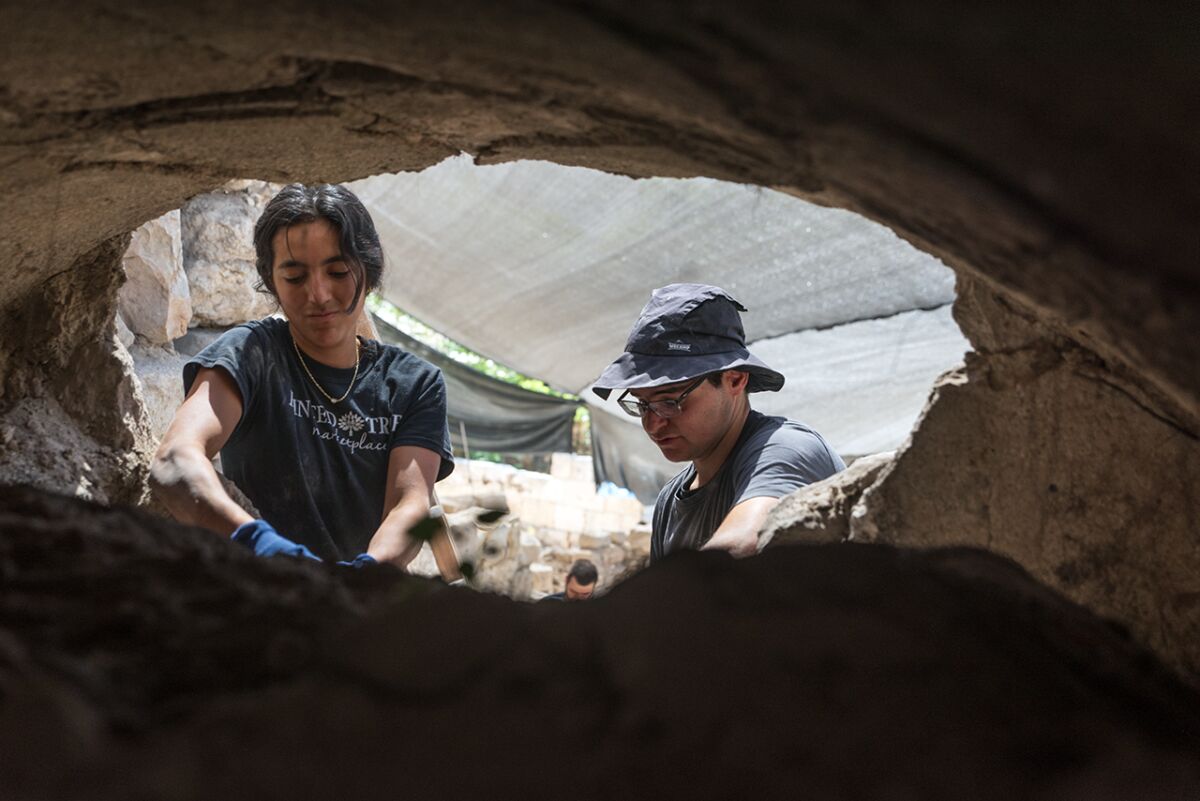
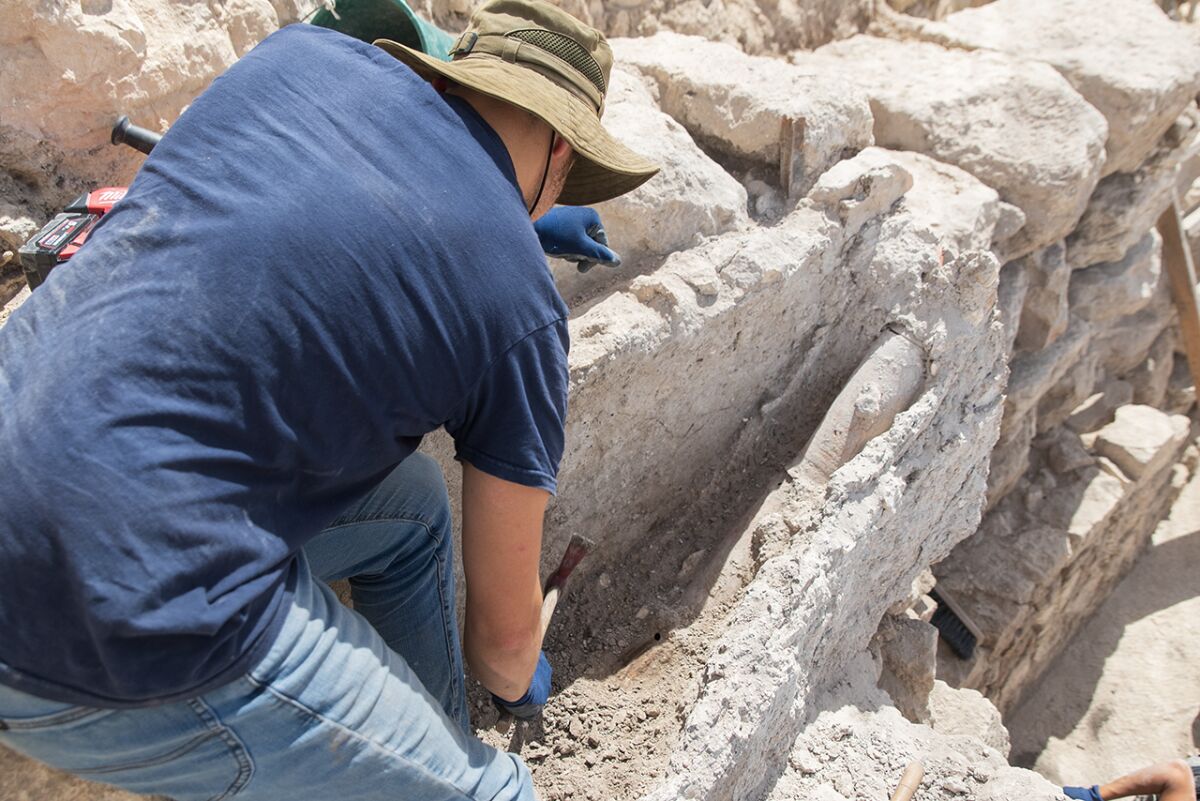
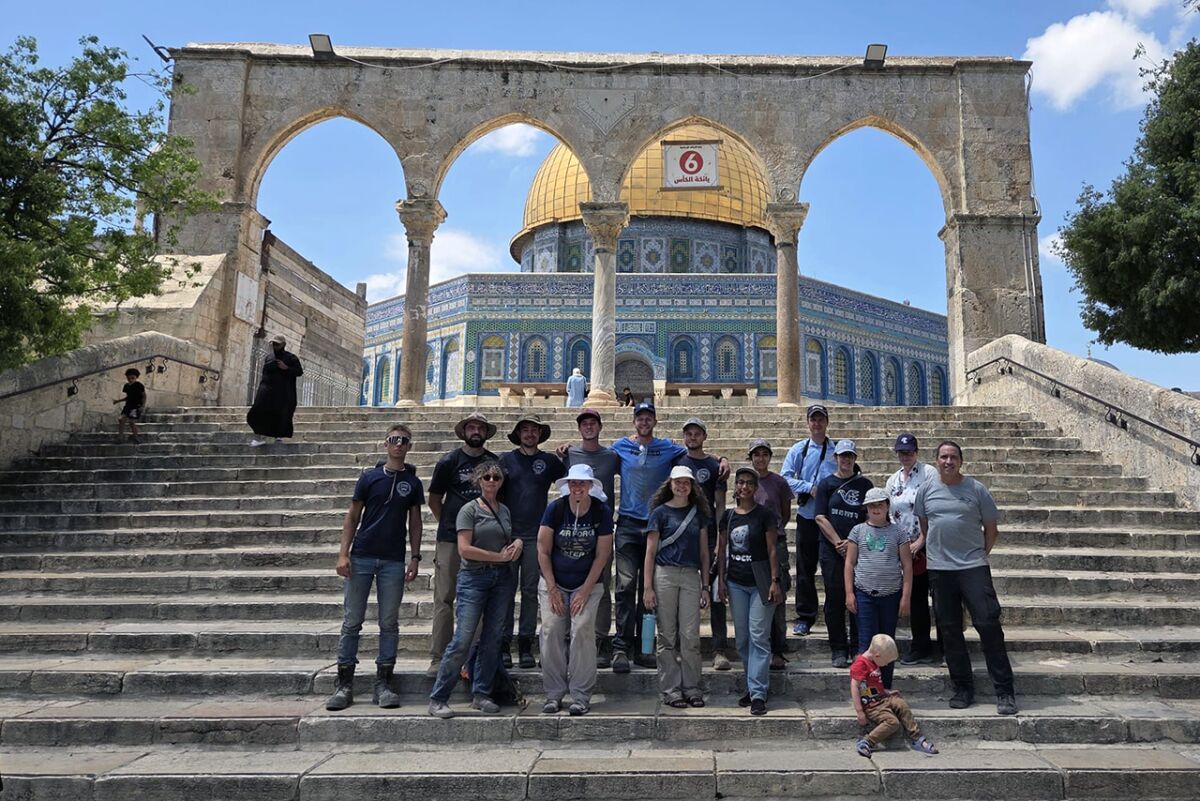
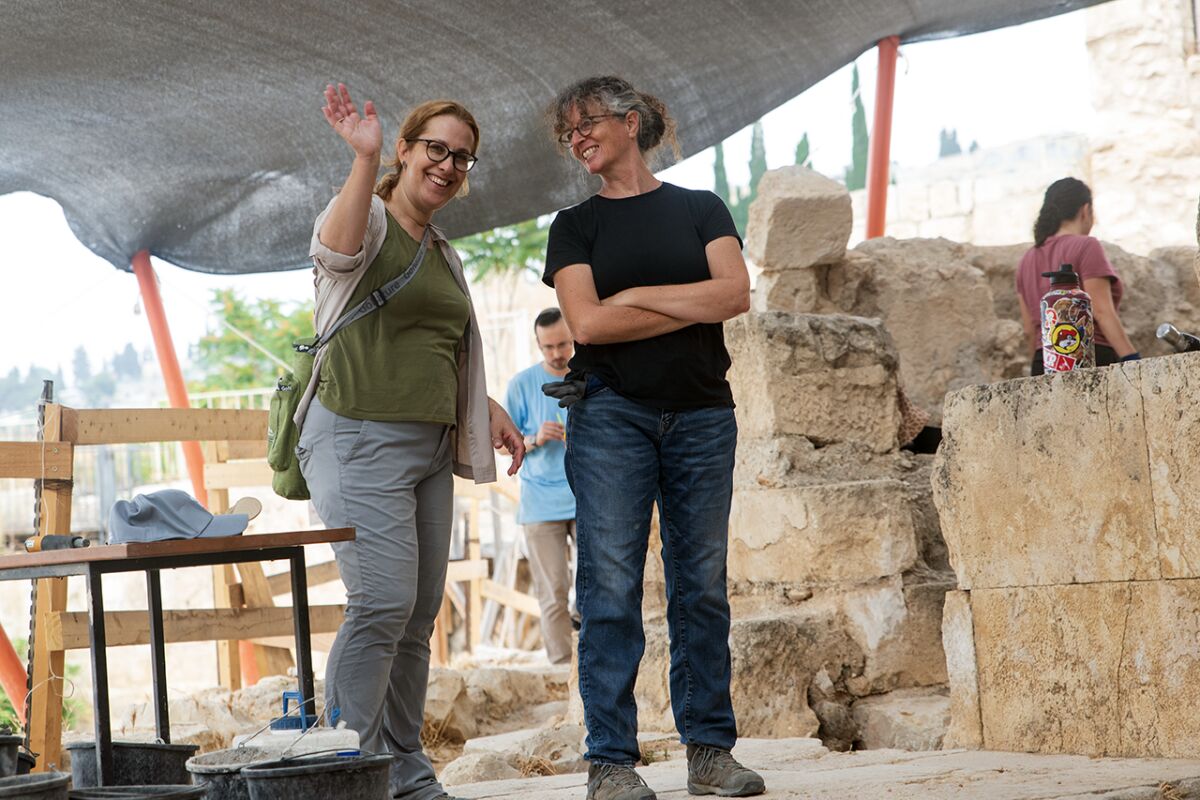
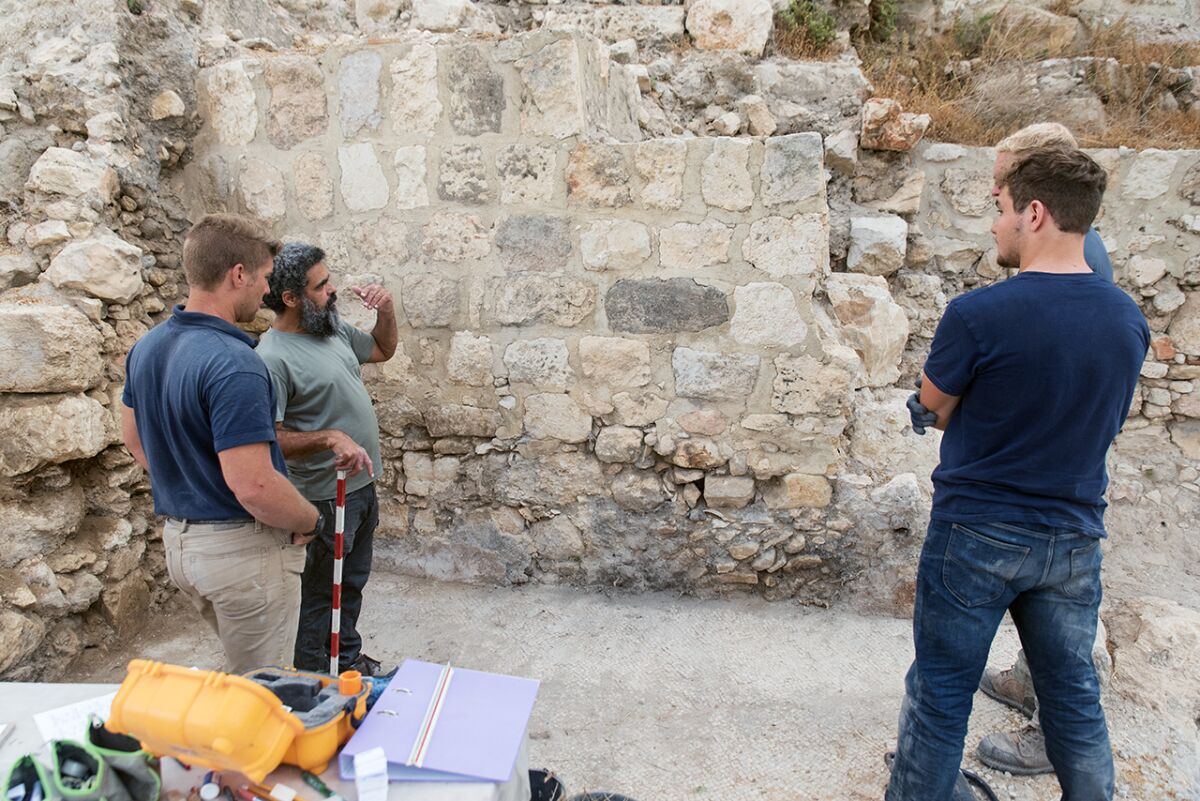
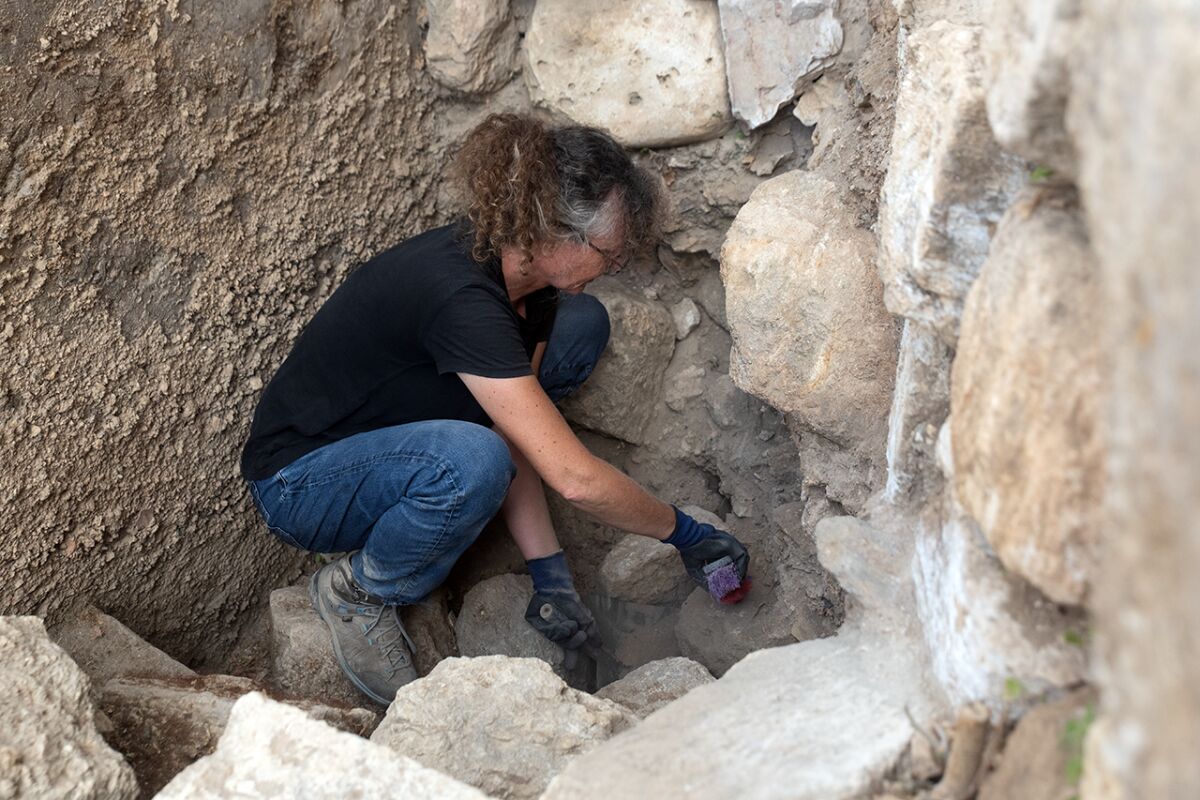
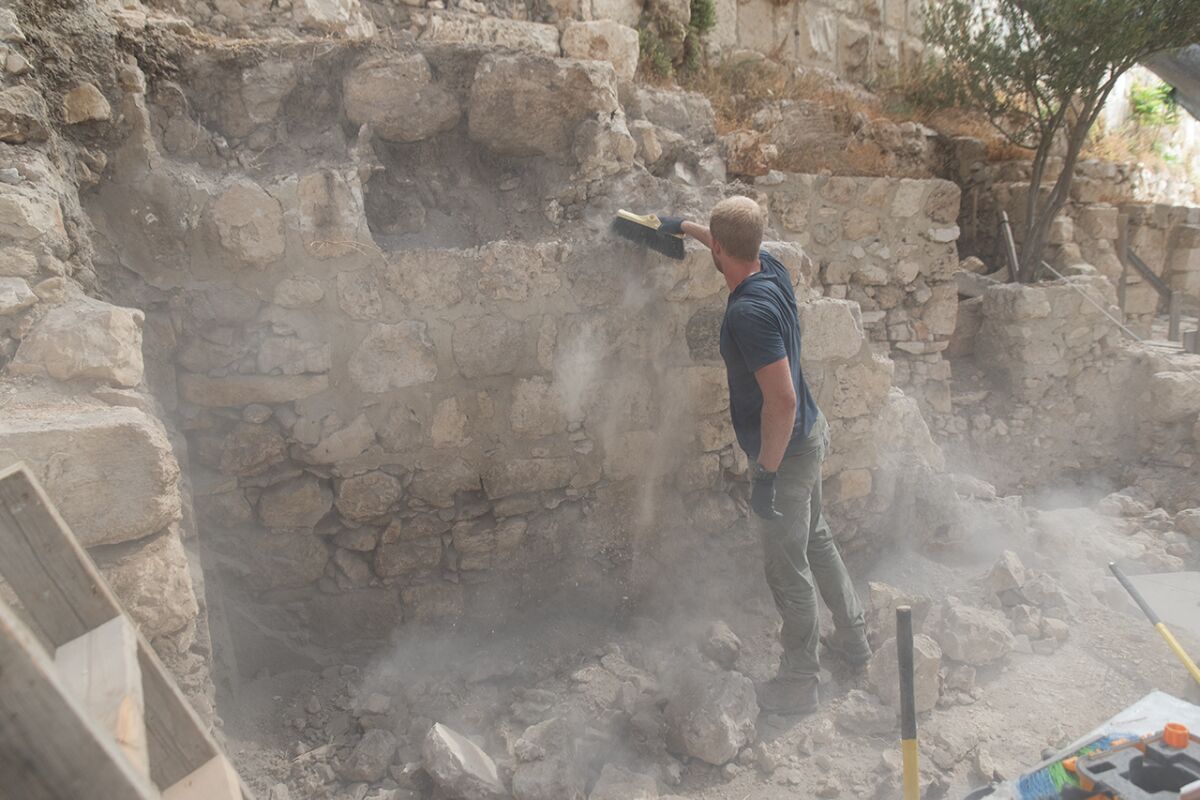
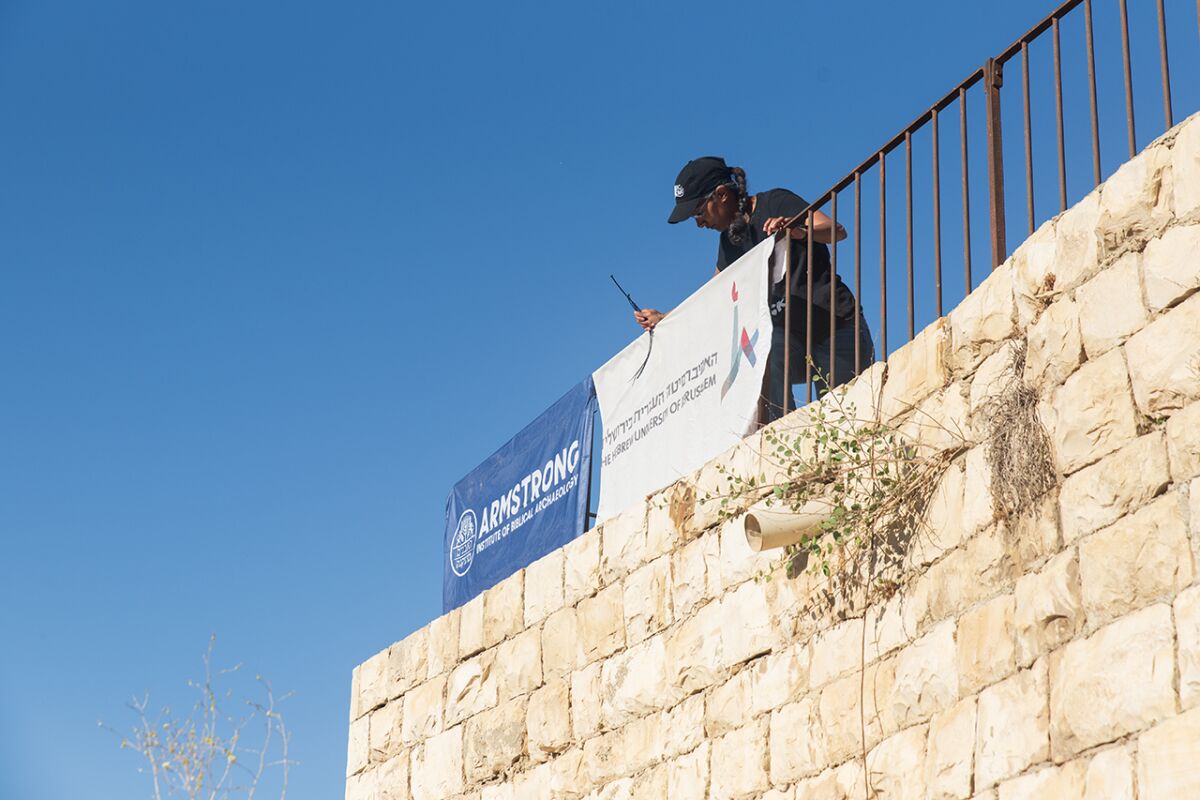
Welcome to the 2026 Ophel excavation—a joint project of the Institute of Archaeology of Hebrew University and the Armstrong Institute of Biblical Archaeology.
This season we will once again be blogging our experience. This page will provide up-to-date information, photos and videos of the 2026 Ophel excavation. Check back often as we follow what we hope to be one of our most exciting excavations to date! The most recent post will be at the top.
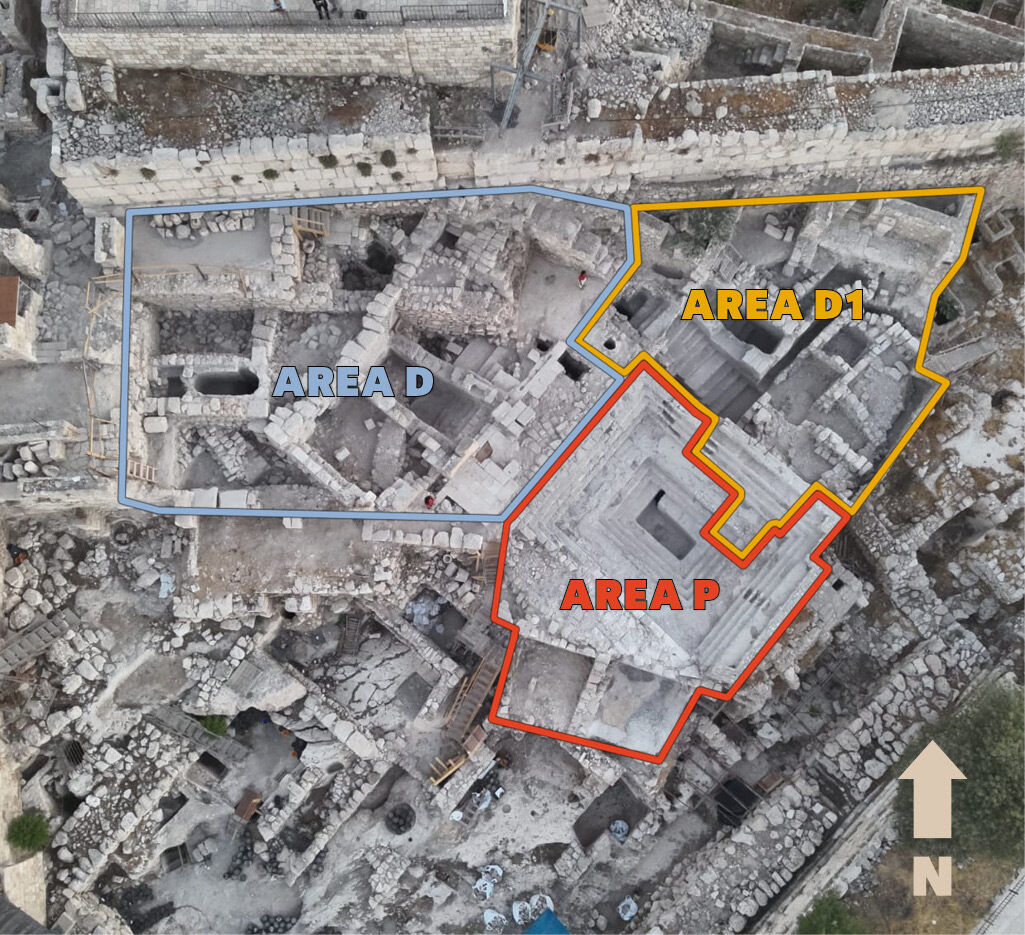
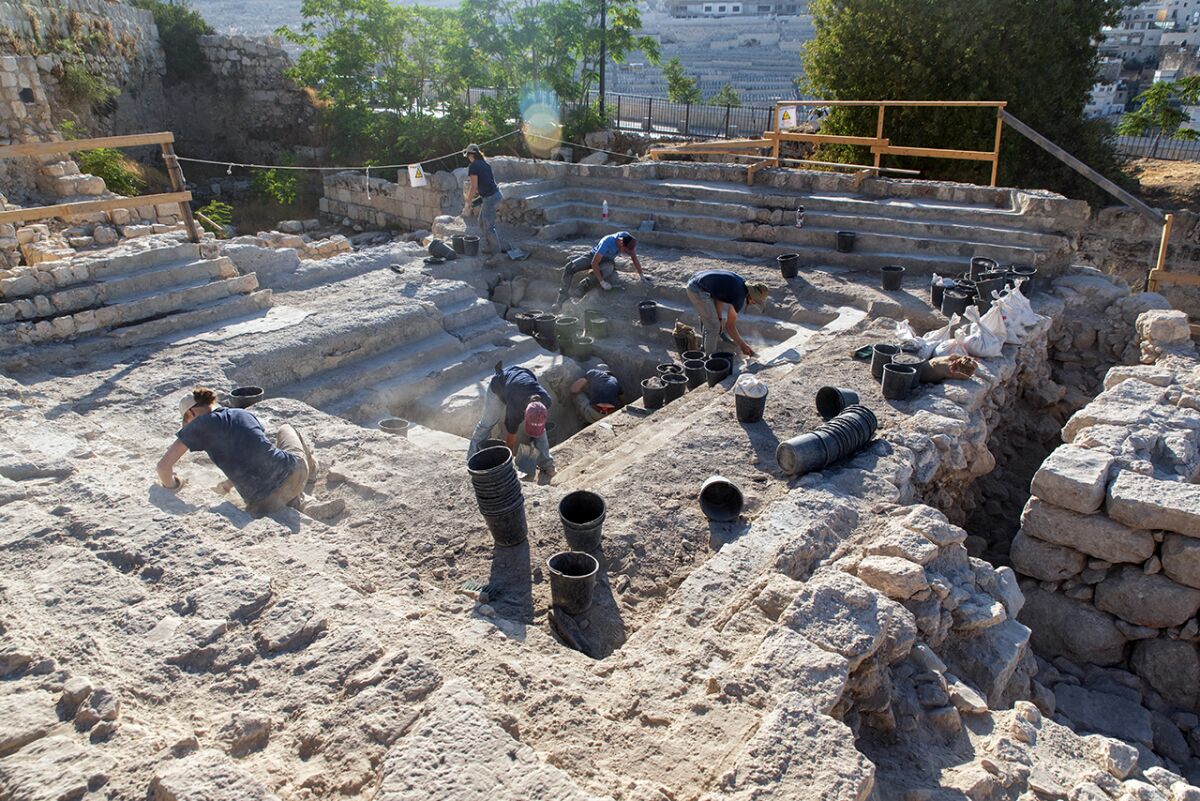
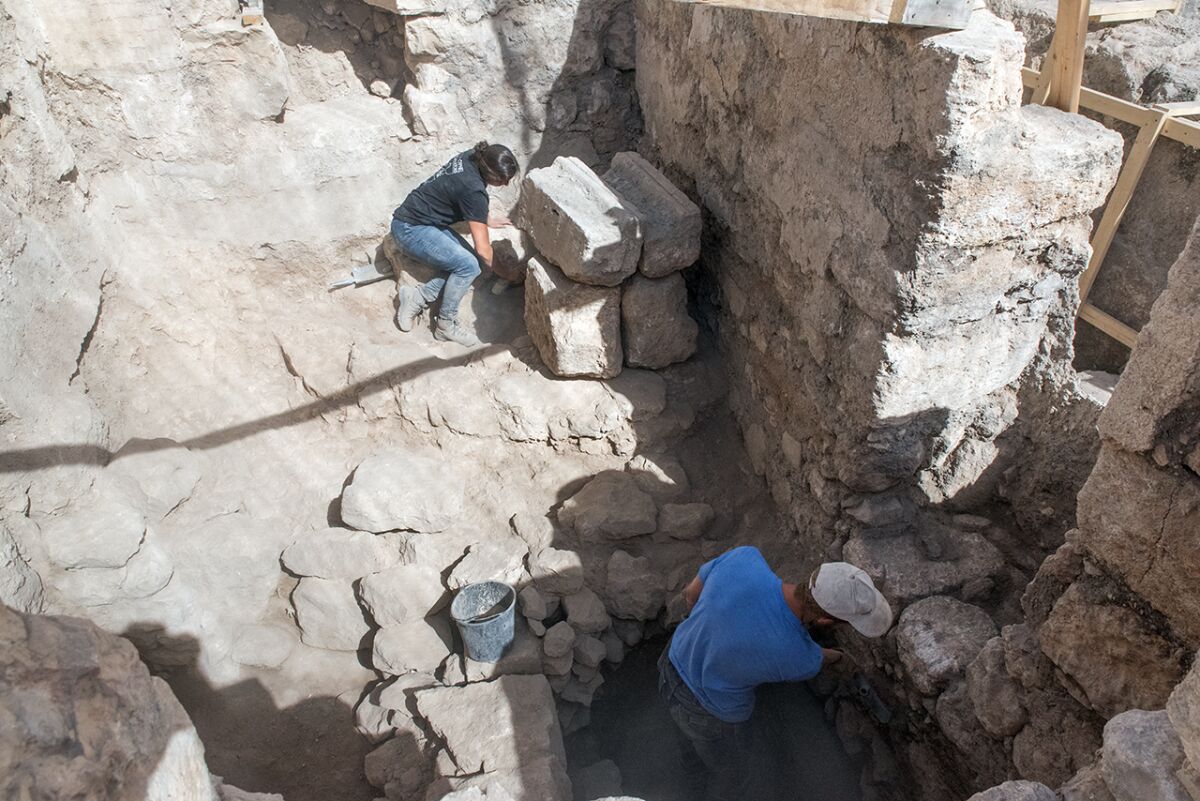
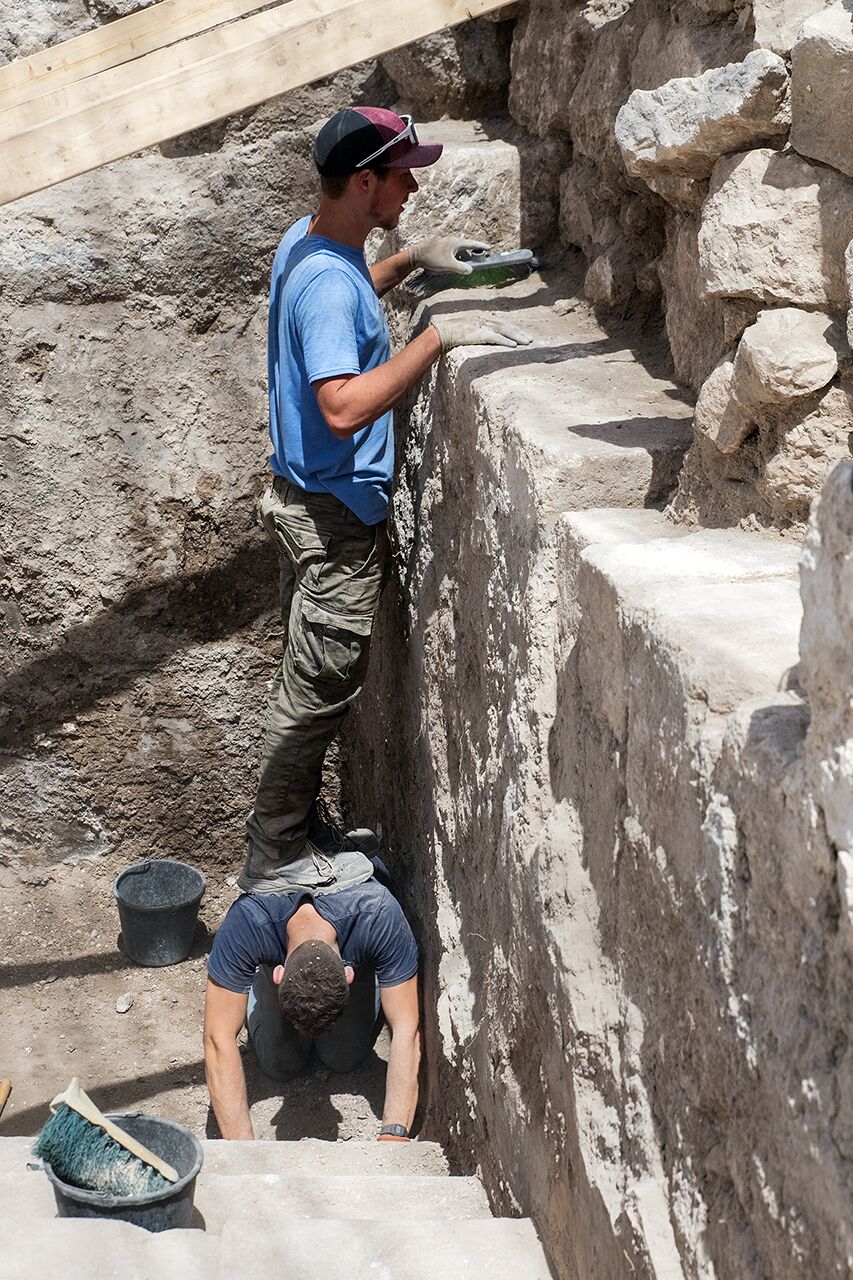
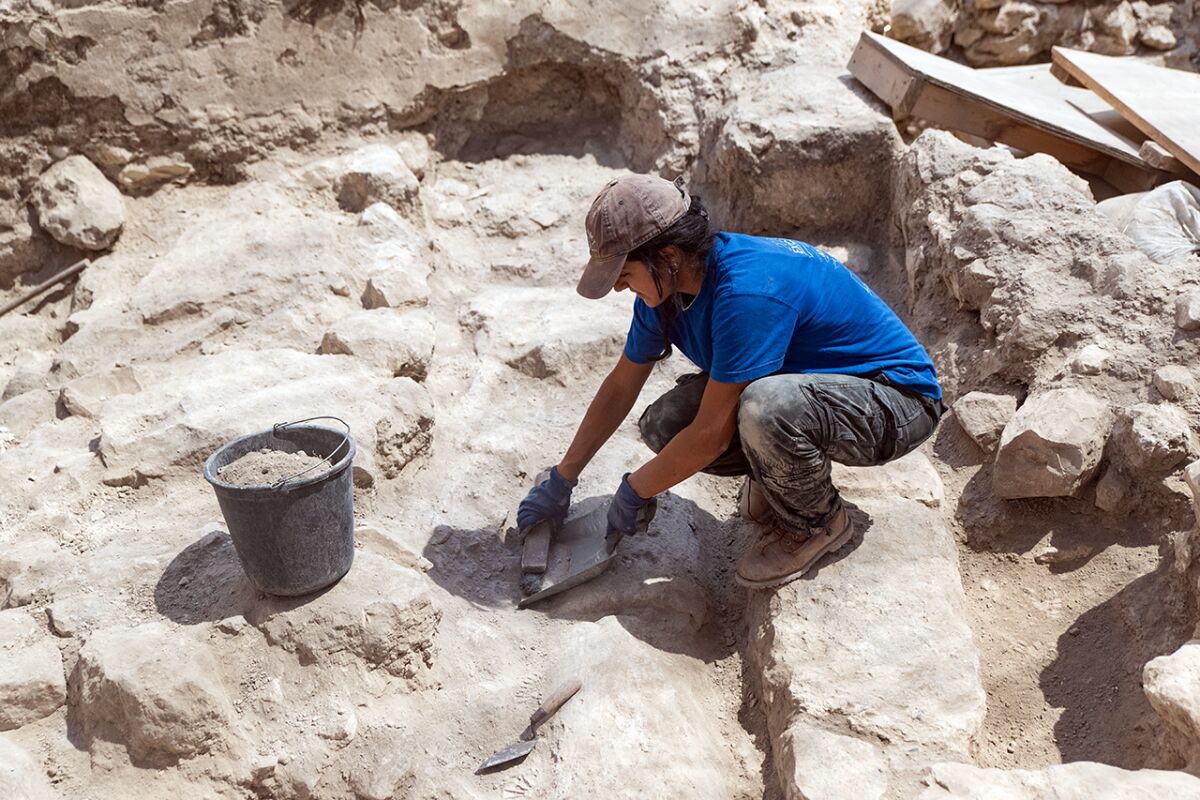
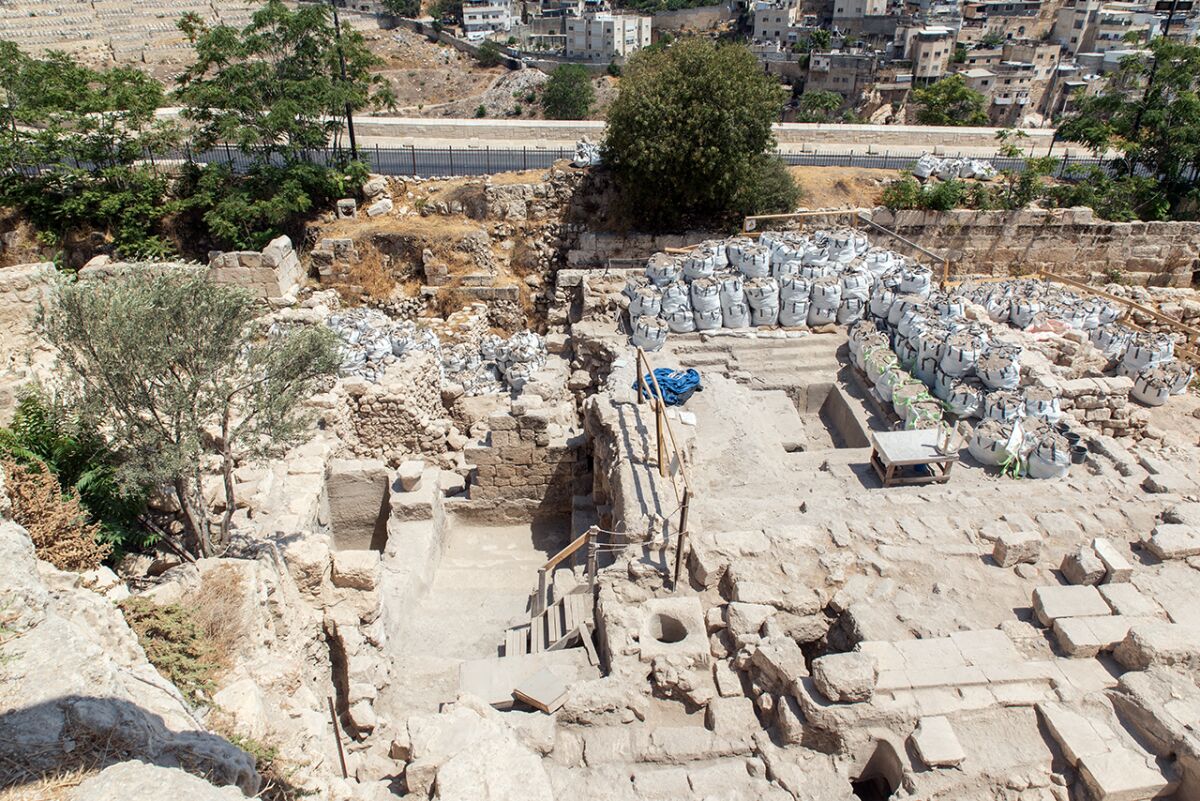
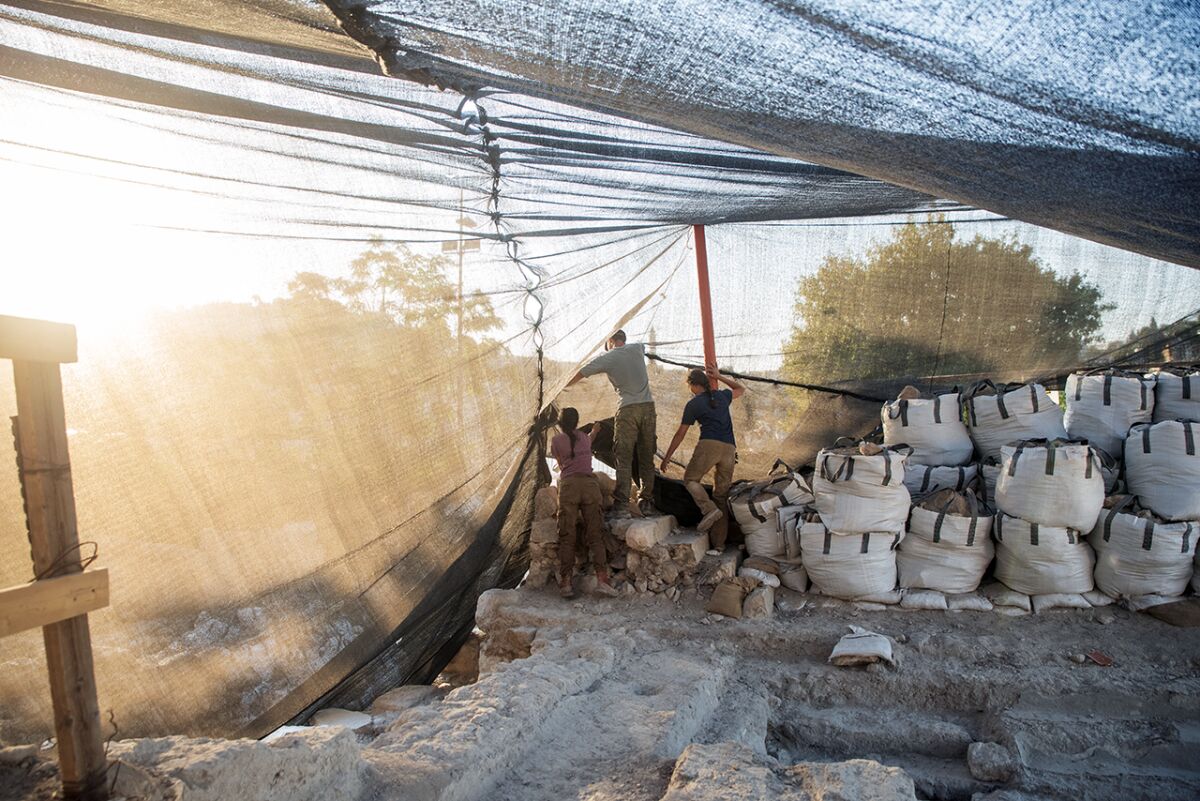
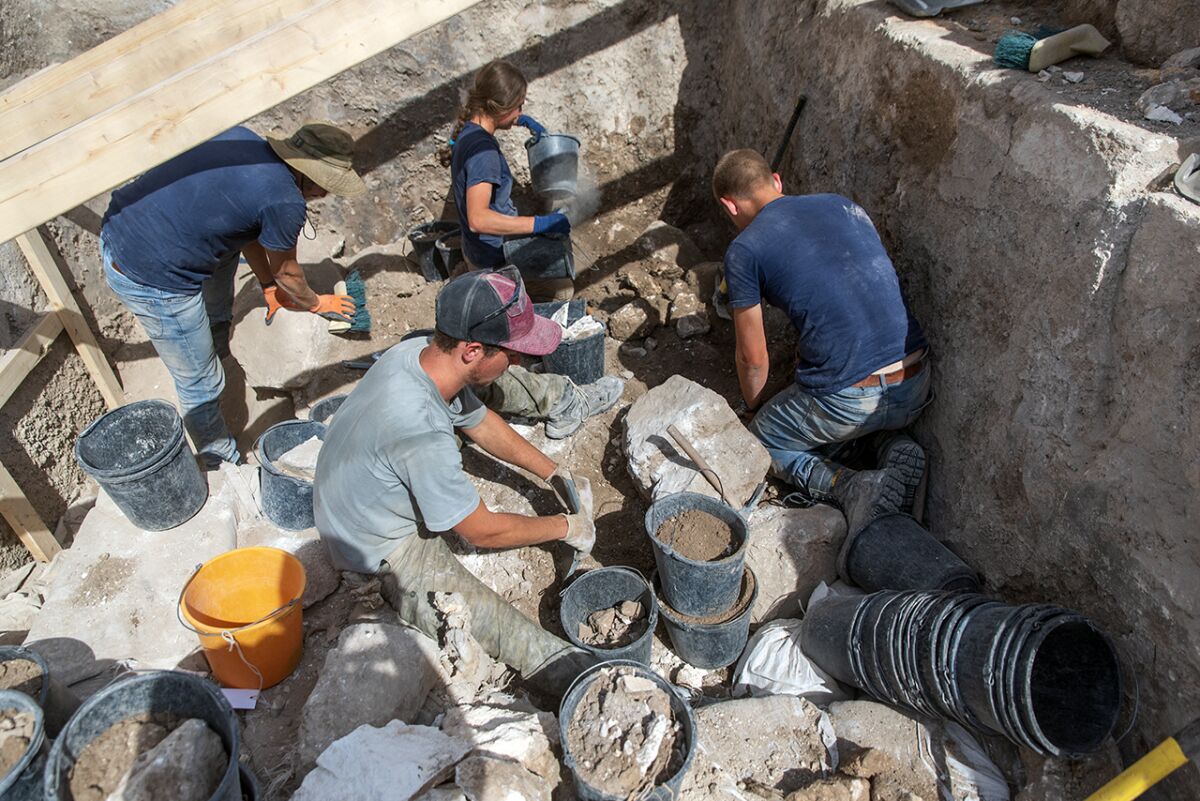
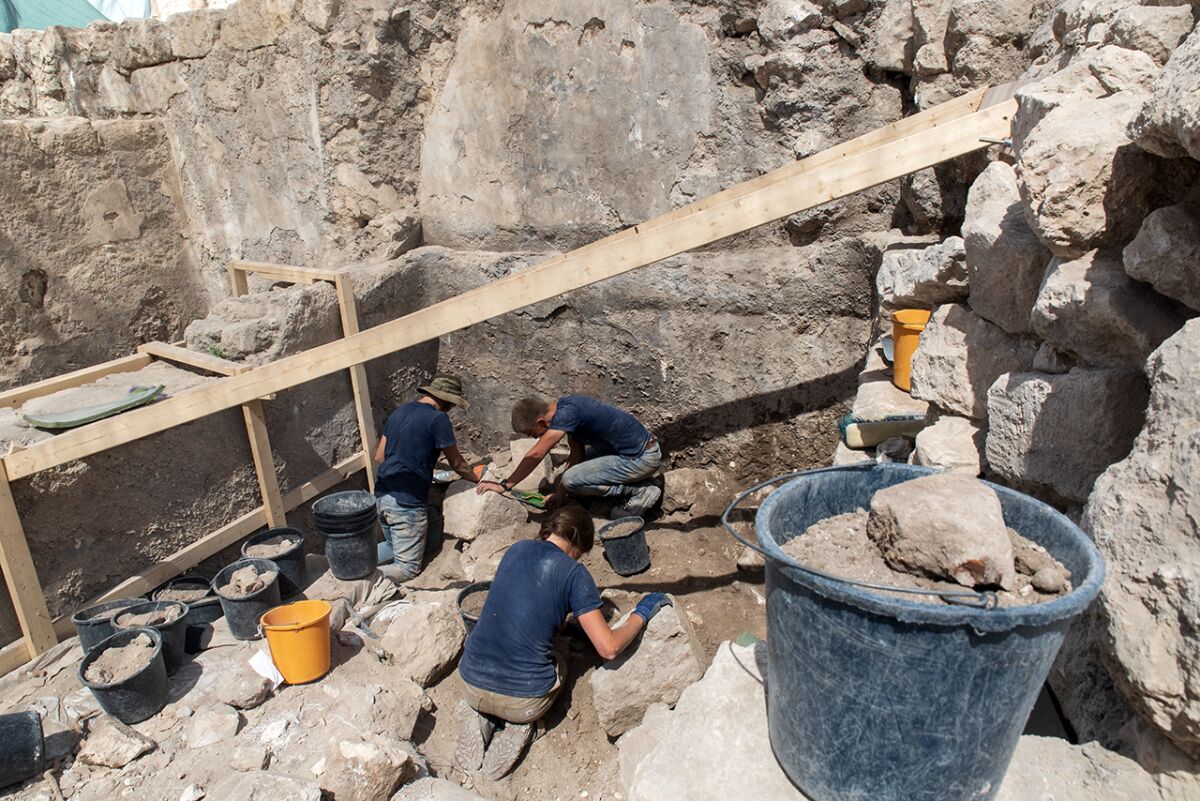
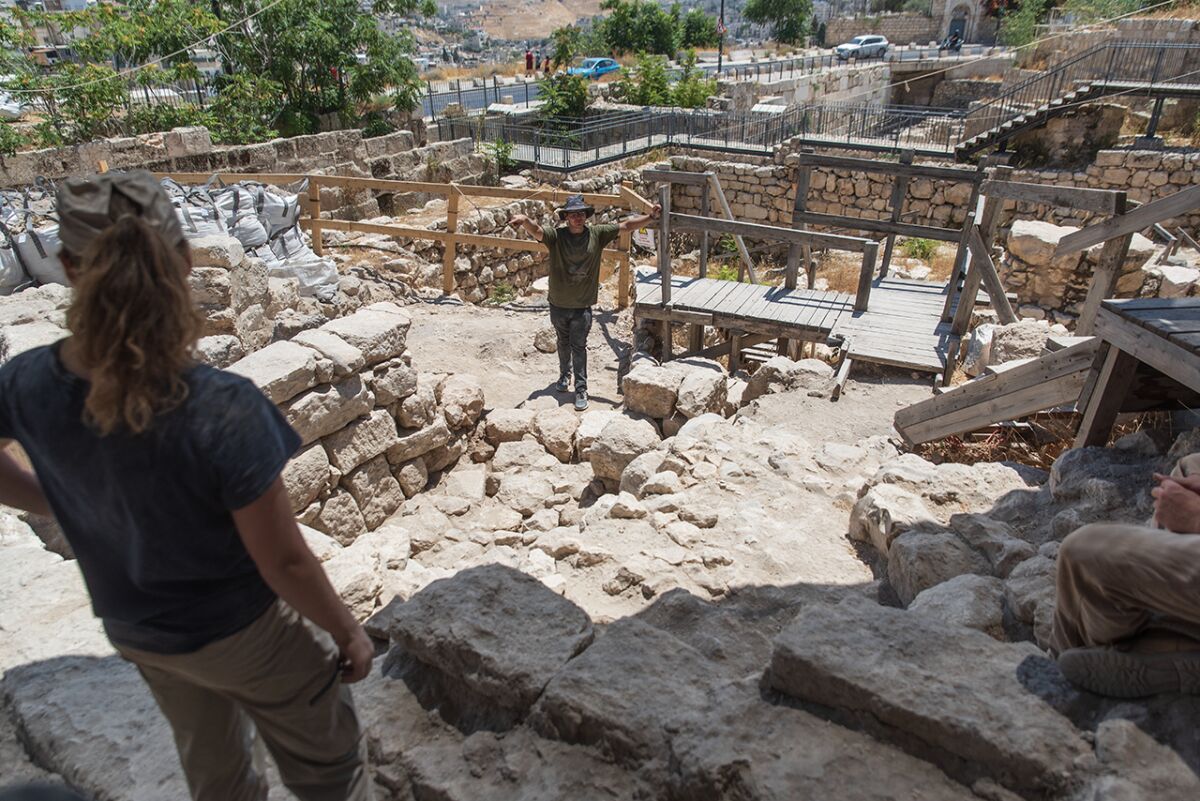
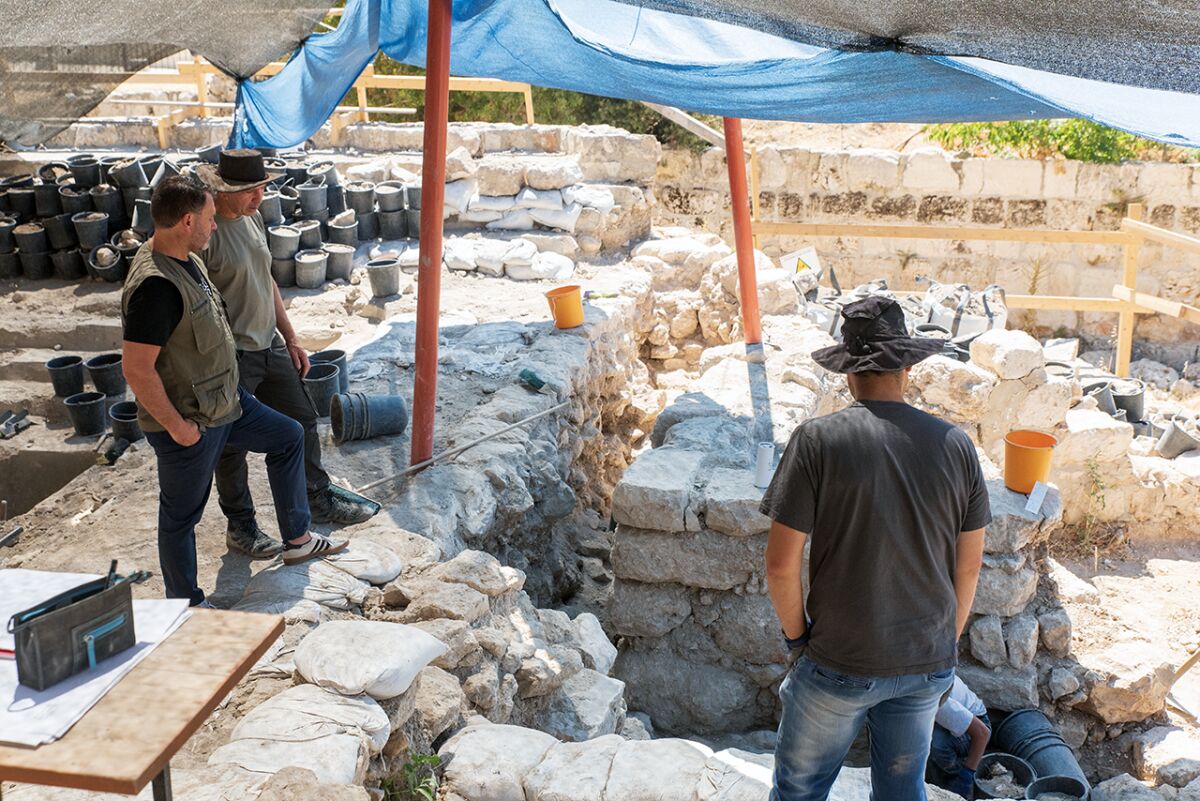
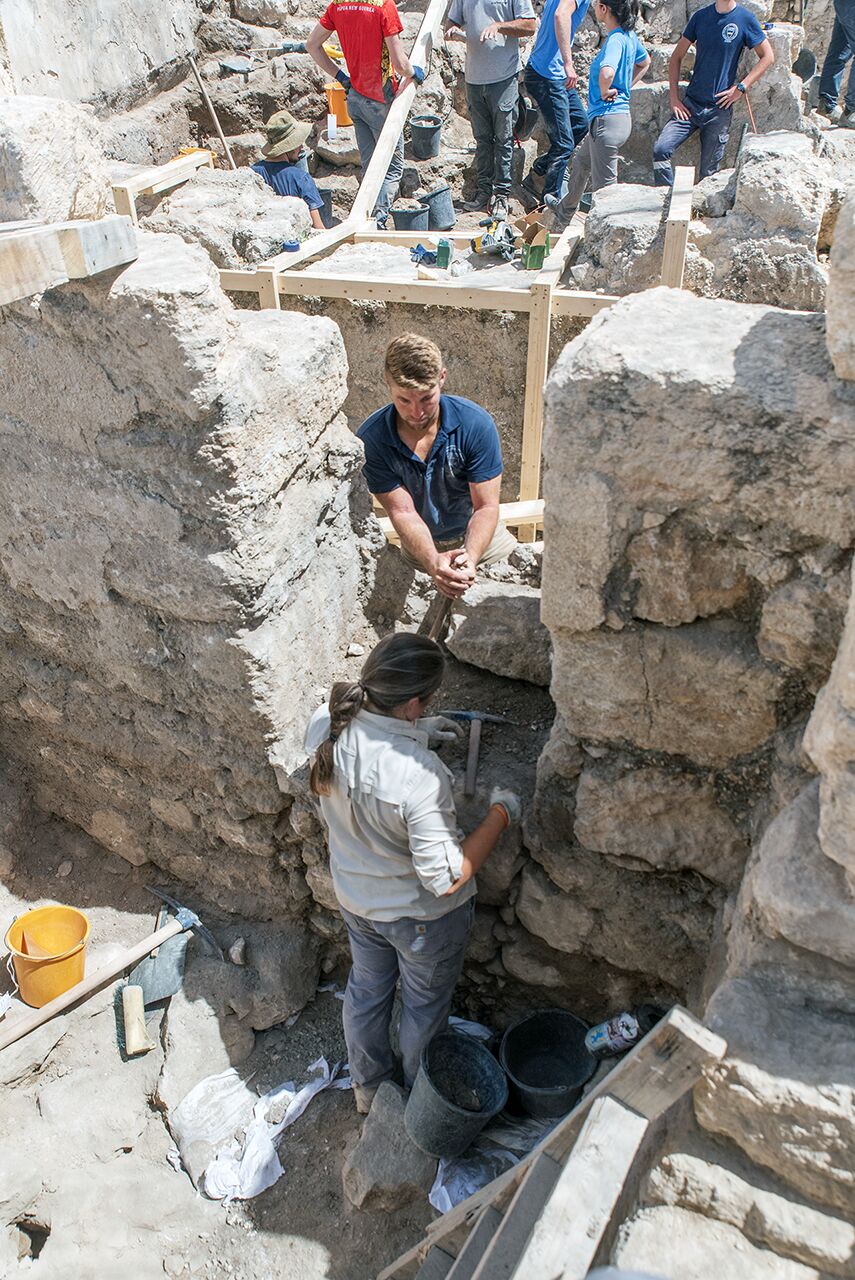
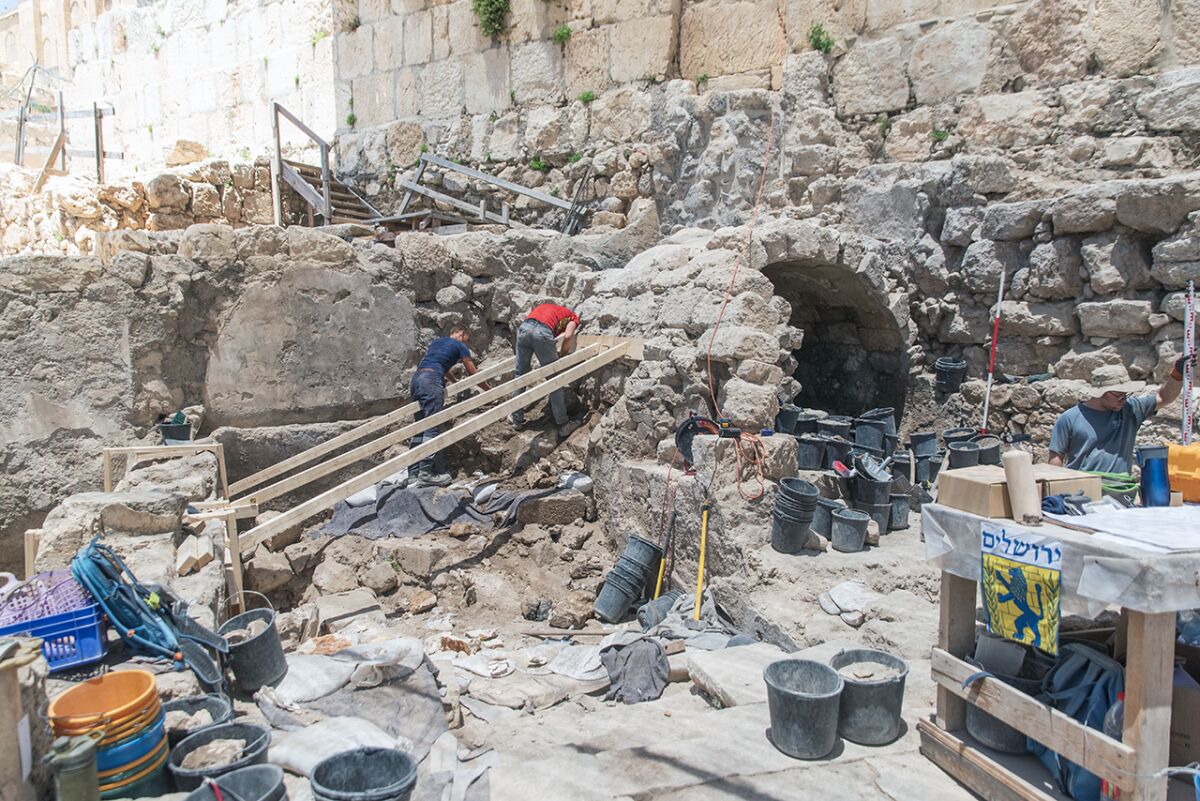
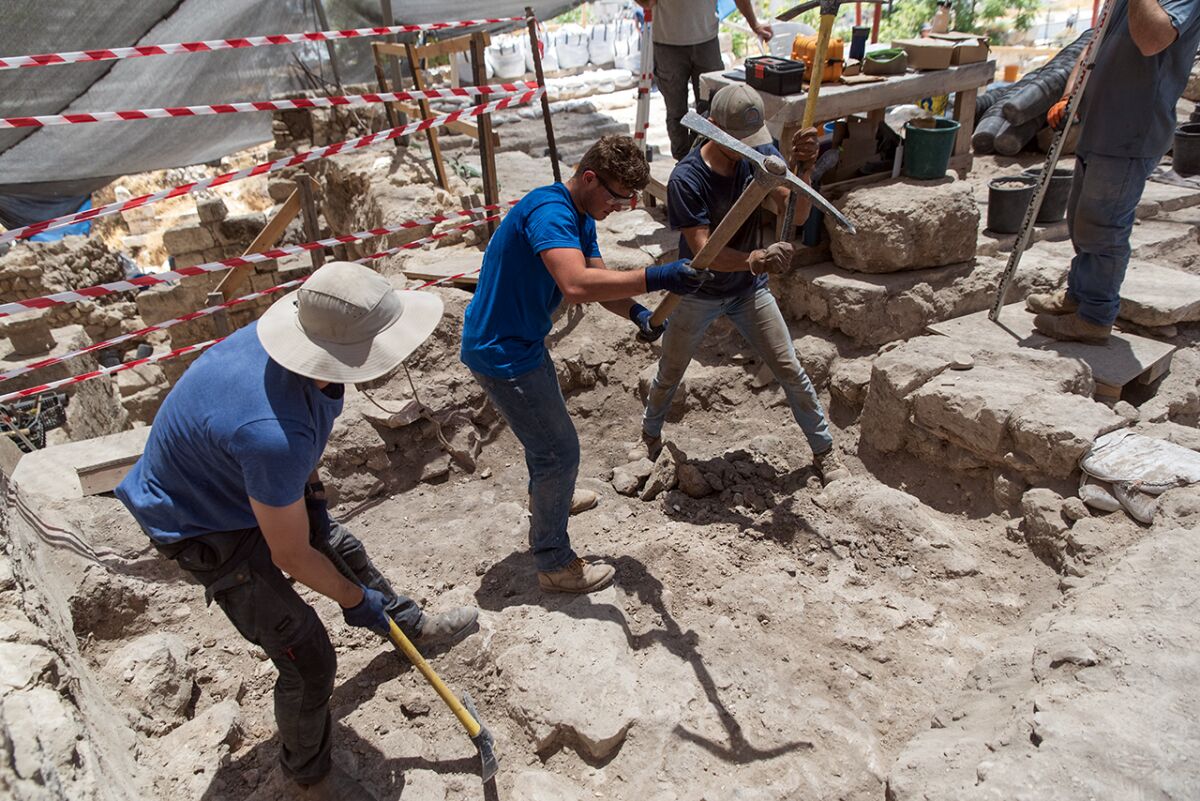
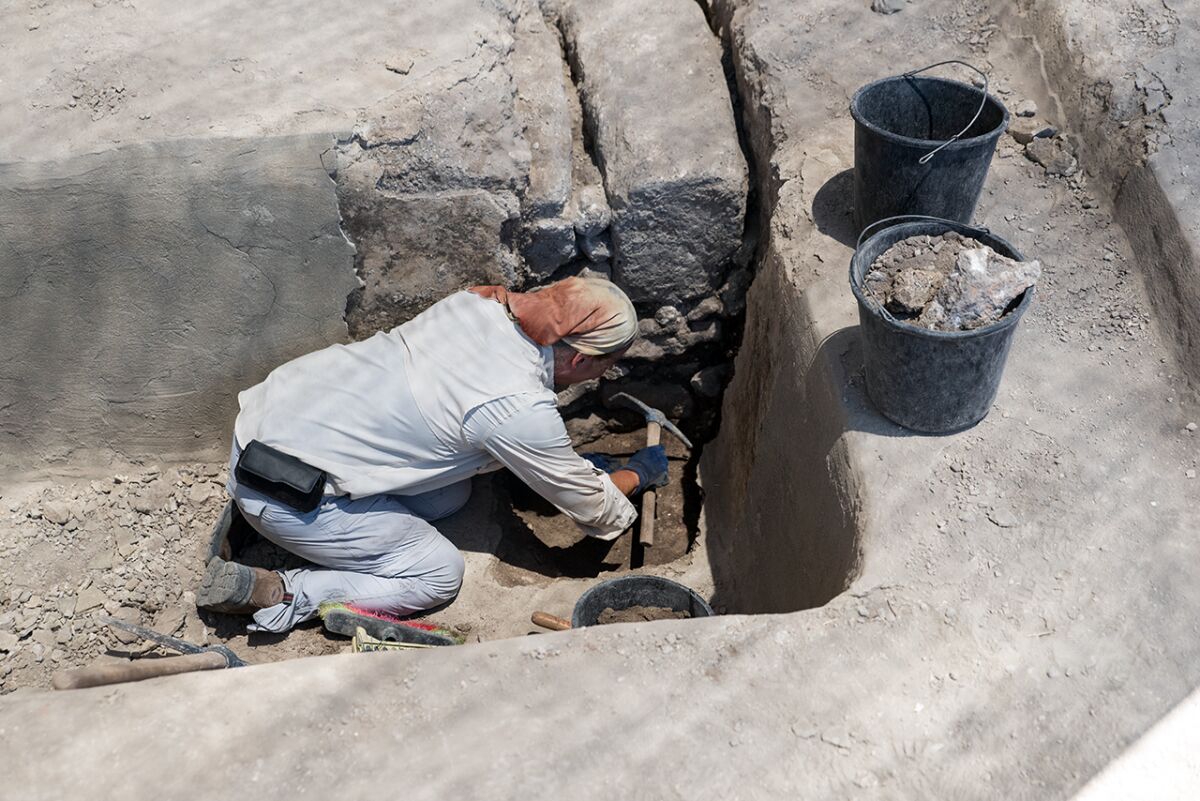
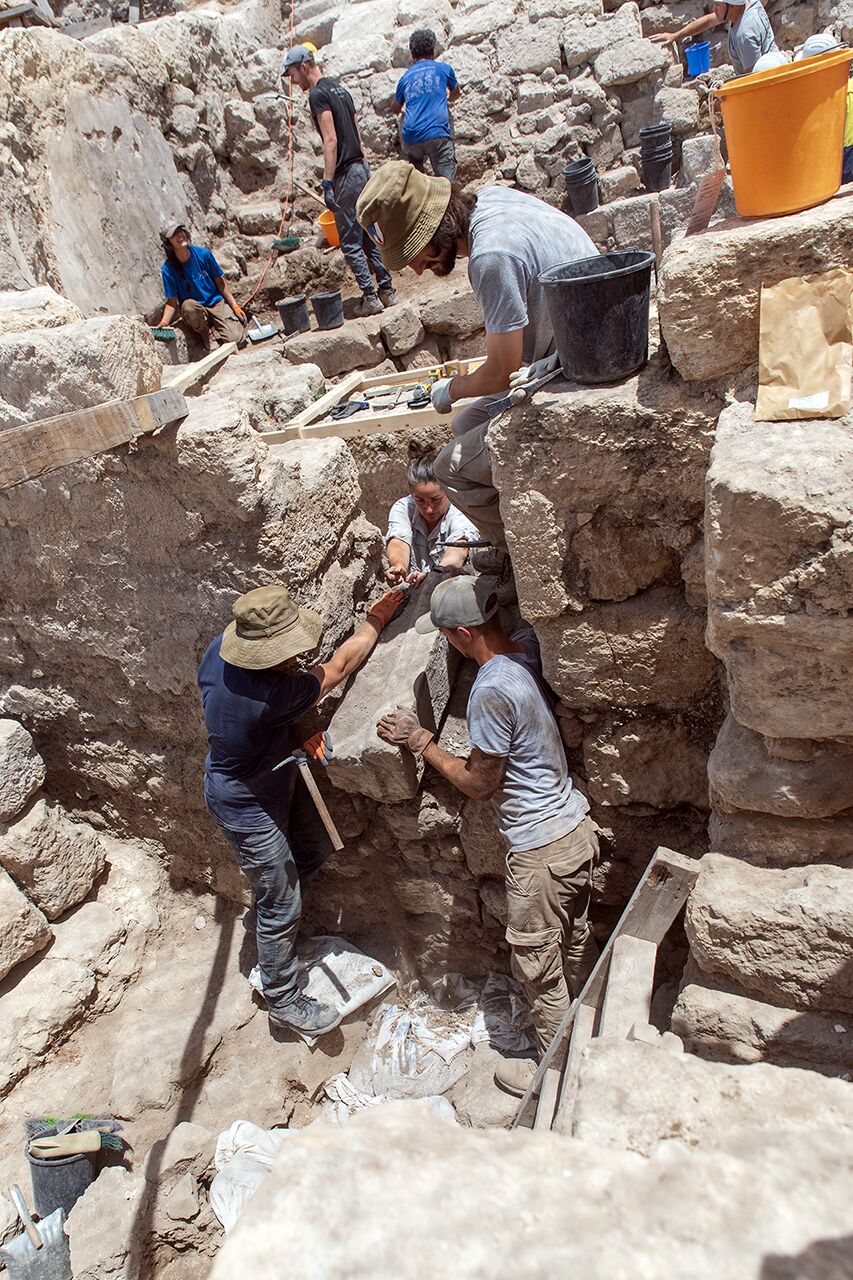
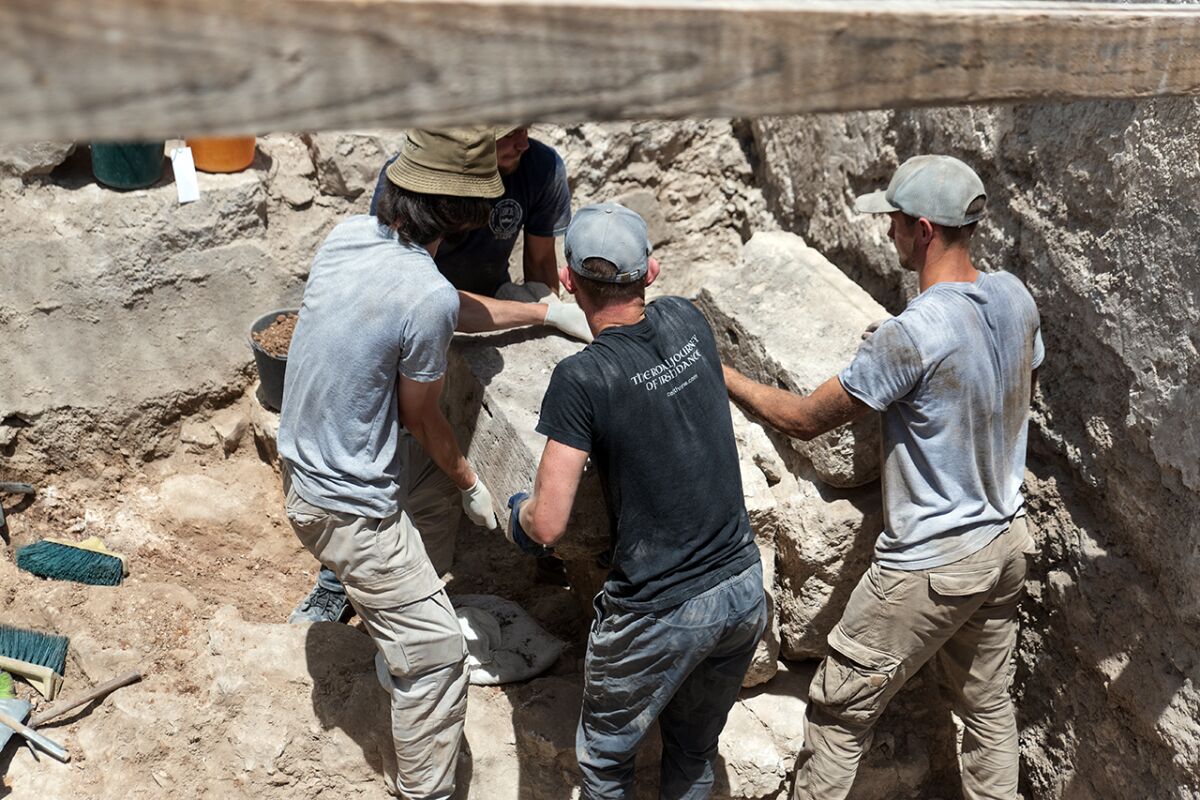
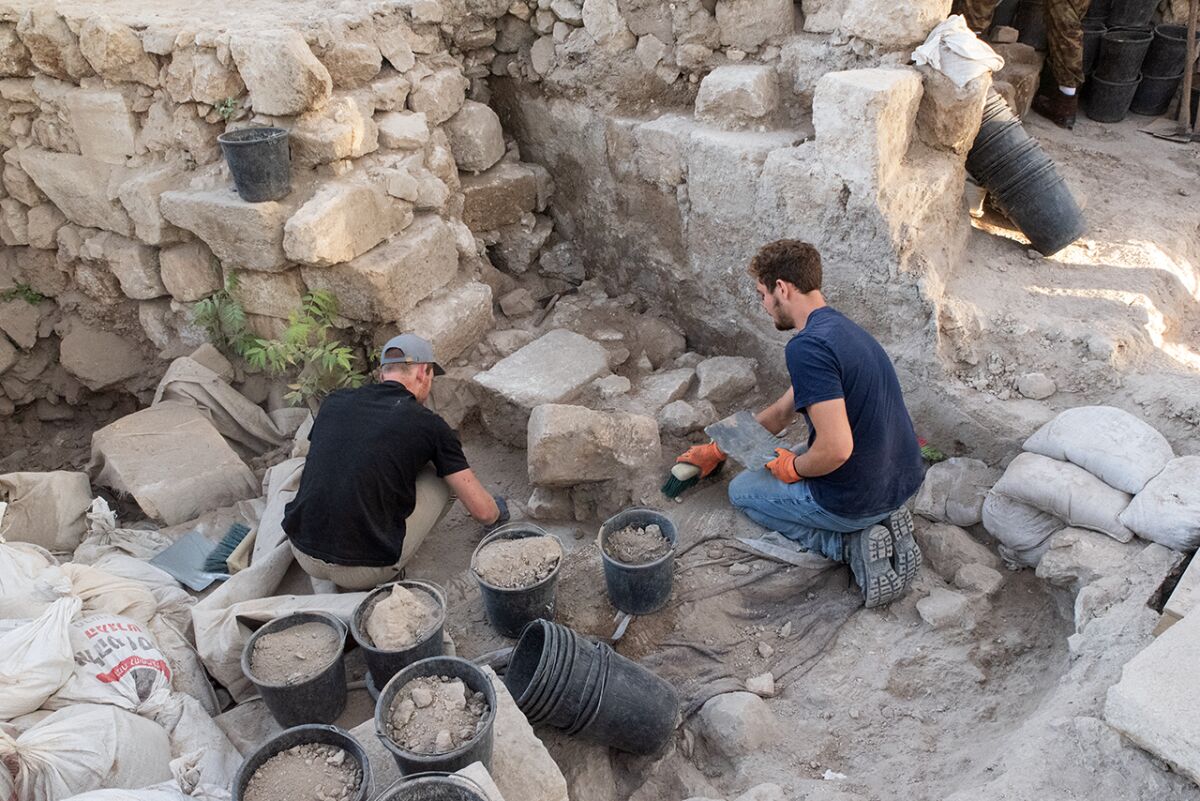
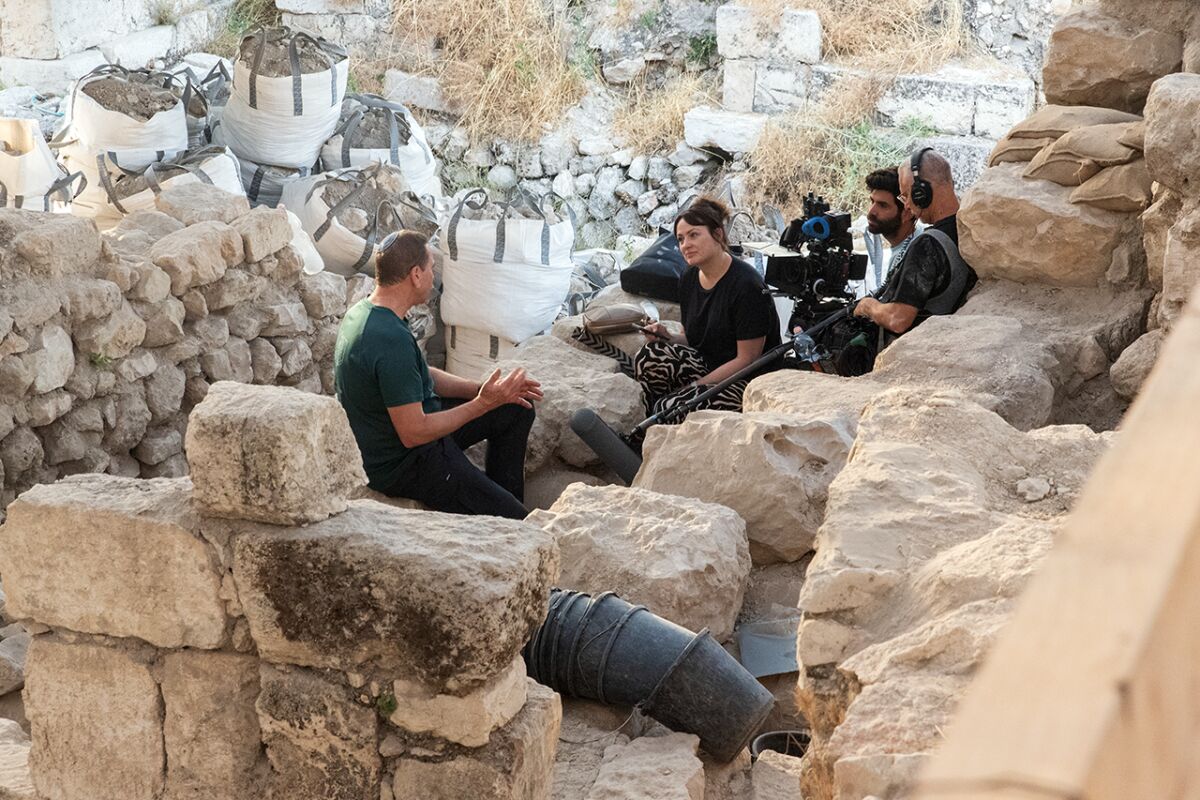
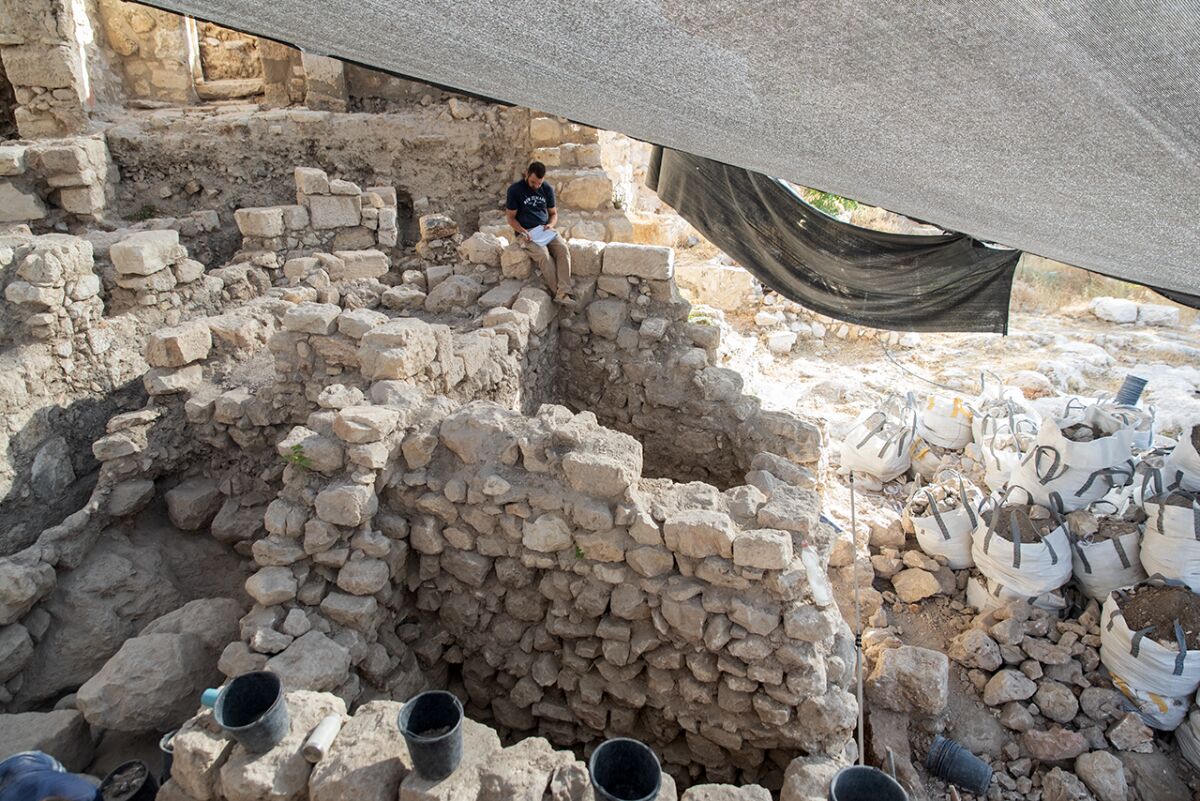
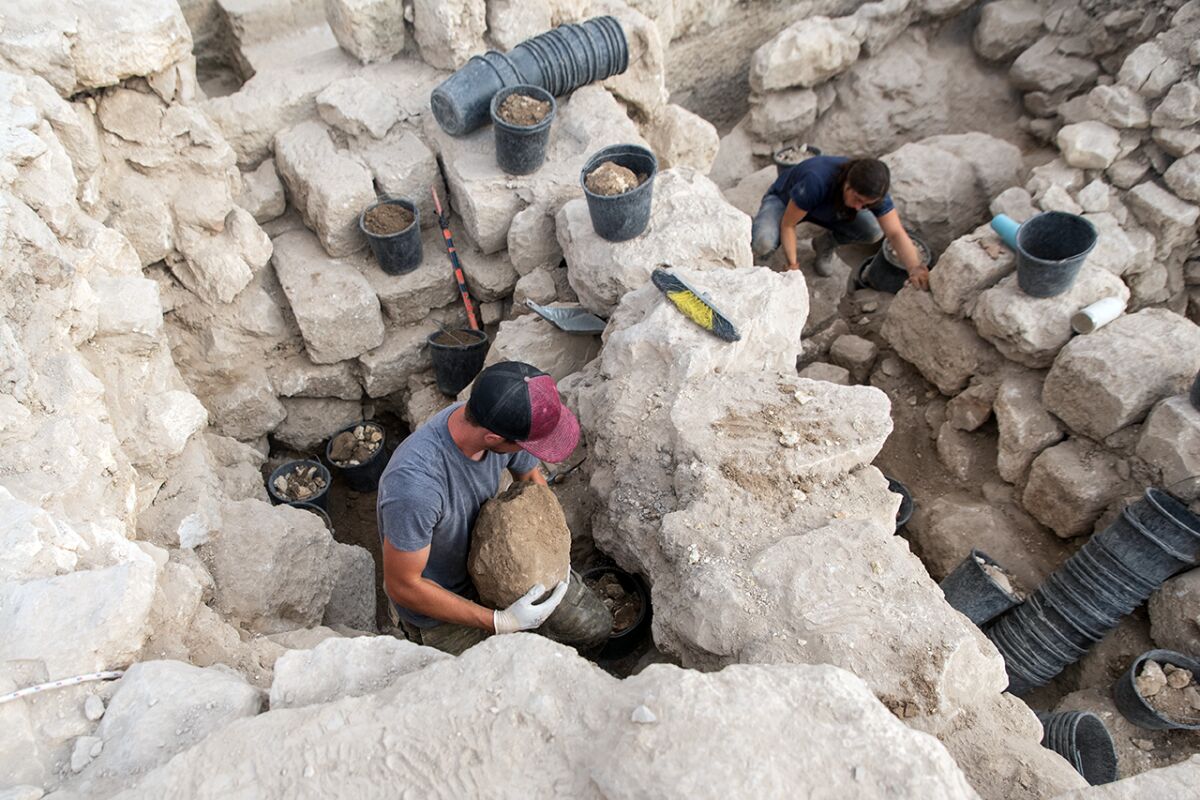
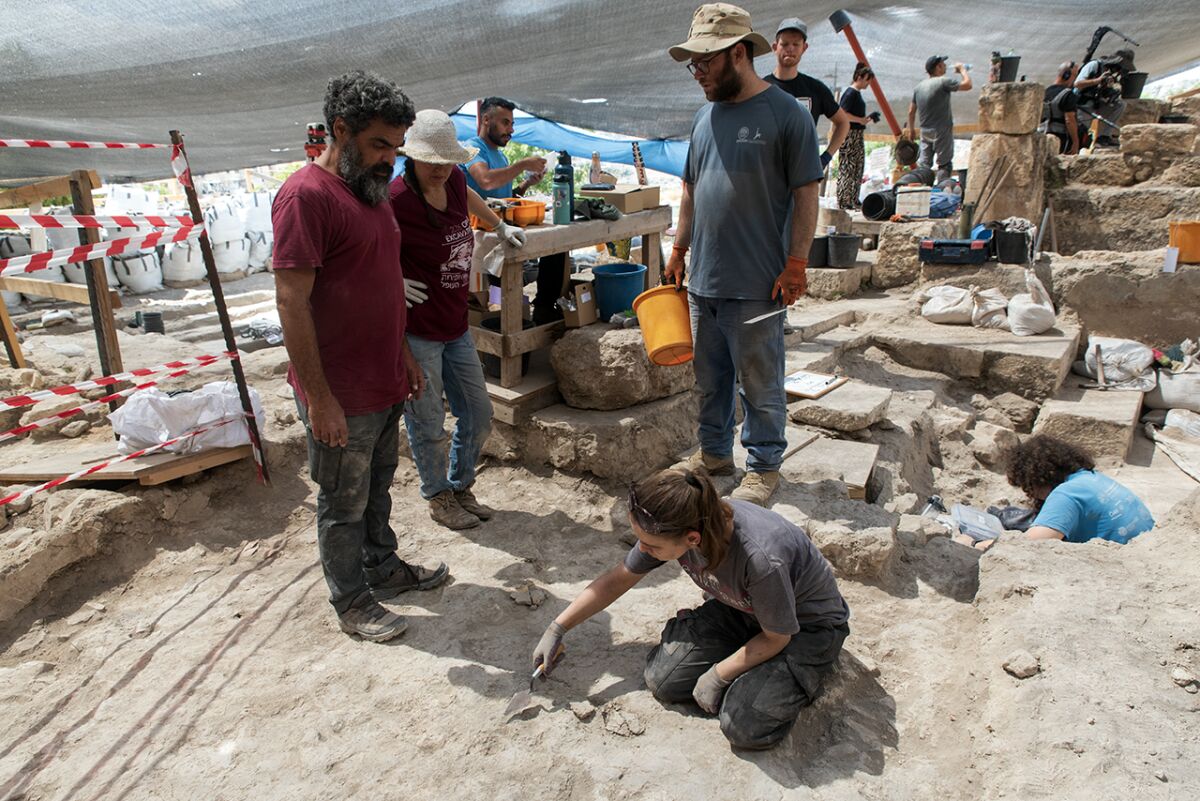
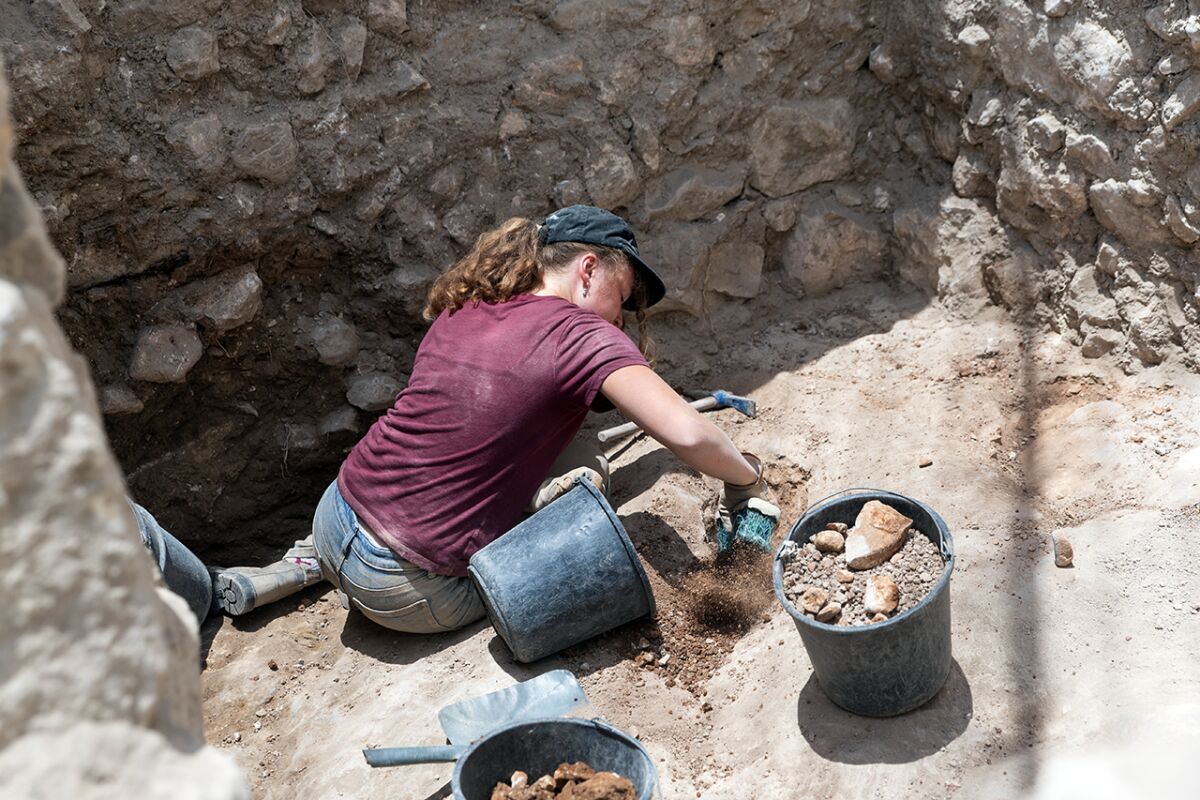
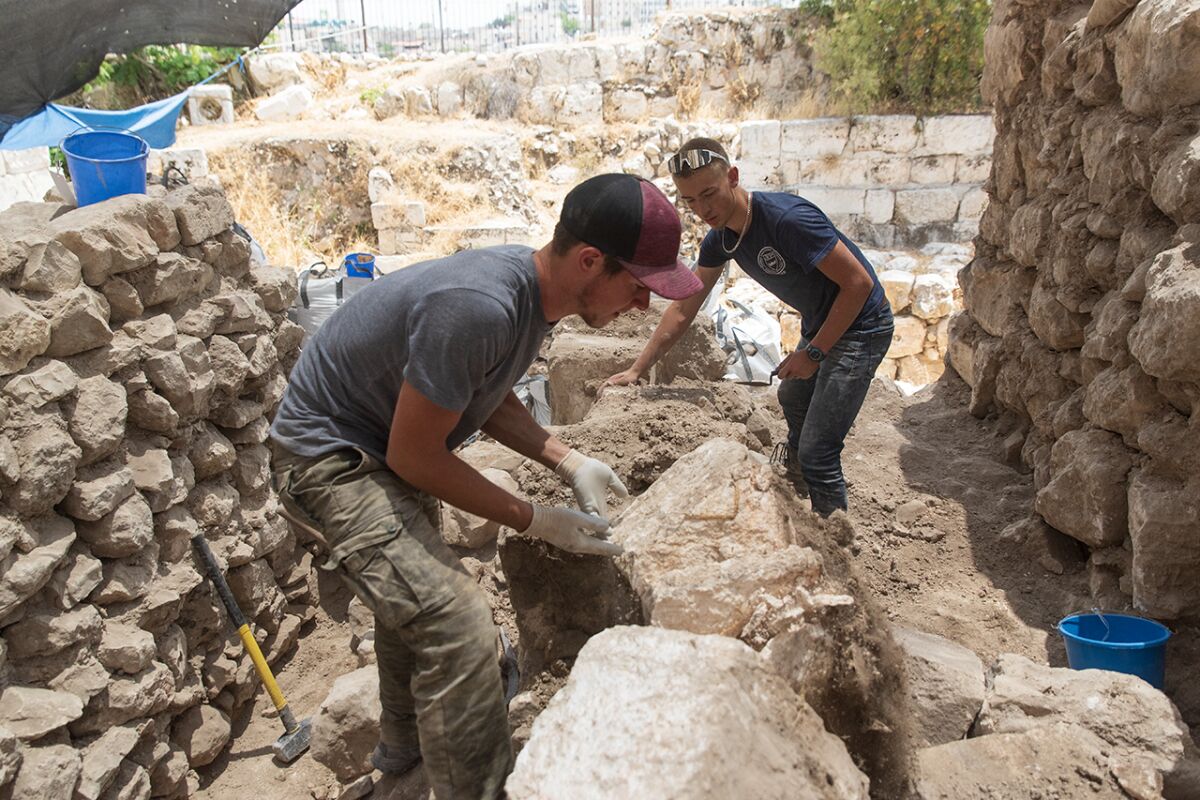
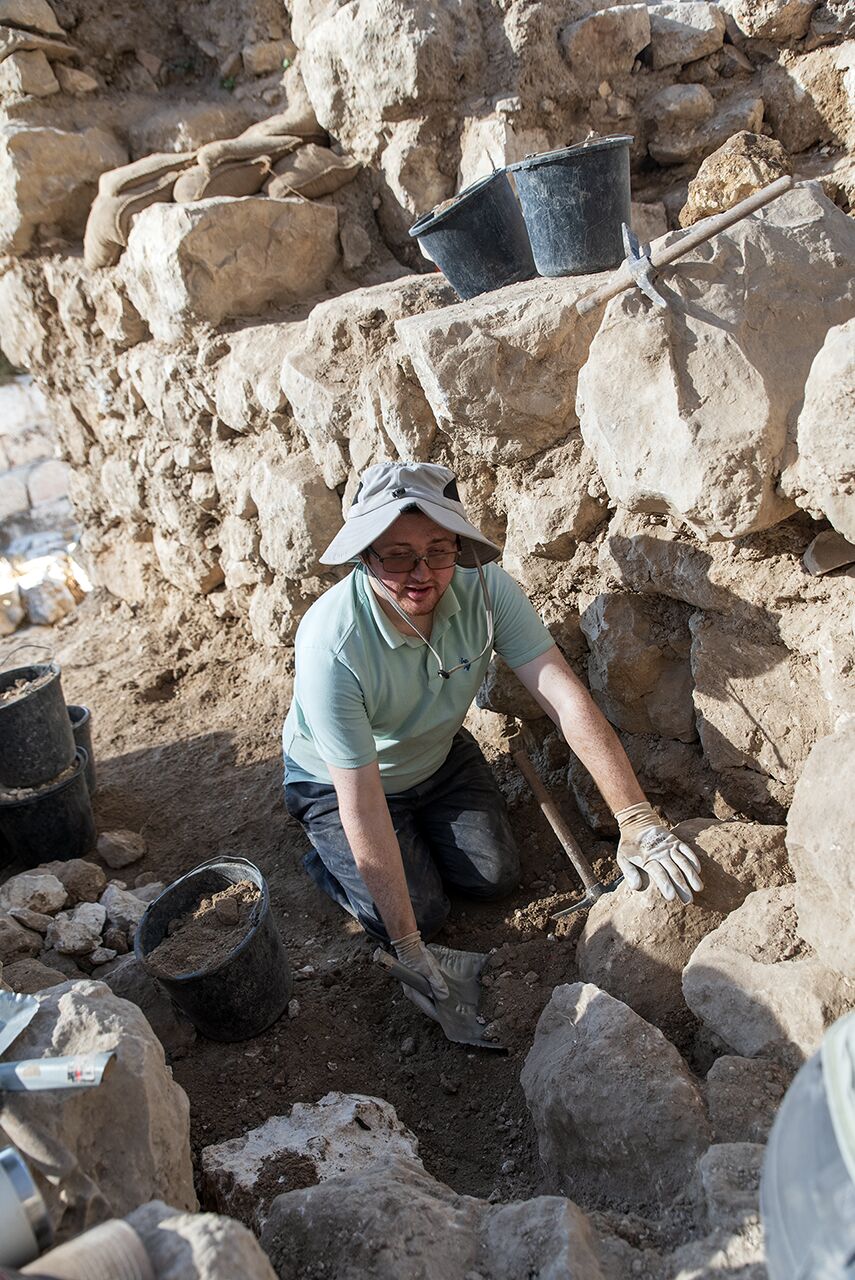
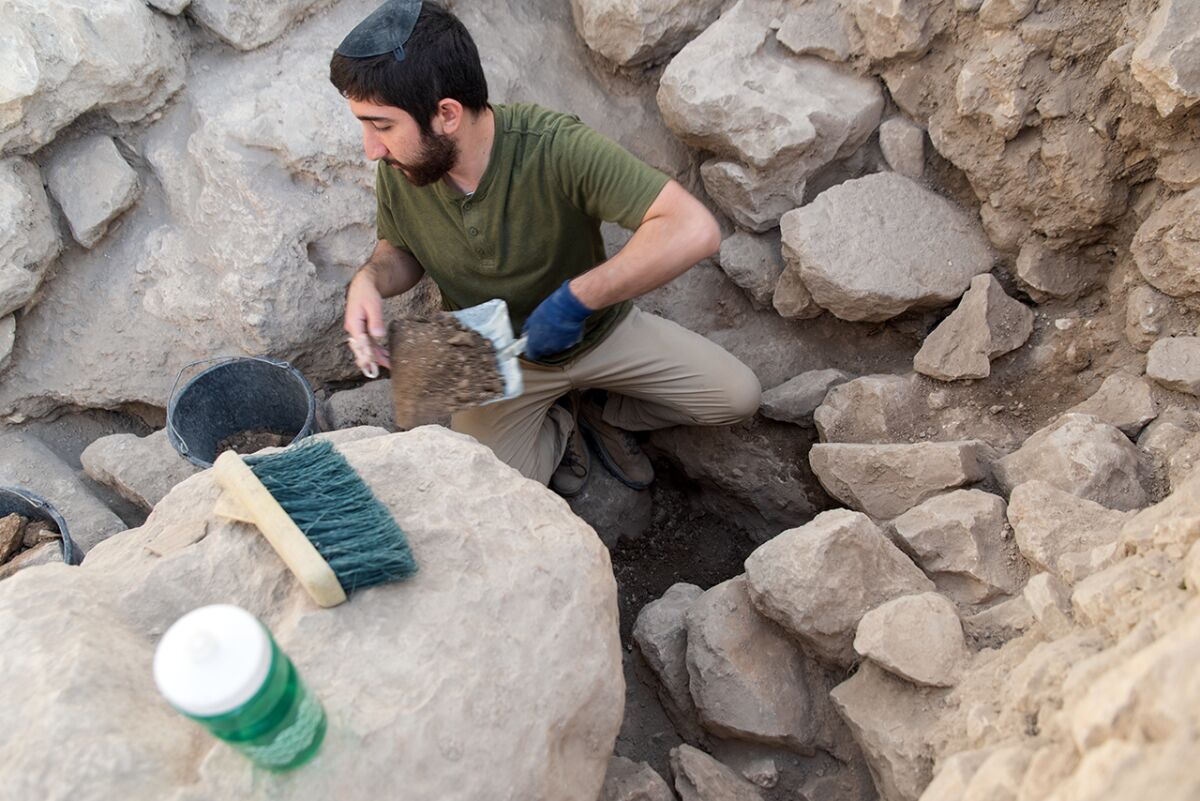
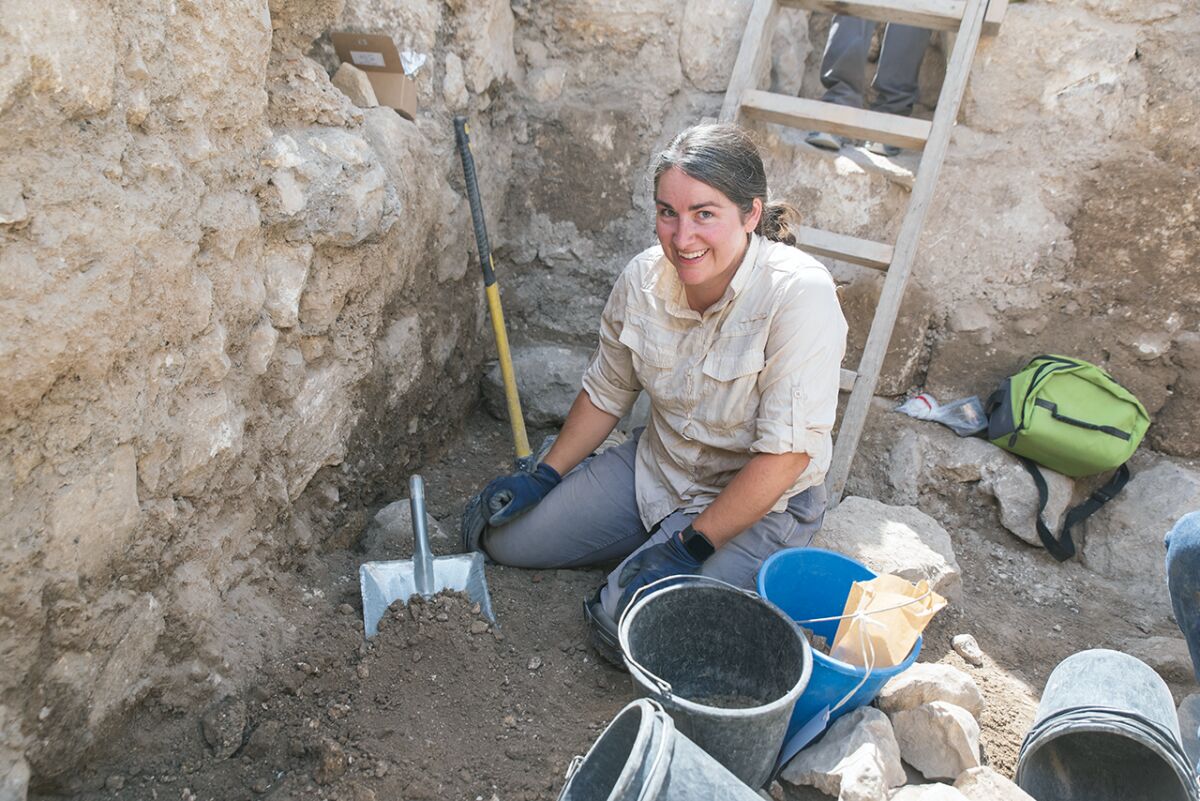
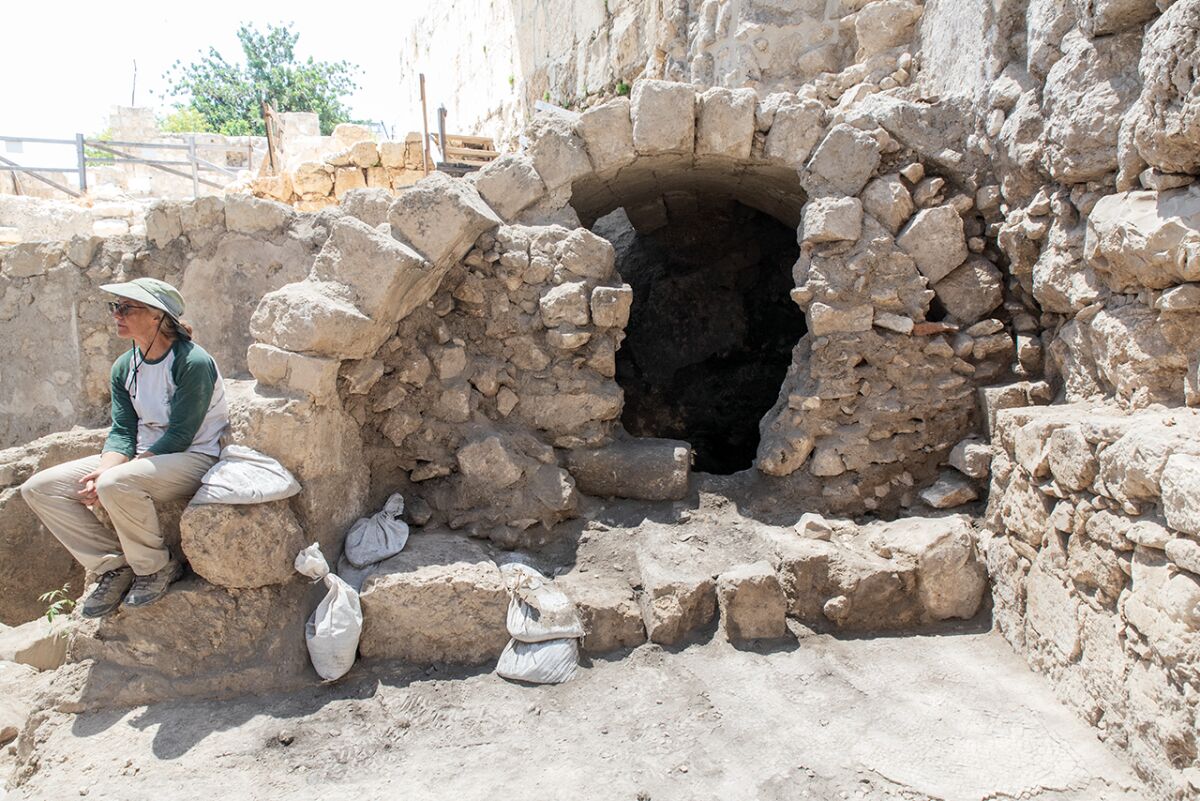
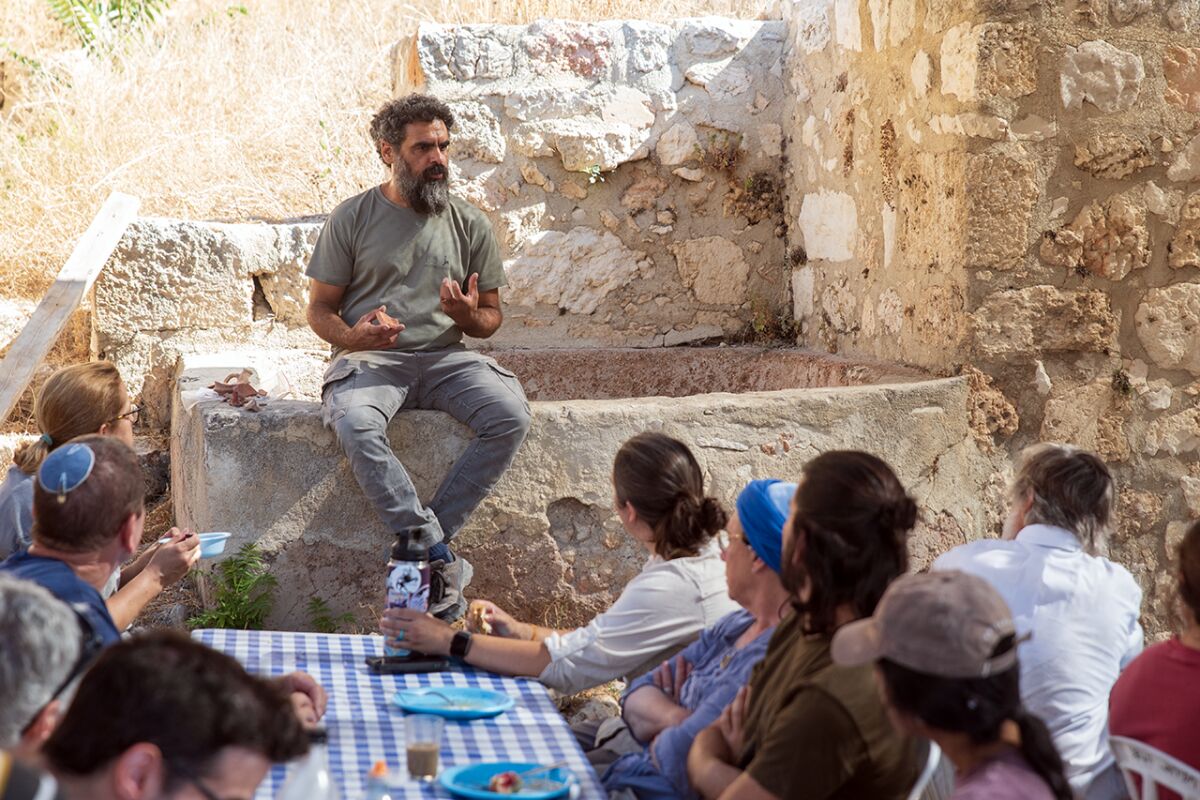
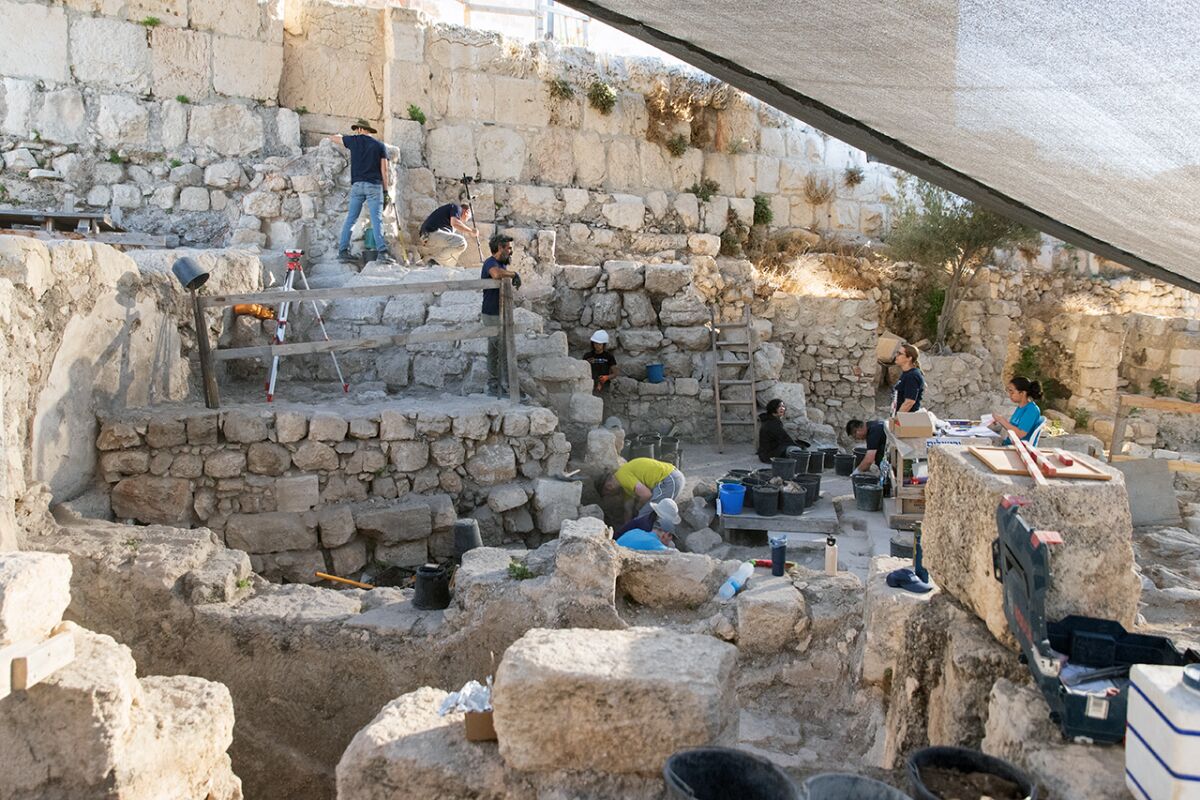
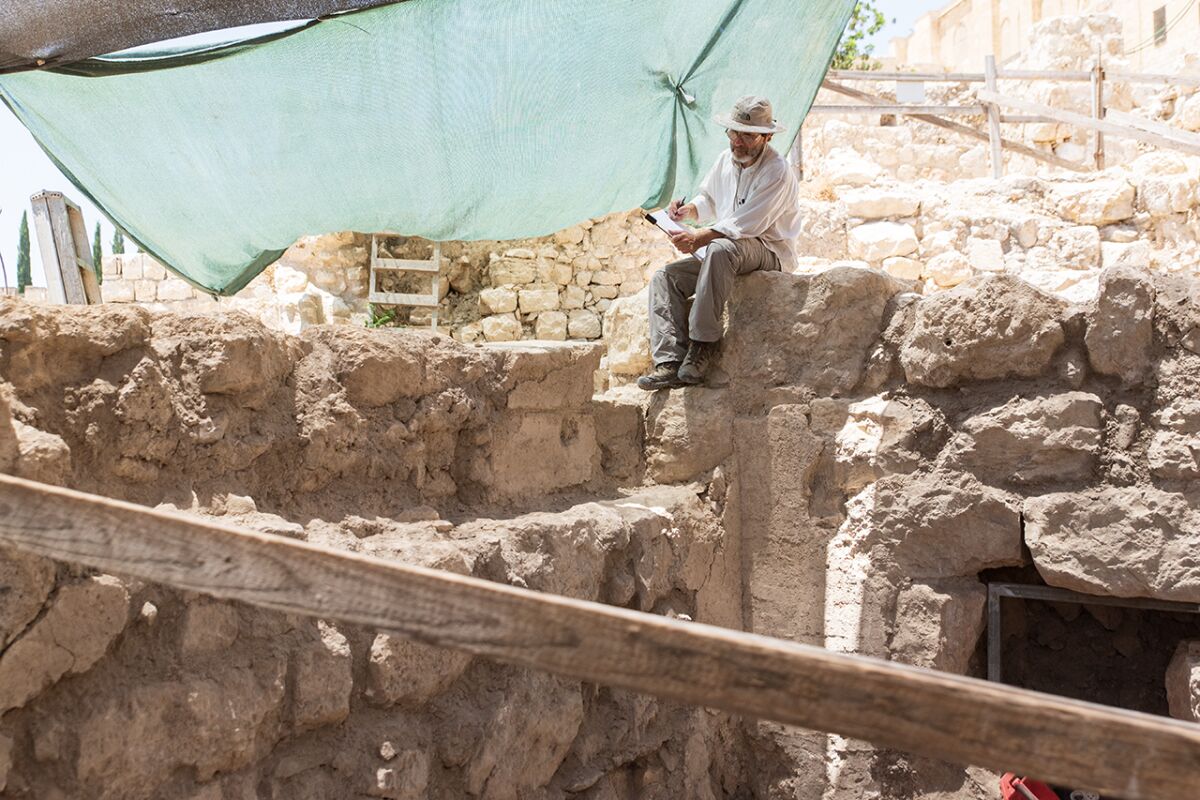
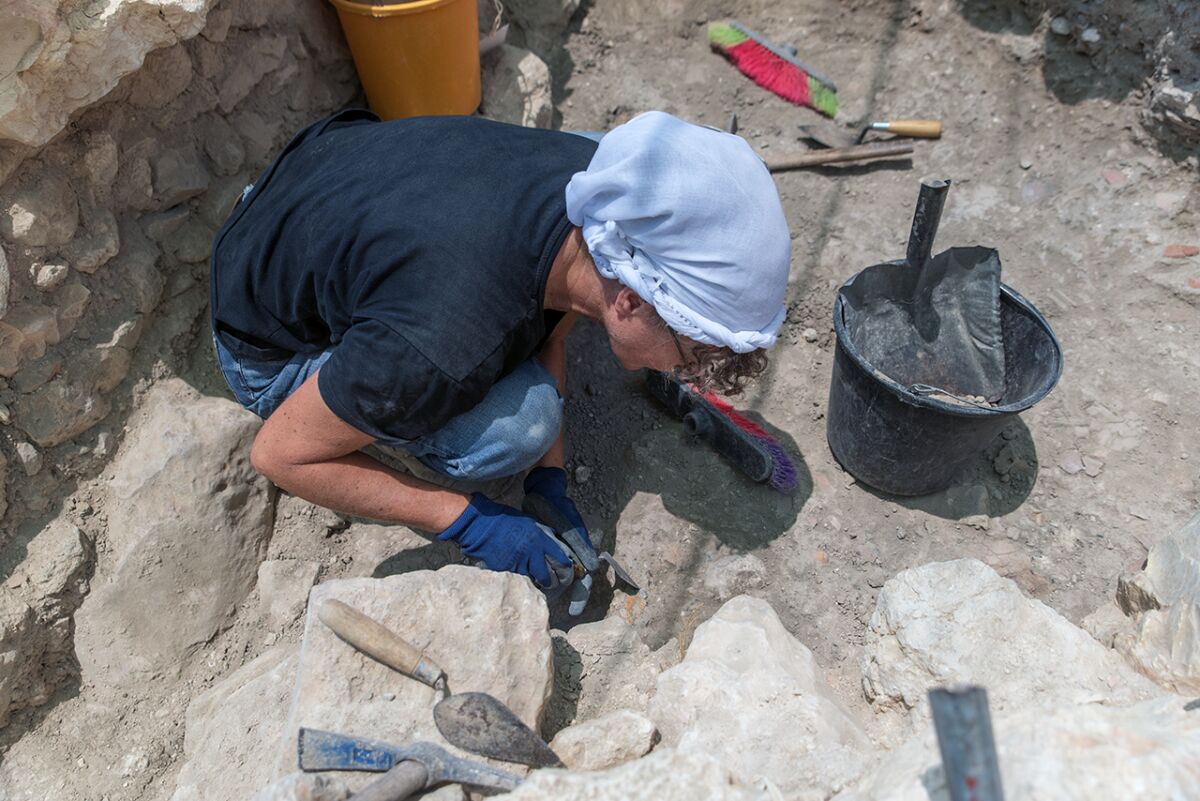
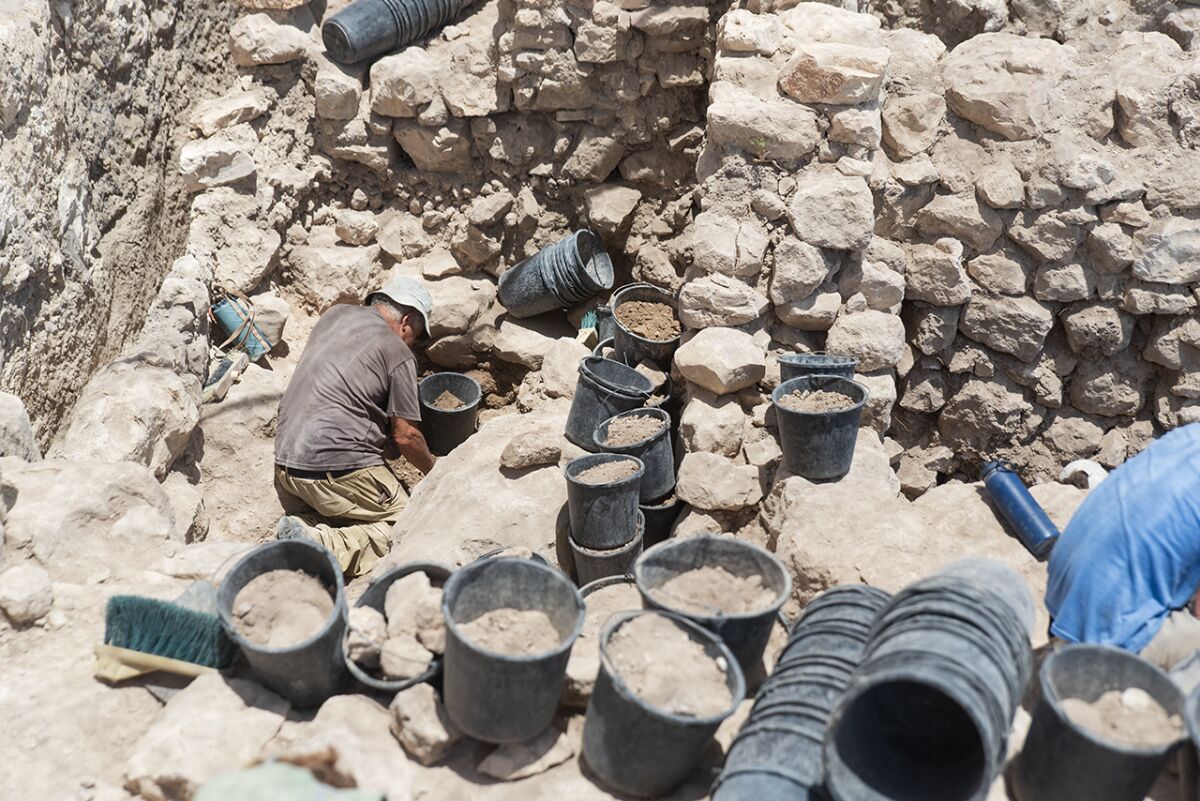
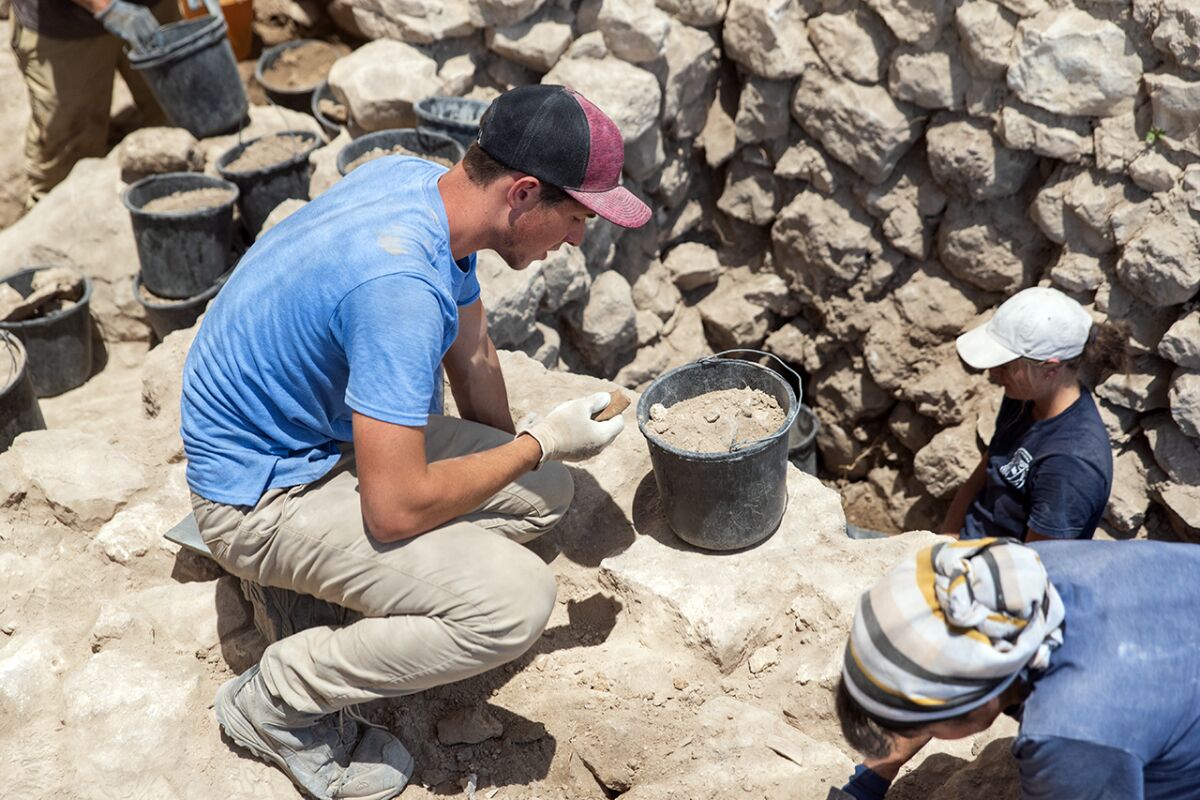
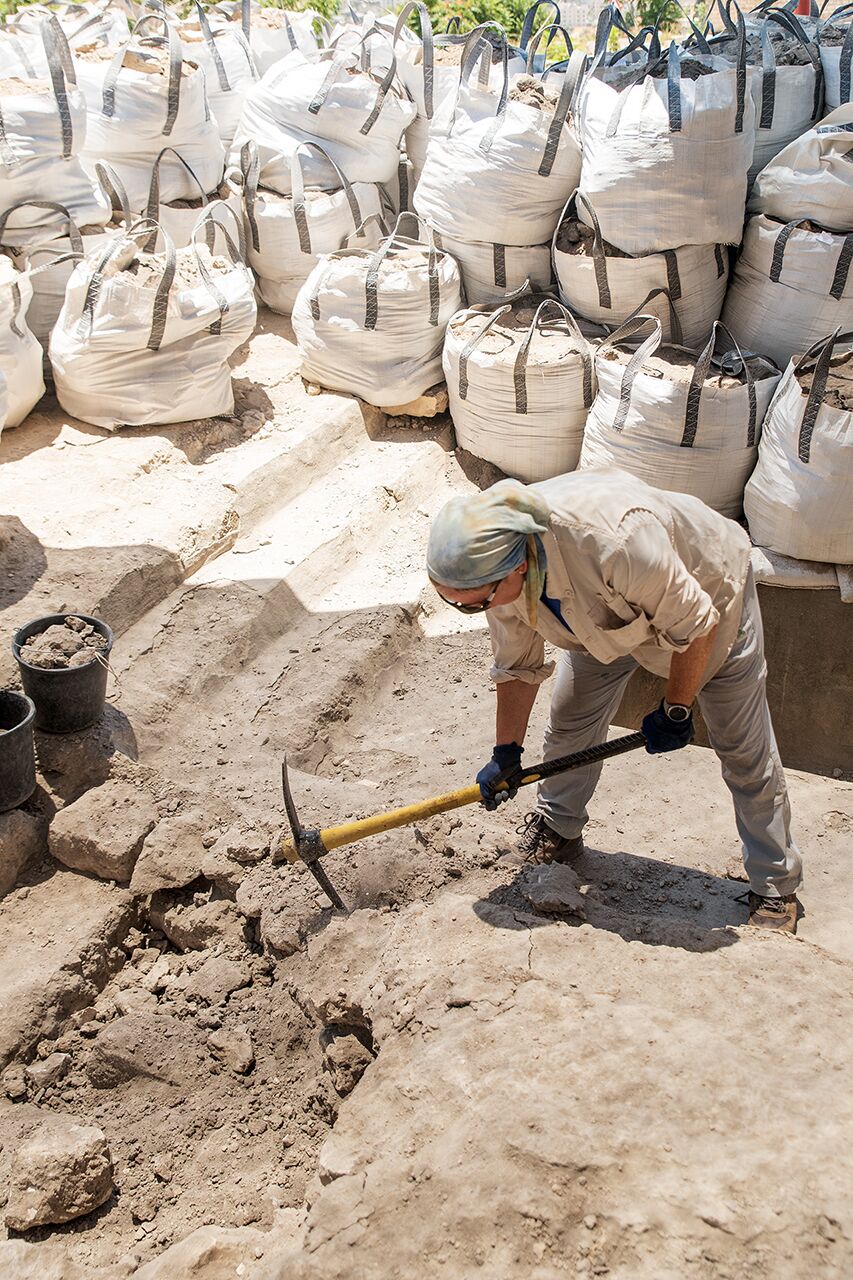
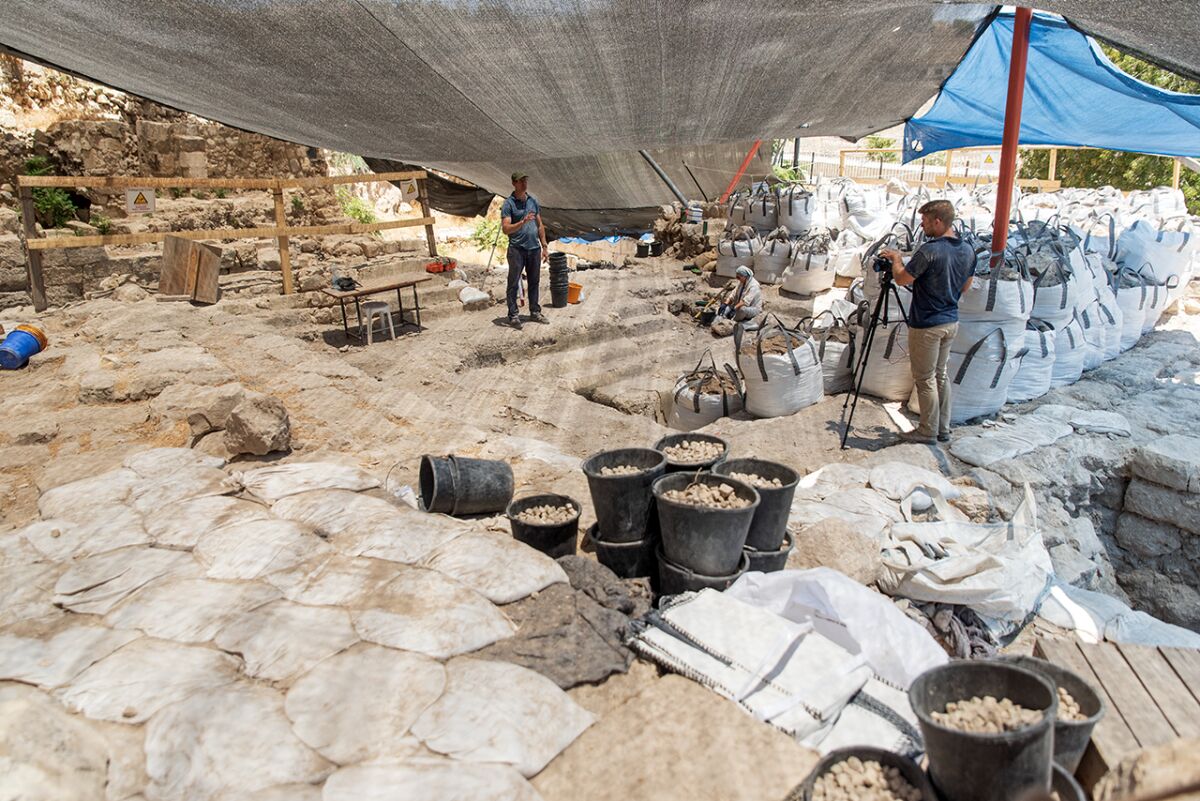
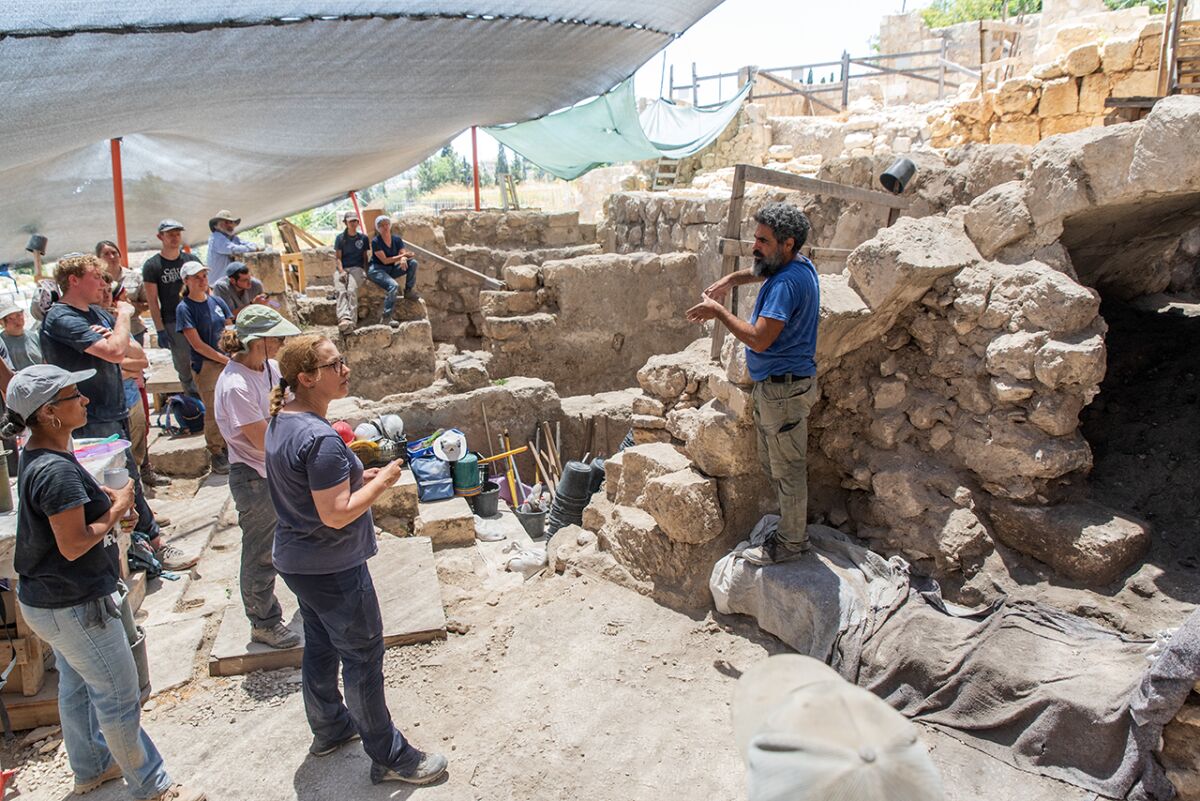
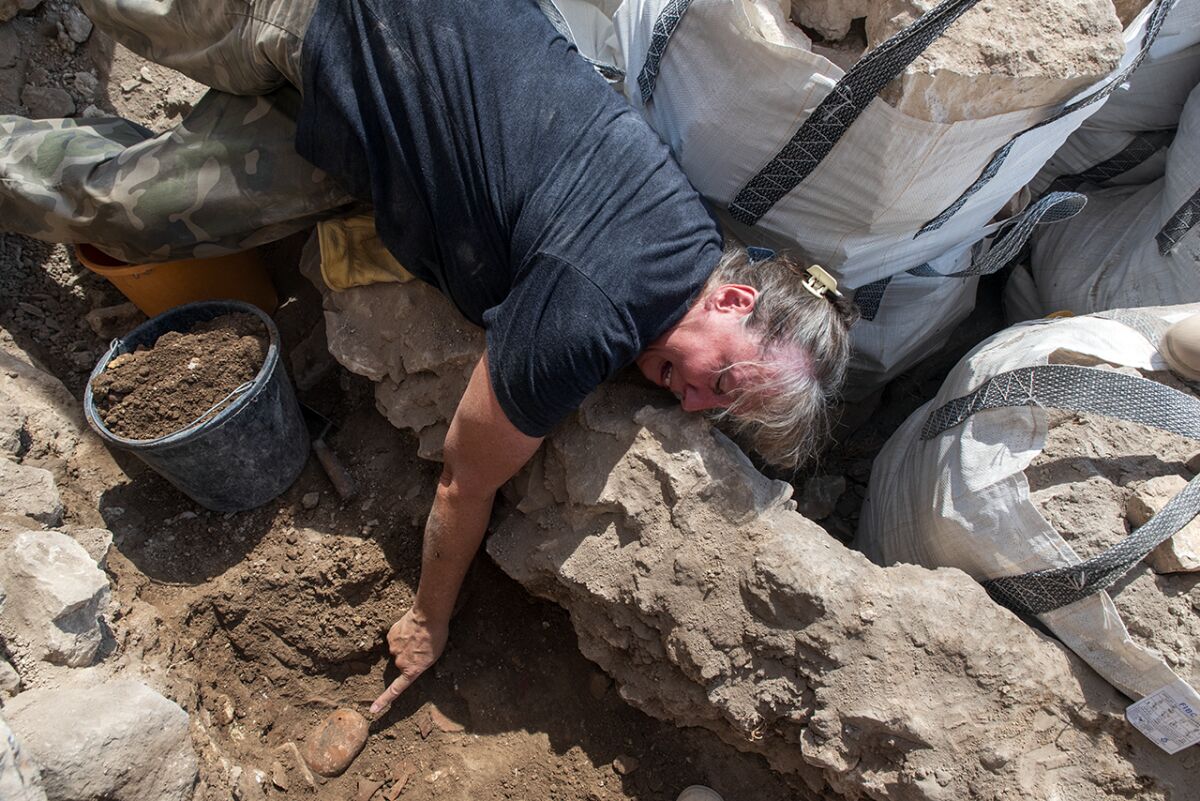
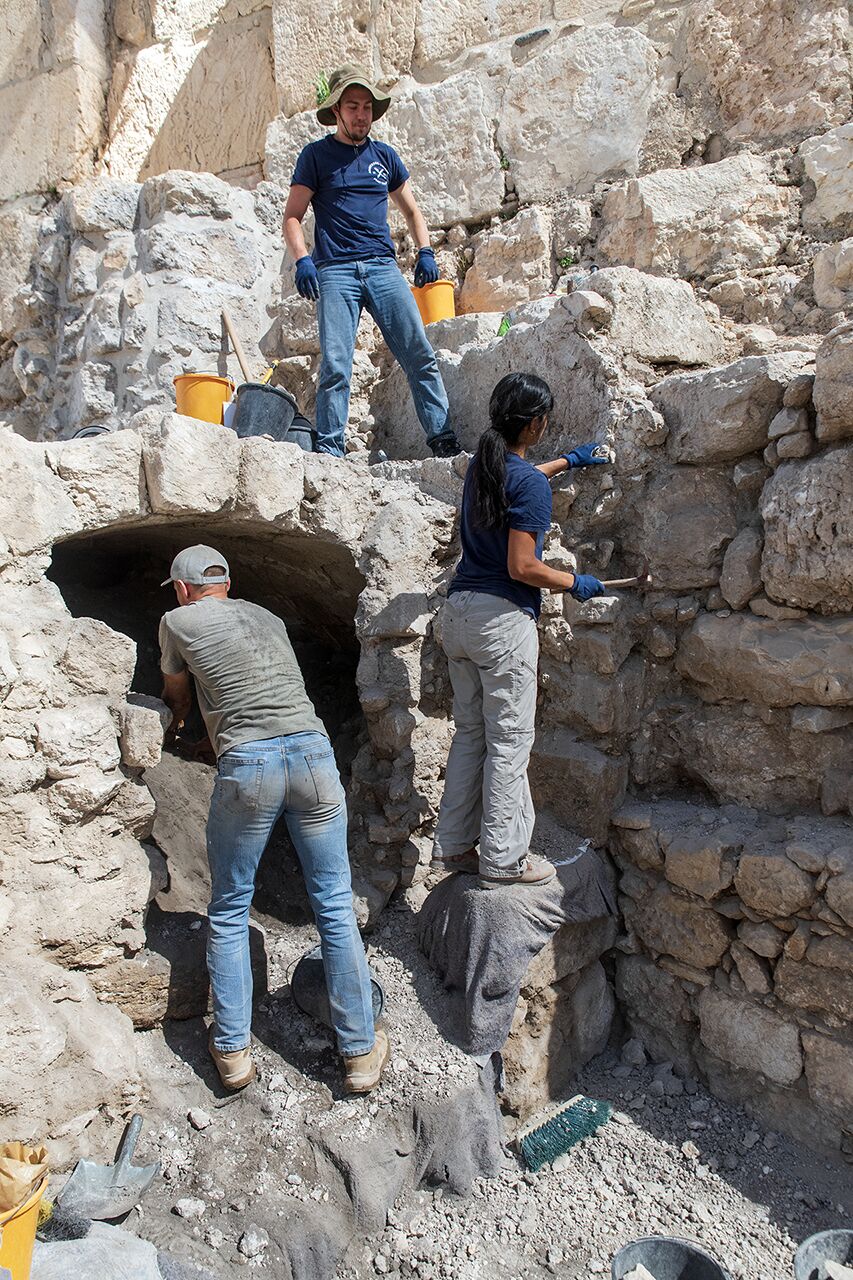
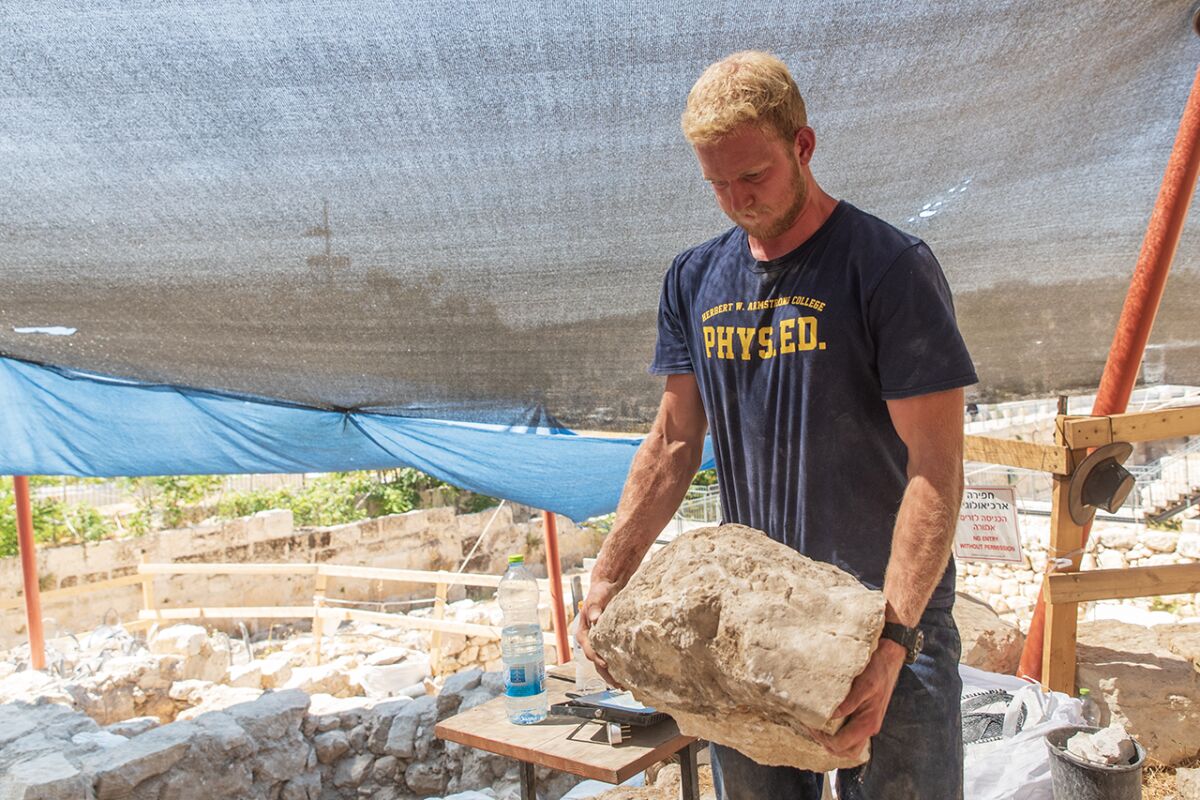
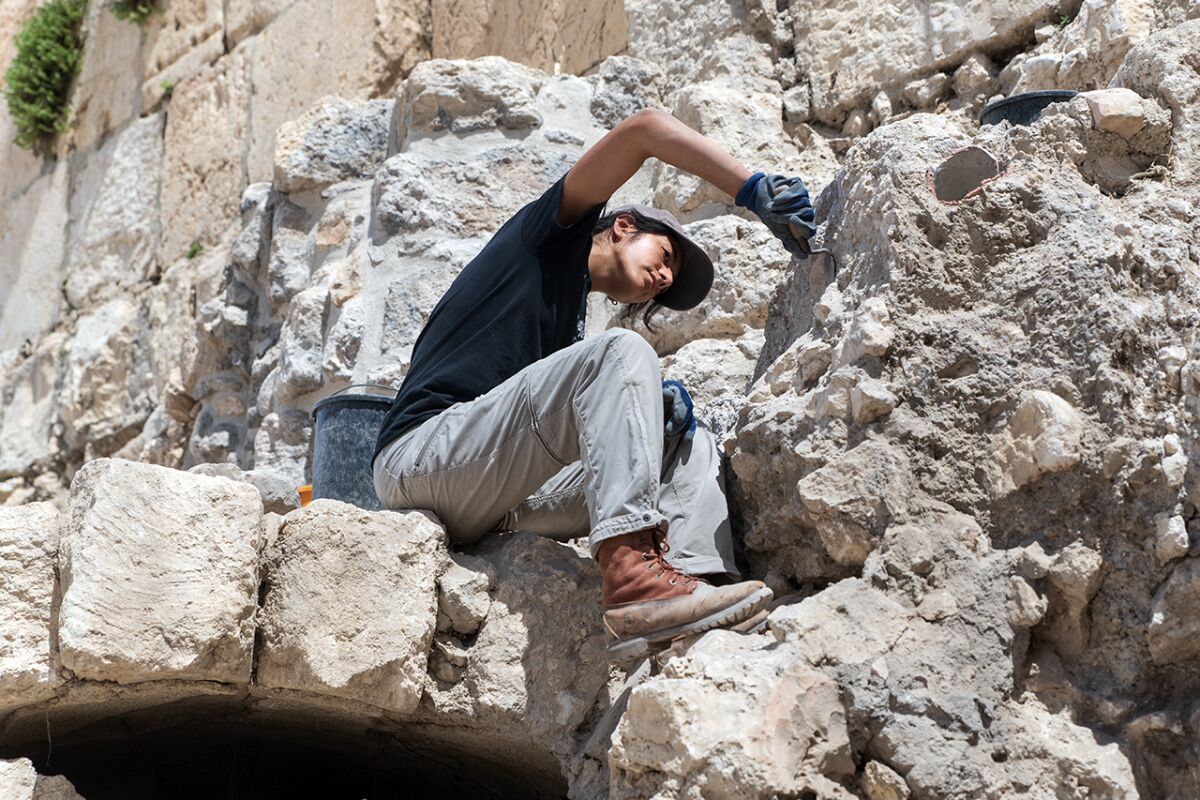
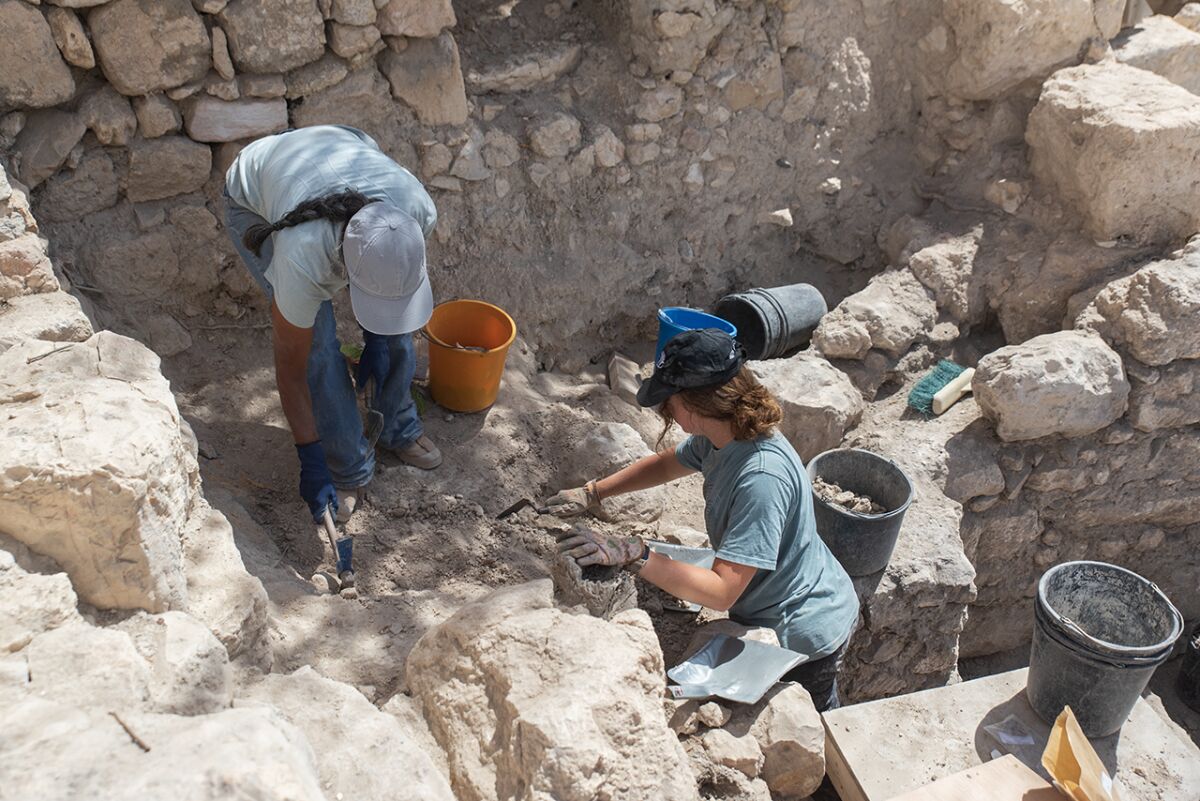
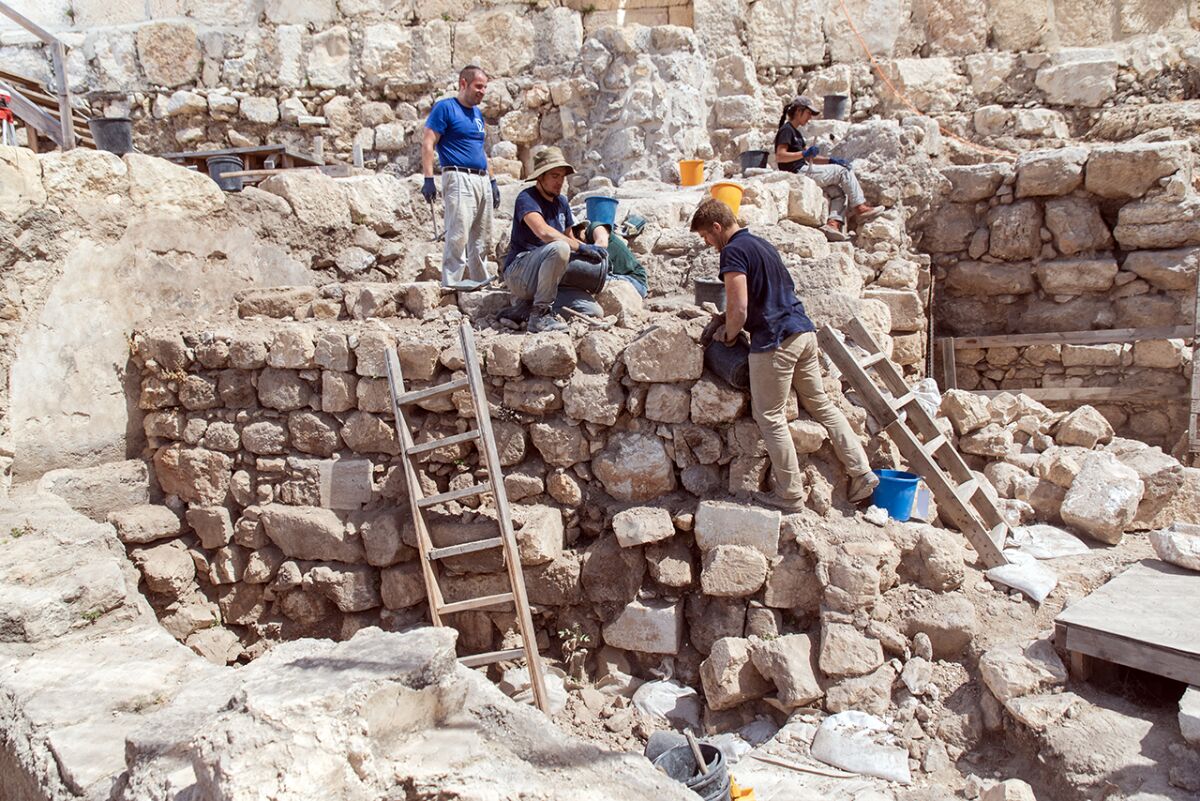
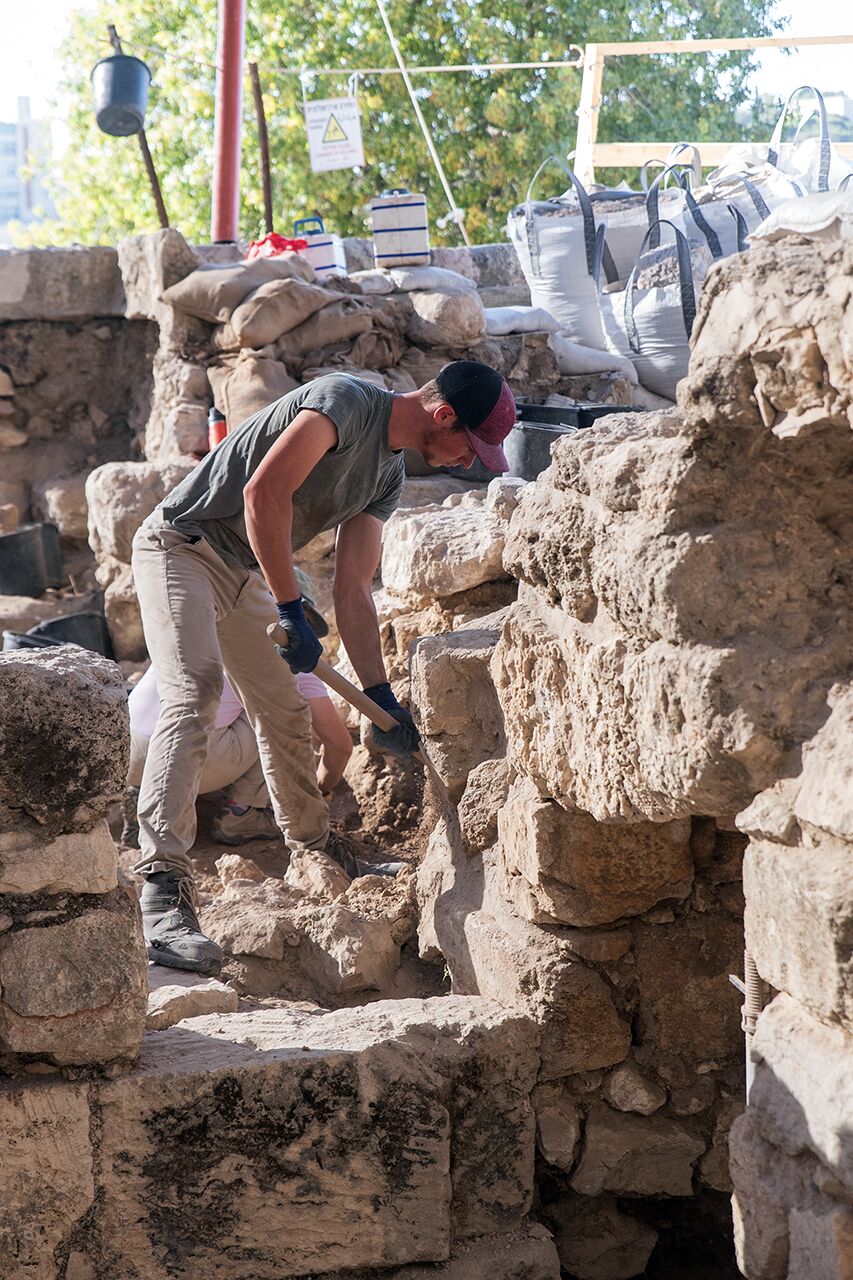
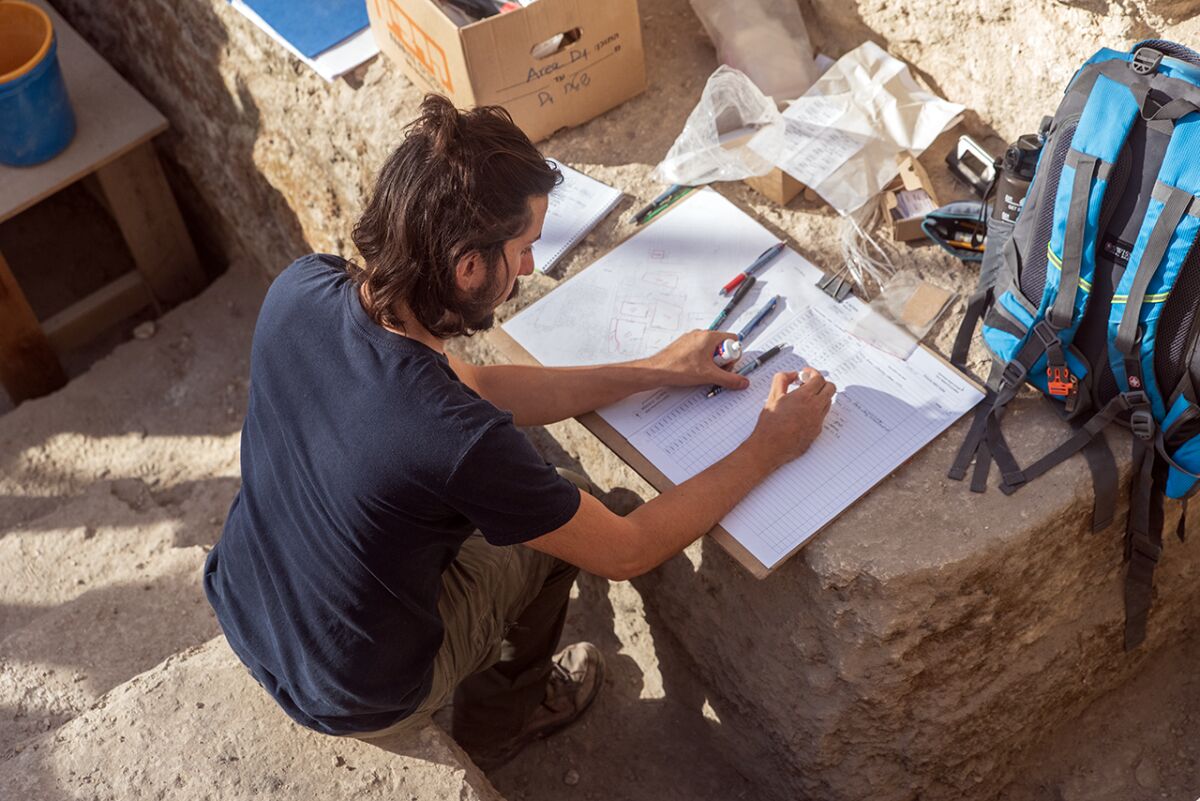
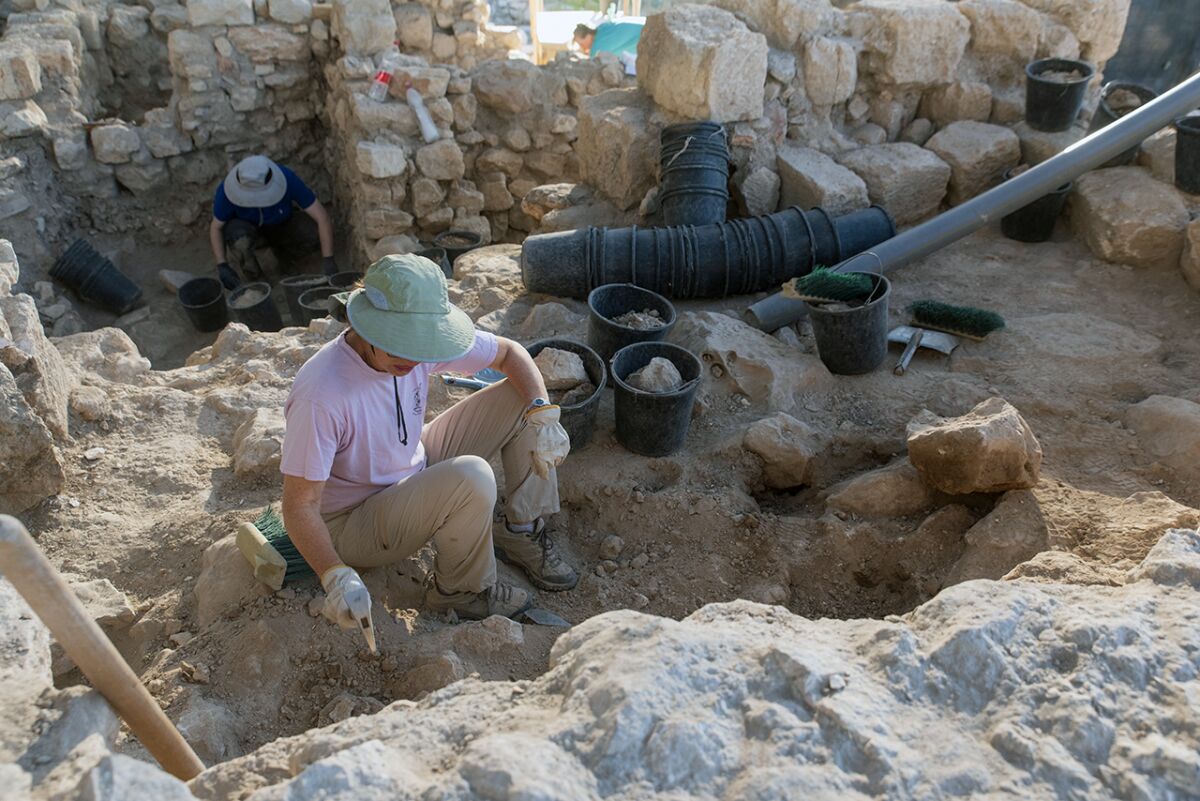
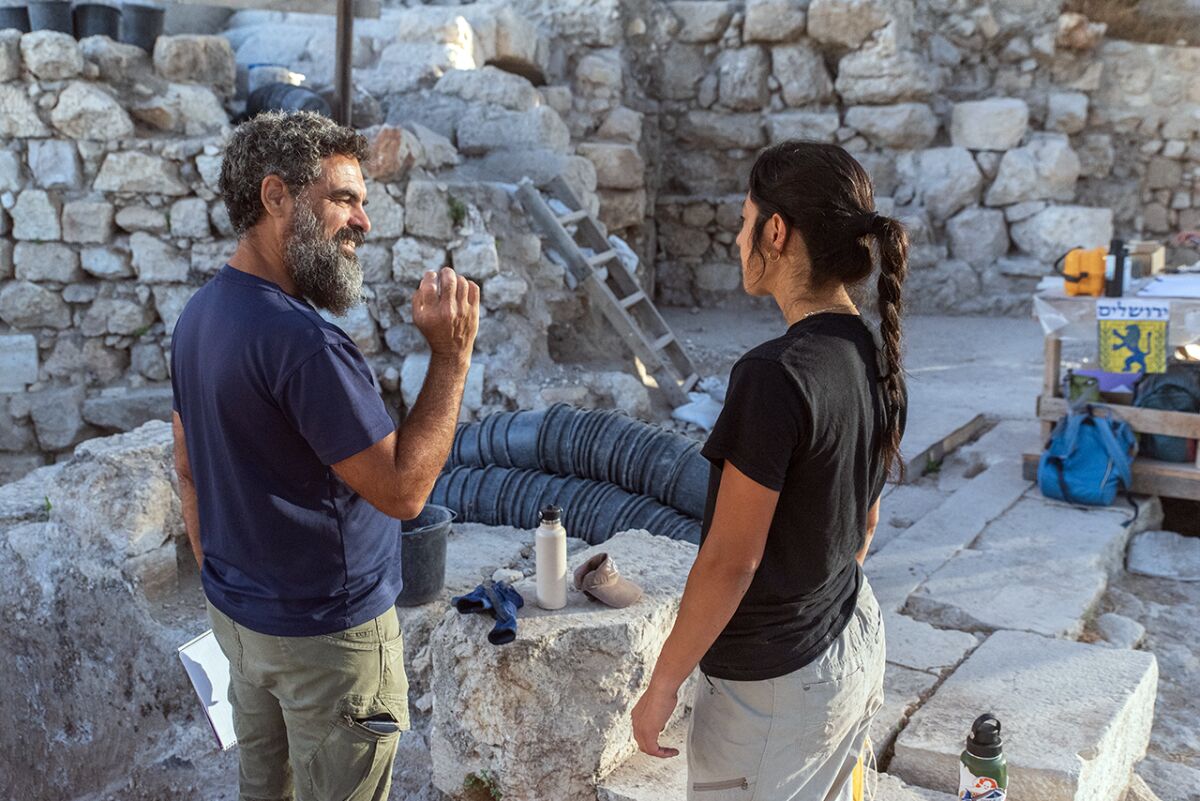
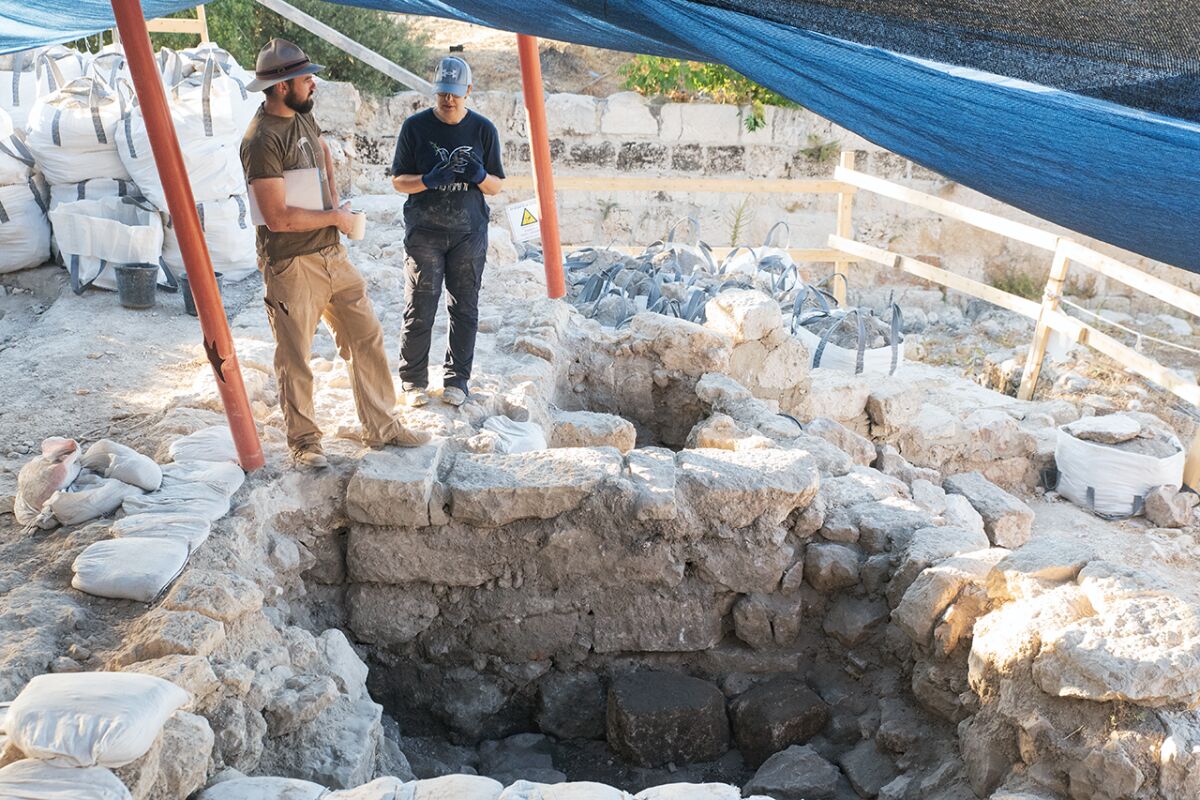
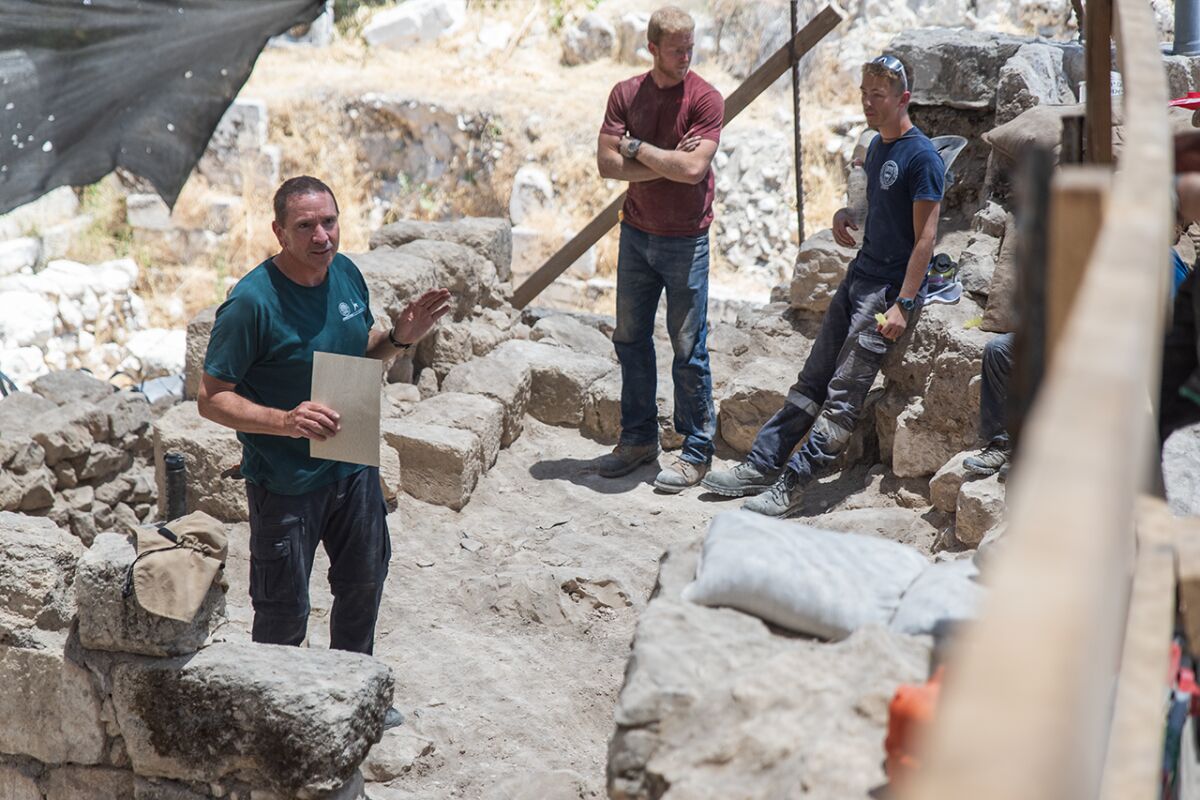
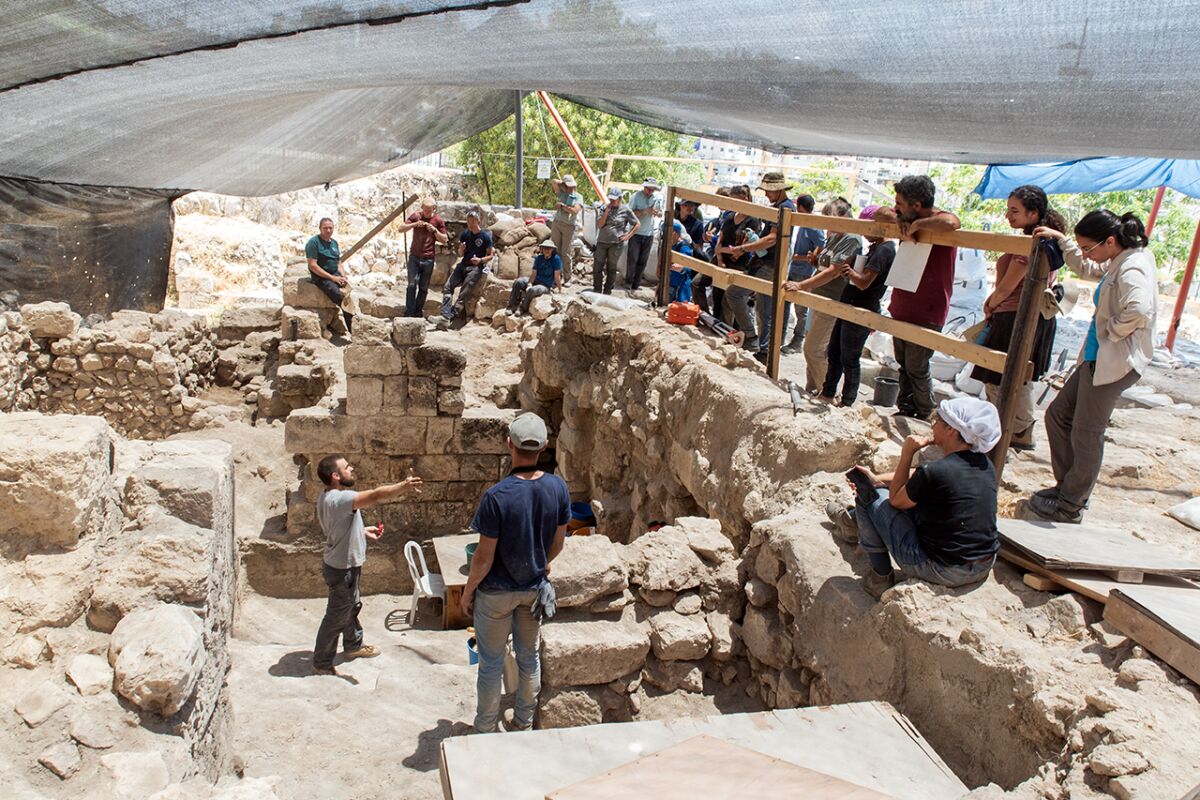
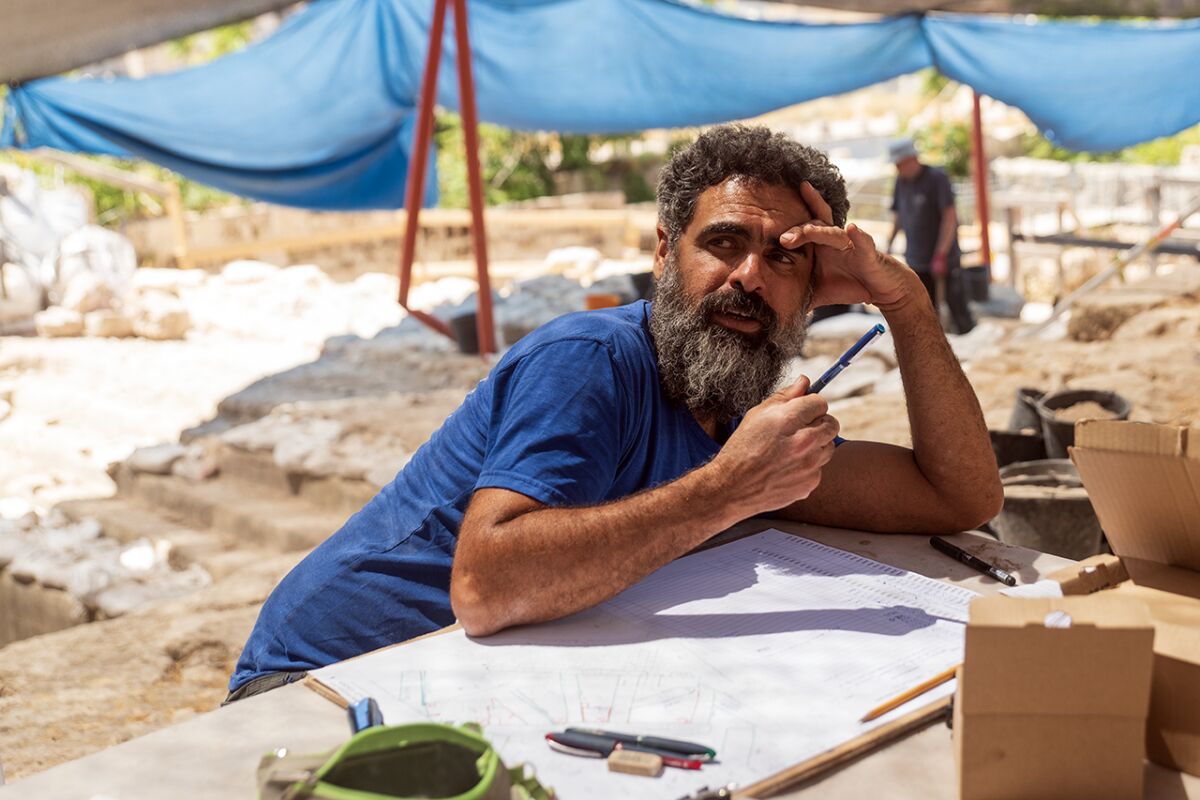
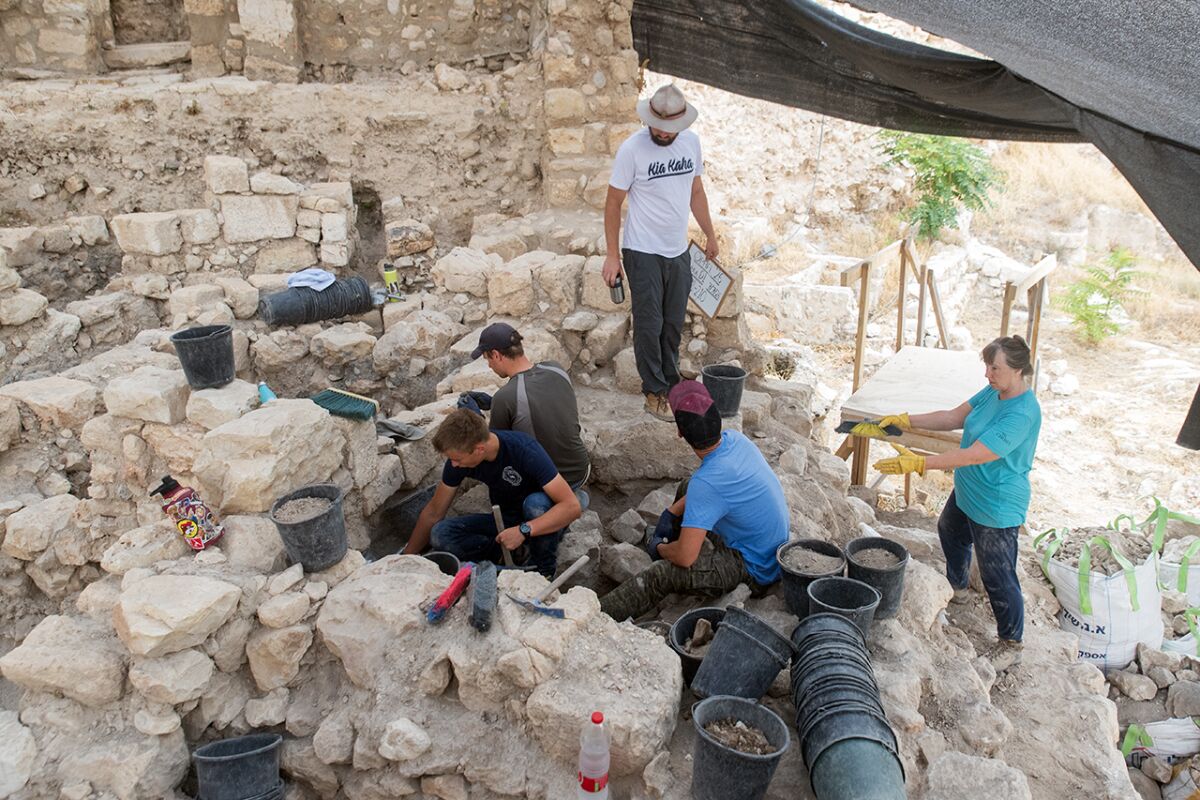
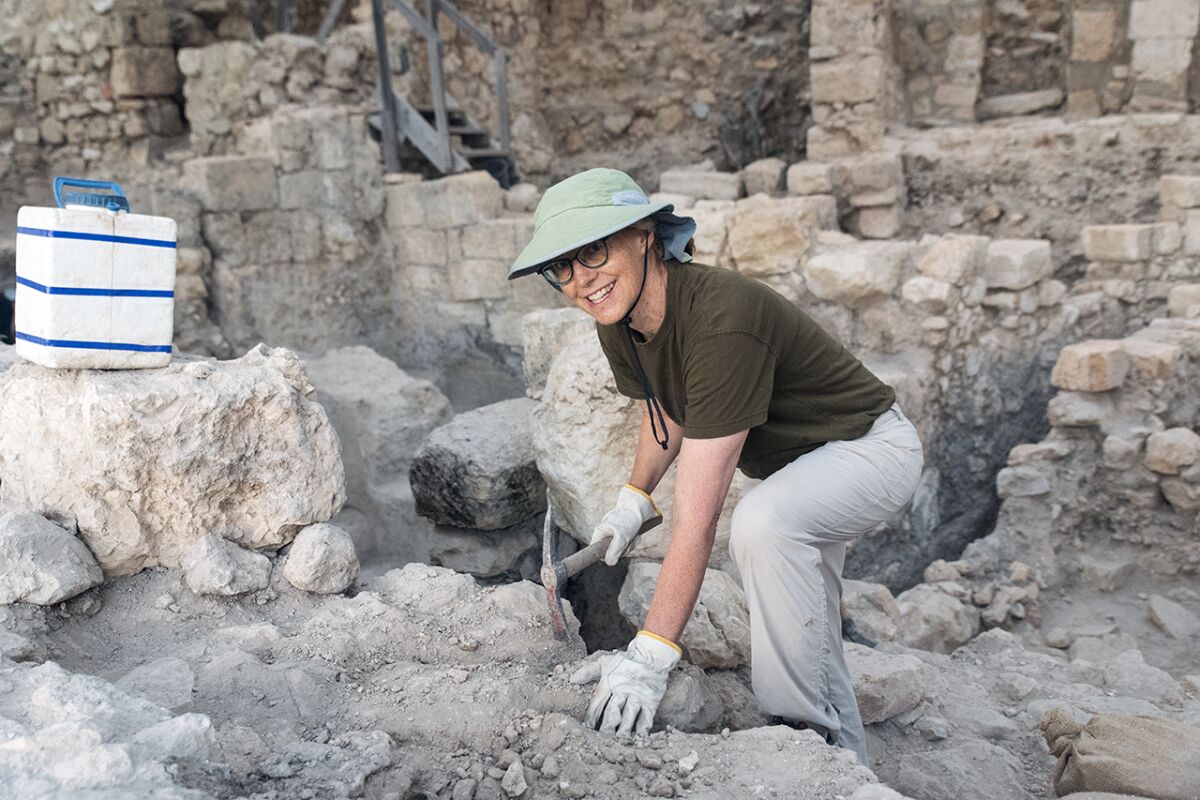
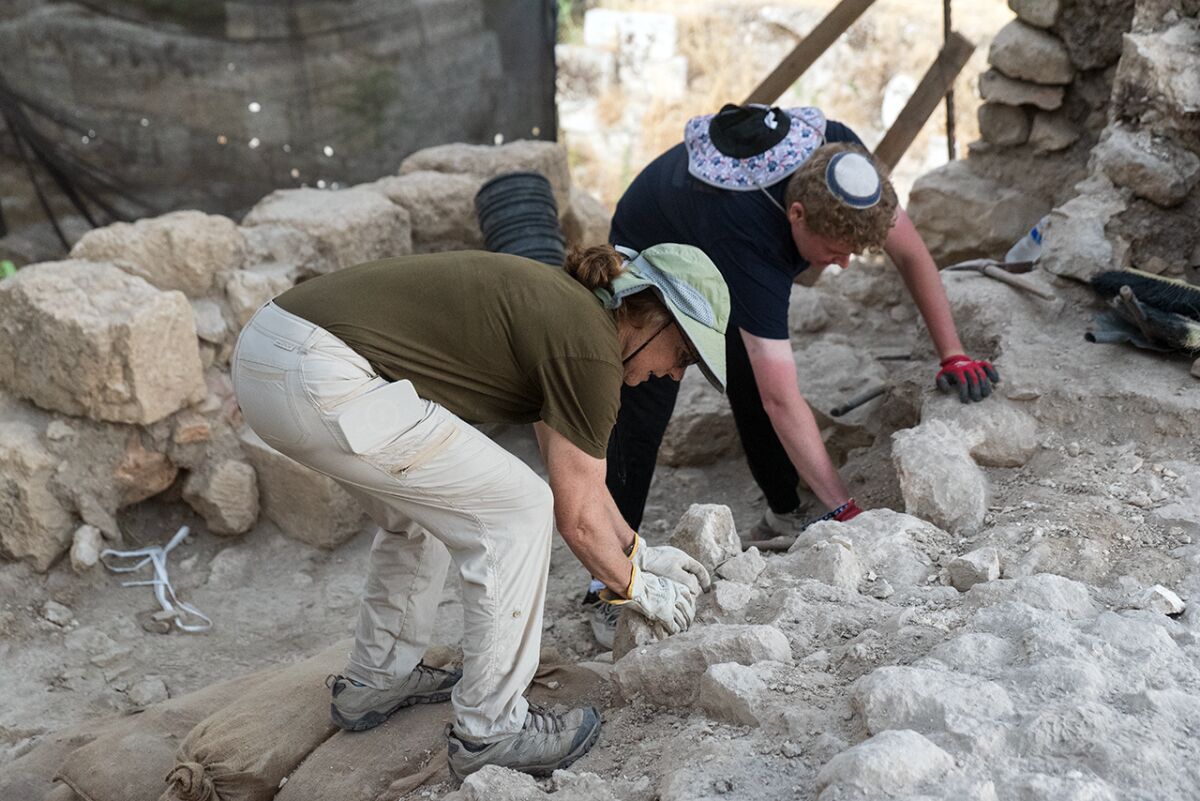
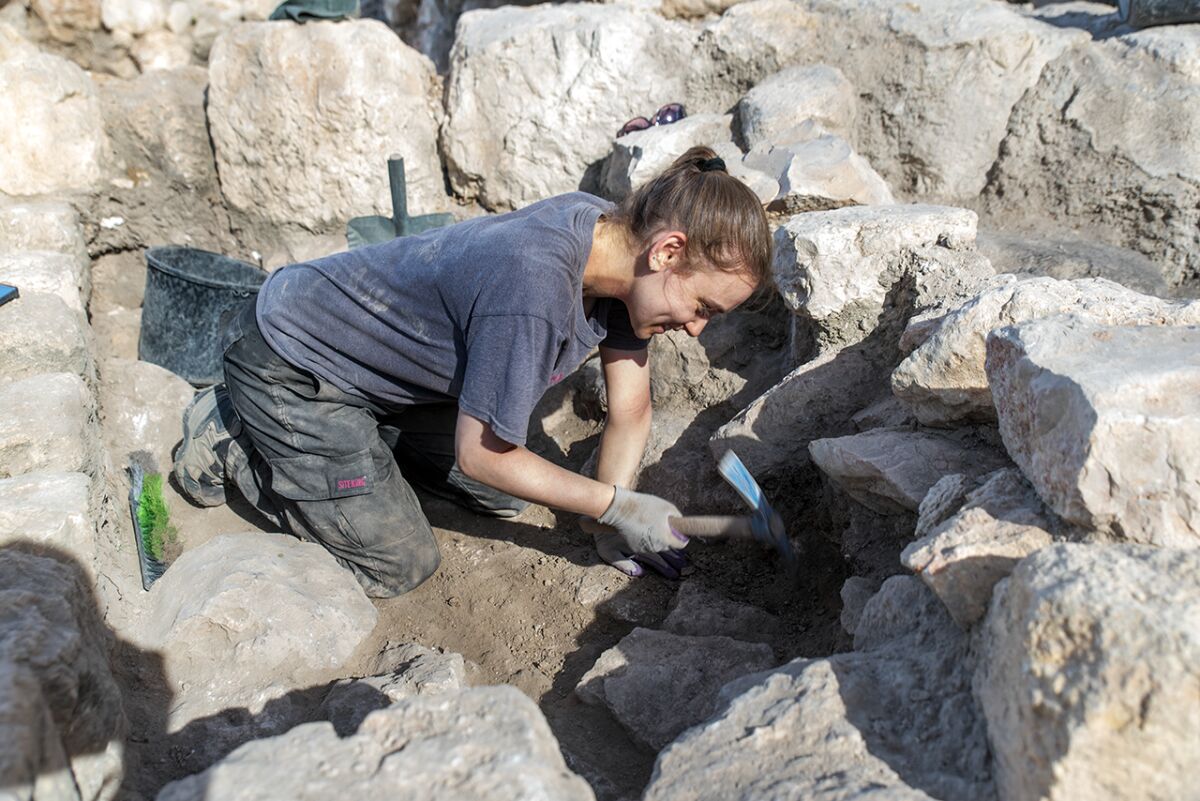
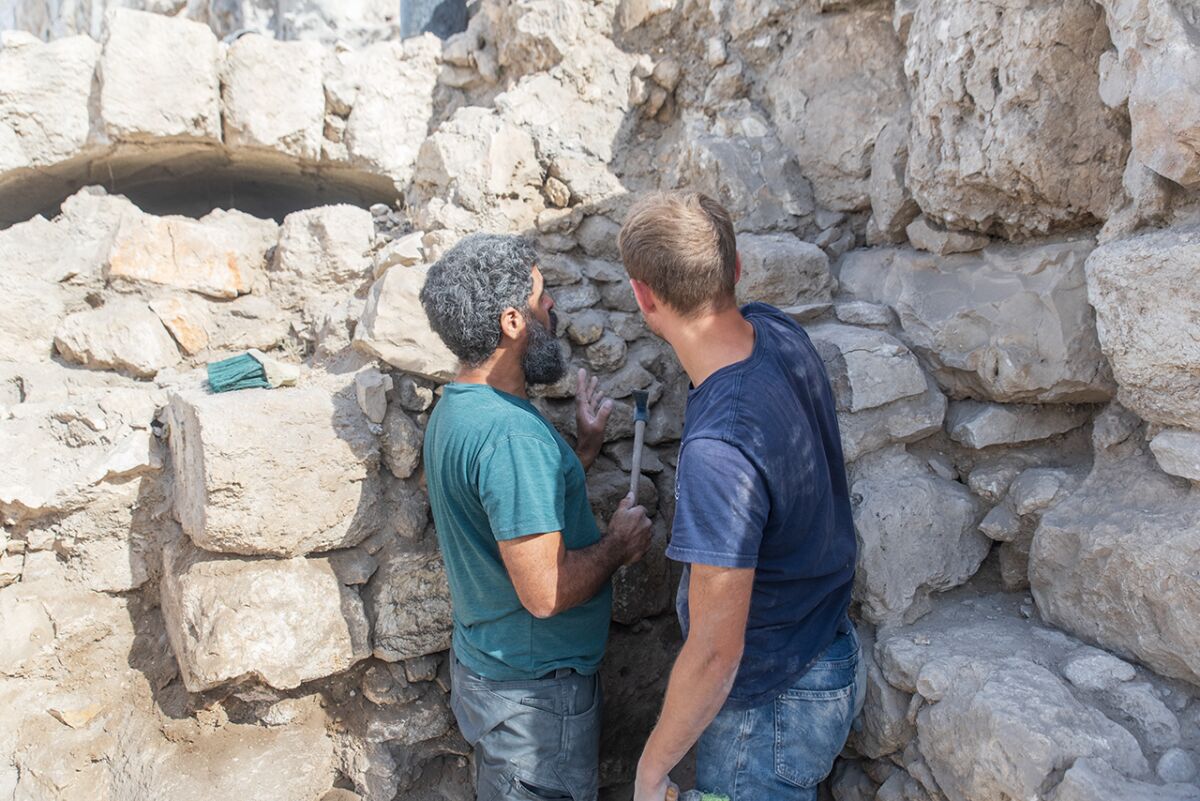
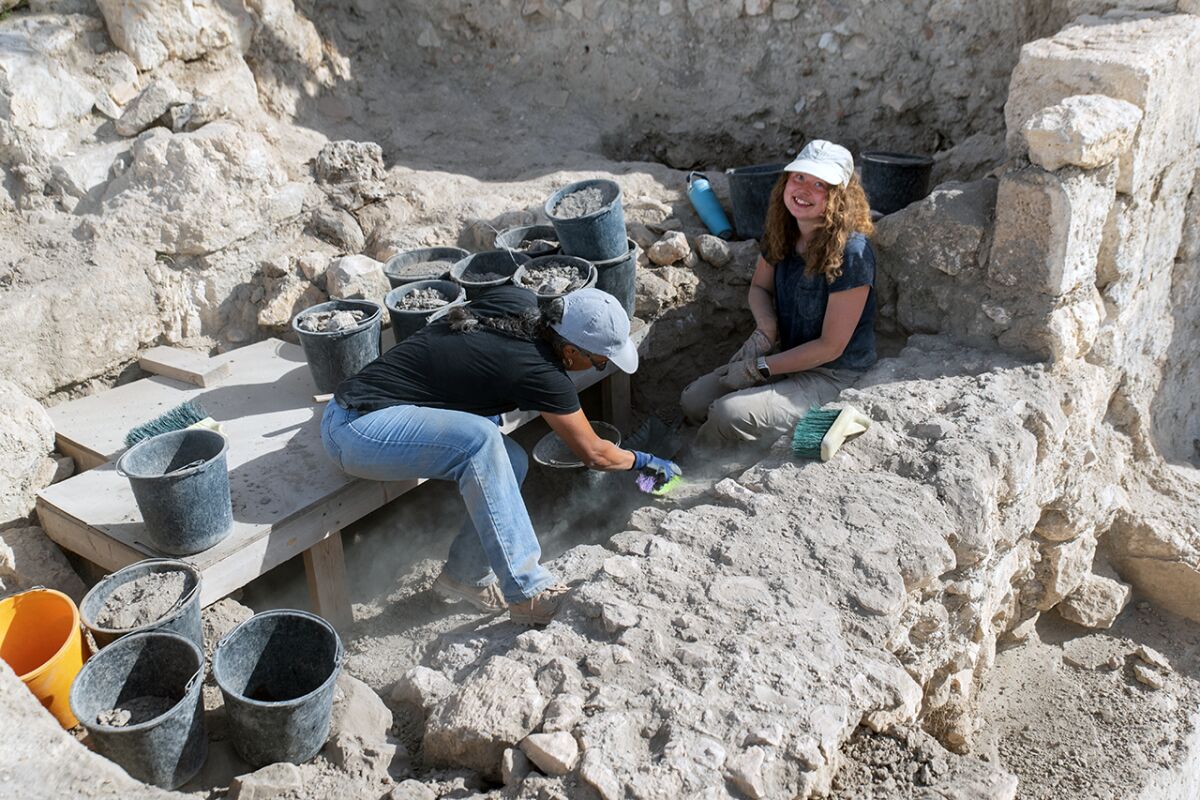
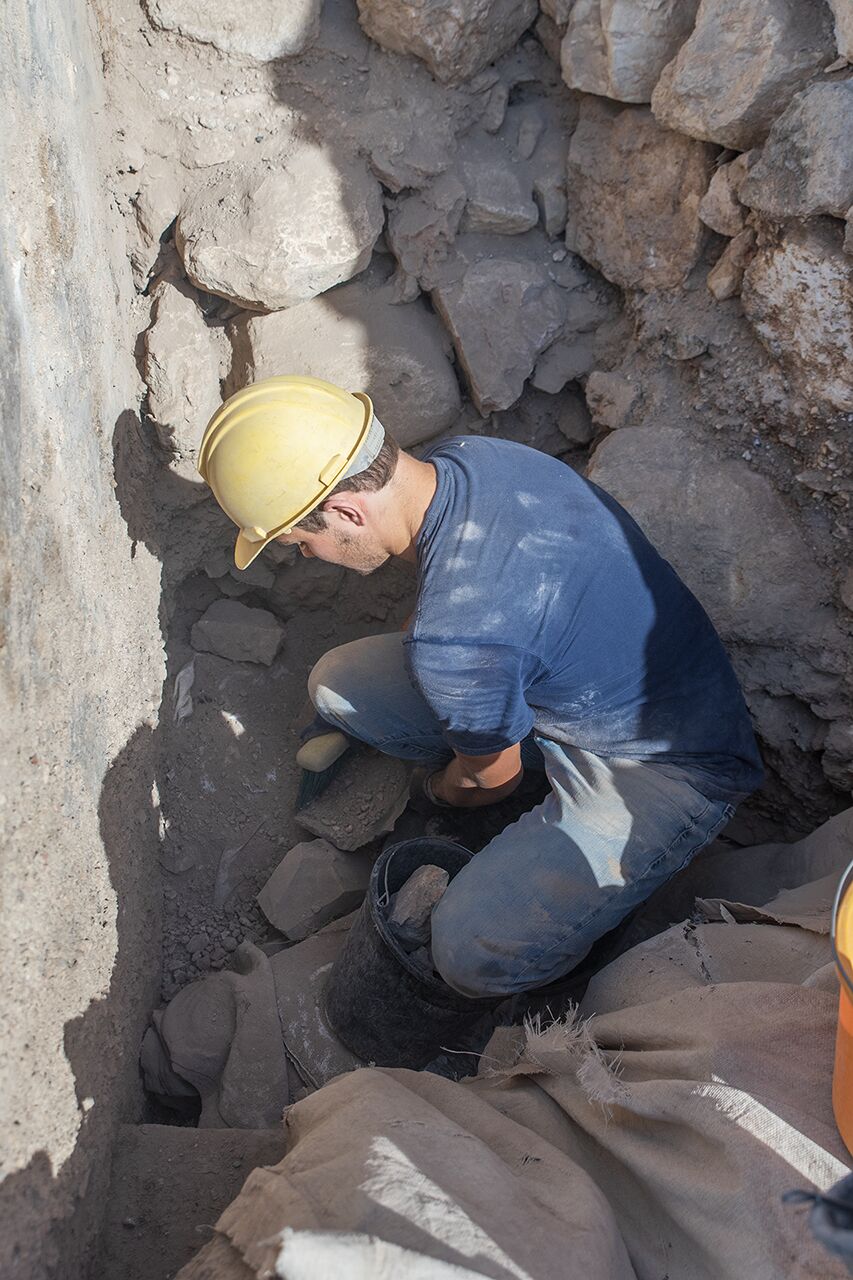
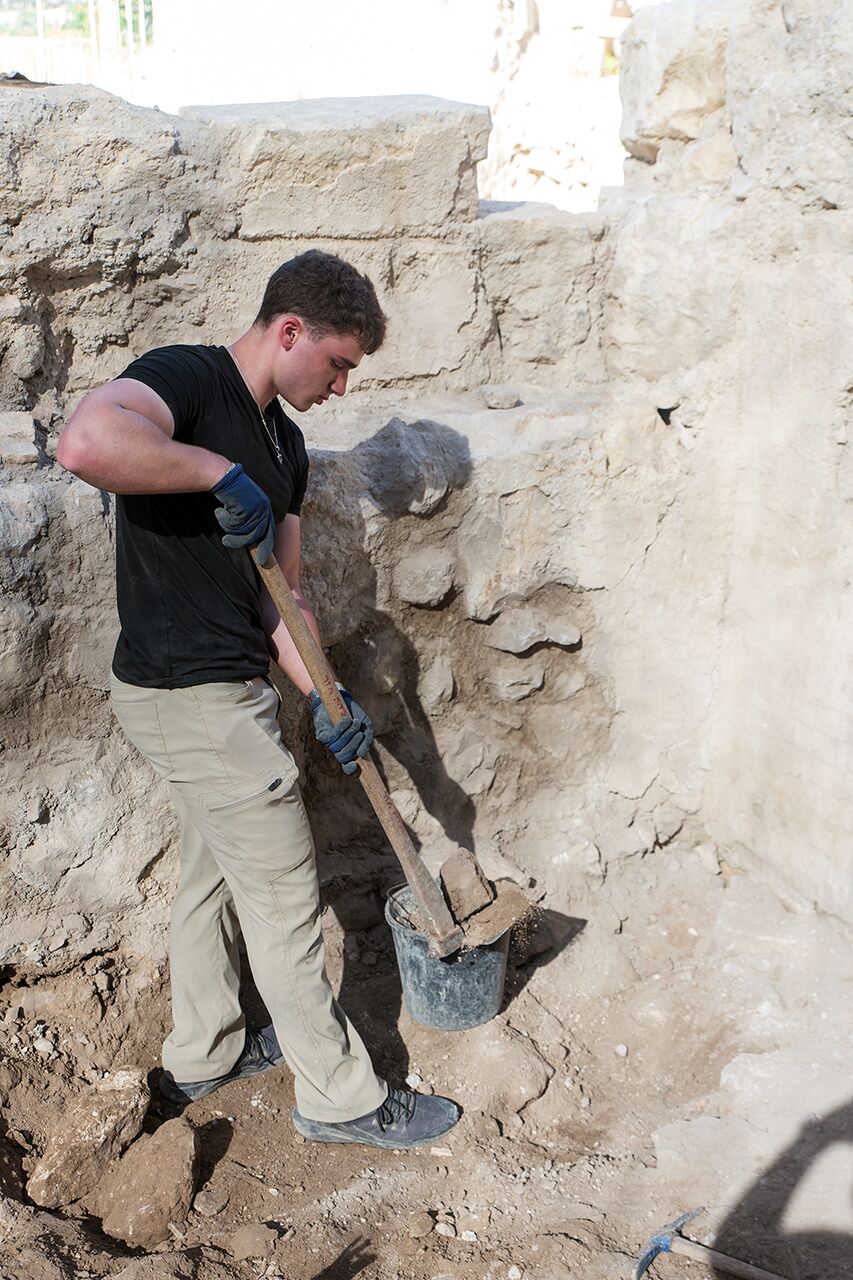
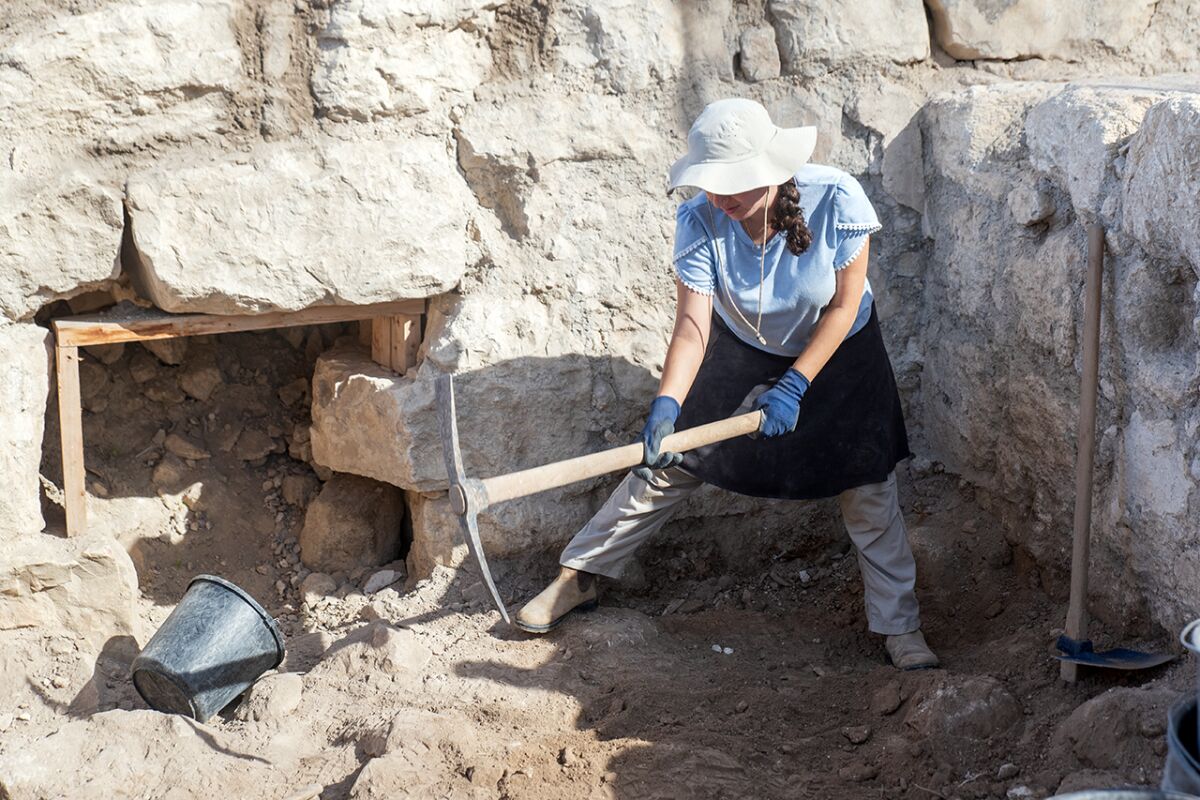
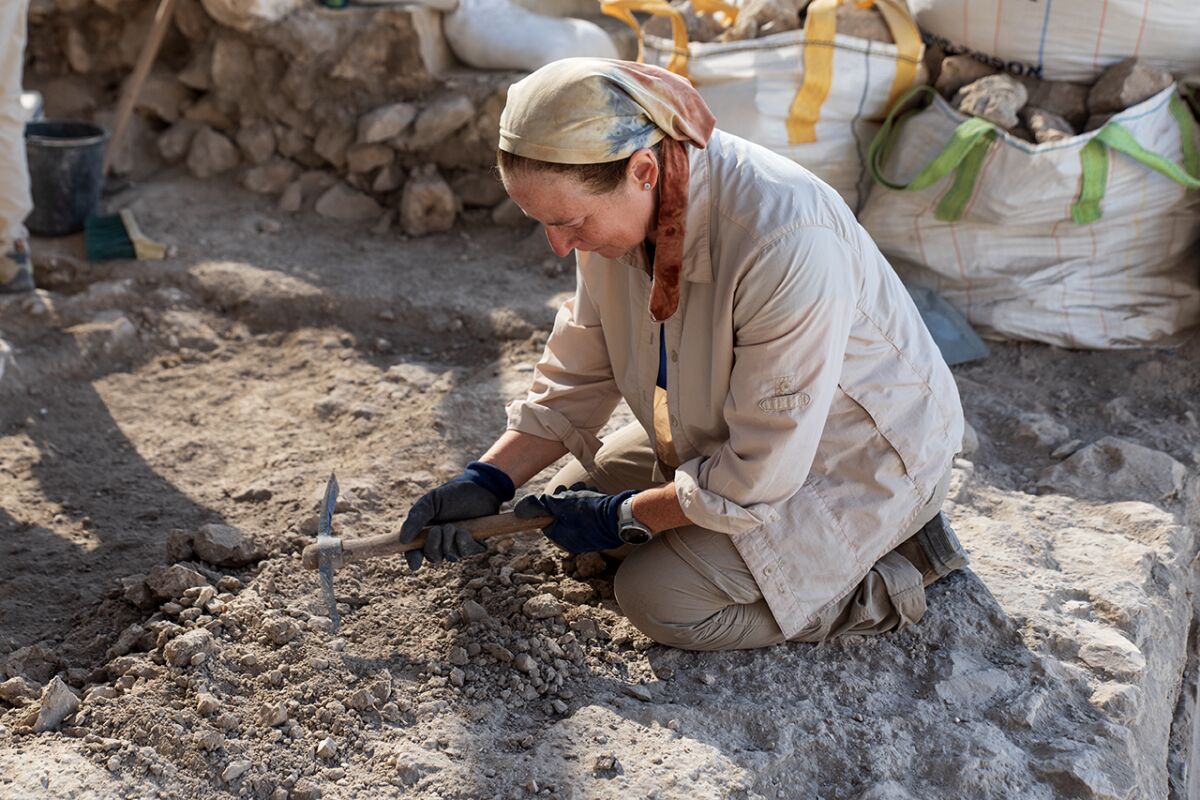
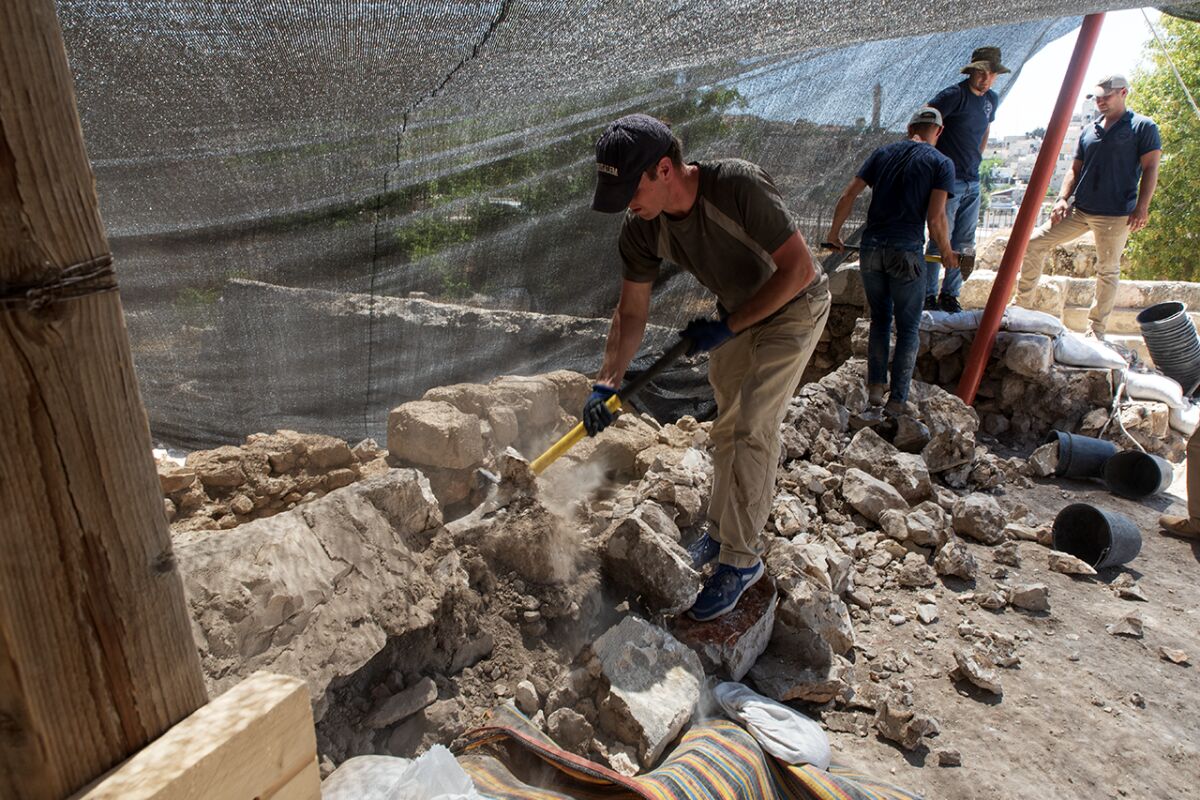
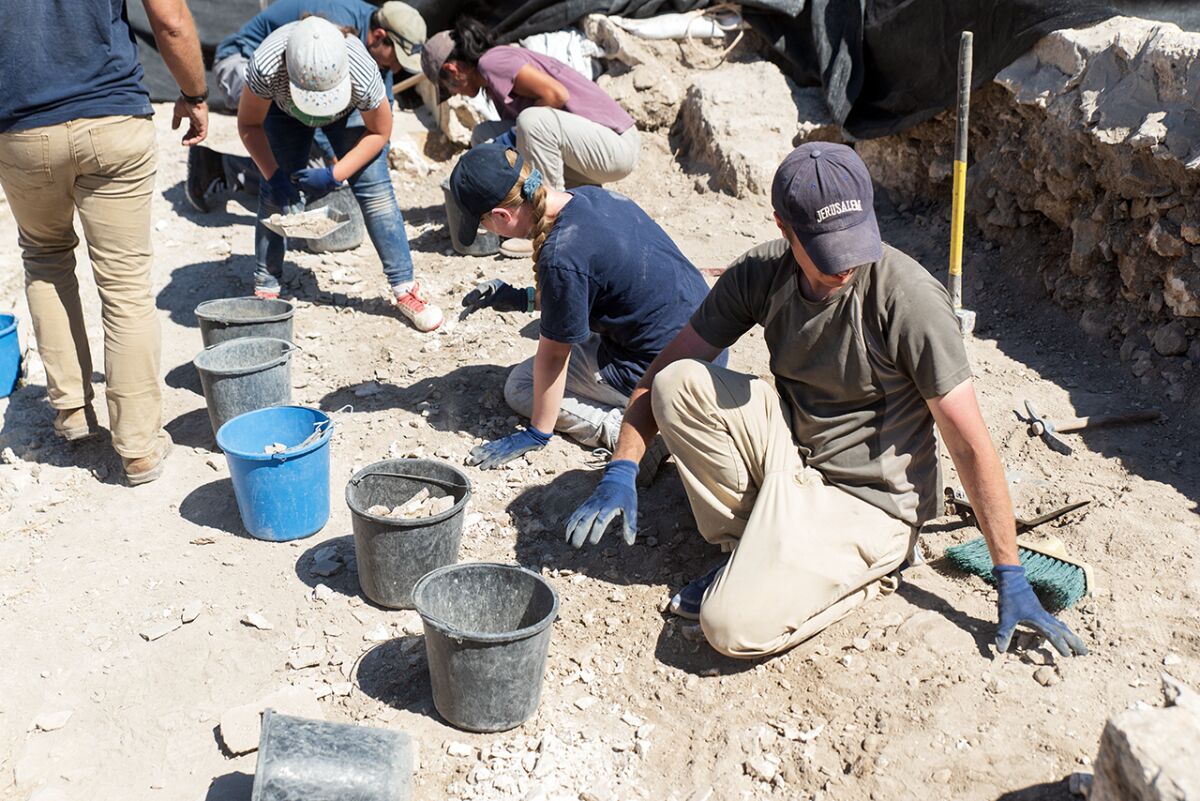
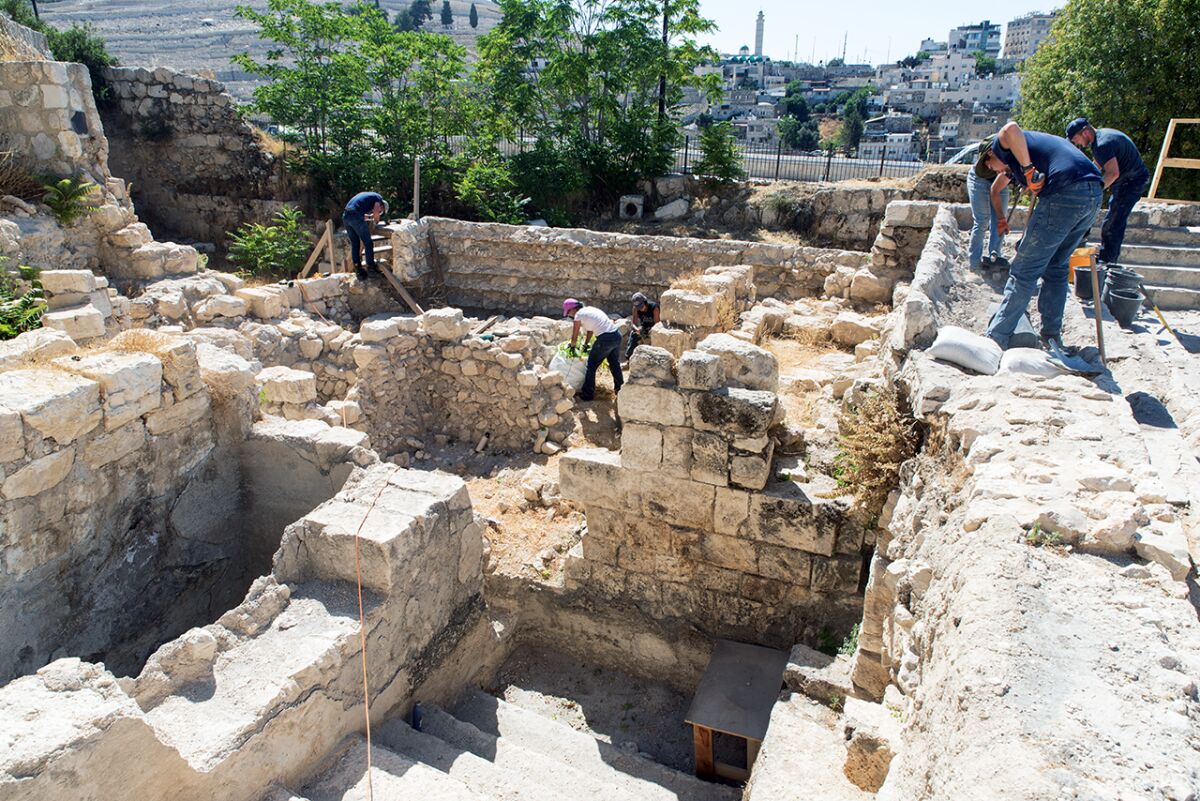
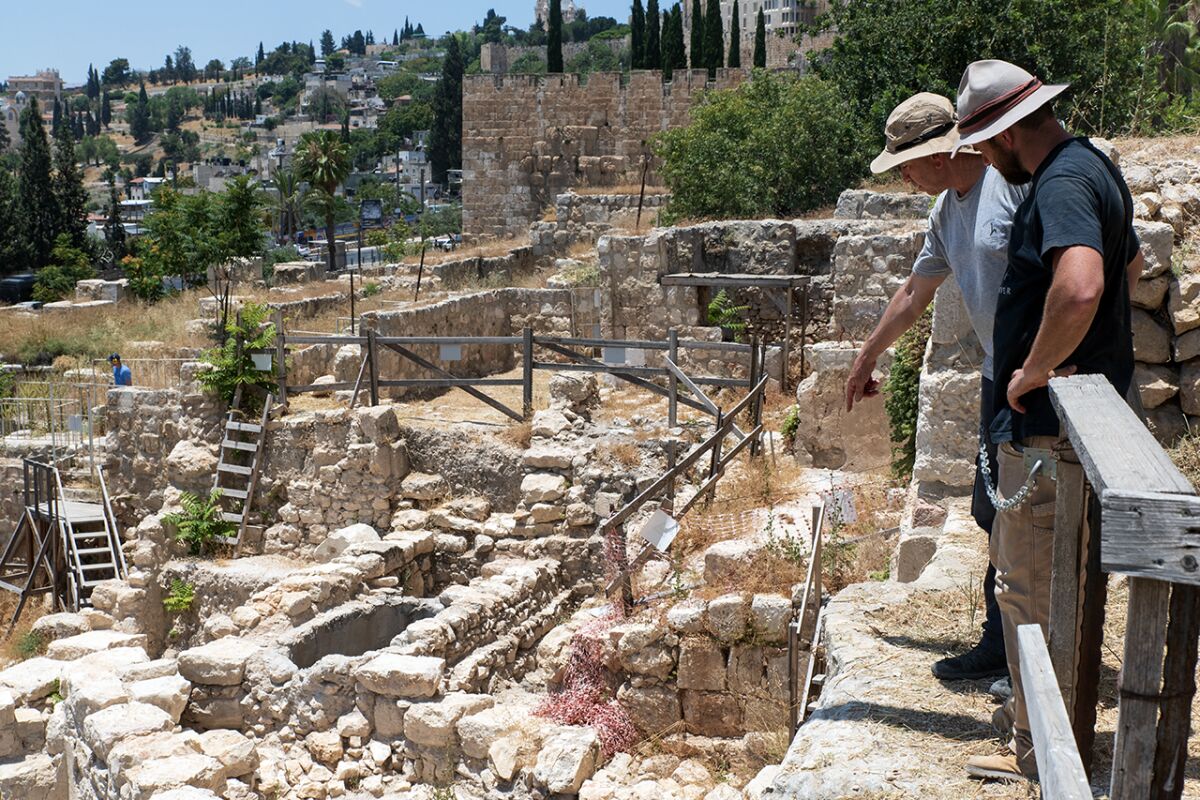
Much like the previous phases (2022, 2023, 2024 and 2025), the 2026 season will focus primarily on revealing Second Temple Period structures and material. This year, there are three areas of concentration—Area D, Area D1 and a short probe of Area P. We plan to continue removing Byzantine domestic structures, shedding more light on an impressive monumental building from the Early Roman Period that functioned during the days of the Second Temple. Several impressive ritual baths (mikvaot) have already been discovered in relation to this building, as well as a complex drainage system and an even earlier ritual purification structure, in use prior to the construction of the main Early Roman Period building. Our excavation will continue to reveal these features, as well as several phases of later Byzantine occupation that will be excavated along the way. The following interview with Prof. Uzi Leiber discusses the excavation goals.
Some more interesting discoveries emerged over the past two days, as we draw ever closer to the end of this season.
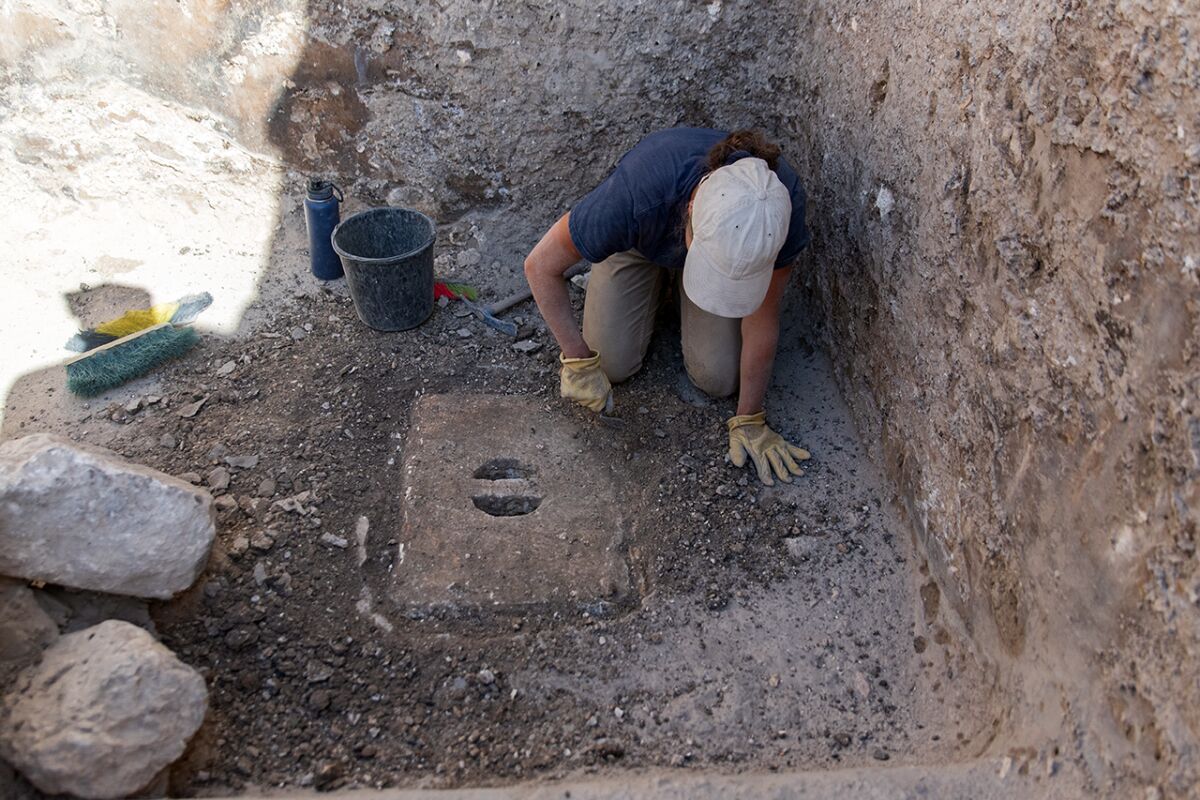
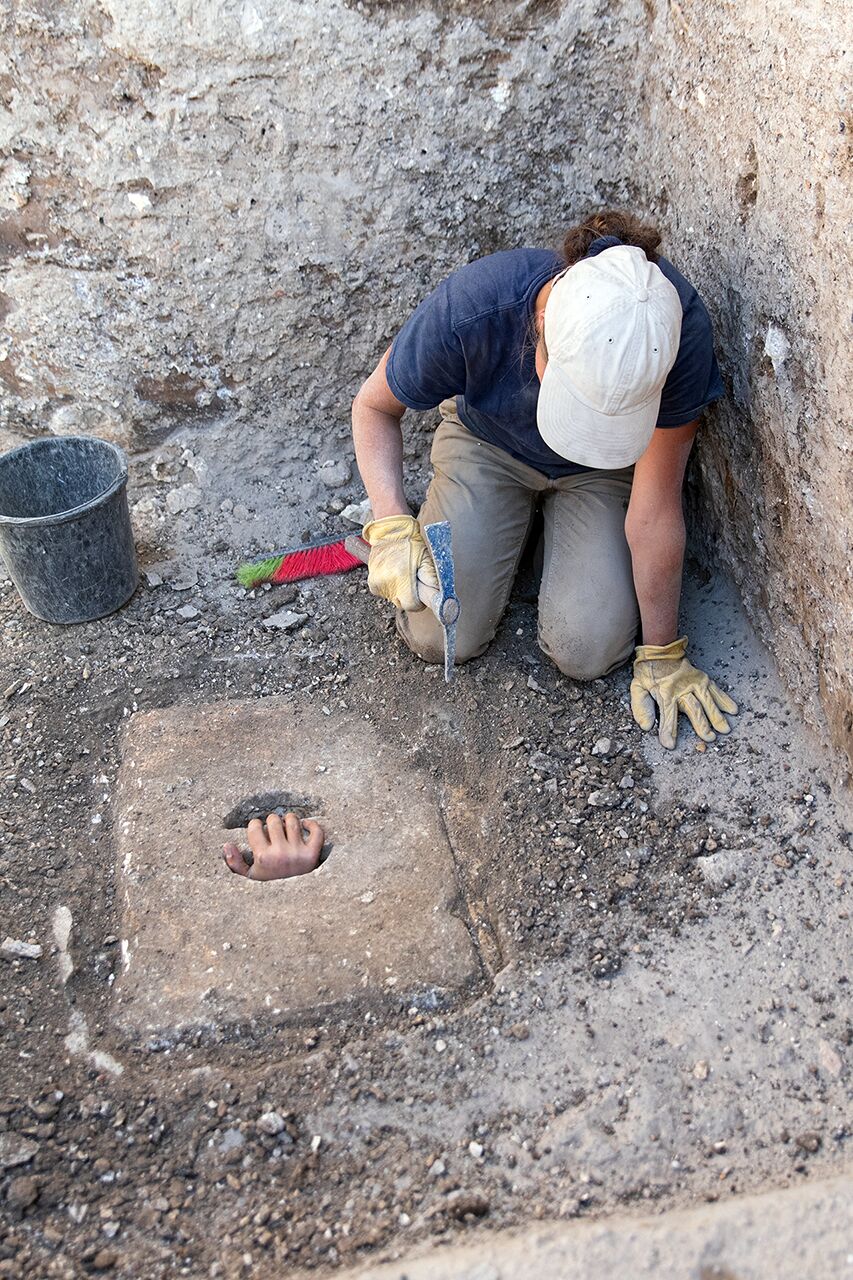
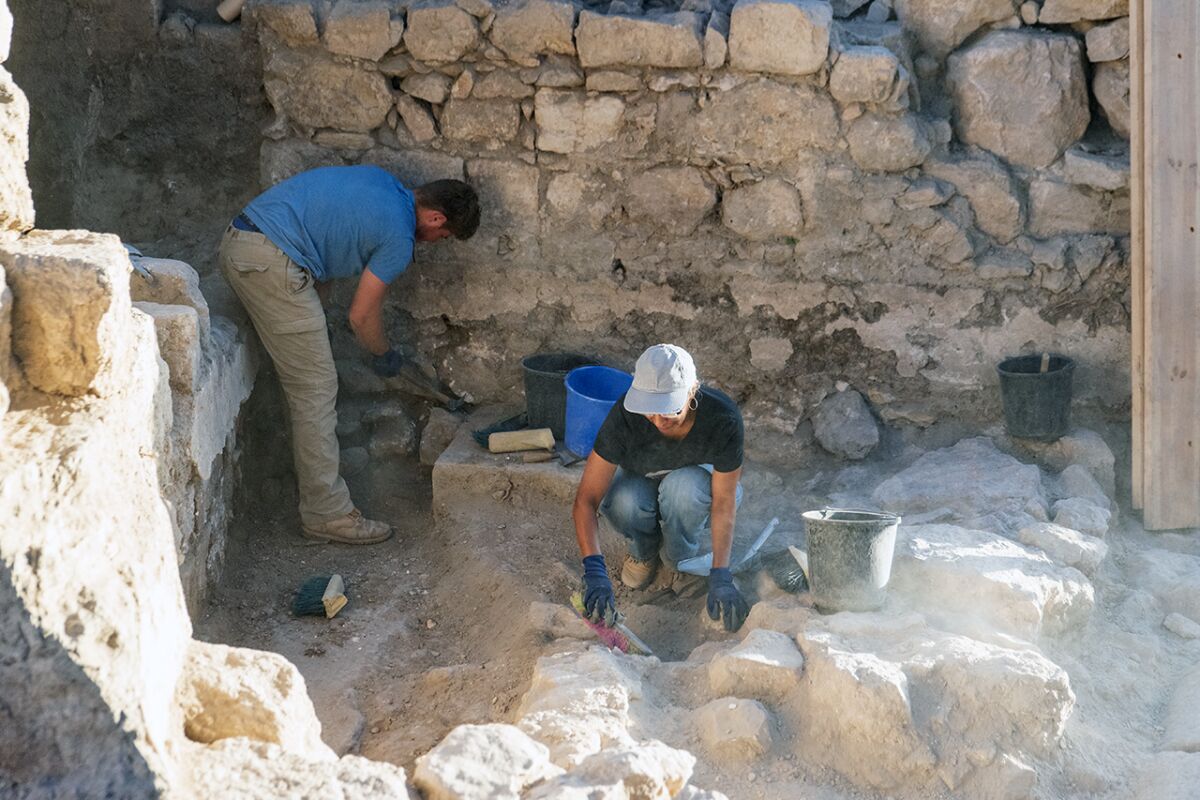
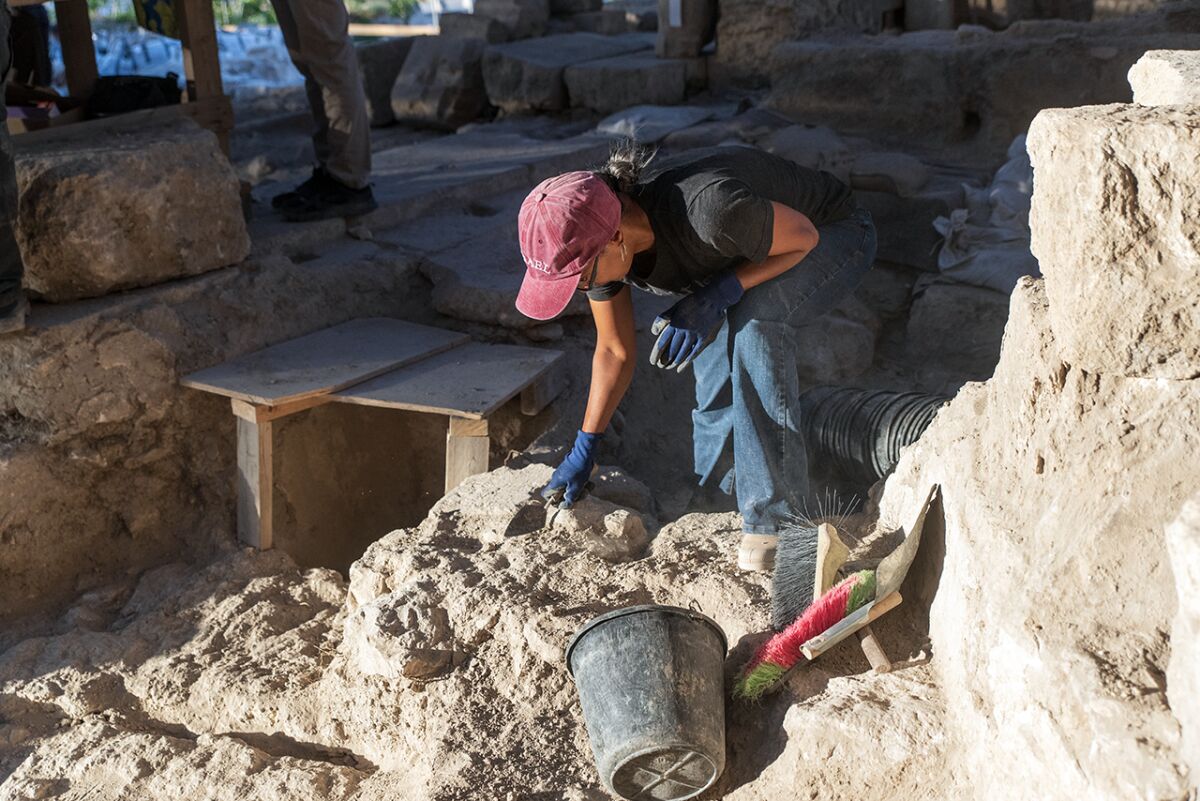
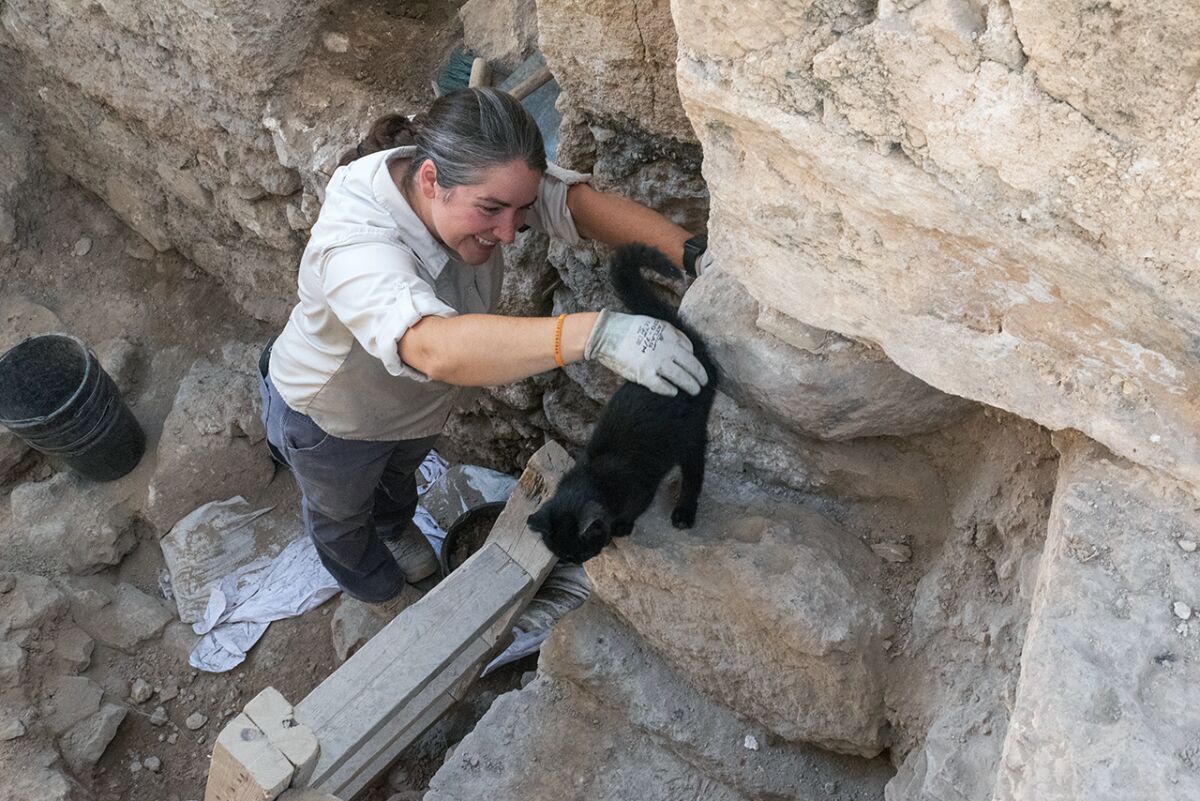
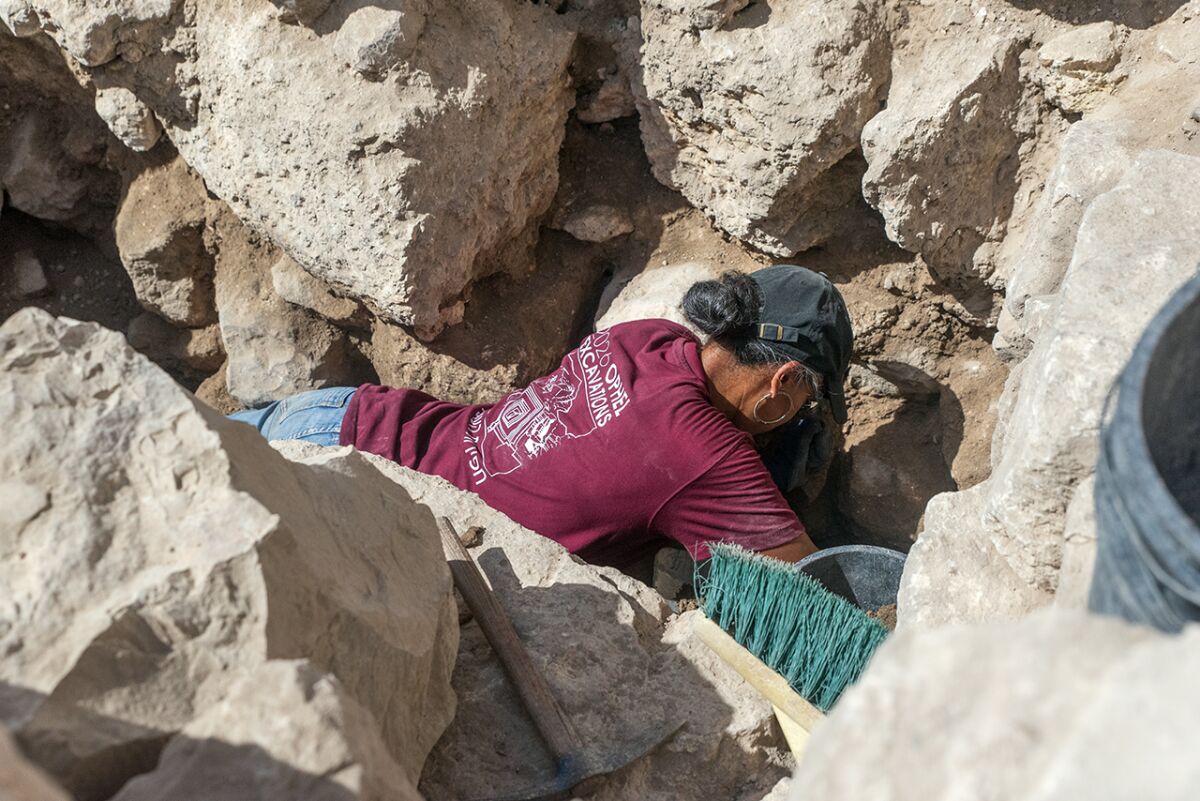
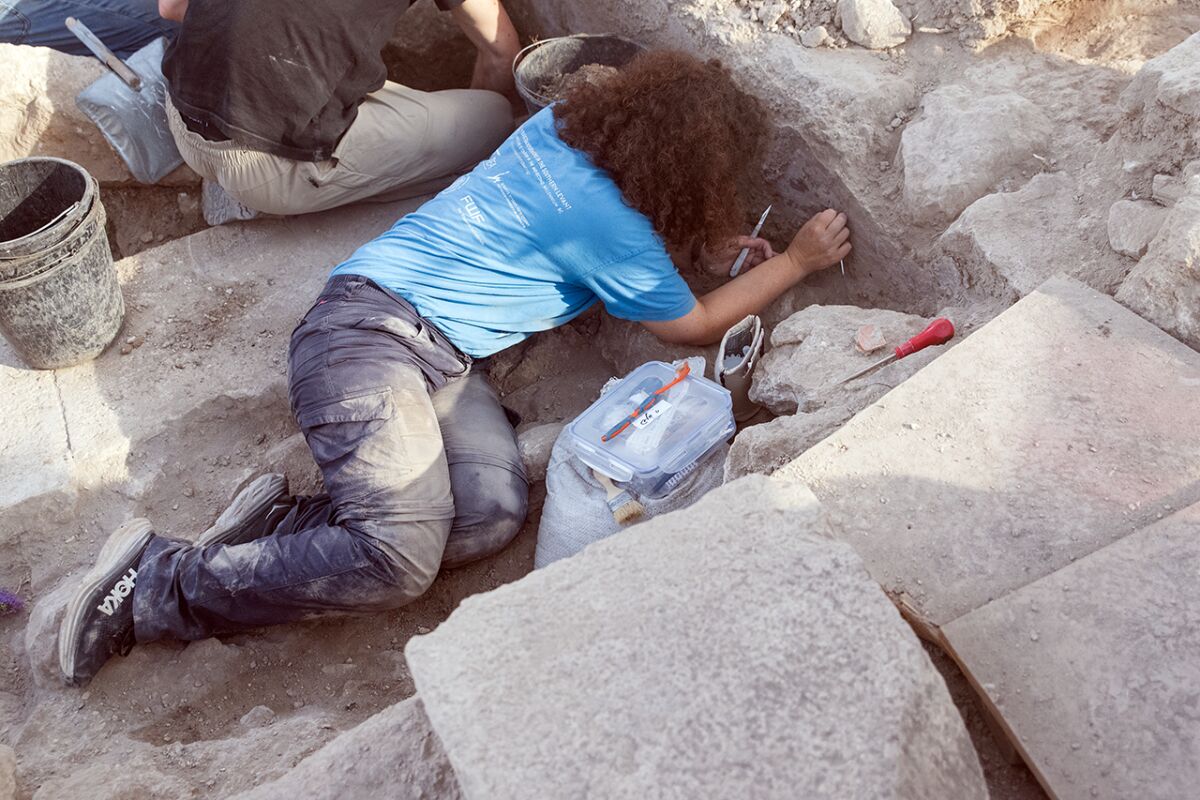
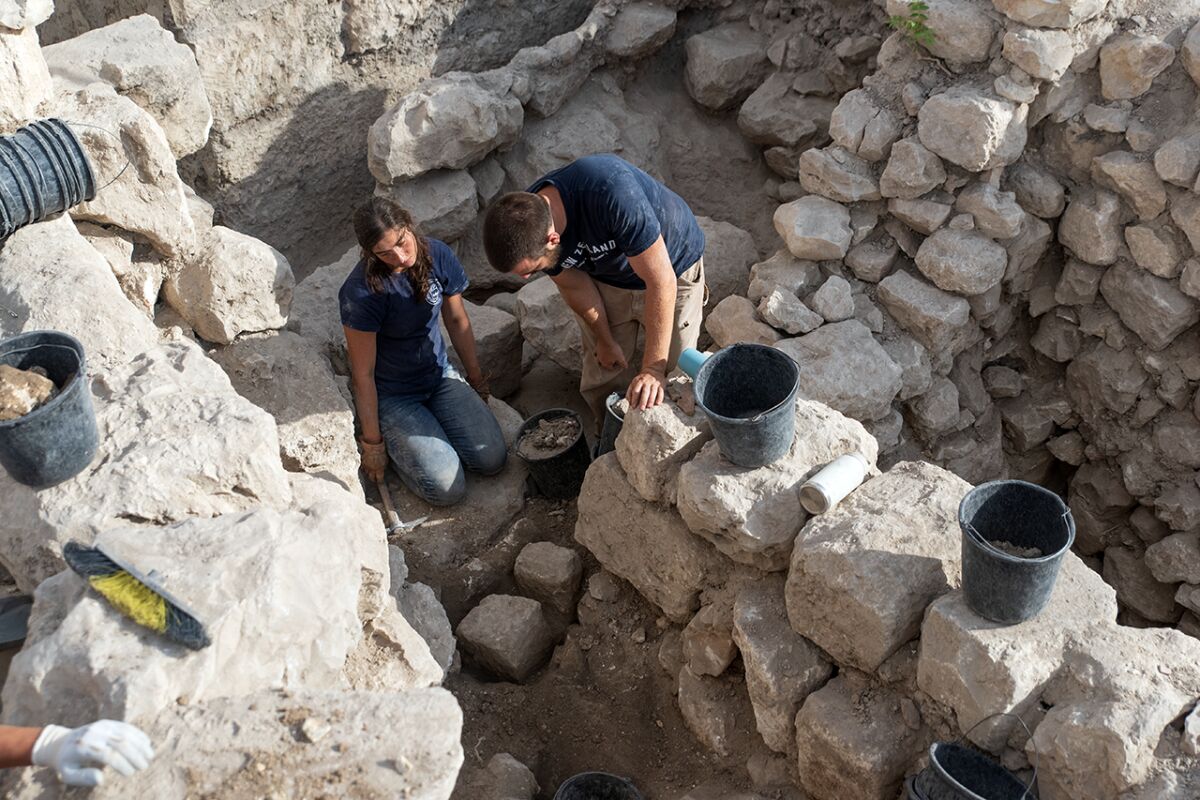
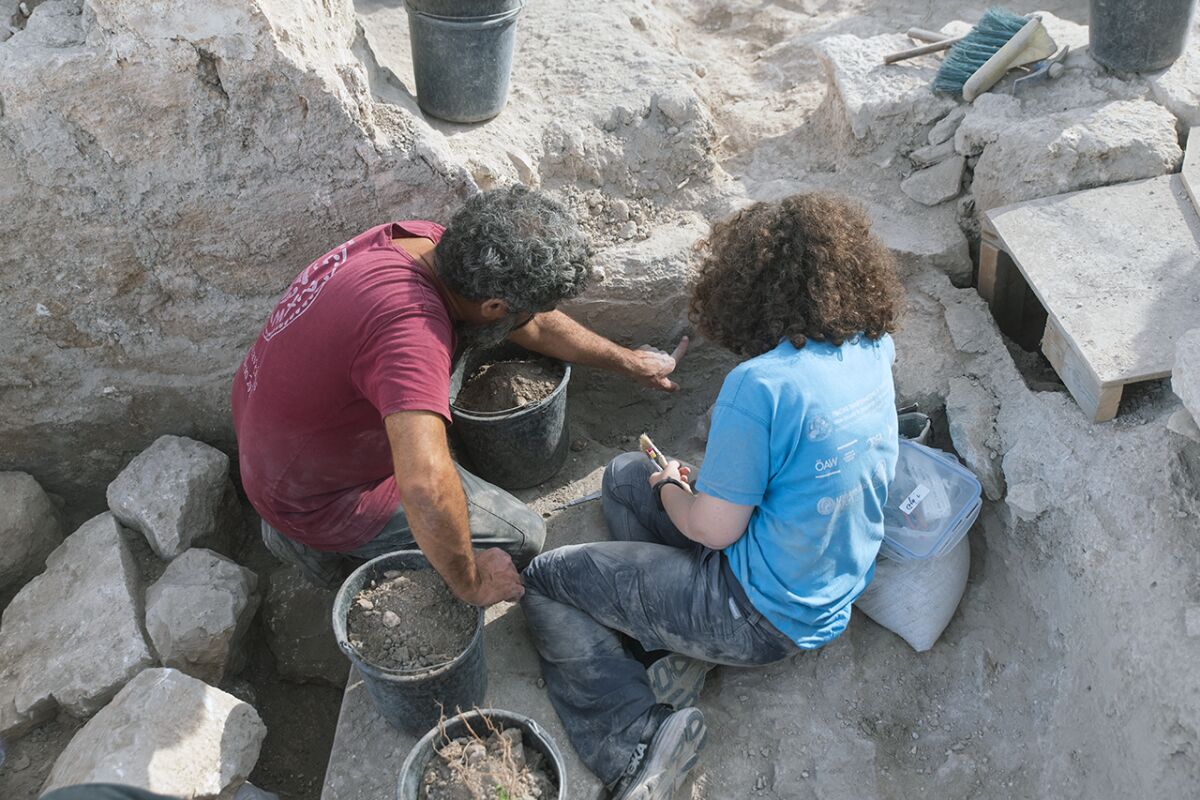
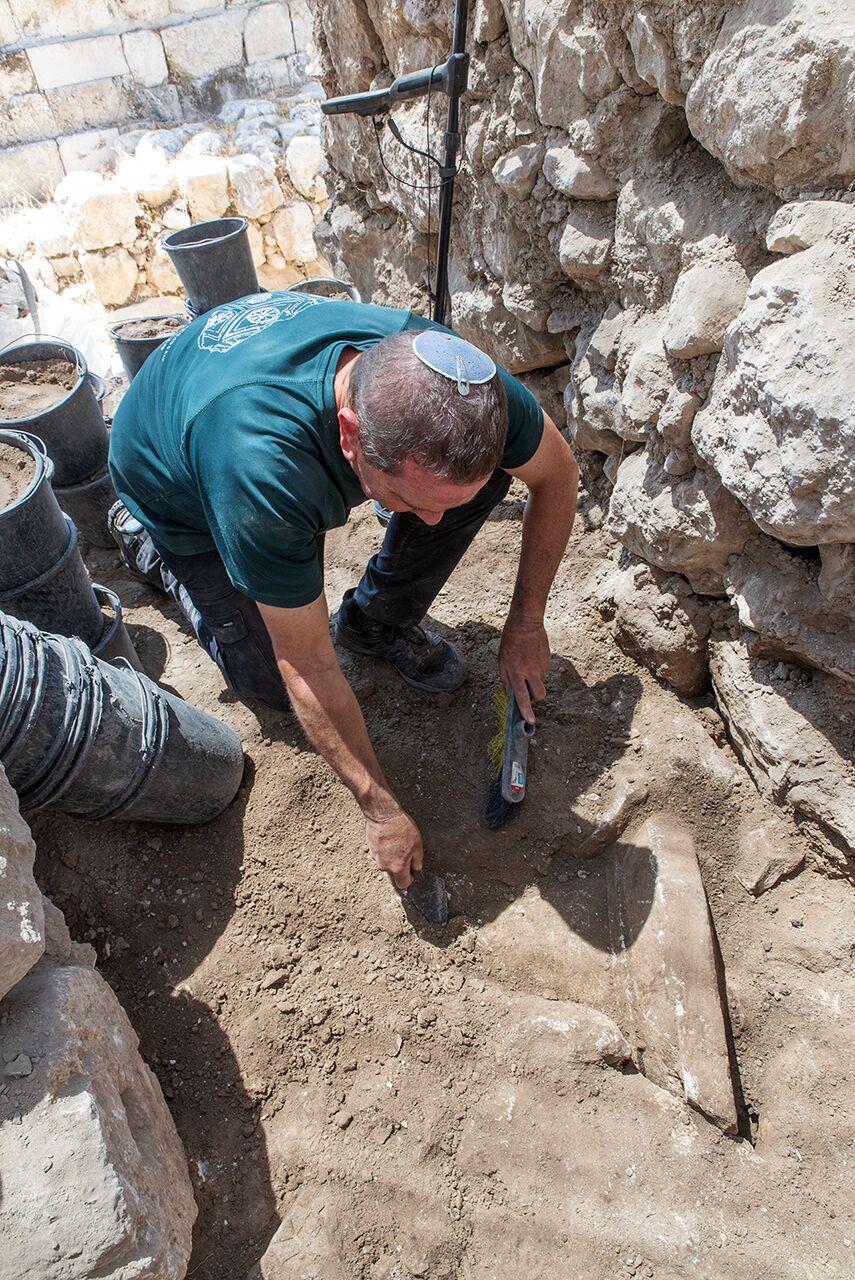
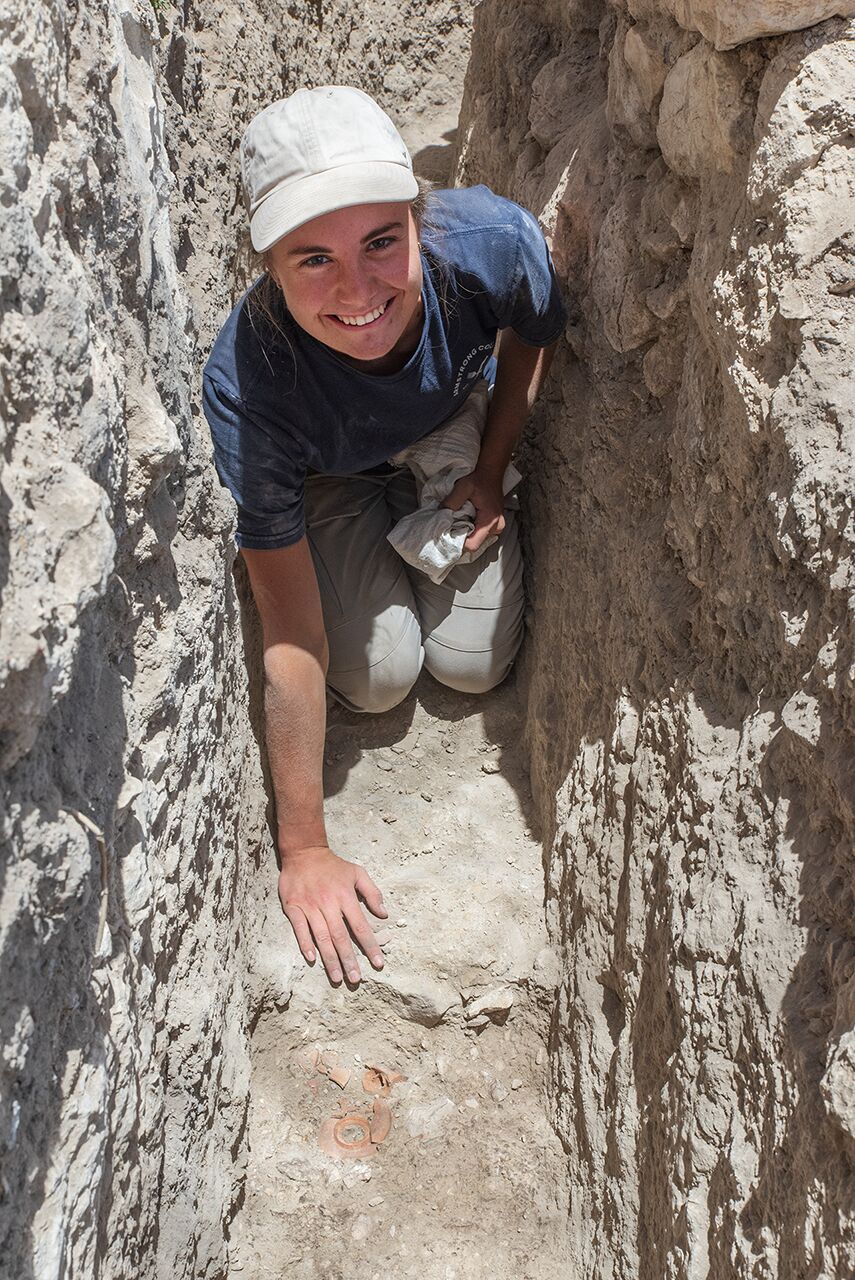
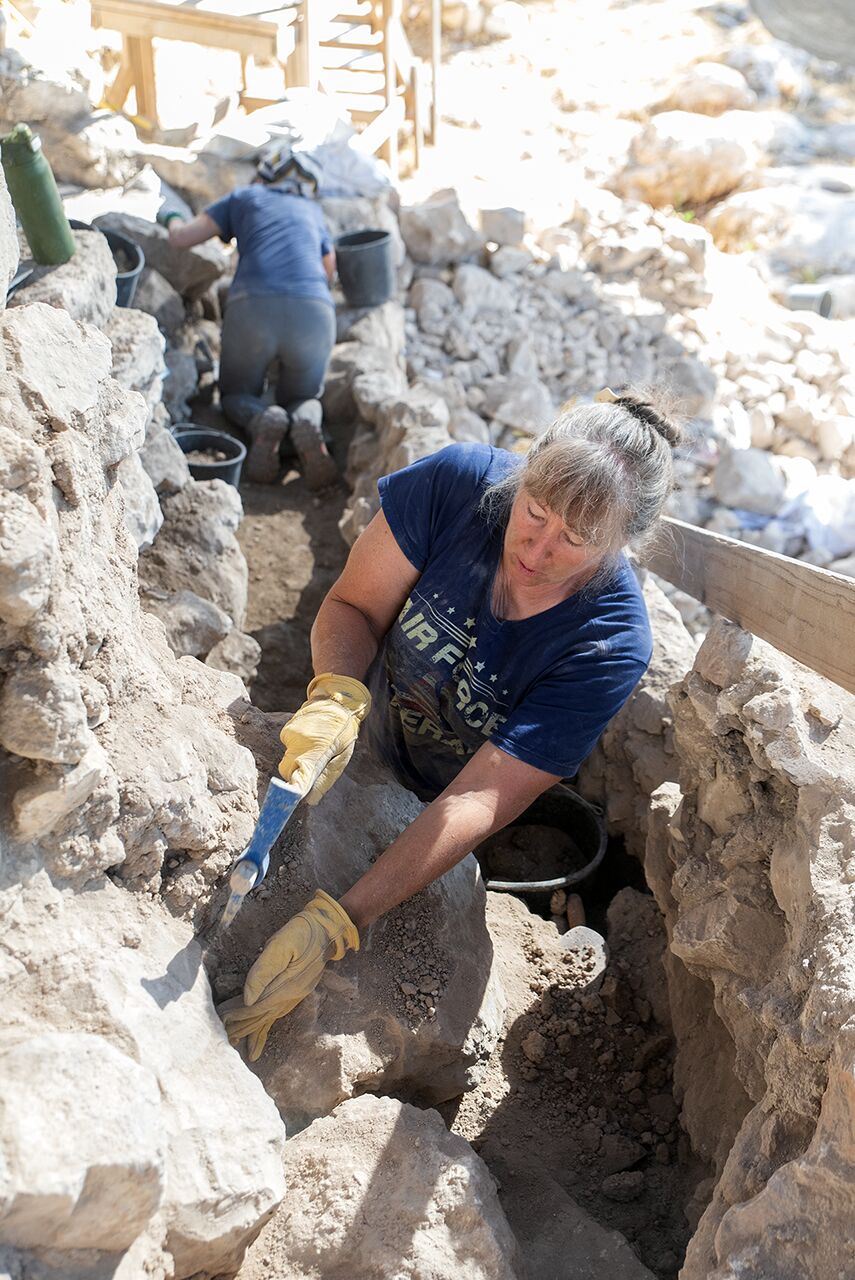
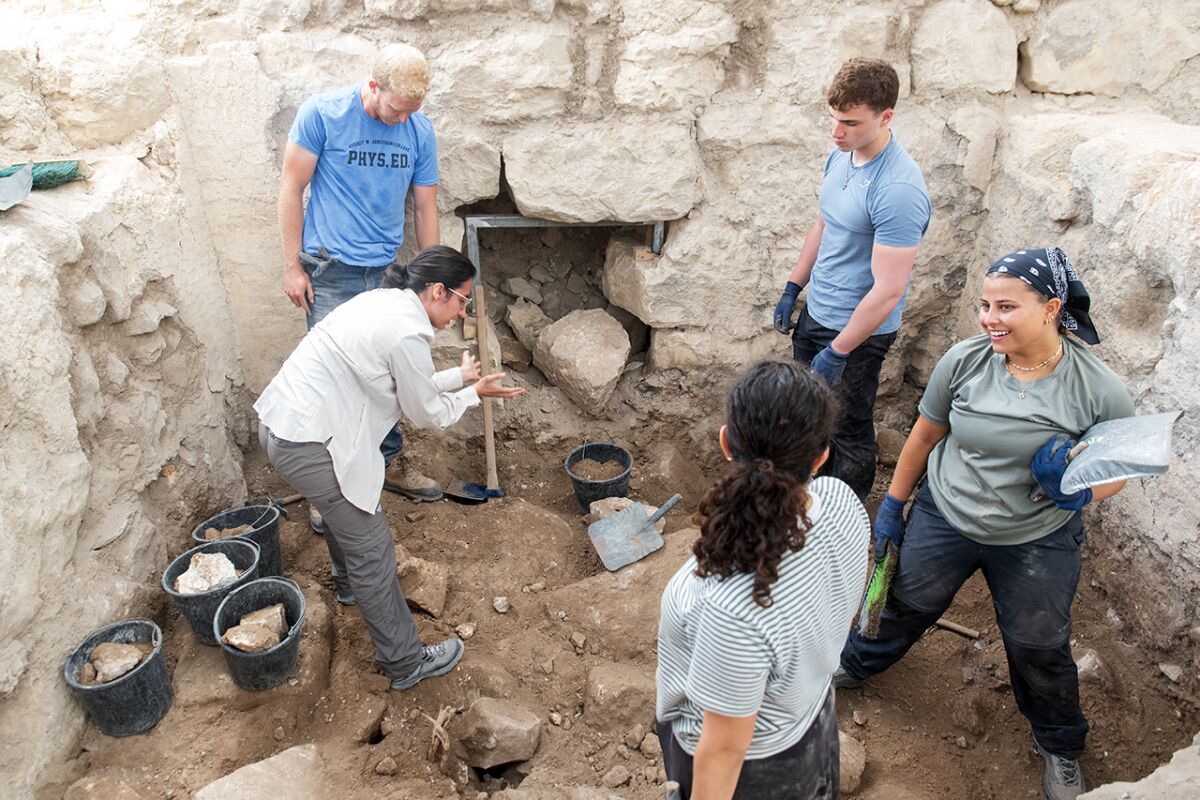
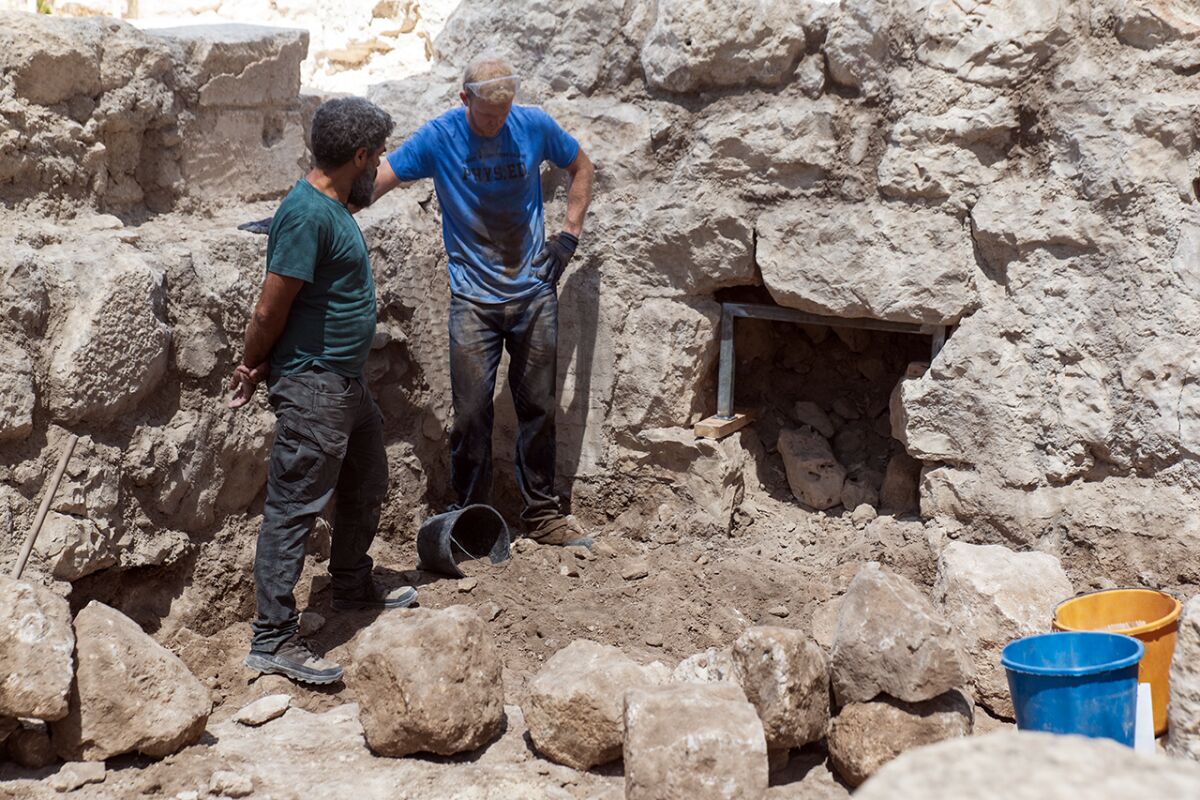
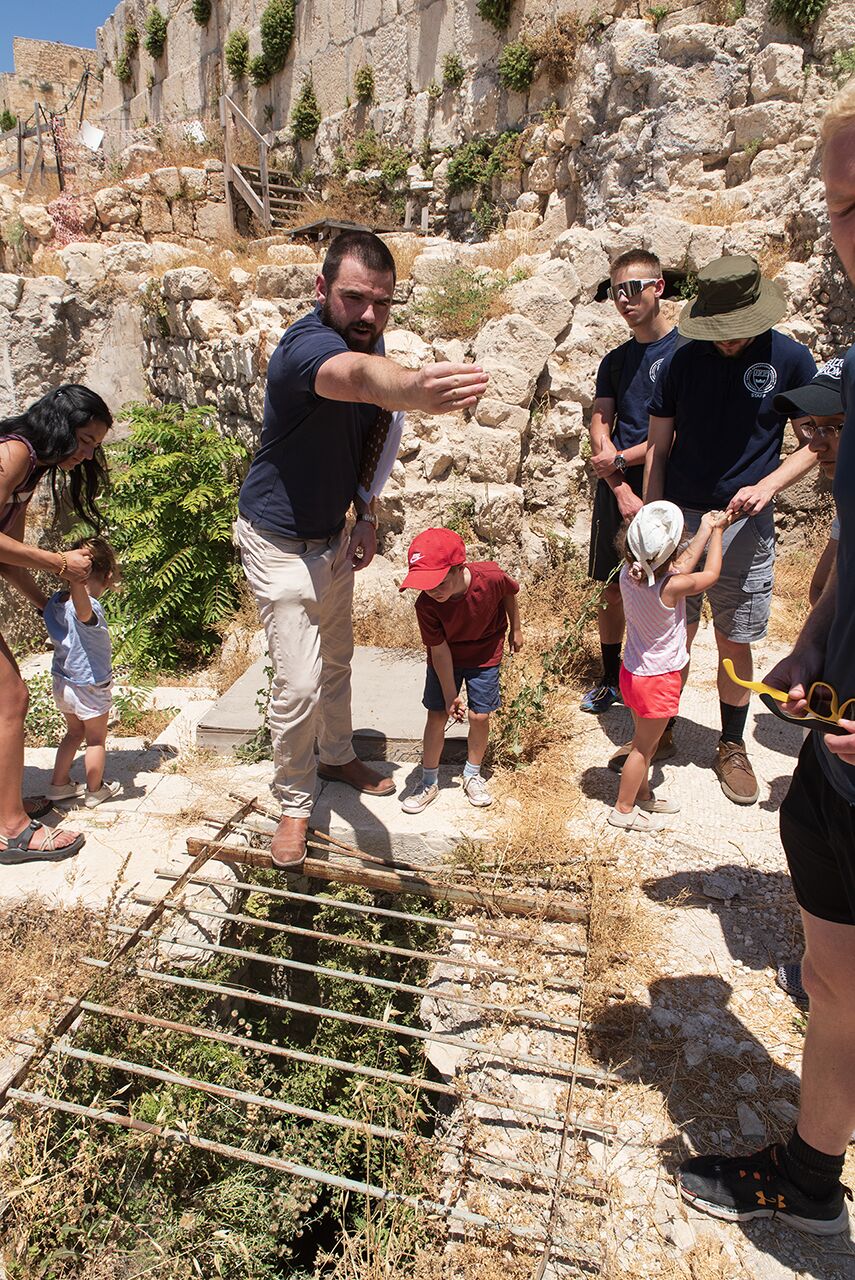
In Area D, underneath the plaster south of the vault, at the bottom of what we have dubbed the “nice” mikveh, Lara exposed a hatch that connects this ritual bath to the drainage system of Area D1. We also discovered a channel connecting the “nice” mikveh and the “ugly” mikveh (one room to the south). Additionally, a bedrock divider was found within the early “royal mikveh” in Area D1, that had been turned into a separate step during a later phase. Mikveh divides of this nature separated the side of the descent of the “impure” from the side of the ascent of the “purified” individual.
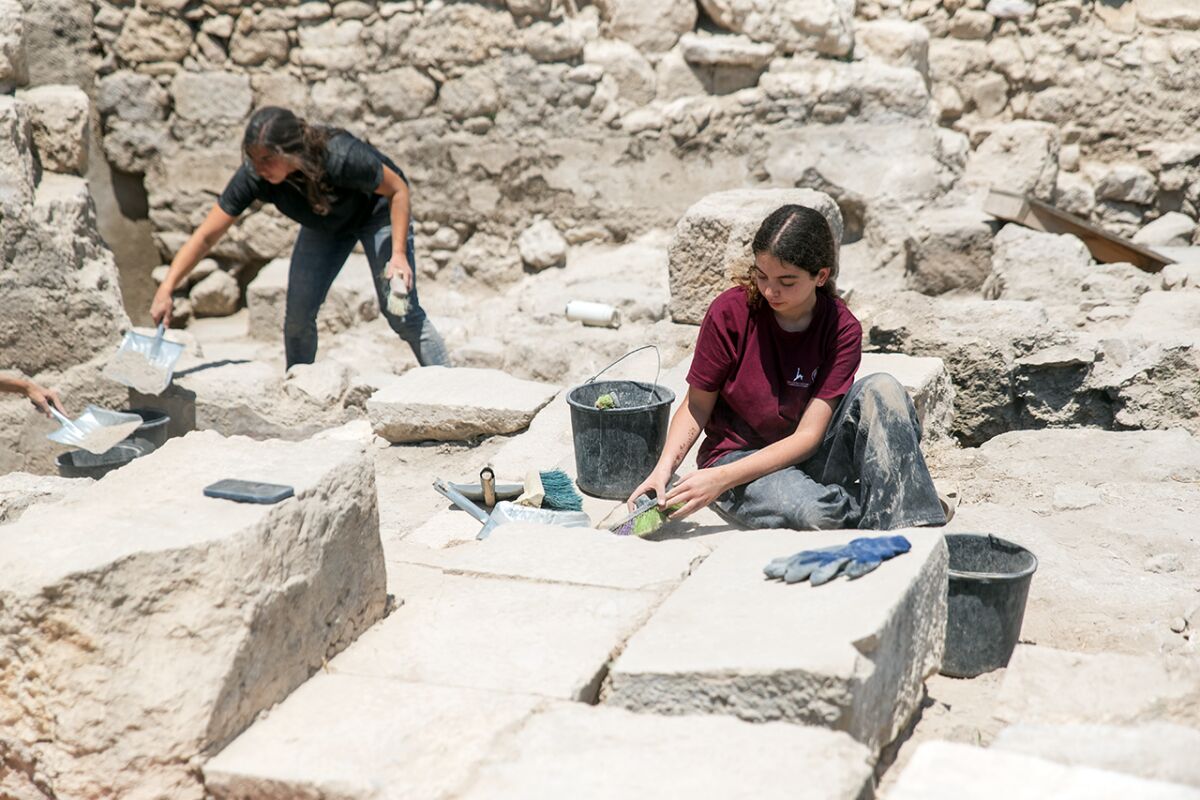
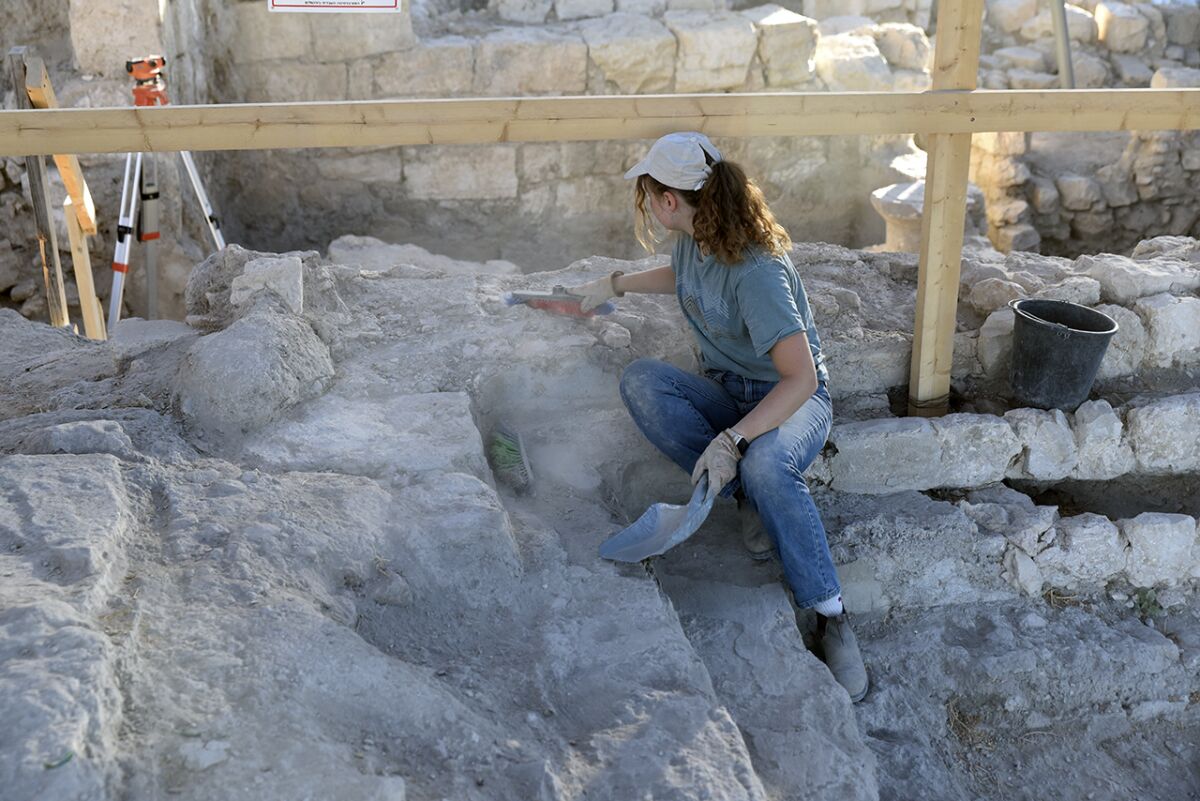
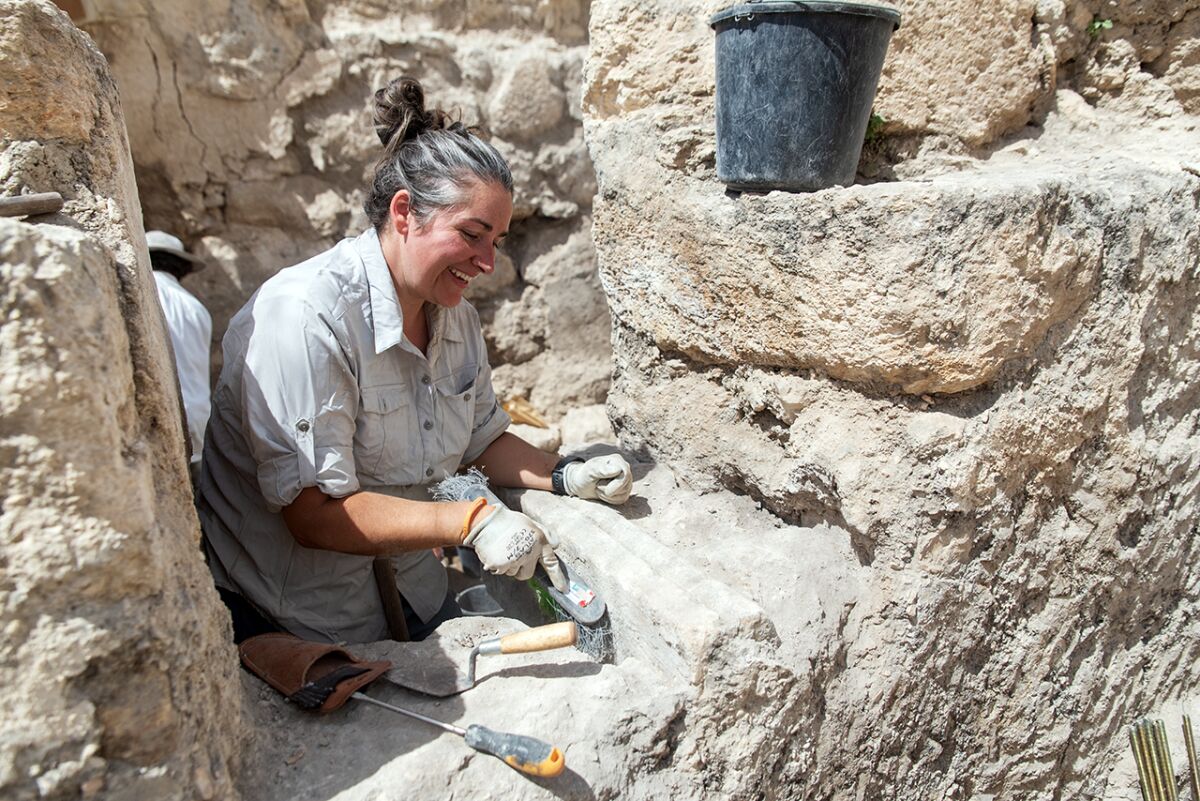
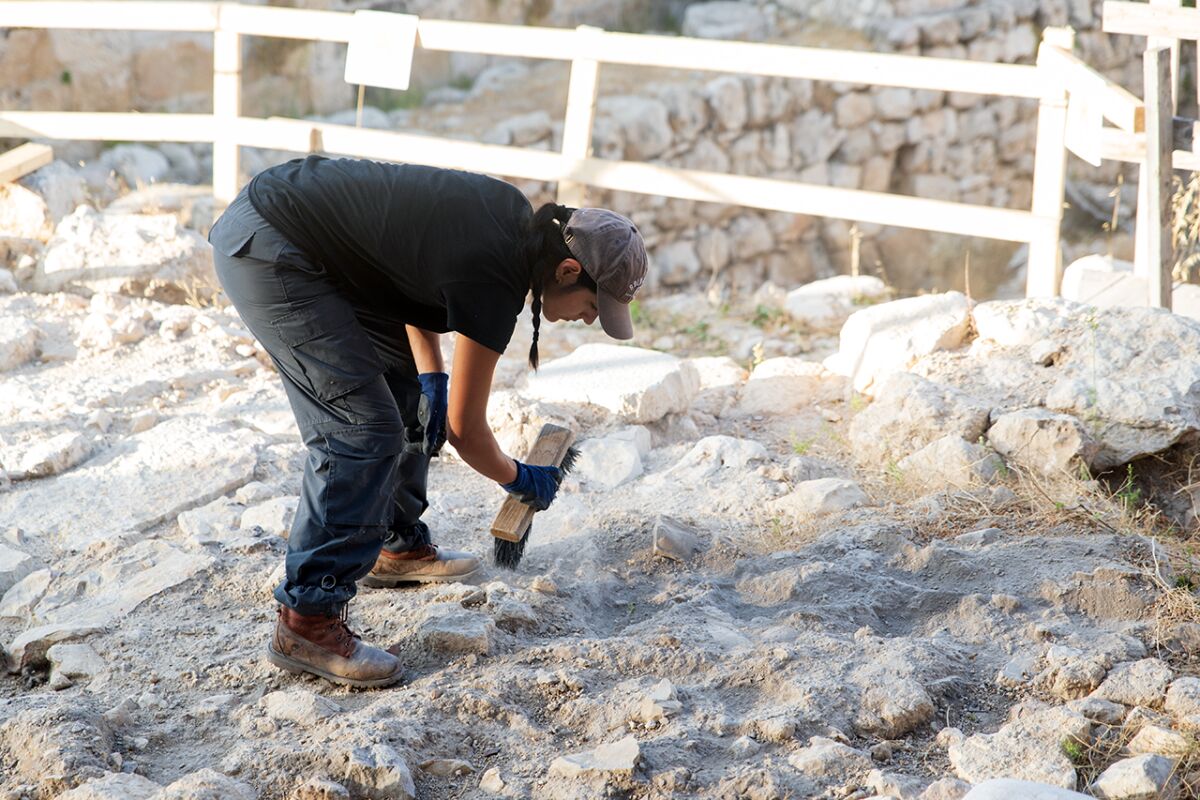
But above all, we have been spending our time cleaning … lots and lots of cleaning to prepare the site for the final pictures.
After one shorter day of work tomorrow and more final pictures—including from a police drone operator—this season’s excavation will finally be complete after much hard work, tons of dirt and stone moved, impressive ancient architecture and small finds revealed, and lots of shared experiences to look back on.
We’re still here—back to the digsite for our bonus week to finish up primarily around the vault area.
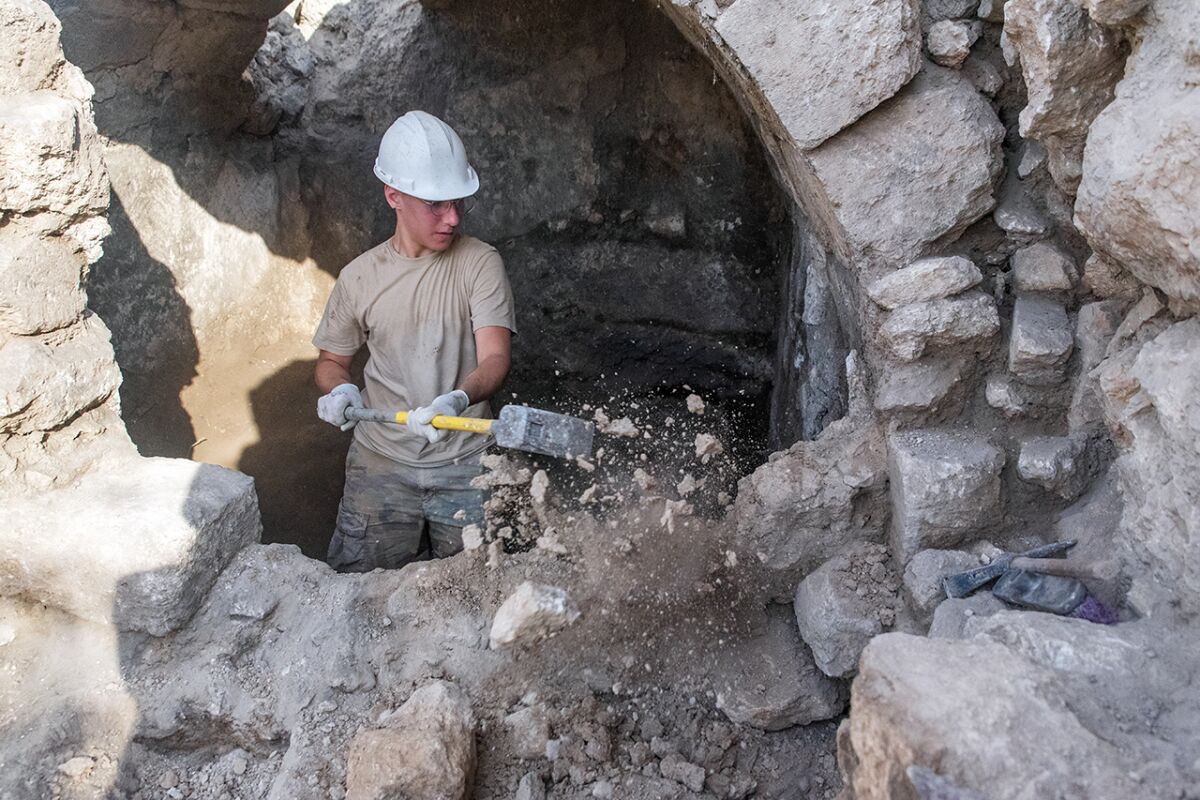
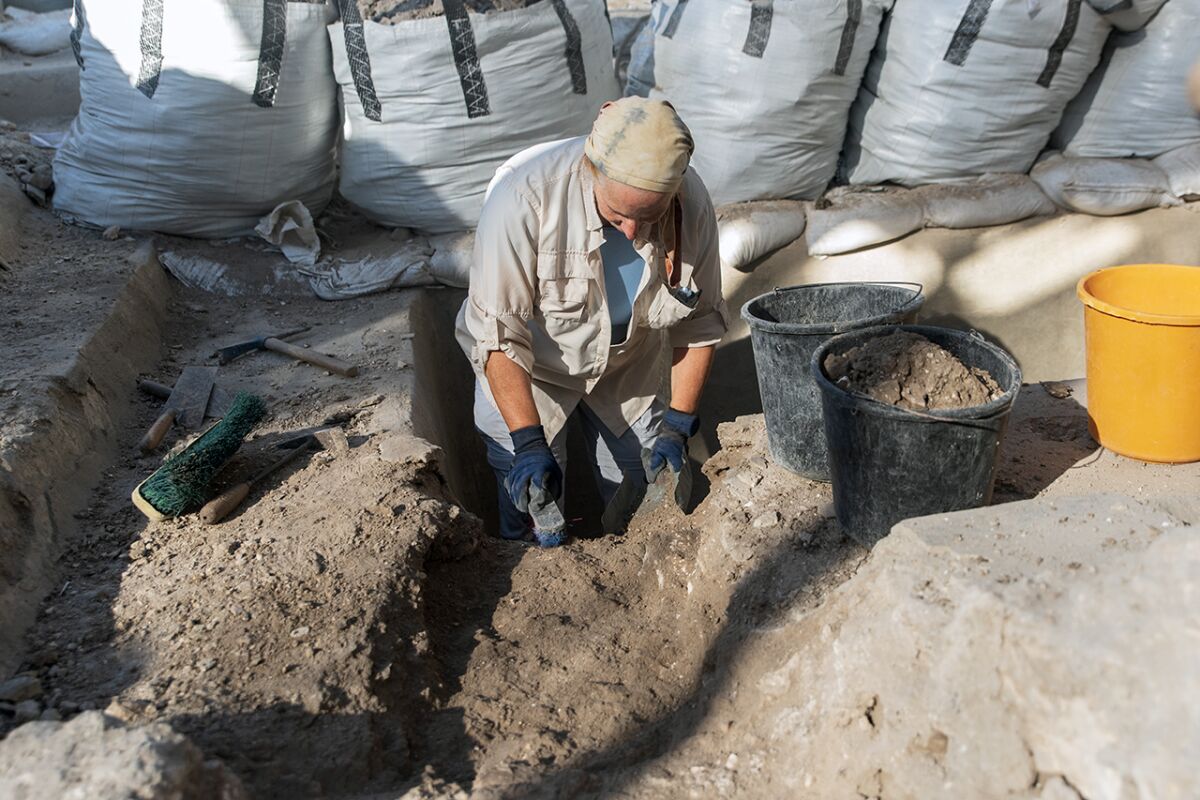
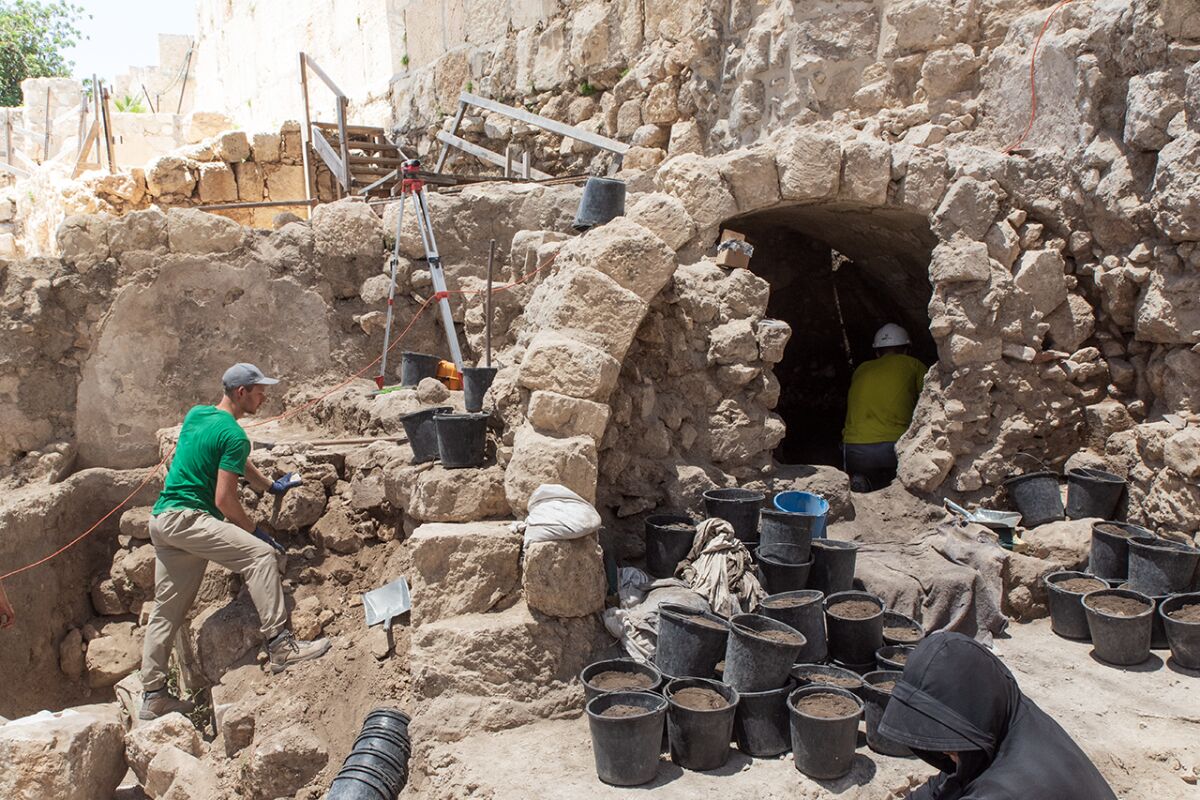
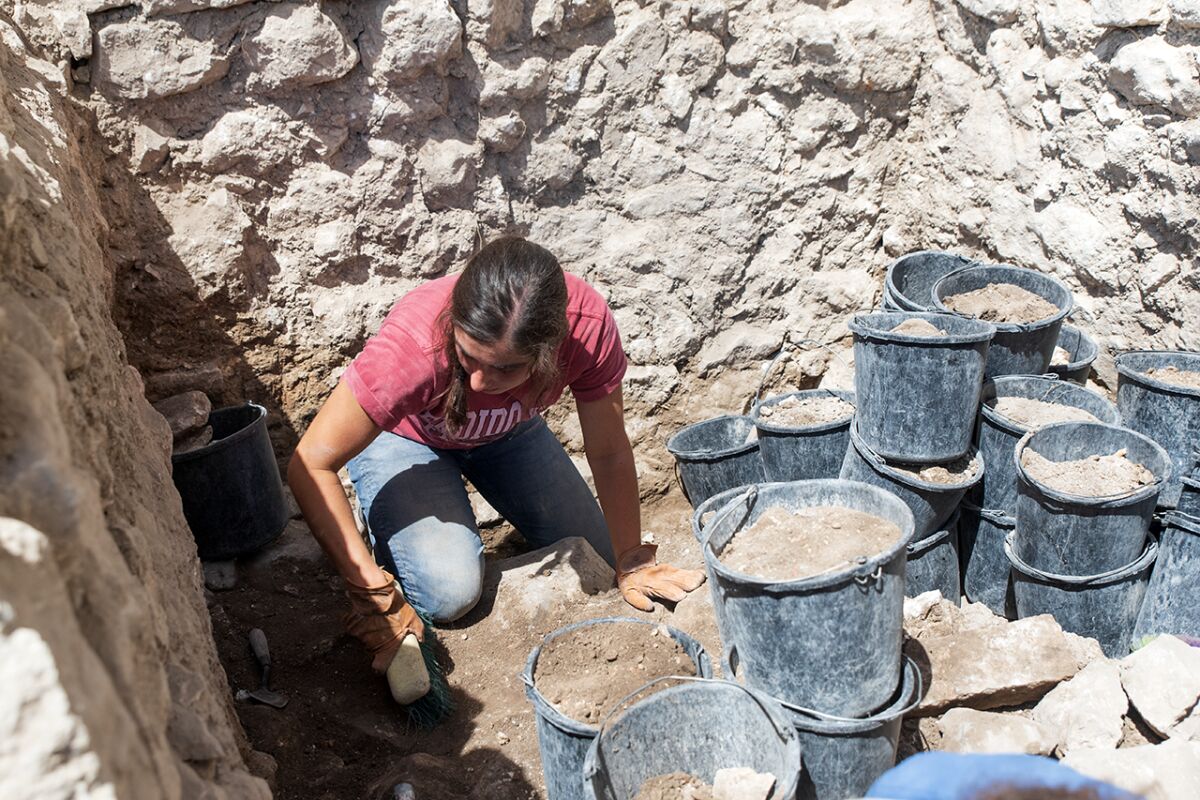
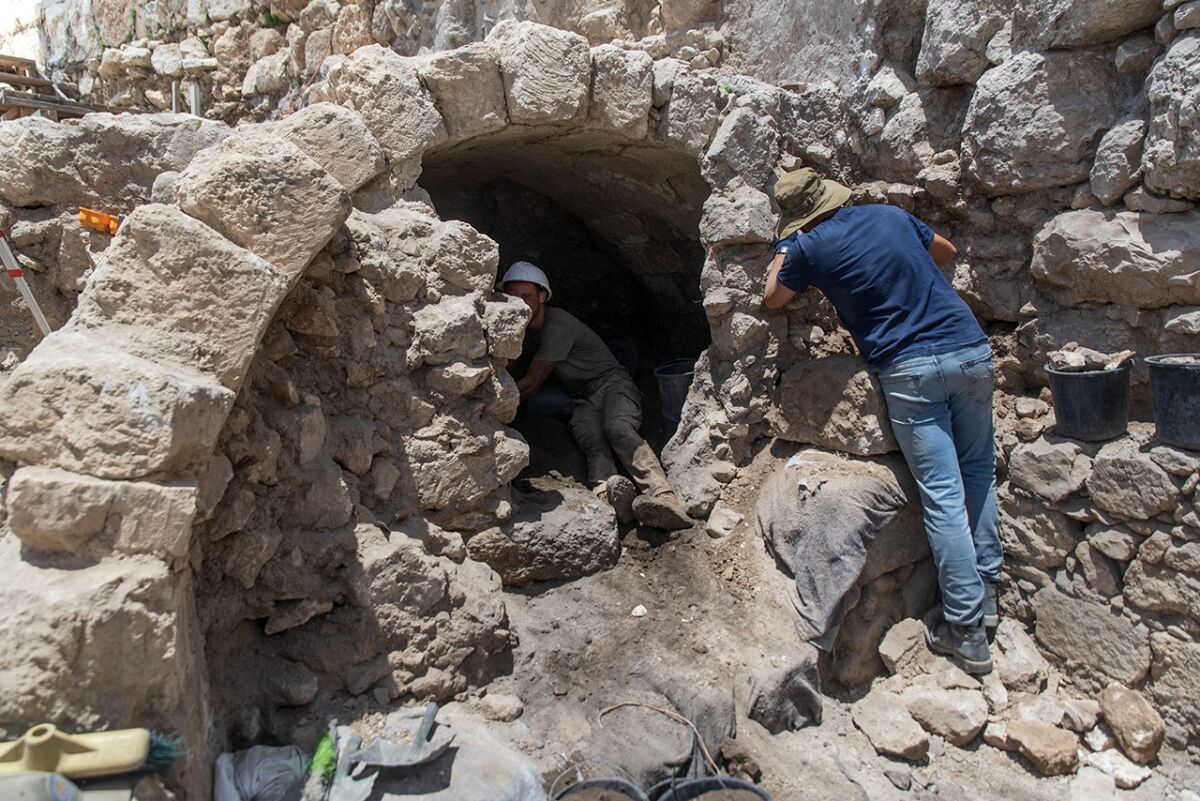
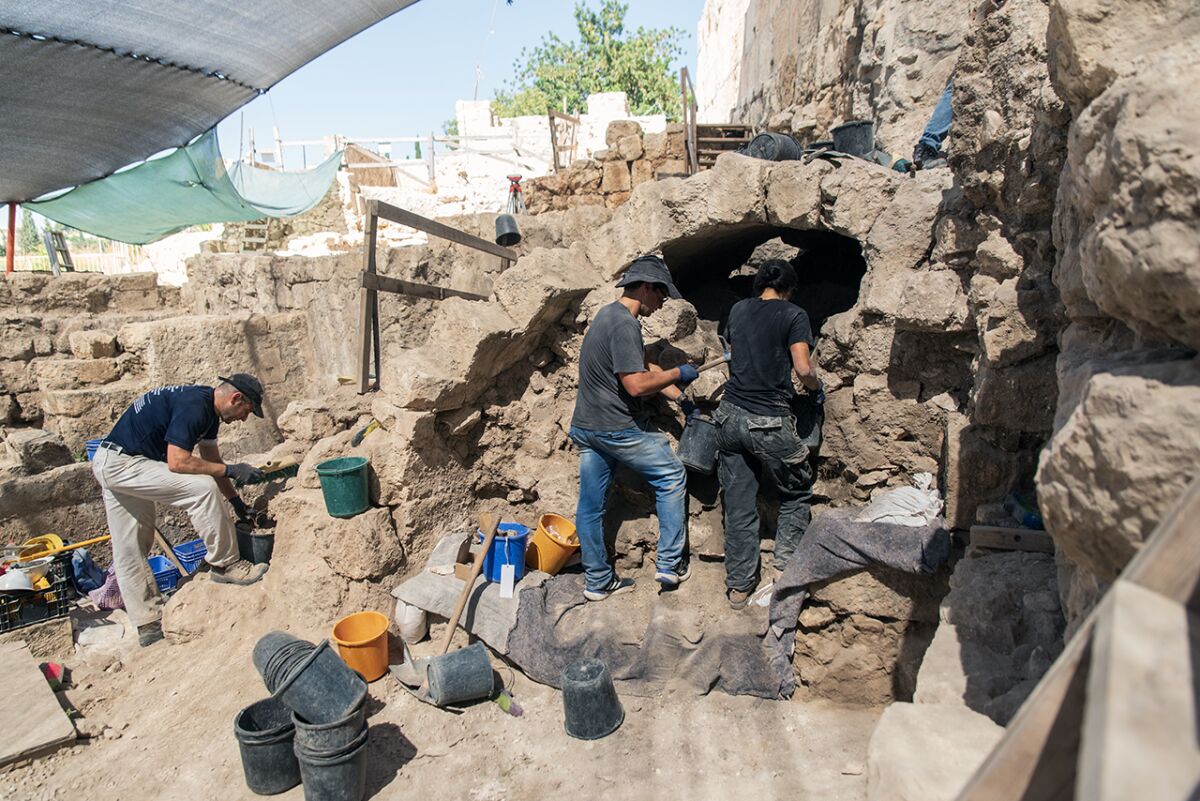
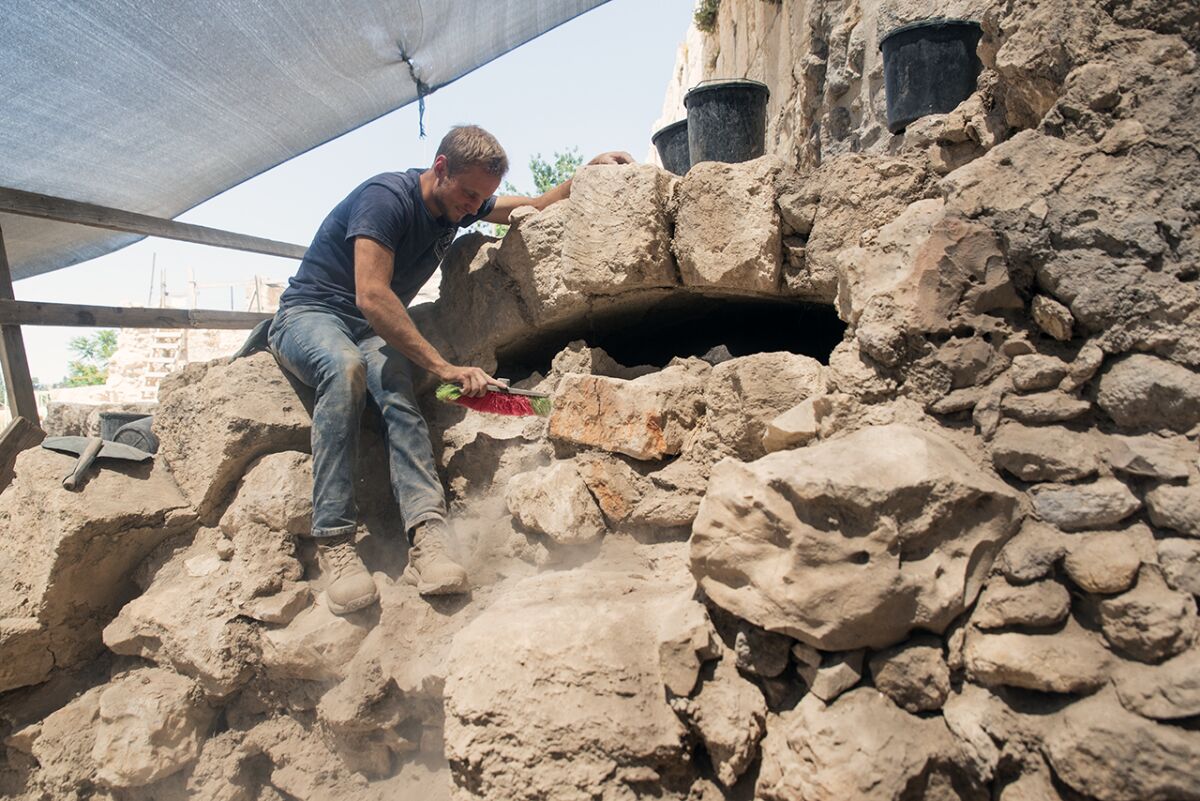
In these first two days we managed to remove all of the fill inside the vault, uncovering several plastered steps of a mikveh underneath and its connection to the drainage system that runs underneath Area D (part of Area D1). In the room adjacent south we finished removing the remnants of the Byzantine wall and found the continuation of our beautiful ashlar steps all the way down, covered with debris from the 70 C.E. destruction.
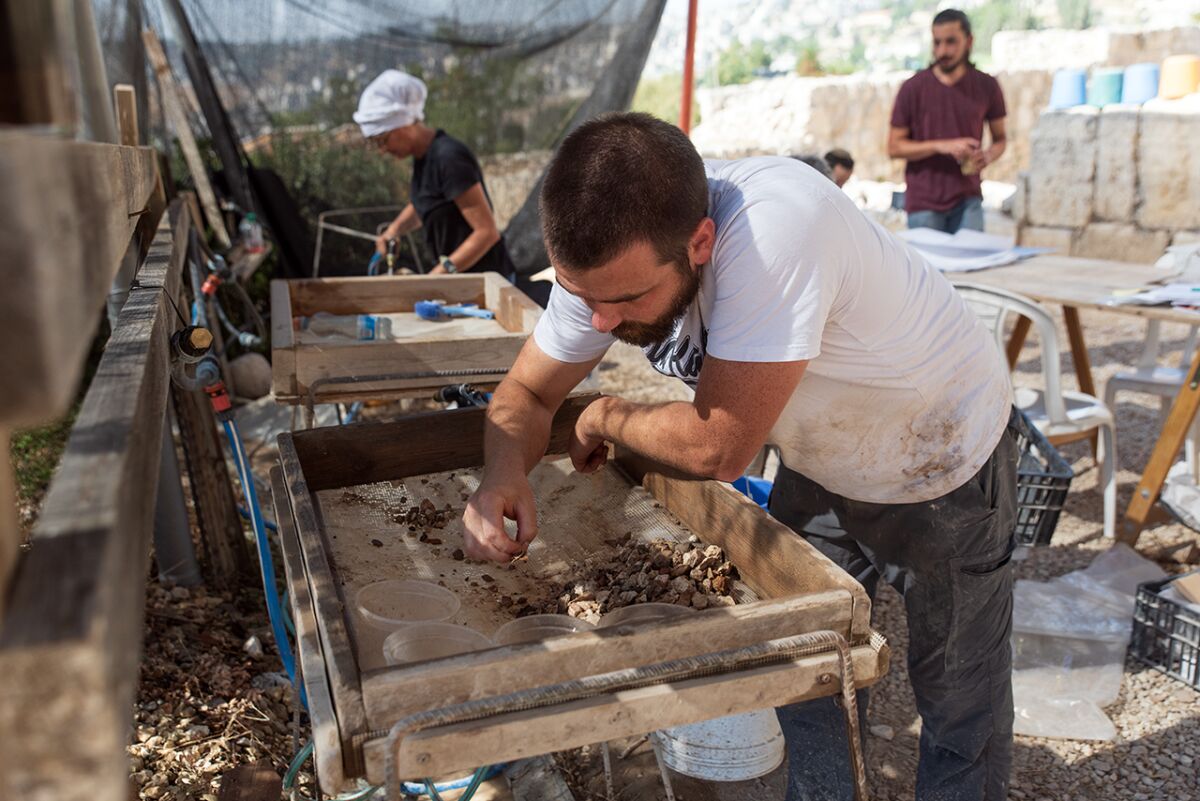
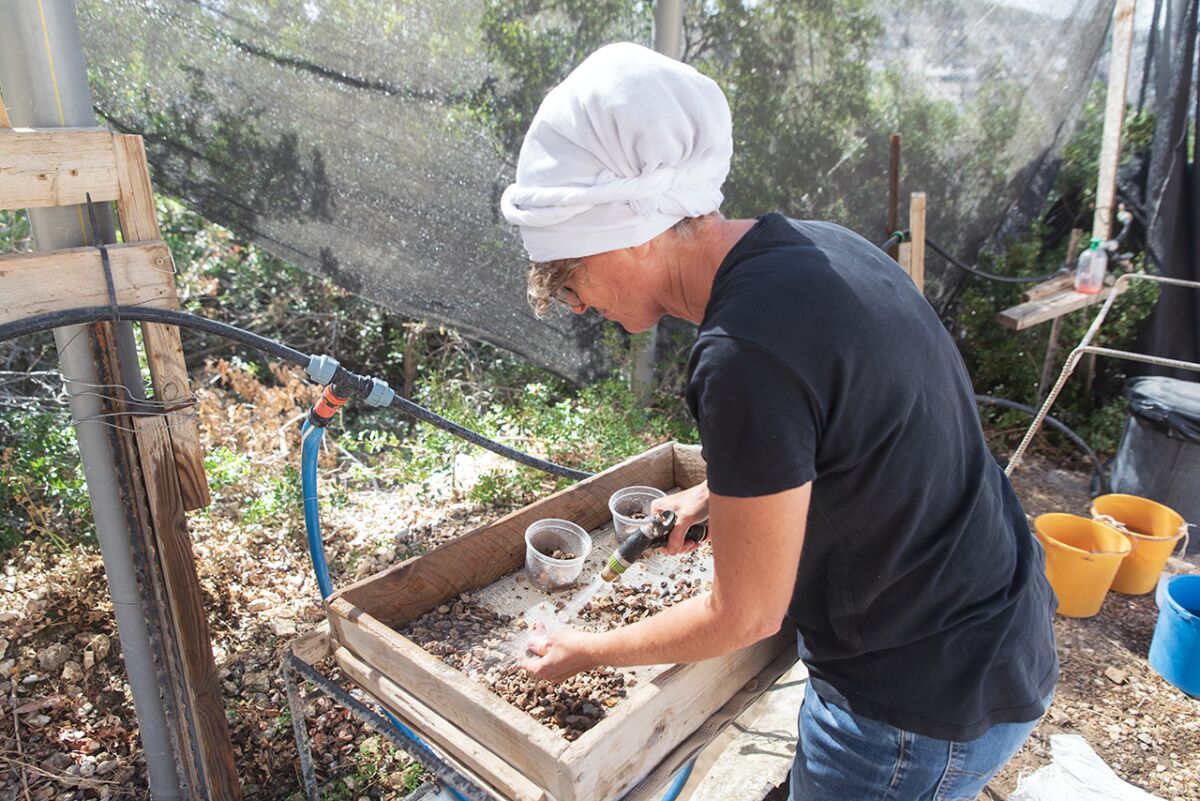
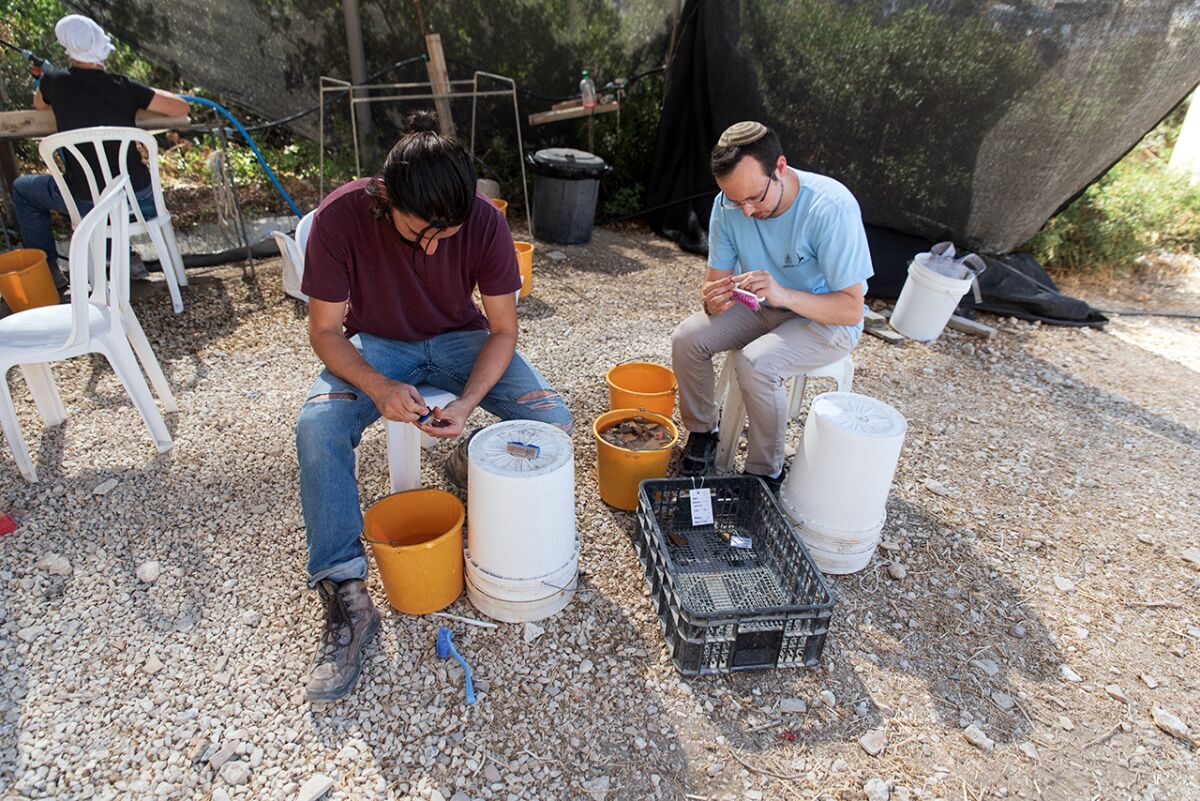
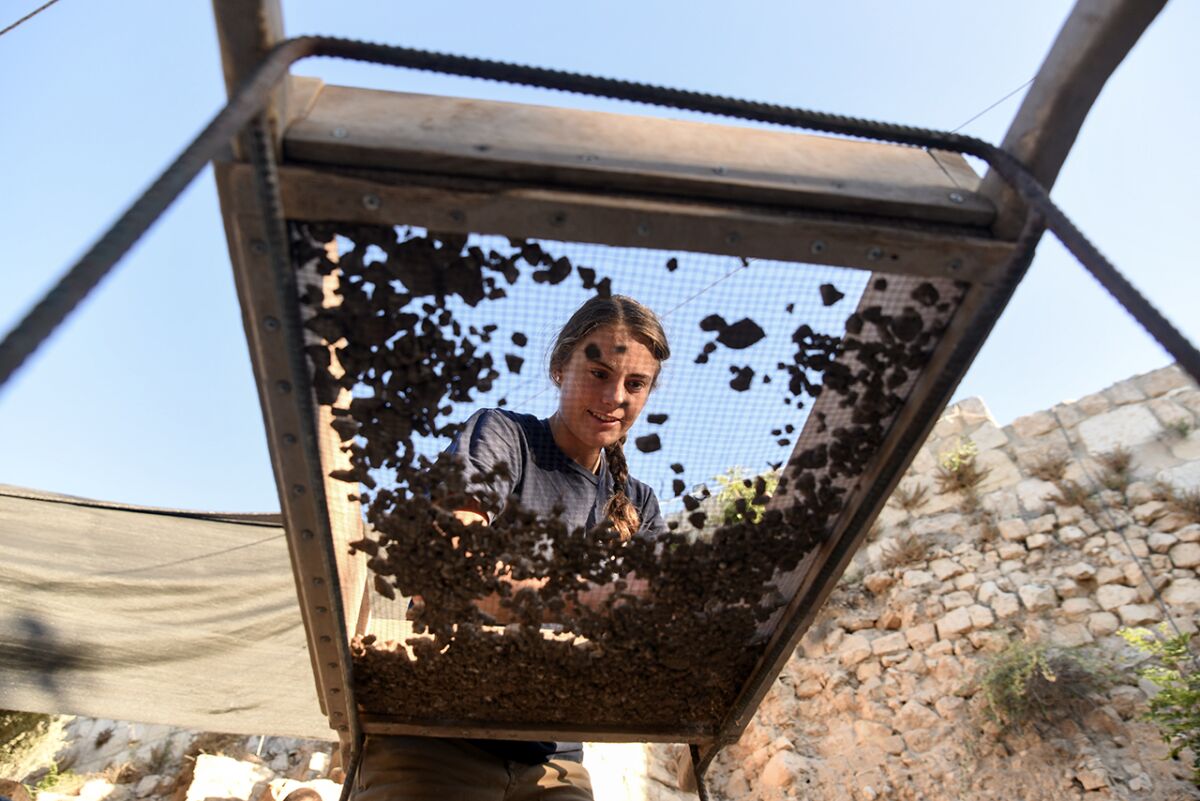
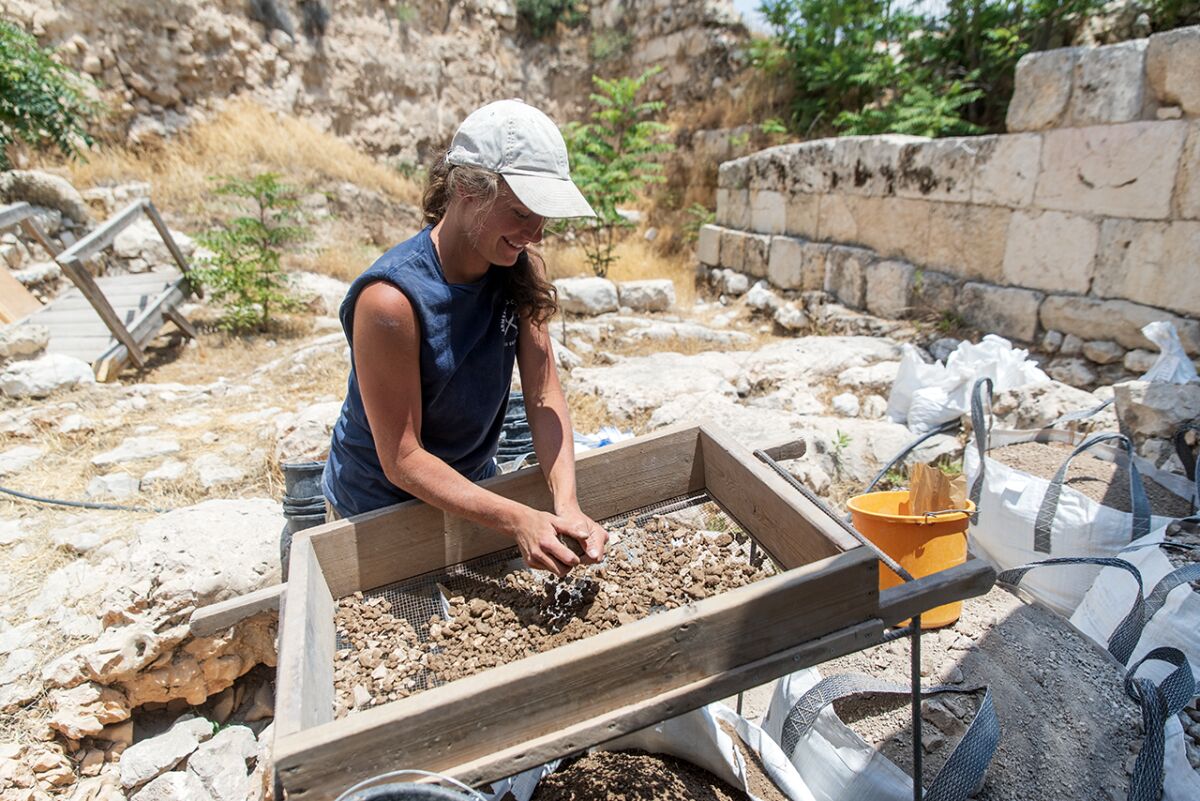
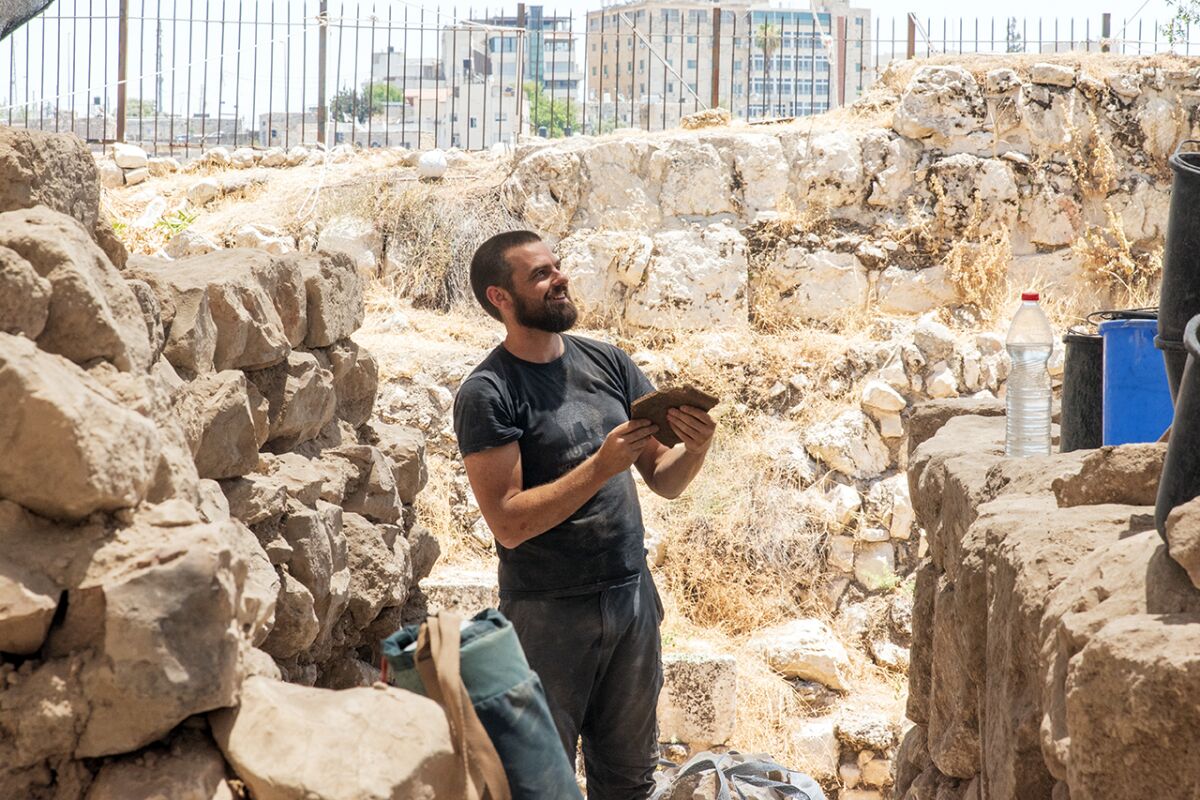
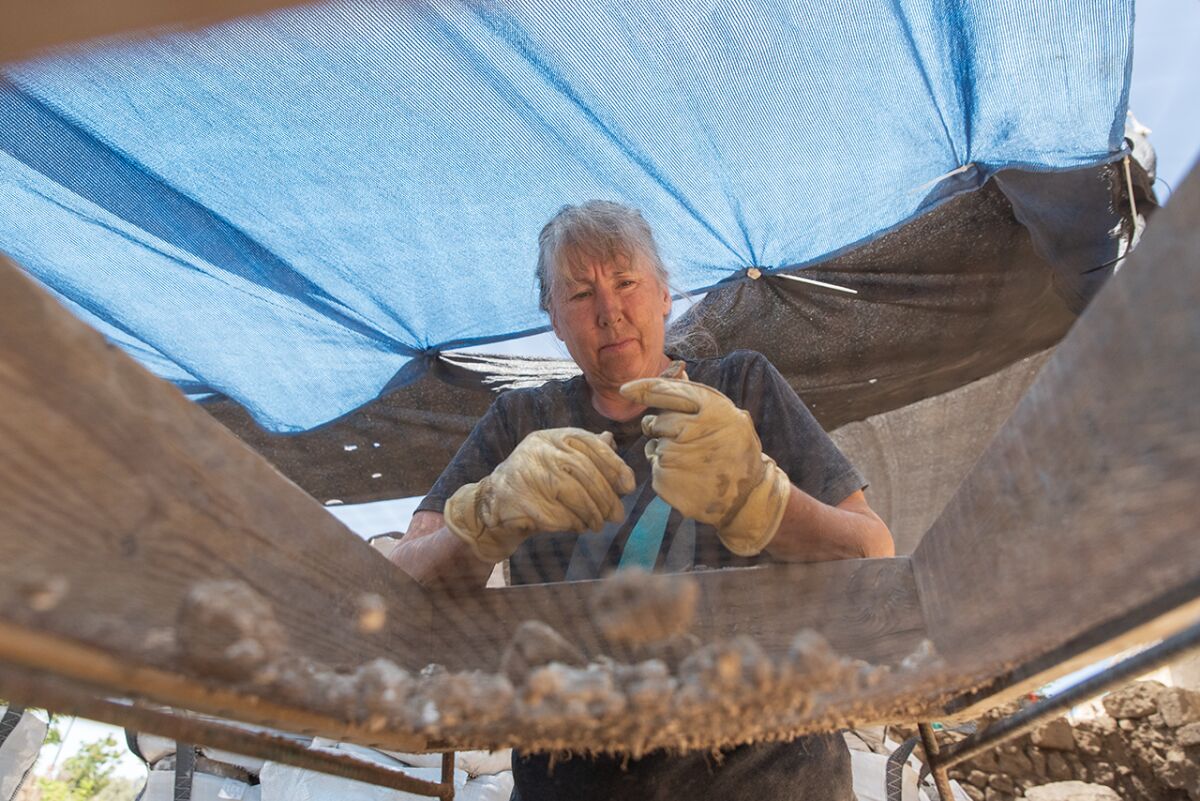
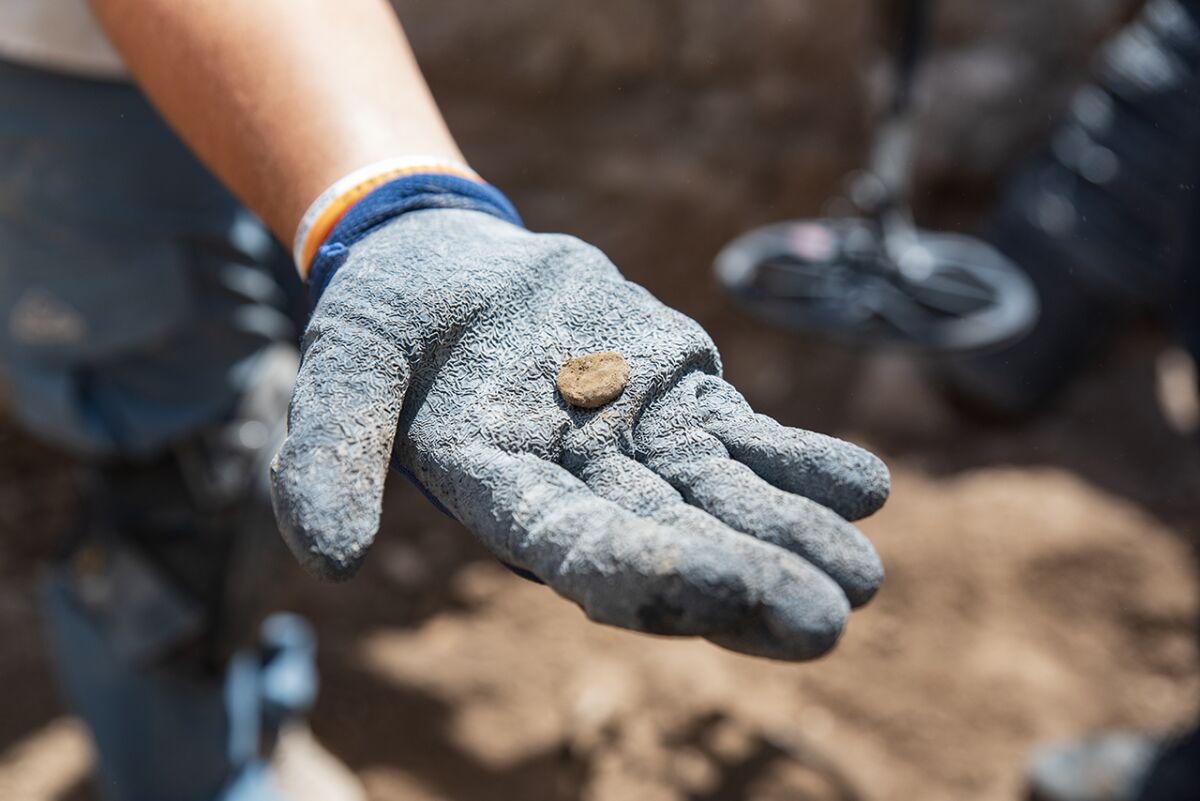
While excavation continued in Area D, material from Area D1’s Iron Age loci was wet-sifted, yielding a total of seven bullae (clay seal impressions), among other small finds.
All in all: We are on track to finish digging by the end of the day tomorrow, and begin cleaning for final photos on Wednesday.
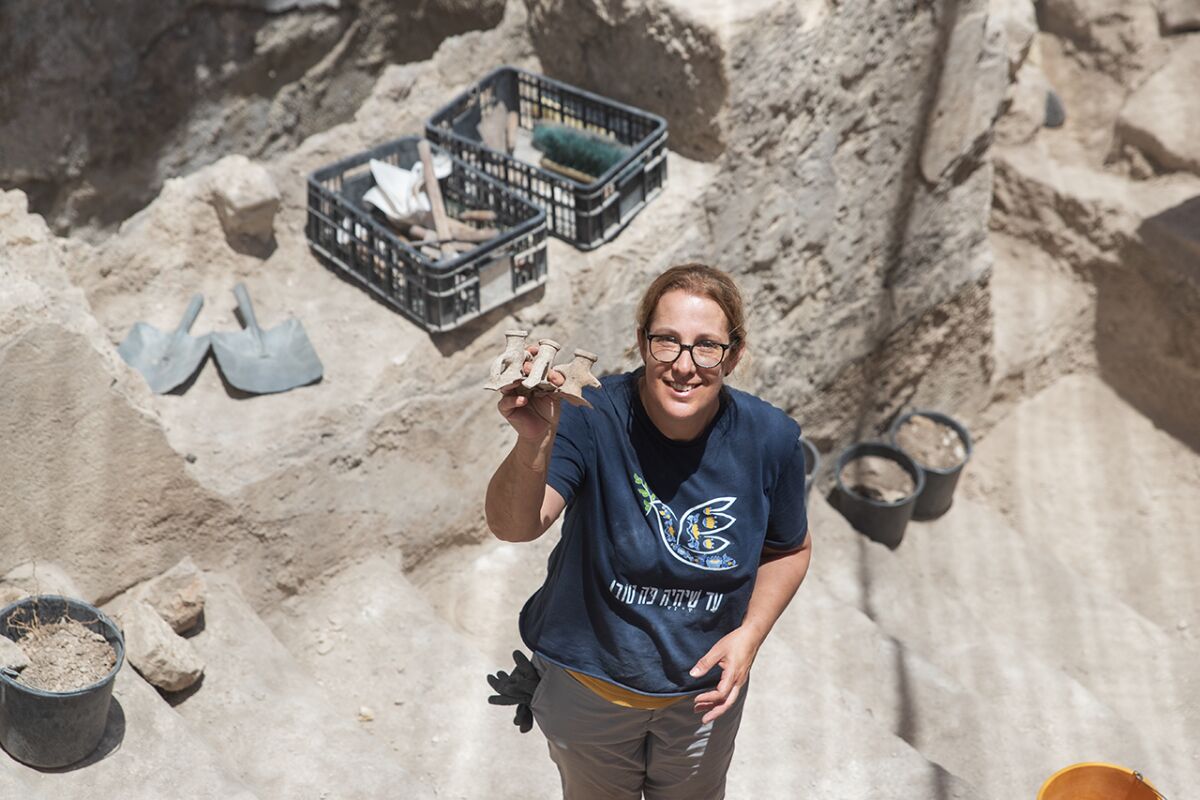
Finally, we just posted the latest show-and-tell from Prof. Orit Peleg-Barkat on the Jerusalem-produced pilgrims’ flasks we uncovered this excavation.
Three days on and this final season (for now) of the Ophel excavation with Professors Uzi Leibner and Orit Peleg-Barkat is now complete. At least, for the most part …. As there is still some final work to be done in Area D in and around the vault some of us will continue digging there for a few days next week.
Nevertheless, in Areas D1 and P the work is now complete with end-of-season pictures taken after one more day of excavating and two days of cleaning (or “heavy cleaning,” as area supervisor Chris likes to call it!). In D1 we uncovered an impressive long flint blade, a large bust of a Judean Pillar Figurine, two Iron Age floors and an abundance of Iron Age pottery, including some semi-complete vessels, and the continuation of two early Iron Age walls.
Meanwhile, we continued excavating and constructing bracing at the vault in Area D throughout the week. On Thursday we saw the first step emerging out of the ashy fill inside of the vault after removing dozens of buckets of dirt, and it seems to go down further—likely another mikveh. Hopefully the few days next week will complete our picture of this area of the vault.
Finally, with a great season over for most of the volunteers, Uzi and Orit expressed their gratitude to all for the hard work that everyone put in at the end-of-dig party hosted at the Armstrong Institute of Biblical Archaeology on Thursday night.
With the last full week starting the pressure is on to bring the season to a close with all areas in the best presentable manner.
On Sunday, the Area P team continued to expose more of the large walls uncovered last week, as well as a small pool probe from the SW edge of the Ophel pool.
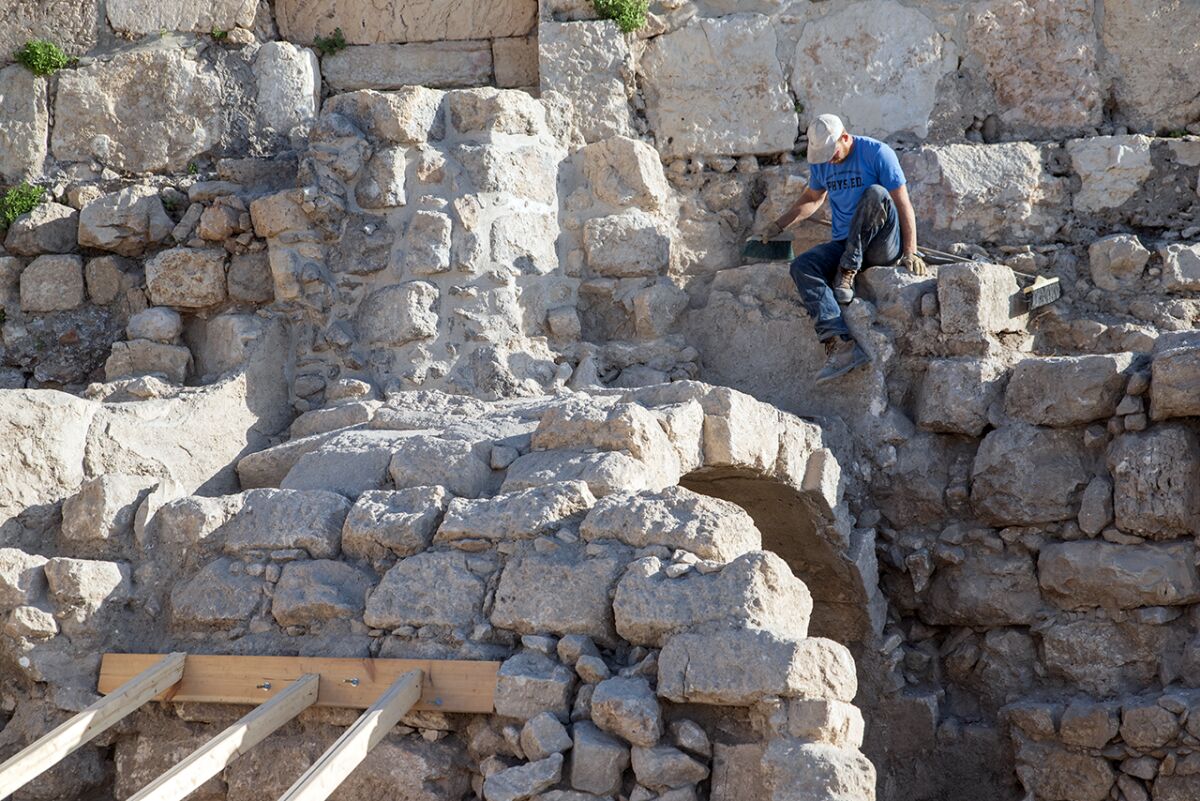
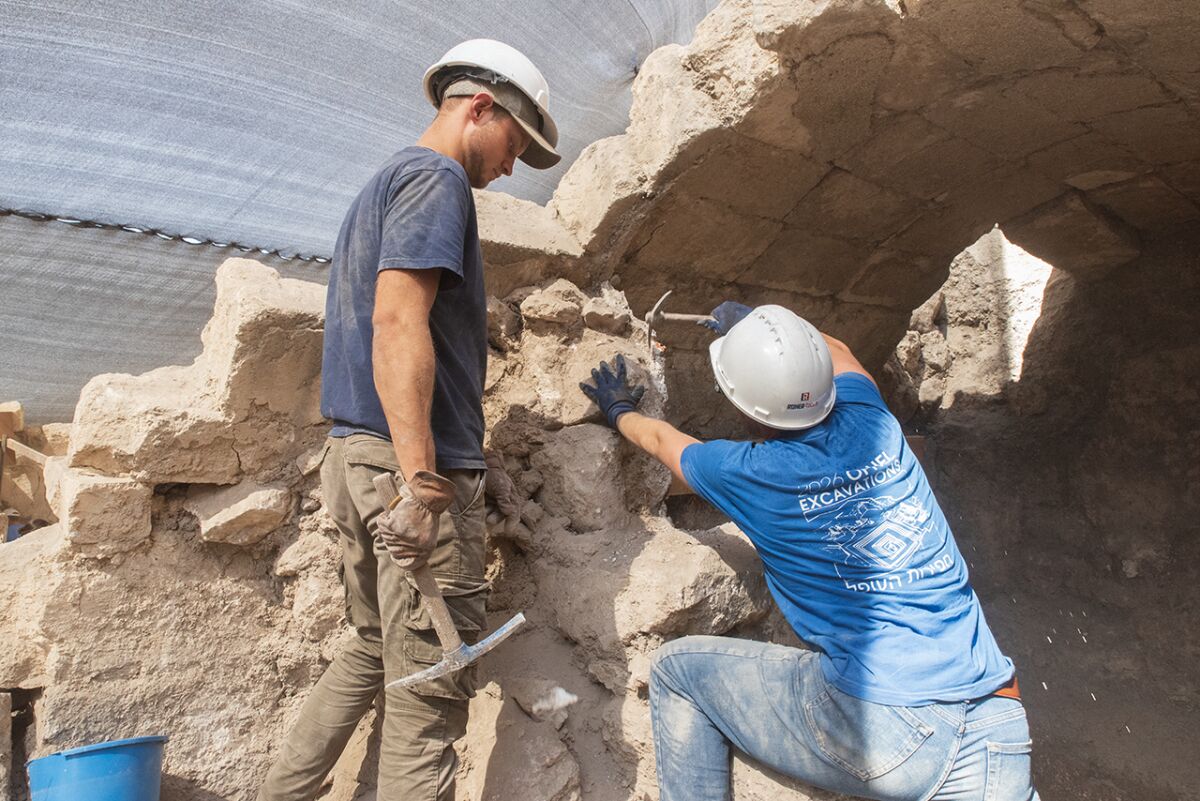
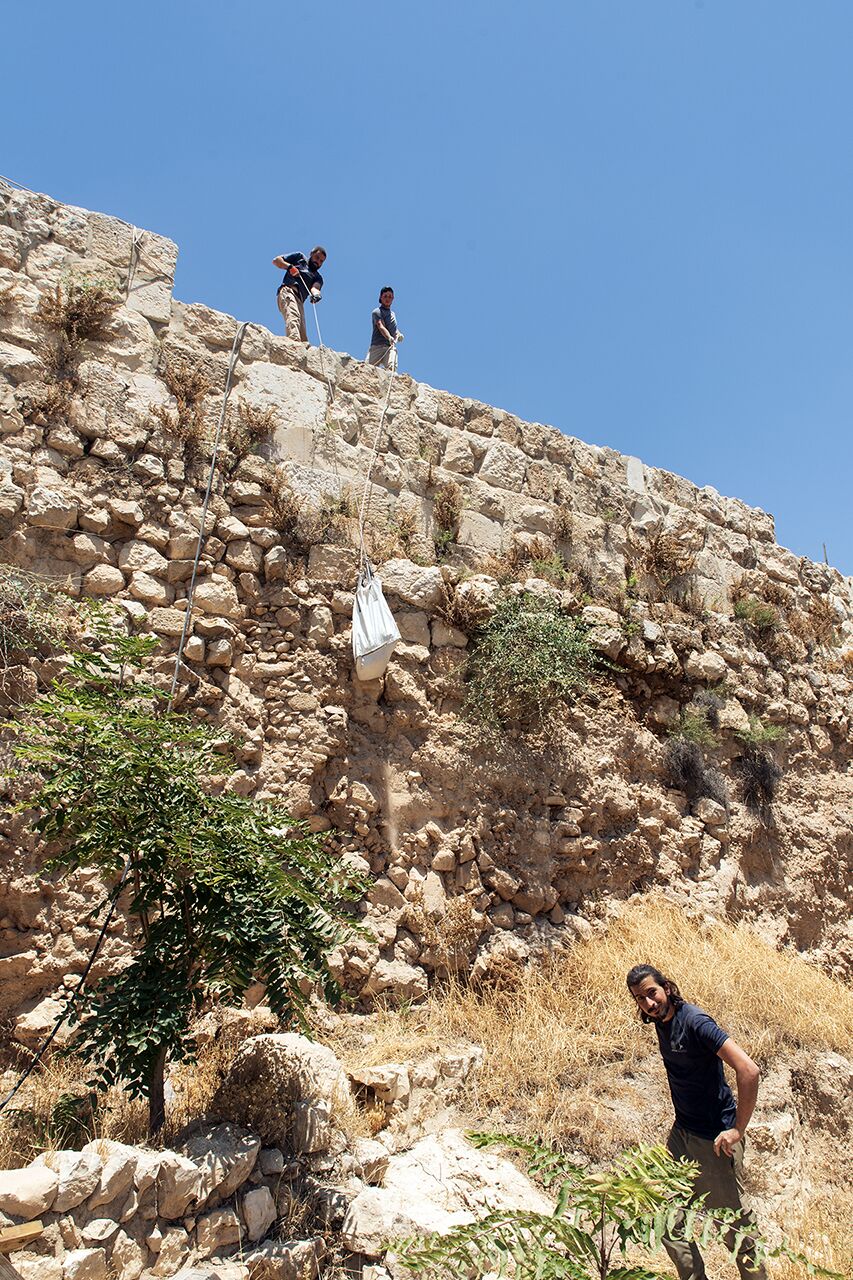
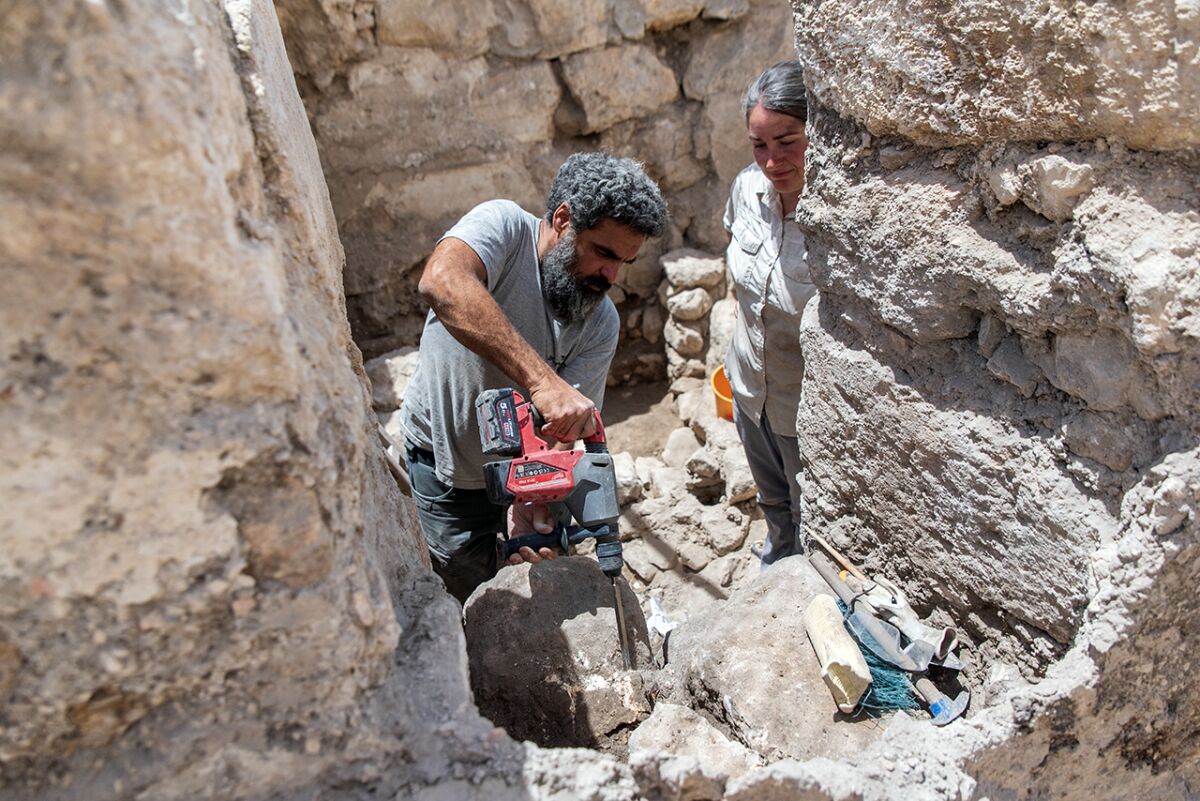
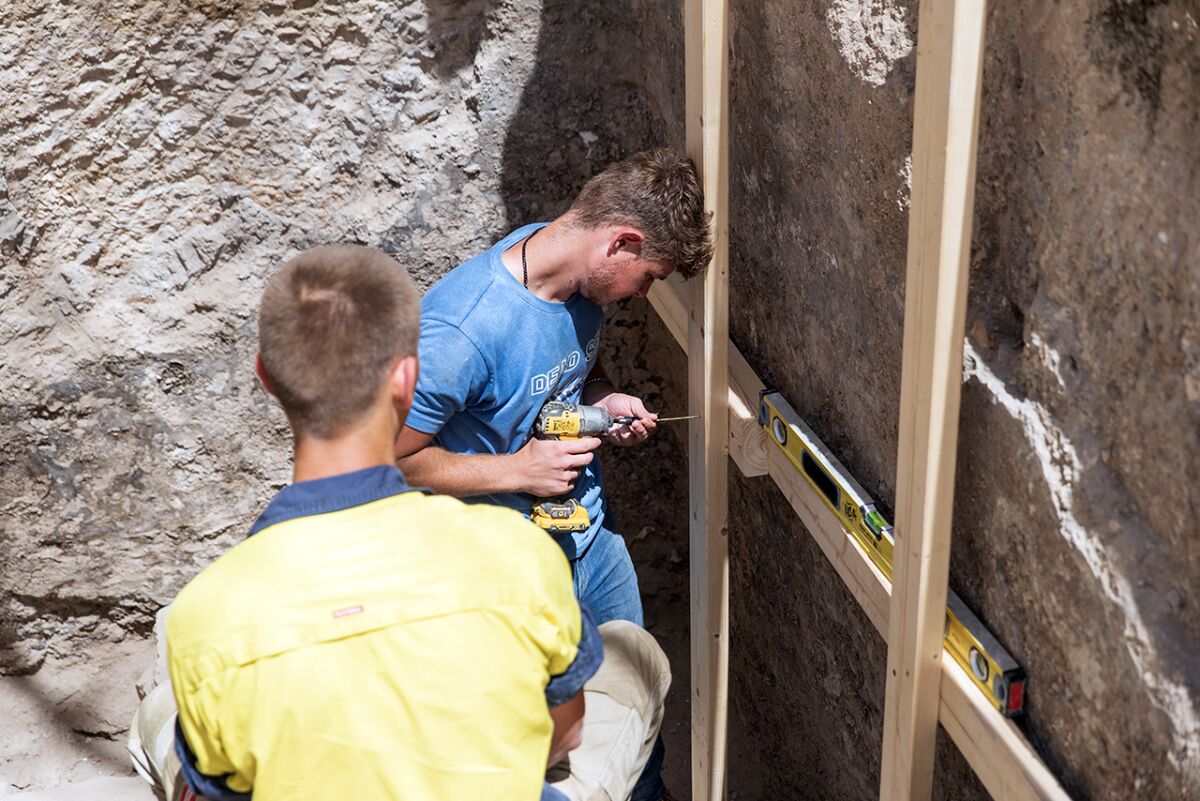
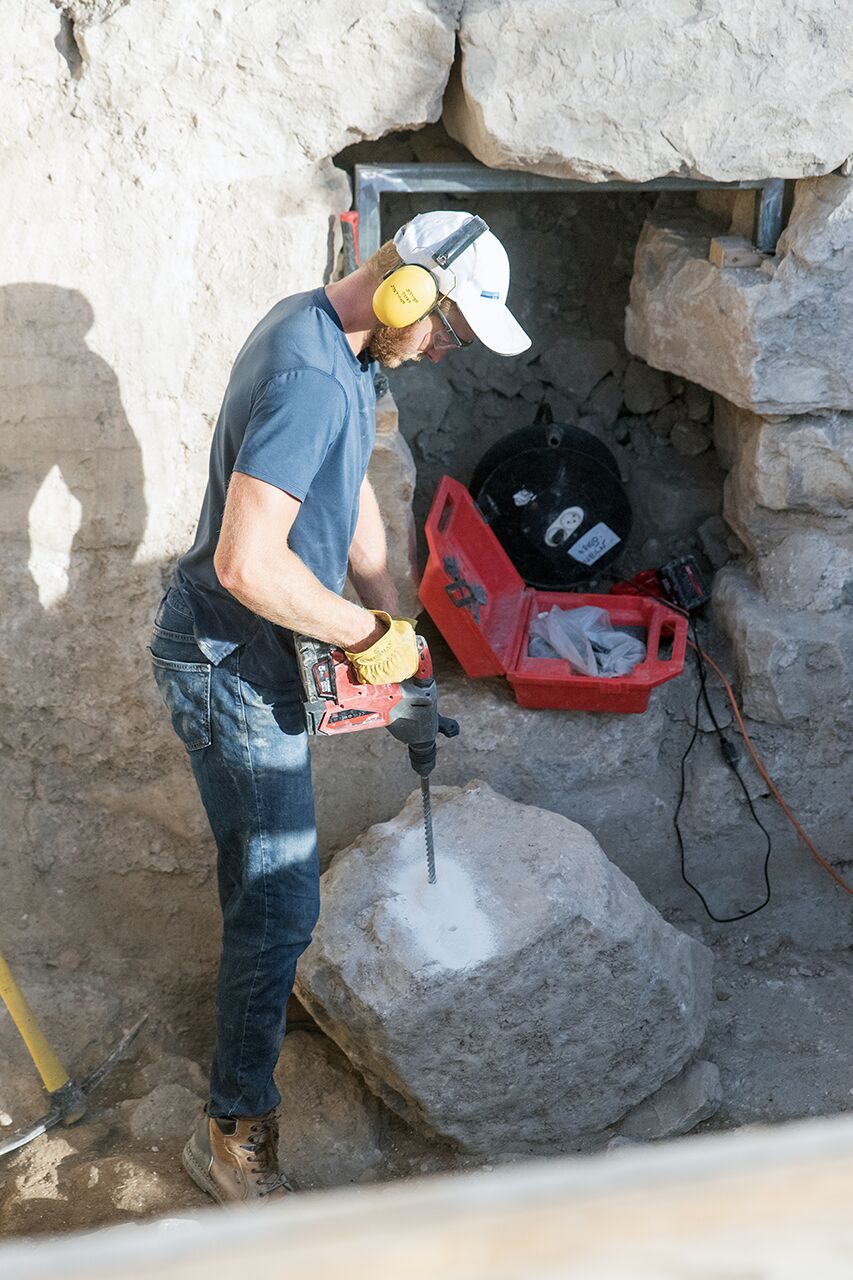
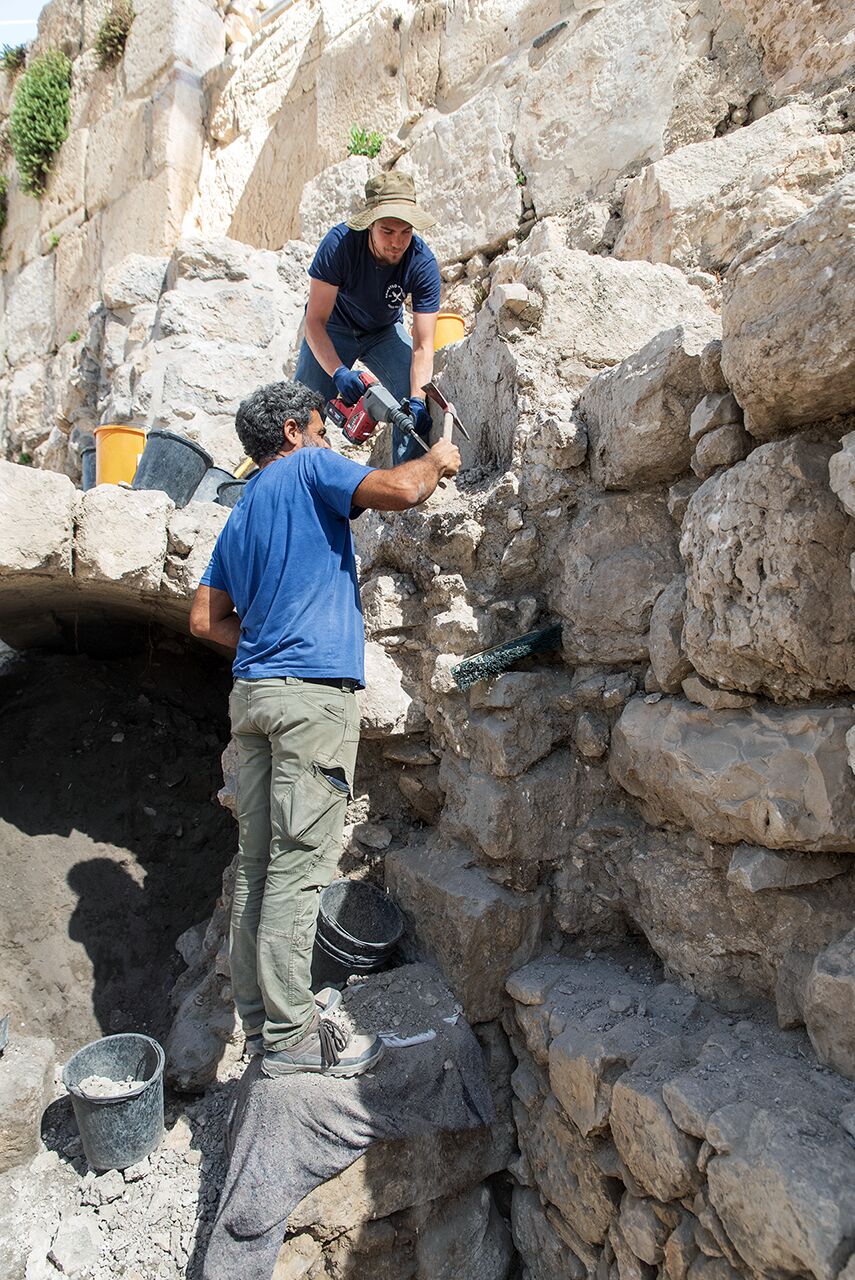
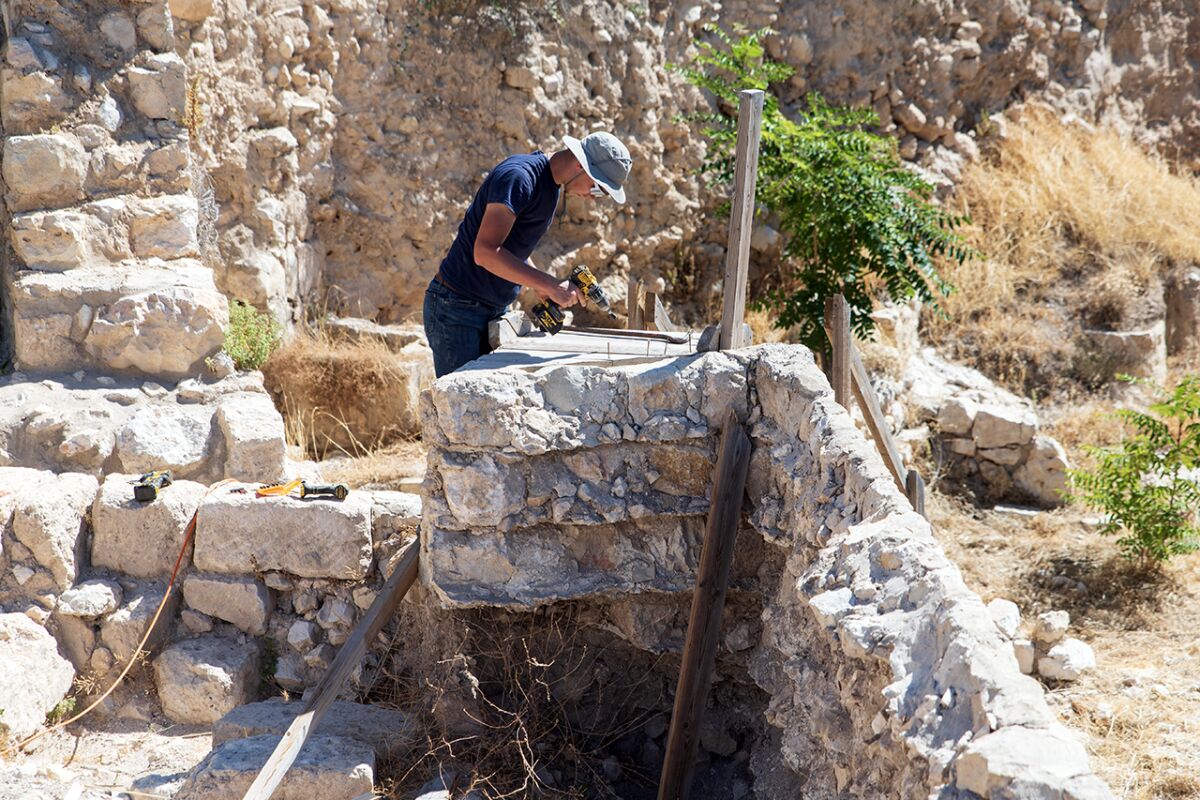
For Area D, the focus is primarily on the vault and its immediately surrounding areas, while continuing to go down in the southern room and uncovering the Iron Age material in the SW locus. We were able to open up more of the wall in front of the vault and Lance, Josiah and Zach are in the process of building a temporary support structure for the vault’s arch so work can continue on the outside.
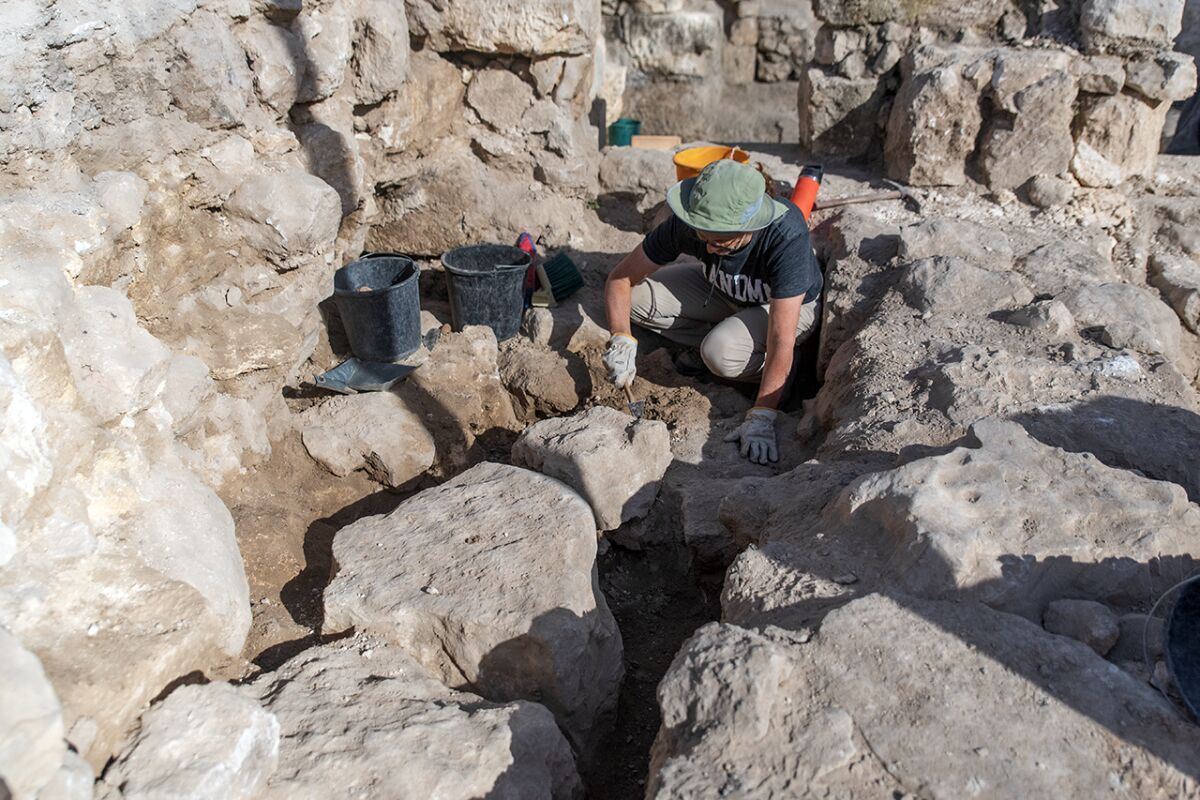
In Area D1 we finished dismantling a terrace wall, excavating the fill of the northernmost room to bedrock, dry-sifting Iron Age material, and completing other probes in the area.
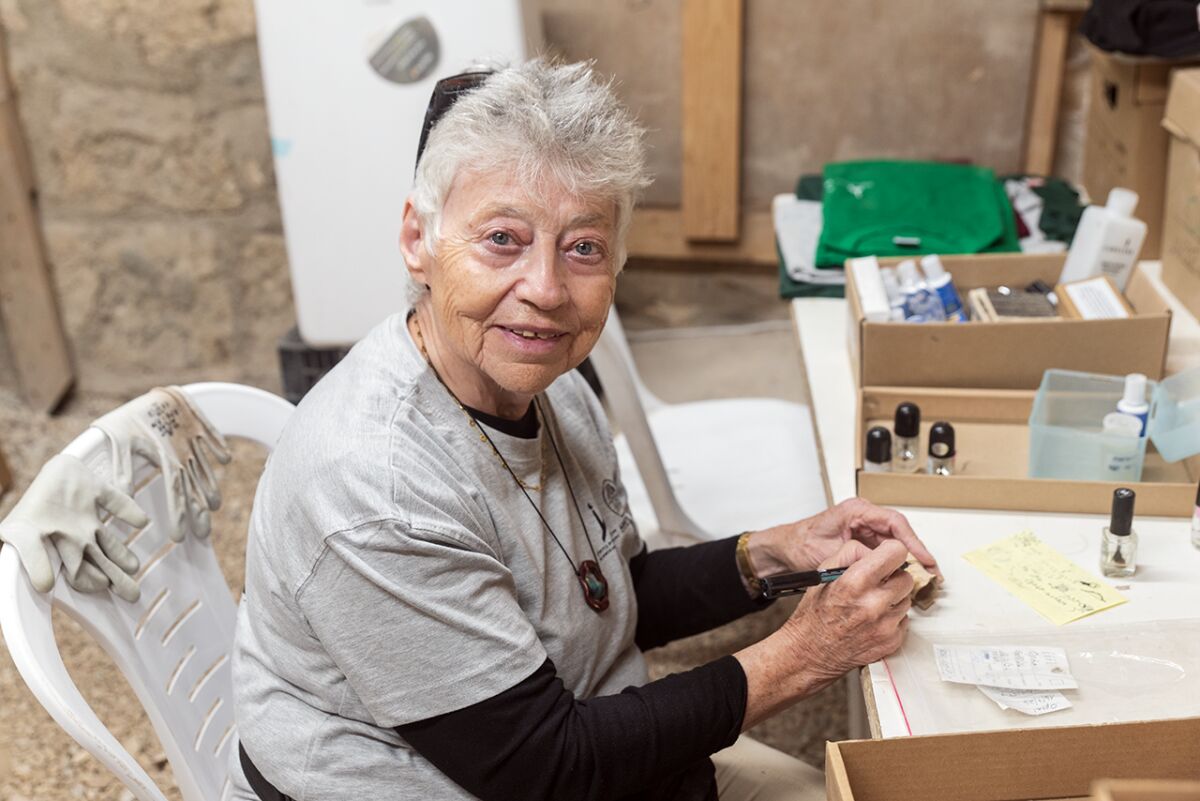
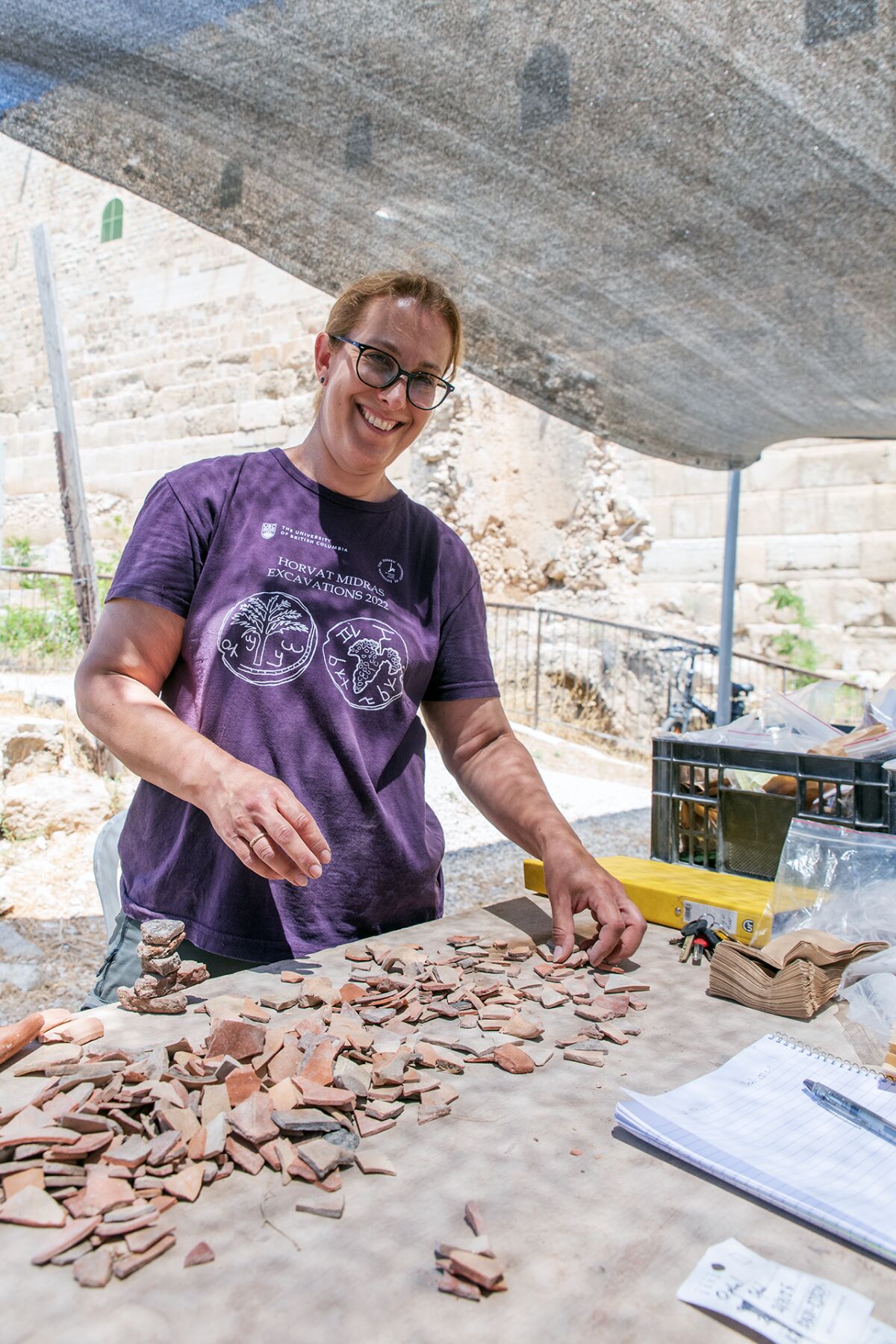
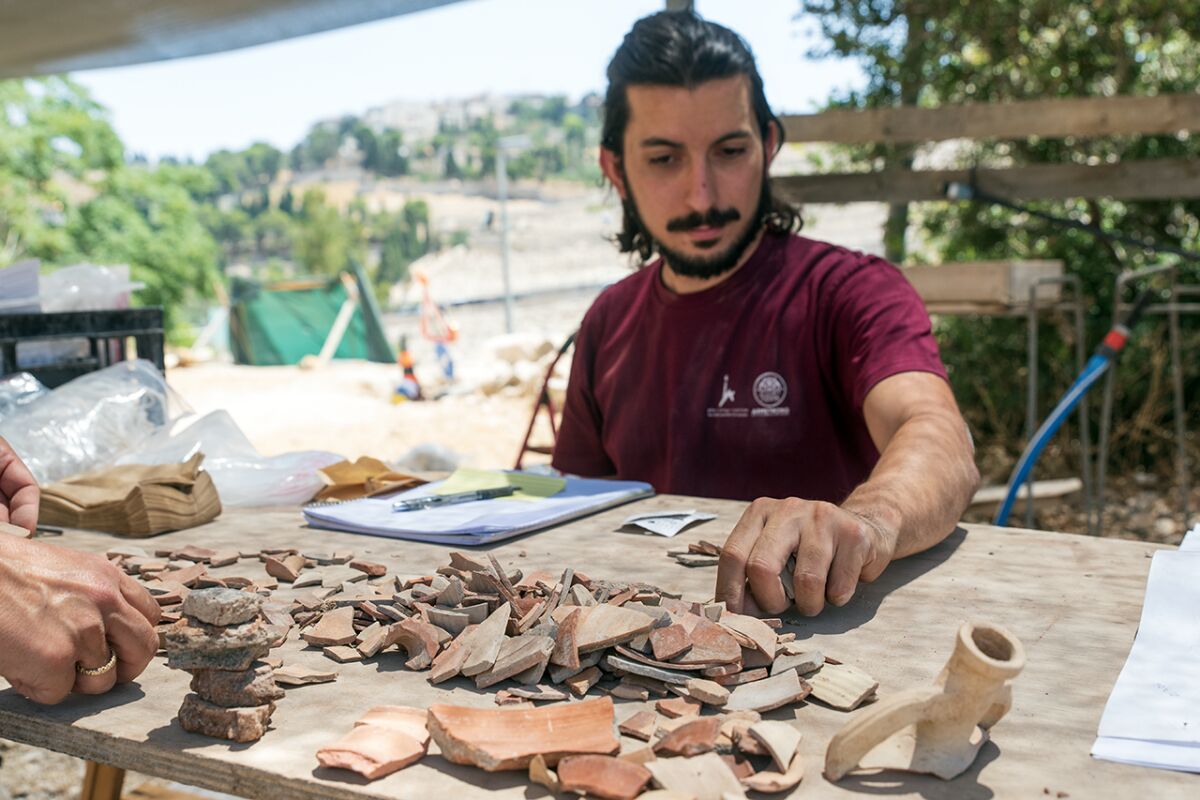
Continuing finds include chalkstone ossuary fragments and oil lamps—artifacts that the volunteers learned more about in the show-and-tells at breakfast.
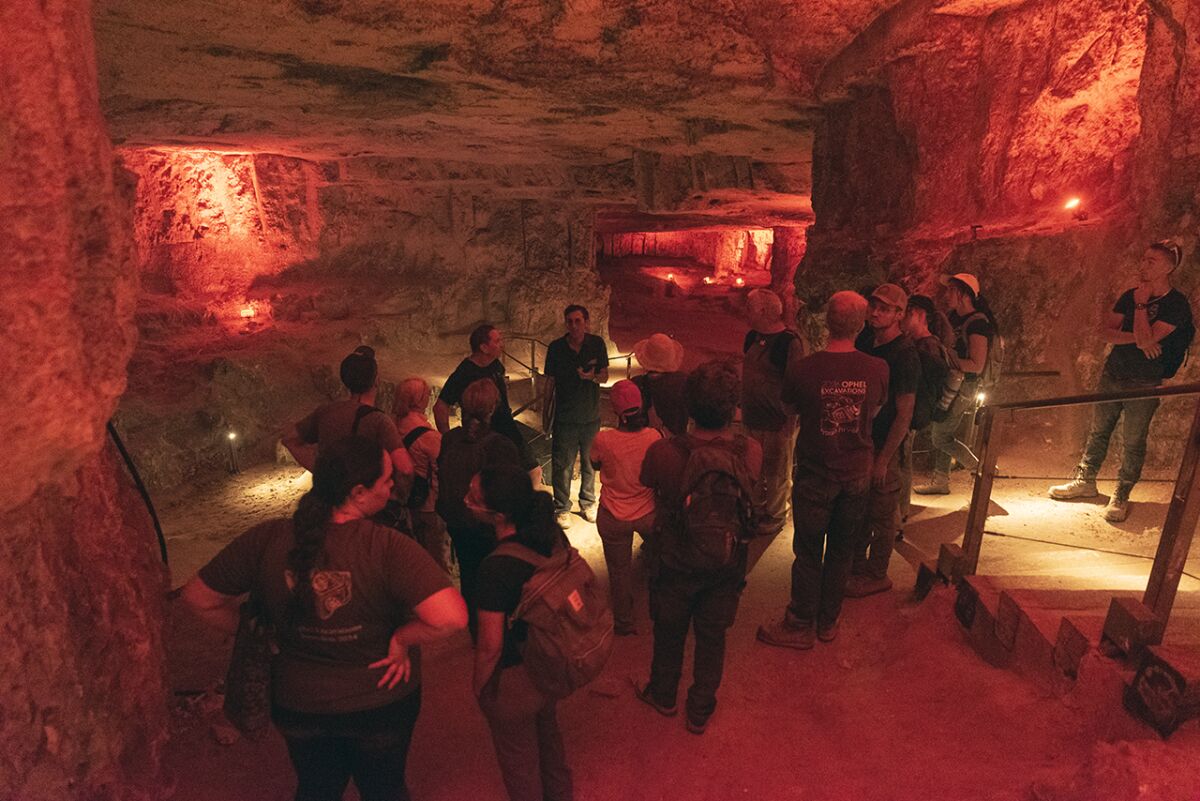
After the dig on Sunday the crew had the opportunity to tour through the underground ancient stone quarries on the northern end of the Old City, an area known as Zedekiah’s Cave (or Solomon’s Quarries).
We also posted a “show and tell” from Prof. Leibner, where he discusses the discovery of a silver tetradrachm.
Another week finished! This week did not disappoint.
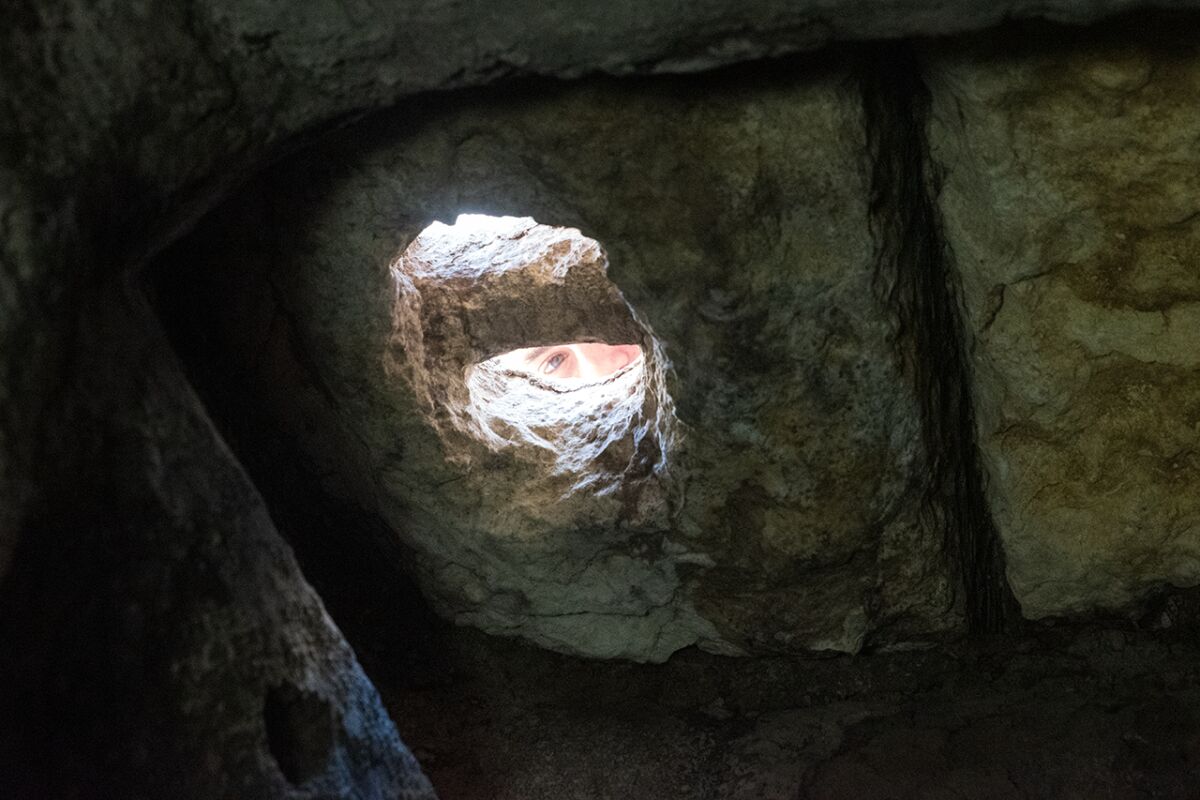
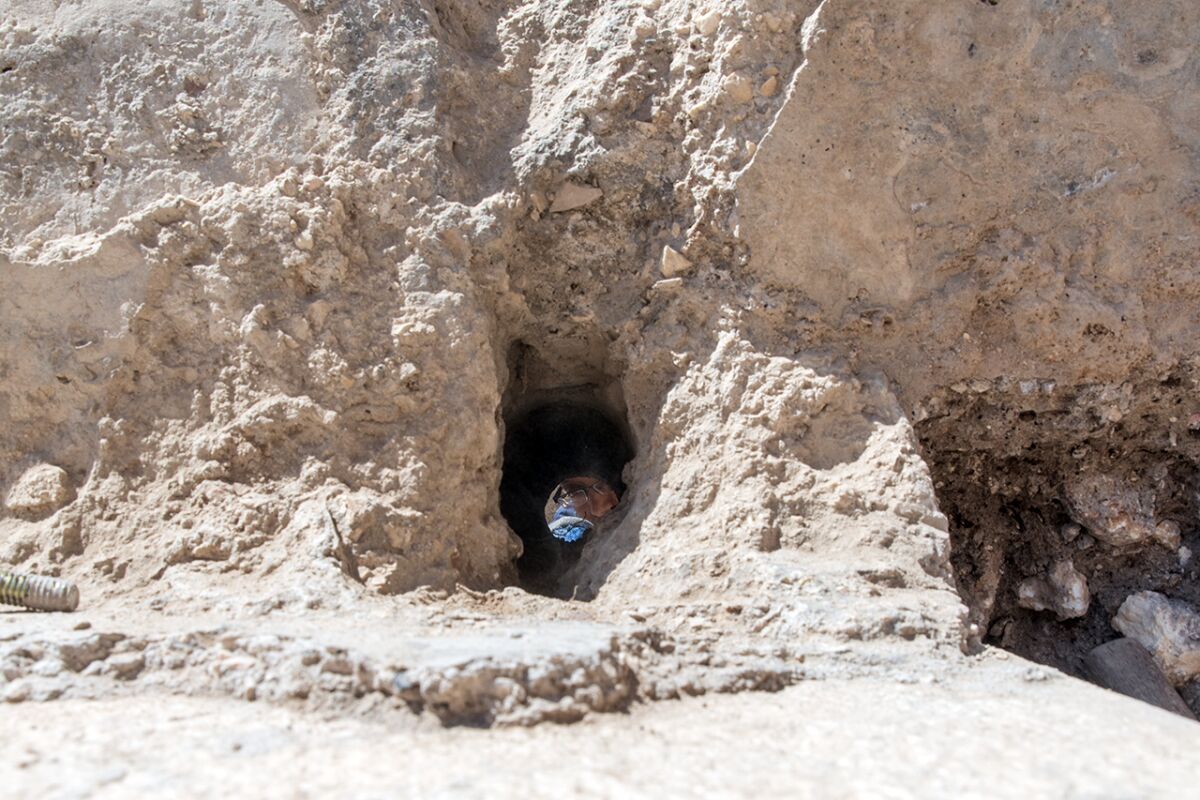
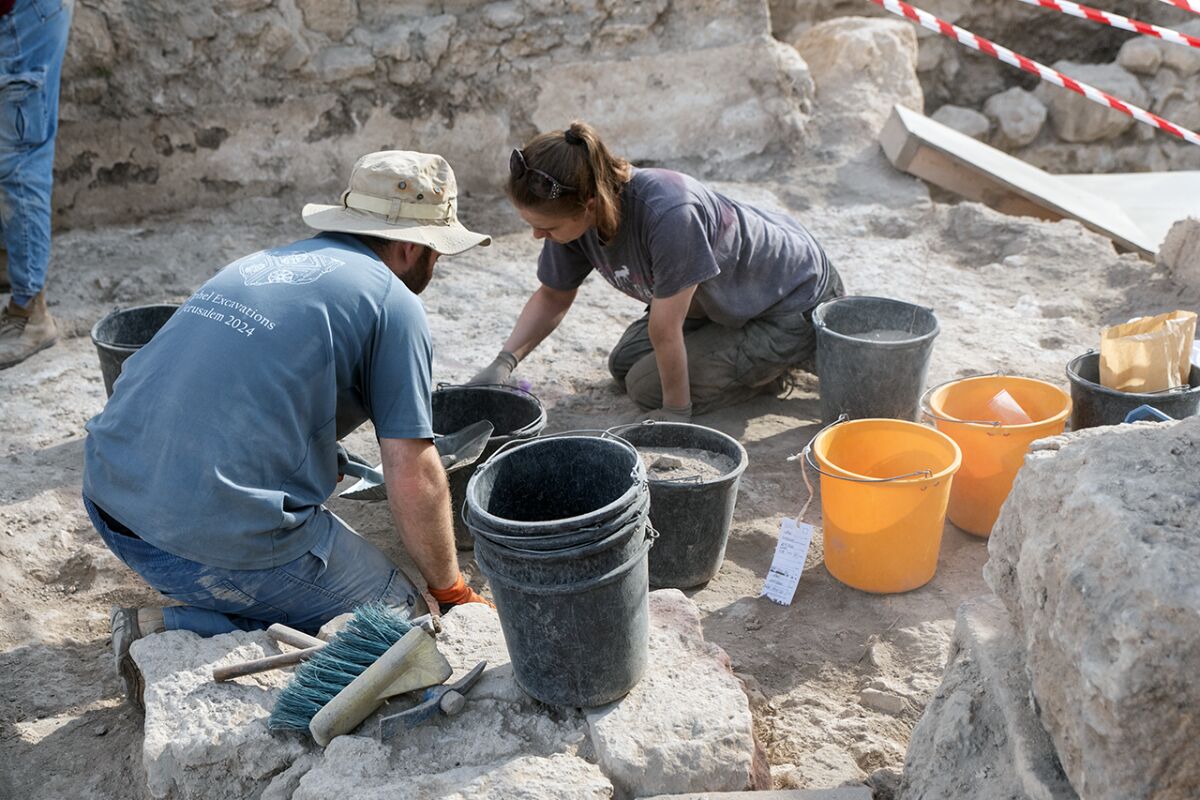
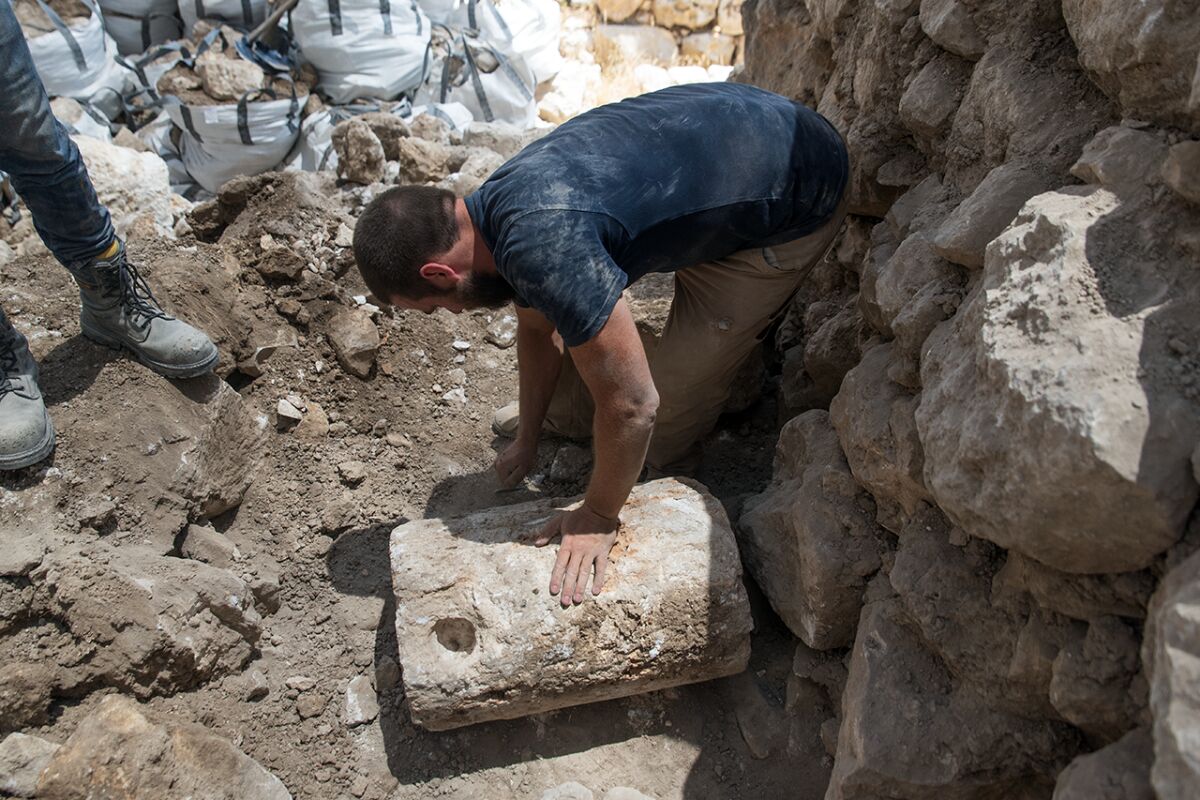
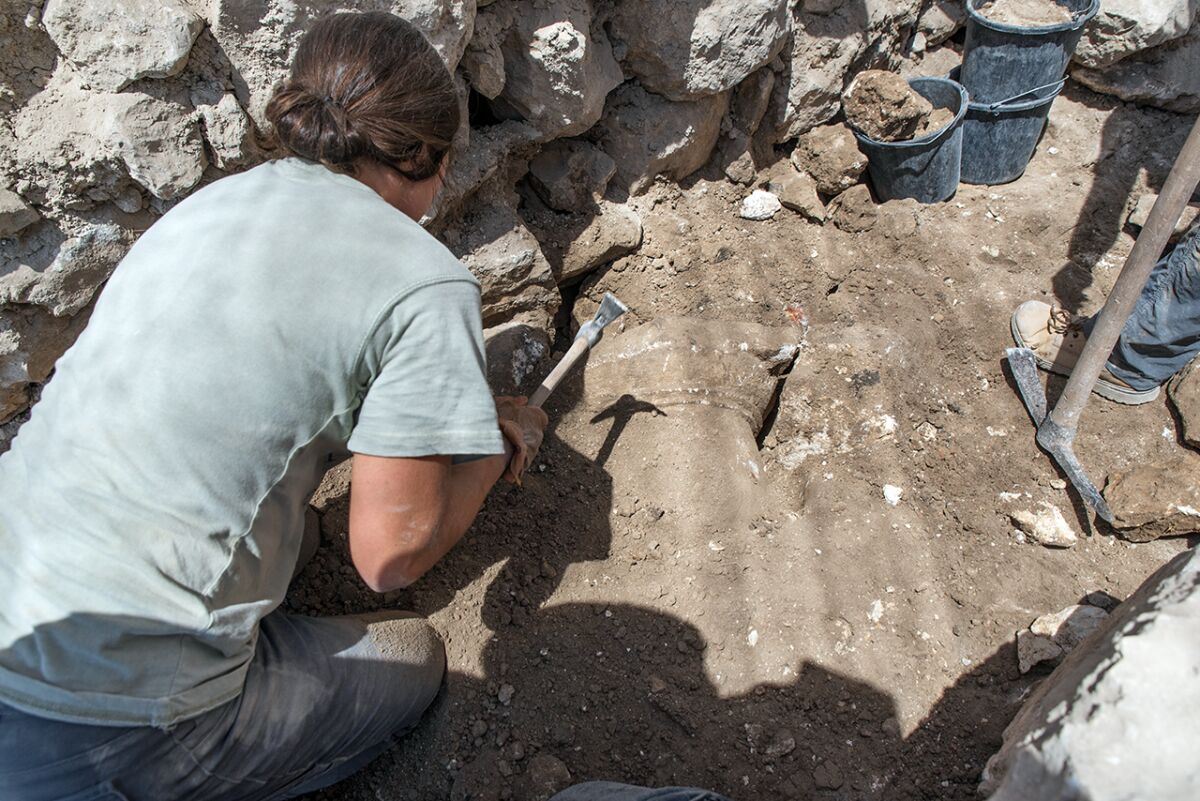
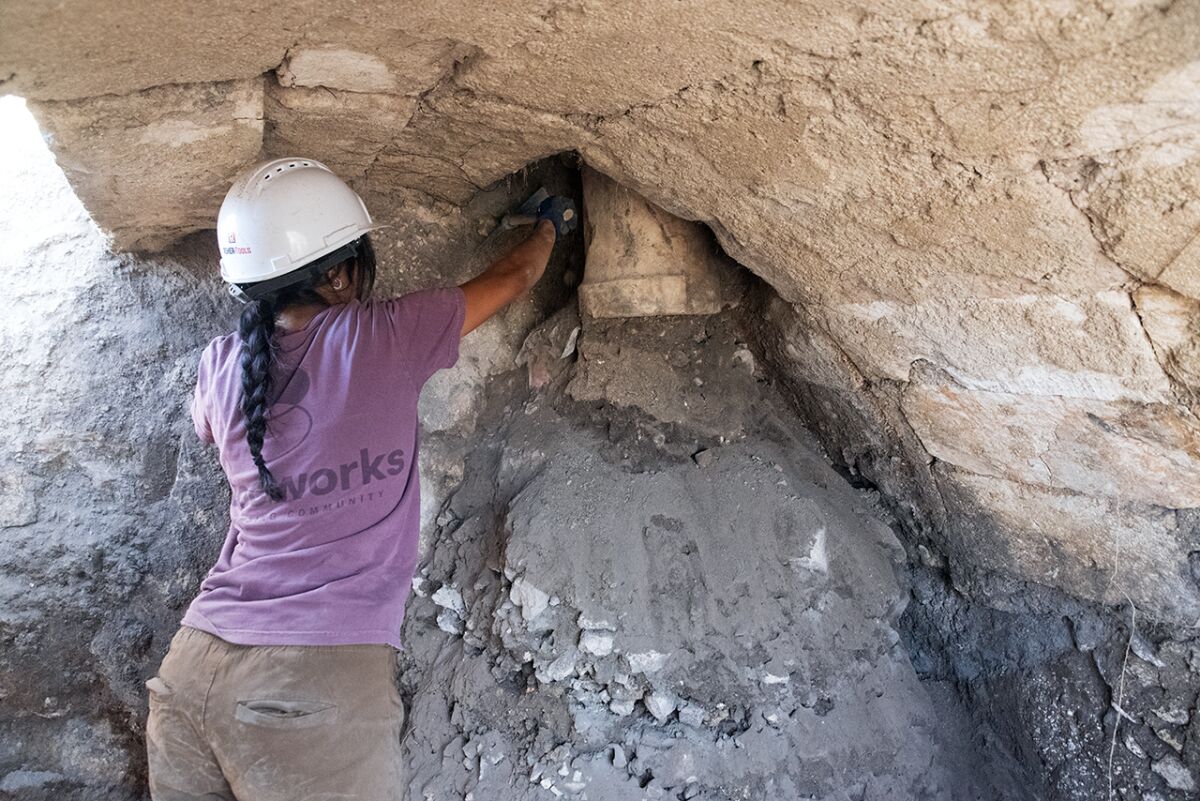
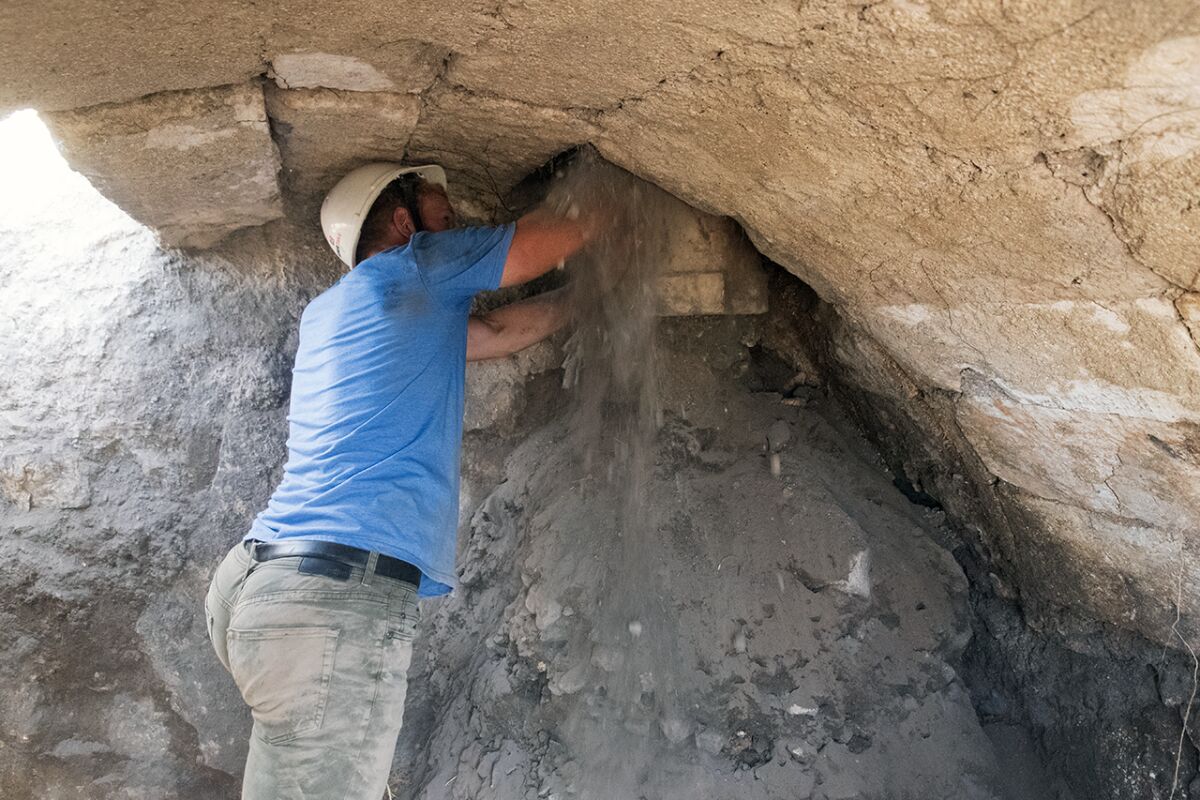
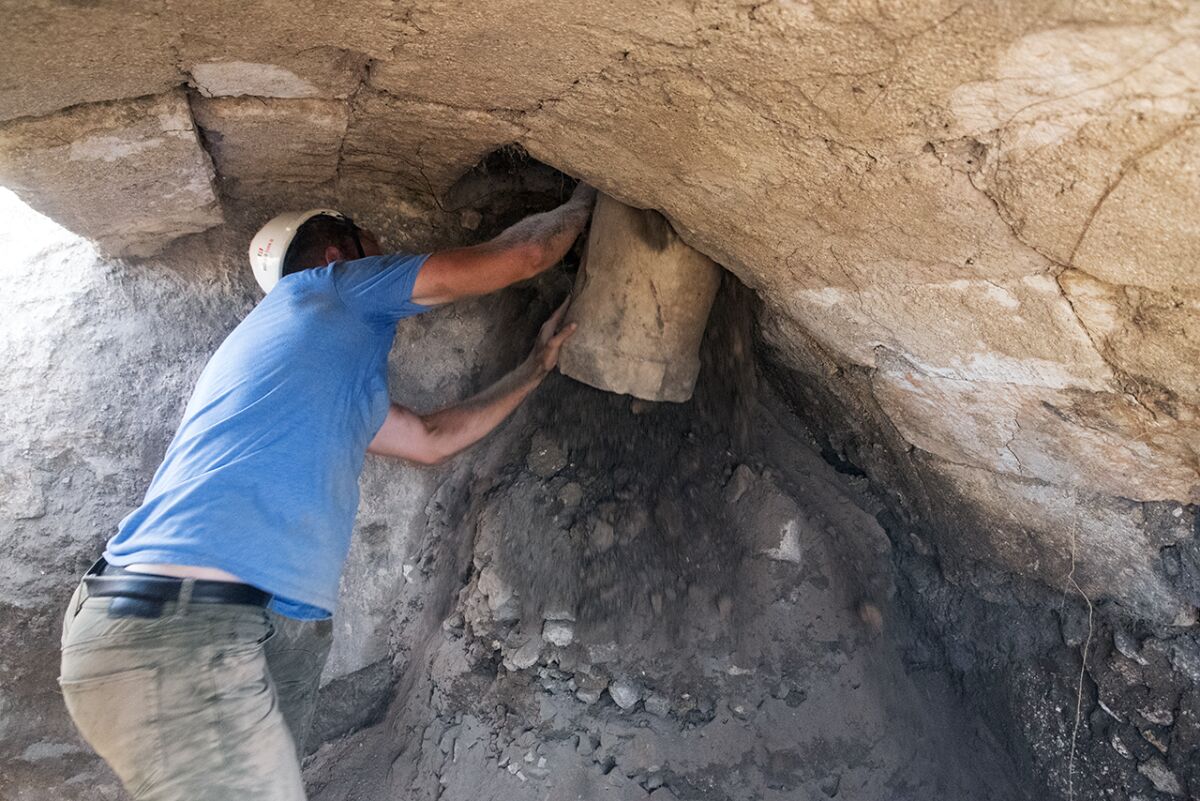
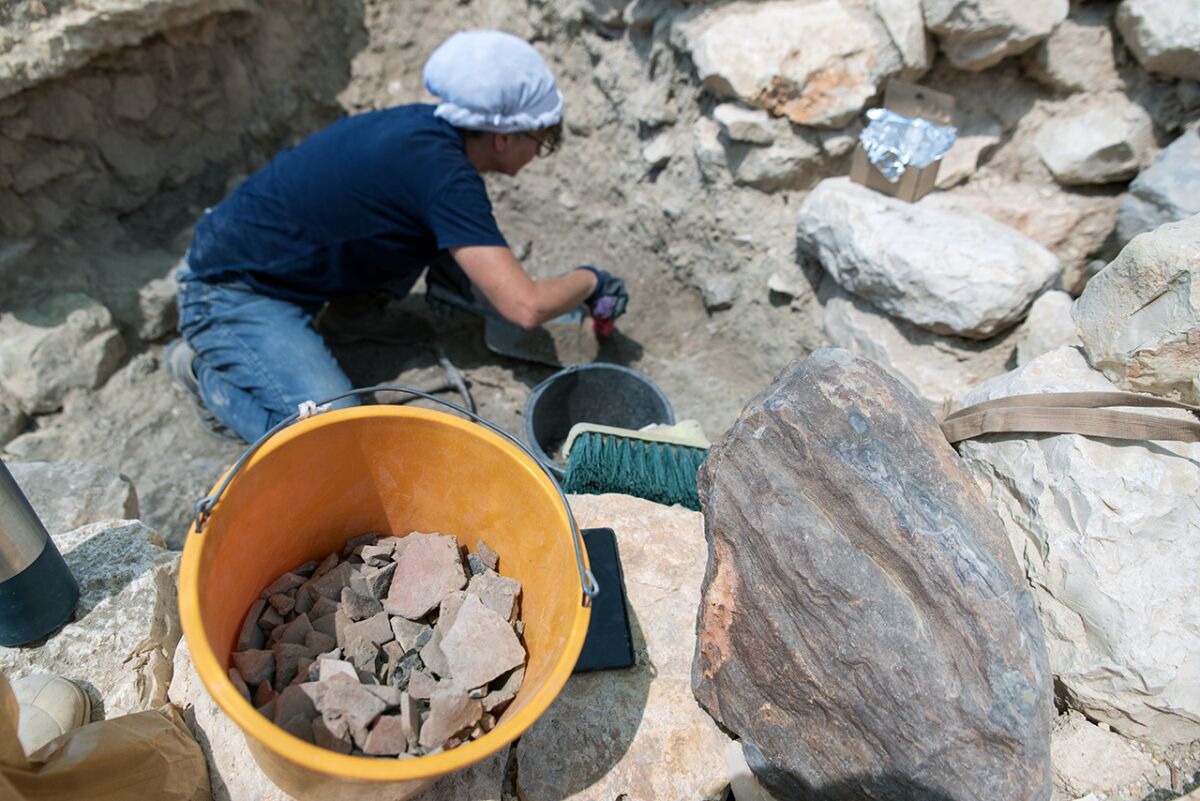
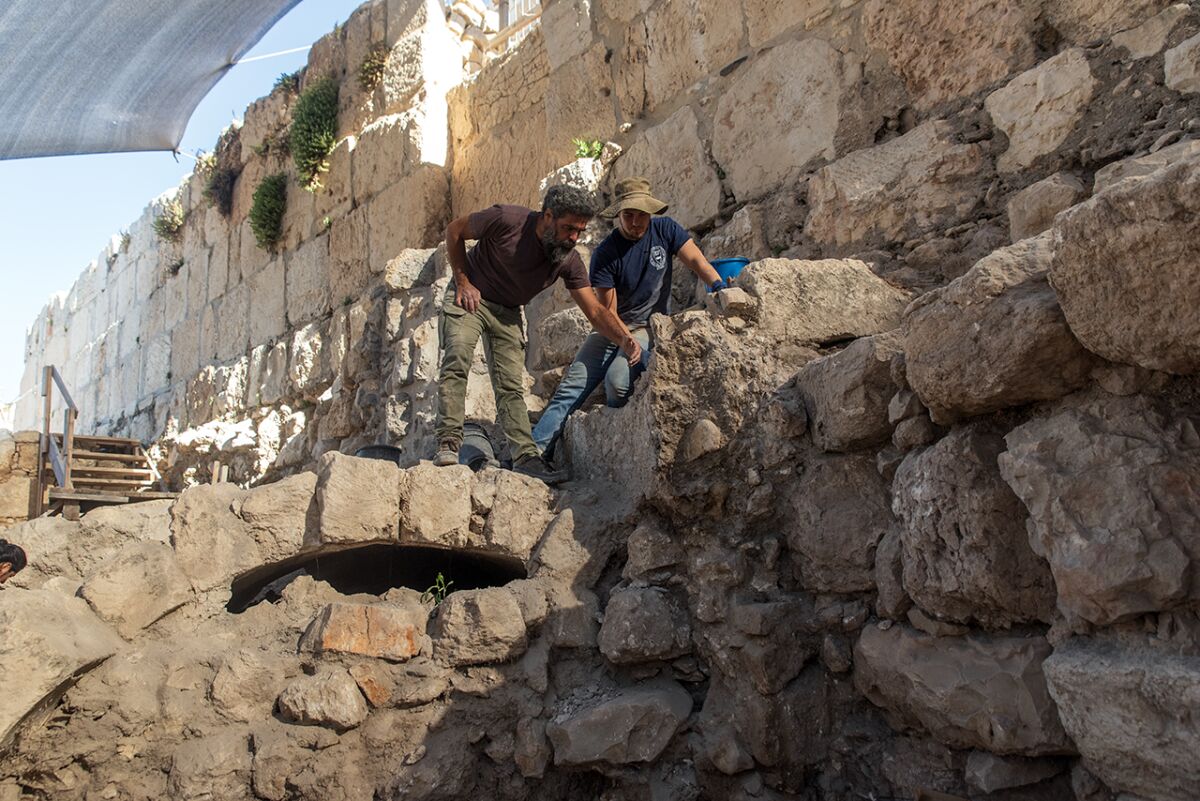
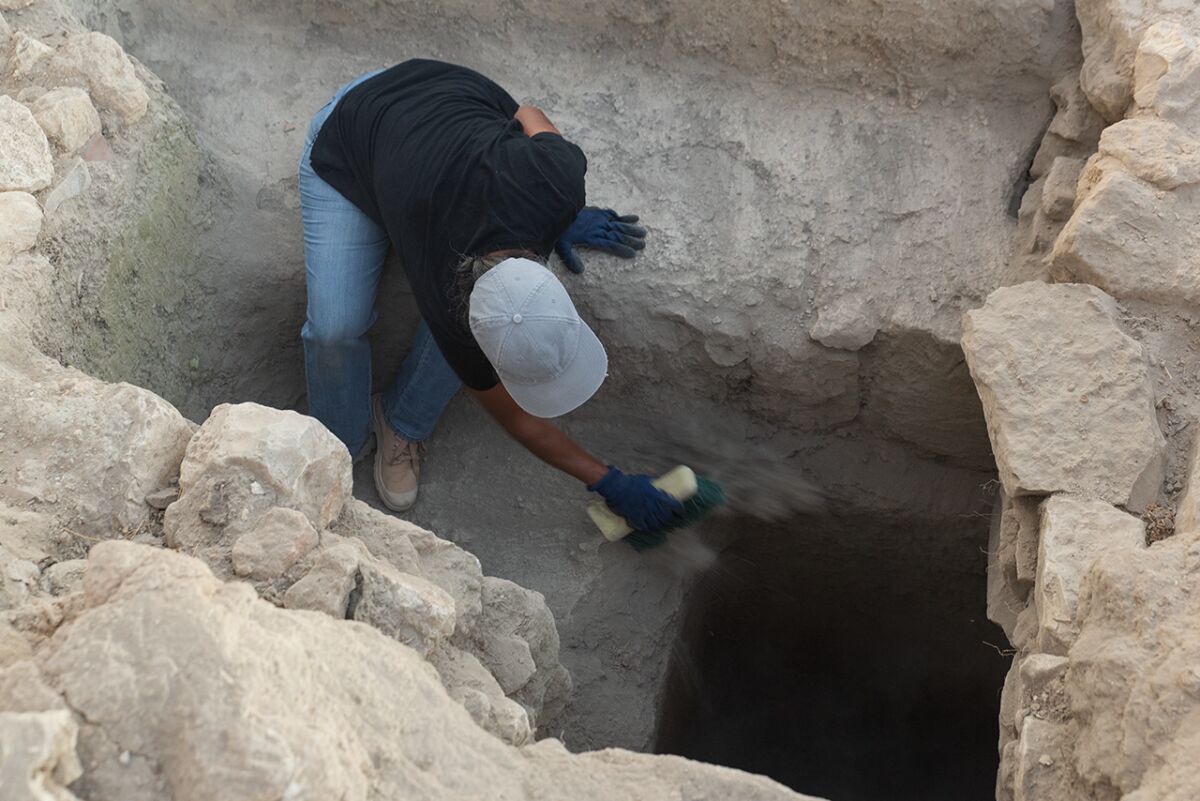
In Area D, we removed more of the thick ashy fill from inside the Herodian vault, including a beautiful Byzantine pillar fragment that had fallen down a shaft connected to the top of the ceiling. Alongside the vault, we removed more of a Byzantine wall and plain mosaic floor, yielding dozens of Byzantine coins. In the southern room, we exposed more of the bedrock and found a peculiar, very narrow shaft in the center of the room. Finally, in the newest locus opened adjacent the southern room, we found a sealed layer with an abundance of Iron Age pottery.
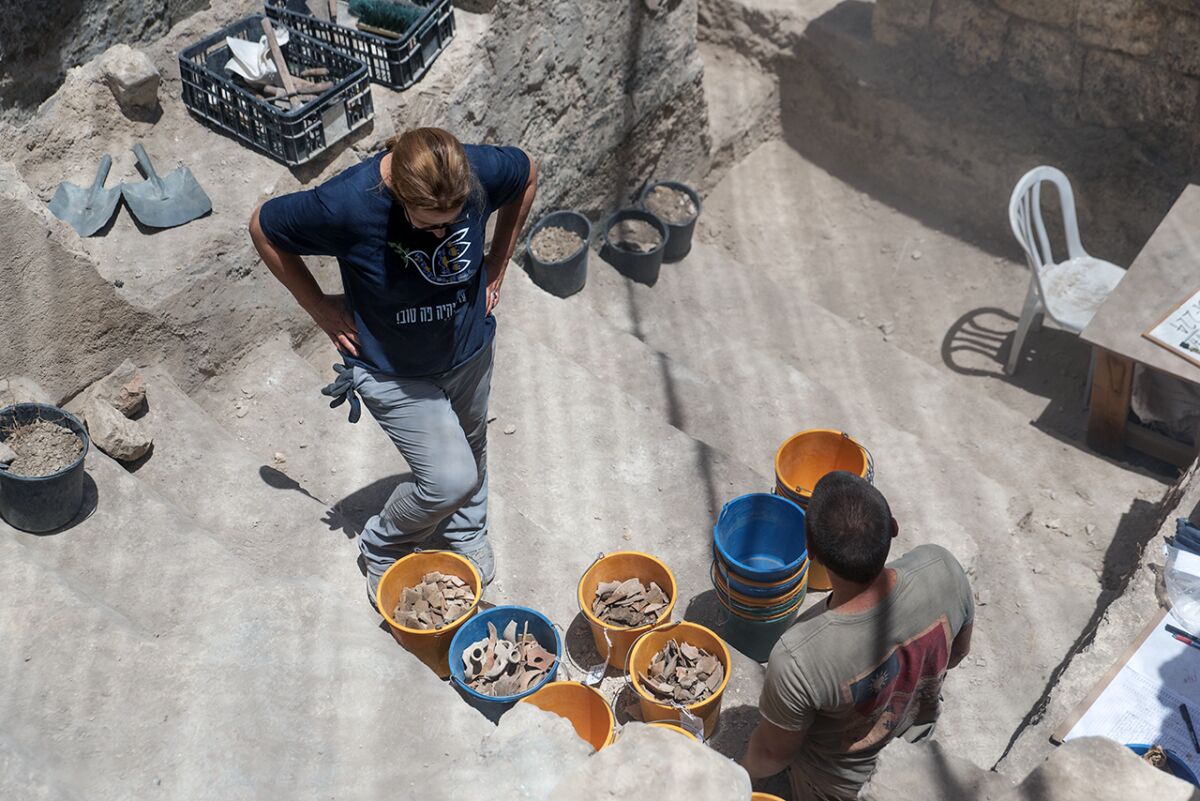
Area D1 yielded many finds in the field, including Iron Age material that was both dry-sifted and wet-sifted. Finds from the Herodian Period included a grand pillar capital and dozens of pilgrim flasks; from the Iron Age, large pithoi (storage vessel) fragments, a juglet, the head of another horse figurine, a section of an iron blade, and an early Philistine sherd (circa 11th century b.c.e.).
On Wednesday, the final dig day for this week (with Tisha B’Av on Thursday), Akiva came back from reserve duty to continue in Area P, exposing four courses of a wall corner and some peculiar water installations.
One more week to go! We’ll be putting the finishing touches on each area and preparing for cleanup at the end of the excavation. At the beginning of the week, Prof. Uzi Leibner was interviewed for our Let The Stones Speak podcast.
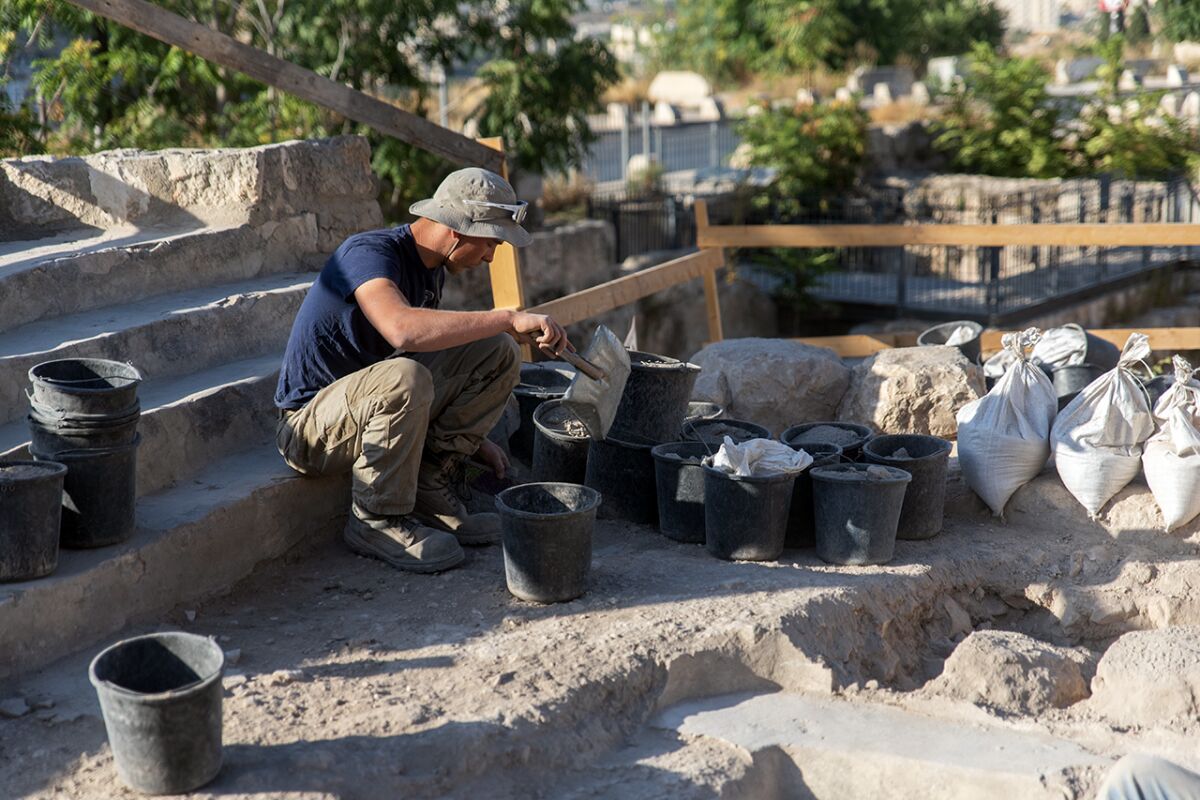
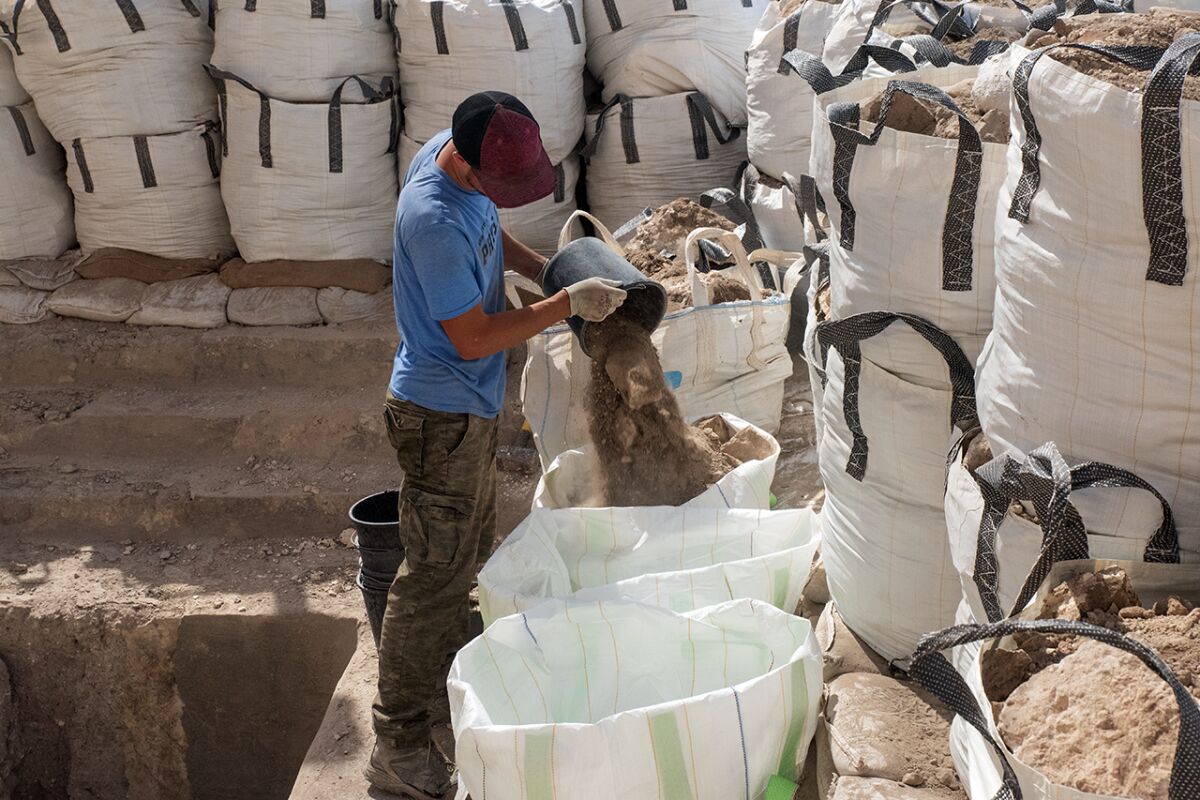
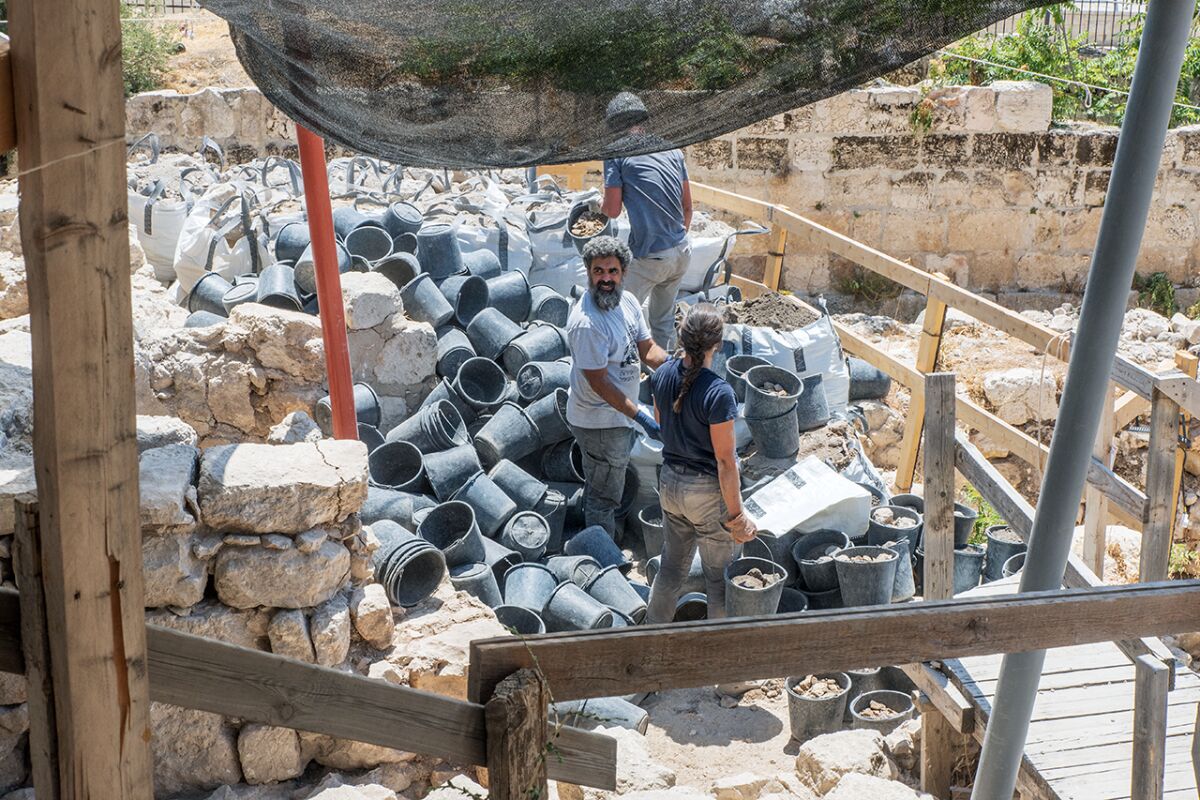
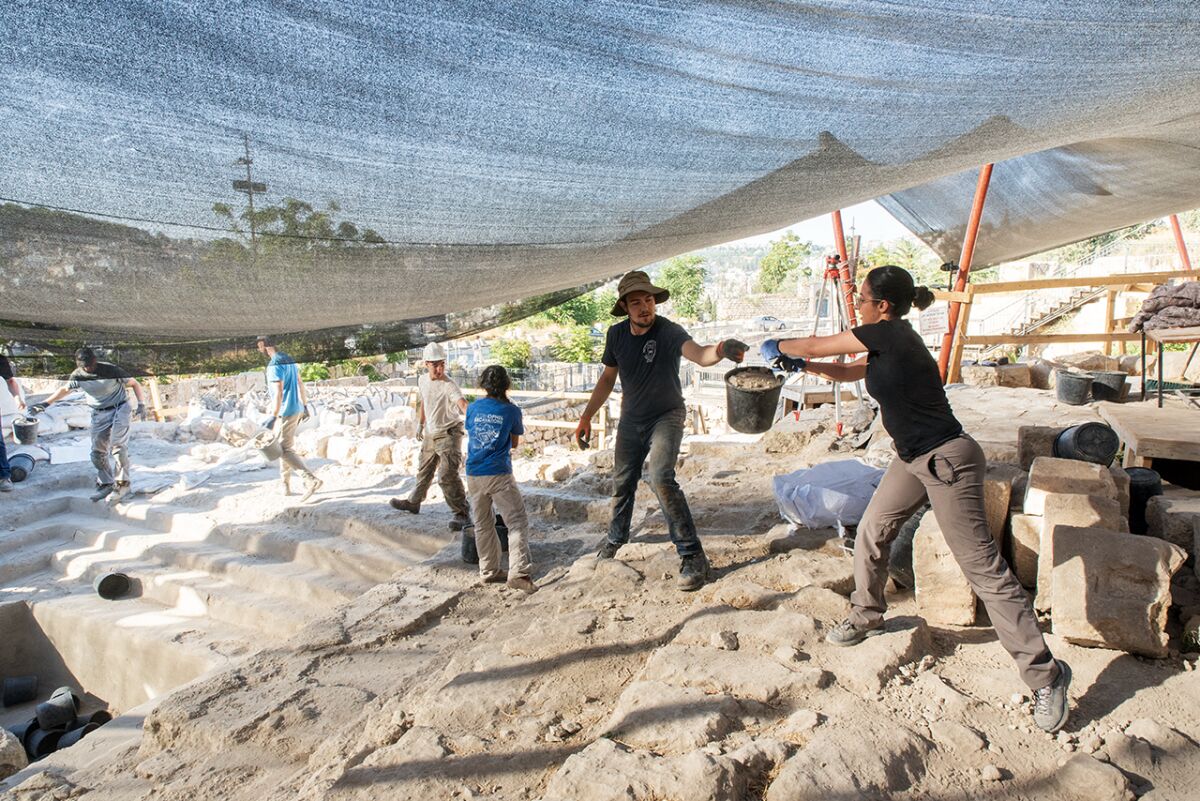
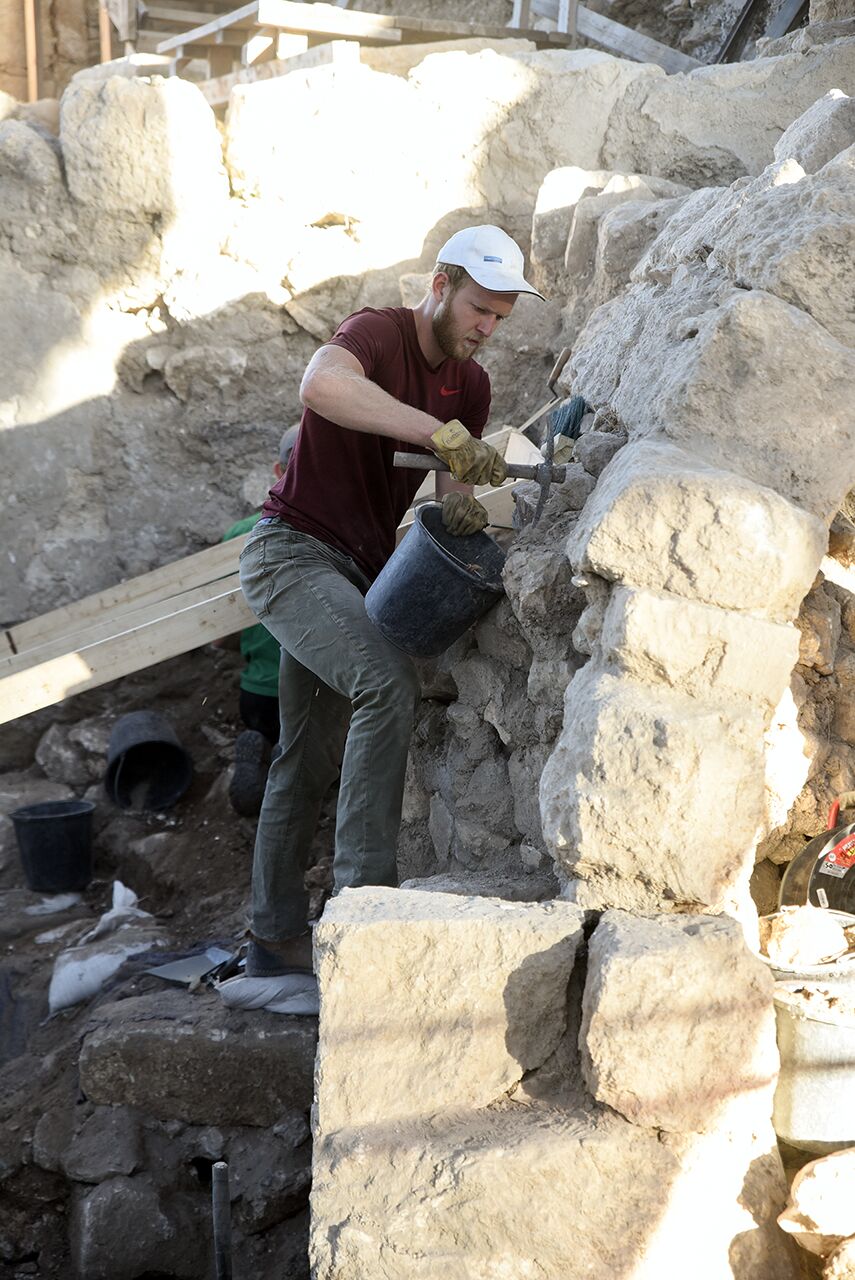
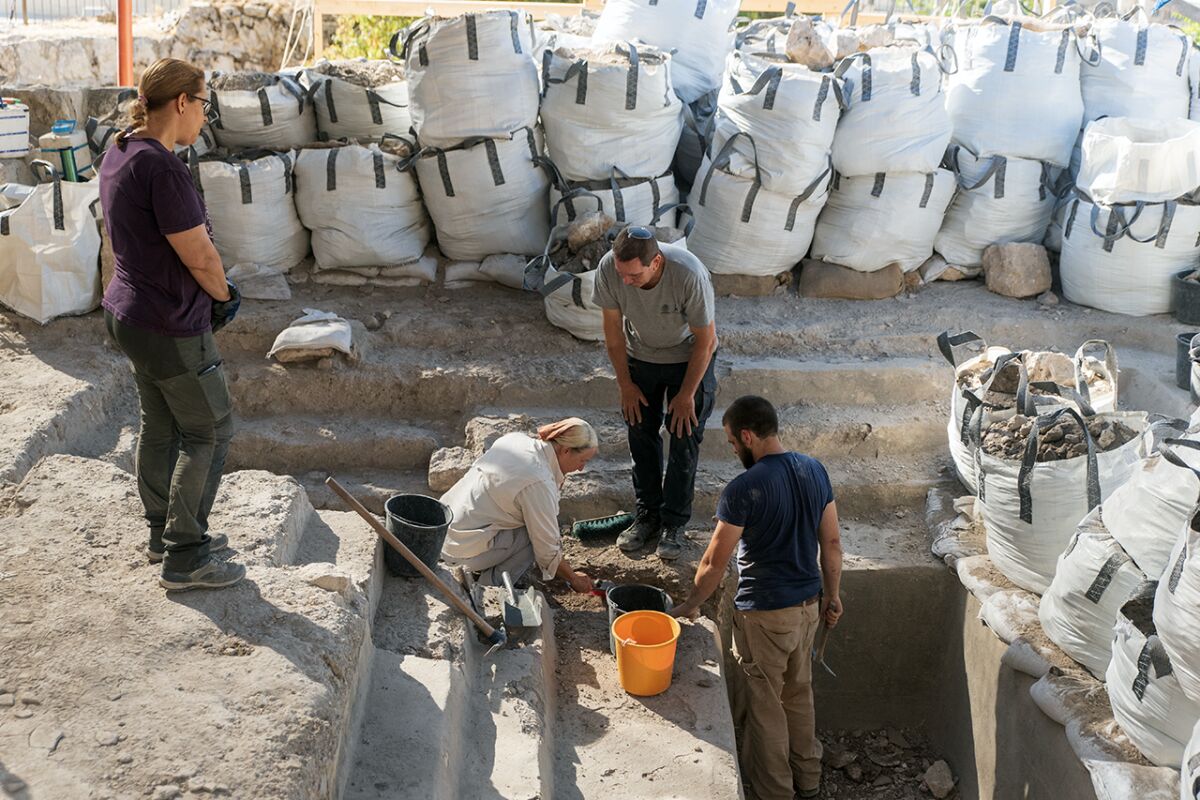
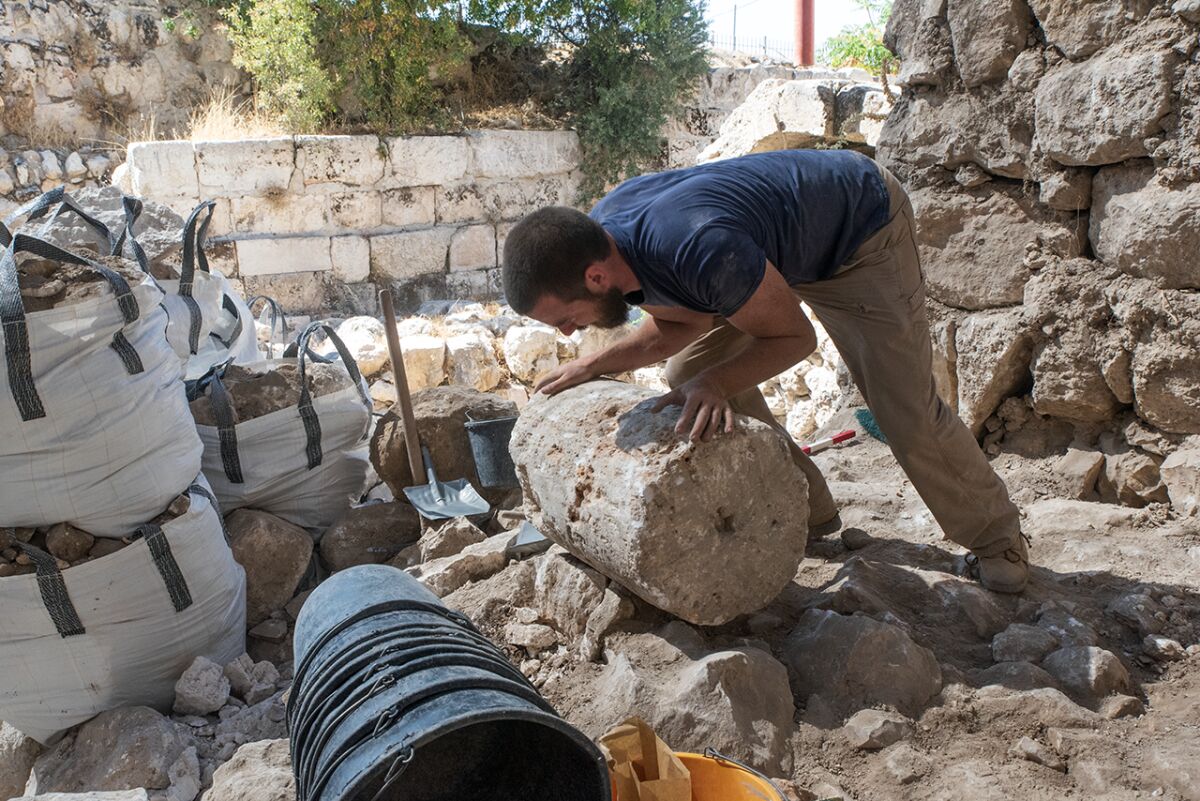
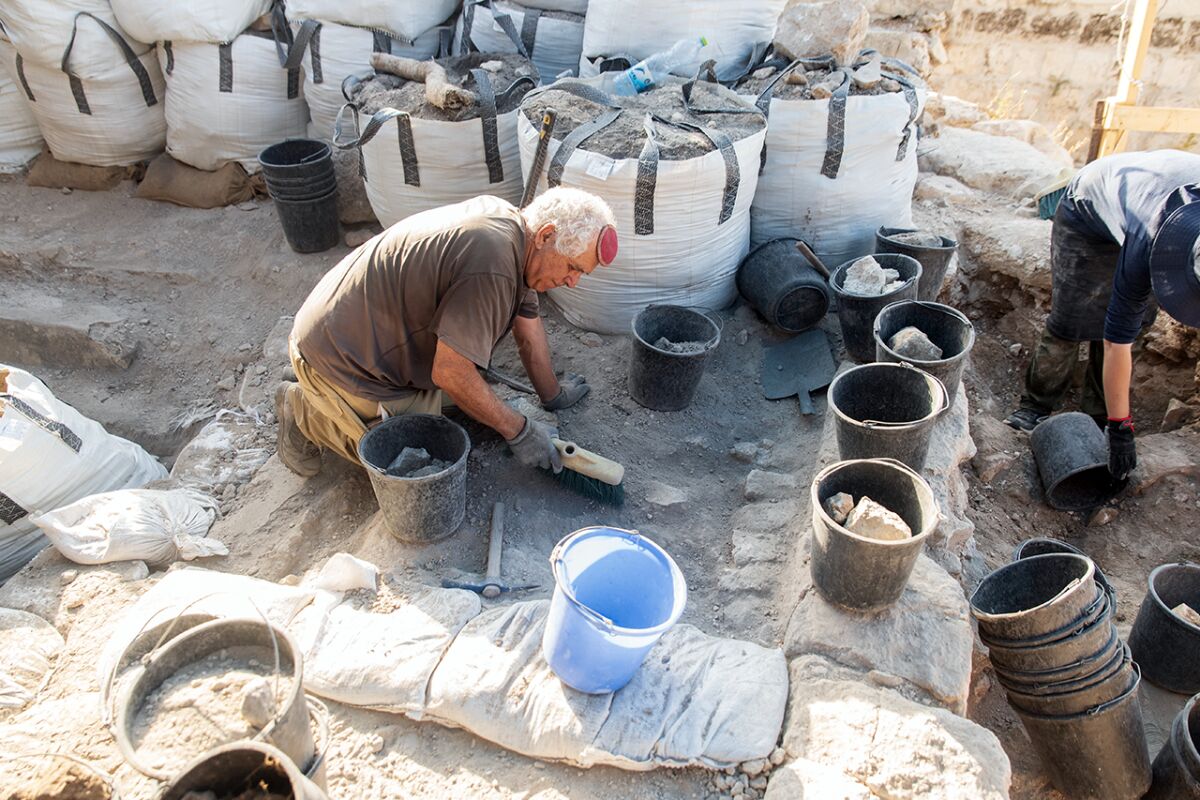
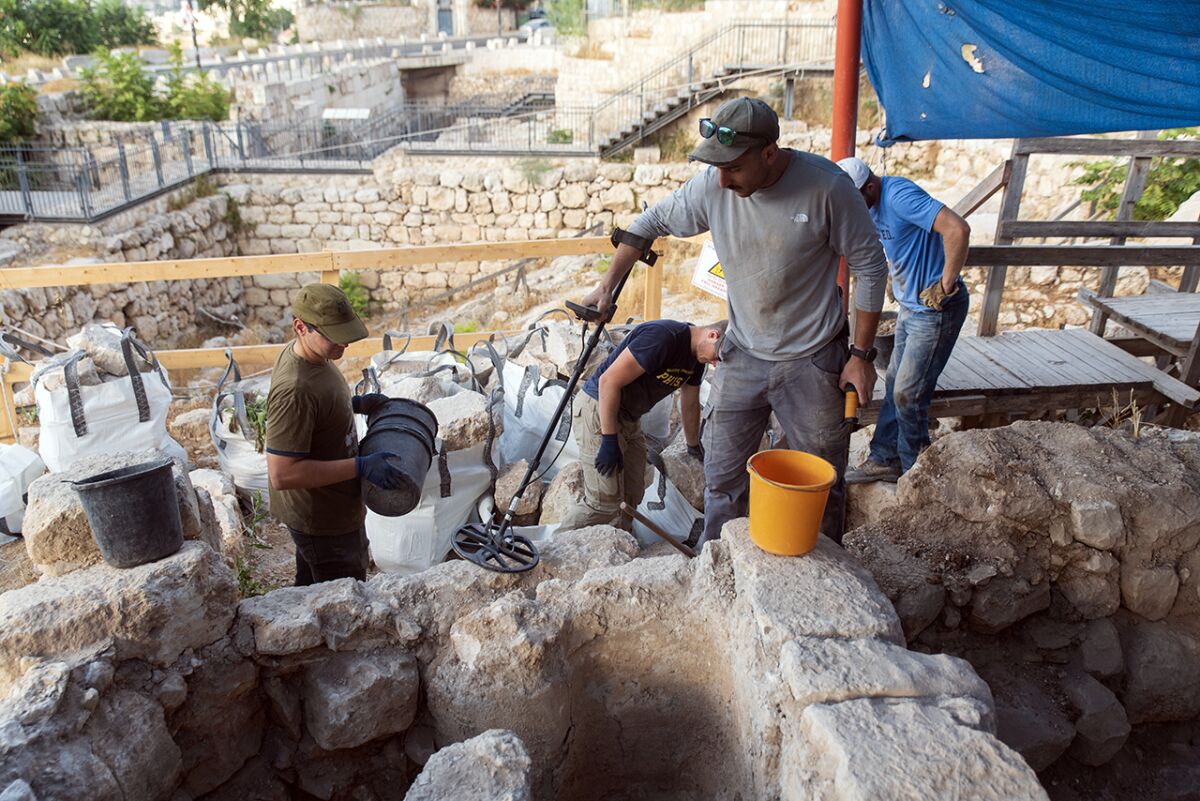
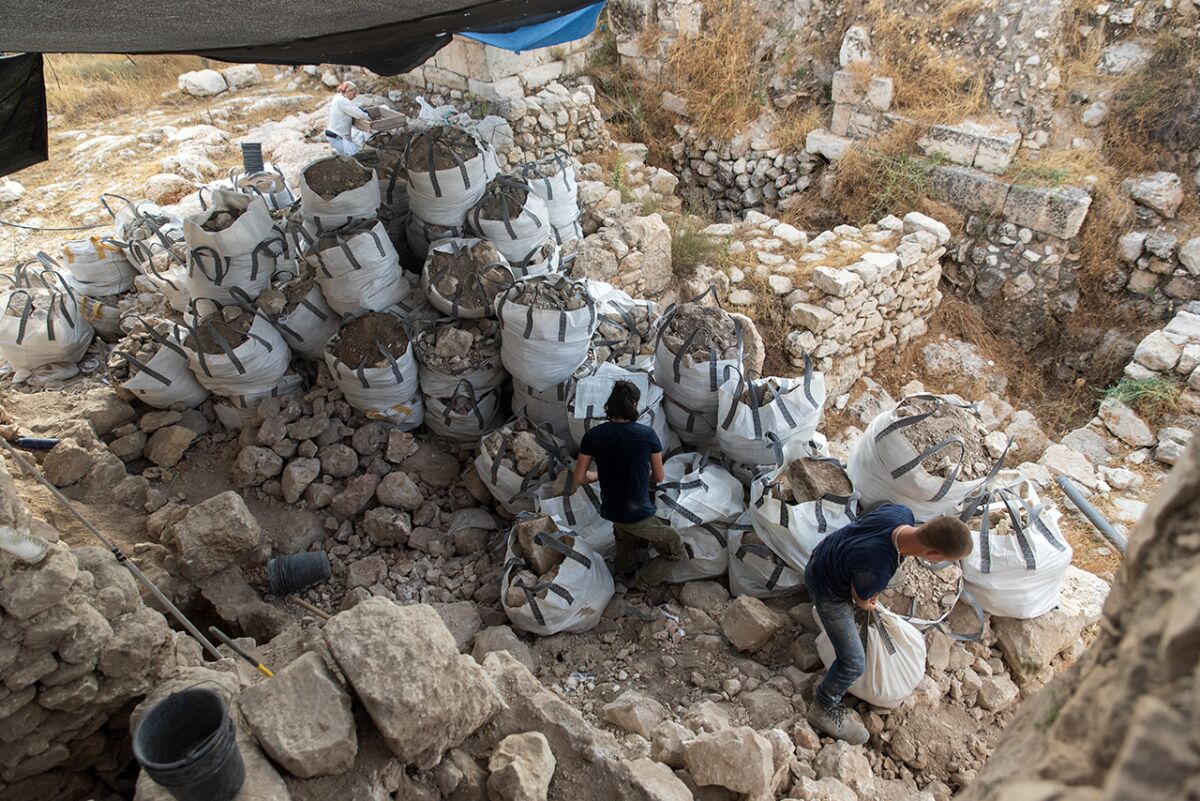
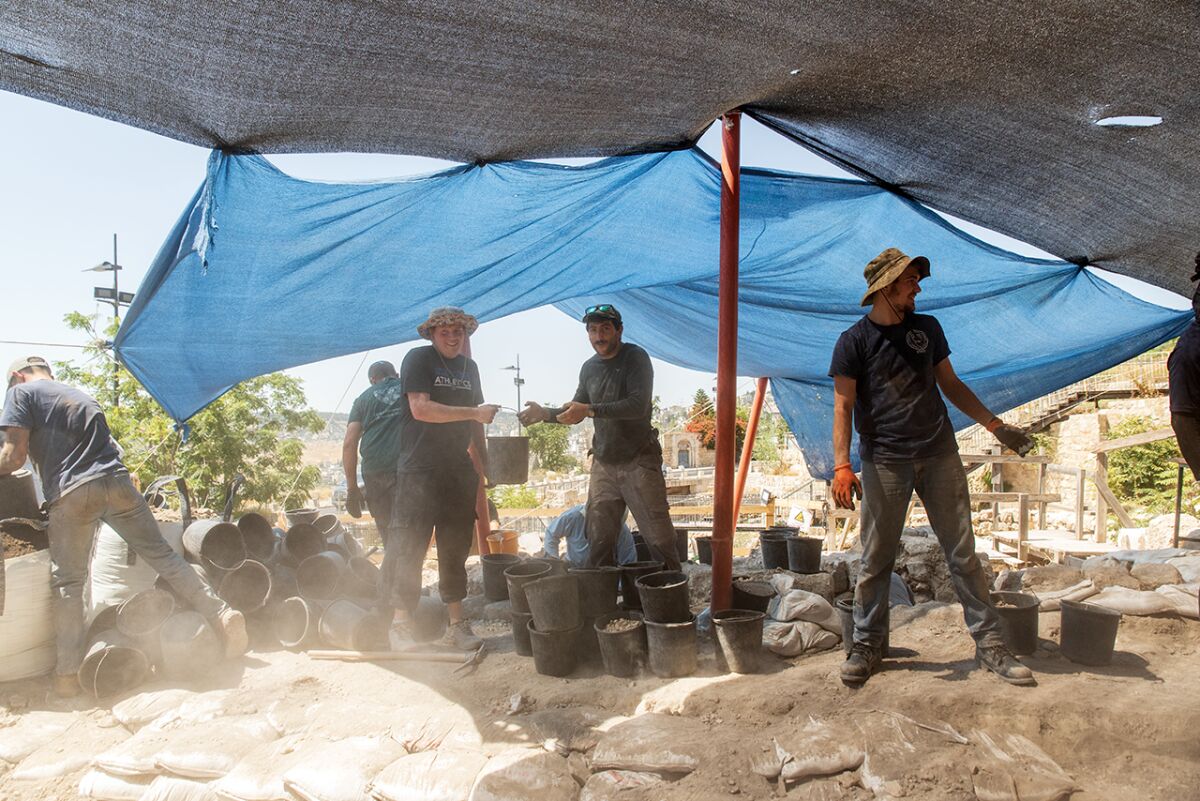
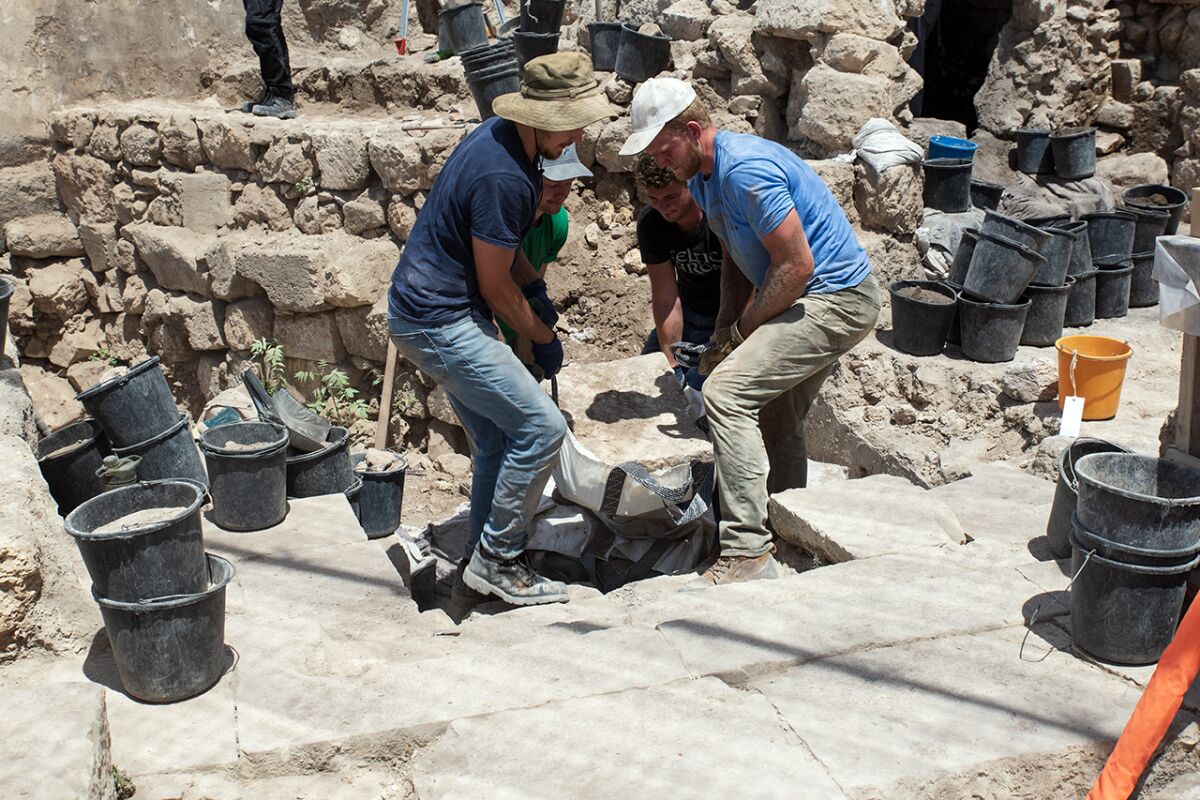
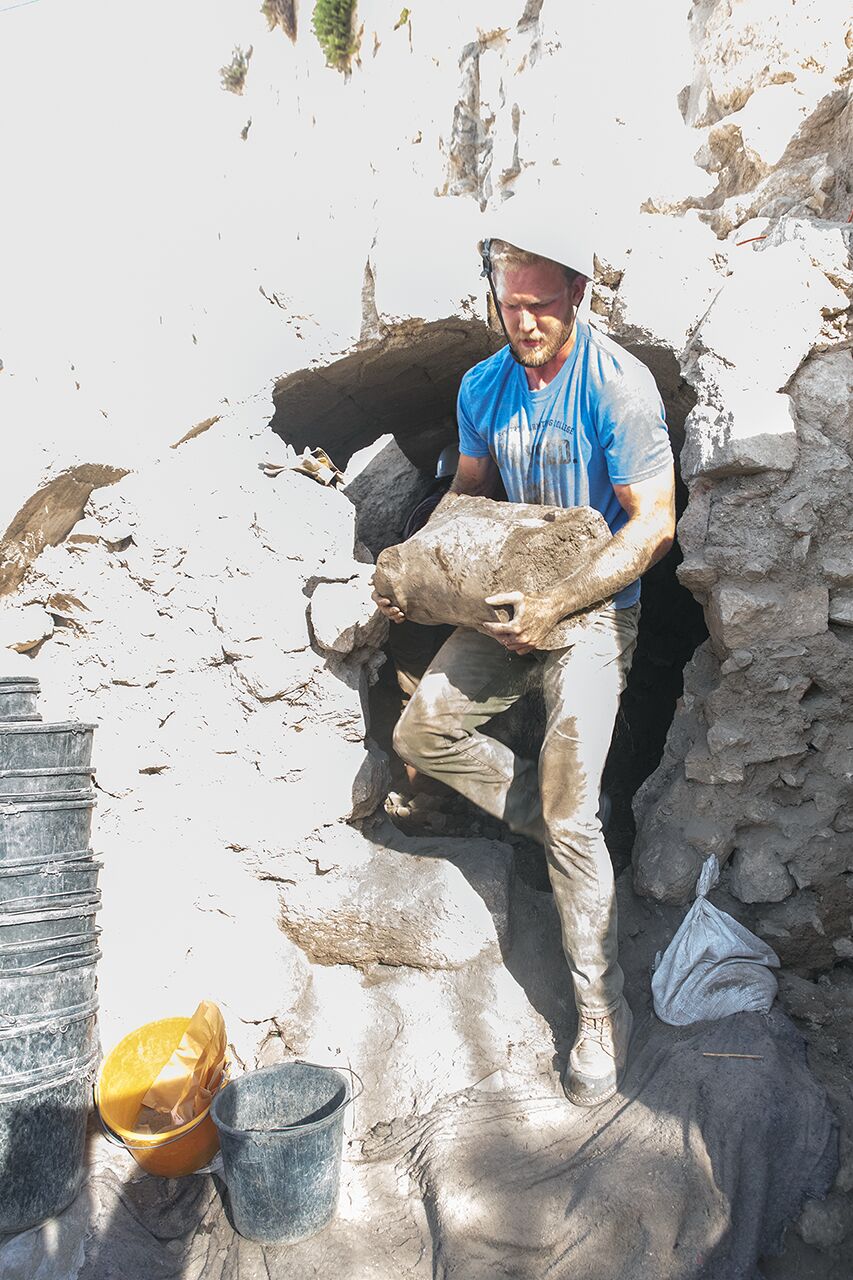
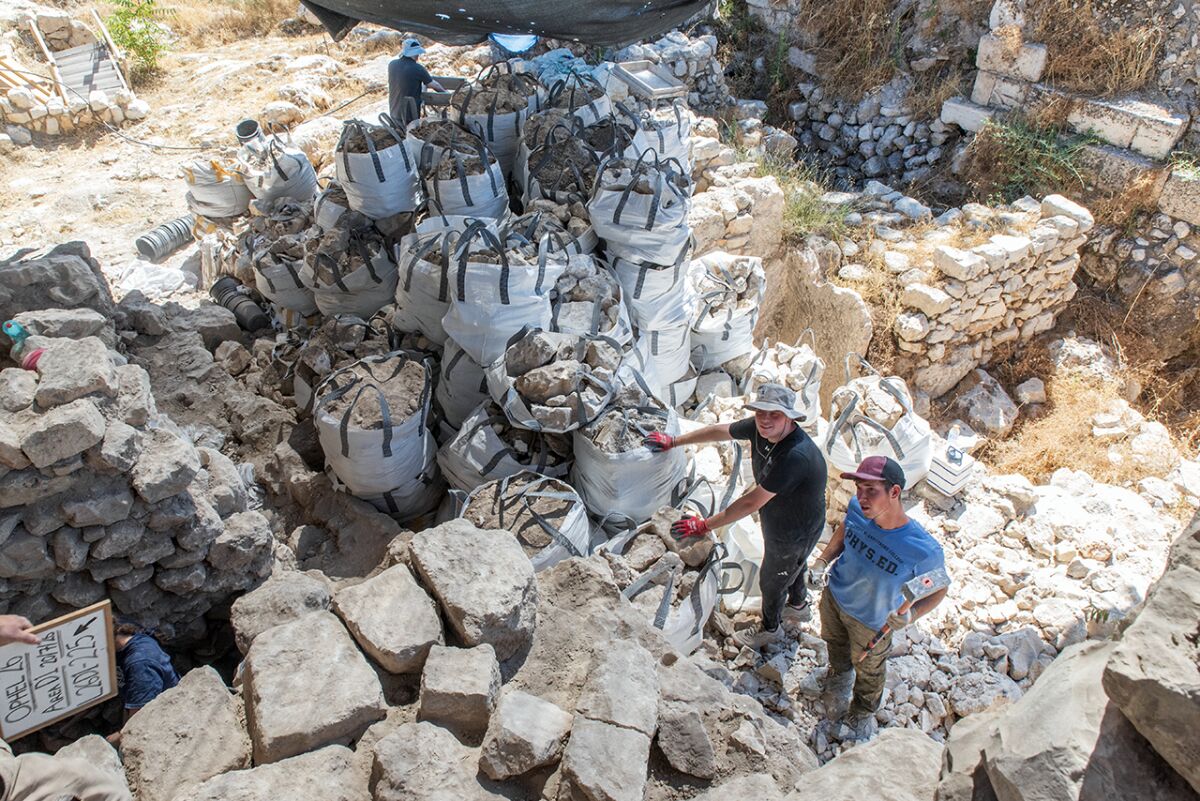
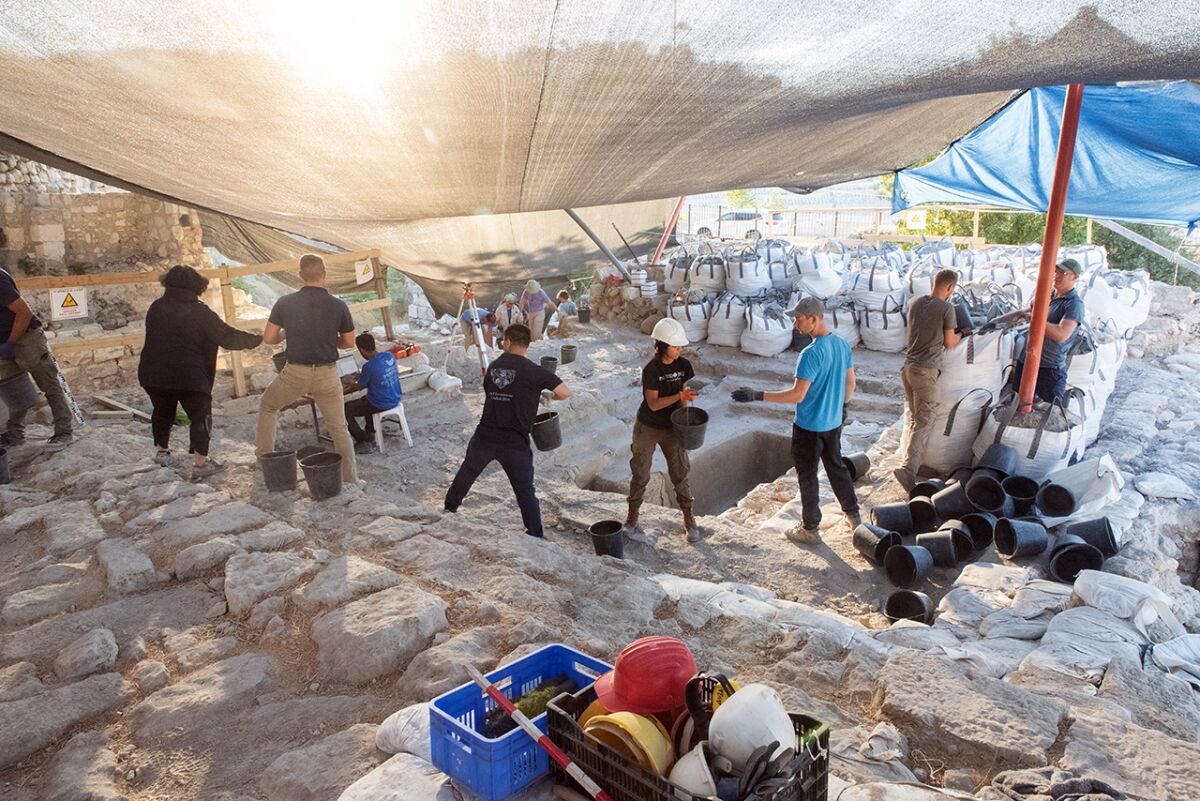
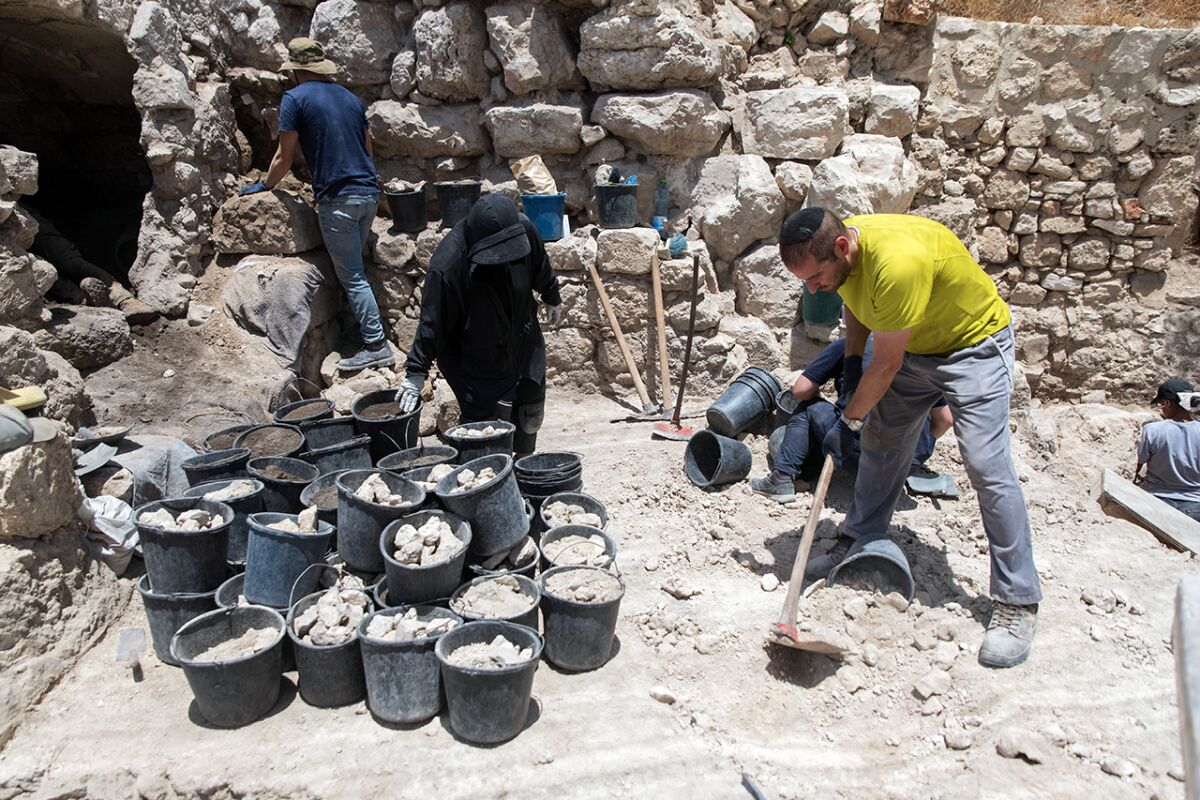
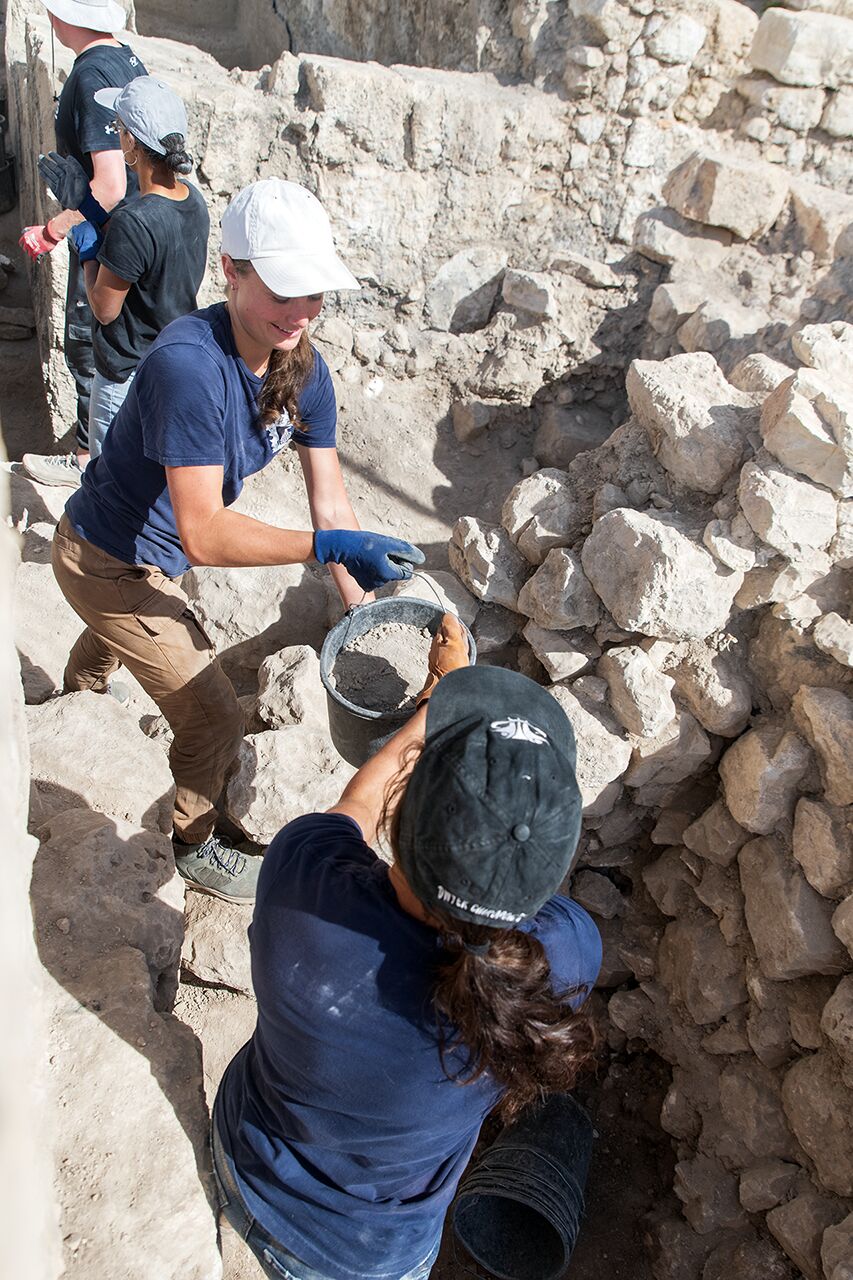
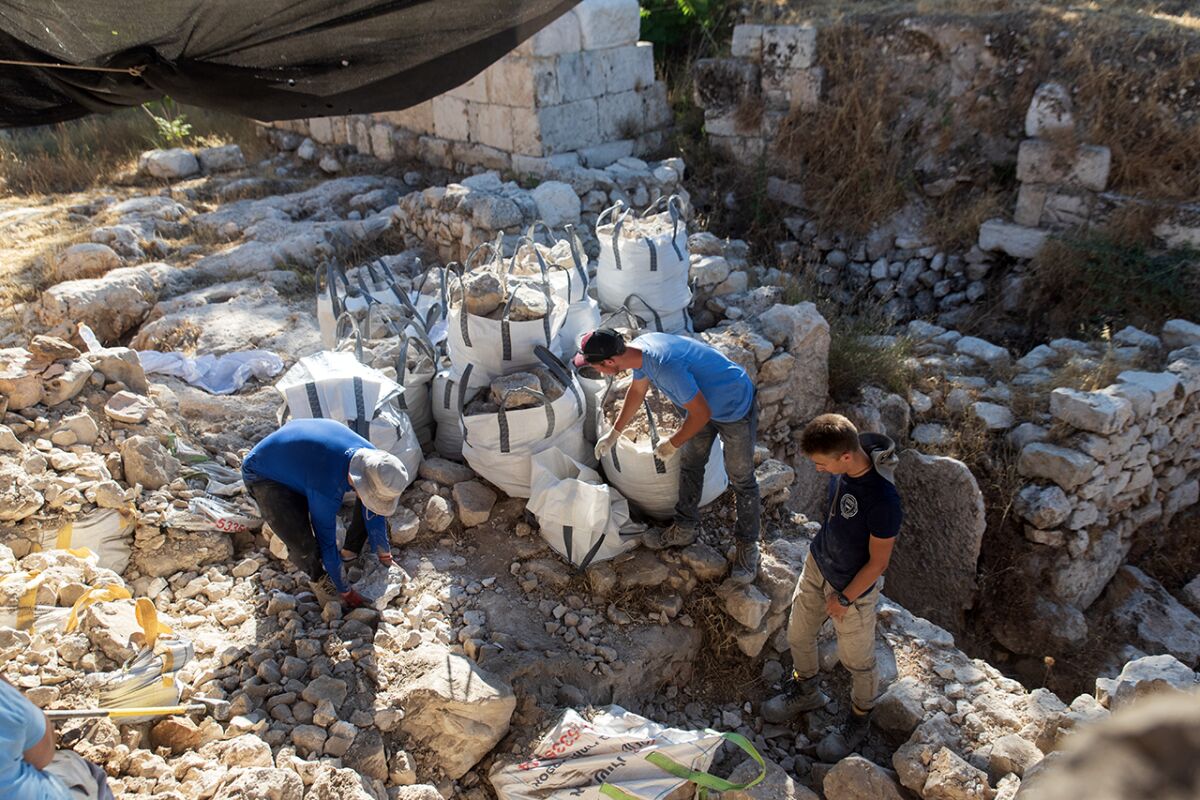
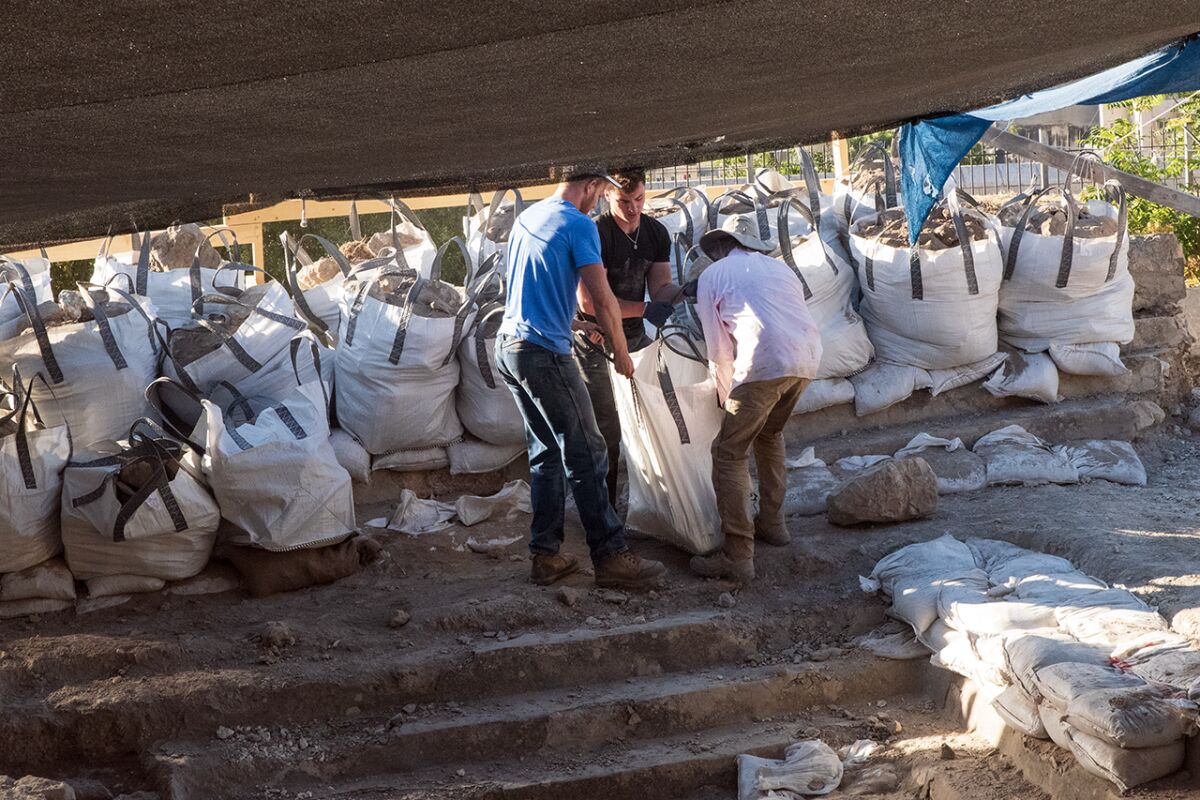
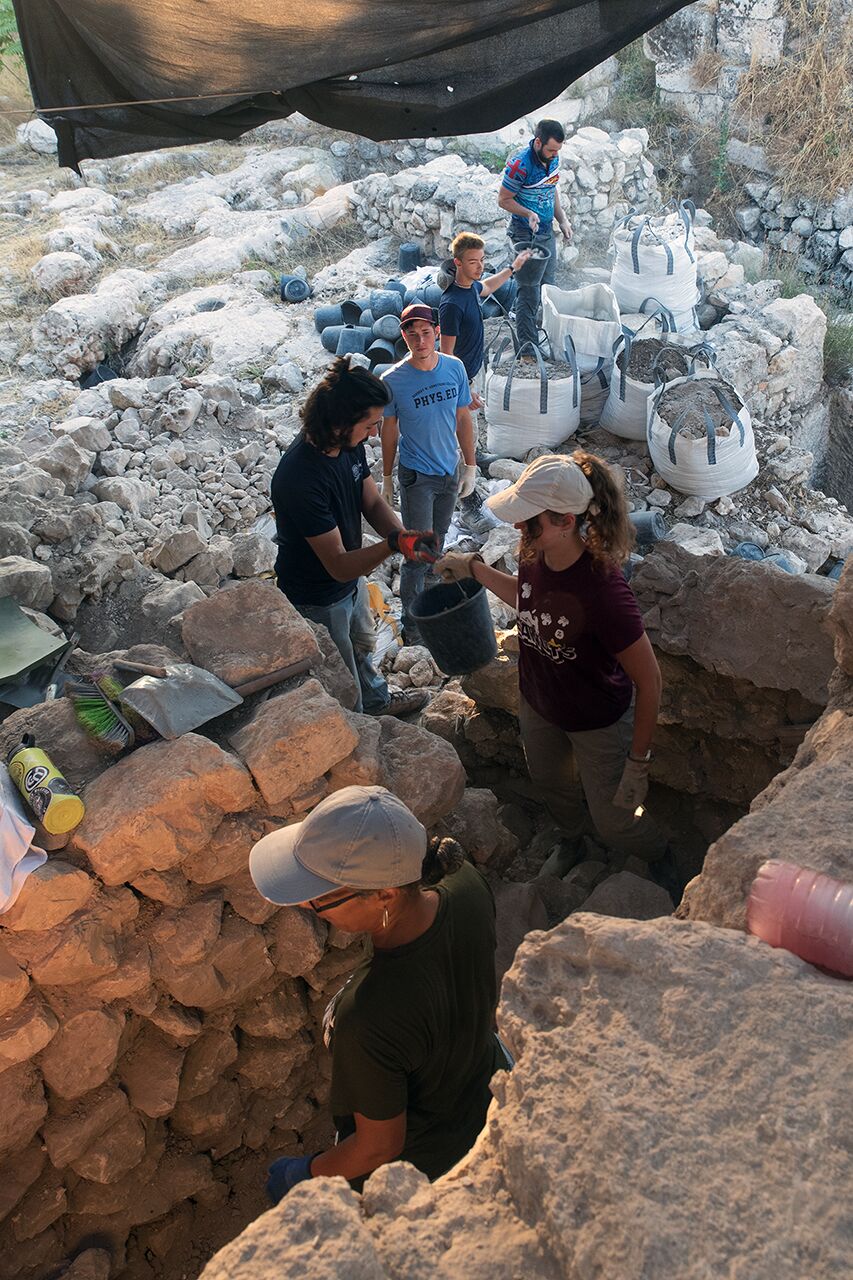
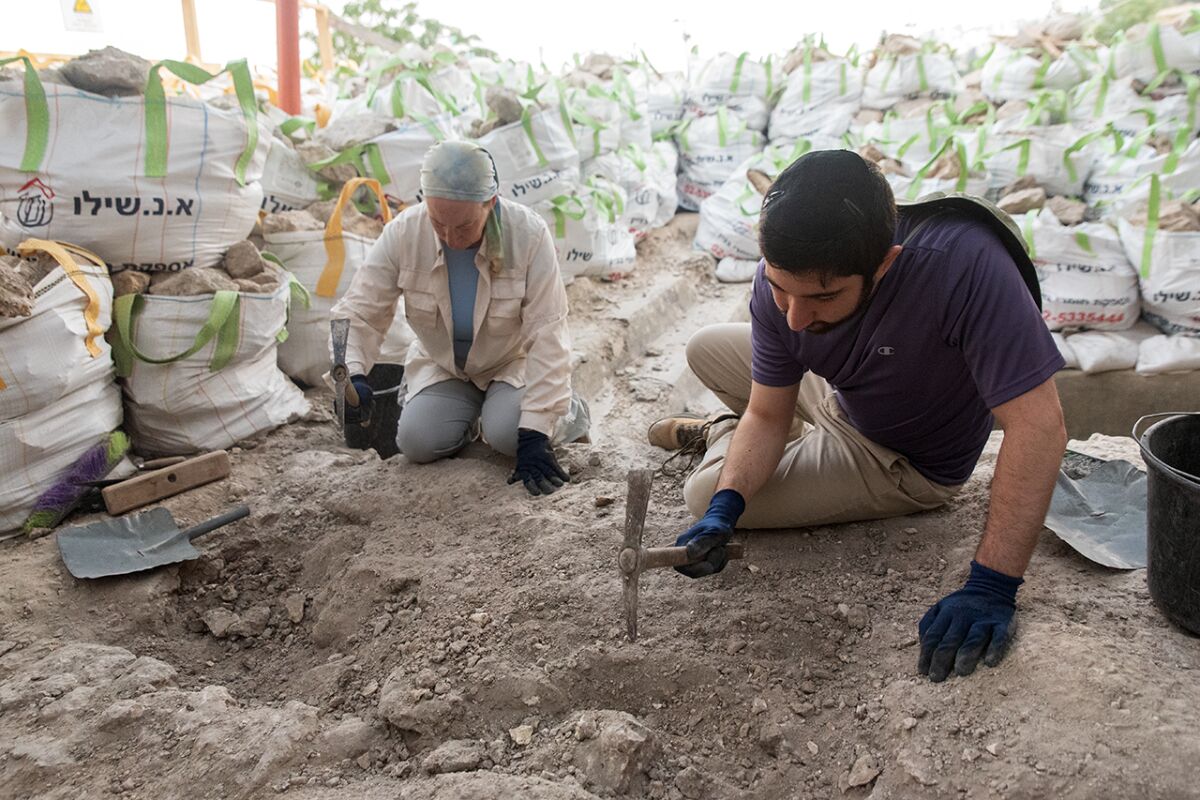
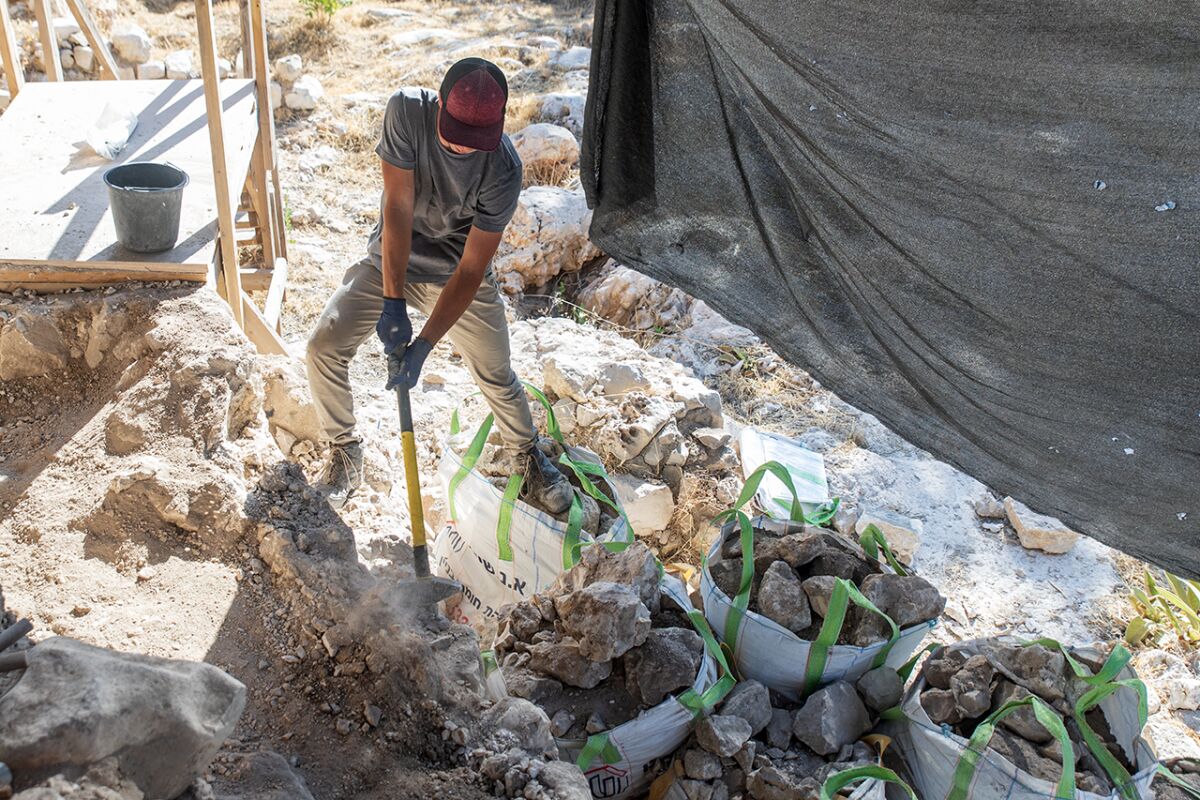
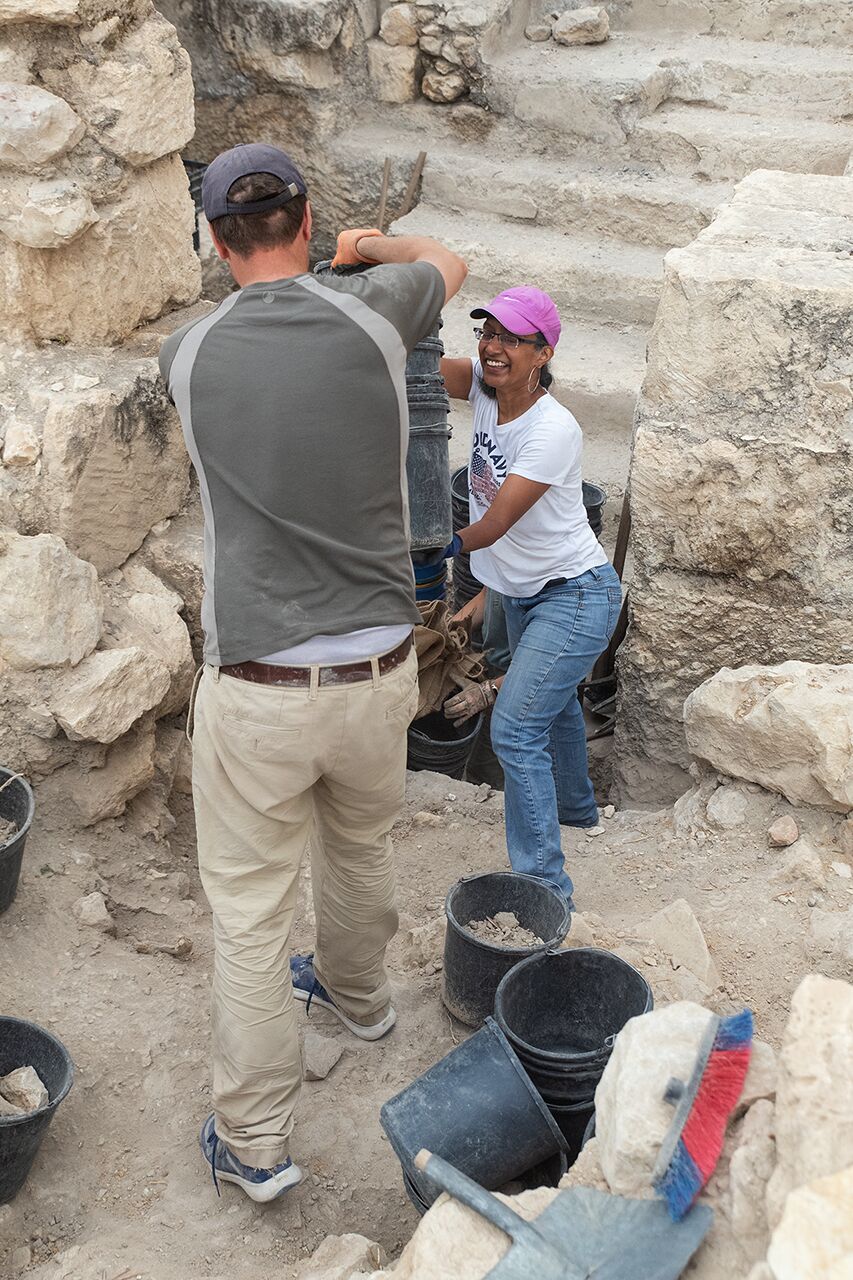
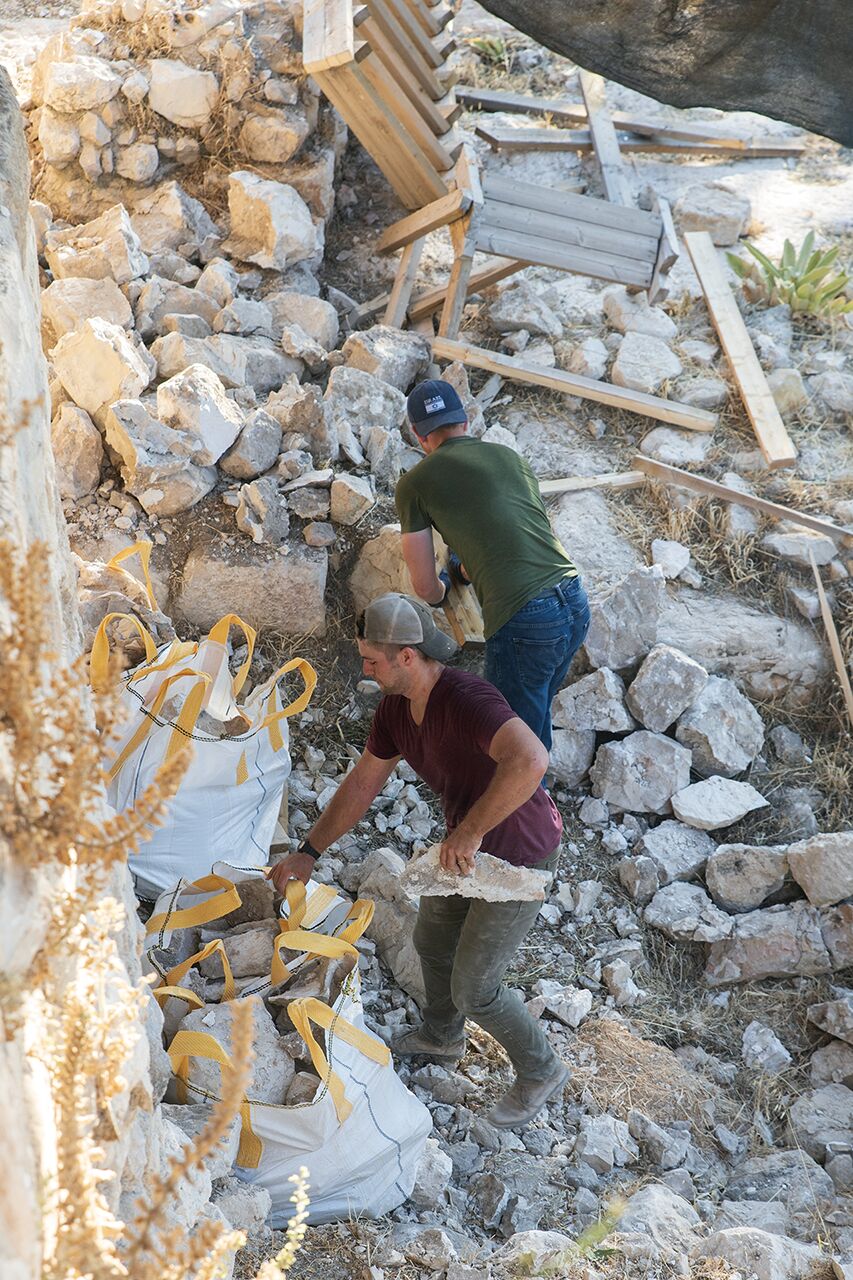
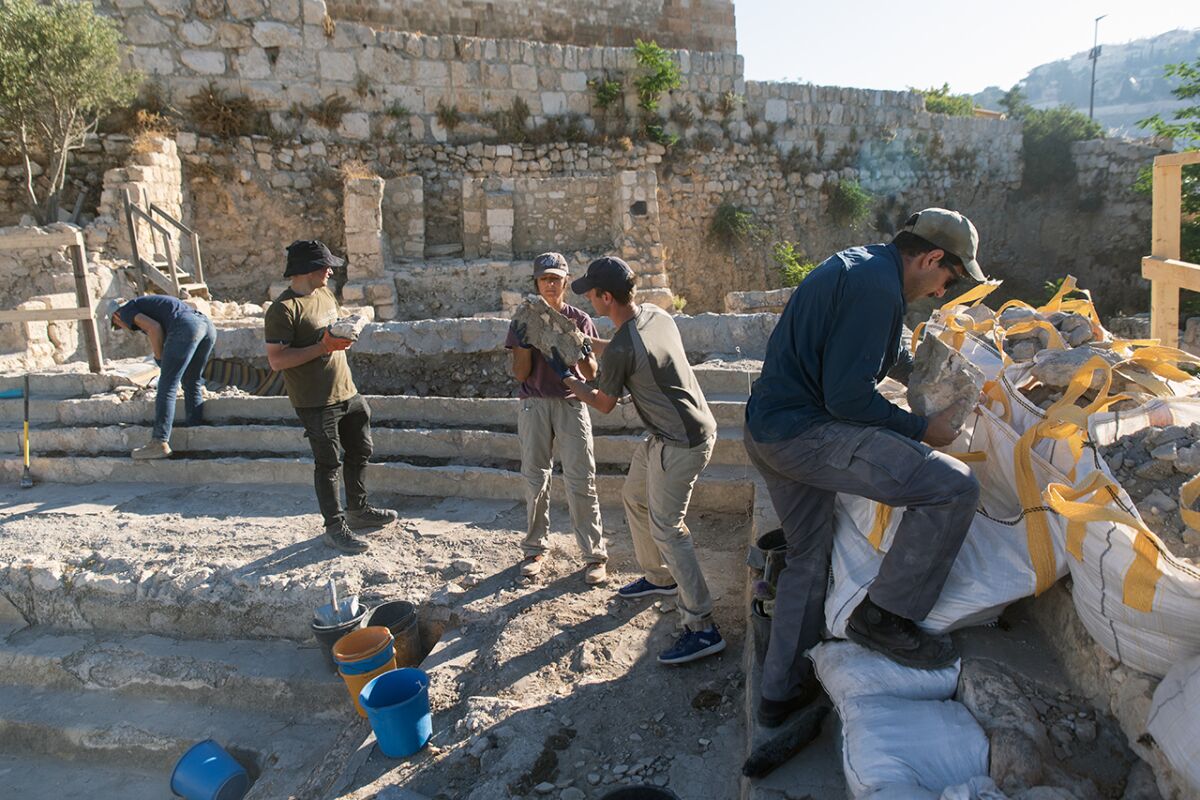
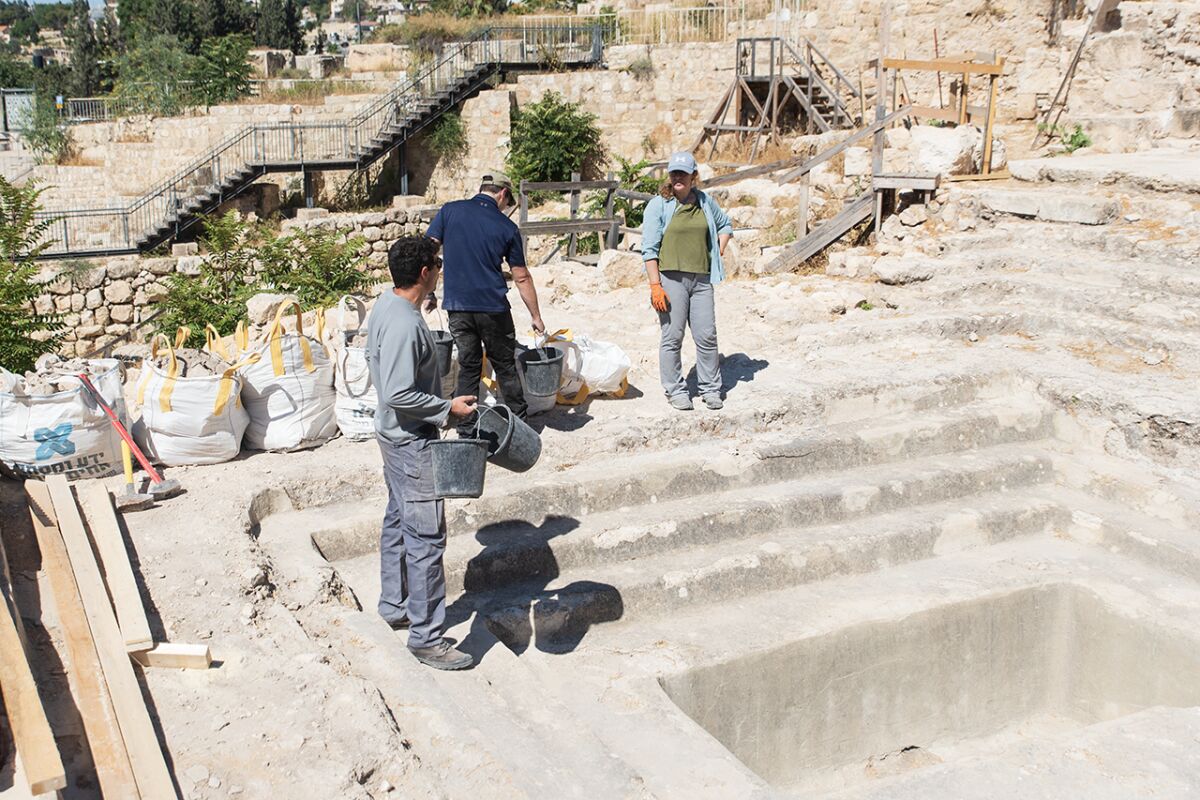
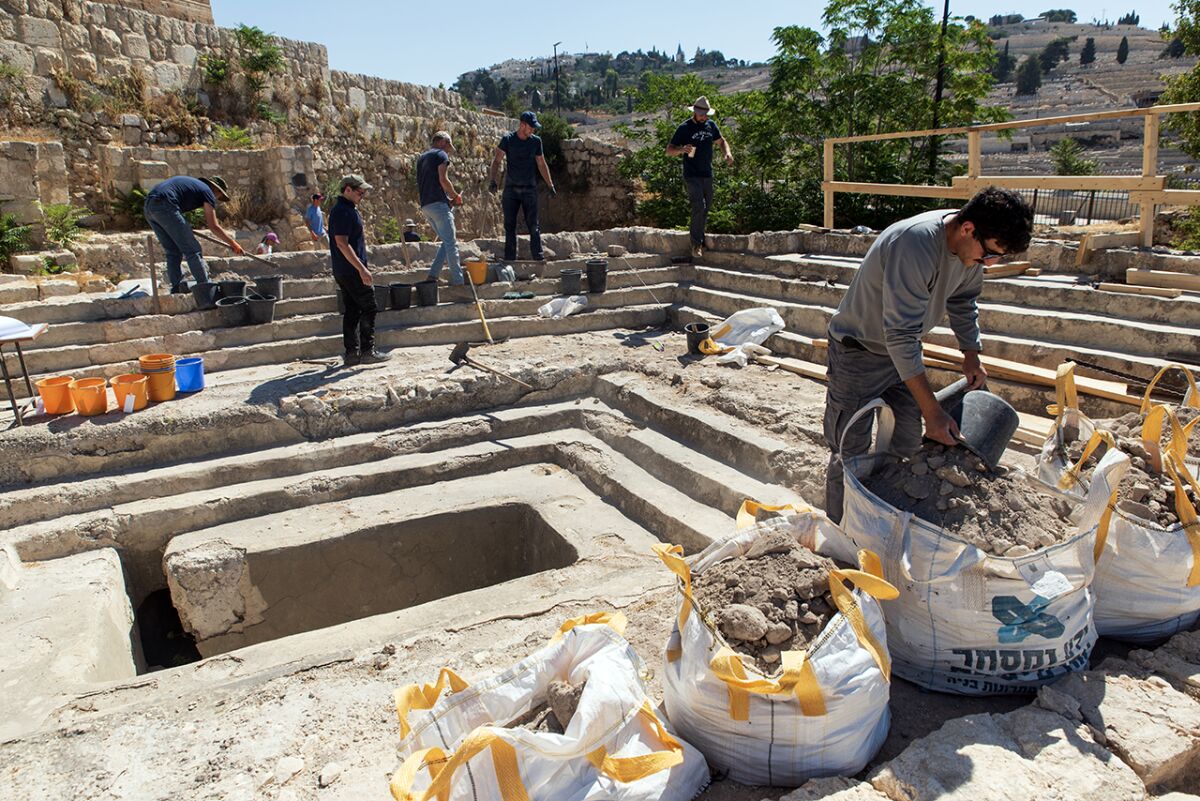
The third week got off to a strong start today, with much dirt and stones moved via several bucket chains into rows of balot (construction site bags). Among the many finds of today we had dozens of coins and significant quantities of pottery, in particular many pilgrim flasks of the late Second Temple period. Excited to see what the rest of this week will have in store!
With three more days of hard work, we completed a productive second week.
In Area D, we exposed more of the southern room—with the first glimpse of bedrock in the northern corner. In this room, we found more coins, which will be important for dating. Further north, we are removing fill material inside the complete arched vault, which was plastered from the inside and likely used as a cistern in the Byzantine Period. Besides additional work in two other rooms, two more areas on the west were opened in Area D, where Iron Age material was quickly revealed.
Area D1 made good progress in a number of chamber-like rooms and passages around the area. Quantities of Early Roman, Hellenistic and Iron Age pottery continue to emerge from different locations—including additional Iron Age horse figurine fragments (the subject of today’s show-and-tell) and a complete vessel—with greater clarity coming for the dating of different phases of the site. On the northwest side of the site, the full continuation of the beautifully constructed early “royal mikveh” has been discovered.
On the final day of the week, we welcomed four more Armstrong volunteers who arrived in Israel on Wednesday after performing in the Celtic Throne Irish dance show, which just completed its North American tour. We closed the week with another tour of progress in each area.
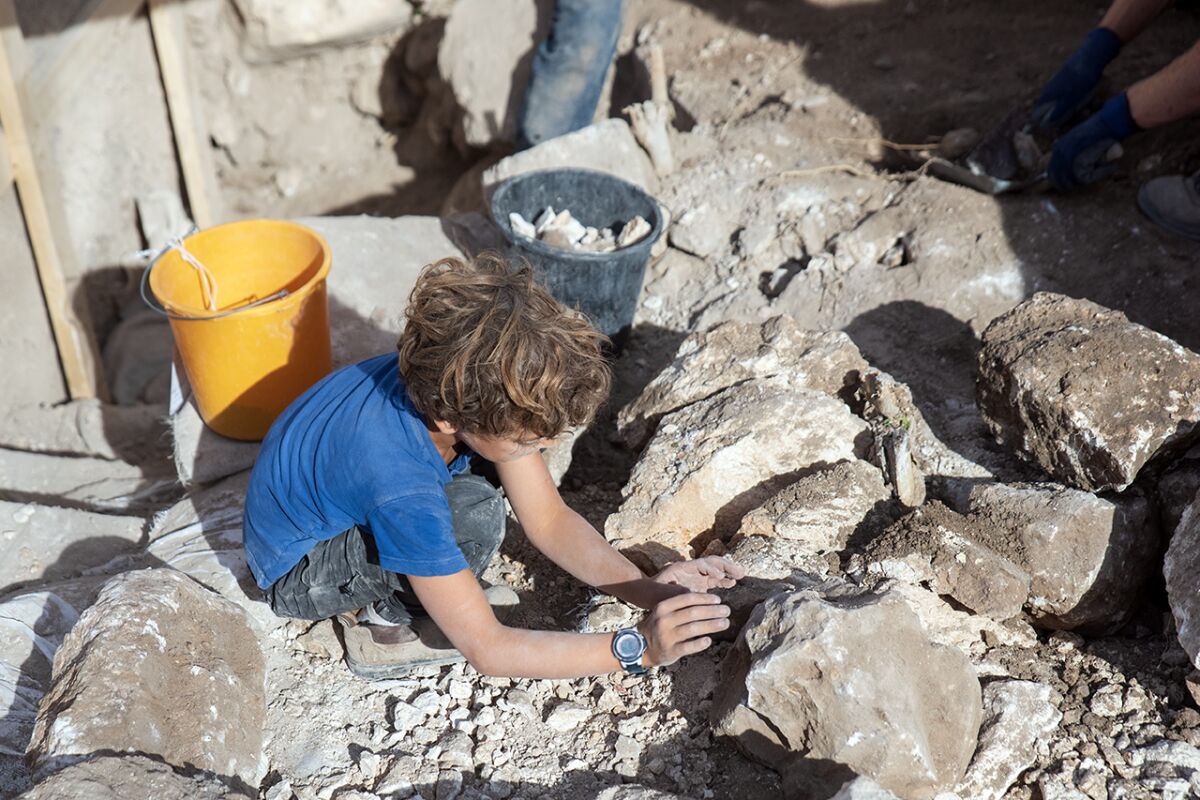
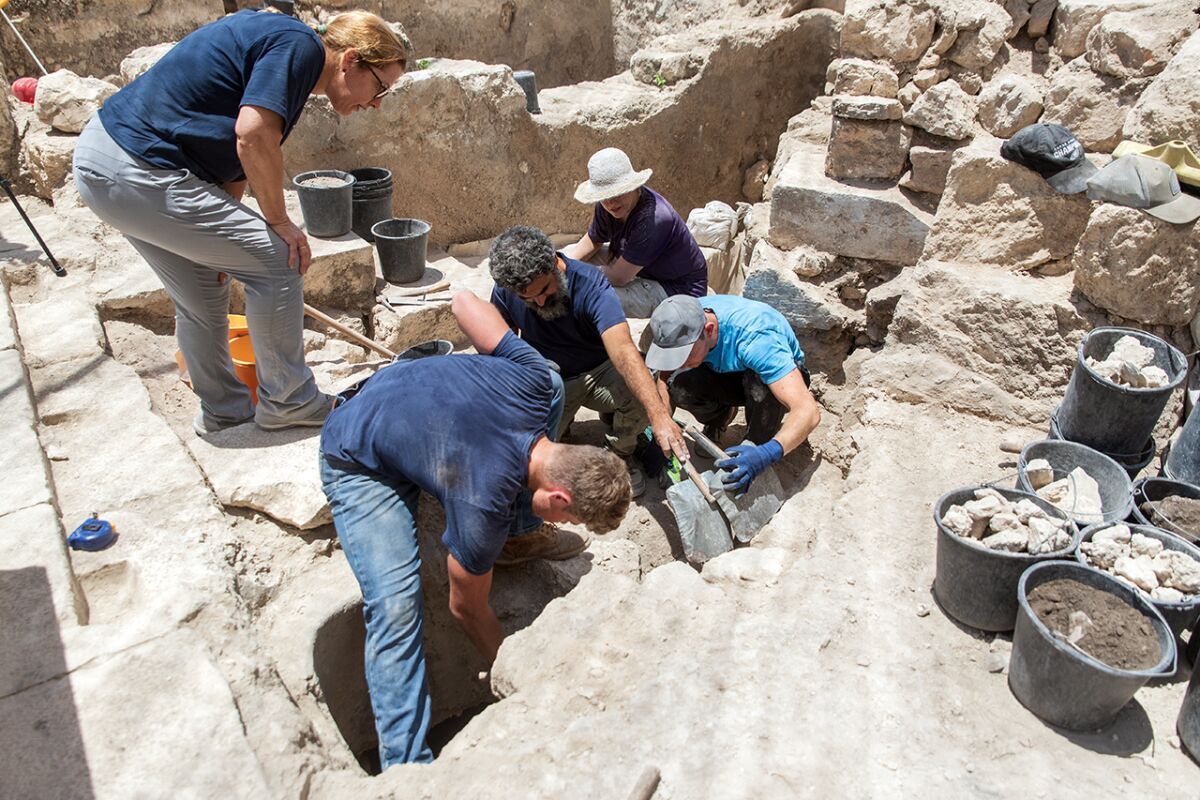
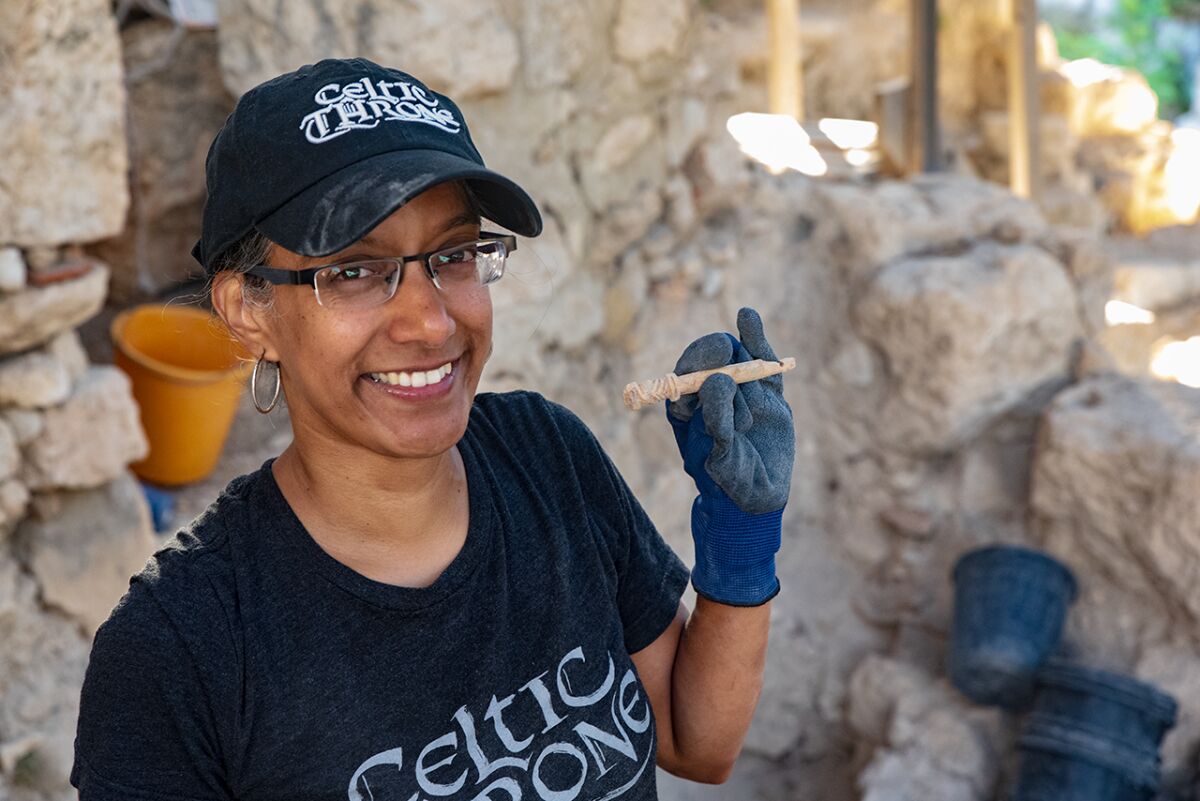
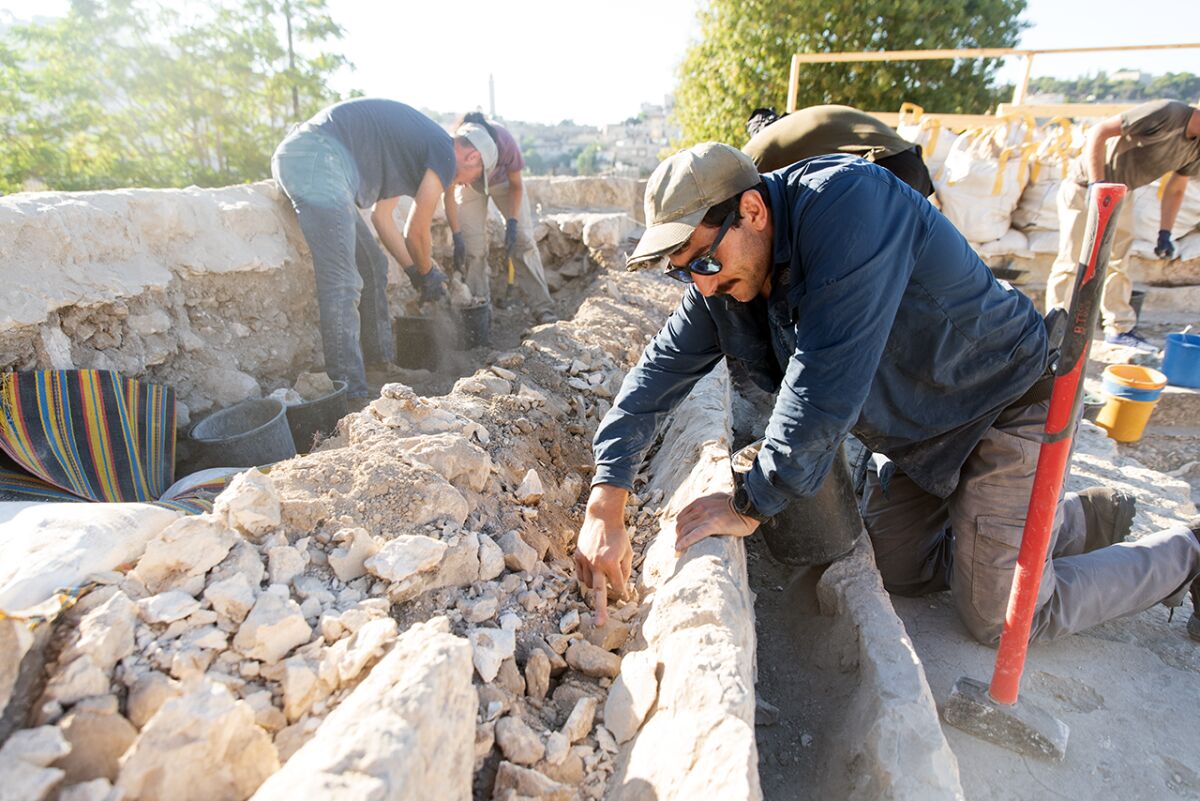
At the beginning of this second week of excavation, we continued excavating Byzantine walls and exposing a Herodian vault in Area D. In Area D1, we continued work excavating low fills and probing the northeast corner of the large Ophel pool. In all loci, progress was steady, digging through fills and recording an ever increasing amount of finds, including interesting metal objects, a ring, Iron Age horse figurine fragments and, today, an ornate bone distaff, discovered by Deepika in Area D1. A distaff is an object used to hold fibers as they are spun into a spindle—evidence of fabric production on our site. This special object was the topic of show-and-tell at breakfast.
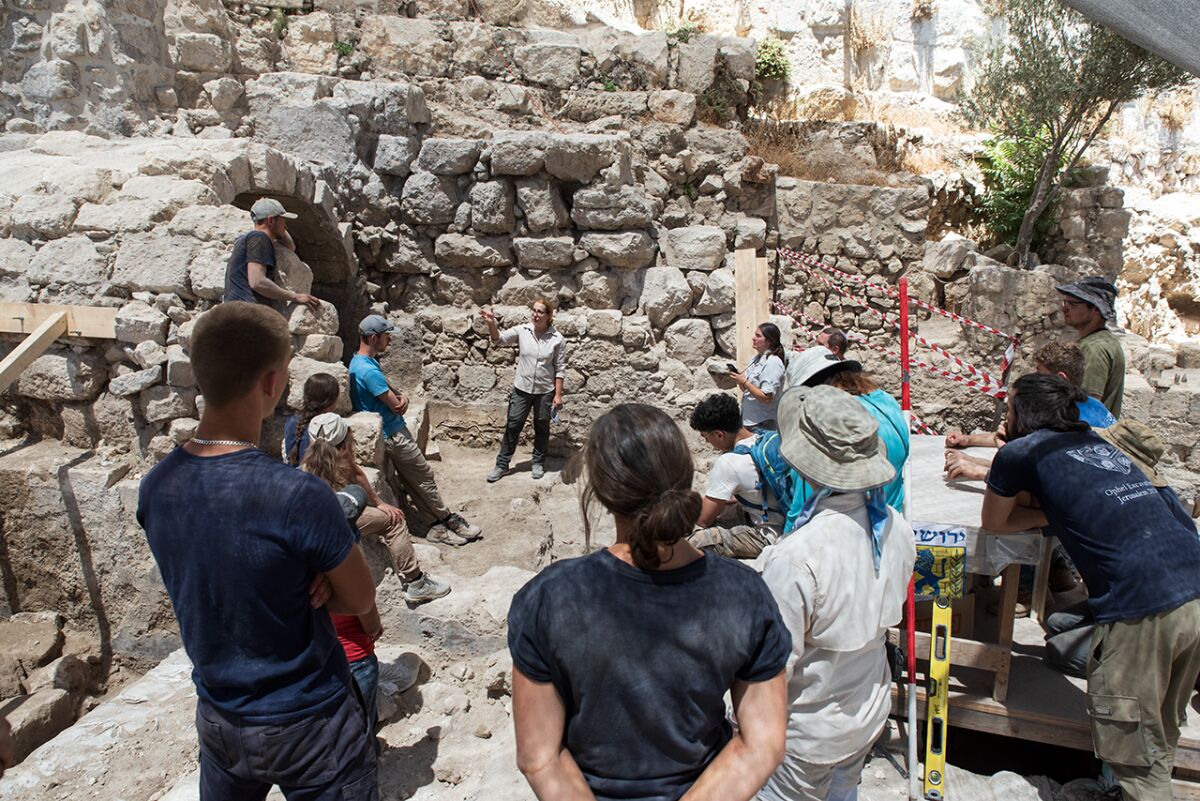
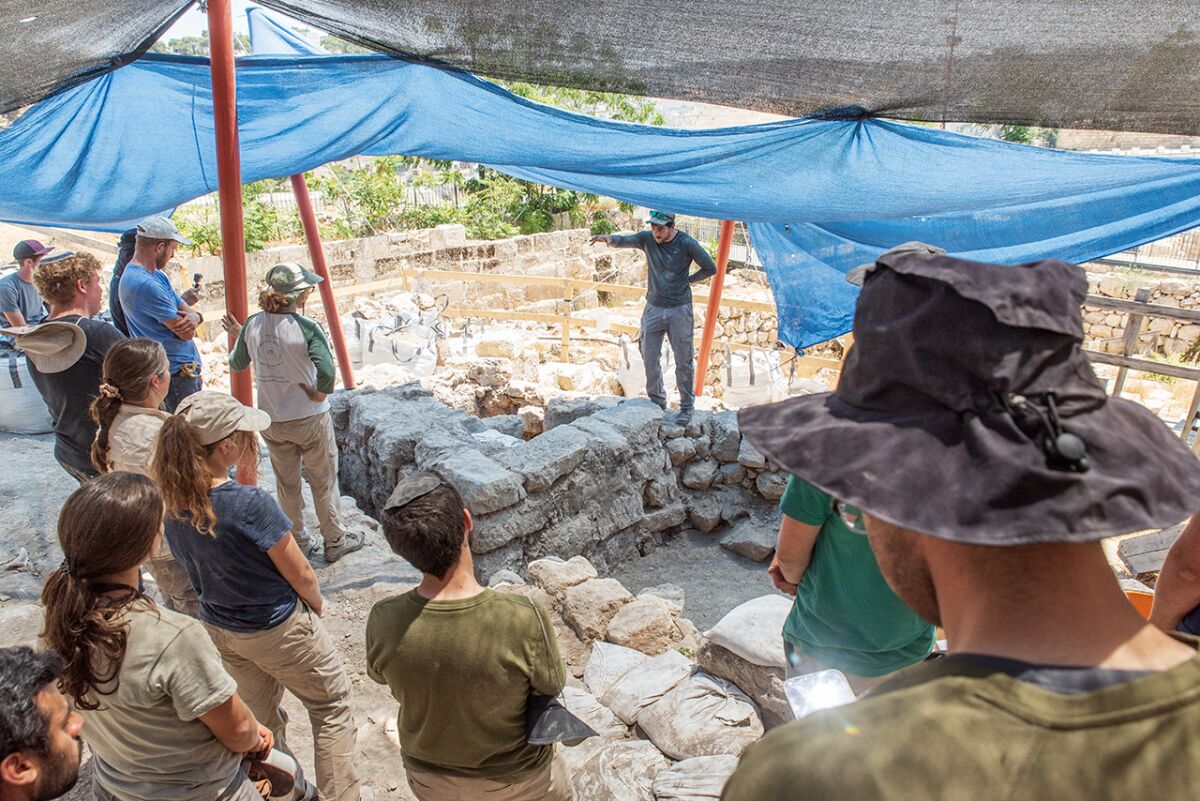
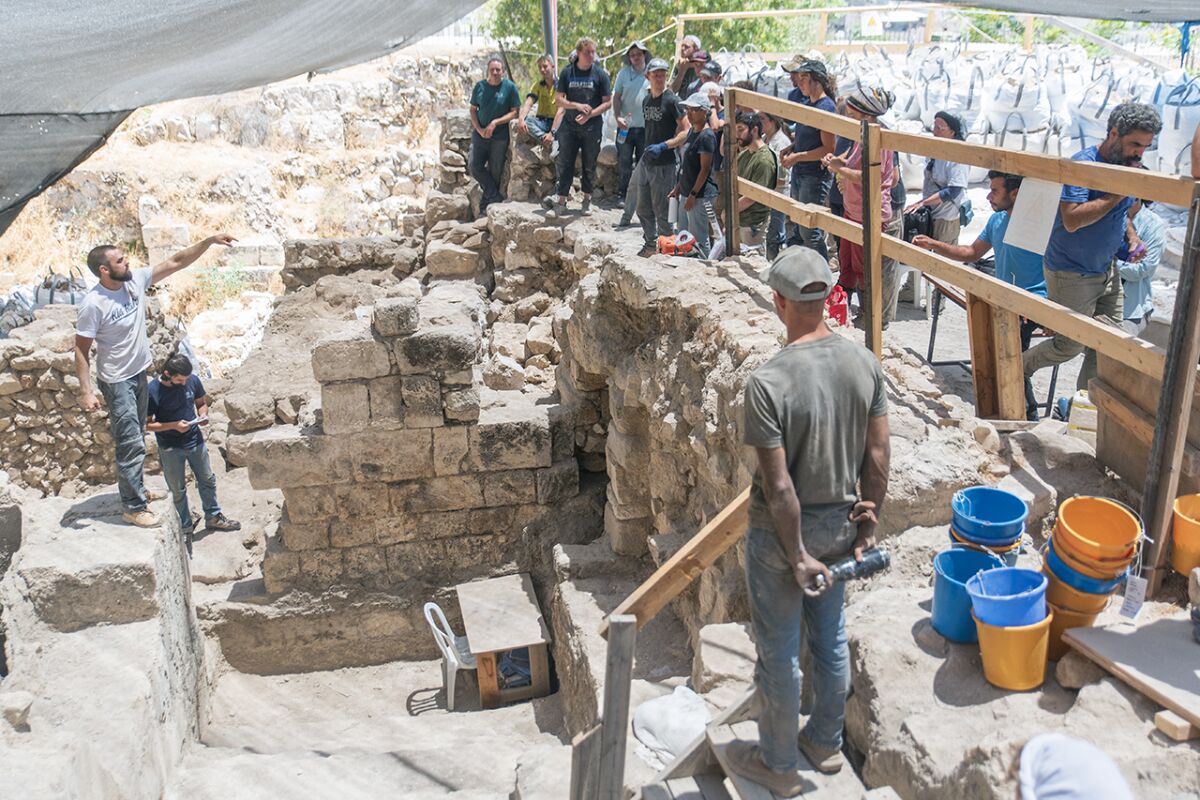
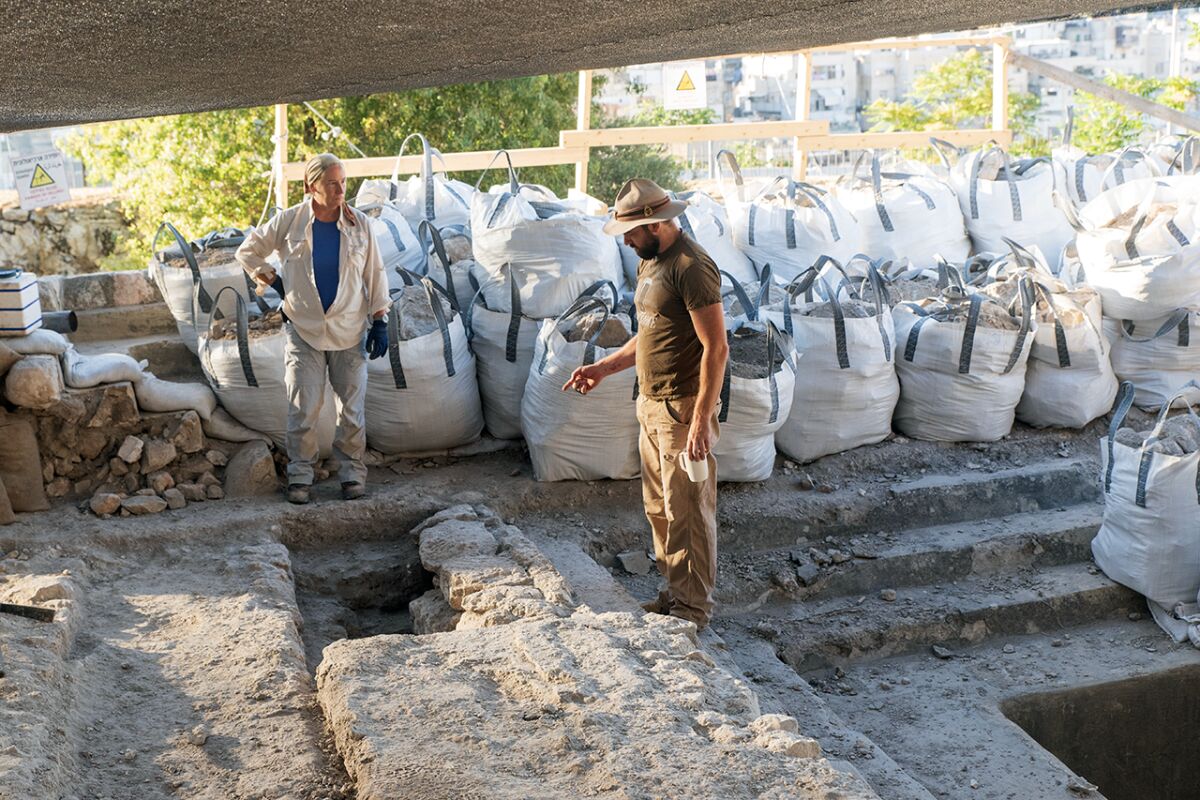
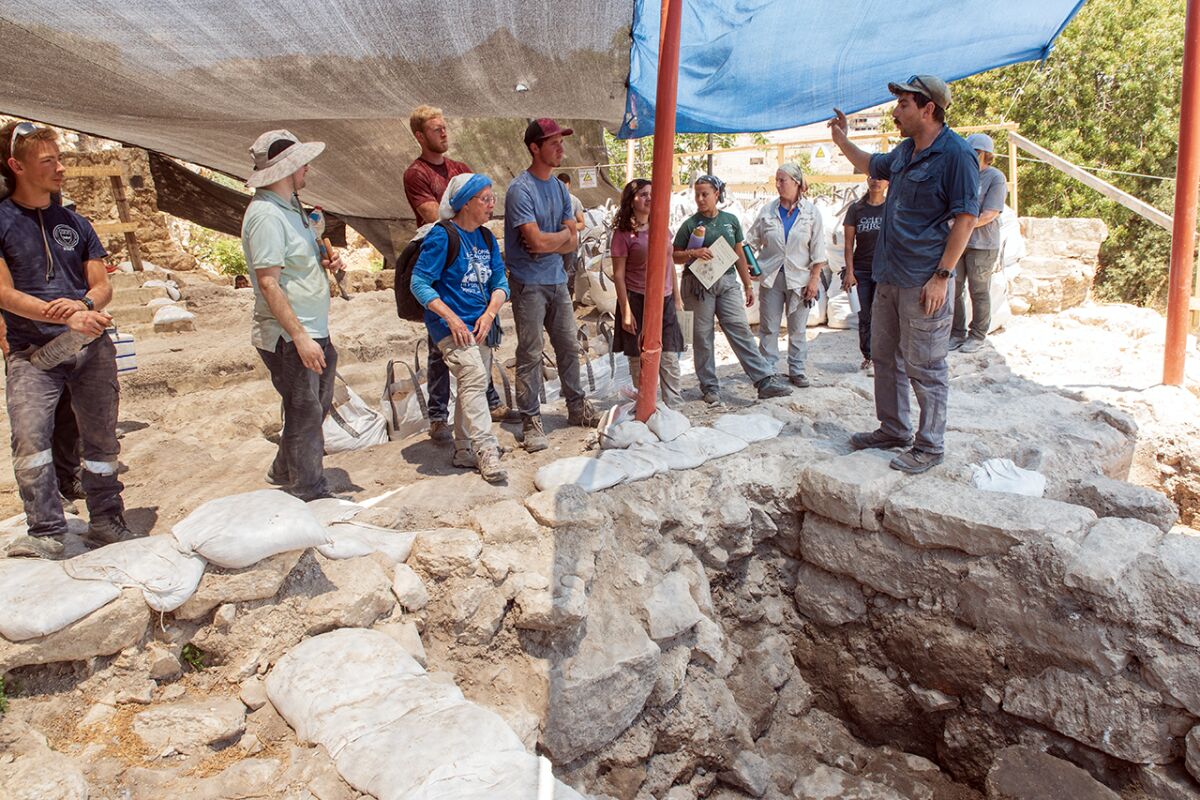
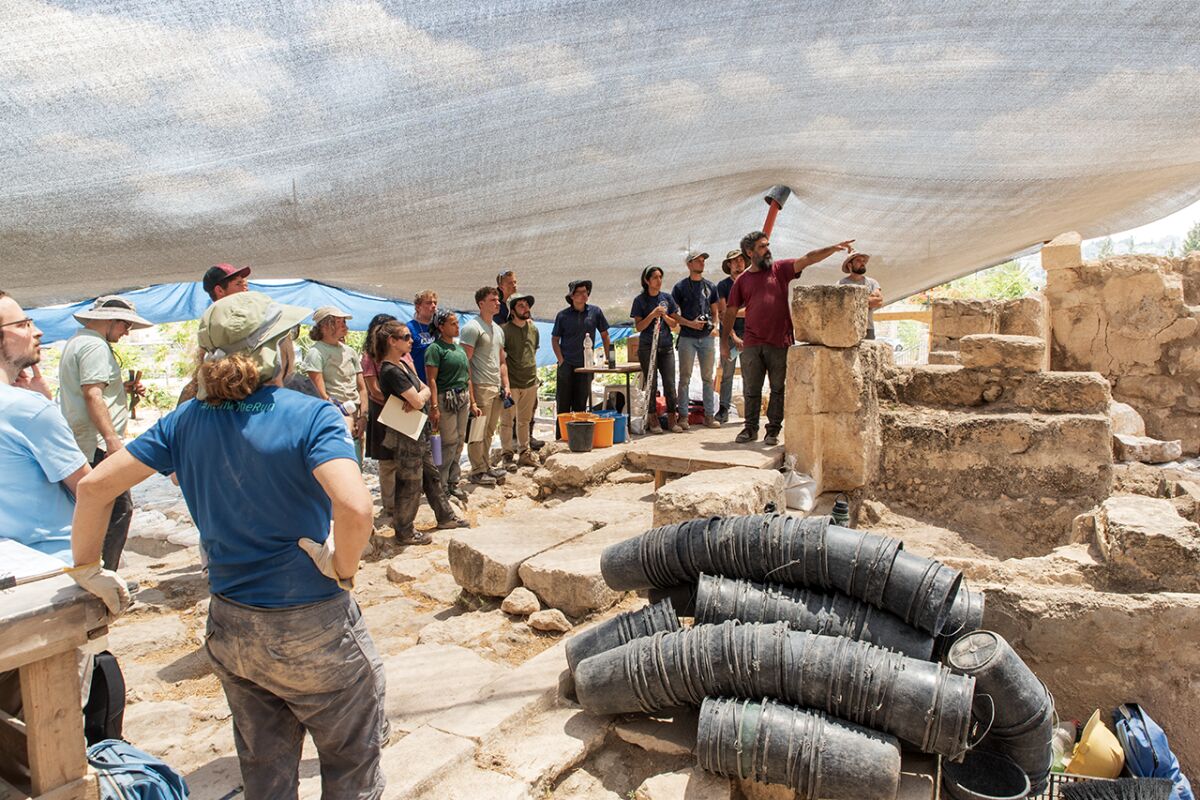
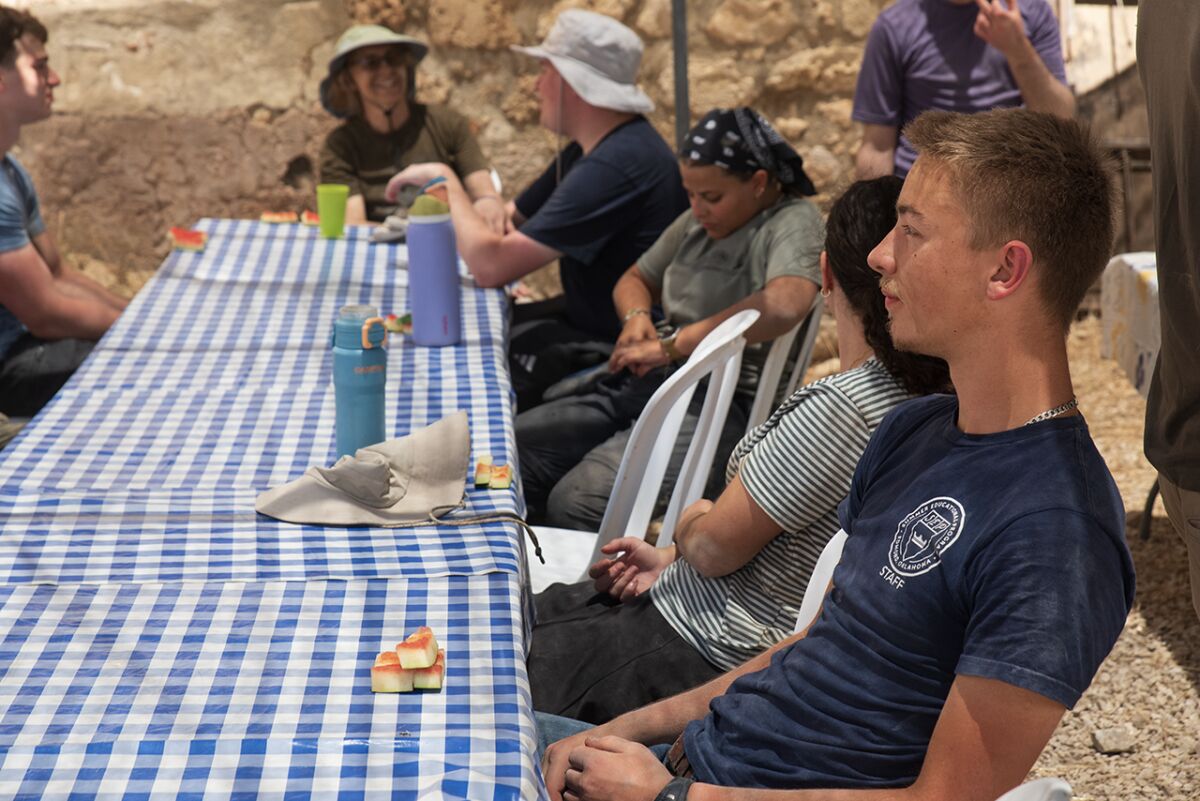
We finished off the first week with good progress in all areas. At the end of the day, Professor Leibner thanked all the volunteers for their work and presented certificates to those leaving. Afterward, the area supervisors—Chris, Akiva and Amir—gave a tour of their respective areas and explained the progress we made this week. On to week two!
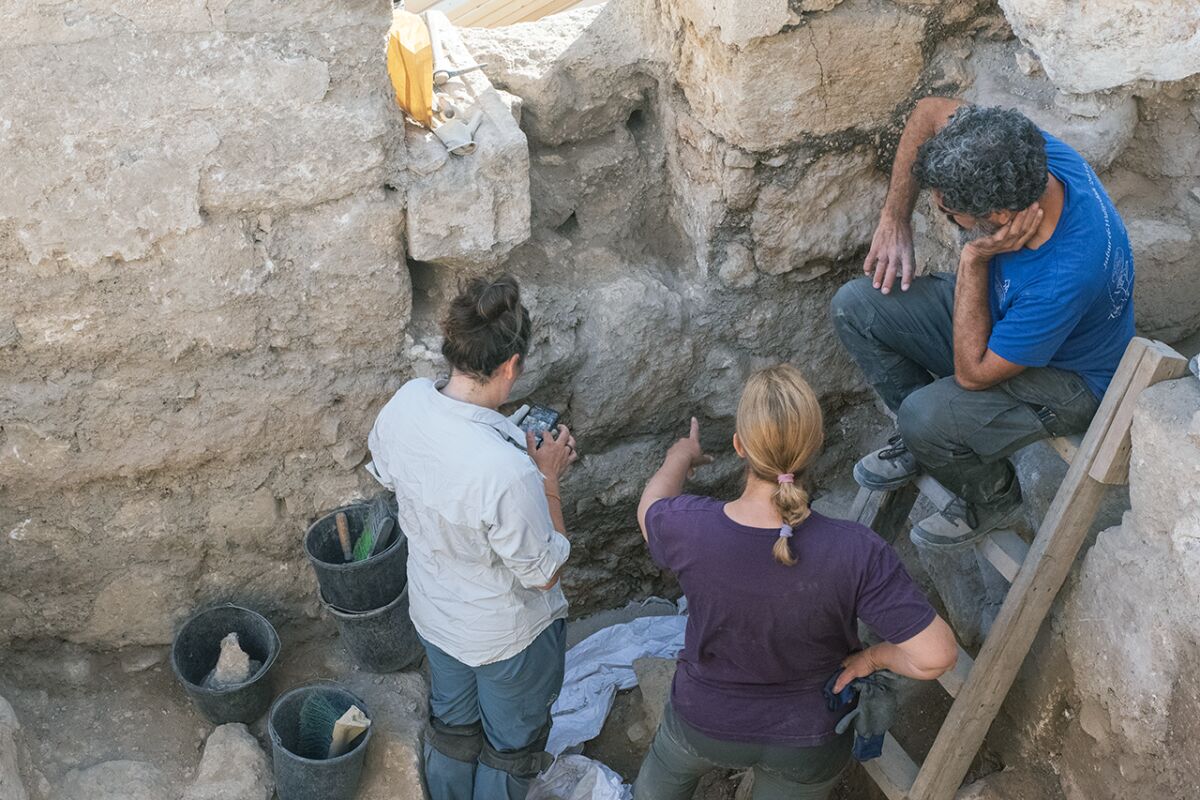
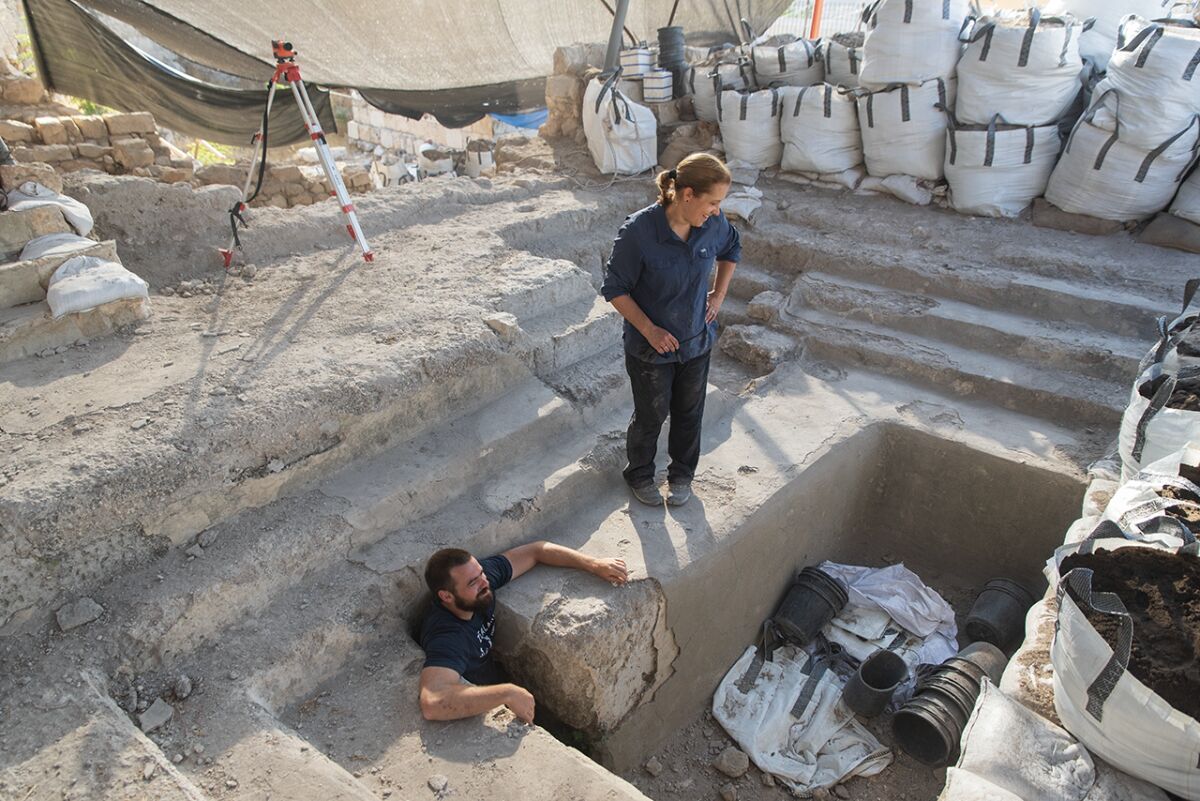
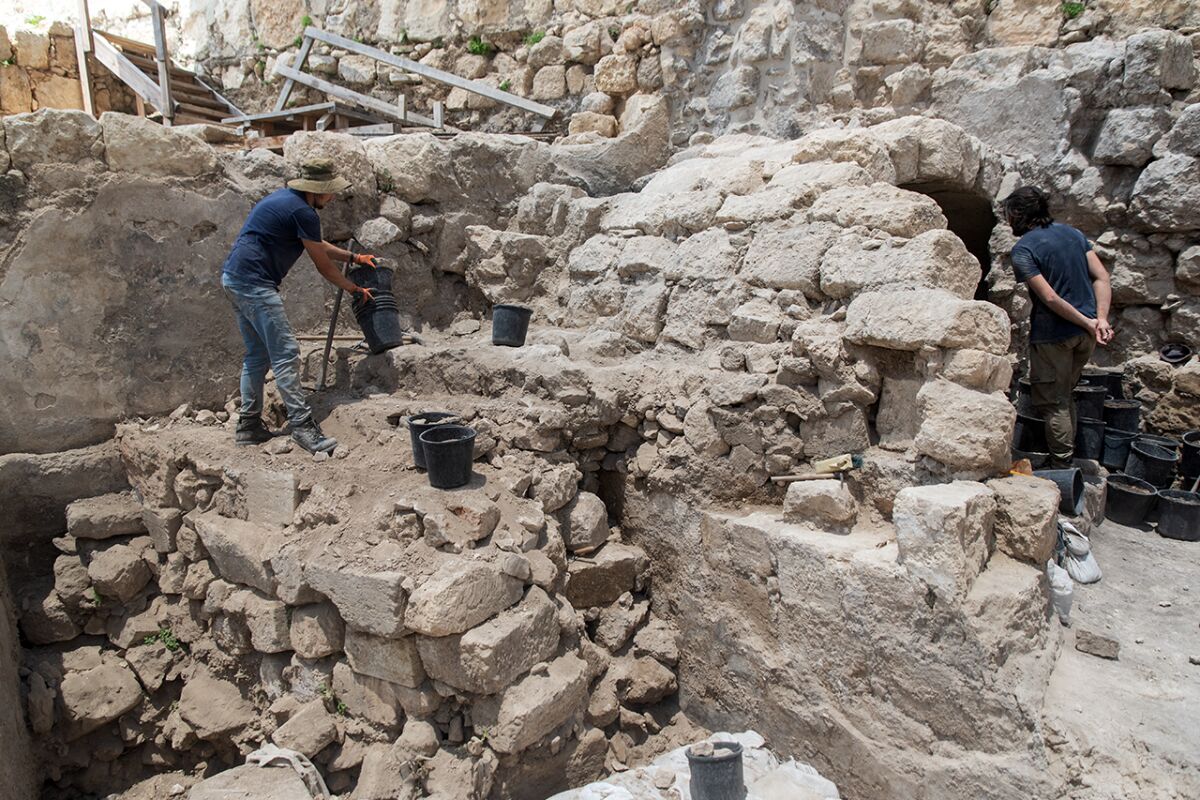
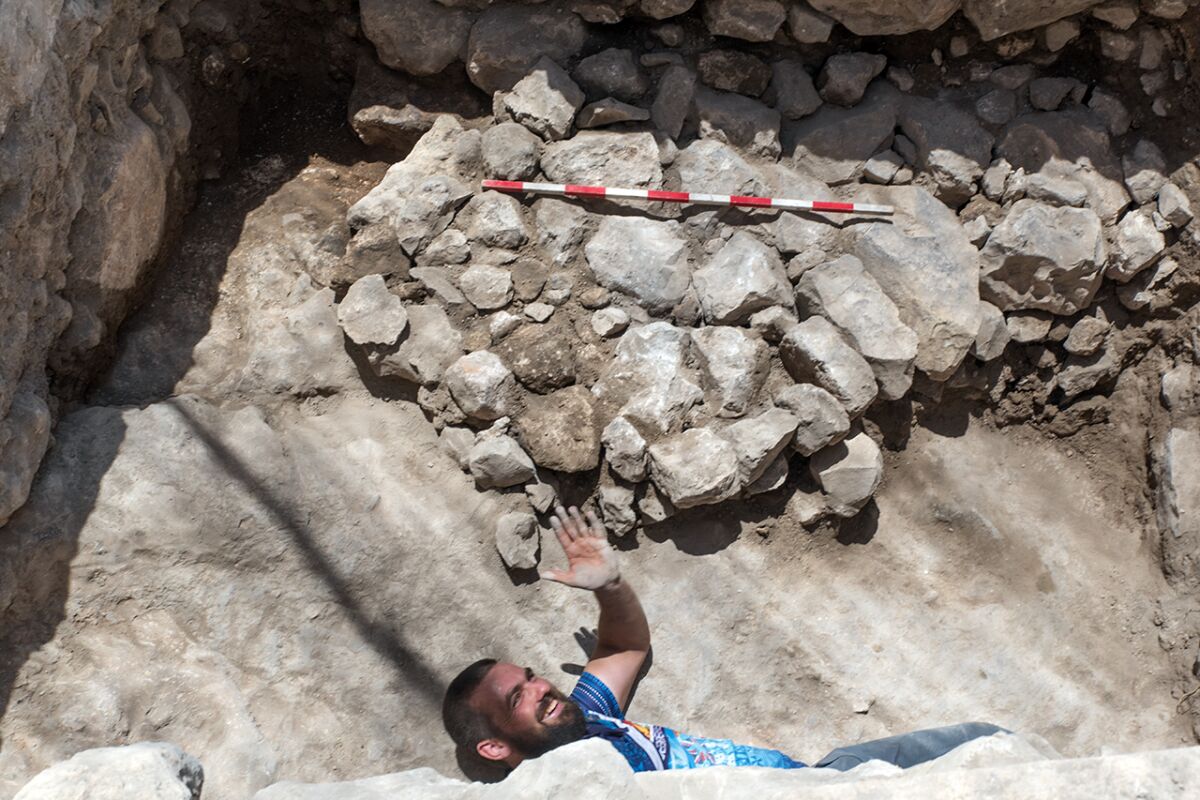
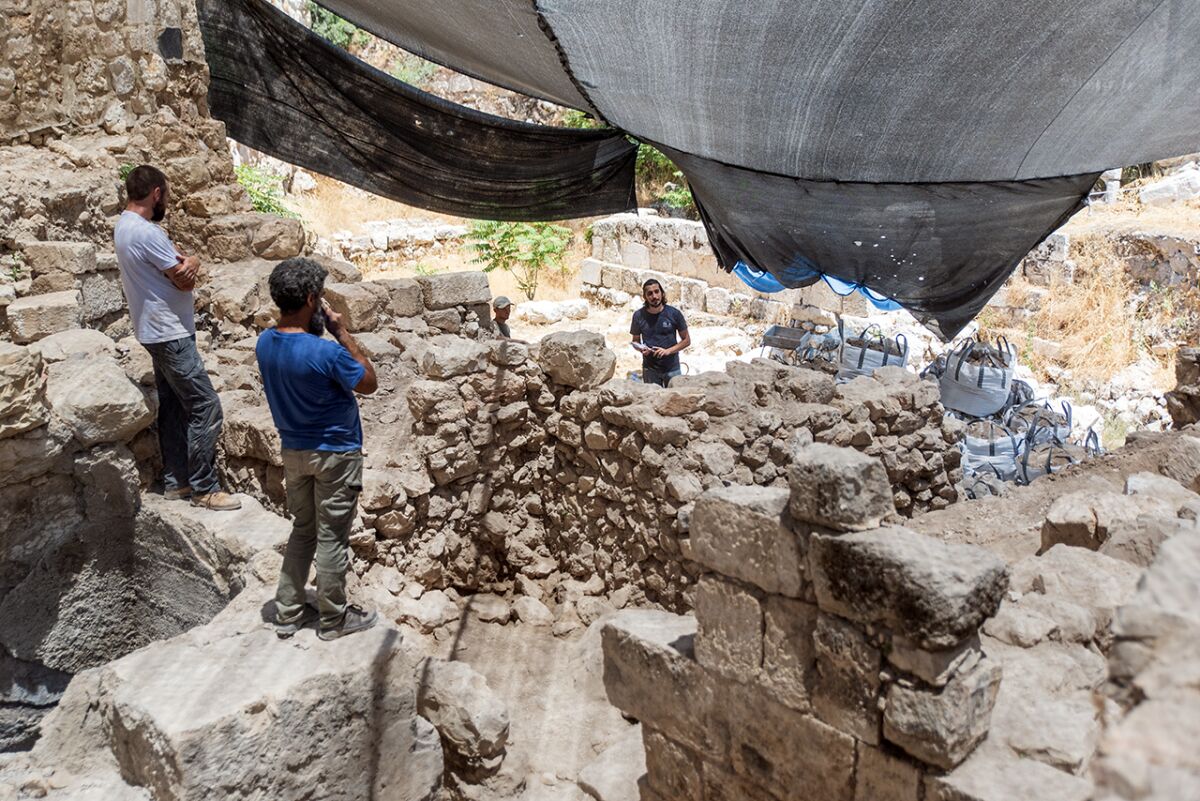
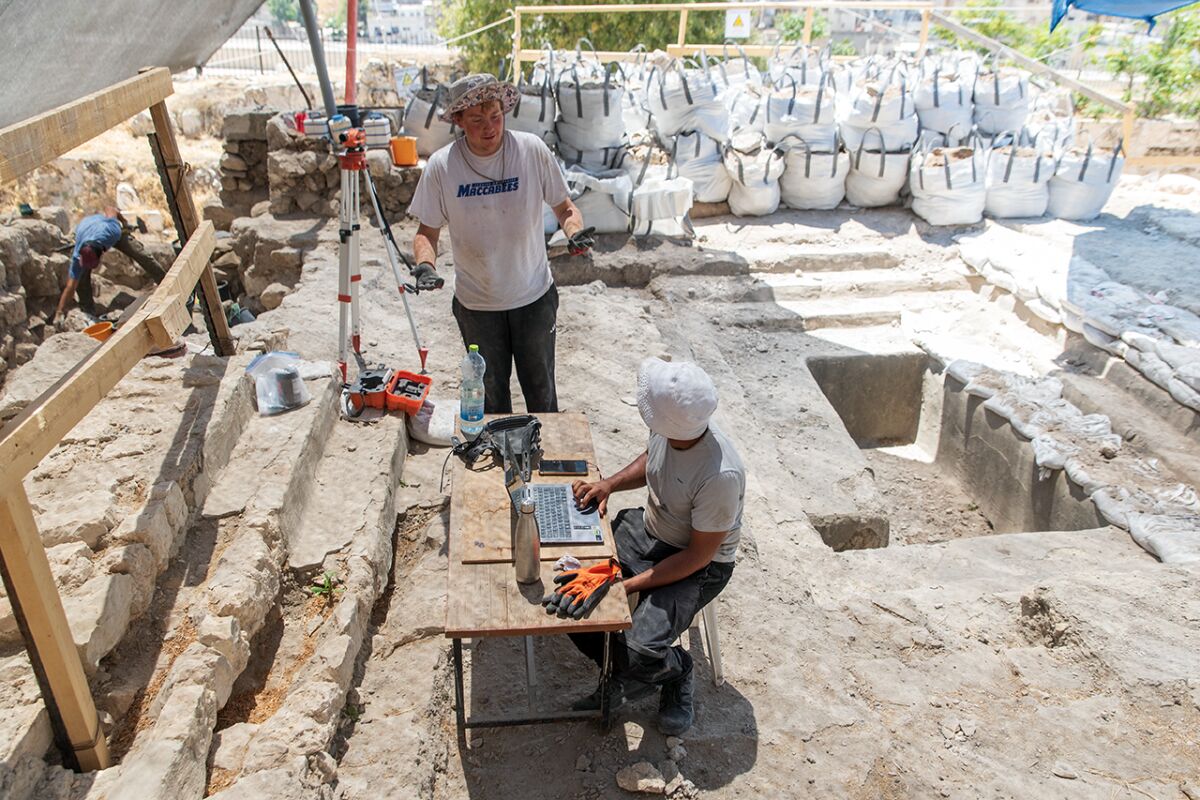
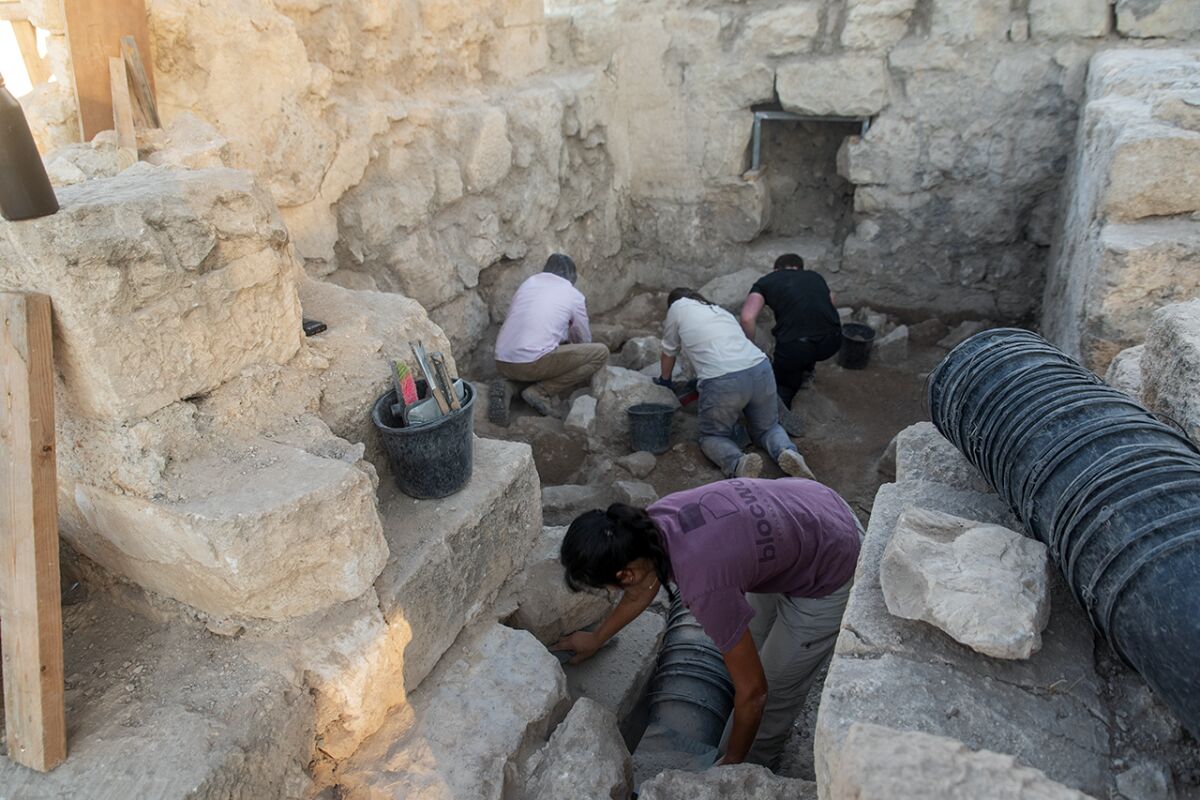
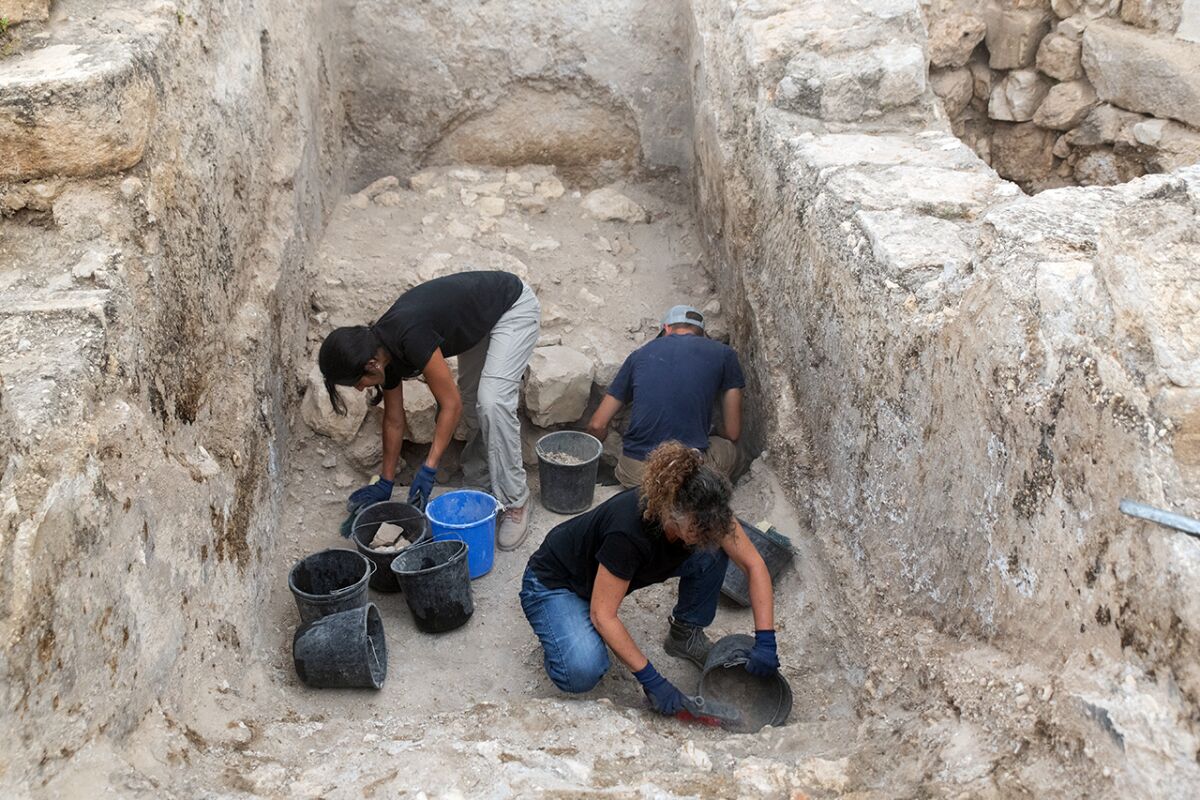
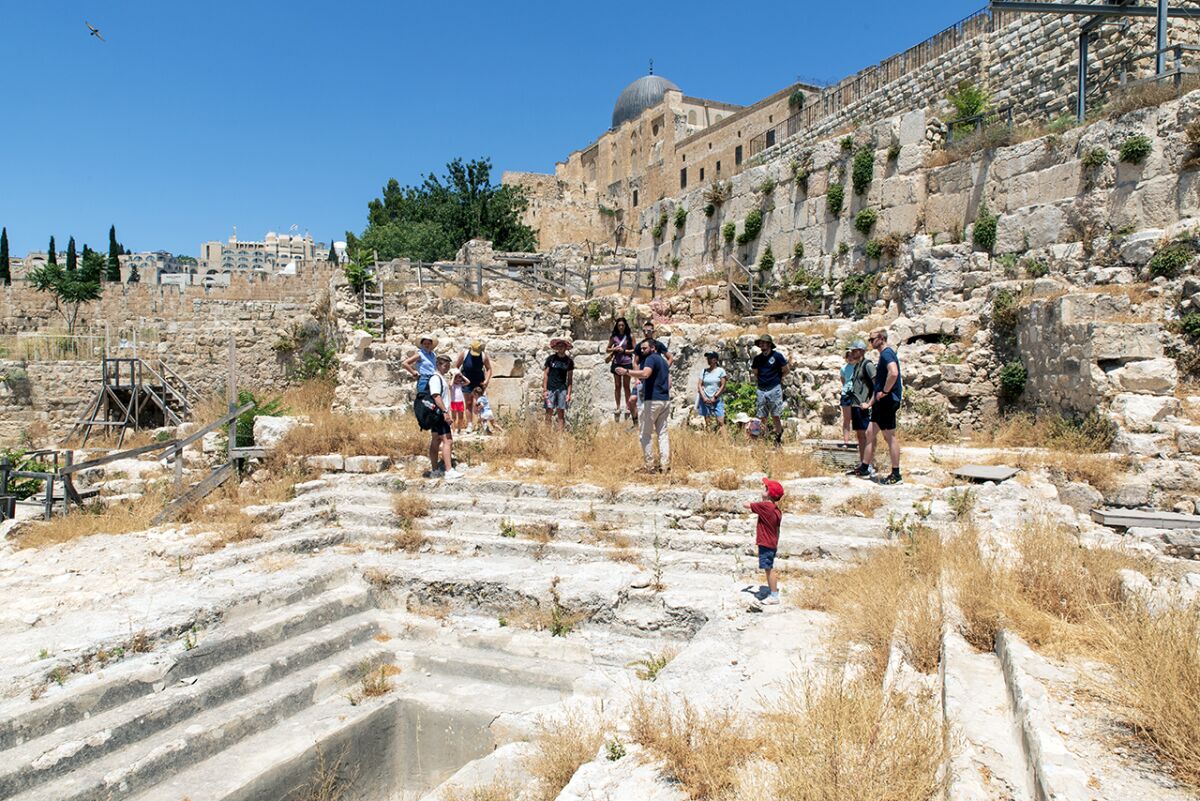
In Area D, we continued working in rooms of the Second Temple Period monumental structure we are revealing. Here’s a summary of what is happening in those rooms—from the perspective of the large iconic four-sided Ophel pool (looking northwest): The chamber on the far left is spanned by a later Byzantine wall that crosses the room. Behind the wall is a fill that the crew is working through. The chamber to the right contains a mikveh (ritual bath), still obscured by a deep fill that Azariah and Eva are working to remove. Further to the right is a chamber with beautifully dressed stones, also obscured by a Byzantine wall and destruction remains from the Great Revolt, and further right again is a complete vault that we have been working to expose.
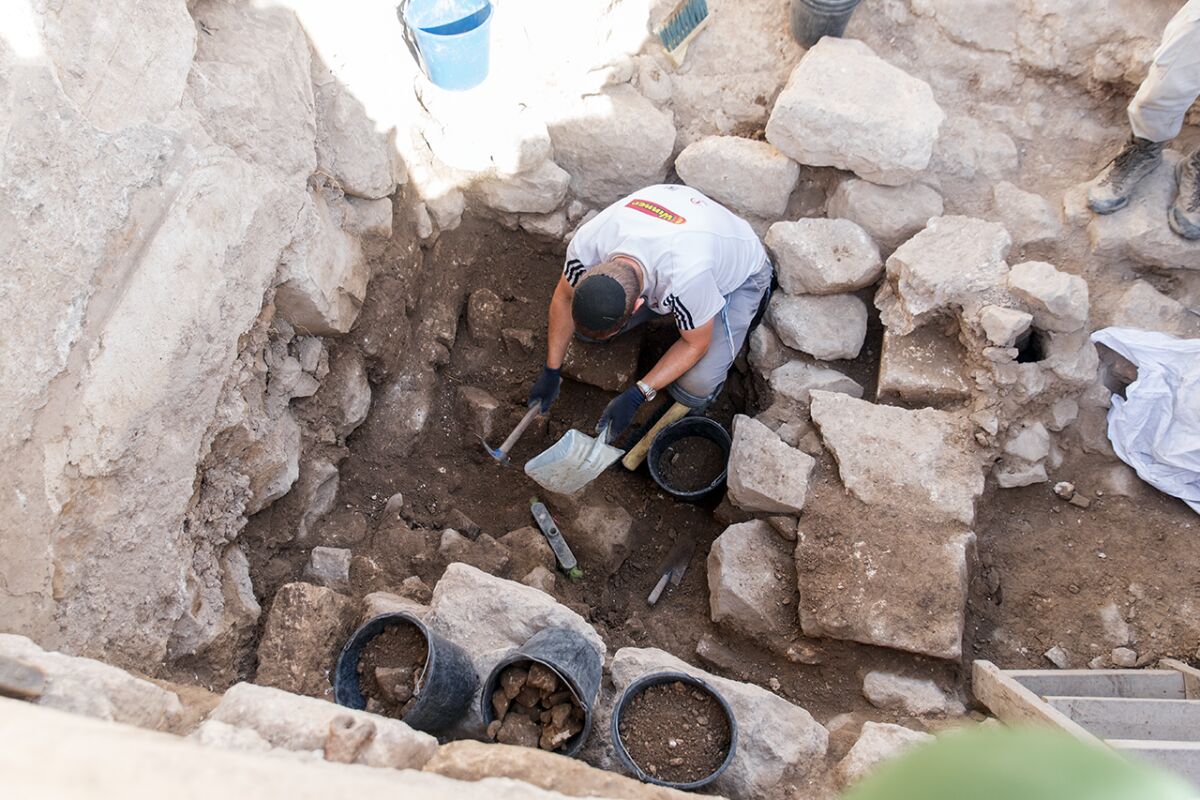
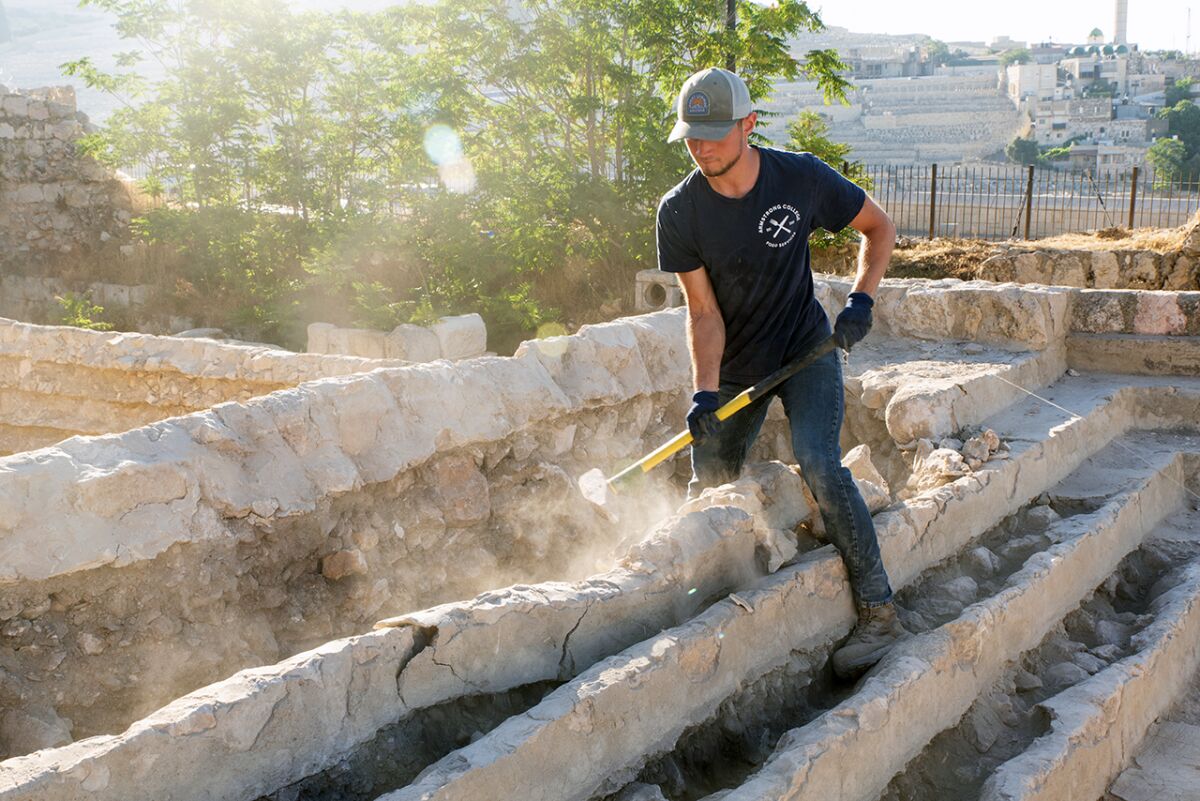
In Area D1, we dismantled a large part of a modern reconstructed wall on the east side of the area and dug through fills in several chambers adjacent to the Second Temple Period drainage system. There is a lot of good Second Temple Period material—and a growing amount of First Temple Period finds! Additionally, on the northeast side of the large Ophel pool (where we removed the steps last week), we opened a small probe that revealed the remains of earlier pool phases. Finally, on the northwest side of D1, we excavated steps adjacent to the large cistern.
On Wednesday, Area P supervisor Akiva returned to lead excavators to further probe the southwest side of the large Ophel pool, unveiling some early walls.
And, finally, we had a tour! After the dig day ended on July 6, the crew received a tour of the Temple Mount.
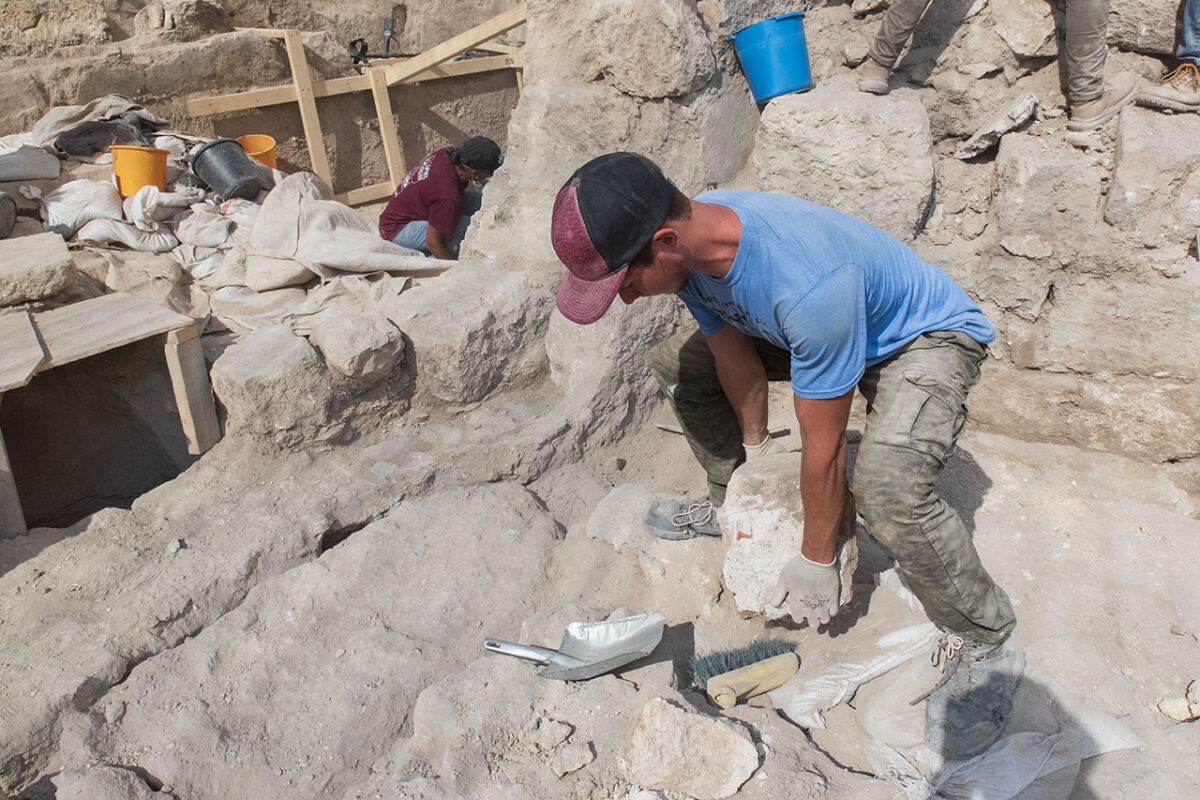
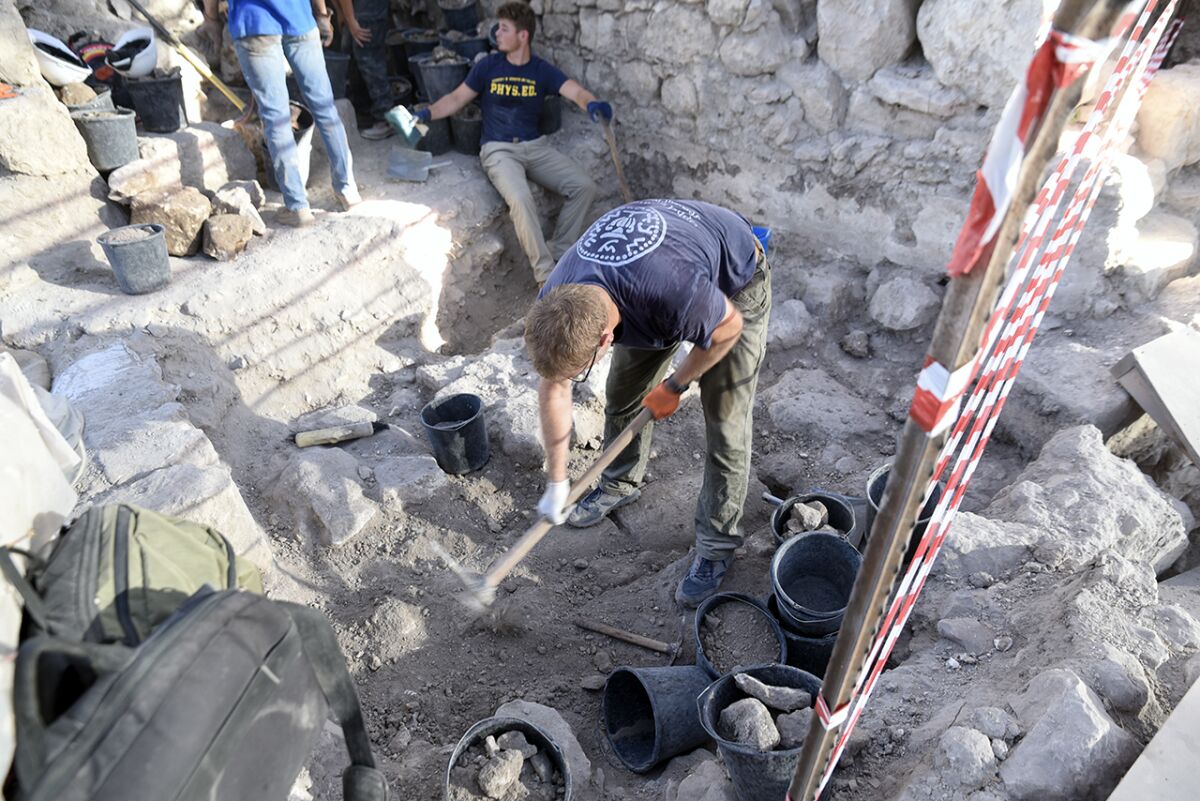
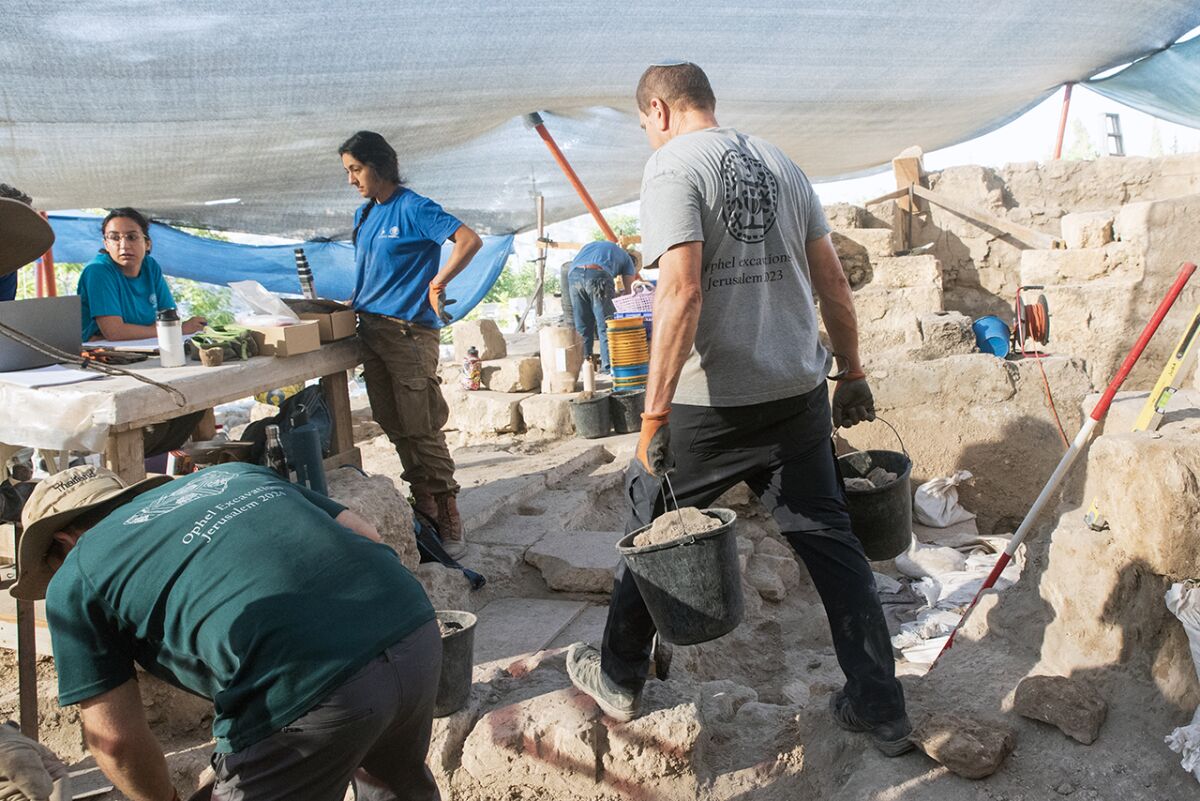
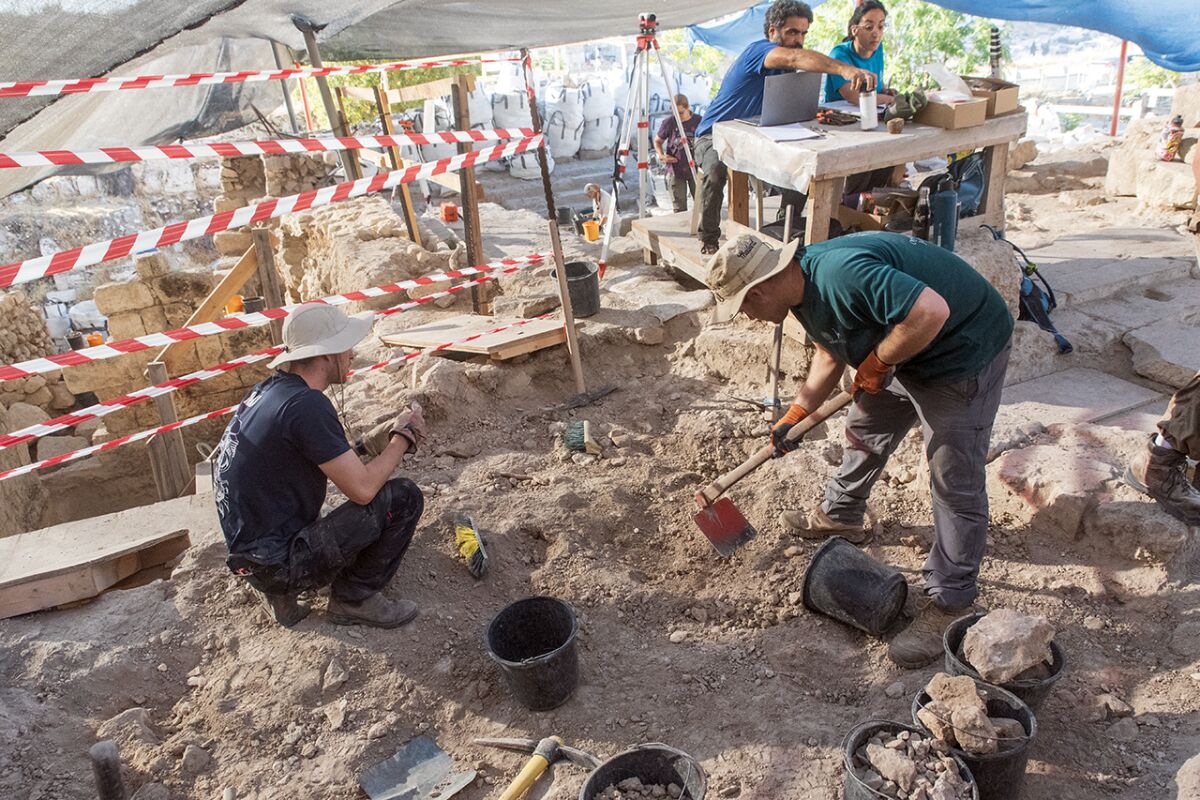
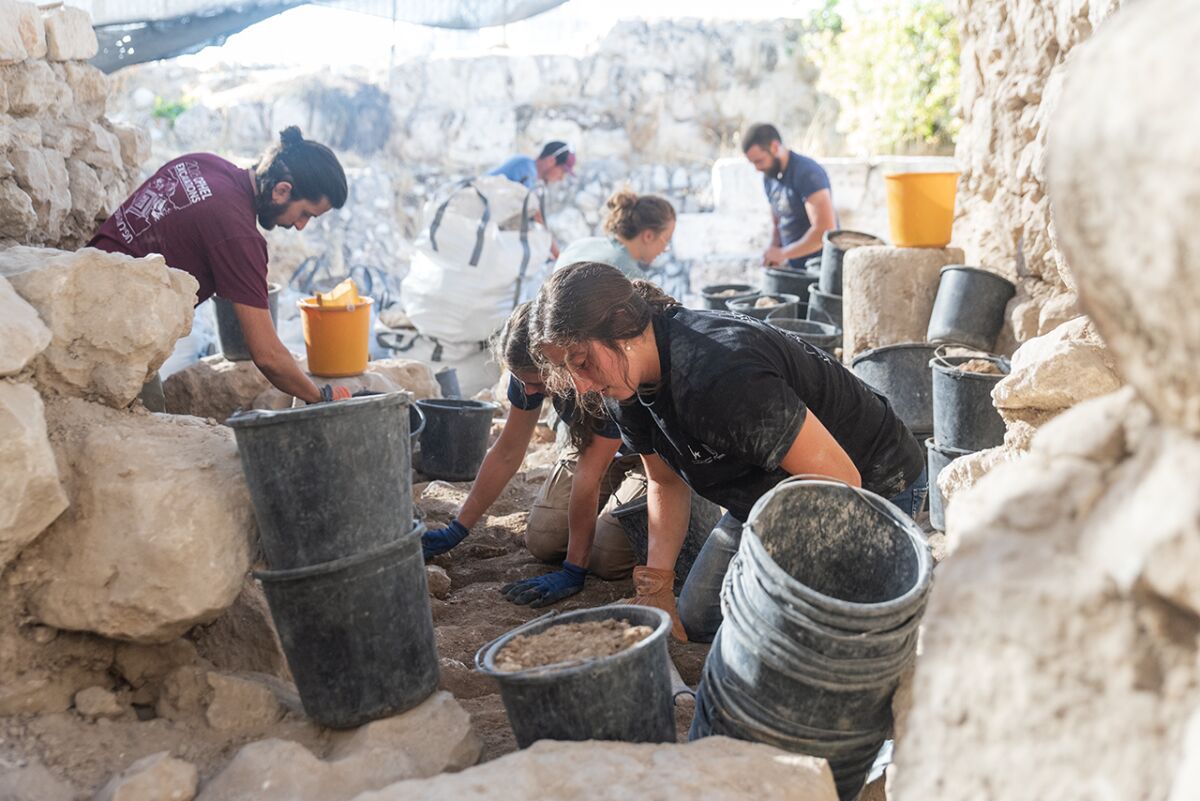
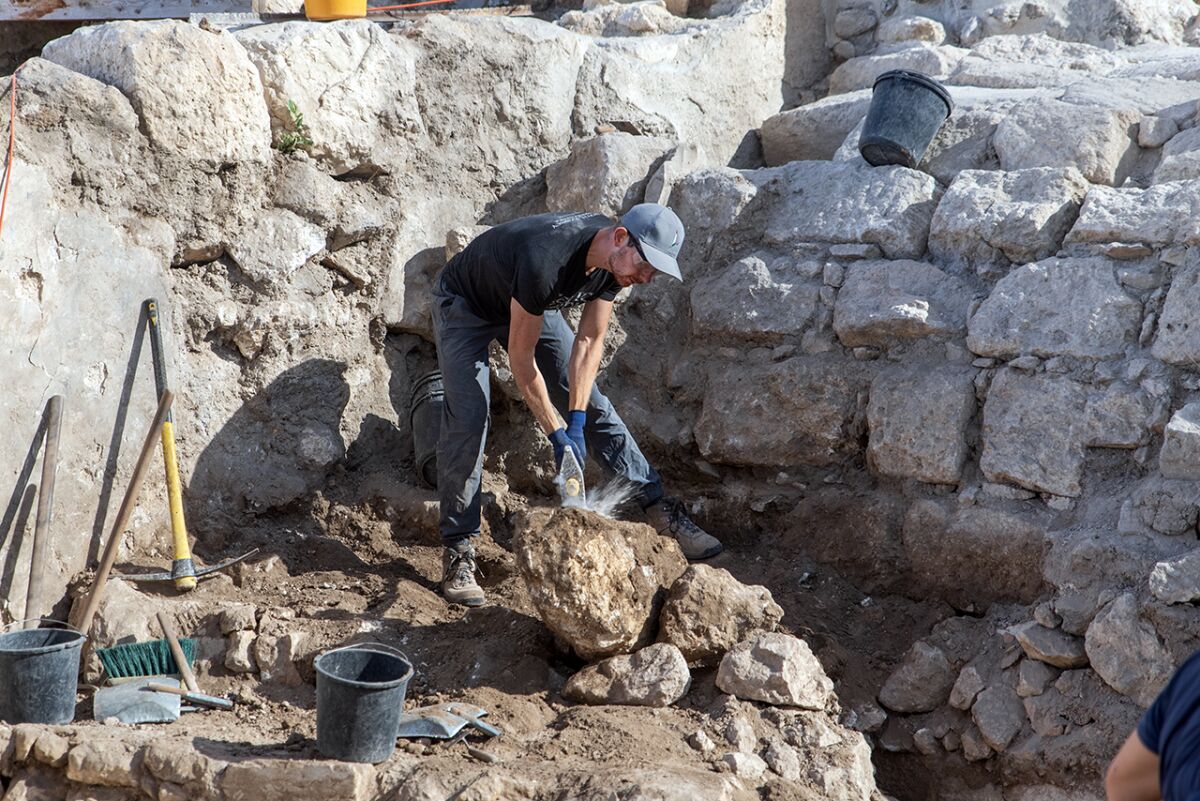
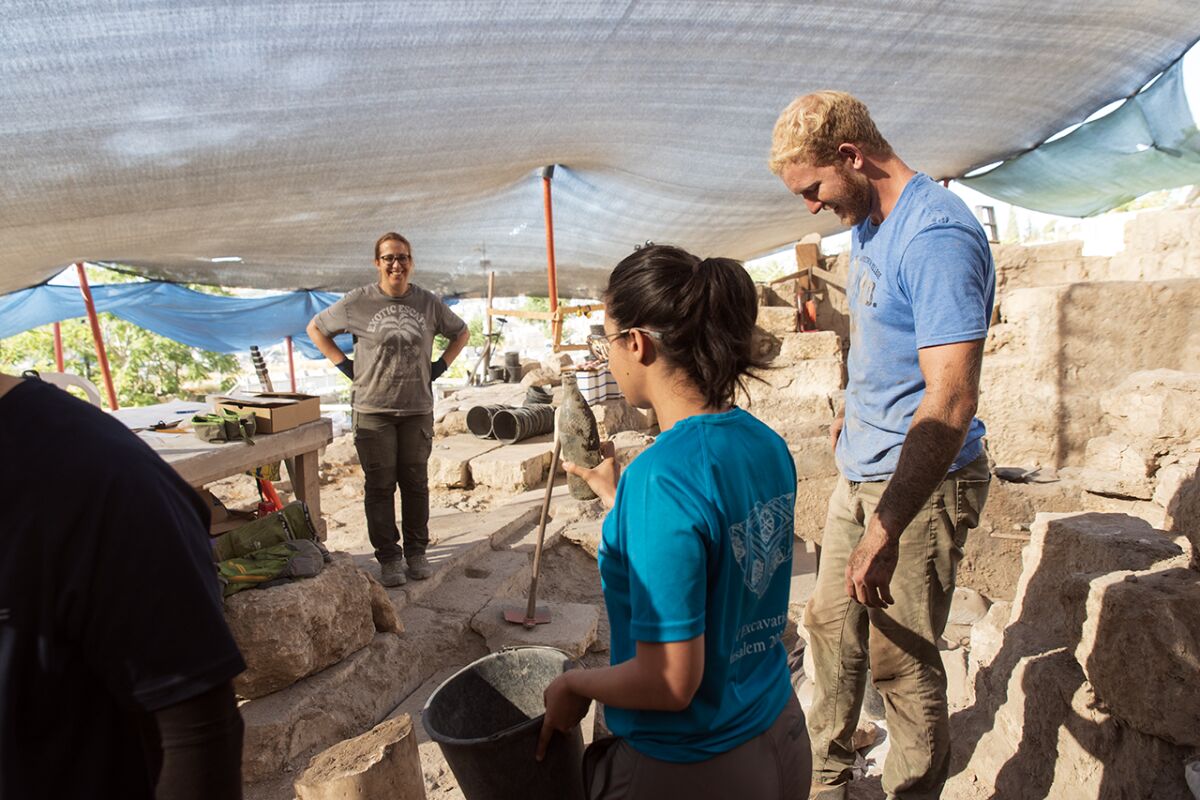
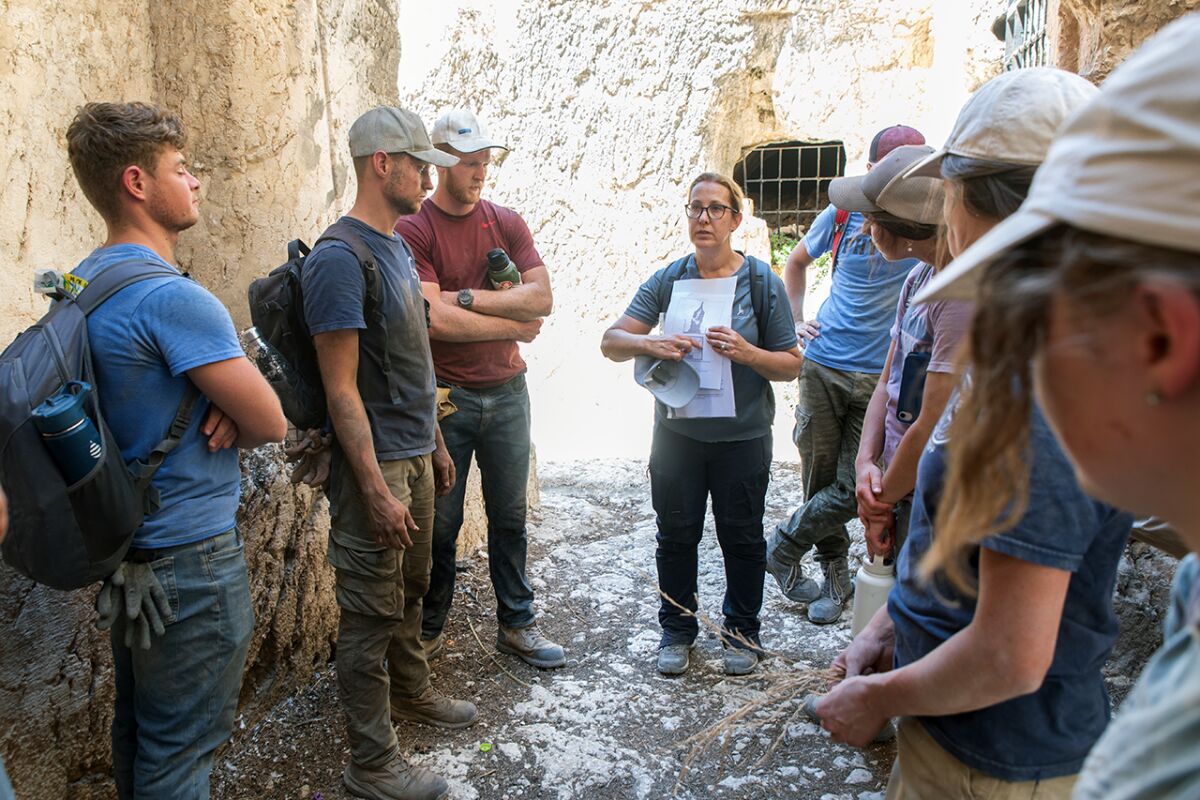
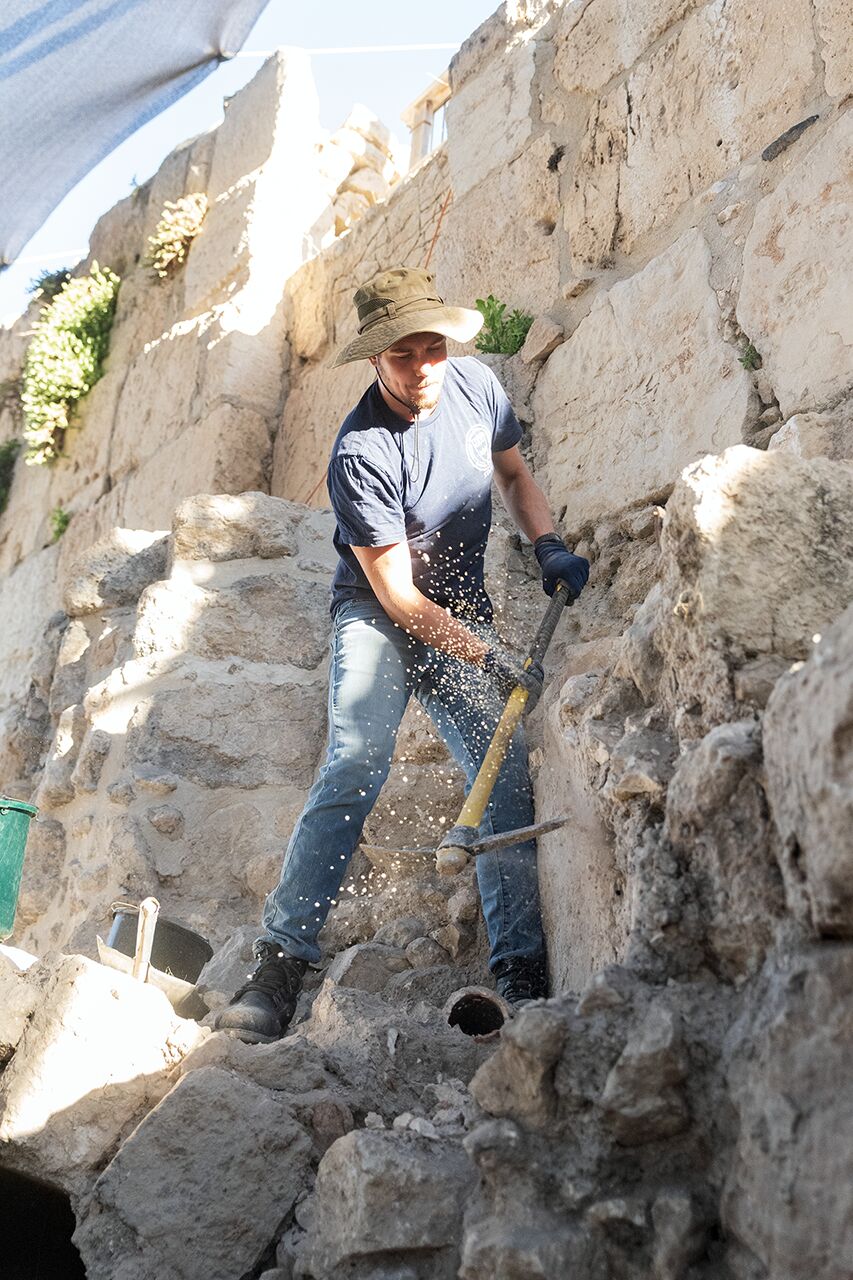
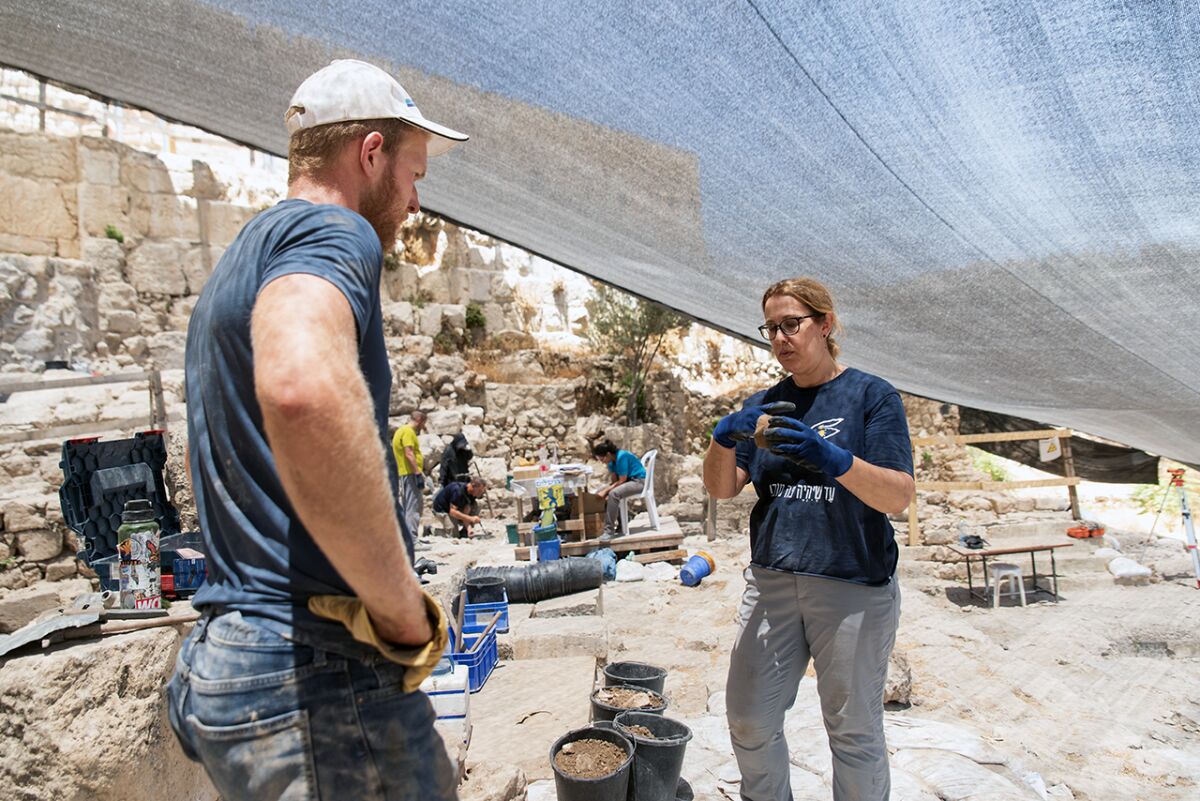
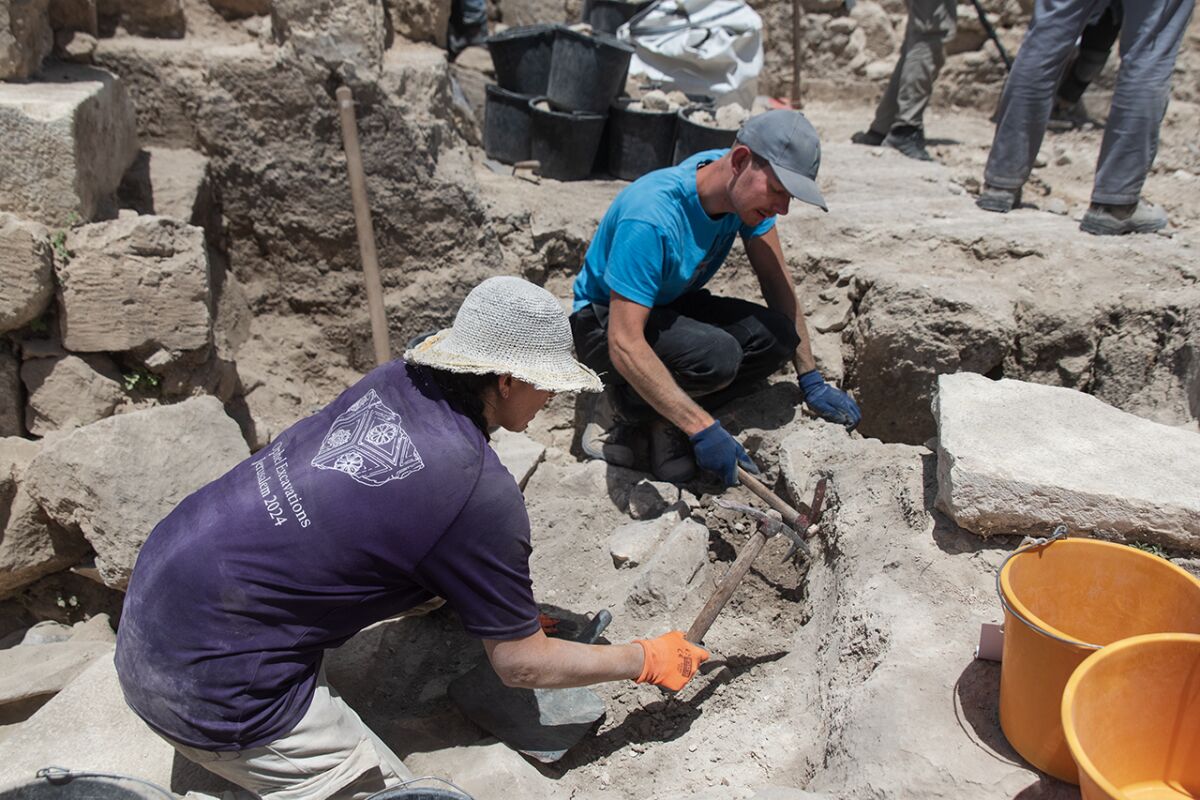
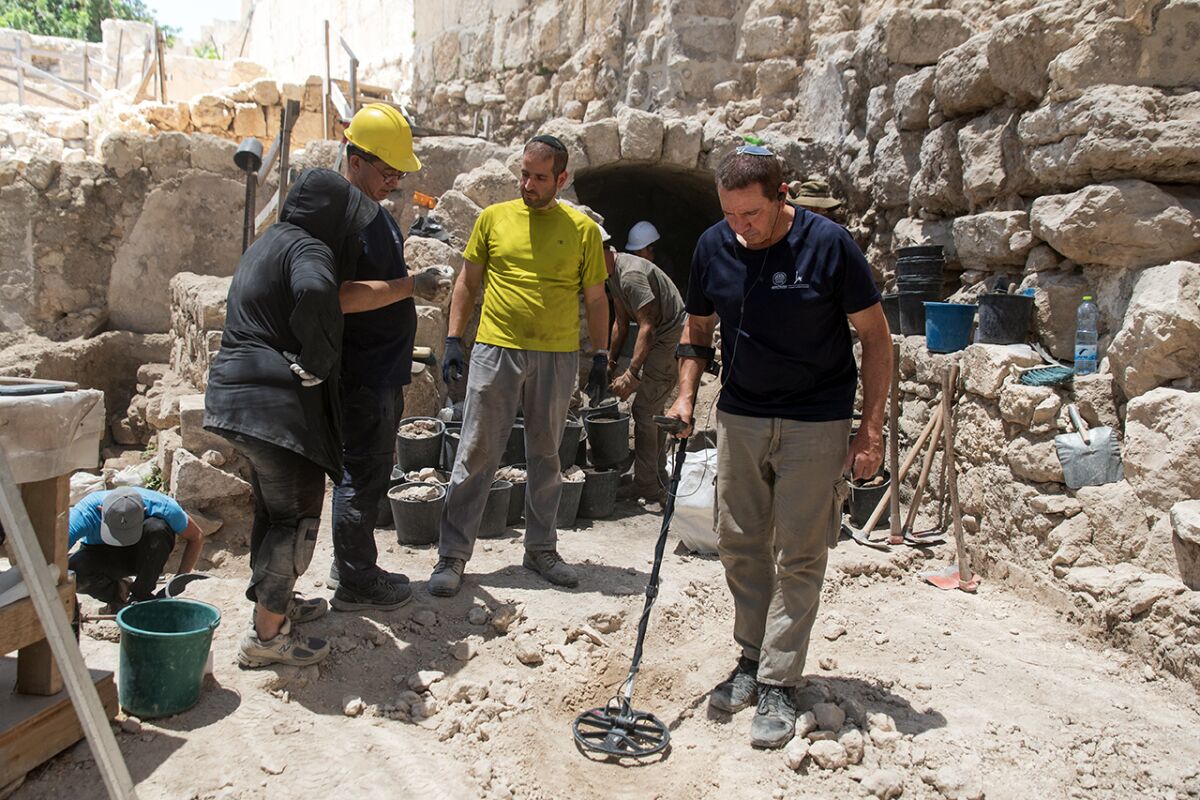
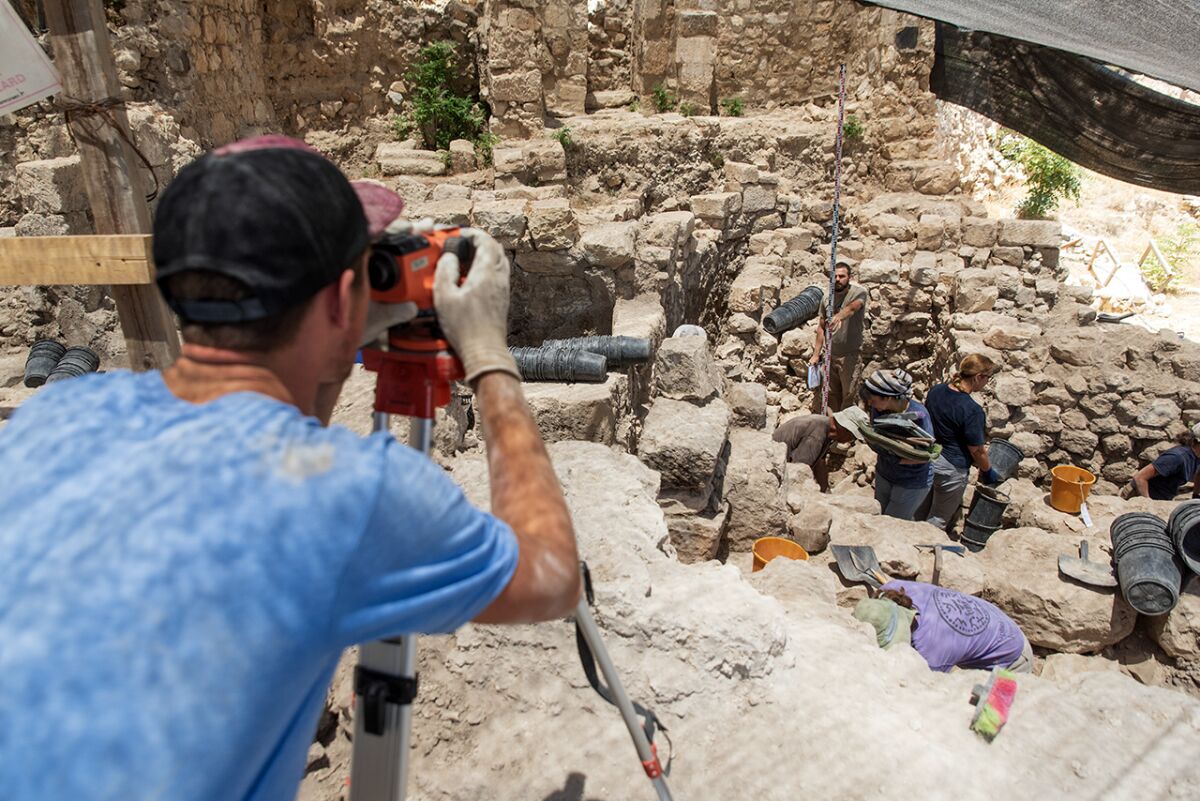
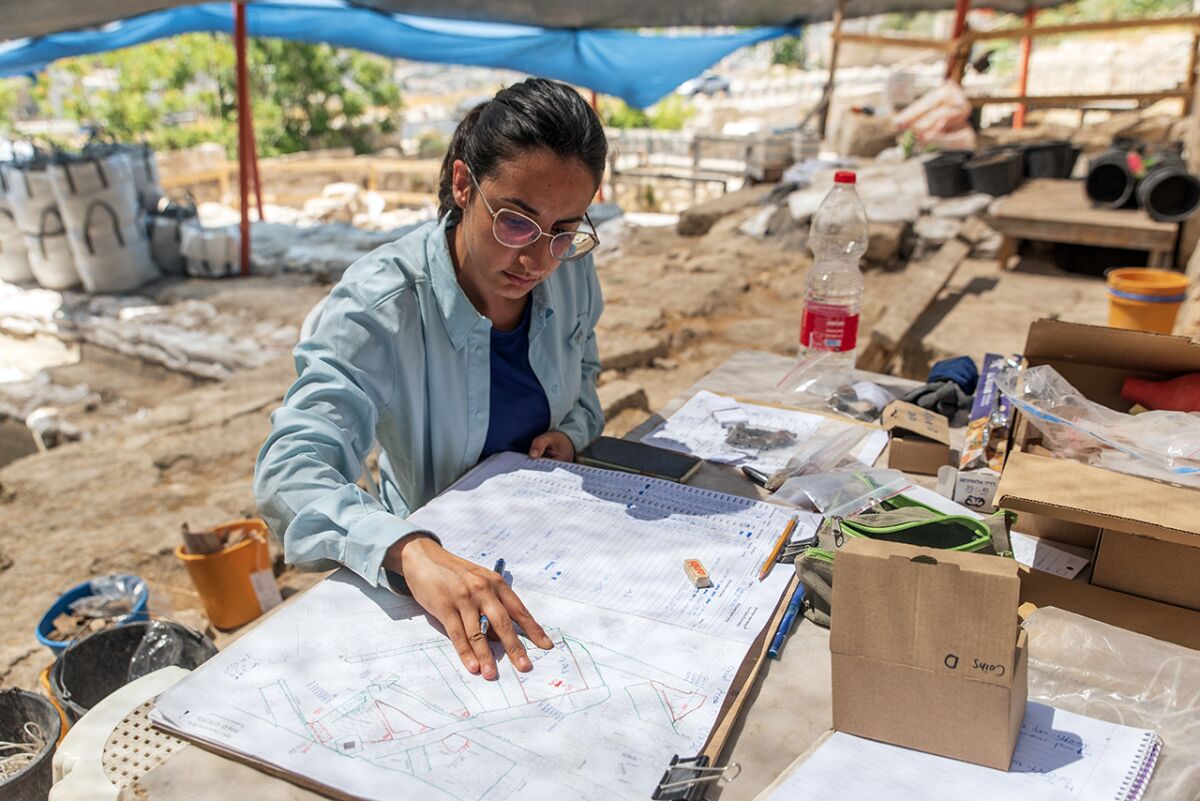
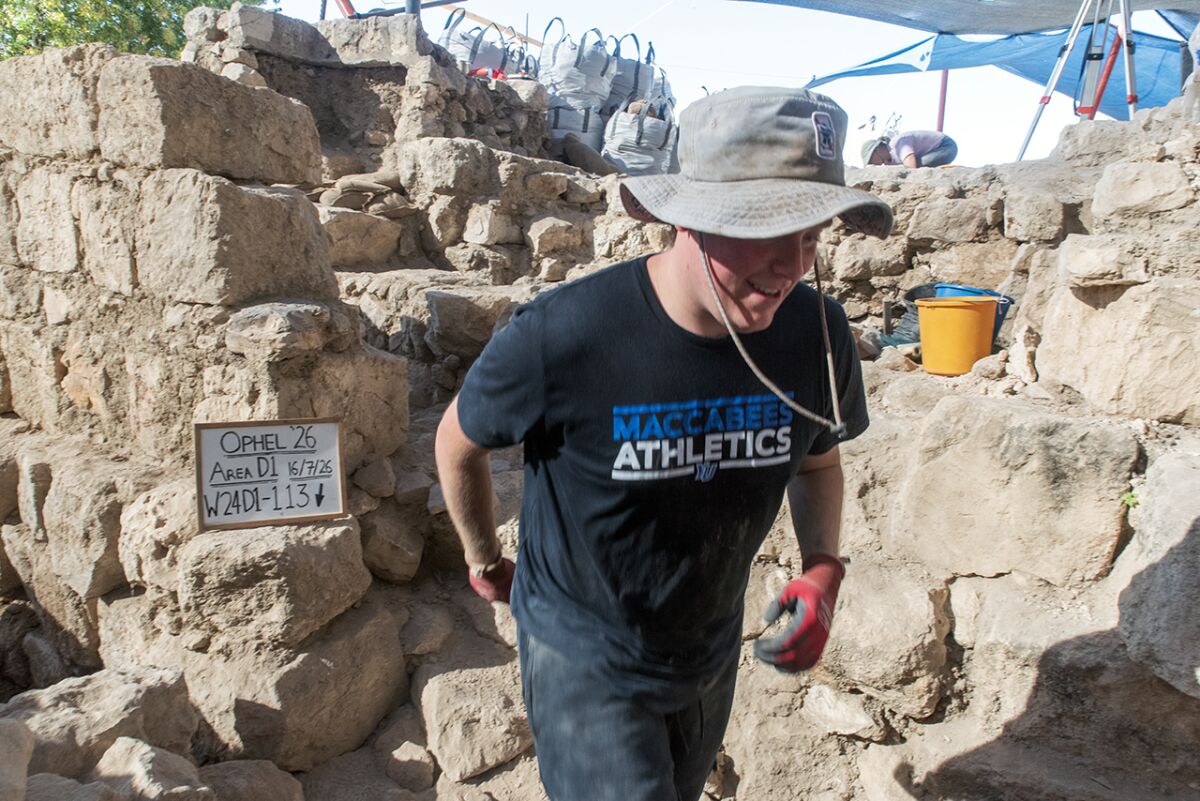
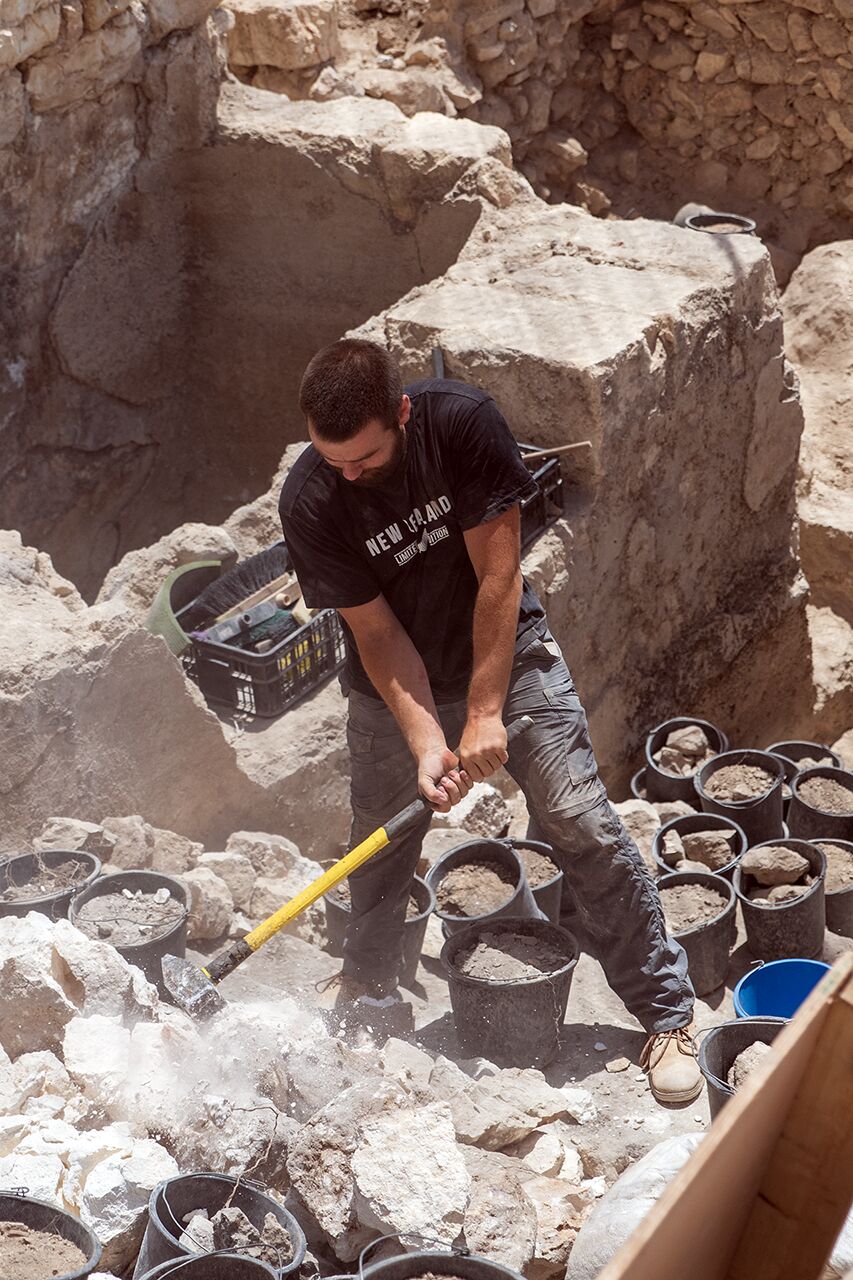
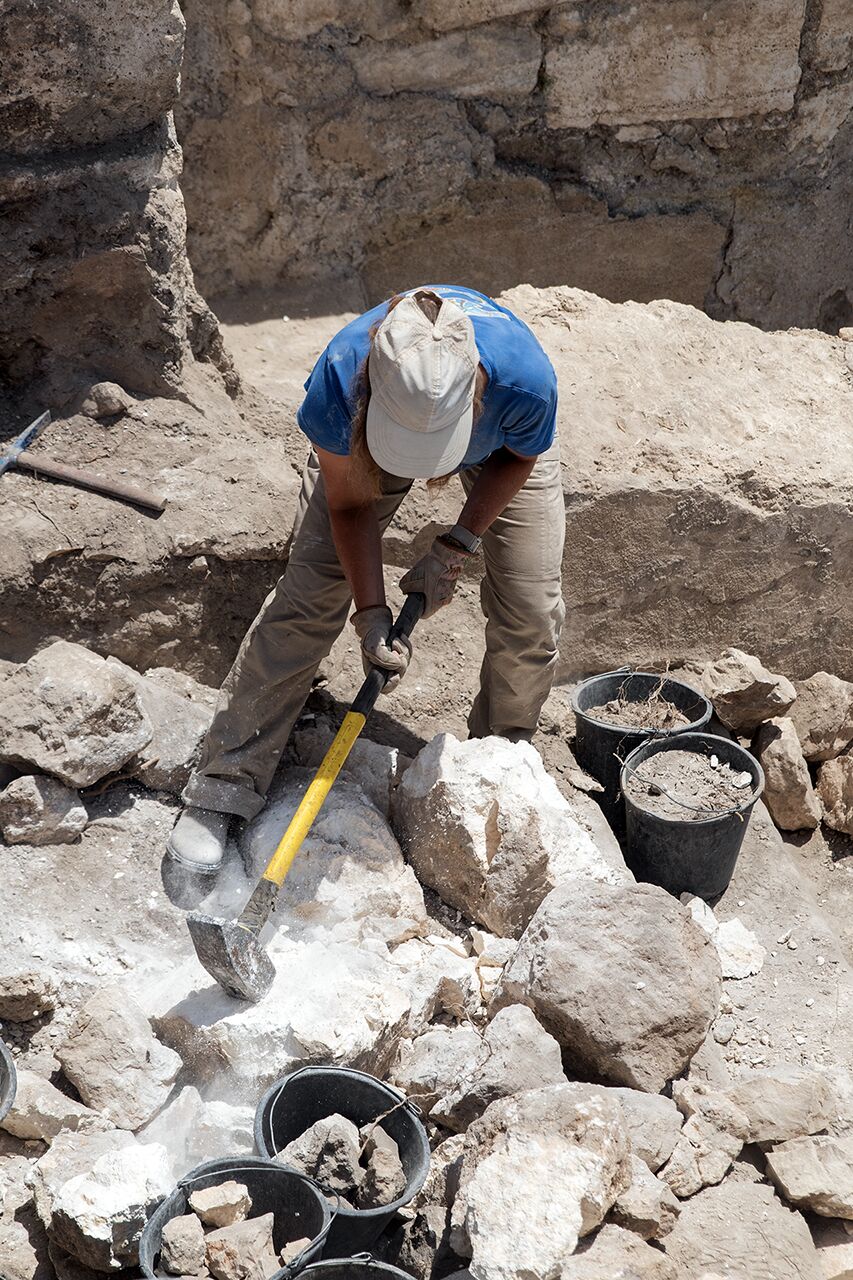
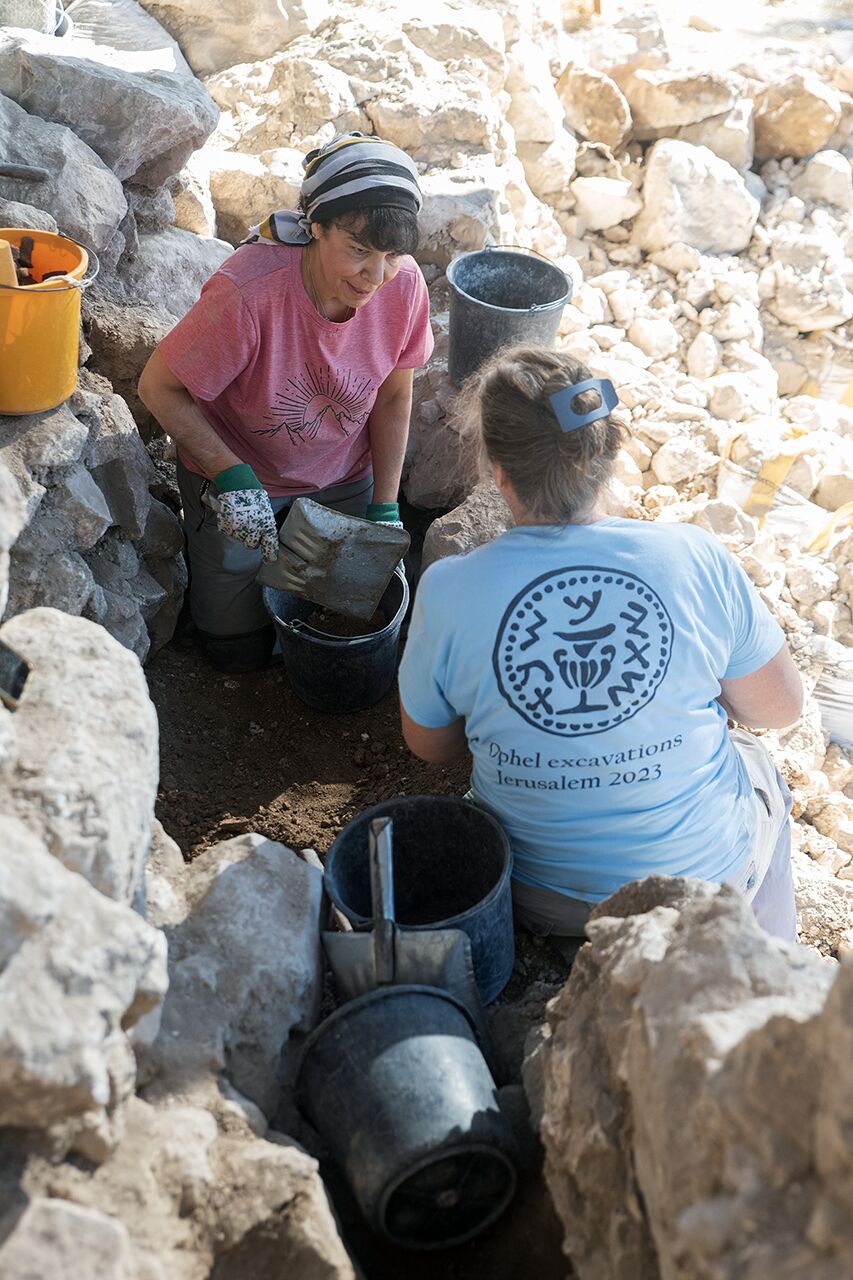
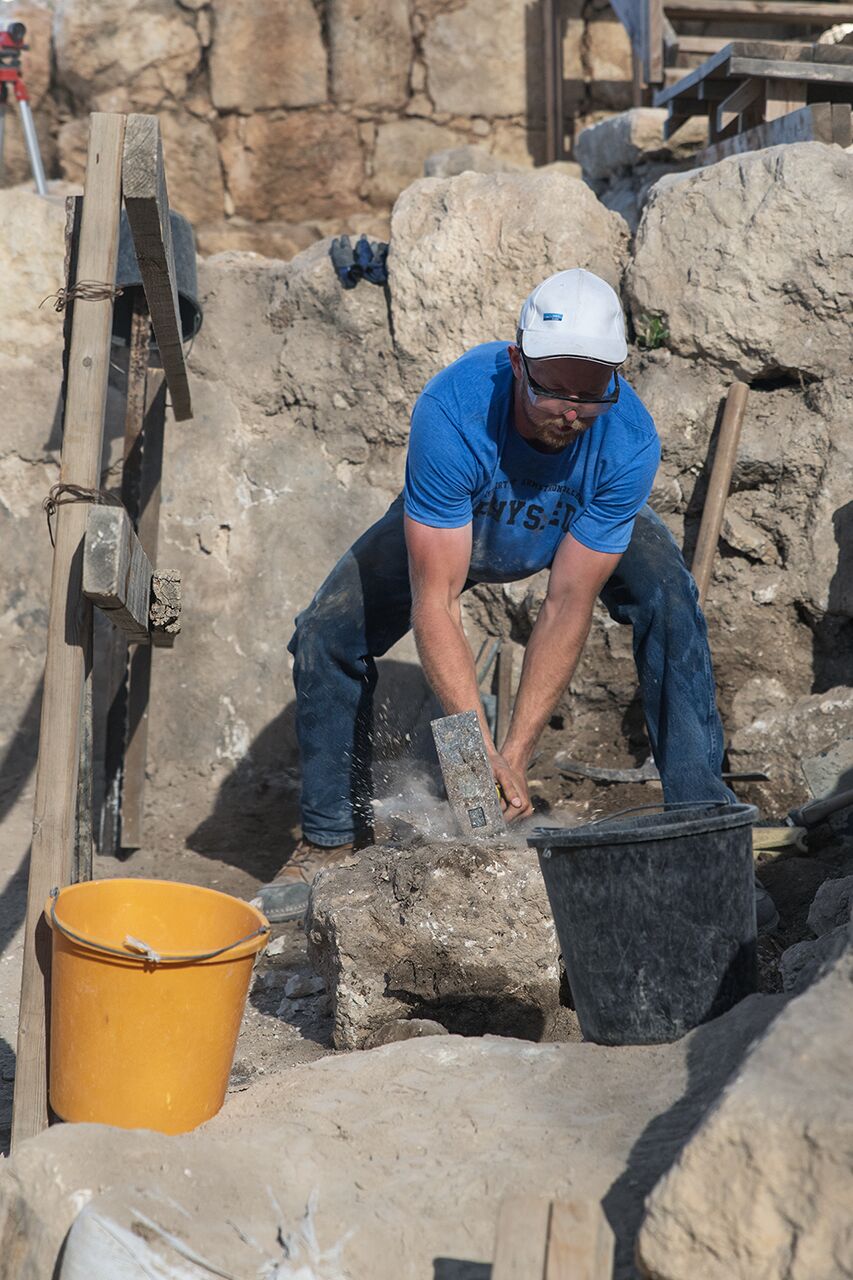
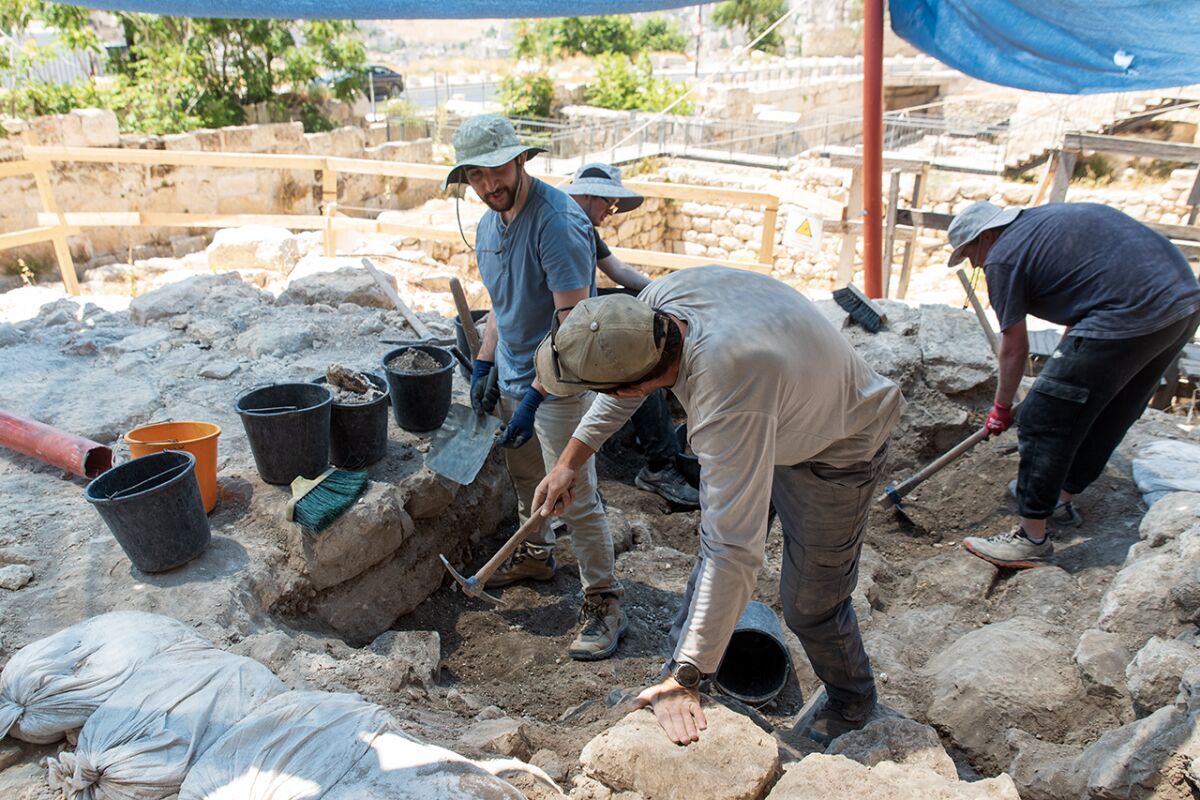
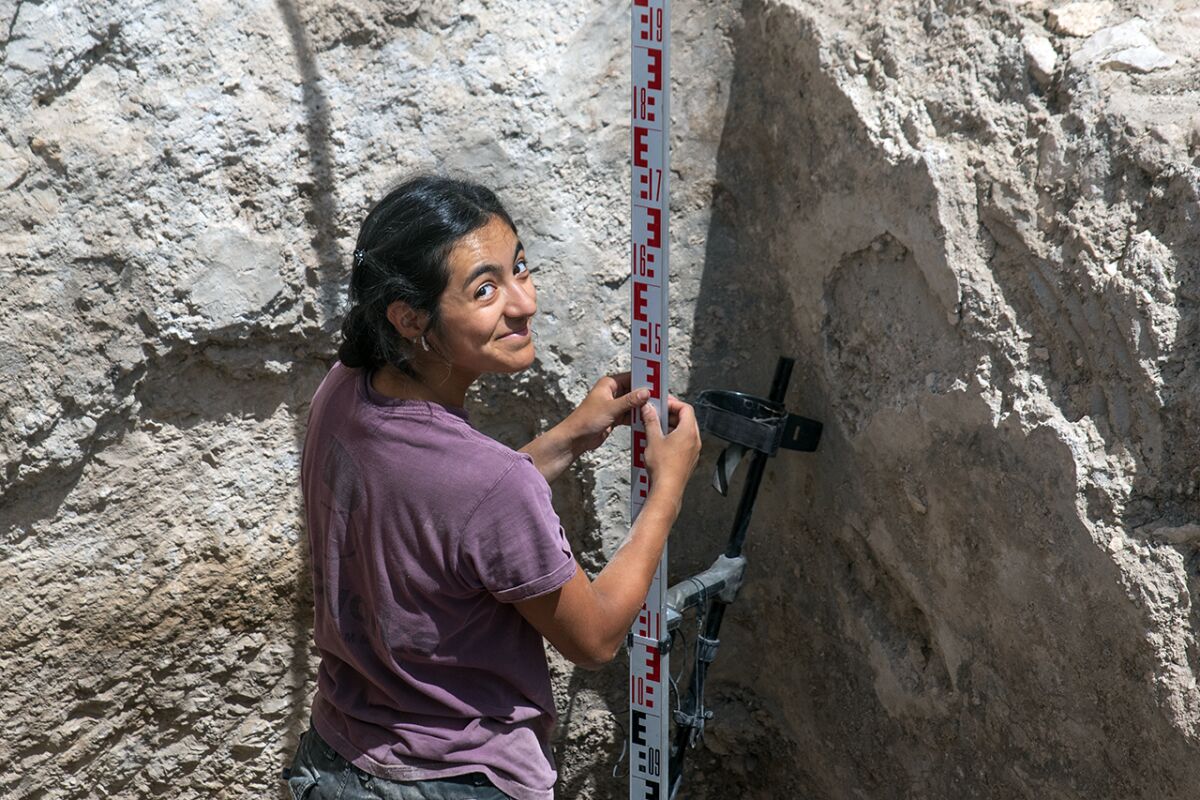
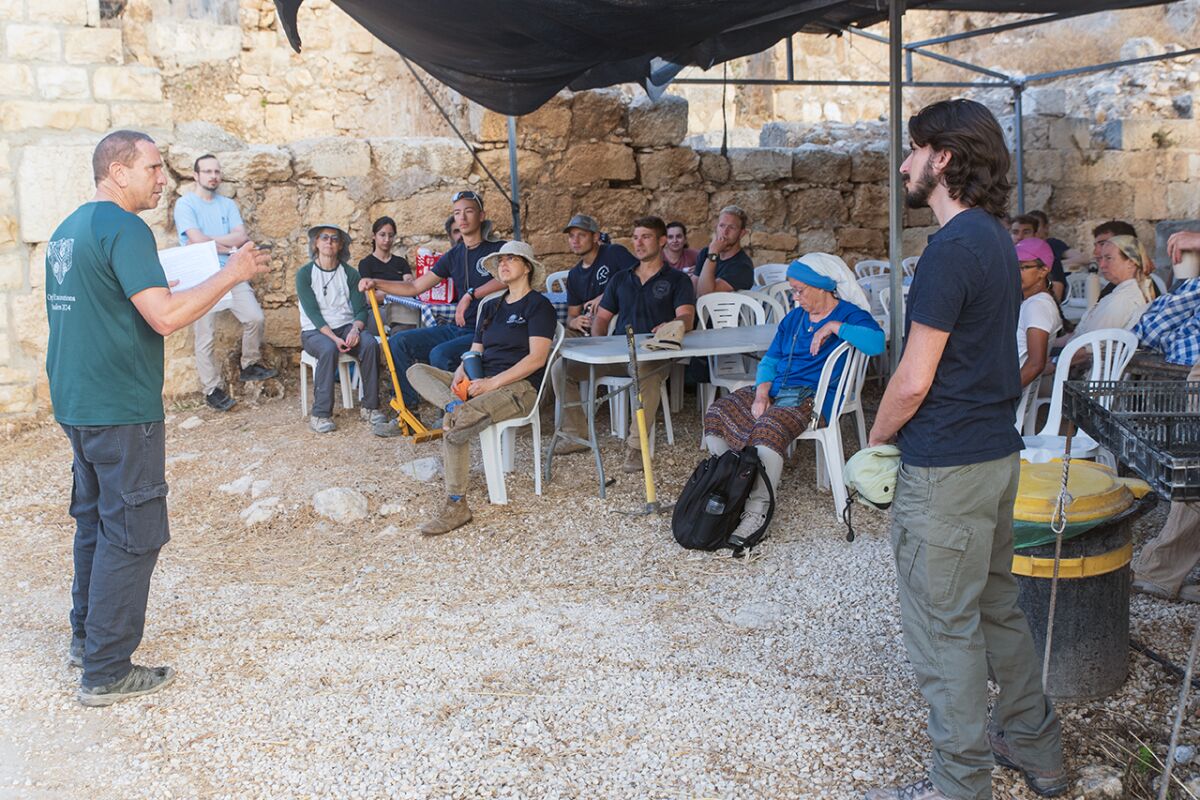
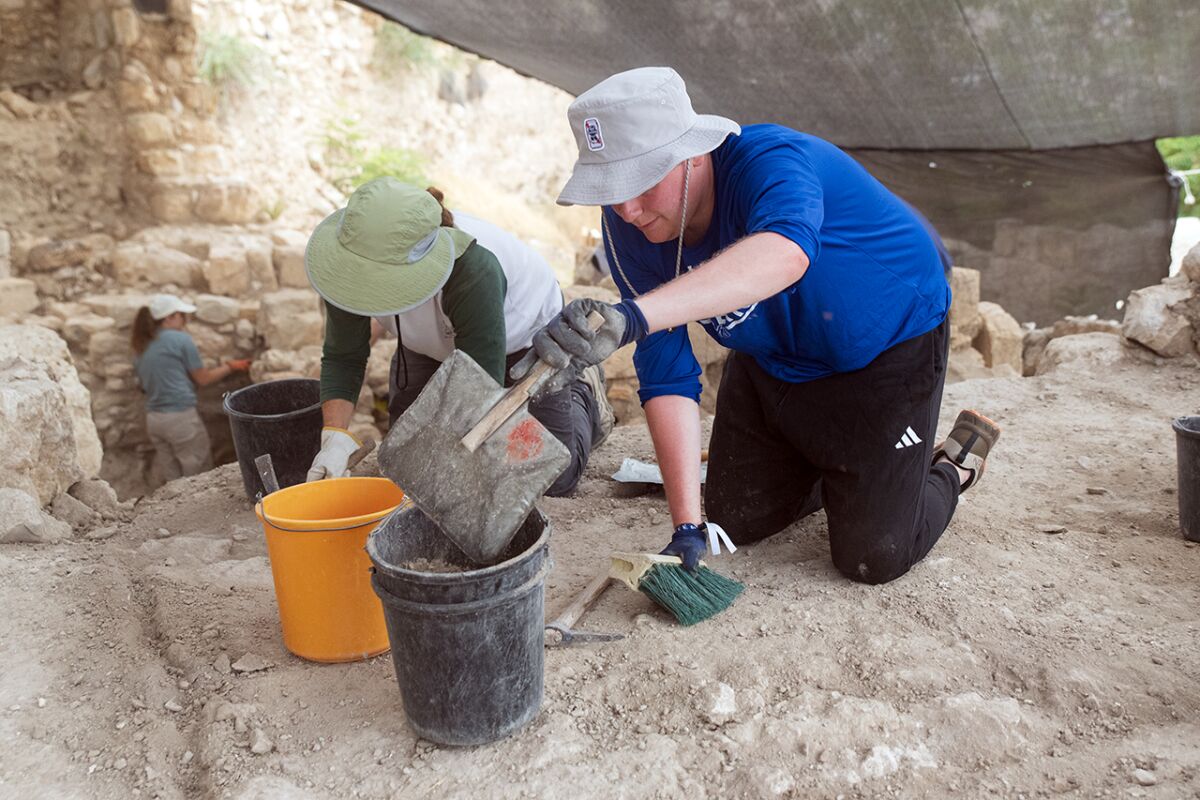
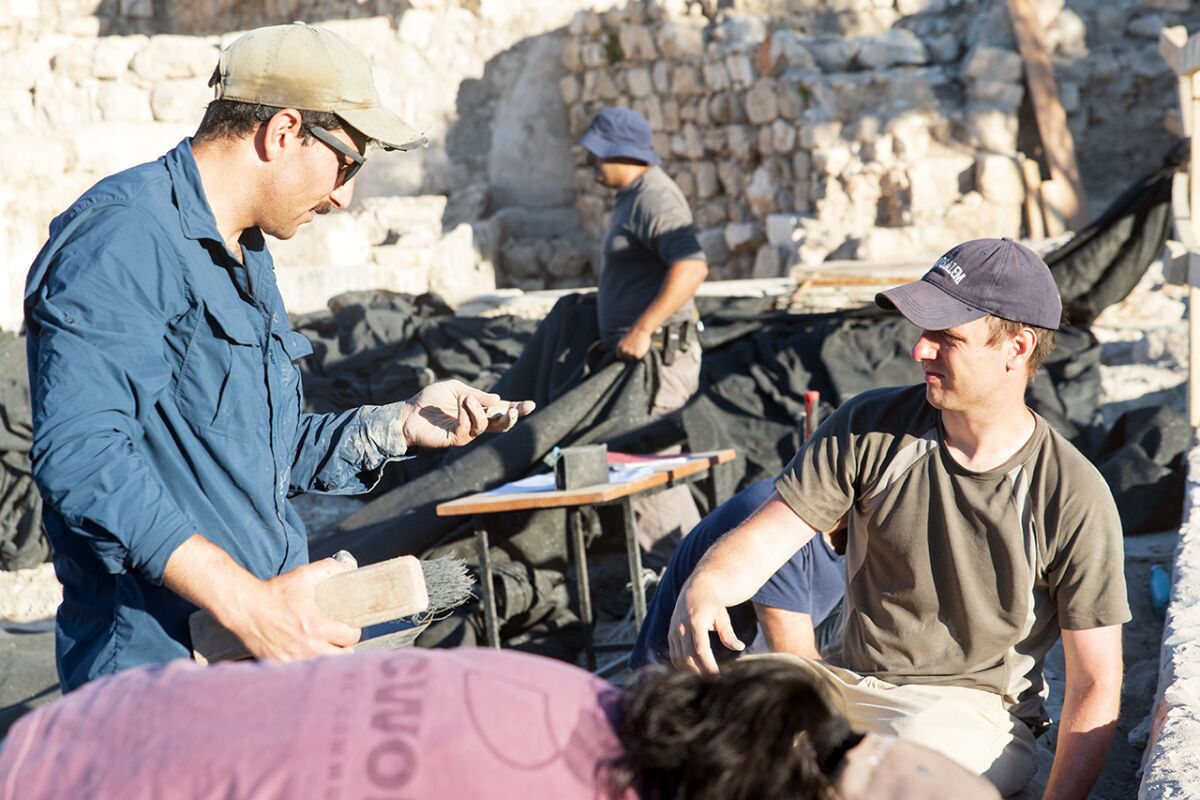
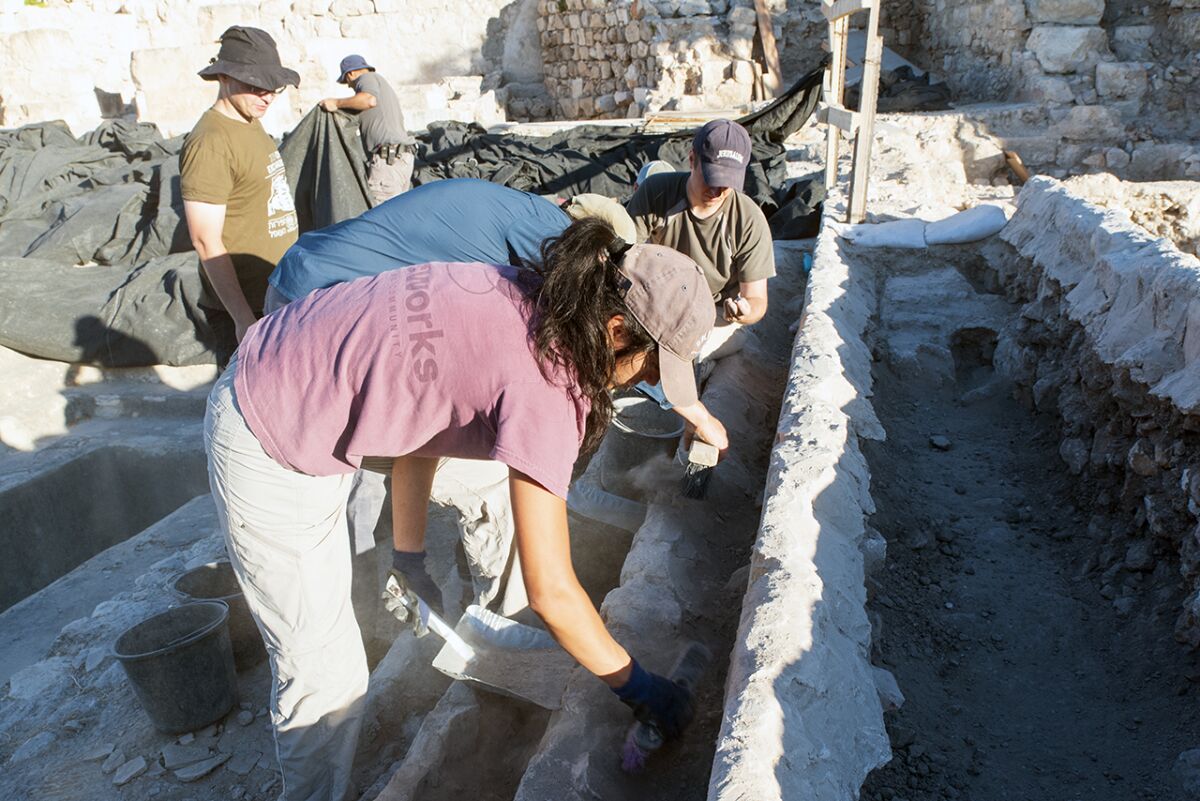
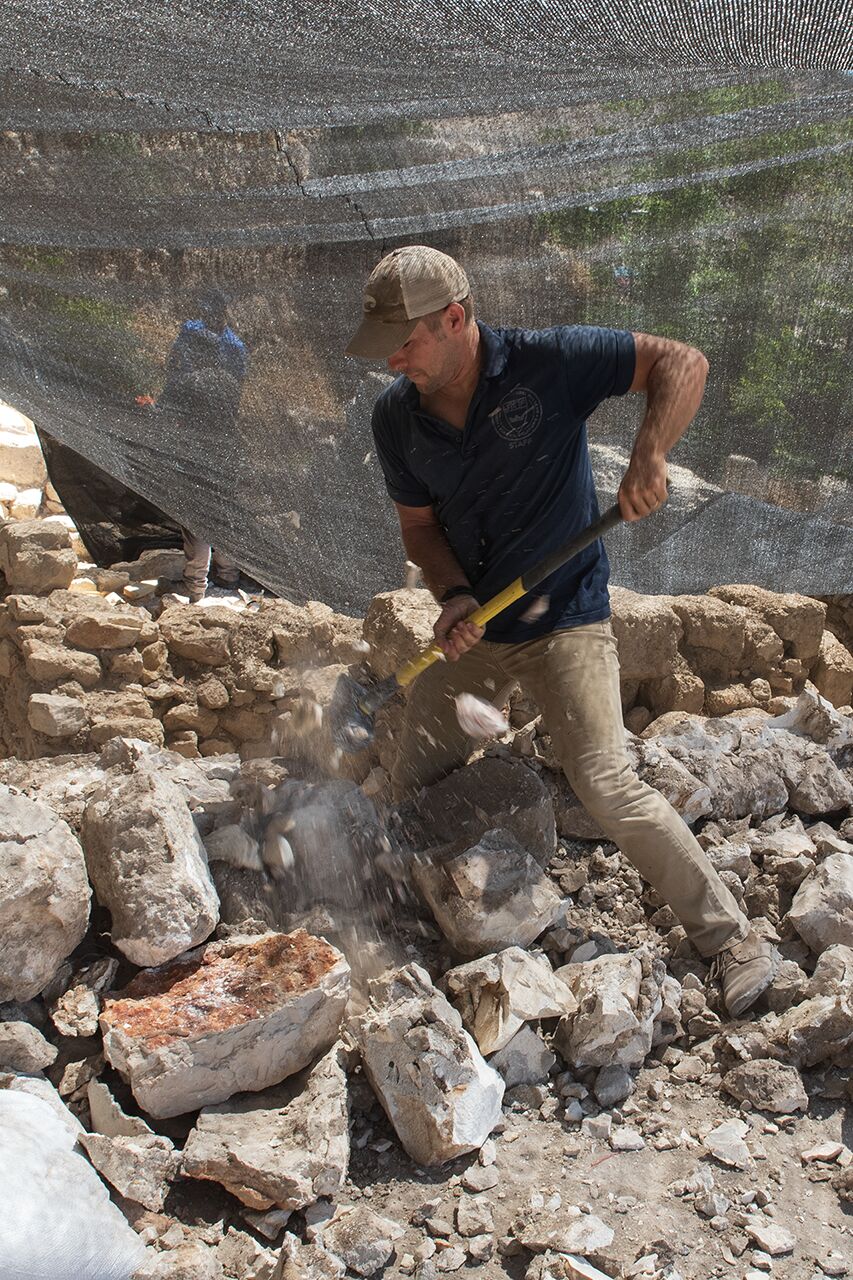
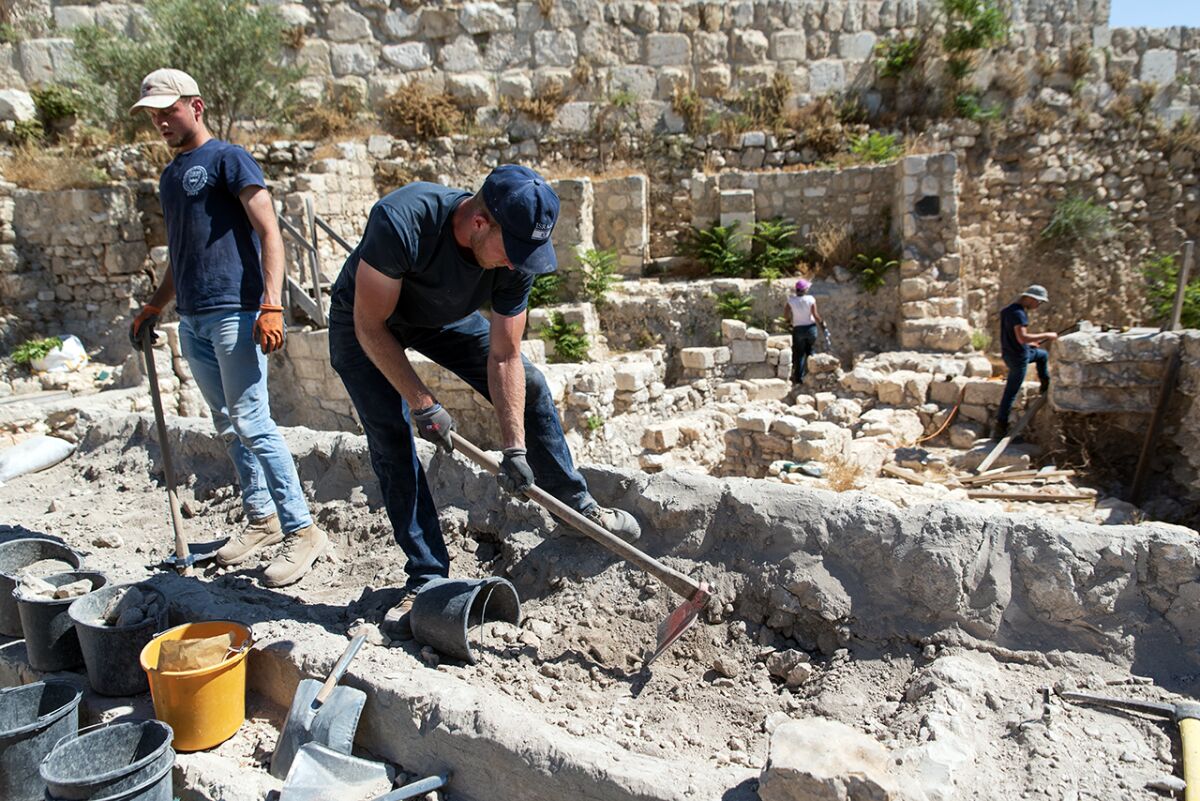
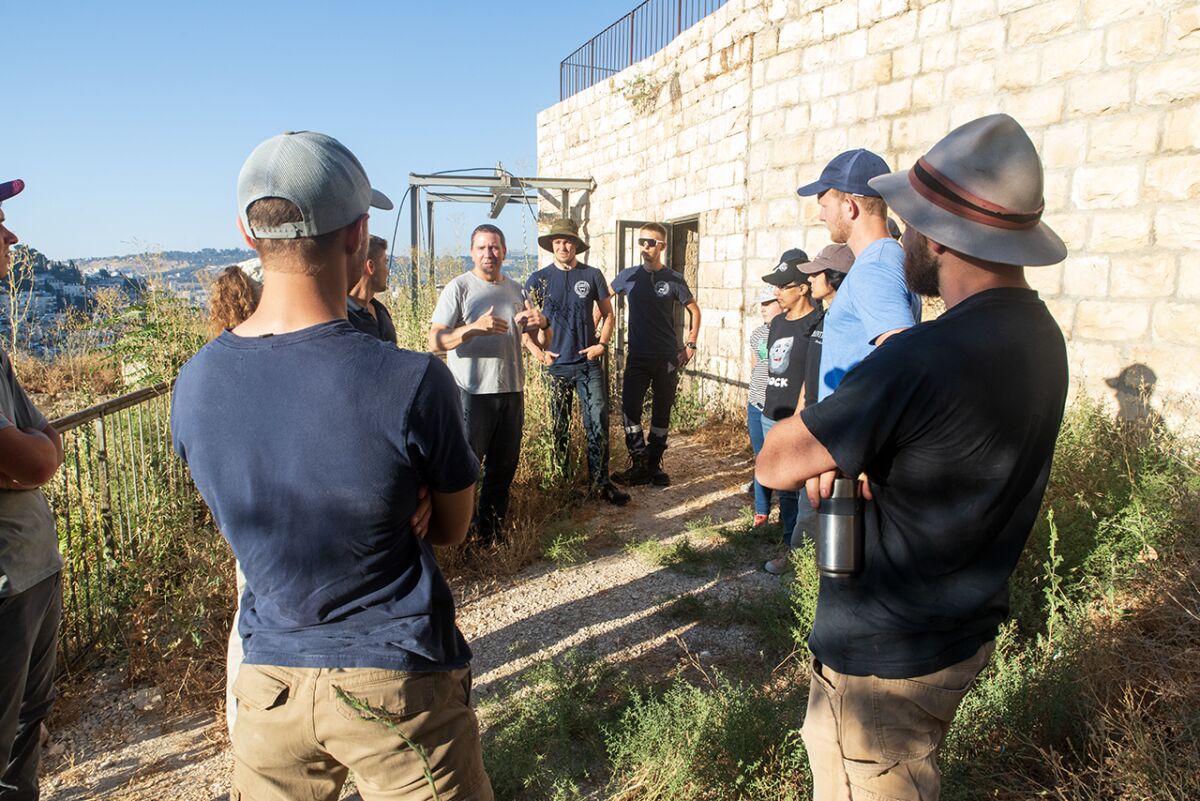
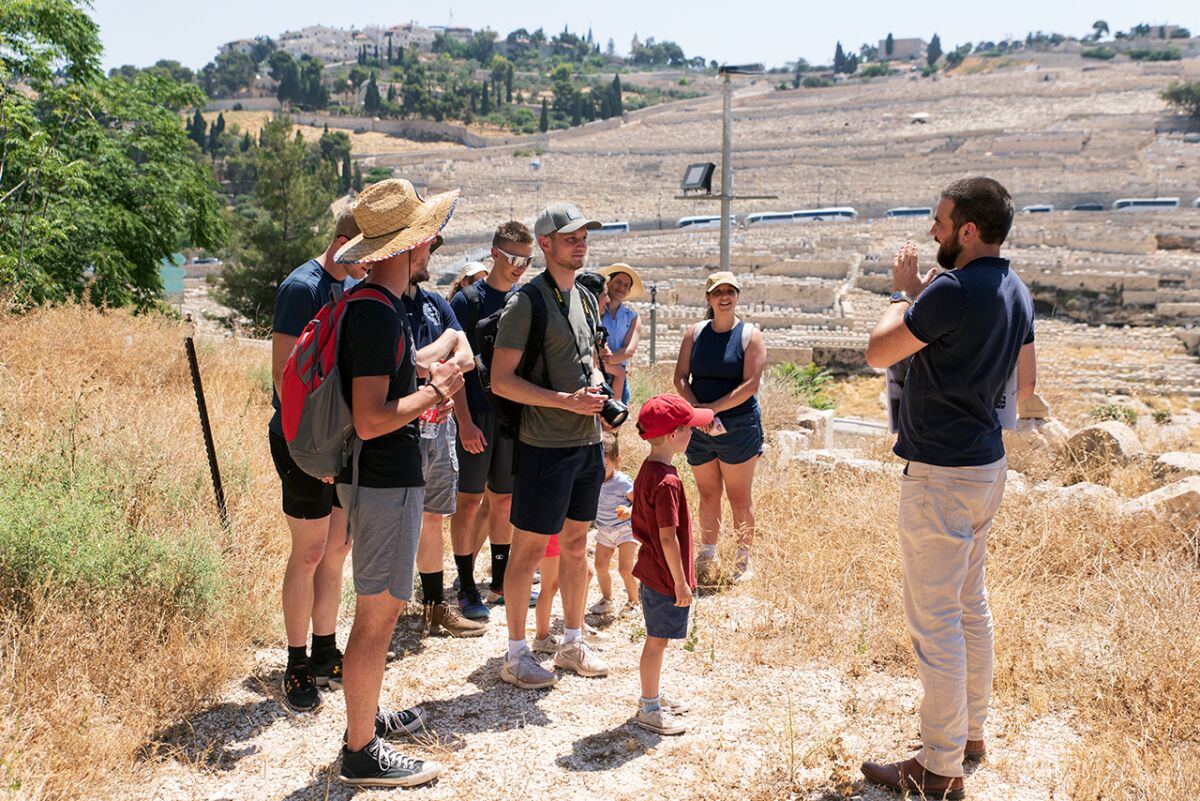
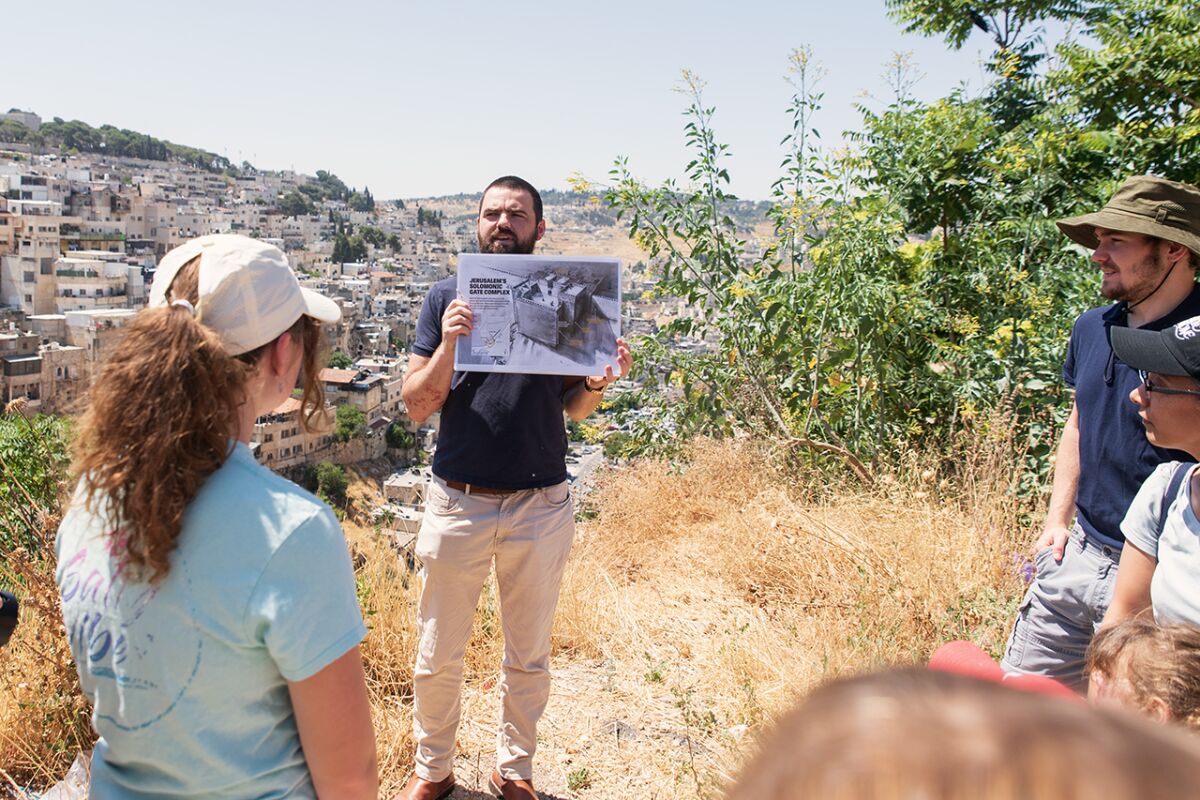
Finally, the first day of excavation! As we walked to the dig site there was some welcome cloud cover that stayed through much of the morning. All the volunteers showed up to the dig site ready to go, and after an orientation and safety briefing by Prof. Uzi Leibner and a short tour around the Ophel from Prof. Orit Peleg-Barkat, the hustle and bustle of excavation work started in Areas D and D1—dismantling walls, excavating through fills, and noting down levels, with some smaller finds along the way.
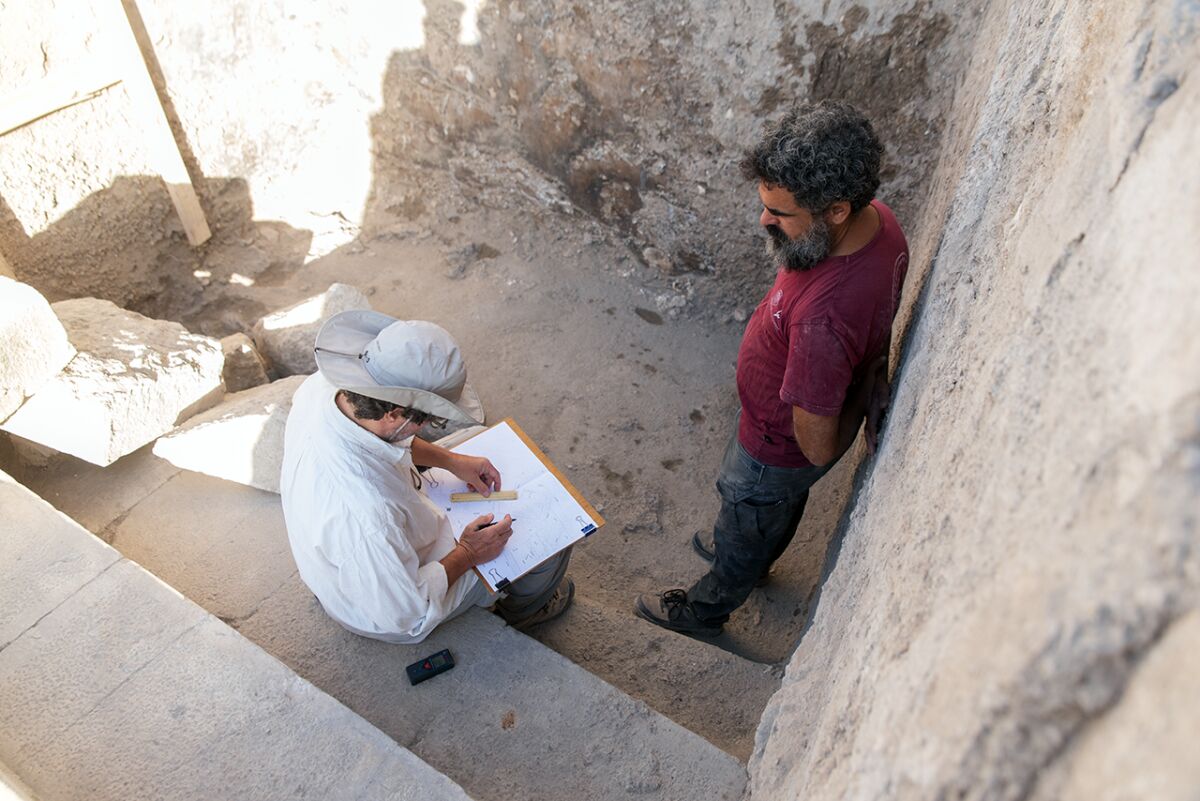
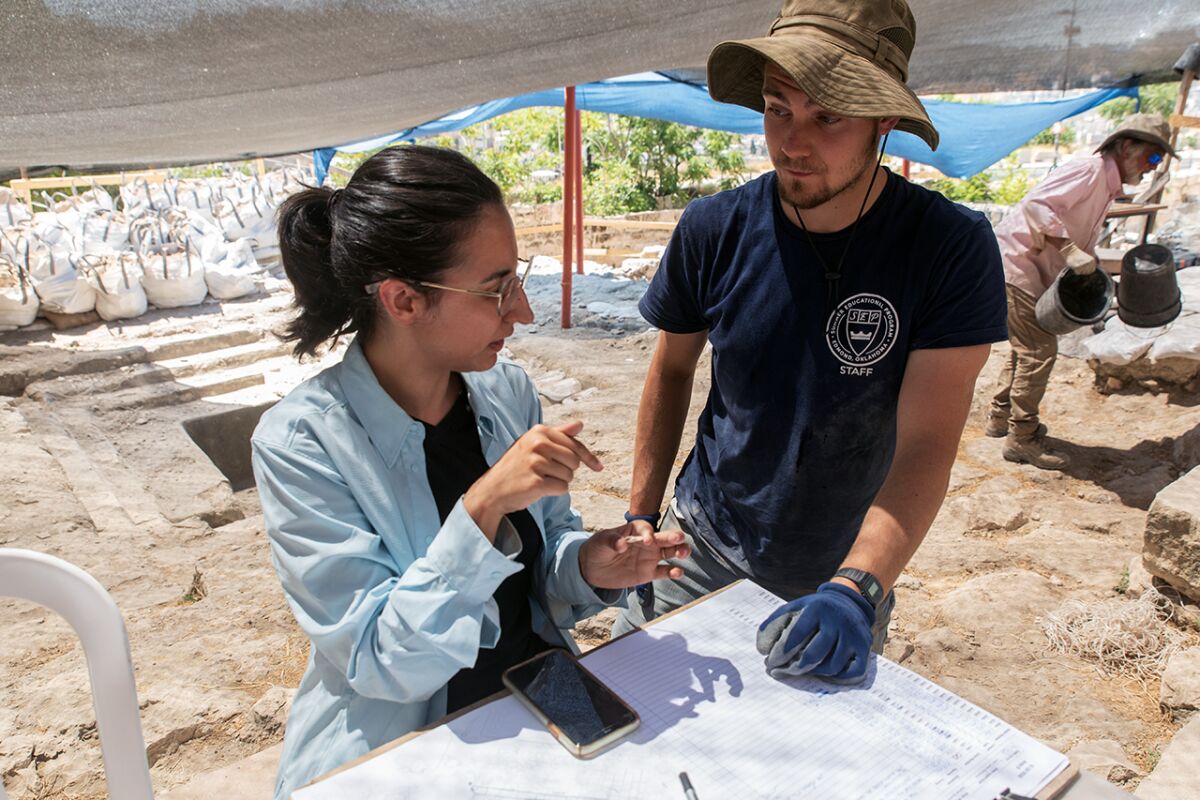
This year, Area D is supervised by Amir Cohen-Klonymous, assisted by Shoham, and our own Chris Eames is supervising Area D1 assisted by Gall.
On to more dismantling and moving stones in preparation for the excavation today. Final preparations were made as we wrapped up the week. Excited to start excavating on Sunday!
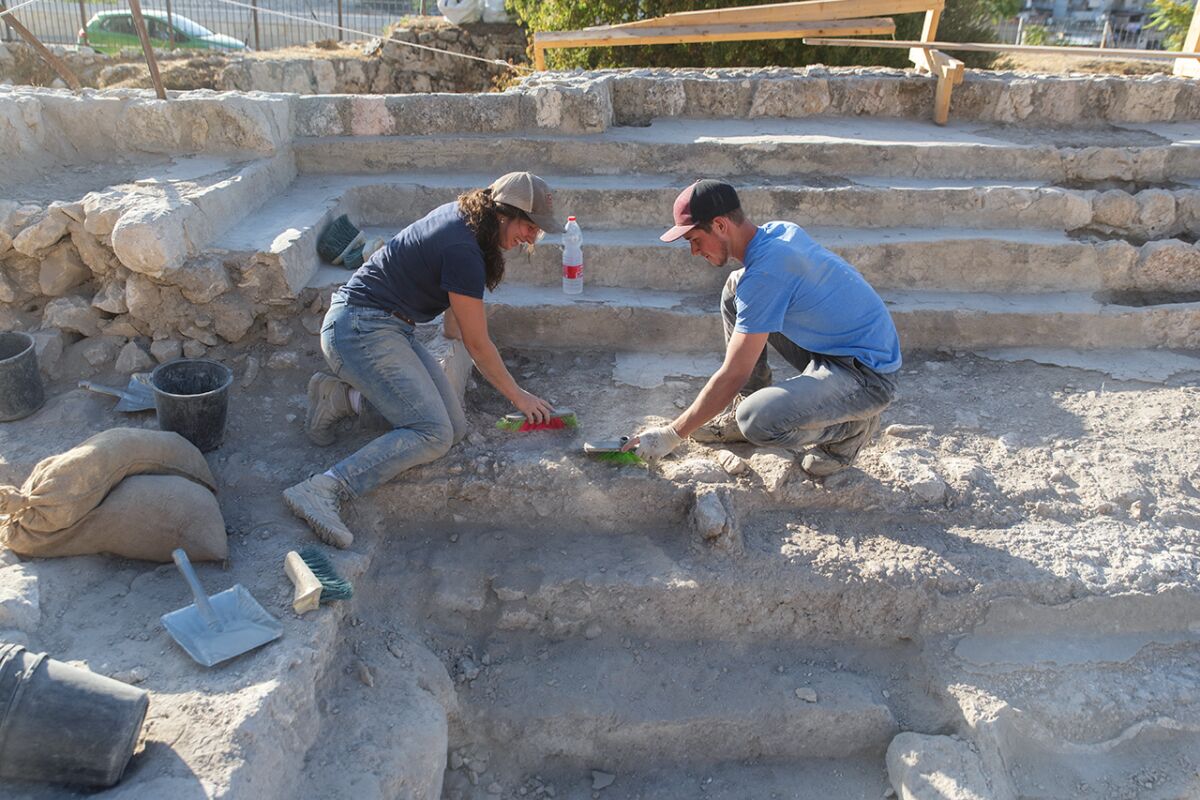
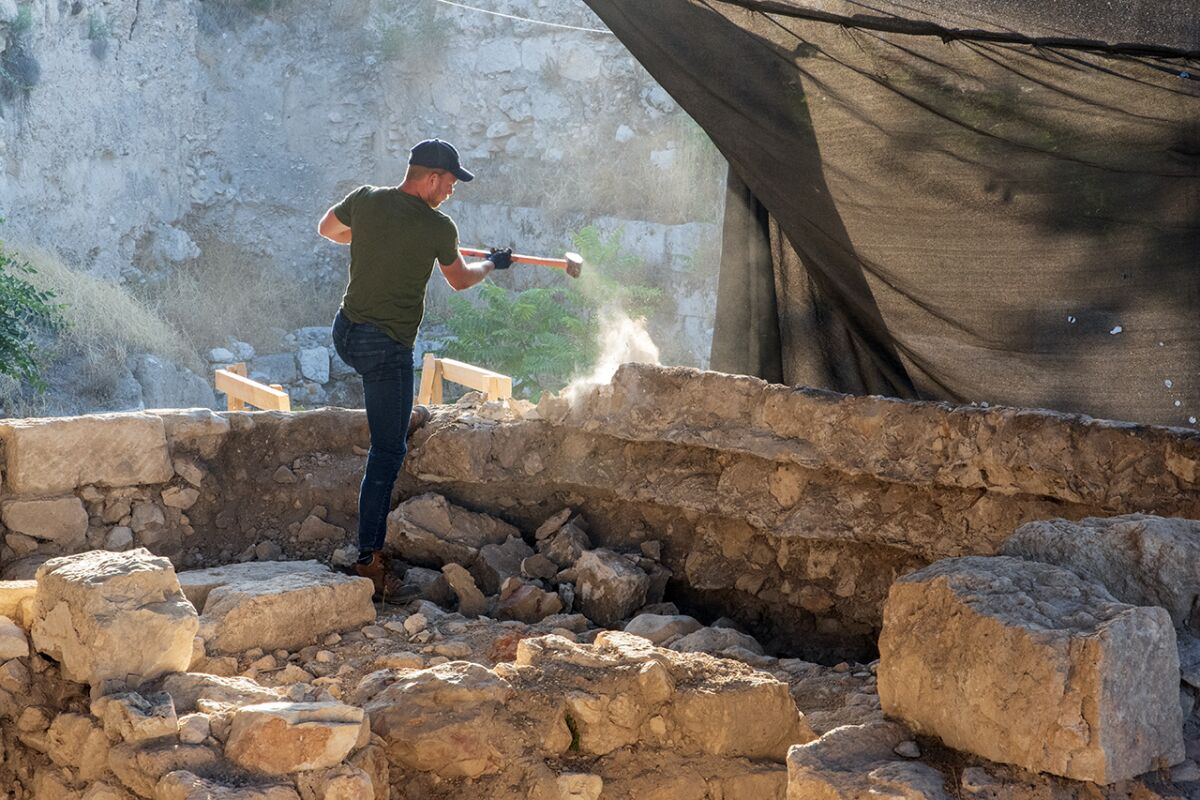
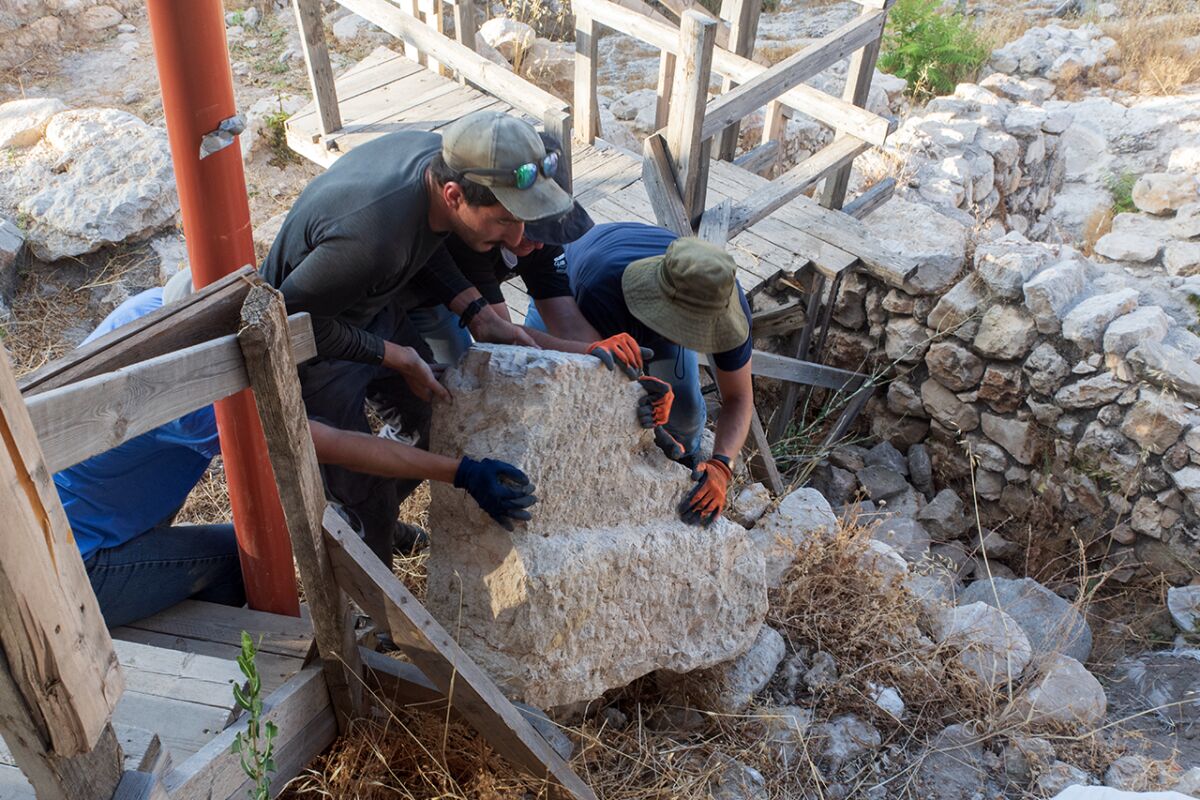
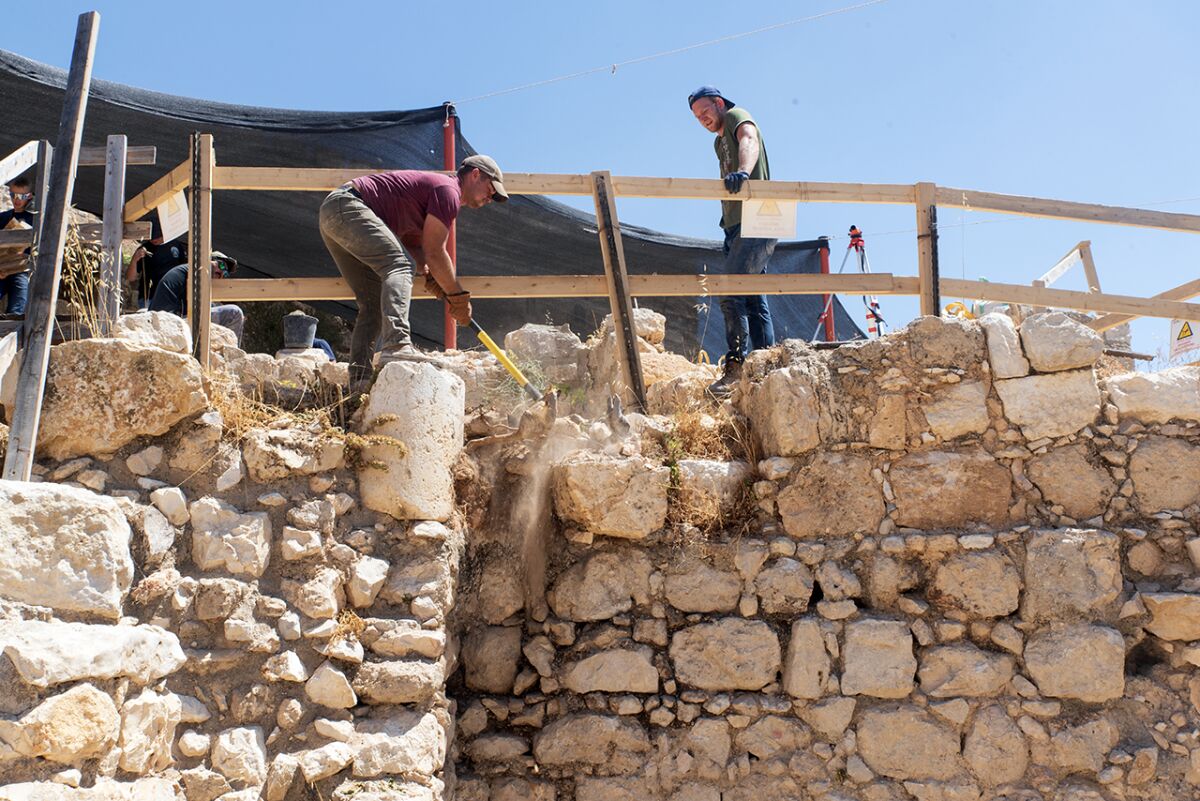
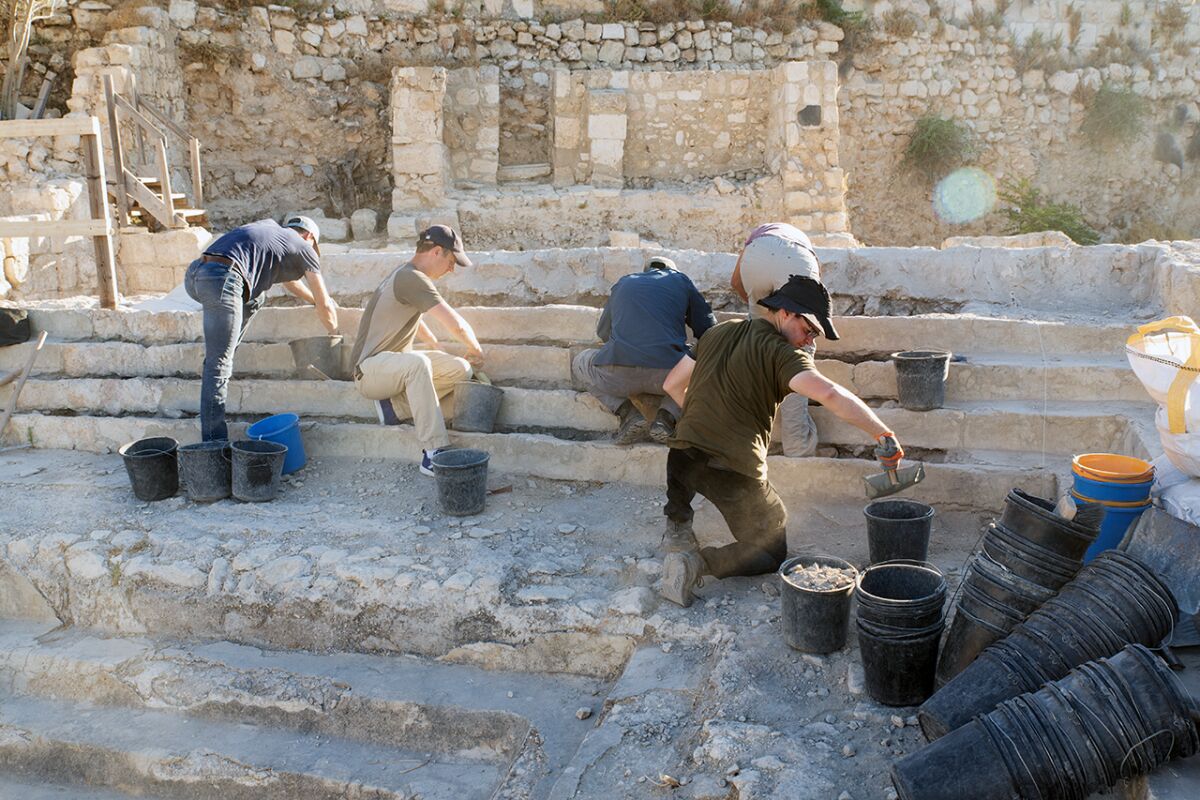
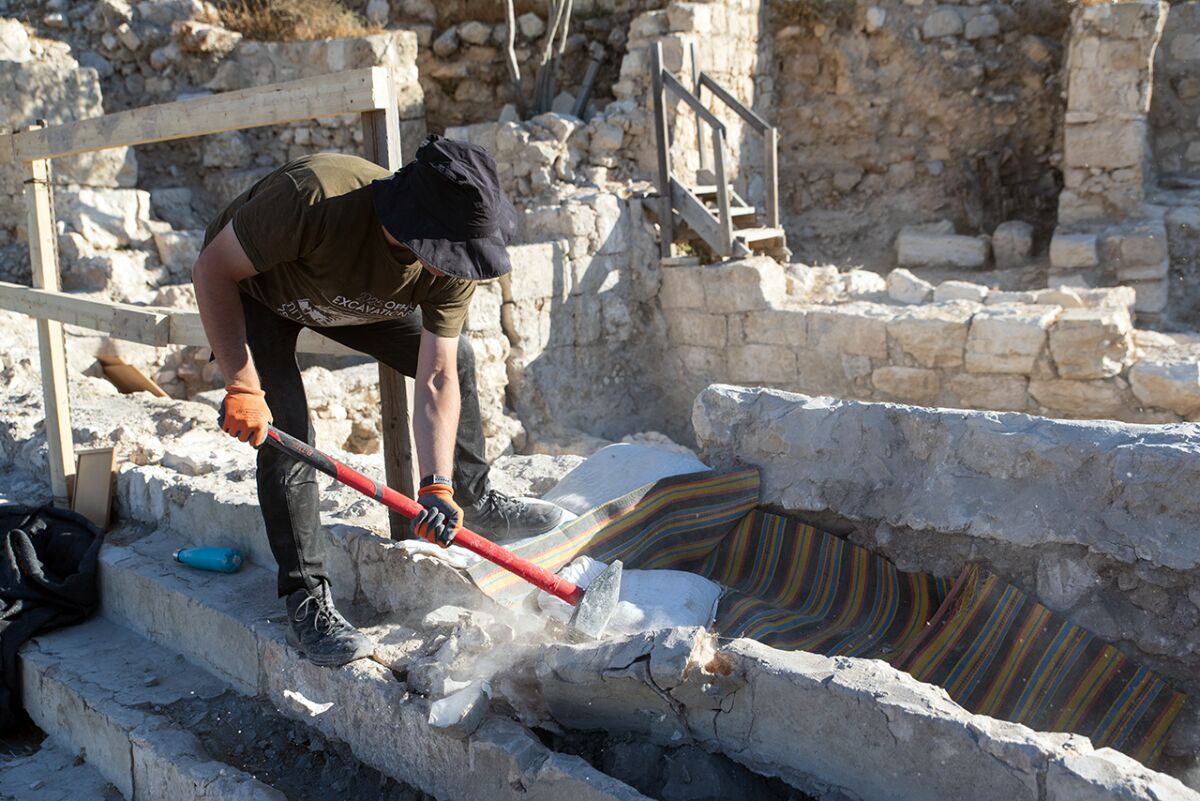
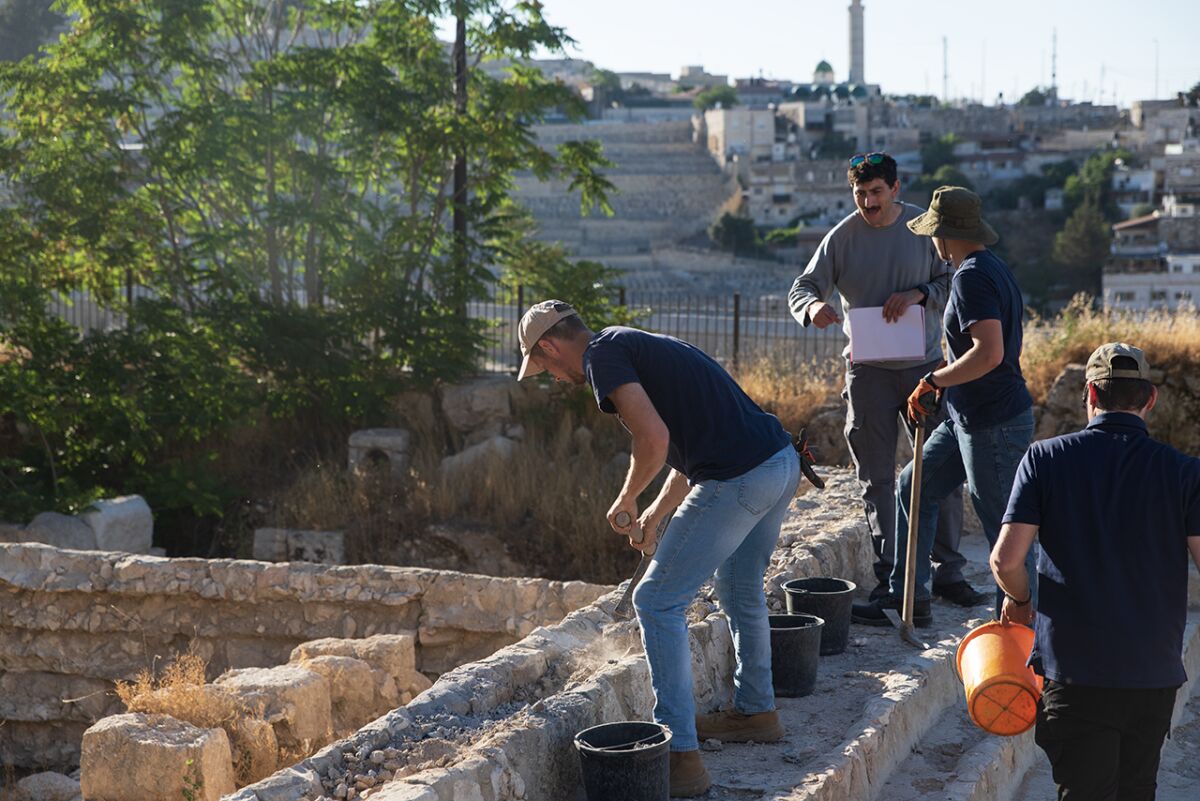
We were back at the pool today, where we finished dismantling the top row of steps. The steps contained plastic and the remains of a beer bottle, confirming our suspicions that they were part of a modern reconstruction from the 1980s.
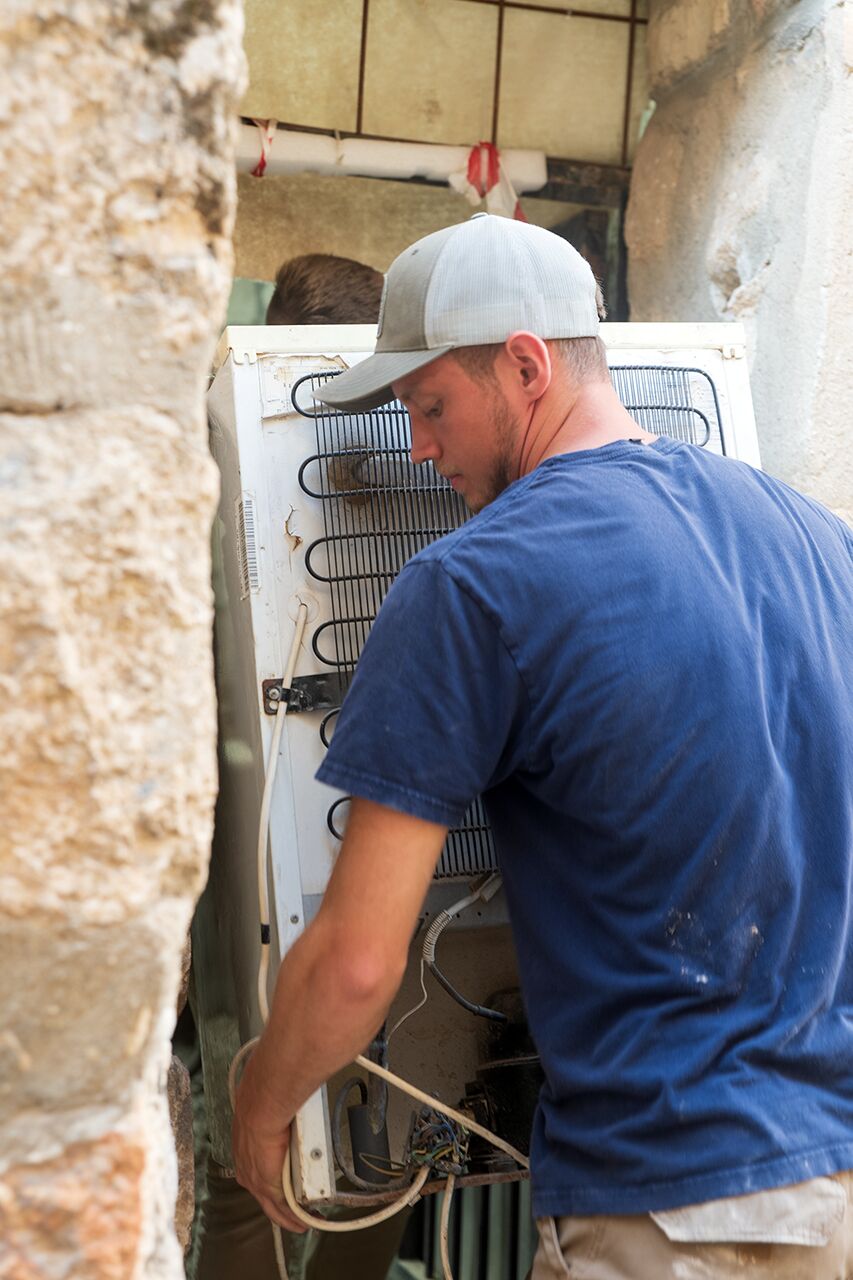
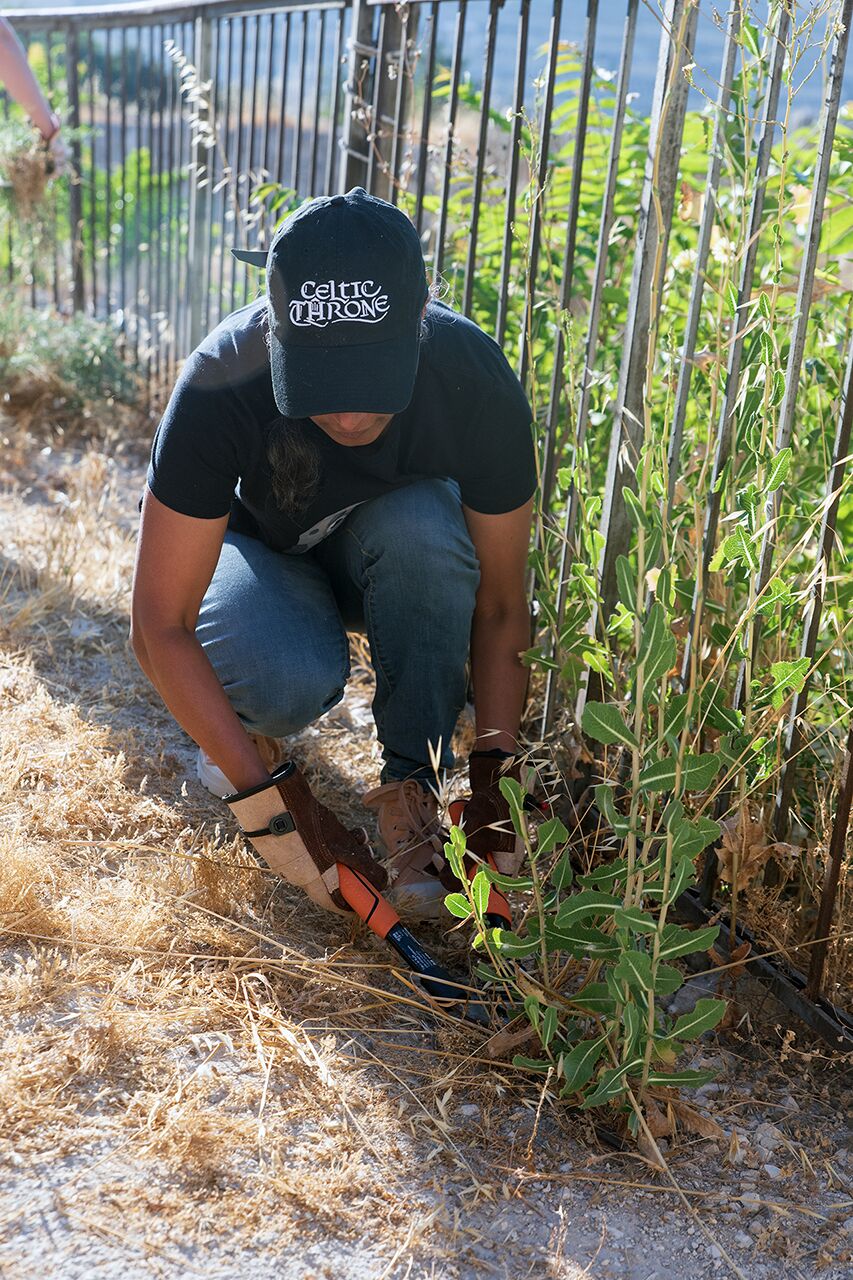
We also moved all of the office equipment from Hebrew University to the cleaned up office space. With weeding and cleaning mostly complete, we turned our attention to Area E in preparation for the second excavation this summer.
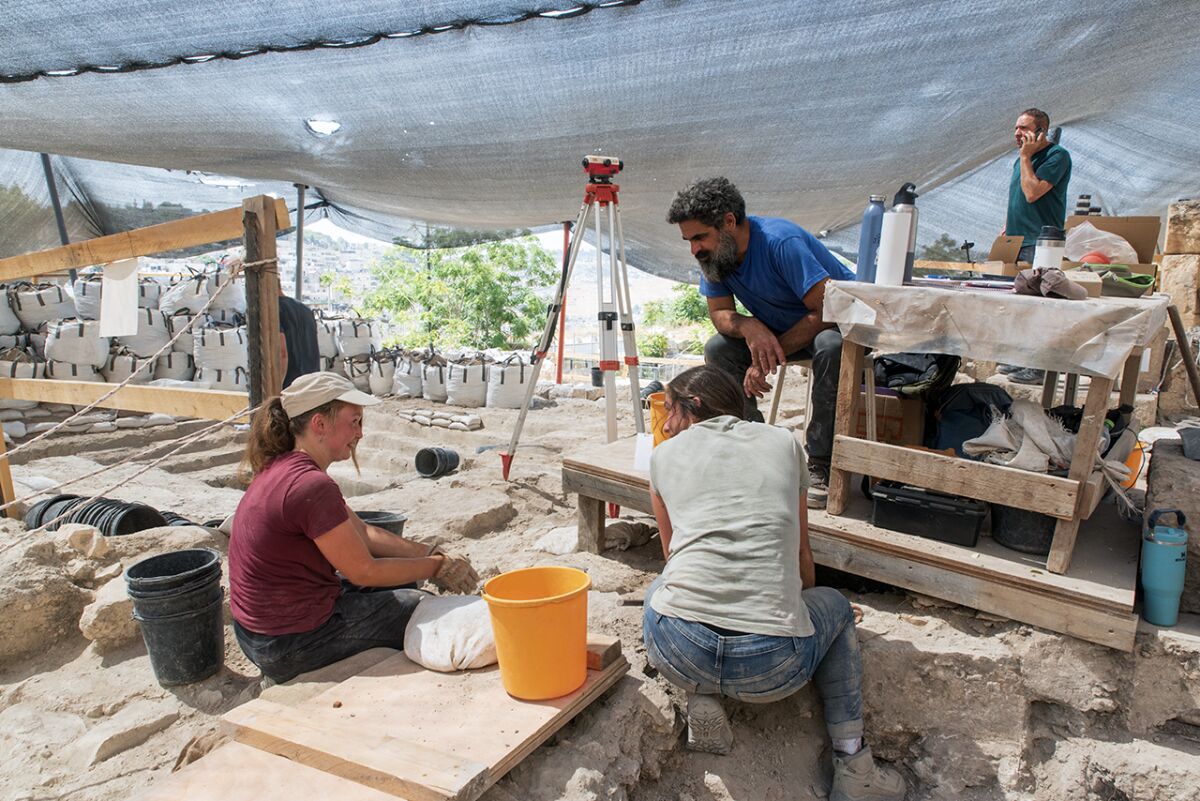
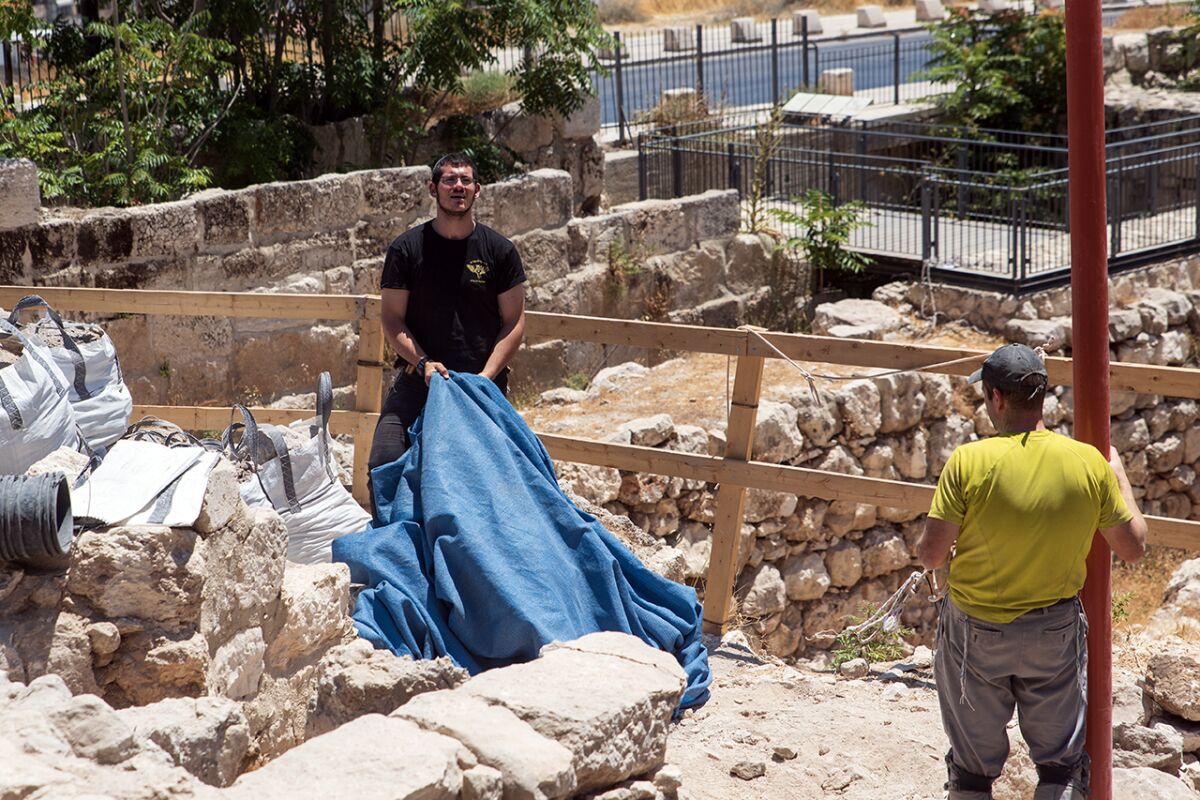
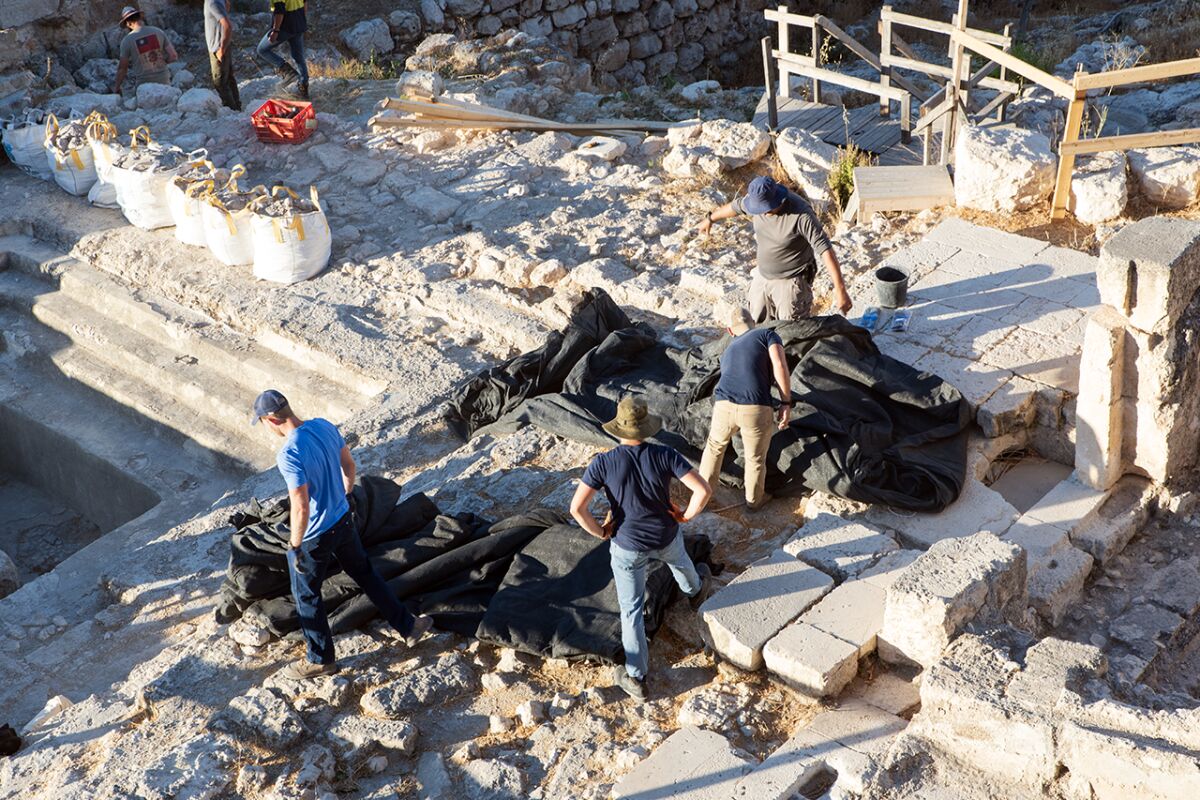
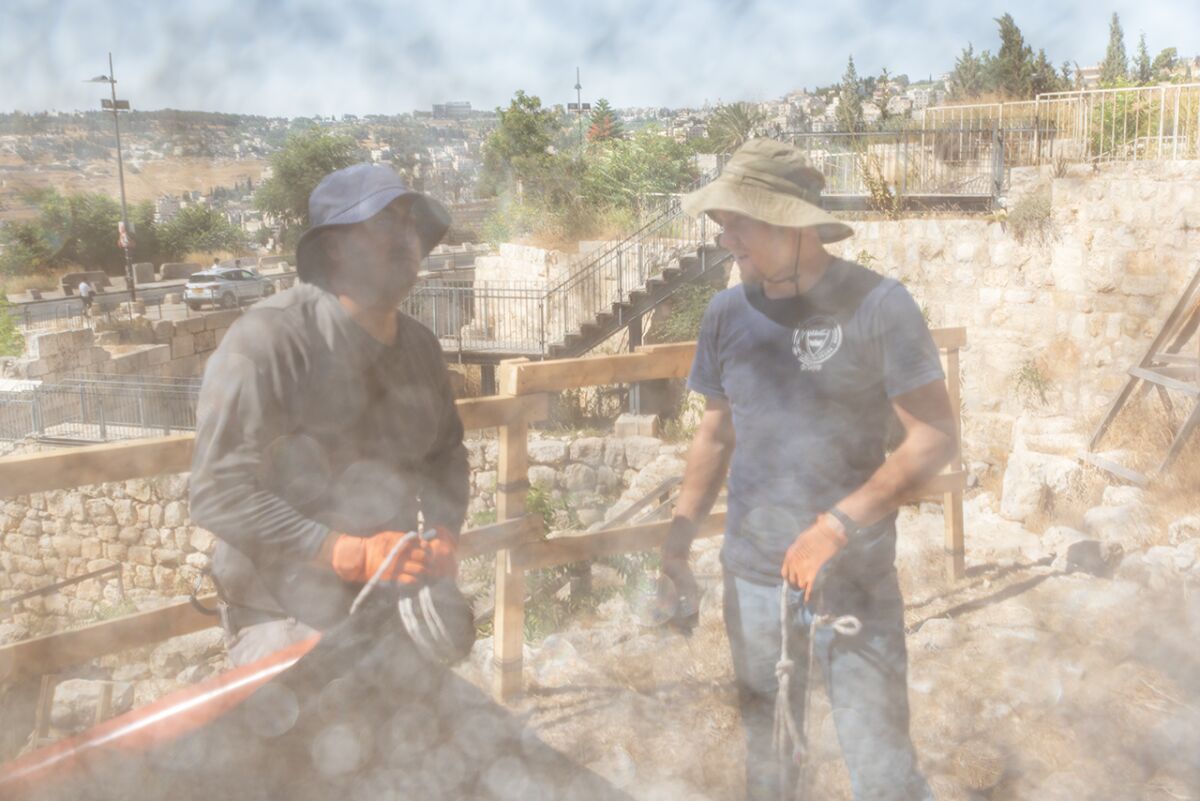
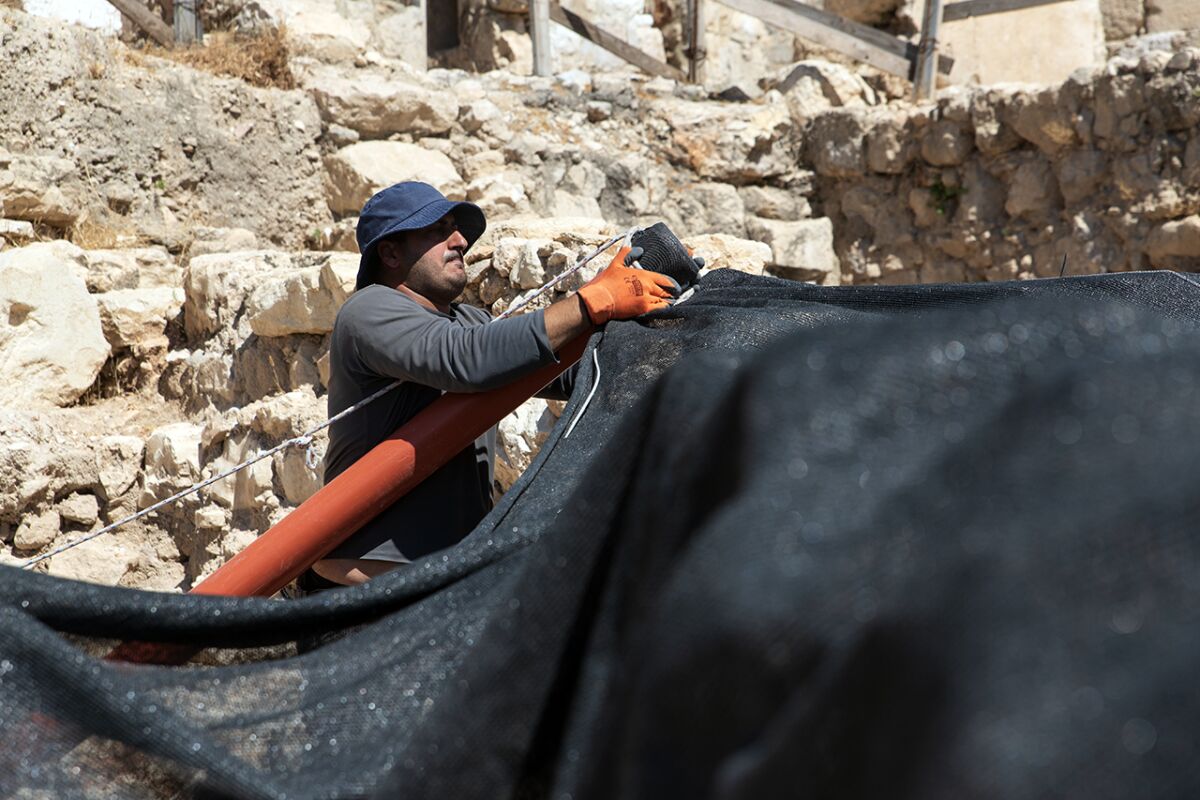
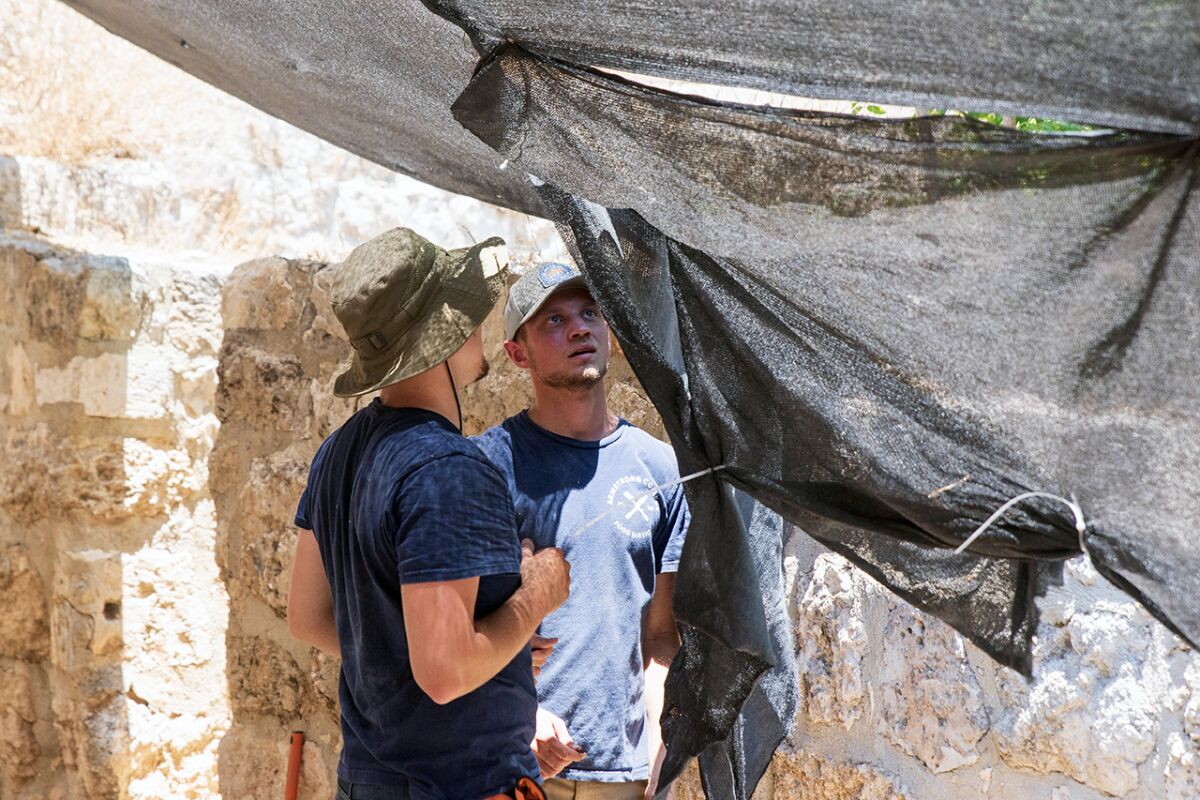
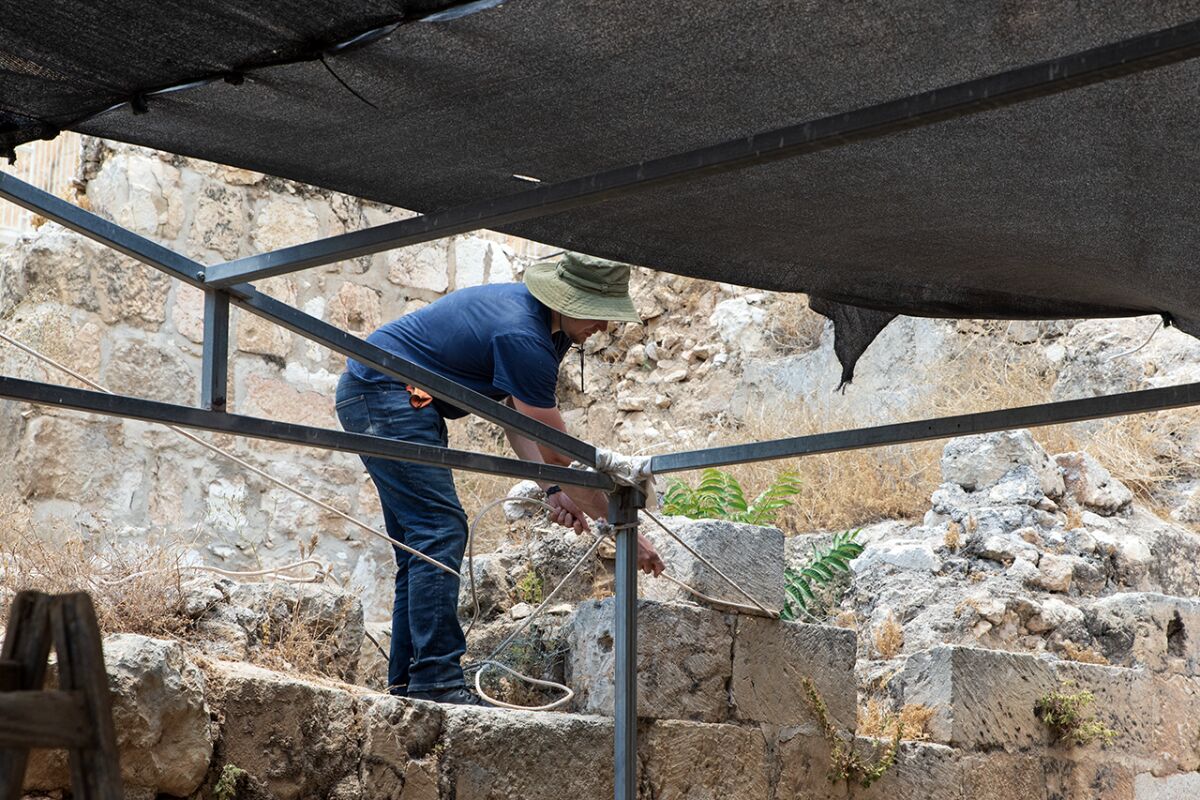
And, finally … shades! After the first three days working in the hot sun, the help of Yedidia setting up shades over the area was much appreciated.
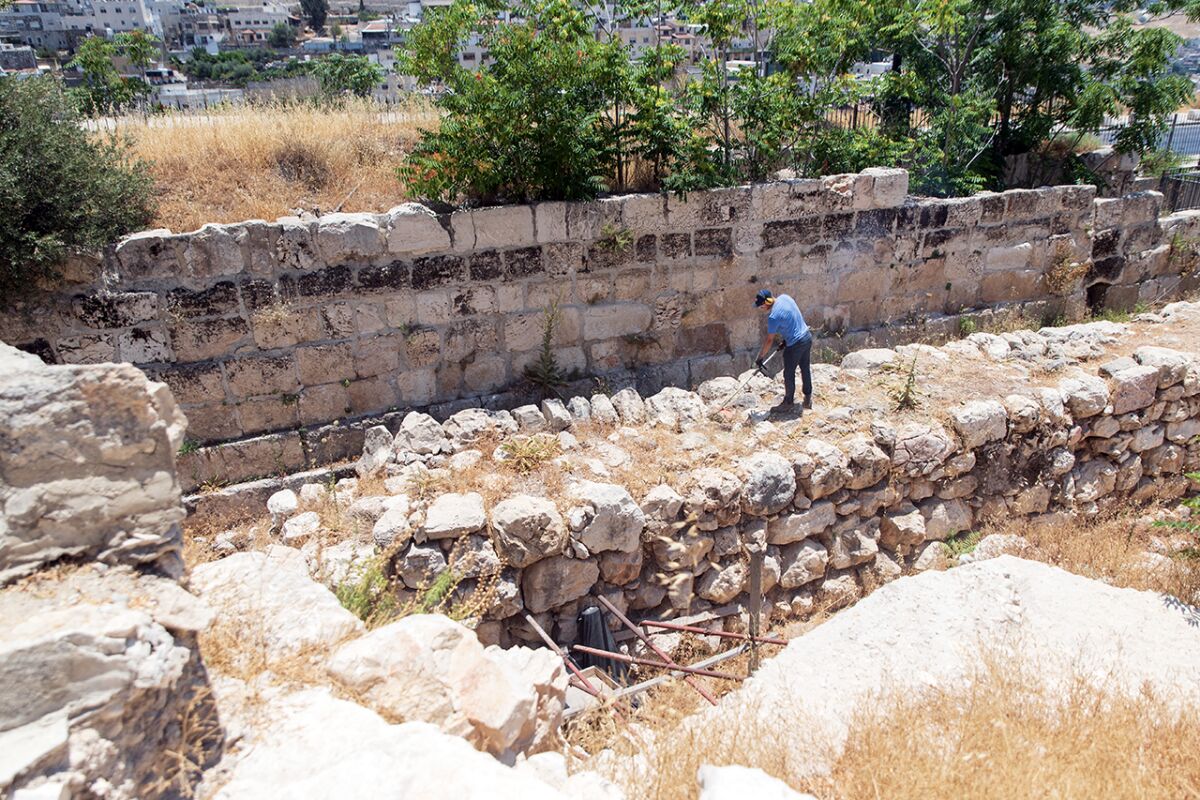
No dismantling today. Akiva will be back on Wednesday and Thursday to continue in Area P. We spent the day weeding, constructing and cleaning/organizing the office space to get ready for the arrival of the rest of the volunteers on Sunday.
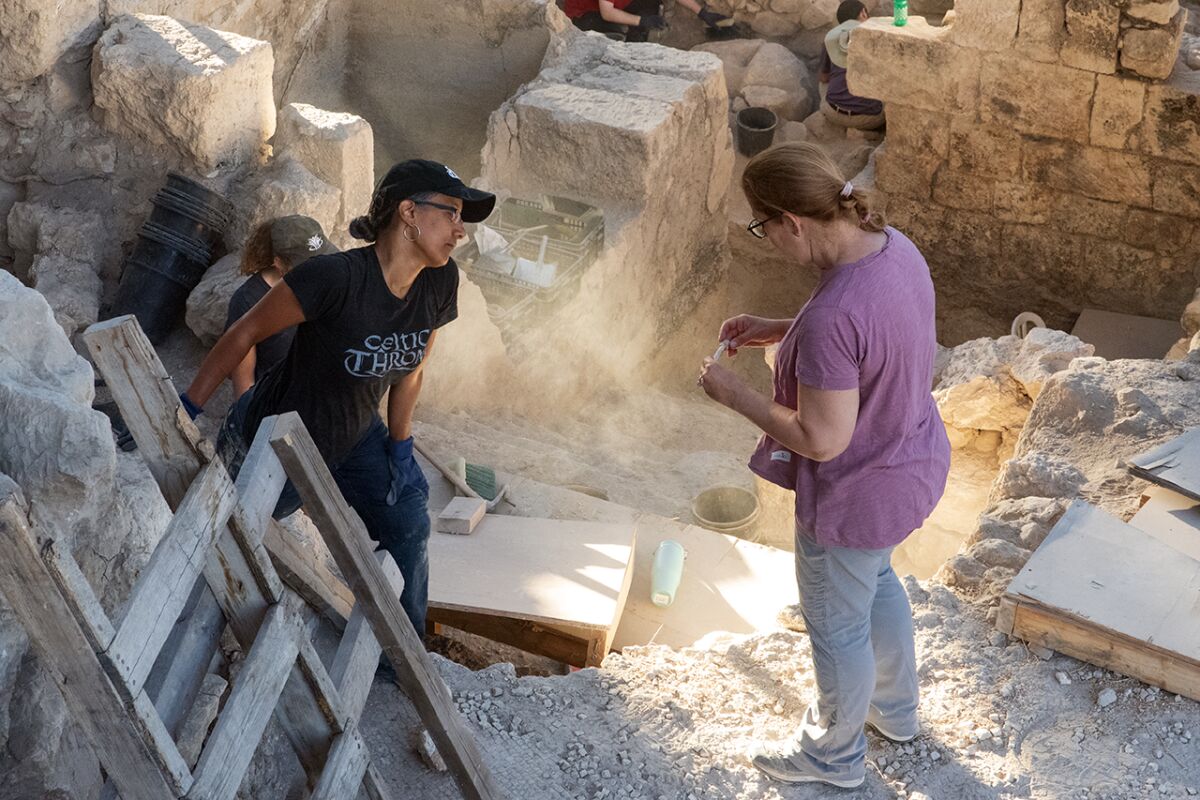
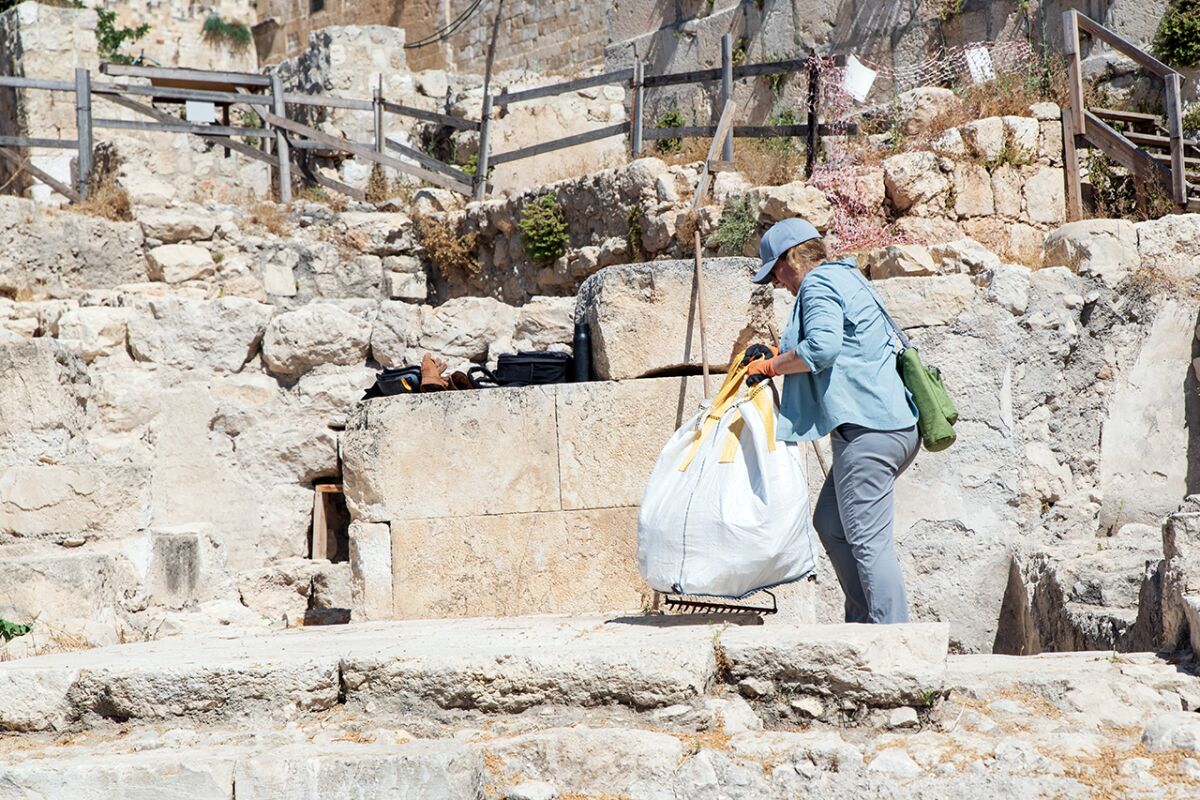
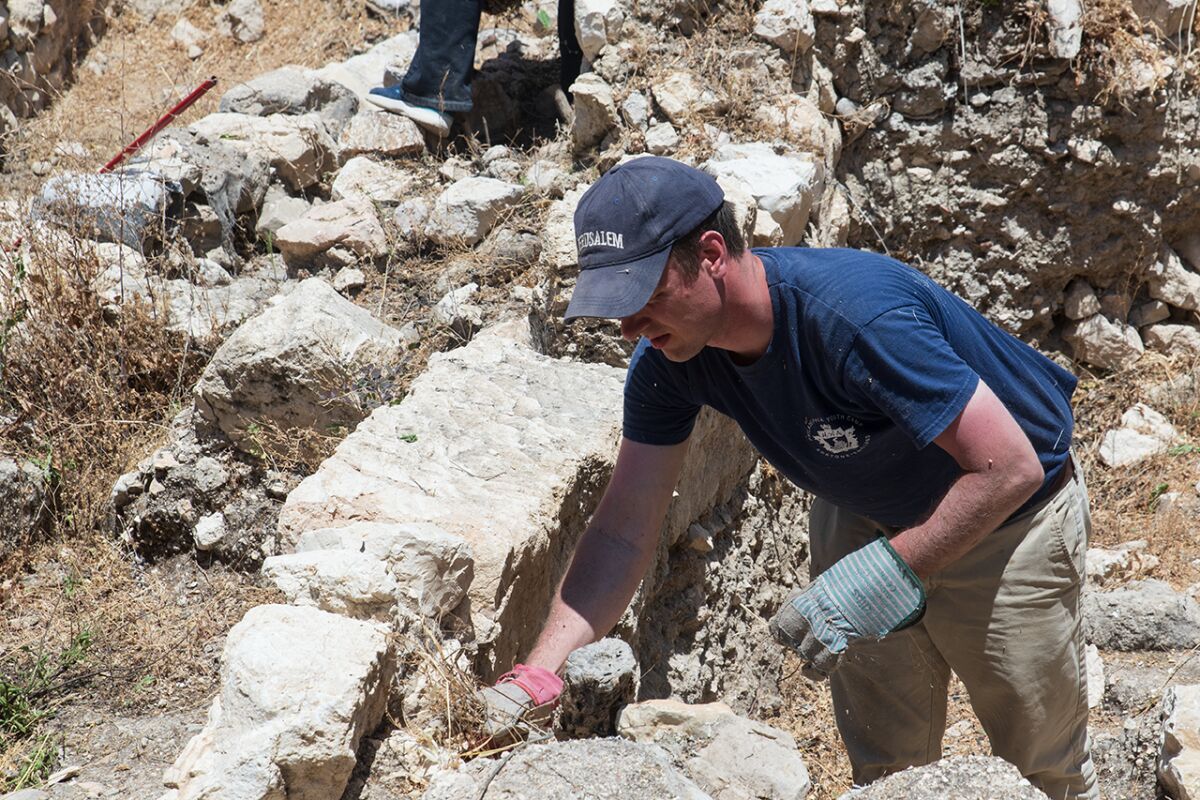
On the second day of the excavation preparation week, we began dismantling steps in Area P (the pool/mikveh area that was opened during last year’s excavation). Under the supervision of area supervisor Akiva Goldenhersh, assisted by Shlomo, a few Armstrong volunteers carefully dismantled the northeastern steps adjacent to Area D1.
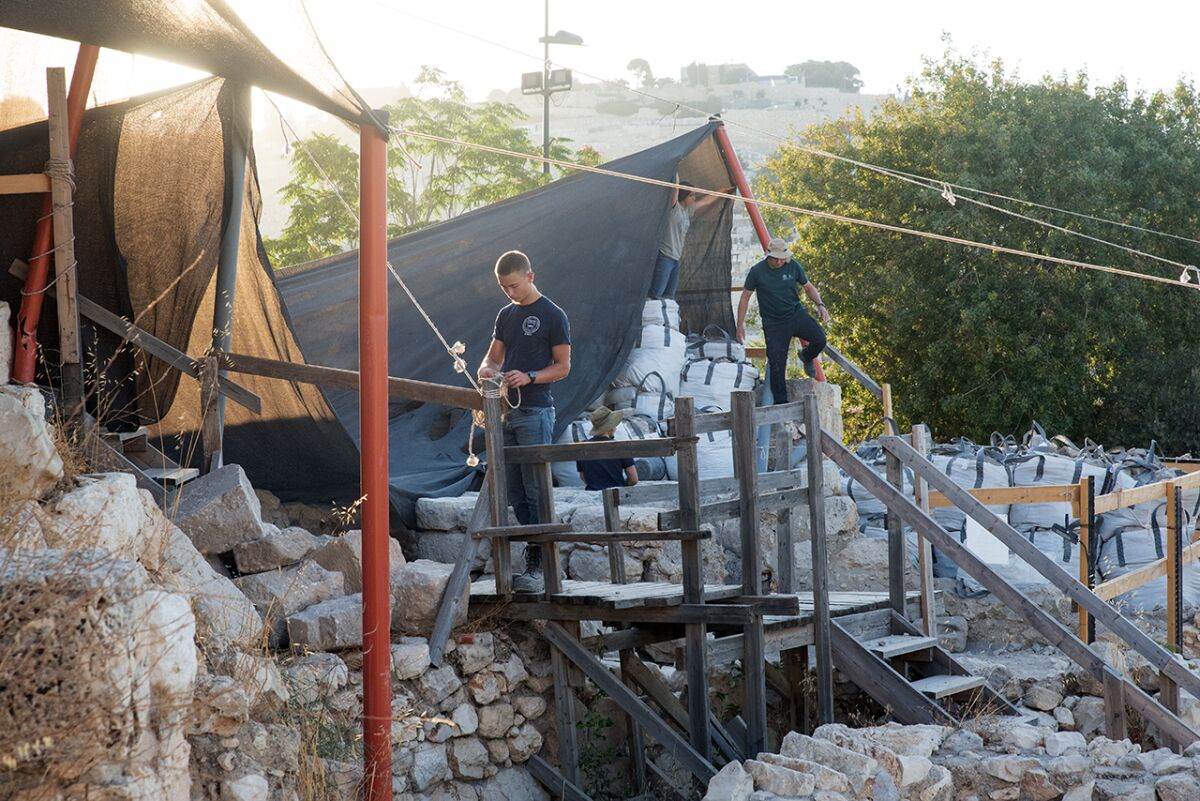
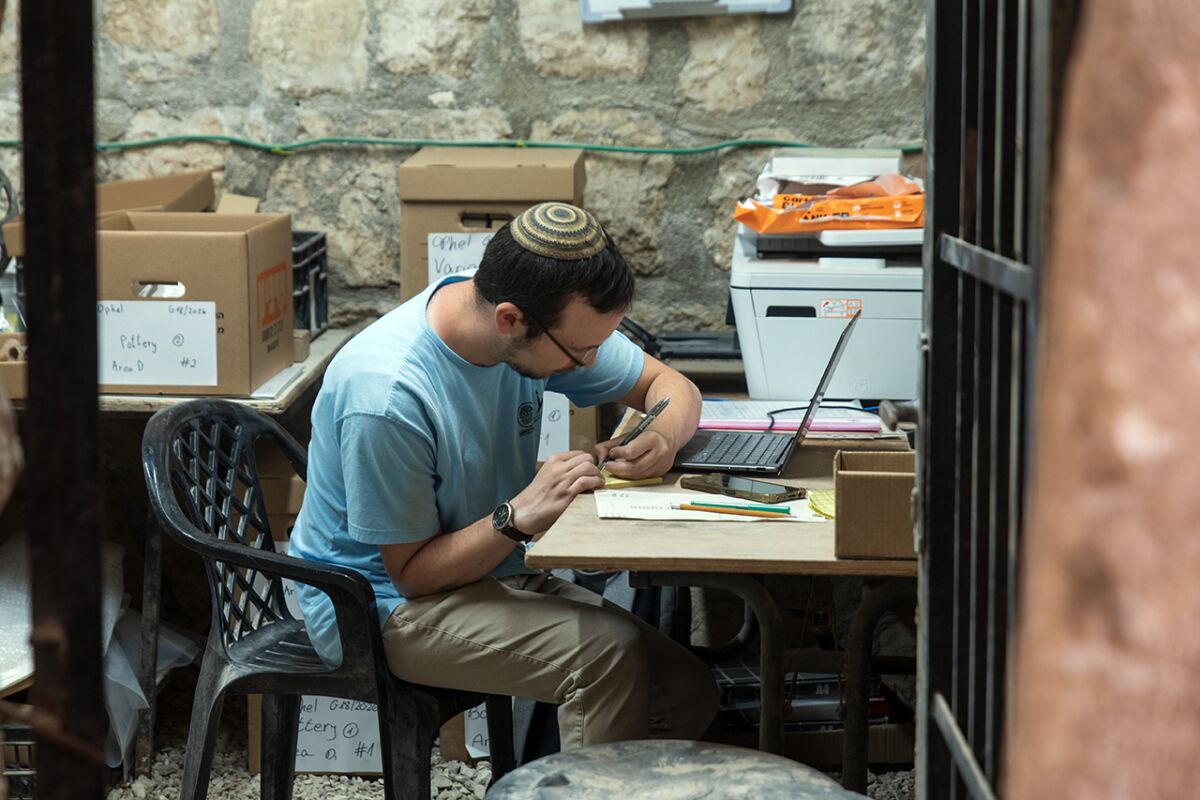
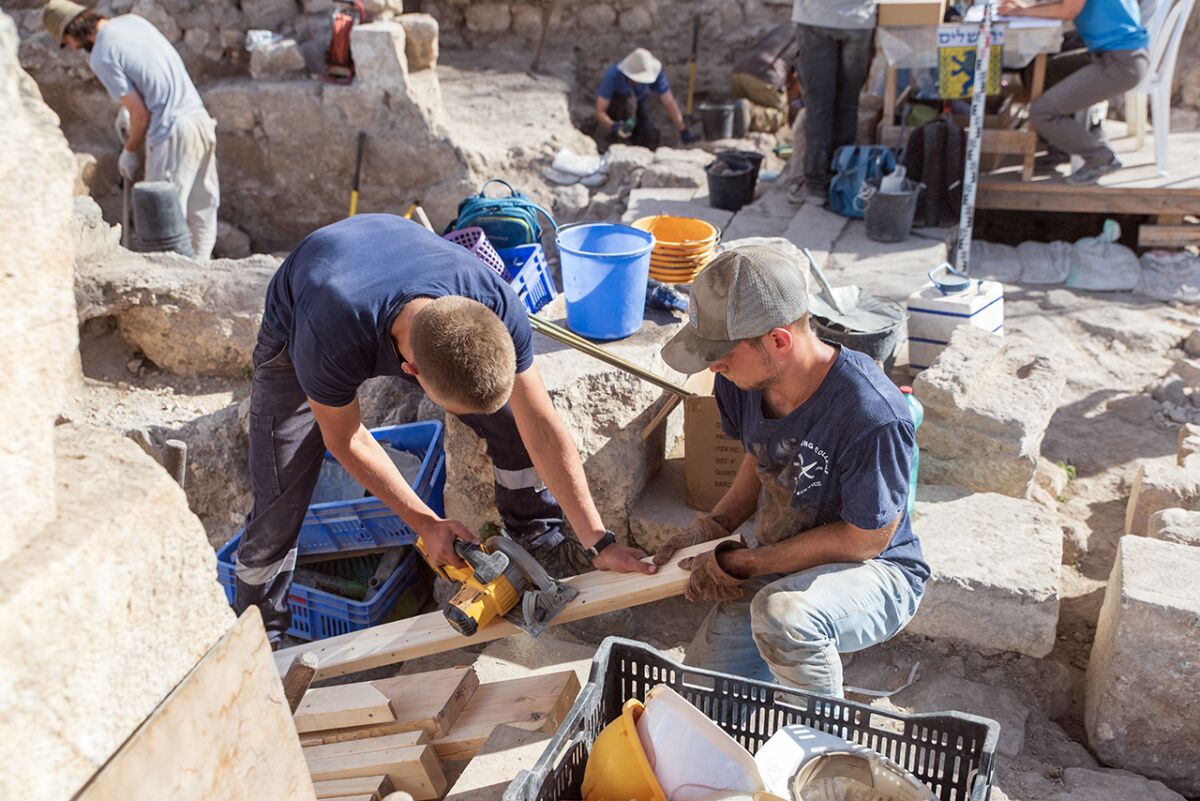
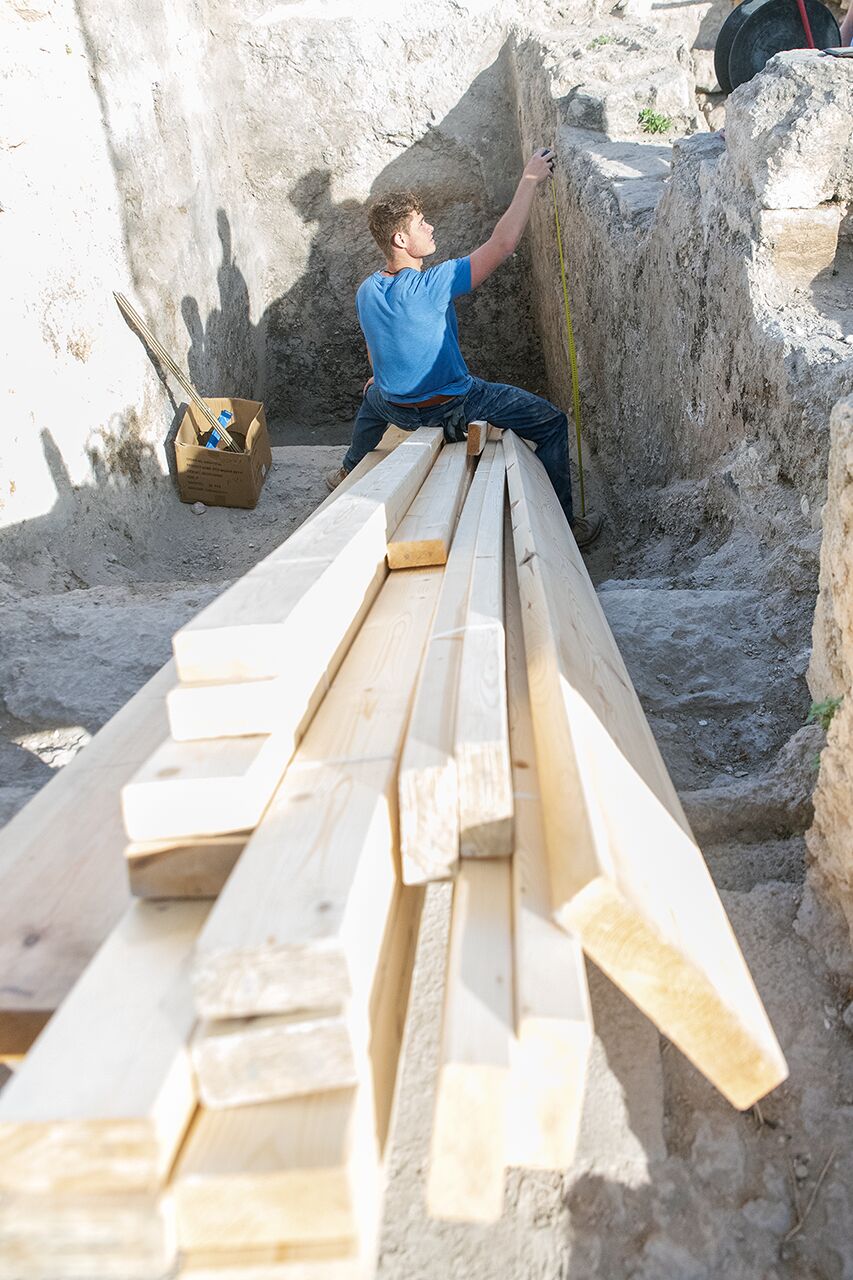
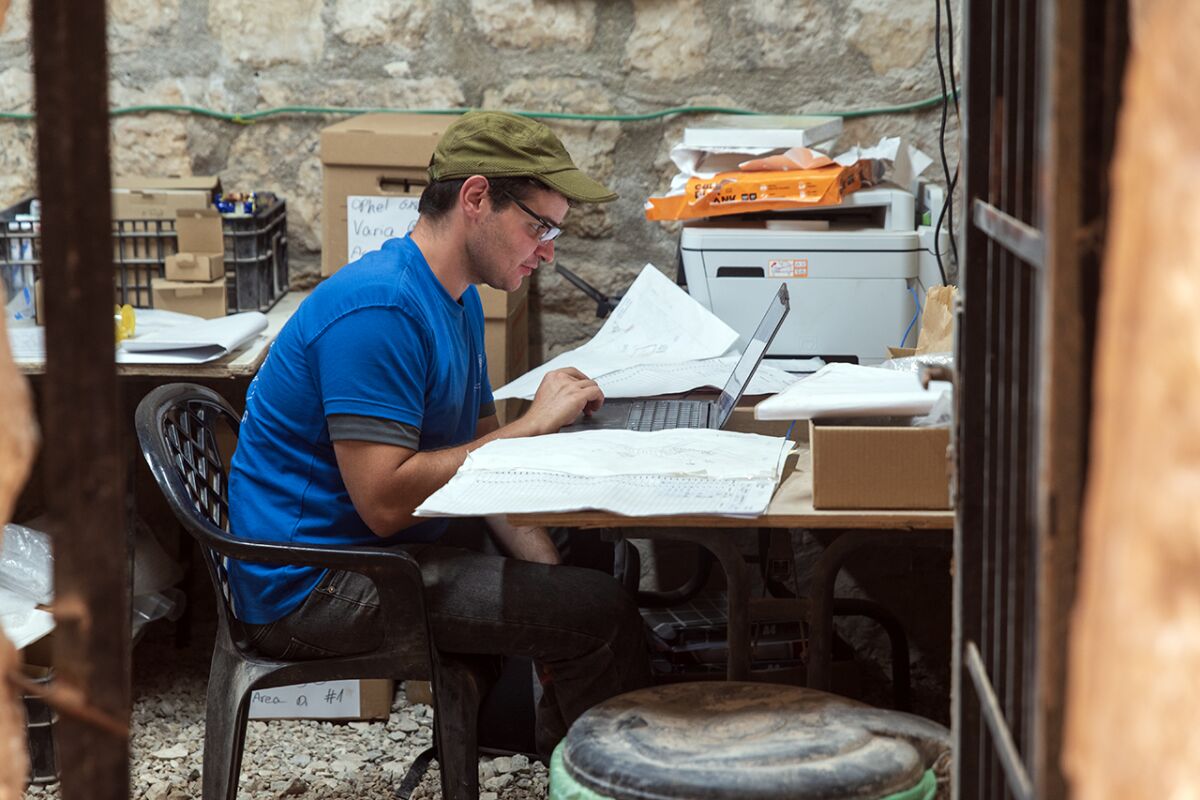
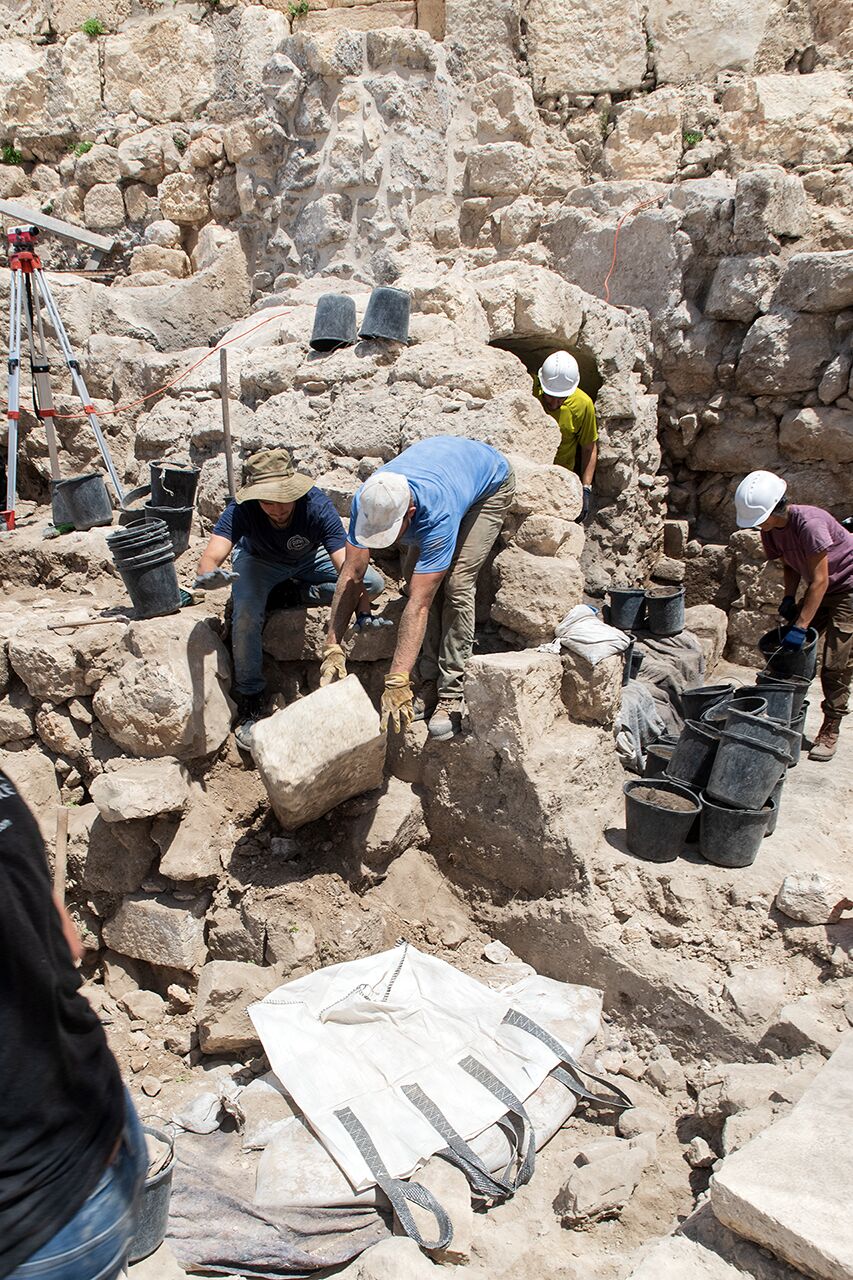
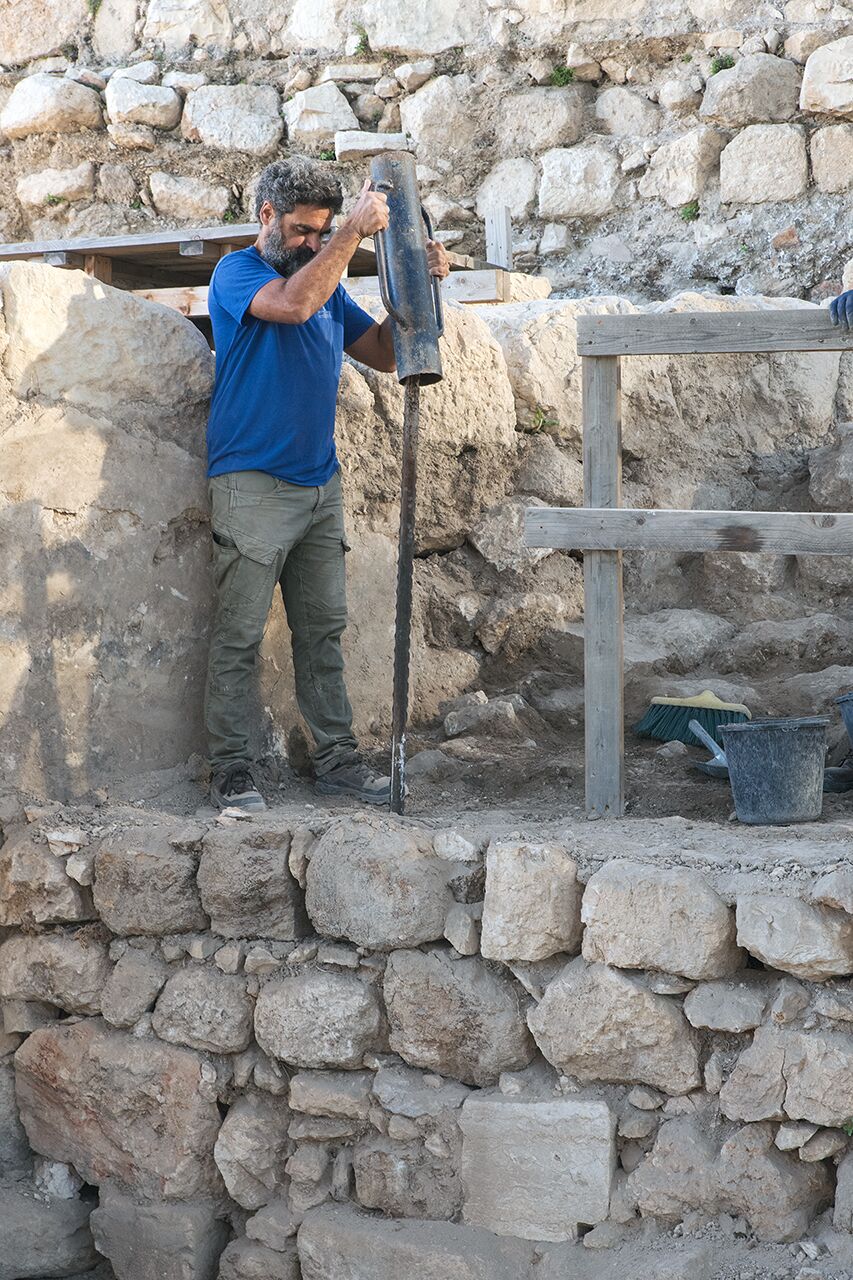
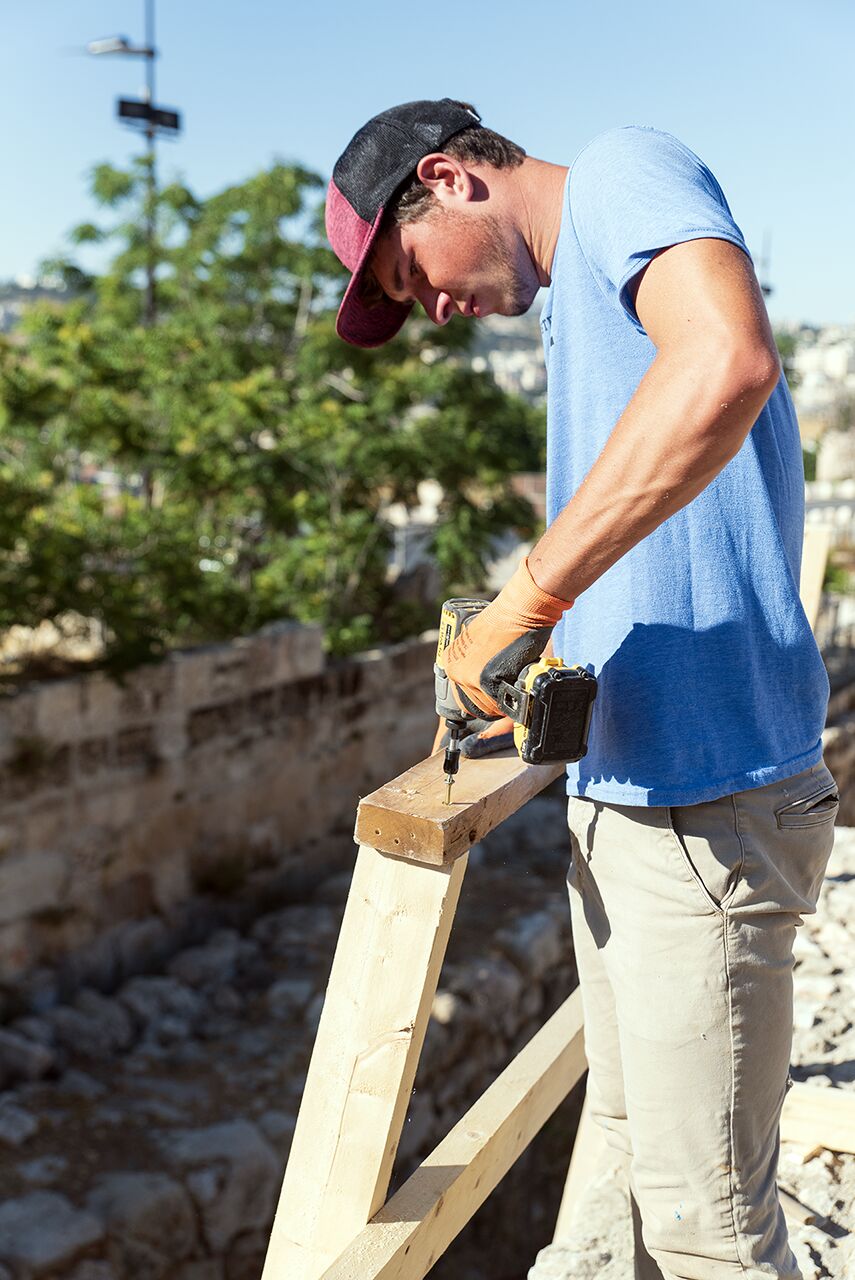
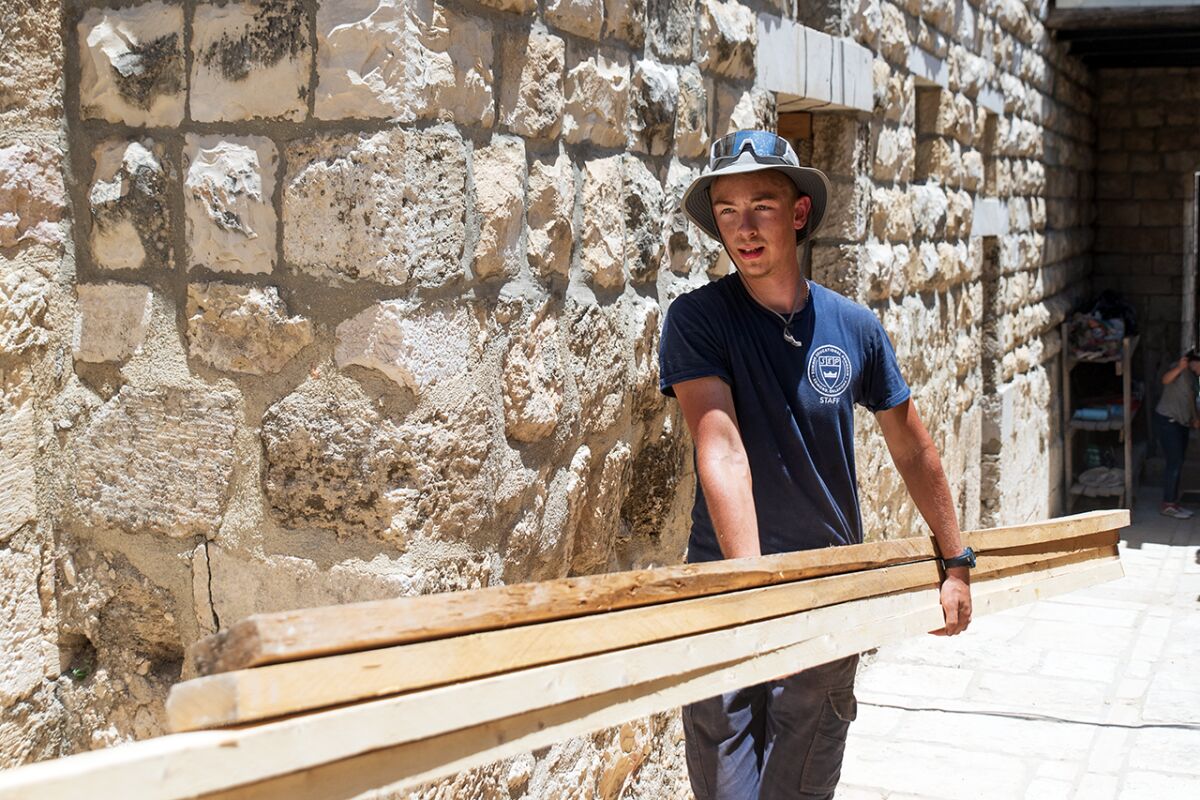
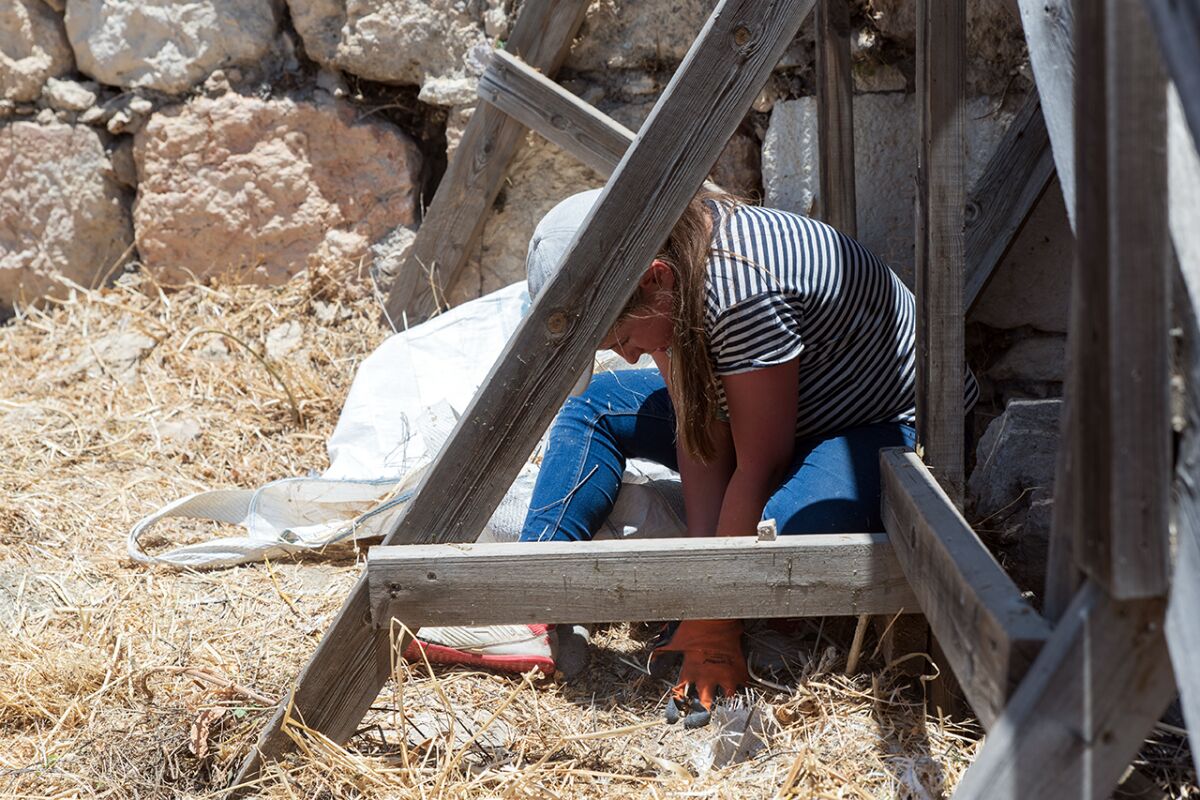
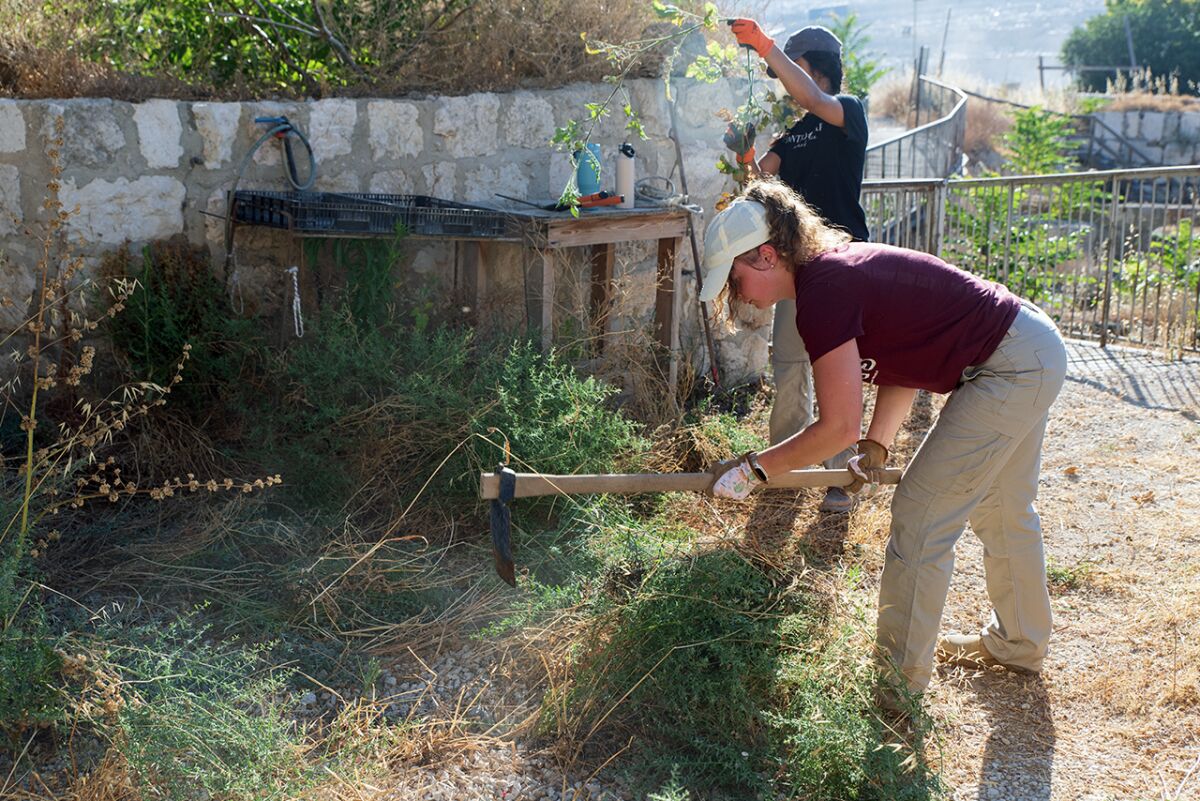
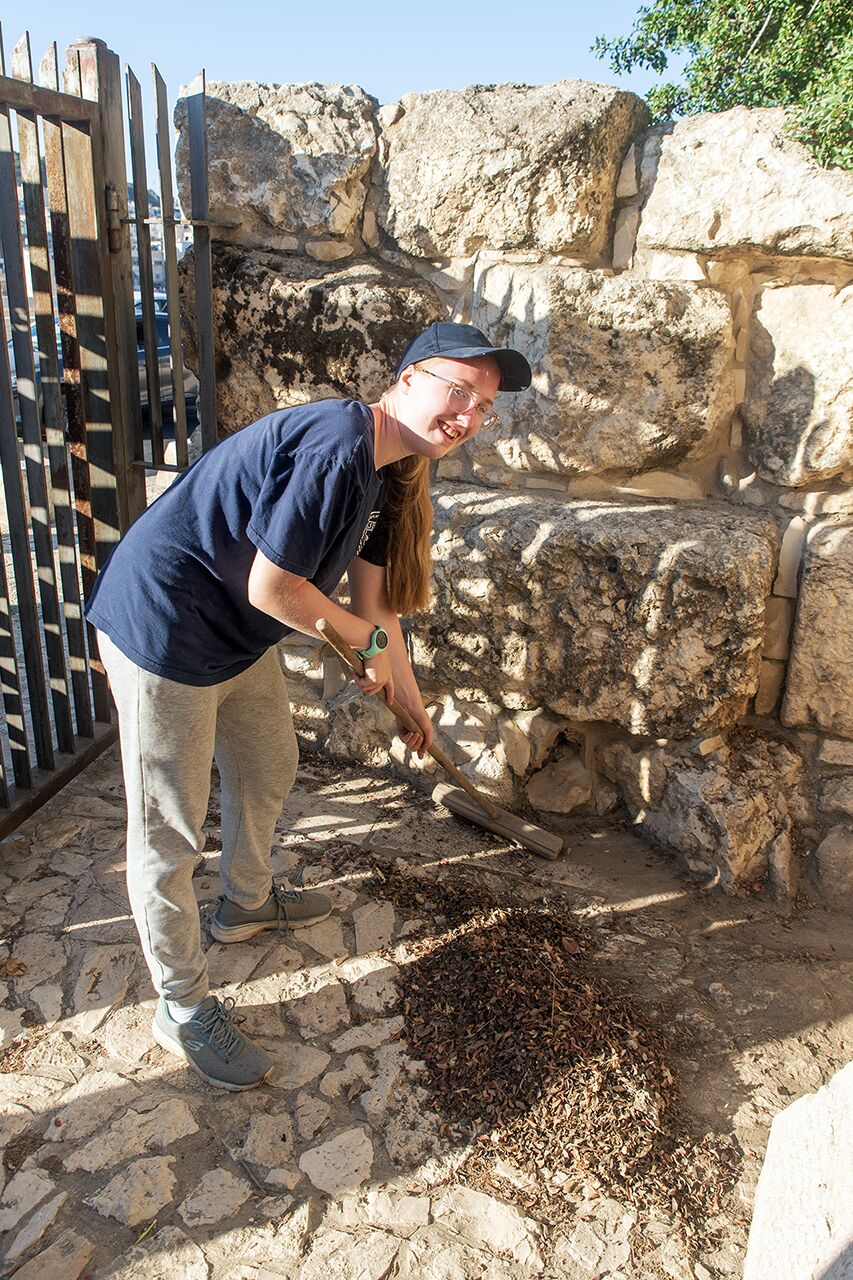
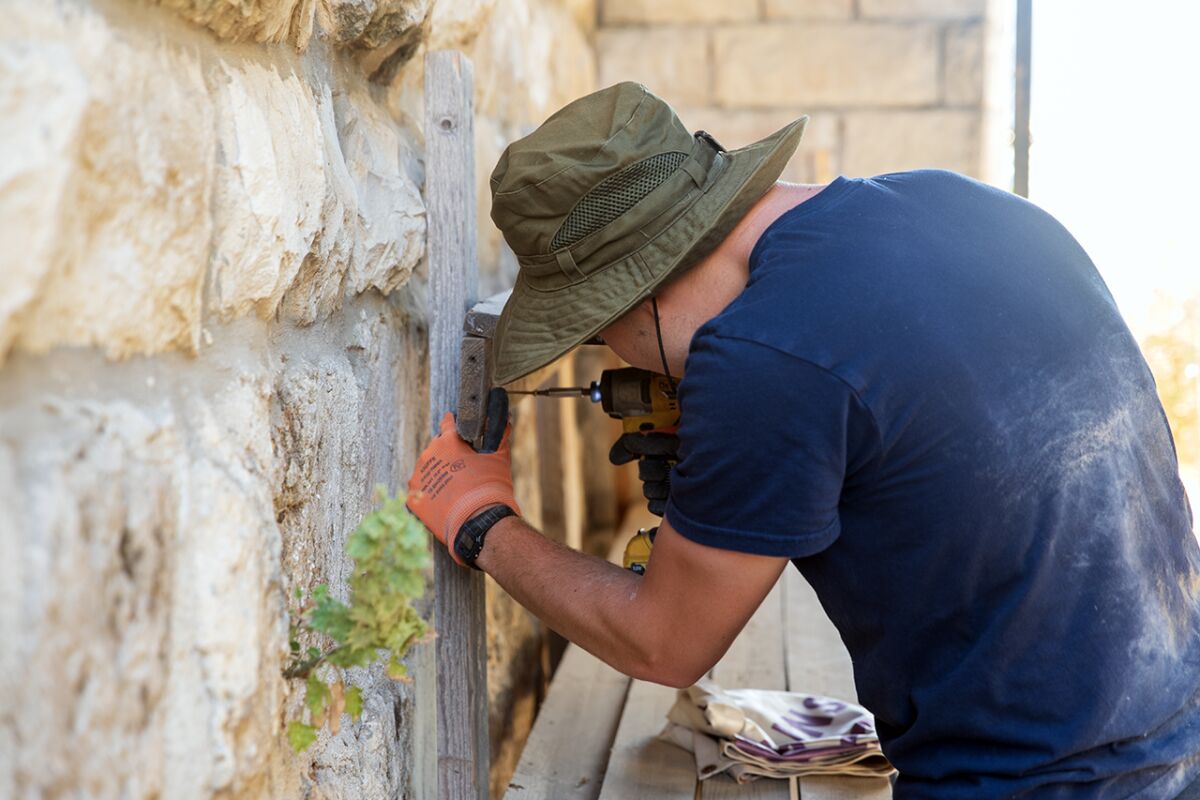
The rest of the crew spent the day weeding; constructing safety railings, platforms and steps; and organizing the office space in the Monastery of the Virgins. It was another very productive day!
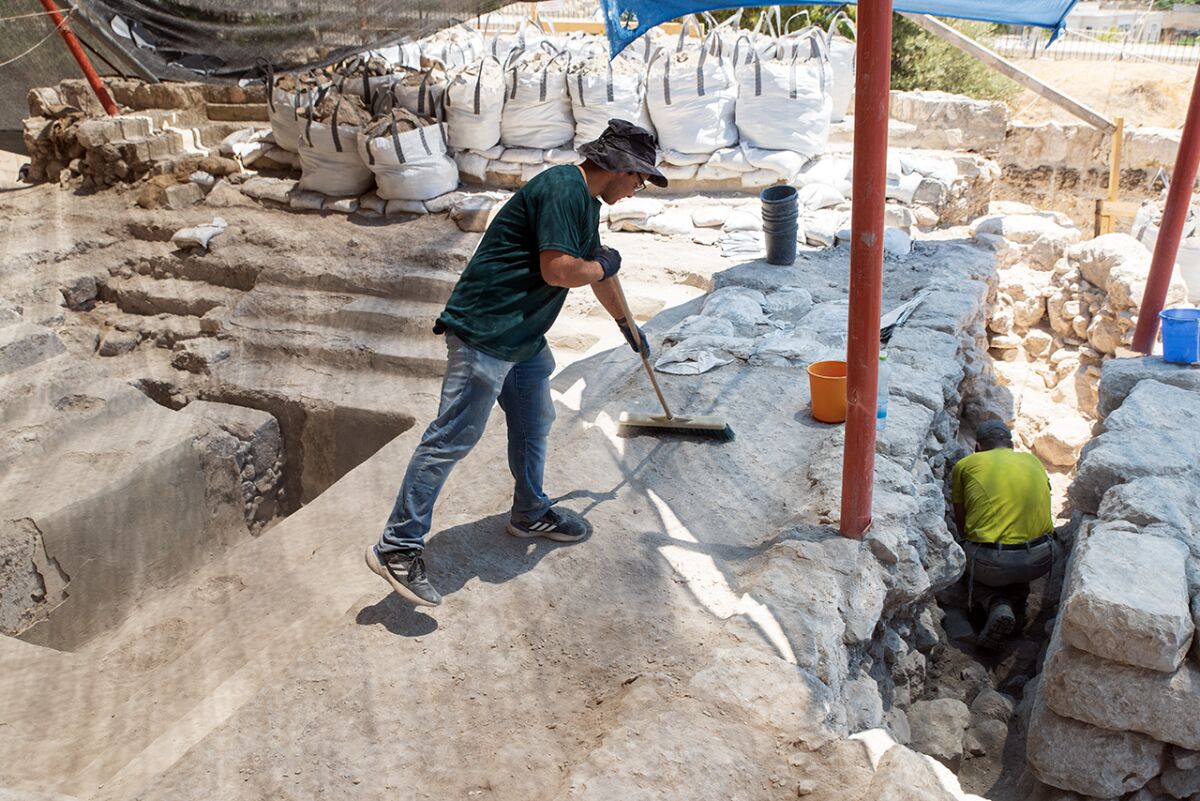
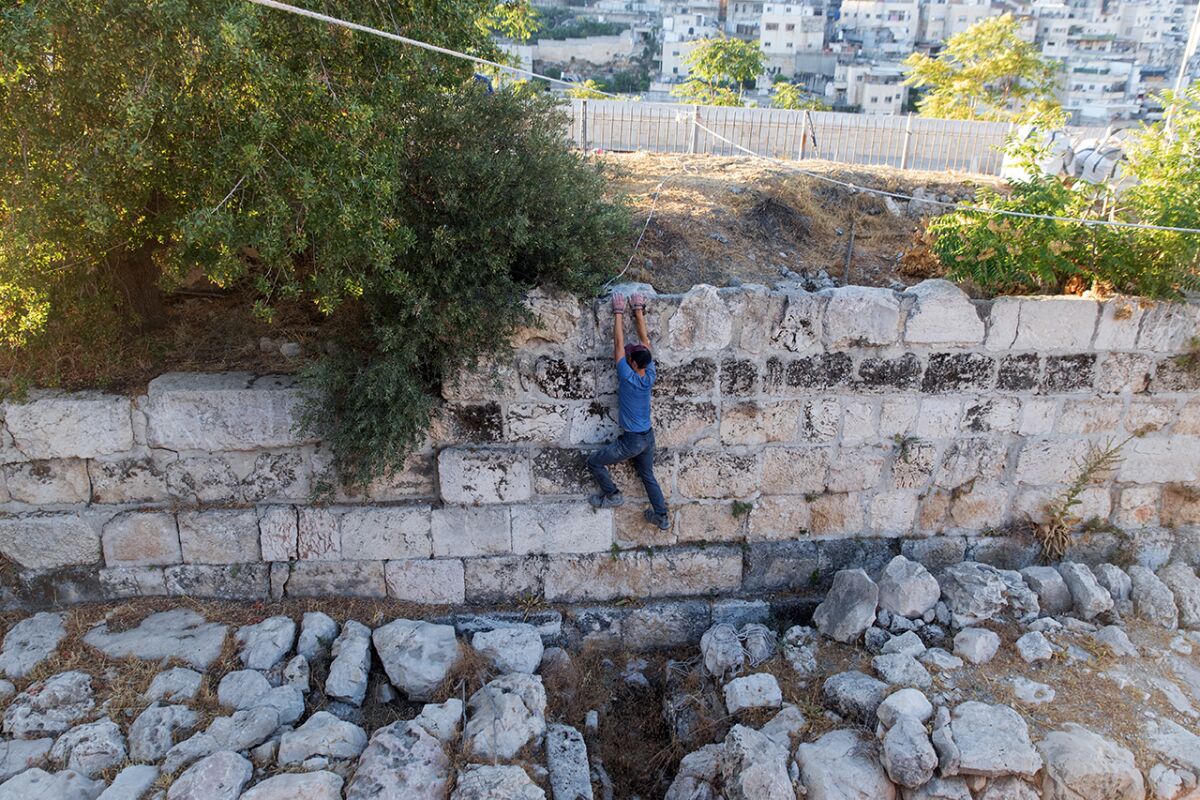
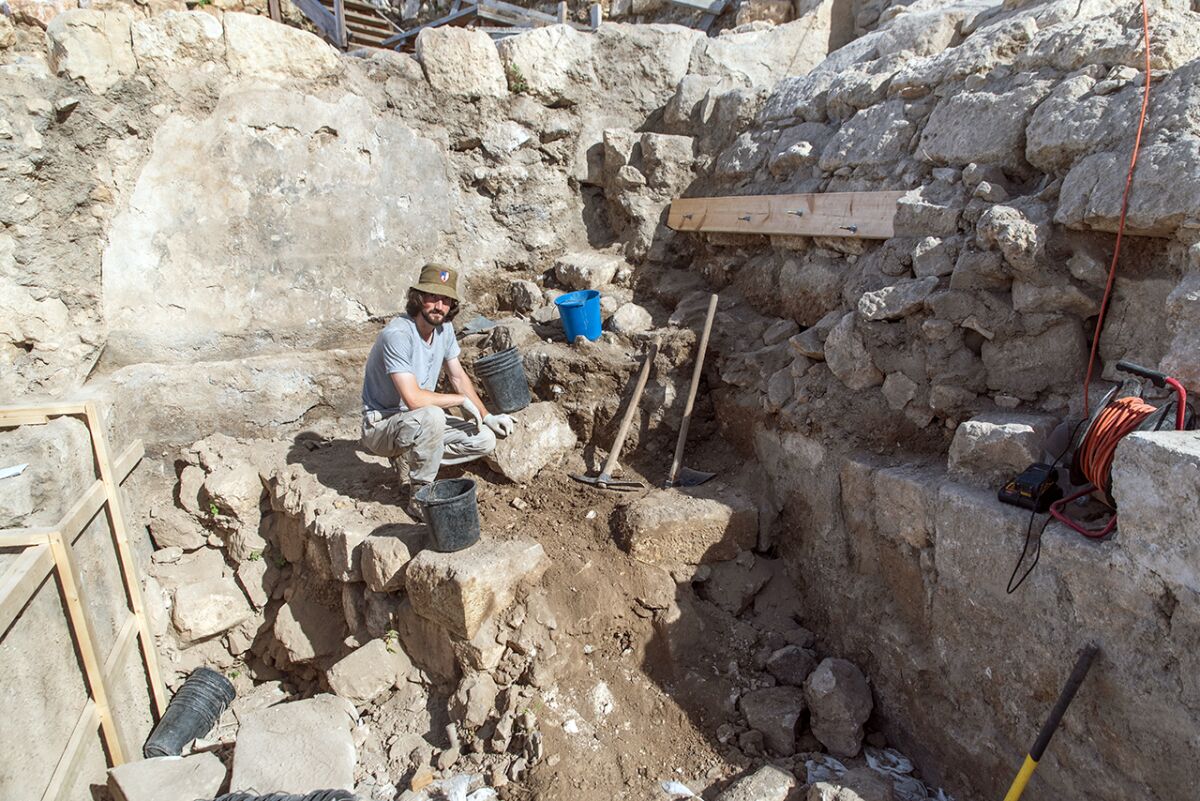
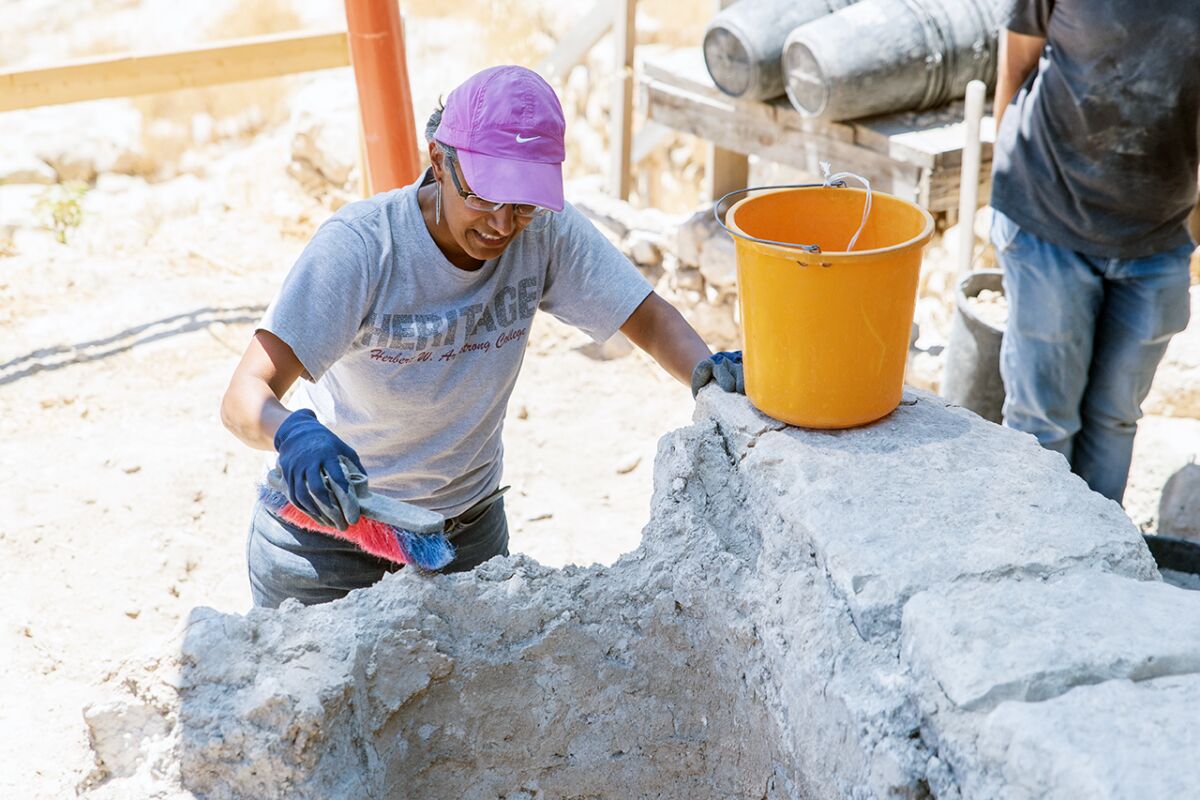
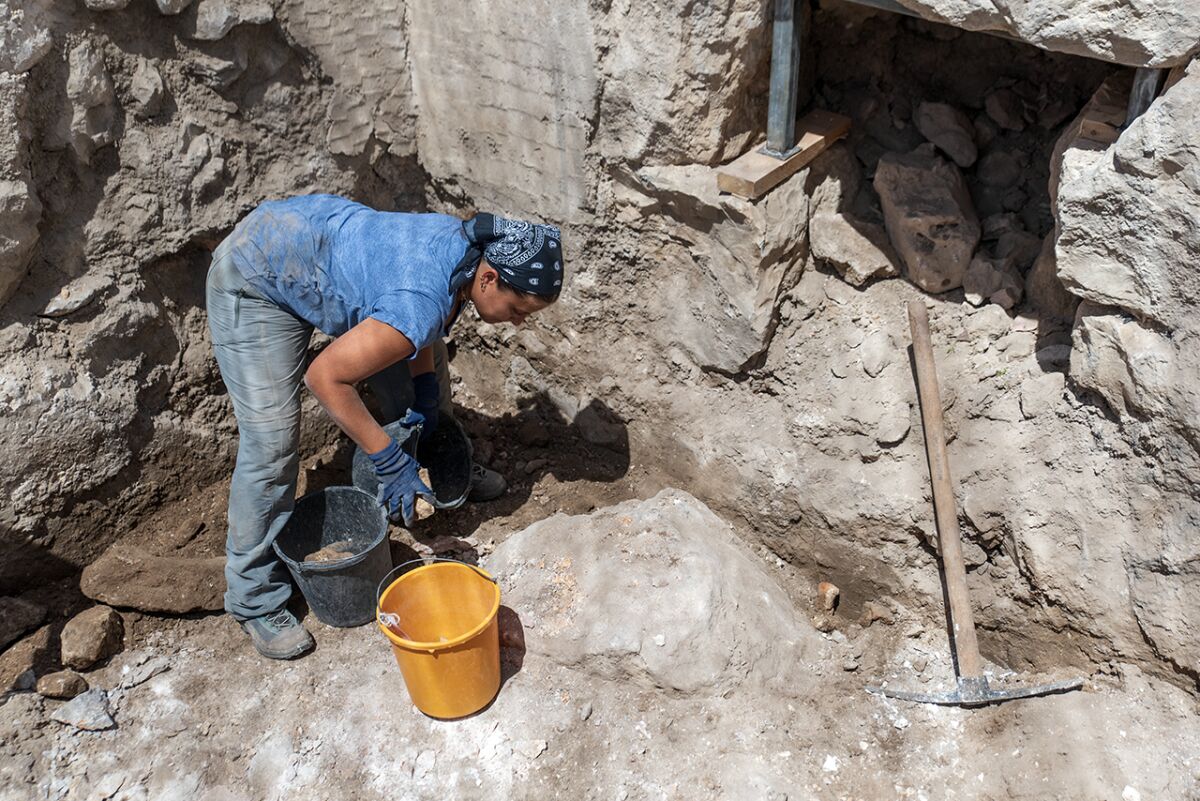
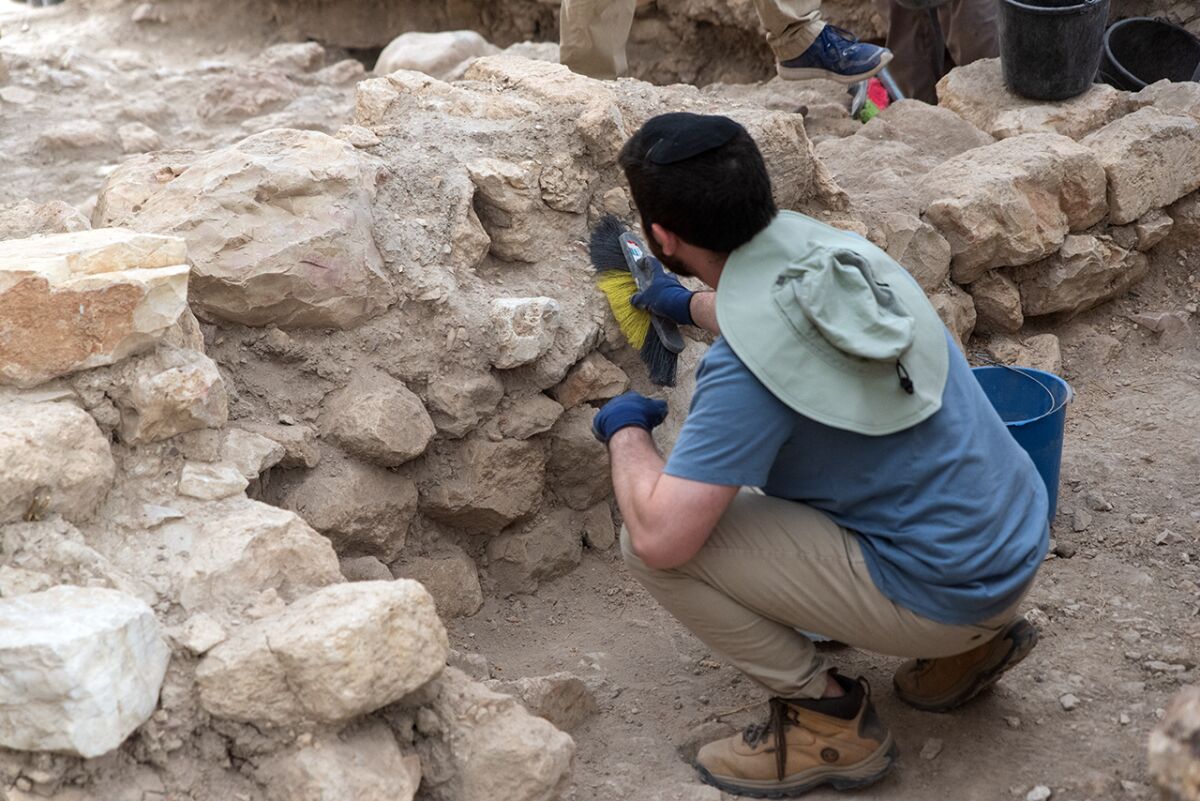
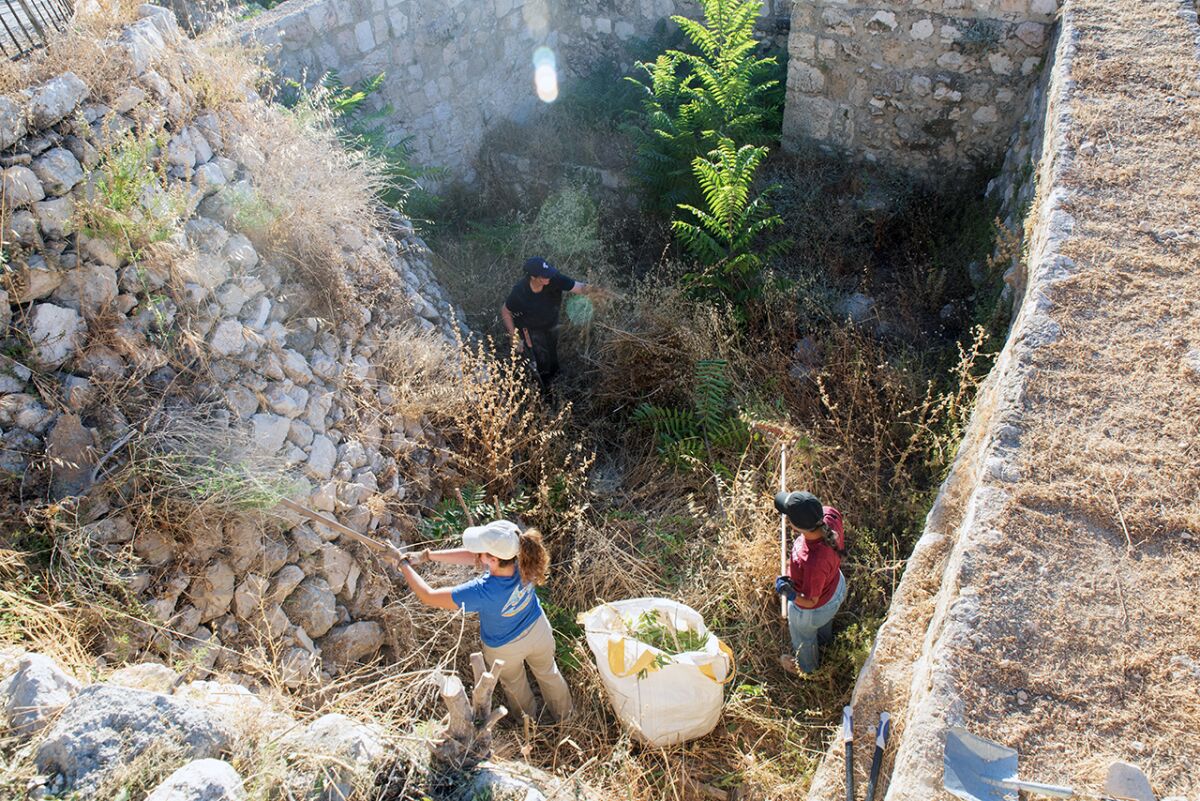
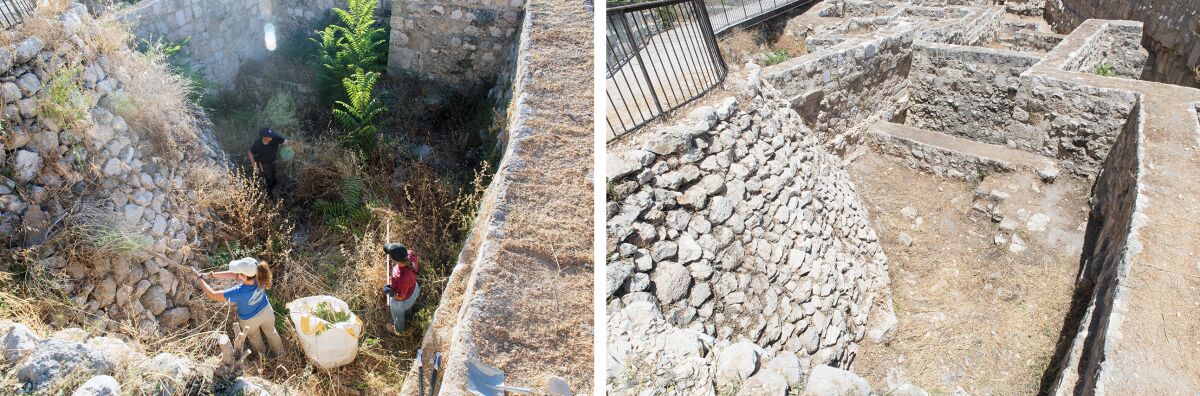
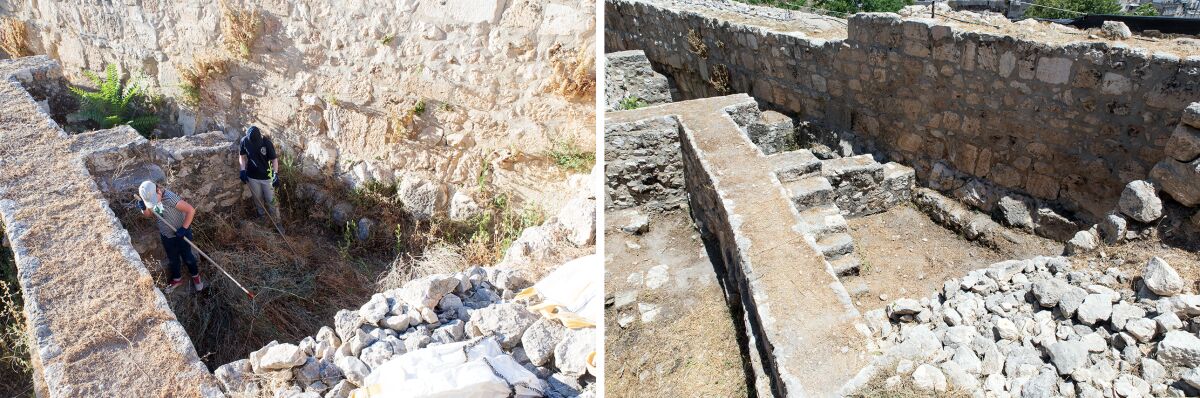
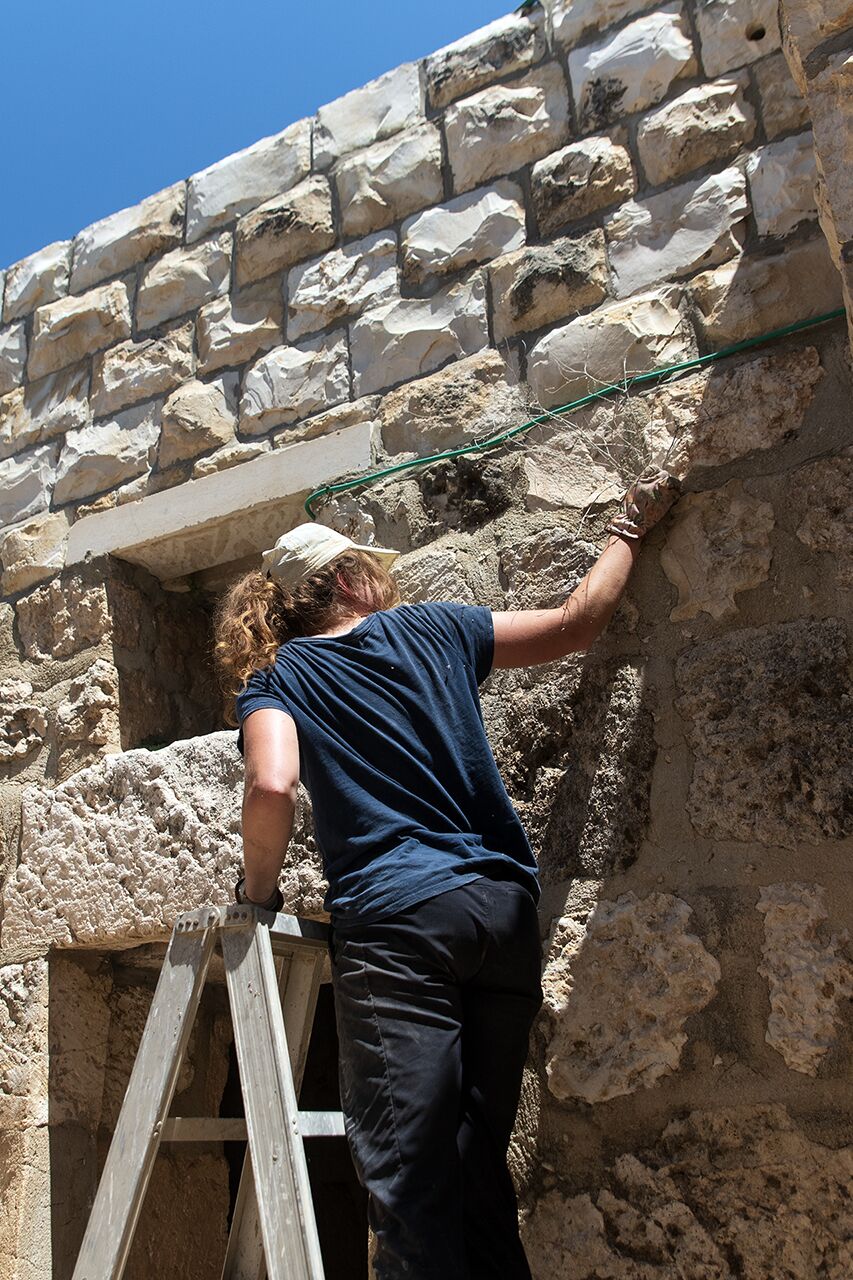
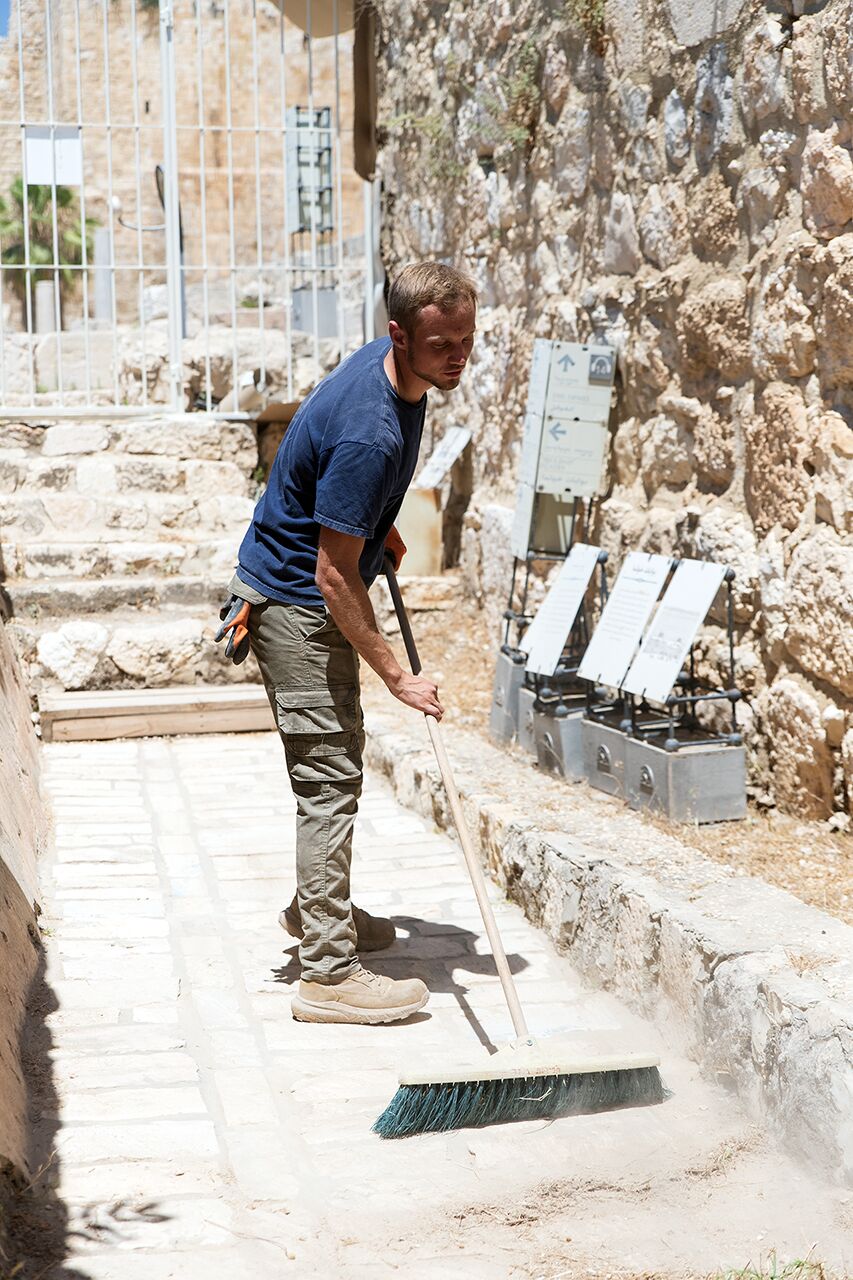
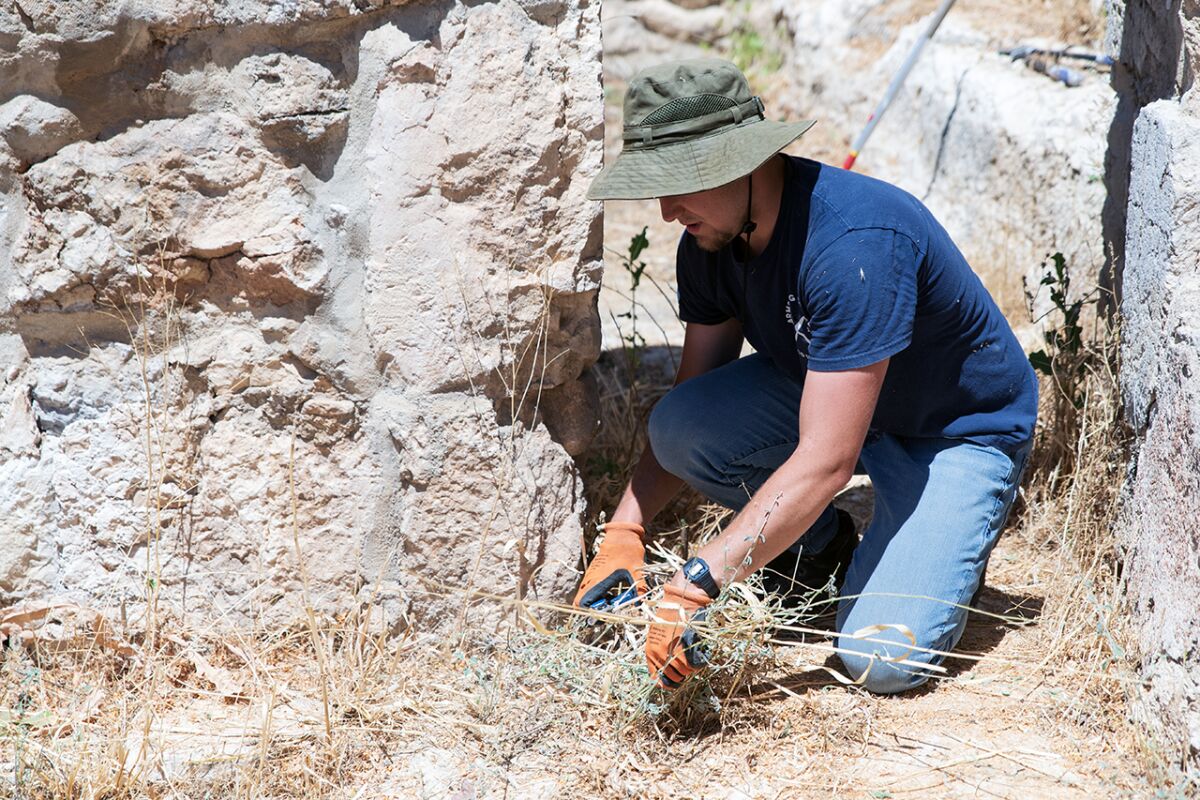
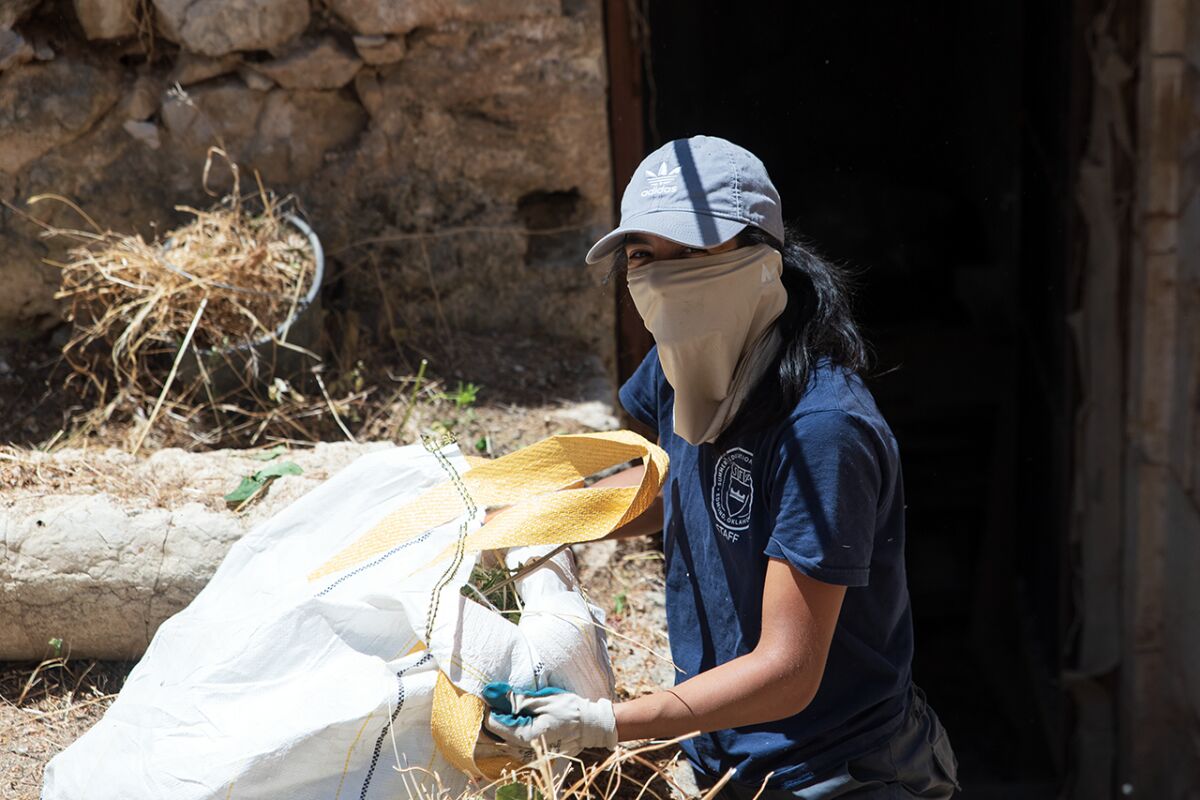
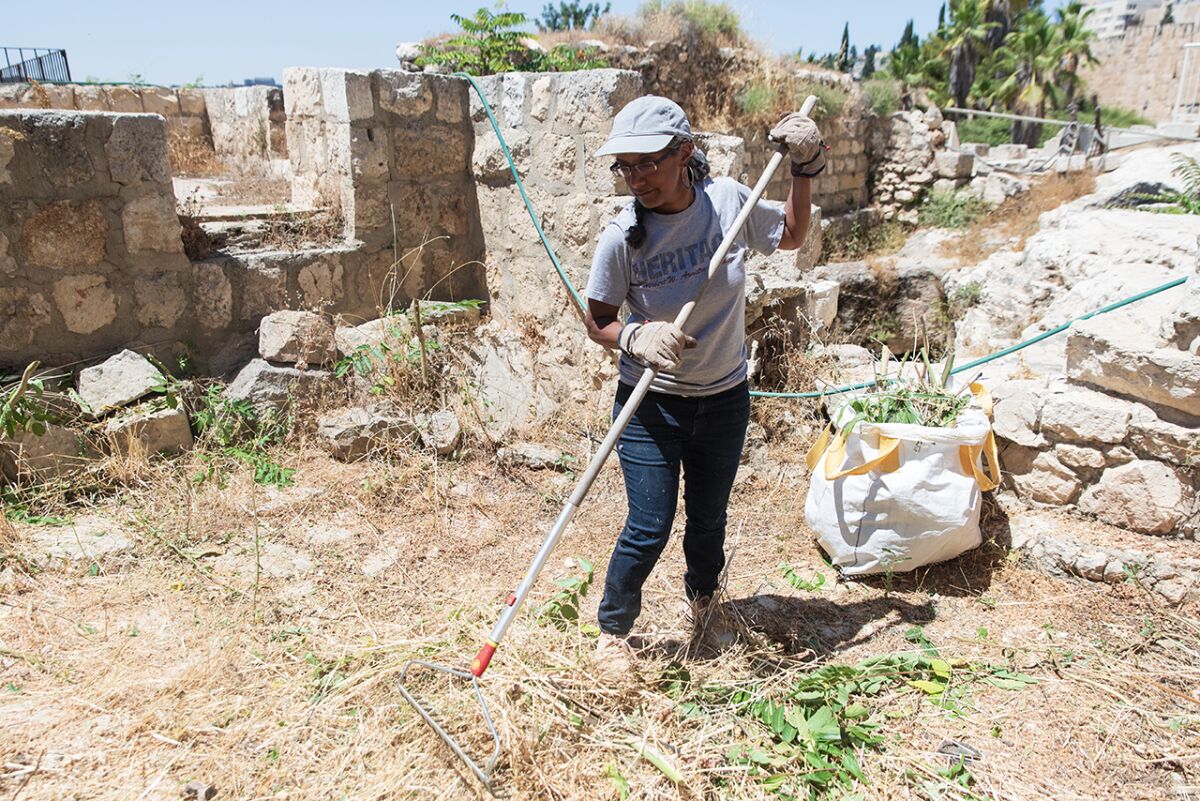
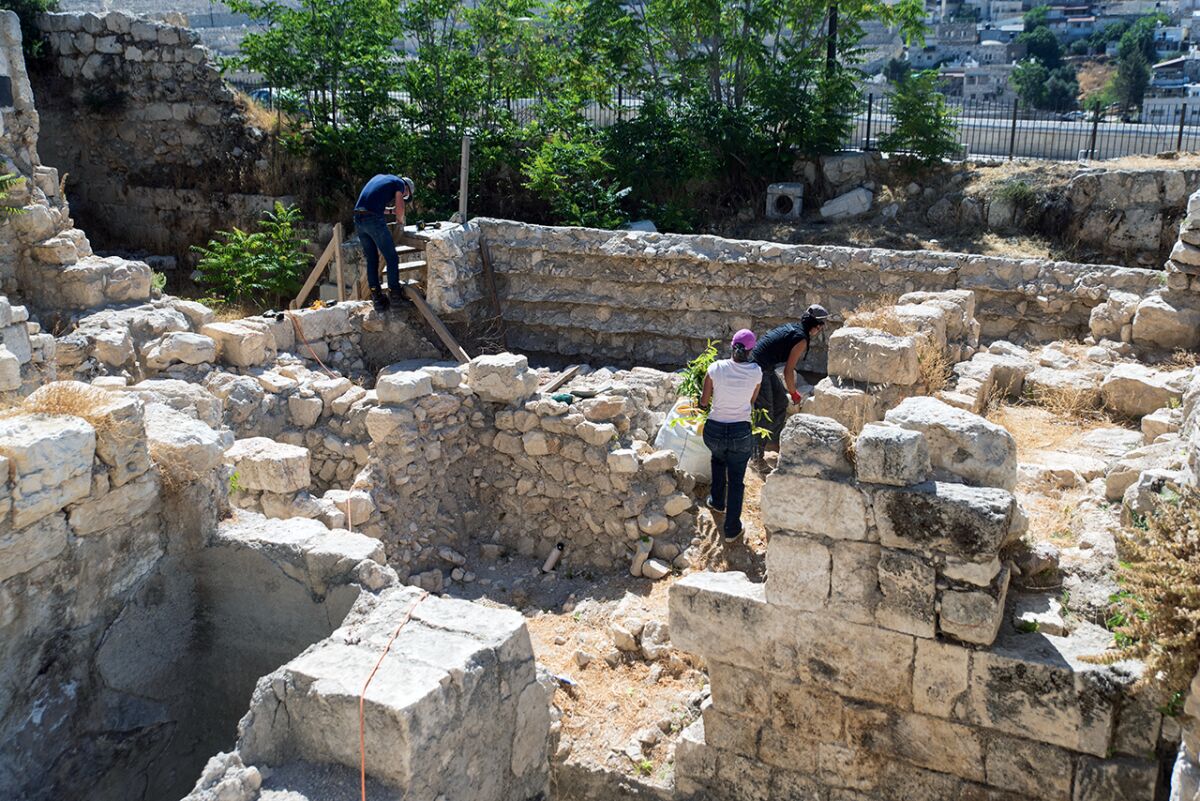
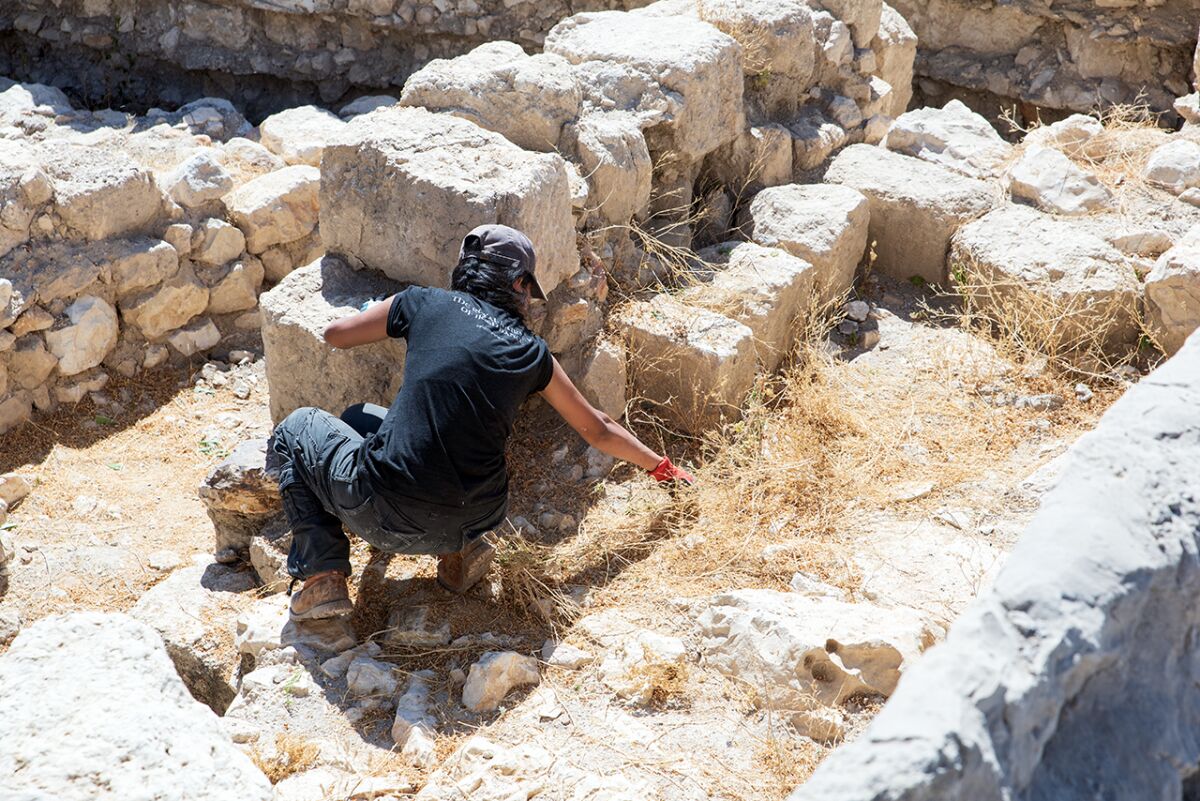
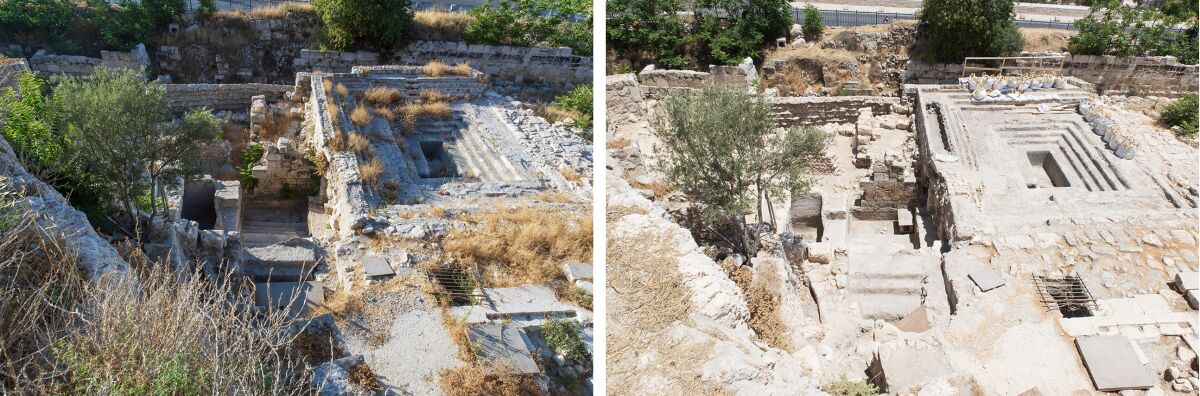
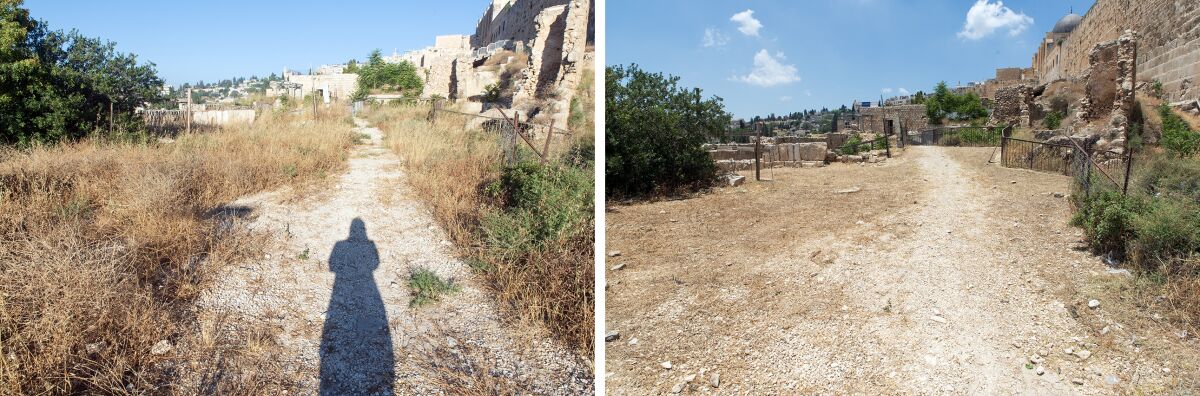
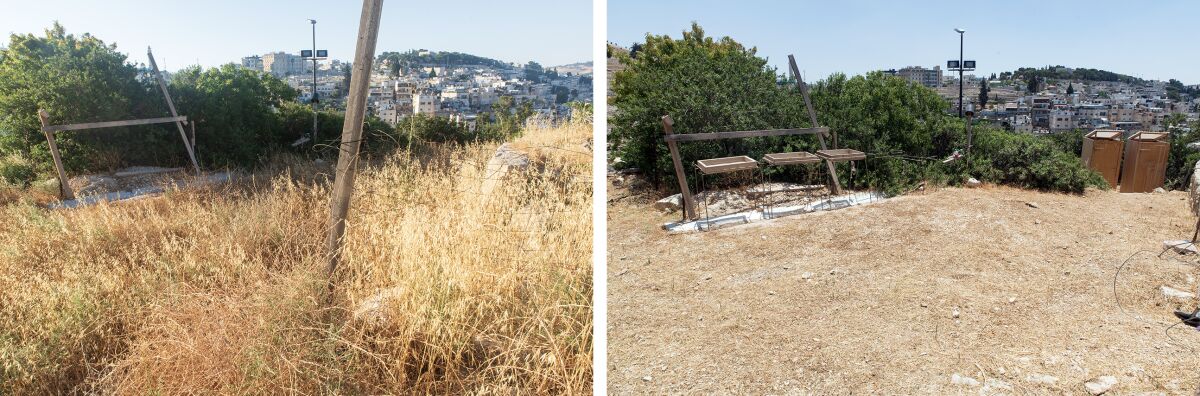
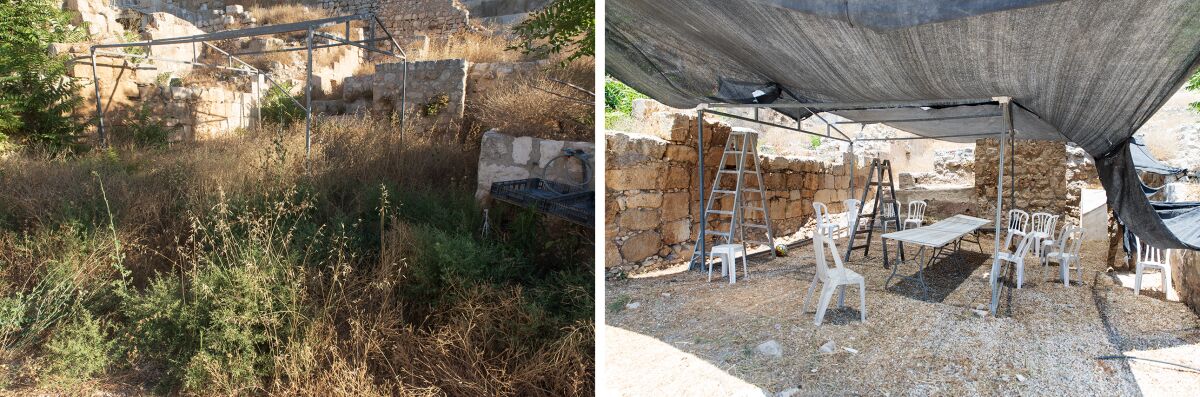
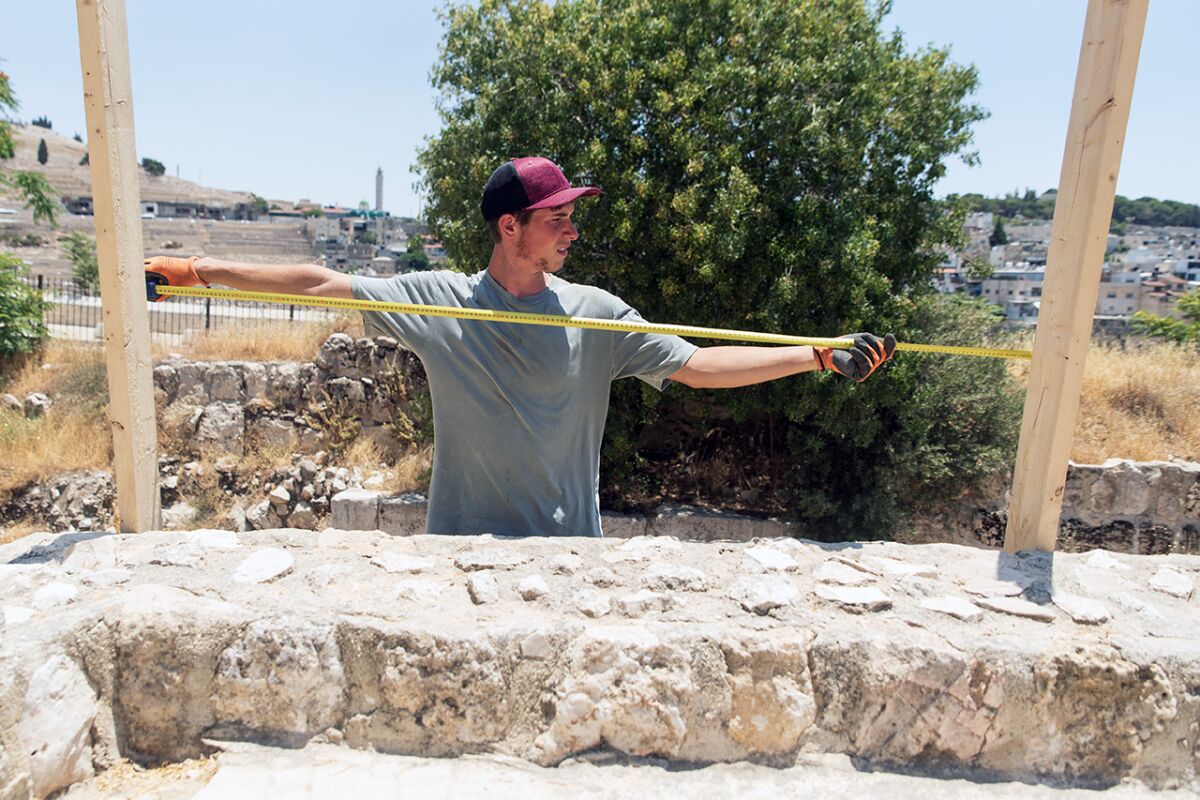
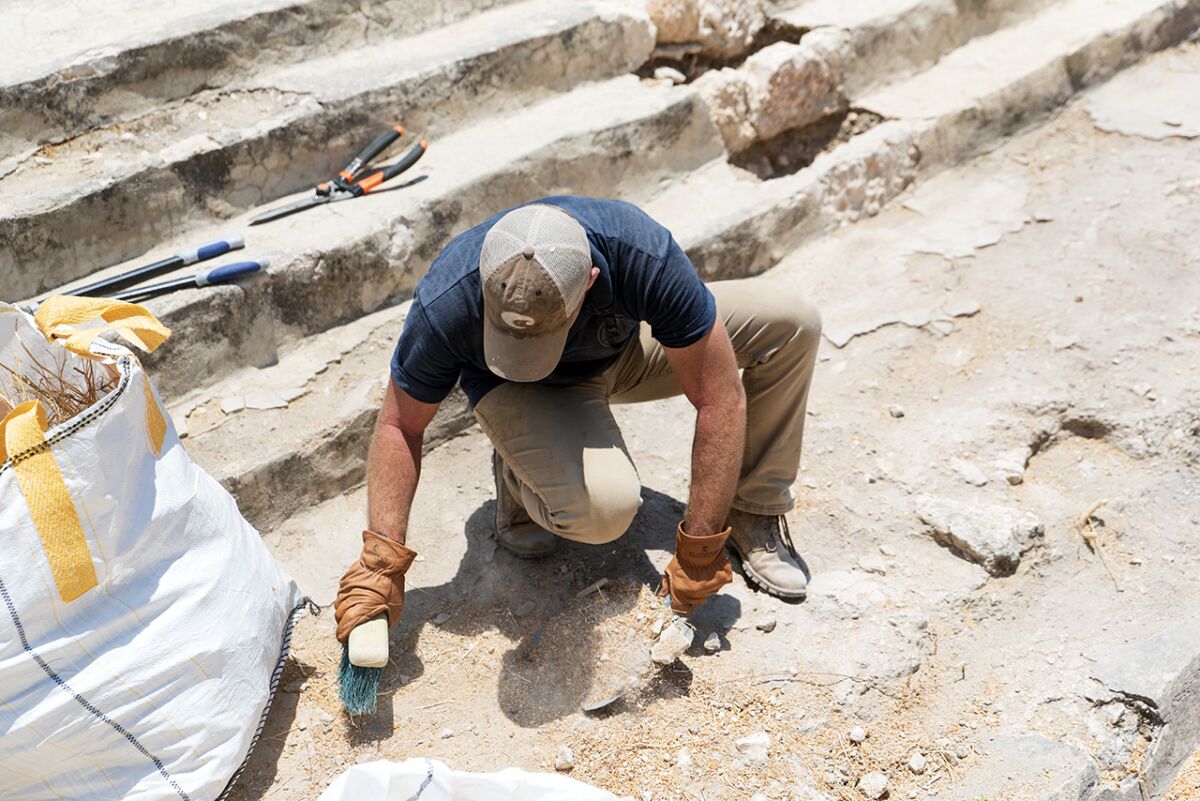
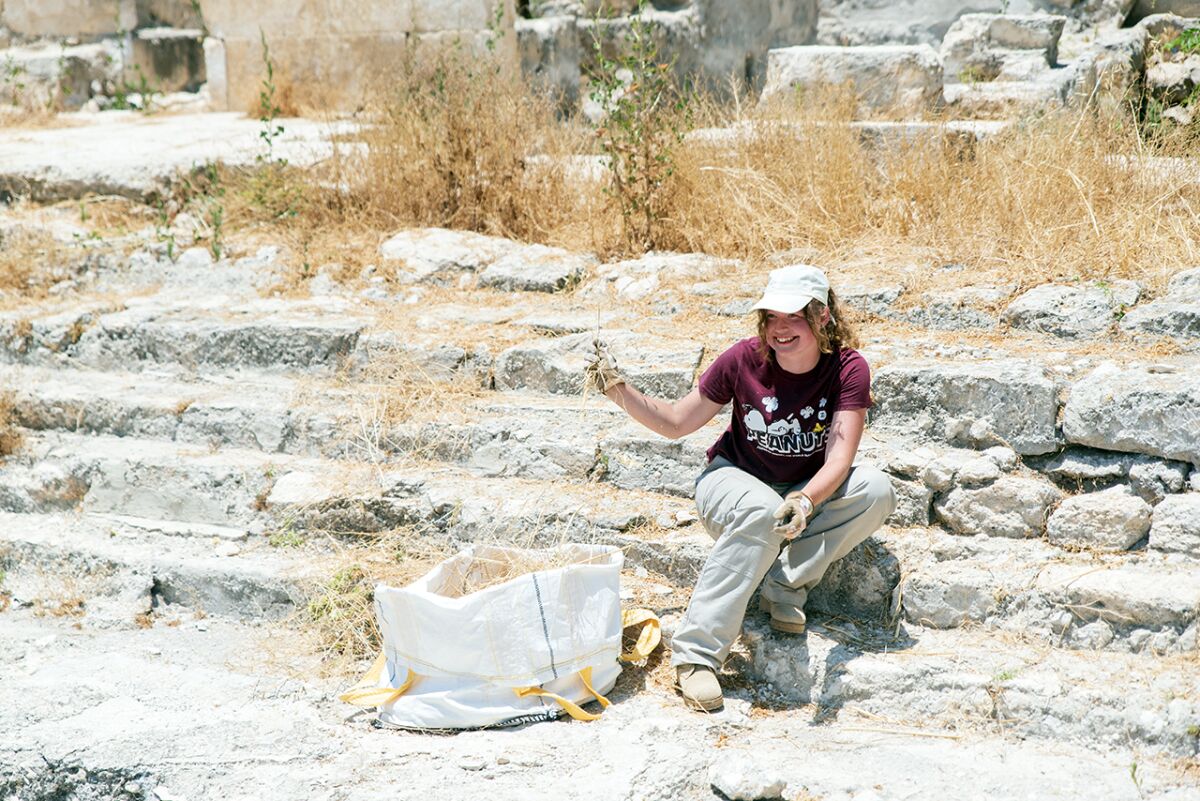
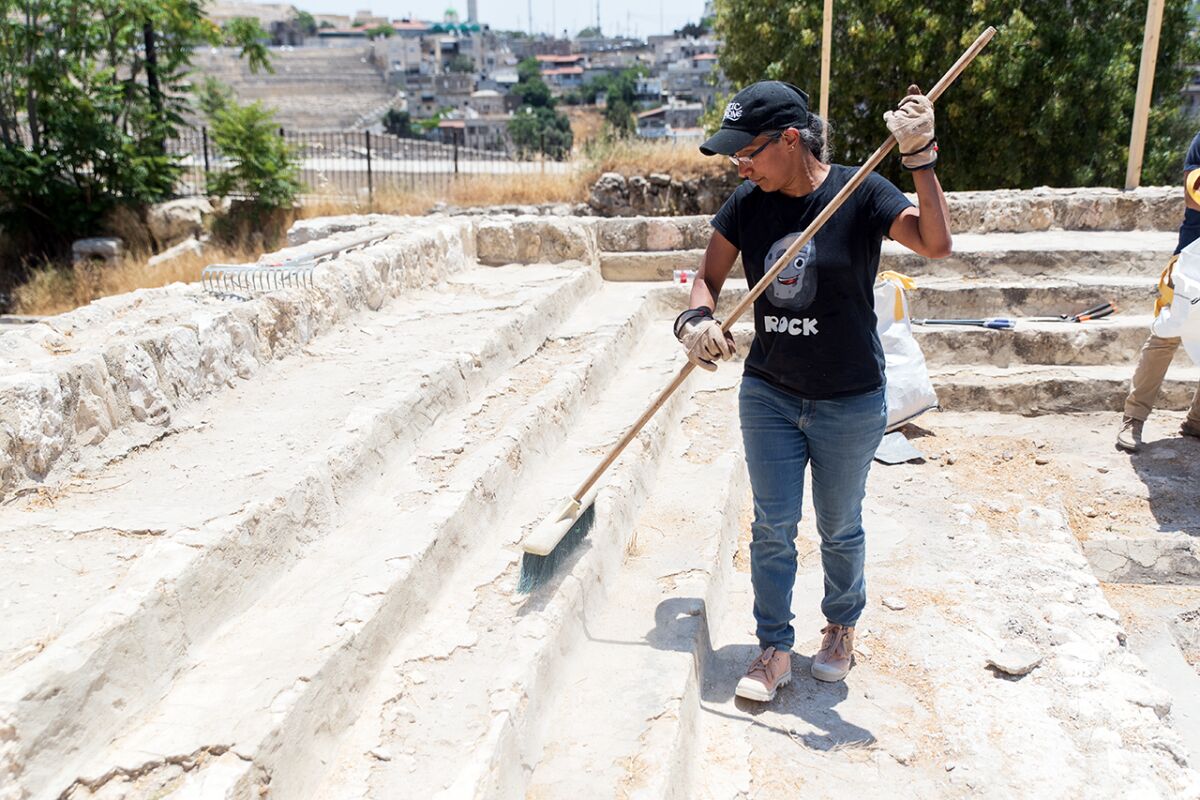
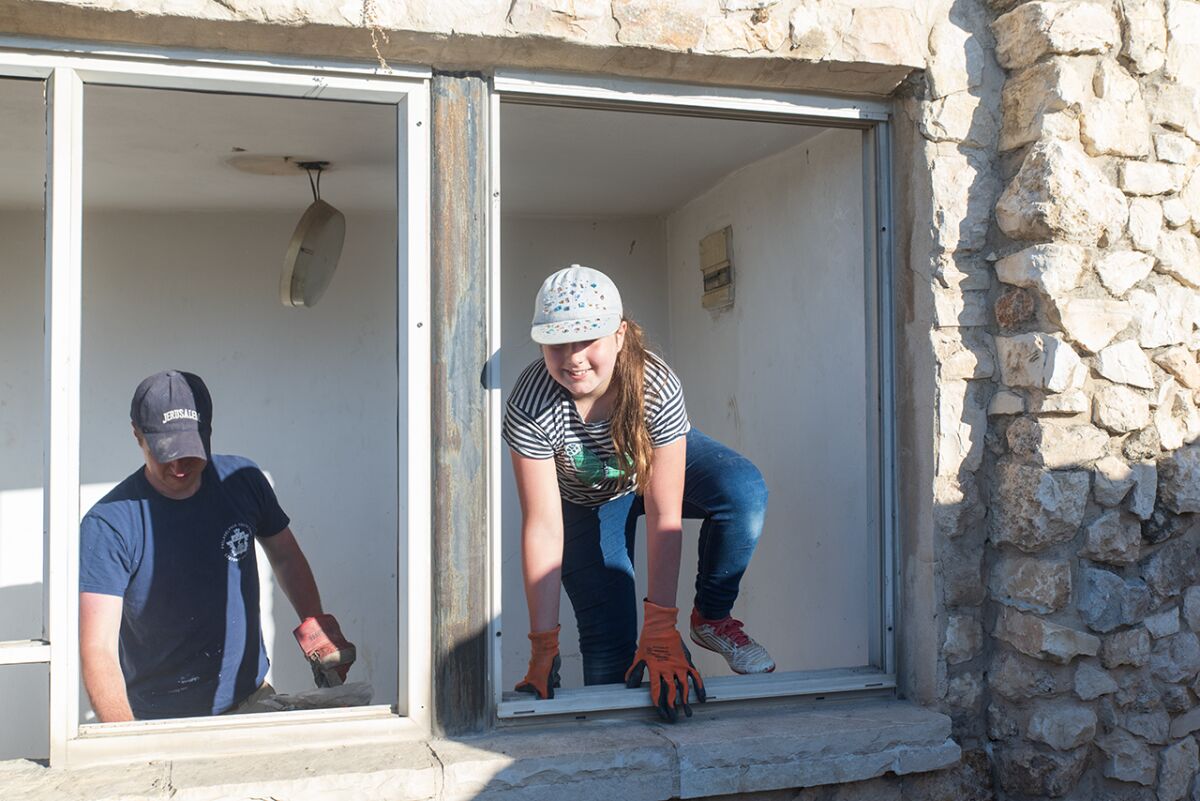
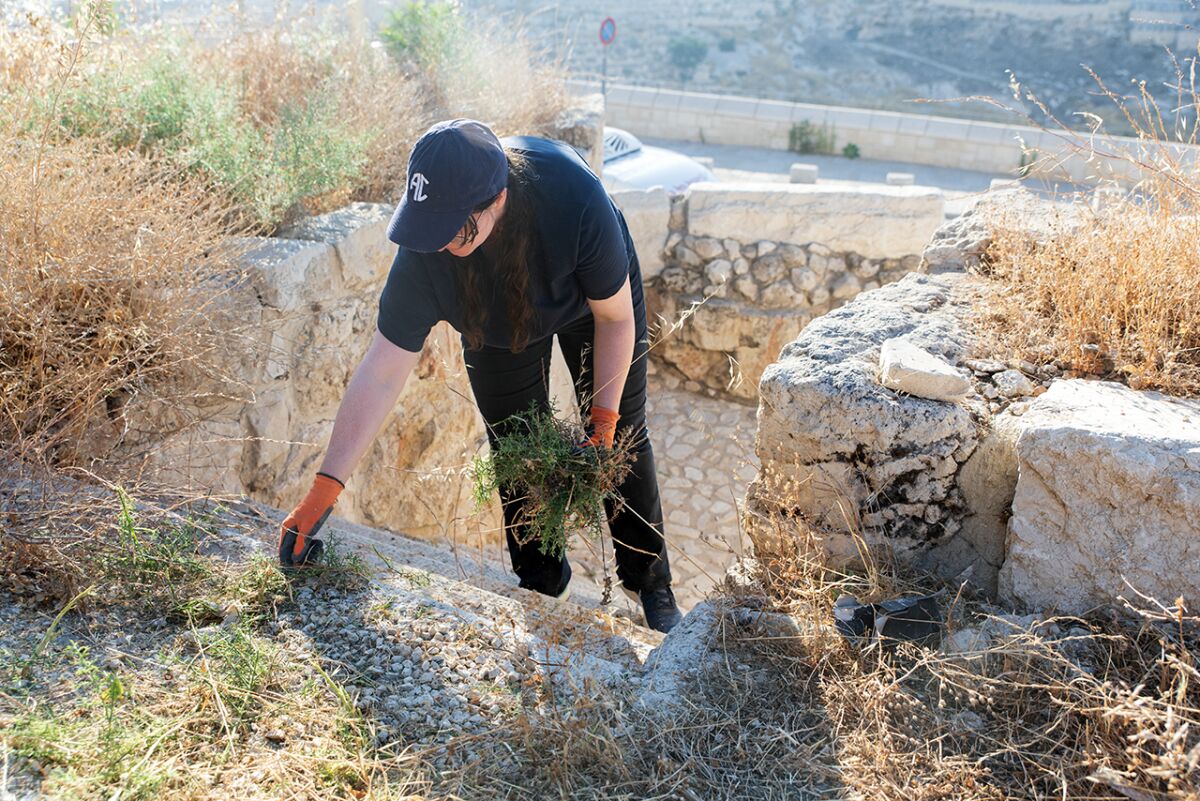
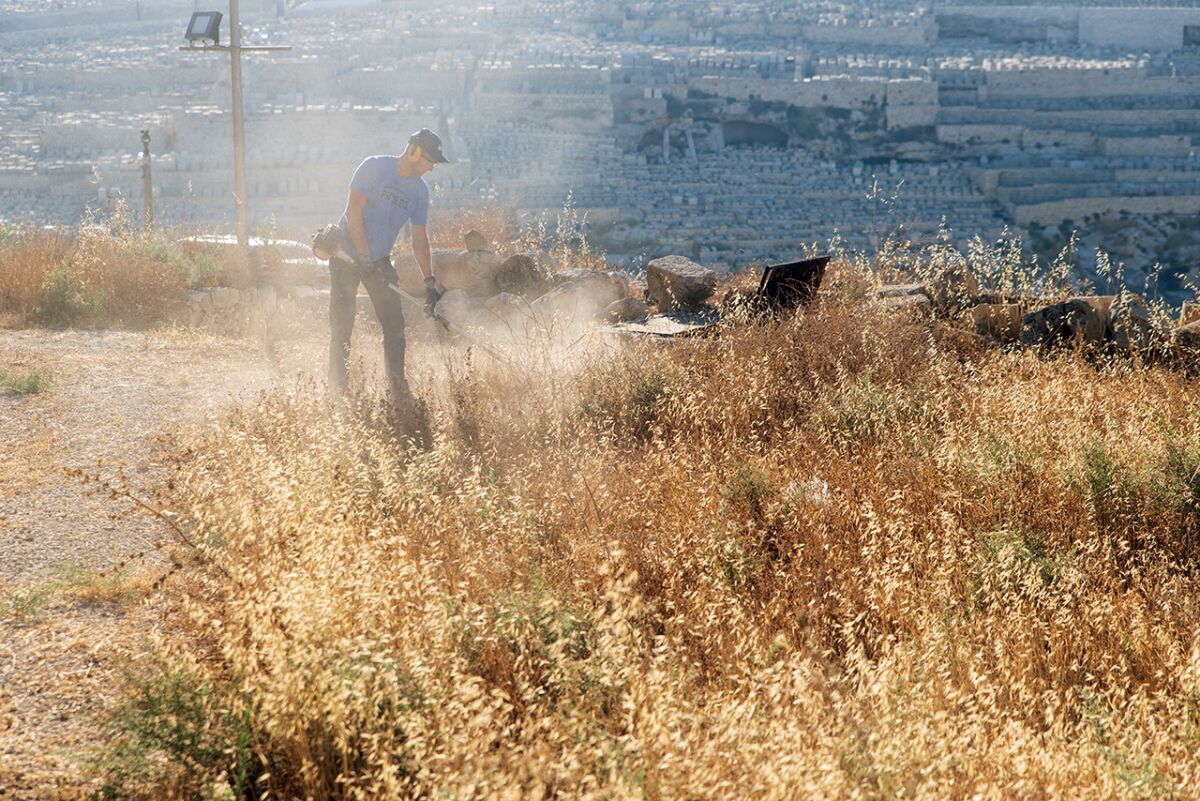
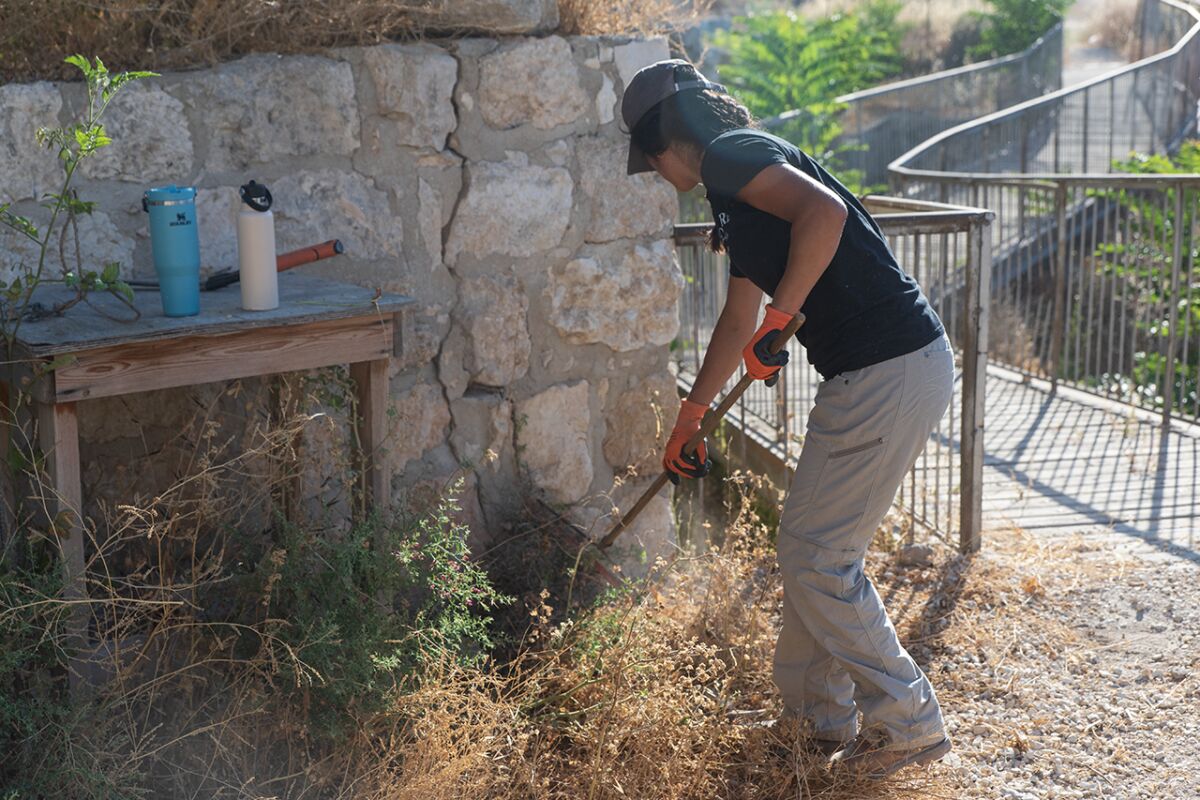
The Armstrong crew began cleaning the site in preparation for excavation to start next week. It was a hot day with no shades, but everyone was excited to be out at the site! You can see the results of a day’s labor in a few before-and-after shots.