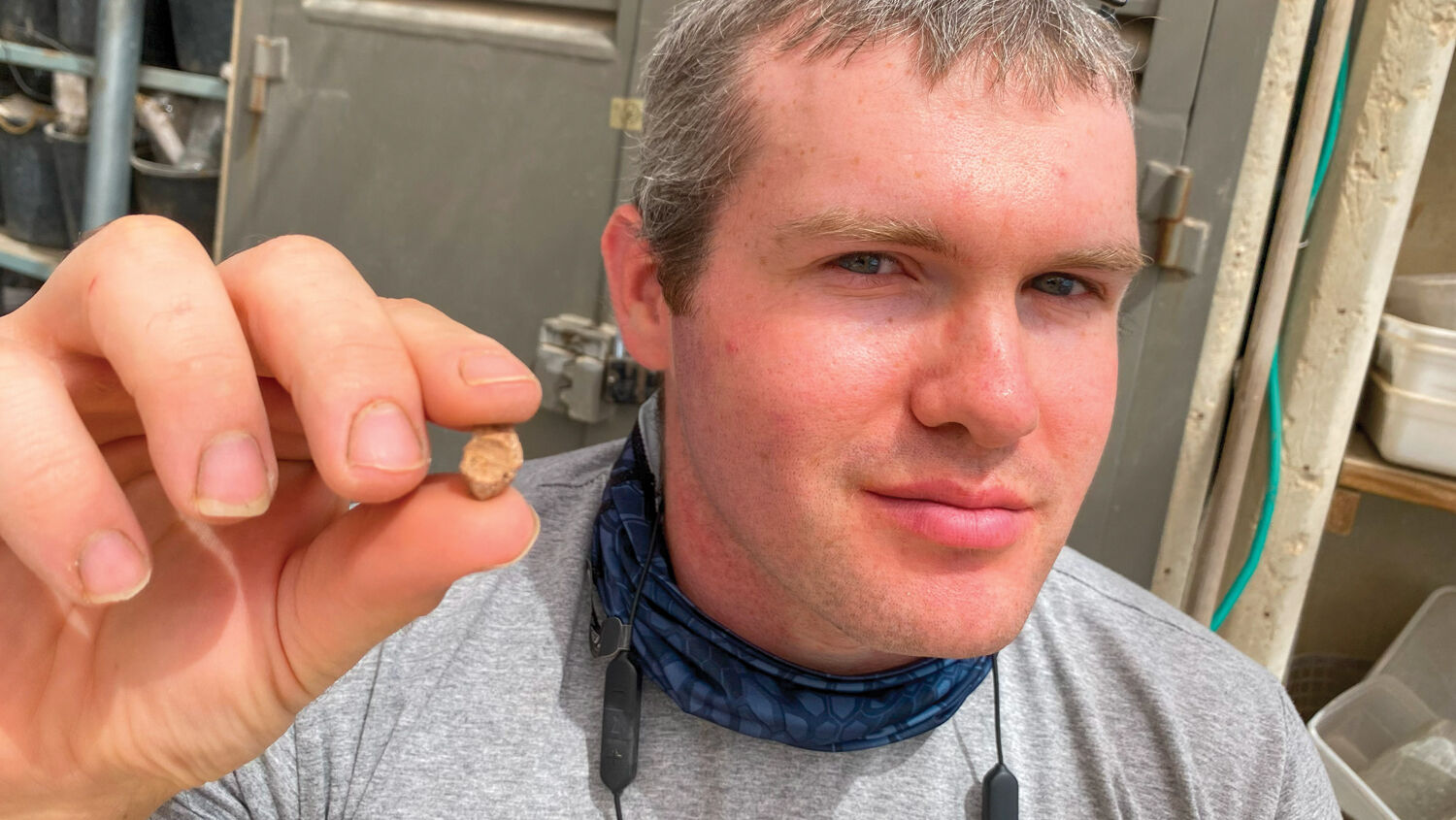
In July, the Temple Mount Sifting Project (tmsp)—an initiative that painstakingly sifts through tons of earth illegally excavated from the Temple Mount and dumped by the Islamic Waqf—announced the discovery of yet another First Temple Period bulla (clay seal impression). This one is especially exciting, given the possibility that it may reference a figure mentioned in the biblical account.
The bulla was analyzed by expert epigrapher Dr. Anat Mendel-Geberovich and tmsp codirector Zachi Dvira. It bears the following inscription:
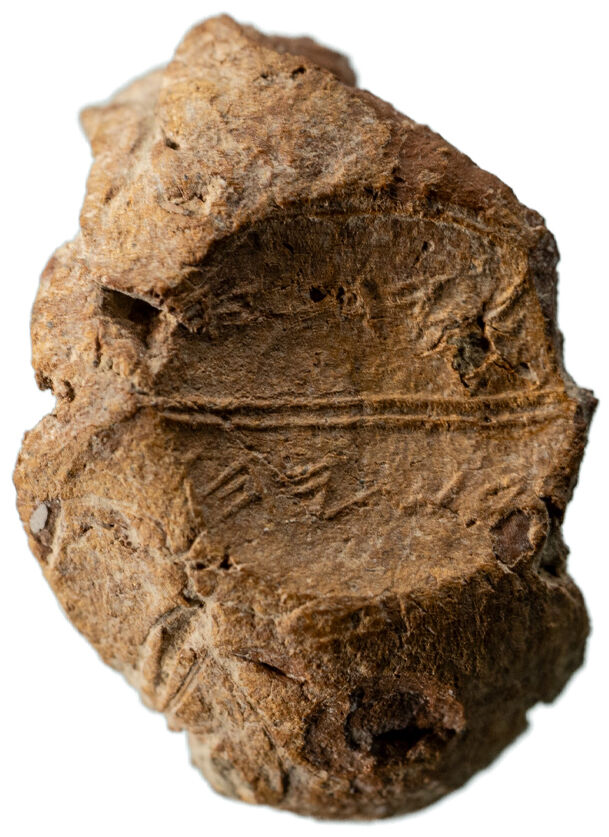
ליד[ע]יה (בן) עשיהו
Belonging to Yed[a‛]yah
(son of) Asayahu
The clay item was used to seal a bag or storage container (based on its reverse impression).
Paleographically, the text fits best with the end of the Iron Age period, within the late seventh to early sixth centuries b.c.e. Chronologically, during this very time period, the Bible mentions a figure in the Jerusalem administration bearing the very same name as Yedayah’s father—anglicized as “Asaiah the king’s servant.”
The biblical Asaiah (with the shorter theophoric ending -iah or -yah, rather than -yahu—note that both forms can be used interchangeably) was a servant of King Josiah (r. circa 640–609 b.c.e.). He features in the parallel accounts found in 2 Kings 22 and 2 Chronicles 34, which describe the rediscovery of the “book of the Law” during temple renovations. When King Josiah “heard the words of the Law … he rent his clothes” (2 Chronicles 34:19), fearing the curses that the nation would suffer for failing to obey. Josiah dispatched a group of men—among them the servant Asaiah—to “Huldah the prophetess, the wife of Shallum the son of Tikvah, the son of Harhas, keeper of the wardrobe …” (2 Kings 22:14). Huldah prophesied to the men that destruction would indeed come upon Judah and Jerusalem—although thankfully, the righteous King Josiah would not live to see it during his lifetime.
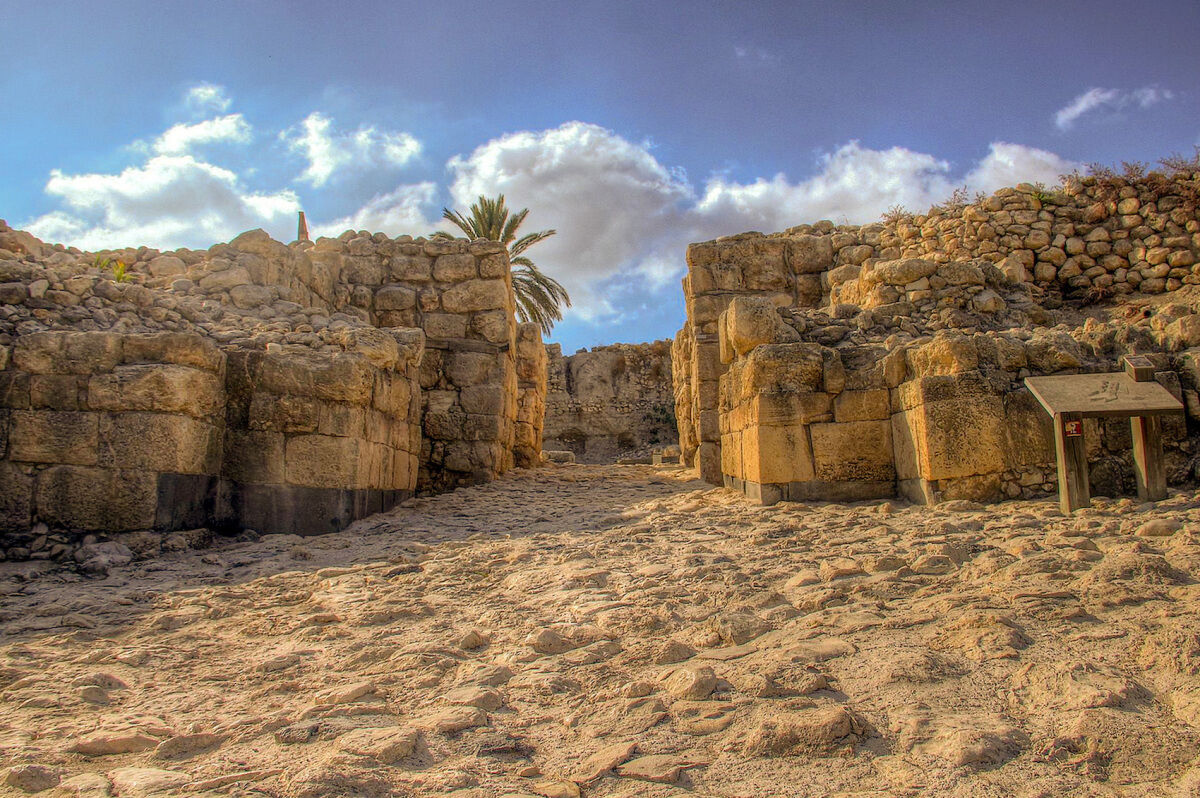
Unfortunately, that lifetime would not last long. Following the young Josiah’s shock defeat and death during an ill-advised battle against the Egyptians at Megiddo, the nation of Judah quickly spiraled into a series of disasters and Babylonian invasions, culminating in the destruction of Jerusalem and the temple, circa 586 b.c.e.
While the researchers do not regard the identification of Asayahu/Asaiah with the biblical figure as entirely certain—this usually requires an additional level of proof, such as a two-generation match paralleling that found in the Bible or a parallel title—they nevertheless point out that the particular name, general dating, Jerusalem location and the fact that such seals would have been used only by royal affiliates are all points in favor of it, calling the identification “highly plausible.” As such, our “Yedayah” would represent an otherwise-unmentioned son of this royal servant Asaiah and the bulla would join the growing number of such seals and seal impressions already discovered on excavations referring to biblical figures, including Hezekiah, Ahaz, Jeroboam ii, Isaiah, Nathan-Melech, Jehucal, Shelemiah, Gedaliah, Pashur, Gemariah, Shaphan, Azariah, Hilkiah, Eliakim and another Hilkiah.
The discovery of this bulla is additionally significant from a numeric angle. As highlighted in a recent Jerusalem Journal of Archaeology corpus of inscriptions, coauthored by Let the Stones Speak contributing editor Christopher Eames and Prof. Yosef Garfinkel, hundreds of First Temple Period bullae and dozens of seal stamps have been discovered in Jerusalem. Jerusalem in this regard stands head and shoulders above all other cities in this region of the Levant—both Judean, Israelite and neighboring—in its quantity of such inscriptions from the First Temple Period, speaking to the administrative importance of this capital city. (See “First Temple Period Jerusalem: Unmatched Administrative Powerhouse” for more information.)
The exciting discovery of this new bulla only adds to the impressive trove of such Iron Age ii/First Temple Period epigraphic finds from the city that will have to be added to a future update of the corpus—a corpus that, despite having been published less than a year ago, is already out of date thanks to the rich discoveries continually being made in Jerusalem.
Congratulations to the team for another remarkable find!