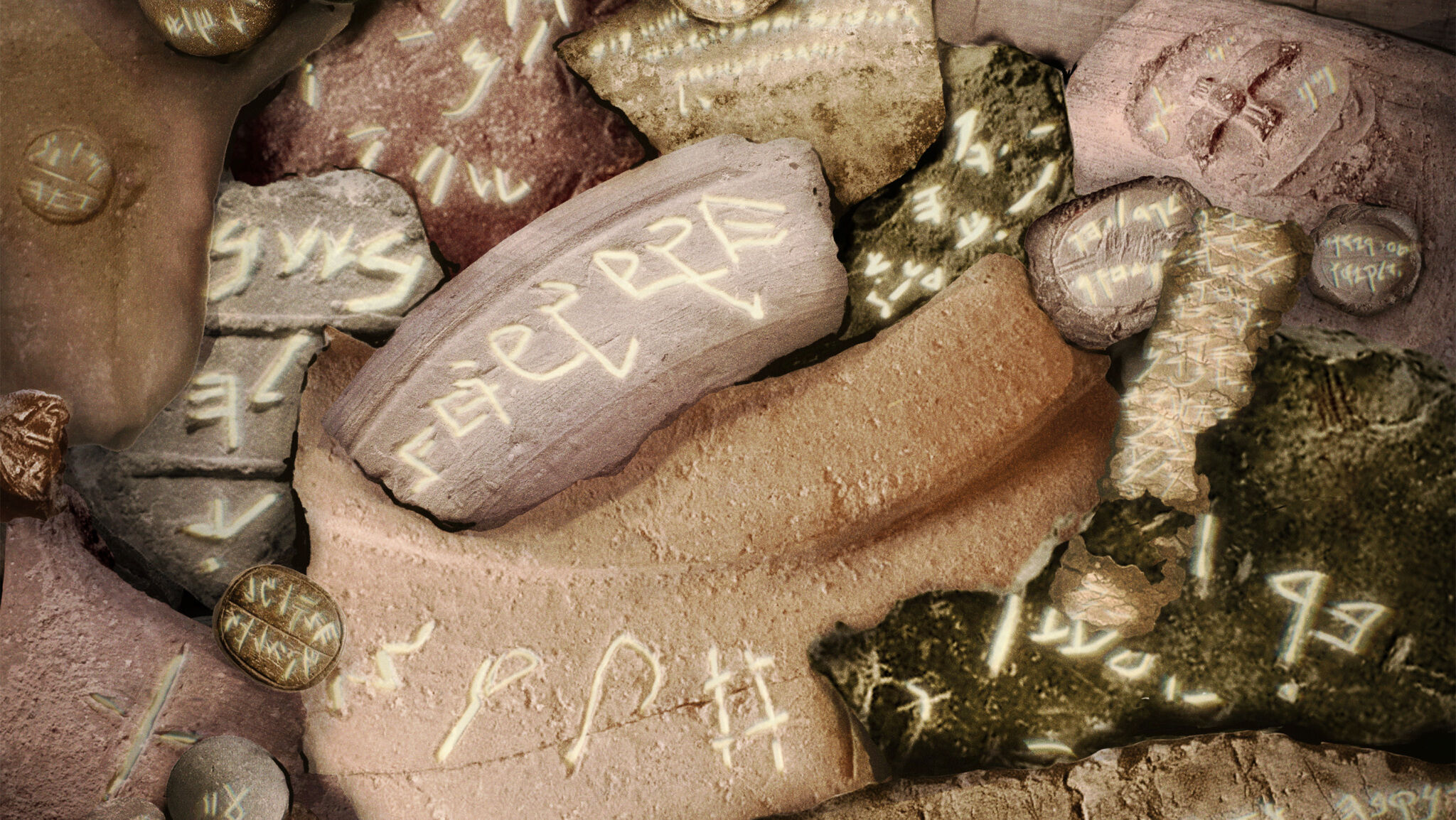
A new study published in the 2026 volume of Hebrew University’s Jerusalem Journal of Archaeology demonstrates a striking continuity of Jewish naming practices in the land of Judah from the late Iron Age ii (seventh to early sixth centuries b.c.e.) and throughout the Persian Period (circa 539–332 b.c.e.), during which time the territory became known as Yehud. The study, conducted by Dr. Mitka Golub of Hebrew University, was based on comparative analysis of nearly 500 names found on ancient inscriptions.
The goal of the onomastic study (the study of proper names) was to determine whether name-giving practices continued or changed over time under different governing jurisdictions, especially in light of the interim period of upheaval between the Iron Age and Persian Period. The early sixth-century b.c.e. Babylonian invasions and deportations “led to a dramatic decline in Jerusalem’s population and size, estimated at approximately 80-90 percent of its late Iron Age peak,” with a “population of Yehud in the mid-fifth century b.c.e. [of] no more than 20,000 or 30,000,” wrote Golub. In spite of this, her study reflected a surprising degree of continuity in naming practices found among the Persian Period population of Yehud right up to the end of this period (late fourth century b.c.e.).
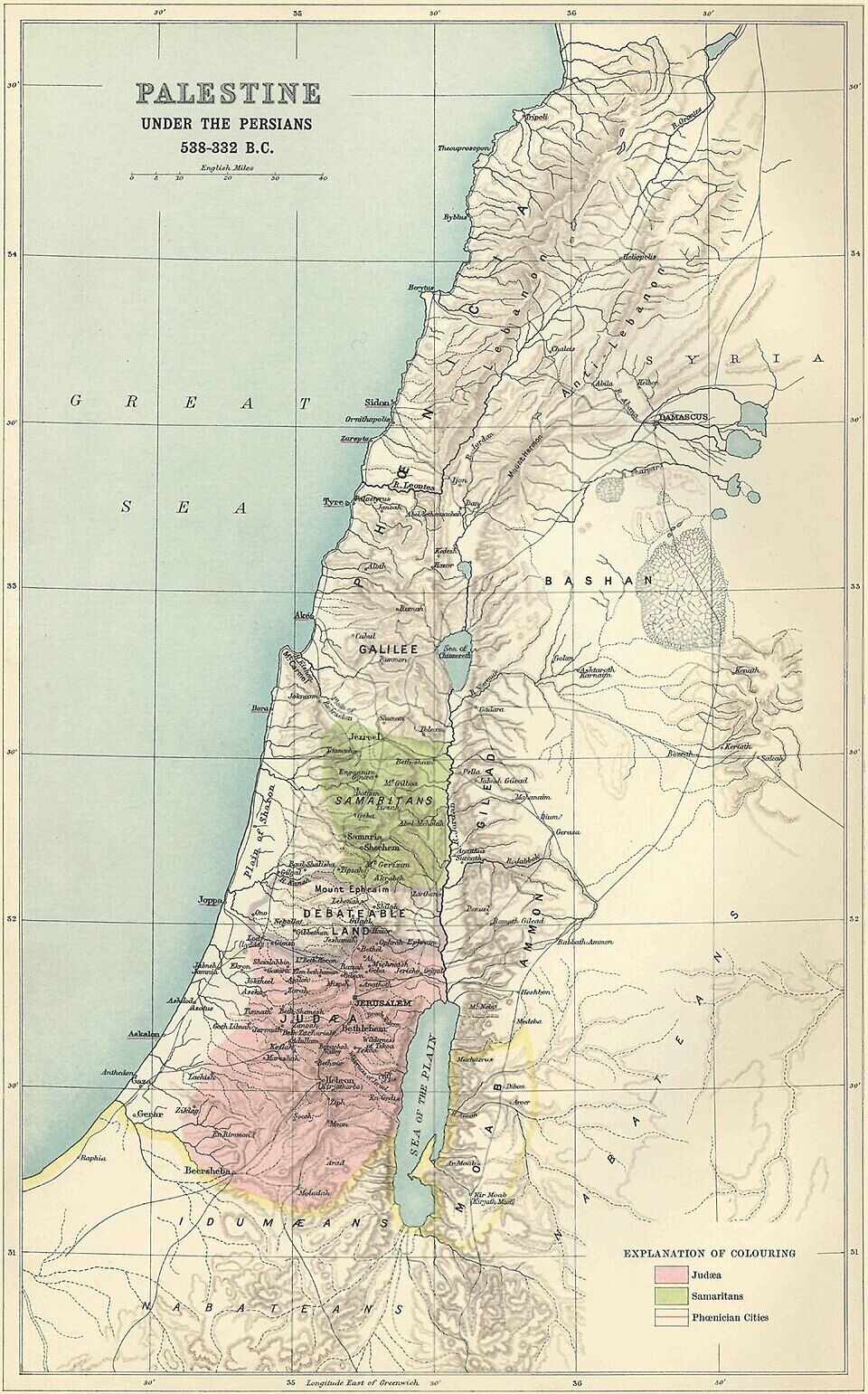
Dr. Golub’s study analyzed the 489 known personal names from various artifacts that have come to light from this region, dating to these respective periods. Fifty of these were from artifacts belonging to Persian Period Yehud, most of which were concentrated around the Jerusalem region and dated toward the latter part of the Persian Period. The remaining 439 names were from late Iron Age ii Judahite sites. At face value, the smaller number from Persian Period Yehud “reflects Yehud’s limited demographic and territorial scale in comparison with late Iron Age ii Judah,” thus “reflecting gradual demographic recovery,” Golub explained. In spite of this smaller corpus of Persian Period names, a full “one third of the Yehud names also occur in the Judahite onomasticon.”
“Thus, notwithstanding the chronological gap and the likelihood that some returnees had adopted non-Judahite names in the Babylonian diaspora, the similarities between the two onomastica suggest a significant degree of cultural and religious continuity. … This proportion is particularly noteworthy given the significant chronological gap between the two onomastica: The vast majority of individuals (78 percent) in the Yehud onomasticon date to the late Persian Period (circa 450–332 b.c.e.),” Golub wrote.
For her study, Dr. Golub organized names according to name type, theophoric element and root. She further divided name types according to theophoric names (names bearing a divine element, such as derivatives of the names El and yhwh—e.g. Elisha and Daniel, Jehoash and Jeremiah); hypocoristic theophoric names (shortened names without their oft-associated divine element—e.g. Hanan vs. Hananiah); and other names (names entirely secular in nature, without any connection to theophoric names).

Additionally, Dr. Golub assessed the types of artifacts on which these names were found to compare the social profiles. Jars, seals, bullae and coins were classified as a marker of high-ranking individuals; ostraca and papyri provided names of individuals in a social level. The results showed that names from the late Iron Age had a comparatively similar social profile with those from the Persian Period, allowing for a fair onomastic comparison.
Considering the relatively small Yehud sample size, the comparison of Late Iron Age and Persian Period naming conventions was striking in the similarities it revealed. “The results indicate notable continuity,” wrote Golub.
The distributions of the main name types and theophoric elements follow similar patterns. Yahwistic names are dominant in both corpora and occur in similar proportions, underscoring yhwh’s central role in both. The root שלם, a strong Judahite marker, is the most frequent in Judah and the second-most frequent in Yehud, while חנן and עזר are common in both. Approximately one third of the Yehud names also occur in Judah.
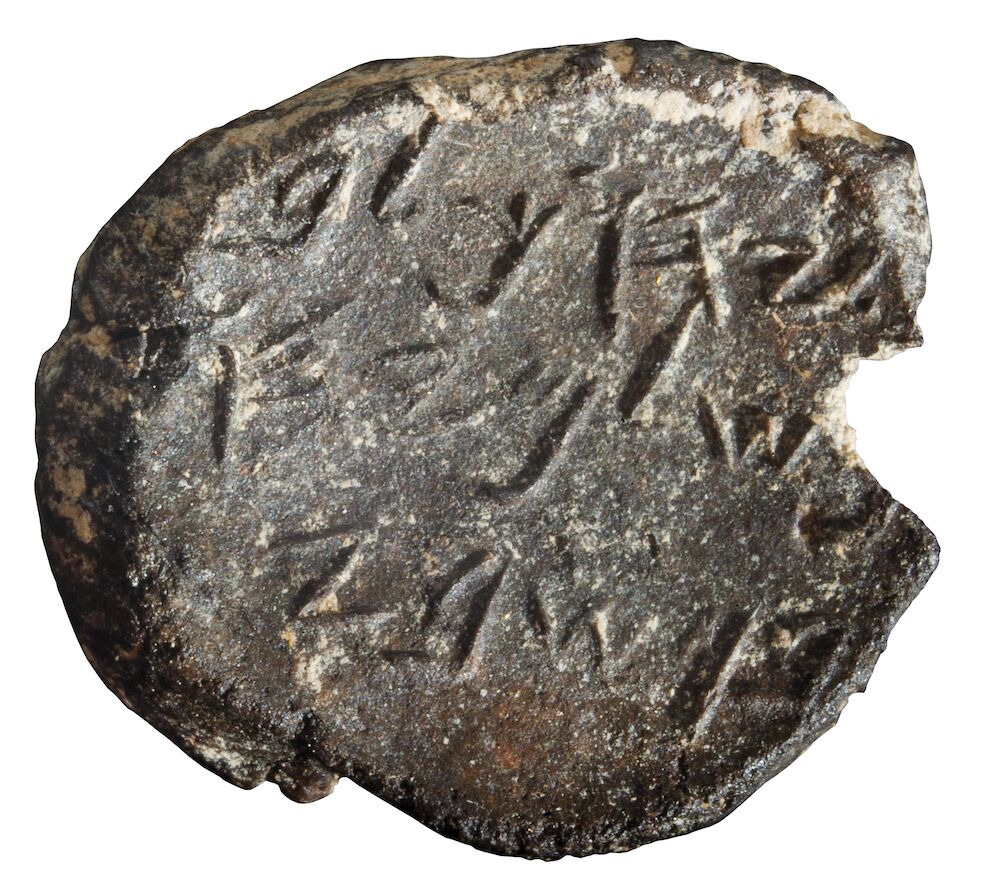
Dr. Golub continued: “[N]ames with yhwh are by far the most common (95 percent of the total in Yehud and 80 percent in Judah), names with divine appellatives are a small fraction (5 percent in Yehud and 6 percent in Judah), and names including other divine names are absent from Yehud and nearly absent from Judah.”
Two main changes were observed when comparing these names: The infrequent use of El-names in Judah disappeared entirely among names in Yehud, and the form of the Yahwistic suffixes shifted from יהו- (-yahu) to יה- (-yah/-iah). “The shift from יהו to יה is also reflected in the internal development of biblical Hebrew, where יה gradually displaces יהו in late biblical Hebrew texts. Interestingly, the form יו was the dominant Yahwistic element among Israelite names, where it mainly occurred as a suffix. Conversely, among Judahite names, it was rare and occurred only as a prefix.”
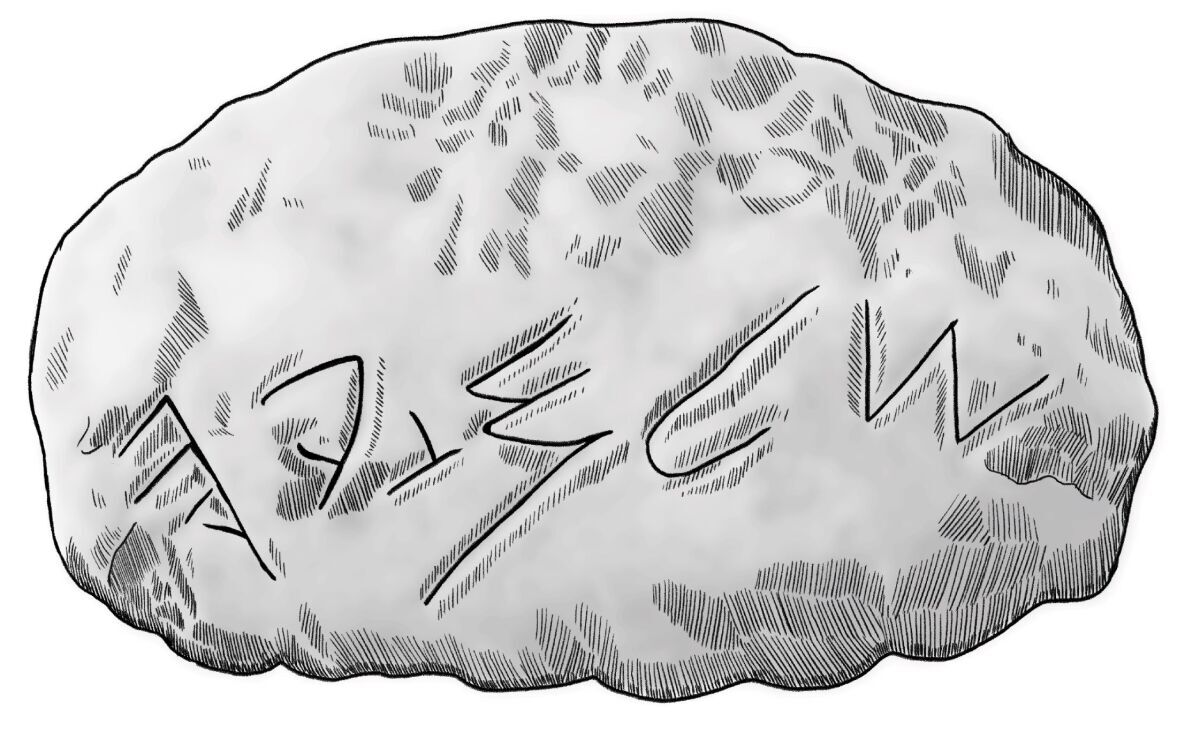
Golub further highlighted another notable difference between Judahite/Yehudite names vs. Israelite ones: Her comparison “shows that שלם was the most frequent root in Judah and the second-most frequent in Yehud. This root serves as a strong marker of Judahite identity: It is absent from Israel but is the most dominant in Judah, among the Judahite exiles in Āl-Yāhūdu in Babylonia and among the donors to yhwh from Elephantine,” a Jewish military outpost located in the Nile River (emphasis added). This, along with other noted cultural differences also reflected in the corpus, reinforces the situation described in the biblical account of returnees from the Babylonian exile comprising representatives of the southern kingdom of Judah—not the northern kingdom of Israel, exiled long prior (as described in our July-August 2026 article “Jews vs. Israelites? An Introduction to the Lost Tribes of Israel”).
In sum, the proportions of theophoric elements are “similar in both corpora: yhwh predominates in both, divine appellatives are few, and other divine names are absent or nearly so. … Yahwistic names in Yehud are dominant across social levels, indicating that Yahwism was deeply rooted throughout society”—a reality, of course, described throughout the biblical account of this period, such as in the books of Ezra and Nehemiah.
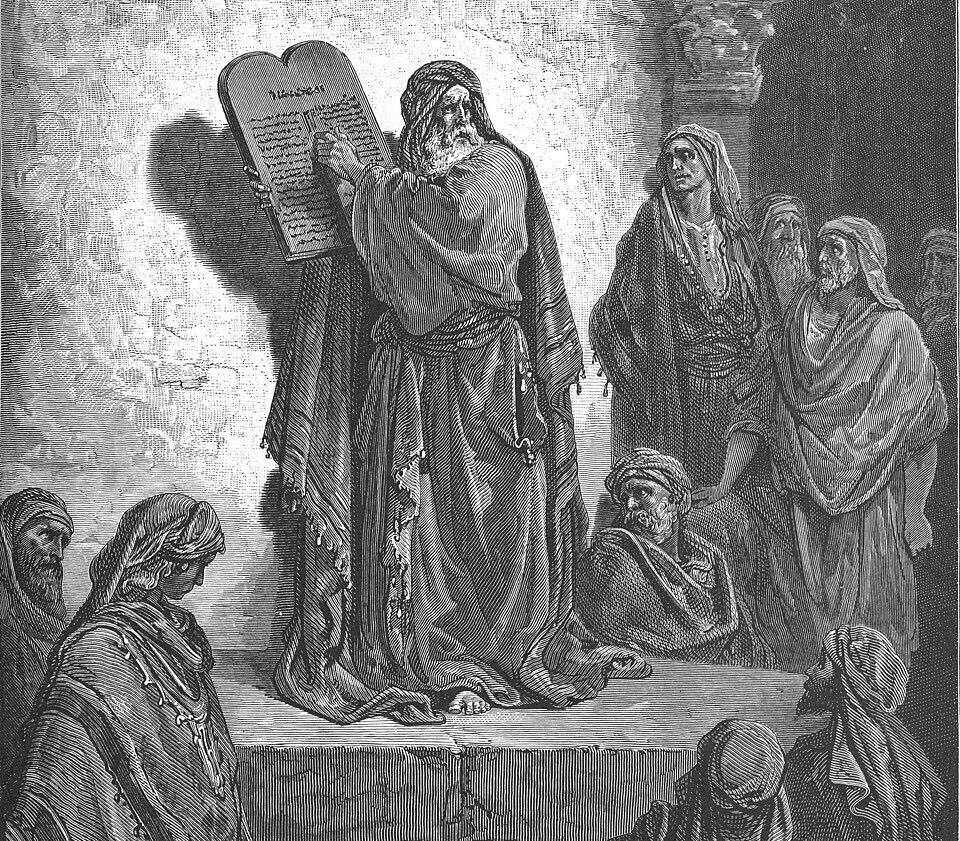
Nehemiah 9:5 states: “Then the Levites, Jeshua, and Kadmiel, Bani, Hashabniah, Sherebiah, Hodijah, Shebaniah, and Pethahiah, said, Stand up and bless the Lord [yhwh] your God for ever and ever …” (King James Version).