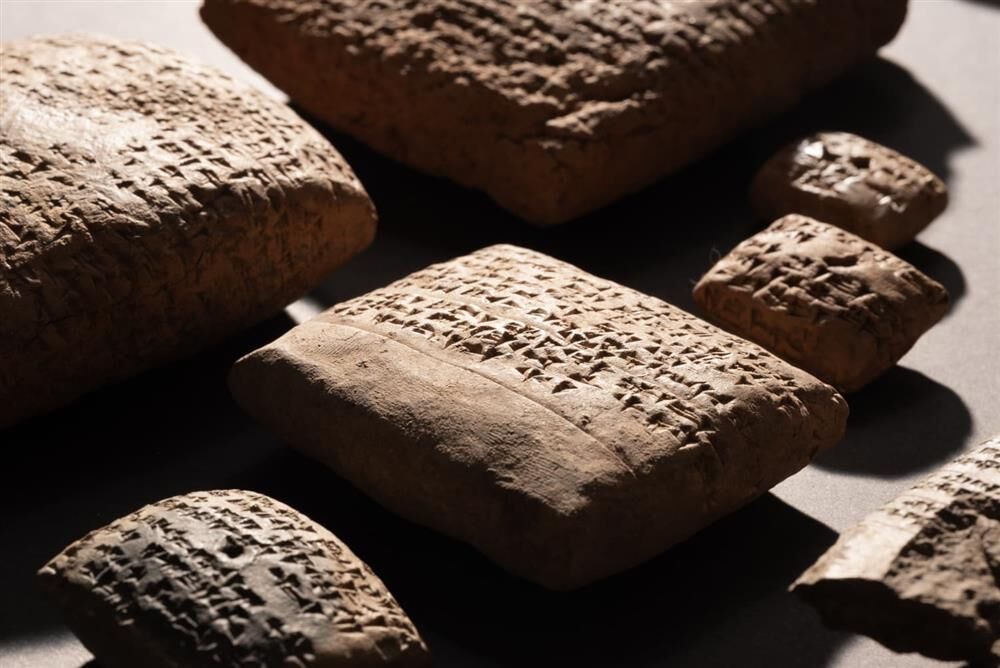
“And furthermore, my son, be admonished: of making many books there is no end; and much study is a weariness of the flesh”—so warns the Koheleth of Ecclesiastes (12:12). Of the making of ancient Hittite texts, there indeed seems to have been no end—with the recent announcement of another 131 Late Bronze Age cuneiform tablets uncovered during the 2026 excavations at Kayalıpınar (Sivas Province, central Turkey). These add to another 53 found in the 2025 season—collectively, the 184 tablets representing the “most comprehensive Hittite archive discovered in the 21st century,” in the words of an October 8 press release from Turkey’s Ministry of Culture and Tourism.
The added detail of “21st century” is important here—because these add to a corpus of more than 30,000 known Hittite tablets and tablet fragments revealed over the past two centuries of excavation.
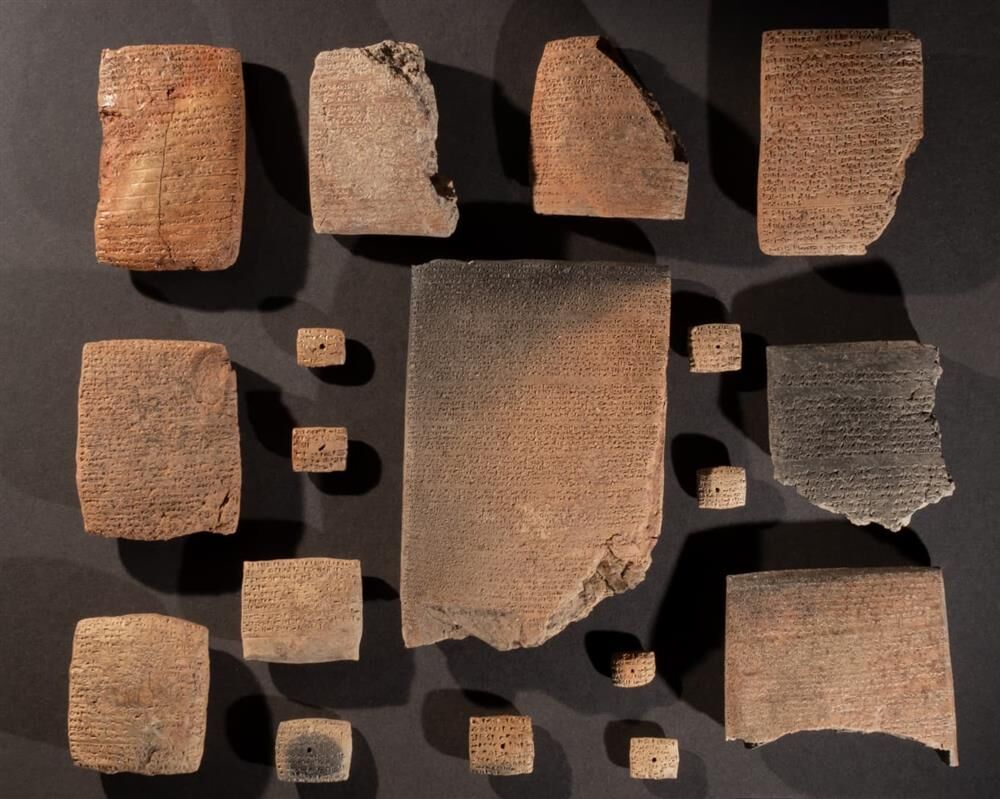
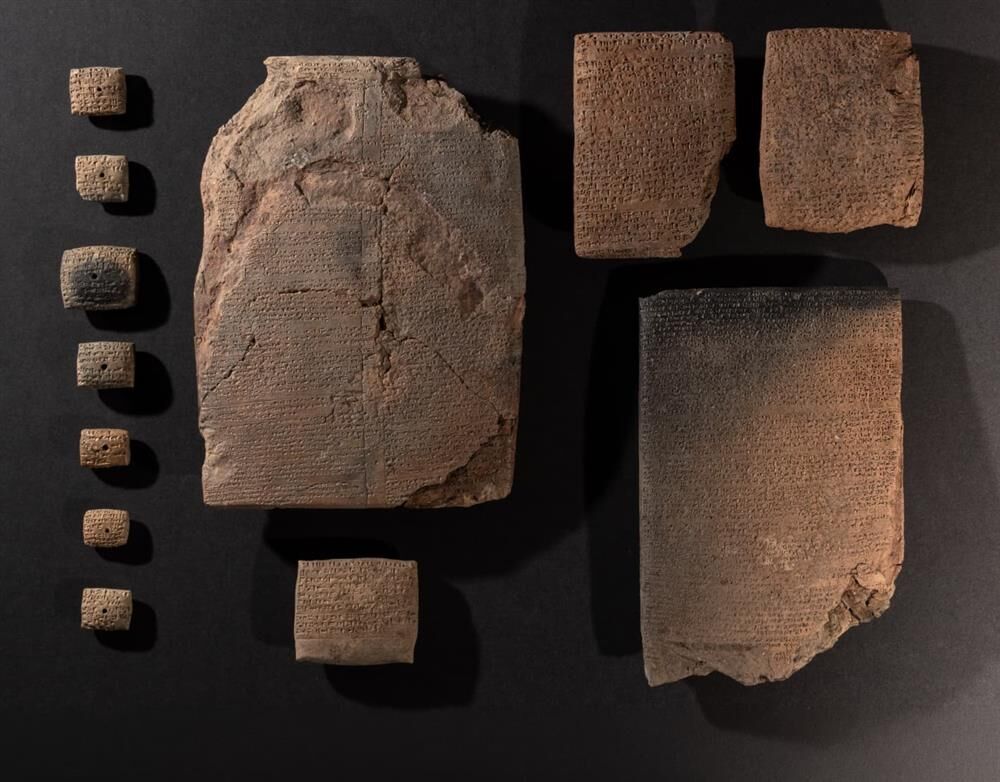
The present trove of texts is now being referred to as the Royal Archive of Kayalıpınar. An early city site with a lengthy settlement history, Kayalıpınar has been the focus of recent excavations beginning in 2021, led by Prof. Çiğdem Maner of Koç University. This particular archive of clay tablets dates back to the Late Bronze Age—circa 3,400 years ago—to the reign of Tudhaliya ii. Turkey’s minister of culture and tourism, Mehmet Nuri Ersoy, summarized the discovery and the general content of the letters examined so far in a statement:
These documents, written in Hittite and Hurrian, directly convey to us the state administration, military developments, belief system, and the lives of the royal family from approximately 3,400 years ago. The tablets reveal traces of a high-fever epidemic that spread from city to city, particularly affecting children and infants, while also recording the health status of a sick infant princess, her subsequent death and the funeral ritual performed for her. Another letter sent to the king by Hittite generals in Western Anatolia requests soldiers, horses and chariots in the face of enemy threats, threatening the army’s destruction if aid does not arrive. … Tablets on which bird diviners recorded their routes and observations also offer previously unknown information about Hittite divination practices. This unique archive opens a new door in many areas, from Hittite history and religious practices to the development of their language and scribal culture.
The number of inscriptions now revealed from Hittite sites is truly astonishing. All the more so given debates among scholars from the 19th to early 20th centuries who wondered if the Hittites as a polity even existed—given that at the time, the Bible was the only known historical work that discussed the Hittites in any detail.
Archaeologist John Garstang wrote in 1929 that “25 years ago some of the foremost orientalists did not believe in the existence of a Hittite nation” (International Standard Bible Encyclopedia). The “casual references to the Hittites in the Bible” were even “used by the enemies of divine revelation to discredit the historical accuracy of the book,” observed William Wright in his 1882 tome “The Hittites and the Bible.” Yet by 1912, Egyptologist Dr. Melvin Kyle observed that “no one is saying now that ‘no such people as the Hittites ever existed,’” in a remarkable volte-face we highlighted in our September-October 2023 feature of Let the Stones Speak, “Finding the Hittites.”
Another interesting biblical aside here concerns the name of this Hittite ruler, Tudhaliya. This name was borne by a number of Hittite rulers and royals throughout the second millennium b.c.e. and is a name now widely believed to be referenced in the biblical text, within Genesis 14’s account of a great conflict involving “Tidal, King of Nations”—albeit referring to another, earlier individual—a “proto-Tudhaliya,” of sorts. More on this subject can be found here.

For more on the Hittites—how the reality on the ground compares with that in the biblical text—see our articles “Finding the Hittites” and “Genesis 14: Uncovering the Bible’s World War I.” Congratulations to the team for another remarkable discovery—we look forward to hearing more!