
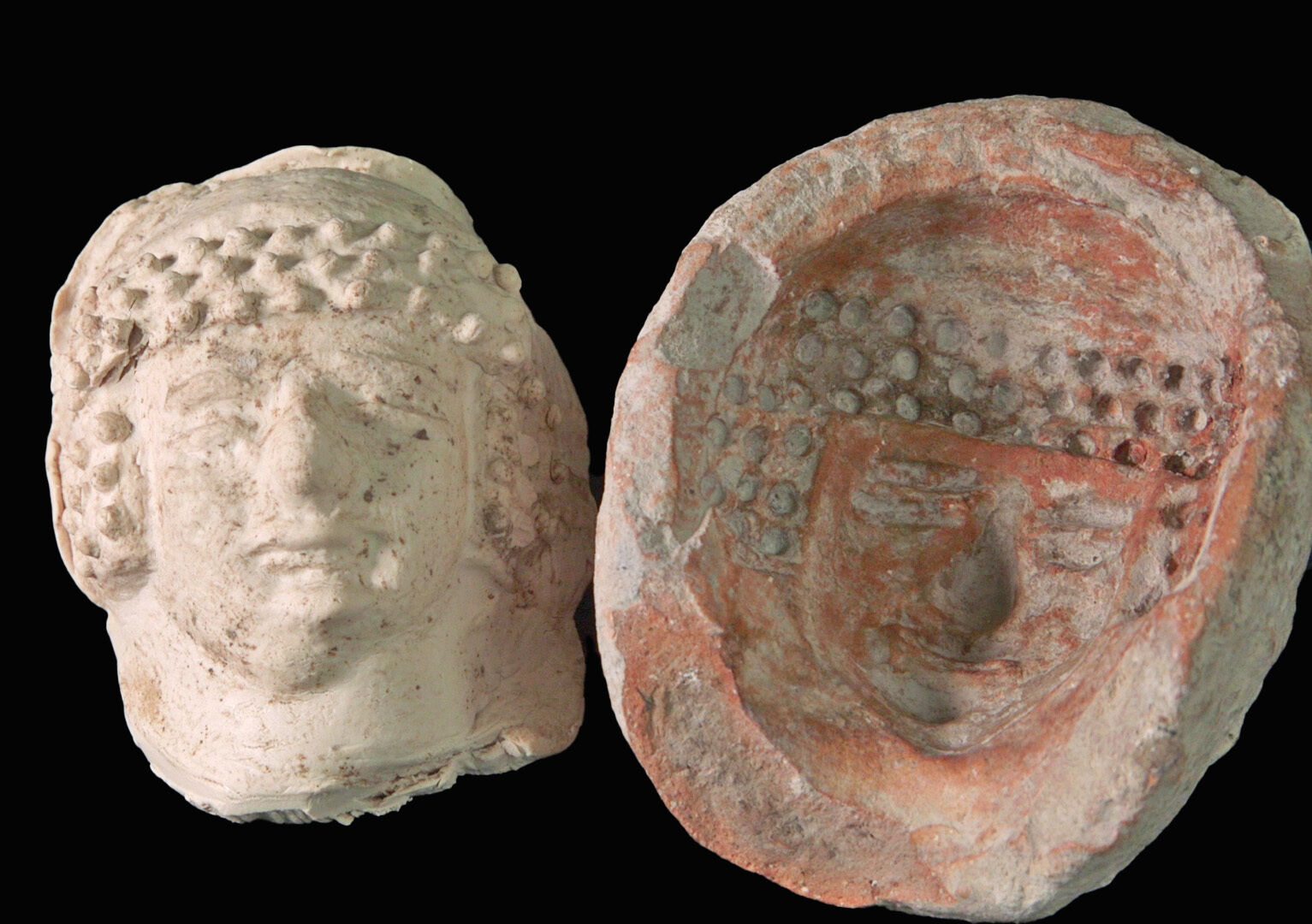
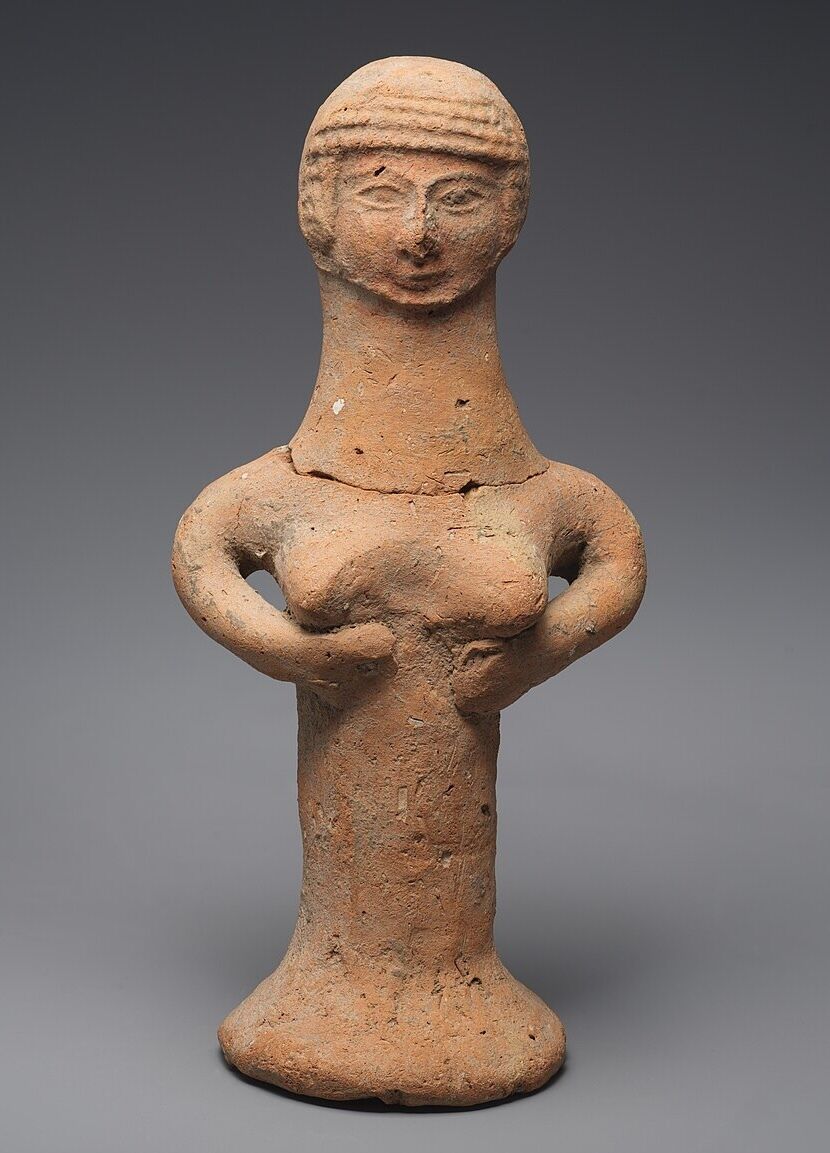
Judean Pillar Figurines—figurines depicting females with prominent hairstyles and busts—are a common find of the late First Temple Period, with numerous examples found in excavations in Jerusalem and Judah (including in our own ongoing excavations). Much more elusive are the molds that produced them (or rather, their heads—the bodies are shaped by hand).
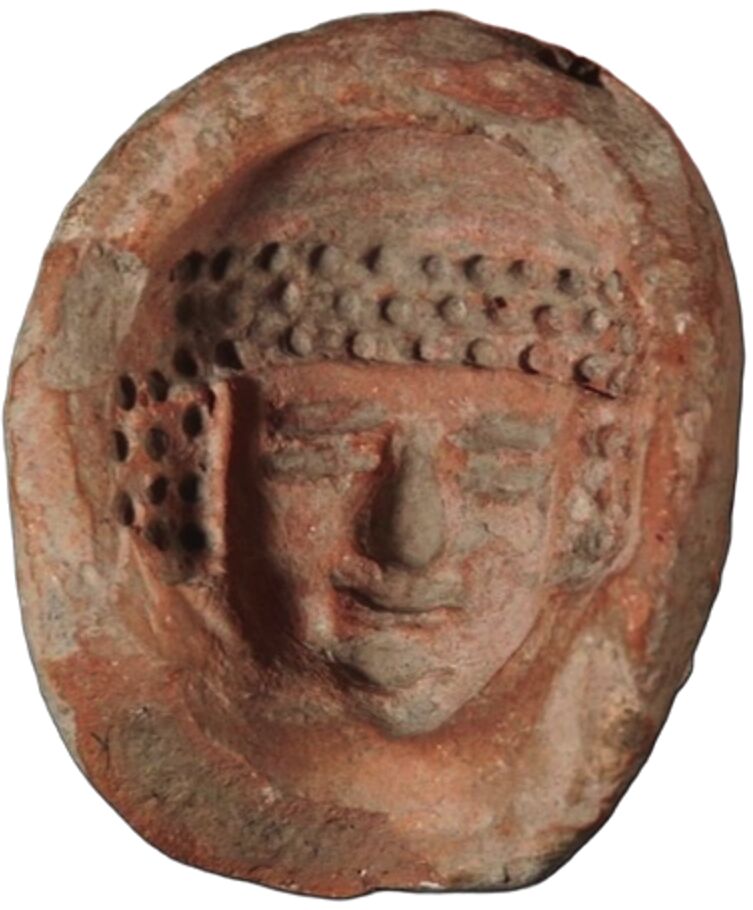
This week, the Israel Antiquities Authority (iaa) announced the discovery of the first-ever Judean Pillar Figurine mold found in Jerusalem, during ongoing excavations at the Kishle compound, within the Tower of David Jerusalem Museum grounds.
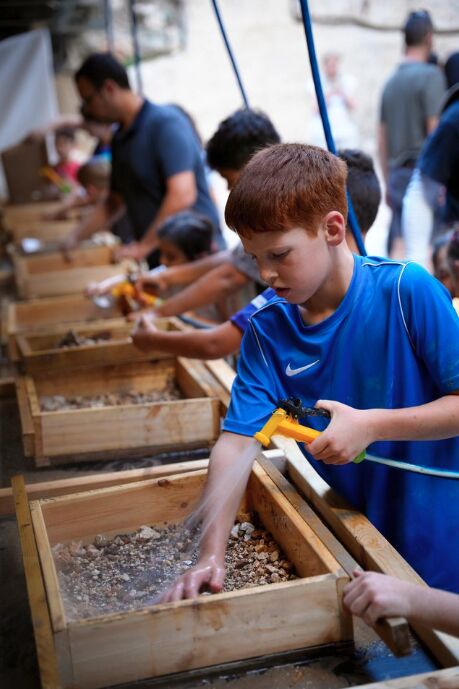
The mold was discovered during the sifting of soil from the site. The meticulous work of conservators revealed the intricate and delicate details of the mold.
Excavation director Dr. Amit Re’em said in the press release:
Clay figurines from the First Temple Period are known from almost every archaeological excavation conducted in Jerusalem and throughout Judah. Until now, however, no production molds for these figurines had ever been discovered in Jerusalem. This raised the question of whether they were manufactured locally or imported from elsewhere. The discovery of this mold at the Kishle is therefore the first of its kind in Jerusalem, providing direct evidence that at least some of these figurines were produced within the city itself.
These figurines date to the latter part of the First Temple Period, between the eighth to early sixth century b.c.e. They are typically 10 to 20 centimeters in height, made of clay and found broken at the necks due to the weak connection between the mold-made head and hand-made body. They were coated in a white slip, with traces of pigment surviving revealing they were originally painted in yellow, red and black.
Debbi Ben-Ami, curator of the Iron Age at the iaa, provided some of the contextual background:
The meaning and function of these figurines are still not fully understood. The fact that they have been found in almost every household, as well as in streets and tombs, indicates that they were objects of everyday use. The identity and purpose of the Judean Pillar Figurines remain the subject of scholarly debate. They have previously been interpreted as representations of a fertility goddess—perhaps the goddess Asherah—and some have even suggested they were children’s toys. However, they may instead have served as mediating or blessing figures, functioning as household amulets intended to bring blessing, protection and good fortune.
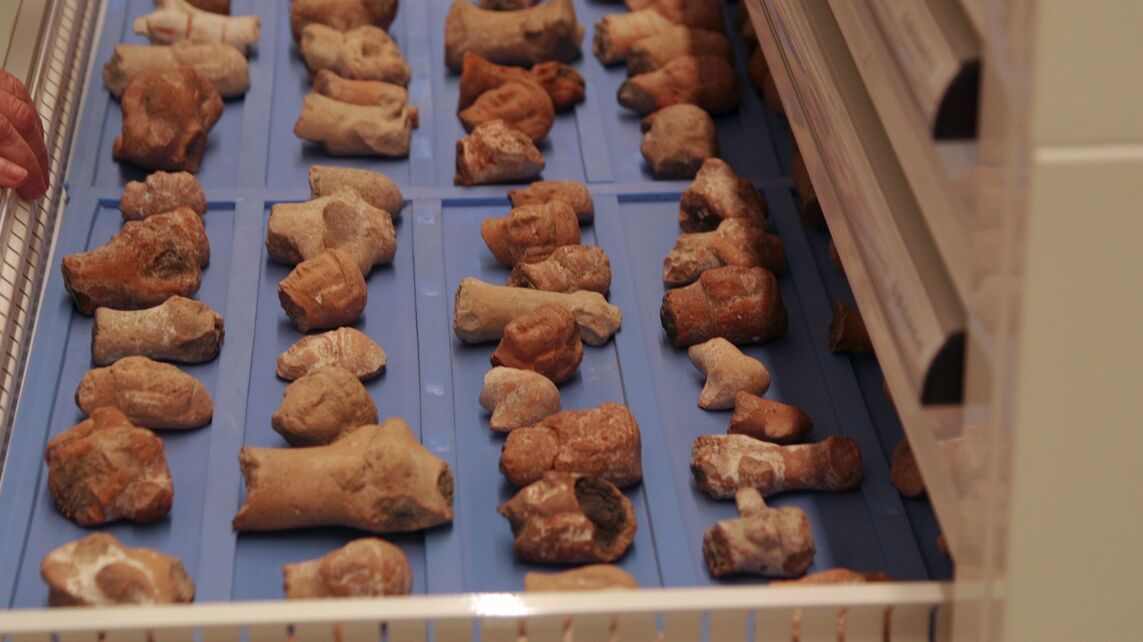
In light of the biblical account of the latter decades of the First Temple Period, the presence of such figurines should not be surprising—warnings abound from the prophets to the Judahites at the time against the worship of Asherah and other pagan practices. For example, 2 Kings 23:4—describing this period in question, at the time of Josiah—states: “And the king commanded Hilkiah the high priest, the priests of the second order, and the doorkeepers, to bring out of the temple of the Lord all the articles that were made for Baal, for Asherah, and for all the host of heaven; and he burned them outside Jerusalem in the fields of Kidron, and carried their ashes to Bethel” (New King James Version). The passage goes on to describe Josiah’s reforms. It is interesting to note that most of these figures—including related horse figurines (often found in the same context and with the same slip)—are found with their heads, breasts, pillars and legs broken off. (For more on this subject, see our article “Excavations Reveal Idol Worship in Ancient Jerusalem.”)
Israel’s Minister of Heritage Rabbi Amichai Eliyahu, commenting on the new discovery, said:
According to the Sages, the First Temple was destroyed because of three principal sins: idolatry, sexual immorality and bloodshed. The discovery of a mold for producing figurines from the First Temple Period in the heart of Jerusalem offers us a tangible glimpse into the world in which the prophets of Israel lived and into the spiritual and cultural realities they confronted. When such an artifact emerges from the soil of Jerusalem, history becomes real and immediate: this small piece of pottery tells the story of the beliefs, customs, and spiritual challenges that characterized the capital city in ancient times.
“The discovery of the first mold for producing figurines dating to the First Temple Period has generated tremendous excitement among all of us,” said Eilat Lieber, director and chief curator of the Tower of David Jerusalem Museum. Excavation directors Dr. Re’em and Dr. Ayala Zilberstein summarize:
The Kishle excavation, which has been ongoing for several years, continues to surprise us time and again. It is one of the most significant archaeological excavations conducted in Jerusalem in recent decades, presenting the city’s history in a clear and continuous sequence—from the days of the kings of Judah, through the many periods that shaped Jerusalem, and up to the British Mandate.
In relation to this discovery, the Tower of David Jerusalem Museum invited volunteers to sift soil from the Kishle excavation in the hopes of uncovering further discoveries. Information can be found here.