“Ancient Israel and Judah” are now such controversial topics that you cannot safely host a talk about them in central London.
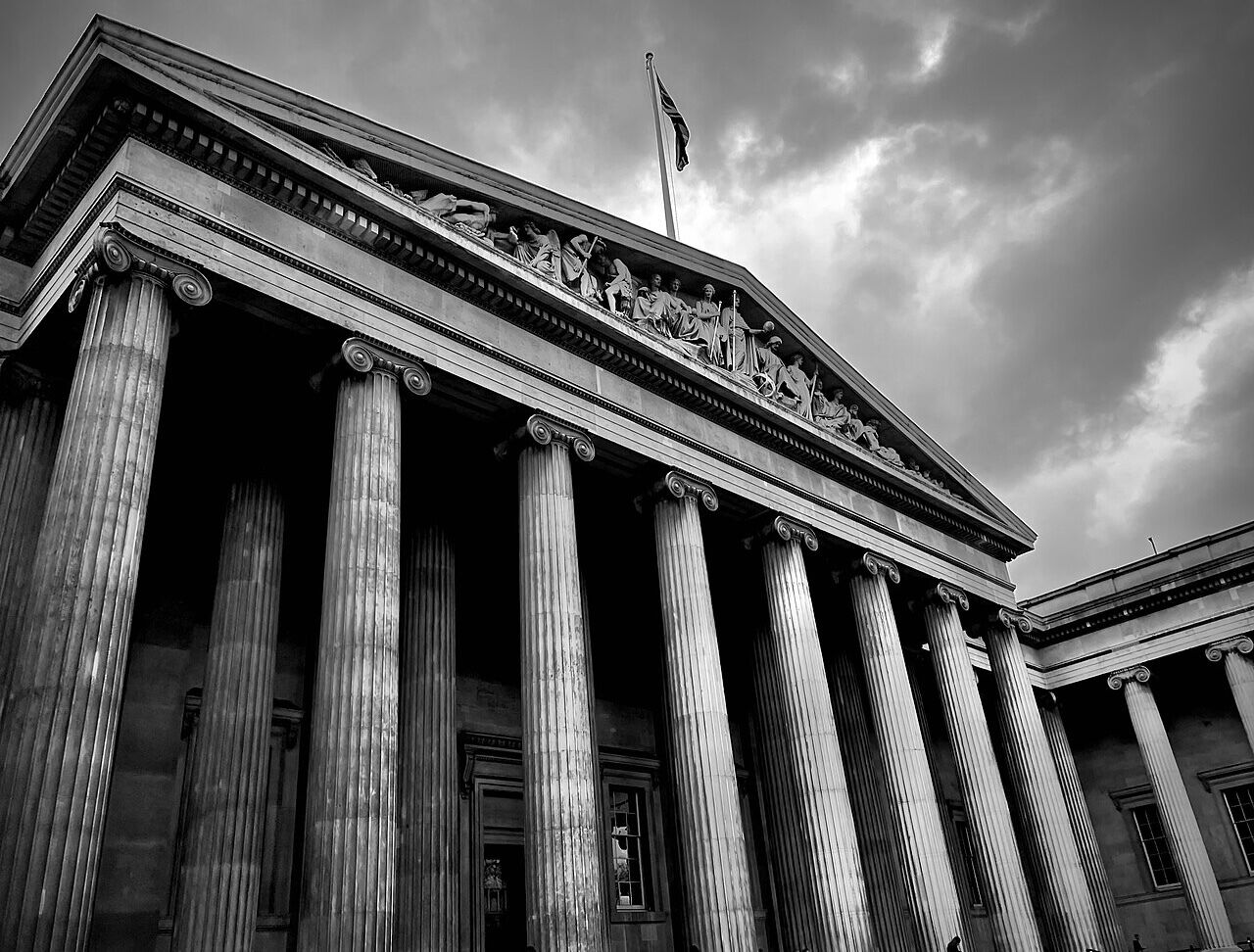
This was the title of a scheduled hour-long lunchtime talk for May 28 as part of the British Museum’s Jewish Culture Month. It was postponed due to “security concerns.” The museum said in a statement issued the day prior that “a significant proportion” of those who had tickets planned to “deliberately disrupt the event.”
The lecture was intended to explain how “the histories of the kingdoms of Israel and Judah can be illuminated by the archaeology and art of the wider ancient Middle East,” delivered by Keeper of the Department of the Middle East Paul Collins. Initially, the museum postponed the talk to an unspecified later date, citing the “importance of lawful protest and freedom of expression in a democratic society” as well as the “responsibility to ensure that events hosted within the Museum can proceed safely, securely and without intimidation for speakers, staff and visitors alike.” A May 28 statement says the lecture will take place “early next month.”
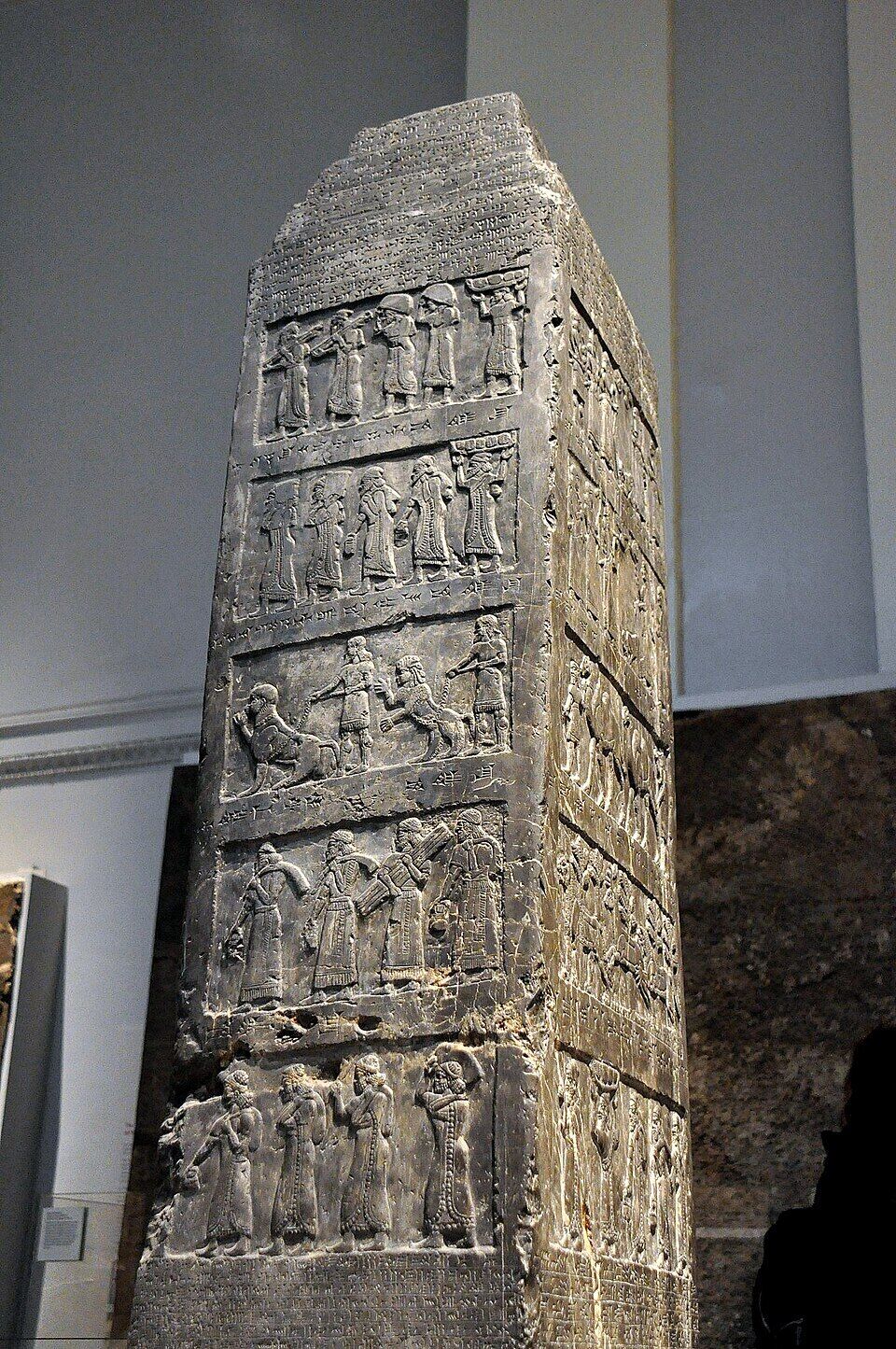
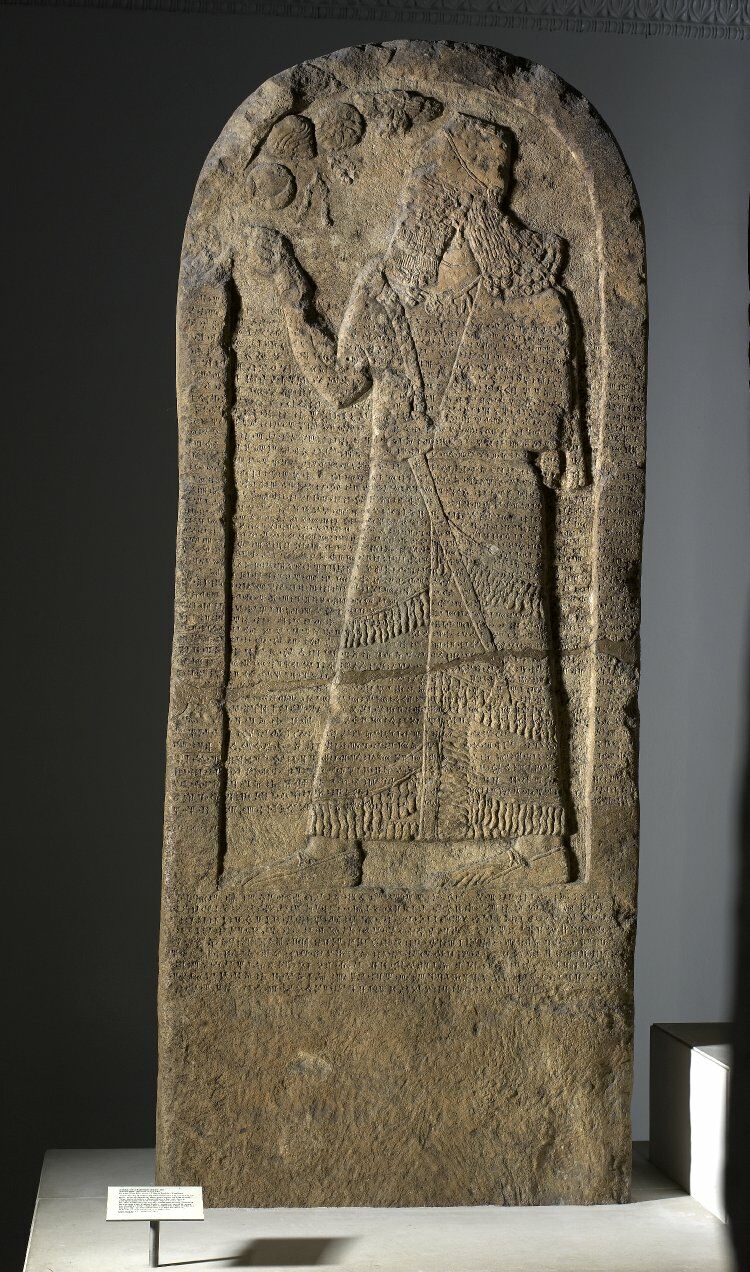
“How strange!” wrote British historian Simon Sebag Montefiore—author of the bestselling Jerusalem: A Biography (2011) and forthcoming The Cauldron: The Making of the Modern Middle East (2026)—in a lengthy post to X on May 28. “Why would a posse of aggressive activists be interested in the arcane details of bullae and steles and ostraca and inscriptions and numismatics in some small South Levantine kingdoms in the Iron Age?”
This event concerns the study of the ancient kingdoms of Judah and Israel that existed between roughly 1100 b.c. and 586 b.c. in the Levant. It is not a coincidence that this was chosen for disruption. The history of the Judean kingdoms and the Jewish Temple in Jerusalem that stood for most of the time between 1000 b.c. and 70 a.d. is important and fascinating history in its own right, supported by complex and growing archaeological finds. These small kingdoms … chronicle the long indigenous history of Jews in the region—which the protesters are keen to erase. This is a political project of ideological erasure and malicious incitement ….
Incidentally—but it is worth saying—this history does not deny anyone else’s history, nor the many other small realms in this region through ancient times nor the many names of the region and its entities …. The history of one cannot be used to erase the history of the other and does not need to do so. The pursuit of knowledge which is one of the delights of human life and is the mission of the British Museum and indeed anyone who writes, reads or enjoys history, can celebrate and recognize all of these.
Yet this protest and the many like it deployed across Britain nowadays is the opposite of that—an attack on history using the methods of intimidation and vandalism. Much of this involves distorting or dismantling actual history or often lying to replace it with a fabricated ideological structure that nourishes no one and helps no one but degrades our culture and civic life—not to speak of history itself.
“The main issue is not free speech,” wrote journalist Melanie Phillips in her own blog post, titled “War Against Israel Targets the British Museum.” “It’s the need to combat Soviet-style disinformation and psychological warfare that’s resulted in a cult-like grip on millions of minds.” She noted that the postponement “has fueled bitter criticism of the museum for ‘pathetic’ cowardice and bowing to mob rule. It’s also increased alarm among British Jews that Jewish life is rapidly being squeezed out of the country, as the political and cultural establishment seeks to appease Islamist and left-wing pressure to turn Israel and Zionism into pariahs ….”
Enemies of Israel and its ancient history try to will basic facts of history out of existence. A core part of the “pro-Palestinian” movement is that it rejects Jewish history in the Middle East. It’s the same reason unesco, a group founded to further scholarship, culture and archaeology, encourages excavations everywhere on the planet except Jerusalem. The facts of Judah’s history are seen as better off buried. Even Wikipedia is a constant battleground—as revealed recently, with a cabal of editors working to rebrand ancient Hebrew, Israelite and Jewish artifacts as “Canaanite” as well as historic figures such as King Herod and even Jesus himself as “Palestinian.”
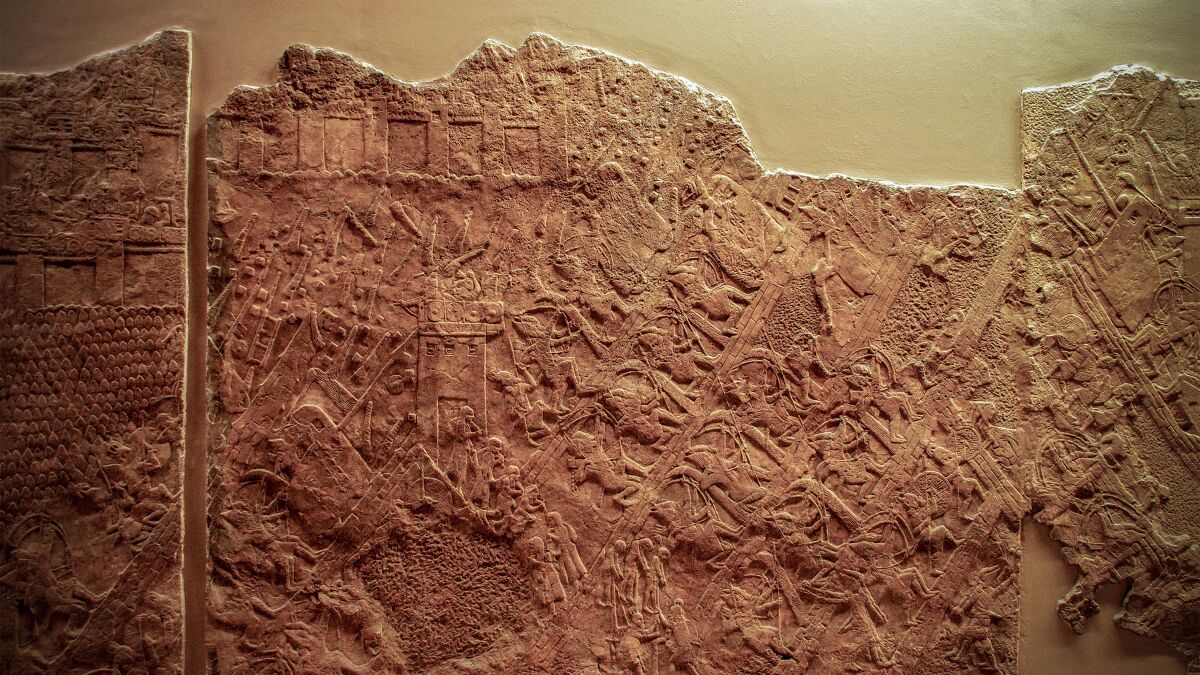
A postponed lunchtime lecture at the British Museum on the history of ancient Israel and Judah might seem like a minor episode. But it is only the latest incident among many in the ongoing war for history and truth. And for a renowned establishment such as the British Museum—“the world’s greatest temple of history,” in the words of Montefiore—“this matters.”
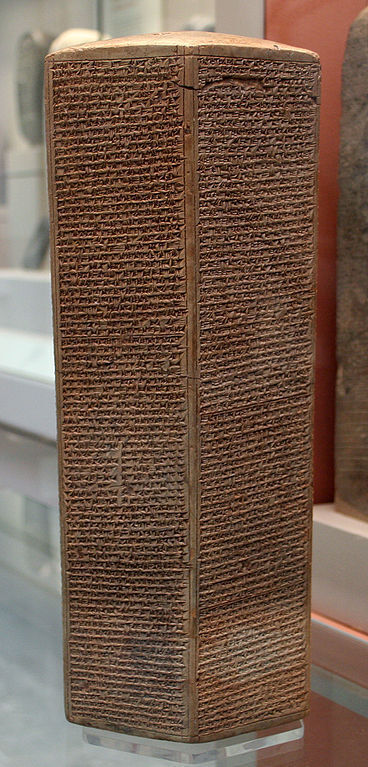
“[T]he society that ceases to allow to free discussion of ideas and stops respecting and recognizing the value of scientific and historical sources and facts is a society that will fail,” Montefiore wrote.
Yet there is another angle here—one of some reassurance. While lectures may be postponed or canceled, and open-editing encyclopedias may be changed at will, what does not change are the facts on—and from—the ground. In a motif found several times in the biblical text—serving as the inspiration for the title of our magazine, Let the Stones Speak (a saying oft-repeated by our mentor, the late Dr. Eilat Mazar)—when people fall silent, it is the stones themselves that “cry out” as a “witness” to history (e.g. Joshua 24:27; Habakkuk 2:11).