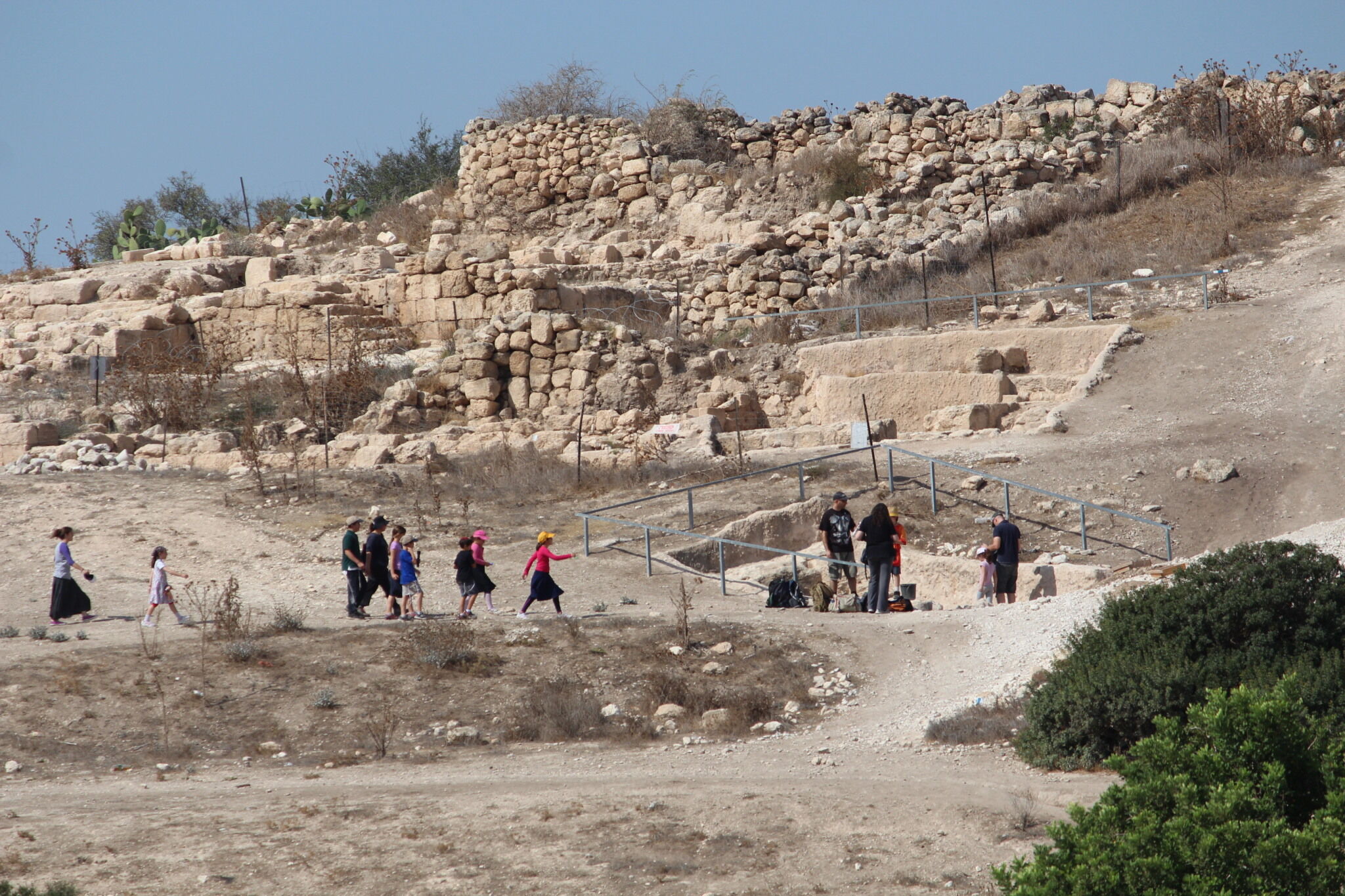
Last week the vast archaeological complex at Horvat Burgin, including its ancient tunnel system, officially opened to the public.
Horvat Burgin is an archaeological site located on a hilltop in the Judean foothills (Shephelah). The site is linked with the village Kafar Bis, mentioned by first-century Jewish historian Josephus in relation to Roman campaigns in the region. Horvat Burgin was a thriving Jewish settlement before it was destroyed during the Bar Kokhba Revolt in the mid-130s c.e.
The main feature of this new archaeological tourist site is the tunnel system carved out of bedrock. The soft bedrock made it easier for villagers to carve underground rooms and shelters.
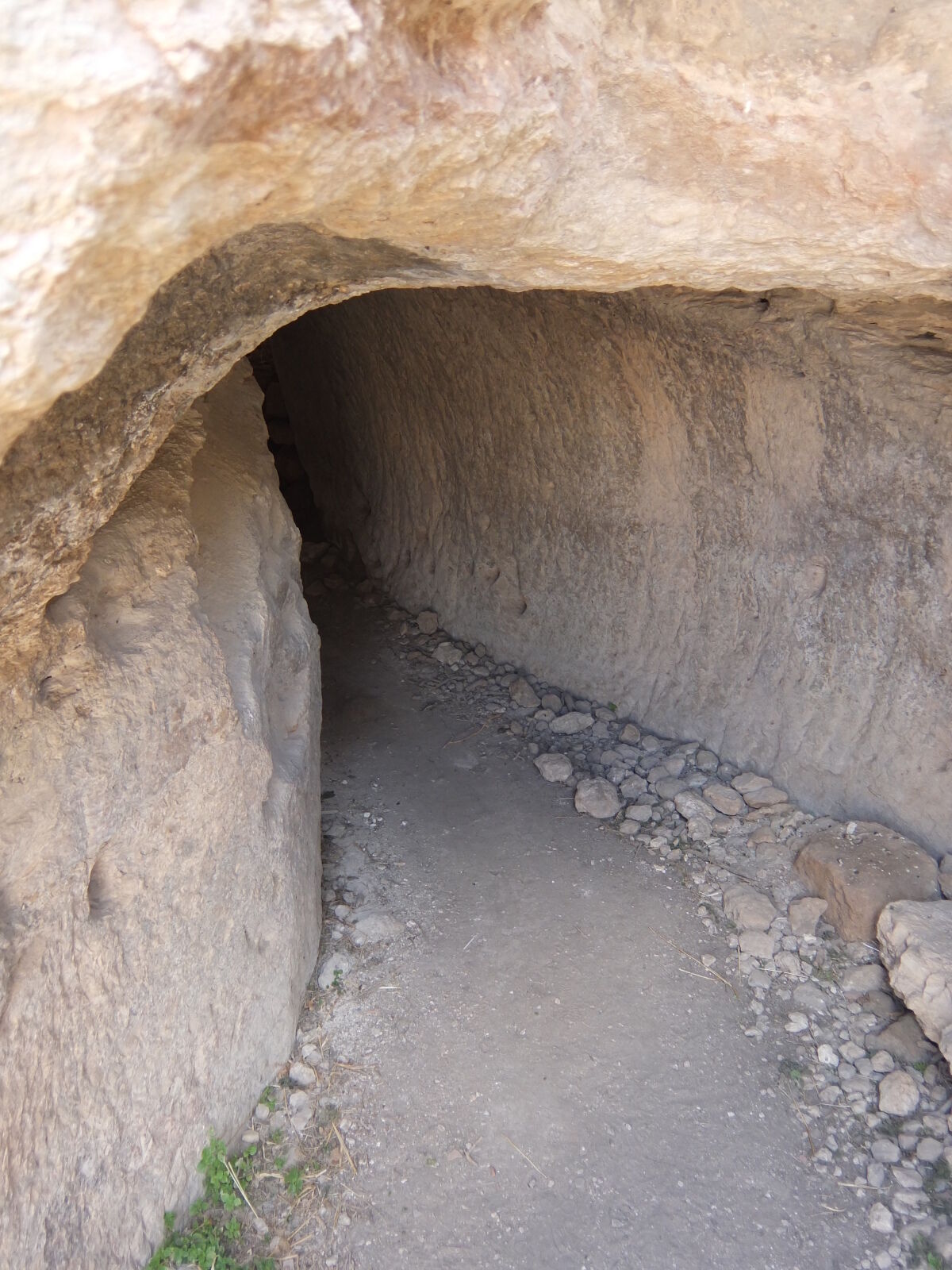
At the time of the Bar Kokhba Revolt, the residents dug connecting tunnels between these underground rooms to serve as a hideout from the Romans. Today, visitors can access about 200 meters of the underground complex.
When the site was first excavated in 1995, lead excavator Amir Ganor, along with Alon Klein and Peter Gendelman of the Israel Antiquities Authority (iaa), discovered what remained of a large Second Temple Period settlement. Further digging uncovered remains from the Iron Age ii period.
Remarkably, the site is stacked with remains from the Iron Age ii up to the Ottoman period, offering a peek through thousands of years of archaeological layers. It remains “the largest ancient settlement in the area, both in its extent and in the scale of its surviving remains,” stated Dr. Ganor in a press release.
As with other archaeological sites, Horvat Burgin has experienced both ancient and modern destruction and looting. The Jewish uprising against the Roman Empire during the Bar Kokhba Revolt led to its ruin in the early second century c.e.
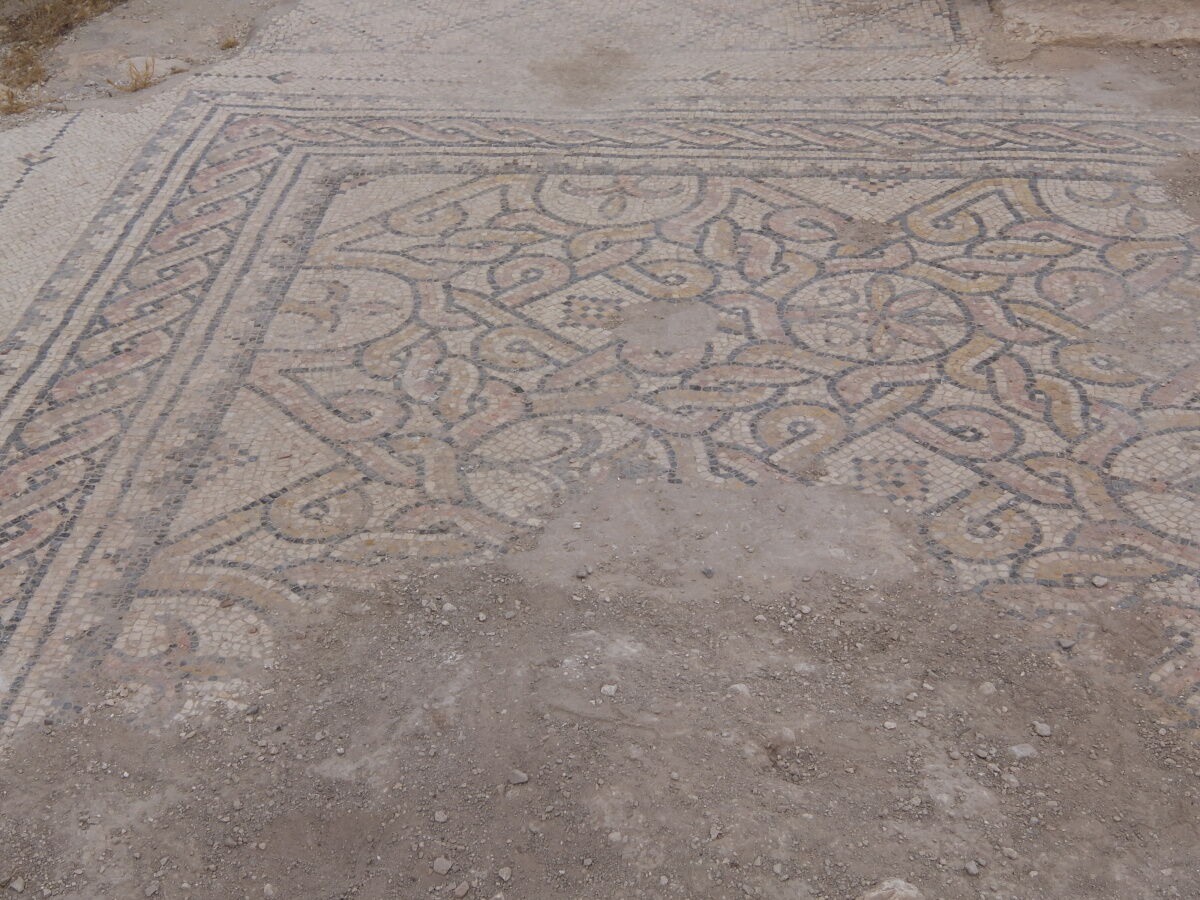
In the fourth century c.e., new settlers built Byzantine churches on top of the earlier settlement, as evidenced by mosaic floors and Christian burial caves. Following this Christian settlement, the area experienced a Muslim transformation, and much of the church’s floors were destroyed.
Inscriptions by Georgian monks on cistern walls reveal that during the Crusader period (12th century c.e.) the area reverted to Christian occupation. In the 18th century, the village was again destroyed.
The constant looting of the site prompted its excavation and preservation. Antiquities looters destroyed aboveground structures, broke through burial caves, dug through the tunnels, and sold artifacts on the black market. Official excavation of the area stopped the looting, according to Ganor.
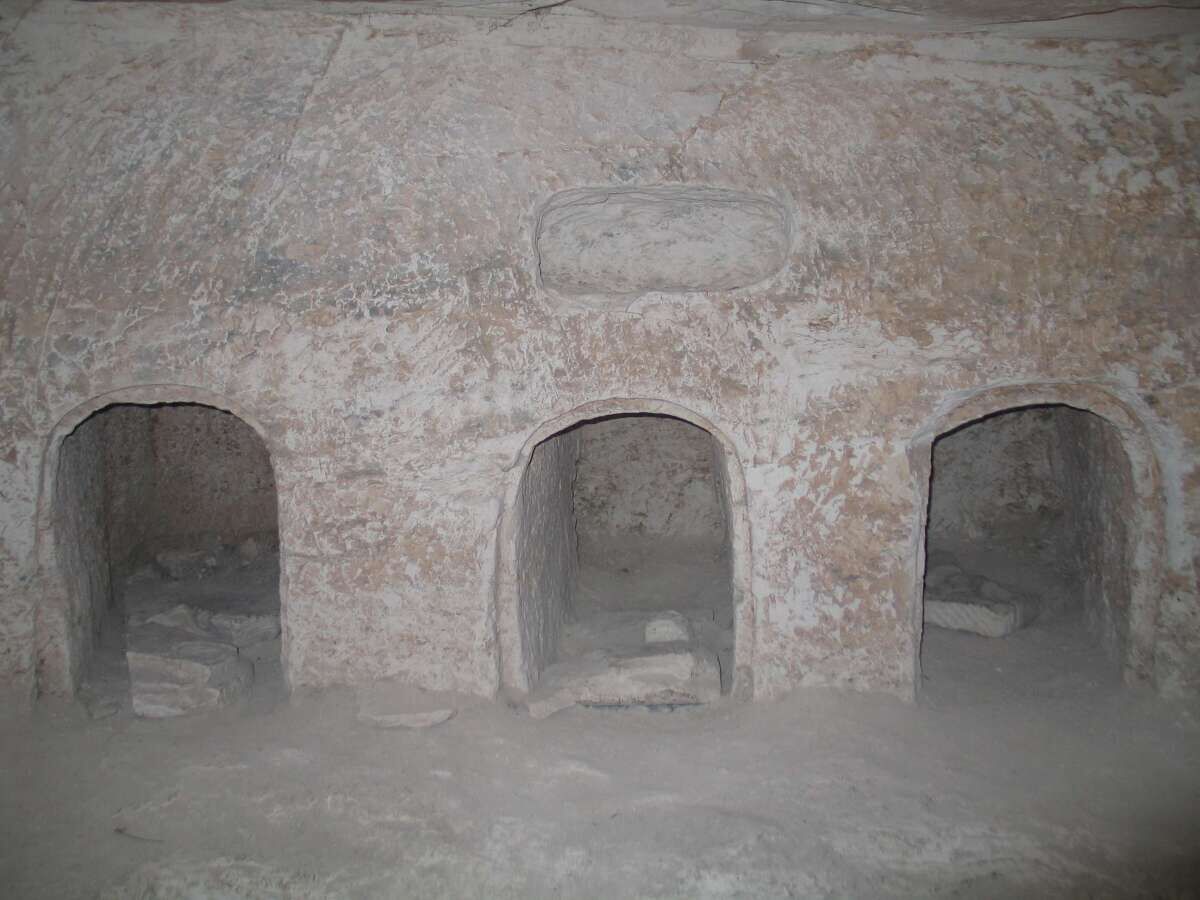
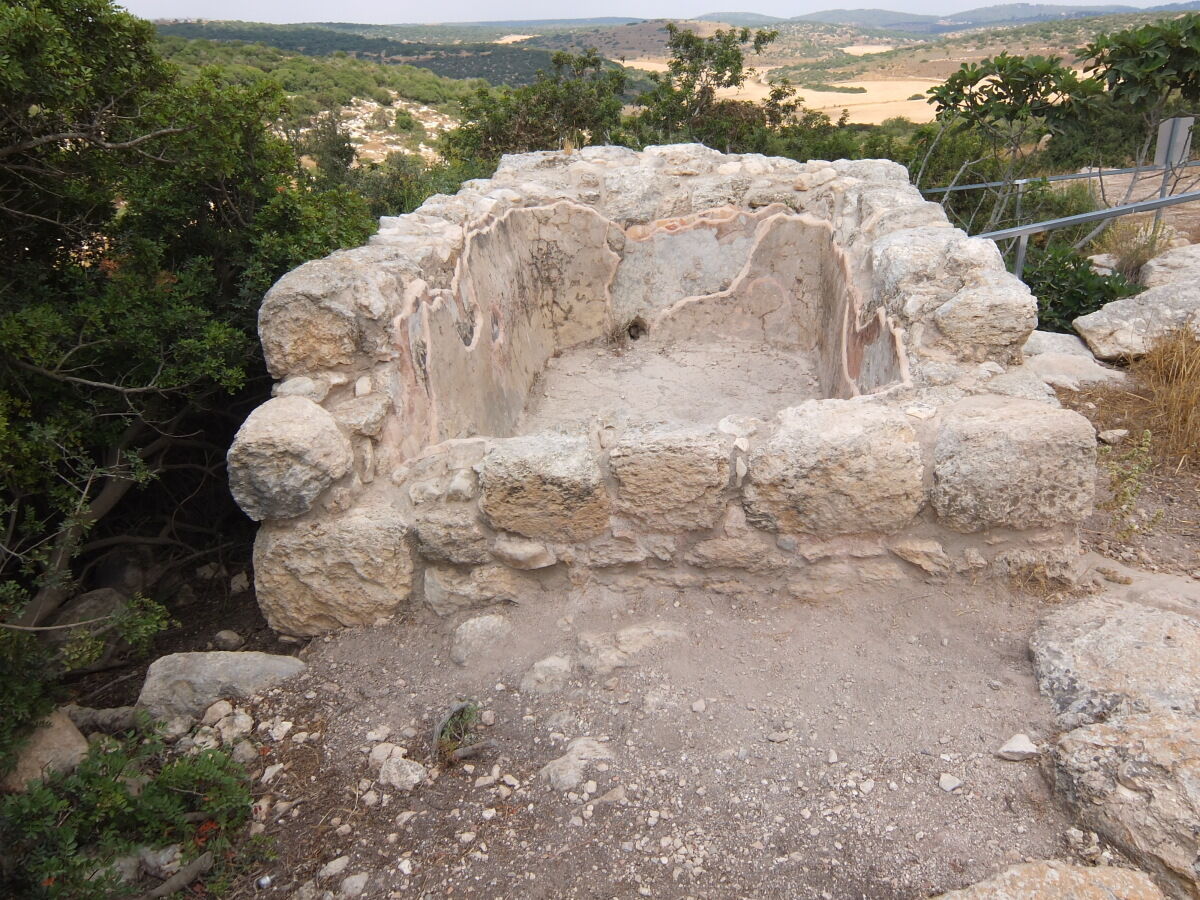
Thankfully, there is still much to see. In addition to the underground tunnels and Byzantine structures, visitors can see the remains of a domestic Jewish settlement from earlier periods. Agricultural installations, such as winepresses and oil presses, as well as dovecotes, are evidence of a domestic and agricultural lifestyle found in other archaeological Jewish sites.
The area is protected within the Adulam Grove Nature Reserve. The preservation and conservation efforts by the Jewish National Fund, the iaa and the Mateh Yehuda Regional Council make the area a valuable archaeological site, now open for tours.