“Monumental Second Temple-Period Purification Complex Uncovered at the Foot of the Temple Mount in the Old City of Jerusalem”—so reads the headline of a press release issued by the Hebrew University of Jerusalem this morning.
The fruits of our five-year excavation on Jerusalem’s eastern Ophel, co-directed by professors Uzi Leiber and Orit Peleg-Barkat and in partnership with the Hebrew University of Jerusalem, are beginning to show!
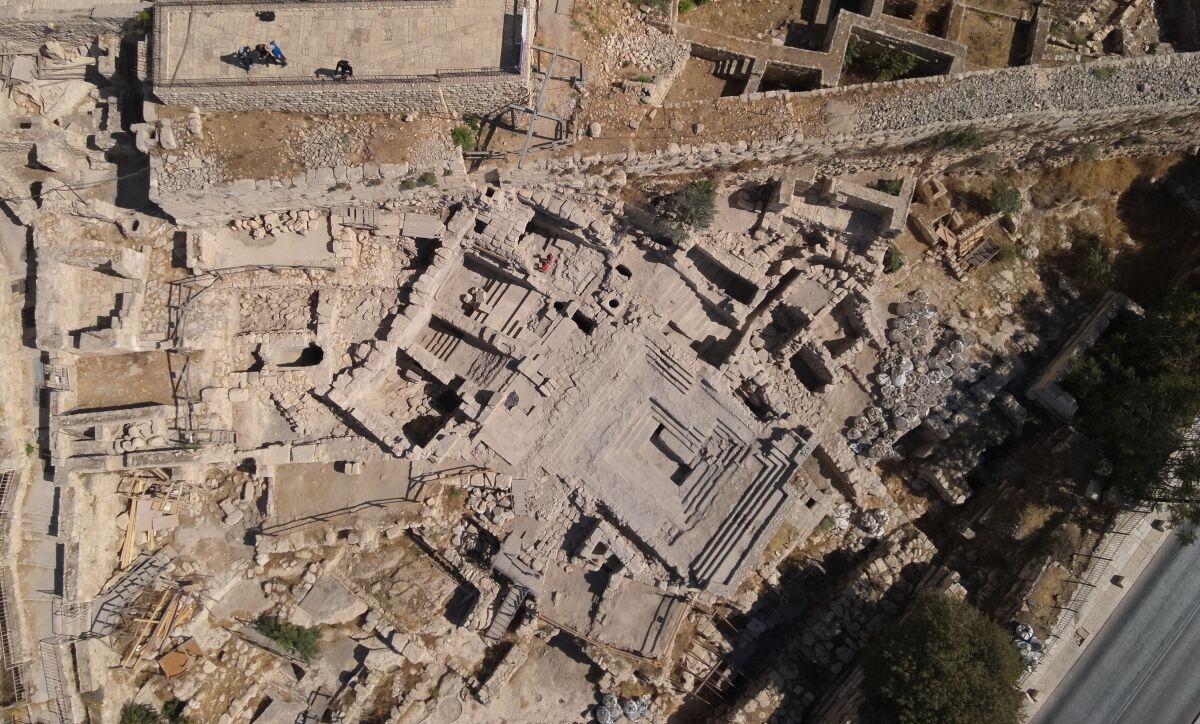
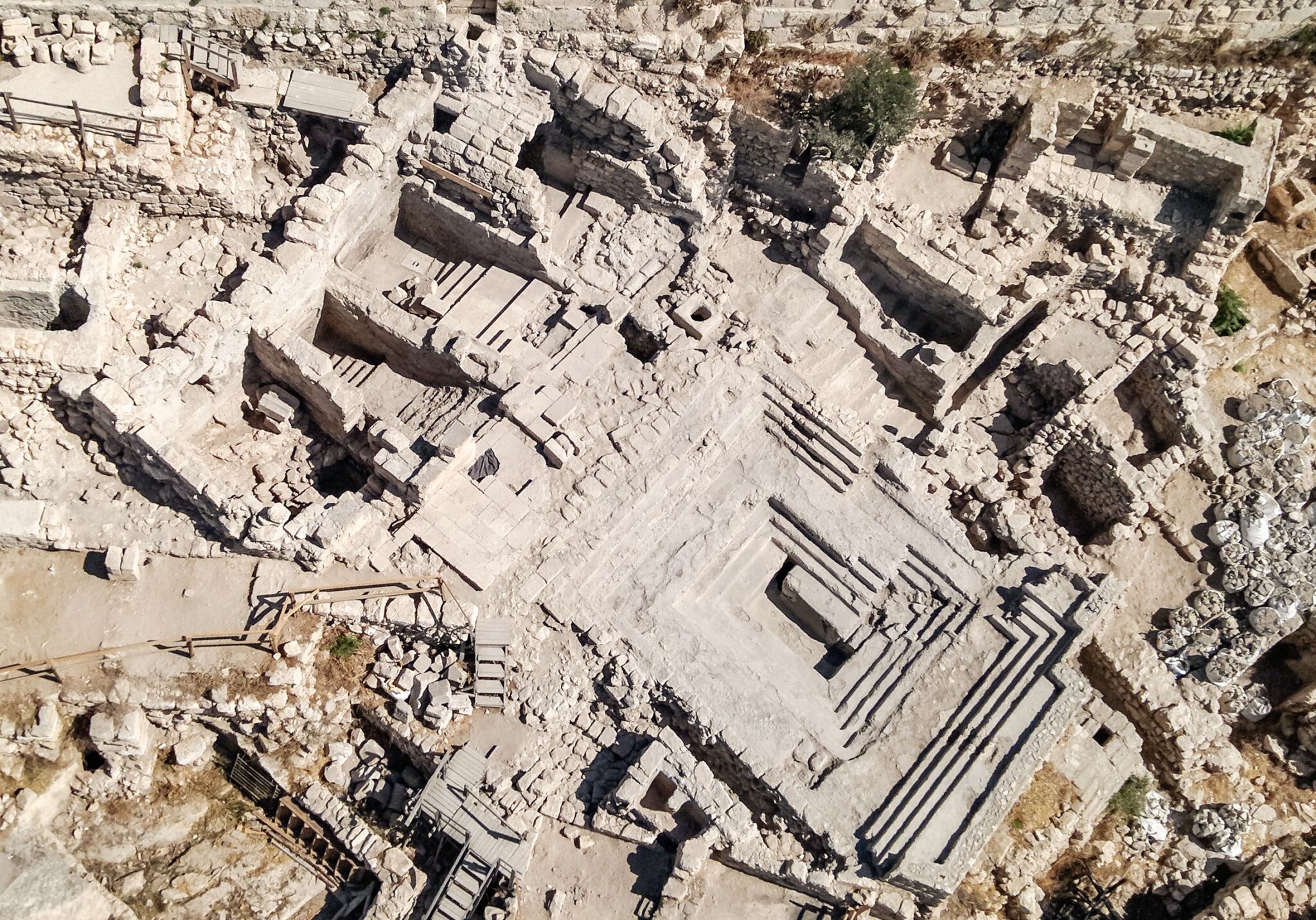
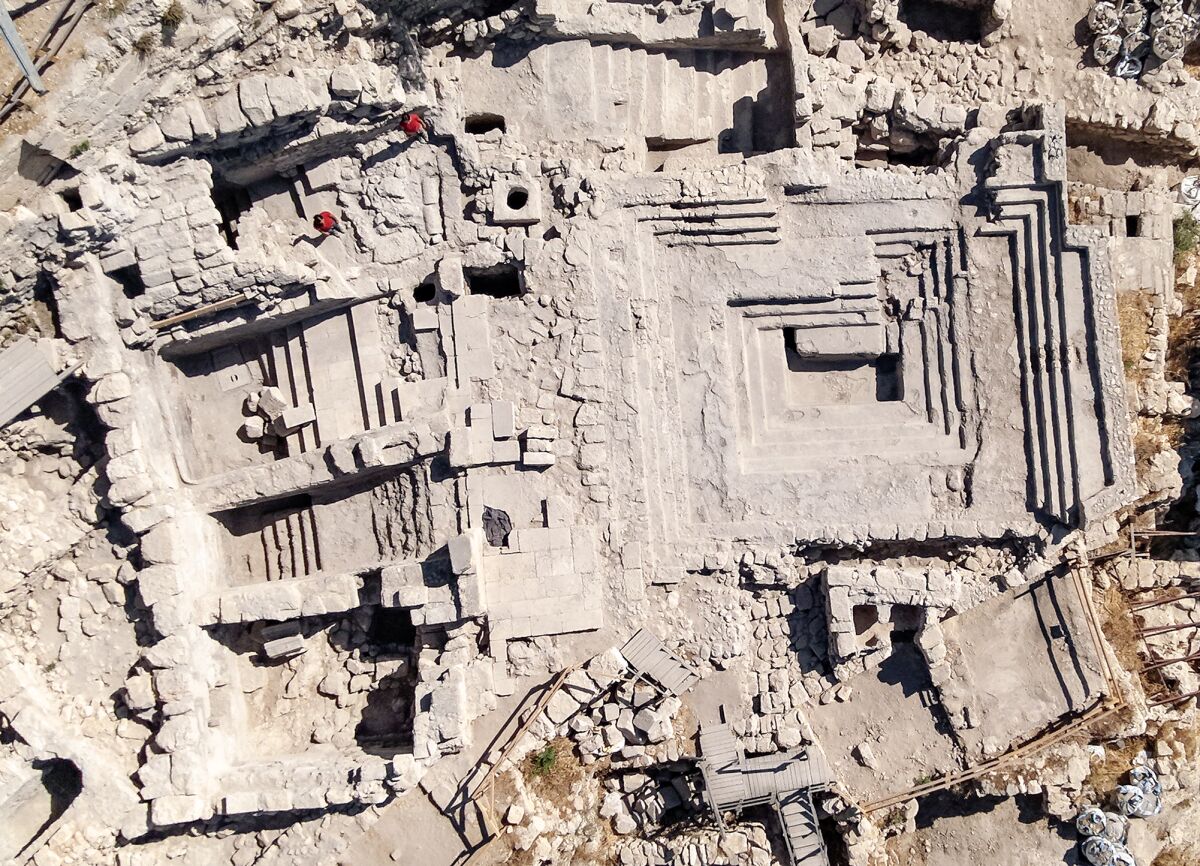
The 2,000-year-old complex, dubbed Beit haMikvaot (“House of Mikvehs”—Jewish ritual purification baths), is extraordinary—not only in scope and concentration of pools, but also in preservation, with one vaulted bath preserved to its full floor-to-ceiling height of 4.2 meters. The main complex centers around an iconic four-sided stepped pool nearly 12 by 10 meters in size, adjoined on the northwest side by the remains of a beautiful ashlar portico and a large four-room complex. Three of the four rooms contained mikvehs—two built of exceptionally fined paving stones—and three of the four rooms were originally covered by impressive vaulted stone ceilings, although only one such ceiling survives—the “crown jewel” of the site, in the words of Professor Leibner, a “rare example in Jerusalem of a Second Temple Period structure preserved from floor to ceiling.”
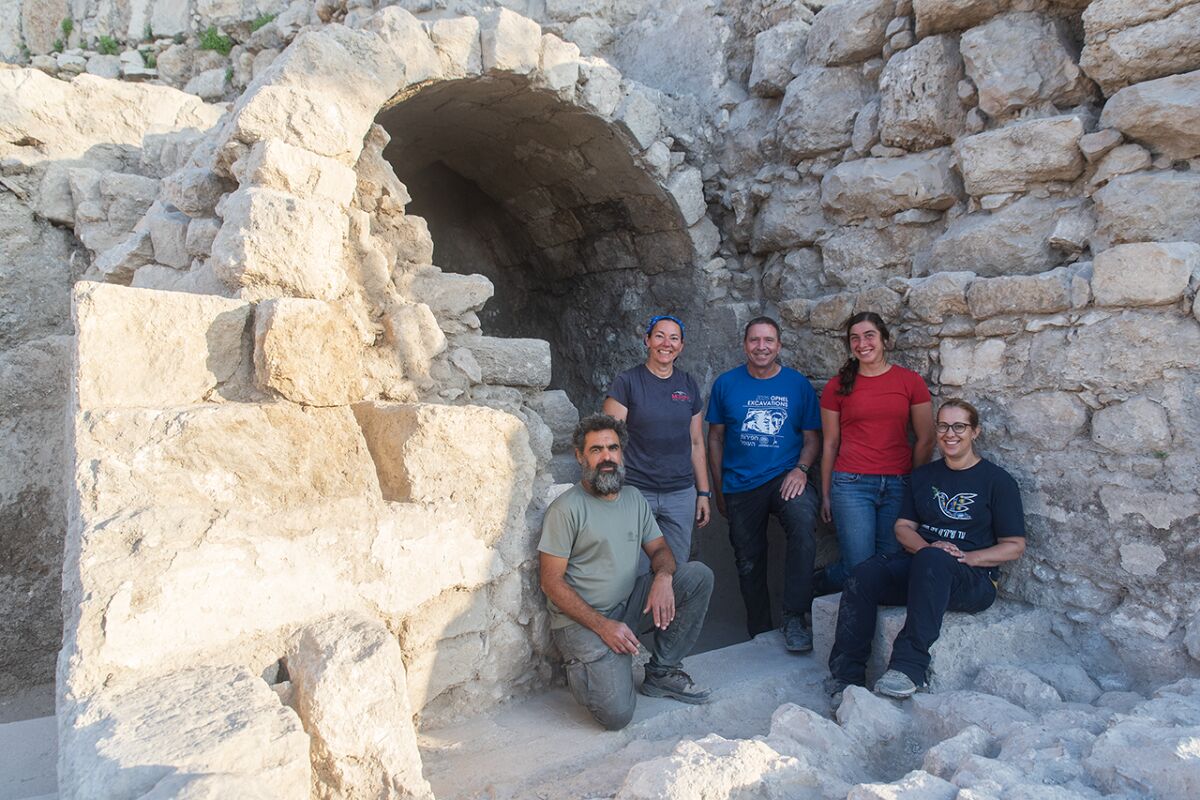
The construction of this 280-square-meter complex took place somewhere around 10 c.e. (based on numismatic finds)—the late Second Temple Period and setting of the New Testament. In the immediately adjacent area, surrounding this main structure, were many more mikvehs dating variously within the late Second Temple era—collectively, an impressive concentration of 18 pools within a 1,600-square-meter area (variously excavated over the decades by Prof. Benjamin Mazar, Dr. Eilat Mazar and Prof. Yosef Garfinkel, as well as the present excavation co-directors Leibner and Peleg-Barkat). One such notable “royal” pool sat partly beneath the aforementioned monumental structure, thus predating it—dating to the first century b.c.e., if not earlier.
Together, these pools would have facilitated the purification needs of pilgrims entering the temple compound especially during the three major pilgrimage festivals of the year. “Three times in a year shall all thy males appear before the Lord thy God in the place which He shall choose; on the feast of unleavened bread, and on the feast of weeks, and on the feast of tabernacles” (Deuteronomy 16:16. Incidentally, the Feast of Tabernacles—Hebrew, Sukkot—begins this weekend). During this later Second Temple Period, the use of stepped ritual purification baths became a marked phenomenon, with the emergence of different rules and regulations concerning their ritual use.
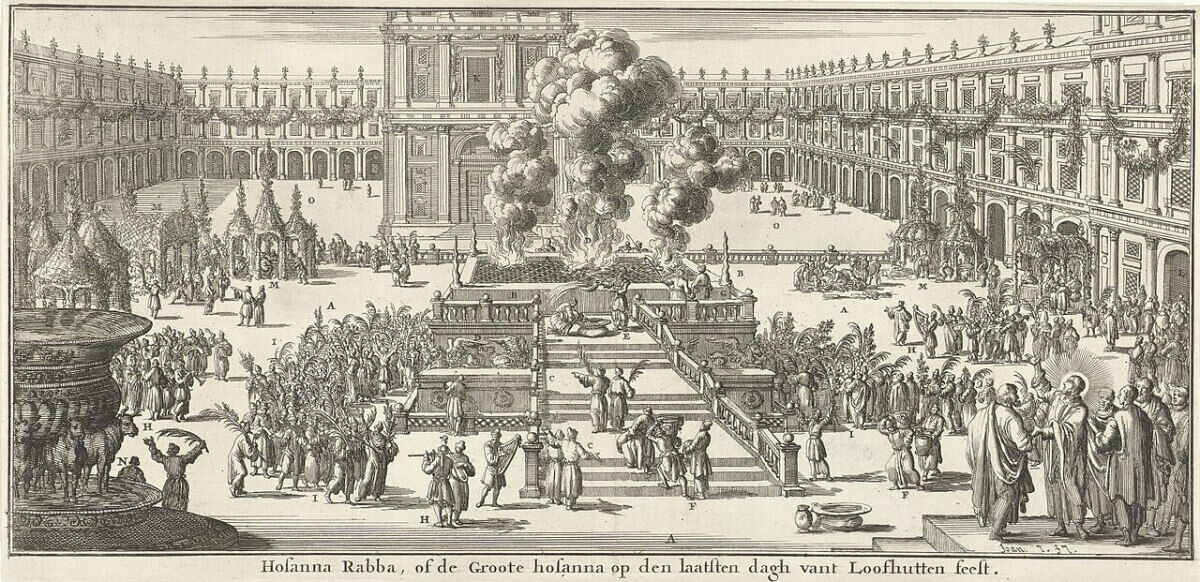
The first century Jewish historian Josephus records up to 2.7 million visitors to Jerusalem during such festivals of his day (or at least, specifically during Passover on the cusp of the Great Jewish Revolt—Wars of the Jews 6.9.3). Most researchers take this to be greatly exaggerated—nevertheless, Jerusalem would have been subject to immense numbers of pilgrims with purification needs. Understanding just how such temple pilgrimage occurred and was facilitated has been a key research question for Leibner and Peleg-Barkat. Our monumental complex would have been one example of a facility serving such needs, perhaps even more specifically for the upper classes of society or temple workers themselves—given its fine construction and direct proximity to the temple location.
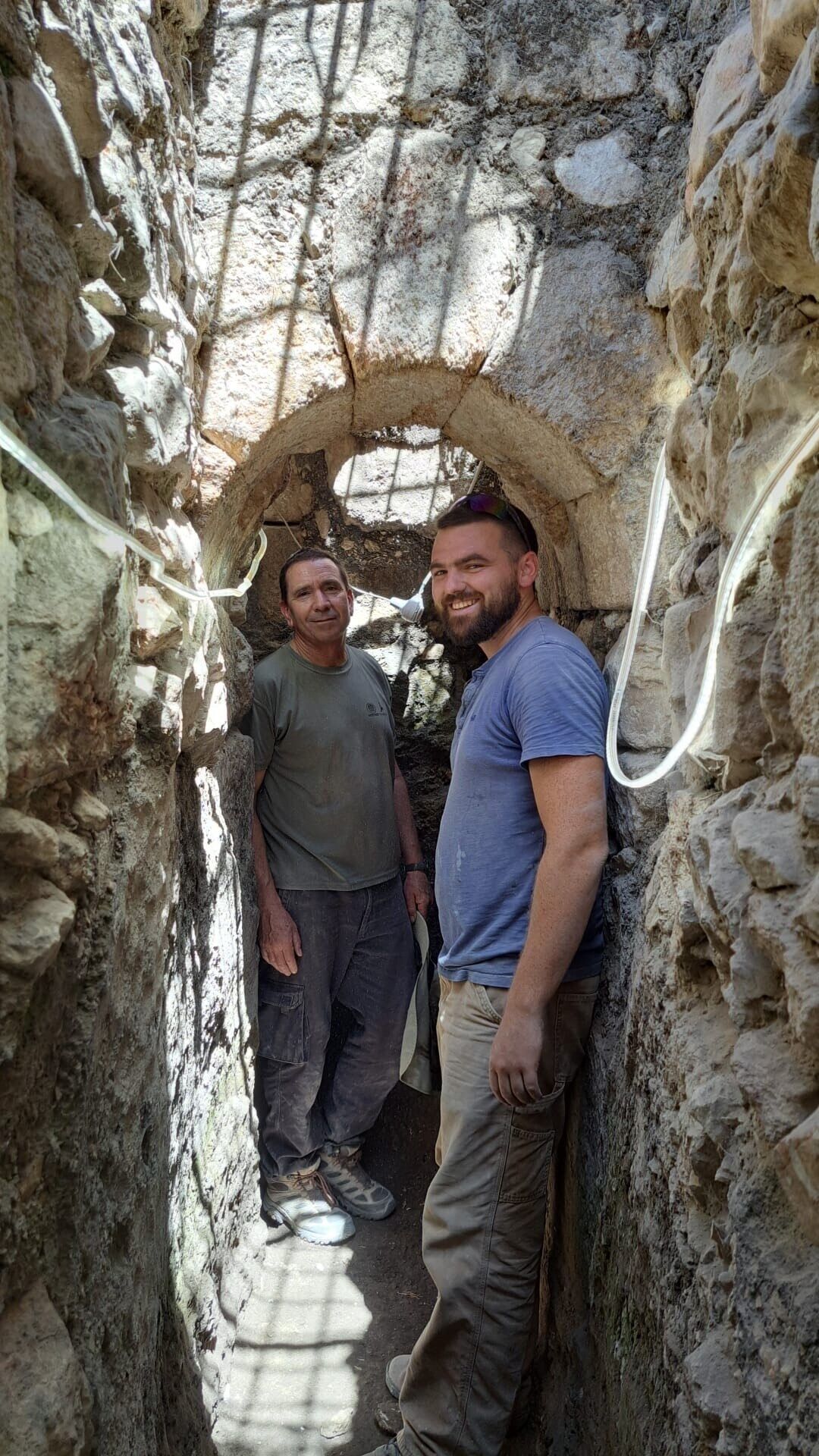
Especially notable is the fact that each of the baths of the monumental mikveh structure were linked together by an impressive subterranean drainage complex, the walls of which stood over two meters high. Mikvehs with drains are not unheard of—although they are quite rare. As such, to find a multi-pool complex linked with a tall, walkable drainage system—itself replete with inner arches and integral to the monumental structure’s foundation—is remarkable, and likewise points to a well-constructed facility serving large numbers of people, with water regularly cycled through it. Water would have entered the Ophel complex probably via the lengthy aqueduct originating in the Hebron Hills that was routed to Jerusalem, cycling into the facility as needed and eventually draining out into the Kidron Valley through a long curved exit tunnel east of the structure.
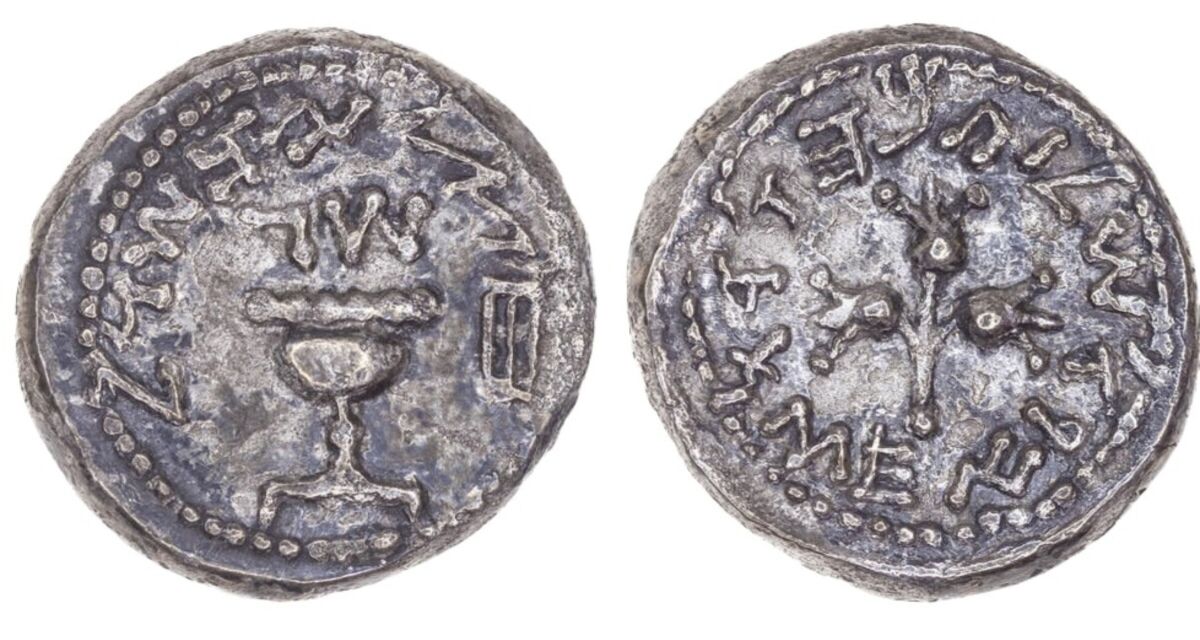
Little more than half a century following its construction, the complex fell out of use—destroyed during the climax of the Siege of Jerusalem in 70 c.e. Signs of destruction were abundant, including collapses and piles of ash, as well as dozens of coins dating to the period of the Great Revolt. These number among well over a thousand other coins dating to different periods, discovered over the course of the excavations—including rare coins, such as a silver half-shekel from Year Three of the Great Revolt and a silver tetradrachm from the Hellenistic period.
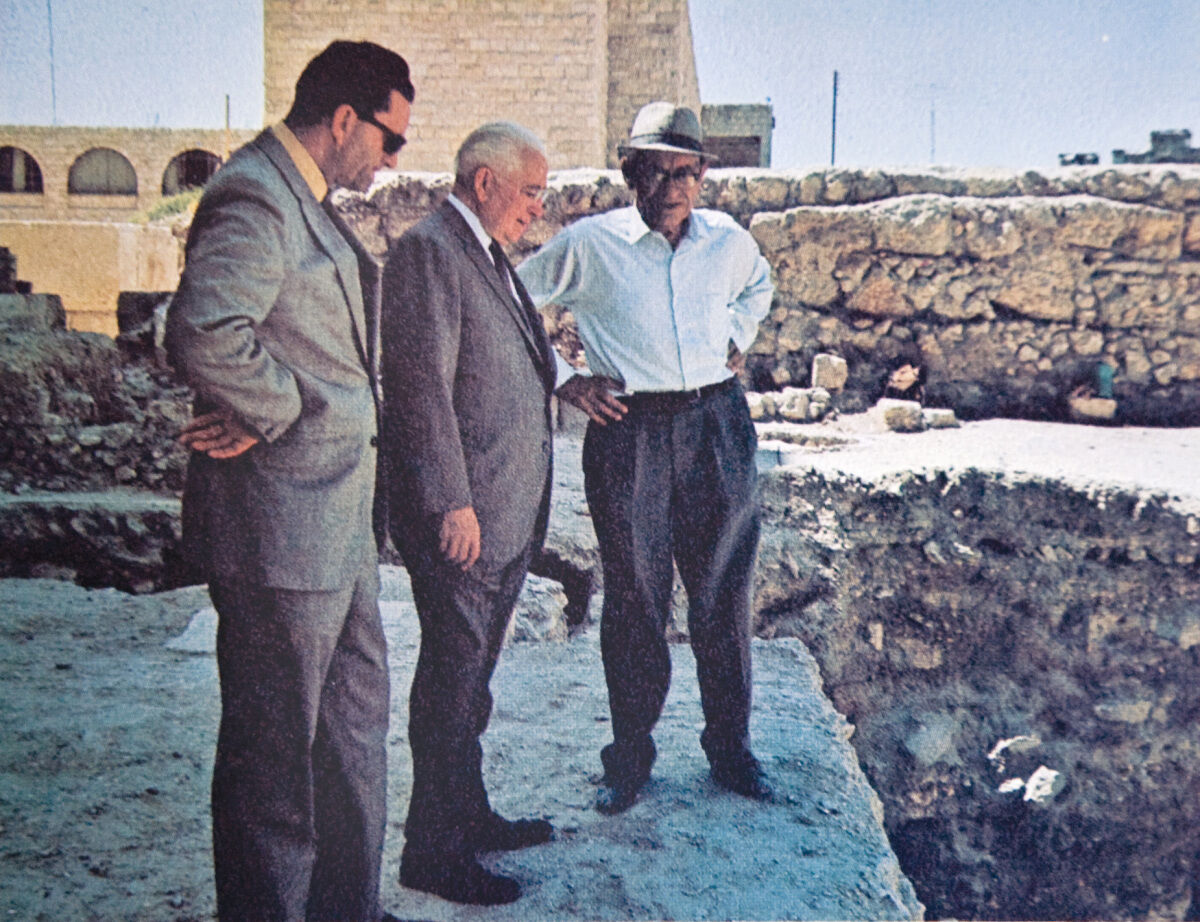
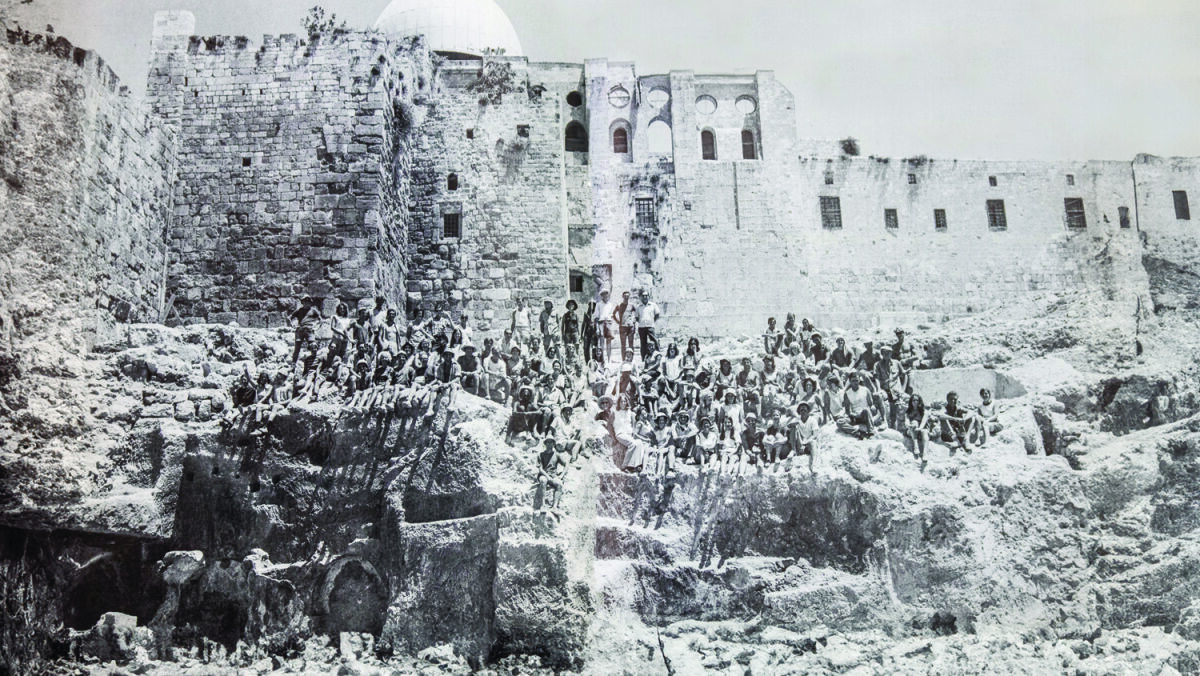
As for the story of the discovery of this complex, nearly 2,000 years later? The main four-sided outer pool was actually first revealed in the early 1970s, during excavations led by the famous Hebrew University archaeologist Prof. Benjamin Mazar in partnership with our namesake Herbert W. Armstrong’s Ambassador College, which sent hundreds of students to excavate the Ophel over a series of summers from 1969 to 1976 (an “iron bridge” partnership between Hebrew University and Armstrong that still continues to this day).
Part of the four-room complex was later uncovered during excavations in 2013 and 2018 led by the late great Hebrew University archaeologist Dr. Eilat Mazar (granddaughter of Benjamin Mazar) and supported by students and staff of Herbert W. Armstrong College, directed by chancellor Gerald Flurry.
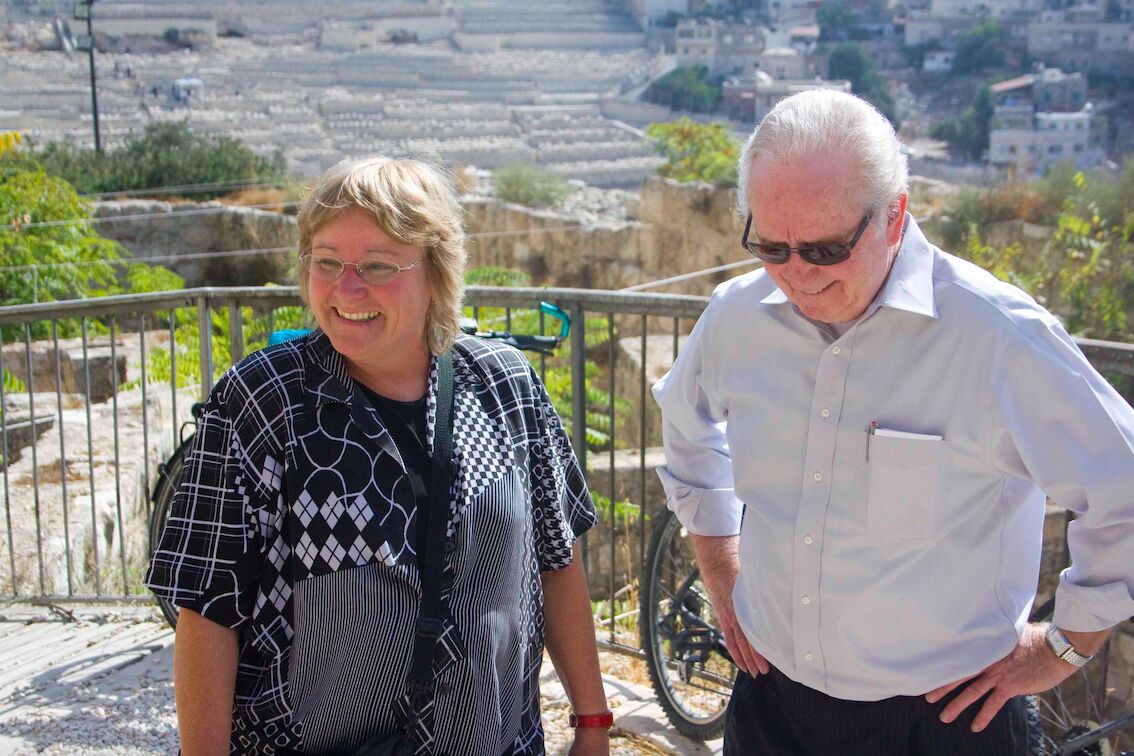
After Dr. Mazar died in 2021, Prof. Uzi Leibner took up the mantle in this area in 2022, thus beginning a series of concentrated excavations in this area in cooperation with Armstrong College and the affiliated Armstrong Institute of Biblical Archaeology—joined the following year (2023) by co-director Prof. Orit Peleg-Barkat. The fifth and final season of this project concluded this summer. (Blogs for each year of our excavations are as follows: 2022, 2023, 2024, 2025, 2026.)
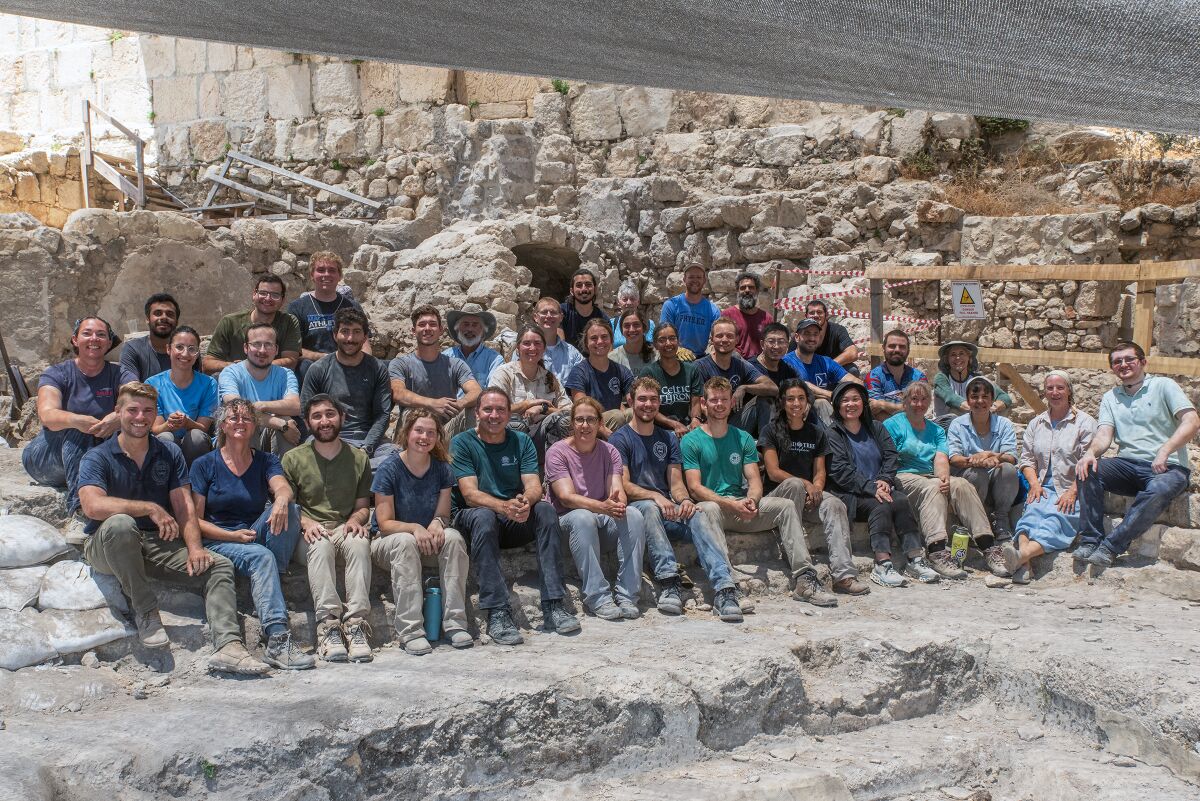
Professors Leibner and Peleg-Barkat sum up the main structure this way, as cited in the press release: “A monumental ashlar structure devoted entirely to ritual purification, situated at the foot of the Temple Mount and near one of its gates, is a truly unparalleled phenomenon. The complex goes to the heart of our research into the archaeology of Second Temple Period pilgrimage: how the area immediately south of the Temple Mount was designed to accommodate the many pilgrims who came to Jerusalem to visit the temple, and what activities and rituals took place near its gates.” The release concludes:
The discovery is the result of five seasons of excavation in the Ophel. The excavations were conducted by the Institute of Archaeology at the Hebrew University of Jerusalem in cooperation with the Armstrong Institute of Biblical Archaeology, with funding from the Israel Science Foundation (isf), the Armstrong Institute and the Hertog Center for the Archaeological Study of Jerusalem. The excavation site is located within Jerusalem Walls National Park run by East Jerusalem Development Ltd.
All that is left to say for now is—stay tuned! There is much more information to come from this intensive five-year season as work continues on research and publications. In addition, you can follow our new excavation project taking place due northeast of this area, under the direction of Prof. Yosef Garfinkel—the first season of which concluded this month, already revealing press release-worthy discoveries. All to be revealed in due course!