The biblical story of Joseph contains “the most valuable evidence in support of the astonishing acquaintance of the biblical authors with the most intimate conditions of Egyptian life,” wrote Prof. Abraham S. Yahuda in his classic 1934 text, The Accuracy of the Bible. He continued:
No sooner does he start telling the story of Joseph, than the narrator plunges deeply into Egyptian life. He approaches his audience or readers not as one conveying something foreign, something strange, almost unknown, coming from a remote country, but he straightway assumes as a matter of course a complete acquaintance with the land and people. Manners and customs are mentioned which indicate, nay, presuppose a thorough familiarity with the structure and manifestations of Egyptian life. Many individual features of social family and court life just touched upon by him are likely to be passed over by the reader as devoid of special significance.
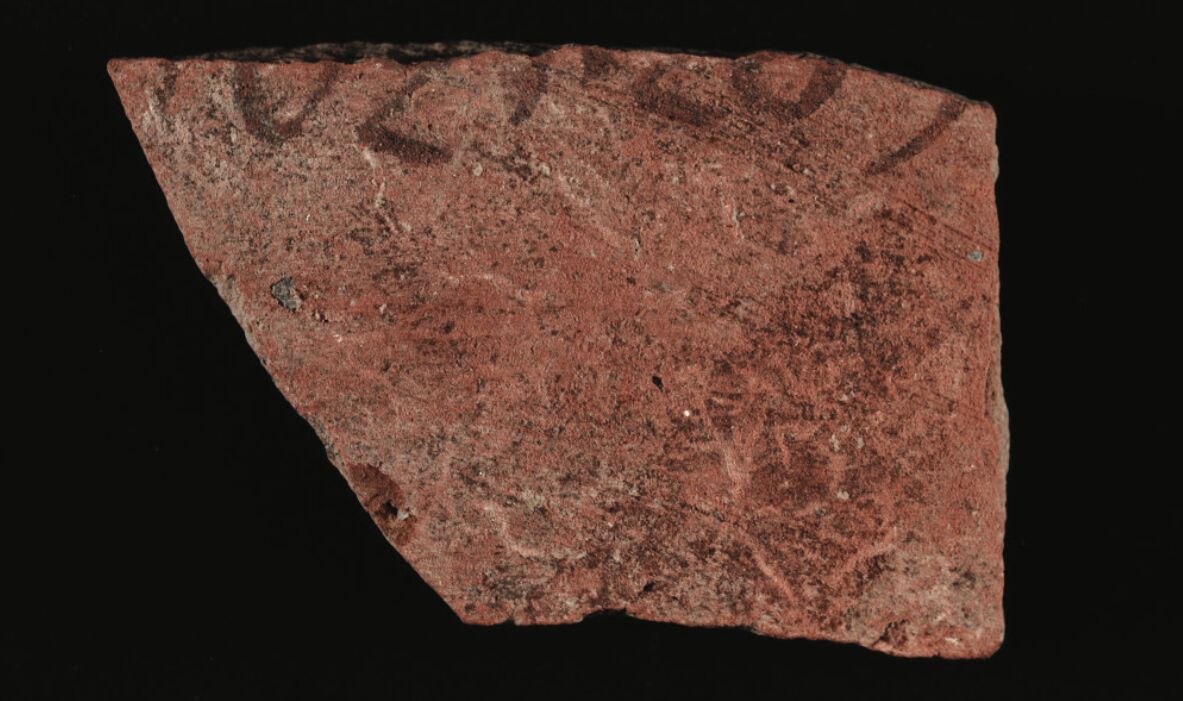
In a previous article, we highlighted examples you might have read right over, as “devoid of special significance”—things like how royal Egyptian bakers carry their bread (Genesis 40:16); the seven-cow motif (Genesis 41); shaving practices (verse 14); the investiture ceremony, with gold chain, signet ring and linen (verse 42); chariot-runners (verse 43); titles (Genesis 45:8); the bestowal of five garments (verse 22); even specific turns of phrase—all befitting second-millennium b.c.e. Egypt. Even certain elements in the story formerly held up as evidence of a much later date of composition—such as Joseph’s title, šalit (Genesis 42:6)—have been answered by recent archaeological discoveries.
There is one particularly unique item in the Joseph account we have not touched on in detail, yet it is an item that situates tidily within the same chronological setting of Middle Bronze Age Egypt, during the first half of the second millennium b.c.e. It is Joseph’s cup.
The Silver Chalice
You’re probably familiar with the general story of Joseph disguising himself from his brothers in Egypt while they are seeking grain during the years of famine. After entertaining them at the palace and plying them for details about his father, Joseph sends them away with their sacks of grain—and springs a trap. “And he commanded the steward of his house, saying: ‘Fill the men’s sacks with food, as much as they can carry, and put every man’s money in his sack’s mouth. And put my goblet, the silver goblet [often translated ‘cup’], in the sack’s mouth of the youngest, and his corn money.’ And he did according to the word that Joseph had spoken” (Genesis 44:1-2).
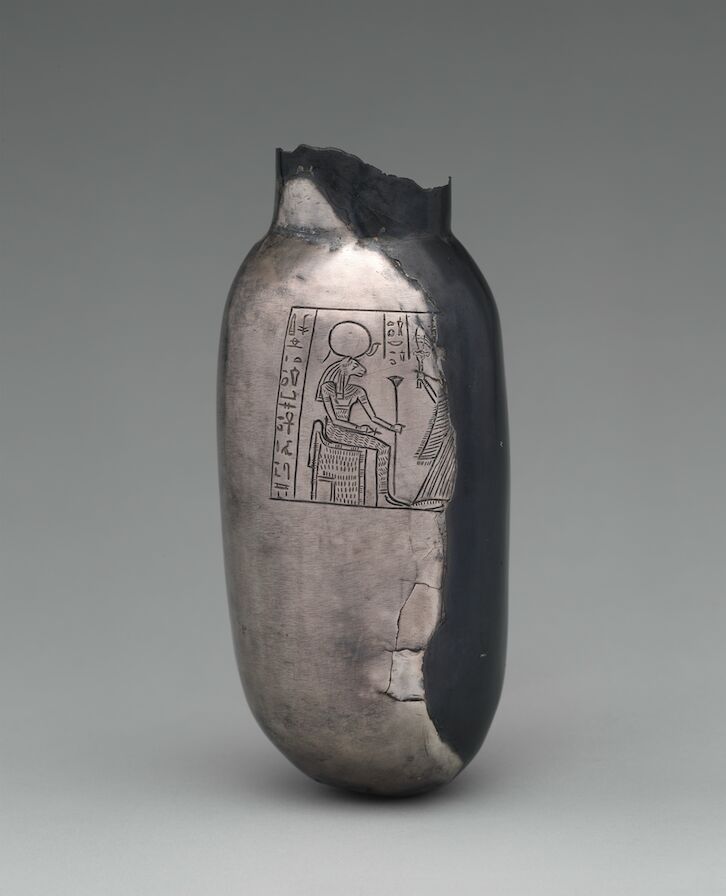
The use of precious silver drinking vessels in Bronze Age Egypt is well established—case in point the trove pictured above and to the left, discovered in 1906 at Tell Basta (Bubastis, eastern Delta region); these particular examples date to the 19th Dynasty (13th century b.c.e.).
After the brothers had left, Joseph sent his servant along to catch them and expose the “theft” with the words, “Wherefore have ye rewarded evil for good? Is not this it [the cup/goblet] in which my lord drinketh, and whereby he indeed divineth? ye have done evil in so doing” (verses 4-5). After the “goblet was found in Benjamin’s sack” (verse 12), the brothers were promptly returned to the palace.
A silver cup “in which my lord drinketh” is one thing—but one “whereby he indeed divineth” is another. The New King James Version renders verse 5, “Is not this the one from which my lord drinks, and with which he indeed practices divination?” Most other versions render something similar, with the key word “divination.”
This introduces another element entirely.
Lecanomancy
Prof. Kenneth Kitchen describes this item in his 2003 book On the Reliability of the Old Testament, including its ancient Near Eastern parallels: “A cup for divination that Joseph pretended so to use (Genesis 44:5) was also an ancient Near Eastern and Egyptian usage. A two-tablet ‘handbook’ for divining from patterns of oil on water in a cup comes from the Old Babylonian period (early second millennium), while a pair of small statuettes from Egypt of seemingly Middle Kingdom date may show the process, otherwise known there only from demotic texts of the second century a.d.”
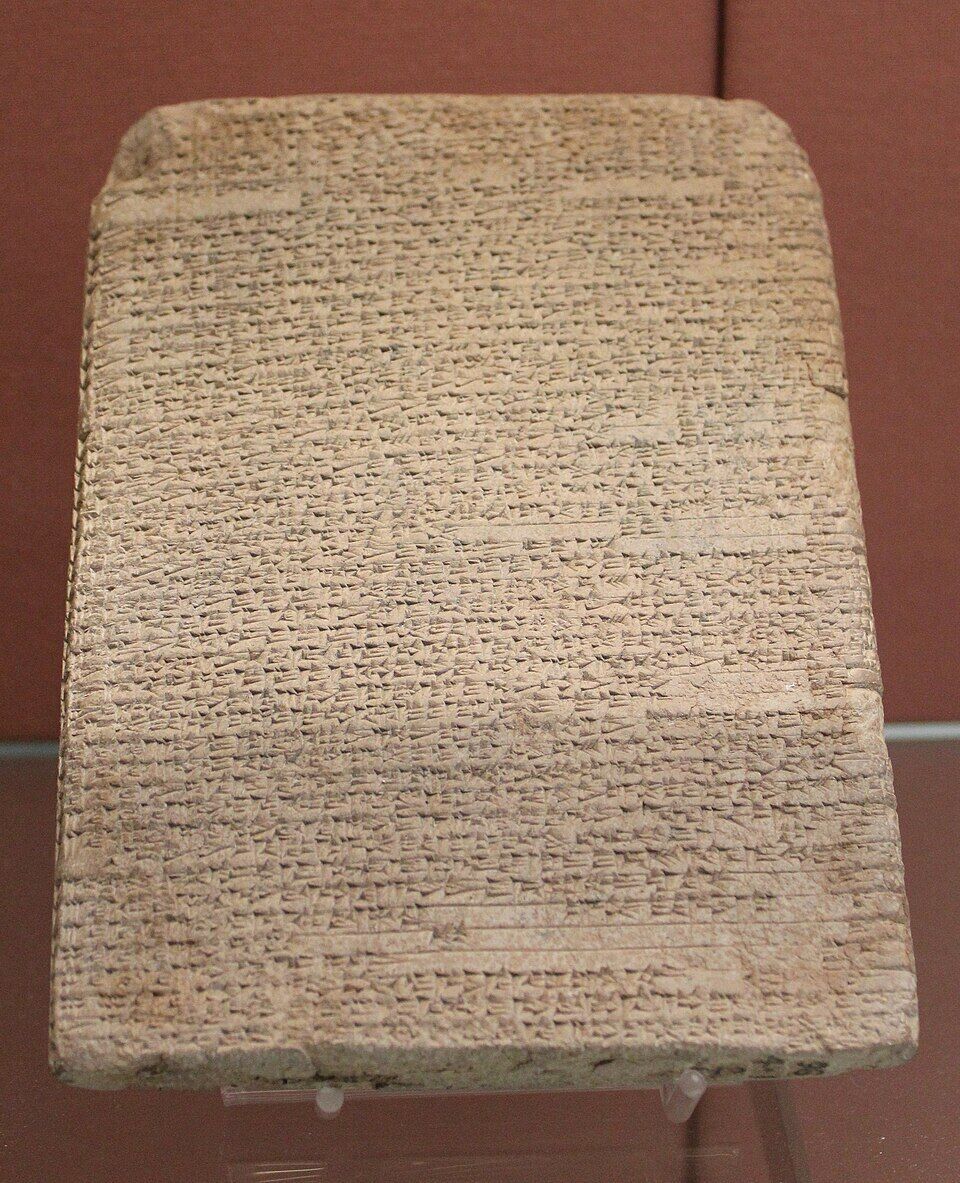
Kitchen goes into further detail on this in his contribution “Egyptian Magic in the Bible” in the 1996 New Bible Dictionary. He explains that Genesis 44:5 “impl[ies] knowledge of cup-divination (lecanomancy) in Hyksos-period Egypt, circa 1700 b.c. By this technique, omens for interpretation were obtained by observing the movement or configuration of drops of oil upon water in a cup. This technique is of Mesopotamian origin, apparently already used by the Sumerians (cf. B. Meissner, Babylonien und Assyrien, 2, 1925, p. 284). A handbook to this technique is preserved on two cuneiform tablets dating from the 19th-17th centuries bc, i.e. within Joseph’s general period.
“In Egypt … [t]wo small statuettes of apparently Middle Kingdom date (c. 1900–1700 b.c.) each show a figure kneeling with chin on a cup held in the hands, and it is just possible that these depict cup-divination (J. Capart, Chronique d’Egypte 19, 1944, p. 263). … [In addition] the technique recurs in papyri of the second century a.d. But Babylonian influence, including divination, was already felt in Palestine in the 2nd millennium bc. Babylonian divinatory practice is attested at Hazor …. Hence on this evidence there is no difficulty whatever in presupposing some knowledge of other forms of Mesopotamian divination such as lecanomancy in the Palestine of Joseph’s day or in the immediately adjacent Egyptian eastern Delta, then under Hyksos (Semitic) control.”
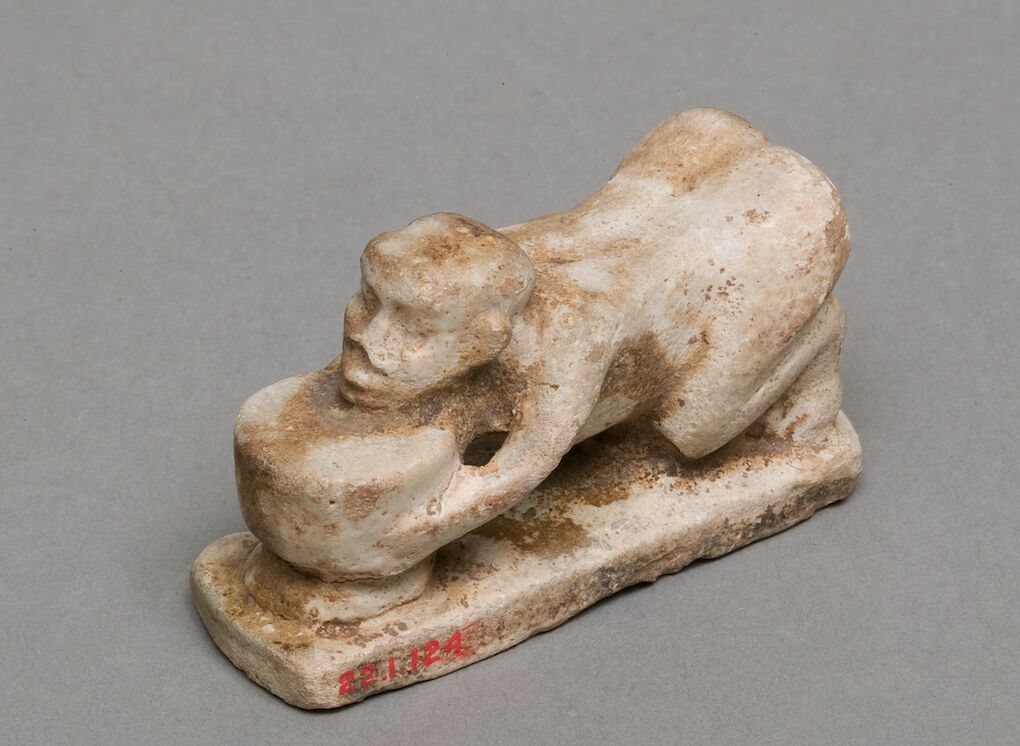
Belgian Egyptologist Jean Capart, cited by Kitchen, wrote the following in his brief 1944 summary “Les anciens Égyptiens pratiquaient-ils la lécanomancie?” in Chronique d’Égypte, Vol. 19 (translation ours):
A few years ago, our museums acquired a small faience piece, only six centimeters in length, from the MacGregor Collection (E. 7421). The sale catalogue (London 1922) describes it … in the following terms: “Faience figurine of a man kneeling and leaning forward over a vessel which he grasps with both hands.” Judging by the color of the glaze, the piece could be dated to the Middle Kingdom (fig. 30). Another specimen in the Metropolitan Museum’s collections, which reproduces the same curious scene, confirms this attribution; it comes from the excavations at Lisht (no. 22.1.124 [pictured above]). …
It is known that Greco-Roman period Egypt practiced lecanomancy, of which the magical Leiden-London papyrus provides a manual. … A copper or terracotta bowl is used, and water is poured into it, which is then covered with a thin layer of oil. … [A] child, acting as a medium, “rests his chin on a block [alongside] the vessel, so that he can see the oil mirroring.” This is precisely, except for the block, the position of the small figurines on the two items we are examining. …
Judging by the pieces in Brussels and New York, these practices, which we formerly knew only from the Roman period and which one might have thought to be of foreign origin, would indeed belong to an ancient tradition of Egyptian magic.
Silver drinking vessels in Bronze Age Egypt? Check. The use of drinking vessels in Bronze Age divination practices? Also check.
But what would Joseph have to do with such a thing?
Theological Questions
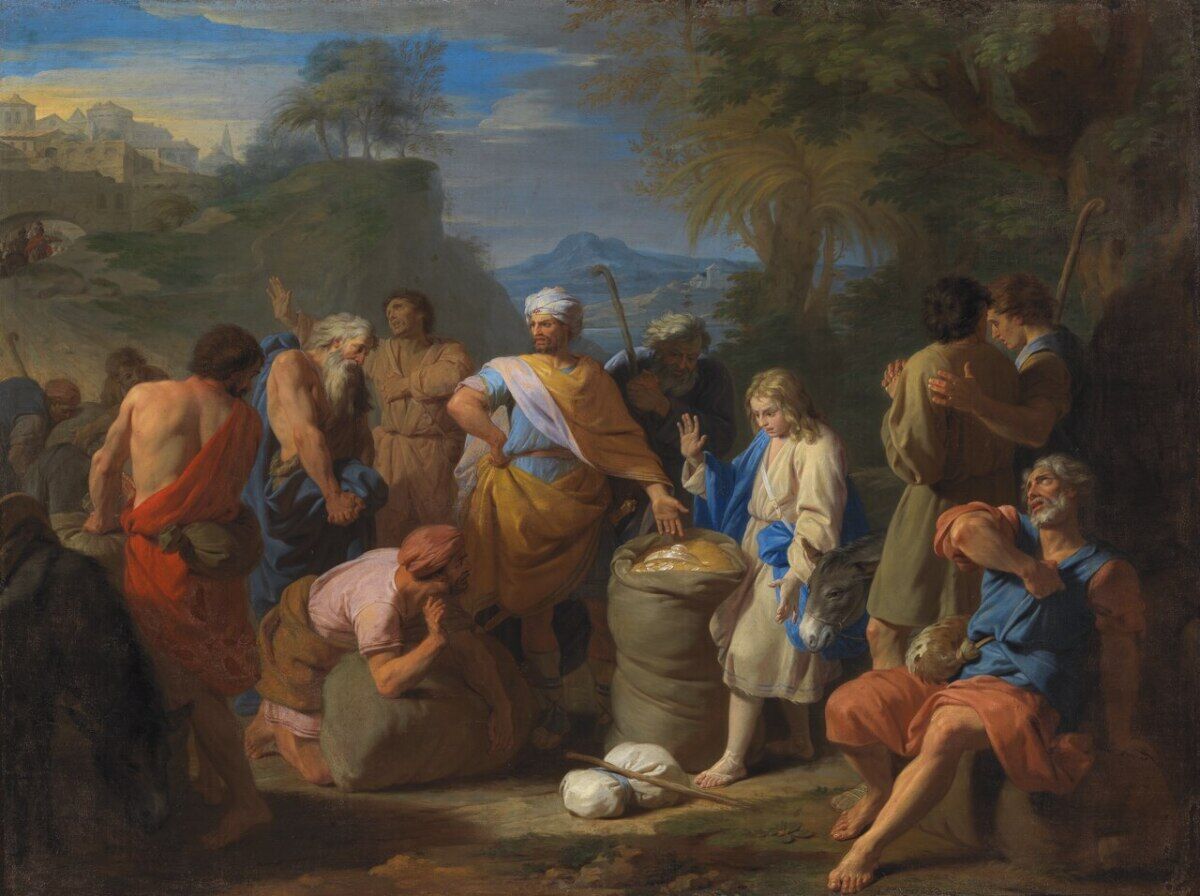
Thus far is a discussion of the simple archaeological parallels. Separate from this is the theological angle—what it actually means. Based on various biblical passages prohibiting divination, many interpret this Egyptian object as a ruse that was not actually used by Joseph. Case in point, Leviticus 19:26: “Ye shall not eat with the blood; neither shall ye practise divination [same Hebrew word] nor soothsaying”; Deuteronomy 18:10-12: “There shall not be found among you any one that maketh his son or his daughter to pass through the fire, one that useth divination, a soothsayer, or an enchanter [same Hebrew word], or a sorcerer, or a charmer, or one that consulteth a ghost or a familiar spirit, or a necromancer. For whosoever doeth these things is an abomination unto the Lord ….”
The Hebrew root word in question for divination, nahash (נָחַשׁ—ironically, the same spelling as the word for serpent/snake, albeit with slightly different pronunciation)—is used in just nine verses in the Hebrew Bible. Besides the two in reference to Joseph (Genesis 44:5, 15) and the two prohibitive verses quoted above, it is something attributed to Jacob’s uncle Laban (Genesis 30:27); the Aramean servants of Ben-Hadad (1 Kings 20:33); an act broadly attributed to the kingdom of Israel, in bringing about its destruction (2 Kings 17:17); and a practice used by the most wicked king of them all, Judah’s Manasseh (2 Kings 21:6; 2 Chronicles 33:6). There is also a related, virtually identical word (although pointed slightly differently, נַחַשׁ) which carries the same basic meaning of divination/enchantment, found in two other verses—Numbers 23:23 and 24:1—both in the context of the foreign prophet Balaam.
Of all of these examples, the Joseph account is the only one that clearly stands out as different from the rest, in its positive representation of the individual involved. (Laban, recall, was an idol-worshiper—Genesis 31; Balaam, a pagan prophet maneuvered by God to pronounce blessings instead of curses upon Israel—Numbers 22-24.)
When it comes to the Joseph account, Kitchen describes the object in question in On the Reliability of the Old Testament as a “cup for divination that Joseph pretended so to use” (op cit; emphasis added throughout); in the New Bible Dictionary, Joseph “play-act[ing] the learned Egyptian, master of the divinatory art, before his brothers.” Similarly, from the Jewish perspective, Rashbam (Rabbi Shmuel ben Meir, 12th century) concludes the item to have been a pretensive object within the palace, one not actually used by Joseph—part of his ruse to disguise himself from his brothers as a full-fledged Egyptian. (Perhaps unsurprisingly, however, there exists an extremely broad spectrum of rabbinic views on this subject, briefly summarized in Mordechai Rubin’s Chabad.org article “Did Joseph Really Have a Magic Goblet?”)
On the basis of this “ruse” explanation, the careful wording in Genesis 44:5 would be particularly clever—in asking, Is this not such-and-such an object, for such-and-such a purpose?—without directly affirming that it is.
Yet there might be even more here—including a particular theological message on the part of Joseph.
More Than One Way to ‘Divine’
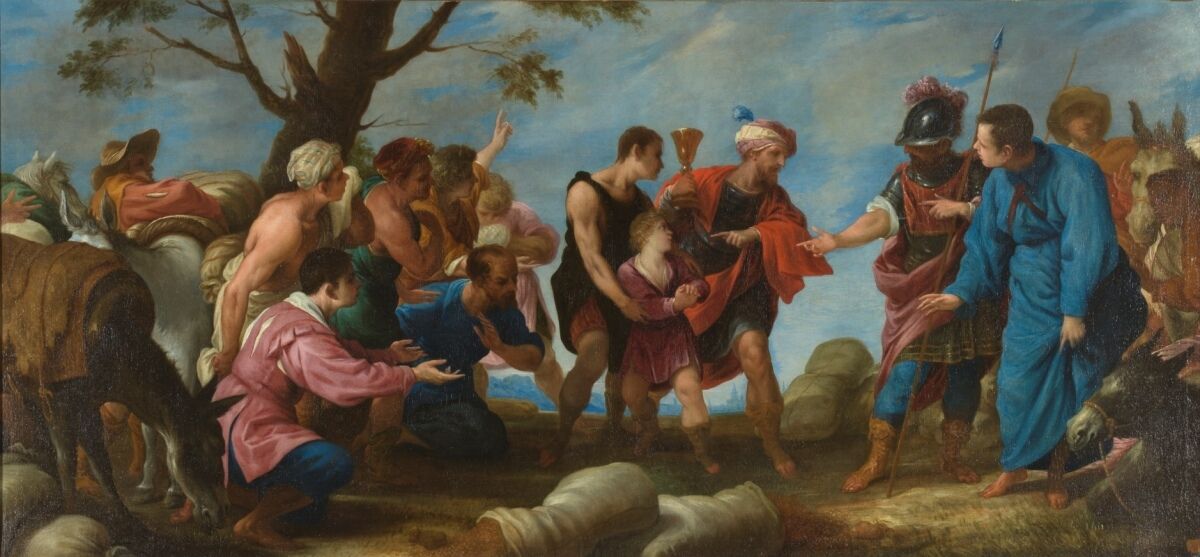
Answering this charge at the start of Genesis 44 is Joseph’s later statement to his brothers in verse 15, when they are brought back to him: “And Joseph said unto them, What deed is this that ye have done? wot ye not that such a man as I can certainly divine?” (same Hebrew word; King James Version). Some take this as an affirmation for Joseph using such cup-divining methods. Yet the context here is interesting: Joseph is not merely expressing dismay at his brothers taking his “stuff” that he uses as a diviner. The message is, Why did you think you could get away with it—from a man that can divine the future? Joseph is levelling this charge to his brothers who already had the cup in their possession—the implication being, Didn’t you know a man such as I can divine—without a cup?
Indeed, in all the various accounts of Joseph’s miraculous and detailed predictions of the future (e.g. Genesis 37:5-8, 9-11; 40:12-15, 18-19; 41:25-36), no such intermediary tools are described as being used, so it would be hardly necessary—absurd, even—for Joseph to resort to such methods after the fact. Hence, the use of this item as a carefully worded ruse holds—and perhaps in addition, serving as vehicle for making a theological statement about Joseph’s divinely-imbued ability to foretell the future without the use of such “aids”—something that would come full circle in carrying additional meaning for Joseph’s brothers, who had already been exposed to prophecies from this “dreamer” (Genesis 37).
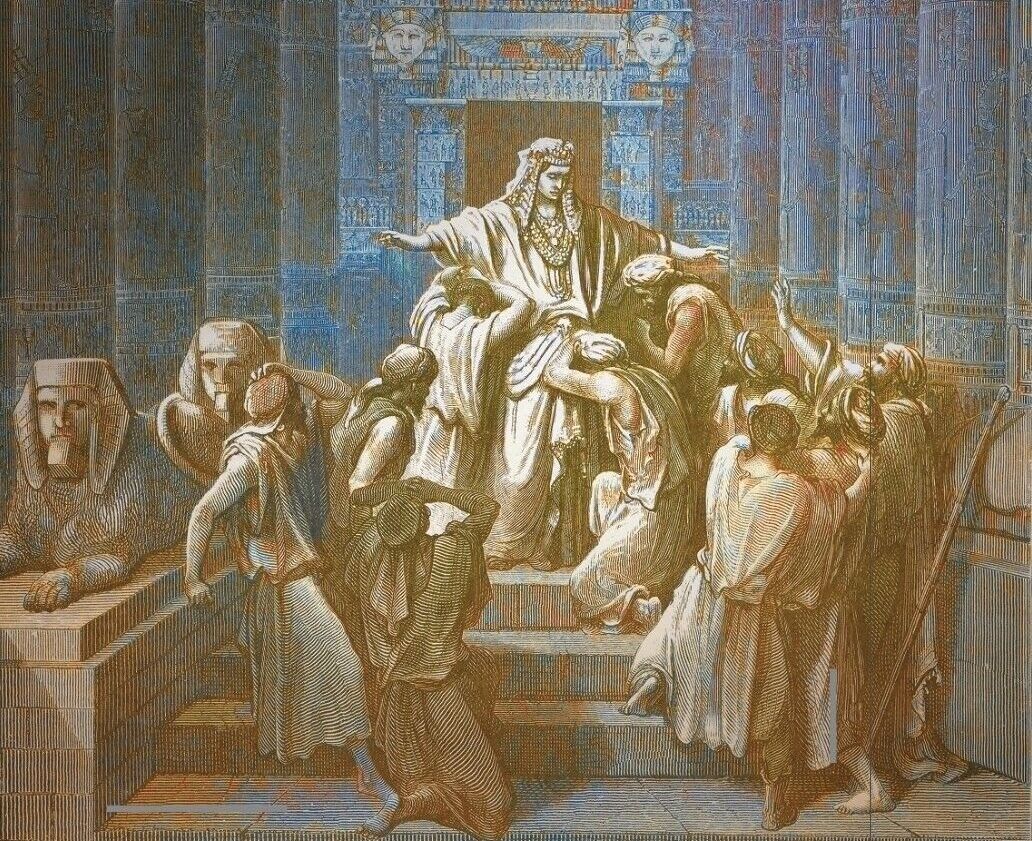
Theological interpretations aside, in the end, what we have here is yet another object that makes a cameo appearance in the story of Joseph, in a fitting context, time and place—one whose description weds perfectly with the archaeological record—just another item in the laundry list of authentic details found in the Joseph account.