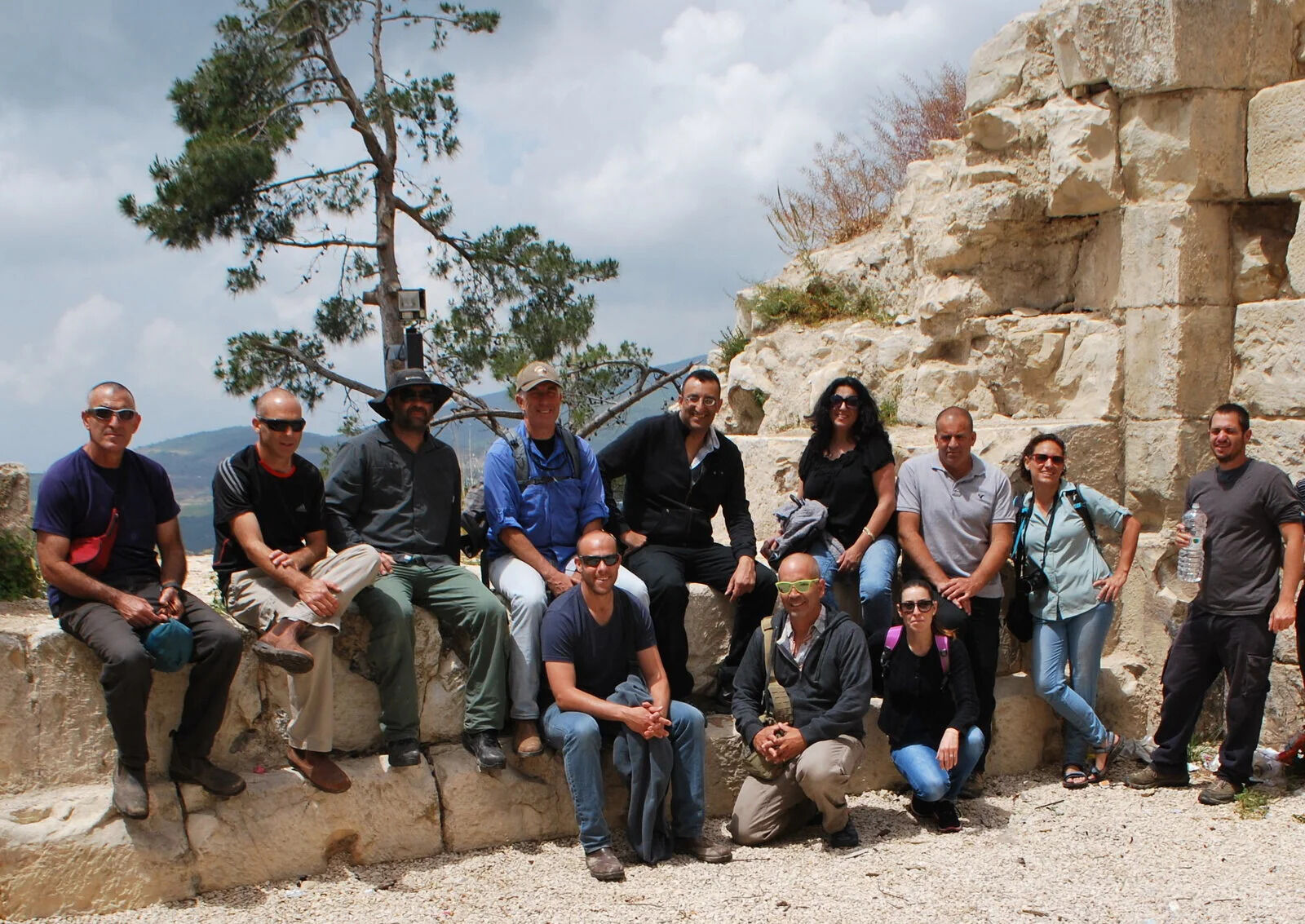
For nine years, the Israel Antiquities Authority (iaa) and Israel’s Ministry of Heritage have been working together to preserve the history of the Jewish people and their ties to the land of Israel.
By excavating sites throughout Israel, the iaa’s Theft Prevention Unit, directed by Dr. Amir Ganor, has been able to prevent looters from stumbling upon and stealing ancient artifacts; the specialized unit also works to prevent illegal excavations. Ganor told Archaeology magazine that his crew is “a special police for antiquities.”
“We are in charge of all the things that are connected to the antiquities law in Israel,” he added. “Our major duty is to catch looters, to defend archaeological sites. [In] Israel … we have many archaeological sites. We have about 20,000 of them all over the country, so it’s very difficult to watch each site all day. We need to take action to protect these sites against looters coming to dig without license to steal from them.”
Most of Ganor’s team members have degrees in archaeology and have served in the Israel Defense Forces (idf); three have served in the idf’s special intelligence unit and apply their knowledge to gathering information on illegal excavations.
The anti-theft unit’s efforts have proved fruitful over the years. Let’s examine some of the fruits of the iaa’s labor.
Smuggled Coins
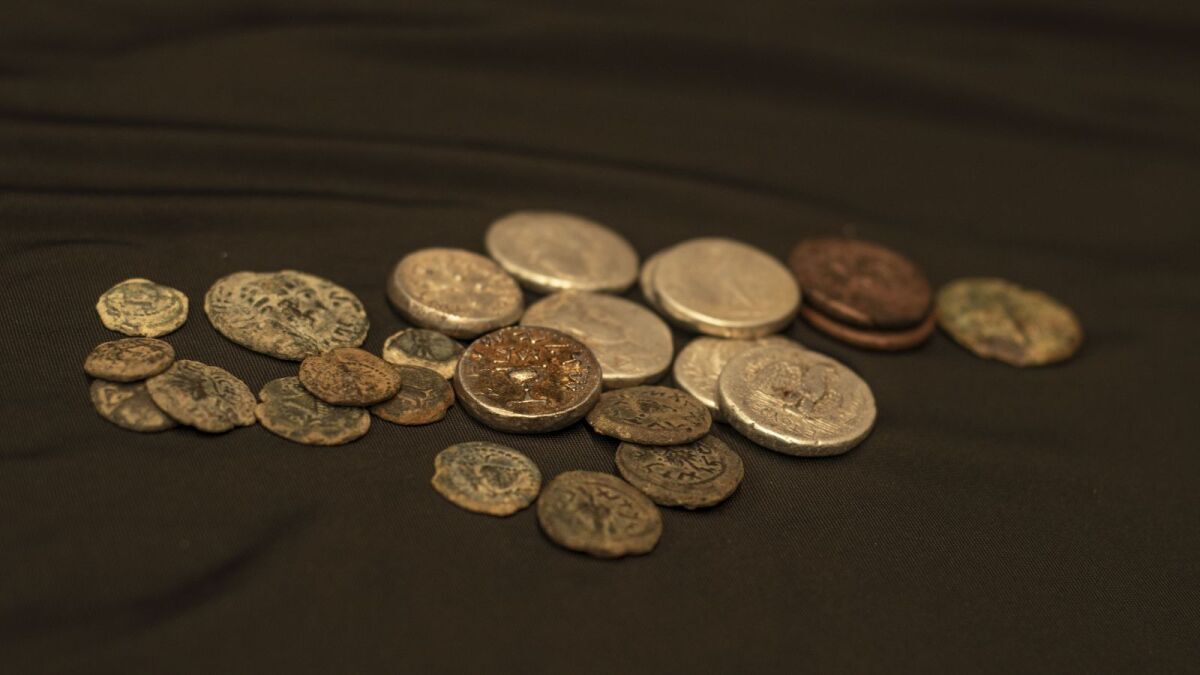
On March 23, the iaa announced the discovery of dozens of revolt coins inside a van attempting to cross from the West Bank into Israel at the Hizma checkpoint. A Palestinian doctor was driving the van. It was suspected the doctor was bringing the coins into Israel to sell them on the antiquities black market.
The majority of the coins date to around 2,000 years ago. The oldest of the lot were minted by Hasmonean kings in the first or second centuries b.c.e. Some were from the Great Revolt (66–73 c.e.); others were from the Bar Kokhba Revolt (132–136 c.e.).

The looters likely used metal detectors to discover the coins. “In recent years, thousands of metal detectors have flooded the State of Israel without supervision,” Ganor said. “Some individuals are tempted to use these devices to search for treasures at antiquities sites—an illegal act prohibited by law. Unfortunately, the coins seized this week were, according to suspicion, looted for financial gain, removed from their context, and we will never know to which archaeological site or historical narrative they once belonged.”
Being unable to identify an artifact’s origin greatly affects the Jewish people’s ties to the land of Israel. Vandalism and robbery of excavation sites, whether intended or not, is an attack on the history of the Jewish people.
“Those who loot antiquities are attempting to destroy our identity and to deny our historical connection to this land,” Israel’s minister of heritage Amichai Eliyahu said. “We are engaged in a fight against the illegal trade in antiquities and are working to bring the looters to justice. I commend the border police officers and the inspectors of the Antiquities Theft Prevention Unit for their determined action.”
This is just one of many cases of stolen antiquities being recovered. In March, looters were caught illegally excavating a site in Horbat Hermish and stealing artifacts from the Byzantine and Roman periods. The looters were found in a 2-meter-deep pit. The excavation site was greatly damaged by the illegal excavation. The distinct layers and ancient pottery were damaged and shattered.
Half-Shekel
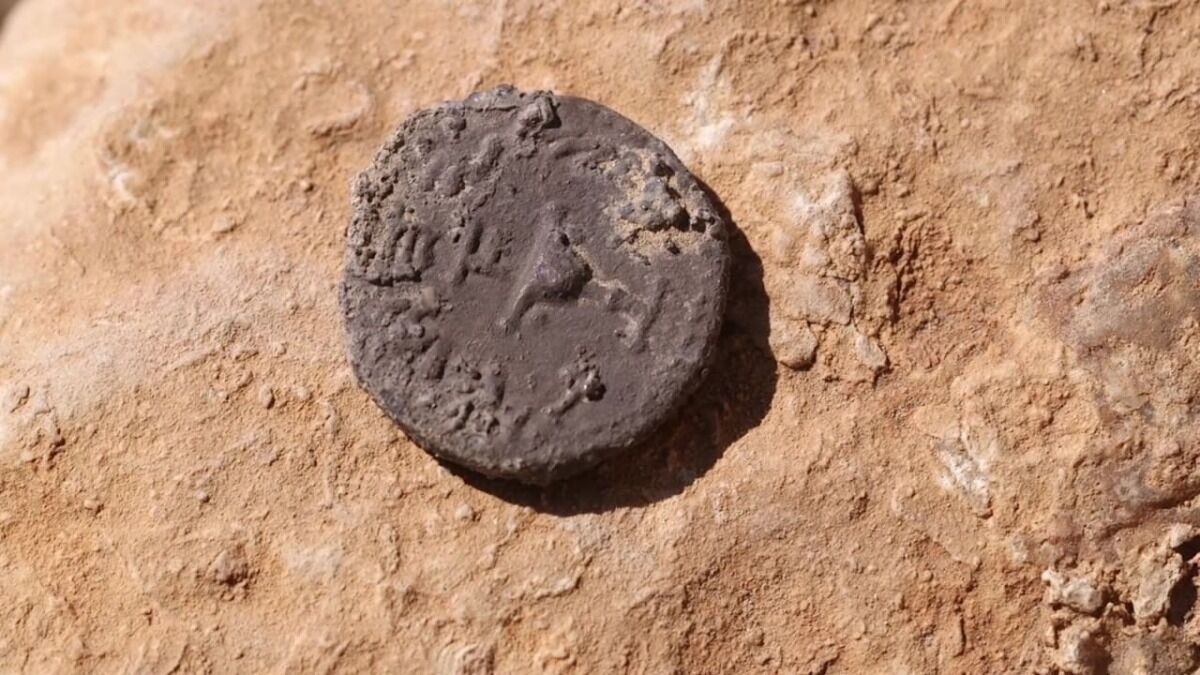
On February 27, the iaa announced the discovery of a rare half-shekel coin found in the Judean Desert. The nearly 2,000-year-old coin dates to the 66–70 c.e. Great Jewish Revolt. According to iaa researcher Yaniv David Levy, the inscription of an aleph on the face of the coin indicates this half-shekel was from the first year of the revolt. “Coins from the first year of the revolt … are rare,” he said. “During the Second Temple Period, Jewish pilgrims used to pay a temple tax in half-shekel coins.” This temple tax was to be paid by all Jewish men 20 years or older (Exodus 38:26).
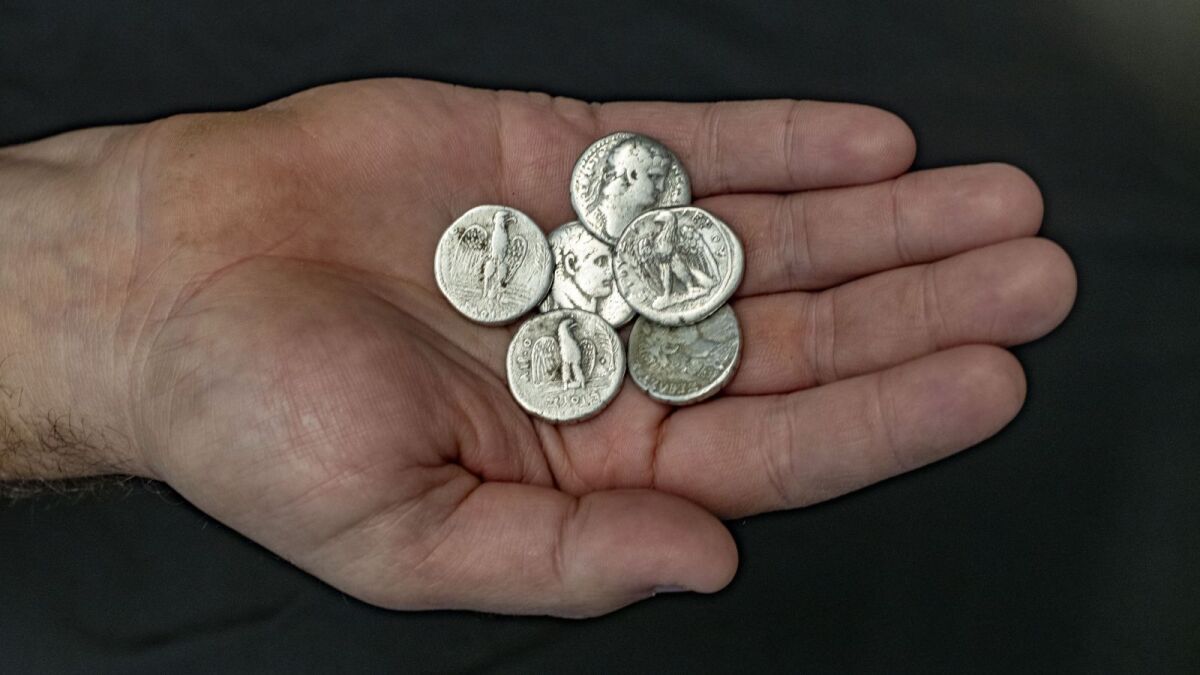
These revolt coins were intended to replace the Tyrian-minted coins, which went against Jewish laws that forbade the depictions of deities or rulers on coins. “The problem many Jews had with the Tyrian coins is that they had the face of the Tyrian god Melqart/Heracles. And on the back, there was an eagle,” numismatics expert Dr. Yoav Farhi said in a Let the Stones Speak interview in December 2022. “Both symbols are problematic for the Jews. The Jews, whom the Romans did not allow to mint their own silver coins, used the revolt as an opportunity to replace the Tyrian coins.” The Jewish coins depicted Jewish symbols, such as a chalice or various plant types.
Cave of Skulls
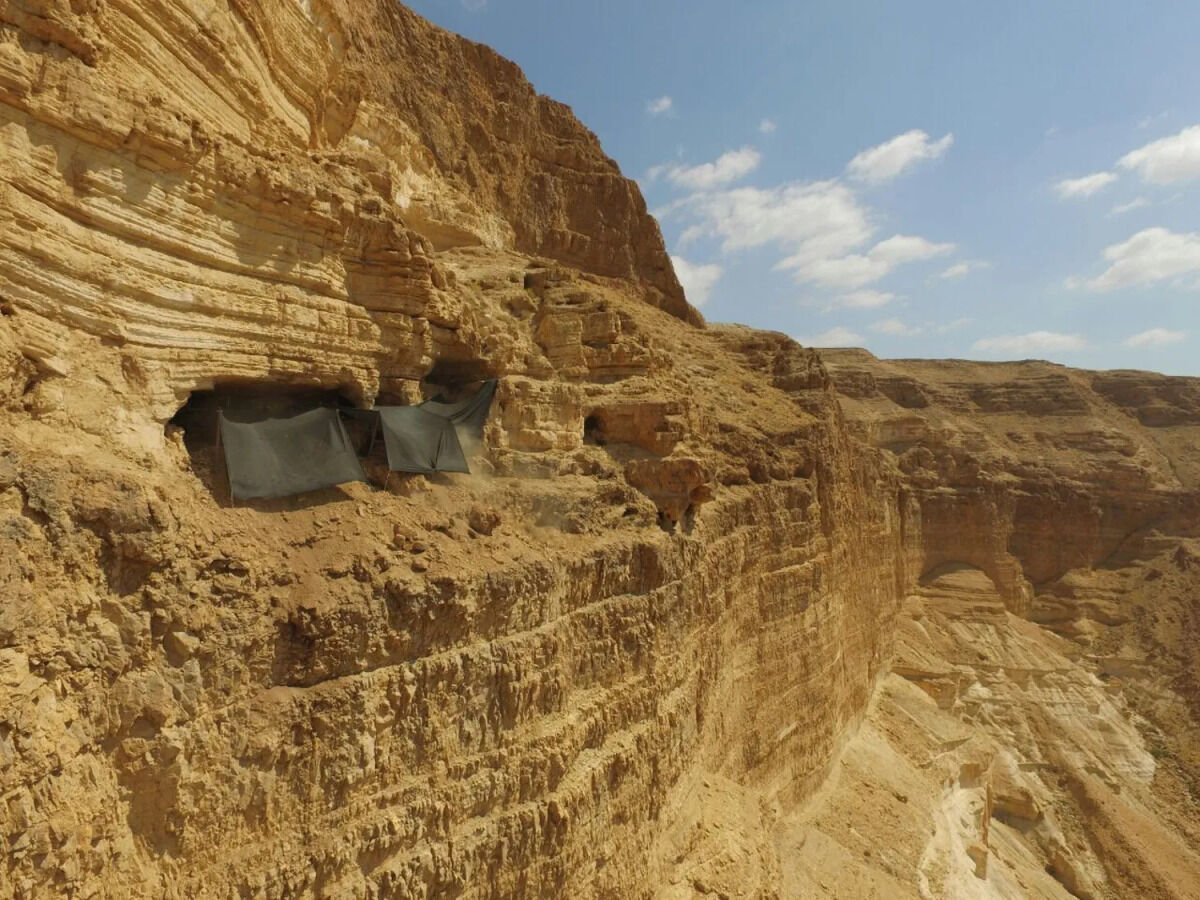
In November 2014, the Antiquities Theft Prevention Unit arrested looters who were stealing multiple archaeological finds, including 1,900-year-old wooden combs and iron arrowheads, from a cave in the Judean Desert. The looters were charged with a fine and sentenced to 18 months in prison for the damage they caused.
The cave these looters targeted is known as “Cave of Skulls.” It was given this name after its 1953 discovery due to the seven skulls and the large number of skeletal remains found within.
In May 2016, after a three-week dig by the iaa and Hebrew University of Jerusalem, headed by Uri Davidovich and Roi Parot of Hebrew University with the iaa’s Amir Ganor and Eitan Klien, two papyri fragments were found, each measured 2-by-2 centimeters. Most of the text on the papyri is indiscernible.
Cave of Horror Scrolls
The anti-theft unit has been excavating another cave in the Judean Desert. “Cave of Horrors” was originally discovered in 1953 but was not excavated until 1961 by a team of archaeologists led by professor Yohanan Aharoni. Like the Cave of Skulls, the Cave of Horror was given its name because of the skeletal remains dating to the Bar Kokhba Revolt found there.
In March 2021, the unit discovered Dead Sea Scrolls, known as “Cave of Horror Scrolls,” within the cave. These scrolls contain passages of the biblical books of 12 of the minor prophets, including Nahum and Zechariah.
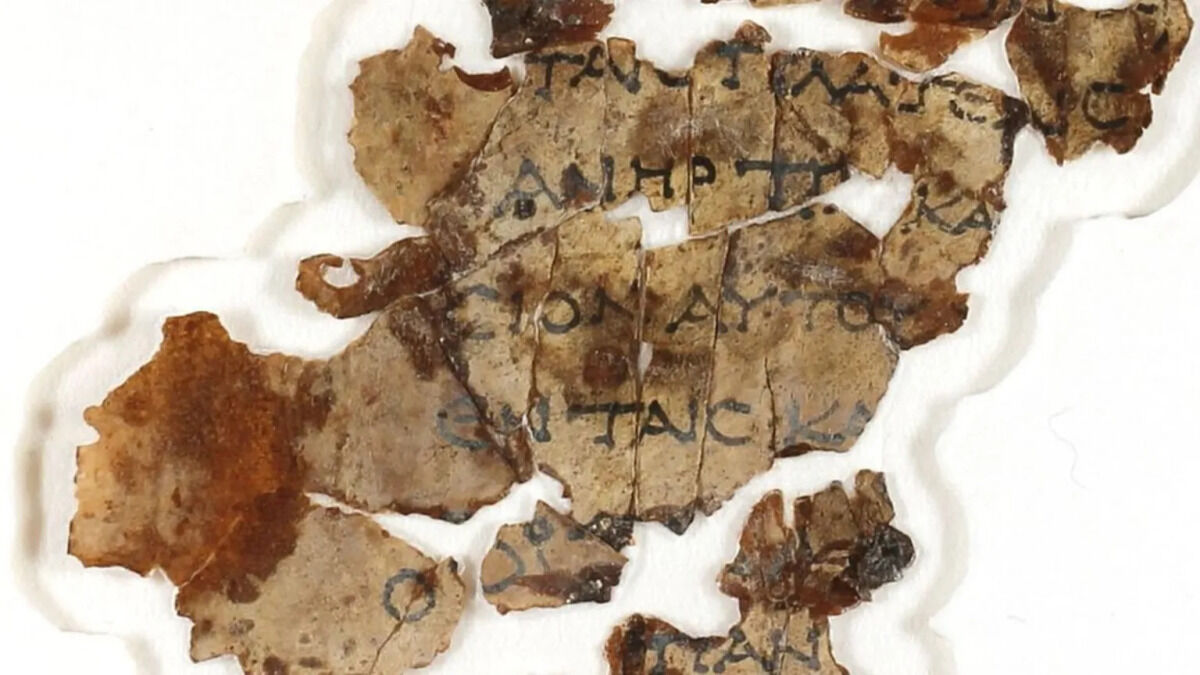
The passage from Zechariah reads, “These are the things you are to do: Speak the truth one to another, render true and perfect justice in your gates. And do not contrive evil against one another, and do not love perjury, because all those are things that I hate—declares the Lord” (Zechariah 8:16-17).
The passage from Nahum states, “The mountains quake because of Him, and the hills melt. The earth heaves before Him, the world and all that dwell therein. Who can stand before His wrath? Who can resist His fire? His anger pours out like fire, and rocks are shattered because of Him” (Nahum 1:5-6).
The researchers working to piece the text together were able to reconstruct these lines together out of about 80 dry-sifted fragments of papyri.
Oldest Intact Basket
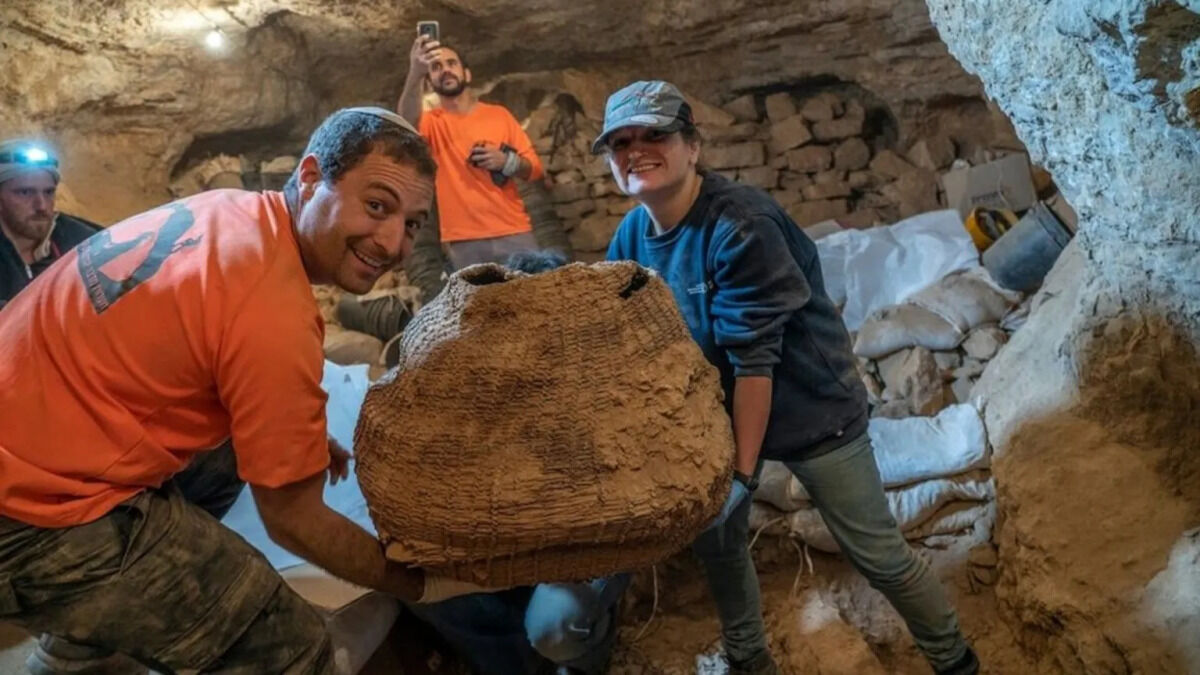
At the Murabba’at Caves in the Nahal Darga Reserve, a group of teenagers with the Nofei Prat pre-military academy discovered what seems to be the oldest intact basket, dating to the Neolithic Period. Archaeologists found evidence of looting within the cave. The looters, however, stopped just 10 centimeters (4 inches) short of uncovering the basket. The desert climate preserved the basket in remarkable condition. “The basket has a capacity of some 92 liters [24 gallons],” Dr. Haim Cohen explained in a press release. The basket was most likely used for storage by the people dwelling in the caves.
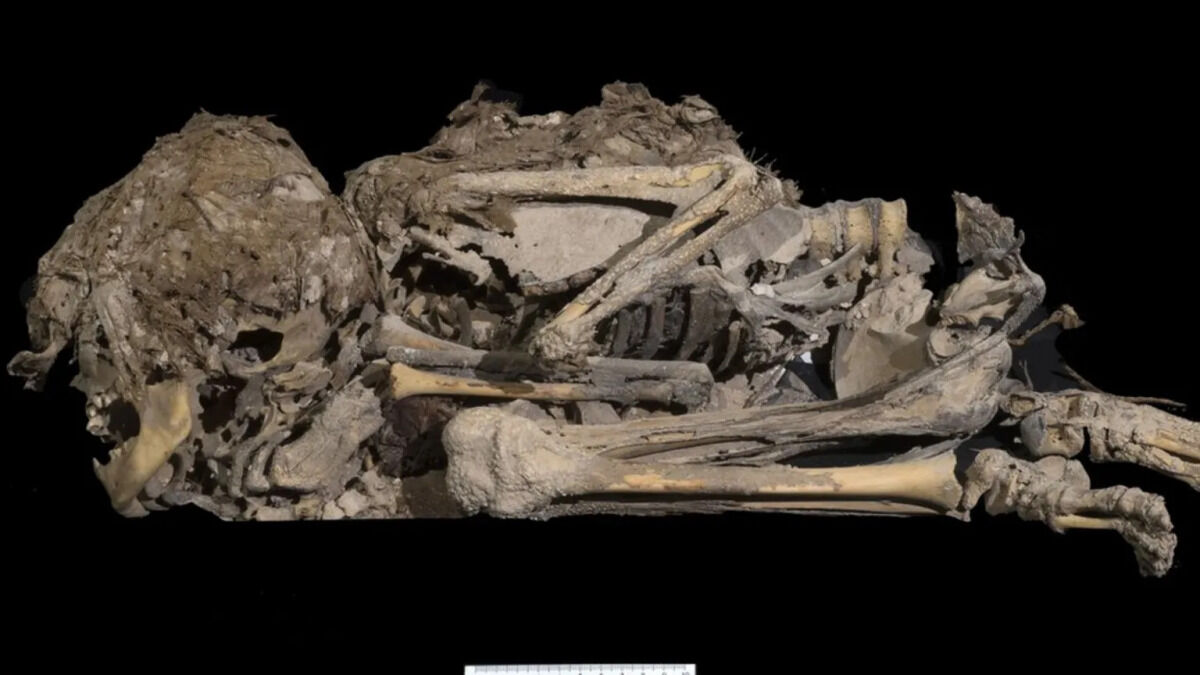
Archaeologists also discovered a skeleton belonging to a 6-to-12-year-old child. Dr. Hila May from Tel Aviv University approximated the child’s age after conducting a CT scan. The mummy’s head was wrapped in cloth, and its body was in the fetal position. Its hair, tendons and skin were well preserved.
They also discovered a double-sided comb within the cave. One side had thickly spaced teeth to pull through head hair. The other side had many fine prongs, which would have been used to collect lice from a beard.
Remembering the Stolen
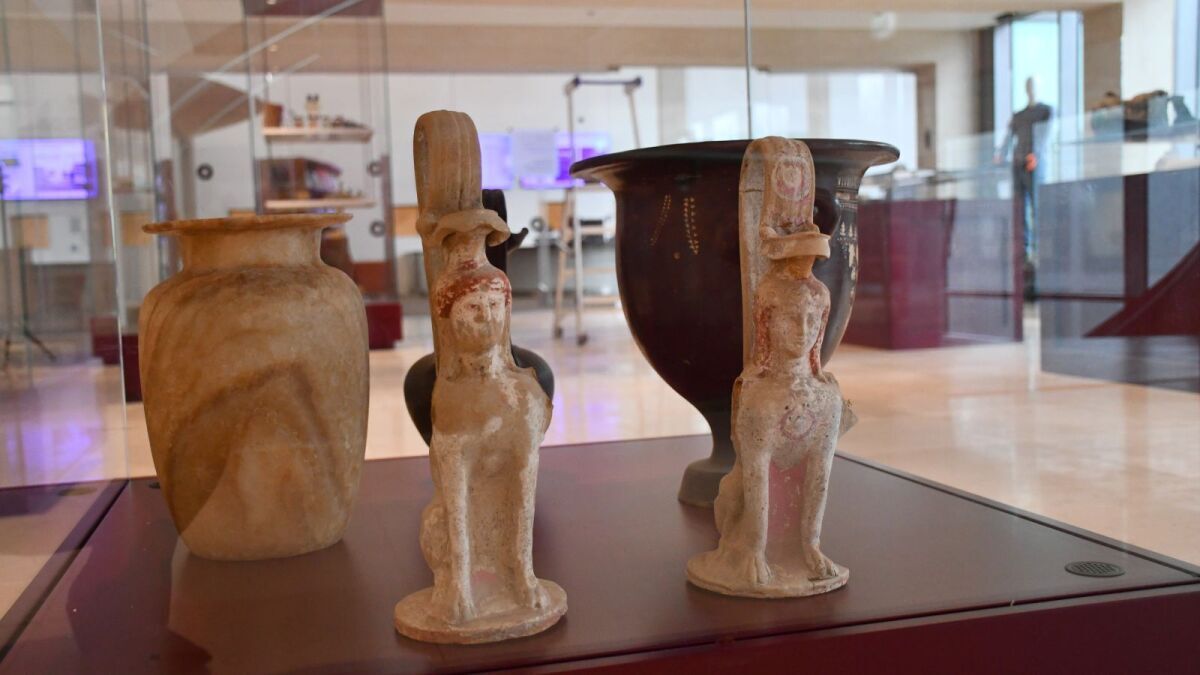
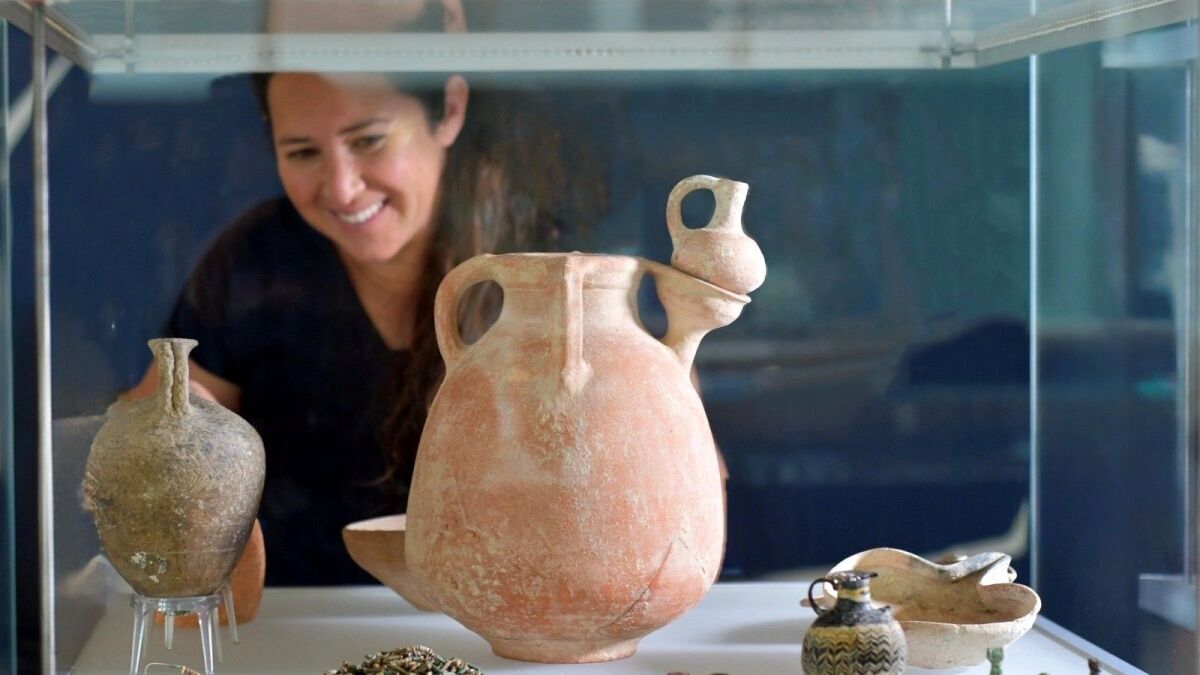
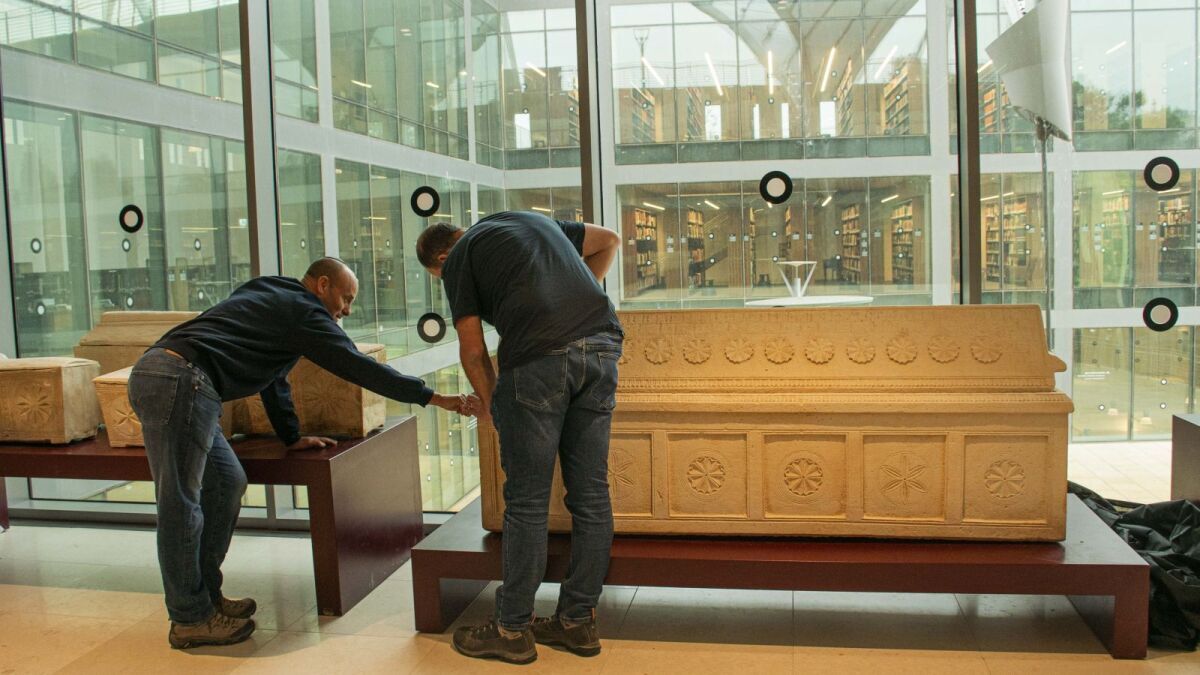
These are just a handful of discoveries recovered by the anti-theft unit. The National Archaeology Museum of Israel opened a new exhibit on February 15 at the J. and Ginny Schottenstein National Center for the Archaeology of the Land of Israel in Jerusalem. Titled “Criminal Past—Antiquities Robbery in Israel and the Way to Combat It,” the exhibit displays many artifacts recovered from the Antiquities Theft Prevention Unit.
“The antiquities robbers are not ordinary criminals, but rather saboteurs of history,” heritage minister Eliyahu said. “They know very well that the archaeological finds in the land of Israel are the undisputed proof of our right to this land. Every piece of pottery, every coin, and every relic testify that this has been our land and homeland since the days of our forefather Abraham. That is why they do not hesitate to harm our history precisely in times of war. Because it is part of the war. The war over heritage, over history, over the question of who this land belongs to. The people of Israel are proud of the Antiquities Authority inspectors and Border Guard soldiers who are fighting a full-scale war against them, even when the sky is thundering with missiles.”
The history uncovered within the land of Israel is vital history. The artifacts uncovered at excavation sites in Israel are living proof of the Jewish people’s right to land and proof of their long-lasting history in Israel. But so many of the artifacts uncovered within Israel also support the historicity of the Bible, which adds extra importance to the role of the iaa’s Theft Prevention Unit.