
The following is an abridged version of “Moses at Mount Sinai: Was It Rage or Ritual?” (2024) by Dr. Joe LoMusio, professor of Old Testament and Hebrew at Haven University, California. You can read the unabridged version here.
It’s one of the most vivid scenes in the Bible. Three to four months after delivering the Israelites out of Egypt, God invited Moses up to Mount Sinai for a special purpose: “Come up to Me into the mount and be there; and I will give thee the tables of stone, and the law and the commandment, which I have written, that thou mayest teach them” (Exodus 24:12).
The remainder of Exodus 24 describes a dramatic and glorious scene. A cloud rested upon the mountain for six days, representing the glory of God. On the seventh day, God called out to Moses from the cloud. “And the appearance of the glory of the Lord was like devouring fire on the top of the mount in the eyes of the children of Israel. And Moses entered into the midst of the cloud, and went up into the mount; and Moses was in the mount forty days and forty nights” (verses 17-18).
At the end of the 40 days, God delivered two tables of stone to Moses, on which God etched the law with His own finger (e.g. Exodus 31:18; Deuteronomy 4:13; 5:22; 9:9-10). This was a deeply important and sacred event. And yet it’s in this context that the ancient Israelites perpetrate some of the most egregious sins—against a law they had already committed to obeying (Exodus 19:8; 20:1-17).
“And when the people saw that Moses delayed to come down from the mount, the people gathered themselves together unto Aaron, and said unto him: ‘Up, make us a god who shall go before us; for as for this Moses, the man that brought us up out of the land of Egypt, we know not what is become of him’” (Exodus 32:1). Aaron gave in and did as the Israelites asked.
“And the Lord spoke unto Moses: ‘Go, get thee down; for thy people, that thou broughtest up out of the land of Egypt, have dealt corruptly; they have turned aside quickly out of the way which I commanded them …” (verses 7-8).
As Moses descended the mountain, he could hear the revelry. With each step, the merrymaking echoed louder and louder, until he not only could hear the festivities, but could see exactly what was taking place. “And it came to pass, as soon as he came nigh unto the camp, that he saw the calf and the dancing; and Moses’ anger waxed hot …” (verse 19).
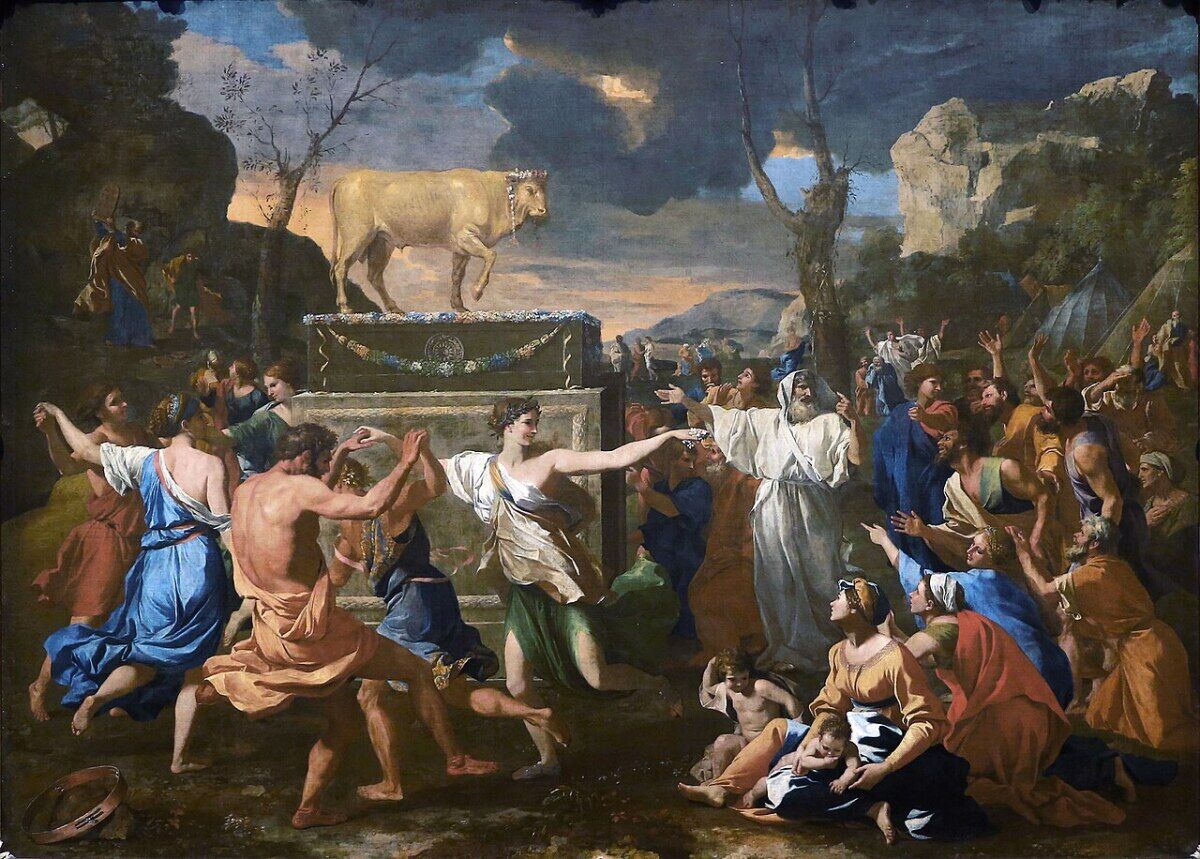
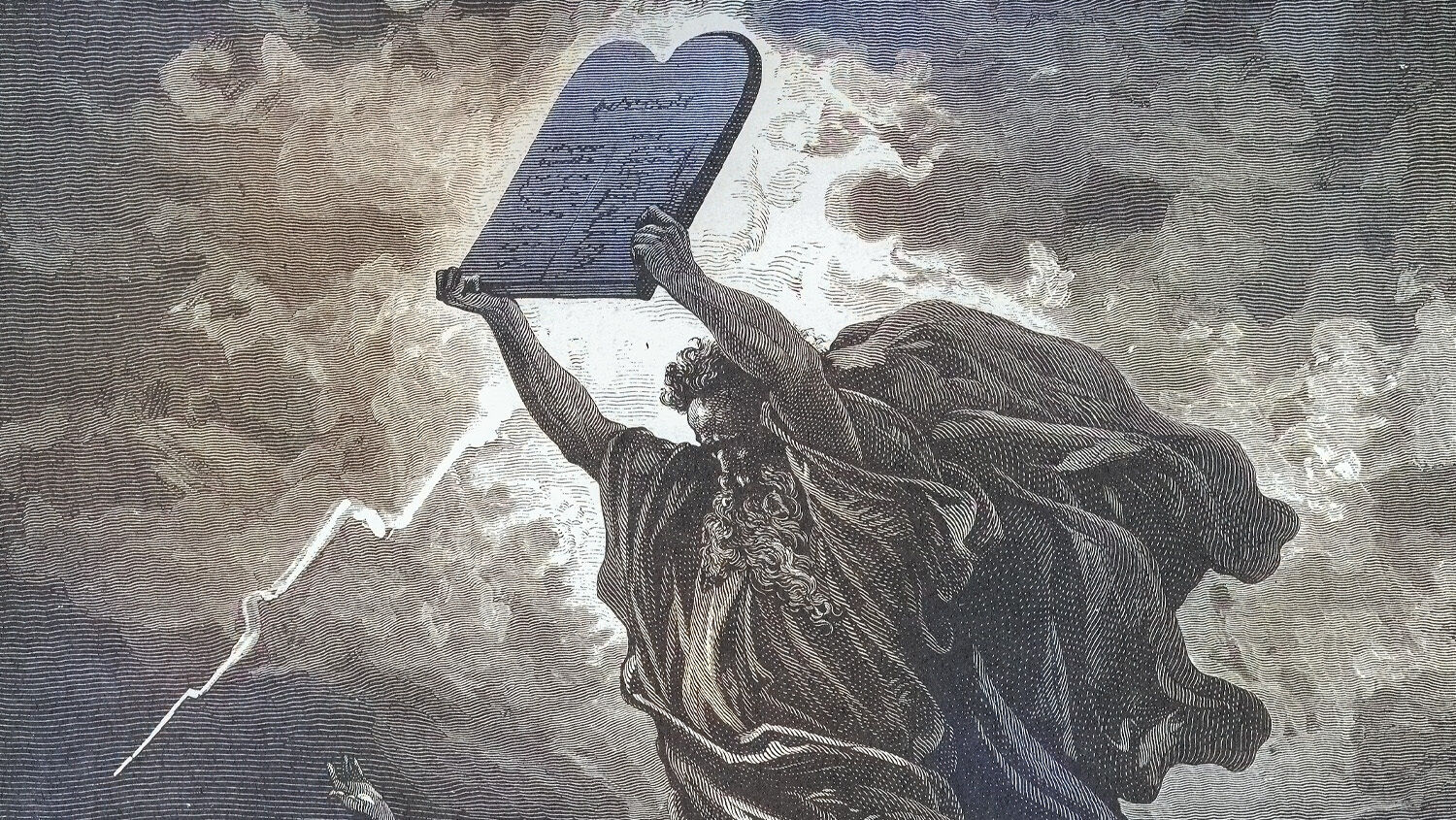
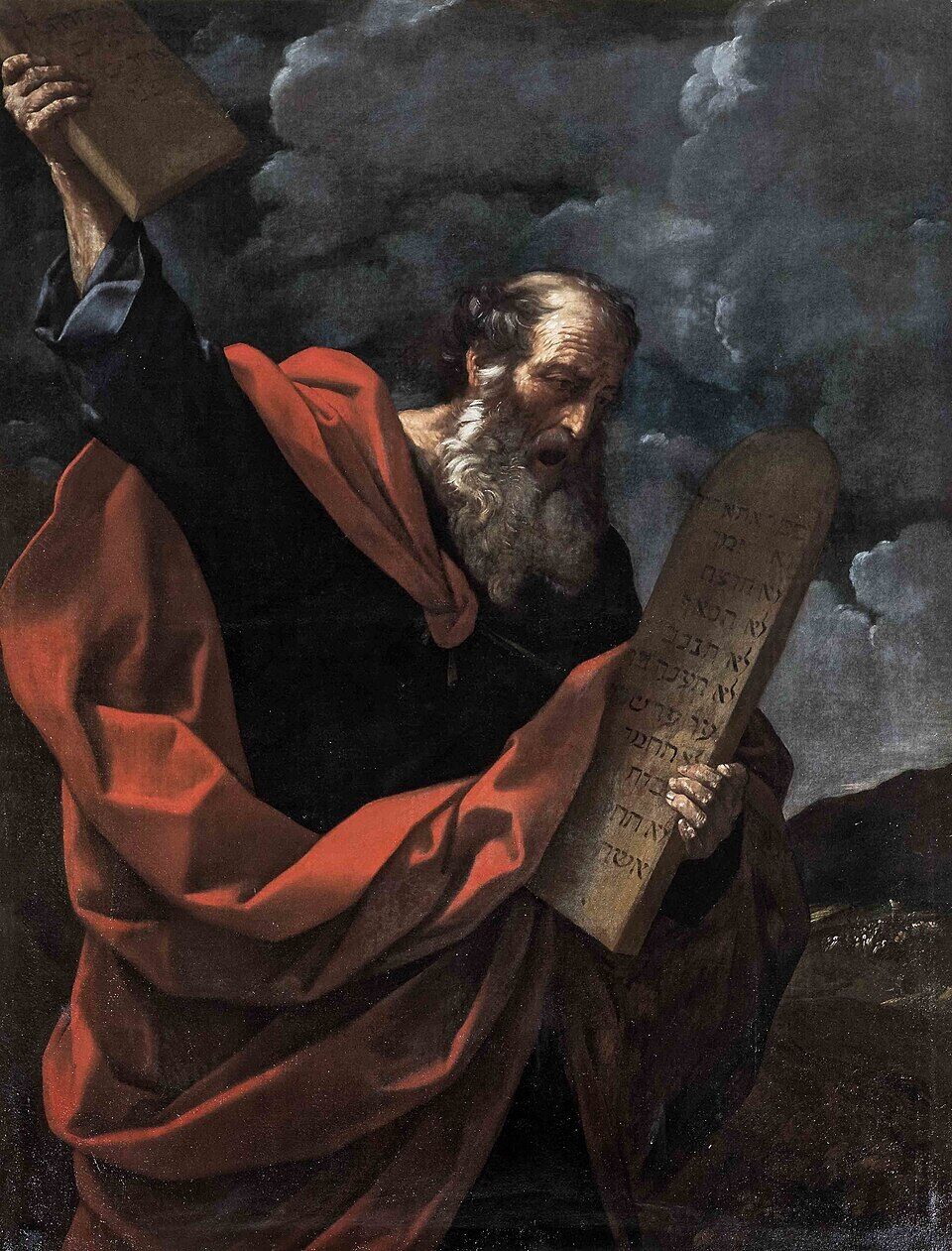
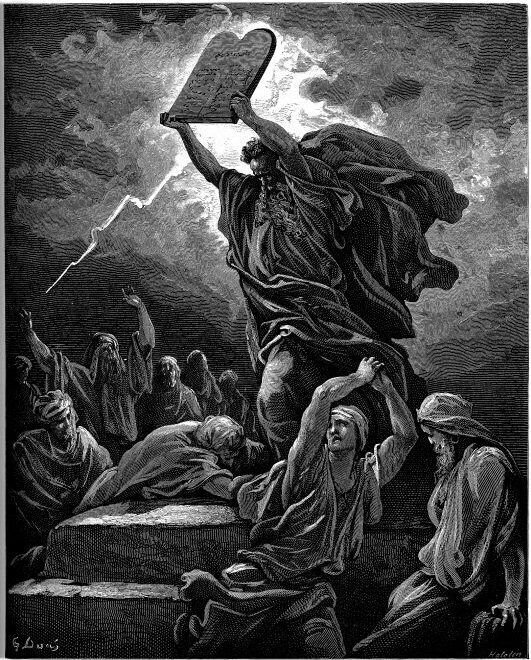
What happened next is one of the most famous scenes in the Bible. Moses took the stone tables he received from God “and he cast the tables out of his hands, and broke them beneath the mount” (verse 19). A typical understanding of this text is that this action was done in a fit of rage. Moses, so angered by the Israelites’ disobedience and disloyalty to the God who just delivered them from slavery, threw the tables down as an outburst of intense emotion.
It is clear that Moses was angry when he smashed these tablets. But could there be more to this account than meets the eye? Could there be another explanation for why Moses threw the divinely etched tables of stone?
‘Recurring’ Rage?
The overwhelming majority of scholars and commentators have very little in-depth to say about this incident. Most simply chalk it up to a momentary fit of rage by the great man Moses, and quickly move on to discuss the golden calf and Israel’s idolatry.
We cannot discount that Moses was angry. The narrative clearly affirms that he was. Exodus 32:19 records that “Moses became extremely angry” (New English Translation), he “became enraged” (Christian Standard Bible), “he became furious” (Good News Translation), “his anger burned” (New International Version), his “anger burned hot” (English Standard Version). But the question is—did he destroy the tablets because of that anger?
When you read what many have to say about this text (scholars and laymen alike), you quickly get the impression that all there was to this salient moment is that Moses simply lost his temper, and his anger got the best of him, causing him to act rashly and irrationally. This causes some to feel as though they have to scold Moses, like Adam Clarke: “[W]e must not excuse this act; it was rash and irreverent …” (Commentary and the Critical Notes on the Old Testament). John Calvin chastised Moses as well: “In breaking the tables, however, he seems to have forgotten himself; for what sort of vengeance was this, to deface the work of God? Howsoever detestable the crime of the people was, still the holy covenant of God ought to have been spared” (Commentaries on the Last Four Books of Moses).
Still others feel they should offer an excuse for Moses and justify his actions.
Hebrew professor Robert Alter’s assessment is that Moses, upon seeing the sordid scene in front of him, causes his wrath to flare, and he responds in “a paroxysm of anger, flinging and smashing” (The Hebrew Bible, Vol. 1). A paroxysm is a “recurrence of symptoms (as of a disease)” (Merriam-Webster).
Are we really content with chalking up the whole affair to a recurring temper tantrum?
Consider other occasions where Moses got angry, or could have gotten angry, and didn’t respond with “a paroxysm of anger”—he didn’t lose it. In Exodus 11:8, he leaves Pharaoh’s court “in hot anger,” but the narrative does not indicate he lost his temper. Exodus 16 records the congregation complaining about their diet. That would have been a good time for him to start hurling pots and pans in every direction, but he does not. Later, when the children of Israel murmur incessantly and even want to select a new leader to take them back to Egypt, rather than throwing things in anger, Moses humbles himself and throws himself to the ground in prayer before God and the congregation (Numbers 14:5).
Indeed, Moses’s ability to restrain himself during these continuously trying times is nothing short of astounding. He ought to be (and is) commended for his composure. Numbers 12:3 describes Moses as the meekest man on Earth. So, why now, at the base of Mount Sinai, are we fixated on purported anger management issues—seeing his destruction of the tablets as a result of losing his temper?
Ritual?
I believe we need to consider the possibility that Moses was here enacting, at least partially, an Egyptian execration ritual. This would make sense given his formal Egyptian upbringing, as well as the impact he knew such a demonstration would have on the Israelites, who had been raised on Egyptian culture and rituals.
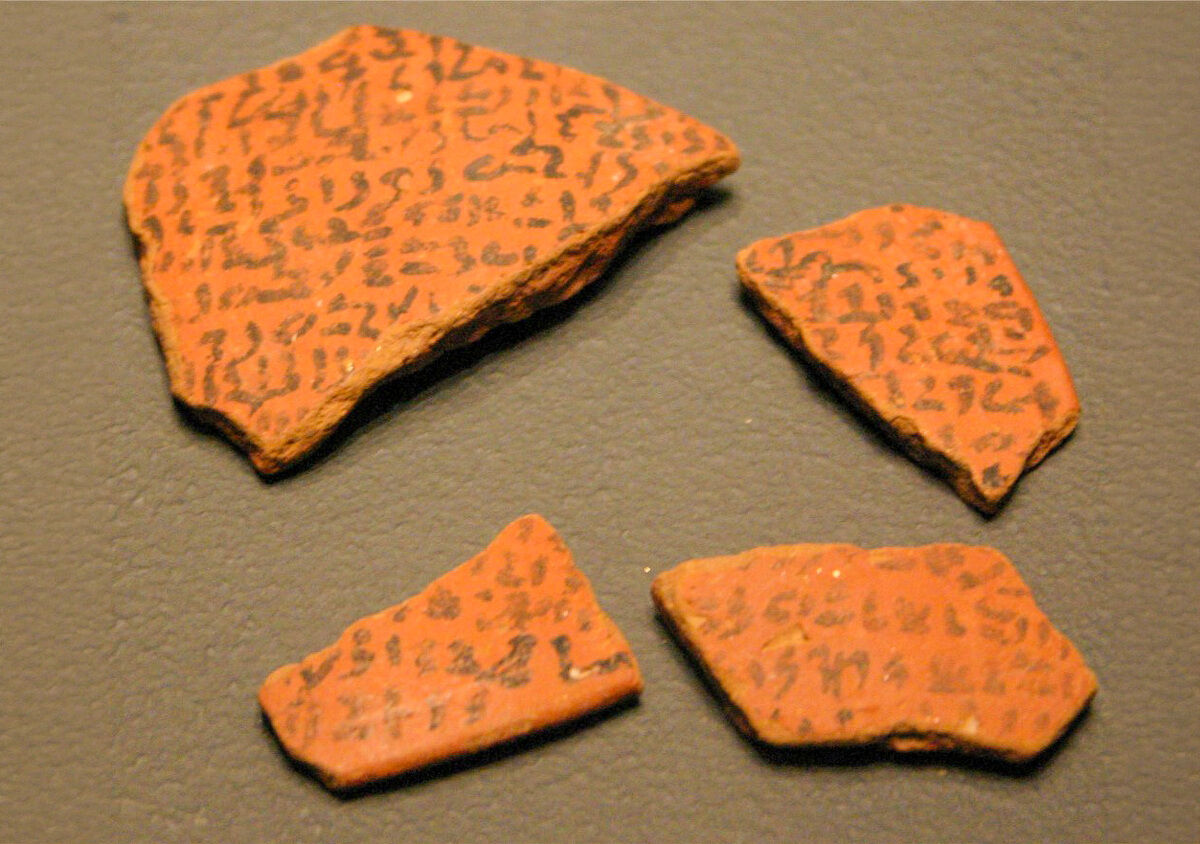
The word “execration” derives from the Latin verb exsecrari, which means “a curse,” and implies “to put under a curse.” Exsecrari itself is the combination of the prefix ex (“not”) and the noun sacer (“sacred”). Hence, an execration was something that was not sacred and therefore cursed.
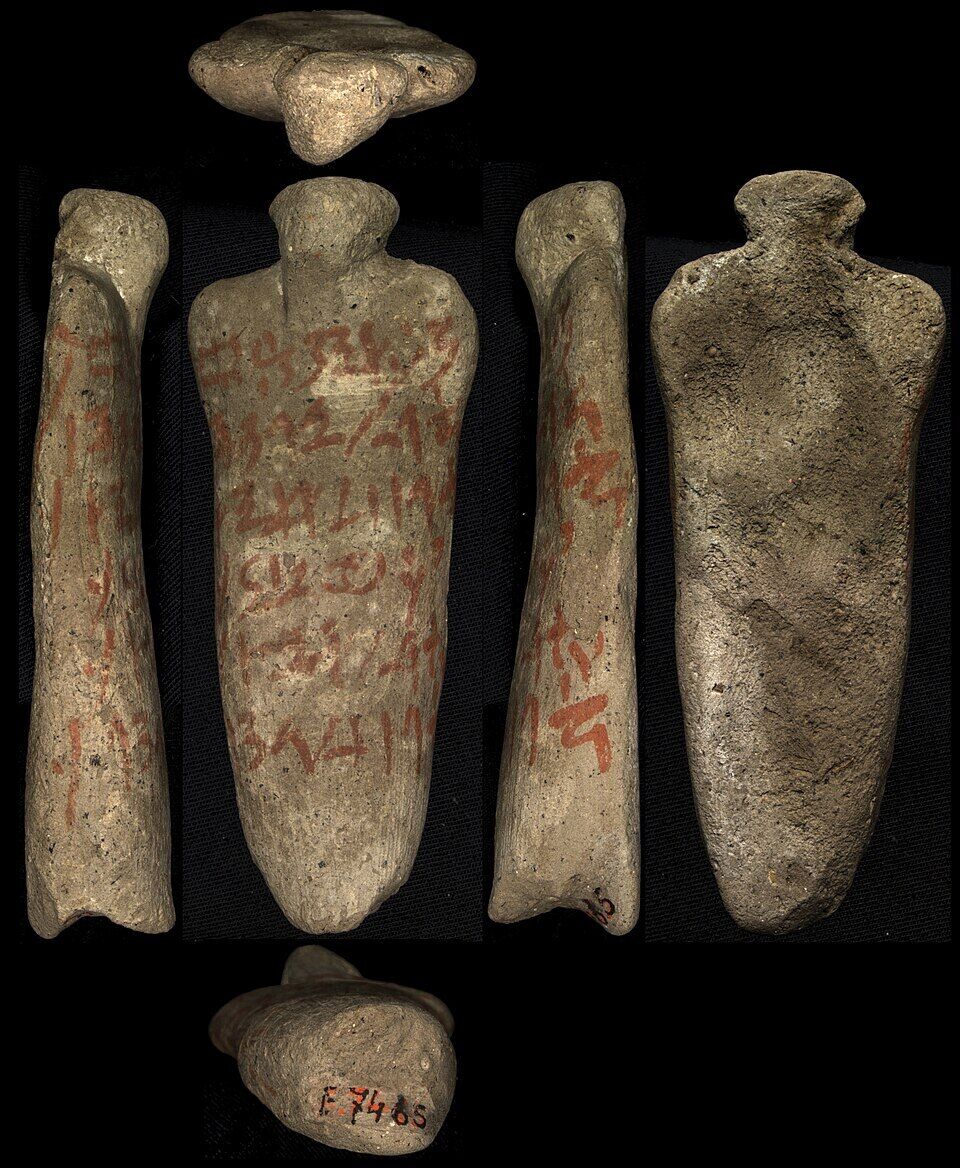
Kerry Muhlestein offers a helpful summary of what the typical execration ritual entailed: “The execration ritual was the process by which one could thwart or eradicate one’s enemies. Usually, the ritual object(s) [such as representative figurines, pottery vessels or tablets bearing the names of enemies] would be bound … then the object was smashed, stomped on, stabbed, cut, speared …” (“Execration Ritual,” UCLA Encyclopedia of Egyptology).
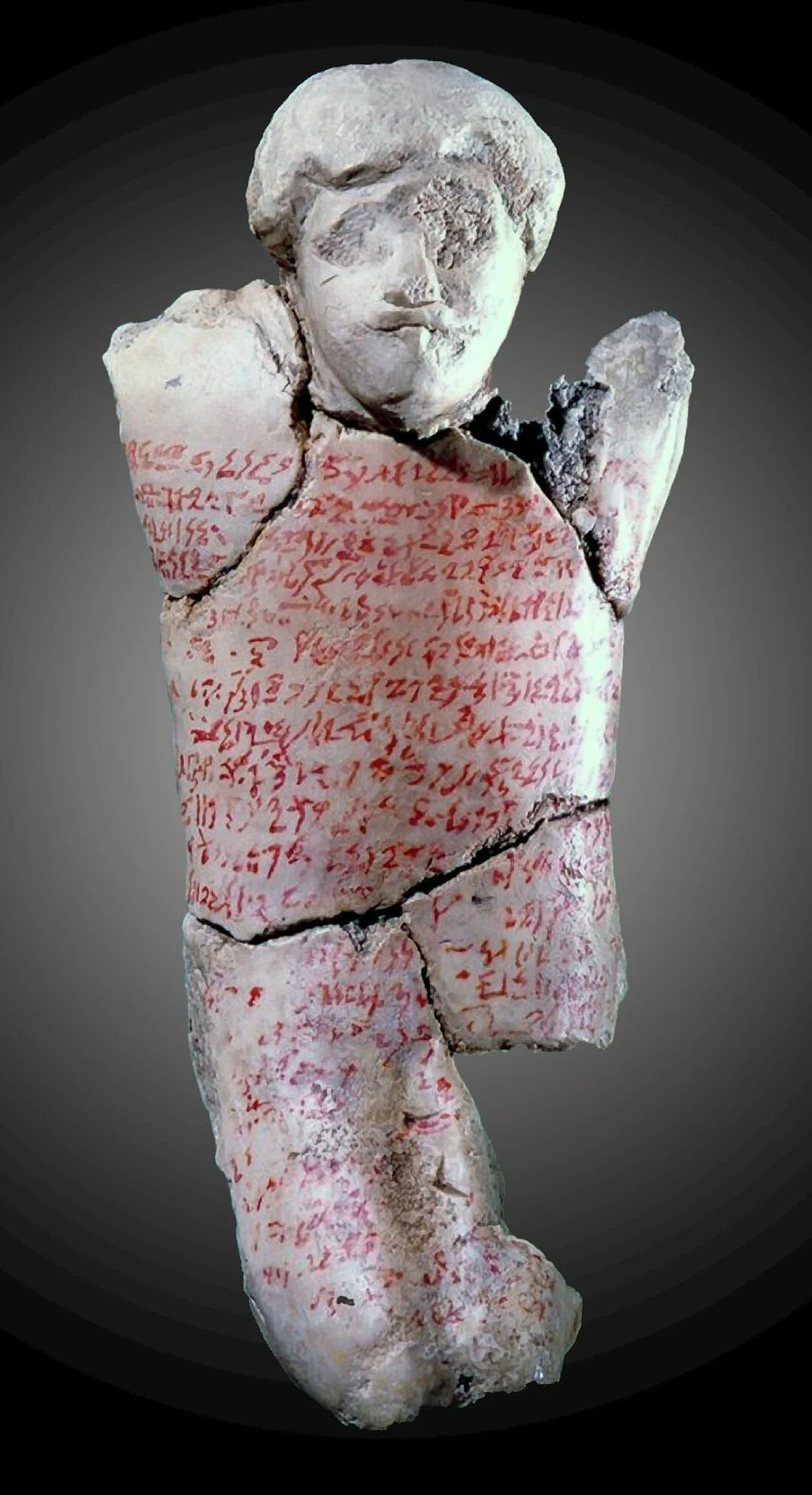
Robert K. Ritner provides an overview of Egyptian execration practices: “Although the texts vary widely in complexity, ranging from individual figures to elaborate assemblages, their unity of purpose and general similarity of technique have defined them as a corpus. Unlike the ‘prisoner motif’ which presents only generalized images of foreigners, the execration texts are quite specific in their intended victims. For by the addition of names, the pot or figurine becomes a substitute image of those victims” (Studies in Ancient Oriental Civilization, No. 54).
Even though rather well known throughout the ancient Near East, execration acts are referred to only a few times in the Hebrew Bible. There is the suggestion that the first two chapters of the Prophet Amos reflect an execration influence. There may also be “execration ritual” encoded statements in texts such as Exodus 15:6-7: “Your right hand, Lord, was majestic in power. Your right hand, Lord, shattered the enemy. In the greatness of your majesty, you threw down those who opposed you. You unleashed your burning anger; it consumed them like stubble” (niv). Note also Psalm 2:9, “You will break them with a rod of iron, you will dash them to pieces like pottery” (niv).
One particular reference, in the book of Jeremiah, seems very clear. Jeremiah 19:1-10 can be summarized by noticing the reference to taking a flask in verse 1 and then breaking it in verse 10. However, there is no reference to writing any inscription on the pottery vessel. “Although there is no inscription on the pottery mentioned in Jeremiah 19, the ritual action is the same as in the Egyptian ceremony—identifying a group of people to be cursed with an item to be broken and then breaking that item to curse those people,” Michael S. Donahou writes in A Comparison of the Egyptian Execration Ritual to Exodus 32:19 and Jeremiah 19.
The text in Jeremiah makes it abundantly clear that the pottery flask Jeremiah is breaking is equated to the city of Jerusalem and the people of Judah: “This is what the Lord Almighty says: I will smash this nation and this city just as this potter’s jar is smashed and cannot be repaired” (Jeremiah 19:11; niv). Therefore, the link between the flask and the people and the city of Jerusalem itself, is unmistakable.
Jeremiah’s execration moment is intended to be highly symbolic—of that, there can be little doubt. Certain punishment was on the horizon for Judah and Jerusalem, and Jeremiah was pointing to that which would befall them. According to the World Biblical Commentary, “Even though Jeremiah is commanded to carry out a symbolic action, it remains just that—symbolic. Yhwh’s actions will complete what Jeremiah’s only symbolized.” Jeremiah’s execration-type reenactment, though symbolic, was powerful, and would have resonated with an audience familiar with this well-known practice throughout the ancient Near East.
Jeremiah is instructed to break the flask in the presence of the elders and priests so that they would be startled by the image and apply the warning of God’s Word and the impending destruction that was to come upon Jerusalem. “Then break the jar while those who go with you are watching” (Jeremiah 19:10; niv). Donahou suggests that “the action reported by Jeremiah in breaking the flask to symbolize the breaking of the people and Jerusalem does have many similarities with the actions of Egyptian pharaohs and priests” (op cit).
This brings us again to Moses on Mount Sinai.
Why are scholars and commentators so reluctant to see a connection between what Jeremiah was doing and what Moses did on Mount Sinai? Surely, the similarity between the two must be understood as to the intended effect. Donahou concludes his discussion of Jeremiah 19, writing: “While there may be some differences between the execration ritual of the ancient Egyptians and the activity recorded in Jeremiah 19 …. Both rituals point to the breaking action as representative of what the divine actor will do, or wants to do to those who have disturbed the proper order of things. The shattering of pottery is not merely a reflection of what the law-breakers have done but serves as a warning that the offenders will be ‘broken’ sometime in the near future for their transgressions.”
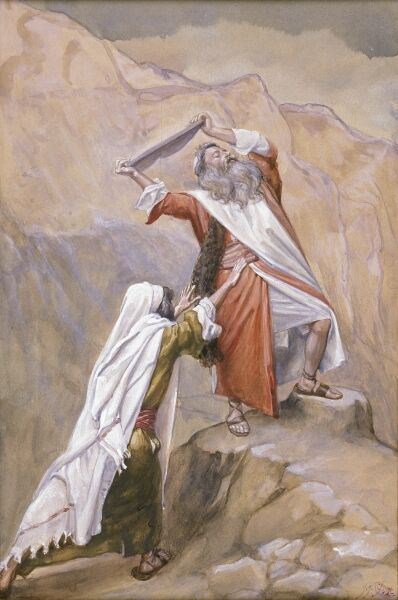
This applies to our situation at the base of Mount Sinai in Exodus 32, with the shattering of an object as a reflection of what “the law-breakers have done”—those who have “disturbed the proper order of things.” Moses saw immediately how the proper order of things was upended by those who had broken their fledgling covenant with God. Jewish scholar Nahum Sarna wrote in his commentary on Exodus that Moses’s action in shattering the tablets was done not out of anger at the people or as an impetuous act but as symbolic of the breaking of the covenant between the people and God (Exploring Exodus).
The symbolism involved must be something both Moses and the people would have understood. After all, you cannot successfully symbolize something that your audience doesn’t know anything about. There had to be some point of reference. There had to be an antecedent to his action. And there was—the Egyptian execration ritual.
More Ritual Than Rage
If an alternative view of why Moses broke the tablets is that he was enacting a symbolic execration ritual, and that view is credible exegetically, there needs to be some strong arguments marshaled to support such an idea. Accordingly, I offer the following points to consider:
1) Moses was raised in the very highest levels of Egyptian culture, adopted by Pharaoh’s daughter and raised in the royal courts of Egypt. He was the adopted grandson of a pharaoh. He had unlimited access to wealth, education, power and prestige. He would have been well schooled in all the finery of Egyptian culture. We are told that “Moses was educated in all the wisdom of the Egyptians and was powerful in speech and action” (Acts 7:22; niv). Growing up, the “treasures of Egypt” were all around him (e.g. Hebrews 11:24-26). He would have known their ways, words, rites and rituals. And certainly, that would include a knowledge of the execration ritual, which was a common practice spanning a majority of ancient Egyptian history.
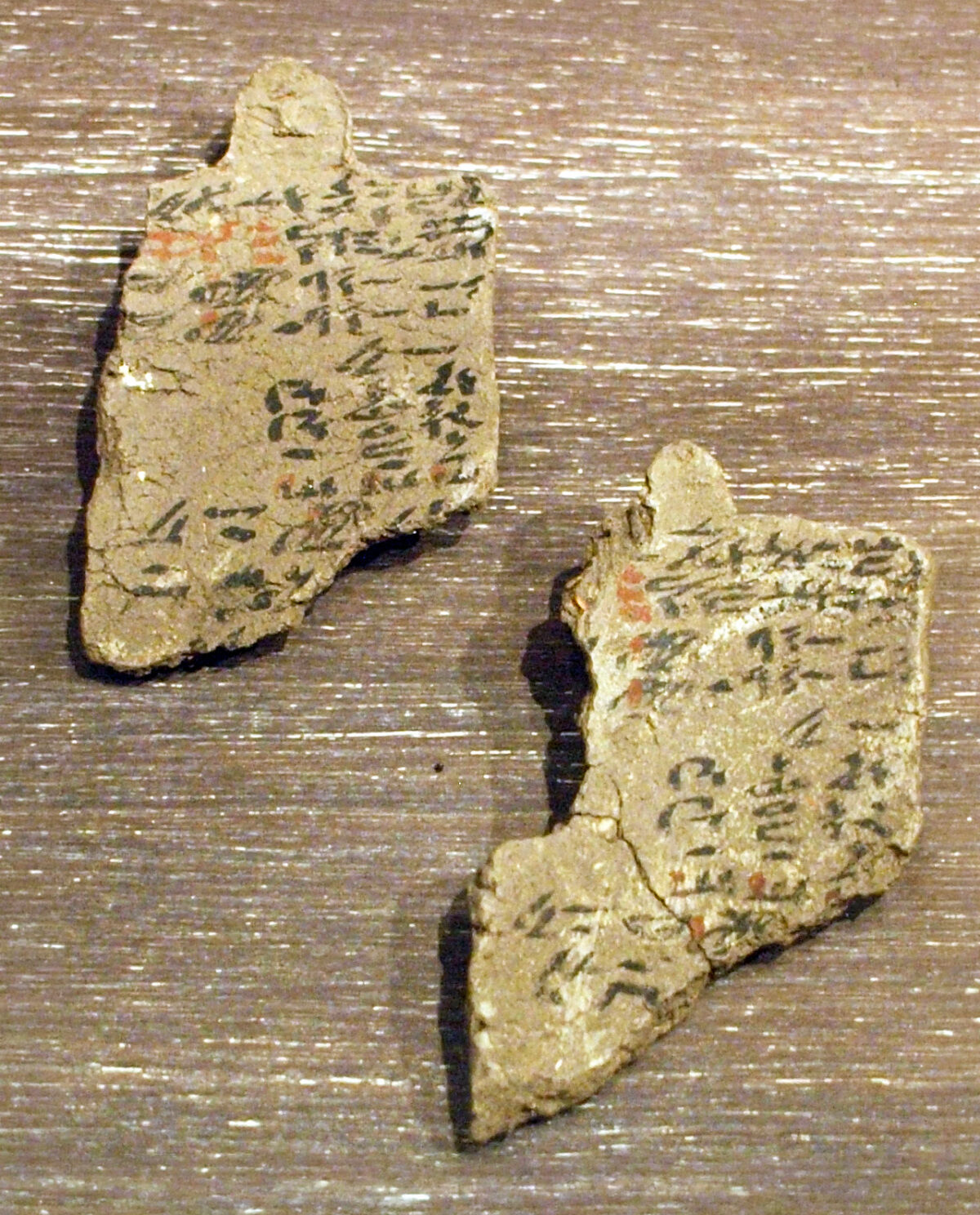
2) Moses would have known that the Egyptian execration practice of writing upon a piece of pottery or figurine and then smashing it was a symbolic act of violence. Scott Noegel writes concerning these physical acts of ritual violence performed in written texts: “Arguably the most famous example of this is the account of Moses smashing the tablets of the covenant upon seeing the Israelites worshiping a golden calf” (The Ritual Use of Linguistic and Textual Violence in the Hebrew Bible and Ancient Near East).
3) It seems improbable to think that Moses would destroy such a valuable treasure as the two tablets in a momentary fit of rage. Noegel makes another valid point: “Indeed, if breaking the tablets was merely an expression of anger, why does God not take vengeance on Moses? After all, he was never commanded to break them and they were not just any tablets—they were commandments inscribed literally by the ‘finger of God’” (ibid).
4) Moses told the people that what he did was “before your eyes” (Deuteronomy 9:17). We can assume that means what he did was for effect. Casting down the tablets would have been an undeniable, nonverbal indictment of the Israelites. Without hearing anything Moses might have said, they would have known exactly what he was doing. After all, they too grew up in Egypt and certainly were aware of the Egyptian practice of execration. It was intended to cast a curse, to invoke fear, and result in catastrophe for those on the receiving end.
5) I do not believe Moses intended his reenactment (as it were) of an execration act to curse or destroy Israel. We see his great compassion for the people on several occasions and how he interceded for them. His intention was to shock them into realizing what they had done was a terrible sin (Exodus 32:30) and probably that they should not be surprised if there were consequences to pay. And, indeed, there were! Three thousand were slain that very day (verses 25-28). Exodus 32 concludes on a rather ominous note: “So the Lord plagued the people because of what they did with the calf which Aaron made” (verse 35; New King James Version). This chain of events seems to underscore the reality of what his casting down the tablets/execration act was all about.
6) Noegel offers several features that point to the ritual nature of what Moses did at Sinai. The first is the use of “breaking” as the method of destruction, and “the intensified grammatical form of the Hebrew verb for breaking appears elsewhere in conjunction with ritual destruction of idols, unsanctified altars and unclean vessels” (ibid). This breaking of the tablets was just one act in a chain of ritual acts—the golden calf burned in a fire, ground into powder, the powder mixed into water, and the Israelites forced to drink it. An additional feature was that the event takes place at the foot of the mountain, which was declared to be sacred, consecrated ground (Exodus 19:23). “Thus, the method and location of the destruction, coupled with the chain of other ritual acts that immediately follow, suggest that the breaking of the tablets also served a ritual function,” Noegel concludes.
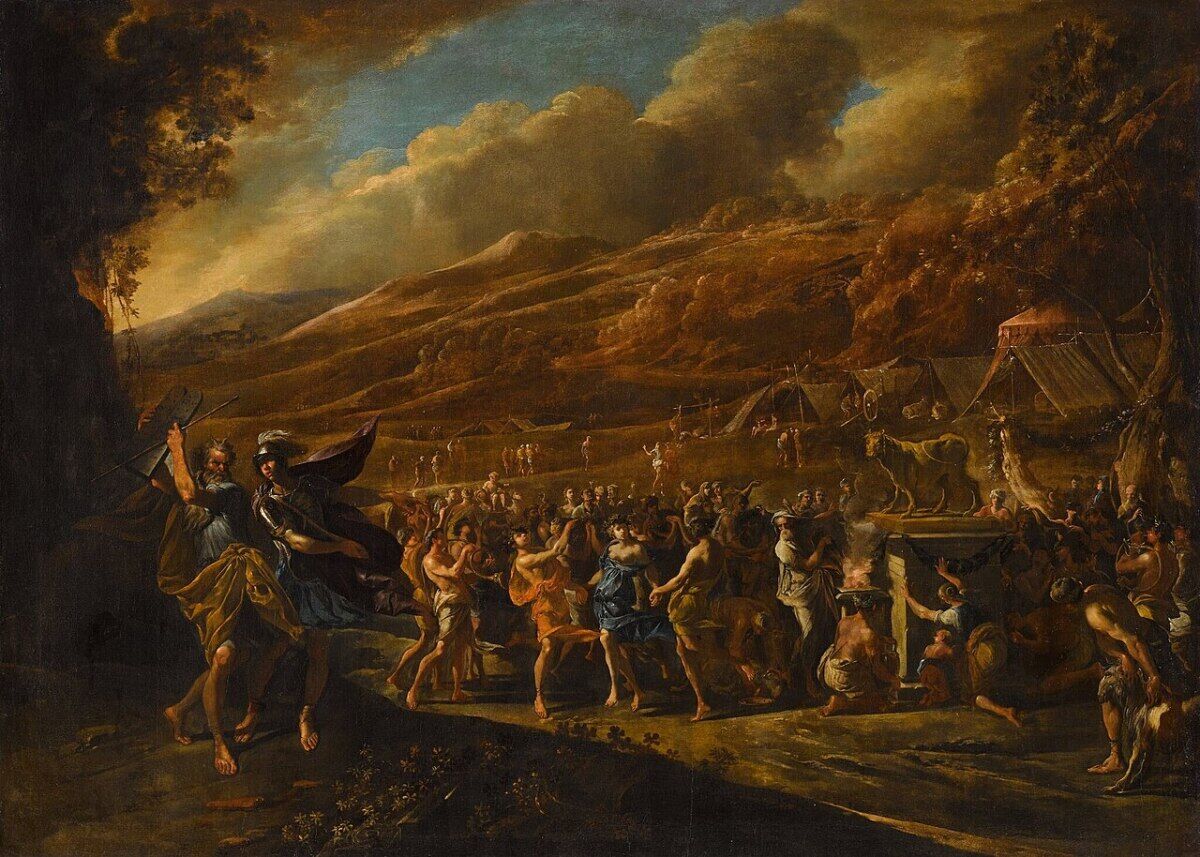
7) Of this sequence of startling events, none may be more bizarre than that which is recorded following Moses casting down the tablets. “And he took the calf which they had made, and burnt it with fire, and ground it to powder, and strewed it upon the water, and made the children of Israel drink of it” (Exodus 32:20). If the commentators have little to say about the tablets being broken, they have even less to say about this Mosaic concoction the people had to drink. Perhaps Moses followed up his enactment of the Egyptian execration act with the equally well-known rite of swallowing.
This Egyptian practice was intended to “acquire familiarity” in which the person performing the rite was “taking in” or “comprehending” something (therefore, literally “swallowing” it). The practice was so well known, that the Egyptian verb “to swallow” came to mean “to know.” It would mean that you knew something, that you therefore now owned something, that you took possession of the knowledge of something.
Perhaps Moses had the Israelites “swallow” the mixture of water and powder to own their sin in worshiping the golden calf and “know” what they had done—to fully comprehend it. Ritner points out that the development of “swallowing” in ancient Egypt stands in contrast to the Western metaphor of “gullibility,” and that it signified intimate knowledge not foolish belief (op cit). It occurs to me that Moses accomplished both. That is to say, his action forced the children of Israel to own the knowledge of what they had done and to realize just how egregious their sin was.
8) The reference in Exodus 32:31-33 to blotting out names is also something that can be understood in connection with aspects of the execration ritual. It was understood that the one targeted by the execration would be erased from history. Joshua Mark commented on this, mentioning that execration letters were used, for instance, against the heretic Pharaoh Akhenaten: “As in the case of Akhenaten, one would attempt to completely blot the person’s name from history. The final purpose was nothing less than erasing an individual from existence both in this world and the next. Without a name or likeness for people to remember there was no way one could continue to live” (“Spiritual Defense—Execration Rituals in Ancient Egypt”).
Noegel also makes an important connection between this passage and the breaking of the tablets: “The effacing of any name from this heavenly register is equal to the permanent destruction and existence of that person, in the same way, that the ritual destruction of the two tablets aimed to sever the Israelites from the divine word permanently” (op cit).
The point is, there is a chain of events that occurs in Exodus 32 that has Egyptian ritual overtones and that was triggered by the first event—the smashing of the tablets. And none of them had anything to do with Moses’s anger.
9) A point often overlooked is that it would seem Moses had time to think about what he would do as he came down the mountain. We should see that his actions were not so much spontaneous as they were calculated.
Many are convinced that Moses became angry spontaneously at seeing the dancing and the worshiping of the golden calf and his actions were spurred by that critical moment only. Yet God had already told him what was going on and what to expect. Before Moses comes down the mountain and smashes the tablets, we read: “And the Lord spoke unto Moses: ‘Go, get thee down; for thy people, that thou broughtest up out of the land of Egypt, have dealt corruptly; they have turned aside quickly out of the way which I commanded them; they have made them a molten calf, and have worshipped it, and have sacrificed unto it, and said: This is thy god, O Israel, which brought thee up out of the land of Egypt’” (verses 7-8).
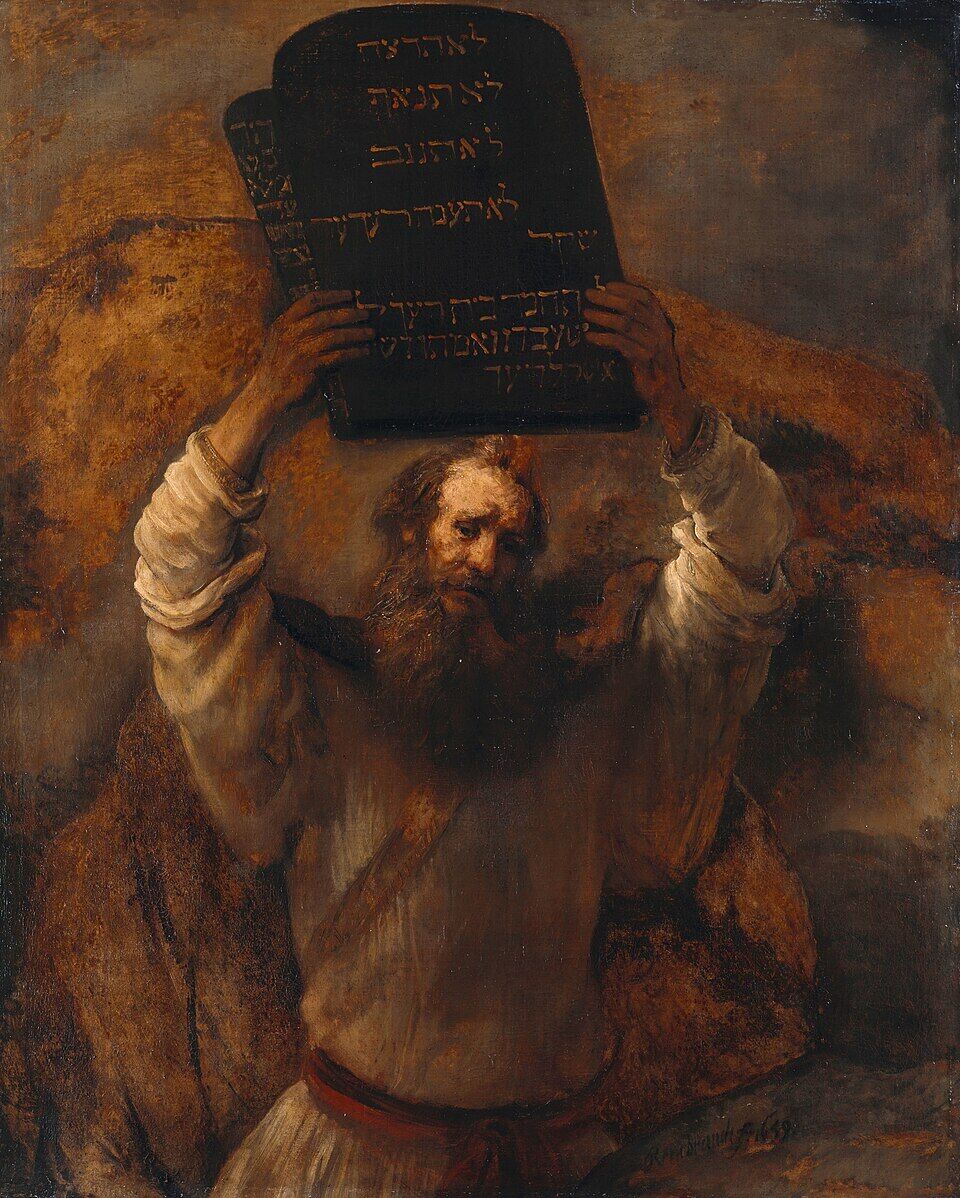
In light of this, it is worth considering Moses’s action was premeditated. On his way down the mountain, he encounters Joshua, who had been dutifully waiting for him. Joshua tells Moses that the noise coming from the camp sounded like the noise of war. But Moses knew better and replied, “It’s not the sound of winners shouting. It’s not the sound of losers crying. It’s the sound of a wild celebration that I hear” (verse 18; God’s Word Translation).
Moses had time to consider what he would witness when he came down the mountain. As he contemplated the sin he was about to observe, wouldn’t he, as the human leader of the Israelites, also have considered how he was going to respond?
10) It is interesting to note that in his own words recounting that fateful day, Moses does not say anything about being angry, or that he cast down and broke the tablets because of his frustration and temper. “So I turned and came down from the mount, and the mount burned with fire; and the two tables of the covenant were in my two hands. And I looked, and, behold, ye had sinned against the Lord your God; ye had made you a molten calf; ye had turned aside quickly out of the way which the Lord had commanded you. And I took hold of the two tables, and cast them out of my two hands, and broke them before your eyes” (Deuteronomy 9:15-17).
Given his honesty and humility, which is illustrated throughout his career as the nation’s greatest prophet and human leader, one would think that, if Moses had destroyed the precious tablets of God due to his anger, he would have readily owned up to it.
The Conclusion of the Matter
I am convinced that we should not fail to see the connection to Egyptian culture and practices in these early narratives recorded in the book of Exodus, and perhaps none more than this Mount Sinai story. Donahou is correct in asserting: “There are two key factors that point to the execration ritual as the antecedent to the activity reported in the narrative of Exodus 32: the Egyptian setting of the entire book and the vocabulary found in this passage. … One can certainly see a literary and cultural connection between ancient Israel and ancient Egypt.”
A final point should be to acknowledge that Moses knew that casting down the tablets would not destroy their message. He knew that they were the “tables of the testimony” (Exodus 31:18), the “tablets of the covenant” (Deuteronomy 9:9), and the “words of the covenant” (Deuteronomy 29:1). They were the “ten words” (Exodus 34:28), understood to be the “ten living words.” In them is life and blessings when believed, death and curses when rejected—as at the foot of Mount Sinai that fateful day.
