
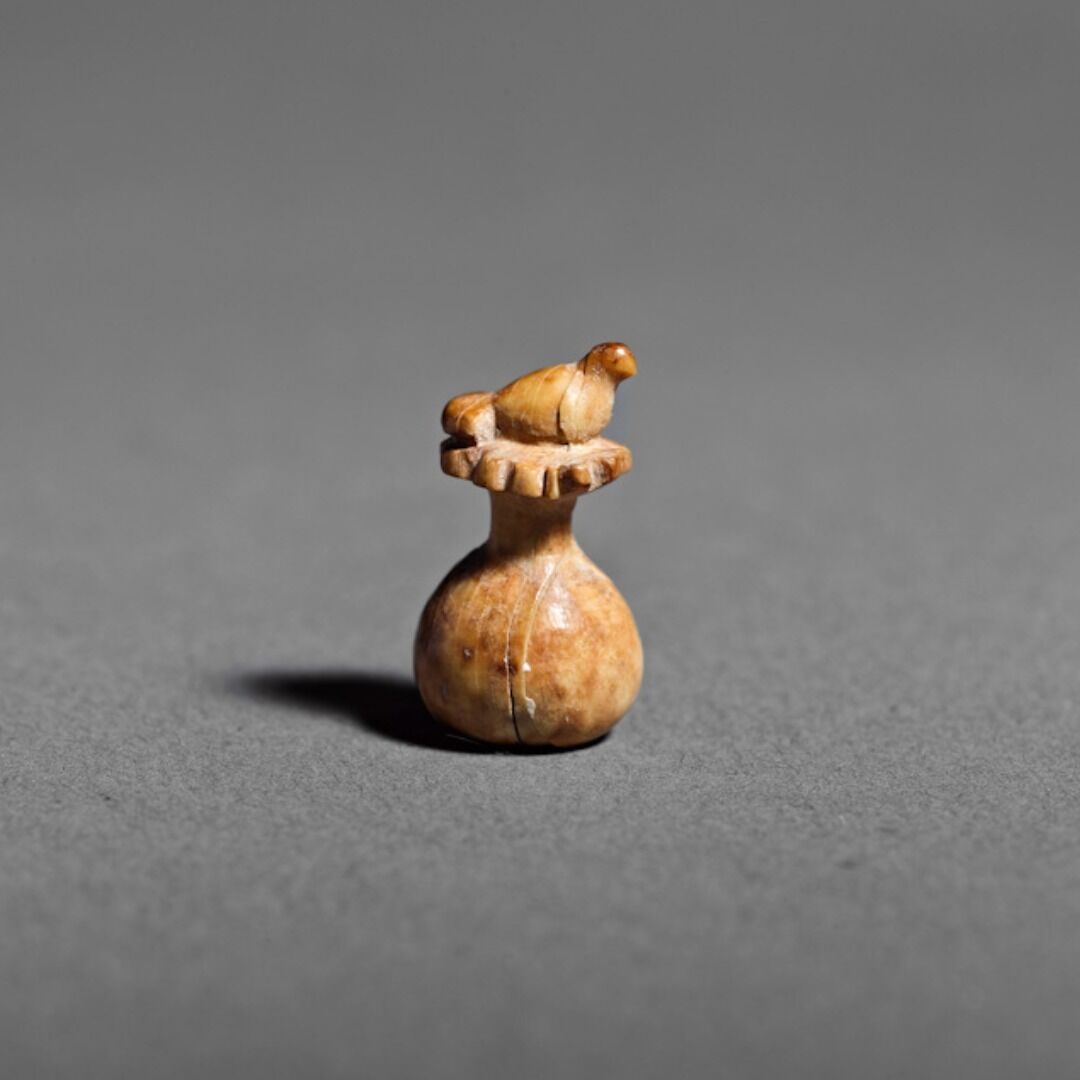
An intensive study analyzing over 1,500 artifacts spanning 46 different sites in Israel has yielded a fascinating conclusion: For a millennium, ivory was exclusively imported from sub-Saharan Africa between 1600–600 b.c.e. This time period includes from when Israel was inhabited by Canaanite city-states to the Late Bronze Age collapse, the united kingdom of David and Solomon to the end of the eighth century b.c.e.
The study’s main author, Dr. Harel Shochat from the school of Archaeology and Maritime Cultures at Haifa University, told The Times of Israel: “The [ivory] network did not change despite all kinds of geopolitical fluctuations and changes in the social structure. We show that we have a millennium-long kind of monopoly. … It was a very eventful millennium, but one thing remained constant, and that was the exchange of ivory—always [imported] from Africa.” His paper was published in the November 2025 issue of the Journal of Archaeological Science.
Shochat and his team used a three-step process to determine the type of animal the ivory came from and the geographical origins: “First, we used a simple microscope with a magnification of up to 60 times to ensure the material was indeed ivory and not bone and to differentiate between hippo and elephant ivory.” Approximately 85 percent of the ivory tested was elephant-derived.
Then, using molecular analysis, they were able to determine that all the ivory belonged to African elephants, rather than Asian.
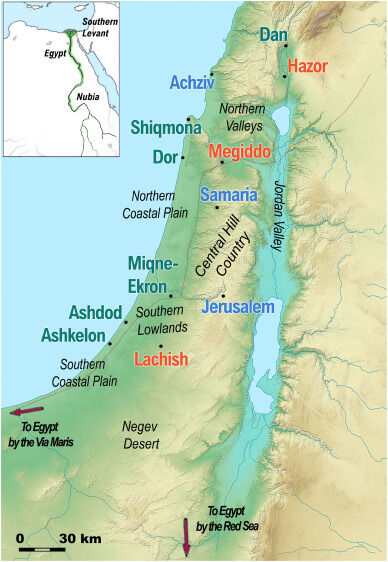
The researchers then went even deeper and conducted isotopic analysis to determine the geographical region. Animals absorb nutrients and isotopes through the soil, vegetation and water, which scientists can then locate in their bones. The most likely area of origin was the White Nile Basin in modern Sudan, anciently a part of Nubia.
Dr. Shochat noted:
One of the general assumptions in previous scholarship was that elephant ivory came from both Asian sources and African sources, and the exchange networks themselves depended on economic and geopolitical conditions. They thought that once the Assyrian Empire controlled the region, then ivory would have come from Asia. Instead, we show that we have a millennium-long network that doesn’t change.
It requires great skill to work ivory into a form that is functional and decorative. The importing and use of such a fine material was reserved for the elites. Items dated to the Canaanite period were often associated with royal or cultic contexts. Over the course of millenniums, despite some everyday items being discovered, the prestige of ivory remained.
During his interview with The Times of Israel, Dr. Shochat explained how this discovery is momentous in understanding biblical Israel. Multiple biblical passages mention the use of ivory, often associated with extreme wealth. Psalm 45:9 references “ivory palaces”; King Solomon’s throne was crafted from ivory (1 Kings 10:18); King Ahab’s palace was made of ivory (1 Kings 22:39). Interestingly, the second-largest ivory assemblage found in the region happens to be in Samaria, from where Ahab ruled. The Prophet Amos condemned the nobility in Samaria and Zion (i.e. the City of David—2 Samuel 5:7), saying they “lie upon beds of ivory” (Amos 6:4).
“The story of the Queen of Sheba and others mentioned in the Bible, such as the port in Ezion-Geber [1 Kings 9:26], point to a southbound exchange network in addition to the Mediterranean one, and we can attest to that,” Dr. Shochat said. “The biblical author or editors were aware of this [southbound network].” He hopes to address in upcoming studies how the kingdoms of Israel and Judah were core parts of international trade networks.
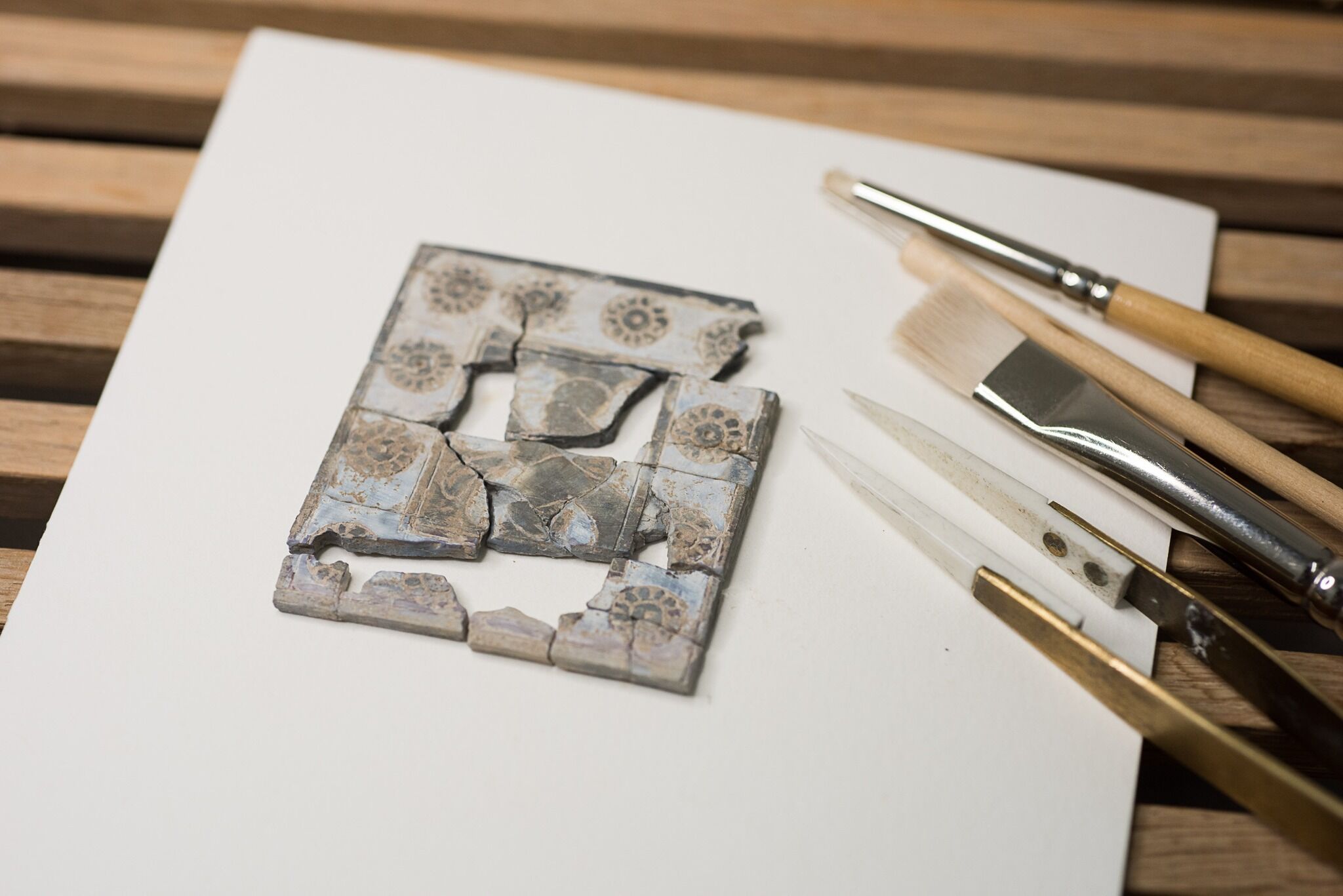
In late 2022, the Israel Antiquities Authority announced the discovery of rare First Temple ivories discovered in Jerusalem in the City of David. These ornate fragments, which had been crushed and burned, appear to have been originally housed in a royal structure. It was the fist time ivory of this kind had been discovered in Jerusalem.
The patterns on the ivory were consistent with themes commonly found in the kingdom of Judah, depicting rosettes, trees and flowers. Interestingly, they were absent of any animal or mythological figures, such as is found on those in Samaria and Assyria.
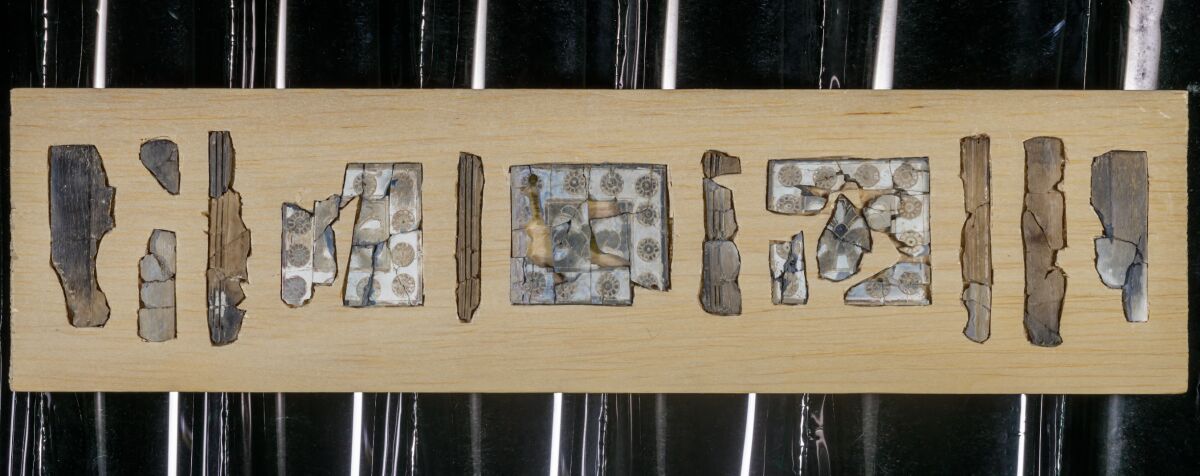
This find, according to Dr. Yiftah Shalev of the iaa, “illustrates how important [Jerusalem] was and places it in the same league as the capitals of Assyria and Israel. The discovery of the ivories is a step forward in understanding the political and economic status of the city as part of global administration and economy.”
This ivory monopoly paints a clear picture of a robust and significantly powerful biblical kingdom that was involved in trade with distant civilizations, corroborating the biblical accounts spanning King David to the Assyrian destruction.