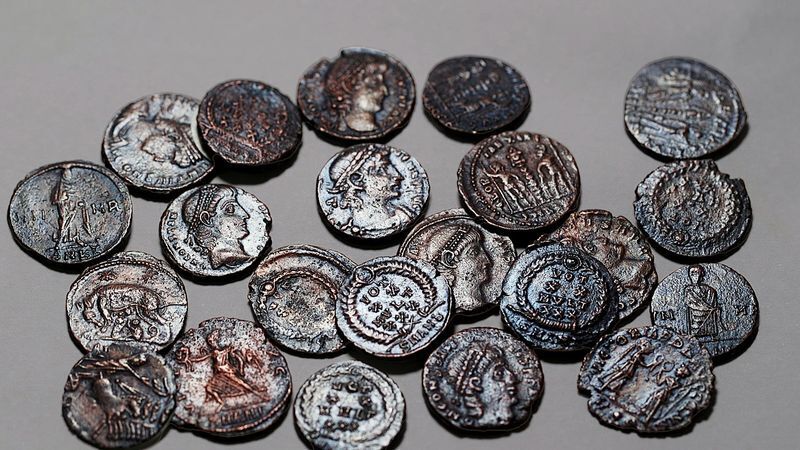
Hidden in a small crevice, deep within an underground complex, 22 bronze, 1,600-year-old coins were discovered, the Israel Antiquities Authority announced this week. The bronze coins were unearthed in the ancient settlement of Hukok in the Lower Galilee in a joint excavation by the Israel Antiquities Authority and Zefat Academic College.
The Hukok settlement is one of the largest of its kind in Galilee. It was established during the Great Revolt (66–70 c.e.) and further developed for the Bar-Kochba Revolt (132–136 c.e.). The coins, however, had the visages of emperors Constantius ii and Constans i, dating the coins to the Gallus Revolt, 351–352 c.e.
“It seems that the people stashing this hoard carefully planned its hiding place, hoping to return to it when the threatening troubles were over,” say researchers Uri Berger from the Israel Antiquities Authority and Prof. Yinon Shivtiel of Zefat Academic College. “The coins were discovered in a pit, deliberately dug at the end of a narrow, winding tunnel.”
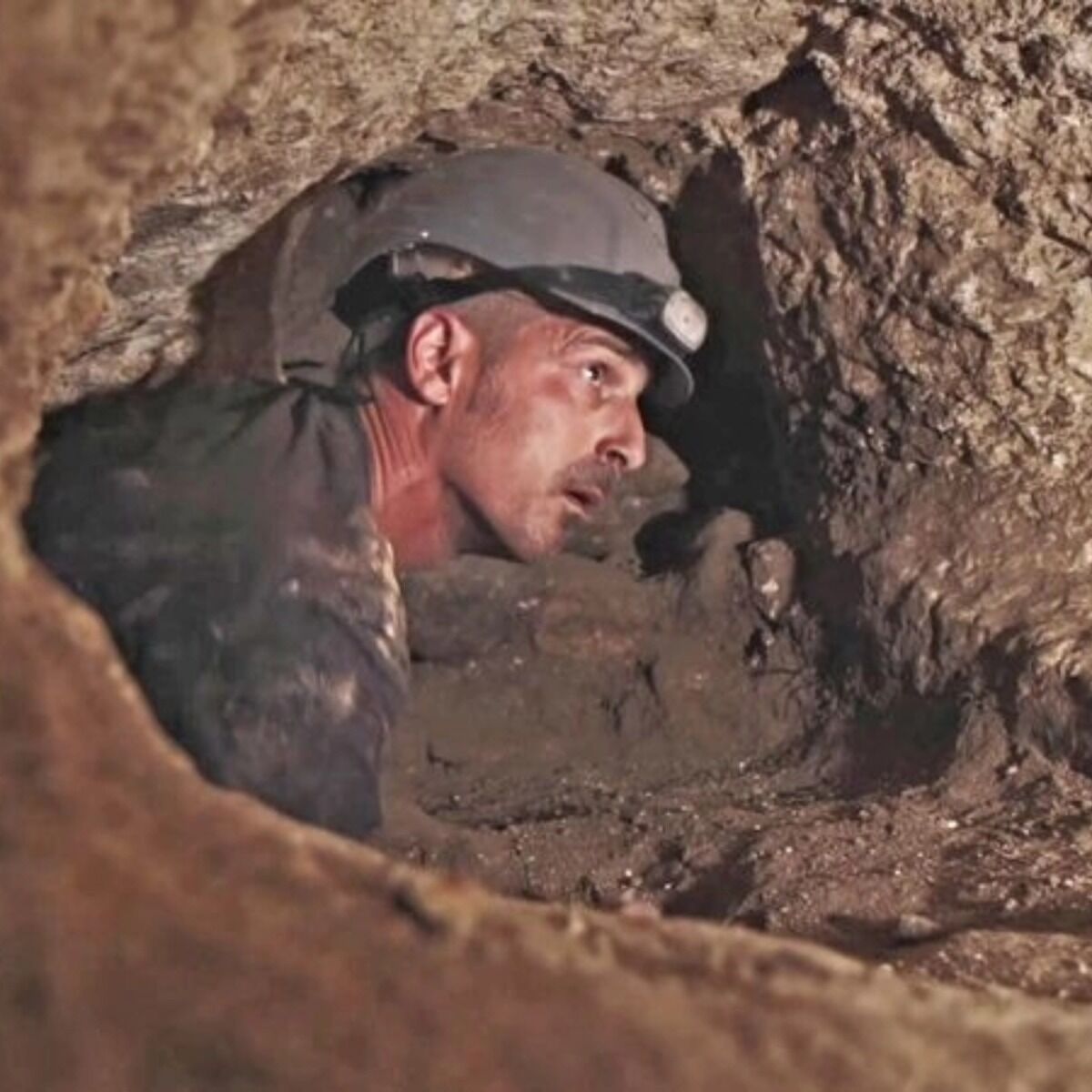
Archaeology in Israel has a history of uncovering revolt coins. The lesser-known Gallus Revolt was the Jews’ final revolt against Roman rule. This discovery “shows that hundreds of years after these tunnels were dug out, they were reused,” said the researchers. “The hoard provides—in all probability, unique evidence, that this hiding complex was used in one way or another during another crisis—during the Gallus Revolt—a rebellion for which we have only scant historical evidence of its existence.”
Revolt coins were made of either silver or bronze. But the value of such a coin was greater than the metal it was made of.
“Coins are very symbolic,” numismatics expert Dr. Yoav Farhi said in an interview with the Armstrong Institute of Biblical Archaeology in 2022. “Striking a new coin was not unimportant; it provided the Jews an opportunity to develop their own national symbol. With this coin, it … showed the Romans, ‘We can strike silver coins without your permission.’”
Read and learn more about revolt coins and the fall of Jerusalem here.
According to researchers Berger and Shivtiel: “The coin hoard from the days of the Gallus Revolt, hidden deep in the Hukok hiding complex, joins other finds on the site that teach about the days of hardship and periods of crisis that the Jews of Hukok and the Galilee went through during the long Roman period in the land of Israel. Happily, we know that shortly after this final revolt—apparently at the end of this tragic period of hardship, a magnificent synagogue with magnificent mosaics was built on the top of the hill, and the settlement here began an era of long-lasting prosperity.”
Volunteer excavators who discovered this treasure “enjoyed this great moment of joy and the excitement of discovery.” Dr. Einat Ambar-Armon, who directs the iaa Community Archaeological Educational Center in the Northern Region said. “The excavation thus became not only an important scientific event, but also a significant communal educational experience.”
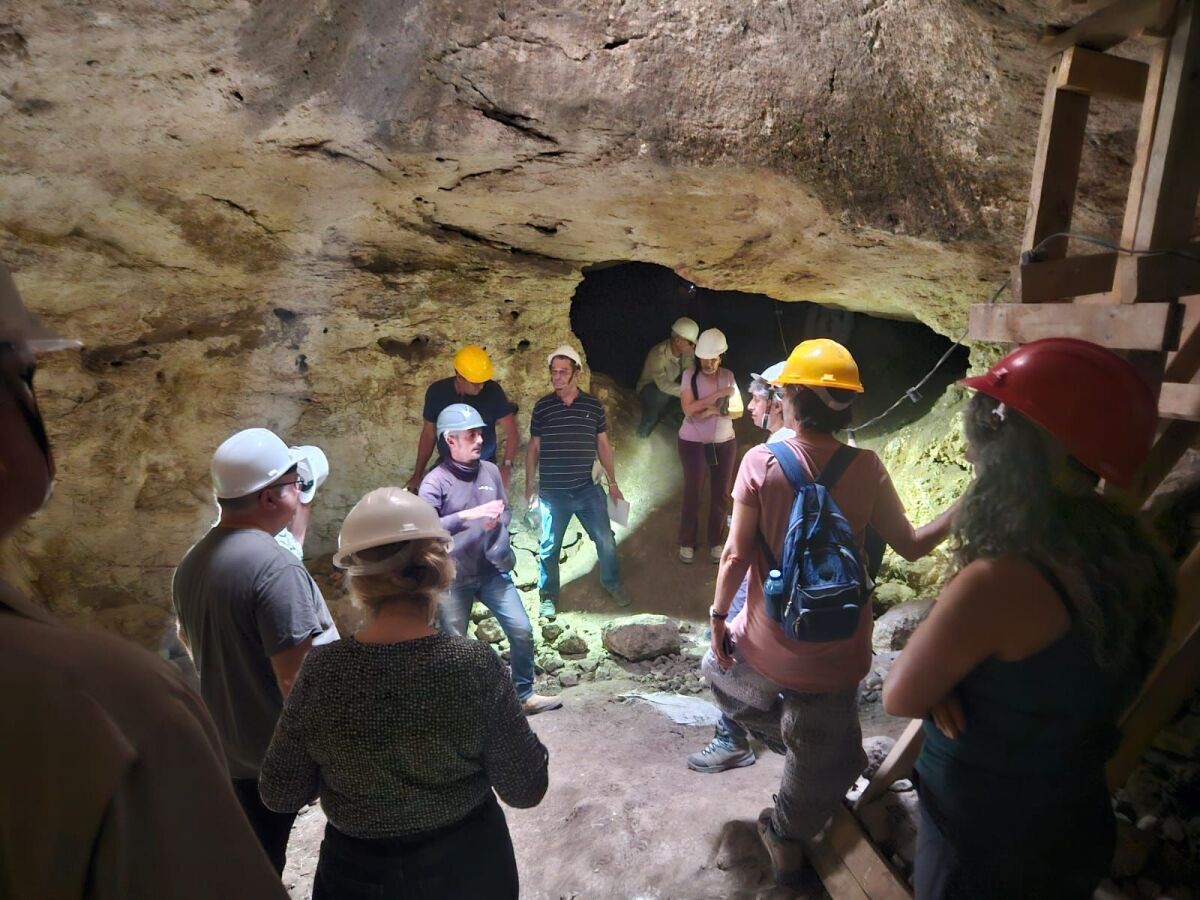
iaa director Eli Escusido said, “The Israel Antiquities Authority considers the Hukok site, considering all its discoveries, as a flagship project, which will be a magnet for tourists from Israel and the world. In recent years, the Israel Antiquities Authority and Keren Kayemet LeYisrael have conducted extensive excavation and conservation operations here, in cooperation with the local community. We are working together so that the entire public can enjoy the hidden treasures of this site.”
