
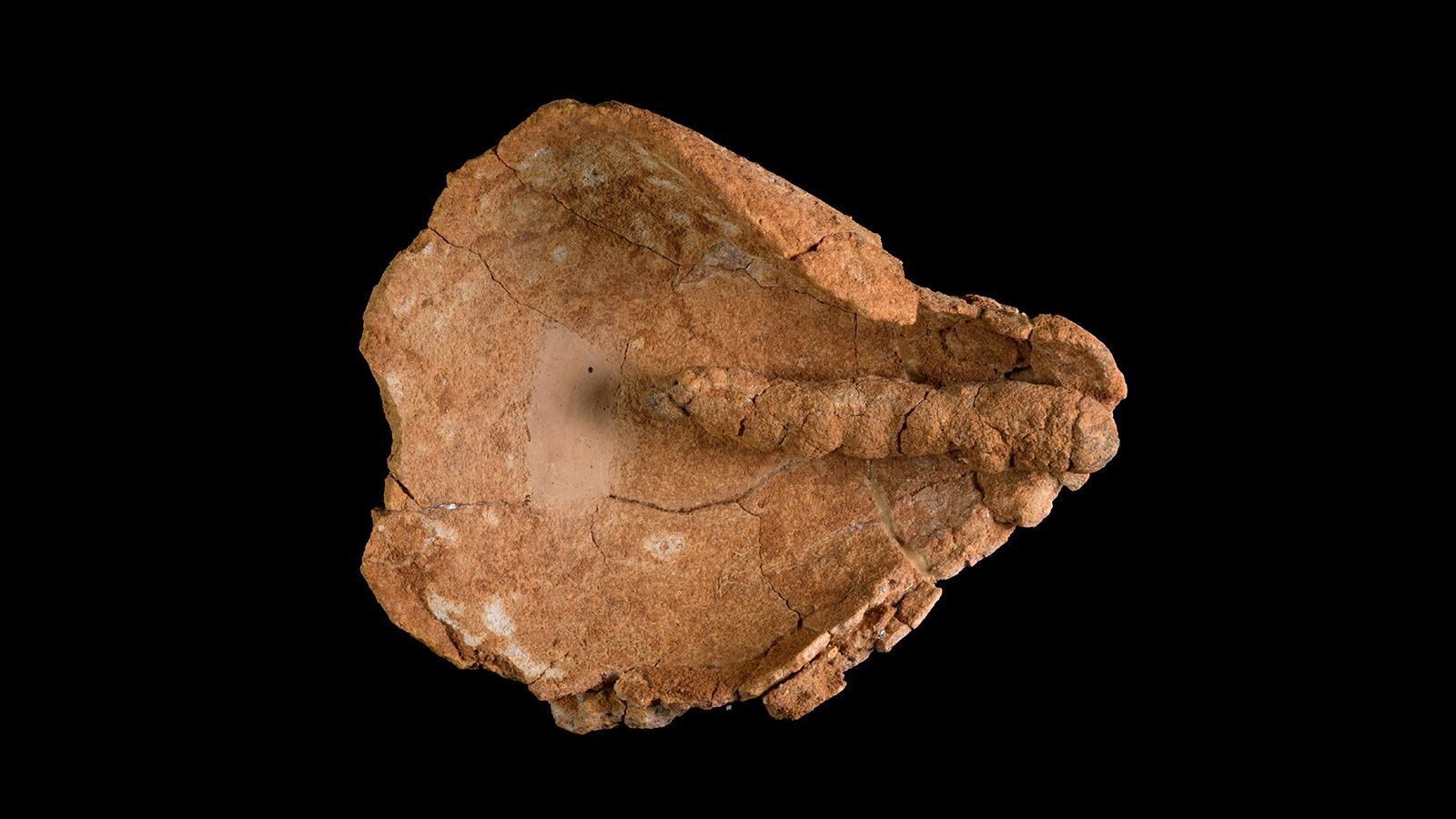
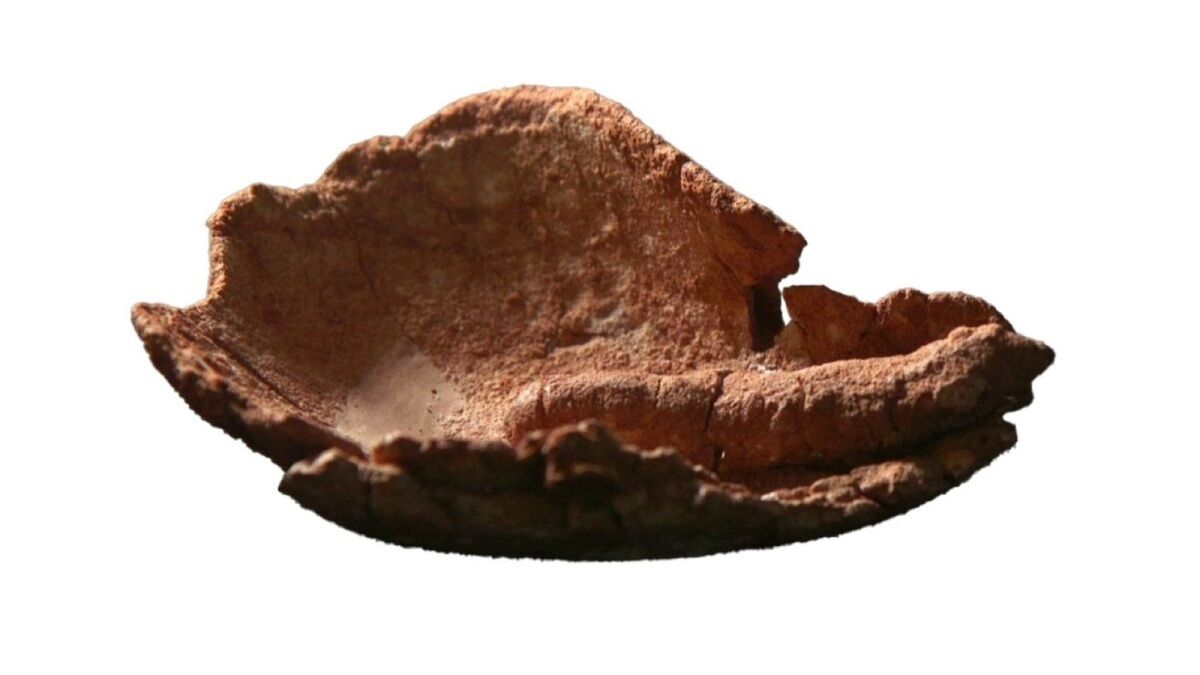
The Israel Antiquities Authority (iaa) announced the discovery of 4,000-year-old lamp wicks in the area of Newe Efraim, Israel. These are the oldest wicks ever discovered in the country, and some of the earliest found in the world.
The wicks are dated to the Early Bronze Age iv, also known as the Intermediate Bronze Age (2500–2000 b.c.e.). This is a few hundred years before Abraham moved to the land of Canaan.
The lamps were used to illuminate underground burial areas during funerals. Alongside the wicks, excavators also discovered pottery, animal bones, metal weapons and jewelry. Finding these items together is unsurprising. A common Early Bronze Age iv practice was a “warrior burial,” in which men were buried with their weapons. This practice is found in multiple regions during this time period.
Two of the three wicks appeared to be used; one was preserved in its entirety. Laboratory analysis of soot and residue revealed that the wicks underwent a rare type of “fossilization,” which allowed them to survive thousands of years.
Wicks are a rare archaeological find. Organic materials typically decay unless preserved in extremely dry conditions. Newe Efraim, however, lies in Israel’s coastal plain, a humid and rainy region. Finding three preserved wicks together in such a climate is exceptional.
Dr. Naama Sukenik Curator of Organic Artifacts at the iaa and Dr. Yonah Maor Director of Analytical Laboratory at the iaa said, “This is a unique discovery that we did not expect could ever be found in the moist Mediterranean climate; these wicks are among the few of their era known to us in the world. … The fact that three wicks were found—and that one of them survived in its entirety—is especially surprising in the humid climate of the coastal plain.”
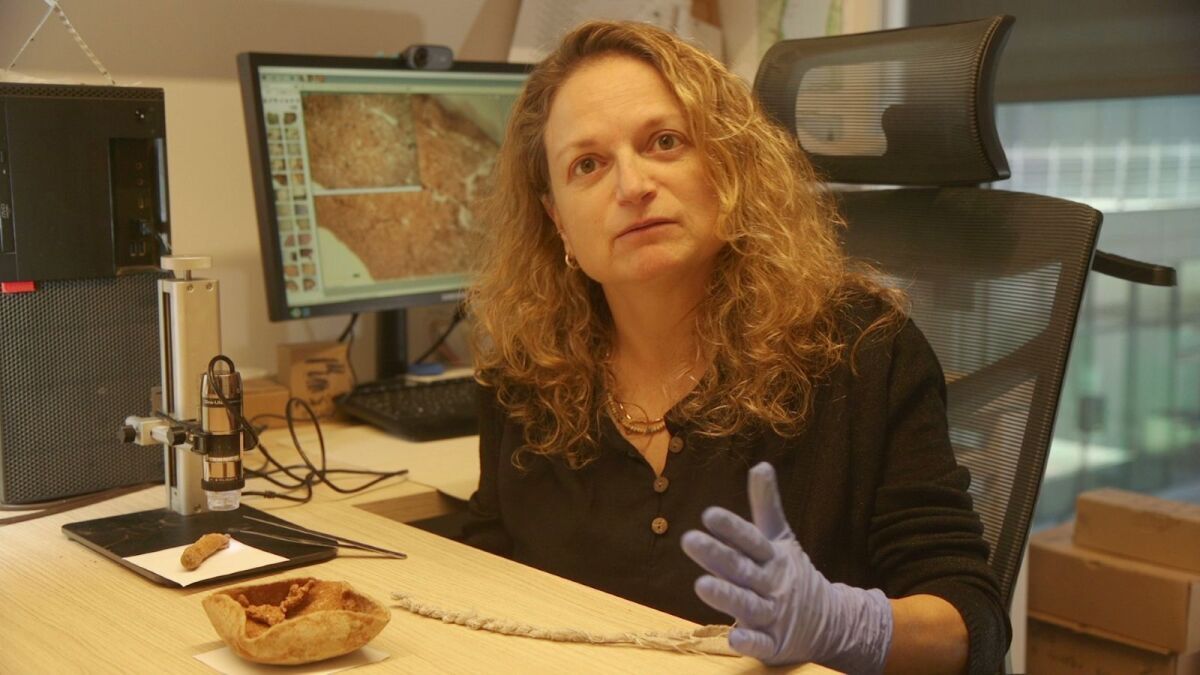
Analysis further showed that the wicks were made from reused linen, a valuable textile at the time. “It is unlikely that an expensive textile such as linen would have been woven especially for an object intended for combustion,” Dr. Sukenik said. “We speculate that the wicks were recycled from other textiles, after their original purpose was completed. According to our analysis, we can reconstruct this wick as made from textile cut into long strips that were twisted together. The secondary use of textiles indicates smart economic conduct, in which precious raw materials were maximally utilized. …”
This exceptional discovery shows not only some of the burial practices in the Bronze Age but also provides a rare glimpse into the daily life, economy and resourcefulness of ancient communities. The preservation of these wicks allows researchers to better understand how people adapted valuable materials for multiple uses, highlighting their ingenuity.
