
The Man Who Built an Iron Bridge
Herbert W. Armstrong was born on July 31, 1892. He was an exceptional individual who lived a long and active life spanning the 19th and 20th centuries.
As our namesake, we deeply value and are greatly inspired by his legacy. So much of what he accomplished paved the way for what we have been able to do today.
Yet we aren’t the only ones who have been impacted by this man. For 60 years, he touched the lives of millions of people as a humanitarian, educator, author, theologian, television presenter and philanthropist. “I have traveled over the four quarters of this globe we call Earth,” he wrote toward the end of his life. “I have rubbed shoulders with the rich and the very poor and those in between. I have visited with captains of industry, emperors, kings, presidents and prime ministers. I have rubbed shoulders with and come to know the totally illiterate and poverty-stricken poor. I have seen this world firsthand at close range as have only the very few” (Mystery of the Ages).
Herbert Armstrong led a unique life—unlike any other in so many ways. When he died on Jan. 16, 1986—40 years ago this year—leaders across the globe wrote to the organization he had led expressing their appreciation and admiration for what he had accomplished. Consider a few of these statements.
The Israeli ambassador to the United States at the time of his death said he was a man “whom Israel regarded as a true friend.”
Member of the European Parliament Otto von Habsburg called him “unforgettable.”
The king and queen of Thailand said that with his death came a “sad and irreparable loss.”
Mayor of Jerusalem Teddy Kollek said, “His good deeds were felt in many corners of the world.”
The king and queen of the Hashemite kingdom of Jordan expressed that they sincerely hoped his “life of benevolence” and “altruism” would be continued.
U.S. President Ronald Reagan told Mr. Armstrong’s supporters, “You can take pride in his legacy.”
Who was this man?
What He Did
Mr. Armstrong was an advertising man by trade. In 1924, he began his own business in Portland, Oregon. He had already been successful for many years writing ads for newspapers and magazines. But with this new business venture, he was well on his way to becoming a multimillionaire. That is, until, as he described in his autobiography, “the bottom fell out!” The Great Depression of the 1920s wiped away his success. “It seemed, indeed, as if some invisible and mysterious hand were causing the Earth to simply swallow up whatever business I started,” he wrote.
The loss of his business and material wealth was a humbling experience. “… I had been beaten down. I had been humiliated. I had been broken in spirit, frustrated,” he wrote (ibid).
But he didn’t stay down. This led to a change of direction in his life. He went from pursuing wealth and the accolades of men to being a student and teacher of the Bible.
In 1934, he published the first issue of his magazine the Plain Truth, which by the time of his death was read by one out of every 583 people on Earth. It had a monthly circulation of over 8 million—higher than Time and Newsweek combined.
He was also the presenter of the World Tomorrow television program, which aired on more than 400 television stations and 36 radio stations.
He authored more than 60 books and, by the time of his death, led a global work with an annual income of $200 million.
This work certainly started small, but it grew to incredible heights. “Ask yourself: What company, business, enterprise or institution … ever experienced a steady growth averaging nearly 30 percent every year for decades? This activity did!” Mr. Armstrong wrote. “… It must be a record unmatched. It meant doubling in size and scope and power every 2 2/3 years. It meant multiplying itself in size eight times in every eight years, 64 times every 16 years, 4,096 times in 32 years!
“Most, if not all, major corporate institutions began with sizable capital. But this worldwide work started giving …” (ibid). All of Mr. Armstrong’s publications were given away free—just as we do with our magazine today.
One area of Mr. Armstrong’s work that started particularly small—and yet one of his greatest contributions—was in the field of education.
Education With Vision
In 1947, Herbert Armstrong founded Ambassador College (AC) in Pasadena, California. AC was a liberal arts institution dedicated to teaching its students not simply how to make a living but how to live.
It was not a seminary or religious school, but it did rely on the Bible. In Mr. Armstrong’s many years of study, he learned that the Bible is the foundation of all knowledge, and therefore, it was the foundation of the AC education.
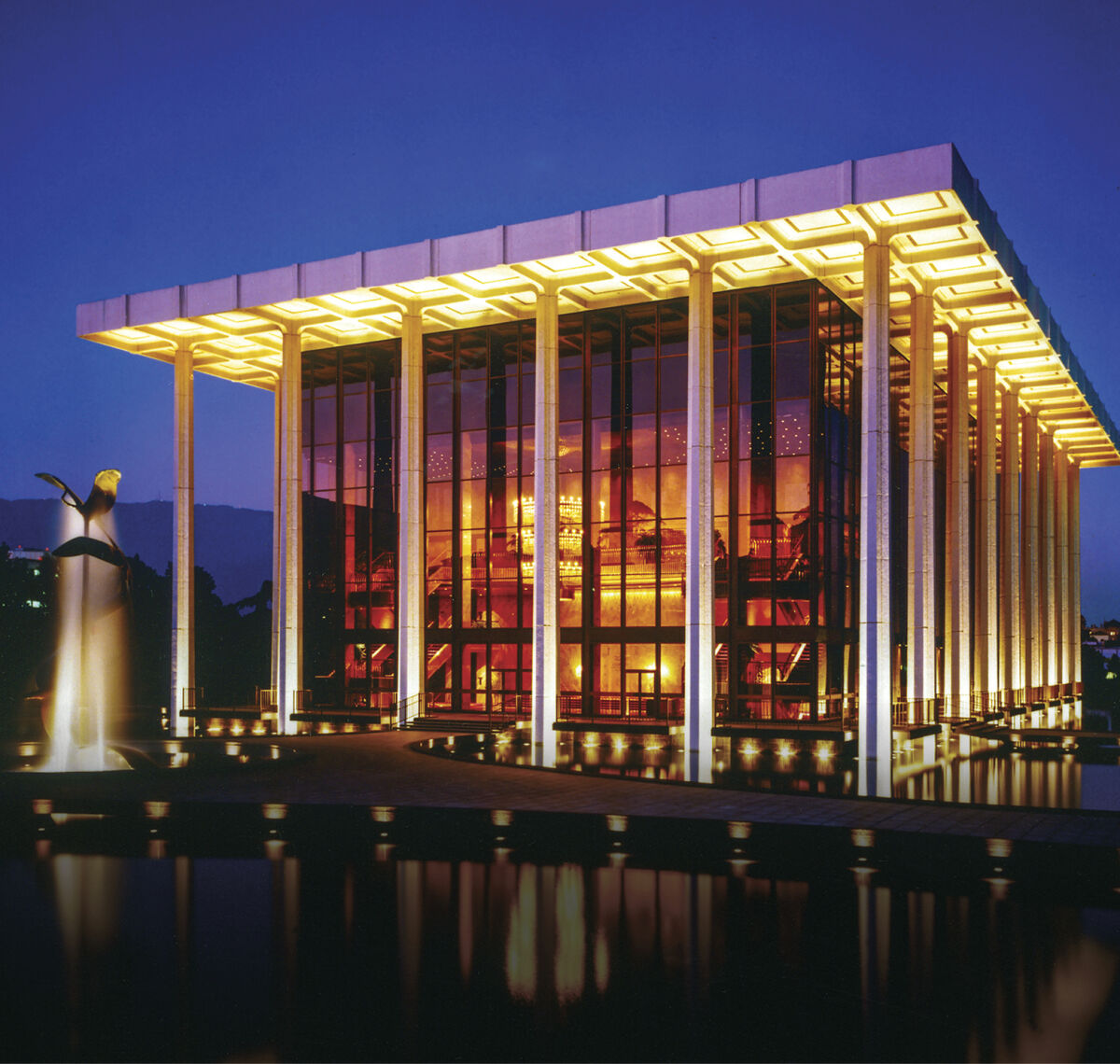
Although the college started small, Mr. Armstrong could see the potential and need for it. “Would you really say it was a college that finally swung open its door to students on Oct. 8, 1947? There were only four students!” he wrote. “There were no dormitories—no place for students to be in residence on the original little ‘campus’ of 1¾ acres. We had some books and encyclopedias on shelves in the one room that served as music room, assembly room, library, study room and lounge—but no real college library. There was no gymnasium, no track or athletic field” (ibid).
By the time of his death, the college had around 1,200 students. Far from the sparse early days of the 1¾ acres, the campus in Pasadena expanded to 40 acres and received multiple awards for being the most beautiful and pristine campus in America.
“In every way, Ambassador College is unique,” wrote Mr. Armstrong. “In magnificence of its campus—in the tone and character of its buildings and grounds—the physical setting in which it has produced tone and character in young men and women—Ambassador College is certainly unique in a world where education has drifted into materialism. Ambassador has dared to recapture the true values; to restore the most necessary missing dimension in knowledge; to become a cultural character-building institution, concerned with moral, spiritual and ethical values as well as with the intellect. It started without money—with four students and eight members of faculty and administration. There have been no protest marches, no friction between students and faculty and administration, no hippie-type students. Ambassador is indeed unique!” (ibid).
Ambassador College truly was a remarkable institution that took a lot of vision to establish. Yet Mr. Armstrong never took credit for the vision himself; he always said that the “vision behind it” was inspired by God and the Bible.
Mr. Armstrong eventually established three college campuses and formed the Ambassador International Cultural Foundation, which sponsored educational projects in Thailand, Sri Lanka and Jordan.
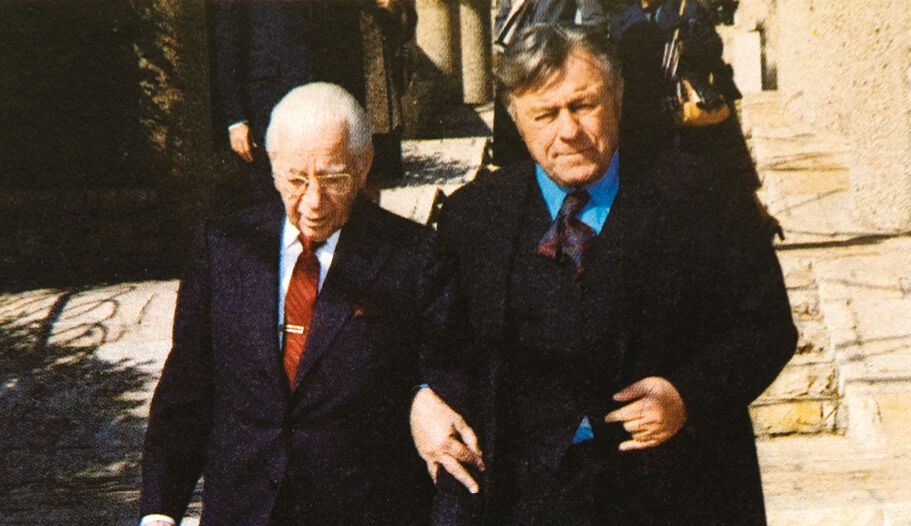
Mr. Armstrong’s vision and forward-thinking displayed on the campuses of Ambassador College impacted others. One such individual is the man known as “the father of modern Jerusalem”: Mayor Teddy Kollek.
Following the reunification of Jerusalem in 1967, Kollek, “the greatest builder of Jerusalem since Herod the Great,” led the development and beautification of the city. He had a grand vision for Jerusalem, which was, in part, inspired by Mr. Armstrong and the beauty of the campuses of Ambassador College.
Mayor Kollek visited Mr. Armstrong at the Pasadena campus in 1971. He later told Mr. Armstrong, “I am trying to follow your example, and make Jerusalem one of the most beautiful cities in the world.”
These two men had a wonderful relationship; it was a true friendship. They could often be seen walking arm in arm through the streets of Jerusalem. They had a mutual respect and admiration for the work of the other.
In 2007, Mr. Kollek sent a letter to aiba founder Gerald Flurry, stating: “I do want to tell you how lovely it was to be reminded of Mr. Armstrong and our long and meaningful friendship. I had such high regard for this special man and his mission of peace. There have been very few people that I have known that I so enjoyed speaking with and so greatly admired and valued their counsel.”
For those of us who work for the Armstrong Institute of Biblical Archaeology and live in Jerusalem, this history is quite personal. We regularly walk by or take our children to play at Liberty Bell Park. Teddy Kollek built this park as part of his initiative to beautify Jerusalem and create a place at the center of the city for Arab and Jewish children to play together. Liberty Bell Park was an initiative of peace! Mr. Armstrong recognized this and sponsored a children’s playground at the entrance of the park.
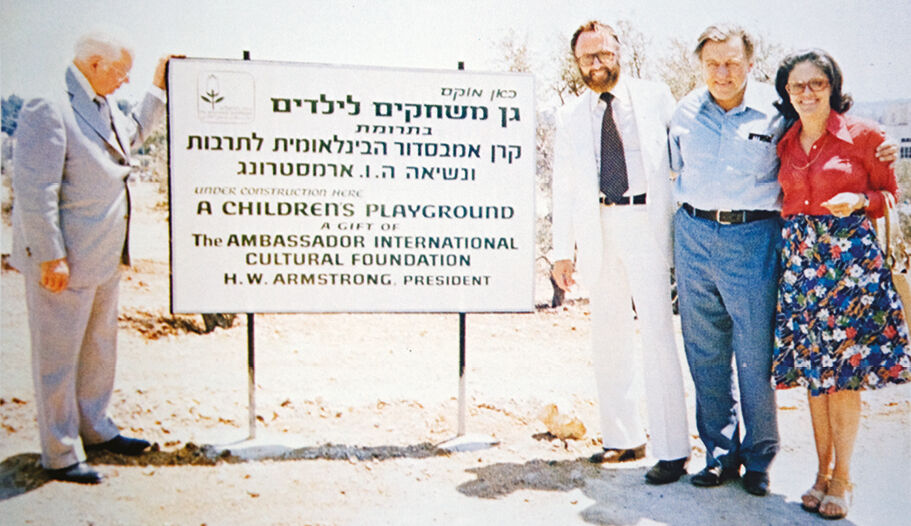
“This park serves as a meeting point for all the people of Jerusalem and is a peaceful and tranquil center for the city,” Mr. Kollek wrote. “It is especially meaningful for me to remember Mr. Armstrong in connection with Liberty Bell Garden and his mission of peace.”
This park in the heart of Jerusalem should be a reminder to all who visit it of the mission and goal of Herbert W. Armstrong, the unofficial ambassador for world peace.
Ambassador for World Peace
Between the 1970s and 1980s, Herbert W. Armstrong met hundreds of world leaders—presidents, prime ministers, kings and ambassadors. He would sometimes travel 300 days out of the year. Mr. Armstrong didn’t pursue these meetings; rather, these world leaders sought him out.
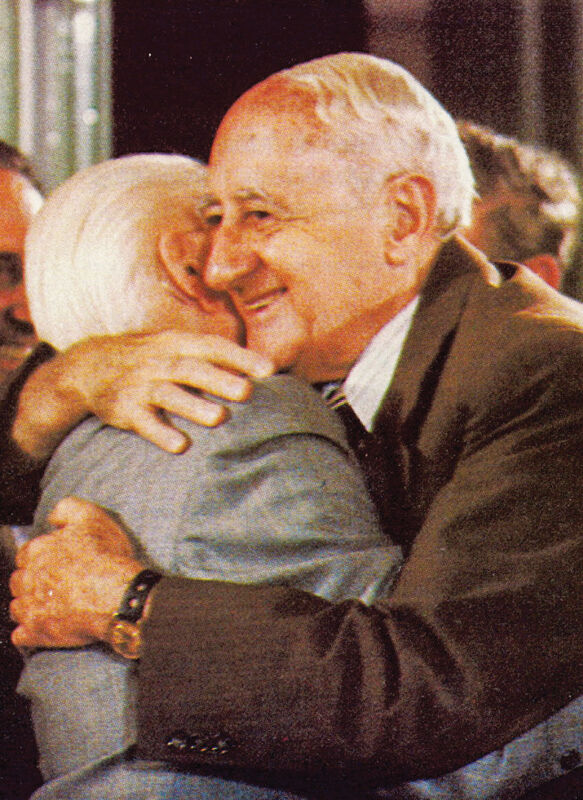
“The remarkable thing is that I did not seek or initiate these meetings—not once! I was invited,” Mr. Armstrong wrote in a co-worker letter on April 12, 1971. The next month he wrote: “So many high-level personal conferences could not have opened to one in private life, in so short a time, by mere happenstance. I could not have planned them and brought them about if I had tried!” (co-worker letter, May 28, 1971).
His humanitarian work and efforts toward world peace were so well known and well respected that these leaders invited him into their offices, homes and parliament buildings. Whether in private meetings or at banquets held in his honor, Mr. Armstrong’s message was the same: a hopeful message of peace from the Bible.
Mr. Armstrong met with such distinguished individuals as British Prime Minister Margaret Thatcher, Indian Prime Minister Indira Gandhi, Belgium’s King Leopold, Japan’s Prince Mikasa, Ethiopia’s Emperor Haile Selassie, and the kings and queens of Thailand, Jordan, Saudi Arabia and Nepal.
His greatest and most enduring relationships, however, were with the leaders of Israel. He met with five of Israel’s prime ministers and four of its presidents.
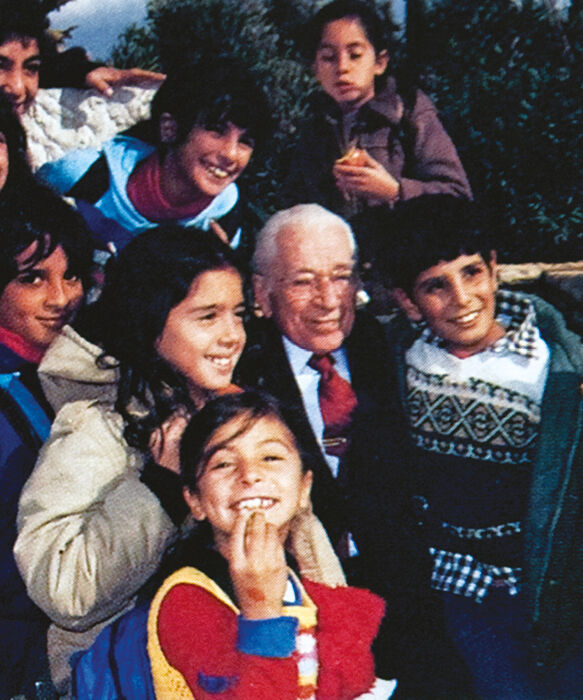
Tourism Minister Moshe Kol was the first individual to invite Mr. Armstrong into a formal partnership in Israel.
Following Israel’s 1948 War for Independence, Kol said he “had a dream to develop cooperation and promote friendship between Jewish and Arab youths in the newborn State of Israel. … We had to begin anew—to build bridges between Jews and Arabs, to foster mutual understanding and knowledge of our different cultures” (Plain Truth, May 1984).
This dream became reality in 1960, when he founded the International Cultural Center for Youth (iccy). By 1968, however, he needed more funding. That was when he approached Mr. Armstrong. As we write in our booklet A Warm Friend of Israel, “Mr. Kol saw the connection between Mr. Armstrong’s life’s work and the youth center.” Mr. Armstrong agreed to support the iccy.
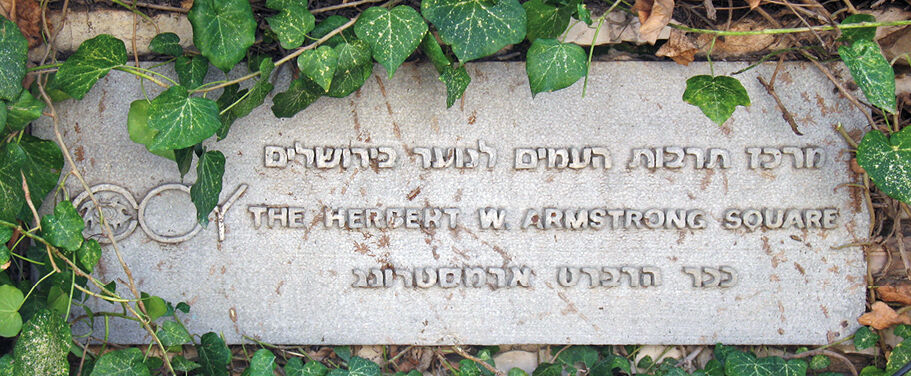
“In honor of his continued dedication to the programs and the goals of the iccy,” Mr. Kol wrote, “and for his success in building bridges between leaders of nations to promote peace in the world, the Board of Directors of the iccy has named the square at the entrance of the iccy building in Jerusalem the Herbert W. Armstrong Square” (op cit). A dedication plaque with Mr. Armstrong’s name on it can still be seen today.
As he was supporting Mr. Kol’s and Mr. Kollek’s projects in Jerusalem, one particular individual was taking note.
Mission of Peace
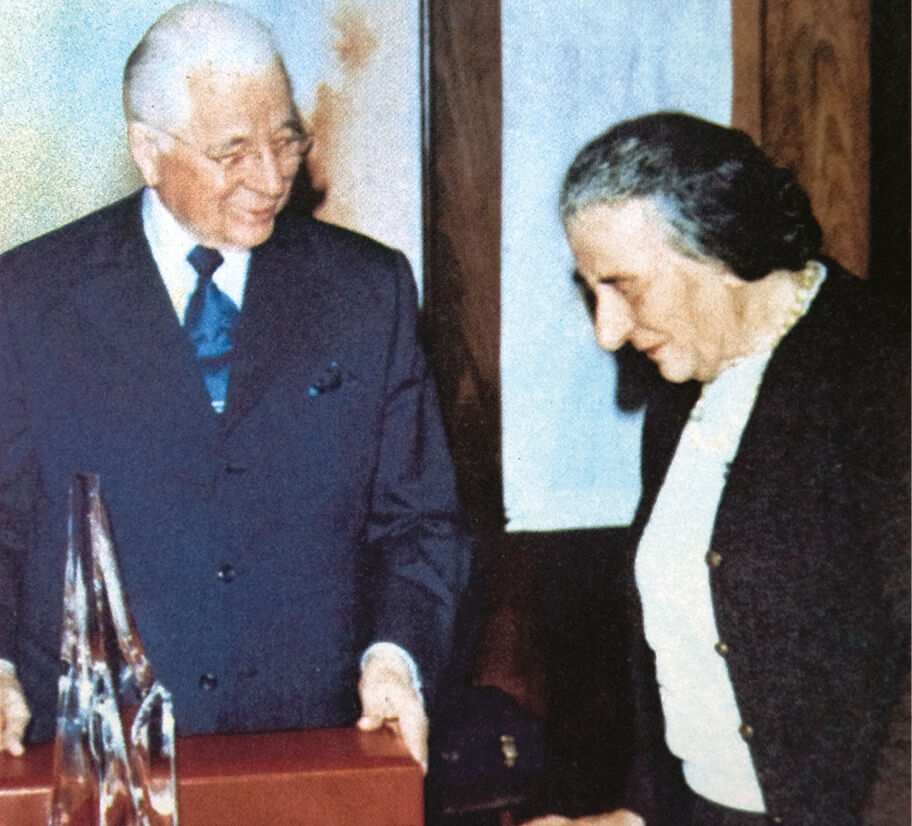
The first prime minister to invite Mr. Armstrong into a meeting was Israeli Prime Minister Golda Meir. She appreciated his work in Jerusalem and respected his message.
Ms. Meir herself was a woman of vision. Like Mr. Armstrong, she had a mission of peace. After their 1971 meeting, Mr. Armstrong wrote to readers of the Plain Truth: “To her, peace is a very simple matter—if leaders and their peoples were willing to have it” (June 1971). She told Mr. Armstrong that she wanted to sit across the table from Israel’s neighbors and draw up a plan that would mutually benefit both Israelis and Arabs.
There is a way to bring “prosperity and happiness … to this entire area of the world by peace,” she told Mr. Armstrong.
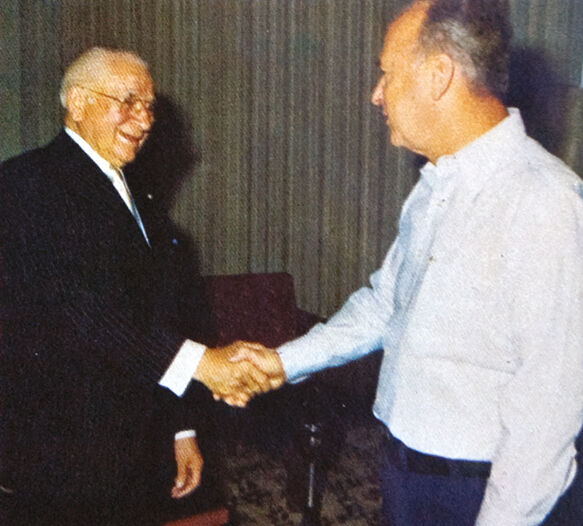
This was a similar message to what Mr. Armstrong had been proclaiming for decades. “For 40 years I have been presenting the subject to the world as a very simple one,” he wrote. “There is a cause for every effect. The way of life that will cause peace is what I term very simply as the ‘give’ way; and the world insists on living the ‘get’ way” (ibid).
Just a few years later, however, something unexpected happened. Mr. Armstrong called it “the most incredible peace overture of modern times” (Plain Truth, February 1981). It involved two of the most unlikely participants giving something for peace—and Herbert W. Armstrong was right at the center of it.
Peace at Mount Sinai
On Oct. 6, 1973, several Arab nations attacked Israel, commencing the Yom Kippur War. This war effort was led by Egypt and Syria. Egypt’s president at the time was Anwar Sadat. As the leader of the Arab world, Sadat would have been considered the most unlikely person to ever make peace with the Jewish state.
Yet just four years later, on Nov. 20, 1977, President Sadat stood before Israel’s Knesset and boldly said: “You would like to live with us in this region of the world, and I tell you in all honesty that we welcome you among us.”
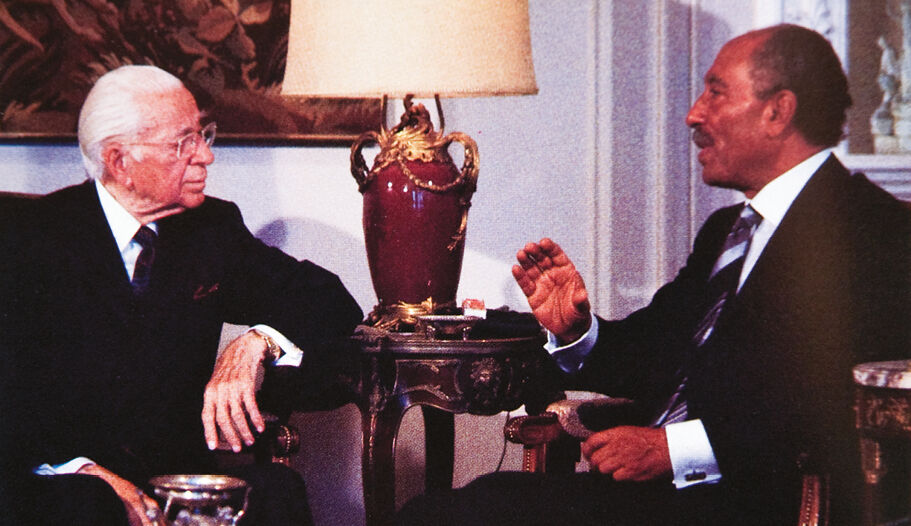
President Sadat’s speech electrified Mr. Armstrong. He wrote in the Plain Truth that Sadat “declared peace, not war!”
“It was the most sensational overture toward international peace made by any head of state in our time!” he continued. “Consider Mr. Sadat’s position at the time. Egypt was the acknowledged leader of the Arab world. Headquarters of the Arab League was in Cairo. Mr. Sadat held high political prestige—perhaps the highest—in the Arab world. He braved furious opposition from all other Arab nations and their leaders in making this trip. It required vision, a sense of right against opposition, and extreme personal risk as well as political risk” (op cit).
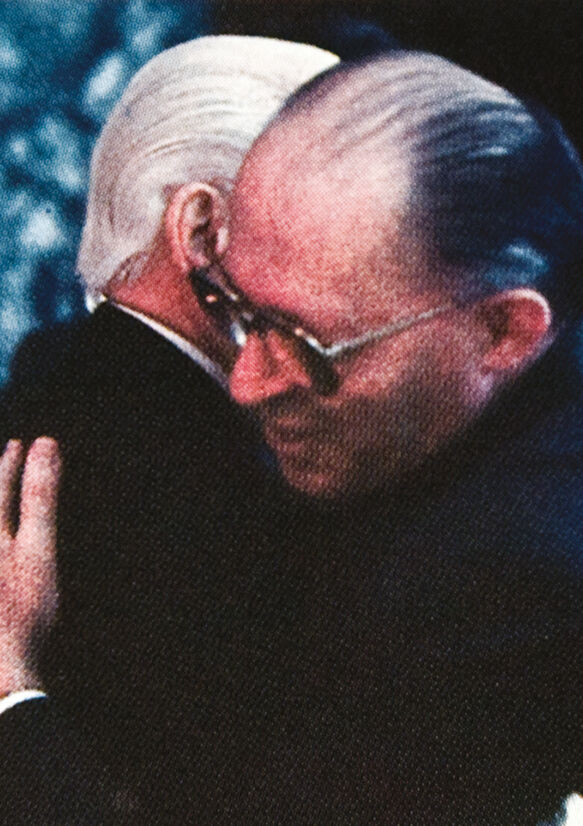
Mr. Armstrong had the opportunity to meet and develop a close relationship with the two leaders who made this overture of peace possible: Anwar Sadat and Israeli Prime Minister Menachem Begin. In 1978, Begin and Sadat signed the Camp David Accords with United States President Jimmy Carter. However, years before working with Carter on this agreement, the two Middle Eastern leaders were meeting with Mr. Armstrong.
Mr. Armstrong met with Sadat in 1974—three years before this stunning announcement and less than a year after the Yom Kippur War. Sadat was aware that Mr. Armstrong had close ties to the leaders of Israel, yet he still invited Mr. Armstrong into his country and held a private meeting with him. He invited Mr. Armstrong and his staff to an event for important members of Egypt’s government and society. Mr. Armstrong and his team were the only non-Arabs at the event.
Mr. Armstrong and Prime Minister Begin met on several occasions between 1977 and 1983. One such occasion on Nov. 3, 1980, shows just how much respect and admiration Israel’s leaders had for this man. While at a meeting with government officials in Tel Aviv, Mr. Begin learned that Mr. Armstrong had arrived in Jerusalem. He stopped the meeting, excused himself, and drove one hour to Jerusalem. When a staff member of Mr. Begin’s mentioned what he had done, the prime minister said, “Mr. Armstrong, I would get out of bed at 2 in the morning to see you.” The level of respect and admiration these leaders had for this unofficial ambassador for world peace is inspiring.
In 1981, Sadat told Mr. Armstrong about his plans to build a world peace center at the base of Mount Sinai, land that Begin agreed to give to Egypt in exchange for peace. This peace center would have a mosque, synagogue and church—representing the goal of the project, which was to showcase peace among all nations and religions. Sadat’s proposal was visionary. The location he chose for this peace center was significant: Mount Sinai, where God gave the law to the ancient Israelites (Exodus 19-20). As Mr. Armstrong always explained, that very law would have to be at the foundation of any true and lasting peace.
In 1971, Mr. Armstrong wrote, “There will have to be a cause to produce peace. That cause is a way of life. … It is the way of outgoing concern for neighbor equal to self-concern” (Plain Truth, June 1971). As he often explained, that way is defined by the law given at Mount Sinai. Mr. Armstrong could see that there was a true effort toward peace in this project. For that reason, he agreed to donate $1 million to Sadat’s plans.
Tragically, Sadat was assassinated on Oct. 6, 1981, and the Sinai project never materialized. As Mr. Armstrong wrote in February 1981, there was “extreme personal risk as well as political risk” in Sadat’s plans. Yet for a short time, the way of give was in action—and peace was momentarily restored.
“Menachem Begin and Anwar Sadat made serious sacrifices for this peace,” Mr. Flurry wrote. “Prime Minister Begin gave up the massive buffer territory of the Sinai Peninsula. And President Sadat gave his life.”
The iccy, Liberty Bell Park and the Sinai Peace Center were worthwhile and valuable projects that Mr. Armstrong supported. His greatest and most enduring project, however, is ongoing to this day.
Iron-Bridge Partnership
Mr. Armstrong visited many cities, but he had a special affection for Jerusalem. During one four-year period, he visited Israel 50 times. Former idf chief of staff and archaeologist Prof. Yigael Yadin “referred to my arrivals there as ‘monthly visits,’” Mr. Armstrong wrote (co-worker letter, Aug. 19, 1976).
In the October 1976 Plain Truth, he wrote that “returning to Jerusalem seems like returning home.” It would make sense then that it was within this city that one of his greatest partnerships began.
After Israel took possession of the Old City during the 1967 Six-Day War, Prof. Benjamin Mazar, former president of Hebrew University, began excavating near the Western Wall.
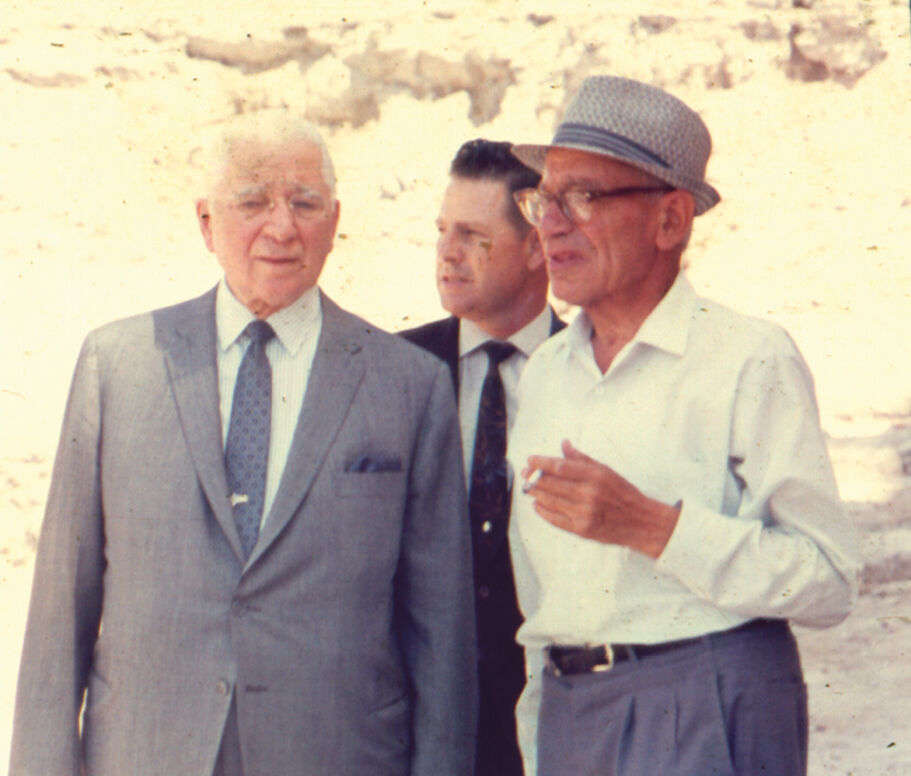
In October 1968, Mr. Armstrong visited Jerusalem to inspect the excavation, which had started a few months prior. Mr. Armstrong wrote to his readers that this archaeological project was “much more impressive than I had expected. I began to realize the scientific and educational value to Ambassador College” (co-worker letter, May 28, 1971).
During that visit, Mr. Armstrong attended a luncheon in a private room at the Knesset with five high-ranking Israeli officials and Professor Mazar. At that meeting, Moshe Kol suggested that AC and Hebrew University form “an iron bridge that can never be broken.” Three other American universities were interested in joining the archaeological project. Yet that luncheon made clear that Israel’s government and Hebrew University wanted to partner with AC—and no one else.
“It was a most memorable luncheon,” Mr. Armstrong wrote. “The favor we were given in their eyes—the warmth of their attitude toward us—was inspiring, astonishing and most unusual.”
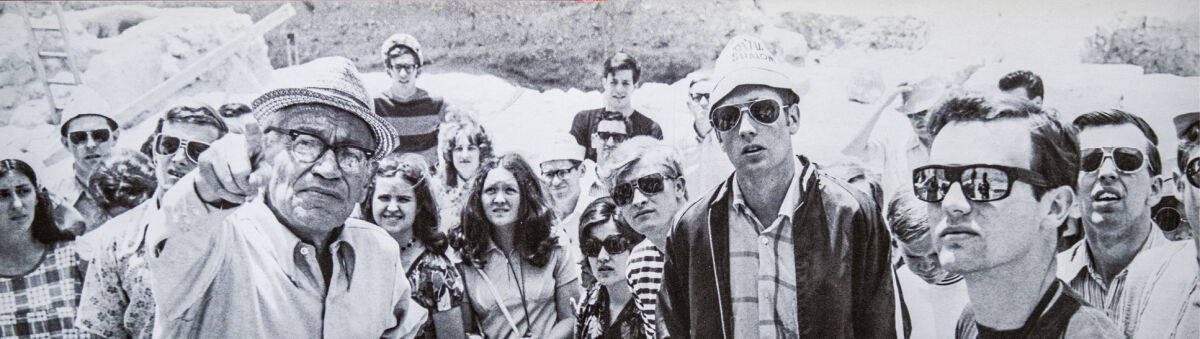
Mr. Armstrong could see that there was great value in this project. He knew the importance of Jerusalem. He also knew the importance of history as a teacher. He could see that one of the greatest ways to teach the history of God’s chosen city, Jerusalem, and the history of the Bible was by exposing that history through archaeology.
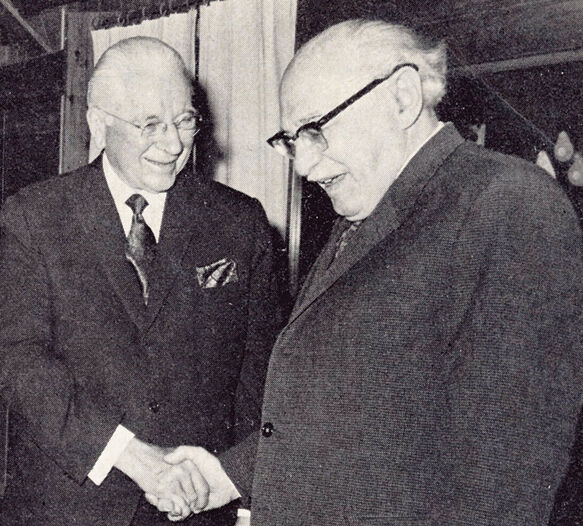
On Dec. 1, 1968, Mr. Armstrong visited Jerusalem and formalized the agreement. At the presidential palace, Mr. Armstrong met with Israeli President Zalman Shazar—the first head of state to extend an invitation to Mr. Armstrong. At that meeting, Shazar asked Mr. Armstrong if he wanted to put the relationship into writing with a formal contract. Mr. Armstrong simply responded: “My word is good, and I believe yours is too, without any legal entanglements.”
Almost every year from that time forward until his death in 1986, Ambassador College sent 50 to 100 students to excavate in Israel.
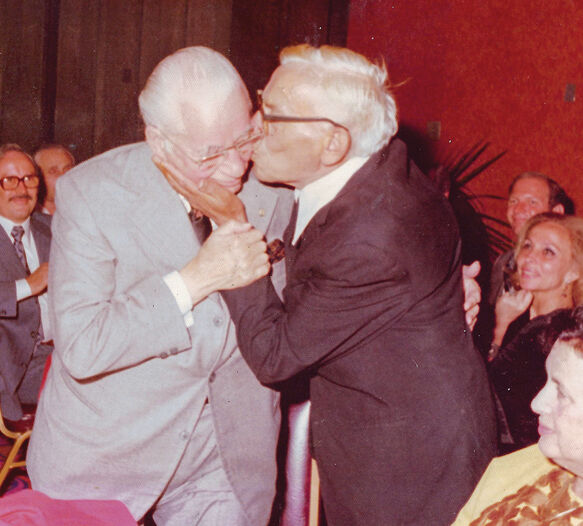
Mr. Armstrong loved and deeply valued this iron-bridge partnership with Israel. He could see, as he wrote in 1969, that “[s]ome of the most valuable contributions to knowledge are being made today through archaeology” (Plain Truth, April 1969). But his devotion to this project wasn’t merely for the science or practice of archaeology. His vision of what AC was doing in Jerusalem went deeper than that. He knew they were digging in the very spot that King David’s throne once sat.
In that 1969 article, titled “Uncovering—3,000 Years of History,” Mr. Armstrong wrote: “The exact spot of that throne lies buried beneath, at the very site of our present project! It lies under these very ‘heaps’—buried by layer upon layer of the decay of buildings of generation after generation. …
“This exciting and important project is gradually clearing off all the accumulated rubble, over the entire area, all the way down to the exact site of the throne of David!”
What vision this man had! We often point to Dr. Eilat Mazar as one who identified early on the location of David’s palace. In the January-February 1997 Biblical Archaeology Review she published her hypothesis that King David’s palace was in the northern end of the City of David. At the time, that was a revolutionary hypothesis.
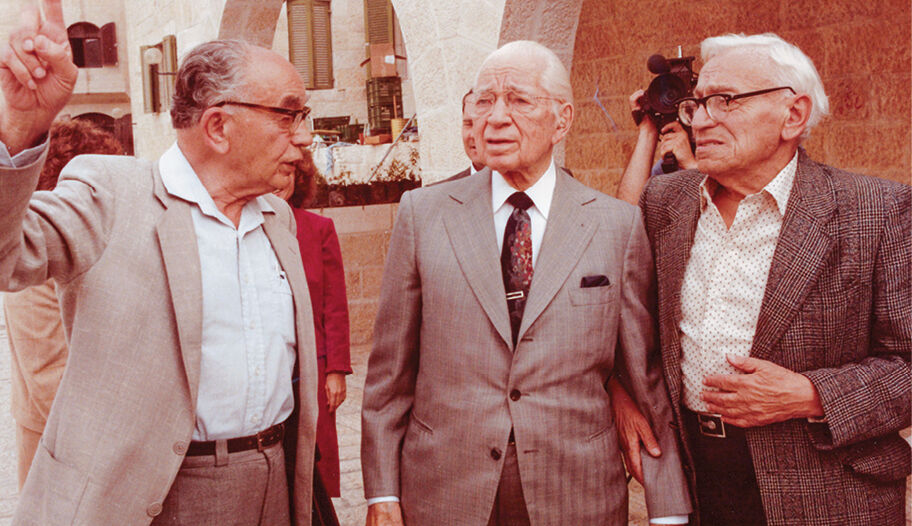
Yet 30 years before her, Herbert W. Armstrong was proclaiming, We are excavating in the very spot of David’s palace! He wrote to his readers in April 1971: “We are not only uncovering 3,000 years of buried history. We are clearing off the accumulated rubble, decay and debris … over the very throne of David ….”
In 1976, he repeated: “David took Jerusalem
(2 Samuel 5:1-13). Building David’s house—from which he ruled (we are now digging down to find that location in the archaeological project)” (co-worker letter, August 19, 1976).
Mr. Armstrong had vision. He was a visionary in education. He was a visionary in what he understood about world peace. And he was a visionary when it came to archaeology. Not because of his own greatness, but because he took the Bible at its word. This was a quality of Mr. Armstrong that those closest to him could see very clearly and respected.
Bridges of Goodwill
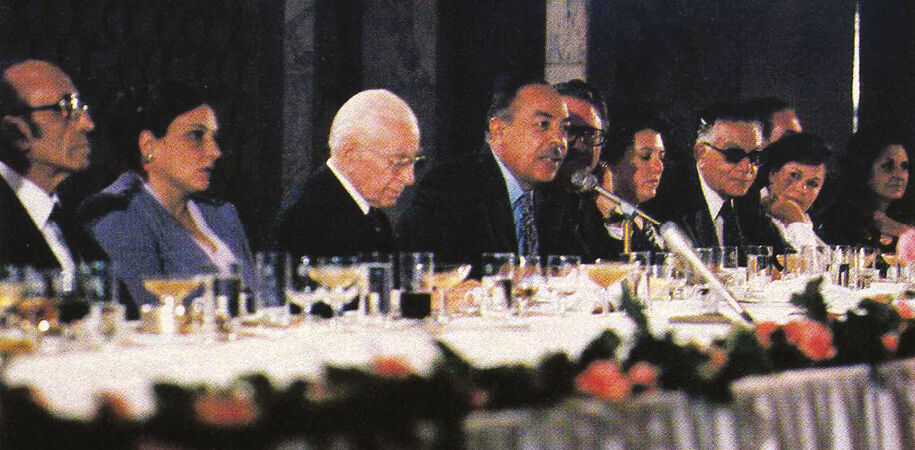
In November 1974, Israeli officials hosted a banquet in Tel Aviv honoring Mr. Armstrong and his efforts toward world peace. Around 110 individuals were in attendance, including ambassadors from 16 countries.
In his opening comments, Mr. Kol said that Mr. Armstrong was “an outstanding personality, with wonderful connections all over the world”; he praised his efforts of “building bridges of goodwill” between nations. He then drew attention to his special relationship with Israel, saying that his “involvement … in Israel is maybe more than in other countries.”
Mr. Armstrong’s special affection toward Israel wasn’t simply because of the Jewish people or the nation of Israel itself. It was because of what it pictures for all mankind. One man in particular at that banquet deeply understood this.
Prof. Benjamin Mazar opened his speech by drawing attention to the archaeological project, stating that it was “a privilege that this important project is continuously supported—technically, manually, morally, spiritually and, may I say in addition, enthusiastically—by a prominent institution of learning, Ambassador College, headed by its distinguished chancellor, Mr. Herbert Armstrong.”
He then delivered an inspiring summary of the goals and purpose of Mr. Armstrong’s life’s work. This is “an extraordinary occasion to say a few words about my dear friend, Mr. Armstrong,” he said. “He is rather a unique personality in a world of terrorism, animosity, prejudices and evil inclinations. Mr. Armstrong is a cosmopolitan in the best sense of the word, humanitarian, a sponsor of eternal, universal world ideas. He is a great believer in the ideas of world peace and brotherhood between nations and, therefore, he is often using the Hebrew term ‘shalom’ [meaning peace]. But primarily, he has firm faithfulness in the prophecy of Isaiah ….”
Professor Mazar then paraphrased Isaiah 2, which says: “And it shall come to pass in the end of days, That the mountain of the Lord’s house Shall be established as the top of the mountains, And shall be exalted above the hills; And all nations shall flow unto it. And many peoples shall go and say: ‘Come ye, and let us go up to the mountain of the Lord, To the house of the God of Jacob; And He will teach us of His ways, And we will walk in His paths.’ For out of Zion shall go forth the law, And the word of the Lord from Jerusalem” (verses 2-3). As a student and teacher of the Bible, Mr. Armstrong used scriptures like these when talking to heads of state. Such verses fueled Mr. Armstrong’s vision. This is what motivated him to travel up to 300 days out of the year when he was in his 80s and 90s.
As Mr. Flurry explained in the November-December 2022 Let the Stones Speak, Professor Mazar used this banquet to make public why Mr. Armstrong supported biblical archaeology and why he met world leaders. Mr. Armstrong understood that prophecies like Isaiah 2 contain an incredible message of hope—and the world needs that hope.
He met world leaders so they would take that message to their people. He supported biblical archaeology to uncover the truth of the Bible and inspire all mankind with that truth. He also deeply understood that Jerusalem was God’s chosen city (e.g. 2 Chronicles 6:6; 1 Kings 11:13; Zechariah 2:16). And, therefore, he valued the work that his organization and college were accomplishing in Jerusalem.
“Mr. Armstrong loves and admires Jerusalem,” Mazar continued, “and wholeheartedly he believes in the future of Israel and the Holy City, and for him … the united Jerusalem is not only the metropolis of Israel and the spiritual center of the monotheistic religions, but also the symbol of the great past and the hope for a better future of mankind.”
The Legacy Continues
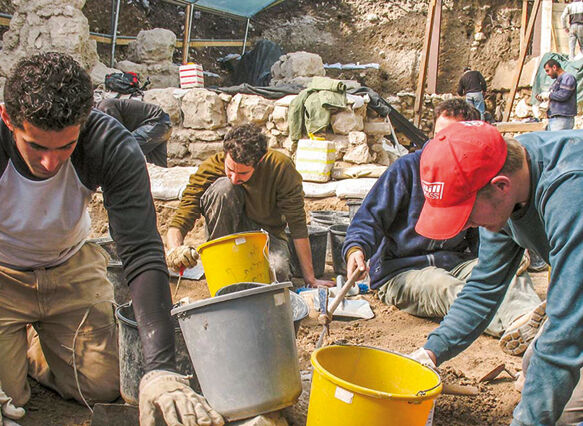
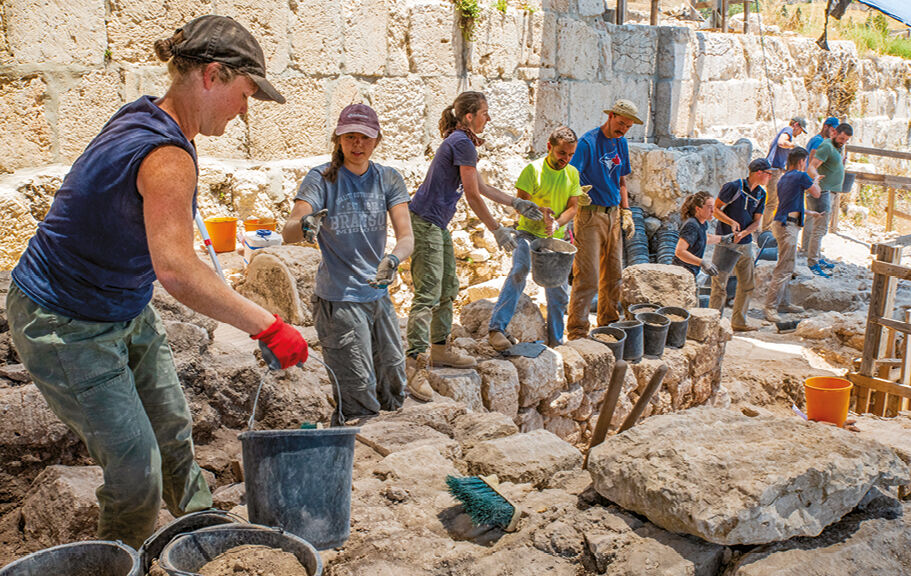
The Armstrong Institute of Biblical Archaeology (aiba), led by Gerald Flurry, is continuing Herbert Armstrong’s work in Jerusalem today. After Mr. Armstrong died, Professor Mazar said, “His name will always be attached to this most important [archaeological] undertaking carried out in Jerusalem.”
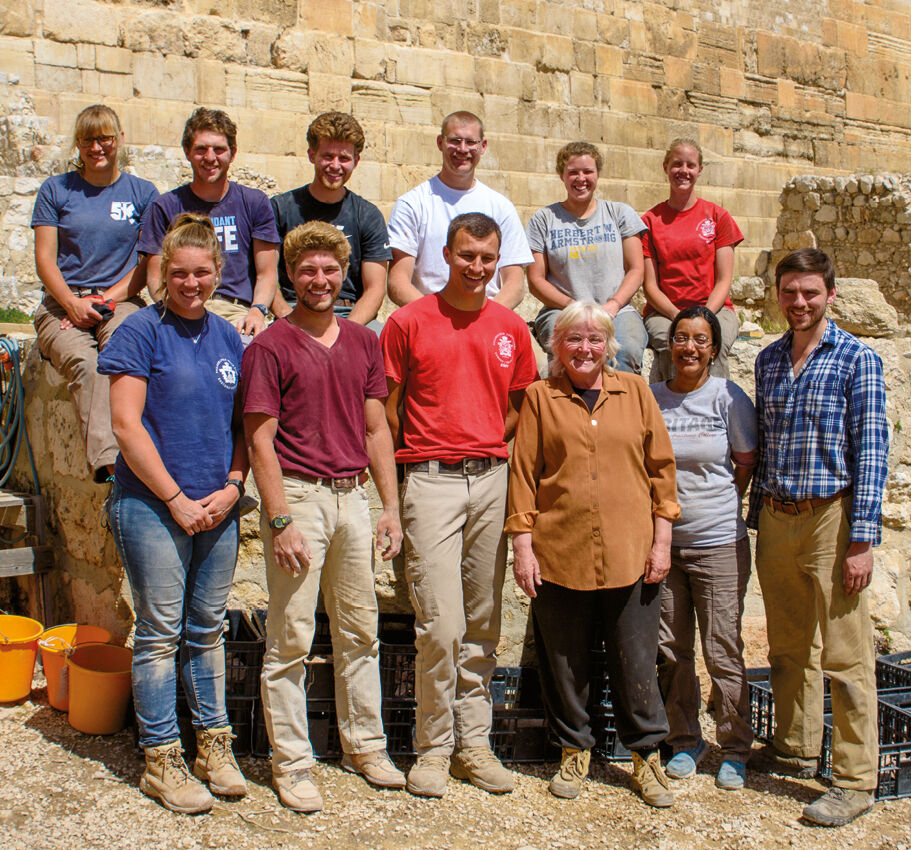
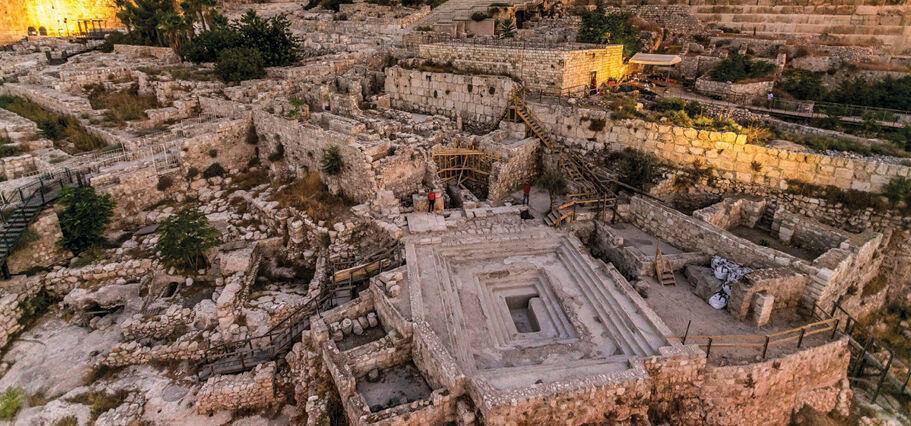
Since 2006, his name has literally been attached to Jerusalem’s archaeology as Herbert W. Armstrong College and the Armstrong Institute of Biblical Archaeology have continued his legacy by excavating within the City of David and on the Ophel.
This is obviously important history for those of us at aiba. But why is this important to you?
Consider what Mr. Flurry wrote in that 2022 article: “World peace is certainly a noble cause. I believe those Israeli leaders [who met Mr. Armstrong] were trying very hard to bring the world closer to peace. Prime Minister Meir said, ‘What we need most of all is peace.’ What can we do if we lack peace? Without peace, we tear one another apart! Somehow we must learn to have peace and have hope. The Bible is full of statements about that. I believe Herbert W. Armstrong and these Israeli leaders can teach us some important and invaluable lessons.”
Understanding how Mr. Armstrong and these leaders worked together and talked to one another is a great example of how to have peace. At a time when the world is talking about peace, it’s important to ponder this man who lived a life in the pursuit of true, lasting peace.
What he was able to accomplish was unique and unusual. “[W]hy do heads of state—kings, presidents, prime ministers of many governments around the world—invite personal meetings with a private citizen of my status? Why do governments officially confer highest honors on such a private alien?” Mr. Armstrong asked. “[T]his reversing of trends, ways and procedures has not been that of my devising. As I look back over the years, I can only shake my head in wonderment. I have not done these things—no man could. I cannot take credit. Yet paradoxically, I have been privileged to have the leading part in these activities” (Autobiography).
Mr. Armstrong lived a long, productive life. Pondering the life of this man and all that he accomplished brings to memory the quote from British Prime Minister Winston Churchill: “The person must be blind, indeed, who cannot see, that here on Earth a great project, a great plan, is executed …4 of which we participate as faithful servants.”
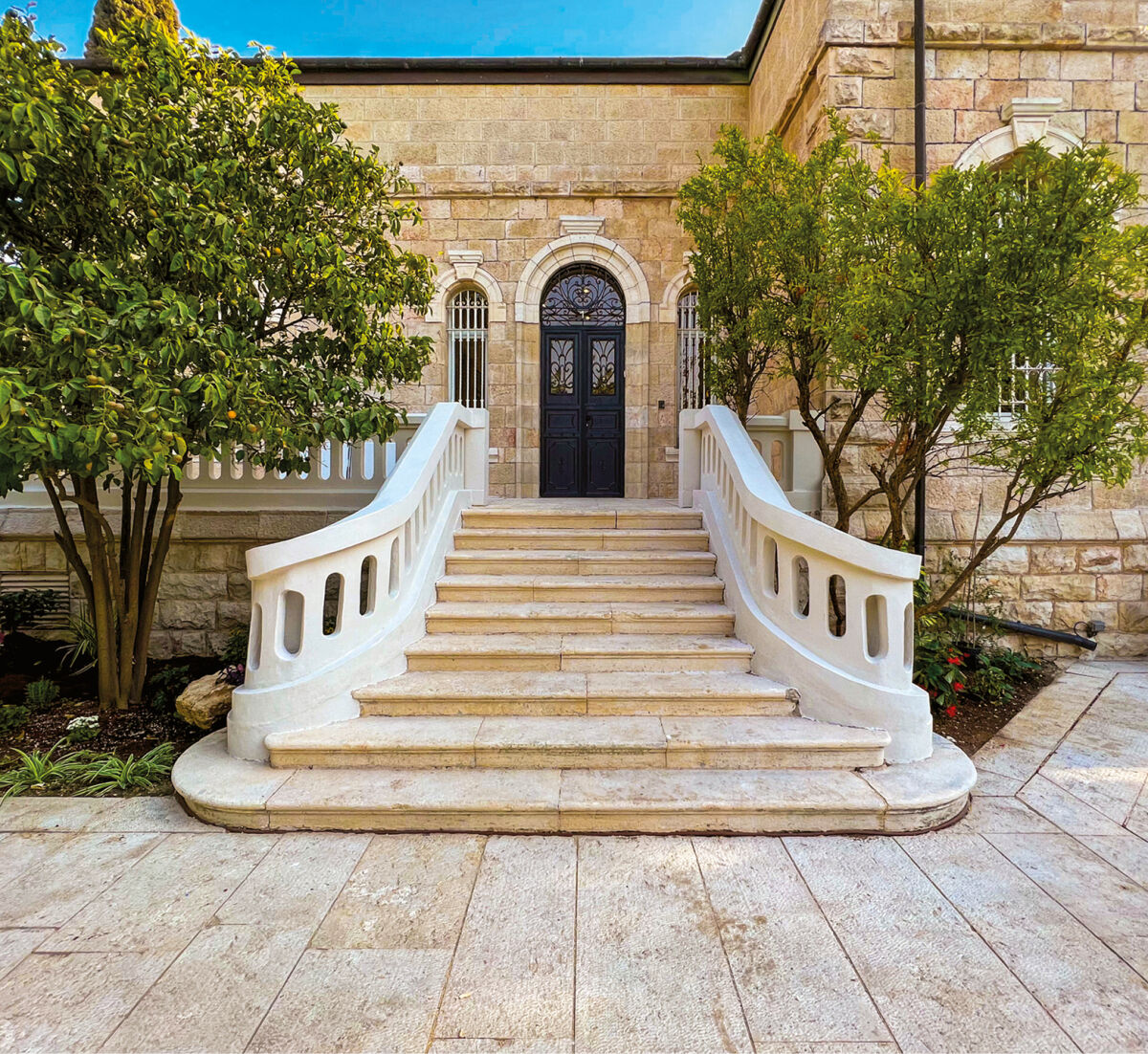
Those of us at the Armstrong Institute of Biblical Archaeology are inspired by and thankful for Herbert W. Armstrong and his legacy—and the “great project” that he was a part of. Forty years on from his death, we’re honored to be able to say that we’ve continued his legacy and continued what he believed was “the most important archaeological excavation of our time.” Under the leadership of Gerald Flurry, we’ve striven to make sure his name remains attached to that project and are proud to do so. As Prof. Yosef Garfinkel, a man who worked with AC students in the City of David, told our staff at a brunch last spring: “A lot of archaeologists have come and gone in Jerusalem, but the one name that remains constant is Armstrong.”
Between the 1970s and 1980s, Herbert W. Armstrong met with nearly 300 government officials, ambassadors, presidents, prime ministers, kings and emperors from 81 countries. While it would take too many pages to list each and every person with whom Mr. Armstrong met, below is a list of the most important and recognizable individuals.
George H. W. Bush Vice President of the United States
Nancy Reagan First Lady of the United States
Ronald Reagan President, Governor of California
George Schultz U.S. Secretary of State
Otto von Habsburg Head of the House of Habsburg
Rudolf Kirchschläger President of Austria
Prince Bernhard Husband of Queen Juliana of the Netherlands
King Leopold III King of Belgium
Prince Charles Prince of Wales
Princess Diana Princess of Wales
Margaret Thatcher Prime Minister of Britain
Prince Rainier III Prince of Monaco
Princess Grace Princess of Monaco
King Juan Carlos King of Spain
Hédi Nouira Prime Minister of Tunisia
Maati Bouabid Prime Minister of Morocco
J. J. Fouché President of South Africa
John Vorster Prime Minister of South Africa
King Sobhuza II King of Swaziland
Ian Smith Prime Minister of Zimbabwe
Haile Selassie Emperor of Ethiopia
Mohammed Ahmed Mahgoub Prime Minister of Sudan
Yitzhak Artzi Vice Mayor of Tel Aviv, Knesset Member
Nahman Avigad Archaeology Professor
Joseph Aviram Hebrew University Archaeologist
Yigal Shiloh Director of the City of David archaeological project
Moshe Kol Minister of Tourism and Development
Teddy Kollek Mayor of Jerusalem
Golda Meir Prime Minister of Israel
Yitzhak Rabin Prime Minister of Israel
Menachem Begin Prime Minister of Israel
Yitzhak Shamir Prime Minister of Israel
Shimon Peres Prime Minister of Israel
Zalman Shazar President of Israel
Ephraim Katzir President of Israel
Yitzhak Navon President of Israel
Chaim Herzog President of Israel
Suleiman Frangieh President of Lebanon
Anwar Sadat President of Egypt
Hosni Mubarak President of Egypt
King Hussein King of Jordan
Queen Noor Queen of Jordan
King Saud King of Saudi Arabia
Mohammed Reza Pahlavi Shah of Iran
Indira Gandhi Prime Minister of India
King Birendra King of Nepal
Queen Aishwarya Queen of Nepal
King Bhumibol Adulyadej King of Thailand
Queen Sirikit Queen of Thailand
Nguyen Van Thieu President of Vietnam
Park Chung-hee President of South Korea
Emperor Hirohito Emperor of Japan
Prince Mikasa Prince of Japan
Prince Akihito Prince of Japan
Ferdinand Marcos President of the Philippines