
Ophel Excavation 2023
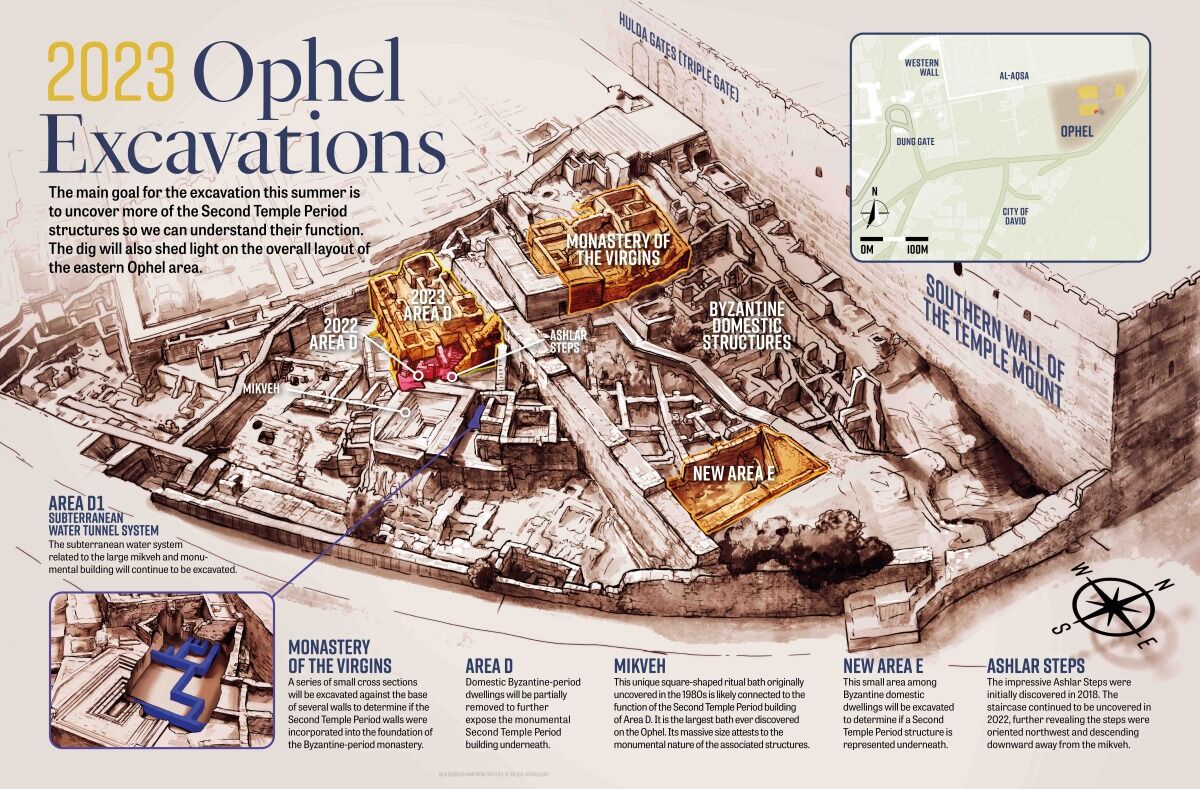
The 2023 Ophel season focused primarily on removing Byzantine material to further expose Second Temple Period structures. This was the largest and most extensive phase to date. The site was divided into four separate areas, each with its own archaeologist supervisor and assistant supervisor.
The excavation was jointly led by Hebrew University archaeologists Prof. Uzi Leibner and Dr. Orit Peleg-Barkat. With the excavation phase now complete, the team will study the finds and prepare them for full scientific publication. The following is a snapshot of the excavation areas and some small discoveries that were made.
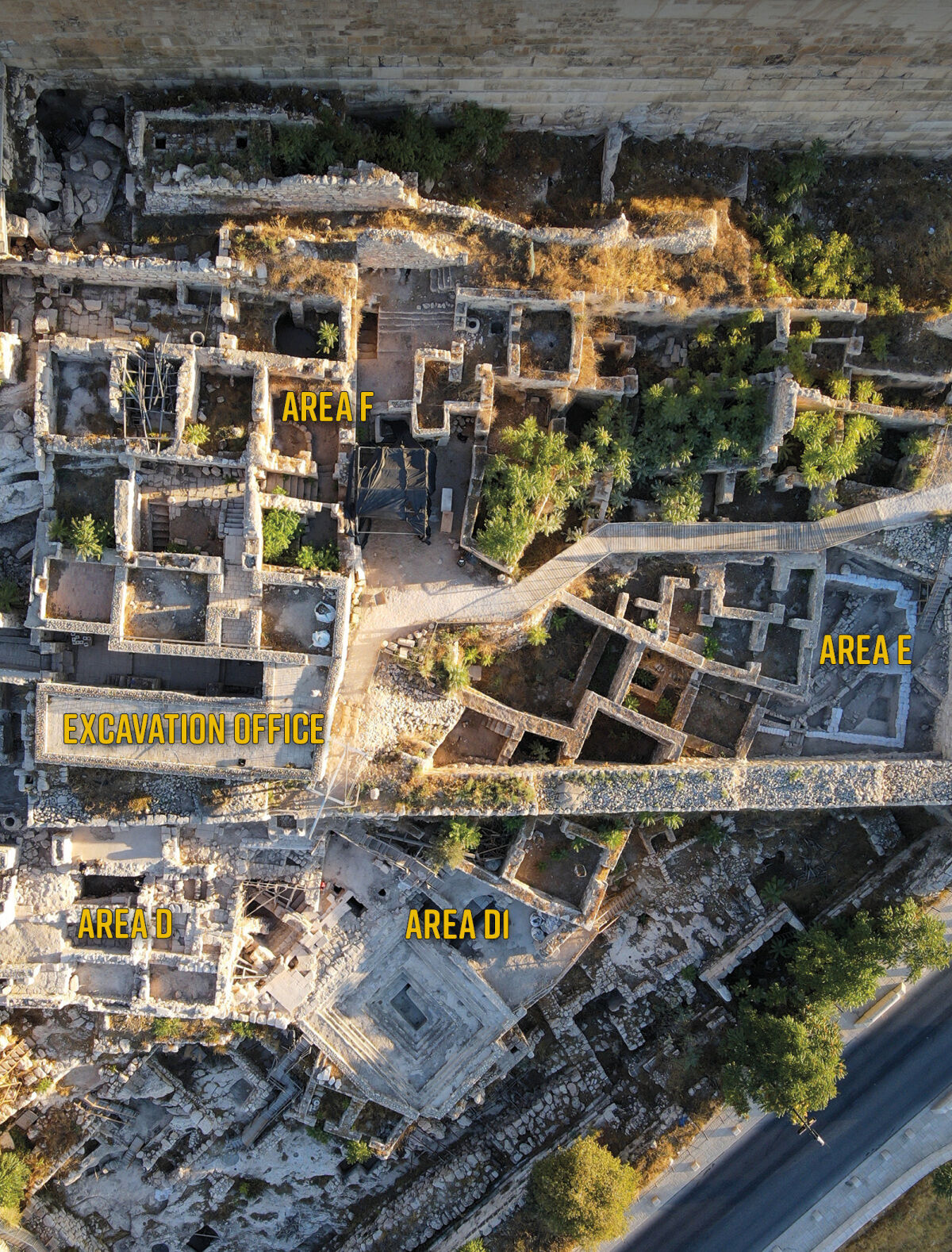
Area D
Supervisor: Amir Cohen-Klonymous
Assistant: Akiva Goldenhersh
Team: 16
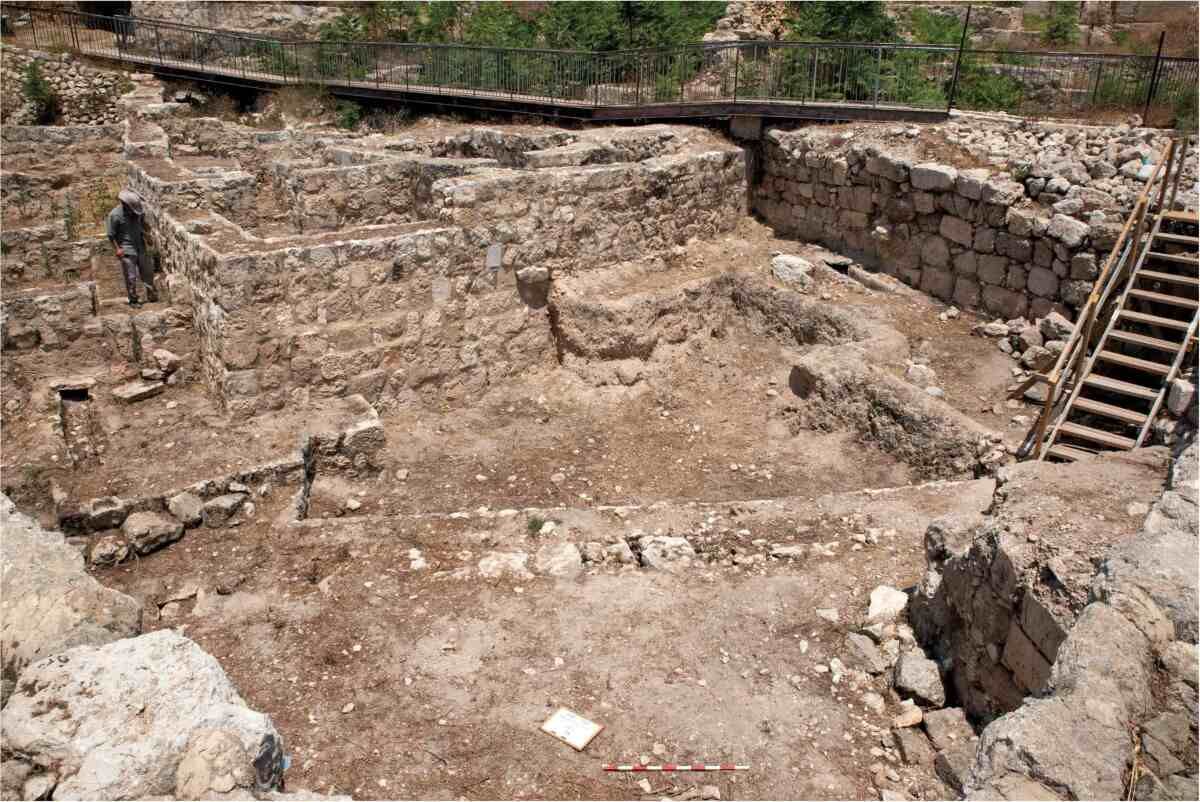
The 2022 excavation revealed that the monumental Second Temple Period building extended northwest beneath a dense collection of large Byzantine buildings. Since the Byzantine period is well represented throughout the Ophel (as opposed to Second Temple Period structures), Israel’s authorities approved the removal of select Byzantine buildings to further expose the monumental structure from almost 500 years earlier. Removing these Byzantine structures was the main focus of the 2023 excavation and proved to be a much more extensive effort than originally planned.
Excavation of the Byzantine building revealed two distinct floors, which shows it was constructed in two main phases. Significant quantities of pottery were collected and taken to the lab at Hebrew University for restoration. We did not begin to further expose the monumental structure until the last few days of excavation, when an impressive vaulted chamber started to appear in the eastern part of Area D, as well as an inner wall in the western part. The Herodian vaulted chamber was oriented the same direction as the monumental structure. Although we uncovered only the top and side of the vault, we know it stands at a preserved height of over two meters from the floor of the monumental building.
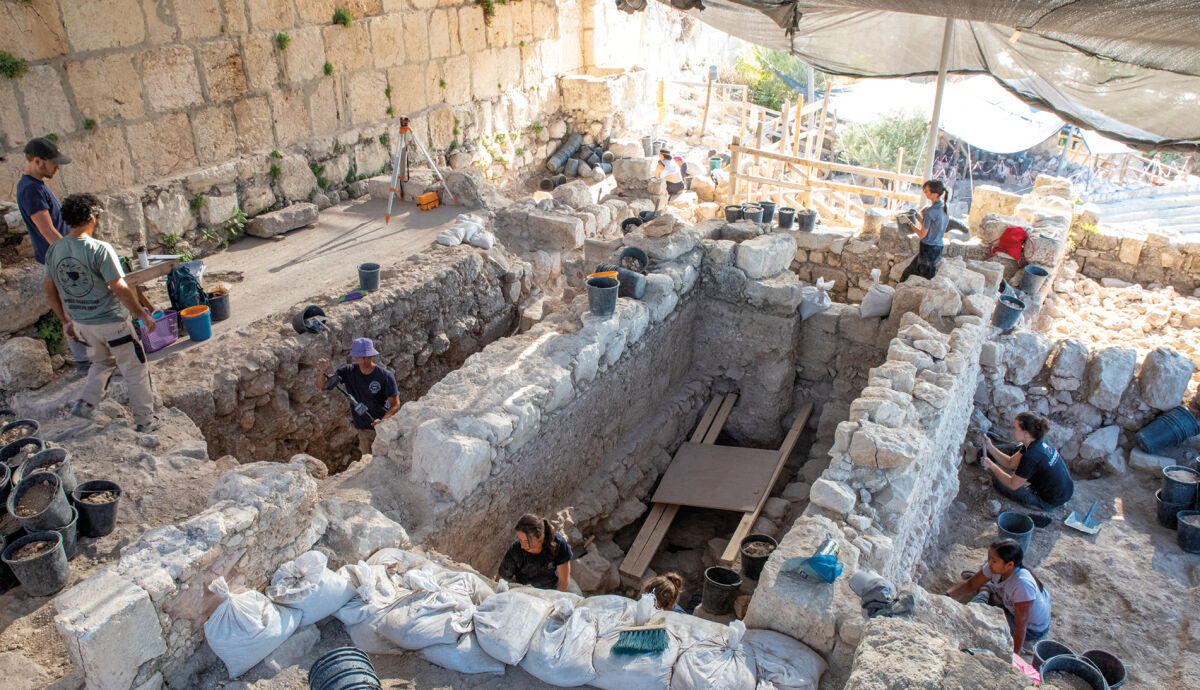
Small finds include hundreds of coins, several ornately carved stone architectural fragments, numerous Byzantine items carved or embossed with crucifixes, ostraca, several complete oil lamps and other complete vessels, and more.
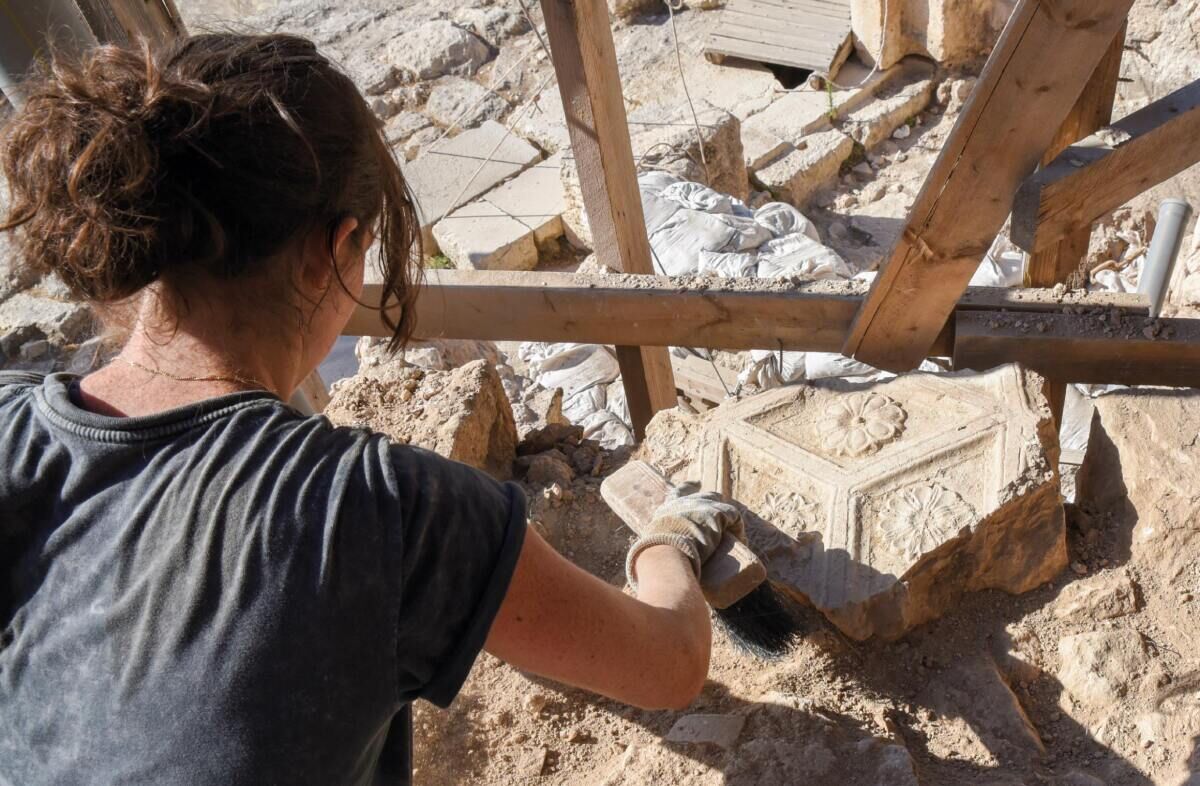
Ornate Herodian Period Ceiling Panel
This amazing discovery was made on one of the final days of excavation while removing a Byzantine wall. The ornate carvings include four separate rosettes, which is a well-known motif from the Herodian period, particularly on the Ophel. Originally, this ceiling panel would likely have adorned the ceiling or lintel of a small room in an important structure. According to dig codirector Dr. Orit Peleg-Barkat, one of the world’s foremost experts on Second Temple Period architecture, this Ophel ceiling panel is the most impressive ever discovered in Jerusalem.
Coins!
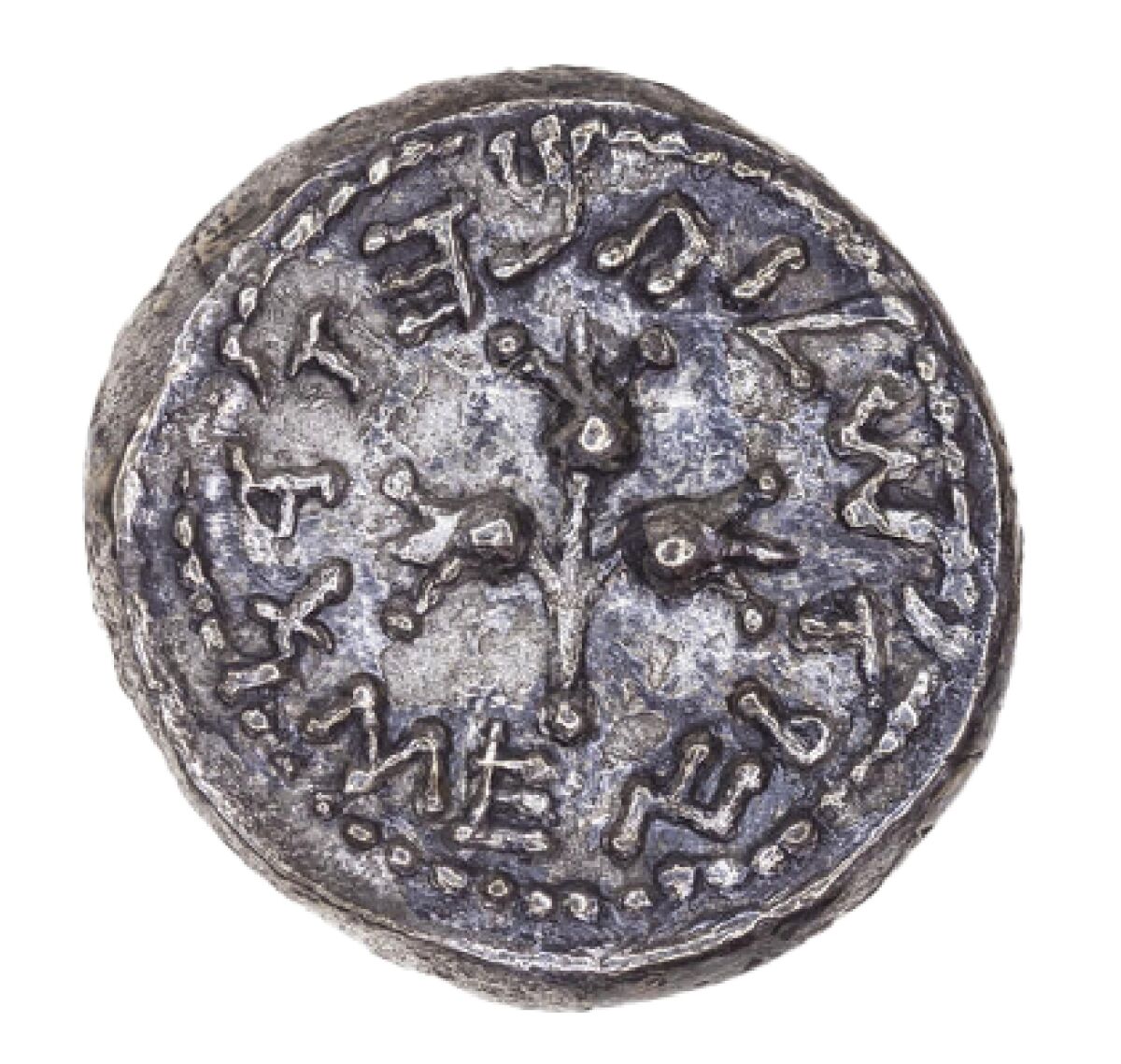
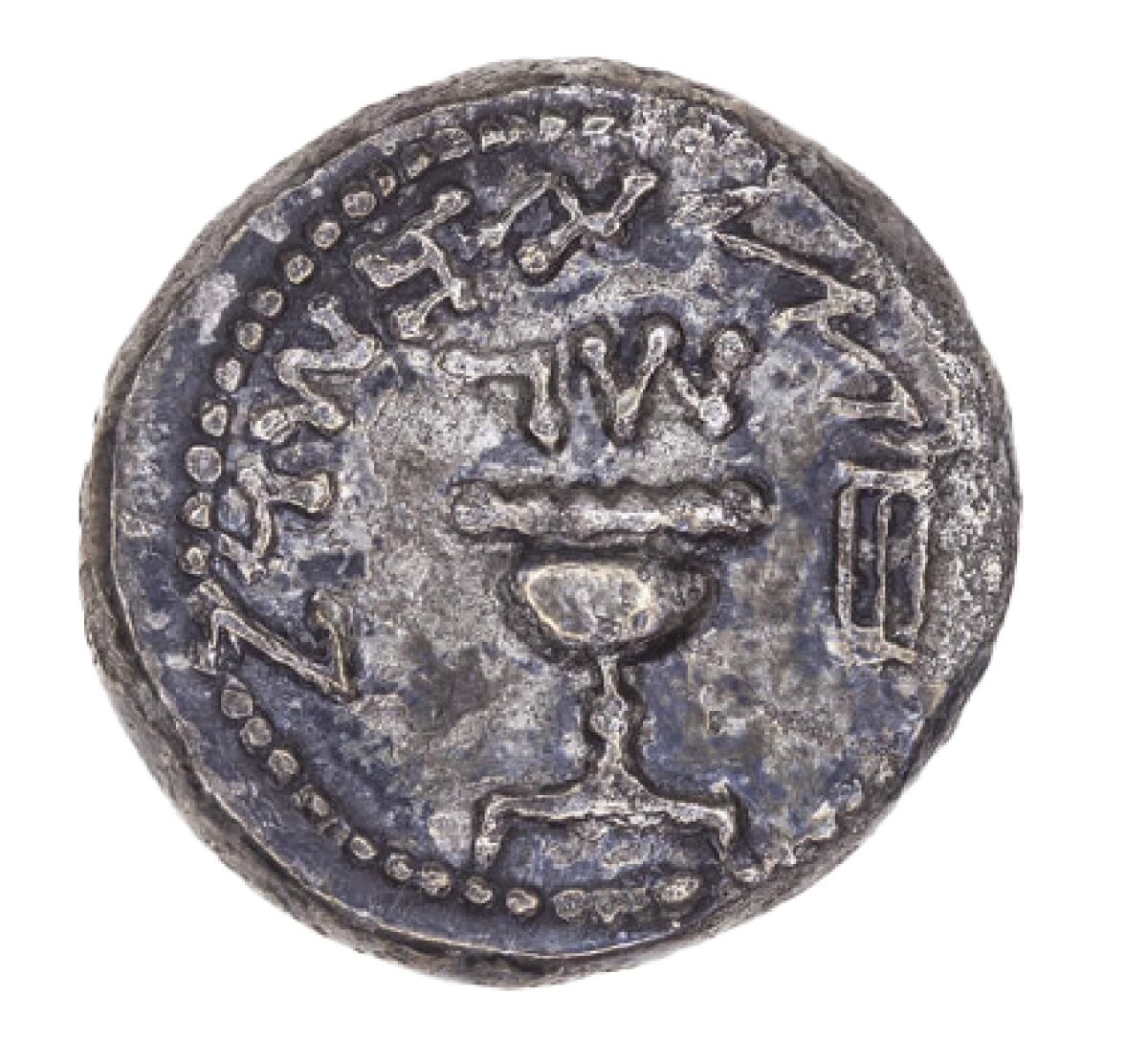
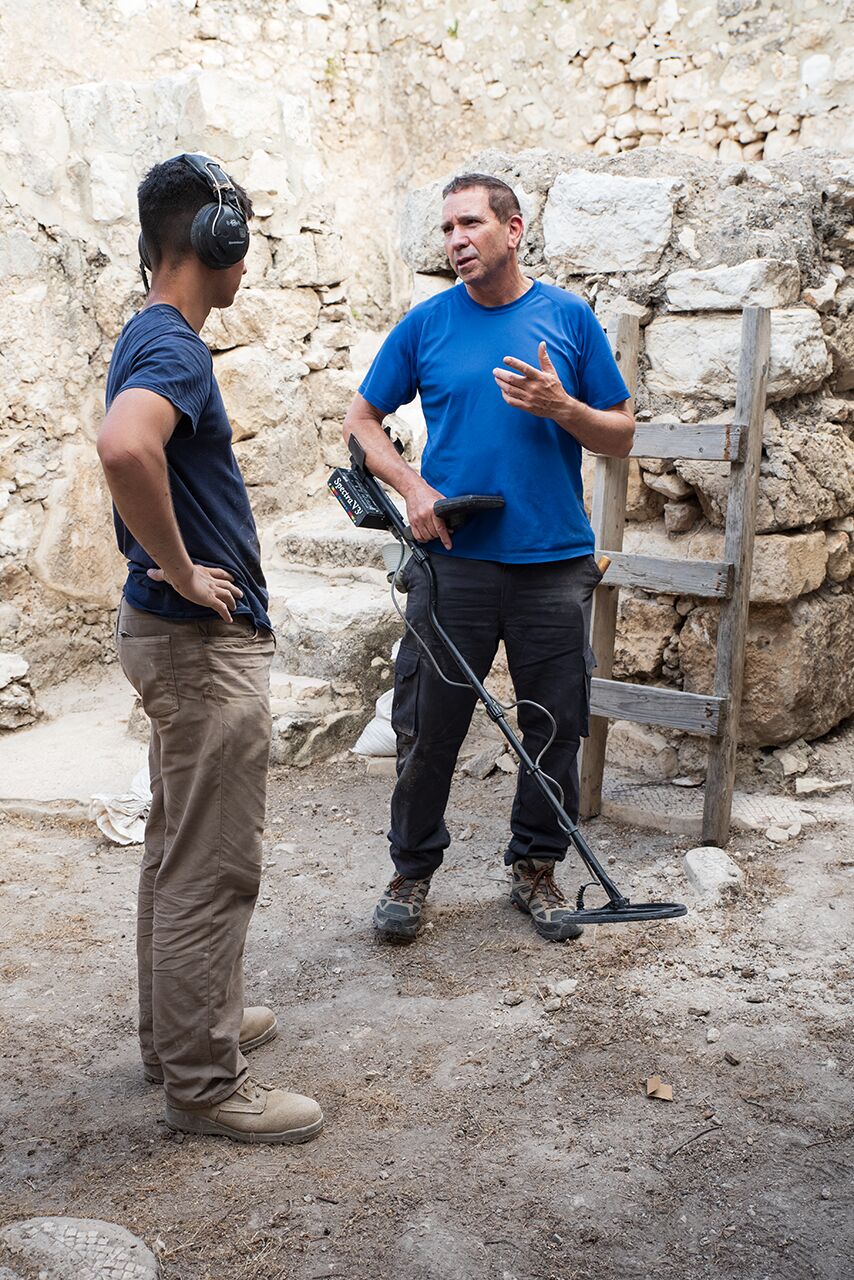
Hundreds of coins were found across the entire excavation this year. Almost half of these came from Area D. At certain times during the excavation, three metal detectors were in use concurrently over the dig site. These coins have been taken to the lab at Hebrew University and will undergo cleaning. Then they will be analyzed for their date and relative importance. Beyond their intrinsic value, coins have great archaeological value as they help date the archaeological layer (dating material using coins is more accurate than dating material using pottery or even carbon dating). In the 2022 season, a rare silver half-shekel coin from the third year of the Jewish revolt was discovered. Hopefully, such another rare coin is among the hundreds found this season.
Area D1
Supervisor: Christopher Eames
Assistant: Shoham Buskila
Team: 5
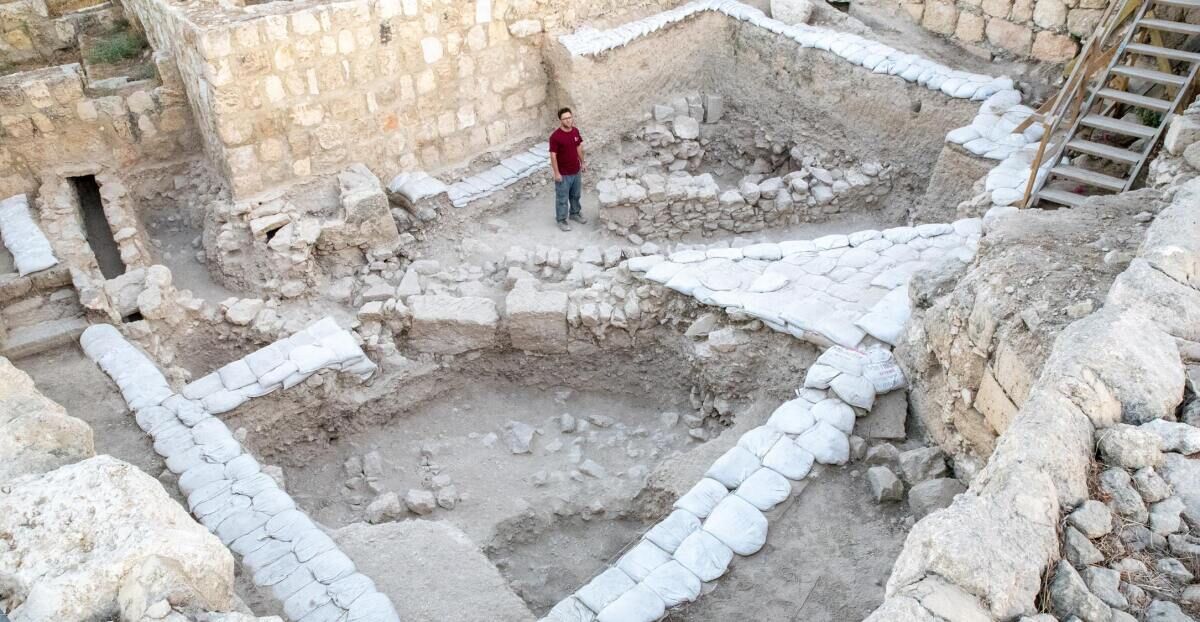
As it has in the past, Area D1 furnished several surprises. Area D1 is a subterranean drainage system consisting of a series of tunnels that carried water from mikvehs (purification baths) built under the grand Second Temple Period monumental building. The tunnel system also makes up a significant foundational part of the upper monumental structure.
The 2022 excavation removed later period fills within the tunnels. This season was primarily conducted outside the tunnel, with the purpose of exploring a barely visible, blocked-off continuation of the tunnel toward the northeast.
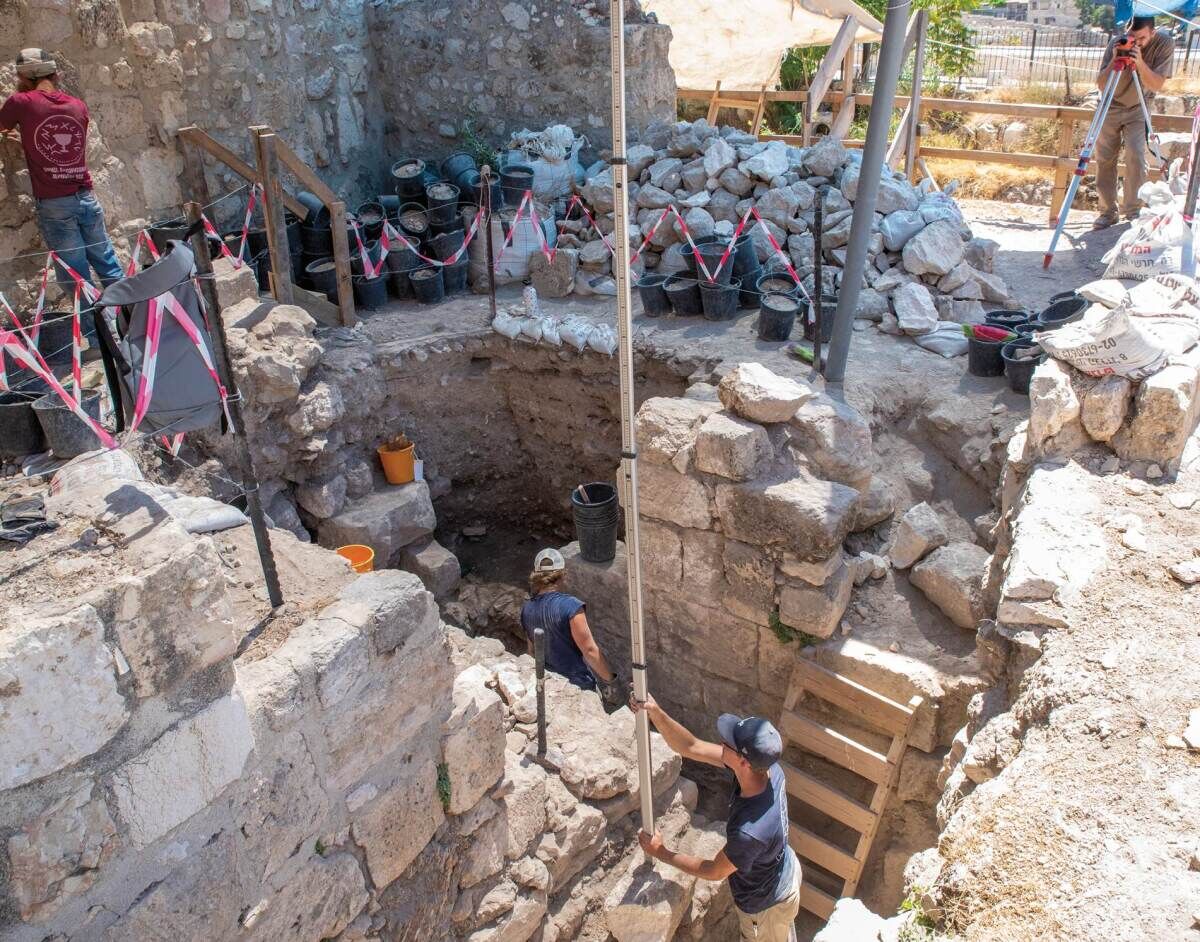
During the 2023 season, we were able to expose only around four meters of this tunnel. Our efforts were inhibited by the fact that no ceiling capstones were found, which would have allowed safe passage through its continuation. Instead, the drain had to be followed by excavating sections through above layers of earth and stone, to a depth of around 3½ meters. Given the small Area D1 team (three full-time diggers, besides supervisors), this was a monumental undertaking. Some stellar work was accomplished to follow the drainage system for these four meters. Additionally, several plaster floor layers of the existing drain were excavated in order to provide a date of construction.
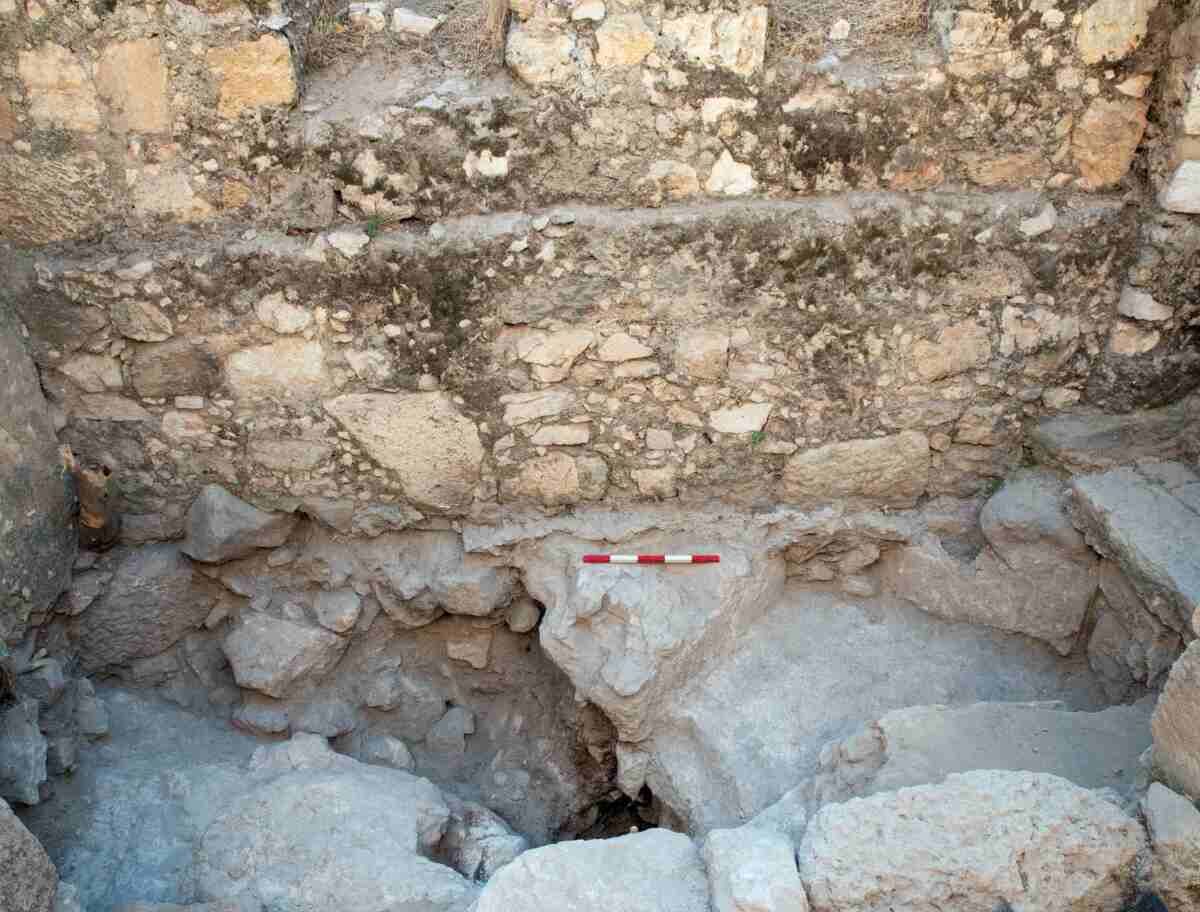
Despite not being able to follow the drainage system further, a significant architectural discovery was made in the area. We learned that the monumental building’s drainage system—and apparently the building itself—was built atop an even earlier grand mikveh structure. This building was constructed using even more beautiful ashlar stones and hewn steps. It remains to be seen just how much earlier this Second Temple Period structure was and how much of it was made redundant by the construction of the later, but still Second Temple Period, drainage system and monumental structure. We await numismatic, plaster and pottery analyses to give us an indication. We also anticipate further, pinpointed excavation in the coming 2024 season.
Finds
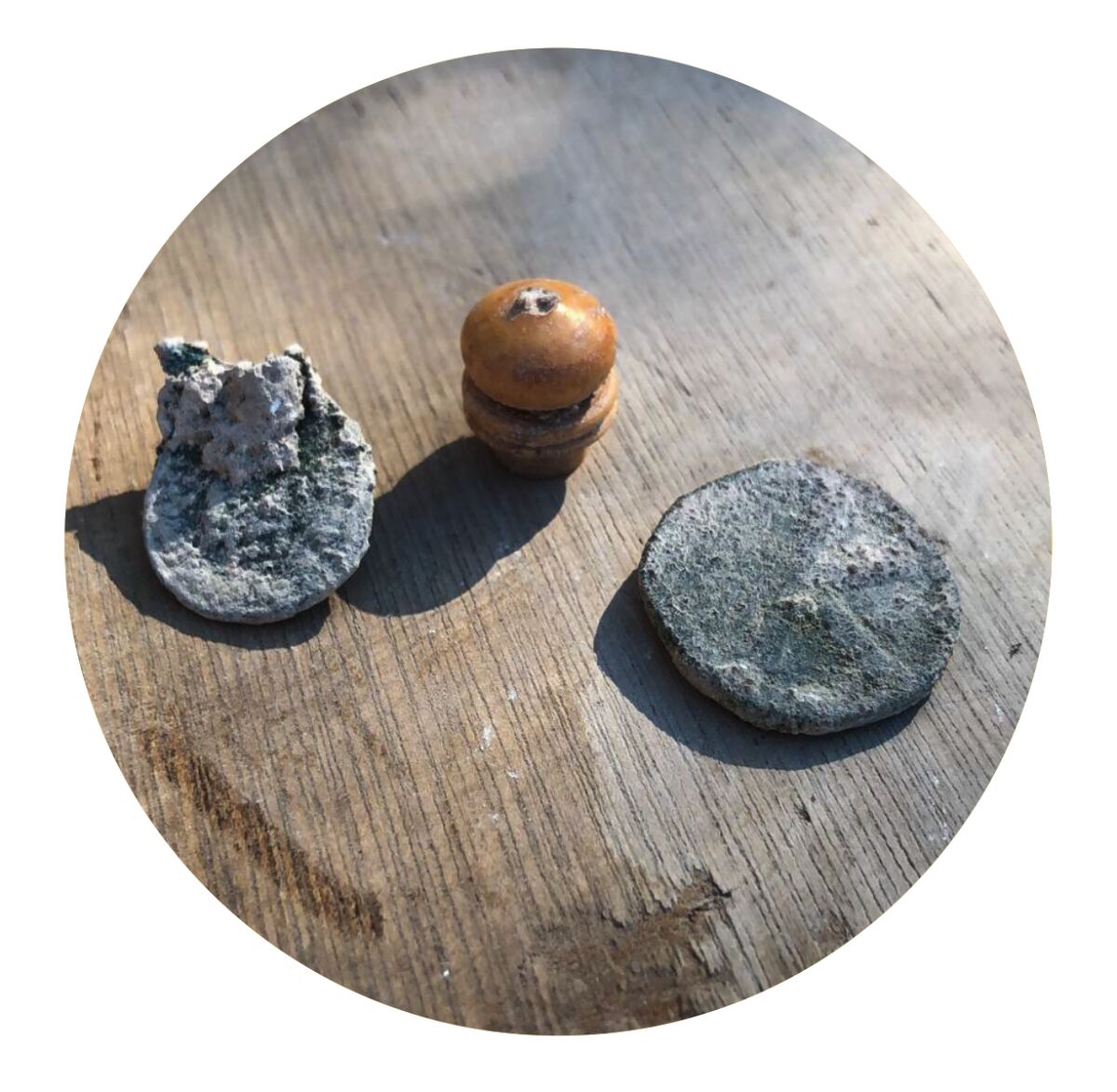
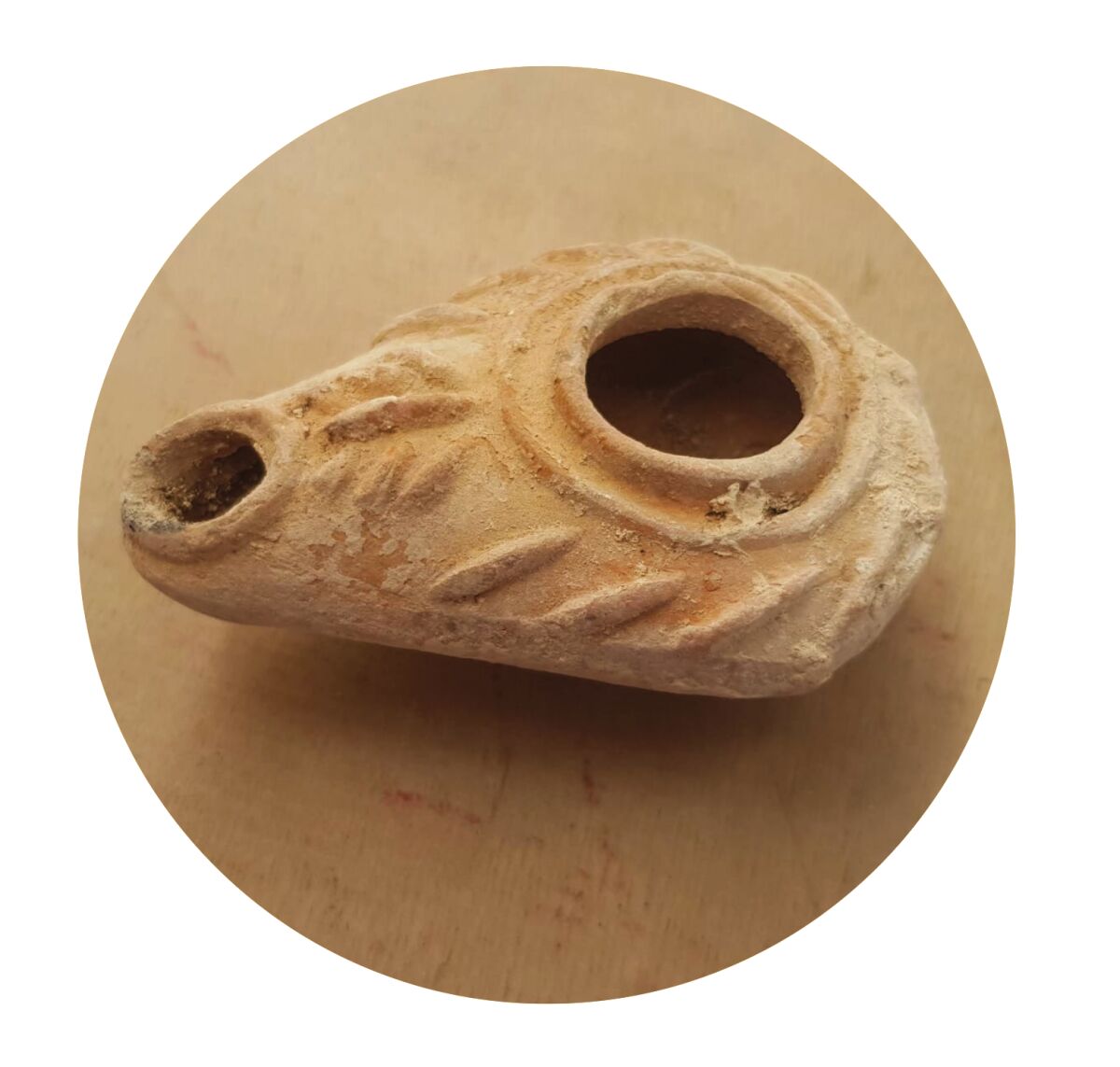
Area D1 was rich in small finds, with numerous Herodian- and Byzantine-period oil lamps, evidence of some form of bone-cutting industry, numerous ornate bone hairpins, a Byzantine tabun (oven), a small ostracon, dozens of coins, and the ark of the covenant (just kidding). The coins will prove crucial for dating purposes. This year, the D1 team also excavated through the several floor layers of the entire drainage system exposed last year. Coins found within the lowest plaster levels will help provide not only an important date for the drains but, more importantly, the entire monumental structure above that is built into it.
Area E
Supervisor: Noa Goldberg
Assistant: Nadav Rozenthal
Team: 15
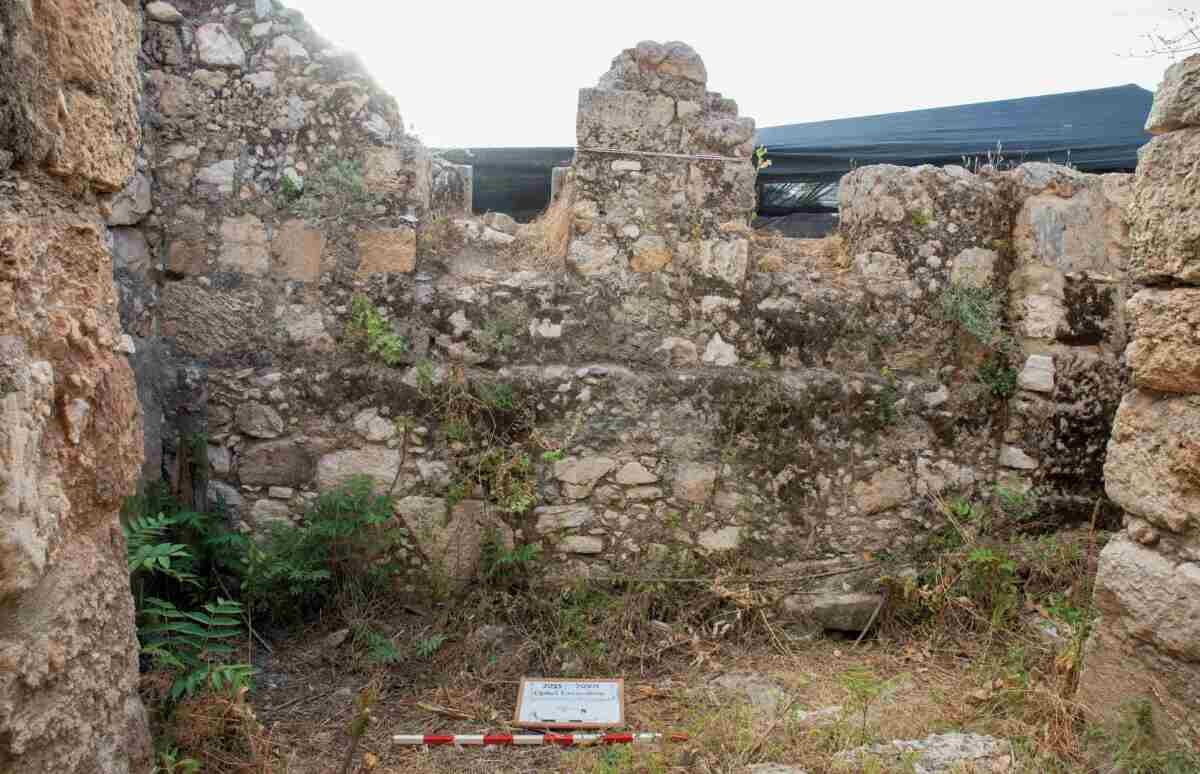
Area E was excavated in the 1970s by Prof. Benjamin Mazar. Restoration work was then overseen in the 1980s by Meir Ben-Dov. Before her death in 2021, the late Dr. Eilat Mazar had been trying to attain a license to excavate this area because of its promise to find Second Temple Period (or earlier) remains. Area E was opened for the first time this season, and it did not disappoint.
Area E was also a tutorial excavation to teach first-year Hebrew University students, along with other volunteers, about archaeological practice. After squares were marked out and assigned, excavators almost immediately began finding Second Temple Period fills. While the area is extremely complicated, the biggest surprise was the discovery of several walls in the northwest of the site that likely predate the Herodian period. Next season, it is hoped to expand the excavation area to the north to further uncover the purpose and function of the Hasmonean-period walls.
Hasmonean Period Slingstone
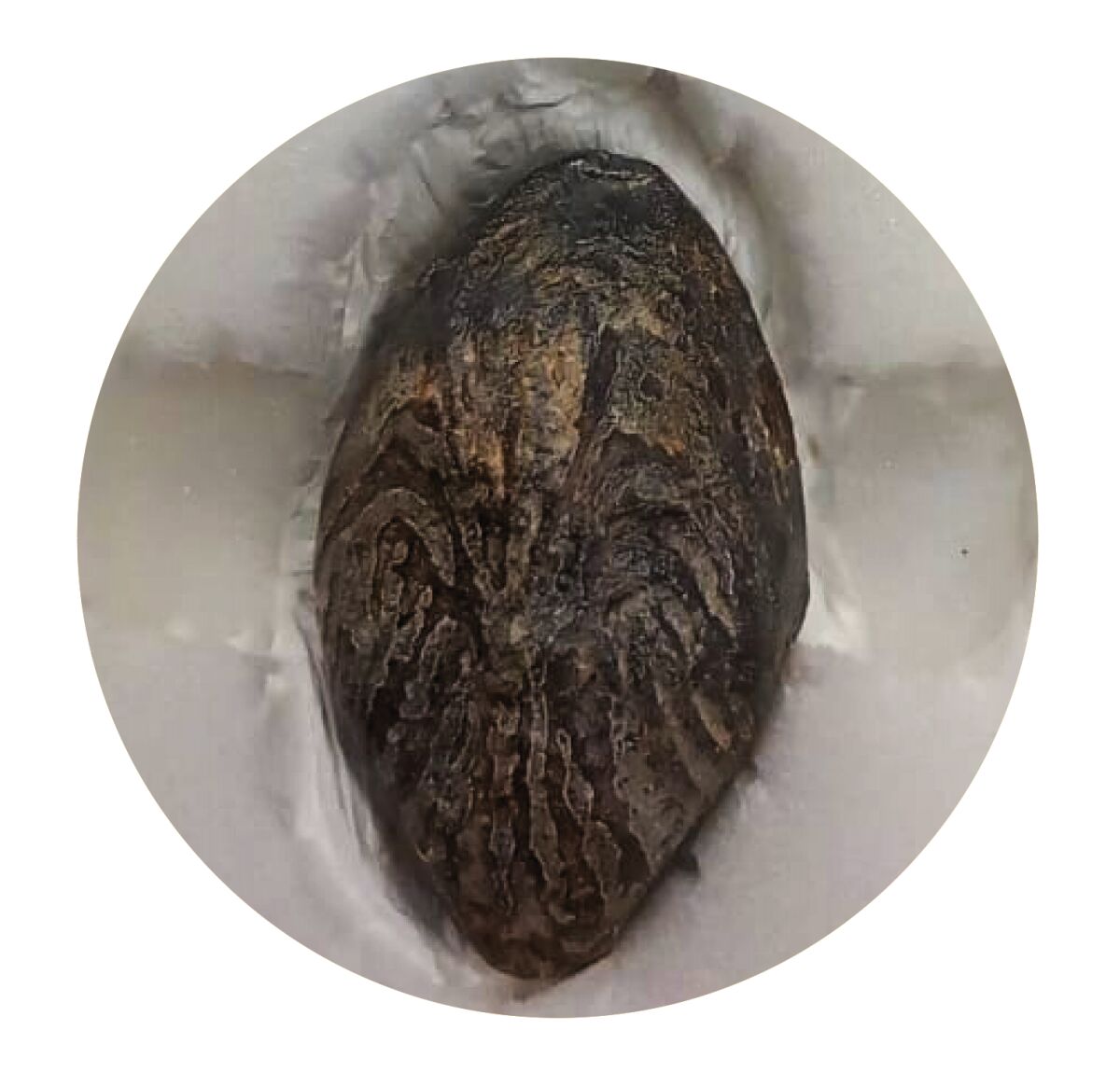
Several lead slingstones were found in the Ophel excavation. Area E’s example is the most impressive, as it features a winged thunderbolt (symbolizing Zeus), known from other sites to date from the time of Seleucid ruler Antiochus vii.
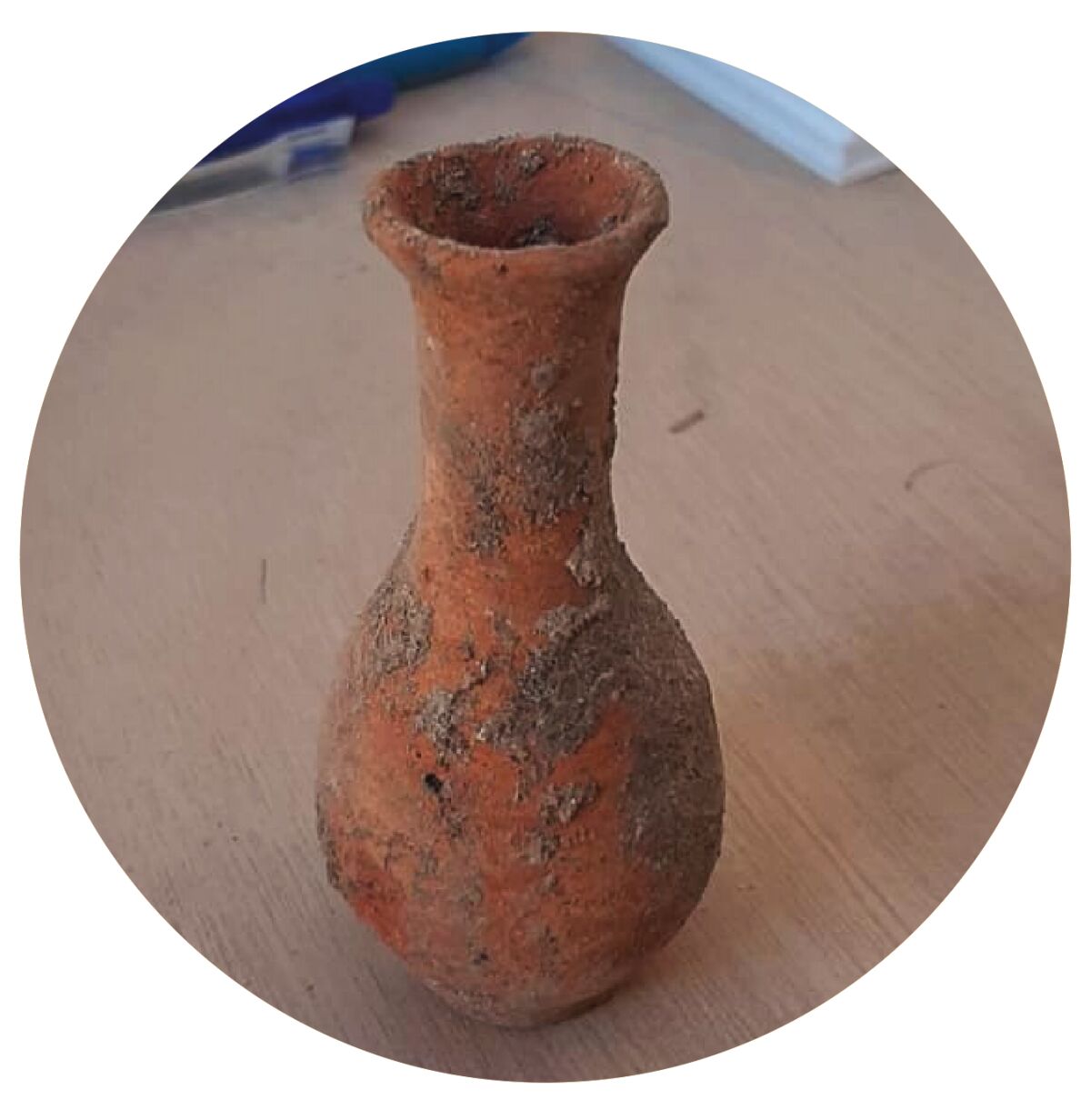
Complete Herodian Period Bottle
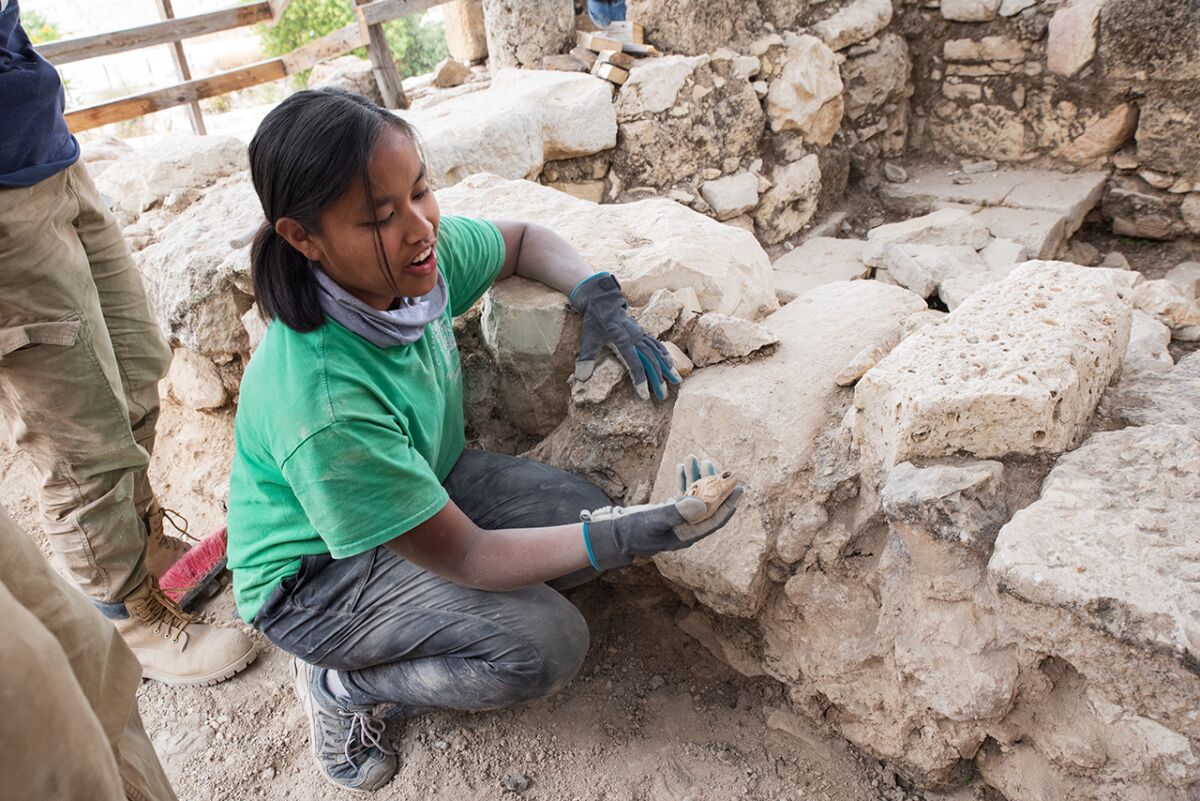
While excavating underneath a small limestone floor in the eastern side of Area E, a volunteer from Montana uncovered a complete bottle dating to the Herodian period. The bottle likely held precious oil or perfume.
Area F
Supervisor: Ido Zangen
Assistant: Amihai Lifshitz
Team: 7
The “Monastery of the Virgins” (named such in classical sources) is a large, Byzantine-period structure located on the northern Ophel. While exposing the structure in the 1970s, Prof. Benjamin Mazar noted the possibility that its earliest, foundational remains were Herodian. Area F was opened to test this hypothesis with two small probes. These proved that the sturcture was entirely Byzantine—not built upon earlier Herodian foundations. However, surprisingly, in both of the probes, earlier carved bedrock elements were discovered that follow the Second Temple Period and earlier orientation that is offset by 45 degrees from the Byzantine-period structure. These include a plastered installation that is likely part of a cistern. Among the other surprises of this area were finds from the late Roman period (second to third centuries c.e.).
Below is the full Blog of the 2023 Ophel excavation.
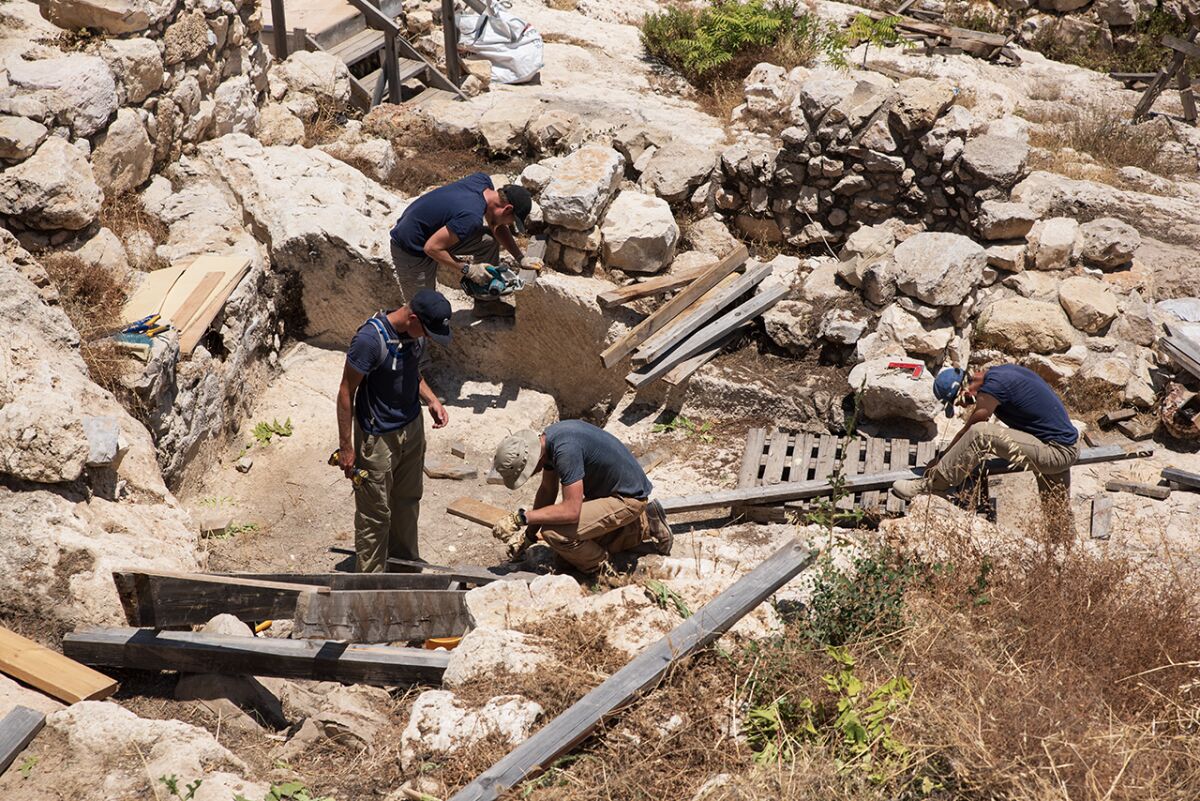
The 2023 Ophel excavation began on June 18, when Hebrew University archaeologists Prof. Uzi Leibner and Dr. Orit Peleg-Barkat, together with Armstrong Institute staff and 13 Herbert W. Armstrong College (AC) students and alumni as well as other workers, began the initial phase of excavation by removing modern reconstruction walls in the area. On July 2, full-scale excavation began, adding more volunteers and archaeological students from Hebrew University.
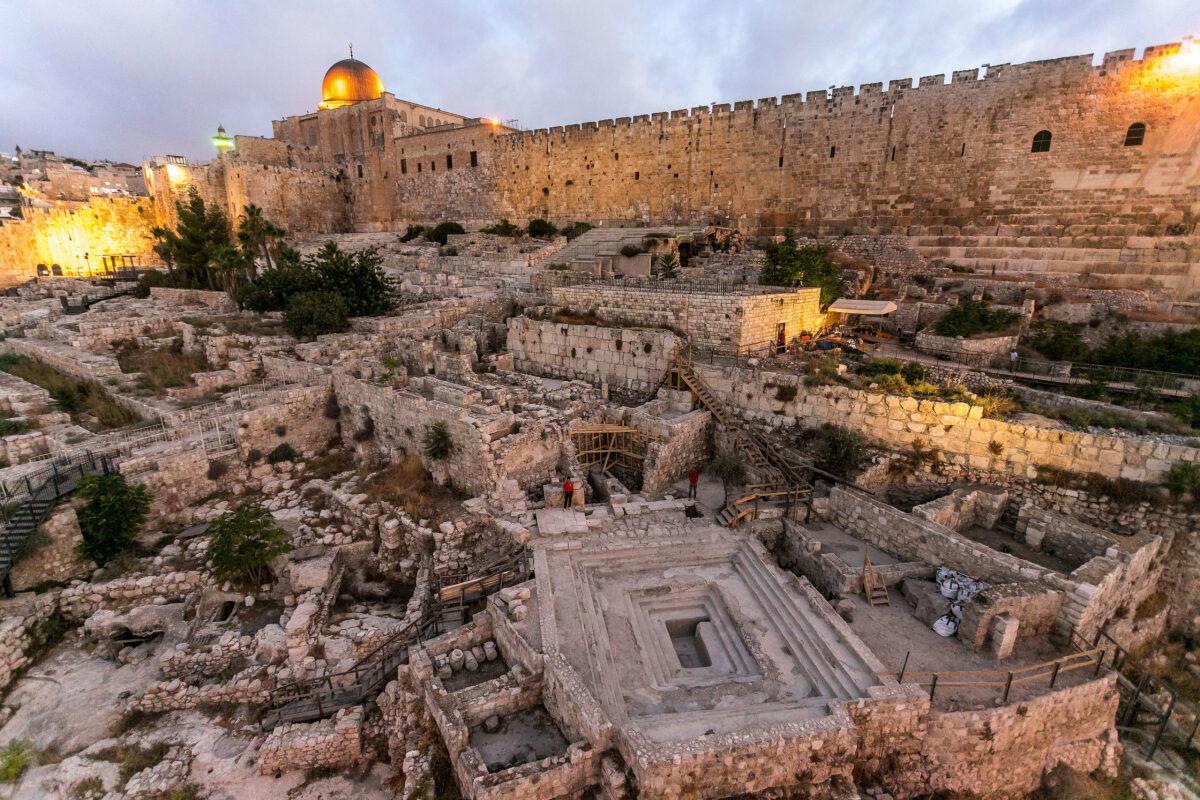
Much like the previous phase (2022; read more here), the 2023 season focused primarily on revealing Second Temple Period structures and material. This dig was significantly larger and more extensive. We removed a domestic Byzantine structure, shedding more light on a monumental building from the Early Roman Period that, along with a massive ritual bath (mikveh), appears to be related to the function of the Second Temple. Additionally, we continued to excavate the subterranean drainage tunnels connected to both the mikveh and the Second Temple structure. We also opened a new area of excavation (Area E).
AUGUST 4: OPHEL EXCAVATION FEATURED ON ALEX TSEITLIN’S PODCAST
A few weeks ago, Alex Tseitlin and his assistant visited the Ophel excavation site to film a new episode for his popular podcast באים אל הפרופסורים (“Coming to the Professors”). The video, titled “Ophel: A Pilgrimage to the Temple Mount in the Second Temple Period,” has since been posted on YouTube (see below). It features a tour of the area by excavation directors Prof. Uzi Leibner and Dr. Orit Peleg-Barkat, as well as interviews with Area D1 Supervisor Christopher Eames and Assistant Supervisor Shoham Buskila. (Note: The video is mostly in Hebrew.)
https://www.youtube.com/watch?v=-7UHLed9D_4
JULY 31: MEET AREA F SUPERVISOR IDO ZANGEN
https://www.youtube.com/watch?v=mVb21rrQ-iU
JULY 26: COMPLETE 2,000-YEAR-OLD JUGLET AND A CORNICE FRAGMENT FROM THE EARLY ROMAN PERIOD
https://www.youtube.com/watch?v=A6QL6iT1HFU
JULY 25: UNDER TWO WEEKS TO GO
Today, excavation directors Prof. Uzi Leibner and Dr. Orit Peleg-Barkat met with staff about the excavation goals leading into the last week of actual digging. Excavation will end next Monday or Tuesday, before site clean-up and final photographs take place at the end of next week. Thus, we are pushing for the next few days to uncover and expose as much as possible before the season concludes.
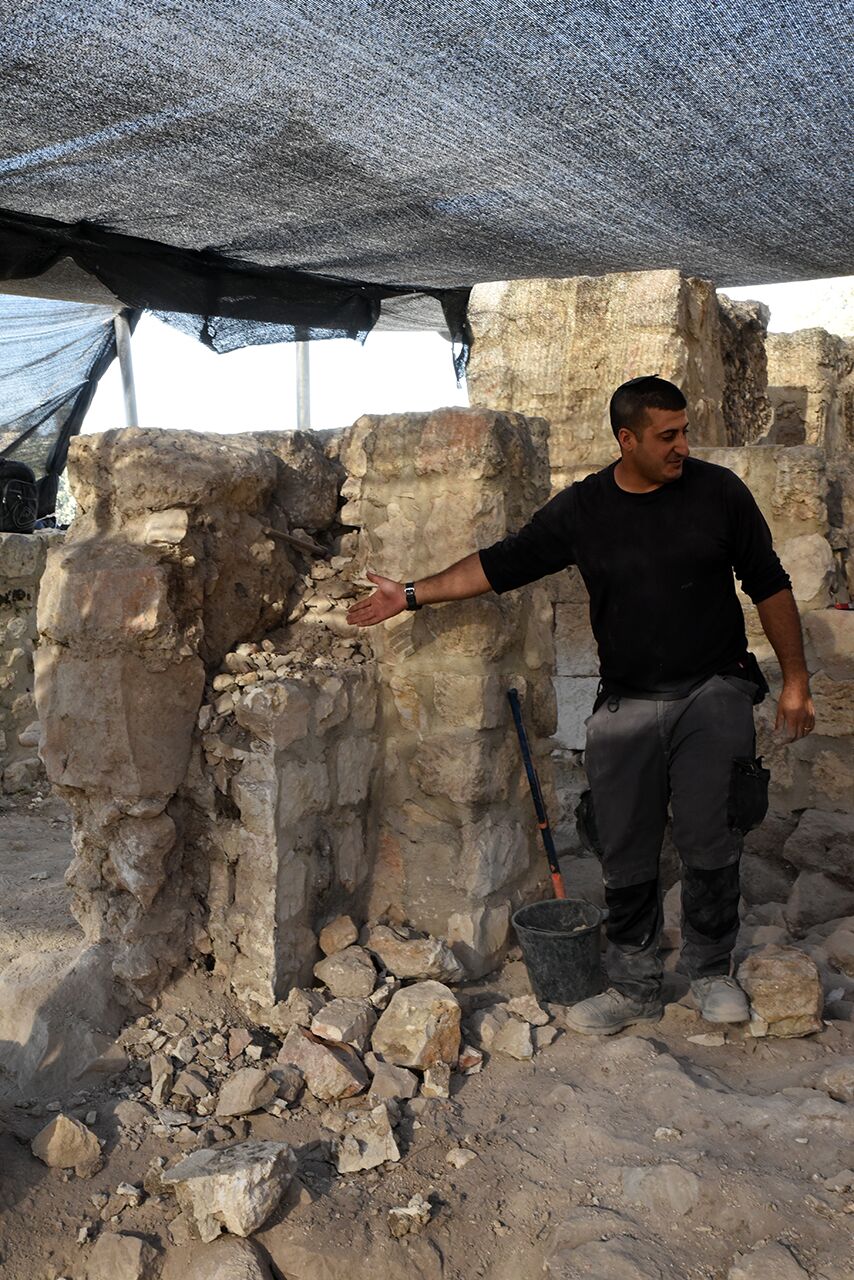
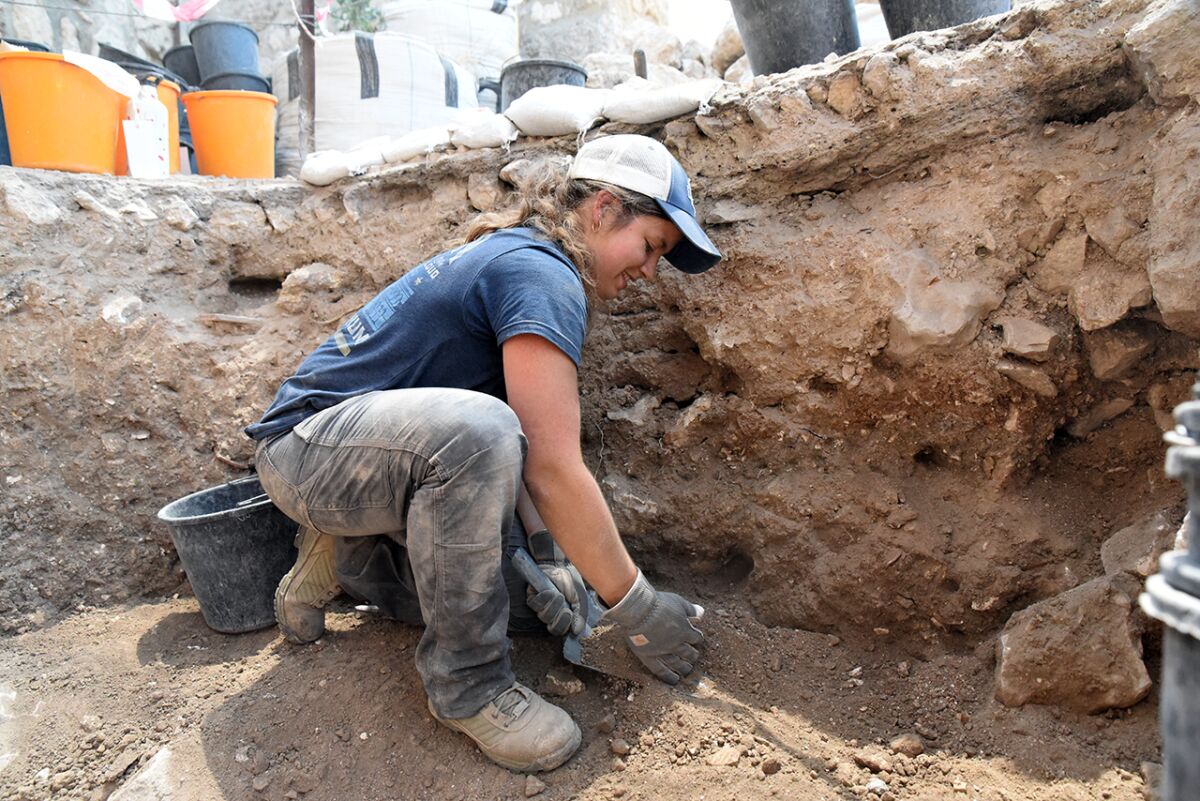
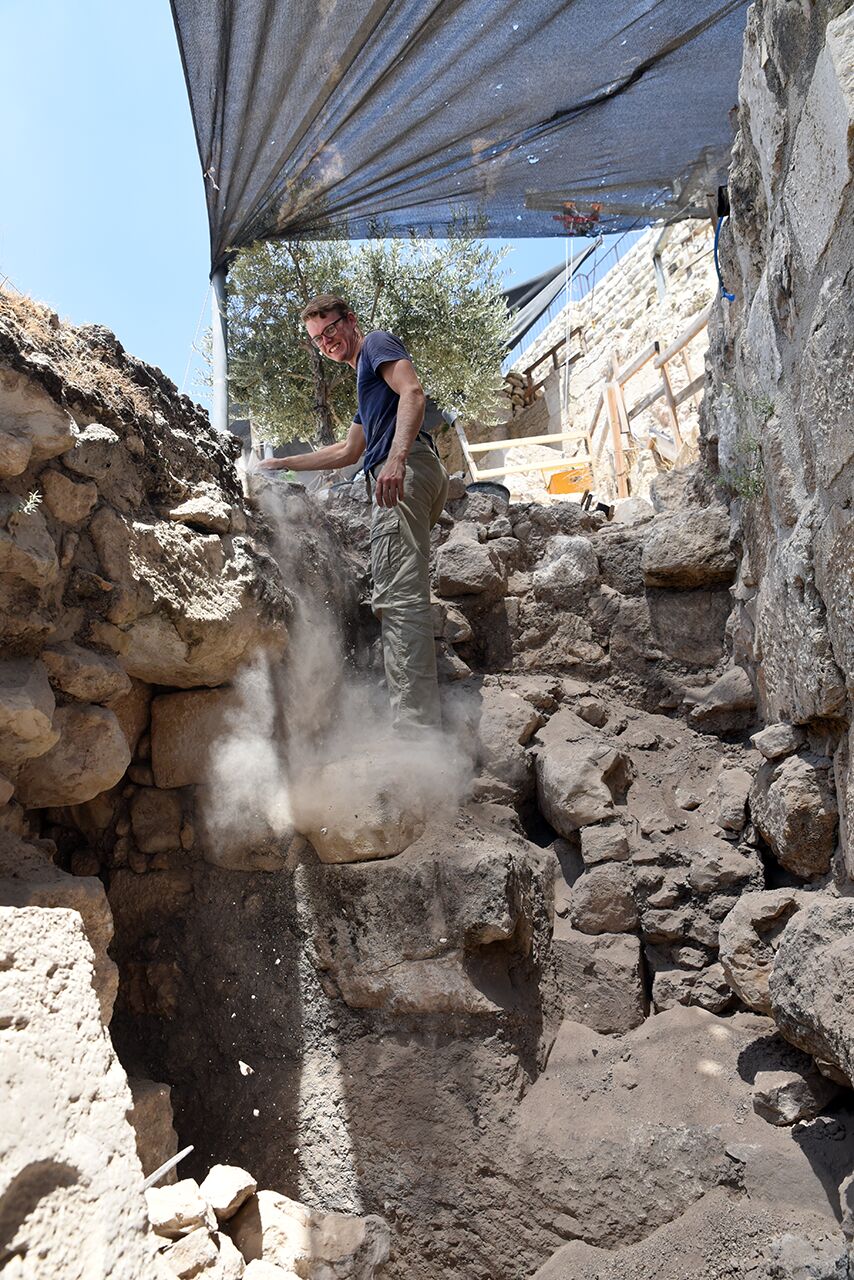
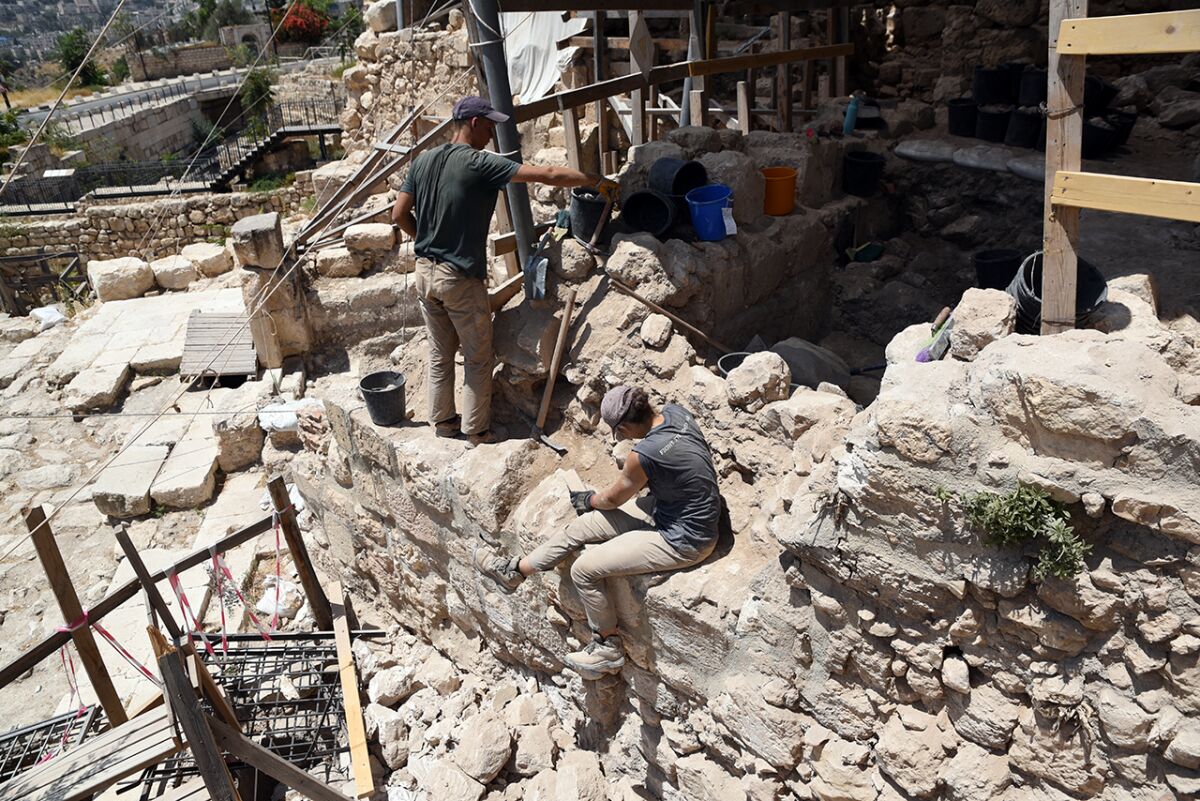
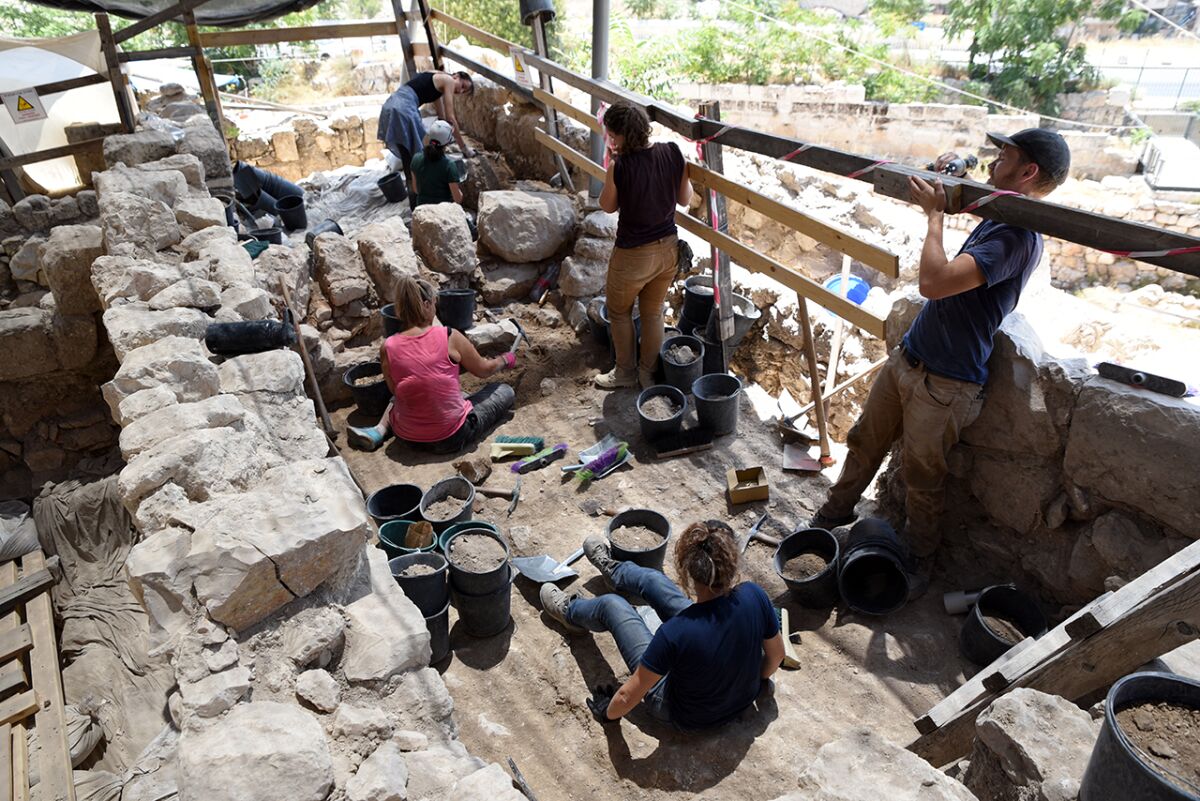
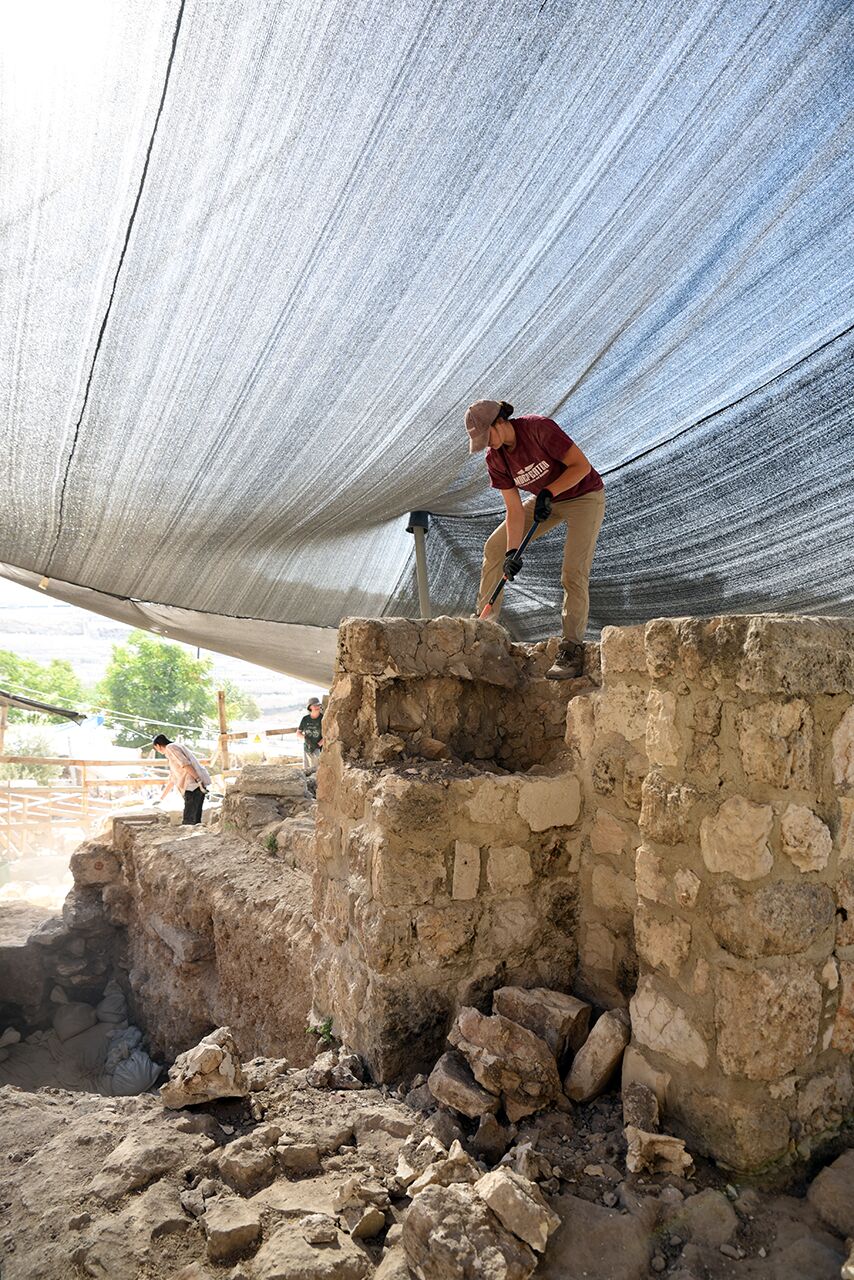
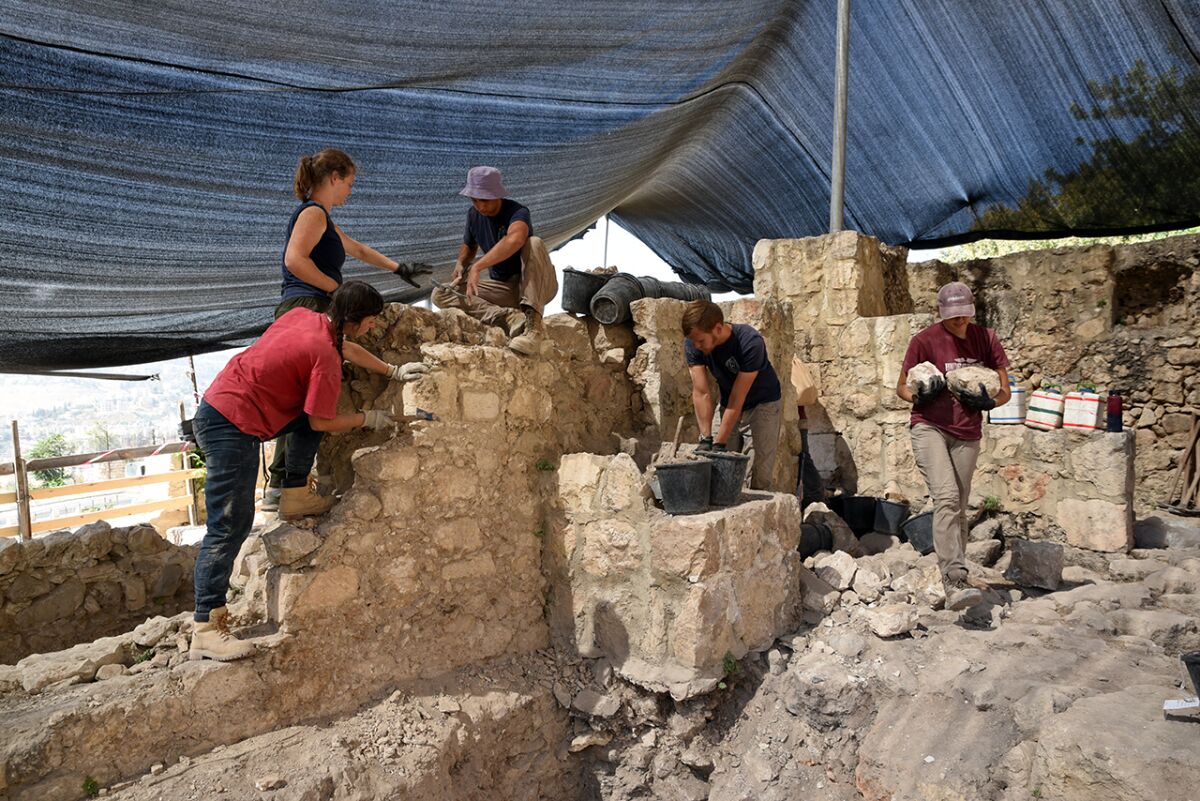
JULY 20: MORE EXCAVATION PICTURES
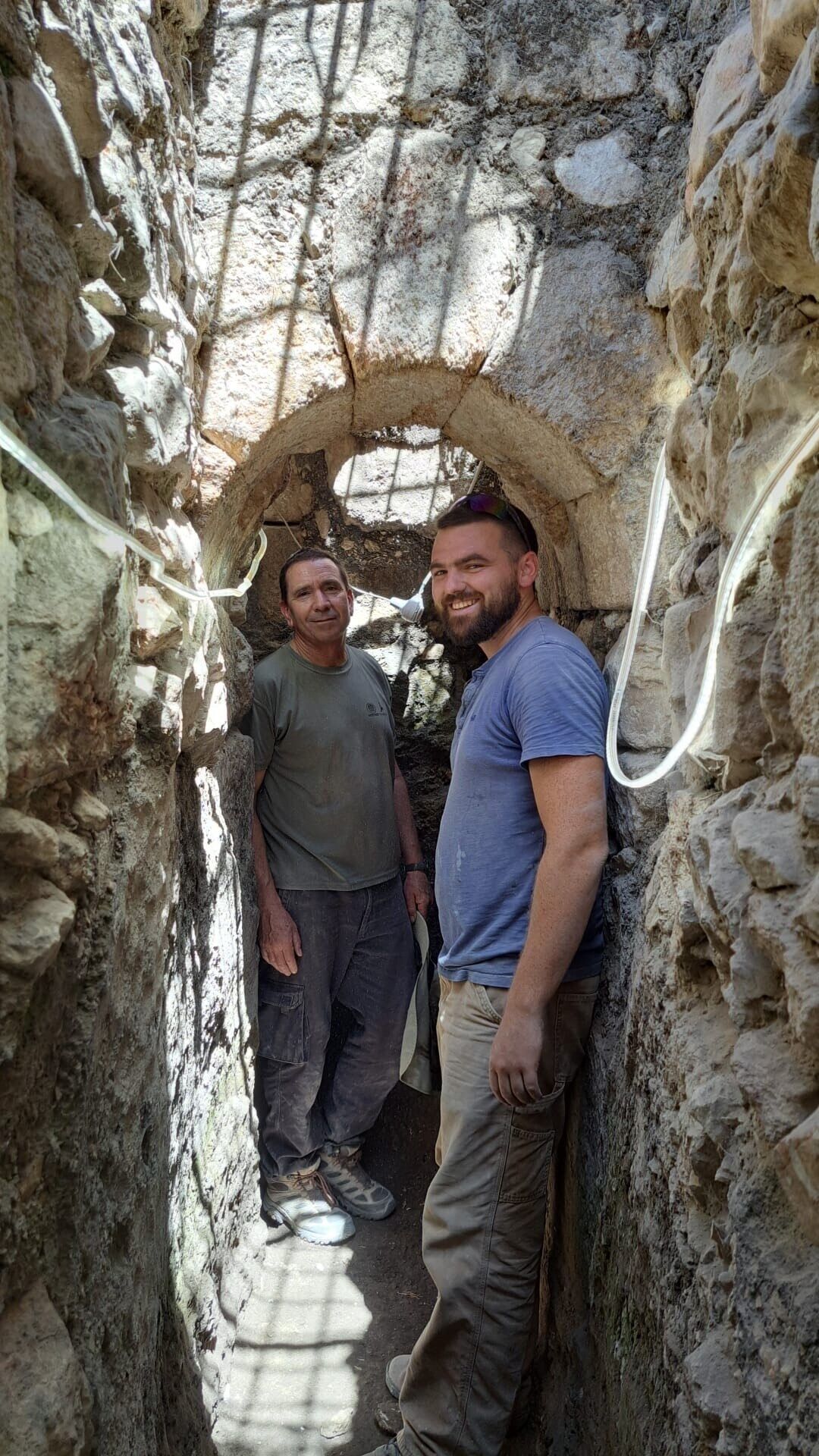
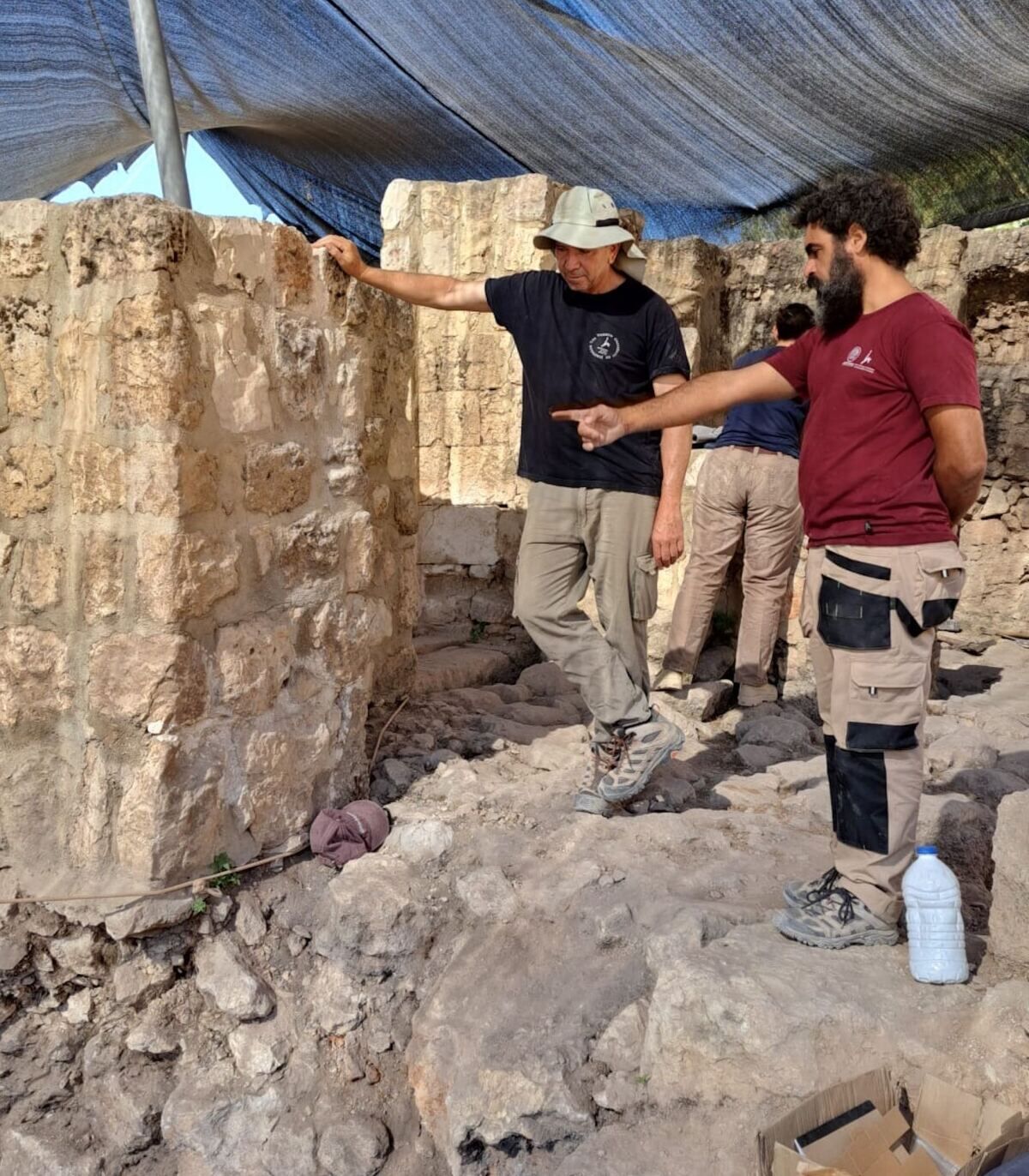
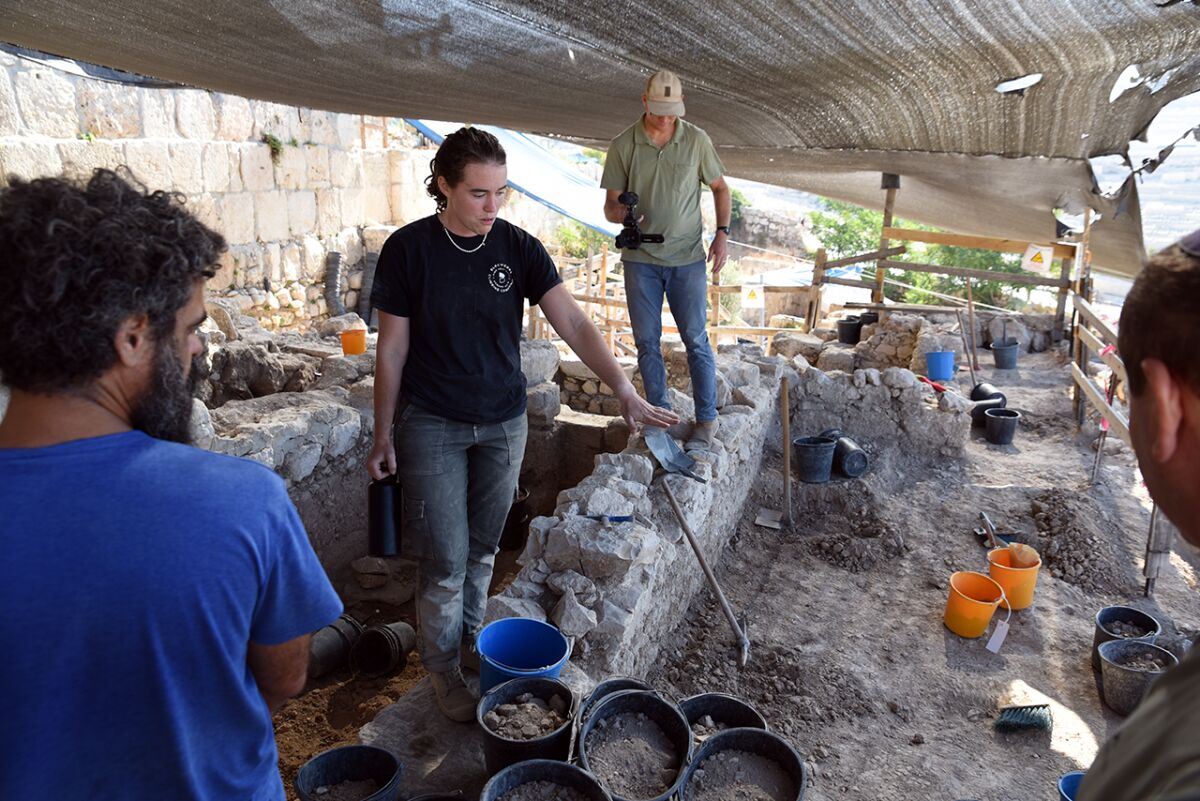
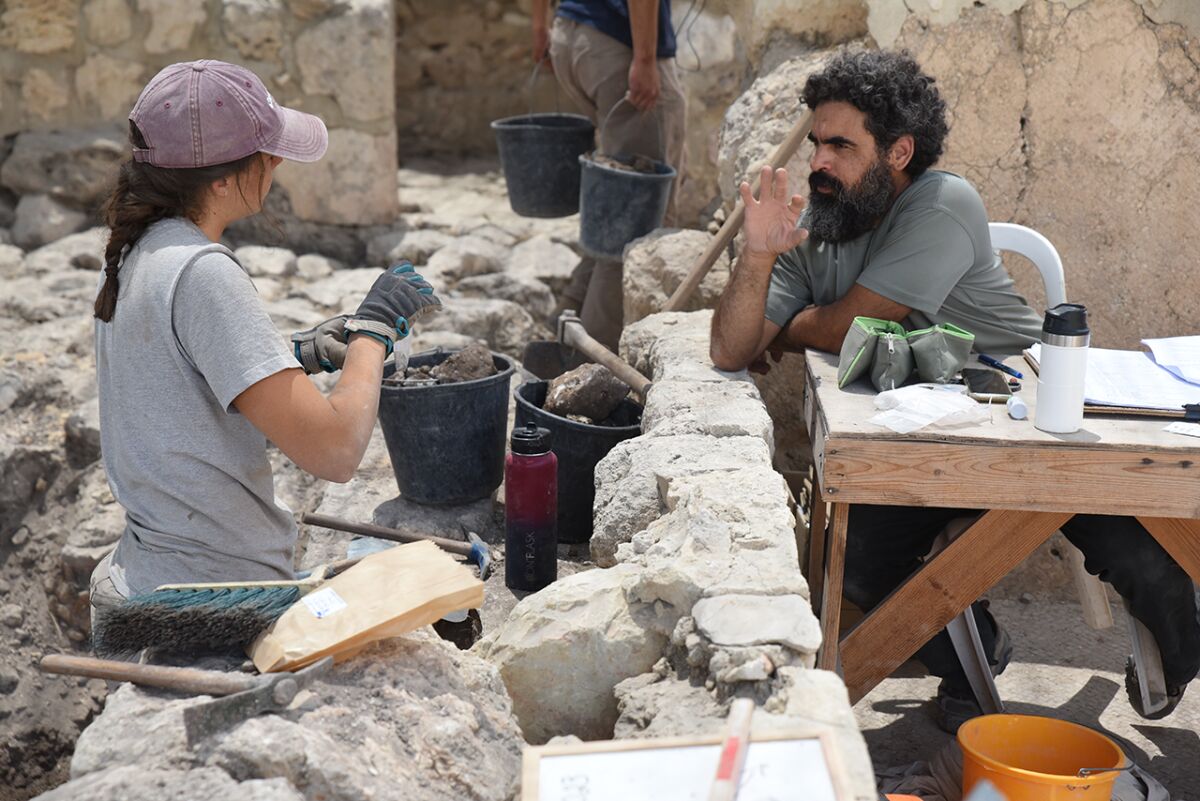
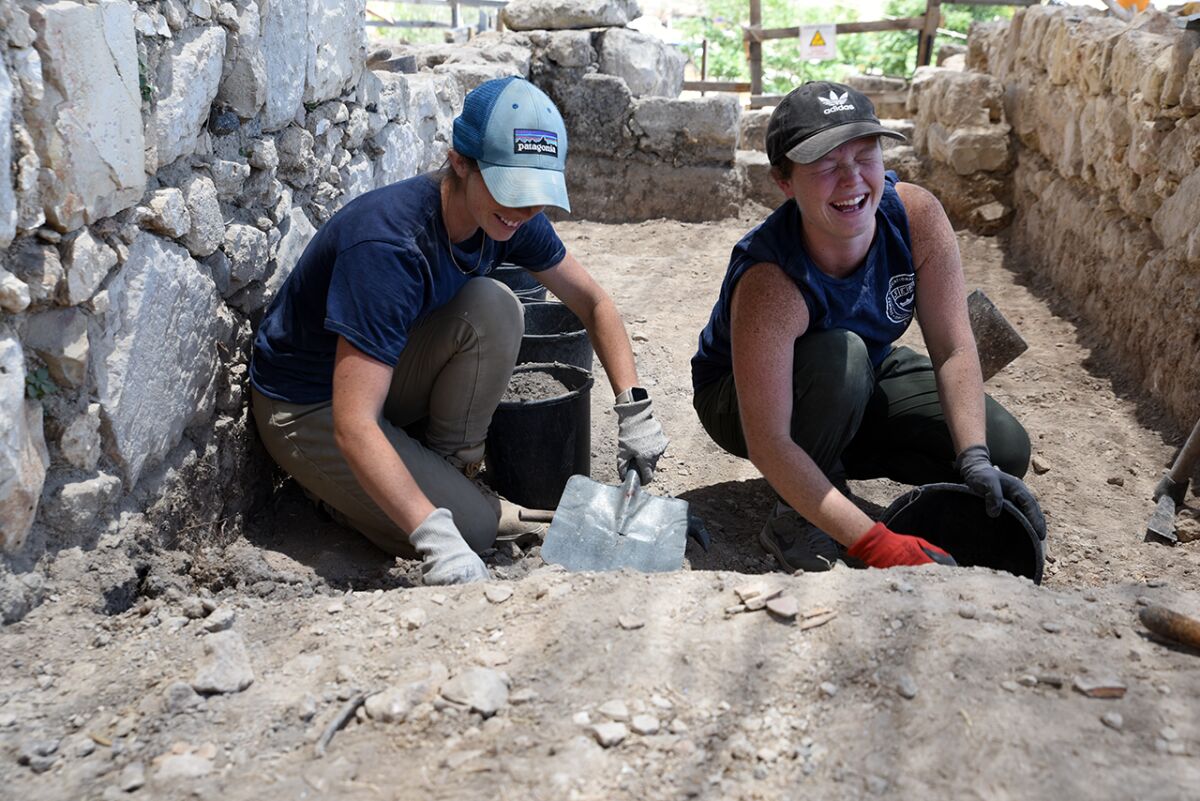
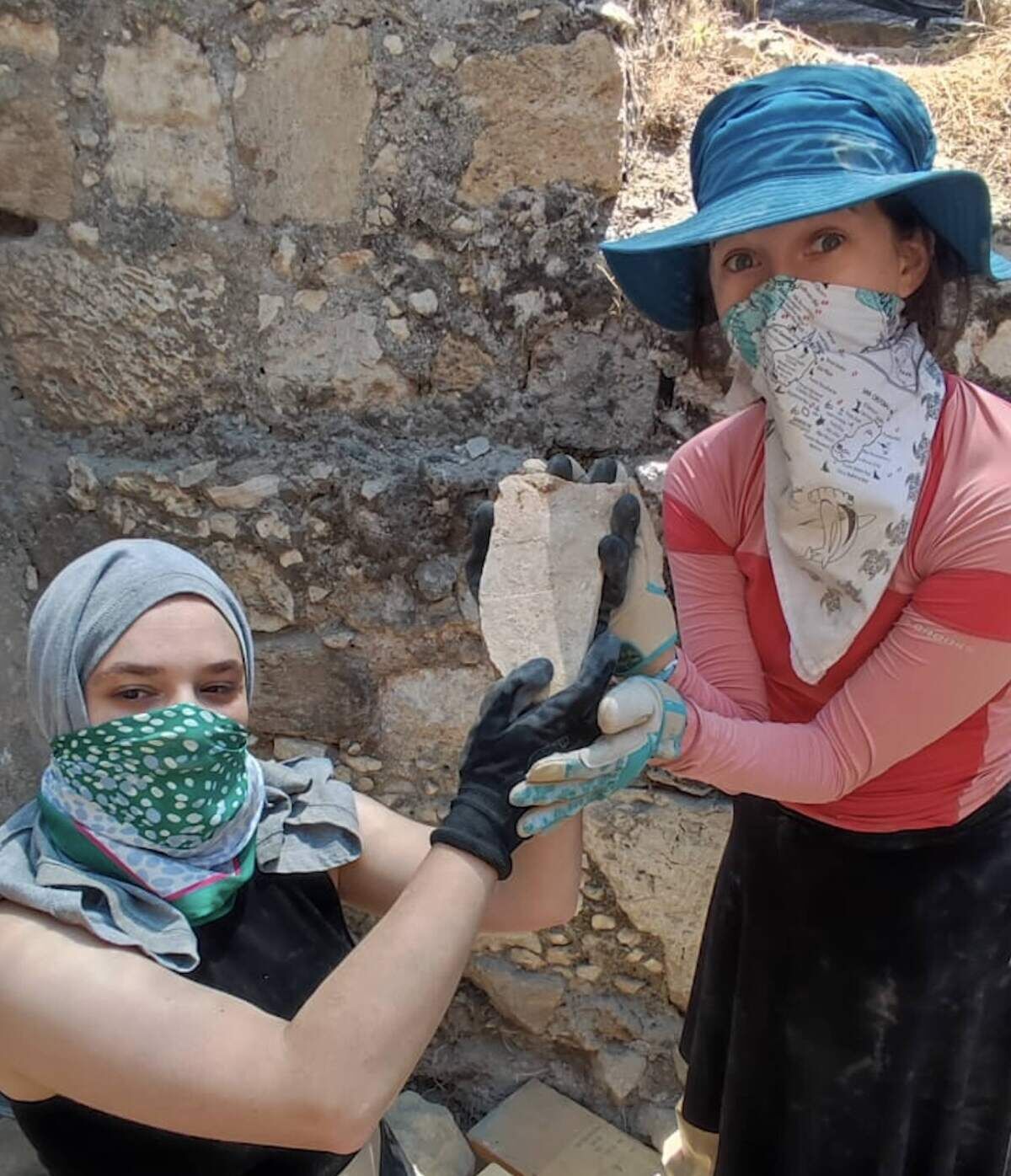
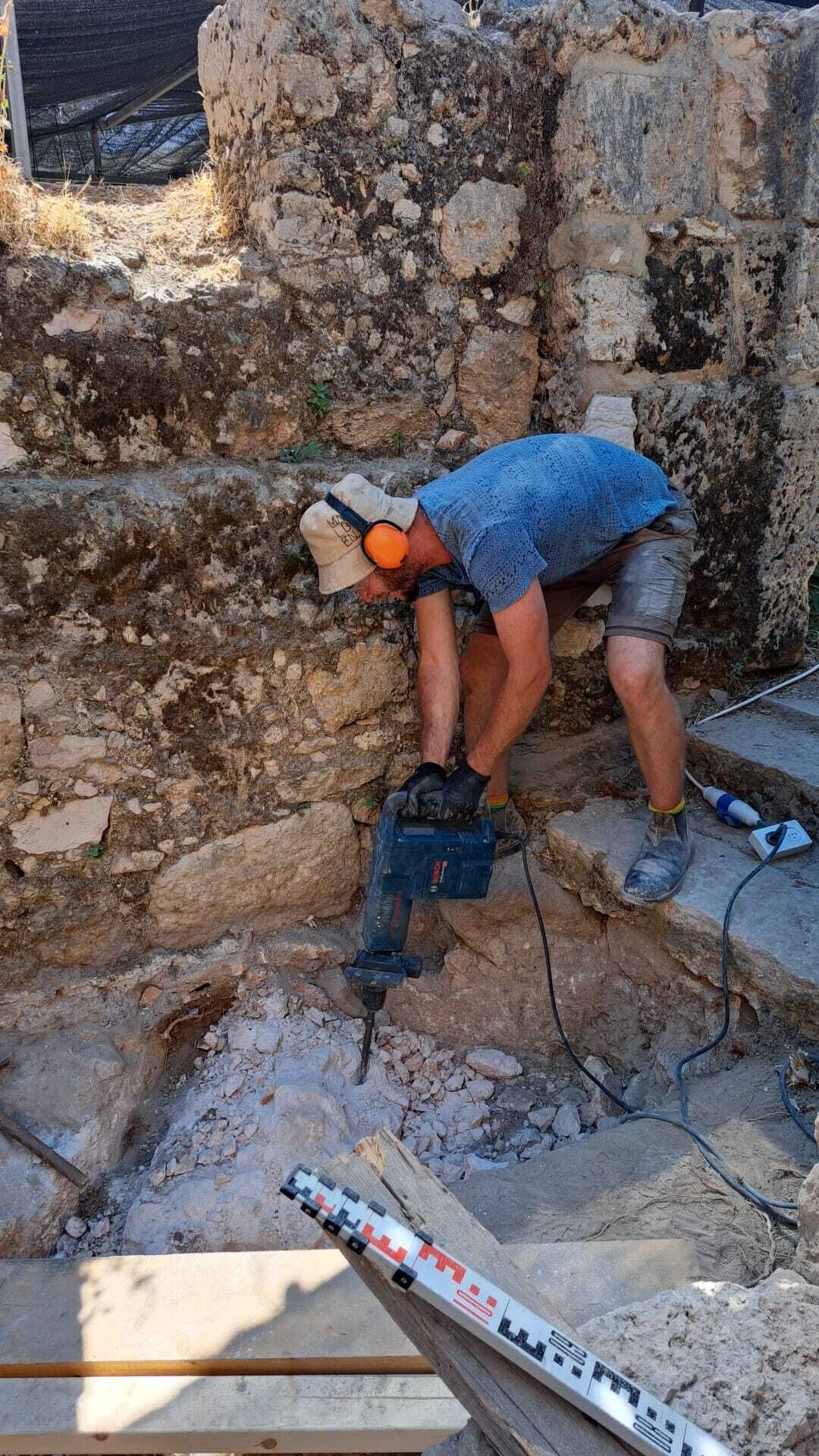
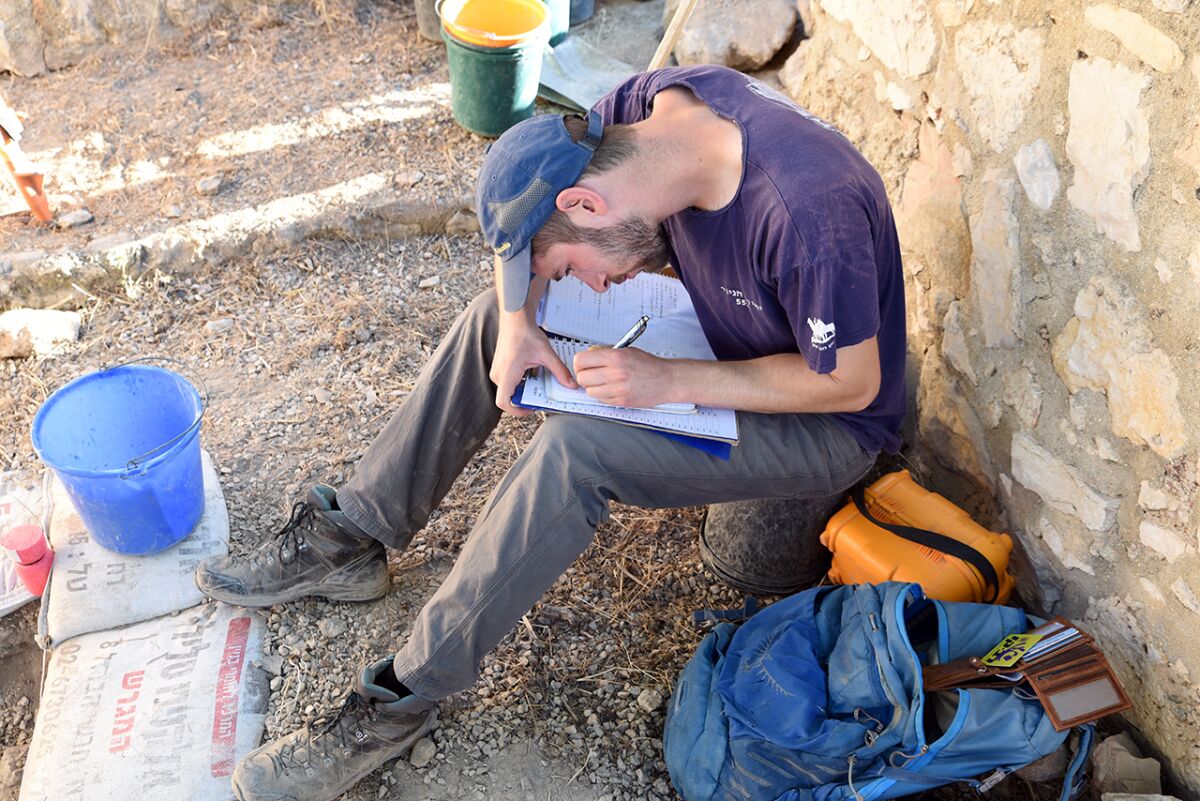
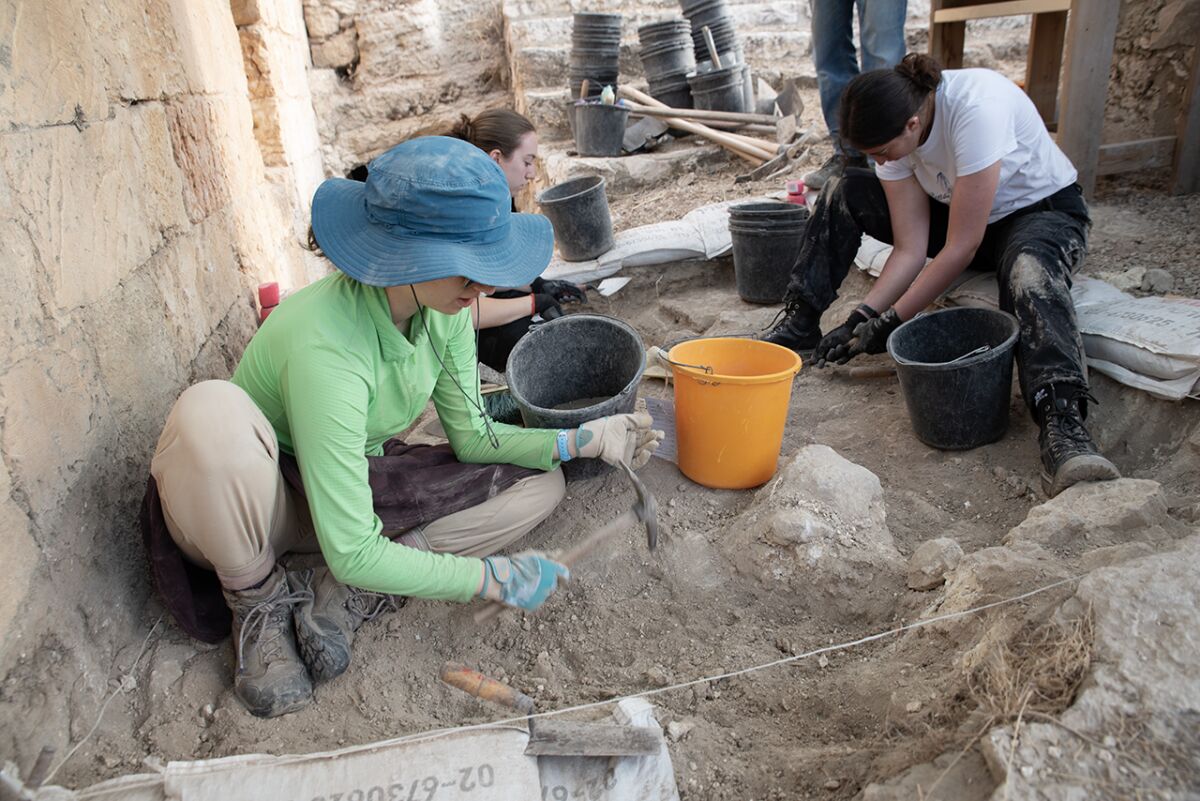
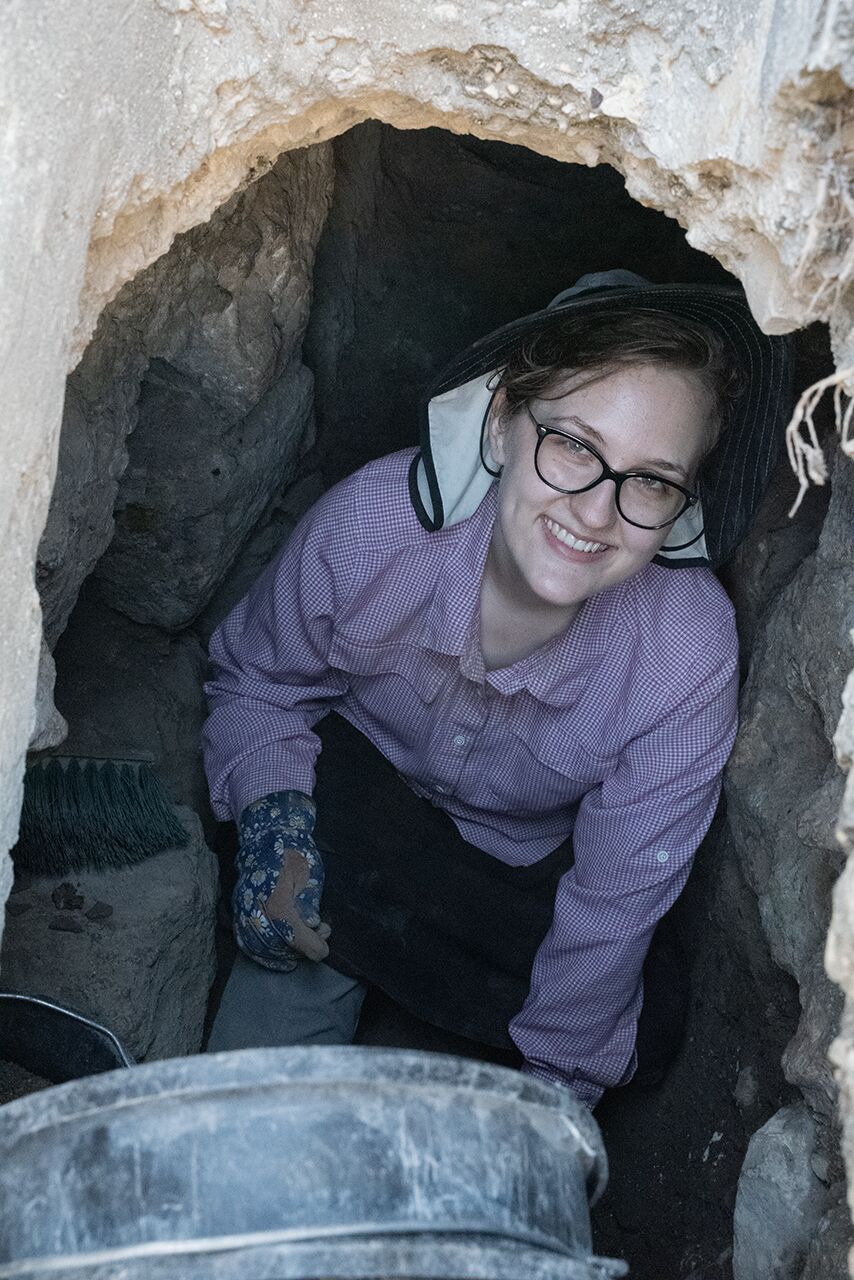
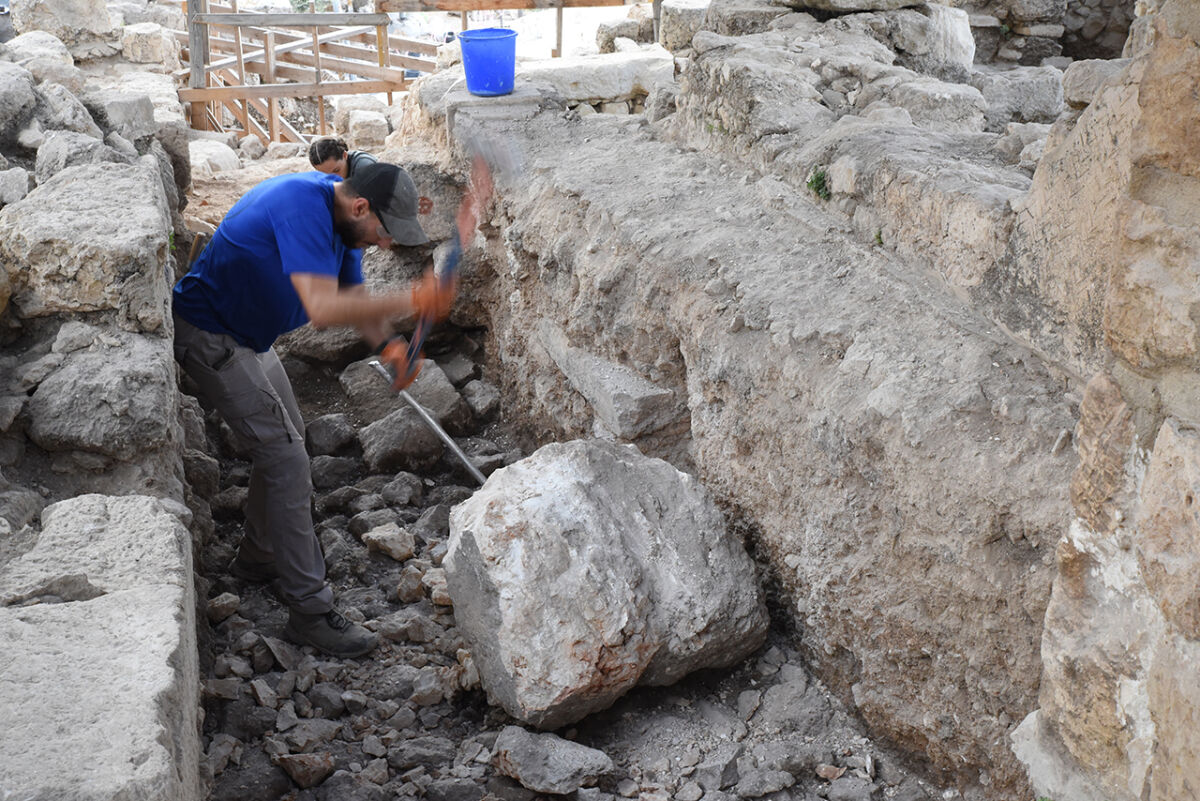
With two more weeks to go for the excavation, we thought we’d post some more candid shots of the diggers. Today was the last day of work for the Hebrew University and Yeshiva University students. We appreciate their mighty efforts at helping excavate ancient Jerusalem. Next week, we will receive an influx of new volunteer excavators coming from all over the world.
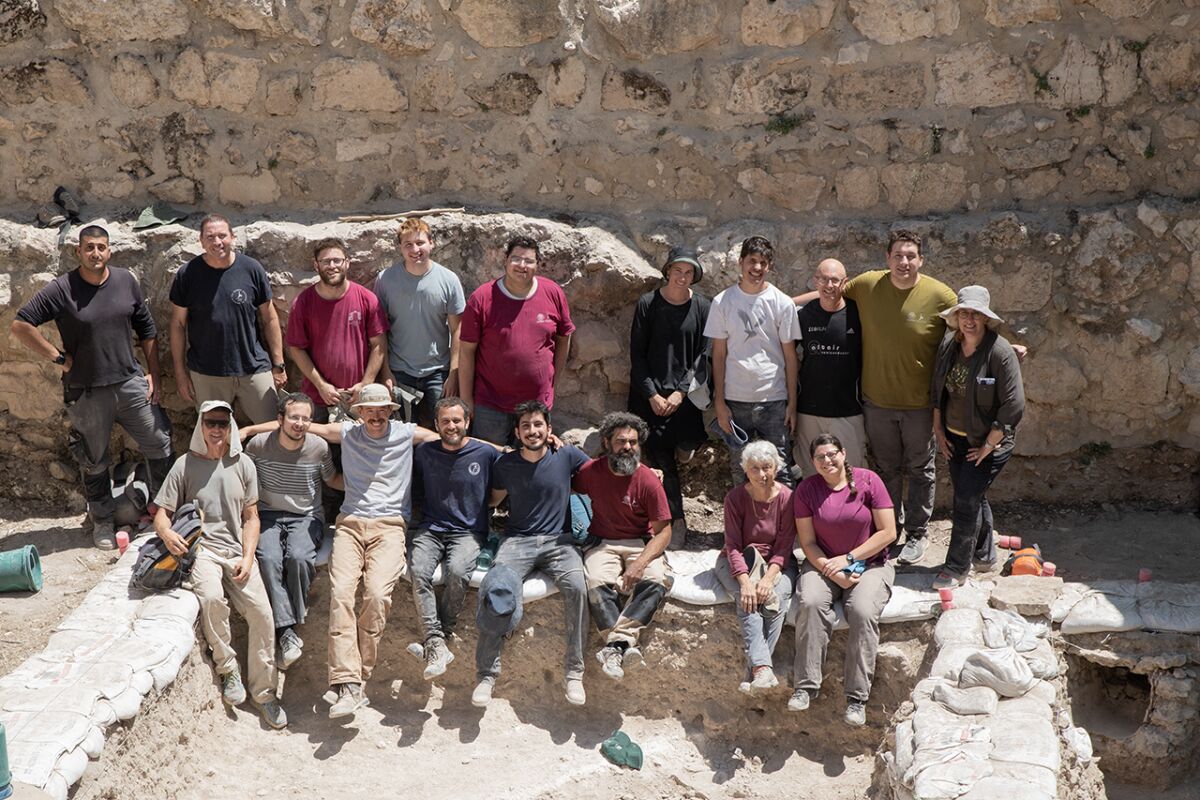
JULY 20: MEET AREA E SUPERVISOR NOA GOLDBERG
Supervisor Noa Goldberg gives an update about Area E and the Hebrew University tutorial excavation.
https://www.youtube.com/watch?v=tyc63XNiOMo
JULY 16: HERODIAN PERIOD OIL LAMP AND TENTH LEGION STAMPED BRICK
Prof. Uzi Leibner and Area supervisor Ido Zangen describe Area F finds from today on the Ophel excavation in Jerusalem.
https://www.youtube.com/watch?v=O2OiAvzPcFc
JULY 11: MEET AREA D1 SUPERVISOR CHRISTOPHER EAMES
Christopher Eames gives an introductory look at the subterranean world of D1.
https://www.youtube.com/watch?v=QpCPihTkw9I
JULY 10: YESHIVA UNIVERSITY JOINS DIG
This week, the Ophel Excavation team was joined by 10 student volunteers from Yeshiva University (YU) in New York, led by Dr. Jill Katz. Yeshiva students were distributed throughout areas D, D1 and F, and helped man the pottery washing and sifting station. YU will participate on the dig for the next two weeks.
Numismatics expert Dr. Yoav Farhi brought his metal detector to the field on Monday to lend a hand, hopping between areas and finding over 20 coins from the Second Temple and Byzantine periods. These are in addition to the approximately 110 other coins found so far this season. The on-site wet-sifting station began to take excavated earth from some important areas, making sure no finds are missed.
JULY 5: FINE BYZANTINE WARE FROM AREA D1
Dig codirector Prof. Uzi Leibner shows two complete ceramic items from the Byzantine Period discovered this morning in Area D1.
https://www.youtube.com/watch?v=uX1vVXDaX20
JULY 4: SLINGSHOT AND HAIRPIN FROM AREA E
On July 4, two new small finds were discovered in the field of Area E, just south of the southern wall of the Temple Mount in Jerusalem. Directors Prof. Uzi Leibner and Dr. Orit Peleg-Barkat gave their initial assessment of the finds during the afternoon break.
https://www.youtube.com/watch?v=6C2—7z3dJA
JUNE 27: MEET AREA D SUPERVISOR AMIR COHEN-KLONYMOUS
https://www.youtube.com/watch?v=bbYFw1Sio-8
JUNE 25: FAUNAL EDITION
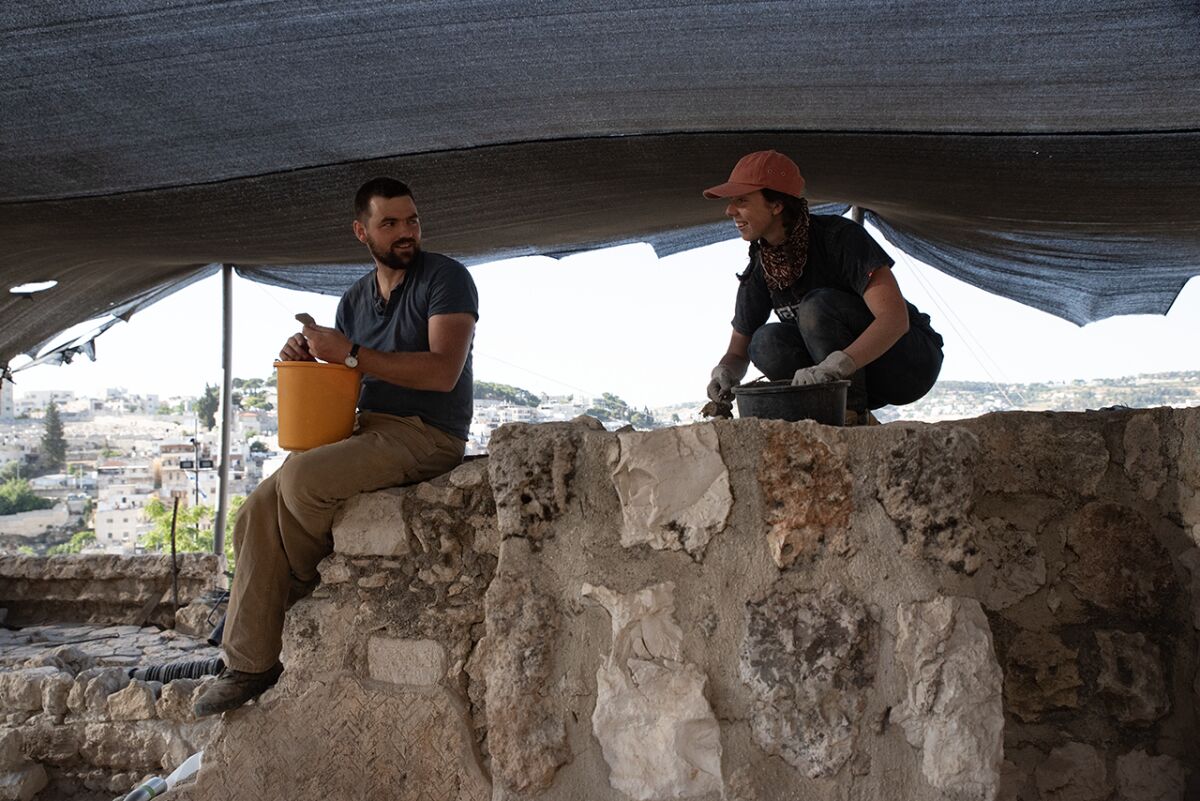
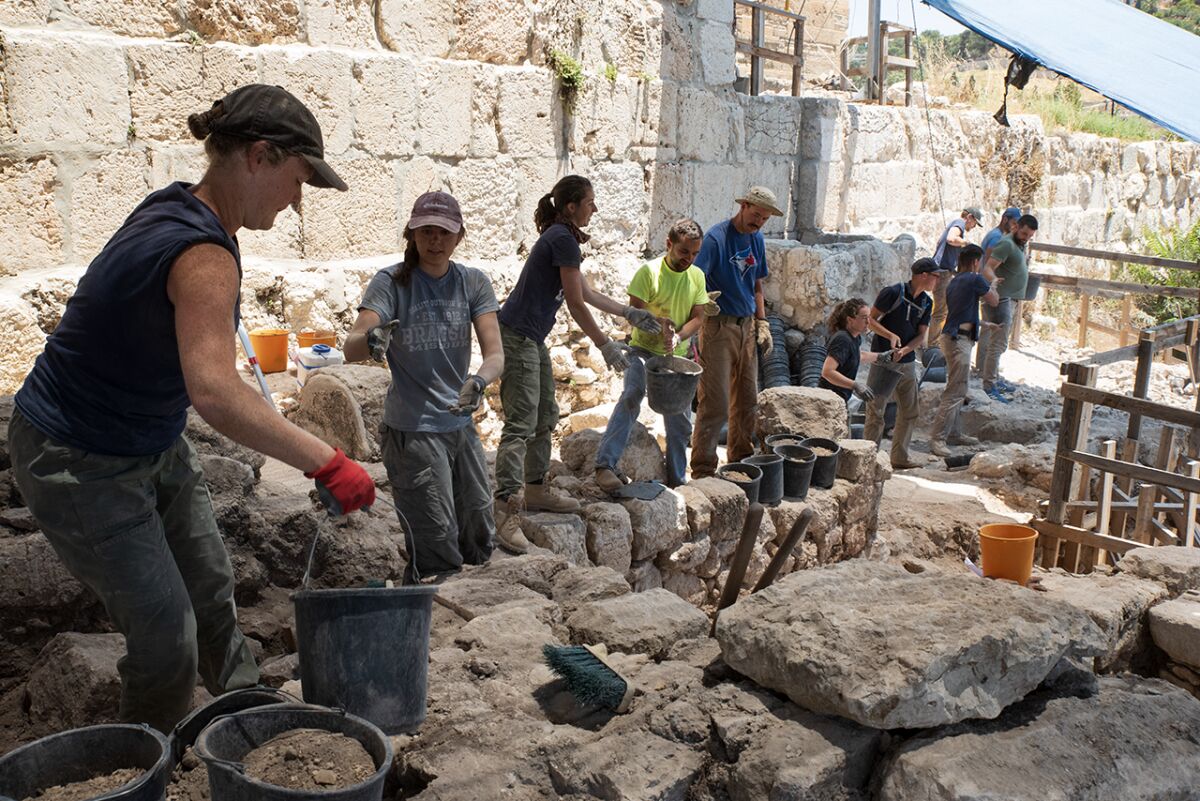
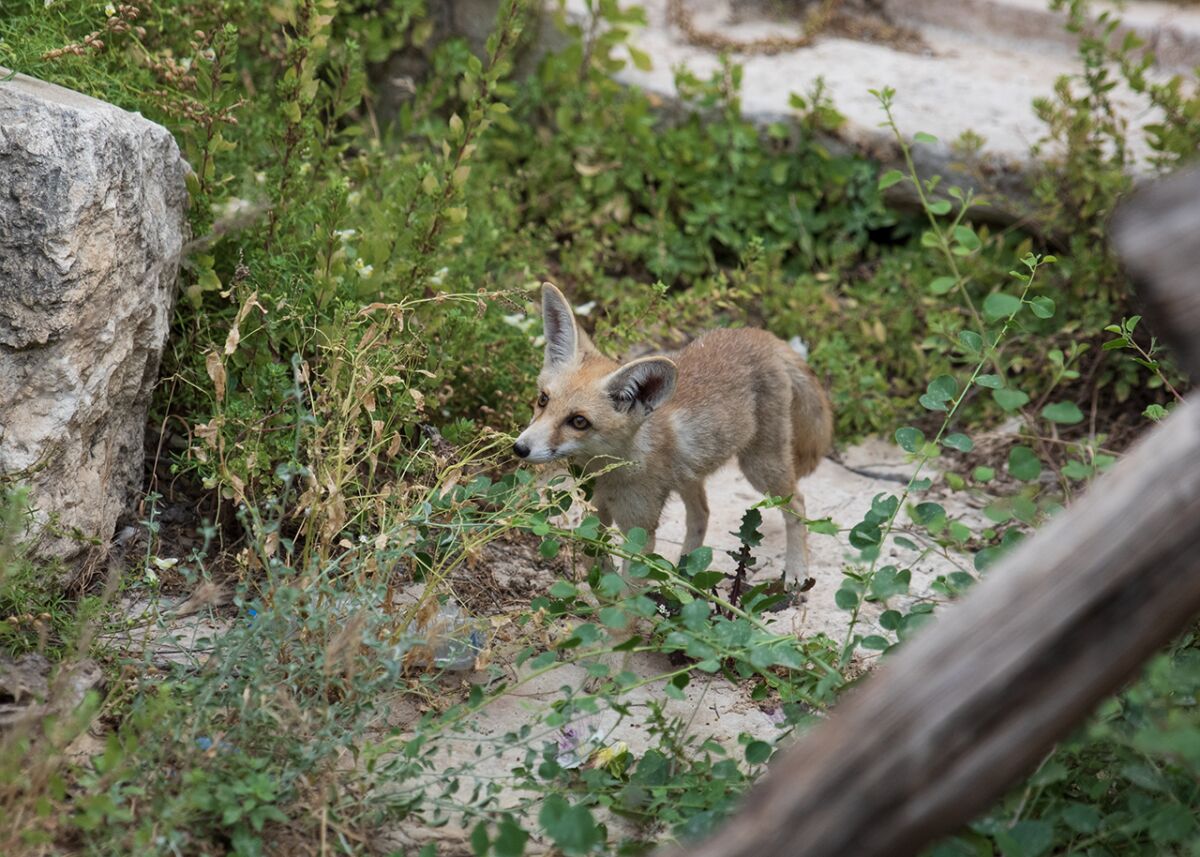
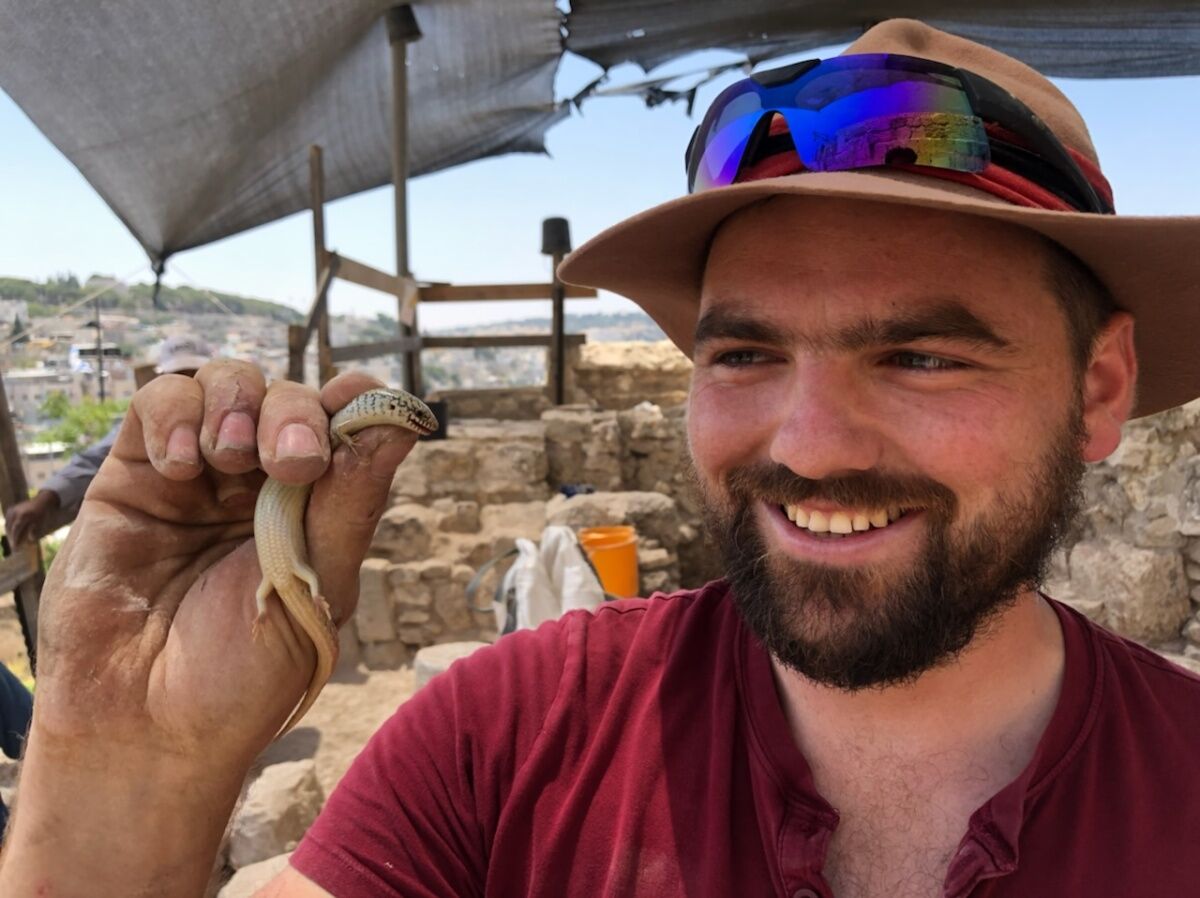
On Sunday, the bucket chain was in full swing as workers began the final week of preparation with a smaller crew before the major excavation begins on July 2. Most of the modern reconstructed Byzantine walls were removed by the end of last week, allowing for some archaeology to take place in the clean Byzantine contexts of Area D. In the middle of last week, one of the volunteers found a dainty, intact oil lamp. We are also enjoying occasional visits from the local fauna, including a handsome young fox.
JUNE 21: WELCOME!
https://www.youtube.com/watch?v=i1EFNyMukJk
JUNE 18: REMOVING RECONSTRUCTED WALLS BEGINS
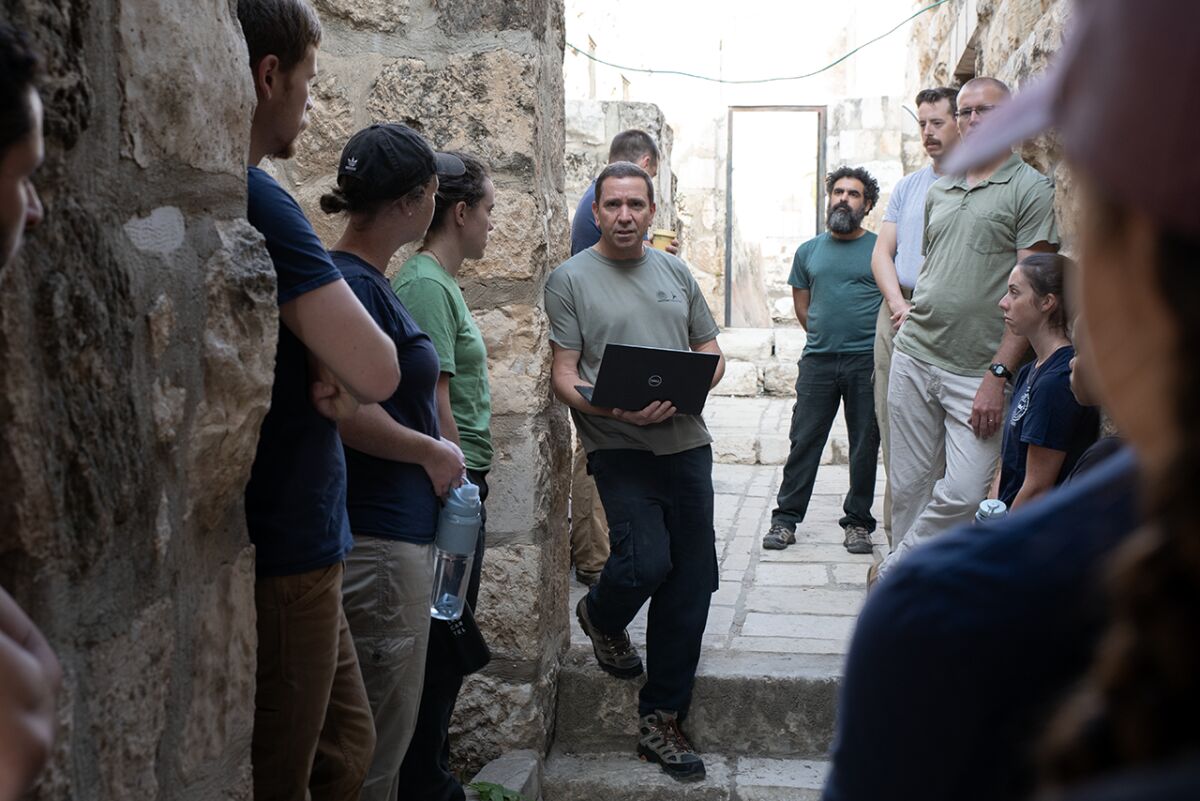
Ophel Excavation director Prof. Uzi Leibner addressed the AC student volunteers on safety requirements for the excavation season. General photographs were taken by staff photographer Aubrey Mercado of the reconstructed Byzantine Period walls in Area D in preparation for their removal.
Longtime Ophel Excavation architect Marcos Edelcopp was onsite today to draw the walls of Area E. Every wall that is removed is thoroughly photographed and drawn by the architect, in order to re-create a plan of the area for each occupation level.
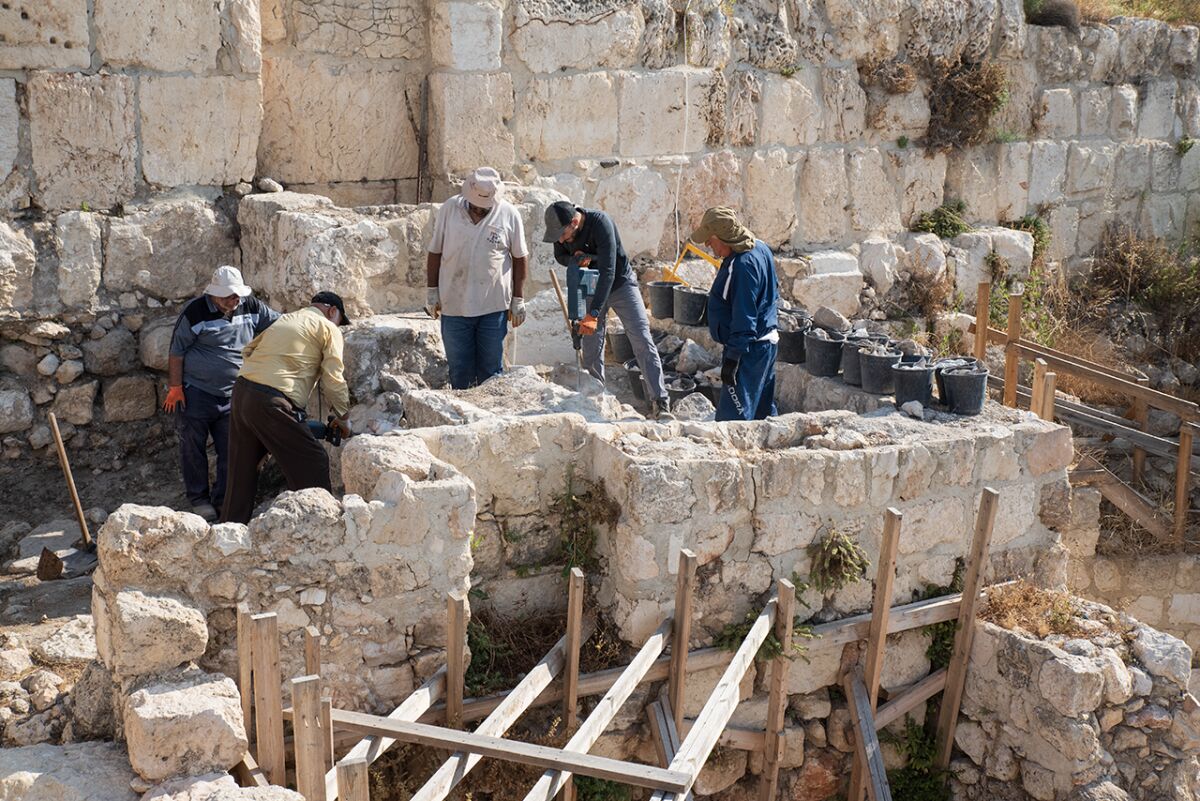
A team of Arab workers from Hebron joined the crew to help remove the reconstructed walls. They will be on-site for two weeks. While they are a little older in age, their experience working with stone is extremely helpful when breaking up the larger boulders.
JUNE 15: EXPANDED CREW PREPARES AREA D
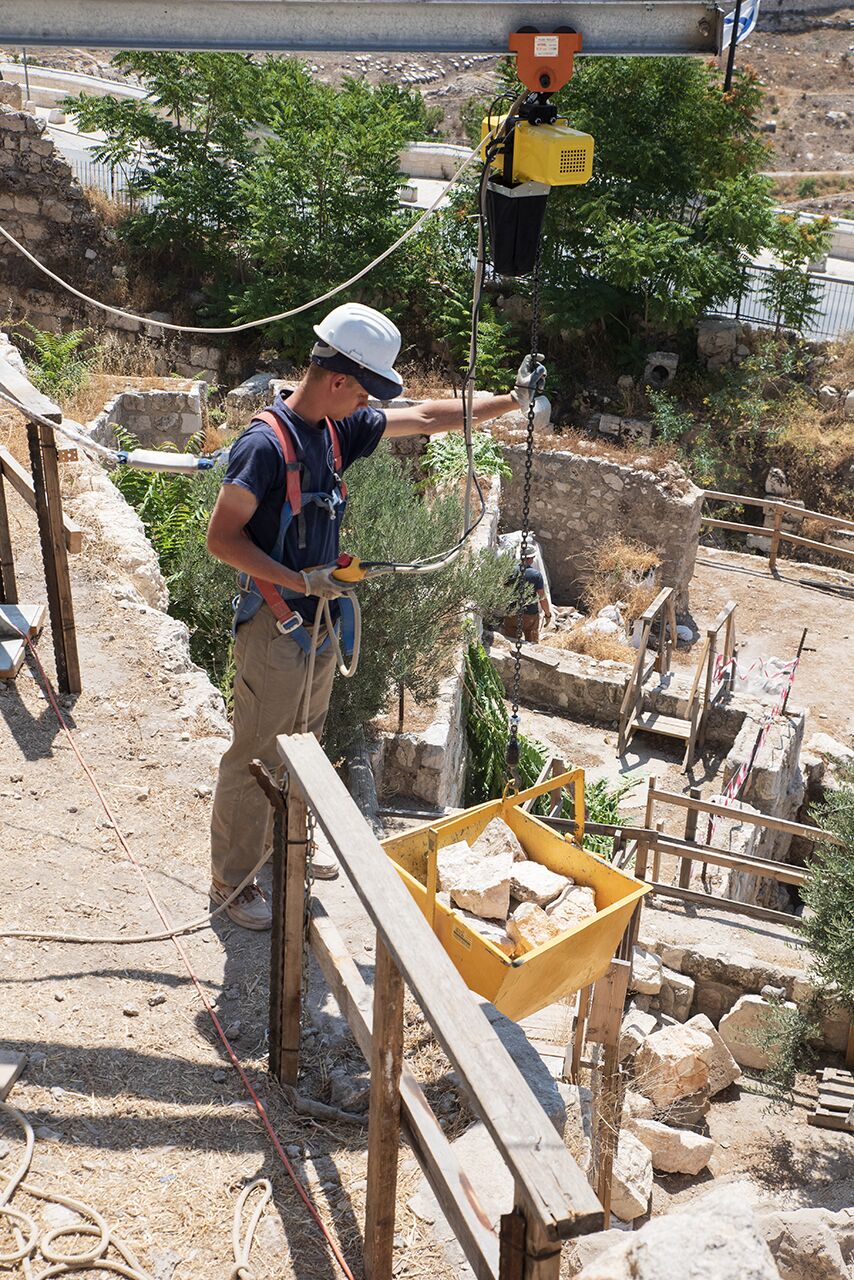
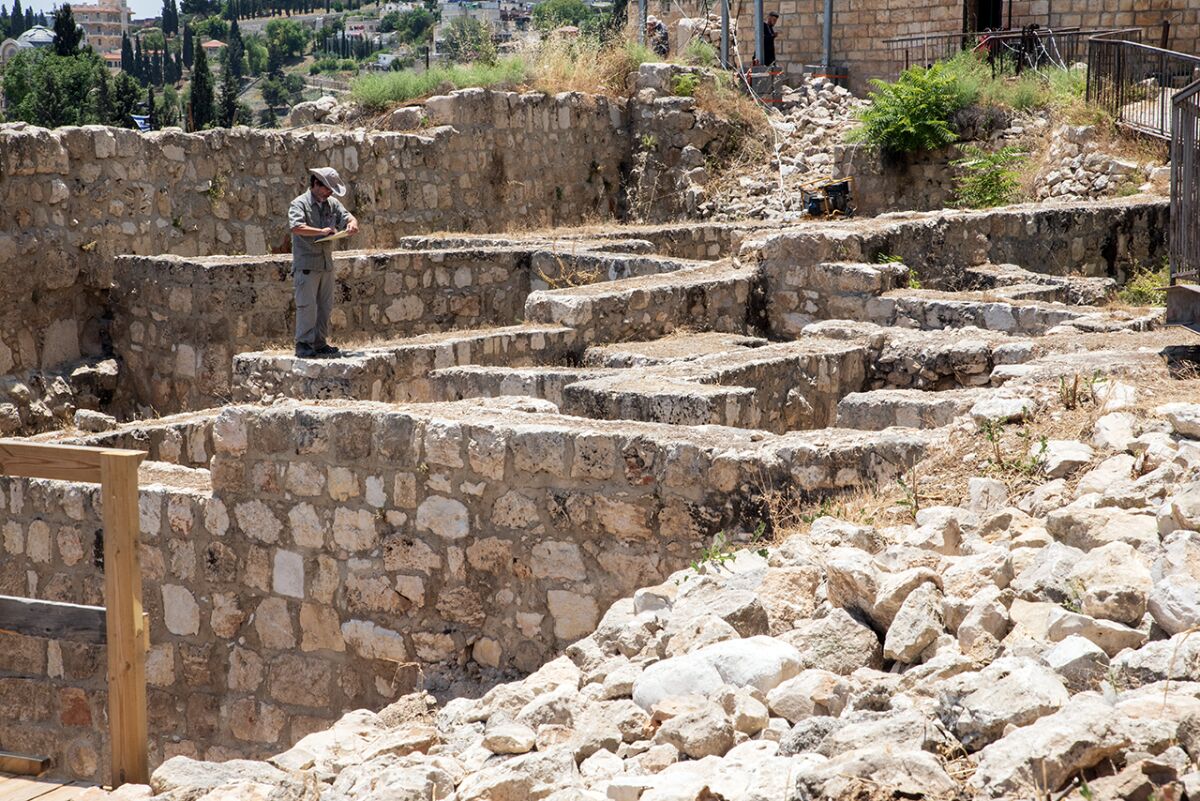
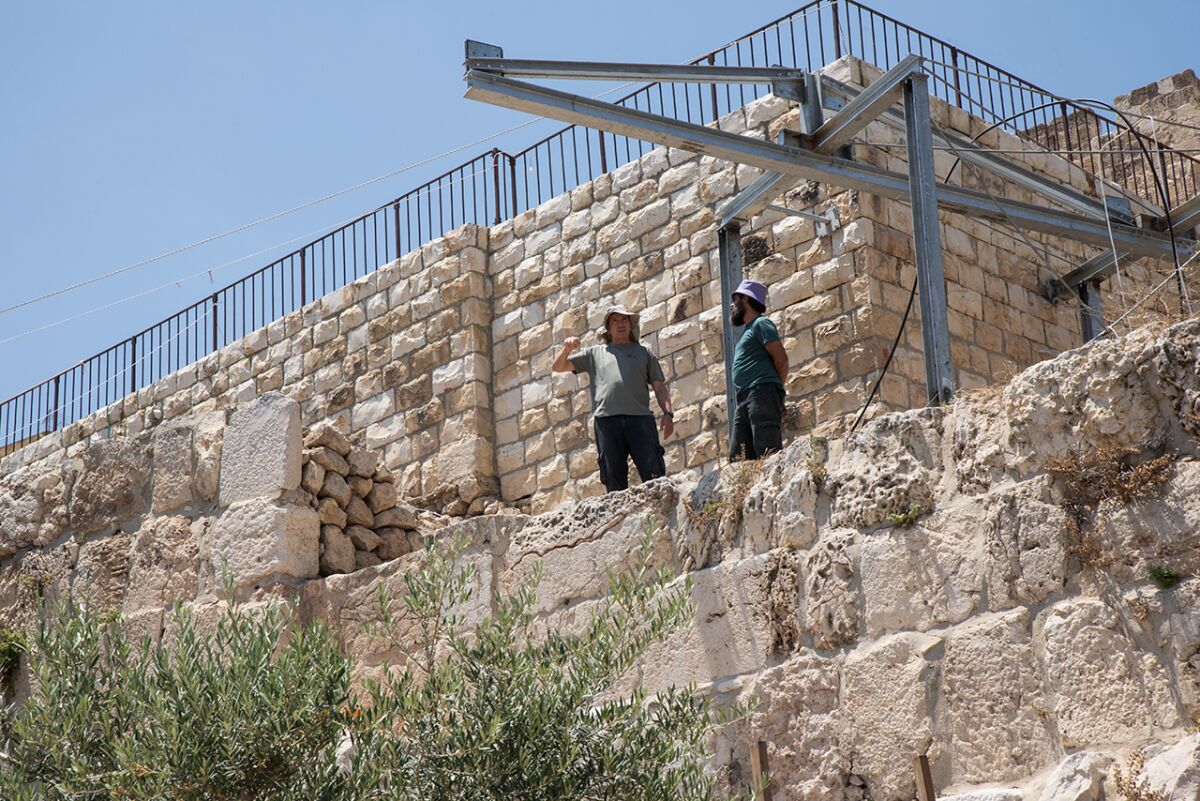
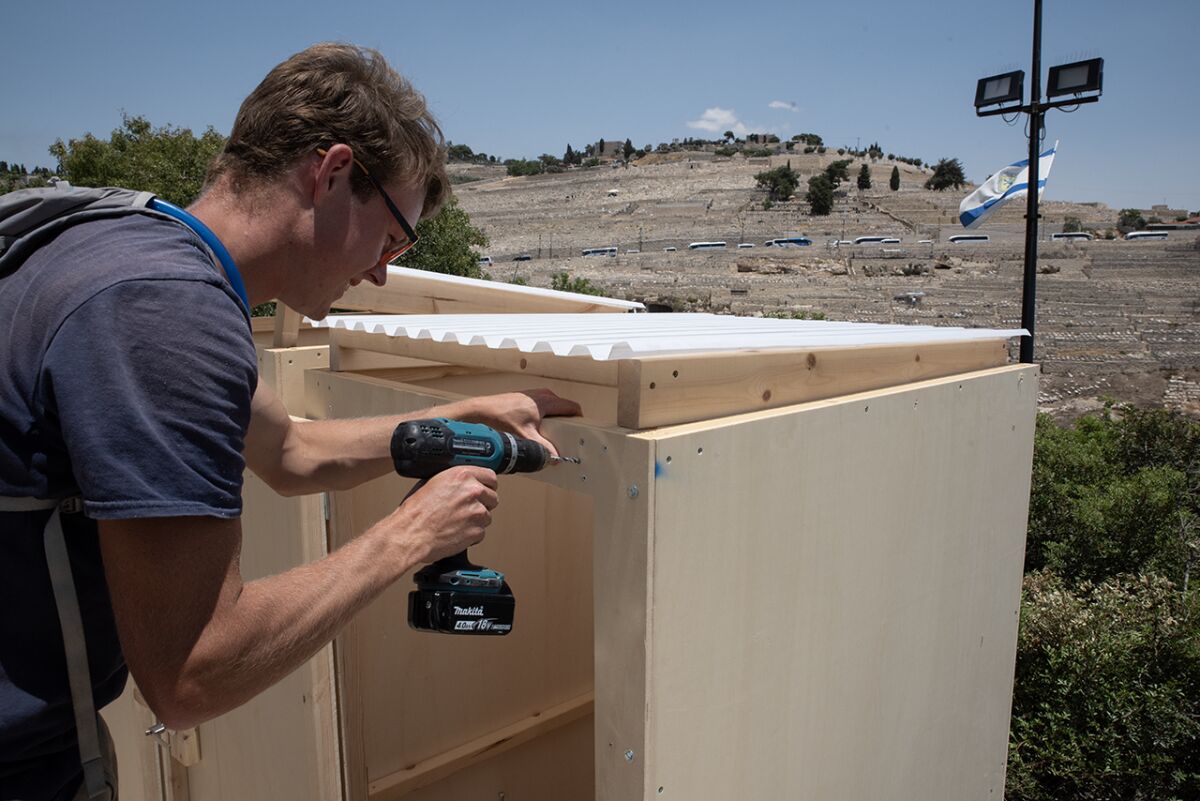
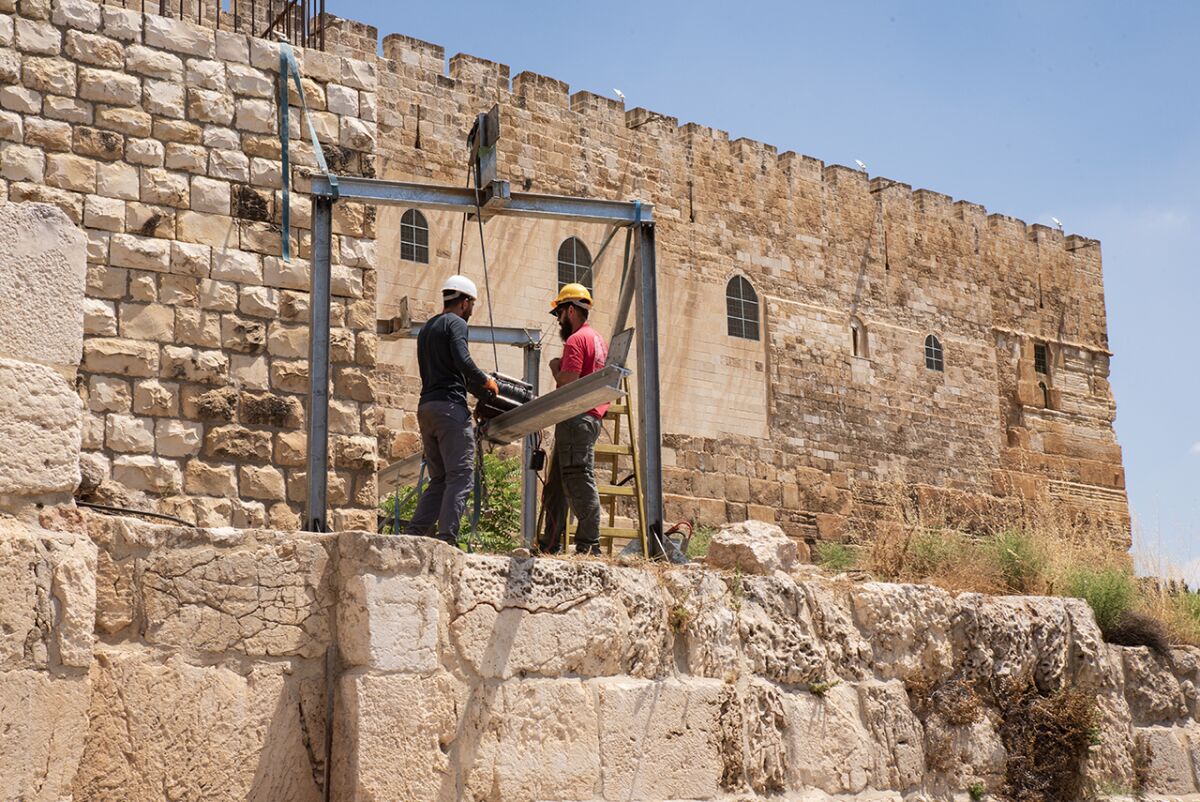
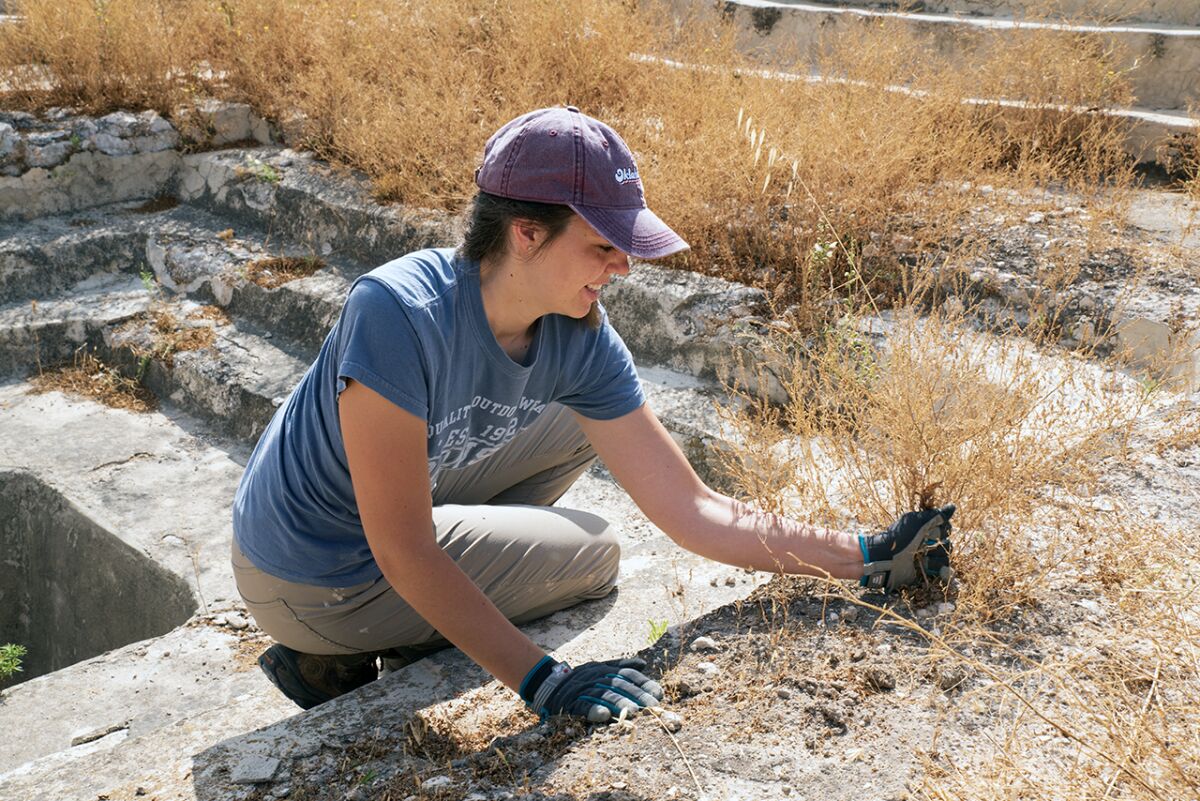
About a dozen AC volunteers spent their second day preparing the site by removing vegetation growth from Area D. A logistics team from Israel Archaeological Services worked on a new solution to remove the excavated earth from the site. In previous years, the earth was removed from the site by using a crane from the Ophel Road to hoist large sacks, ba’alot, from the area into the back of a dump truck. However, this was a logistical nightmare as it blocked one lane of the critical Ophel Road and had to be done between 12:00–4:00 a.m. This year, excavated earth will be raised out of Area D using a crane (seen being constructed below), and then driven to the upper area using a small tractor, before it is dumped into a large open waste bin.
MAY 31: INITIAL CLEANUP BEGINS
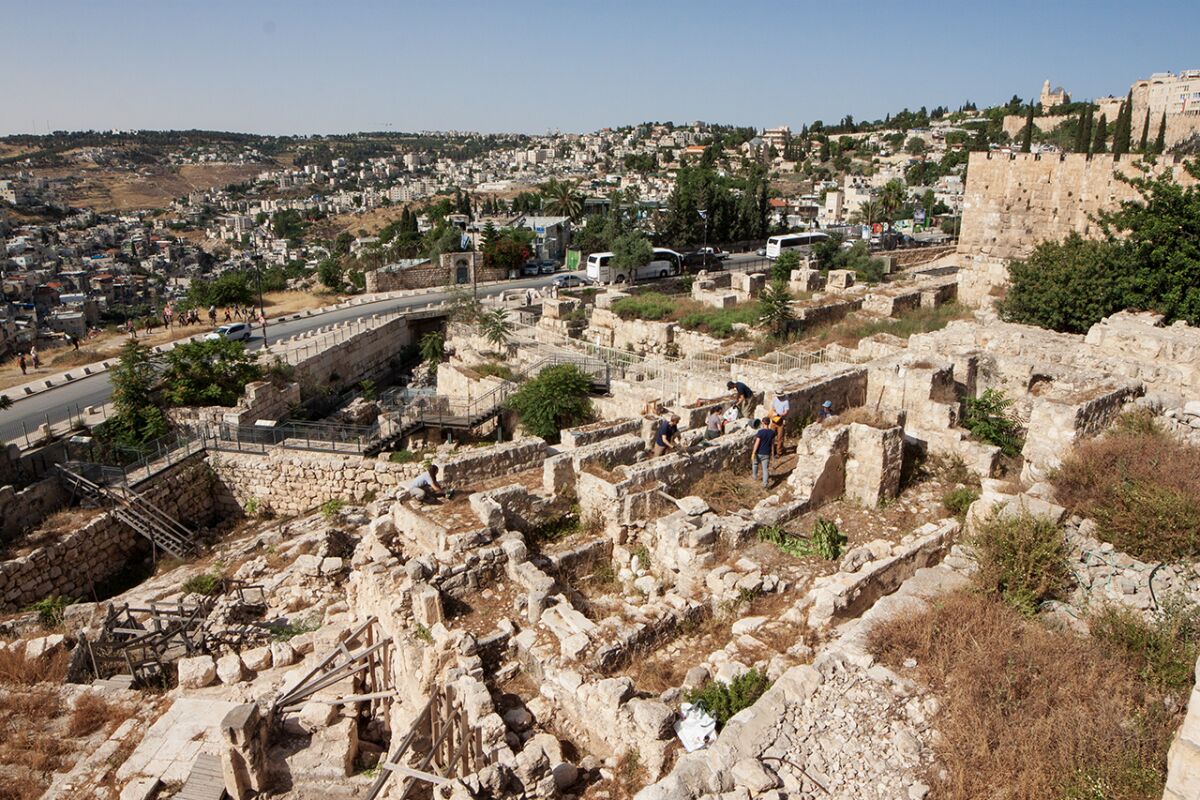
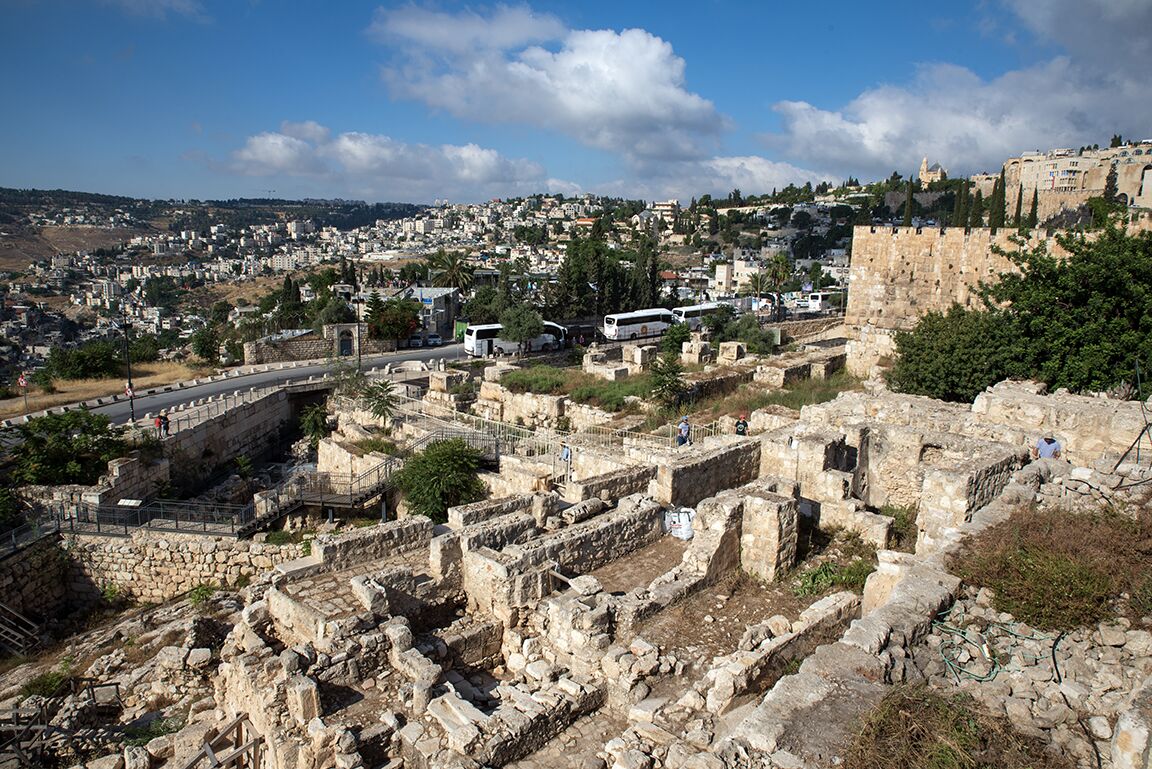
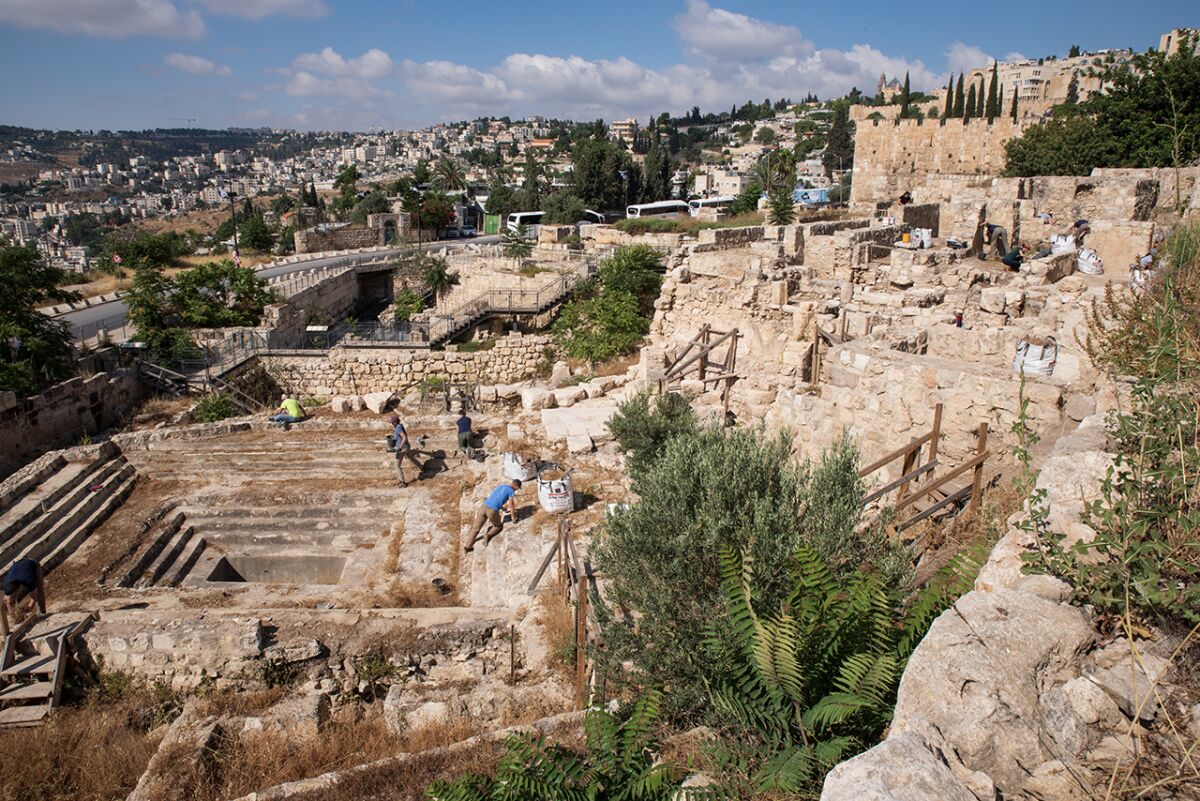
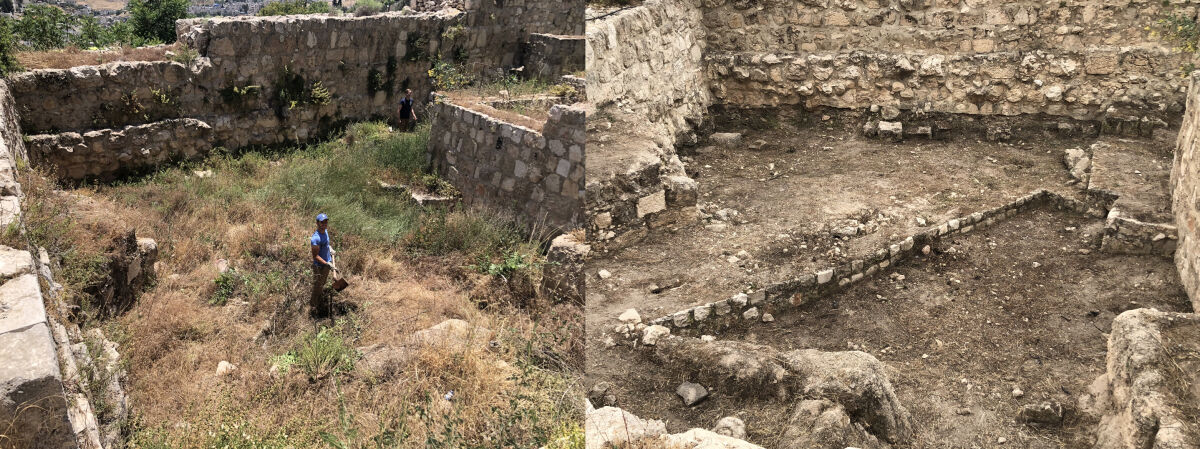
This week, the first two Armstrong College students arrived in Jerusalem to help with preliminary cleanup around the dig site. The picture below provides a before and after of a brand new Ophel excavation area—Area E. This new area of excavation needed urgently drawing up before the dig by excavation architect Marcus Edelcopp. However, he couldn’t see what he was supposed to illustrate due to overgrowth of vegetation. So, our crew got to work. Within this larger structure, we have a buried wall with a very promising Herodian, or perhaps even Iron Age, orientation.
Great work lads!
EXCAVATION PREVIEW
https://www.youtube.com/watch?v=P9N6O8gjiFw