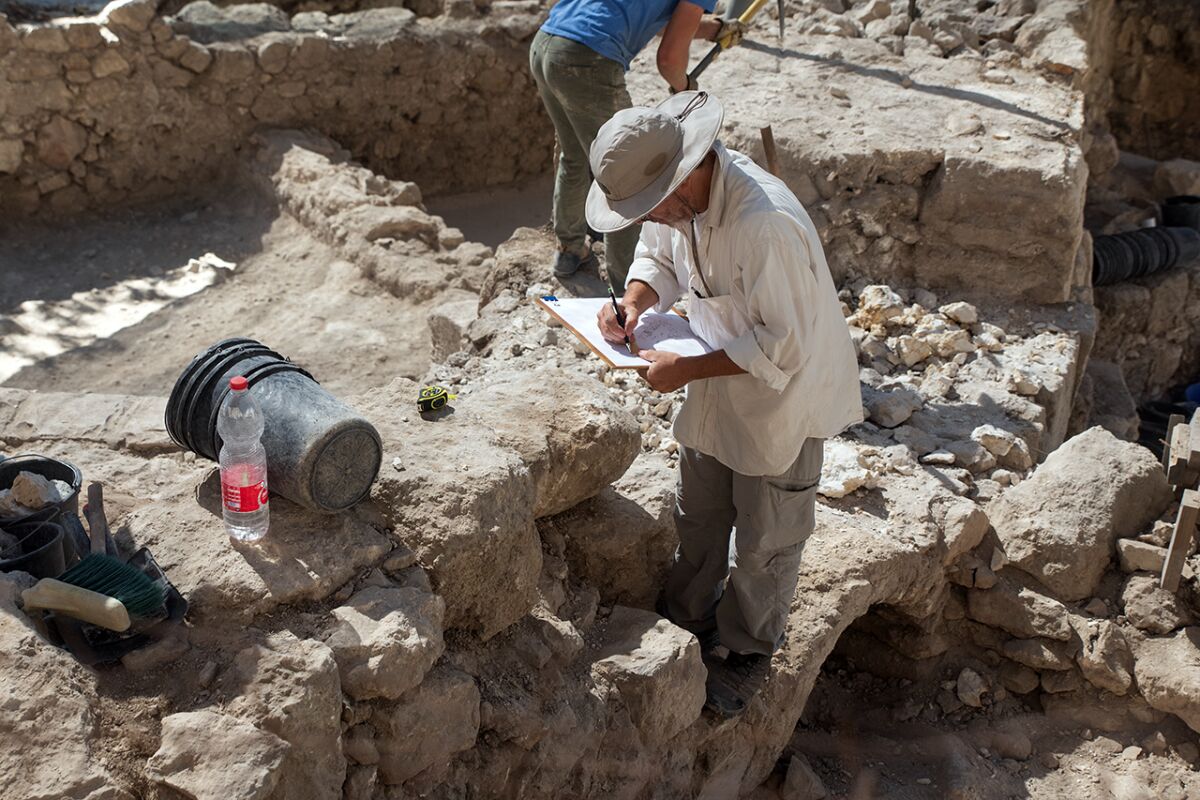
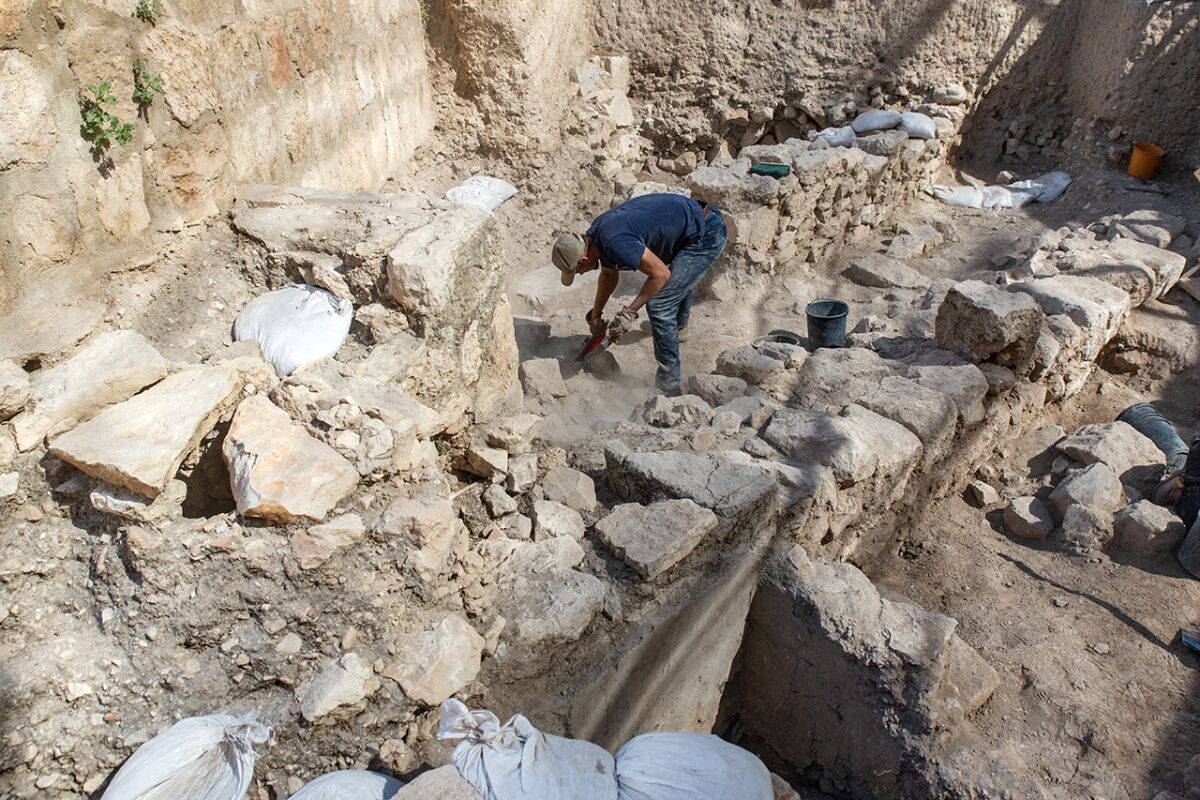
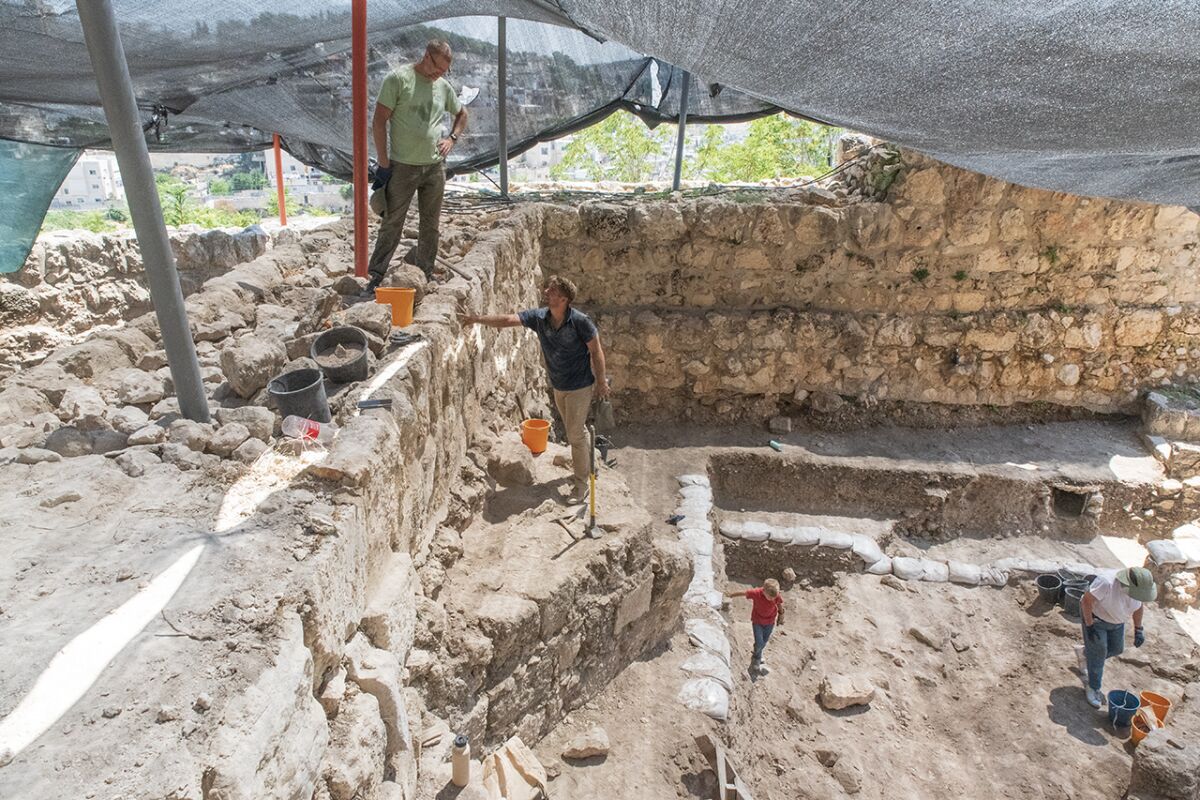
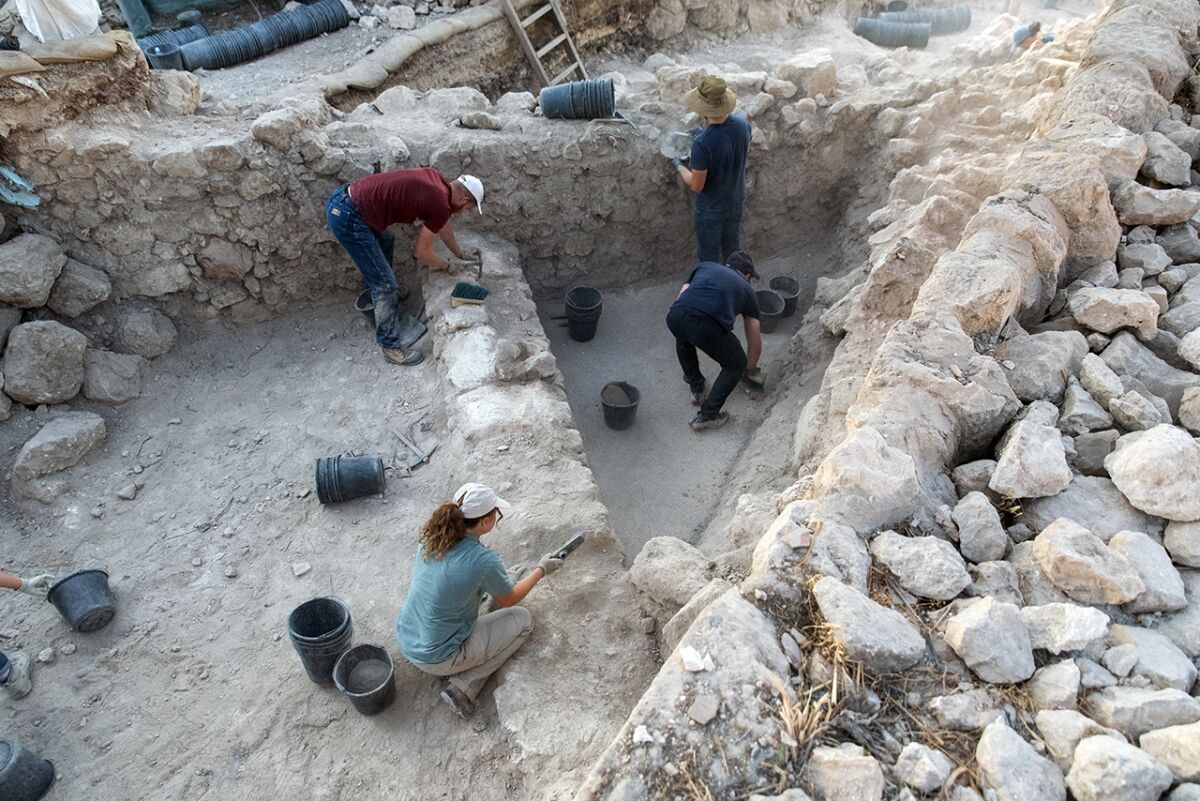
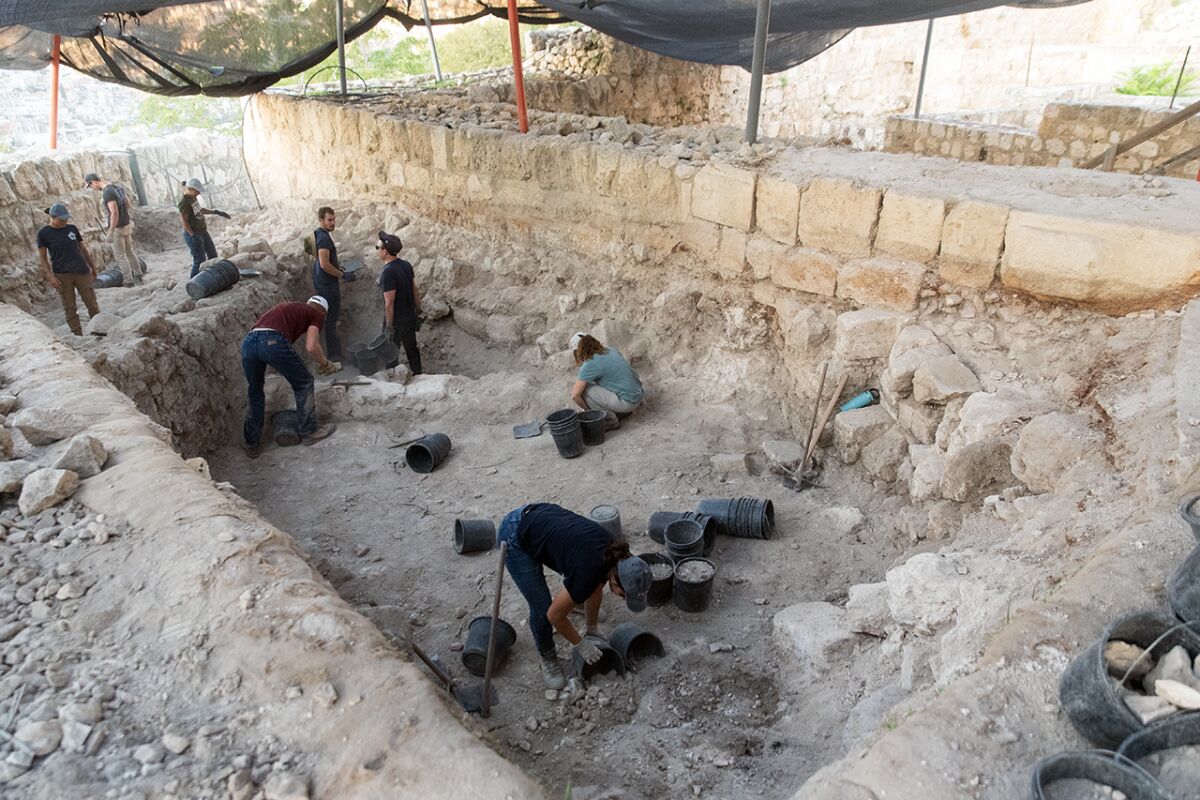
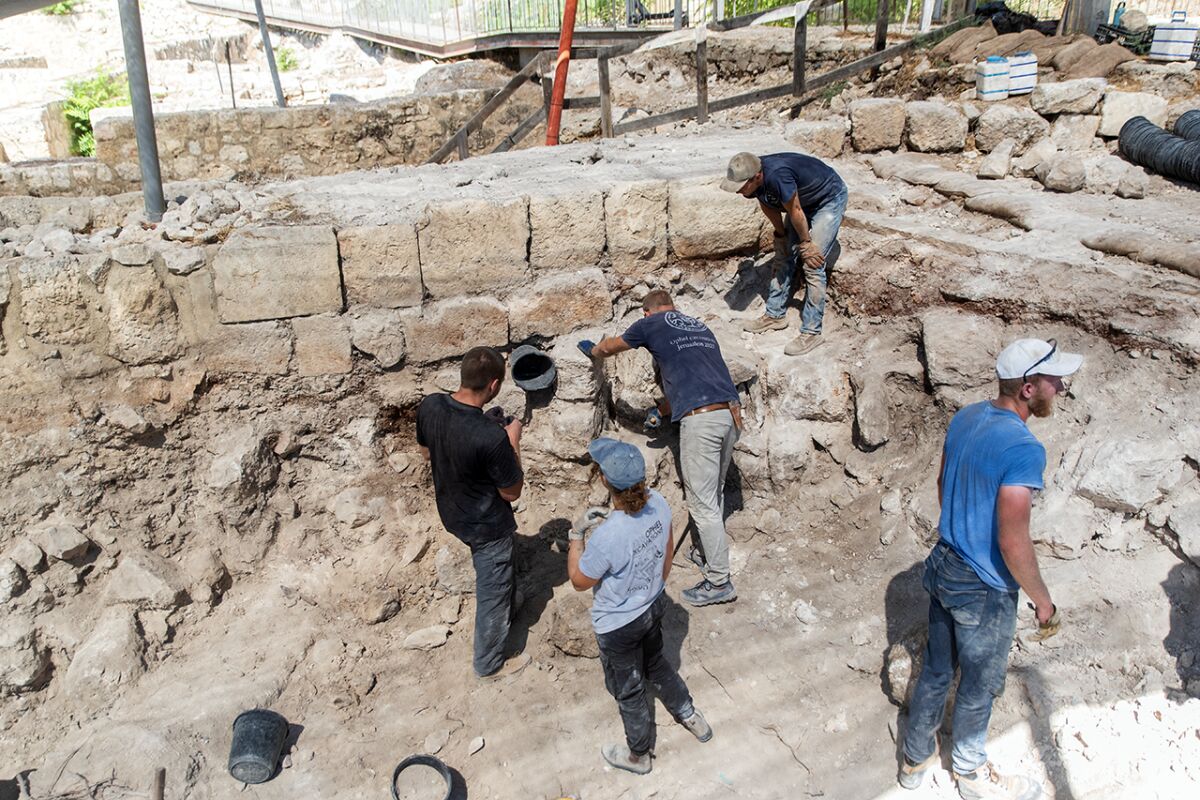
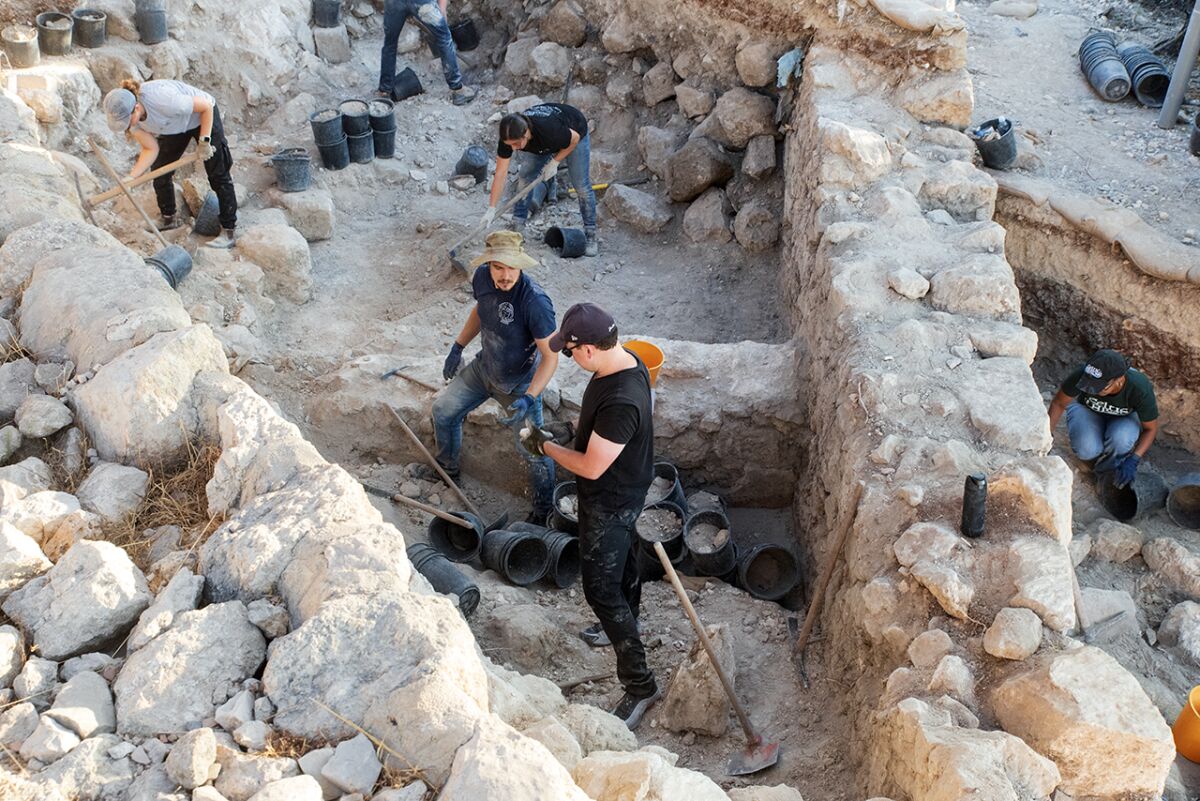
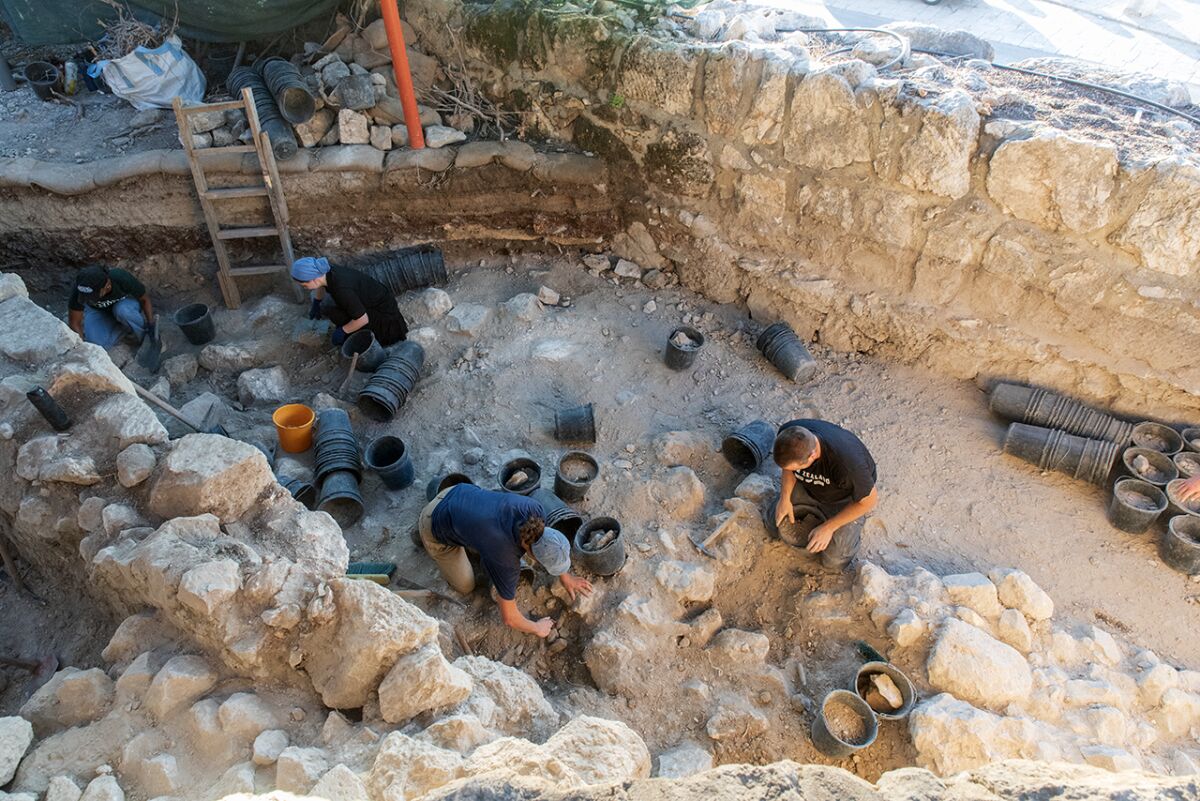
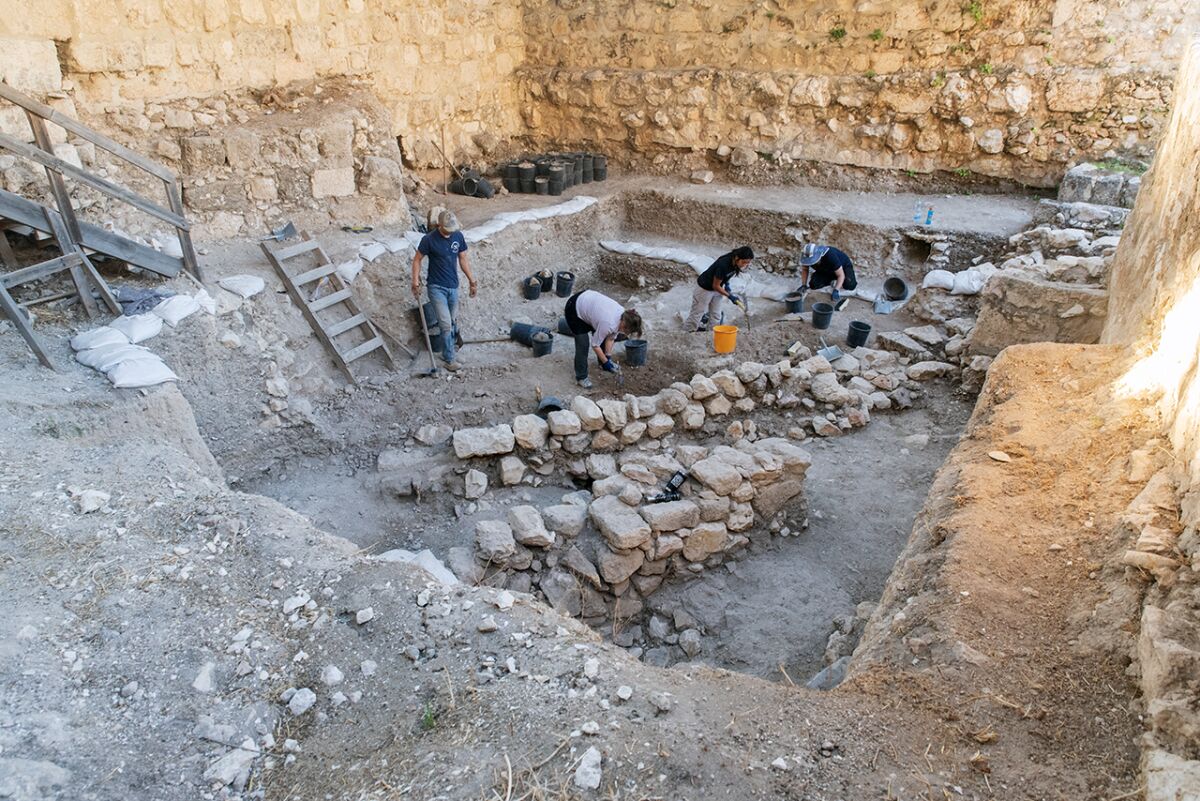
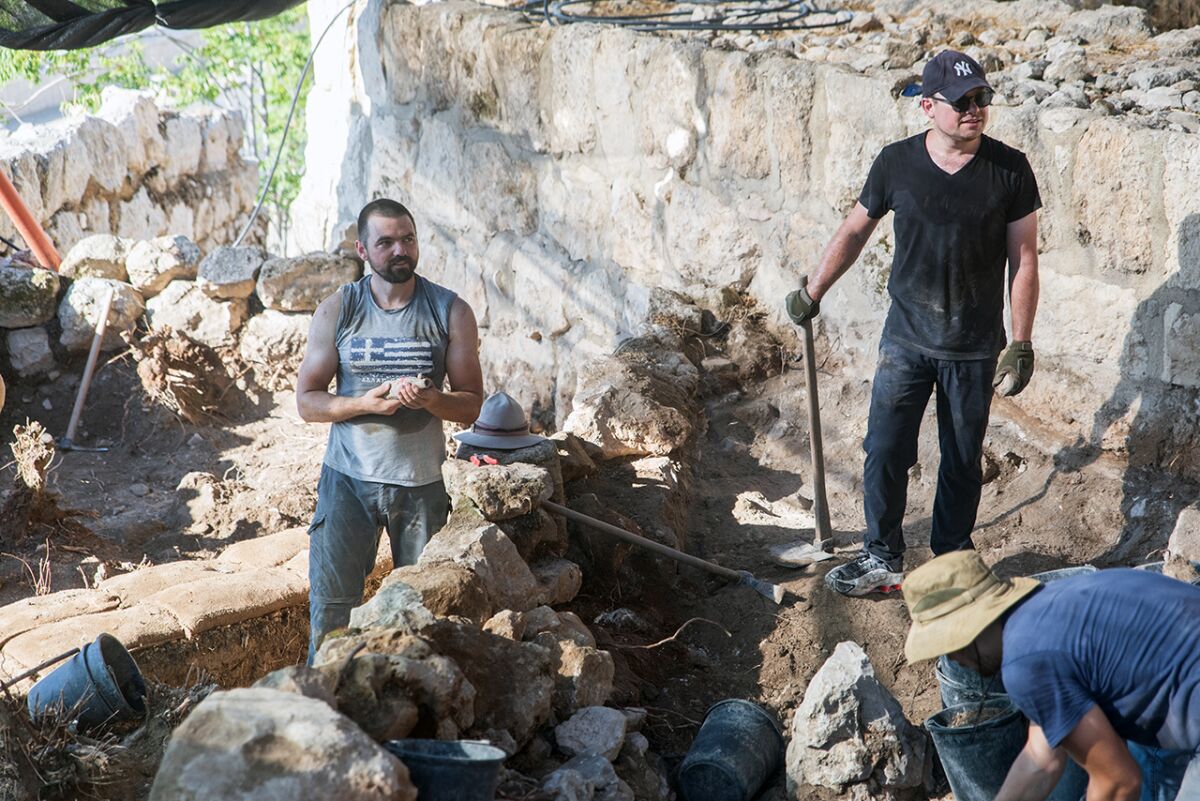
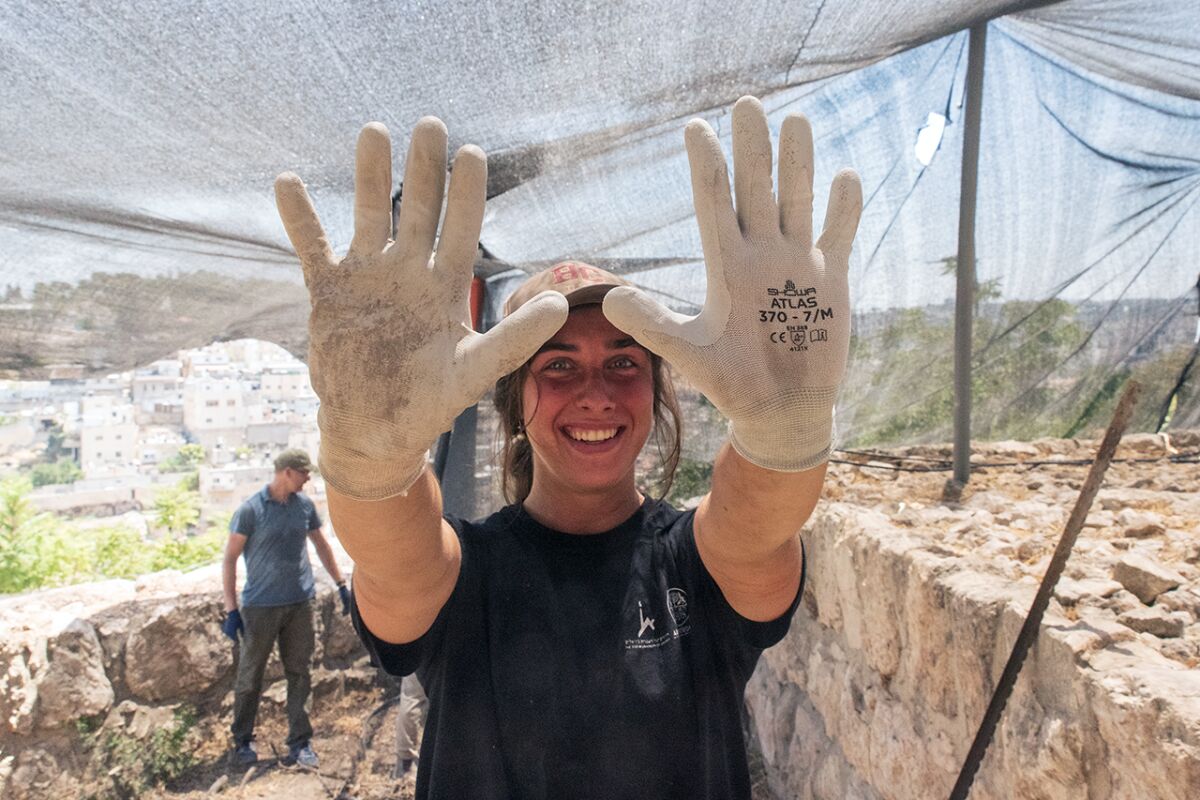
Welcome to the 2026 Ophel Area E excavation—a joint project of Hebrew University and the Armstrong Institute of Biblical Archaeology and partners, directed by Hebrew University professor Yosef Garfinkel.
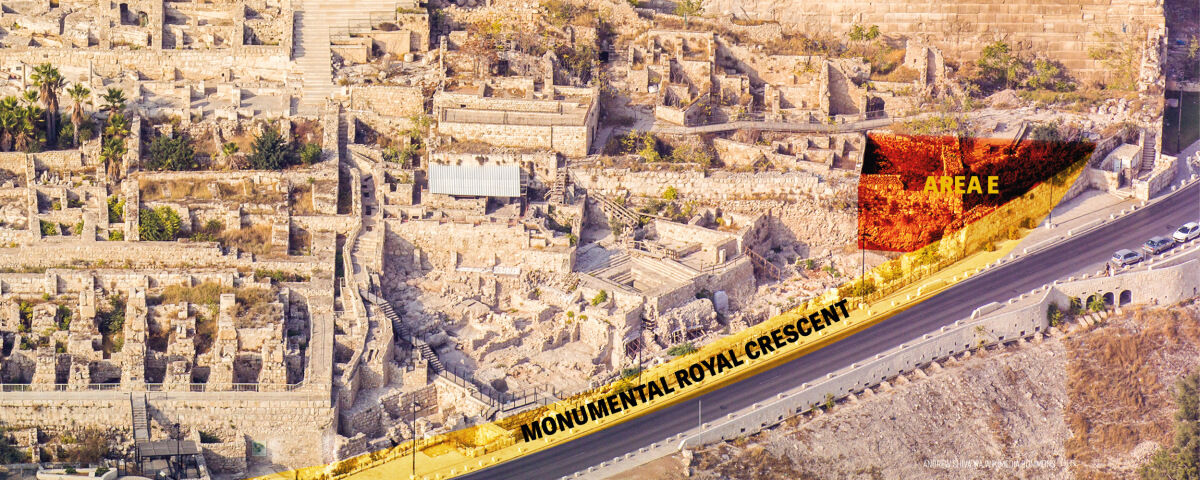
Area E is a new excavation area in the ongoing Ophel excavations initiated by the late Dr. Eilat Mazar and continued in recent years by Prof. Uzi Leibner and Prof. Orit Peleg-Barkat. It was Dr. Mazar’s dream to excavate Area E. “I’m so anxious to excavate there,” she told our team in 2018. Why was this area so important to Dr. Mazar?
In previous Ophel excavations (2009, 2012, and 2013), Dr. Mazar had uncovered several sensational finds from Jerusalem’s First Temple Period, the time of King Solomon (10th century b.c.e.) through the destruction of the temple in 586 b.c.e. In addition to uncovering extraordinary artifacts, such as the royal seal of King Hezekiah, Dr. Mazar revealed extensive monumental architecture, further attesting to the grandeur of the Judean kingdom. For Dr. Mazar, excavating Area E was the logical (and exciting) next step in further revealing the “monumental royal crescent” of biblical period architecture. Dr. Mazar believed we would discover at least 5 meters (16 feet) of preserved First Temple Period remains, undisturbed even by the Second Temple Period.
We are thrilled to excavate Area E with Professor Garfinkel, Hebrew University, and other important donors to continue the work of Dr. Mazar, our mentor and friend. Follow closely as we excavate this important area. As always, the most recent updates will be at the top.
Meet the Crew
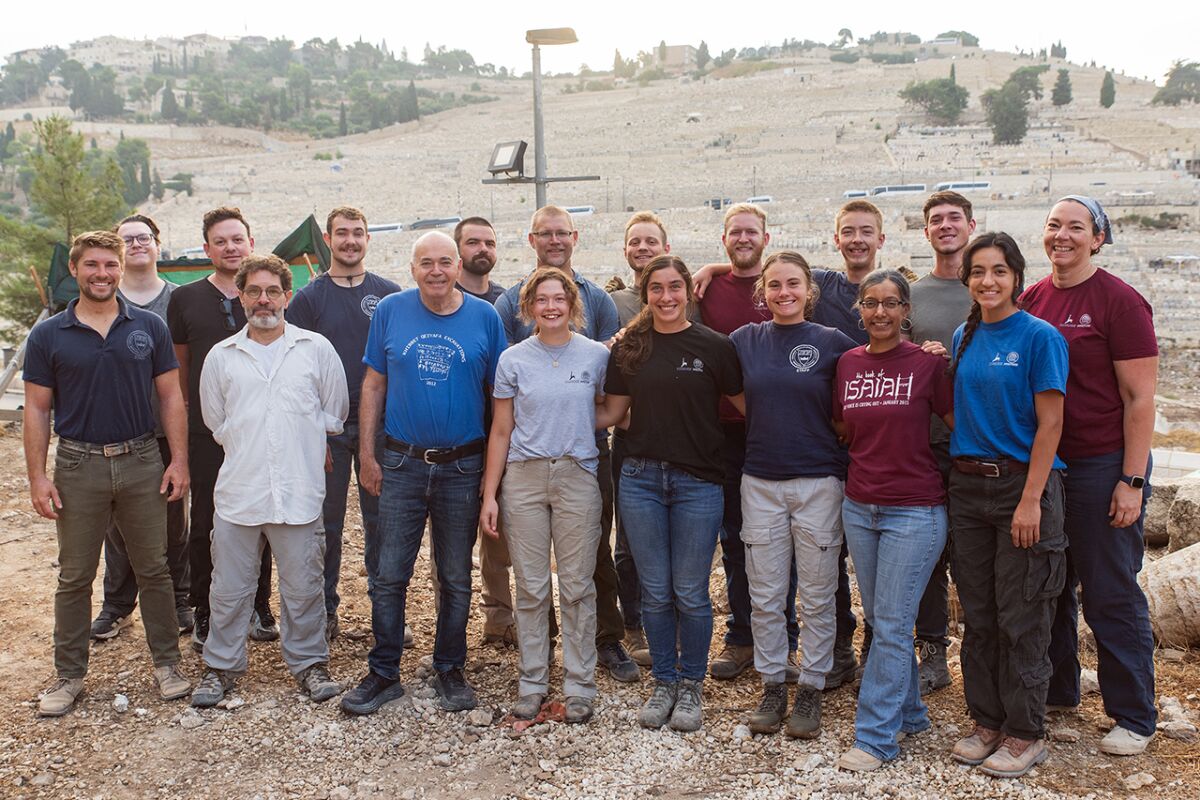
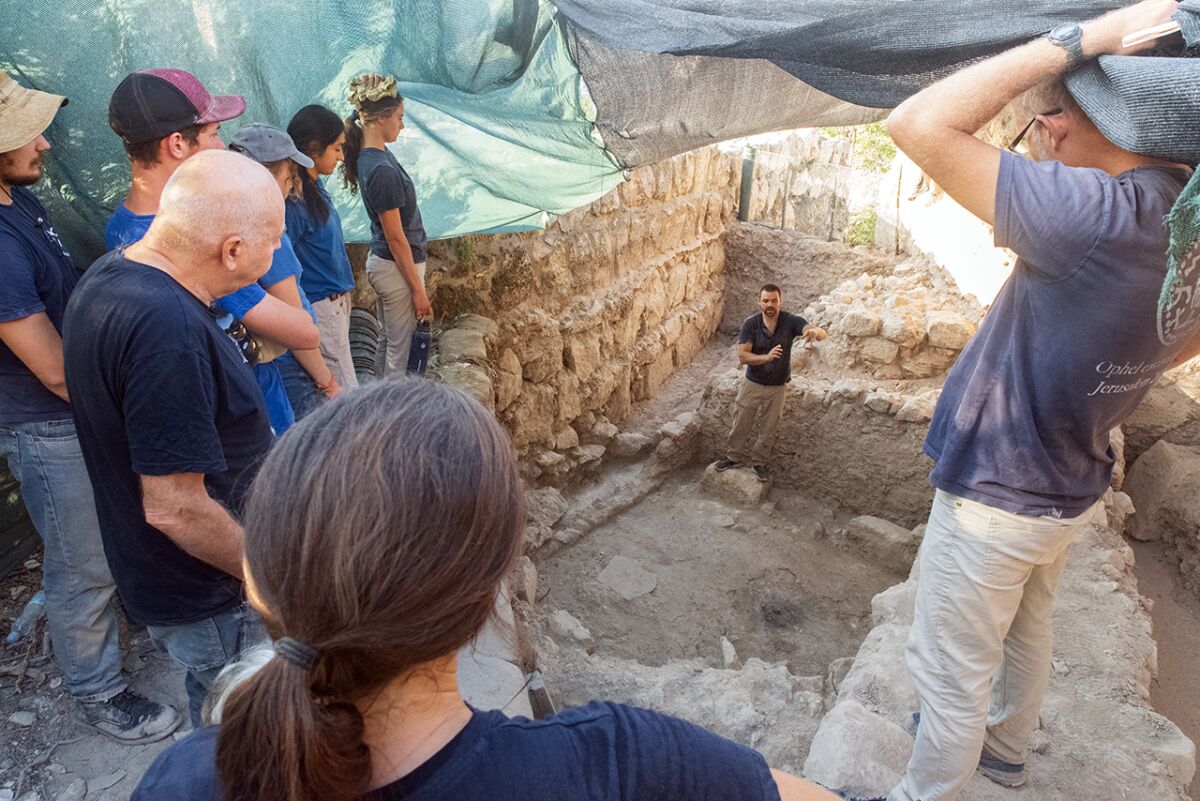
The Area E volunteers: (back, from left) Lev, Eli, Stephen, Chris, Brent, Micah, Lance, Josiah, Brett and Aubrey; (front, from left) Nicholas, Marcus, Prof. Yosef Garfinkel, Quinn, Hali, Lara, Deepika, Azariah
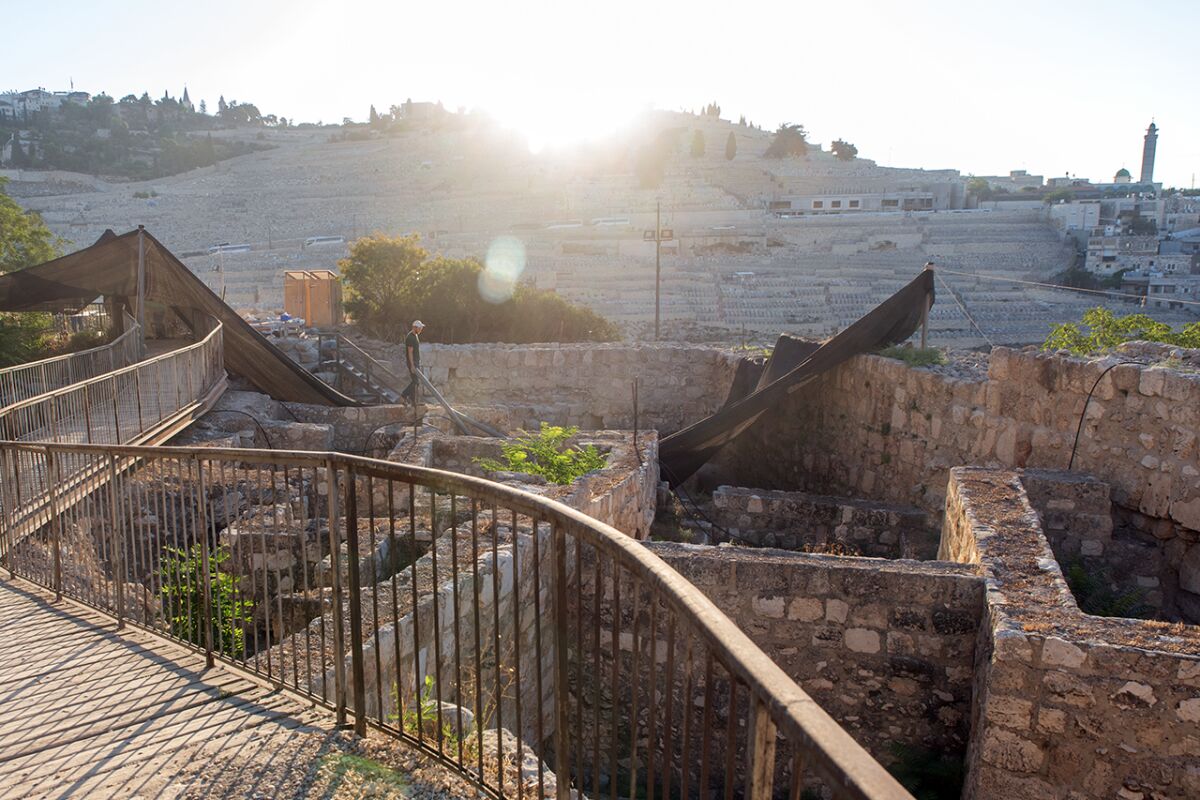
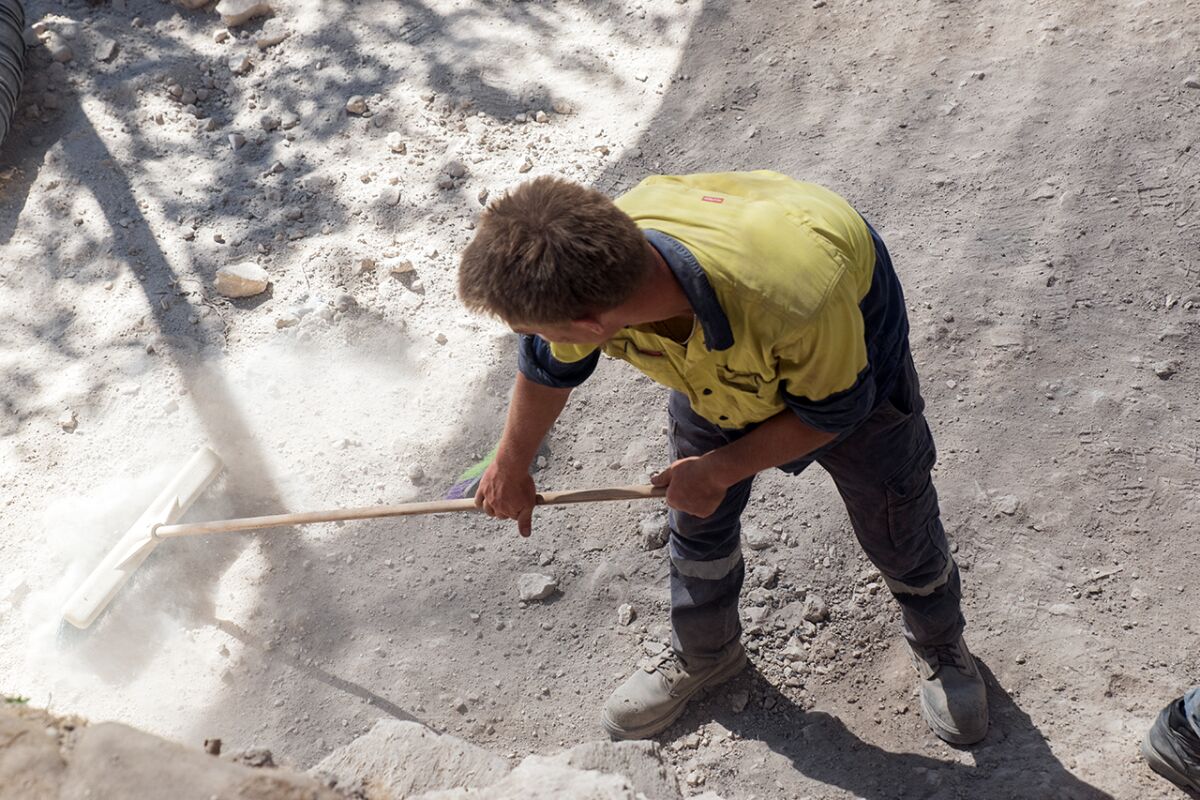
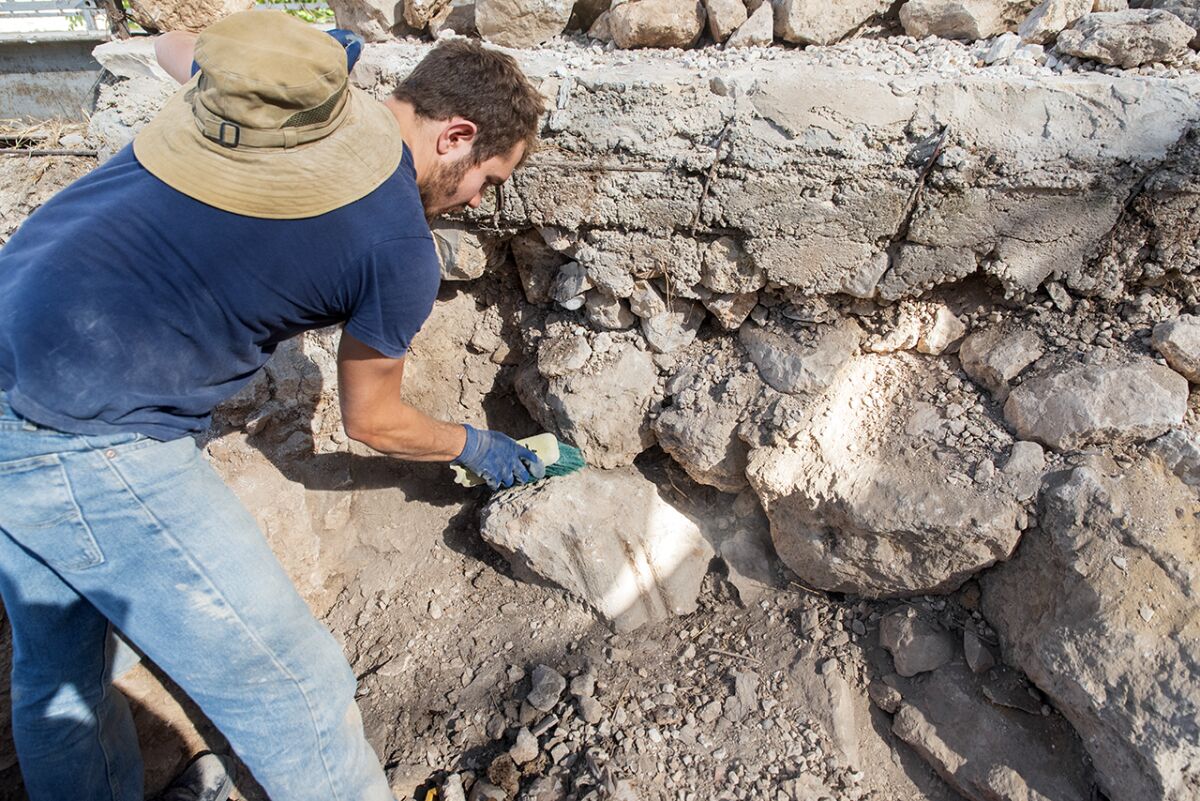
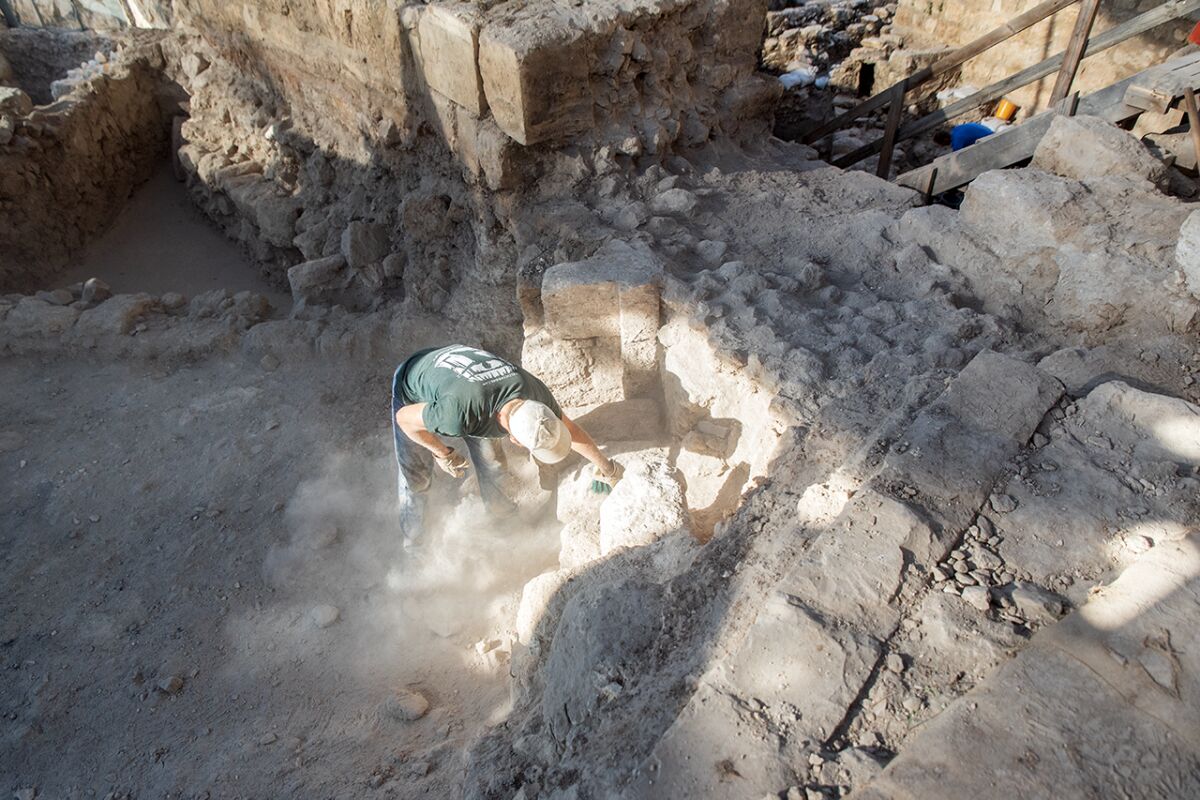
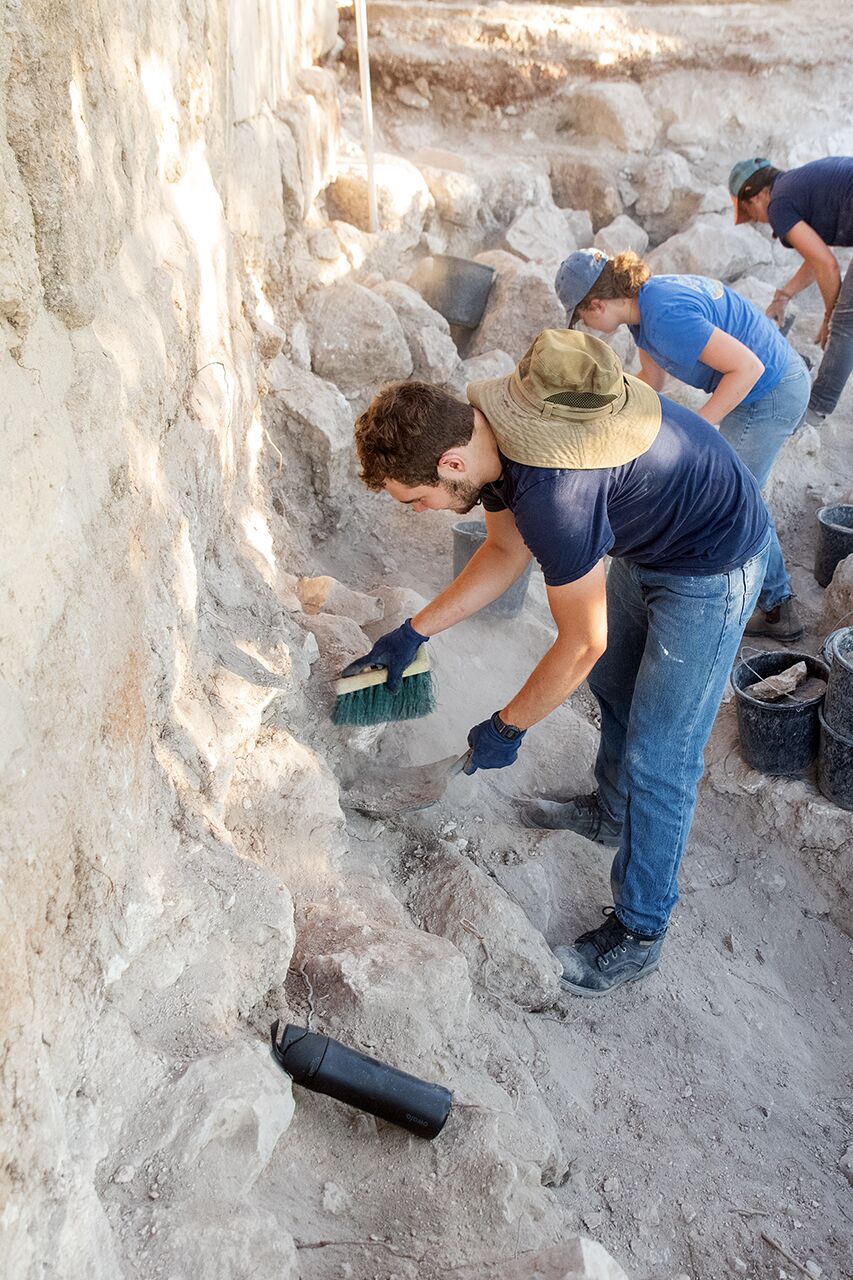
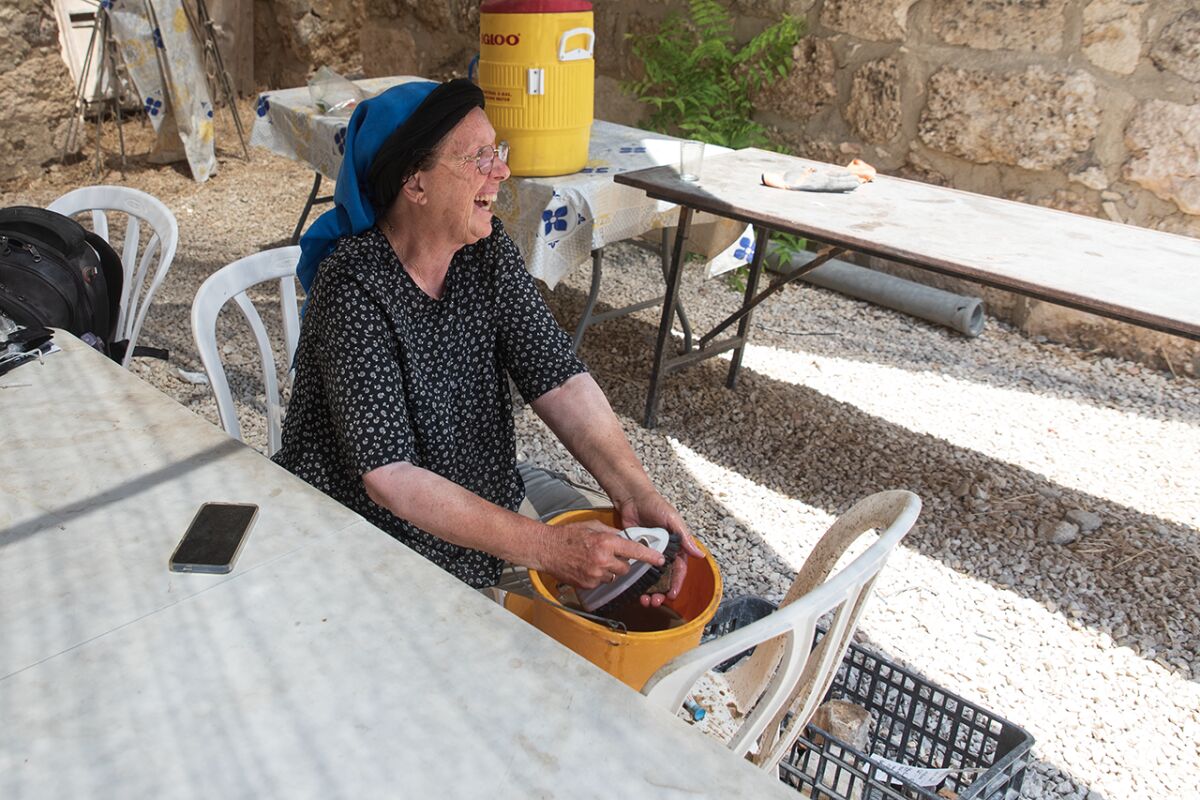
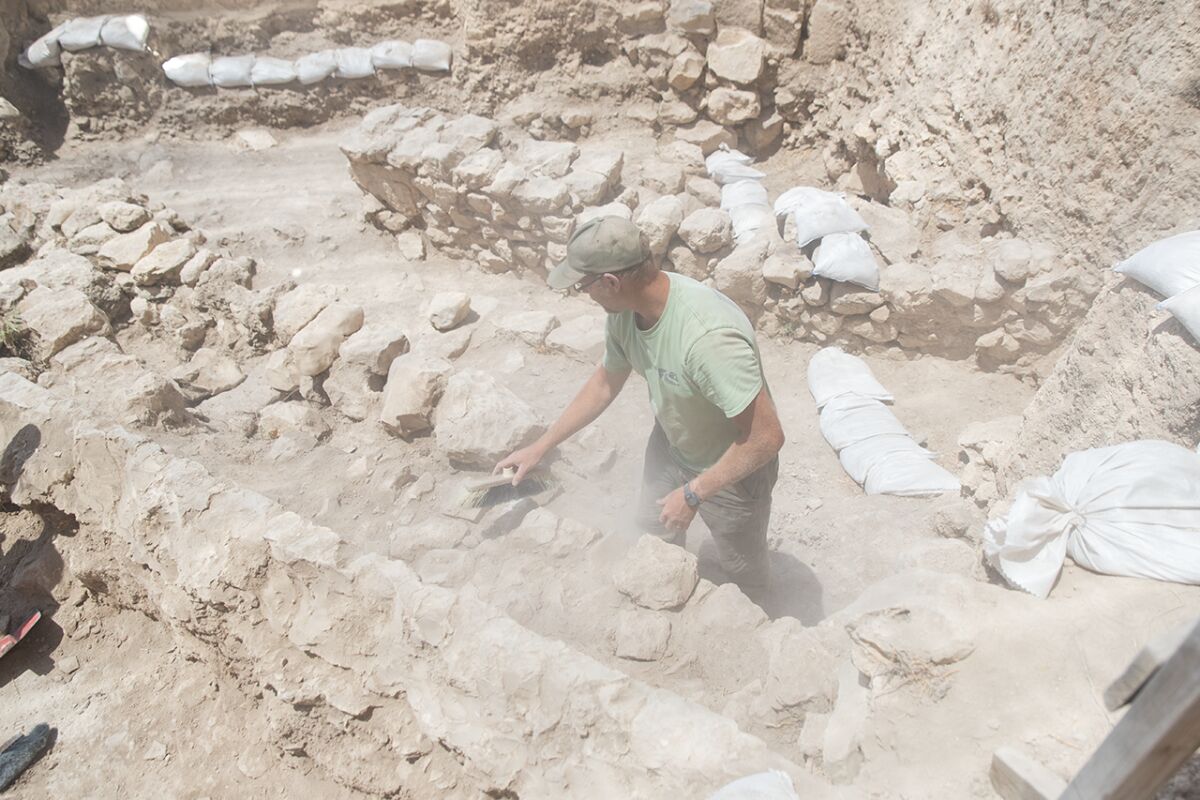
Today, we removed shades, gathered supplies, and cleaned every locus. This is one of the hardest days of the season: The shades are down, and you spend the majority of the day in the sun sweeping for end-of-dig photos the next morning. It’s a bittersweet feeling to close out an excavation: Sad to leave the site, but rewarding to see how much you’ve accomplished.
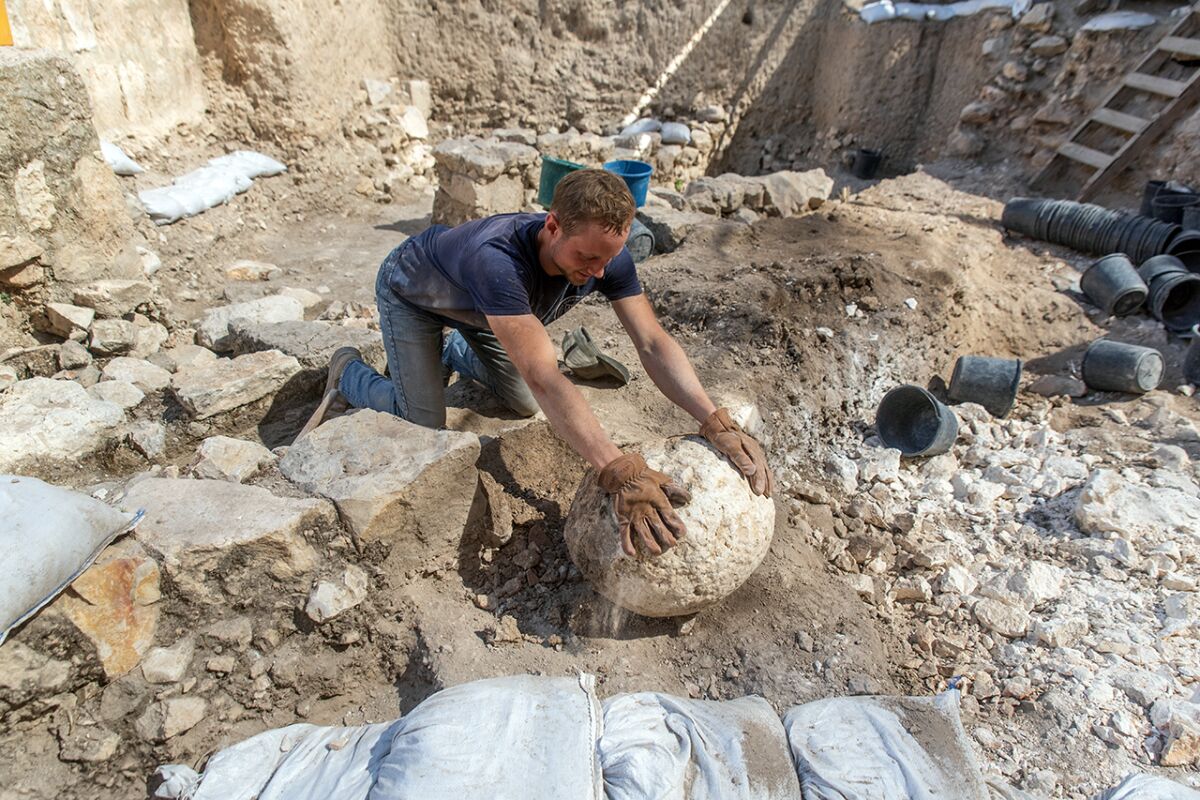
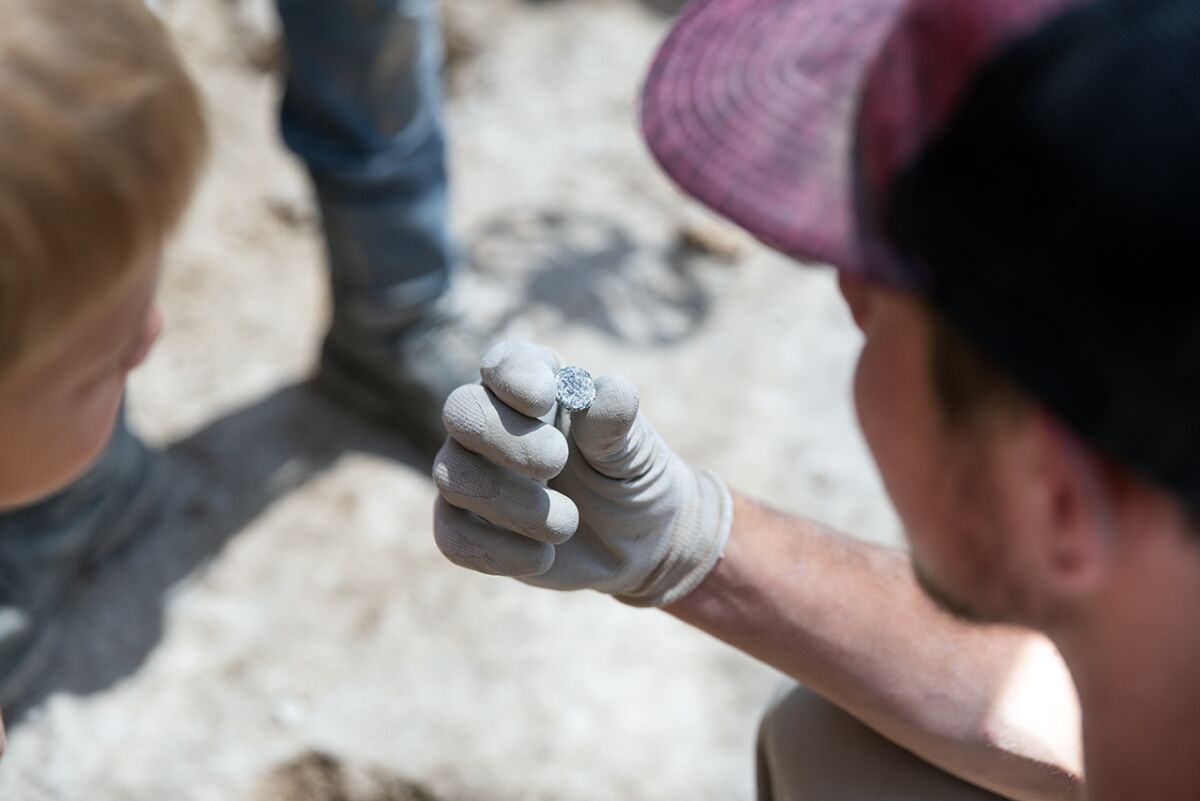
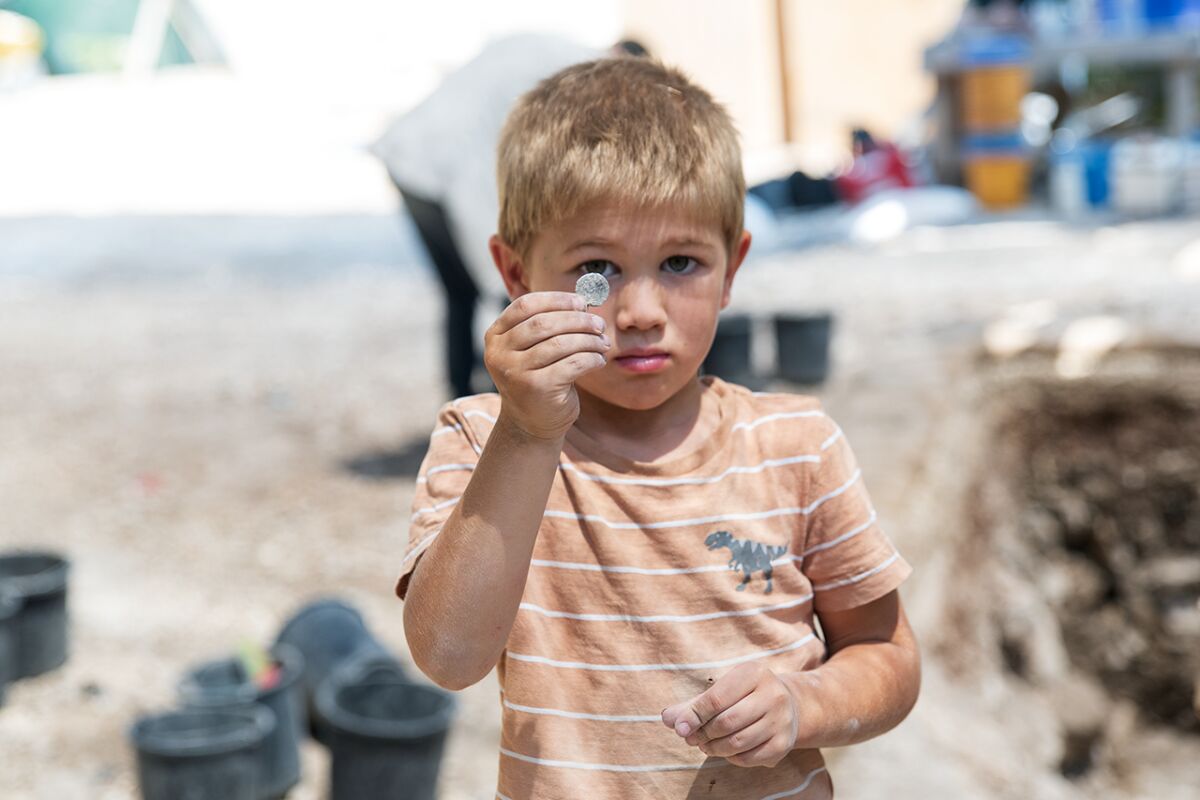
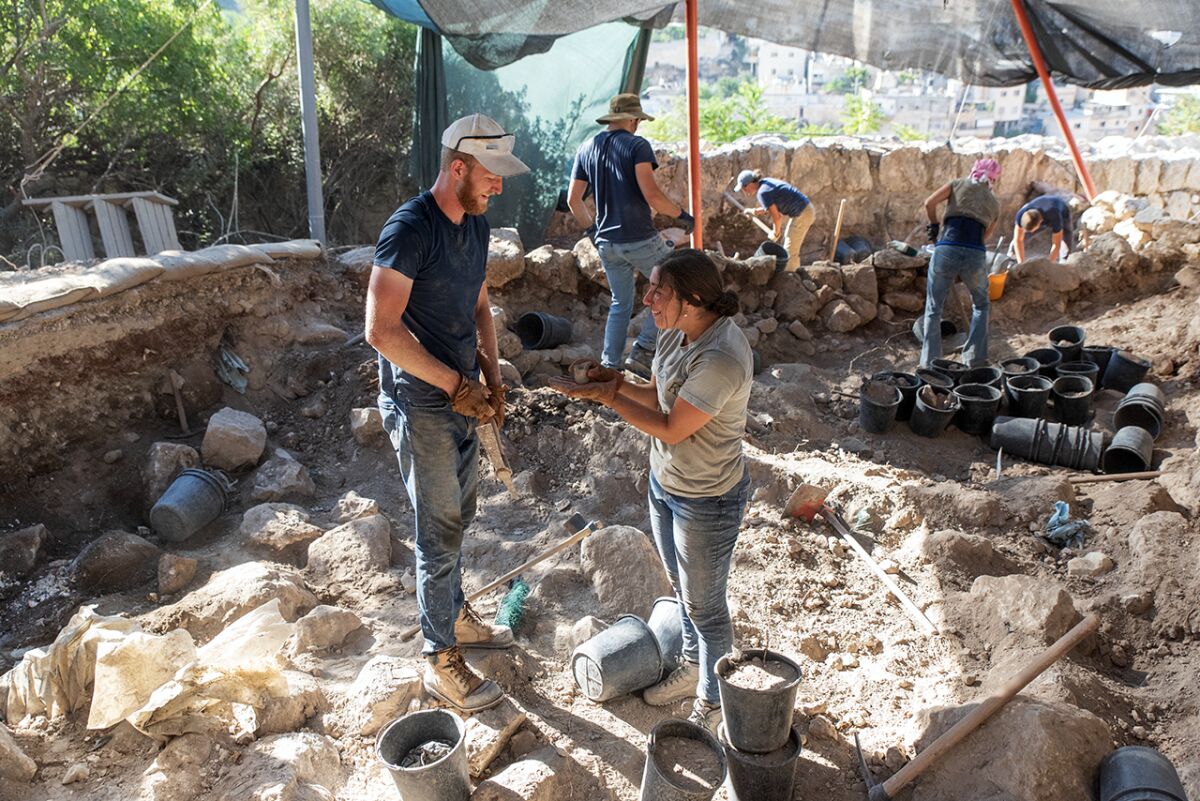
The crew has accomplished a lot this week. With less than a week and a half left at the site, everyone is working hard to get as much done as possible. We successfully found another wall in our large Byzantine room in square 1—a discovery we were anticipating. We have also continued to find coins in all areas. In the Iron Age section, we found a couple pieces of horse figurines. We also found a Hasmonean slingstone today—time will tell if something is inscribed on it like the one we found in 2023.
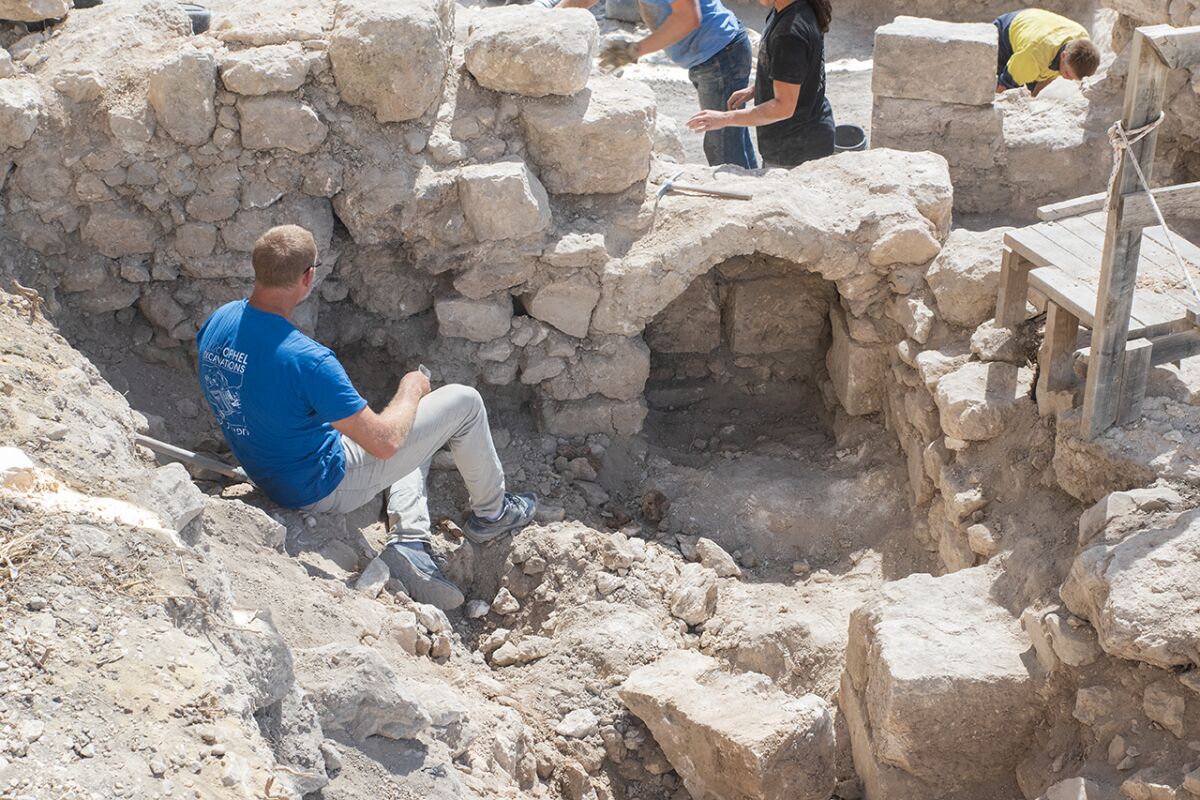
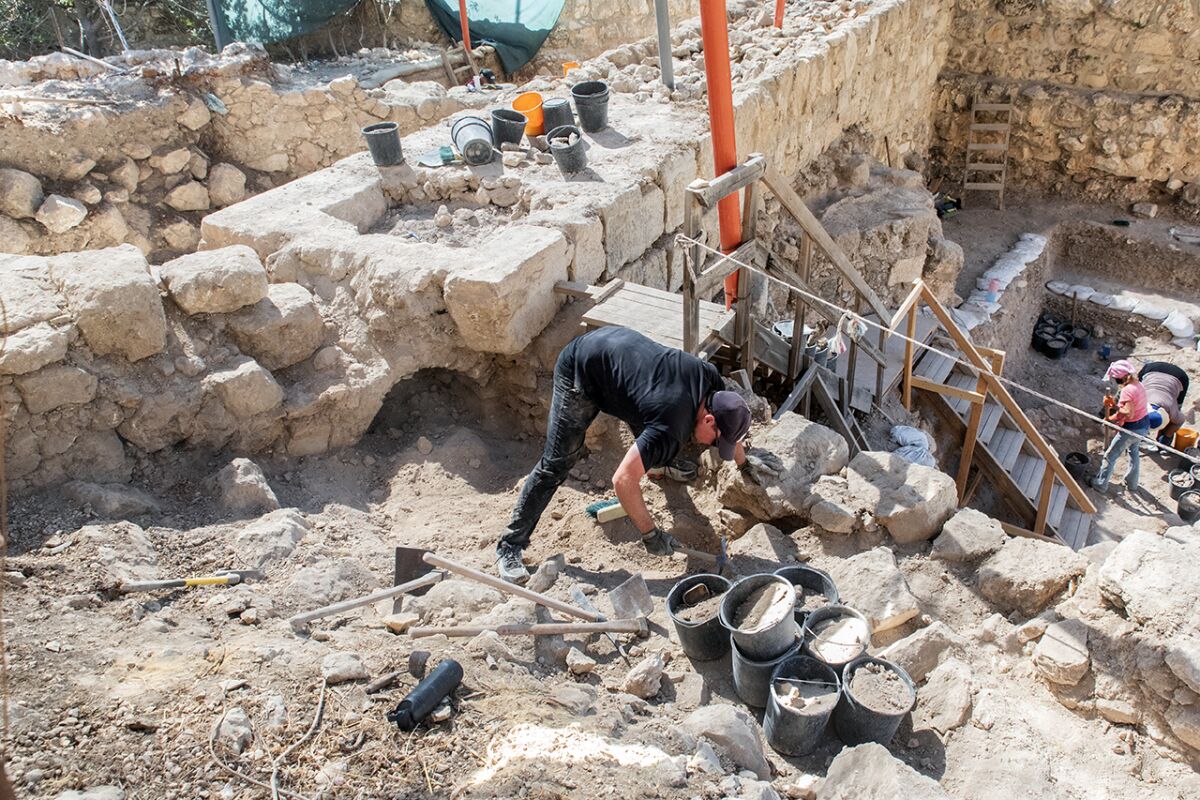
The week got off to a pleasant start with some light rain this morning—leading to cooler temperatures throughout the day. In the southernmost portion of the upper area, the crew discovered the closing wall of our Byzantine room. In the lower area, we are uncovering a water installation that appears to be a ritual bath. We also discovered the leg of an Iron Age horse figurine.
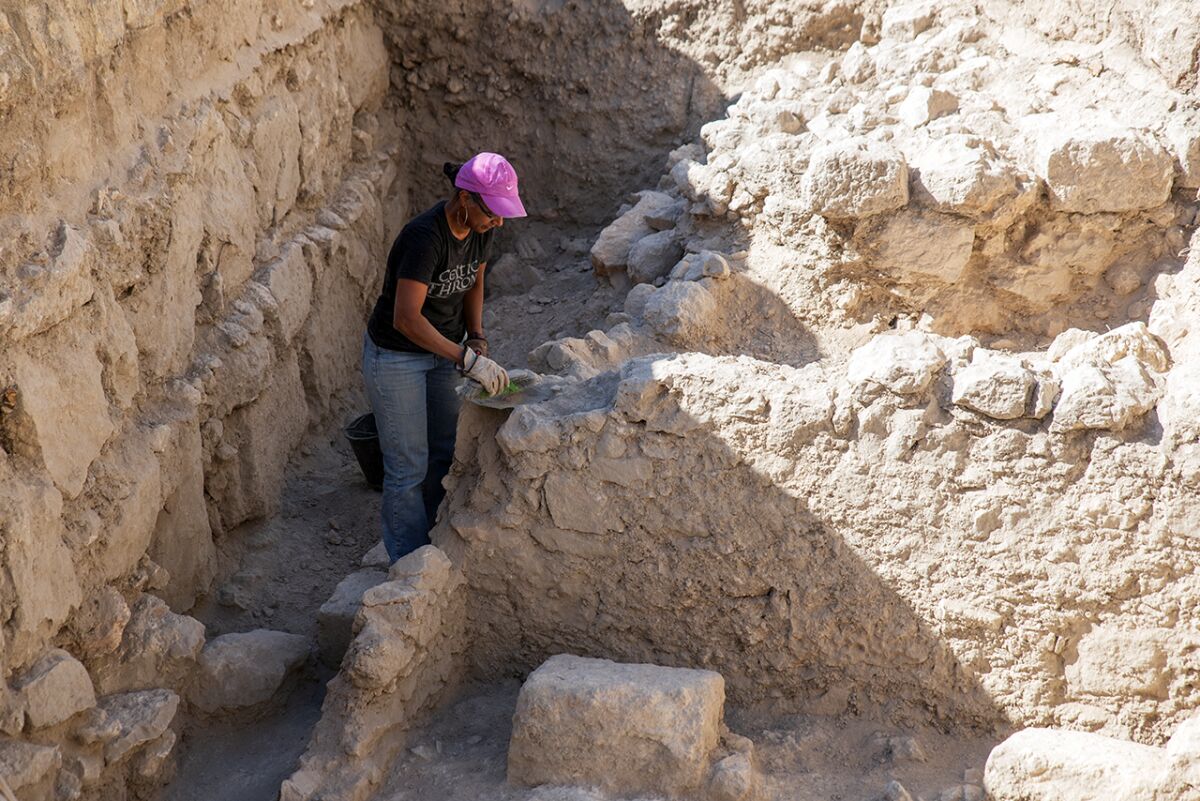
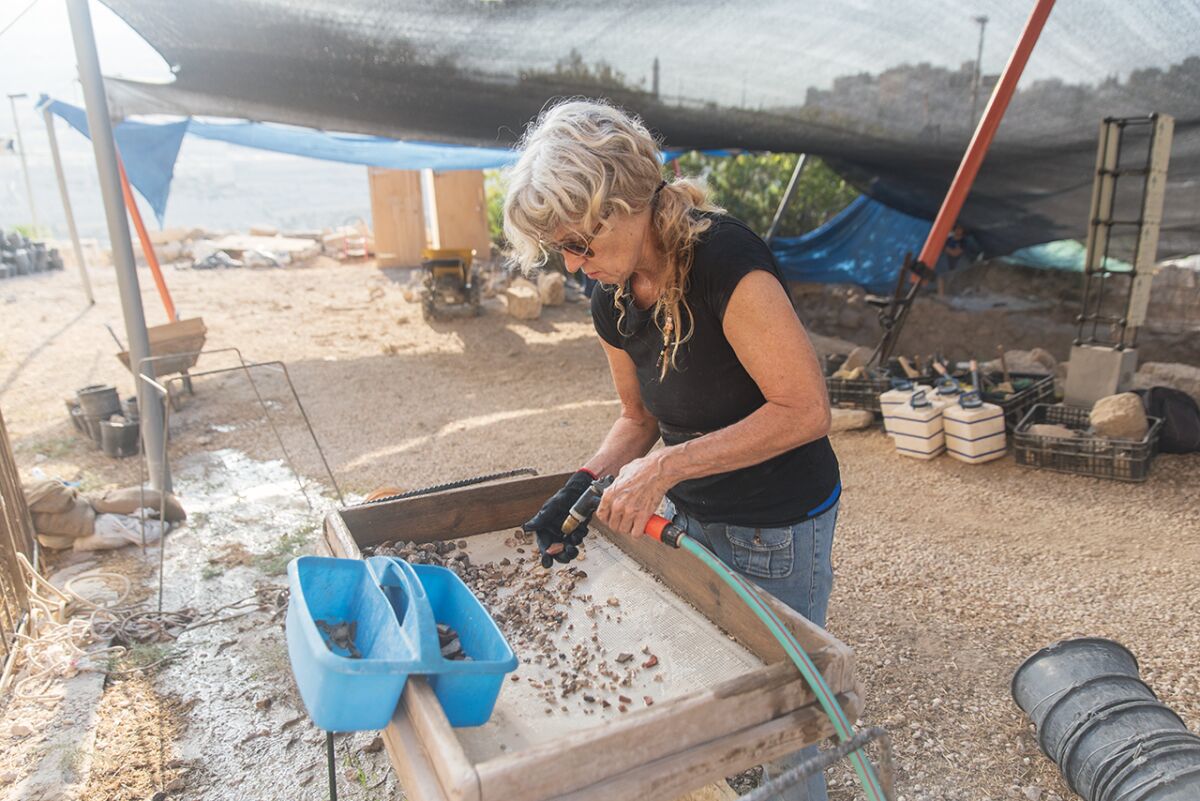
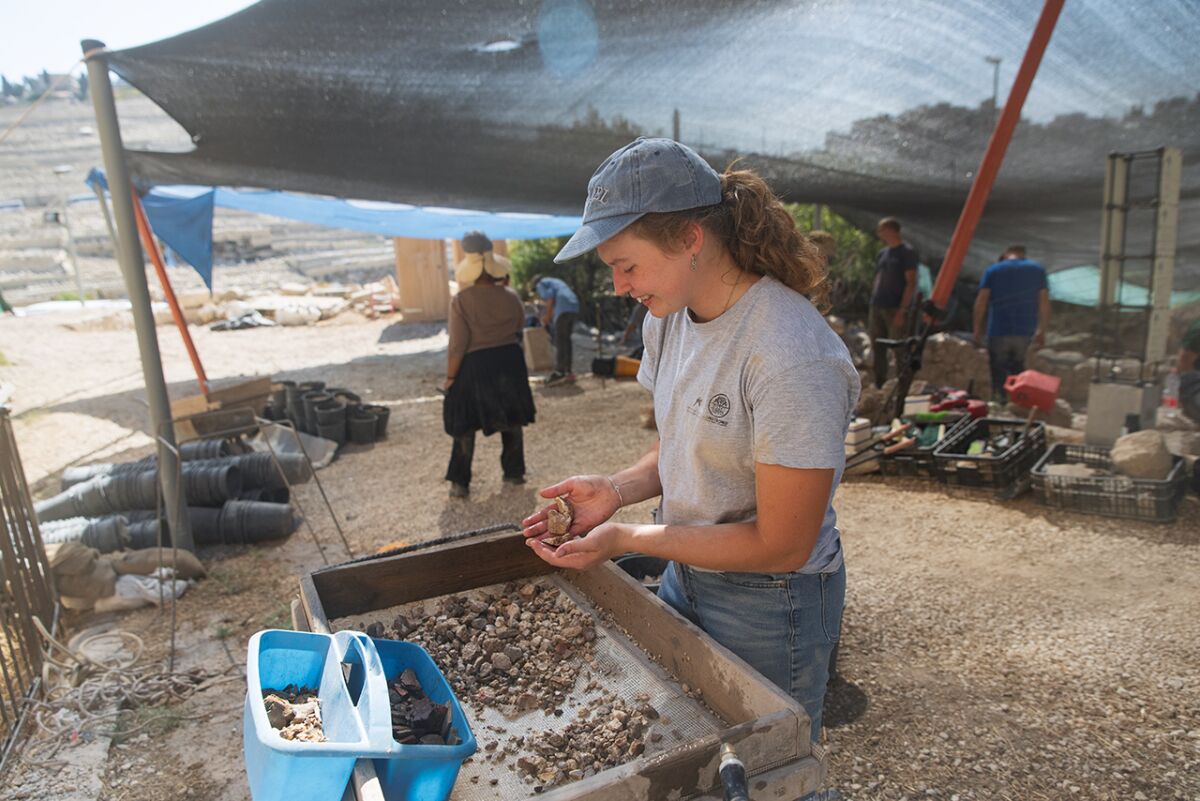
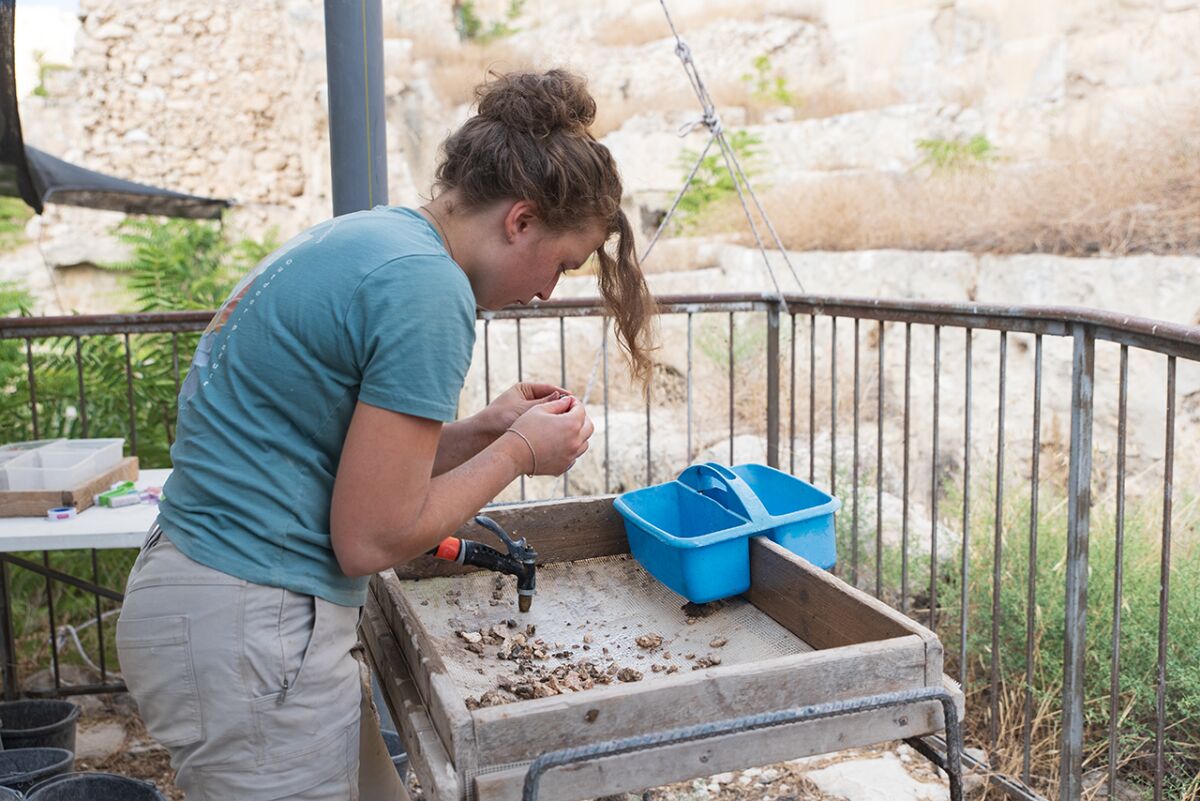
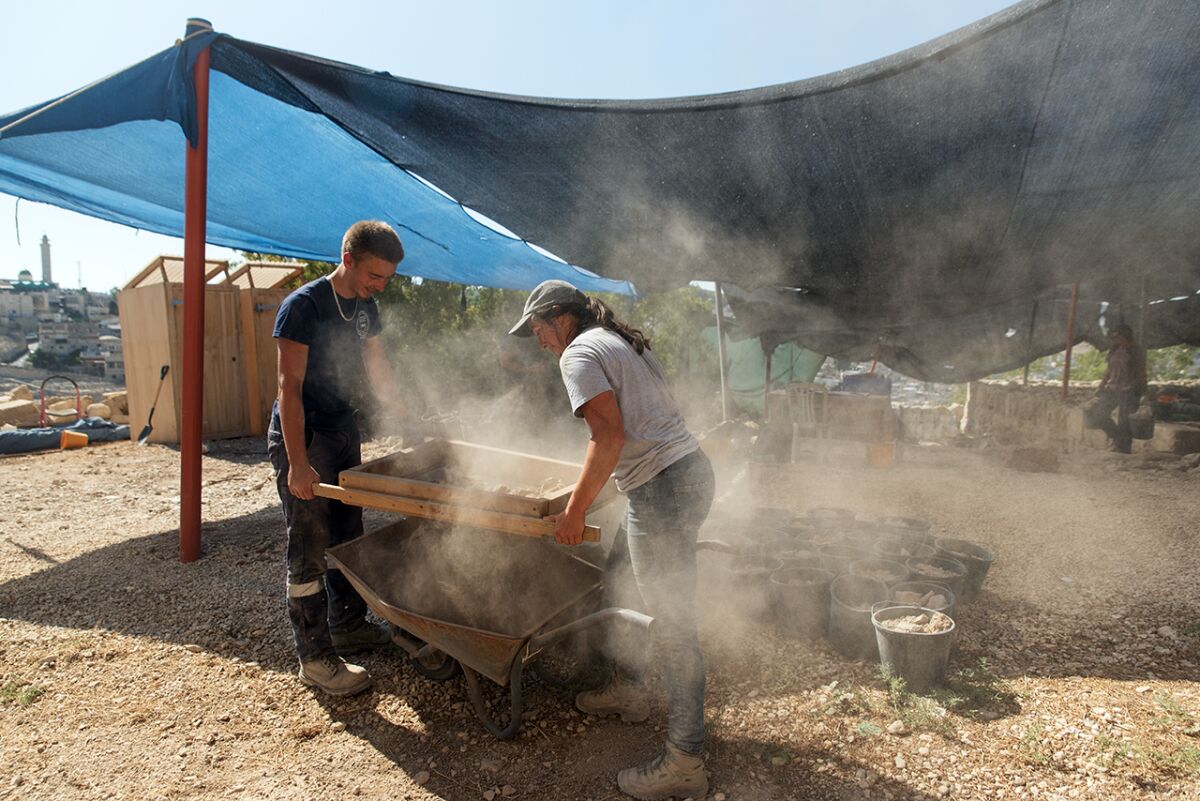
Today, we began dry and wet sifting the soil from one particular locus in the lower area. This area is producing almost exclusively Iron Age pottery. This is an exciting development for the site. We look forward to better understand the First Temple Period in this area.
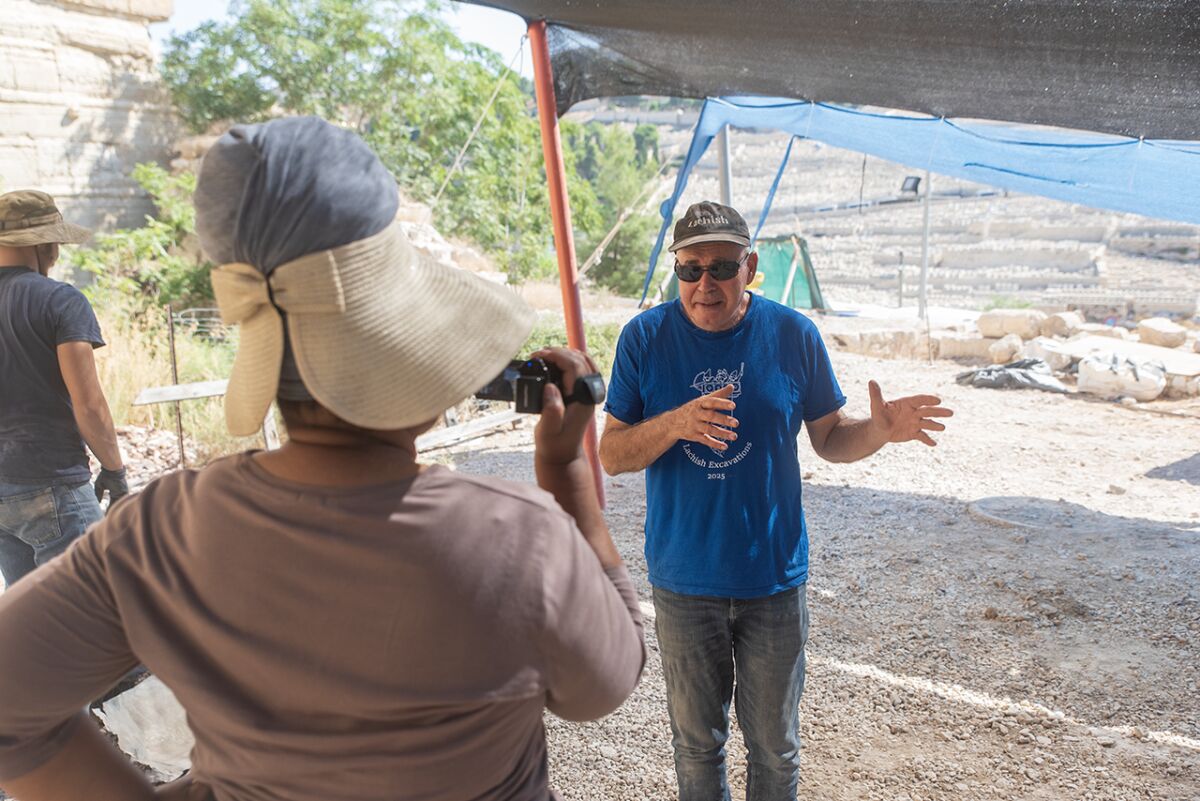
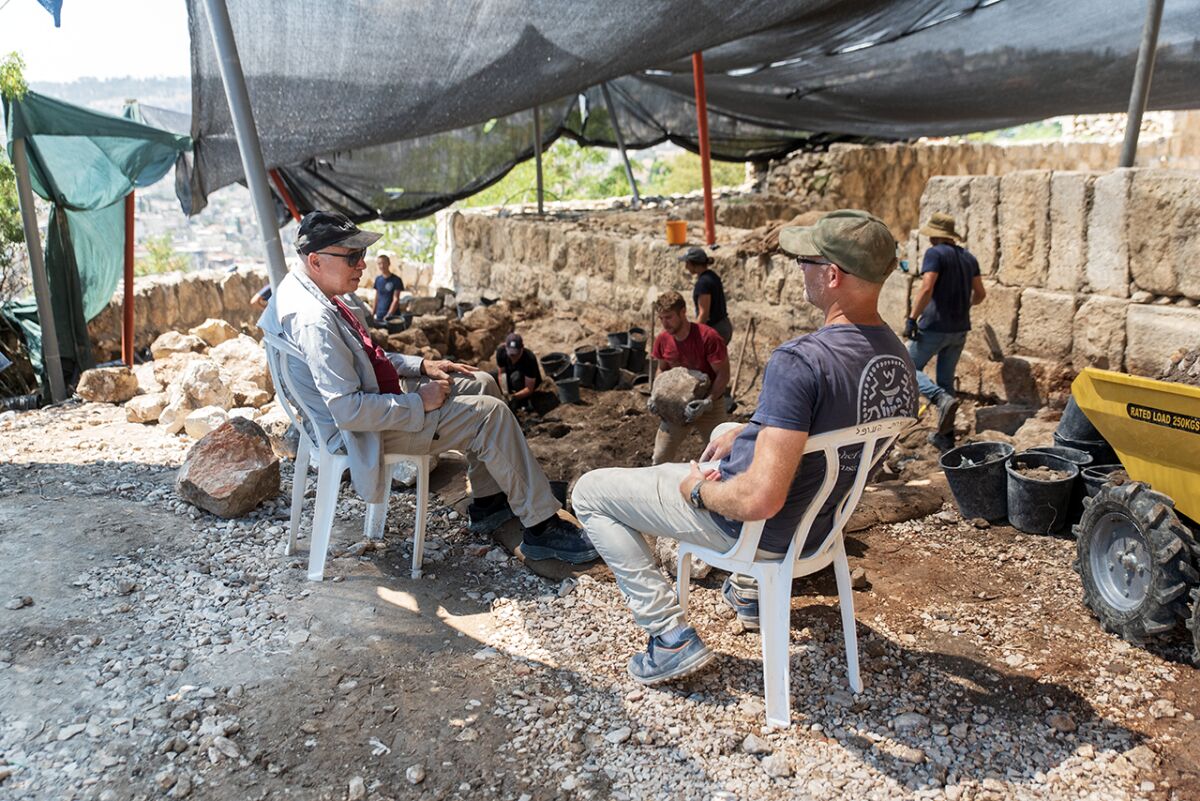
Today, we posted a Let the Stones Speak interview with excavation director Prof. Yosef Garfinkel. The 15-minute discussion covers how the excavation came about, Professor Garfinkel’s history excavating Jerusalem, as well as why we are hopeful to find significant remains from royal Jerusalem of the First Temple Period.
https://www.youtube.com/watch?v=1D08ZPn70Ao
August 24: Opening New Loci
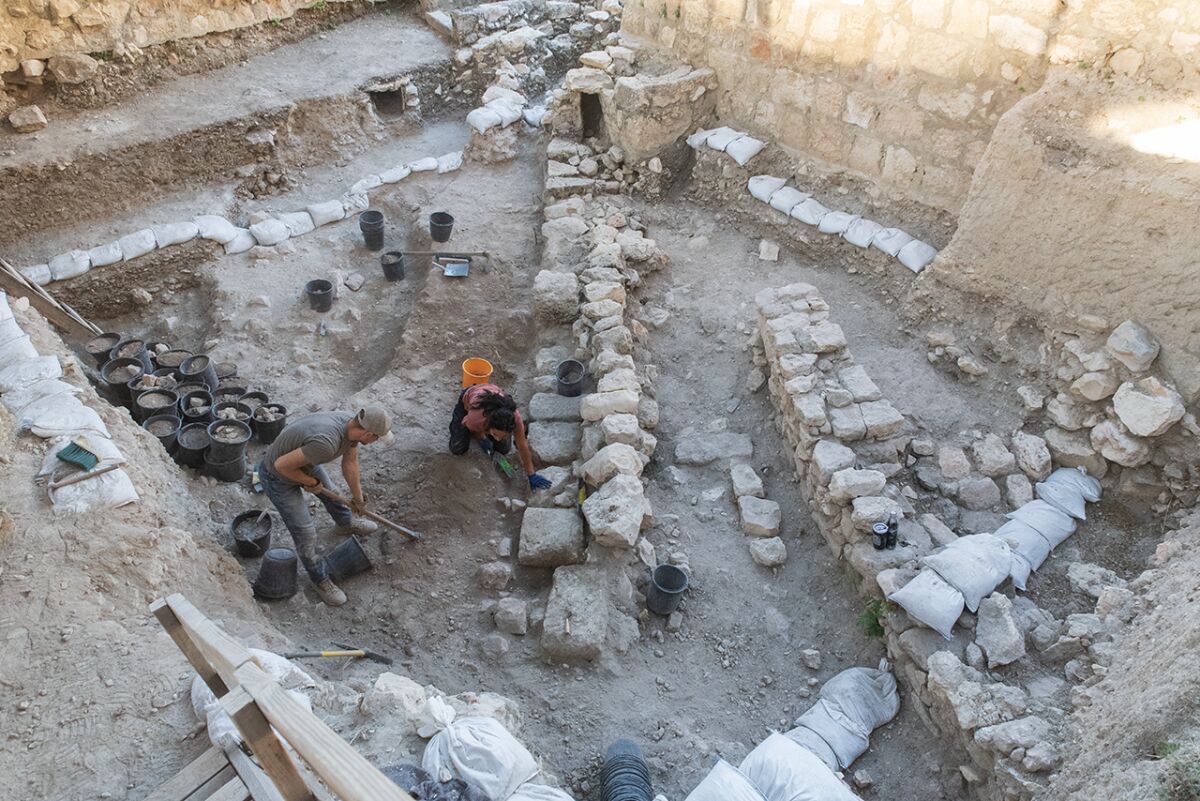
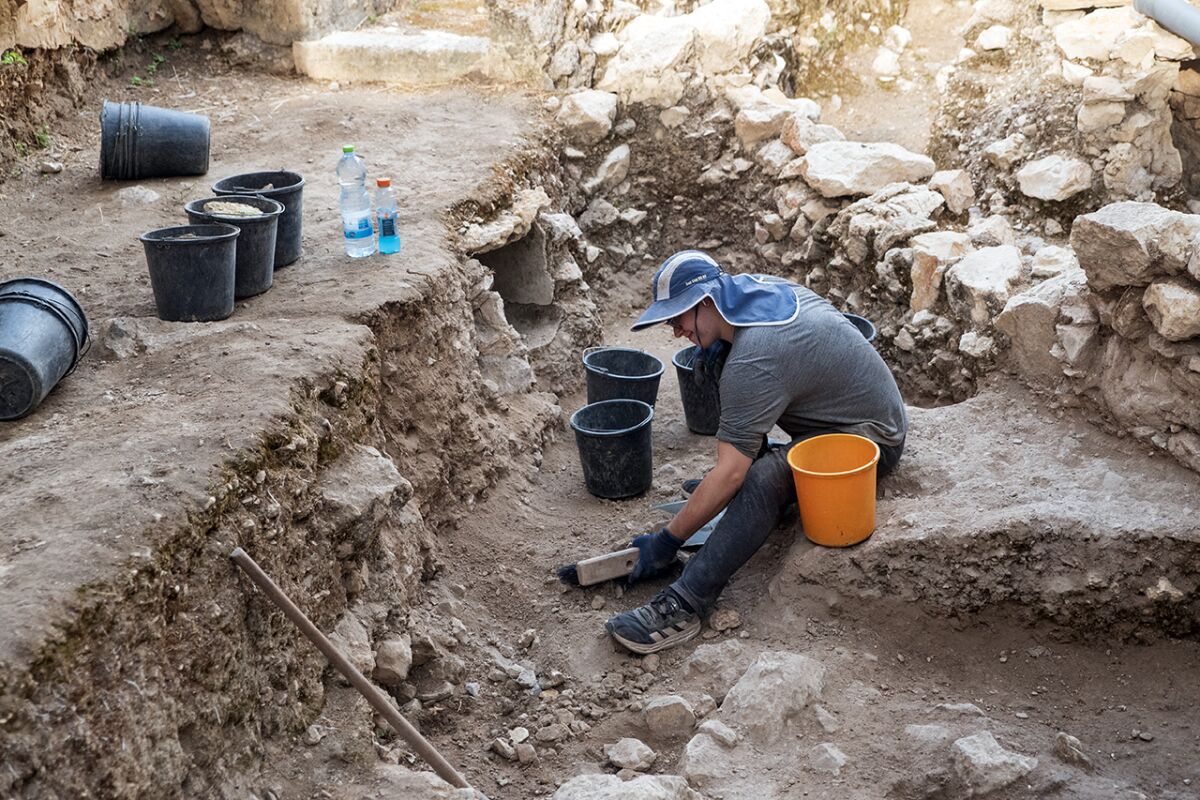
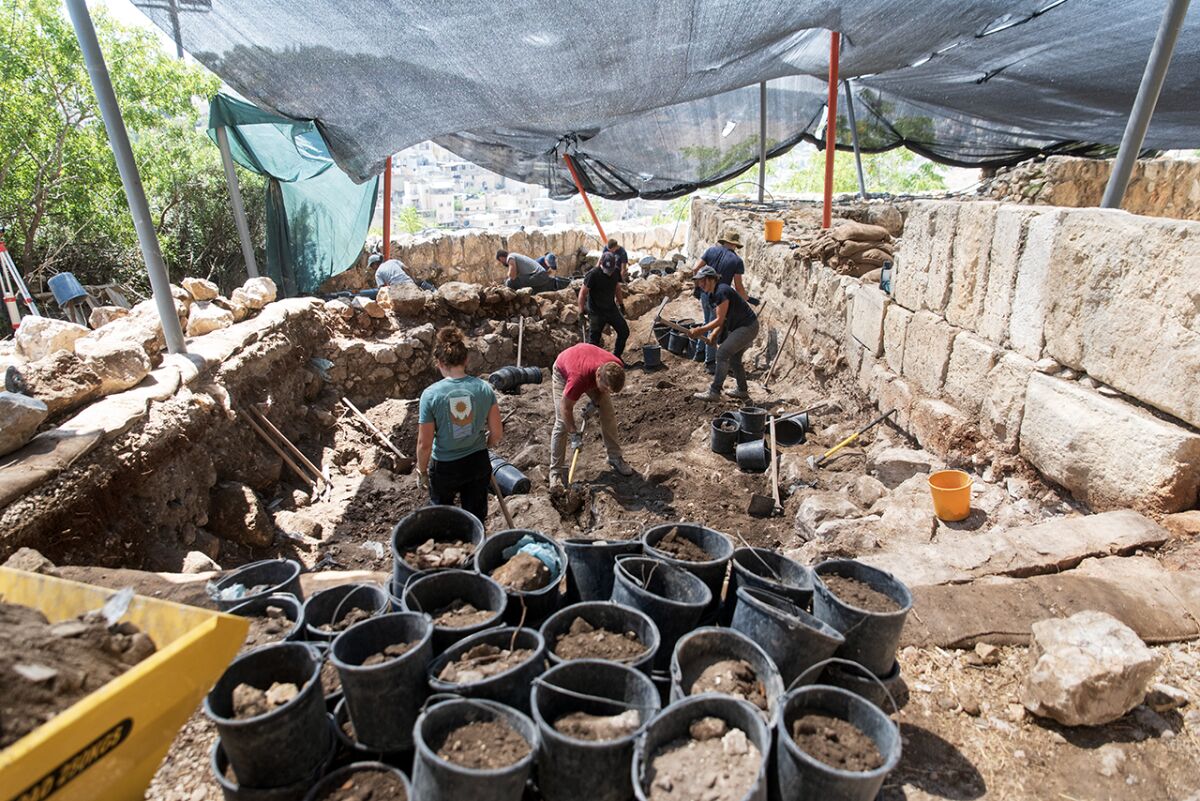
Since we are discovering more walls and uncovering cleaner archaeological layers, we opened a number of new loci today. We are also better understanding how walls in the upper area may correspond with walls in the lower area. We spent a good portion of the morning cleaning our northernmost square for a picture. We also prepared the area to open a new locus adjacent to this square, which will help us better understand the entire area and give us more context to what we have uncovered thus far.
More and more walls are being revealed throughout the site. In the lower area, the crew have found more than 20 coins that date the current locus to the end of the first century c.e. and earlier.
We wrapped up our second week with great progress in all the areas. We excavated within the large Umayyad wall and found a number of coins that will help date the area. Excavations within the northernmost square also produced what appears to be a doorway—giving the crew something to look forward to investigating on Sunday.
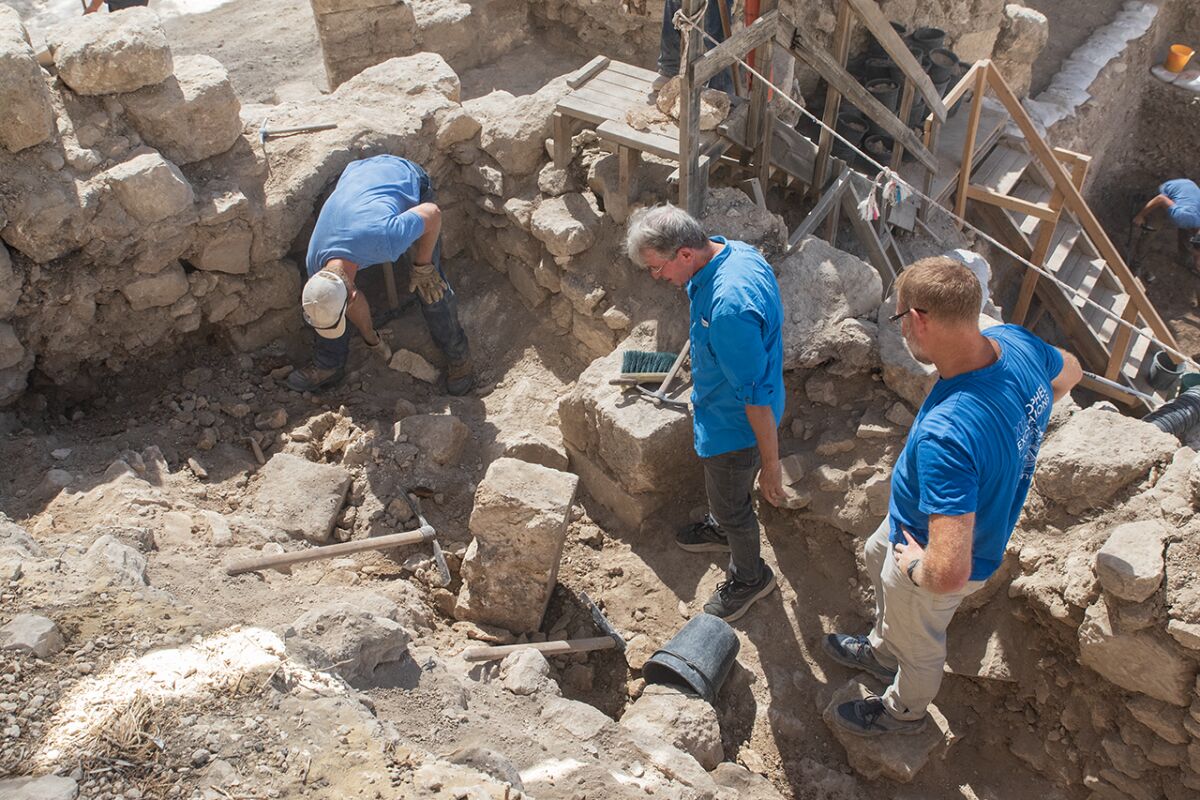
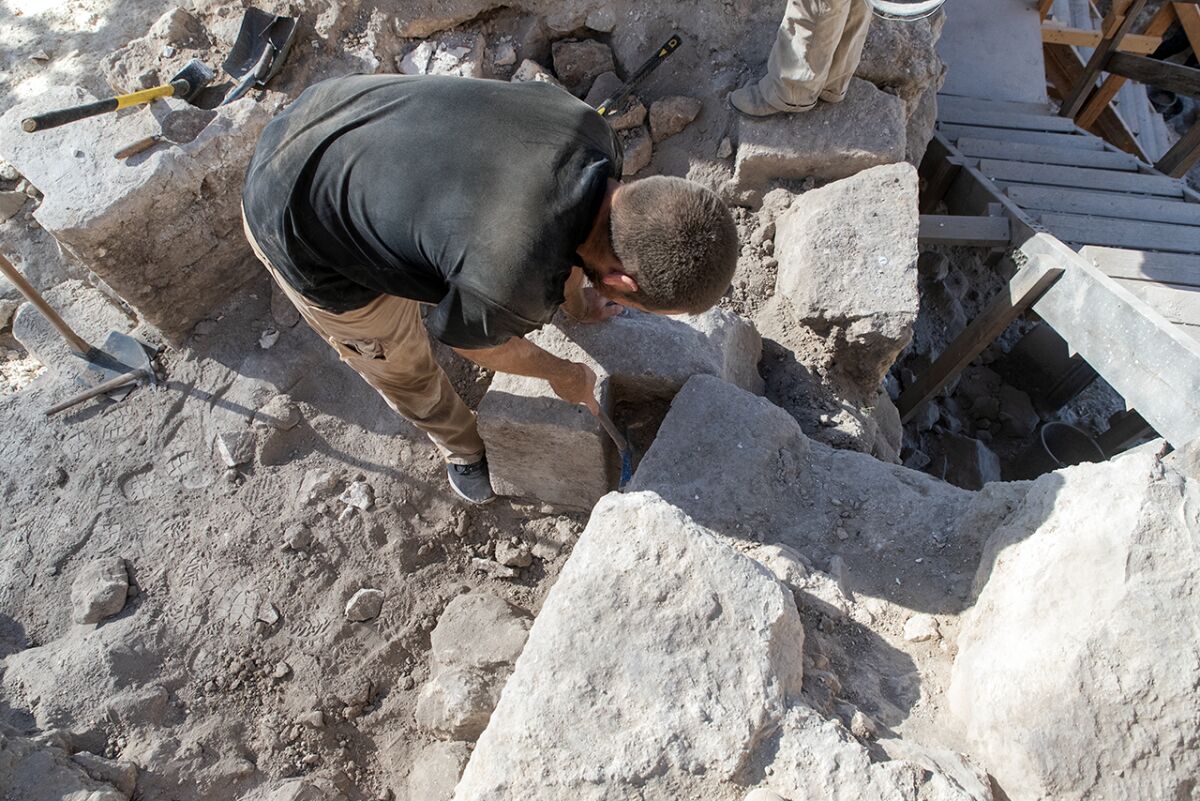
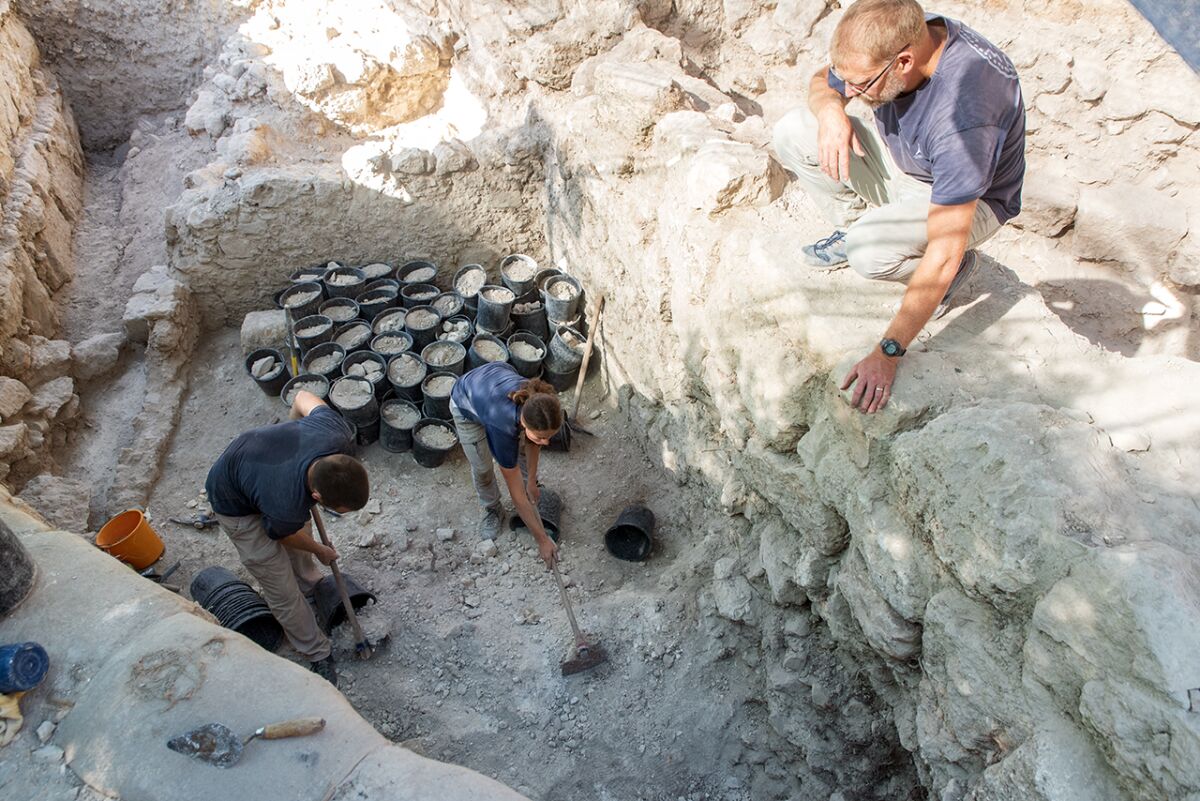
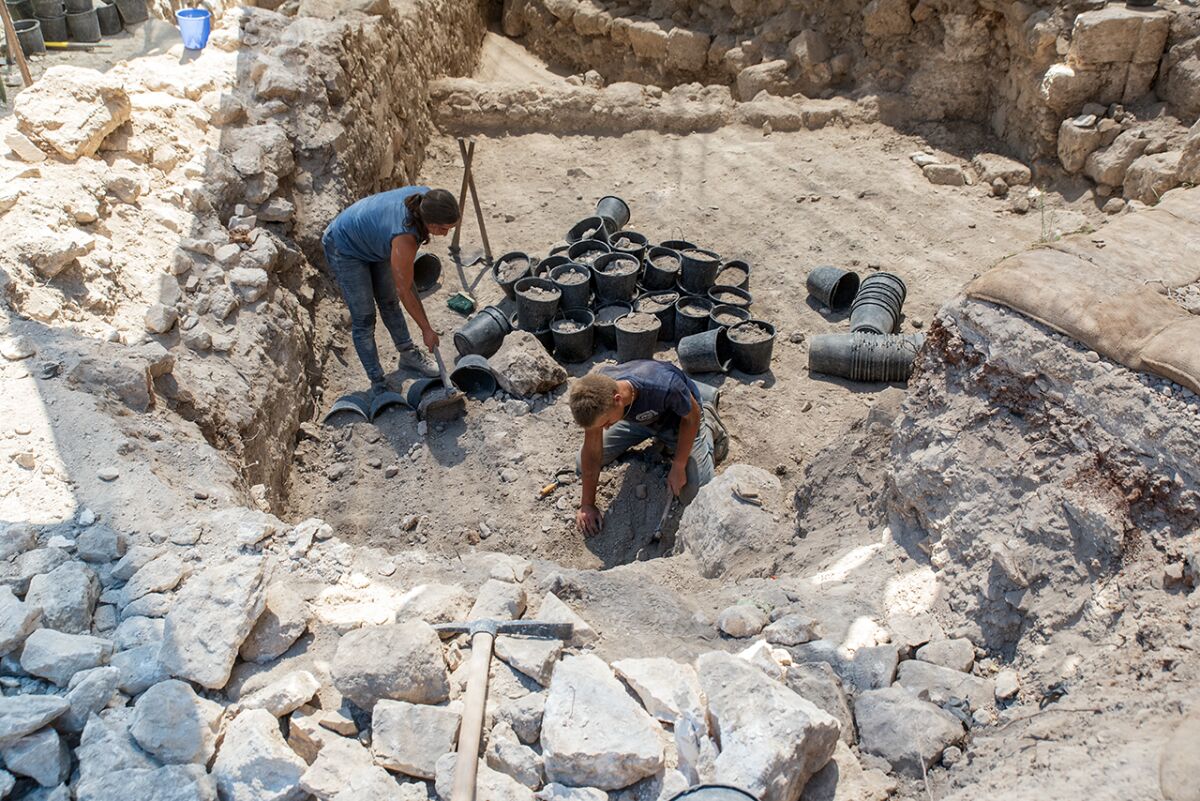
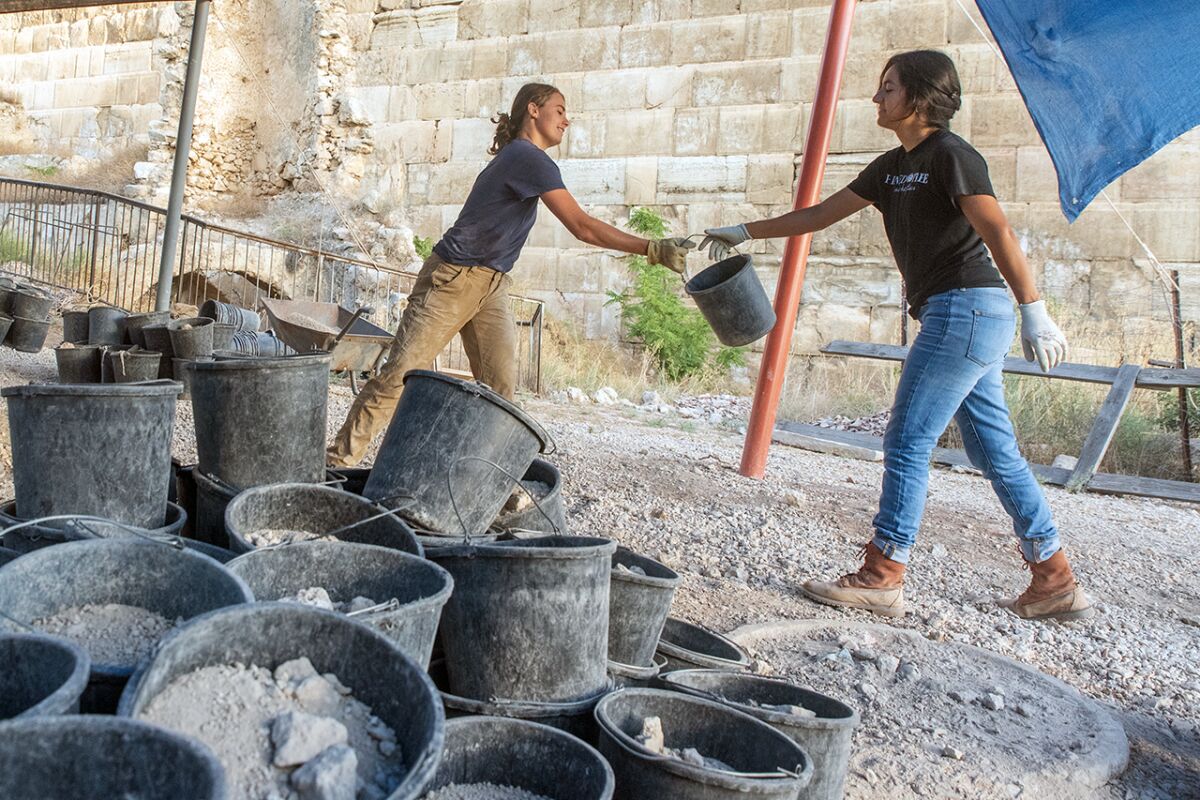
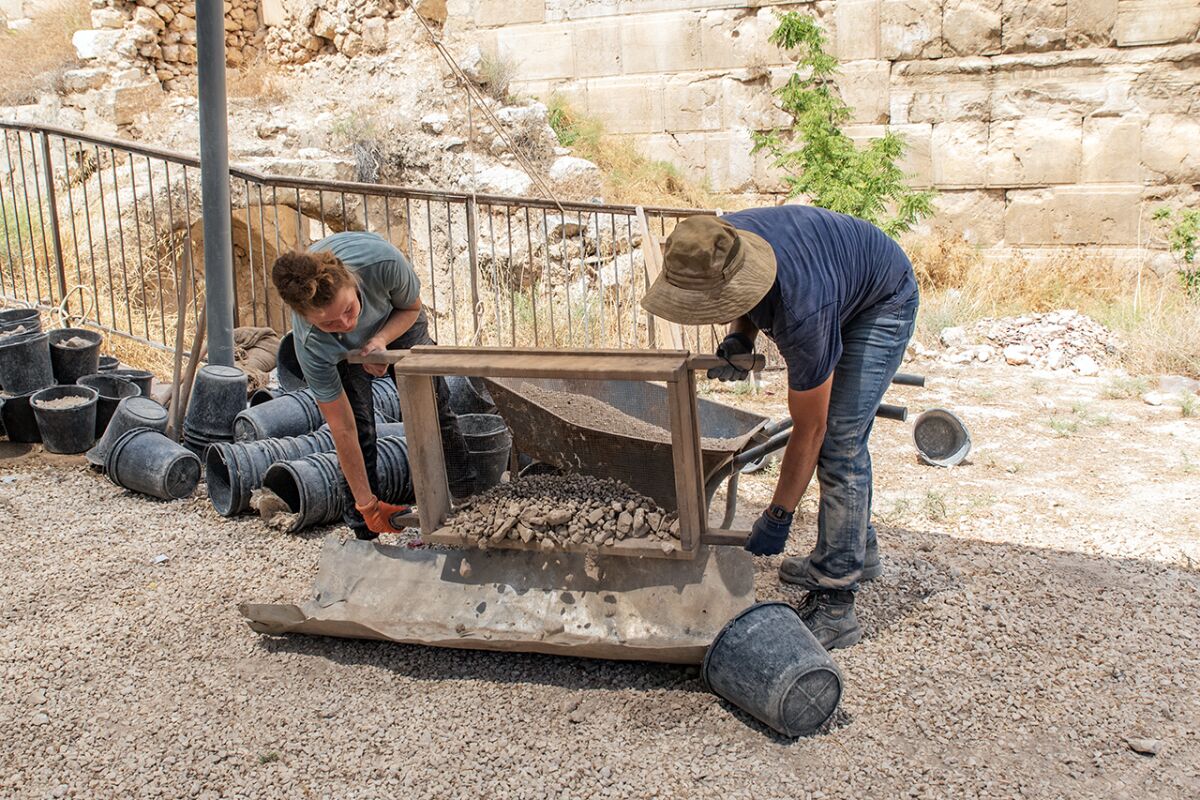
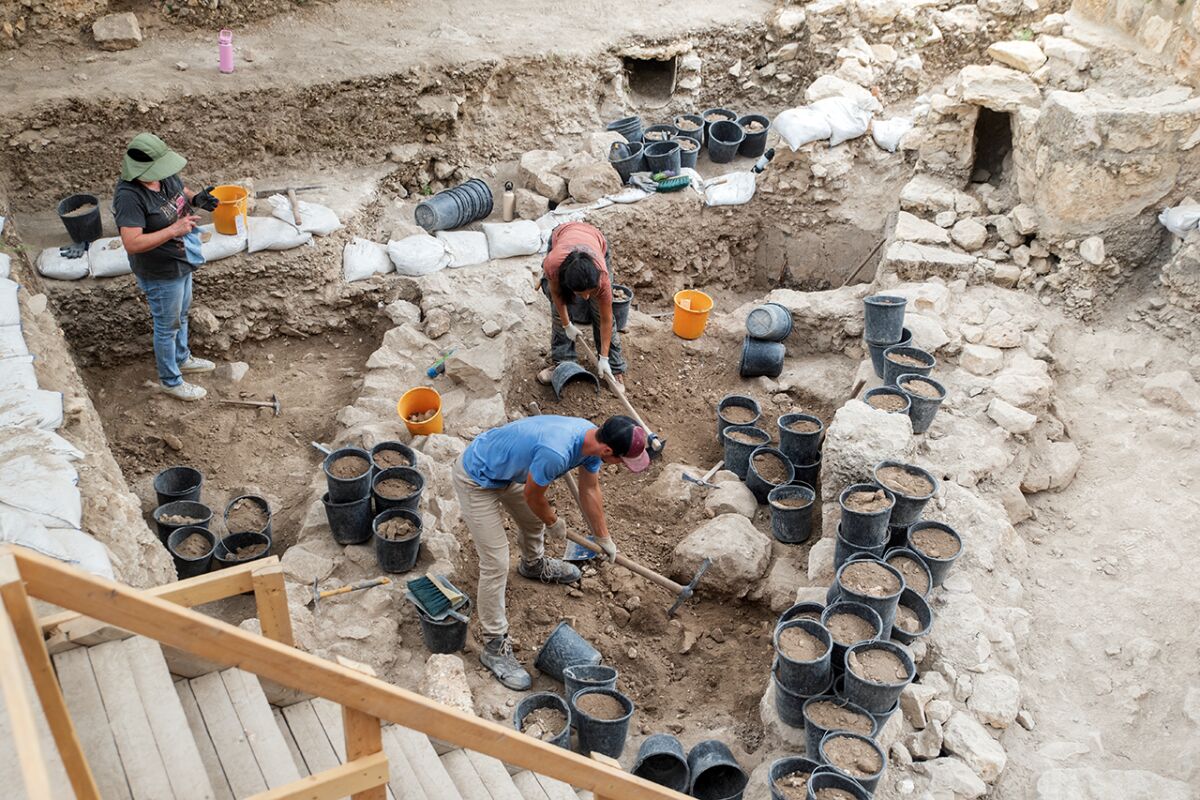
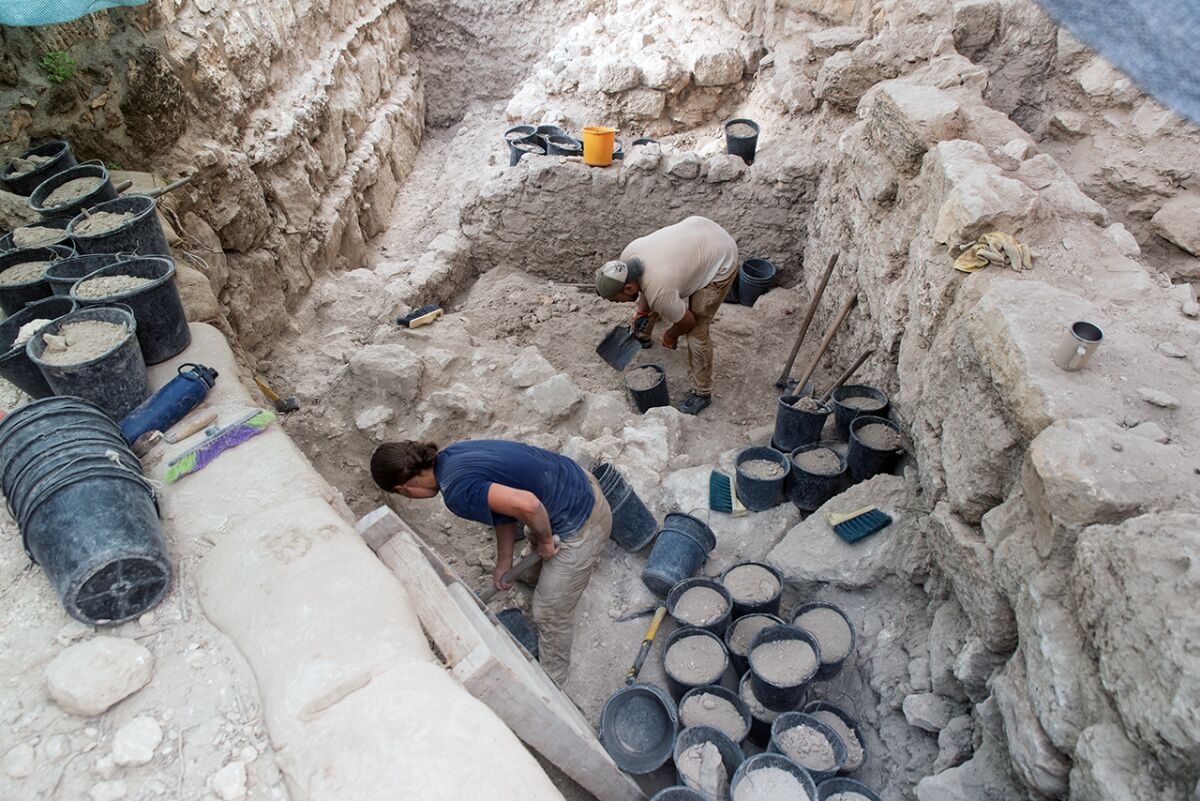
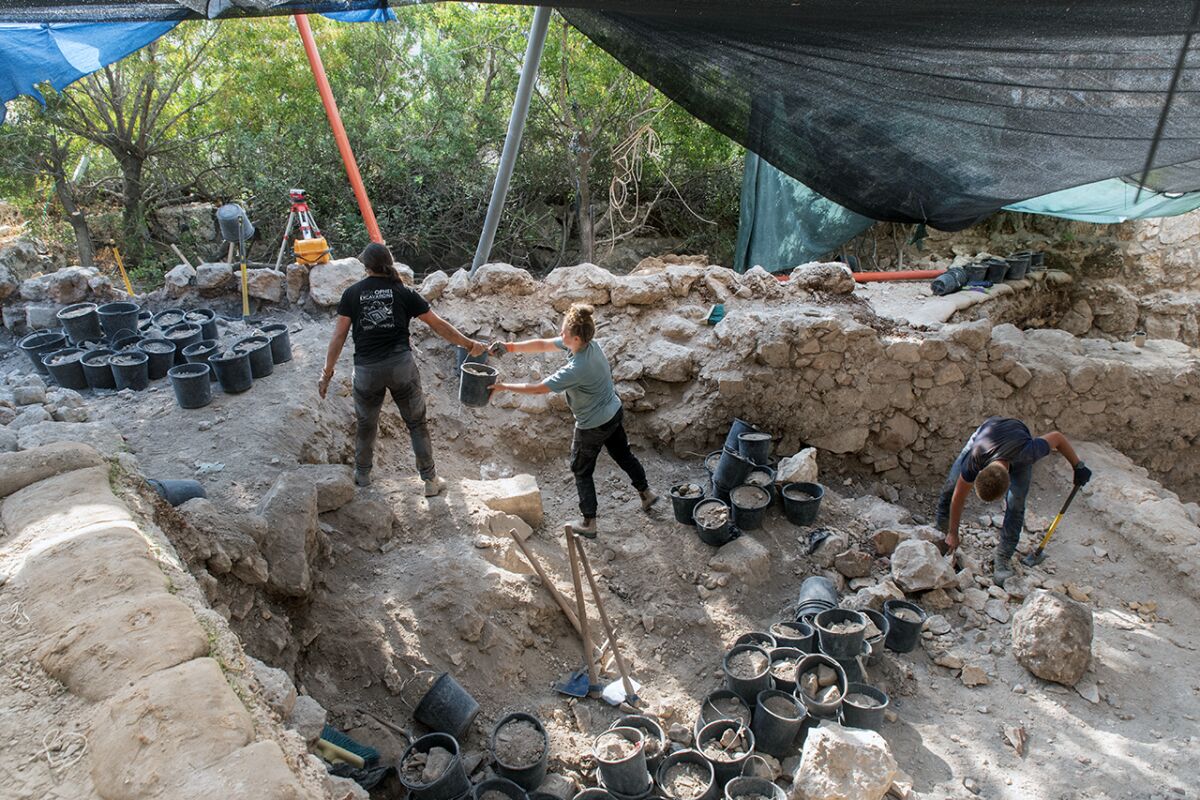
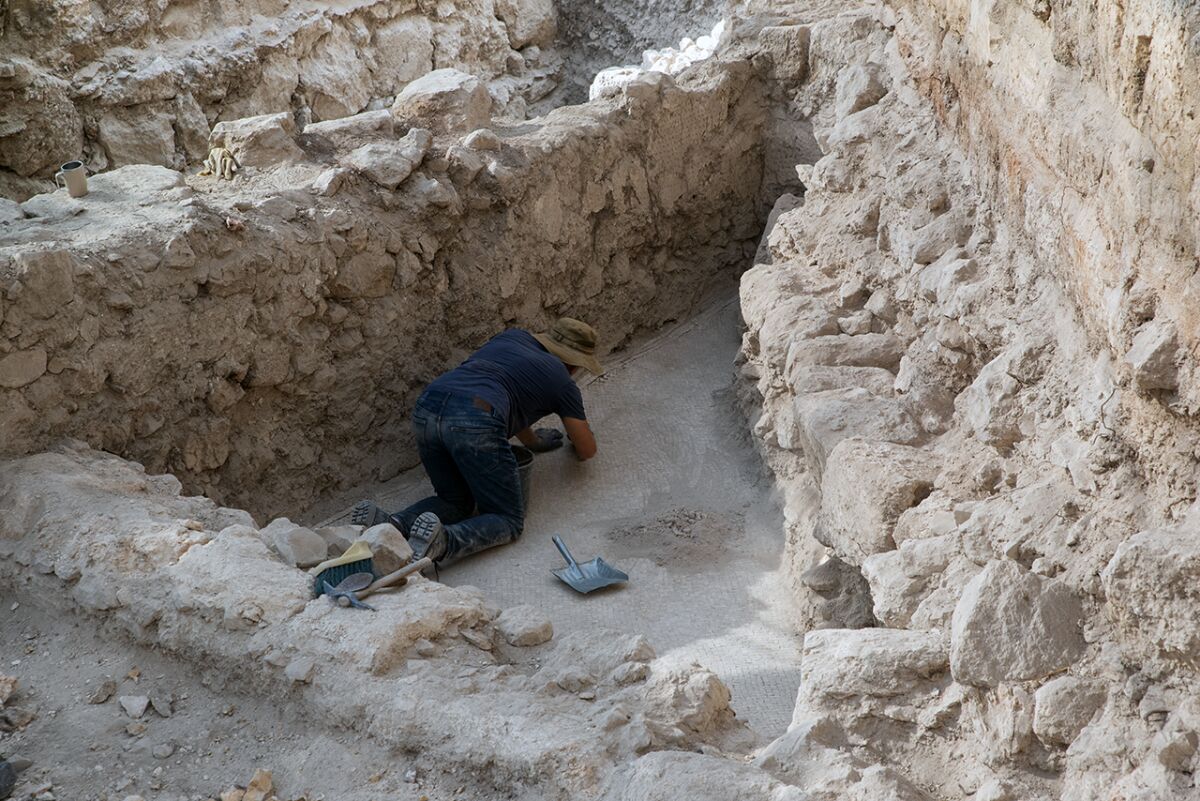
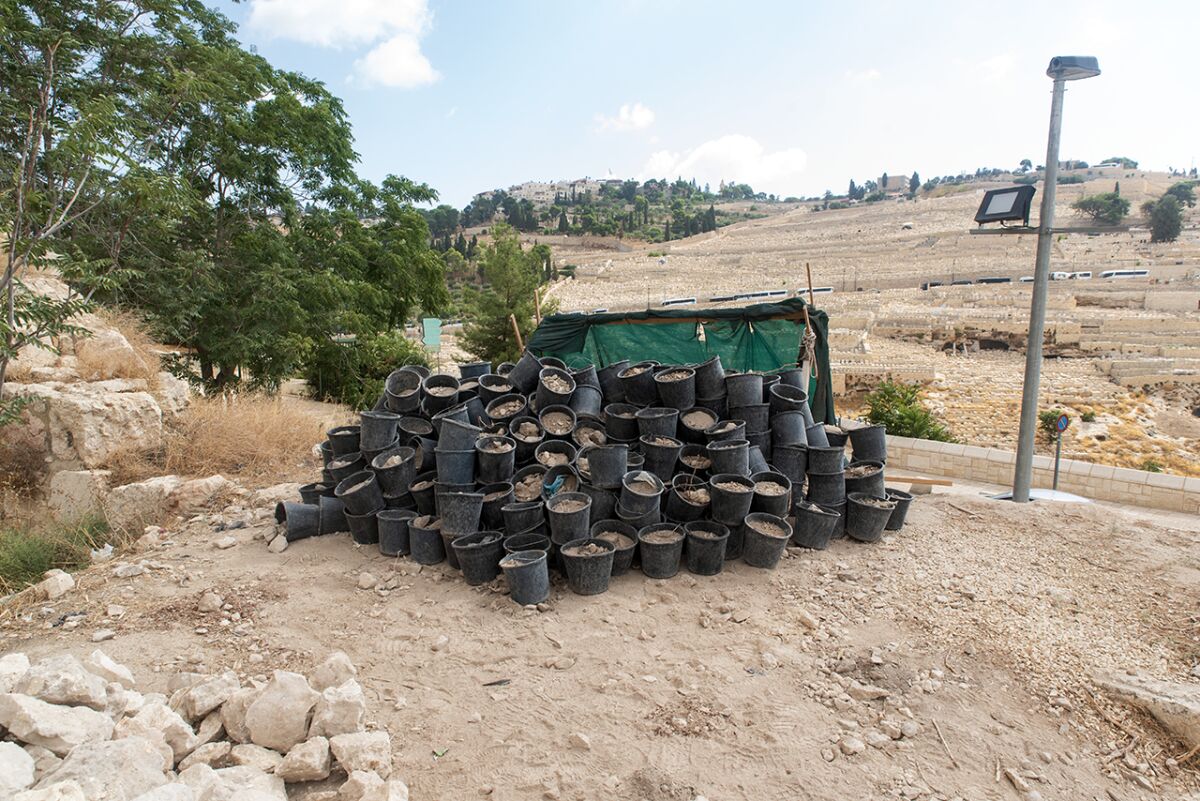
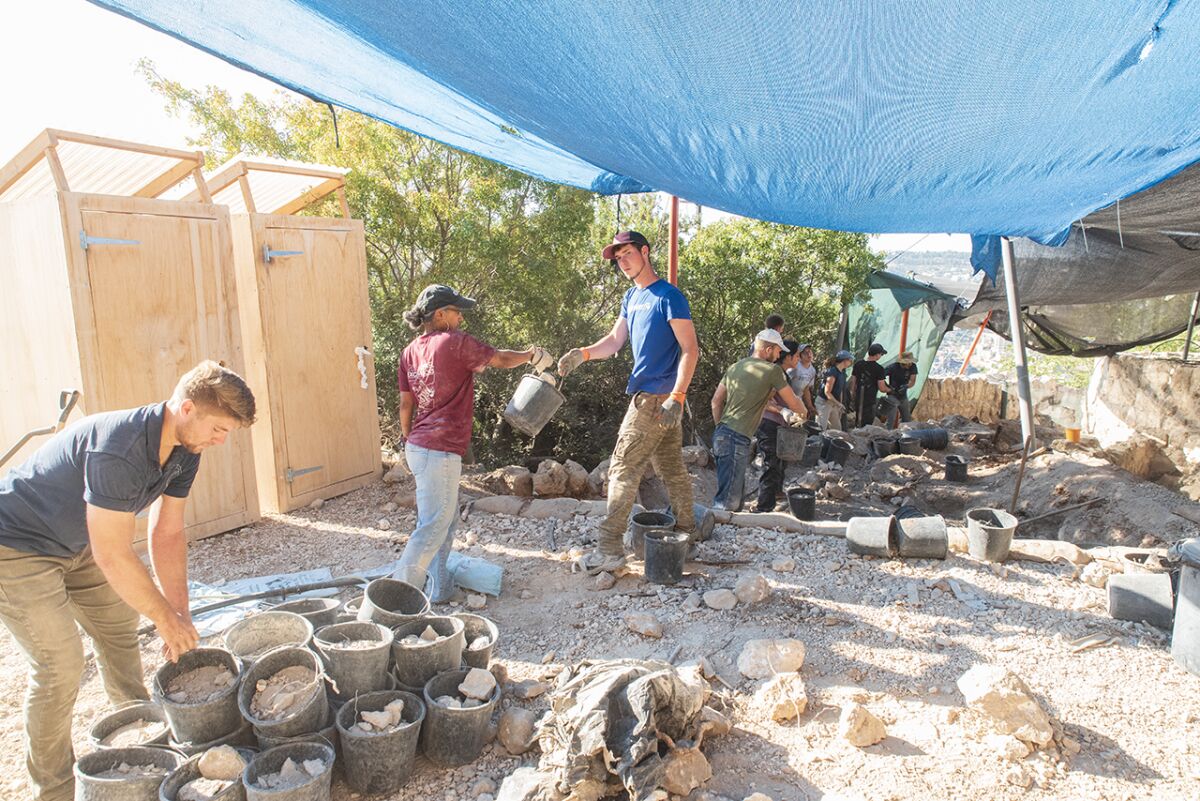
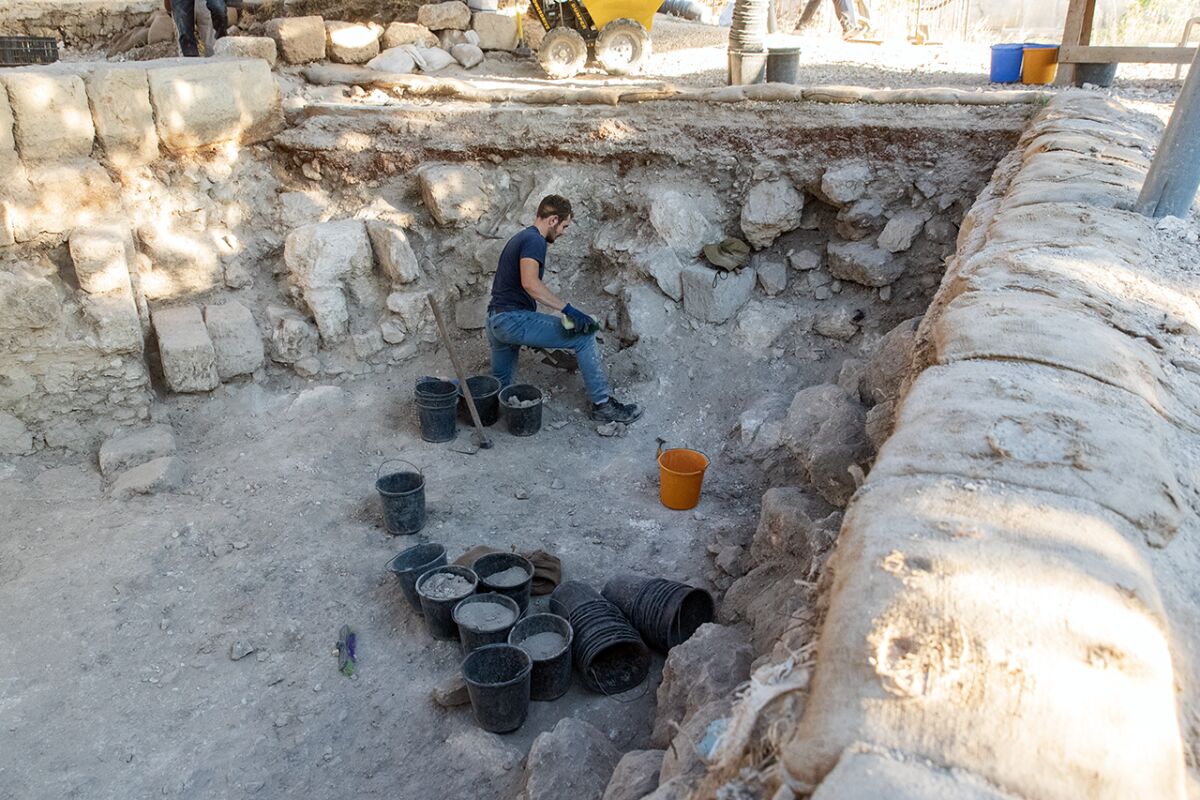
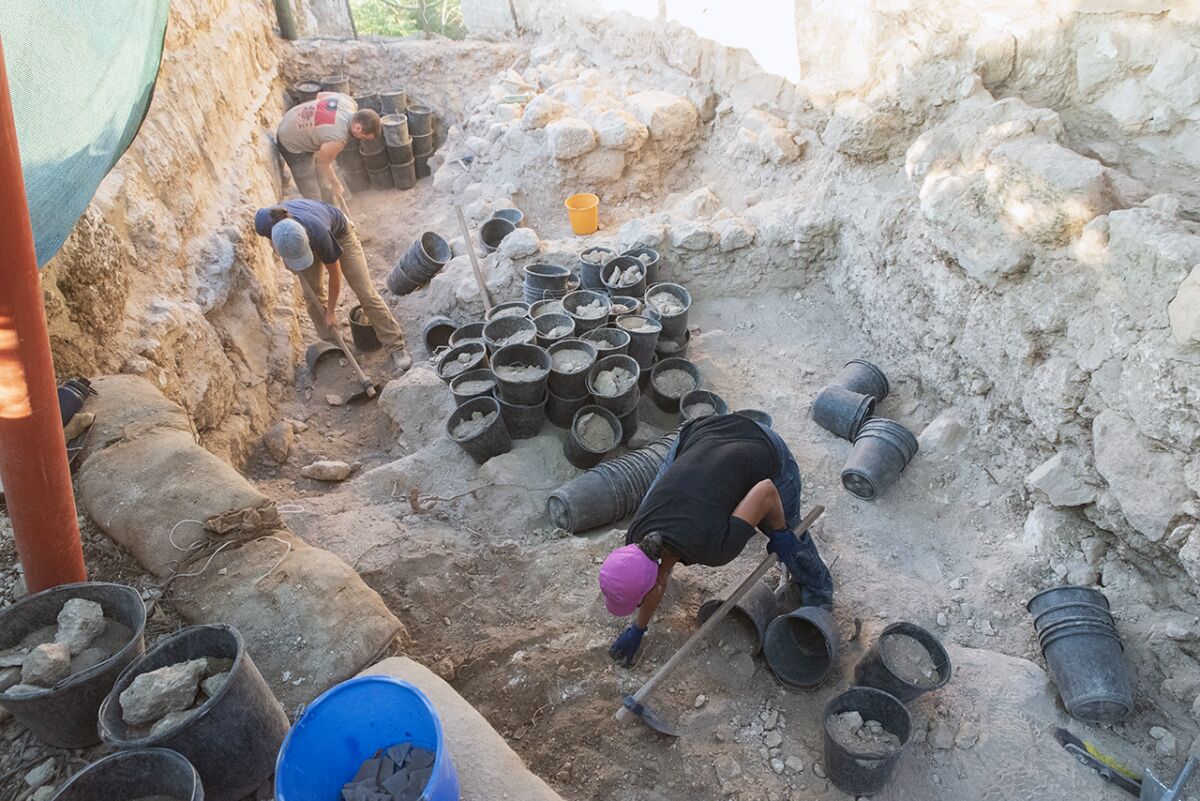
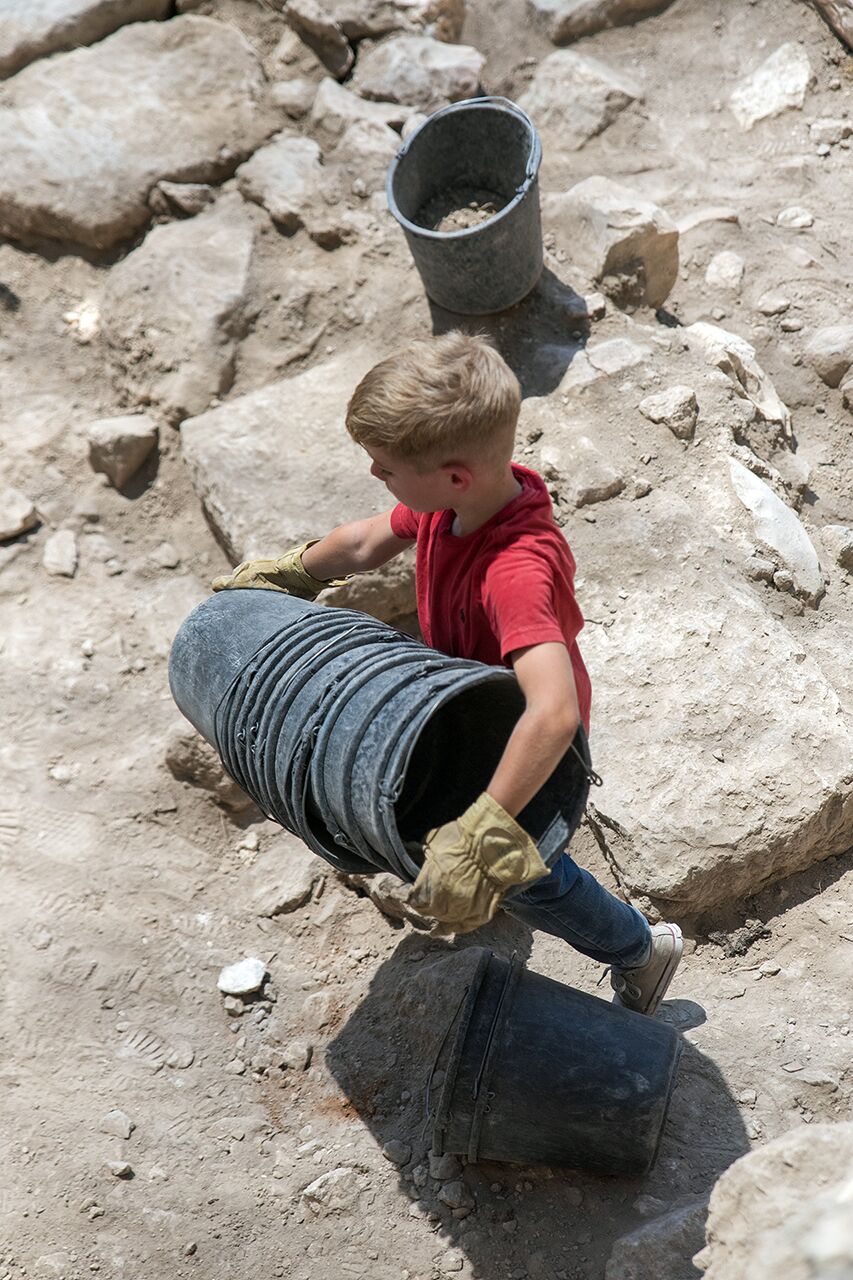
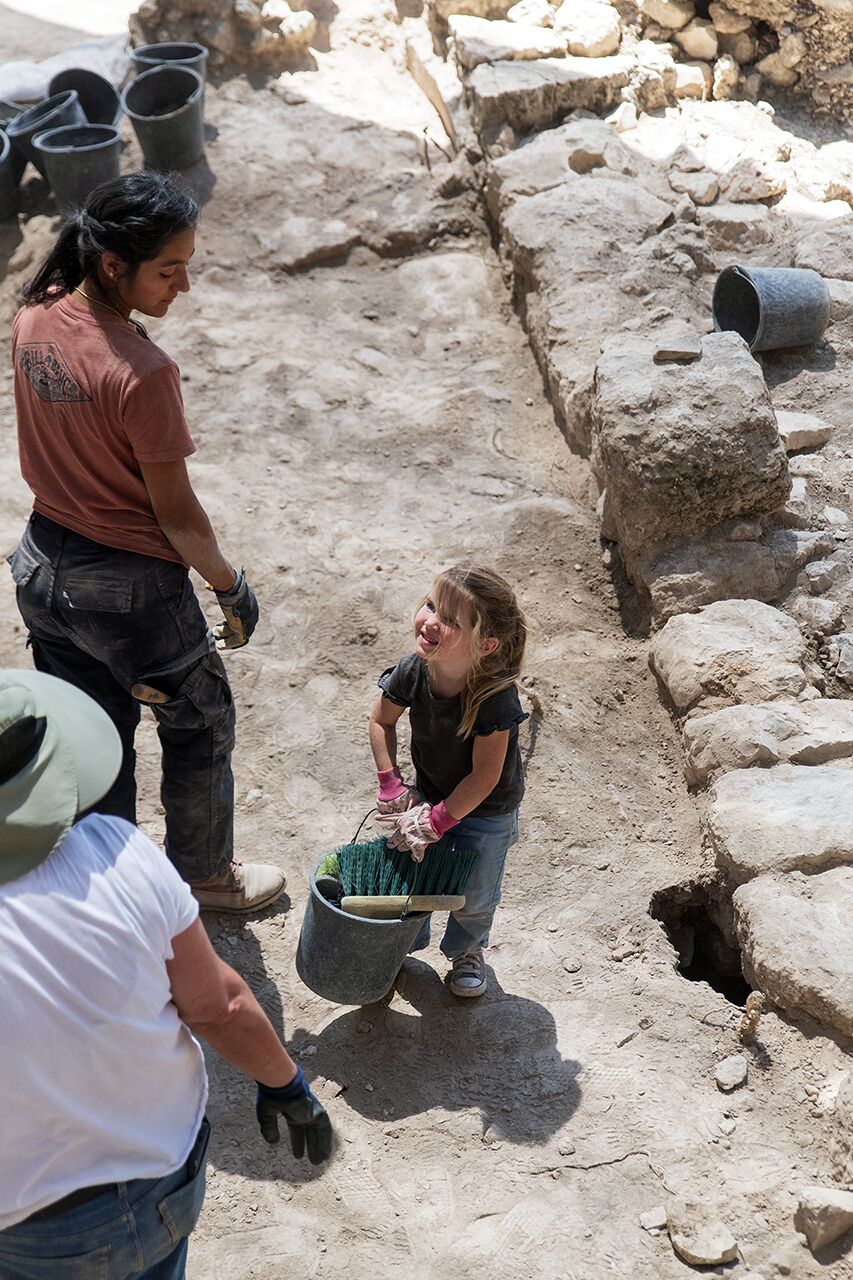
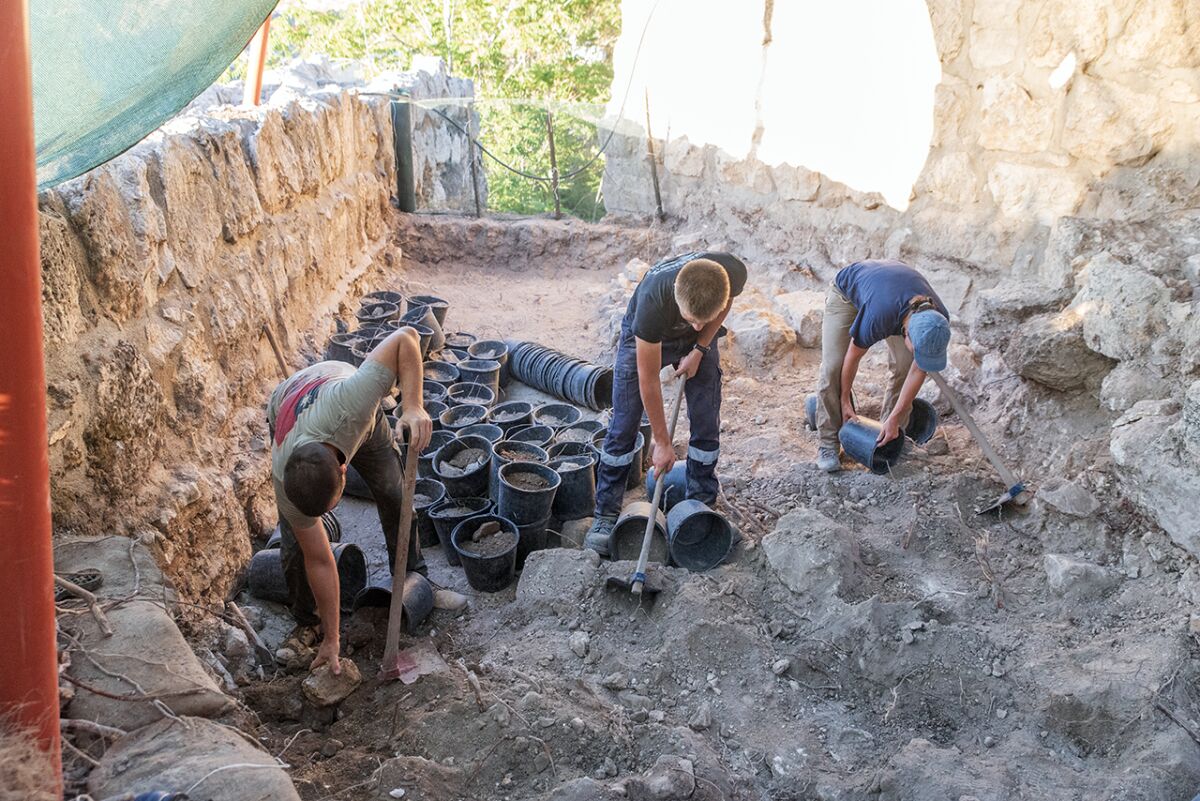
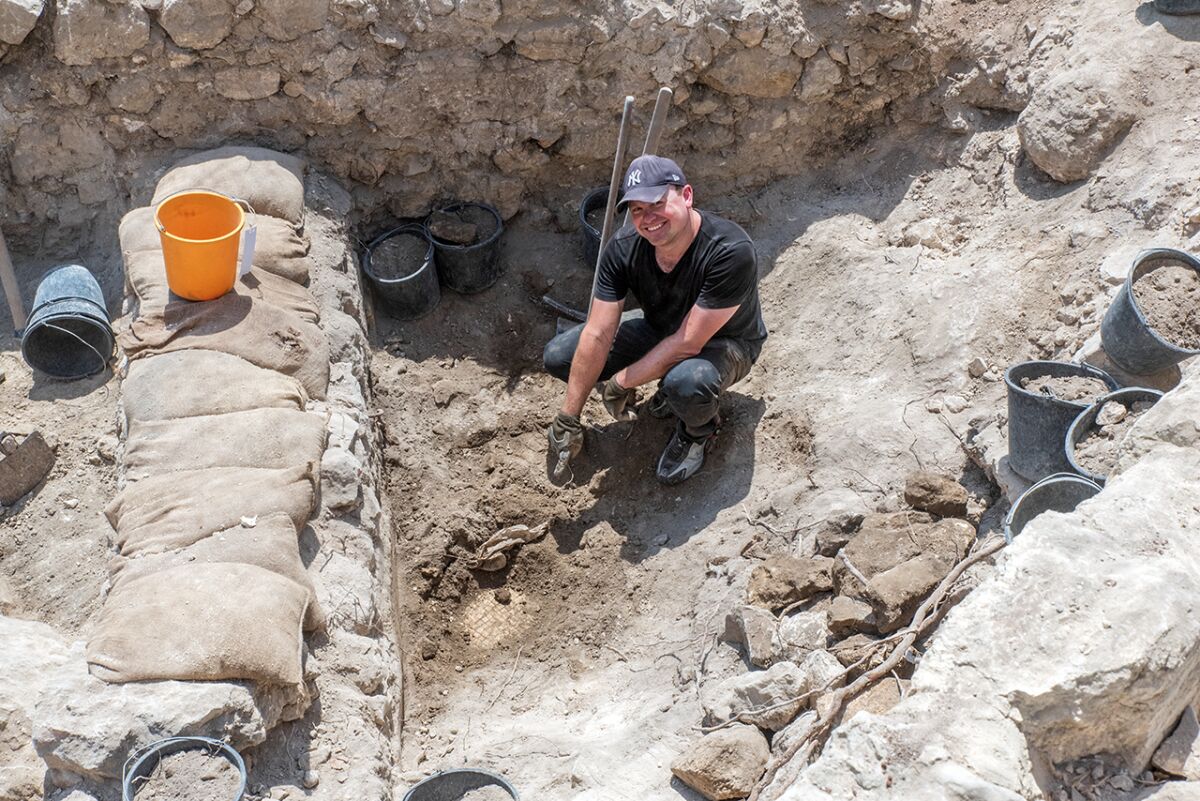
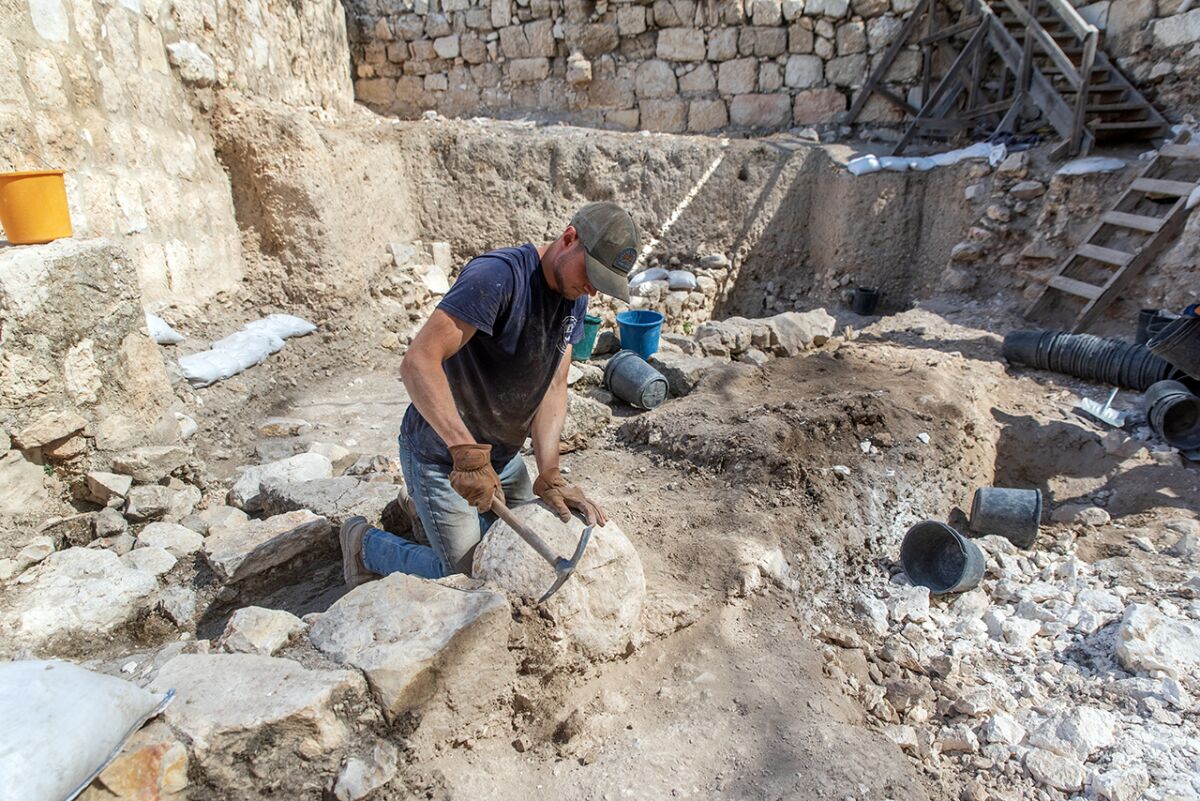
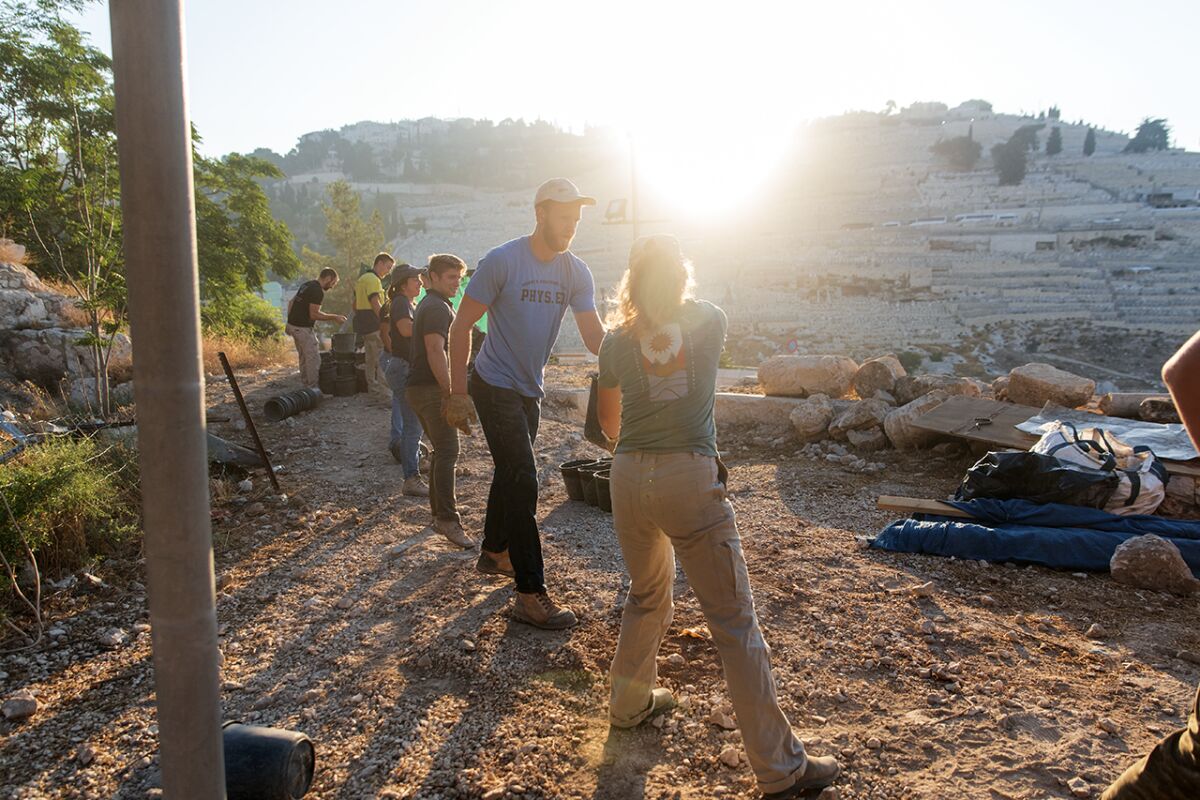
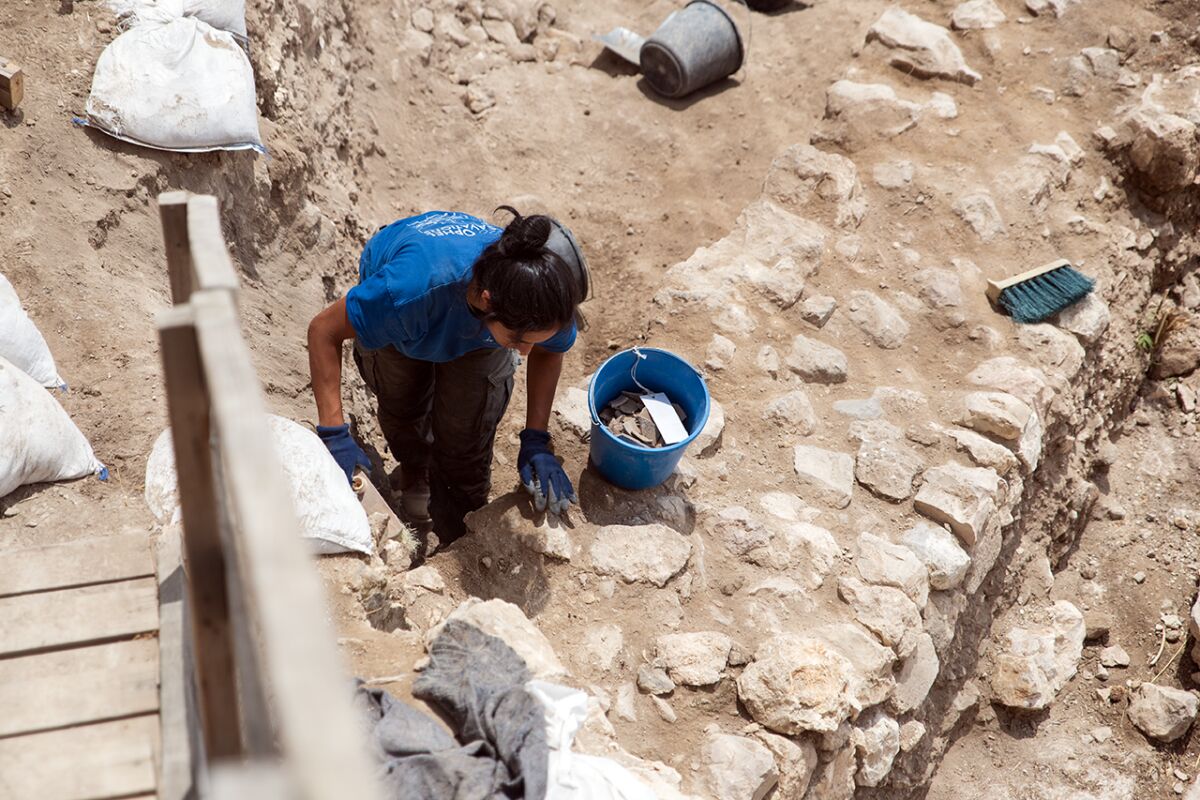
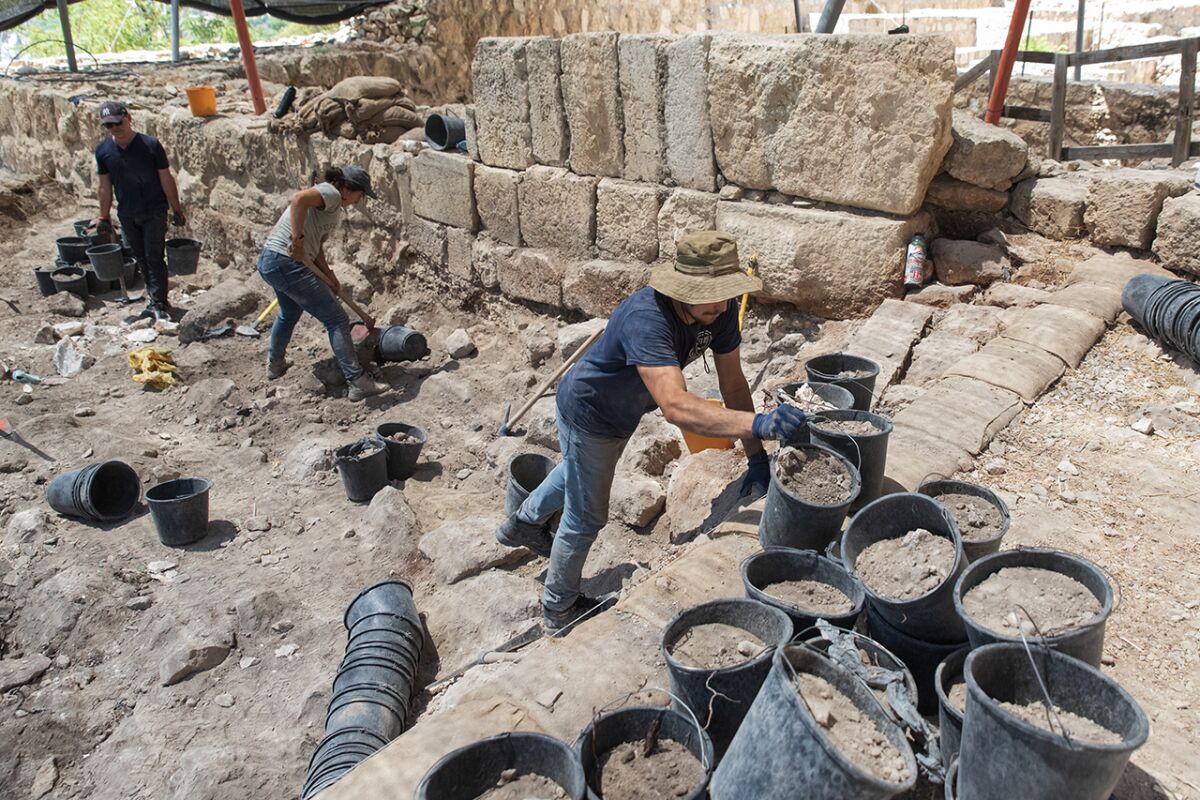
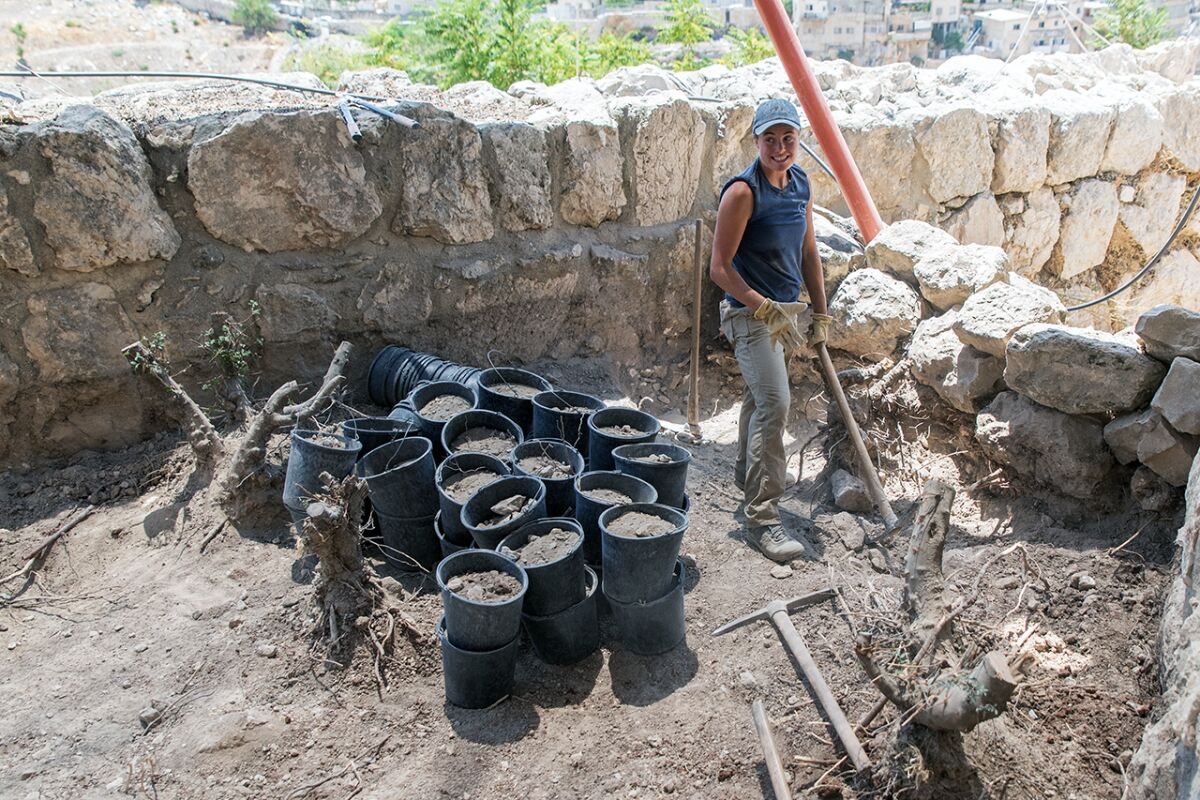
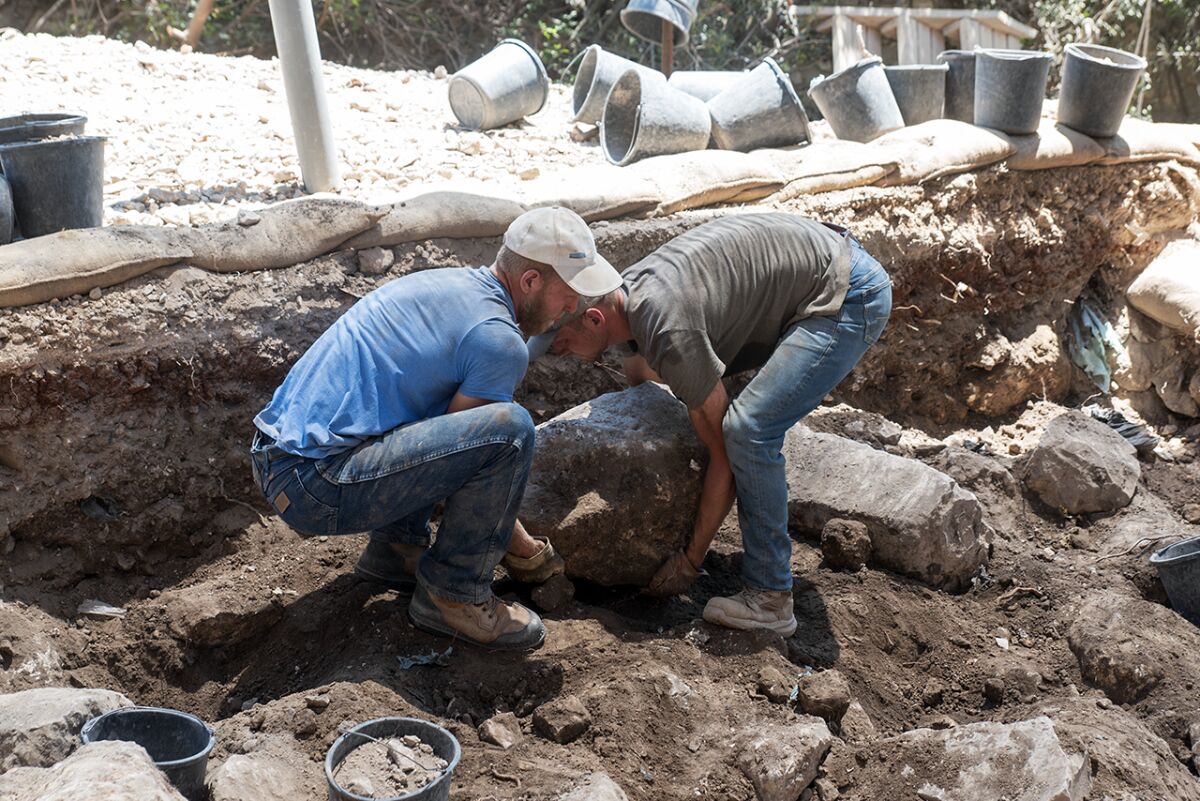
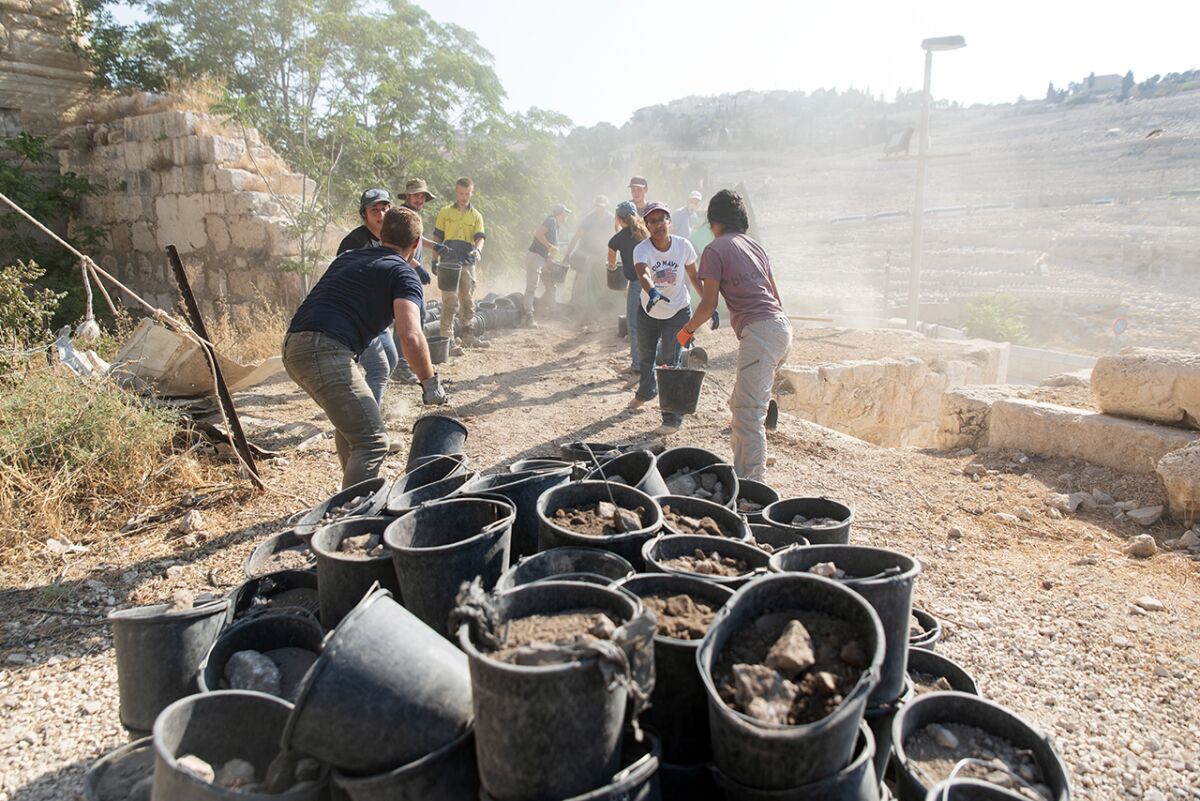
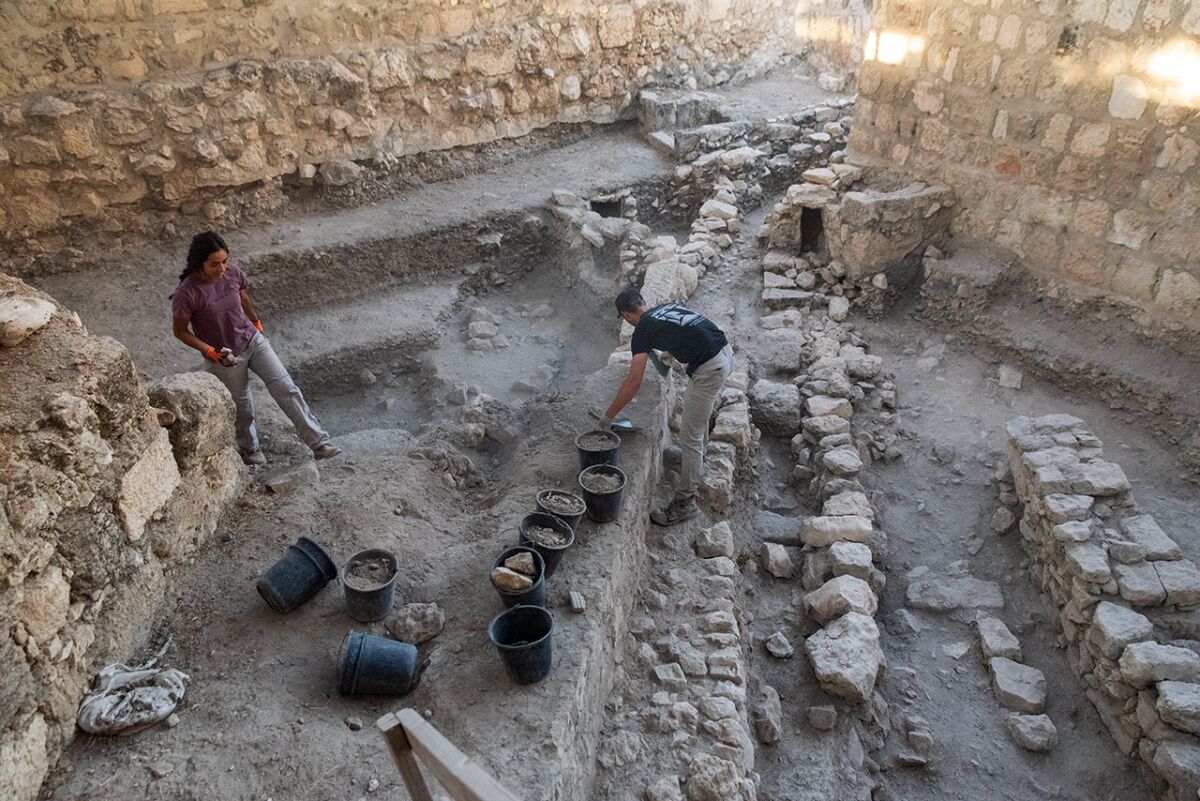
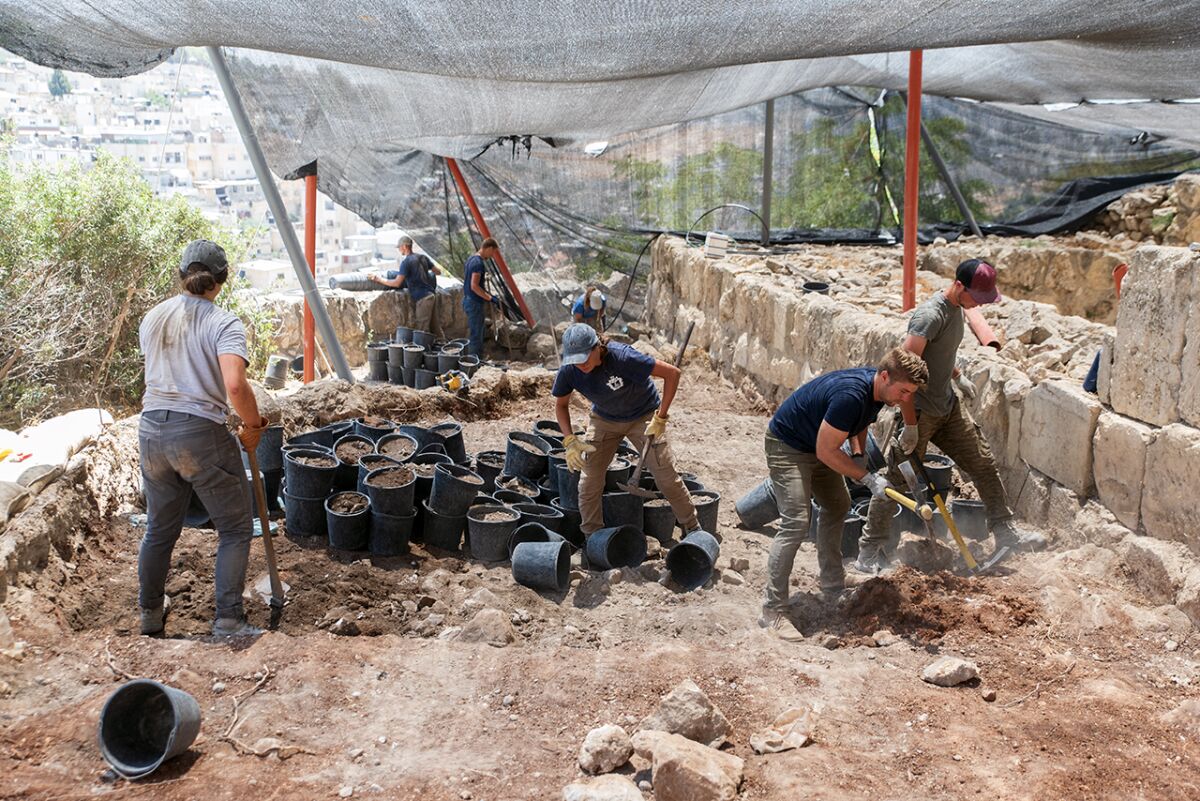
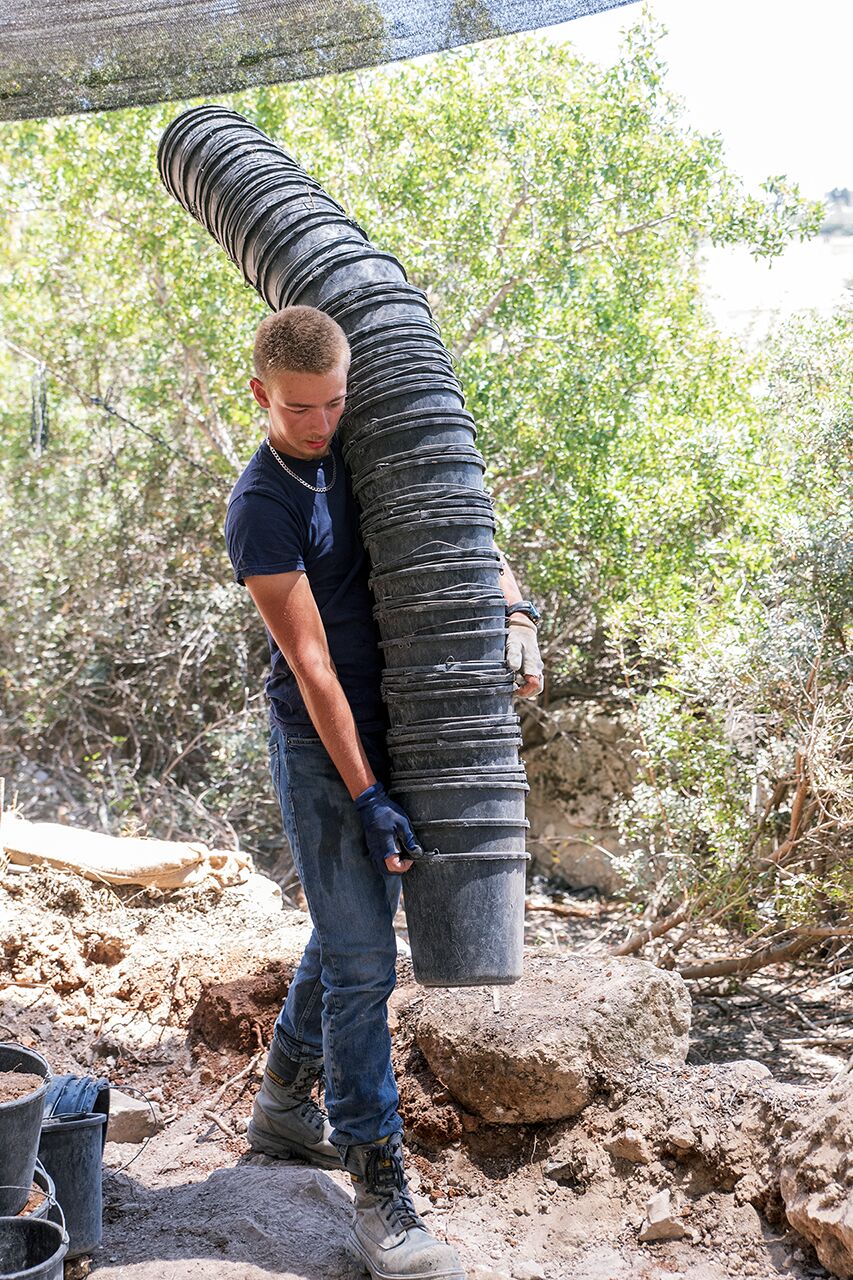
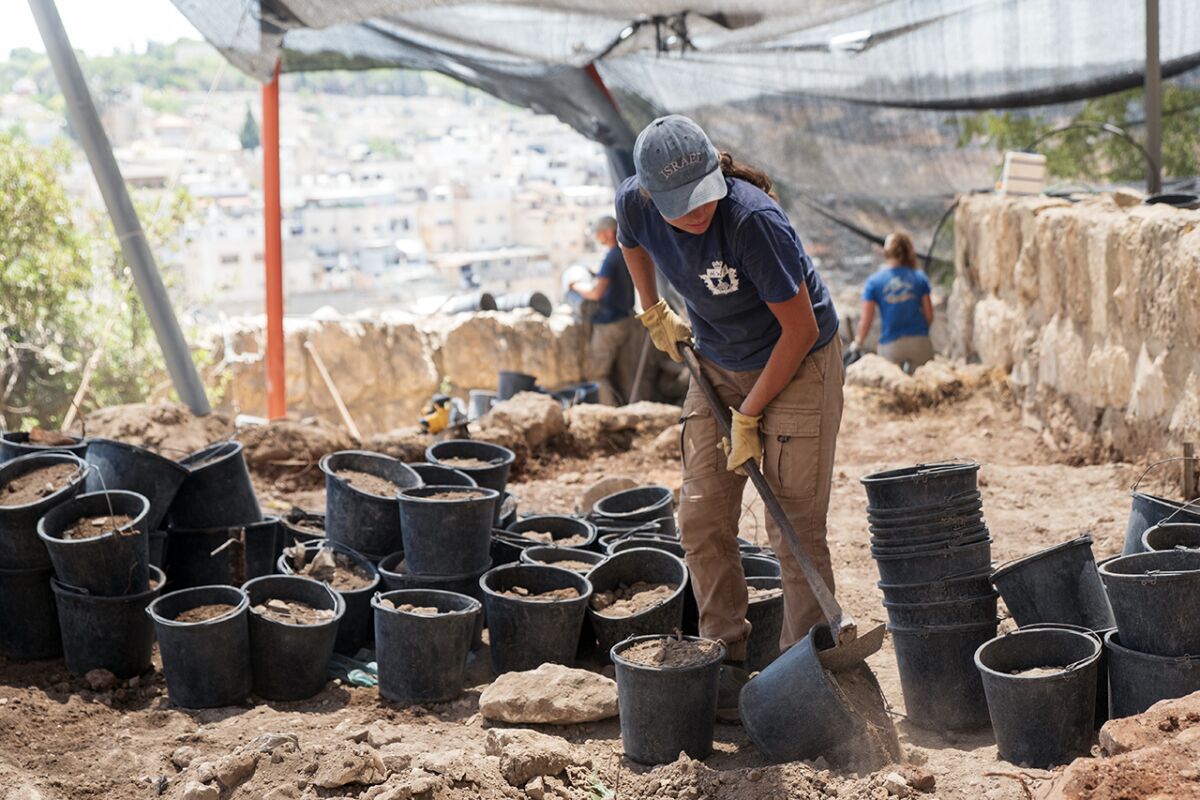
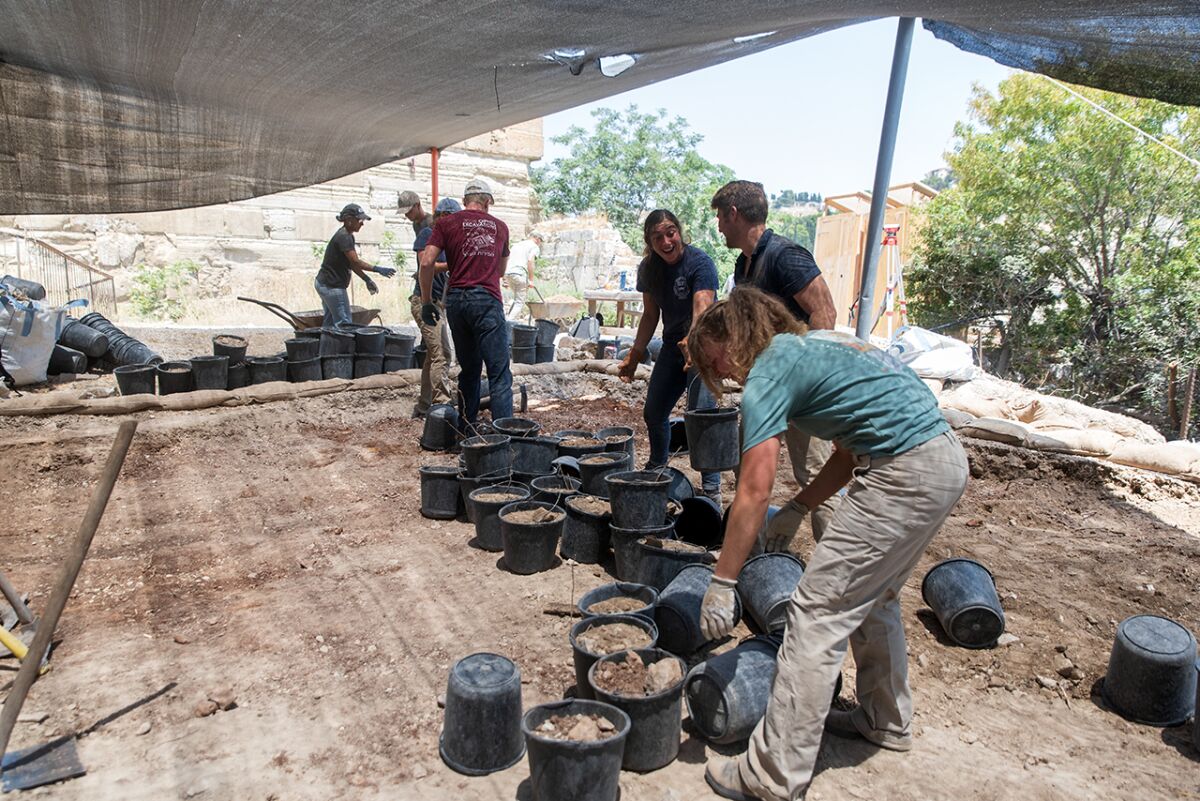
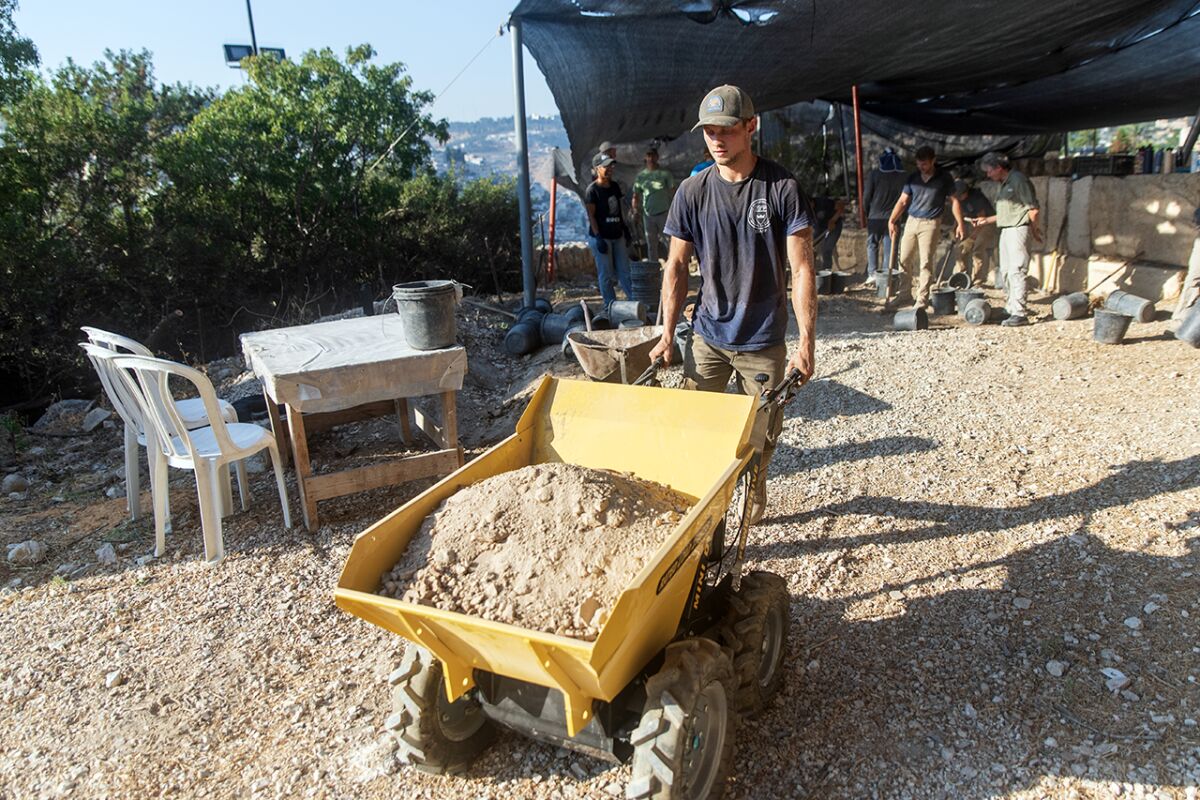
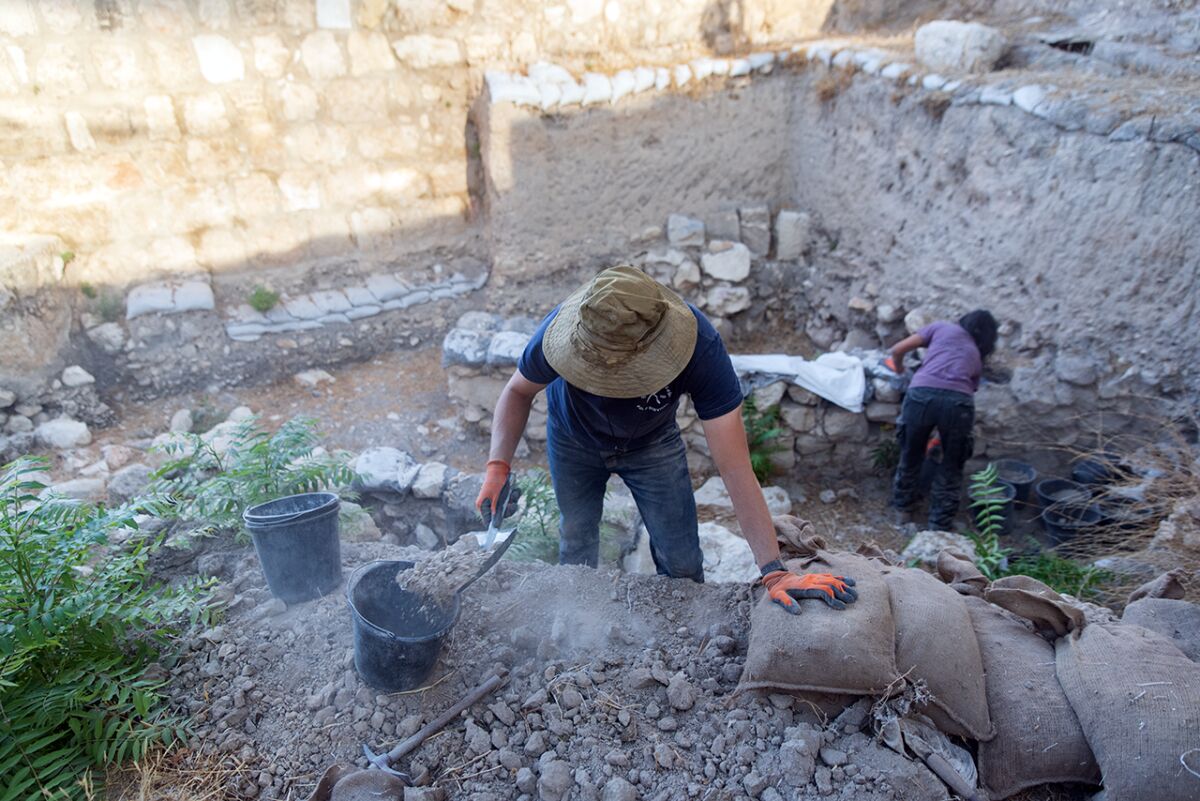
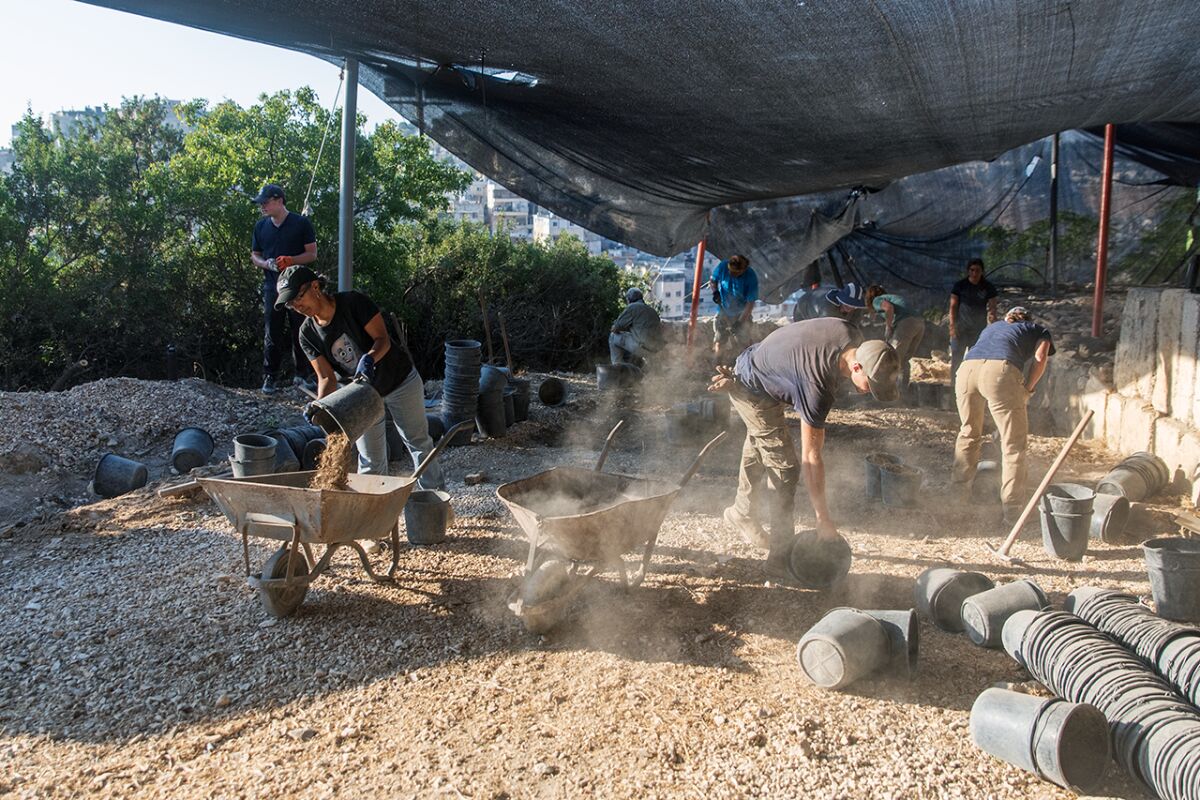
Four hundred thirty-eight—that’s how many buckets we emptied into the dumpster in one of our sharsherets. We average between 350 to 450 buckets for each sharsheret and do about three sharsherets per day. In the three upper squares, we are almost completely in clean archaeological contexts with no plastic or modern fill. We reached a mosaic floor abutting one of our walls that cuts through the squares. In the lower area, the crew took down the middle Roman Period wall. A nice ballista stone was sitting within this wall. We’ve had our eyes on this stone since our 2023 excavations. Today, Micah dislodged it, and we carried it up to the office for cleaning and registering.
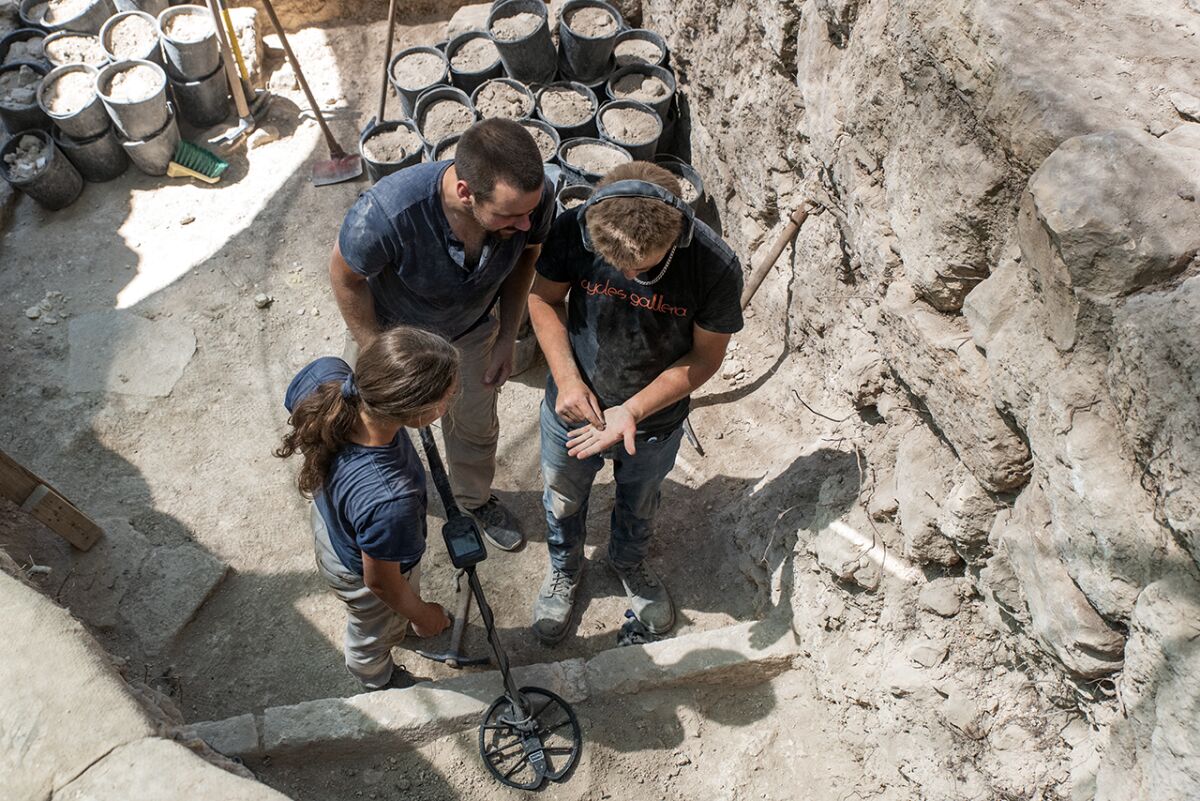
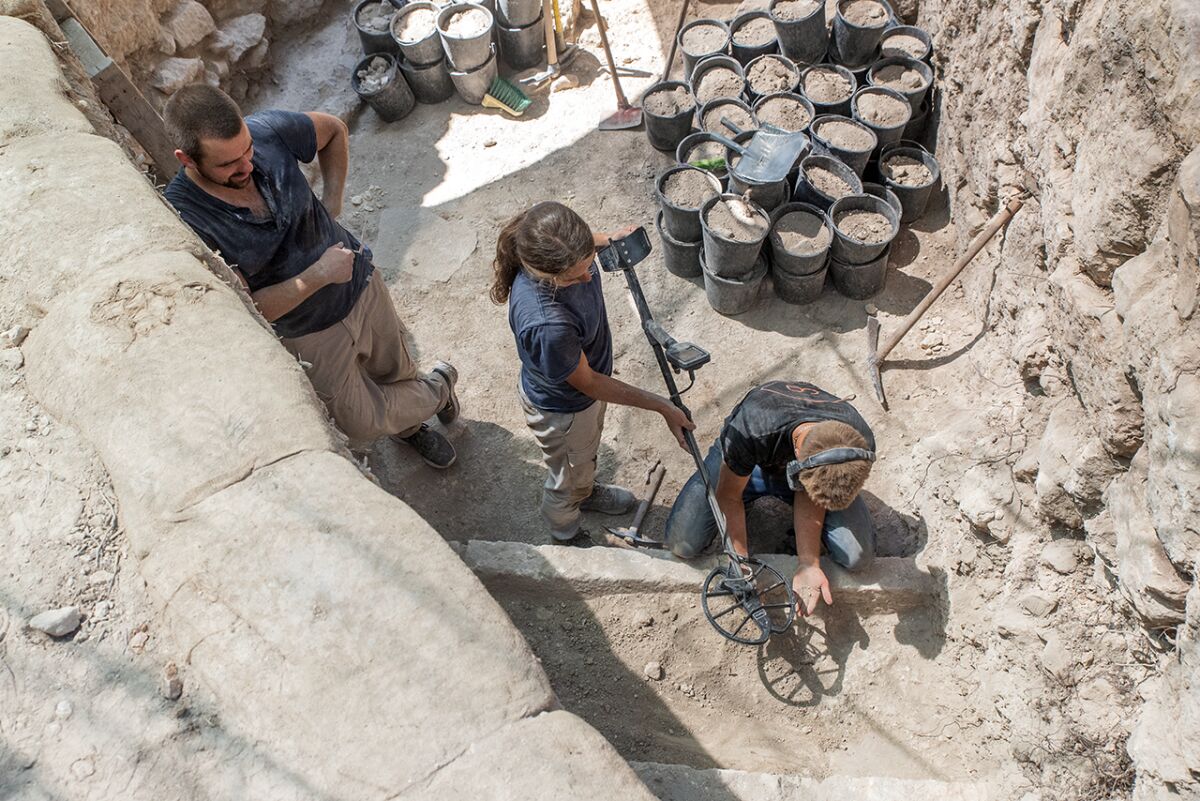
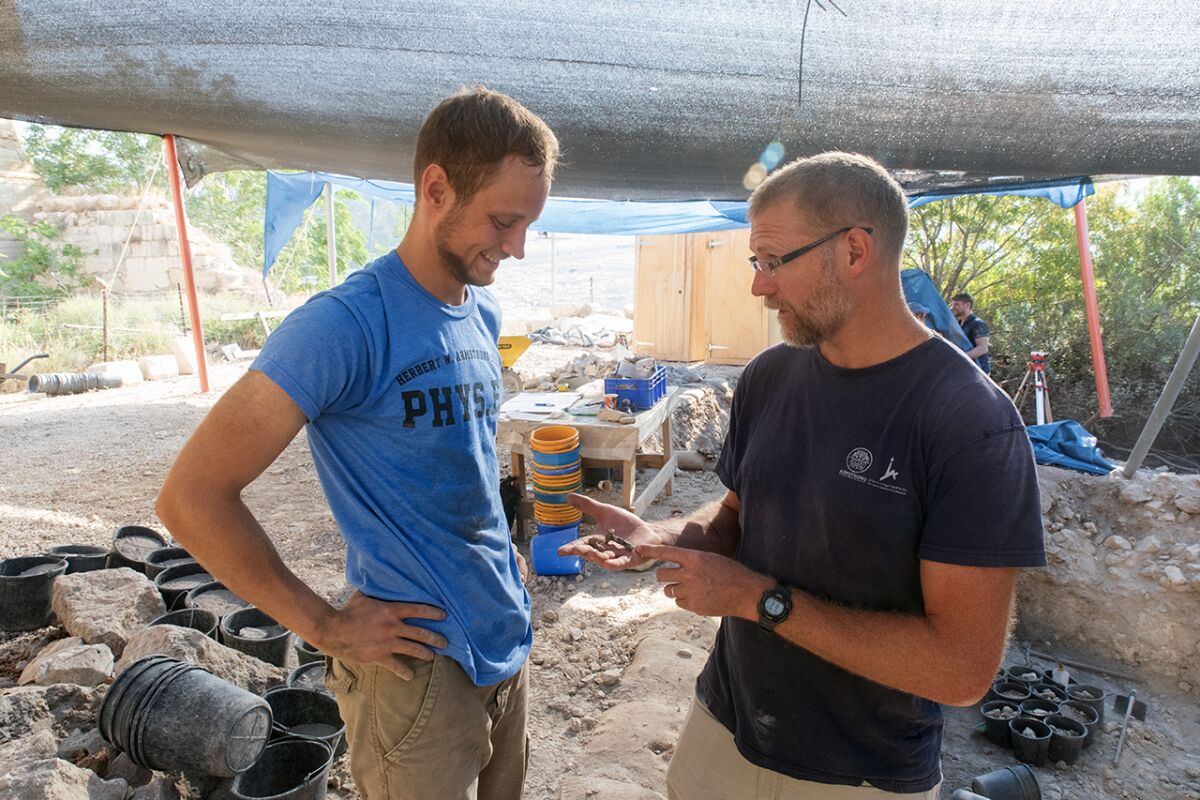
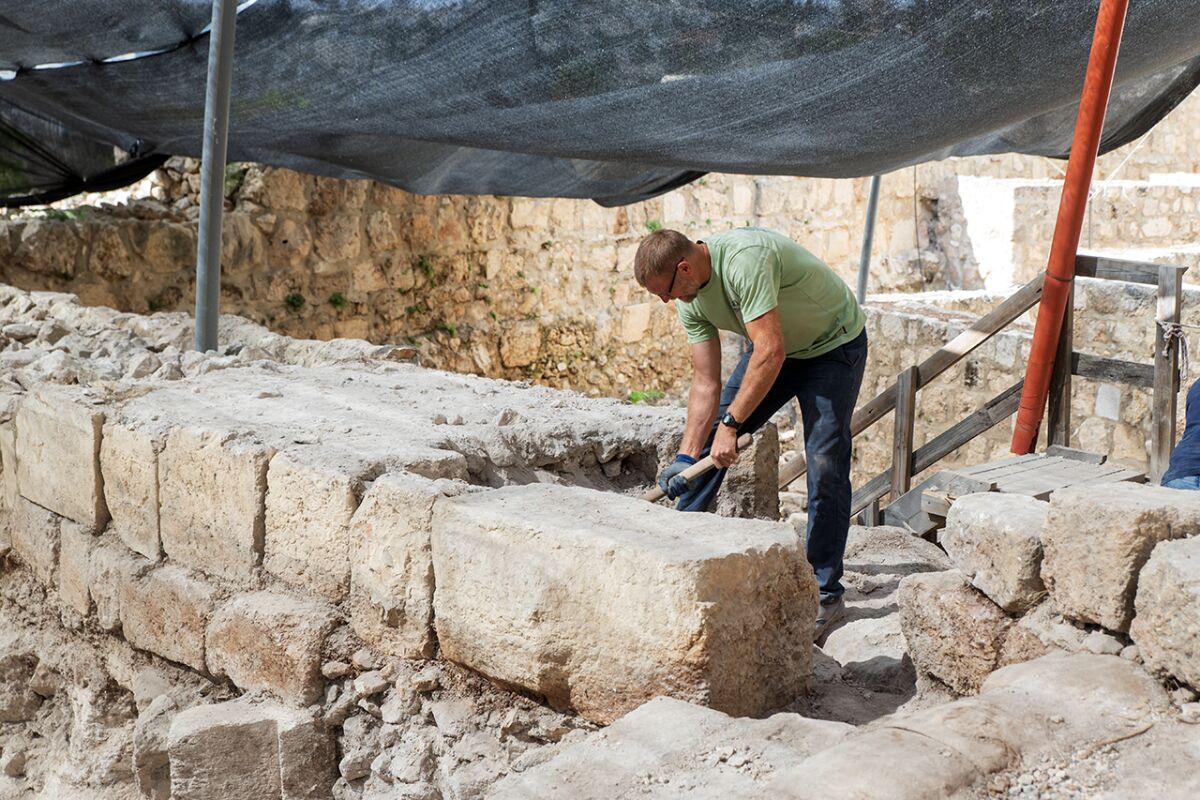
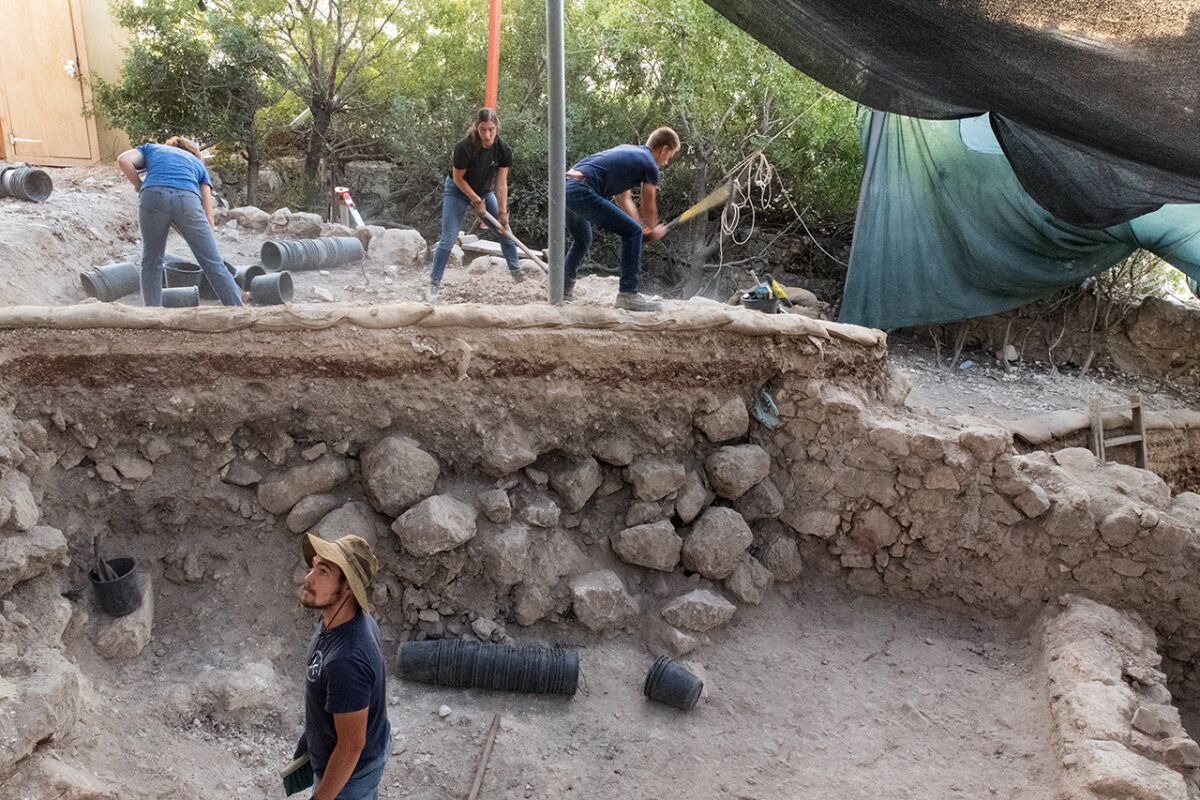
We had a successful day at the dig site. The large Umayyad wall is one of the most prominent features of our area. Today, we found a coin abutting the wall in a clean archaeological context. This will allow us to more accurately date the wall. We are also getting a decent amount of coins from our lower area. One of the best finds of the day, in fact, was from the lower area: Azariah discovered a Second Temple Period soffit—very similar to the one we discovered on the Ophel in 2023.
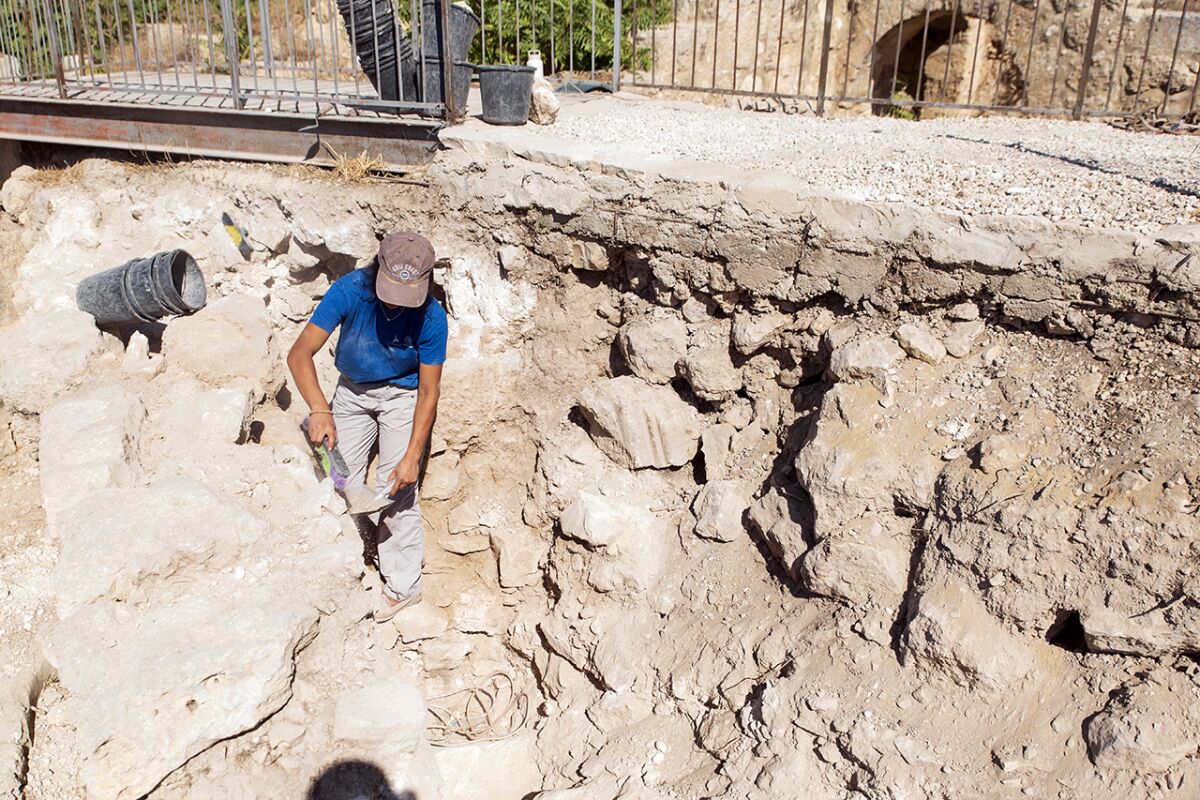
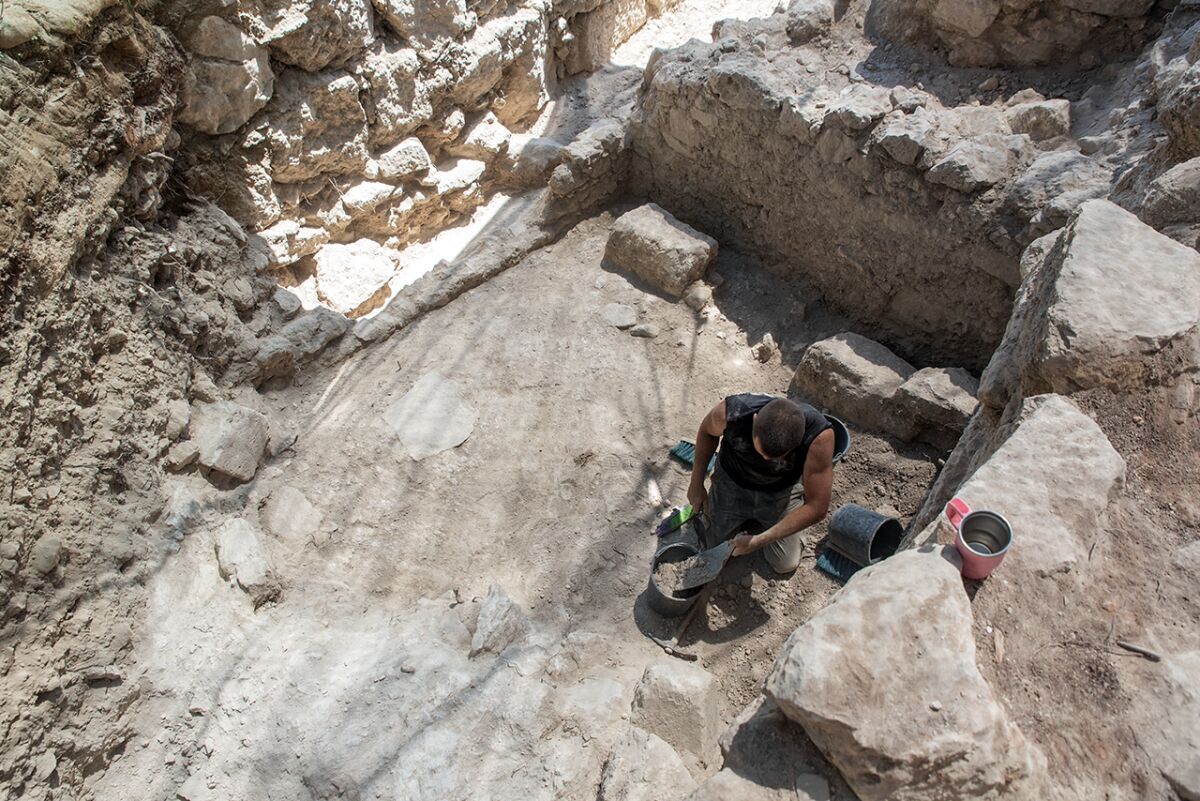
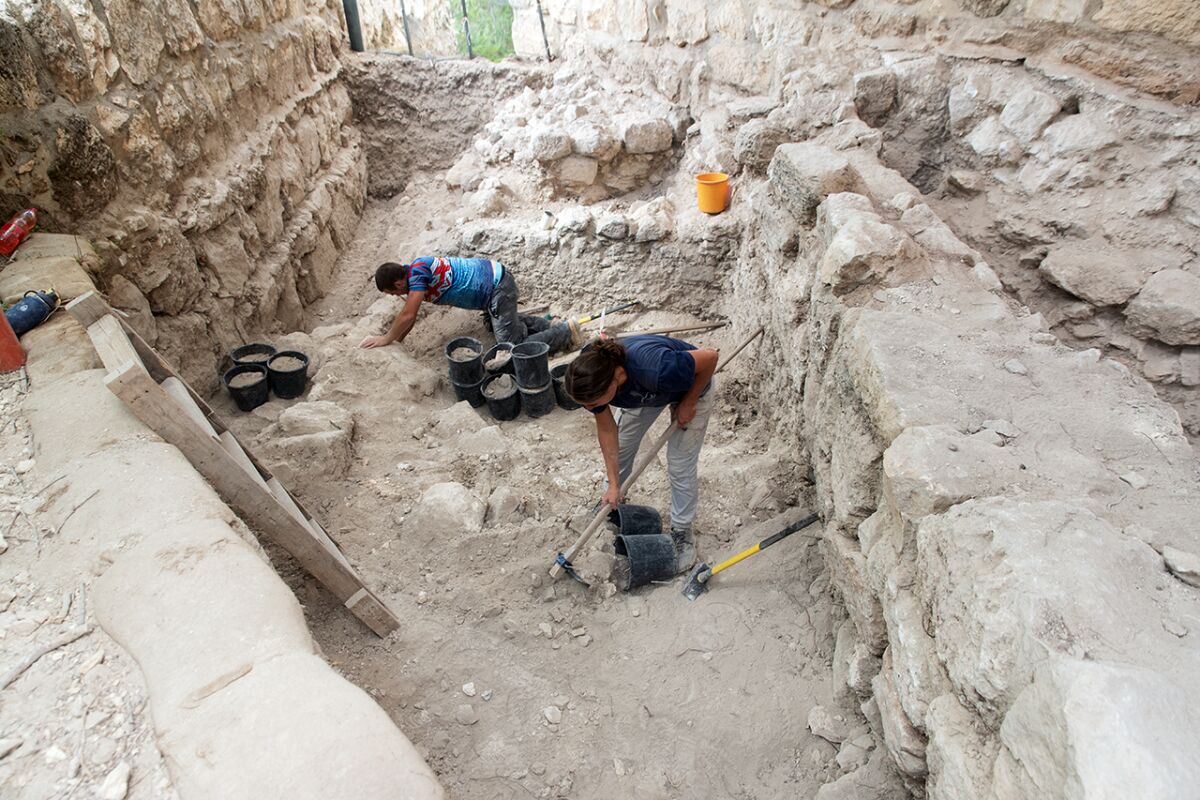
Today, we finally reached a clean layer within one of the squares—no trash, no large stones, and different color earth. We also began excavating the fill within the large Umayyad wall in preparation of removing a course of stones. The crew is making great progess; the area is nearly unrecognizable from what it was this time last week.
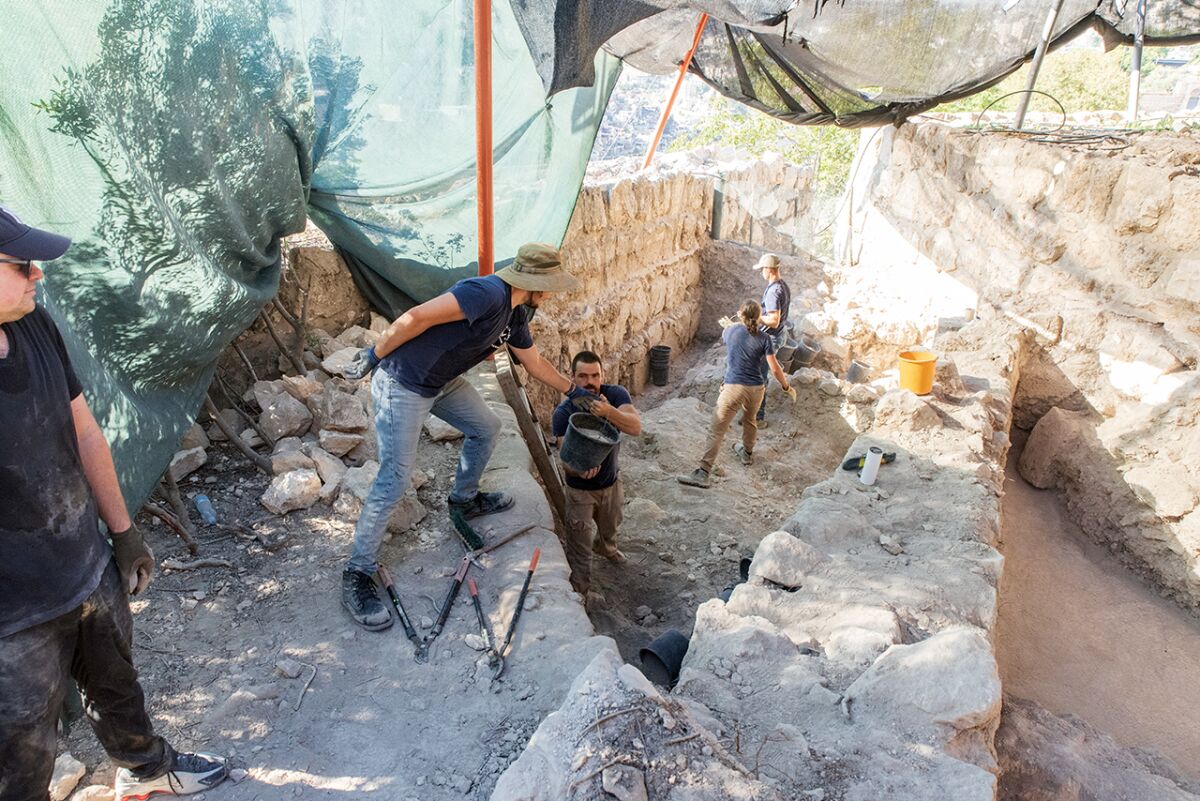
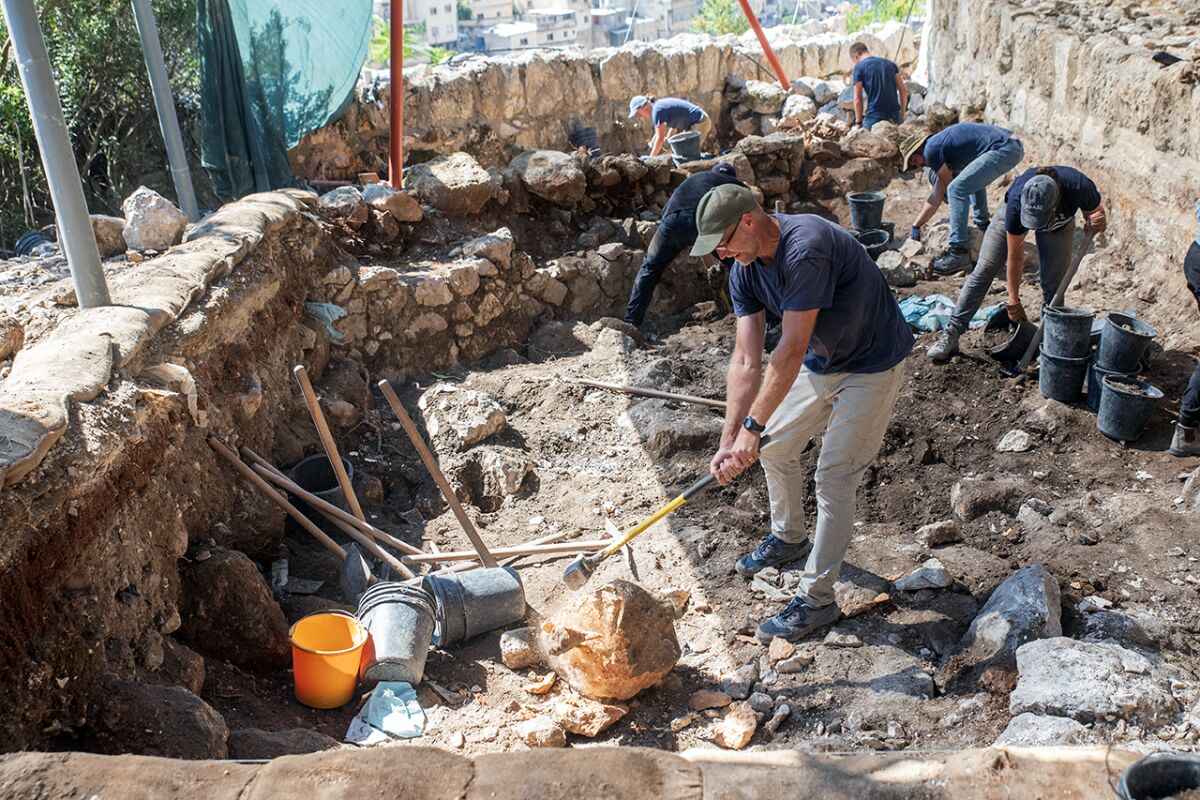
On the afternoon of August 15, Jerusalem experienced a once-in-a-century event: record-breaking rainfall in August. This made for cooler temperatures and less dust at the dig site the next morning, getting our week off to a great start. After resetting the shades, everyone got to work in the various loci. We’re still encountering trash and a lot of rocks in the three upper squares. Despite the large stones, we’re still able to work through the fill quickly. We’re hoping to reach a clean archaeological layer soon.
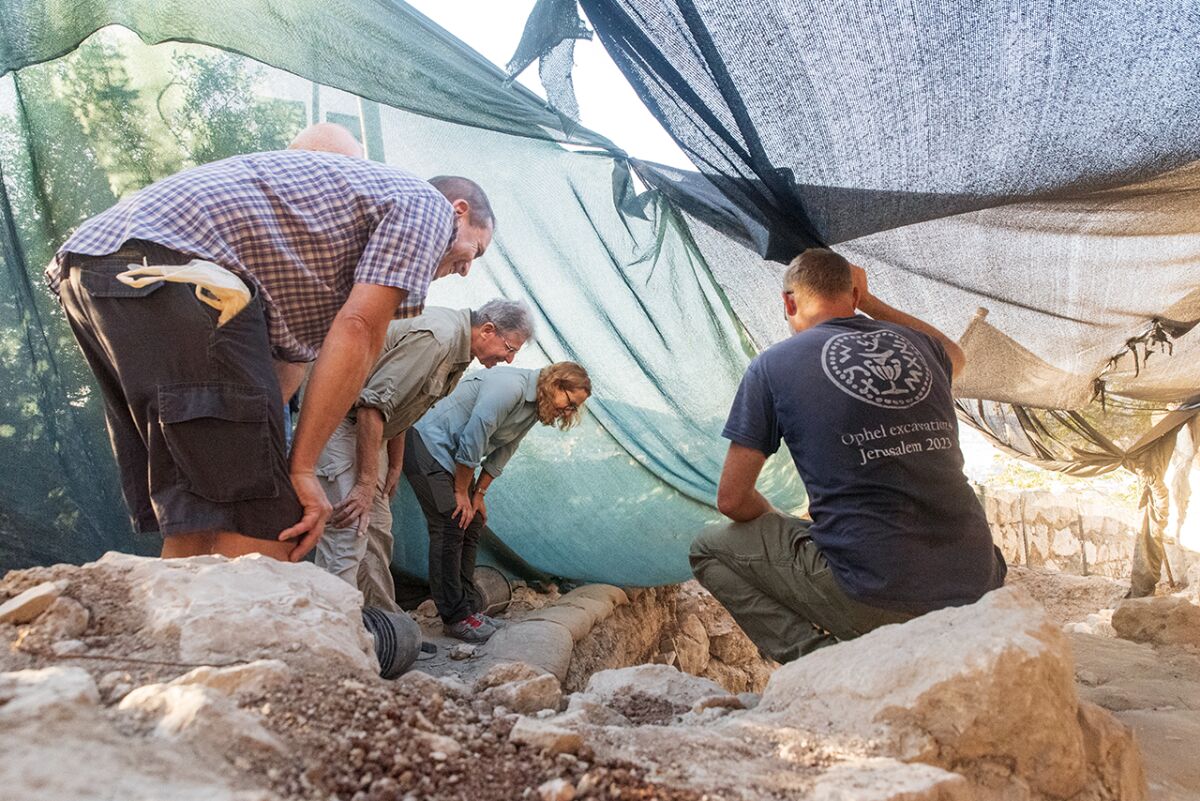
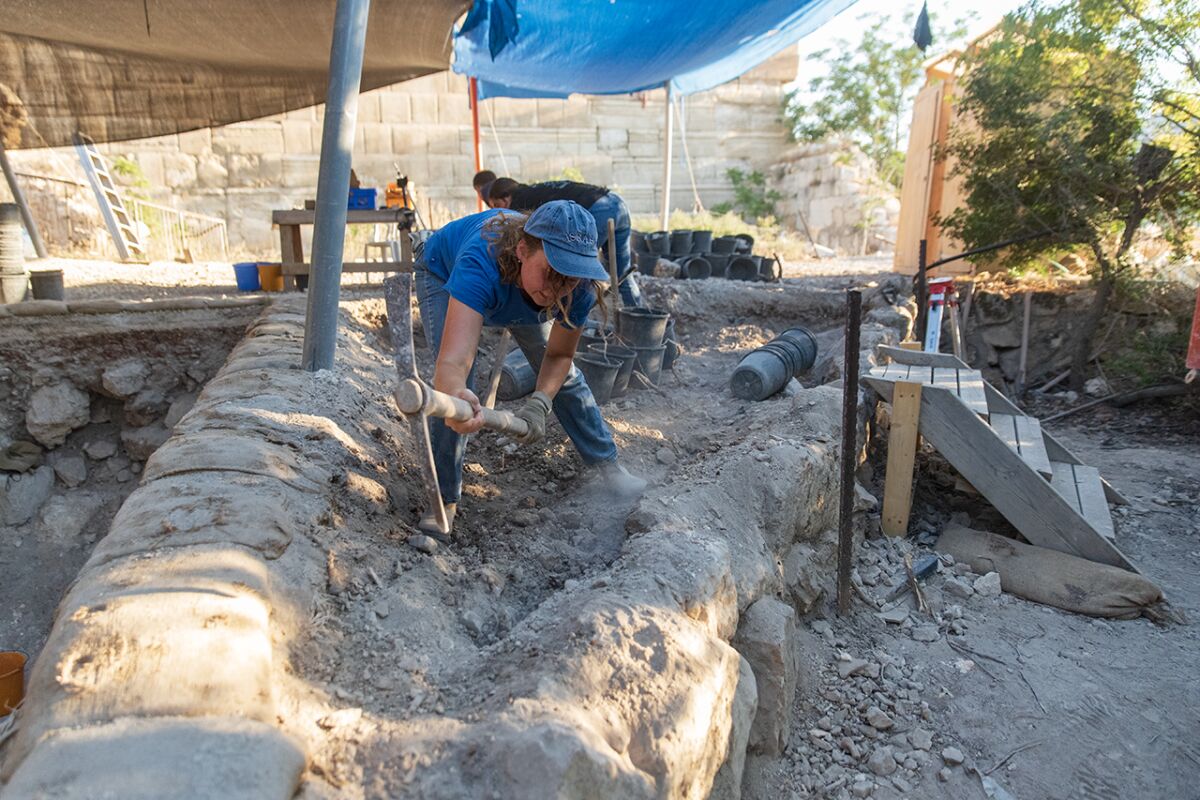
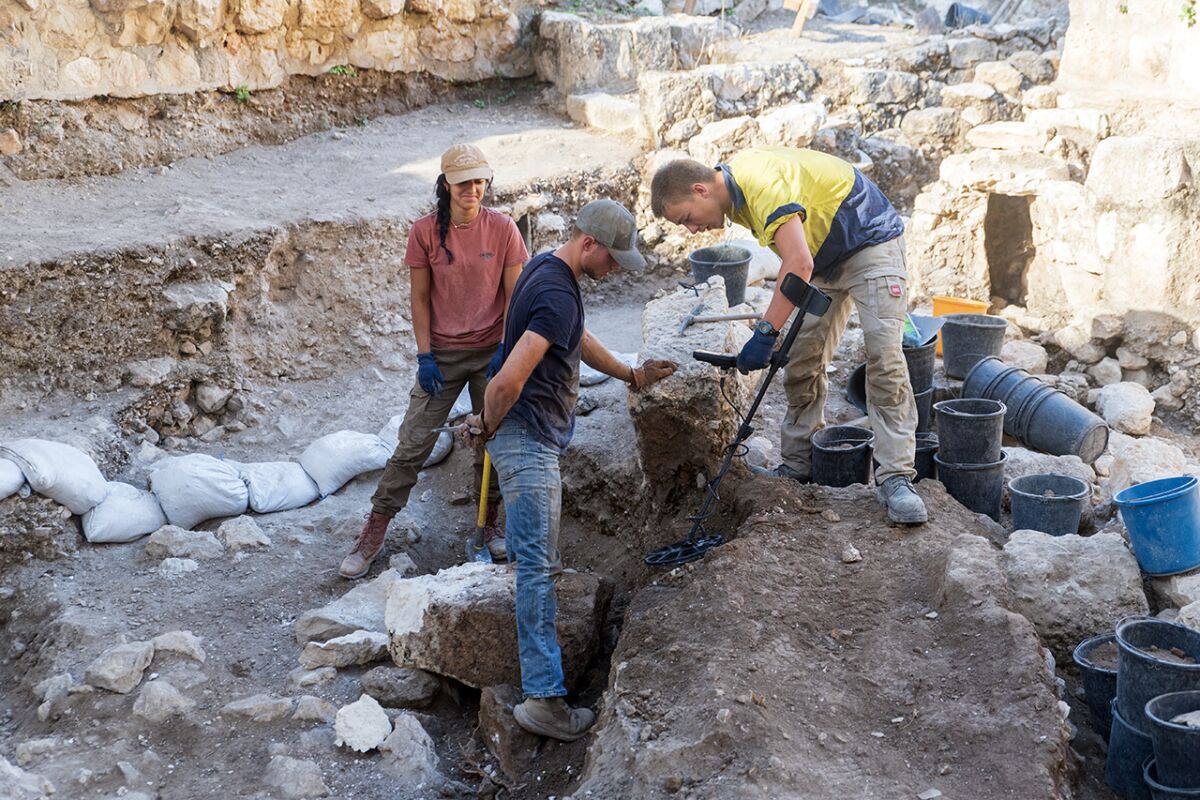
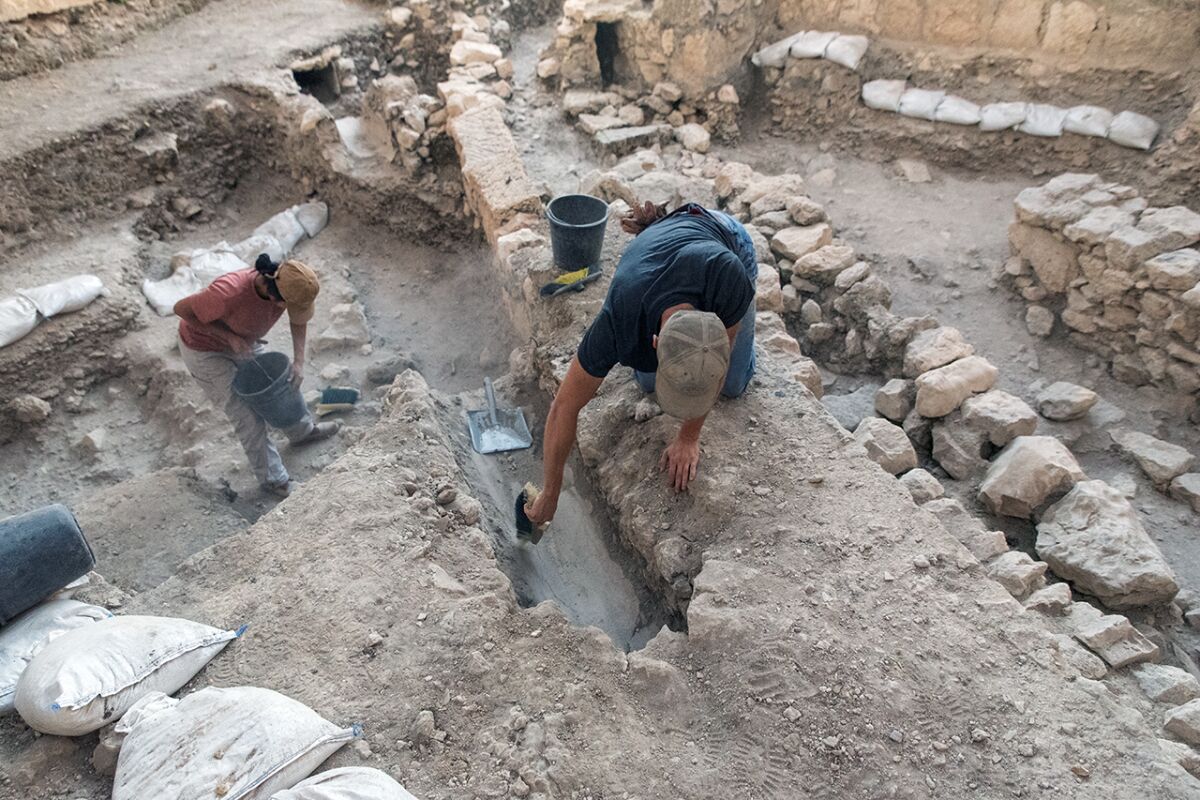
Some of the crew were able to excavate in the lower area, working on what is believed to be a Herodian Period water tunnel—what we’re calling Channel A. This channel is interesting because it has a steep incline, dropping relatively sharply over a short distance. We finished off the week sharshereting buckets for 35 minutes (we had a lot of buckets) and packing up the site for the weekend.
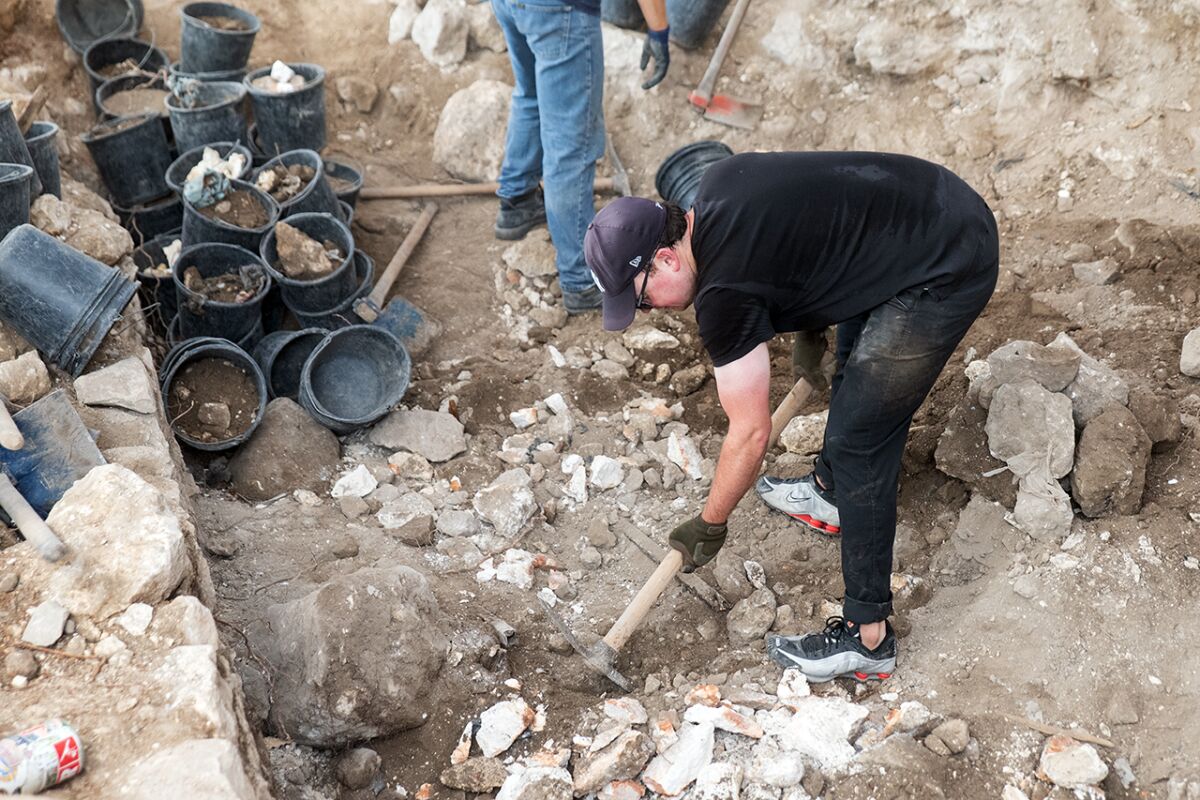
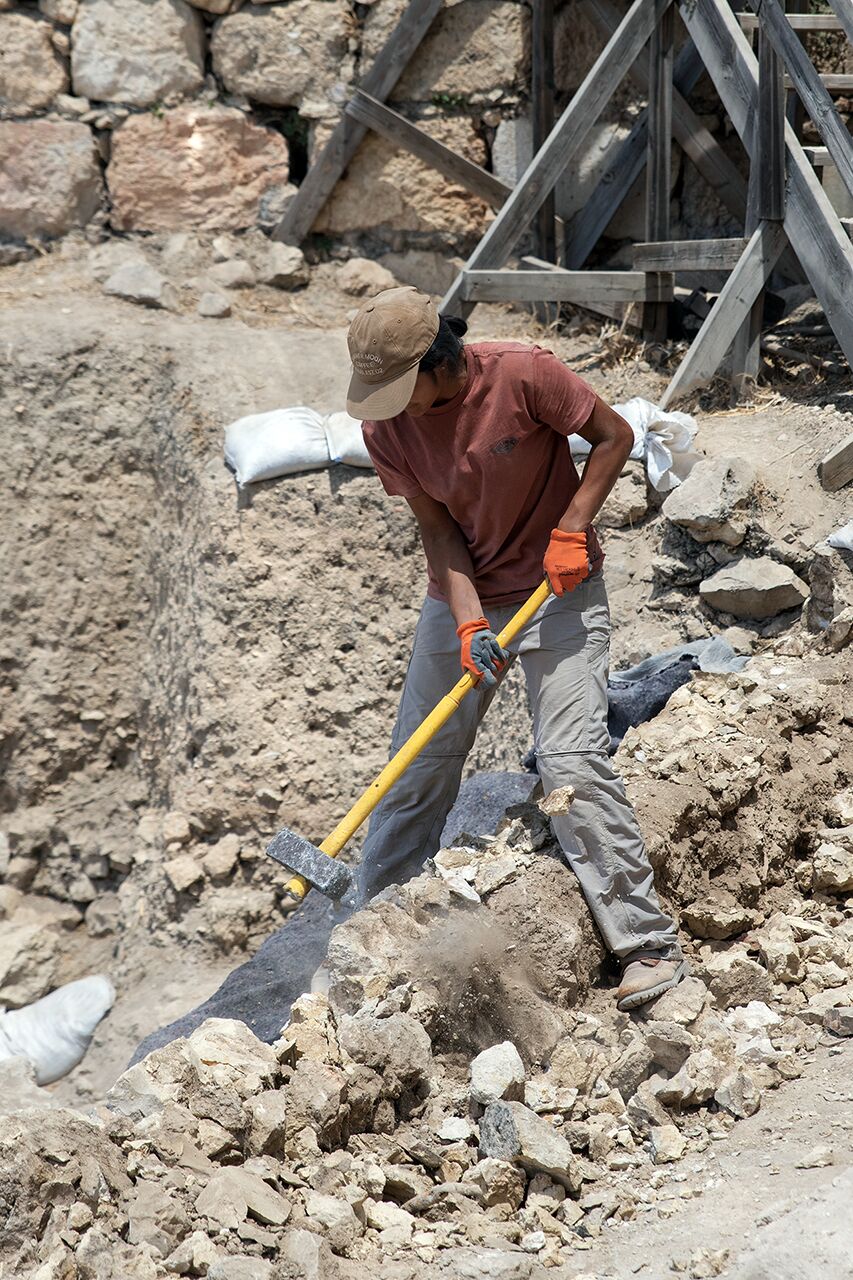
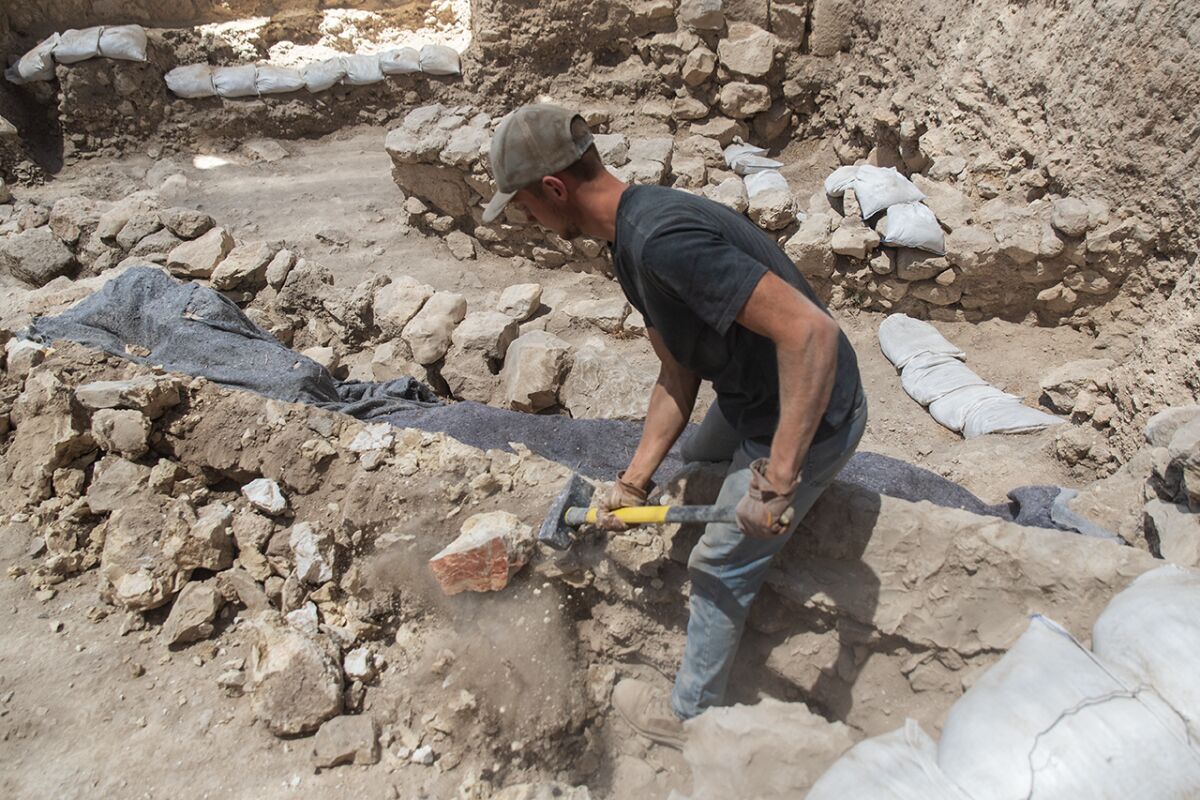
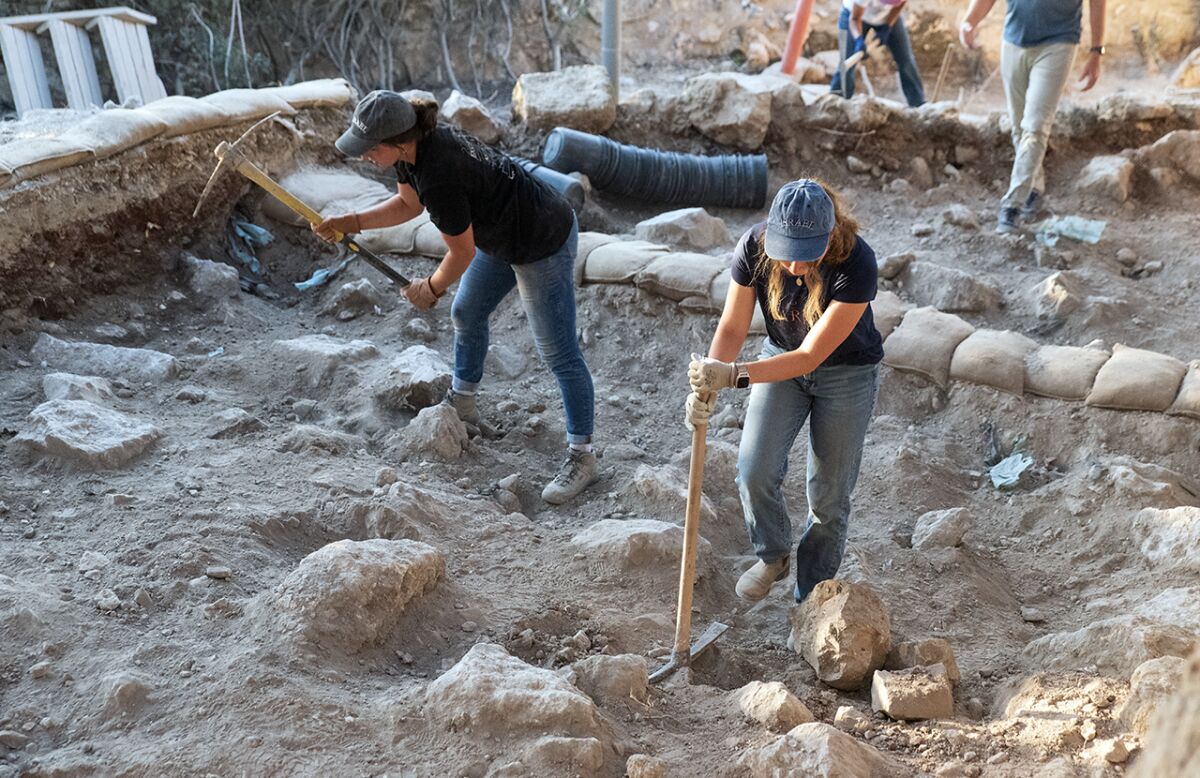
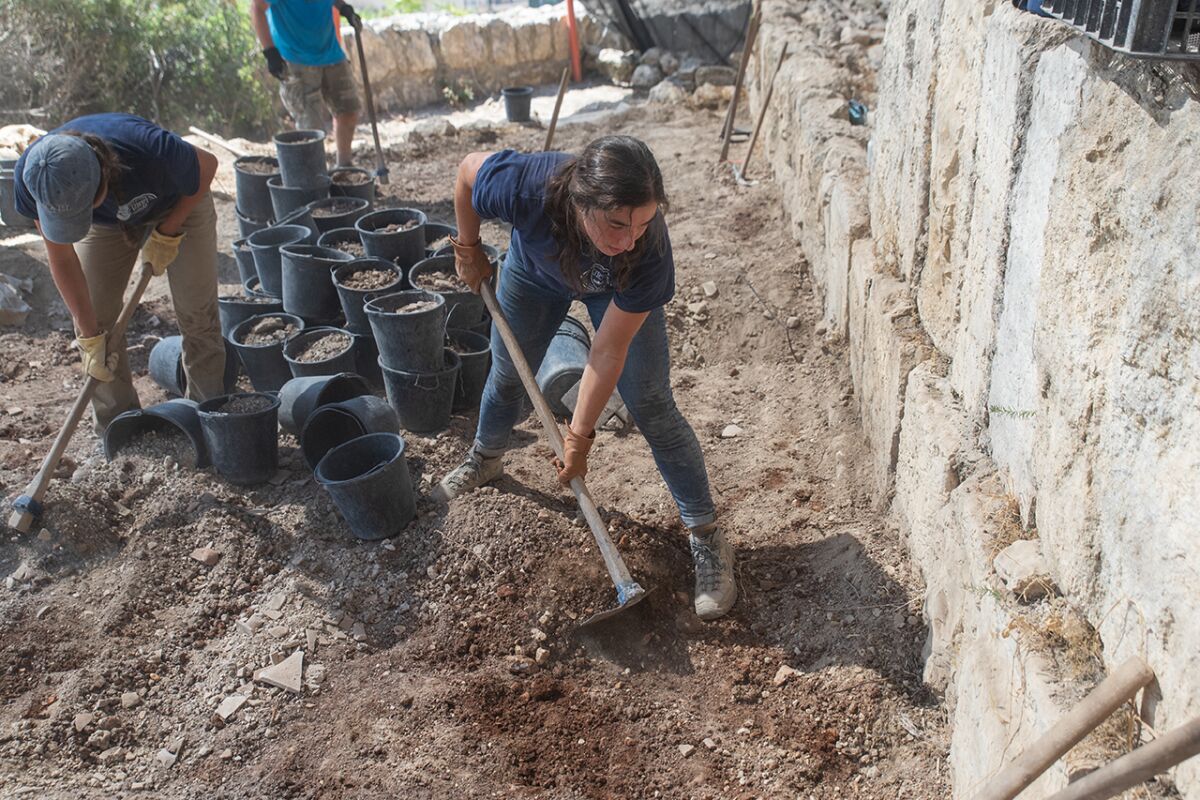
The crew is working quickly, even with the large amount of stones we are having to remove from the fill. As we would find out, the theme of this week would be removing large stones.
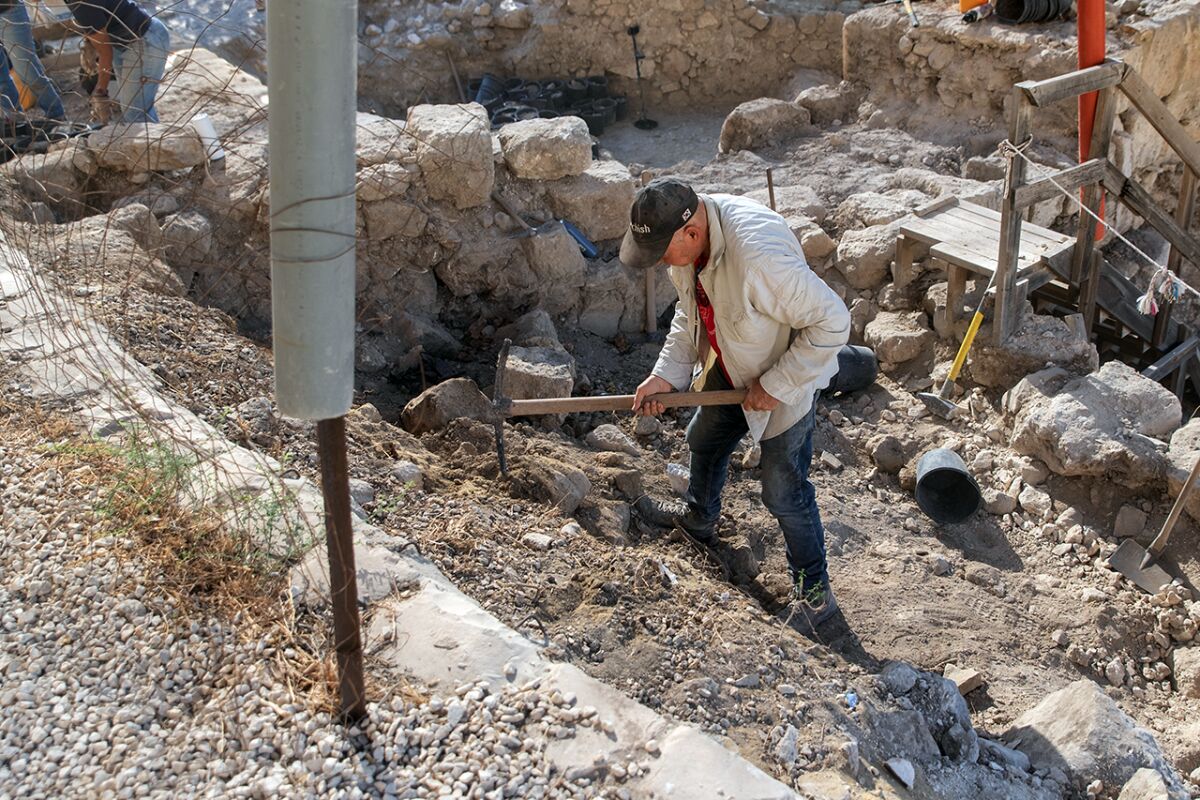
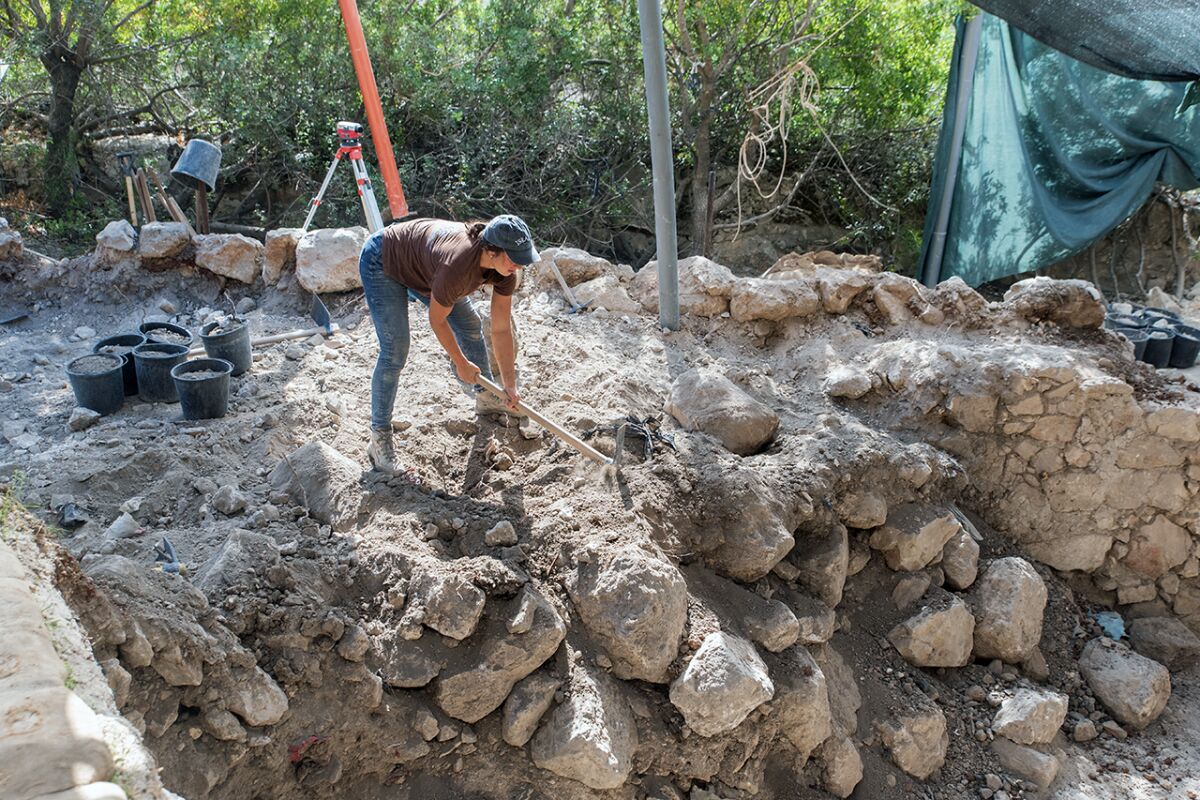
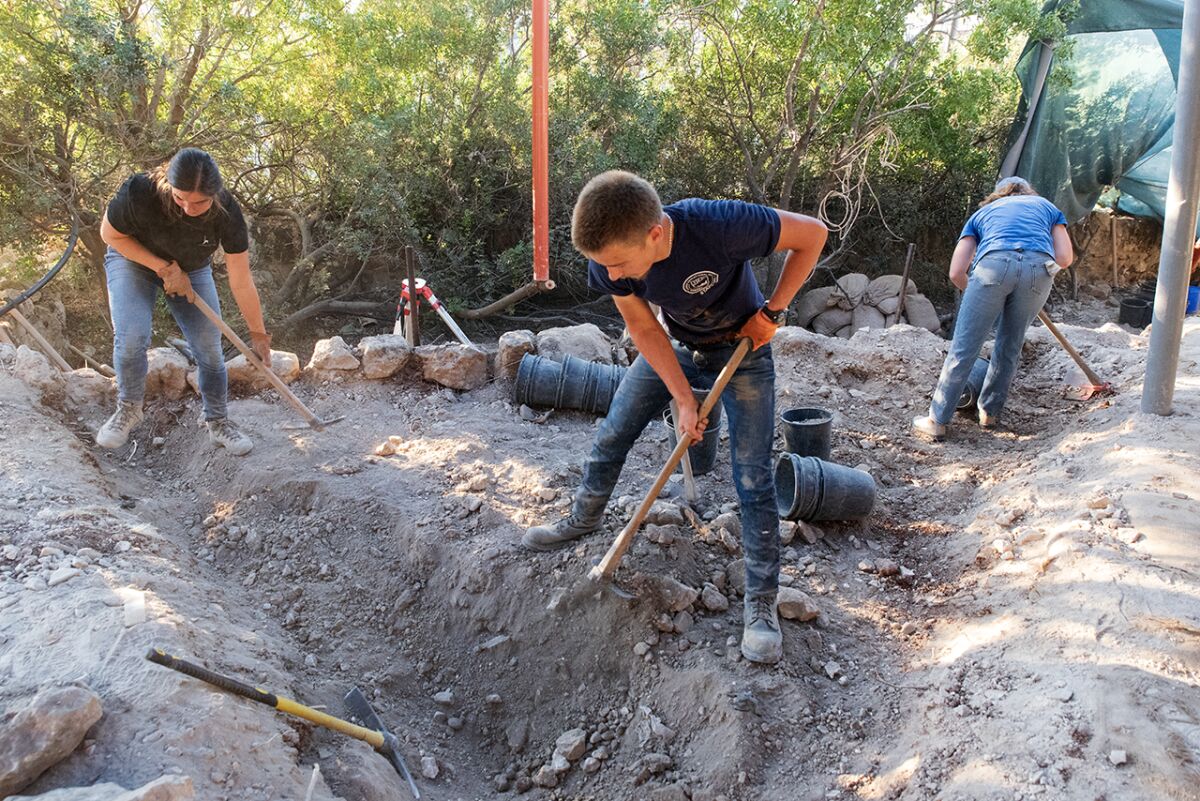
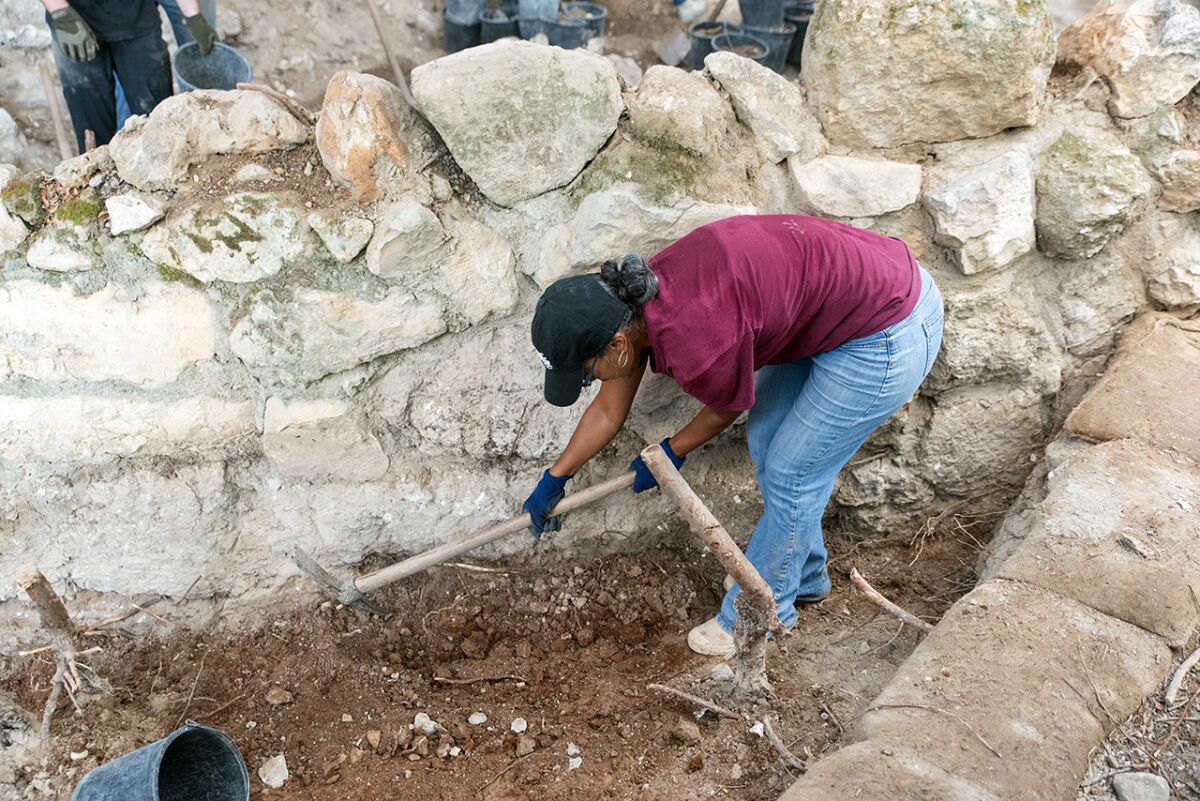
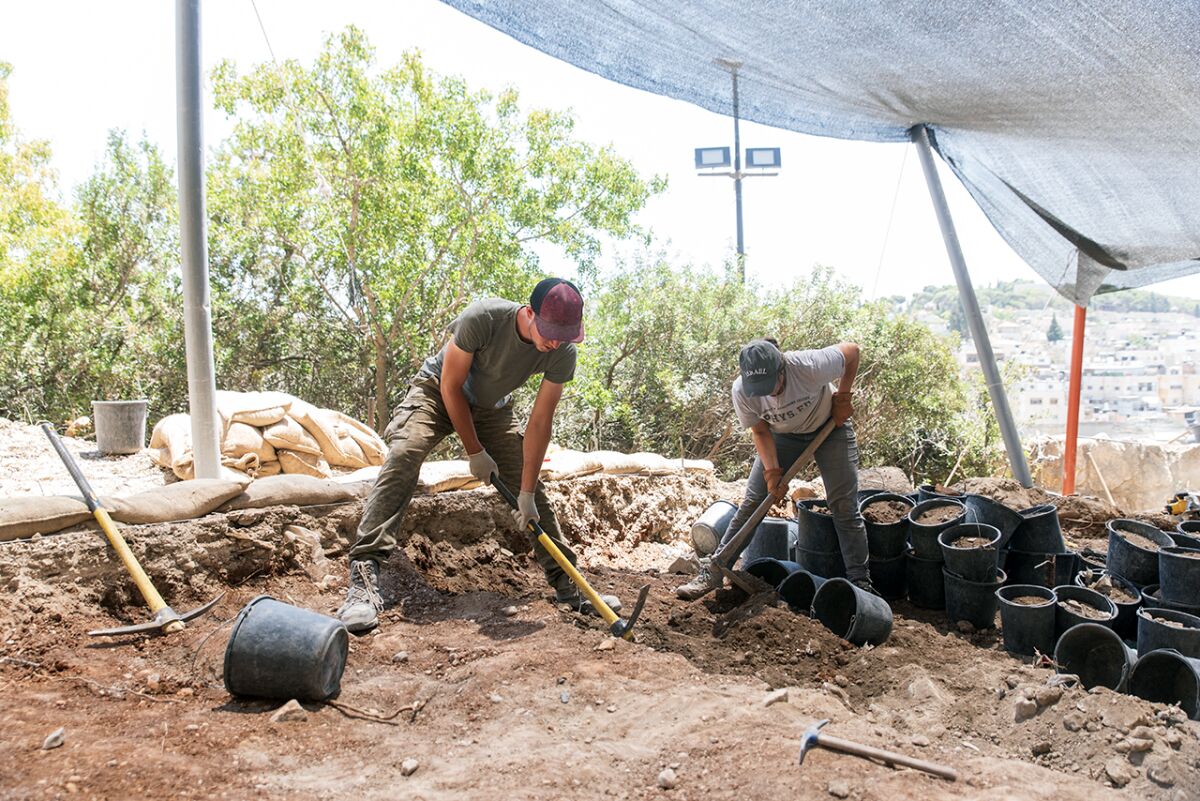
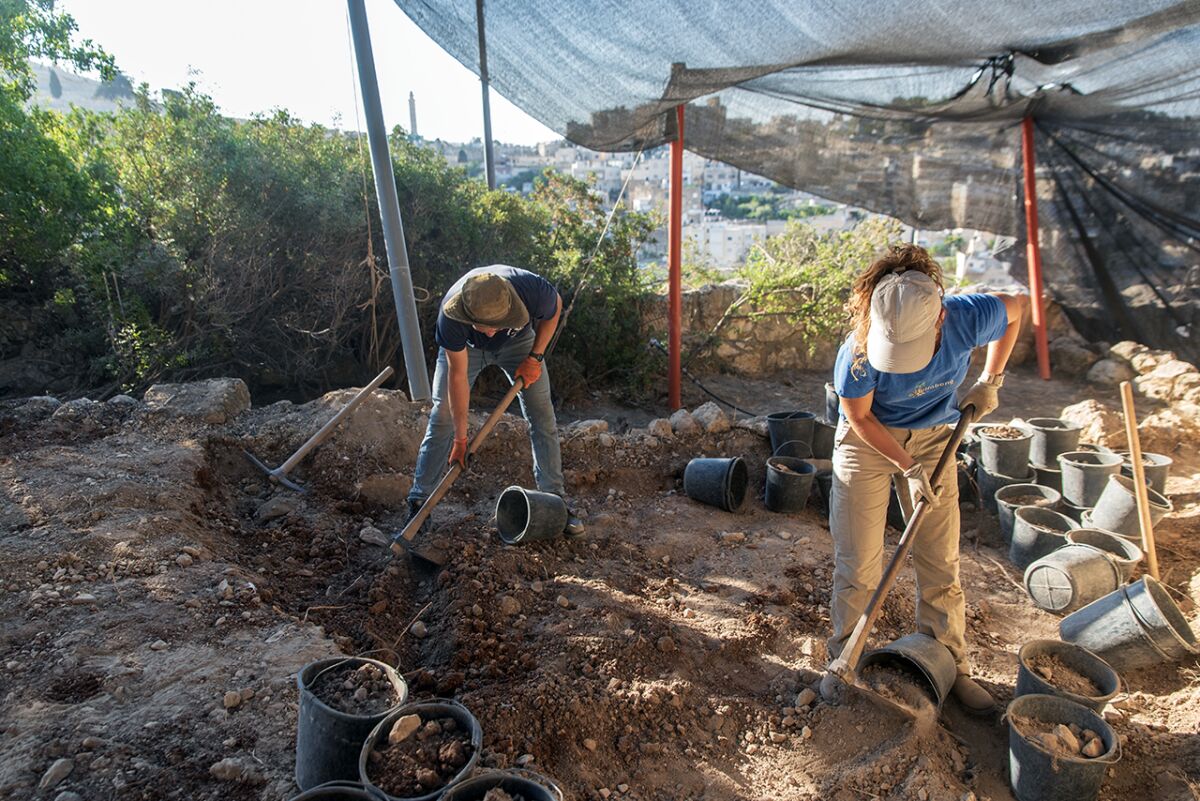
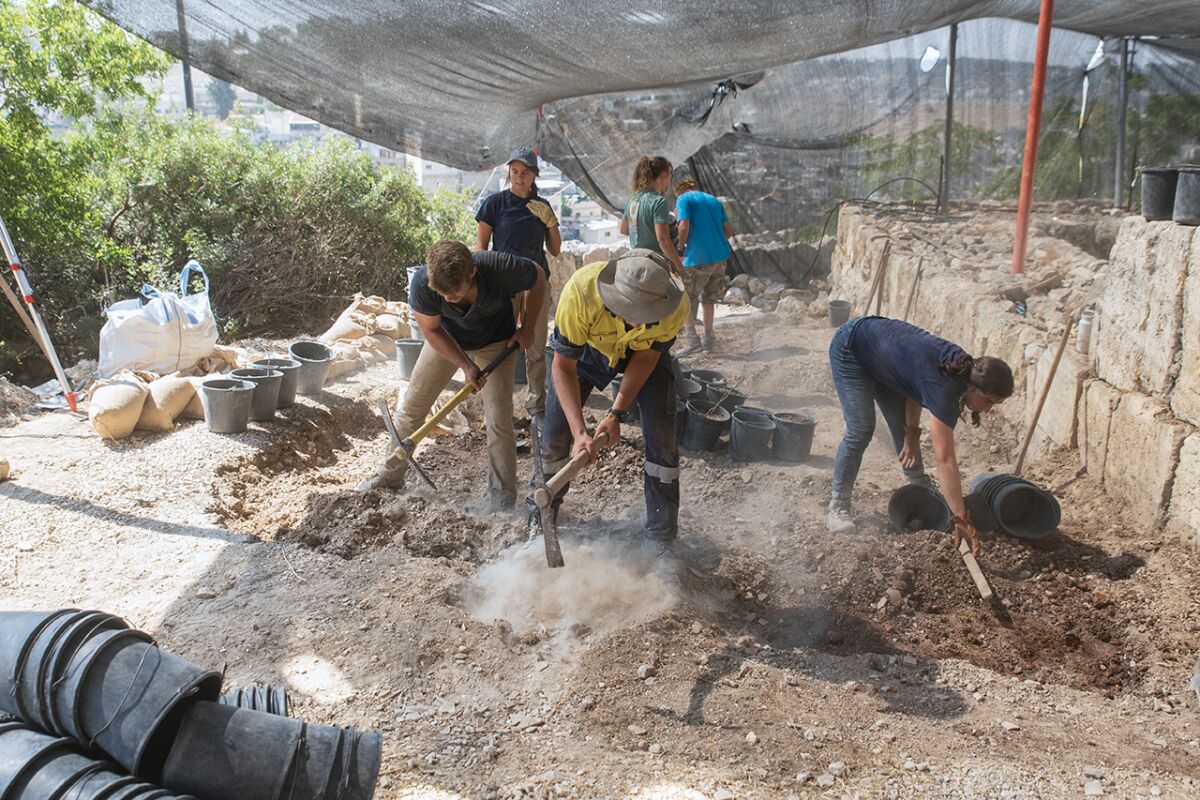
Much like yesterday, we continued to work through the modern fill within the area. By the end of the day, we were in a good place to start the next morning by dividing the individual excavation squares and starting proper archaeology.
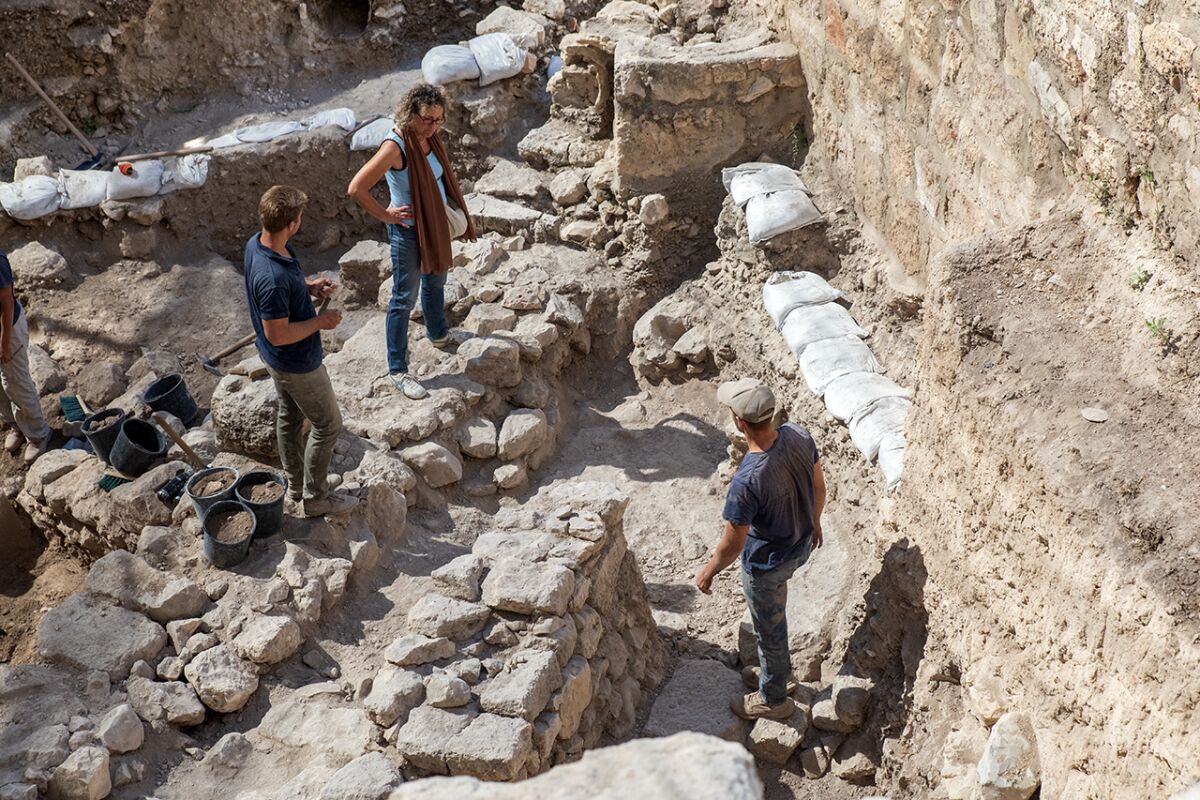
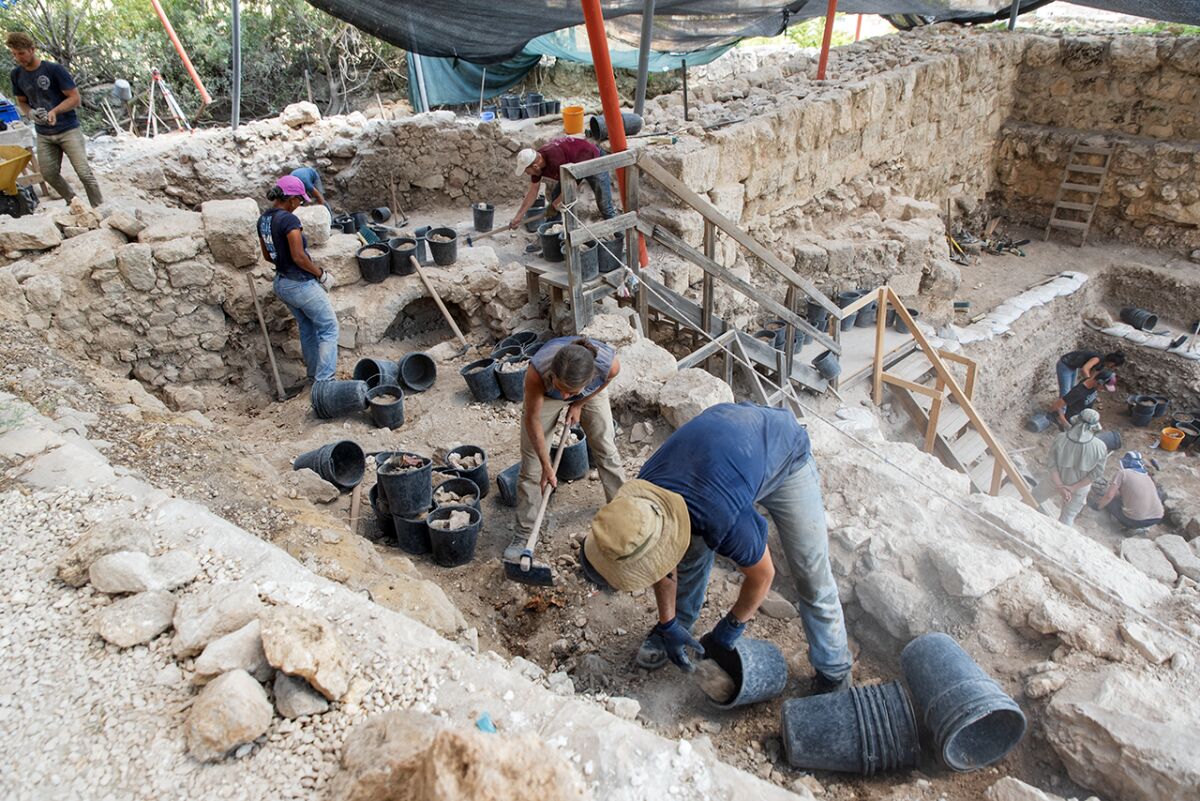
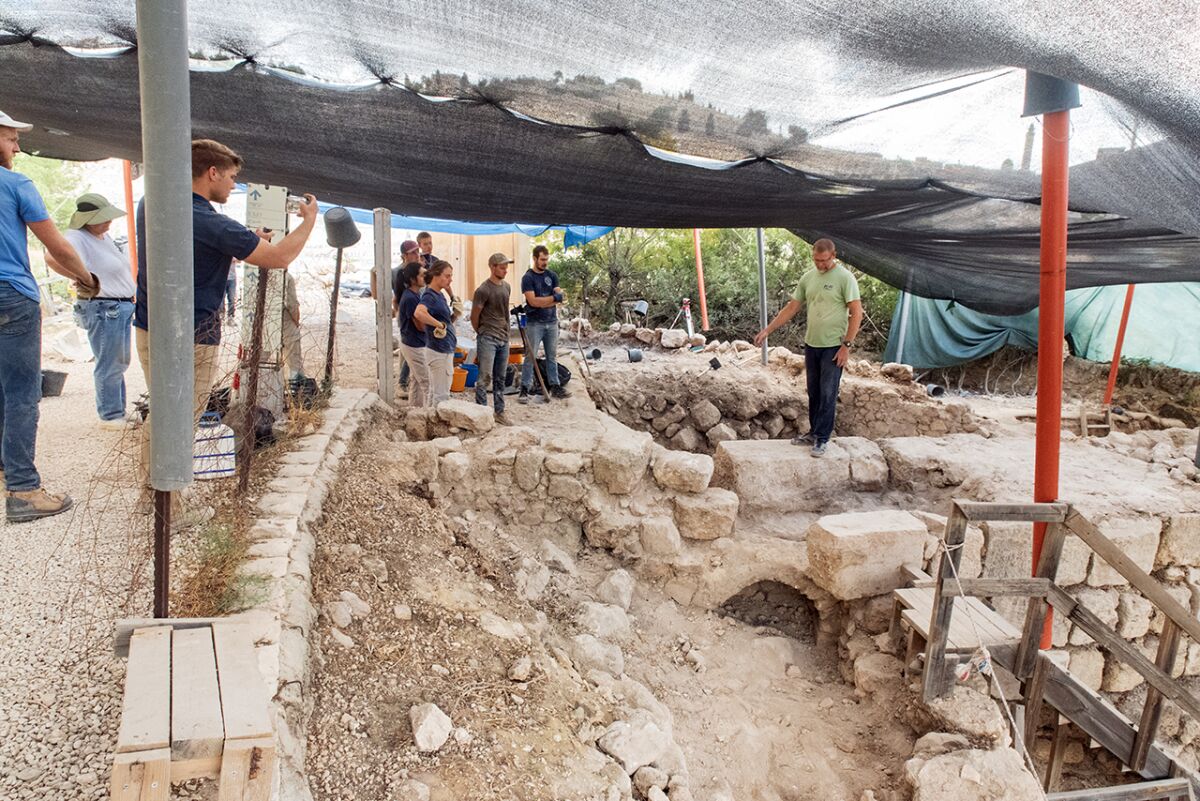
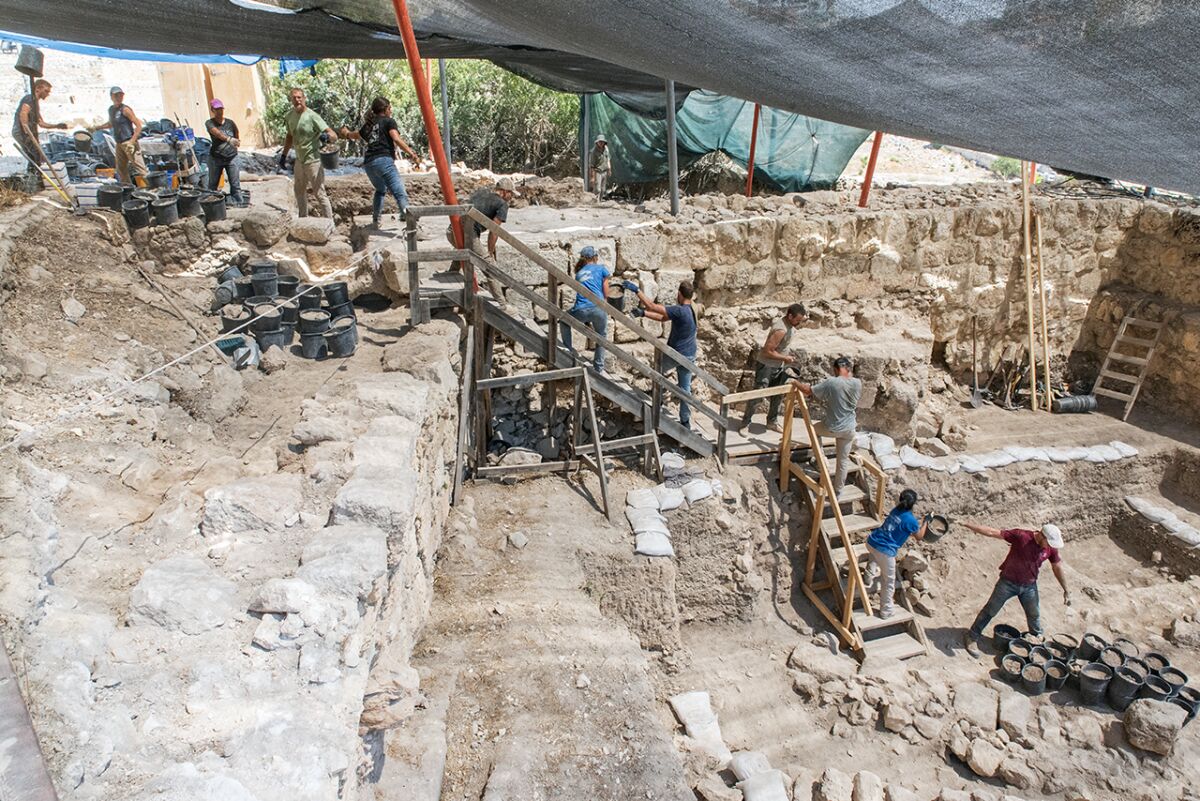
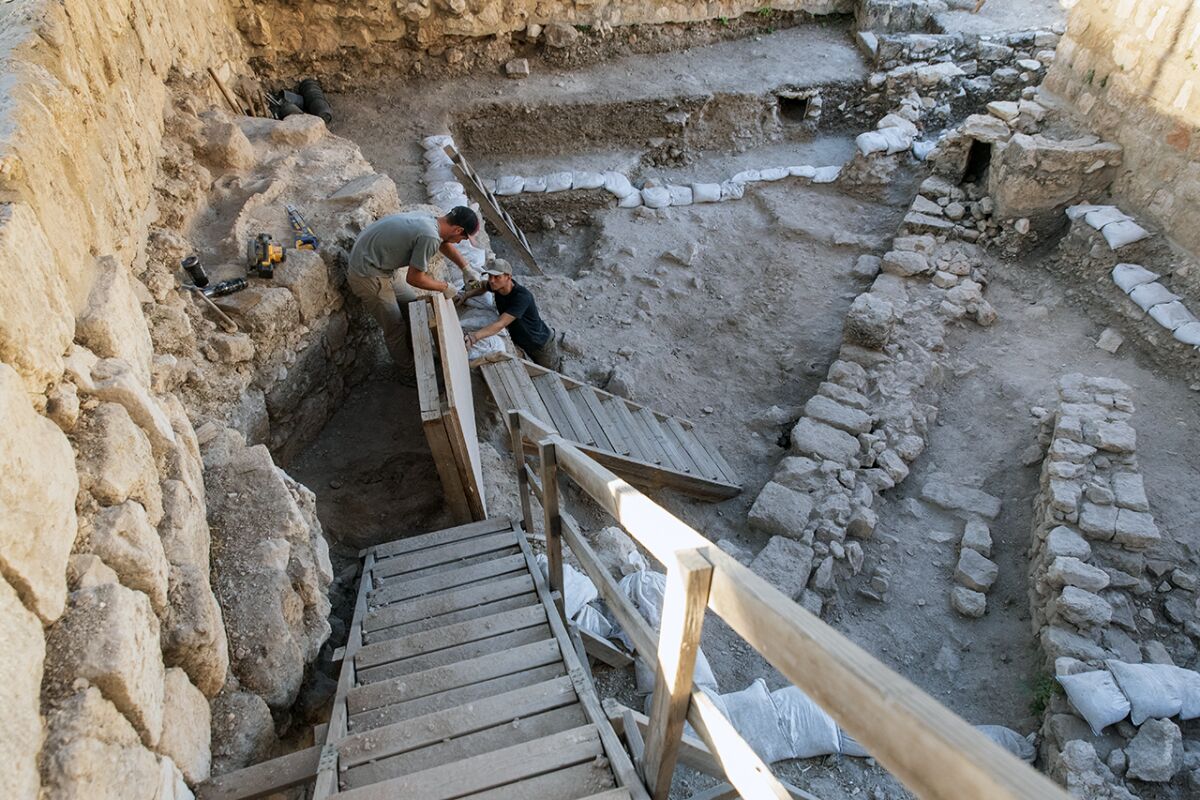
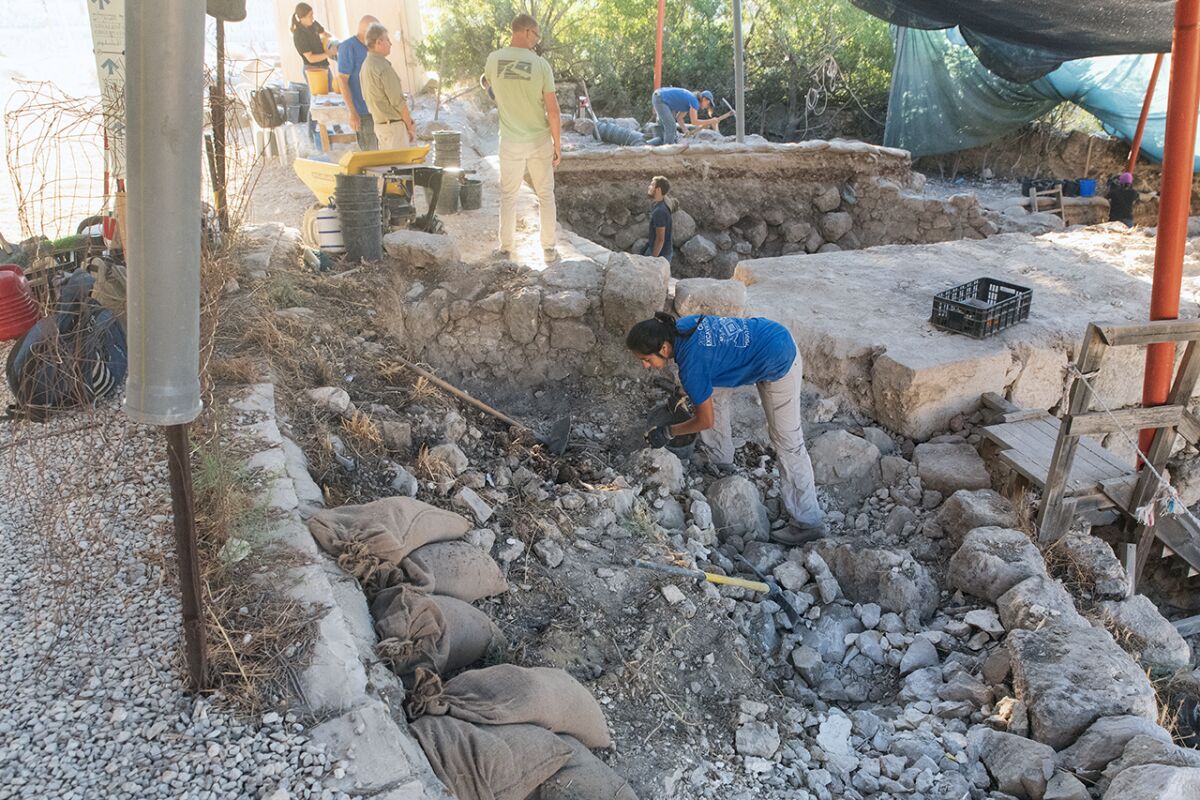
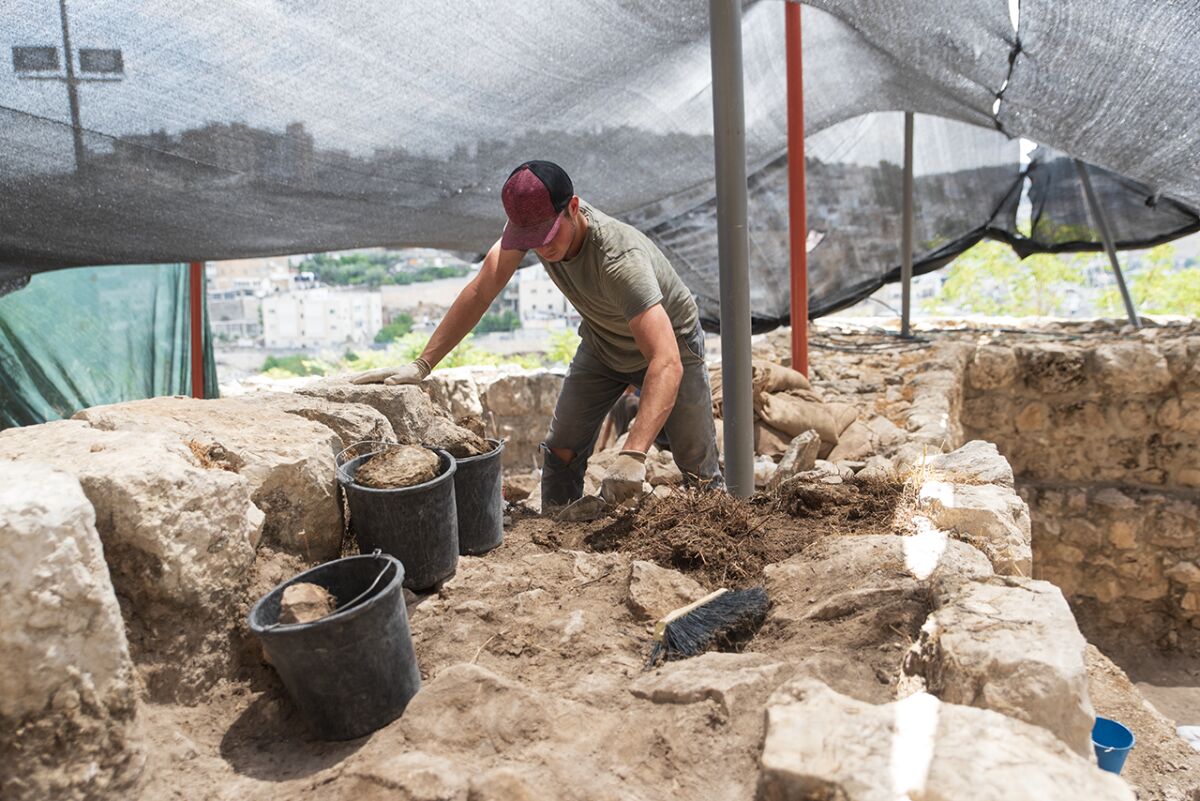
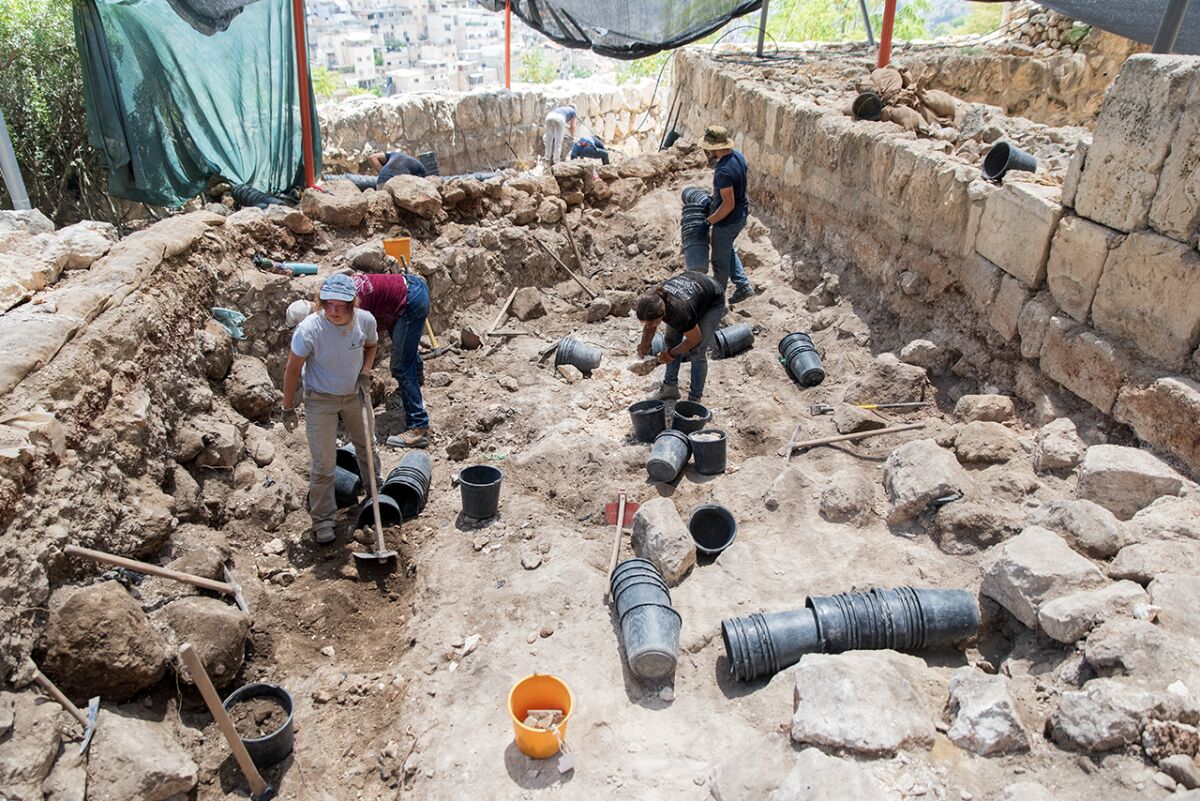
After a restful weekend, we were back at the Ophel to continue work in Area E. This area will consist of four excavation squares. Three will be in the upper area—running along the large Ummayad (Muslim Period) wall. The fourth square will be in the lower Area E, which we previously excavated in 2023. Three to four meters below the upper area, the lower area is filled with immediate potential. At the end of the 2023 season, we had possibly reached pre-Herodian Period walls.
In the upper area, we are having to work through an extensive fill layer before reaching proper archaeology. Hopefully one more day of breaking through the fill and then we can set up our squares and begin excavating.
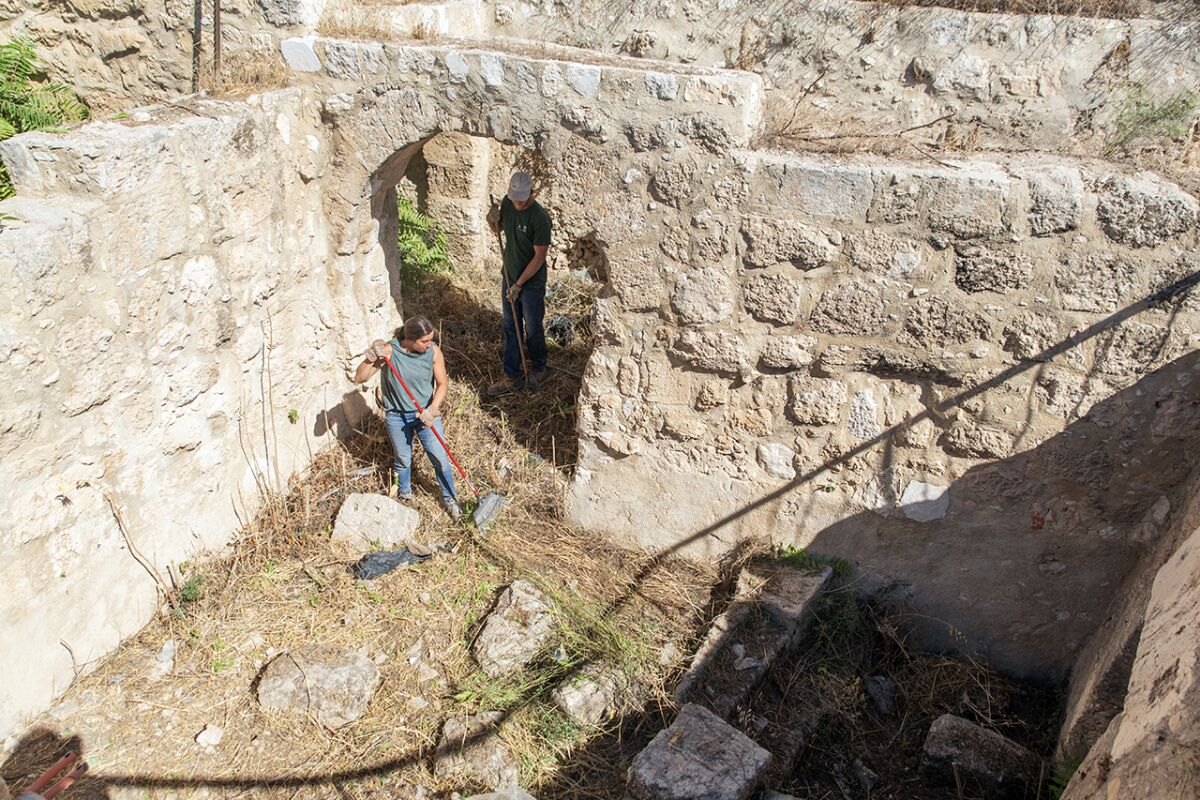
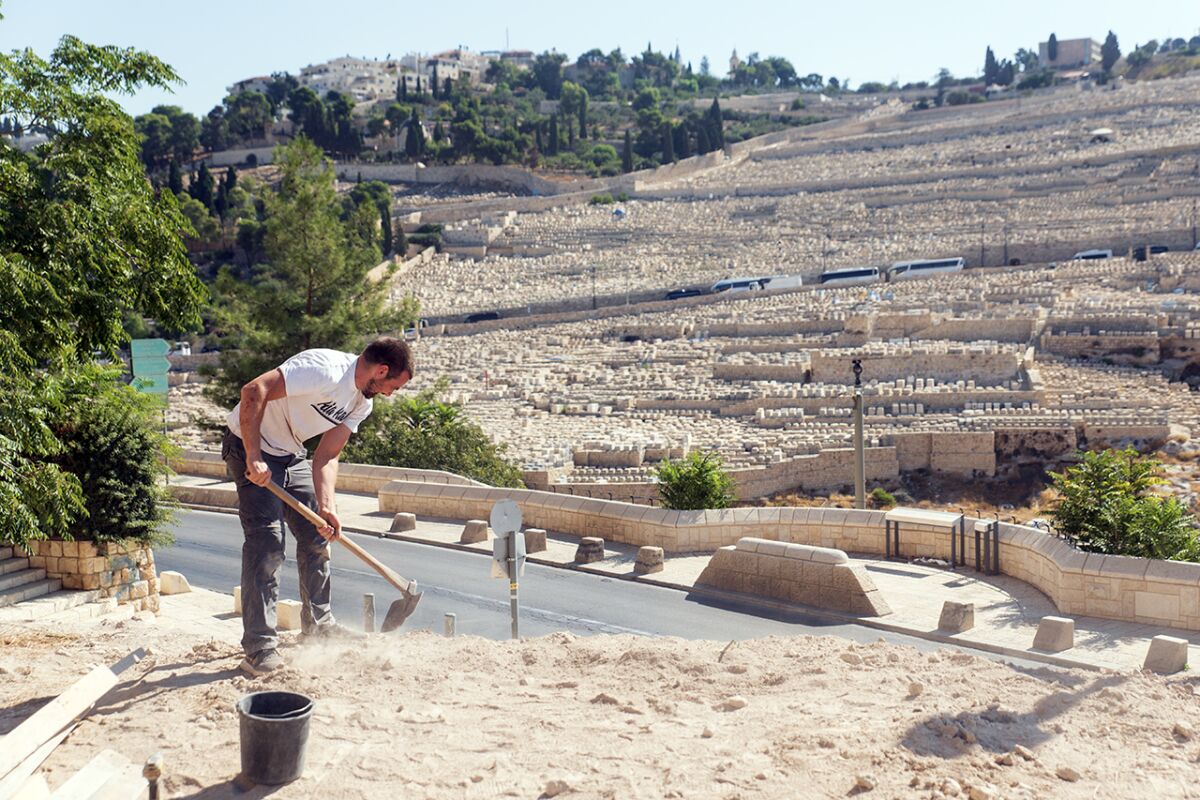
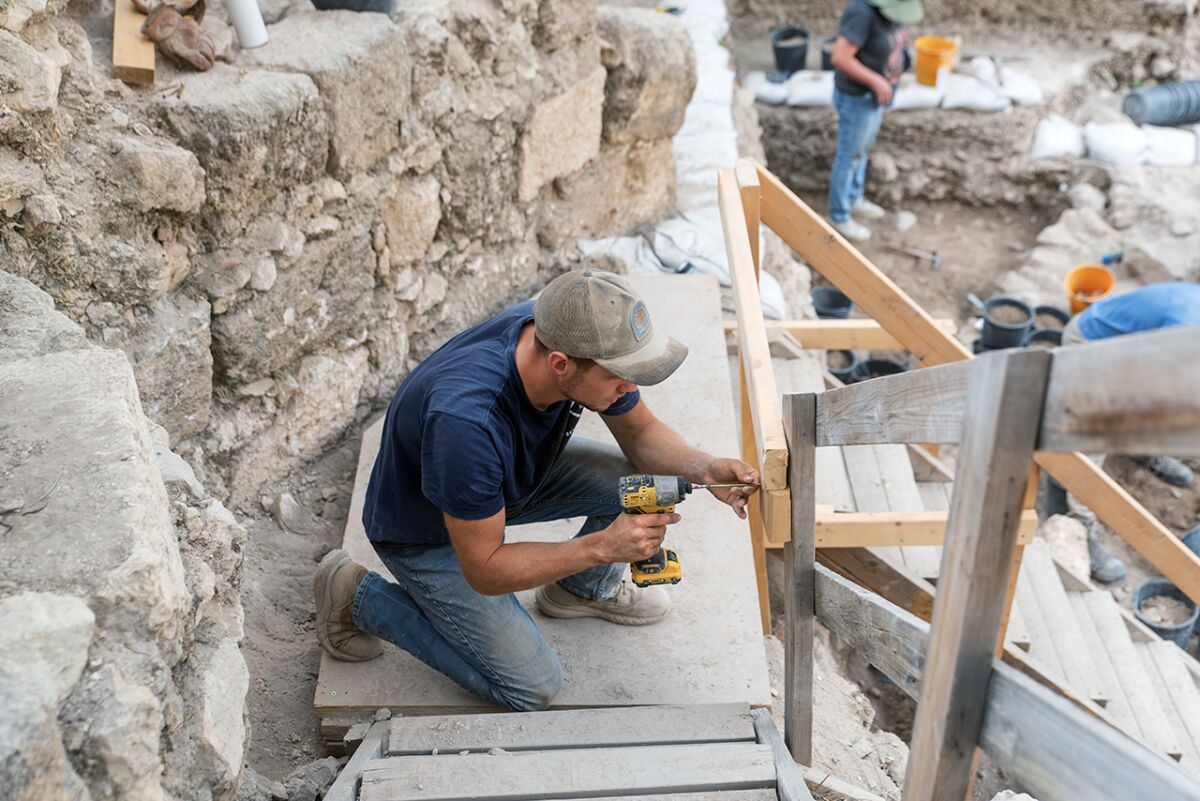
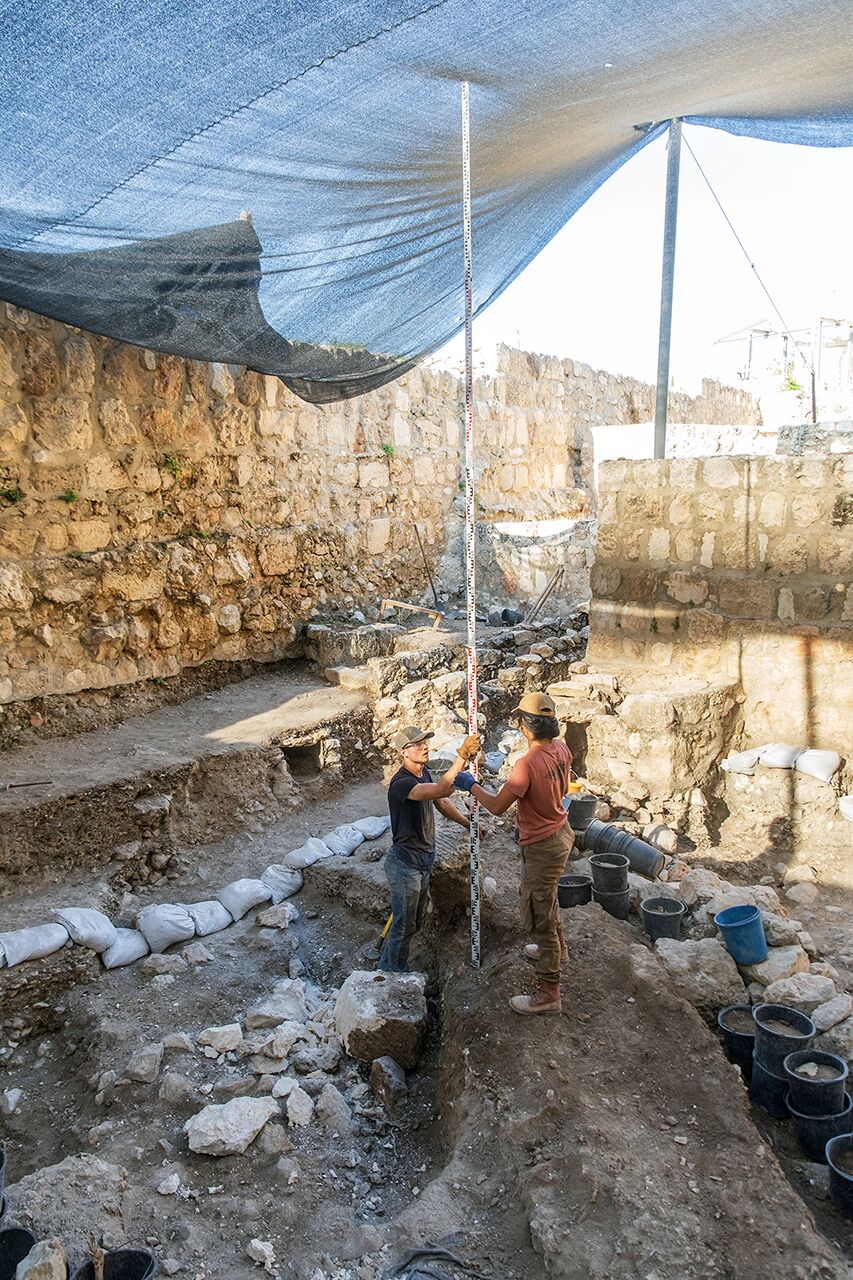
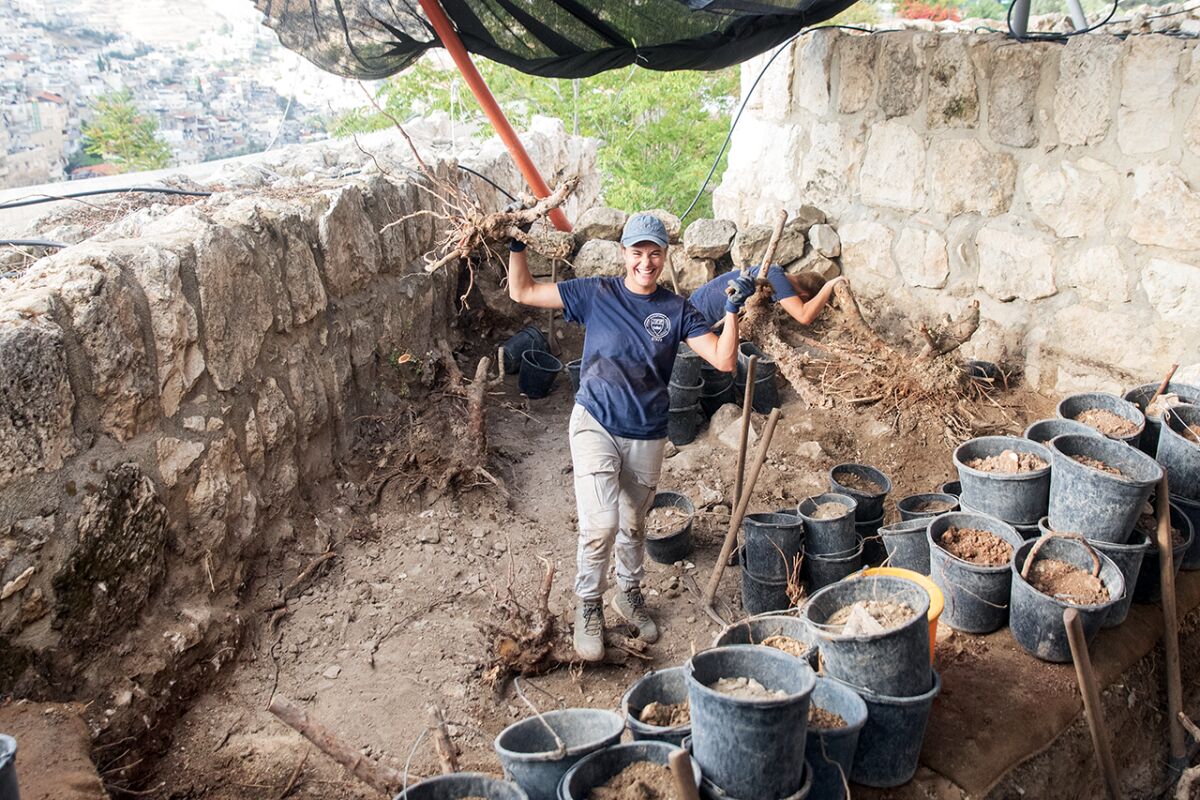
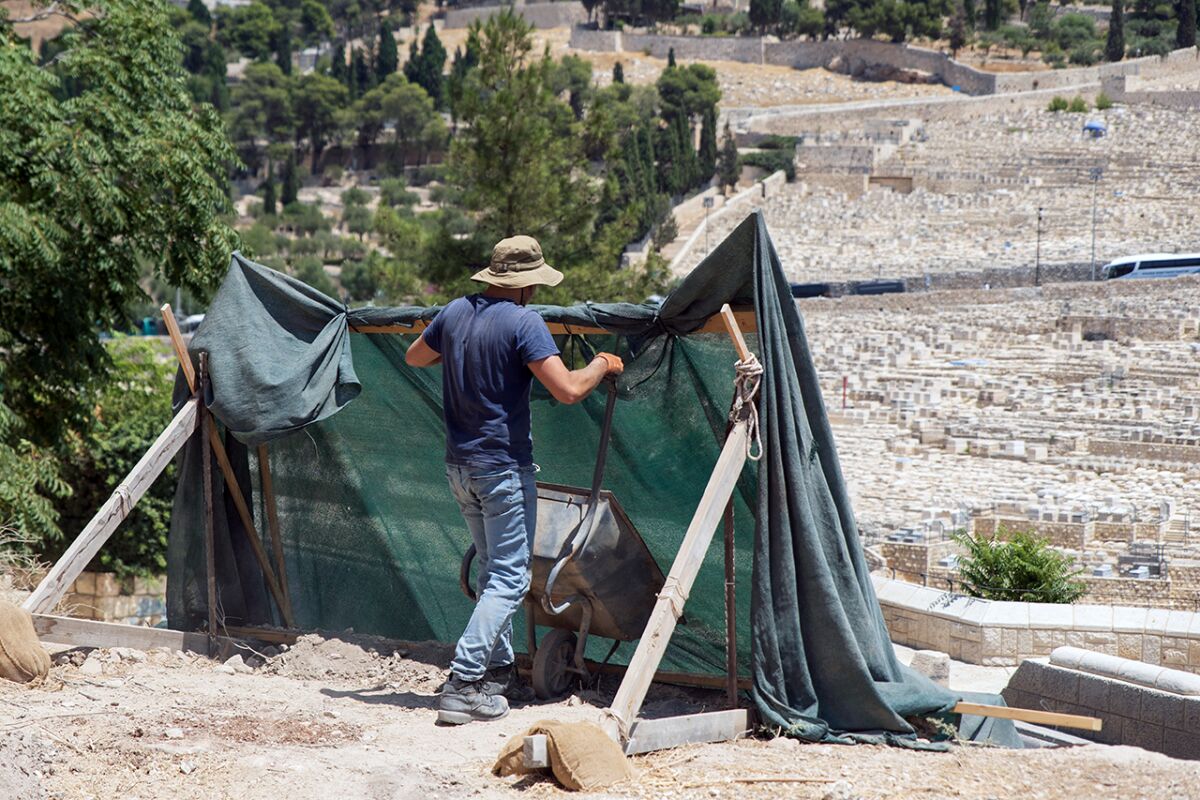
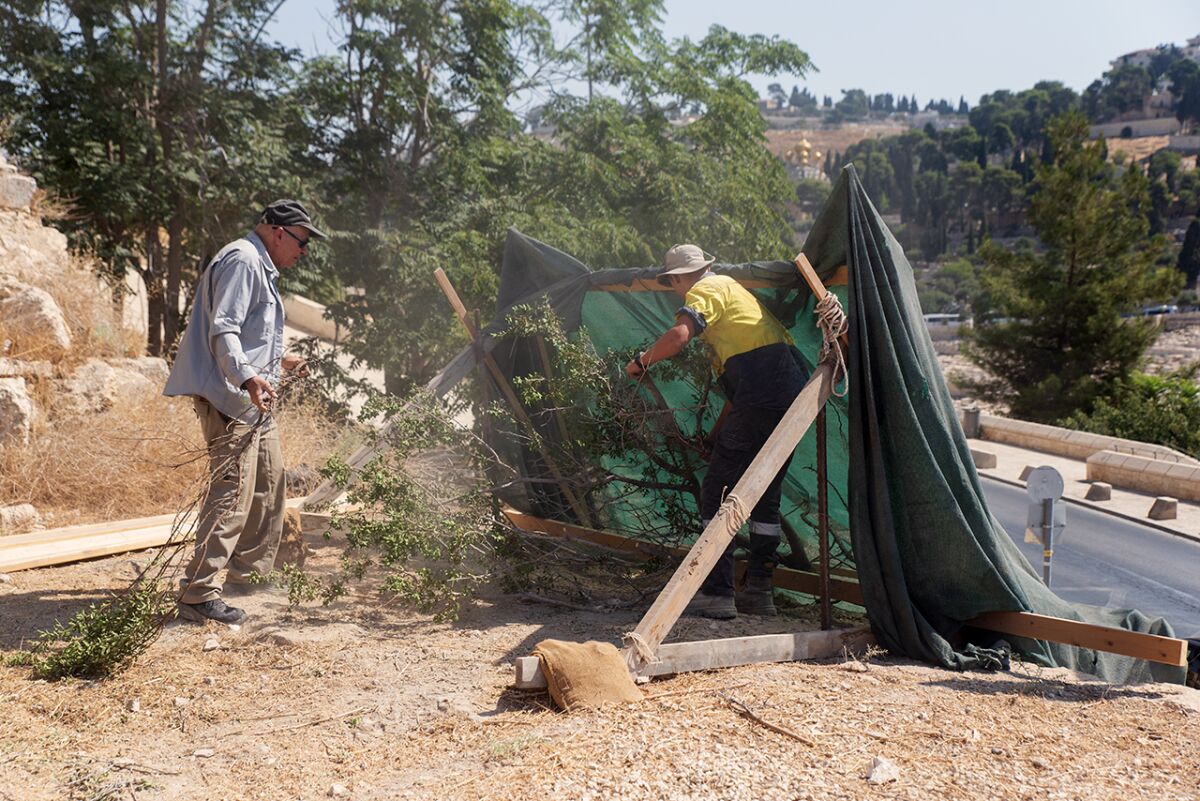
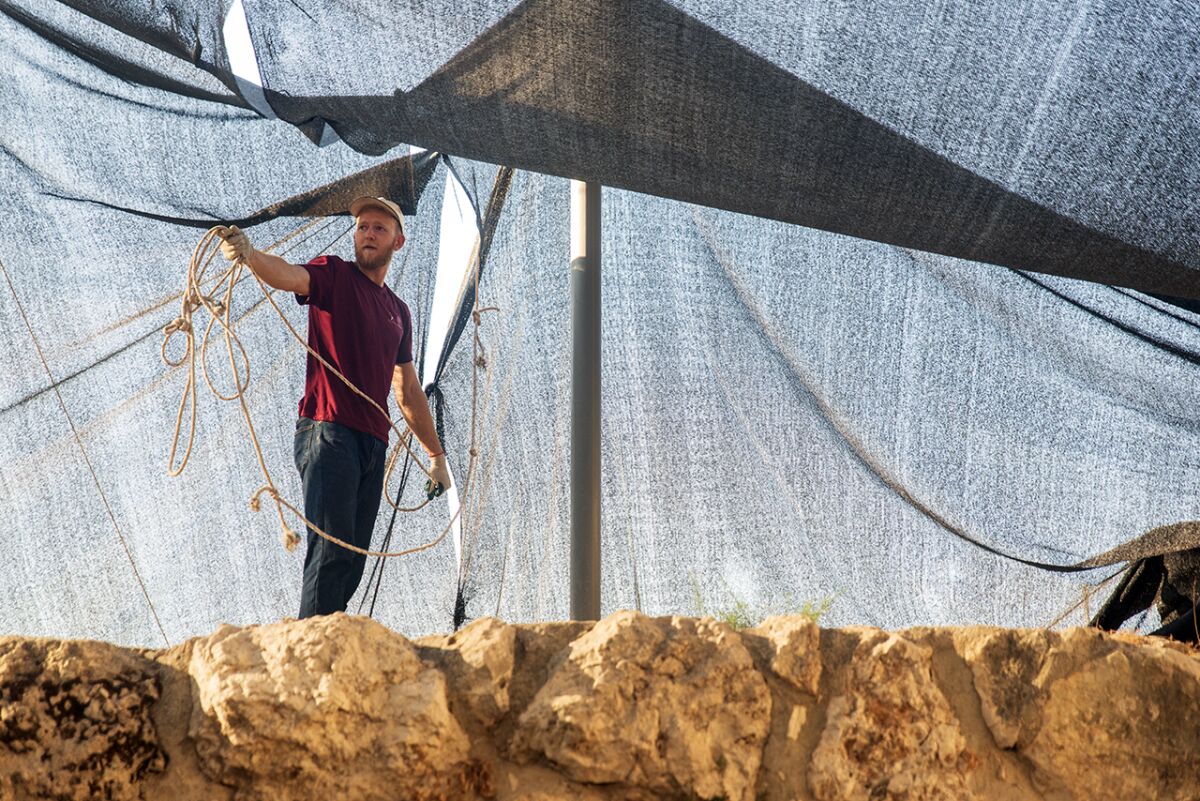
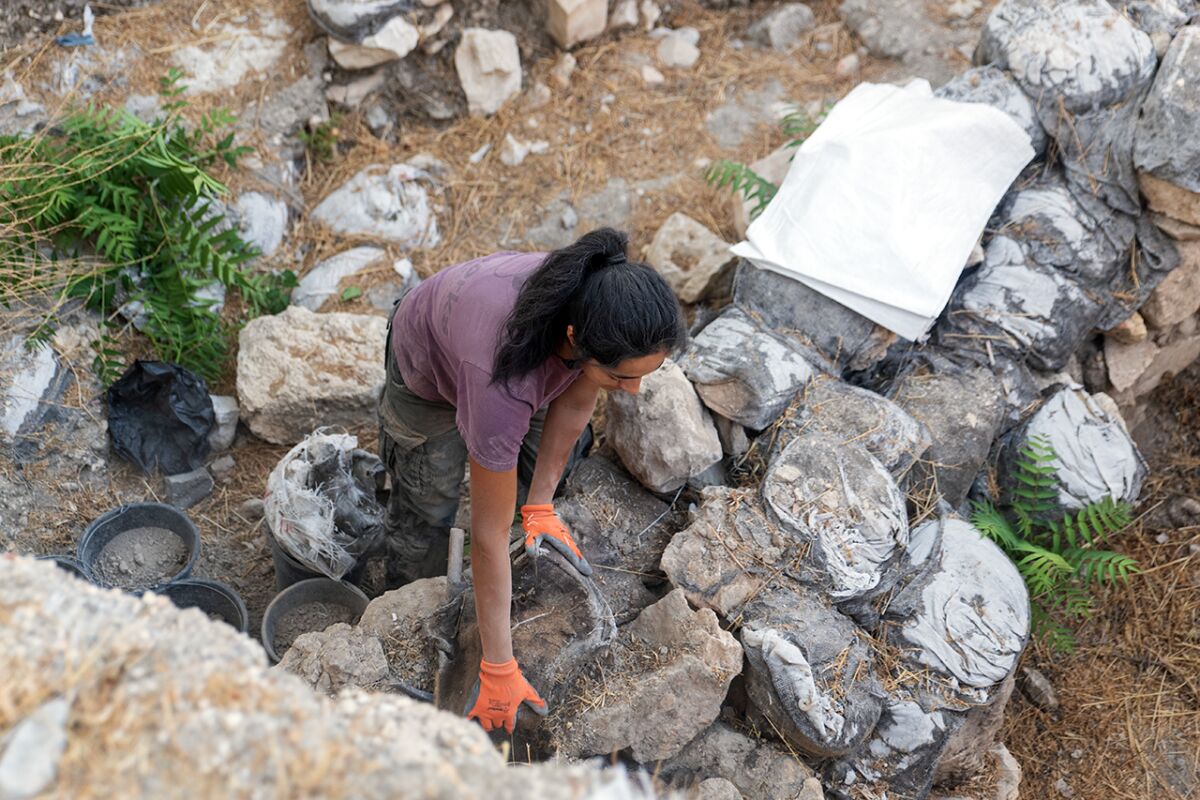
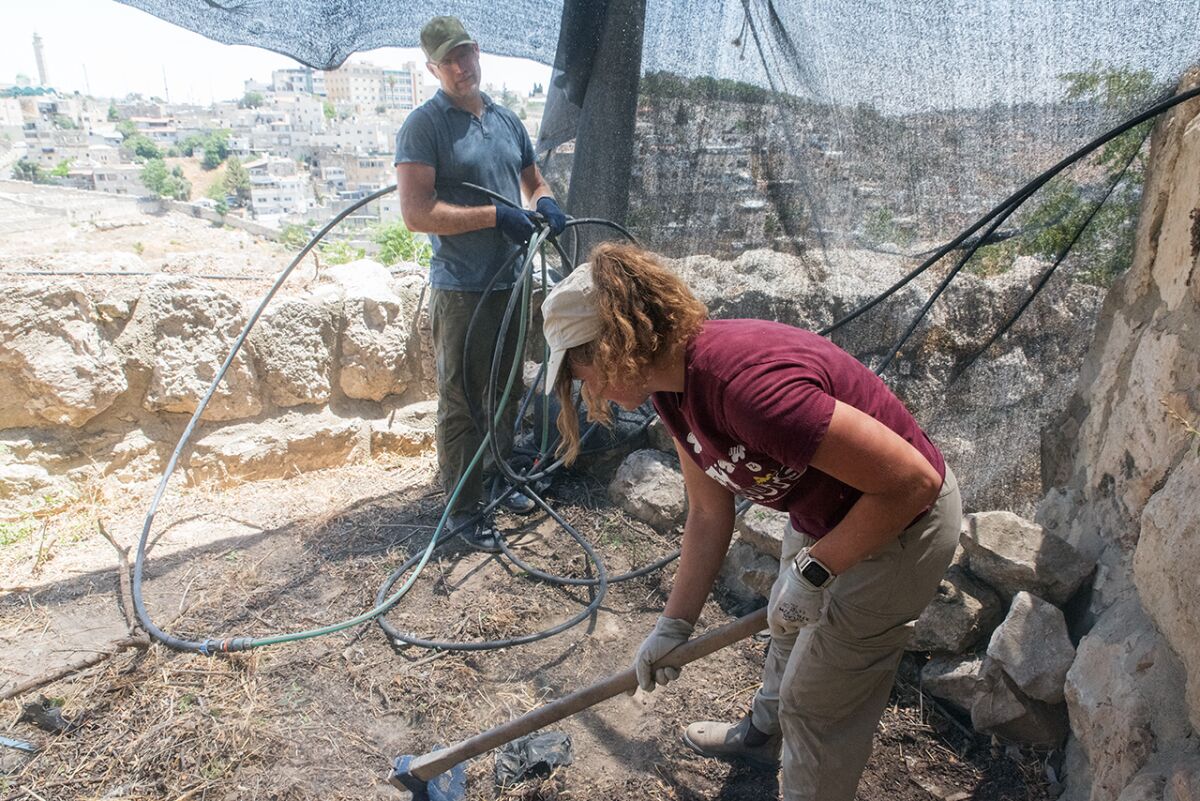
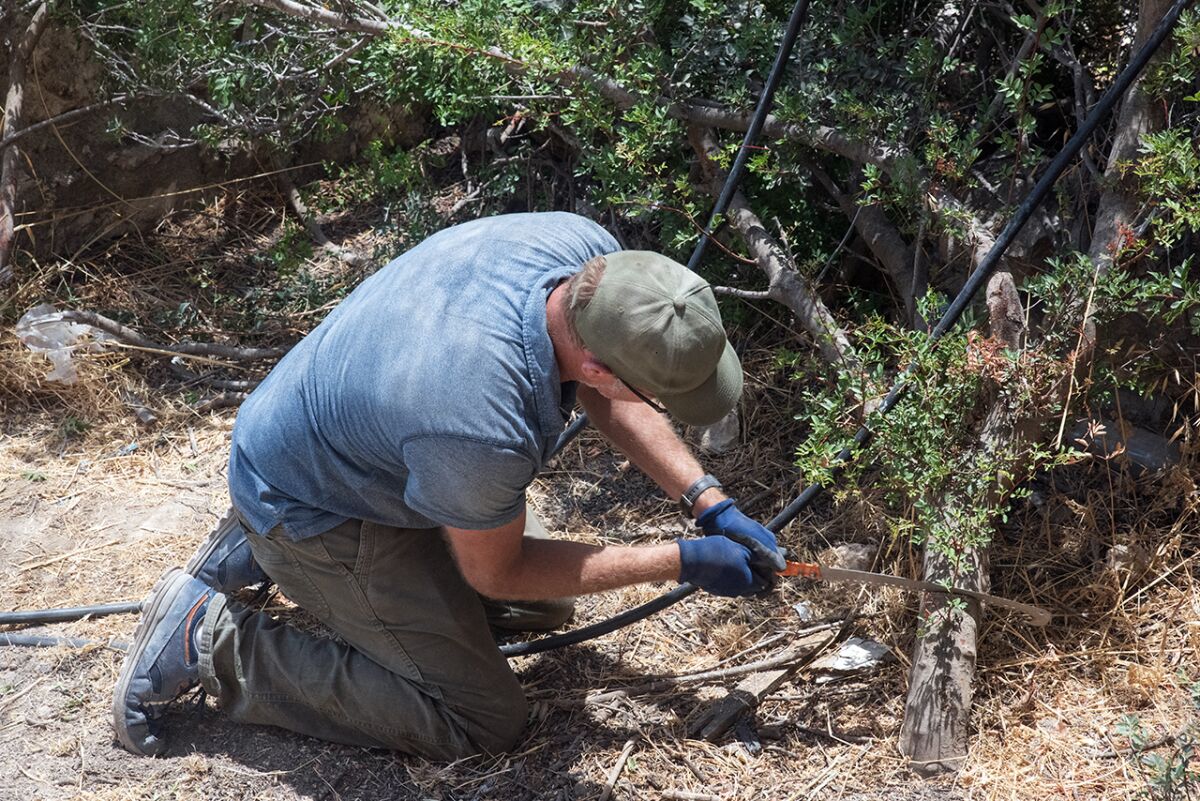
With most of the crew required at the site to finish work in Areas D and D1, we took the opportunity to do some prep work in Area E, setting up shades and removing vegetation and trash. This will allow us to jump right in on Sunday, removing the fill layer and beginning excavation.