
I Visit the Man Who Might Have Changed the Course of World History
The following is an excerpt from a December 1973 Plain Truth Personal by our namesake, Herbert W. Armstrong, following his personal invitation to meet Ethiopian Emperor Haile Selassie.
What if the League of Nations had heeded Haile Selassie’s plea and warning in 1935? Might it not have prevented World War ii? And would that not have changed the whole course of world history?
Think what might have happened!
No World War ii! No Korean War! No Vietnam War! No disintegration of the British Empire!
Think how that might have changed the whole course of your life!
The fascist Mussolini invaded Ethiopia in 1935. He was saying, “The time has come to make the fascist voice heard!” Hitler was to follow on his heels in organizing the fascist-Nazi armies in Germany.
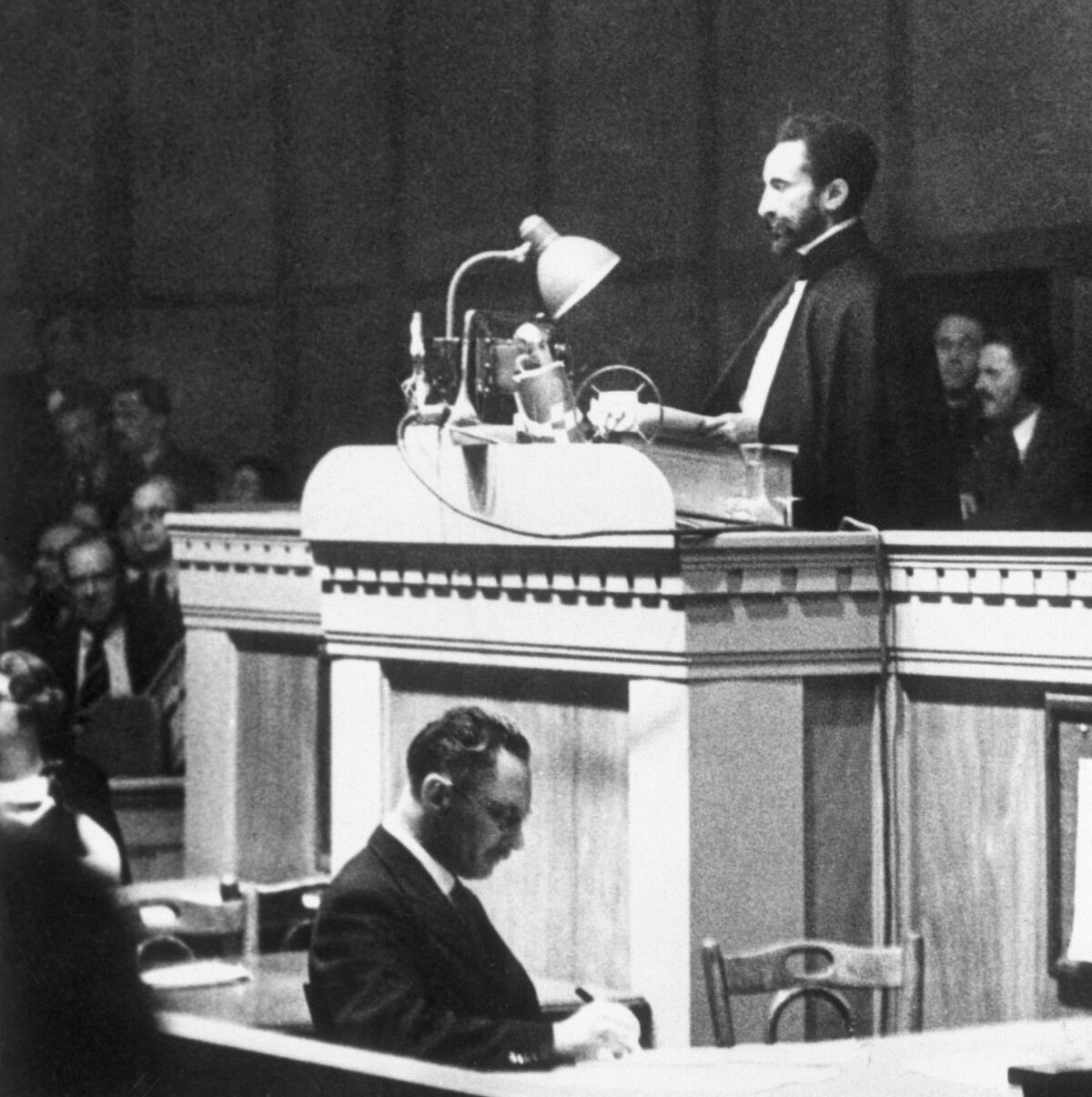
Emperor Haile Selassie went before the League of Nations in Geneva in person. He pleaded with them to stop this fast-mounting fascist threat to world peace at Ethiopia before it invaded France and Britain and started the greatest conflagration of world war in history.
Did not this man, who claims to be a direct descendant of the ancient Queen of Sheba and King Solomon of Judah, prophesy that if they did not stop the fascist armies before they invaded Ethiopia, that all Western Europe would be invaded?—that the British empire would cease to be an Empire—that nothing but trouble would come upon the democracies of Western Europe and the United States?—war troubles, economic troubles—political troubles?
But the League of Nations had no power! And the democracies didn’t think any such big war would come. So they left helpless Ethiopia to her fate.
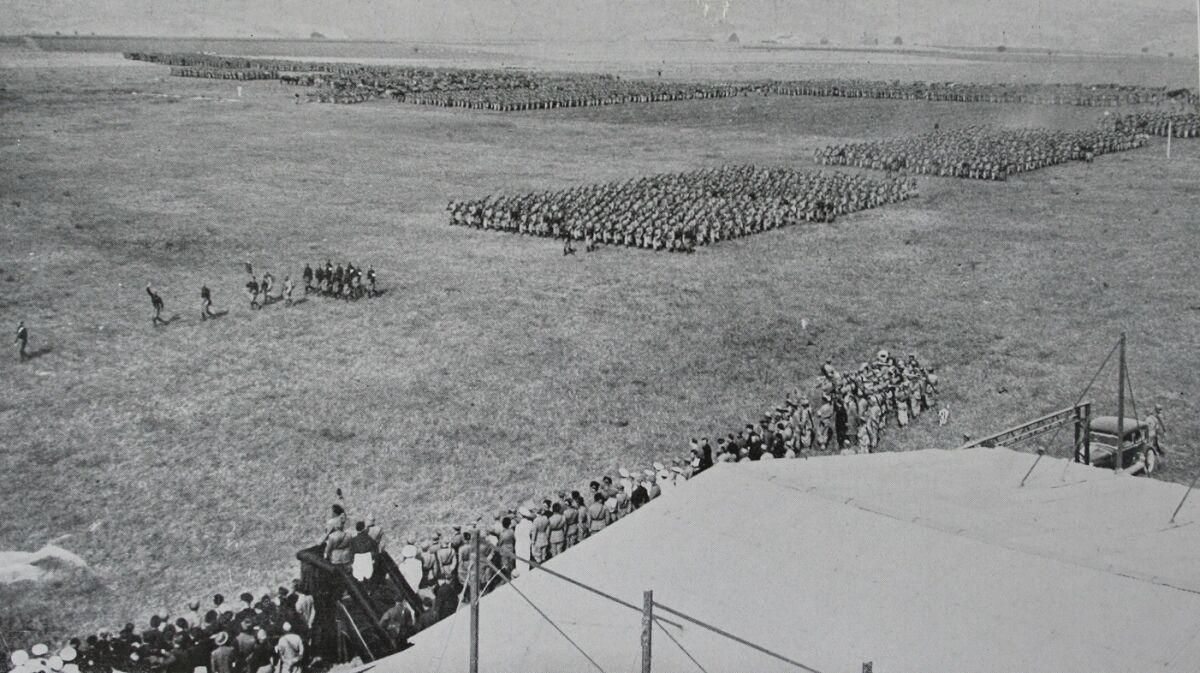
Yes, what if! How different might things have been, had Britain and America gone to Ethiopia’s aid in 1935?
The Ethiopian Emperor Haile Selassie was forced into exile. He went to England and did not return to his capital, Addis Ababa, until May 5, 1941, at the head of his resistance forces and with British troops. They had fought their way into Ethiopia from Sudan.
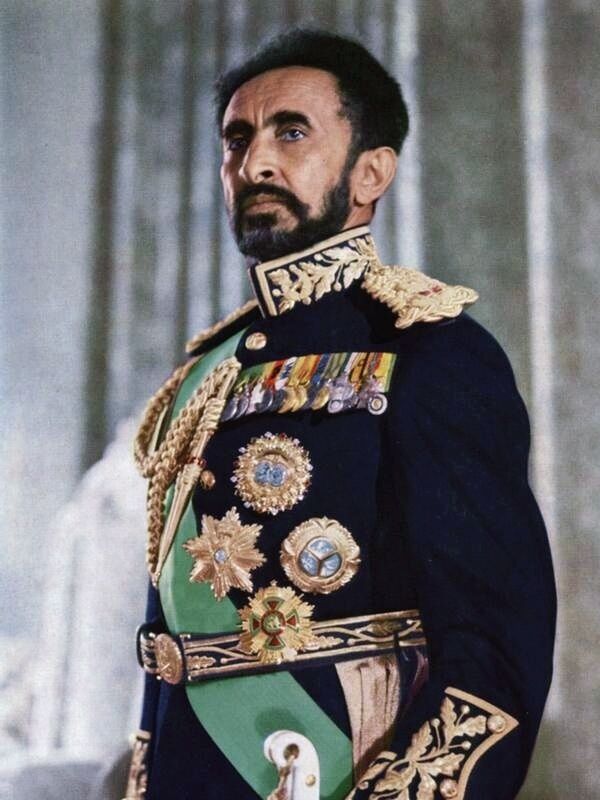
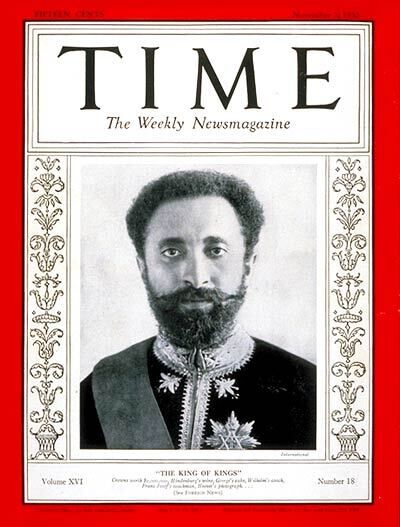
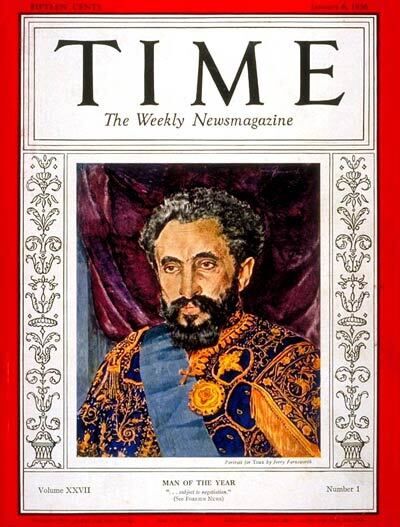
From the time of his personal appearance before the League of Nations in 1936, Emperor Haile Selassie became one of the best-known heads of state in the world. He was crowned the 225th ruler in 1930, and has had the longest reign, or tenure in office, as head of state or head of government of any man in the world.
All my life, from age 19, I have had more or less close contact with many of “the great and the near-great” of the world—heads of large corporations, presidents and chairmen of major banks, publishers, educators—and in recent years government heads and world leaders. But none had seemed a more outstanding personality than Emperor Haile Selassie. So when, last March, the invitation came unexpectedly to visit him, it was an intriguing anticipation. Ethiopia is rich in biblical history, and I was looking forward with great interest to this meeting with the emperor.
It was in New Delhi, where I was a luncheon guest at the residence of Dr. Nagendra Singh, one of the world’s leading exponents for world peace through international law. Among other guests was his Excellency Ato Getachew Mekasha, the ambassador from Ethiopia, and wife. During the course of the luncheon, the ambassador extended an invitation to visit his country and leader.
I had flown to our Ambassador College campus in England to officiate at graduation, and then on to Jerusalem. Eighty-five of our students—from all three campuses—flew on the same day to Jerusalem to spend two months working in our archaeological project there. As most of our readers know, Ambassador College is in joint participation with Hebrew University and the Israel Archaeological Society in the very large project adjacent to the Temple Mount in Jerusalem (see Time, Sept. 3, 1973). Meanwhile a second invitation had come by telex to visit the emperor in Addis Ababa.
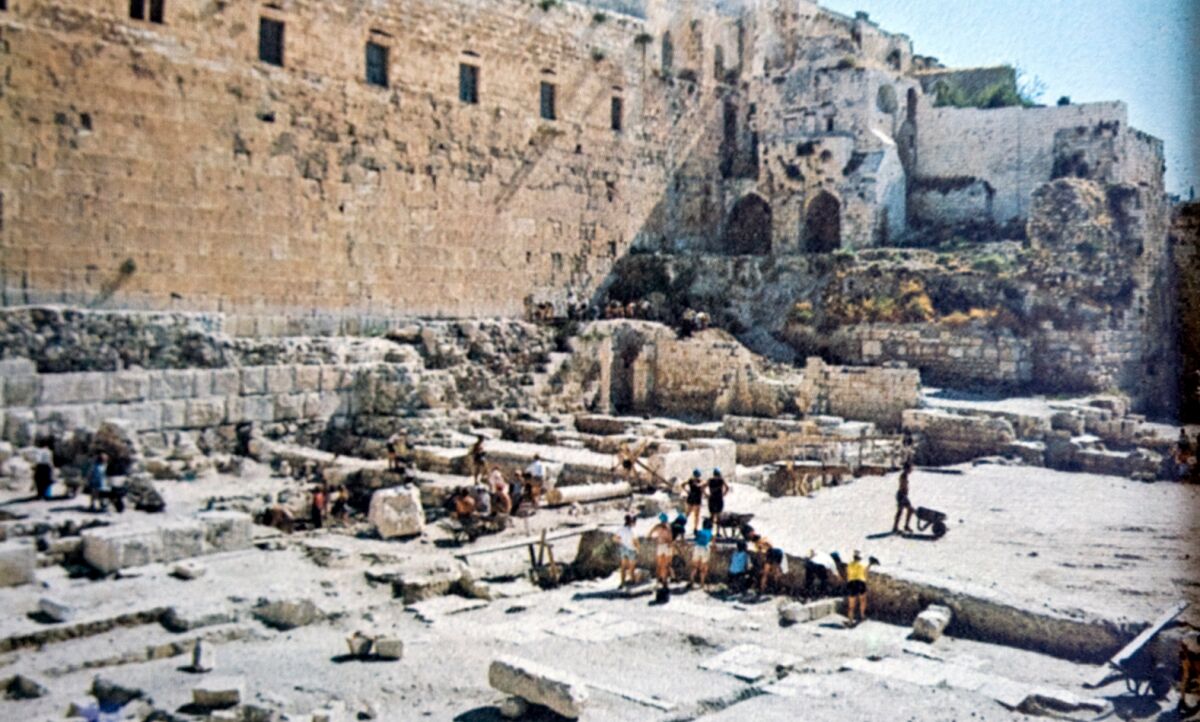
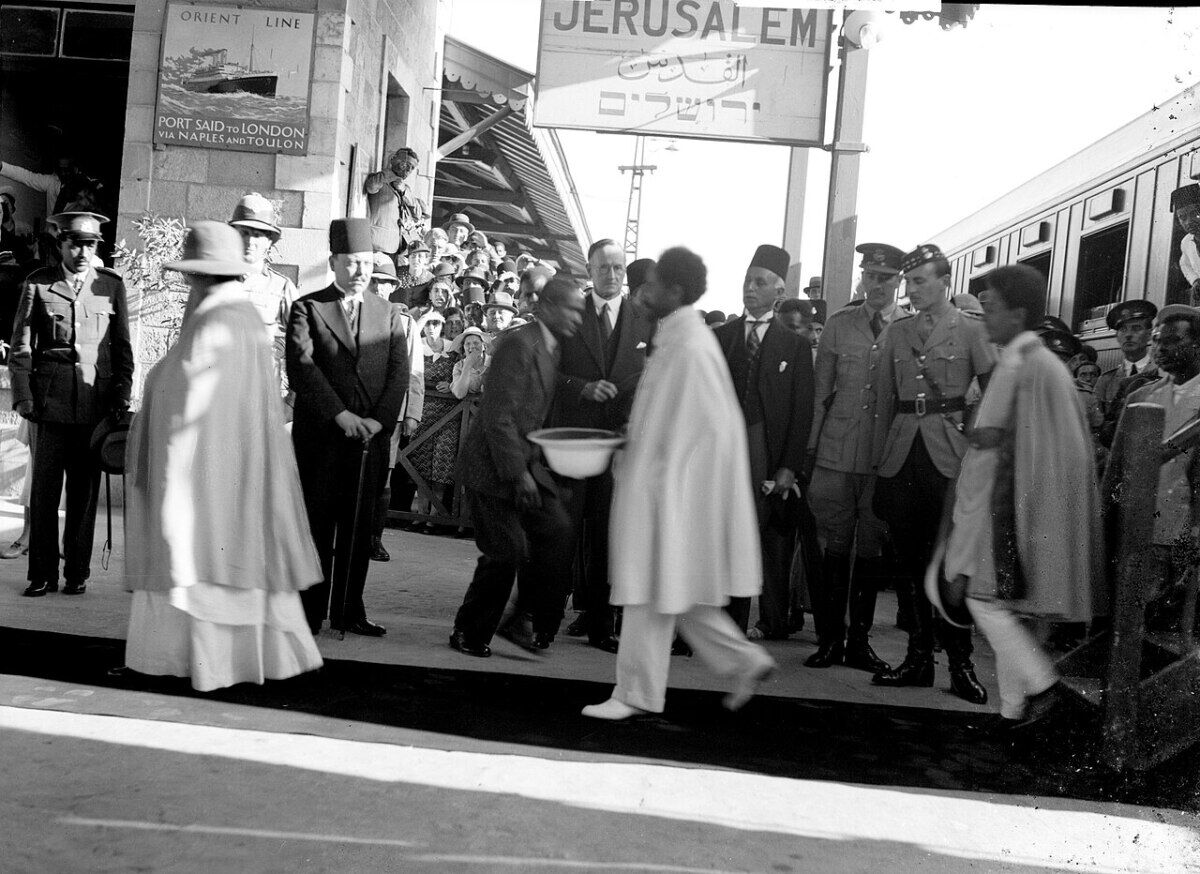
At a luncheon in Jerusalem, attended by several high-ranking university and government officials, it was mentioned that Emperor Selassie had spent over two years in Mandatory Palestine during his exile, and our Israeli friends at the luncheon knew him well.
It so happened that in our archaeological project, a very ancient seal, used by kings of Judah more than 2,500 years ago, had been discovered. A lion was engraved on the seal, representing “The Lion of the Tribe of Judah.” Emperor Selassie claims to be the direct descendant of the Queen of Sheba and King Solomon, and is often called “The Lion of the Tribe of Judah.” Our Israeli friends thought it would be nice to enlarge a photograph of the seal, frame it, and have me present it to the emperor.
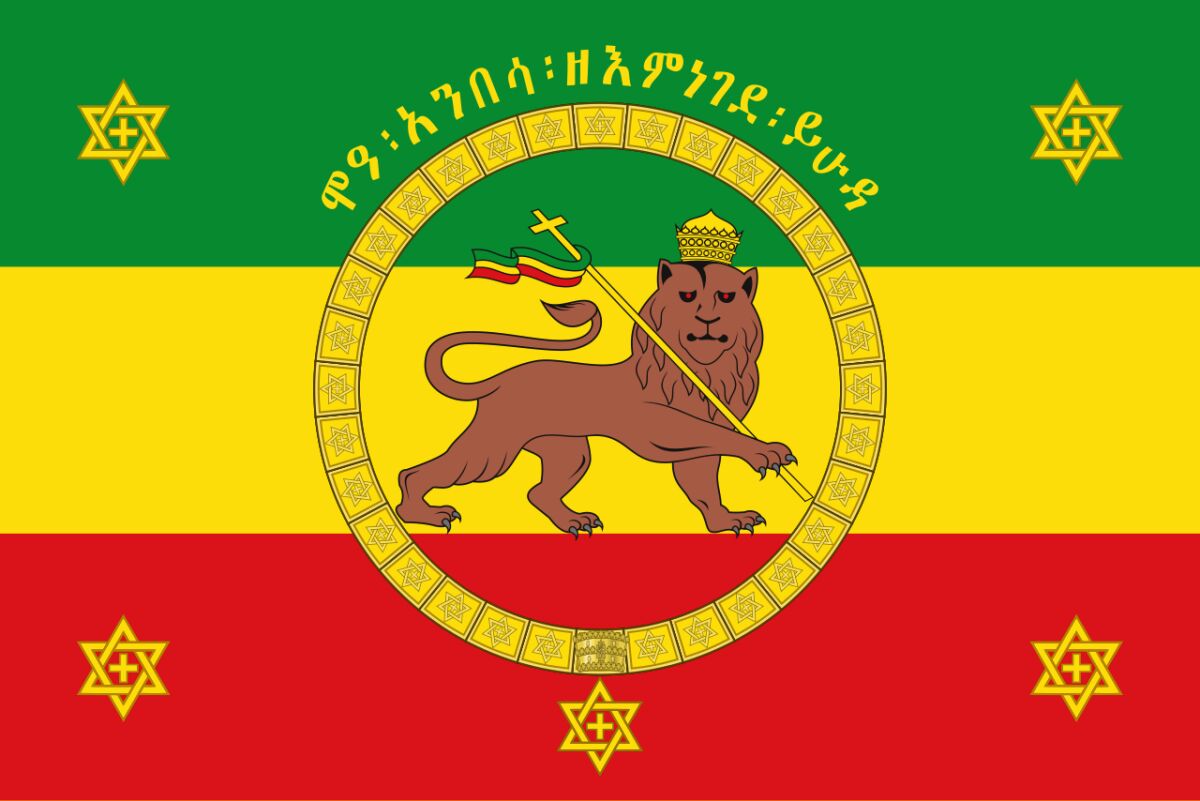
We arrived Sunday, June 17, about 1:30 p.m. at Addis Ababa airport. His imperial majesty the emperor had sent to the airport one of his Mercedes limousines and driver, which was put at my personal service for the duration of our stay.
The meeting had been set for 4:30 Tuesday afternoon. At that time, we arrived at the Jubilee Palace of the emperor. There were, of course, at the gates, and at the entrance of the palace, the usual battery of armed and colorfully uniformed guards. We were met at the entrance by aides in military attire, with the Dr. Aklilu Habte, president of the Haile Selassie University, and the minister of education.
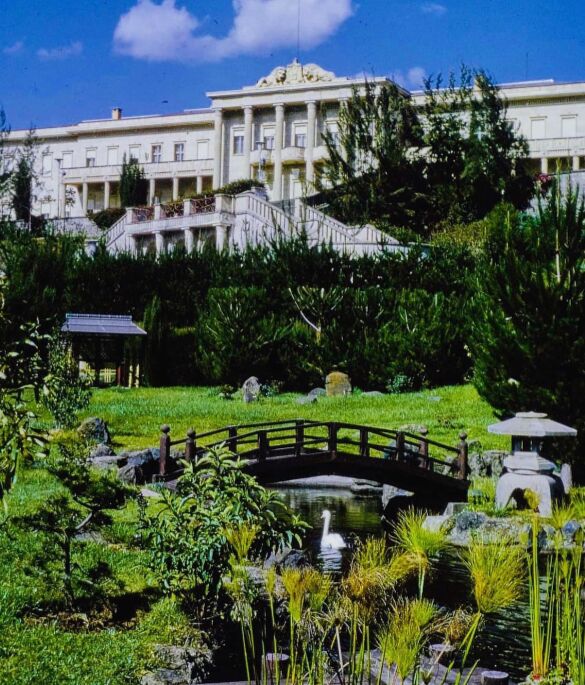
We were escorted up a long grand stairway with heavy red carpet. Arriving on the upper level, we turned into an ornate and very long room. There was a wide strip of red carpet down the center, the length of the room, and at the far end, seated behind a table with flowers, was the lone figure of his imperial majesty, the world-famous Emperor Haile Selassie. I led the way down the length of the room and was warmly greeted, as was the entire party on being introduced one at a time.
I then presented the emperor with a gift of Steuben crystal and also with the framed picture of the 2,500-year-old seal, with the engraving of the lion, “The Lion of the Tribe of Judah.” This seemed to please him very much, as I explained about our archaeological project and our mutual Israeli friends.
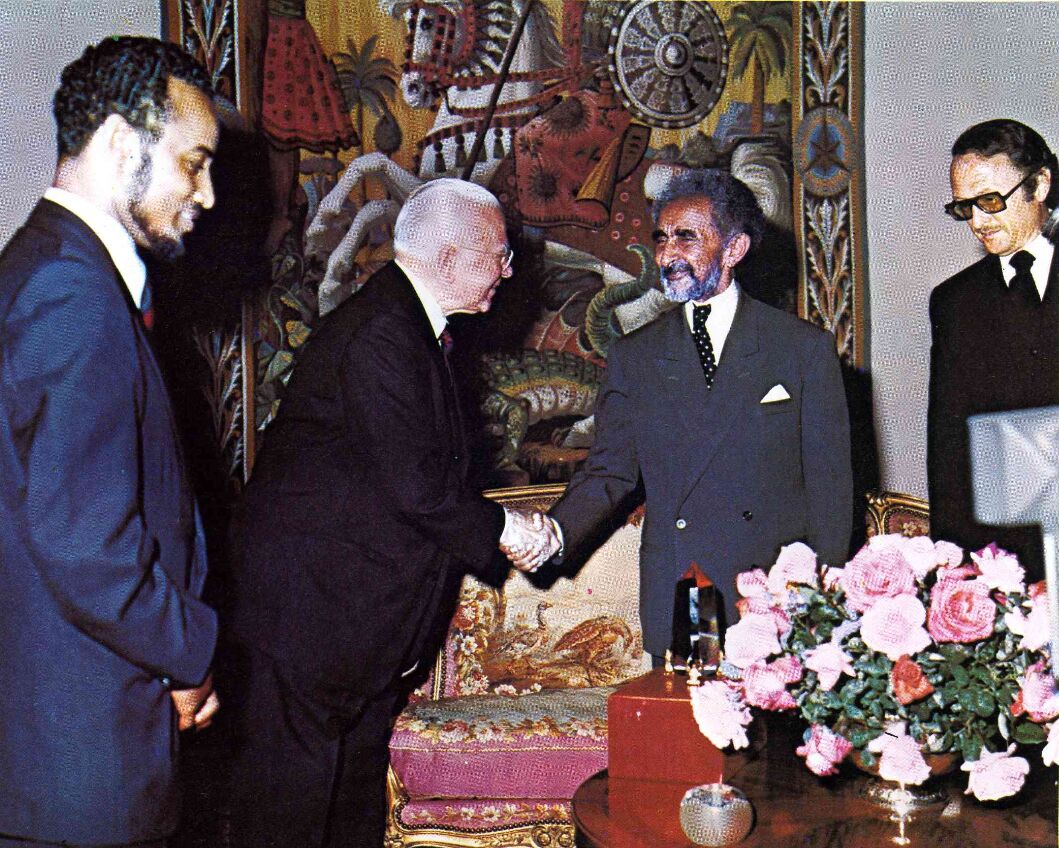
The university president acted as interpreter. I then began to mention some of the things the emperor and I have in common. We are virtually the same age—he is just eight days older than I. We both enjoyed long marriages, and both are now widowers. The empress died in 1962: my wife, in 1967, after almost 50 years of marriage. Then I mentioned that I have the genealogy of my ancestry and that, I too, am a descendant of King Solomon of ancient Israel.
“Well why not?” blurted out the emperor spontaneously, without waiting for the interpreter to tell him what I had said.
At that responsive quip we all burst out in laughter. From that point the interpreter had very little to do.
During the first 15 or 20 minutes of our meeting, his majesty tended to answer whatever I said with a philosophical observation, apparently inspired by Solomon’s Proverbs, which I rather deduced he has studied continuously and religiously.
The general sum and substance of our conversation revolved around the basic fundamental principles of world conditions, evils and problems, and how in our work we are putting solutions and true values to actual practice, setting a living example of the way to peace and happiness in our college campuses and in our communities throughout the world. “Philosophy, and moral philosophy,” he commented, “is commendable, but it is far more commendable to put into actual practice the principles upon which the philosophy is based.”
While we were talking, servants brought tea and cakes. The emperor began breaking off pieces of cake, which his pet dog, a tiny Chihuahua presented to him by Mao Tse-Tung, picked up promptly.
The emperor gave no indication or move toward terminating our visit, but after some 45 minutes, I felt it proper to do so, and rose to my feet, expressing what an honor and delight the meeting had been. Then Haile Selassie presented me with an already autographed full color photograph of himself, with a sterling silver frame, bearing his Imperial insignia centered over the top of the frame.
Then I received a real surprise. Out of a beautiful leather case, handed him by an aide, the emperor took an extremely beautiful gold bracelet which he presented to me as his personal gift to my daughter Beverly. In the center of the bracelet was a solid gold coin (24 karat), made 43 years ago in celebration of his coronation. The coin had the emperor’s face engraved on it. The rest of the bracelet was 22 karat gold, with beautiful garlands engraved with exquisite craftsmanship. Jewelers have since evaluated it as the finest gold bracelet they had ever seen. It is naturally quite a conversation piece, and so far as value is concerned, priceless. The very exquisite work was all done in Ethiopia, where they mine gold in limited quantities and produce some of the world’s finest jewelry.
That evening, I hosted a reception and dinner in a private room off the lobby of our hotel in honor of the minister of Education, the president of the University, the dean of faculties, the head of the Institute of Ethiopian Studies, the vice president for Academic Affairs, the vice president for Planning, and other distinguished guests, and their wives.
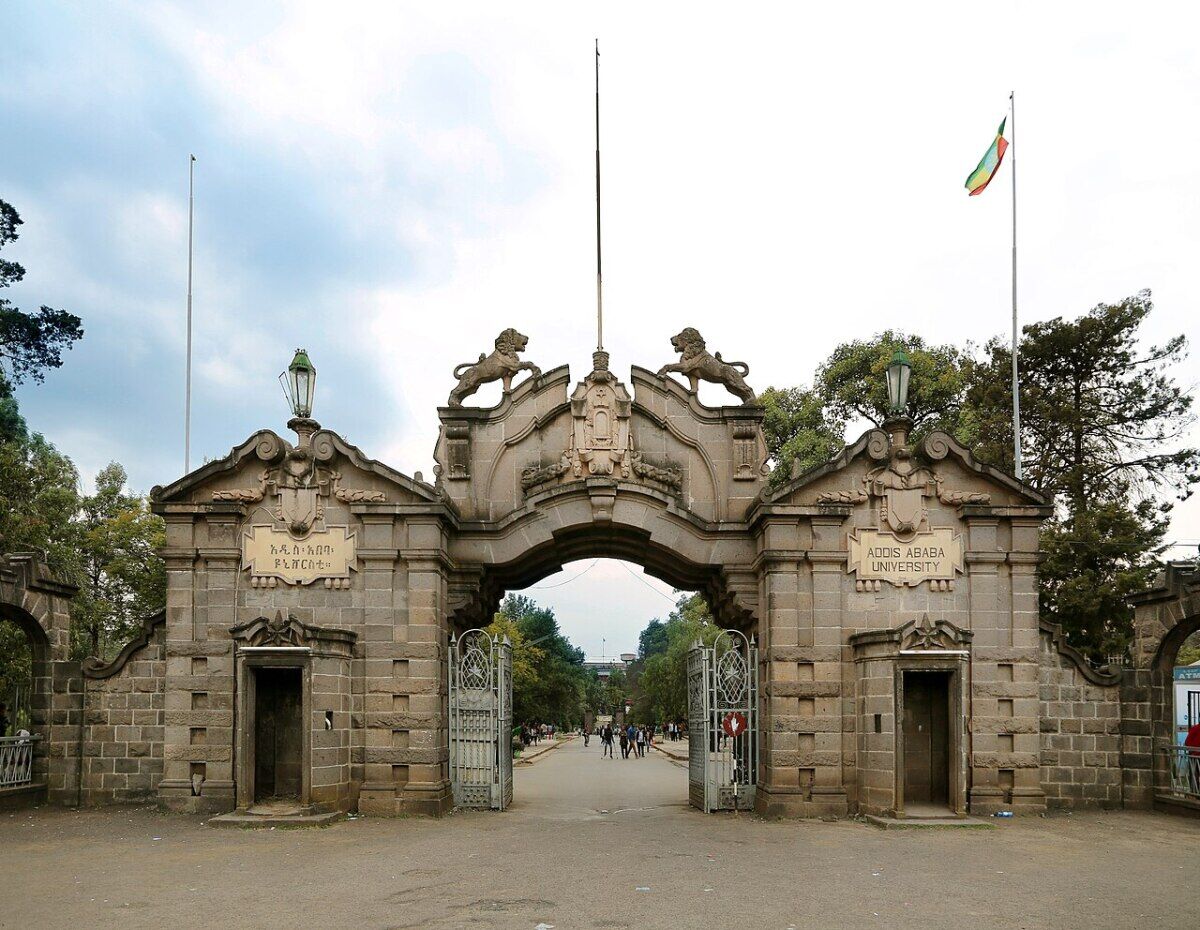
On Wednesday, June 20, I paid a morning visit for two or three hours to the university. There my host and guide was the president of the university. That same day, June 20, I was guest of honor at a very important luncheon hosted by his excellency the ambassador to India. He had invited other ambassadors. In attendance were the ambassadors from 19 different nations, and their wives.
I was called upon to make a brief address before this distinguished gathering. After making a toast to his imperial majesty, the emperor of Ethiopia, I stated that we were gathered in a world peace-conference, proving that so many people from so many nations could gather together in friendship. I spoke briefly, some seven or eight minutes, on the way to world peace—the way of God’s law, briefly proclaiming the coming world of peace—the world to come.
The following day, Thursday, was the day of our departure. But that morning we were the very special guests of his imperial majesty at the graduation ceremonies of the university, held in the Grand Palace. We were seated on the large front platform, immediately to the left of the dais on which was the ornate gold throne where the emperor was to sit, personally handing the diplomas to each graduate.
A large band was playing at the rear. The graduates marched in, completely filling the large auditorium—close to 3,000 of them. It was a very colorful ceremony.
Following this, we were driven directly from the palace to the airport, where our crew had our plane ready for boarding. And there, to personally bid us goodbye were the ambassador to India and his wife.
It was, we felt, a most profitable, as well as enjoyable four days in Ethiopia.
Herbert Armstrong went on to visit Haile Selassie once more in 1974, with future plans for another visit to the country. Later that year, however, news came of the Derg coup and the emperor’s imprisonment. In September 1975, Mr. Armstrong wrote the following memo in his article “Another Government Overthrown”:
Major news headlines this morning read: Another government overthrown—this time in Peru, and a new premier and government in riot-torn Portugal. Governments are being overthrown at the rate of one or more a month.
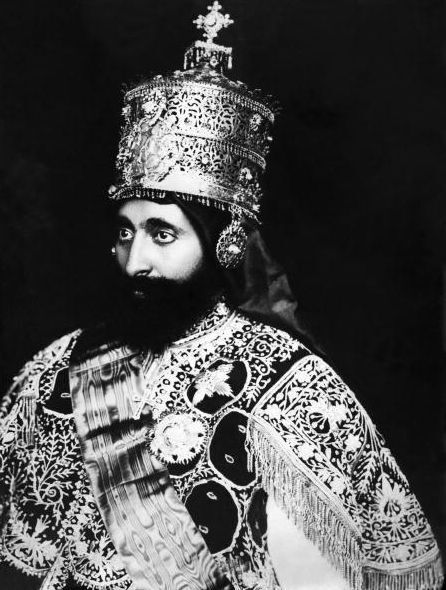
The former Emperor Haile Selassie of Ethiopia died a few days ago. He was just eight days older than I. His government was overthrown by a military coup approximately a year ago. One of the last things he did before the military took him was to send me a letter of congratulation on my 82nd birthday. Many asked me after his imprisonment what had happened to the noted emperor. But I didn’t know—nobody except a few military officers in Ethiopia did. President Kenyatta of Kenya told me that he and Haile Selassie were very close friends—closer than brothers. But at that time, he had no knowledge as to the emperor’s fate.
It is significant that some mysterious invisible force seems to be stirring up strife within nations all over the world, as well as strife between nations.
It will take a greater power than human to bring permanent peace to the world. Yet that permanent peace will come shortly—you can read of it in the book of Zechariah chapter 14.