
3,300-Year-Old Canaanite Tomb Shows Ties to Egypt and Ancient Canaanite Burial Rituals
In September 2025, Antiquity published data collected from a cave discovered in 2022 at Palmachim National Park south of Tel Aviv, the ancient port of Yavneh-Yam. The data provides insight into Canaanite burial rituals and bears ties with Egypt during the Late Bronze Age.
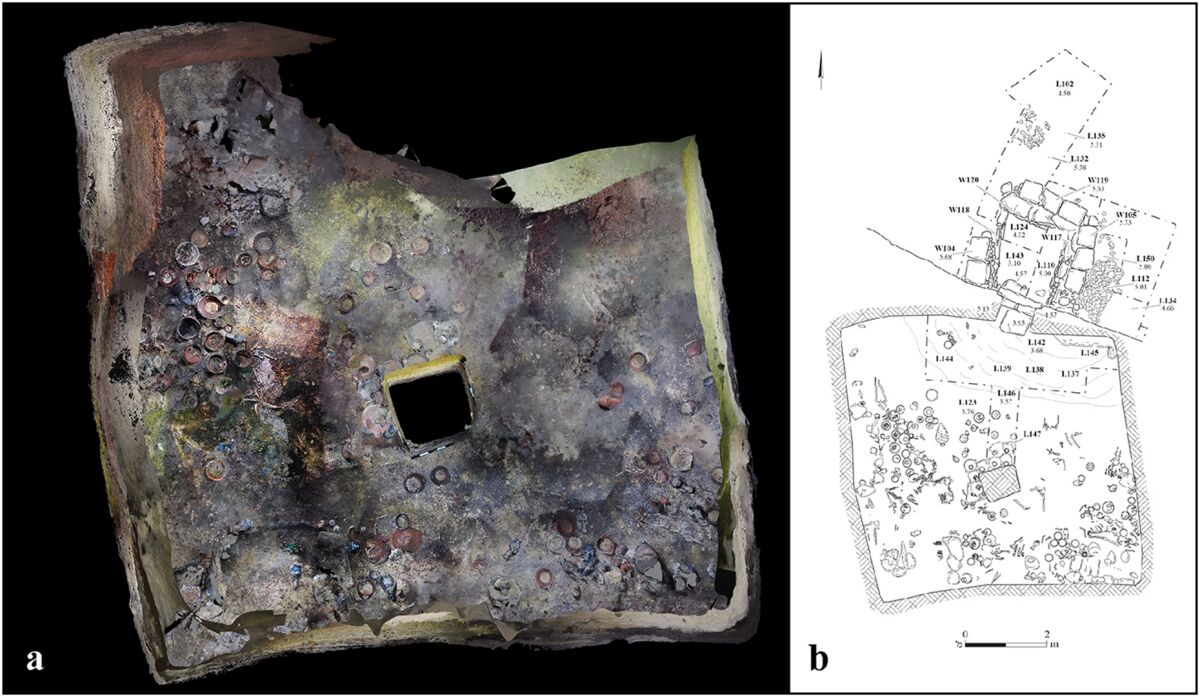
The cave was discovered when construction workers accidentally broke through the ceiling. (We wrote on this discovery at the time here.) Upon being notified of its discovery, the Israel Antiquities Authority took a 3D scan. Just one night after the cave was scanned, 10 percent of the findings were stolen and the skeletal remains were disheveled. Yet thanks to the scan, archaeologists were able to analyze the findings as if they’d never been messed with.
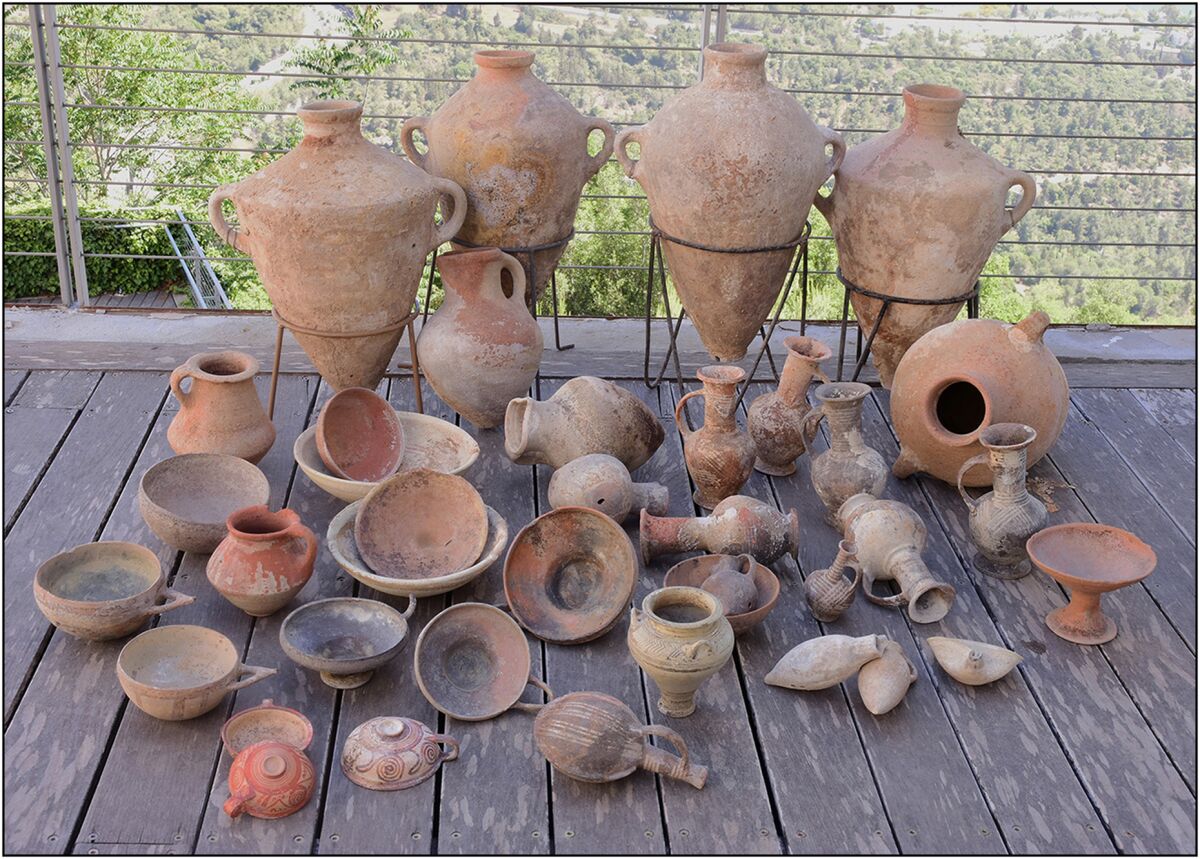
The cave is dated to the Late Bronze Age ii (mid-14th to 13th century b.c.e.). Around 140 vessels were discovered within the cave. Some are of local origin; others were imported from Cyprus, which highlight this area as a Late Bronze Age international trading post.
The cave, carved into sandstone, was used as a tomb. It measures 6.5 meters (21 feet) across with support a pillar in the center, an arched entryway and symmetrical layout; the craftsmanship of the cave led scholars to believe this tomb was for elite individuals. “The Yavneh-Yam burial cave is … the only monumental rock-cut burial from Late Bronze Age ii Canaan found intact and fully recorded,” the report states. “Construction of the burial complex exhibits considerable energy expenditure and technical know-how, reflected in the ashlar masonry, rock surface preparation, tomb symmetry, arched entrance and supporting pillar—an unparalleled example of Late Bronze Age ii Canaanite funerary architecture.”
The archaeologists discovered the remains of 10 individuals. Among them were vessels containing a variety of animal remains—fish, sheep and goat—with a mix of burnt plant remains.
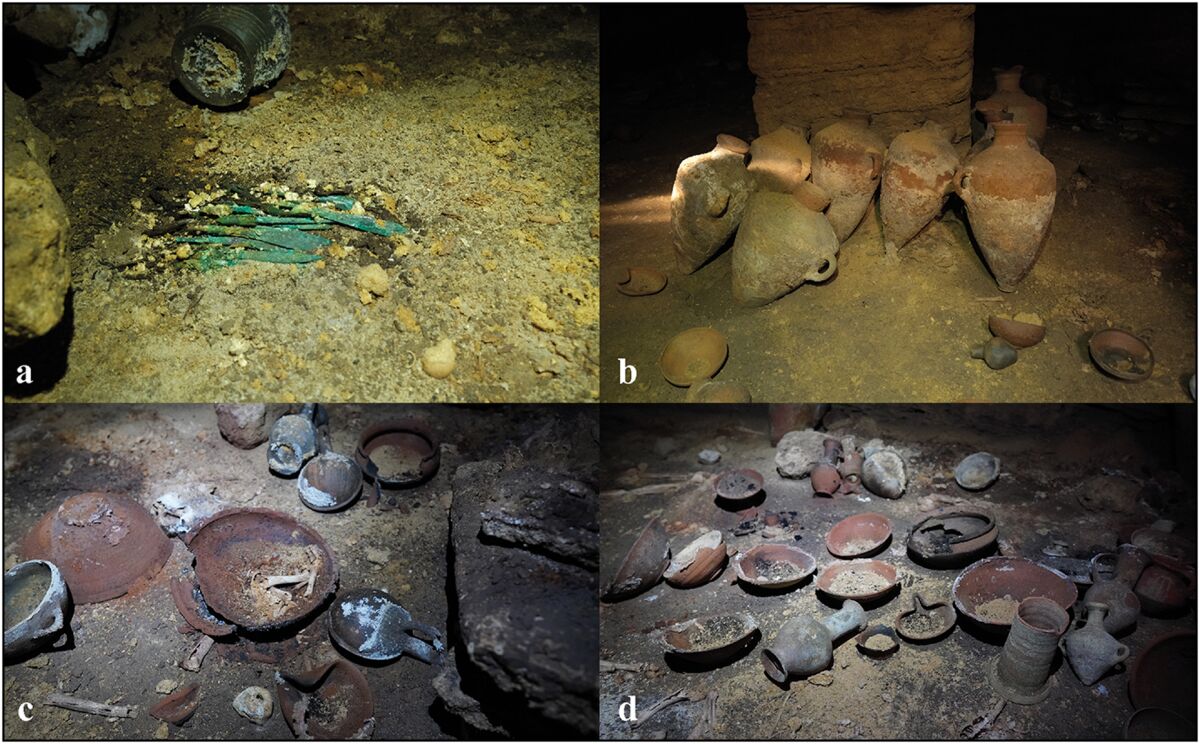
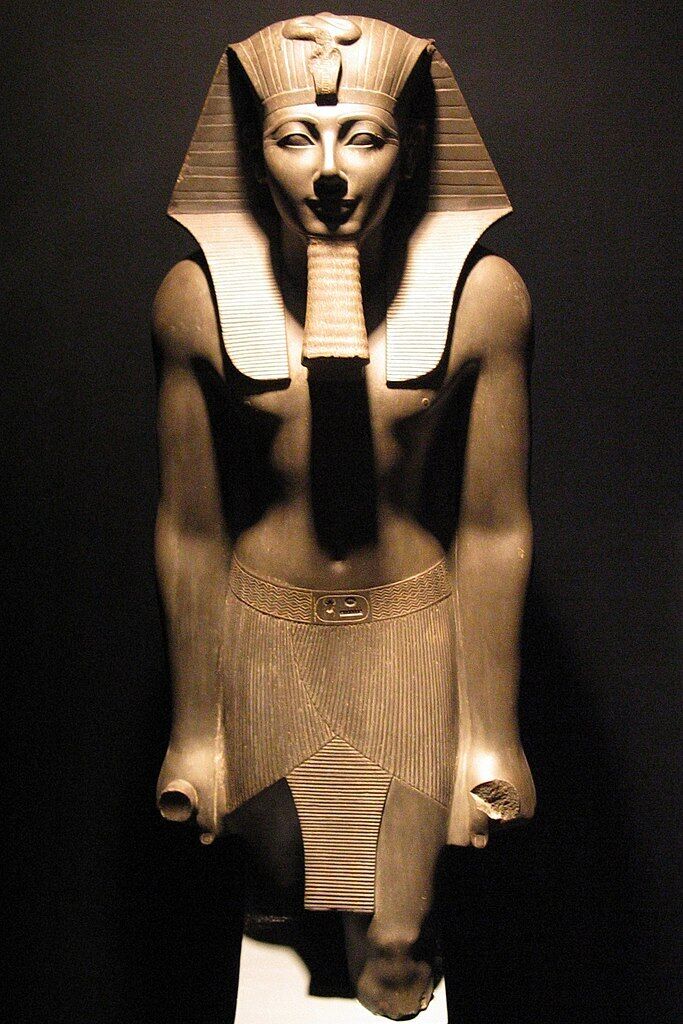
Other significant discoveries include arrowheads, nine “base ring ii” jugs, markers of burials for significant people, a gold earring, a vessel shaped after the Egyptian god Bes, and a scarab with the inscription of Pharoah Thutmose iii. He had an extensive rule of 54 years, starting in the first half of the 15th century. The discovery of this scarab gives us a glimpse into the relationship shared with the Egyptian administration and Yavneh-Yam.
“Together with the extensive remains, the resources required for the burial complex suggest that the Yavneh-Yam complex stands out as a unique example of Canaanite elite burial under Egyptian sovereignty as recorded in the Amarna correspondence,” the report states.
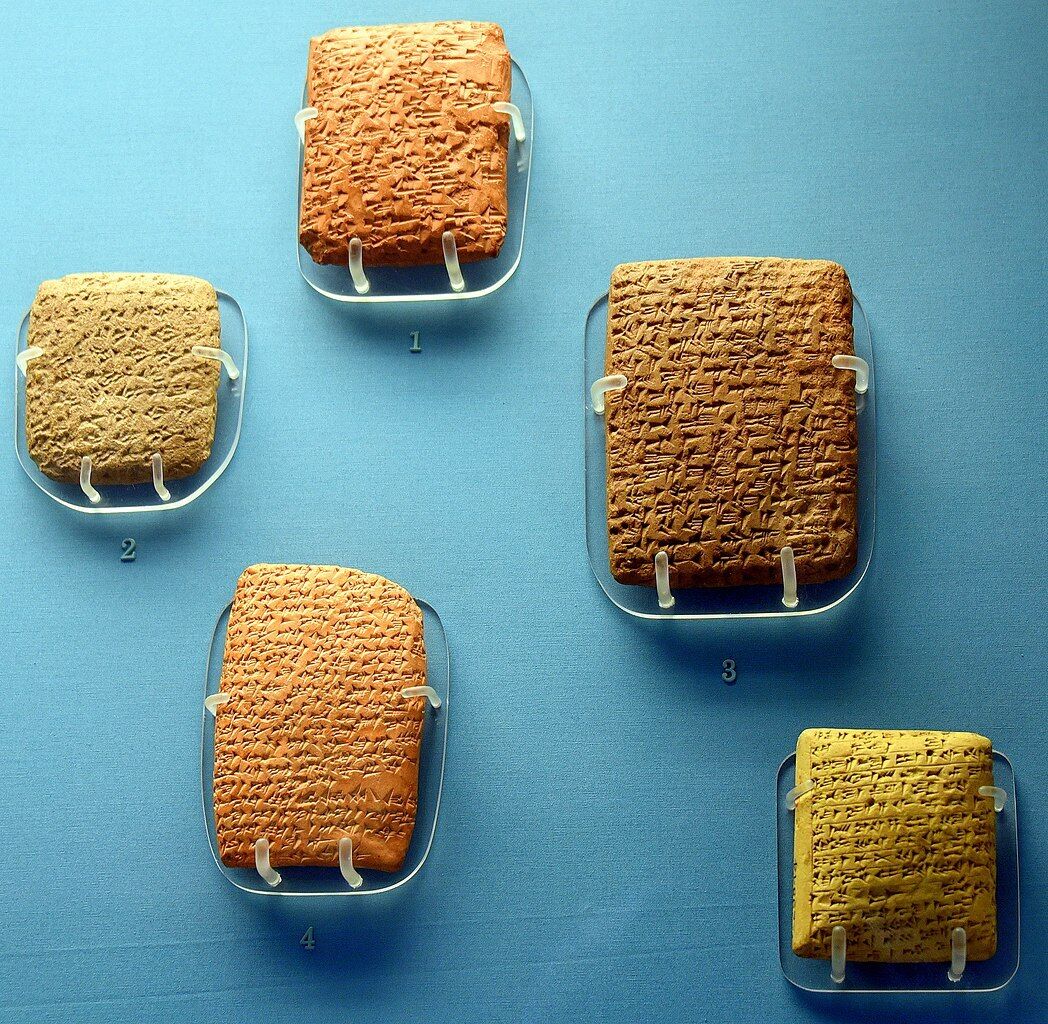
The complexity of the tomb would have require immense effort and labor, meaning those buried inside were high-ranking citizens, most likely to do with administrations of Muḫḫazu—an Egyptian-controlled port mentioned in the Amarna Letters from the 14th century.
Researchers are continuing to study the human, animal and plant remains in hopes of learning more about the trade networking, diets and social identity of the people from Yavneh-Yam.
Editor’s note: A previous version of this post inferred that vessels from Ashdod, Asheklon and Jaffa were imported wares, when these would be part of the local assemblage.