Celebrating Milestones
“I have to warn you guys that you are getting closer and closer to becoming archaeologists, professional archaeologists, and in the end you will end up building an institution, you know—an institute of archaeology at the college!” These were the words of the late, great Dr. Eilat Mazar, our beloved mentor, in a 2007 interview with Herbert W. Armstrong College (AC) student and excavation photographer Edwin Trebels.
As noted in the introduction to this magazine, this September-October 2026 issue marks an important milestone for us: 20 years of renewed excavations in Jerusalem, with the first Armstrong College students joining the City of David excavations in October 2006.
In fact, this September-October issue marks another important milestone for us: 10 years of producing dedicated biblical archaeology content, in an online and print initiative begun in September 2016.
Together, these efforts have culminated in the Armstrong Institute of Biblical Archaeology as you know it today. Here’s the rundown of what brought us to this point—some of the exciting facts and figures—and where we are heading.
Two Decades of Renewed Excavations
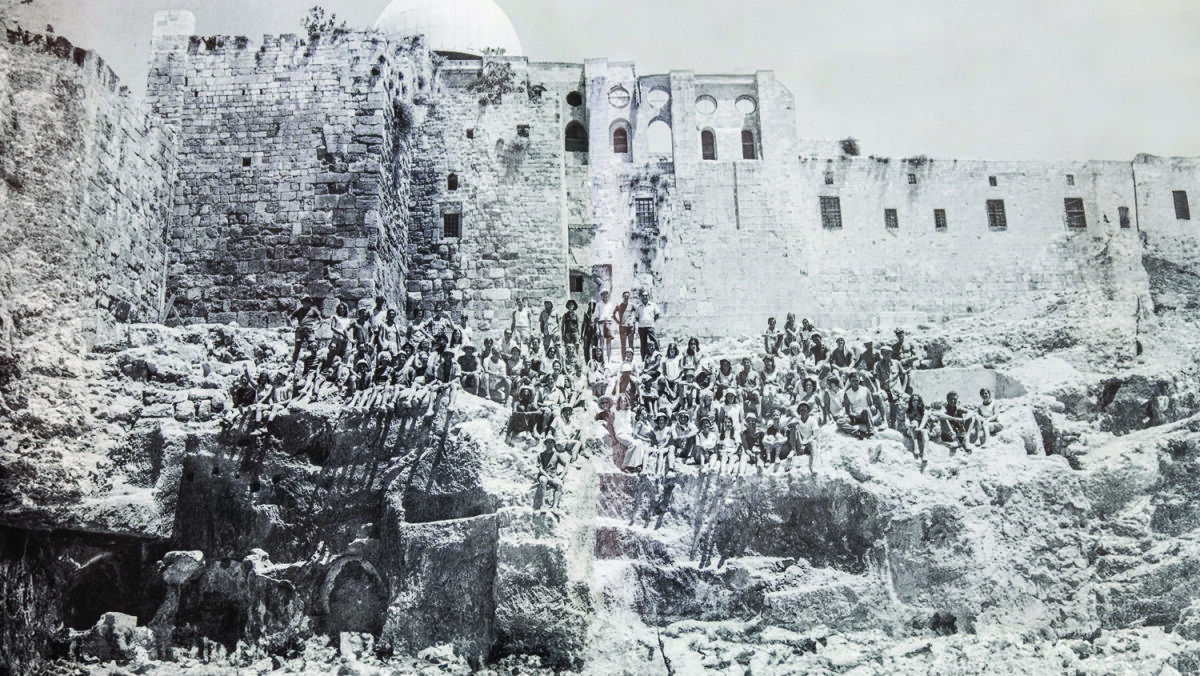
In October 2006, the first batch of students from Herbert W. Armstrong College arrived in Jerusalem, Israel, to participate in the excavations of Dr. Eilat Mazar. Some 30 years prior, the students of our namesake’s Ambassador College concluded excavations on Jerusalem’s Ophel under the direction of Eilat’s grandfather, the acclaimed archaeologist (and a close friend of Herbert Armstrong), Prof. Benjamin Mazar. Hundreds of Ambassador students participated in the summer excavations, from 1969 to 1976.
It was a small start for us in 2006, with only three students—yet in the words of the Prophet Zechariah, “who dares make light of small beginnings?” (Zechariah 4:10; New English Translation).
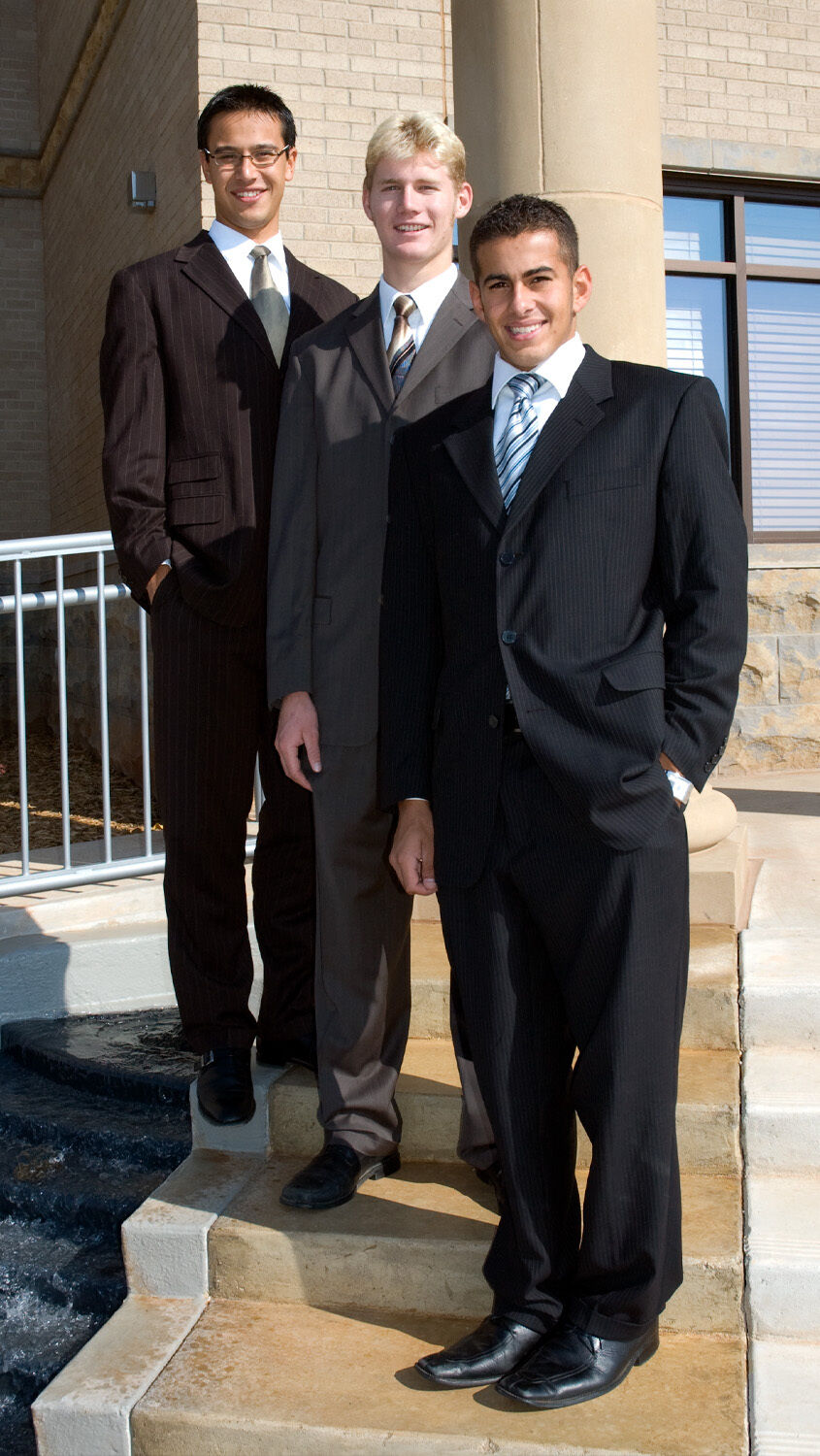
Those three students pulled significant weight—one going on to become excavation photographer (Trebels), and another area supervisor (Brent Nagtegaal), a role he has continued to this current year. And since that initial day of “small beginnings,” we’ve gone on to participate in 13 excavations in Jerusalem, sending more than 150 volunteers. We’ve fully funded excavations; besides regular workers, we’ve staffed excavations—with two individuals serving as area supervisors, five serving as assistant area supervisors, and six as excavation photographers; and we continue to play a role in planning and funding for site development and tourism, as well as providing tours of the excavation sites, giving interviews to media channels, etc. We’ve also sent students and staff for several months to assist in post-excavation office work and publication, documenting and publishing finds from the excavations.
In 2021, Dr. Mazar’s death at the age of 64 came as a shock. With the loss of our mentor, with whom we had participated in six excavations, questions surrounded when and how we could move forward in excavating Jerusalem.
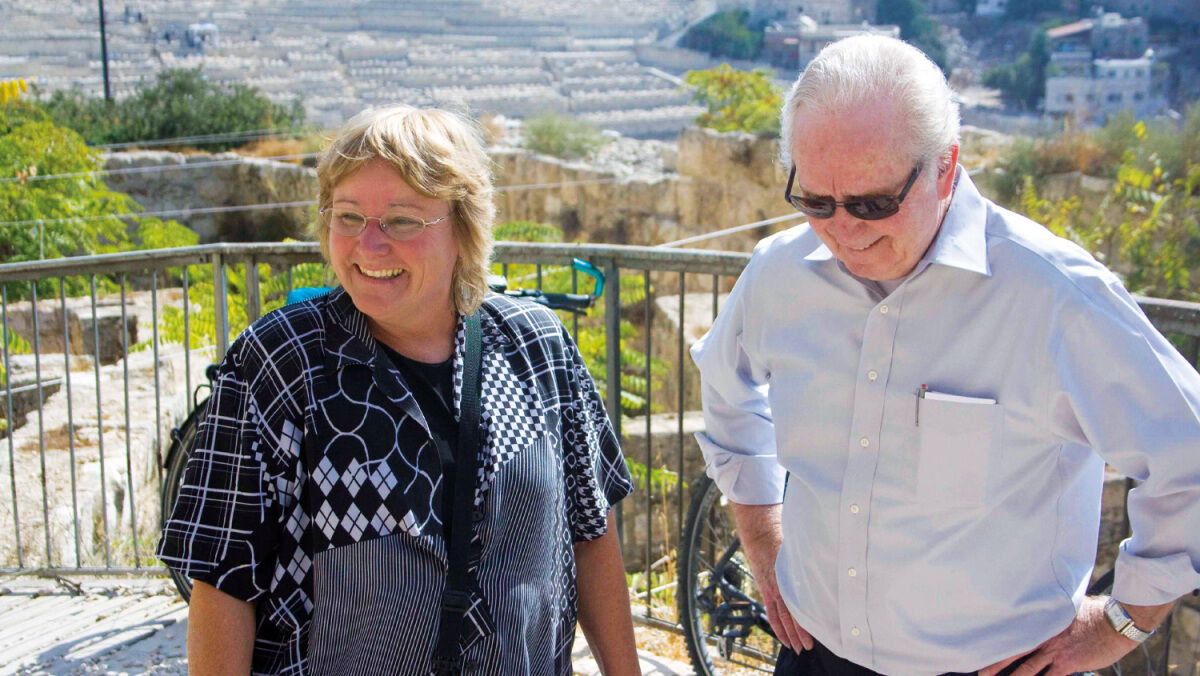
In the years since, we have never dug more often, with seven excavations in the past five years—initiating excavations with Hebrew University professors Uzi Leibner, Orit Peleg-Barkat and Yosef Garfinkel.
In 2023, following the catastrophic massacre of Israelis on October 7, questions again arose surrounding Israel’s ongoing state of war and the prospect of future excavations. In the years since, numerous international teams have pulled out of the country and excavations have been canceled.
We’ve only gone in, faster and harder than ever before. In the three years since Oct. 7, 2023, we’ve completed five excavations—our teams of AC students and aiba staff eager to excavate even in times of war, showing solidarity with Israel in uncovering thousands of years of Jewish history.

And the excavating is only one side of the story—only one cause for celebration with this issue.
A Decade of Publishing Content
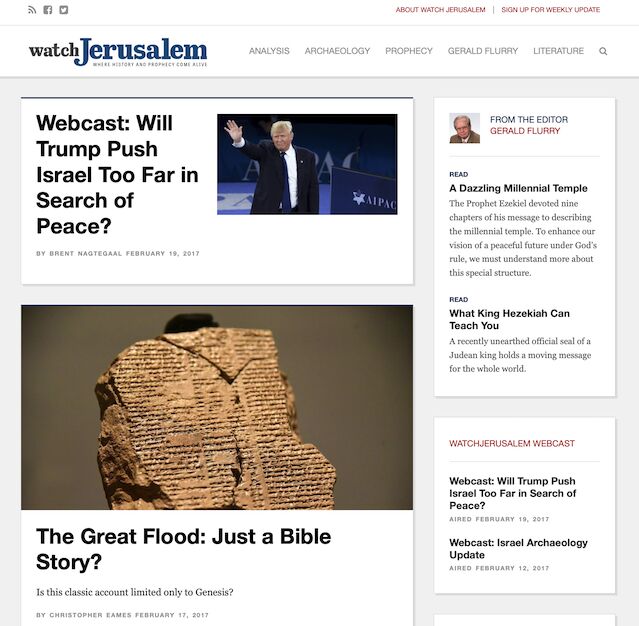
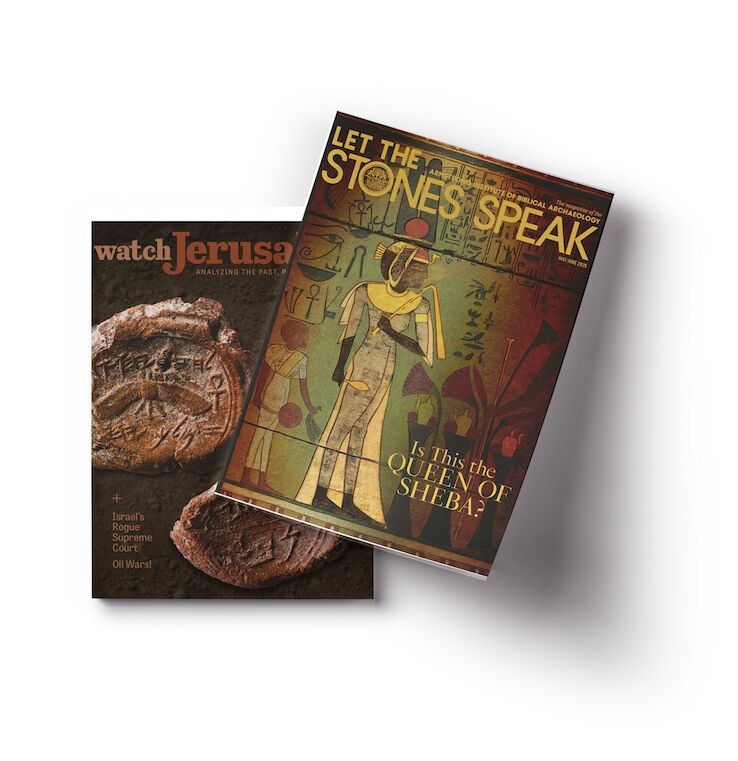
A decade ago, a dedicated publishing project began with the (now retired) Watch Jerusalem, a resource devoted to both news analysis and popular biblical archaeology content, with a website, YouTube channel and bimonthly magazine. That platform ran until January 2022, when it gave way to a single institute and platform dedicated entirely to biblical archaeology: the Armstrong Institute of Biblical Archaeology, with its website, ArmstrongInstitute.org; its bimonthly magazine, Let the Stones Speak; podcast; YouTube channel; an institute in Jerusalem; and excavations in partnership with the affiliated Herbert W. Armstrong College.
Perhaps you discovered us only recently, or perhaps you have been a longtime subscriber going back to the days of Watch Jerusalem. Either way, 10 years on from late 2016, you are now reading roughly the 1,000th article we have produced, crossing the four-digit threshold just in time for this issue and our 10-year anniversary. With most articles running into the low thousands of words, that amounts to several million words’ worth of content produced for you, our beloved reader.
Yet a decade of work and a grand total of 1,000 published articles by nearly three dozen authors is hardly our only cause for celebration. Here’s a quick rundown of some of the facts and figures we’re most excited about.
We’ve been especially thrilled to see our readership grow, both online and in print, around the world. The mission statement fronting our website is “Sharing Israel’s biblical archaeology with the largest audience possible,” and many of our friends and academic colleagues in Israel are surprised and delighted to learn of the far-flung places our work is reaching.
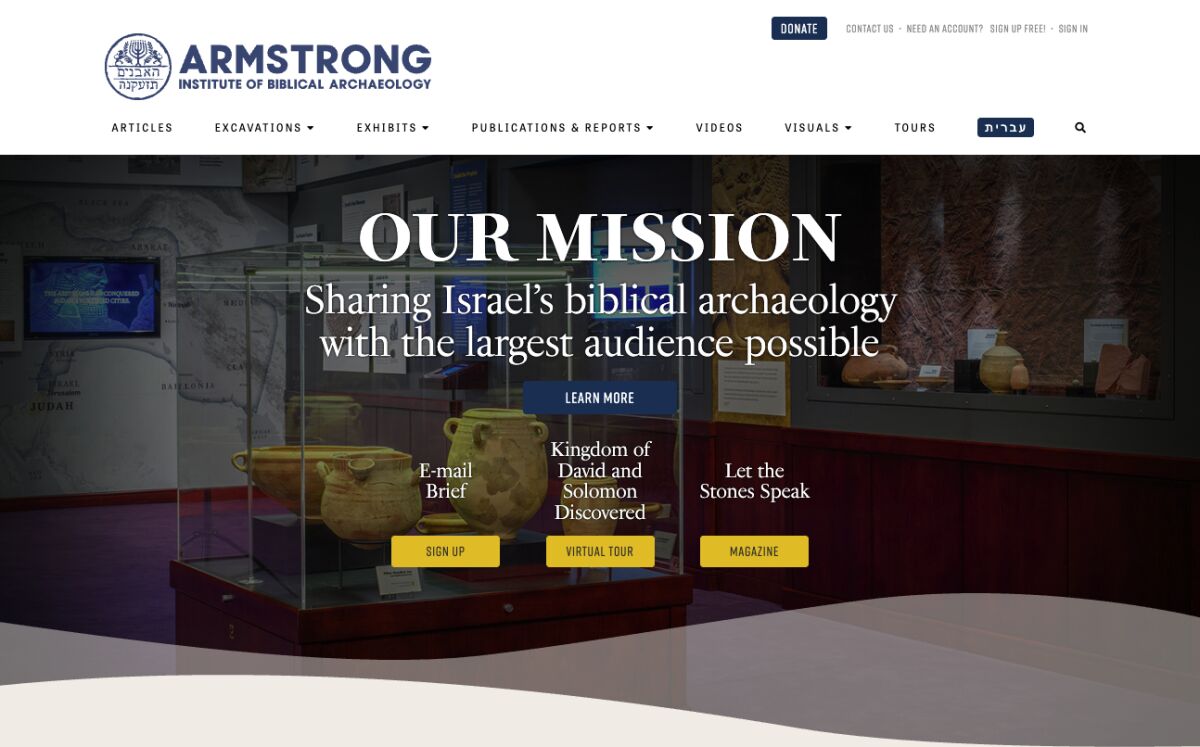
According to our analytics, our website has been visited from every country in the world but one (North Korea—perhaps unsurprisingly). We have even had a visitor from Antarctica! Since launching in 2022, ArmstrongInstitute.org has received 7.5 million views from 3.6 million unique users, with an average engagement time of close to four minutes per active user (a comparatively high figure in the industry). Weekly views have climbed steadily, from an average of 10,000 in 2022, when we launched our new website, to a weekly average of more than 40,000 this year. Users from the United States naturally lead the pack, followed in the top 10 by Israel, the United Kingdom, Canada, Australia, India, Brazil, South Africa, the Philippines and Indonesia. Among languages, English naturally comes first, followed by Spanish, Hebrew, Portuguese, German, French, Dutch, Indonesian, Russian and Arabic.
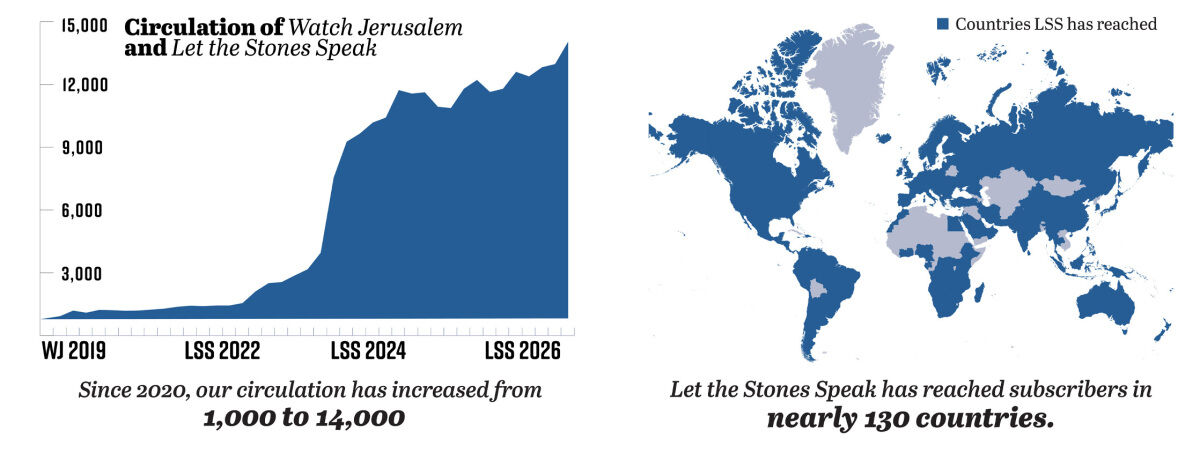
As for our print magazine, our subscriber numbers are modest, but they have grown steadily to a current total of about 14,000. (As with our website, this growth has not yet been fueled by any substantial paid advertising but rather by word of mouth and organic interest.) Altogether, more than 236,000 copies of Let the Stones Speak, across 29 issues, have been shipped to subscribers in nearly 130 countries. They have reached large nations like the United States, Canada, Russia, China and Brazil, and some of the world’s smallest, like Mauritius, Bermuda, Saint Kitts and Nevis, the Solomon Islands and the Bahamas. They have gone to Albania and Estonia in Europe, Haiti and Belize in the Americas, Kuwait and Iran in the Middle East, Togo and Lesotho in Africa, Nepal and Vietnam in Asia, Micronesia and Papua New Guinea in the Pacific, and Iceland and the Faroe Islands in the North Atlantic. Our subscribership covers just about every nation in North and South America, nearly every nation in Europe, and many in Africa, Asia and Oceania.
On the video front, our Let the Stones Speak YouTube channel continues to grow. We have produced nearly 150 videos and almost 30 shorts, which together have drawn close to 5 million views. Our most popular video has reached 700,000 views, and our channel now has nearly 55,000 subscribers. It’s a far cry from our first full year on the channel in 2022, when we had a total of 60,000 views, 2,000 subscribers and the rare “excitement” of a video reaching 10,000 views!
Again, we’ve done all this with practically no advertising. In a publishing and online world that is incredibly noisy and saturated with virtually infinite distractions and products, we feel it’s not bad for a small team of dedicated researchers, writers and artists!
Looking back over the past decade or two, from the renewed excavations in Jerusalem to a modest beginning with a series of archaeology articles on a shared news-analysis website, Dr. Mazar’s “prophecy” has truly come to pass: We do indeed have a burgeoning institute of archaeology. We thank all our readers and viewers for their support, and we look forward to what the next decade brings!