The Power of Archaeology to Add Meaning to Life
Twenty years ago this October, something very special for us happened in Jerusalem. In October 2006, three students from Herbert W. Armstrong College arrived in Israel to serve beside the late Dr. Eilat Mazar on her City of David excavation. This was a sensational introduction to Jerusalem archaeology for these students: They were excavating the palace of David alongside the best biblical archaeologist in the world!
As our regular readers know, that October 2006 dig renewed a partnership with the Mazar family and Hebrew University that had begun with Herbert W. Armstrong and Ambassador College in 1968. But that dig with Eilat was our first exposure to archaeology and Jerusalem.
As you can imagine, for a small college in Oklahoma, sending three students to Israel was a huge and exciting development. I still remember the buzz on campus. If we had let them, the entire student body would have dropped everything and left for Jerusalem.
Little did we know at the time just how sizable our work in Israel would become!
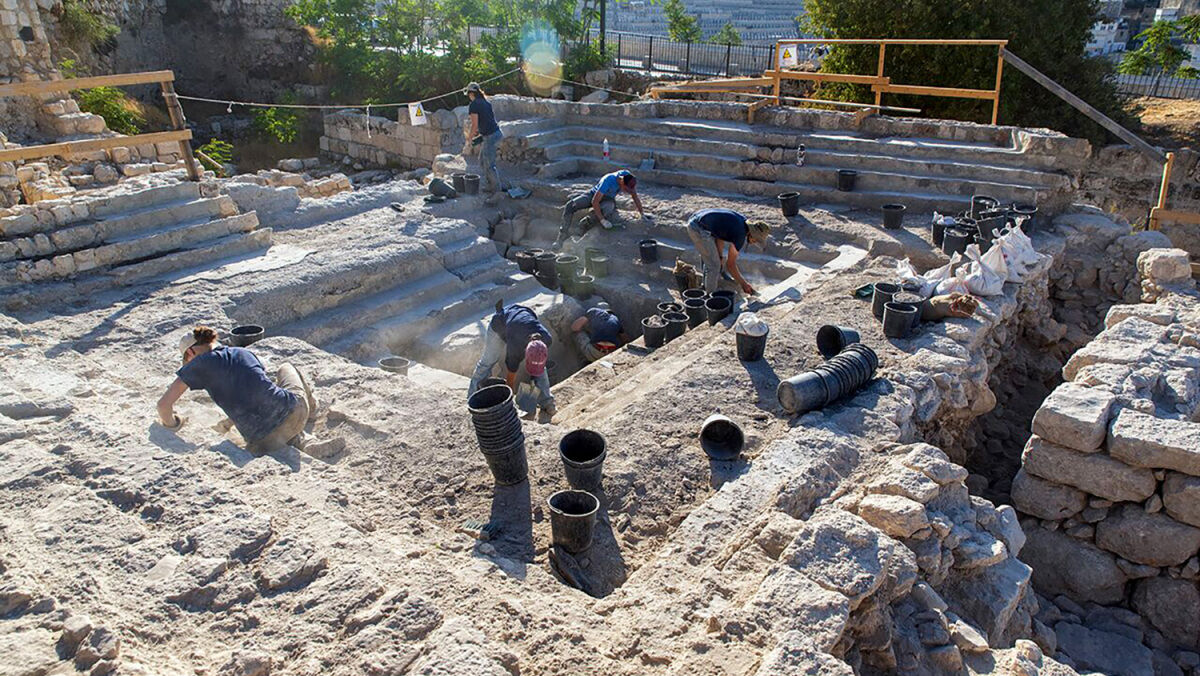
Over the past two decades we have participated in 13 excavations and have had more than 150 volunteers serve on digs in Jerusalem. We now not only participate in and sponsor regular annual excavations; we give tours of the Ophel and City of David; we produce a magazine, podcast and website; and we operate an office in Jerusalem with the complete academic libraries of Prof. Benjamin Mazar and Dr. Eilat Mazar. It has been a fruitful two decades for our work in Jerusalem!
Over the past 20 years we have met and worked with many talented and brilliant scientists, and have formed close friendships with some wonderful people in the archaeological community in Israel and around the world. Our excavations were initially directed by Dr. Mazar. Since her death in 2021, we have been working with Hebrew University professors Uzi Leibner, Orit Peleg-Barkat and Yosef Garfinkel. All three are outstanding archaeologists and, more importantly, individuals of upstanding character and love.
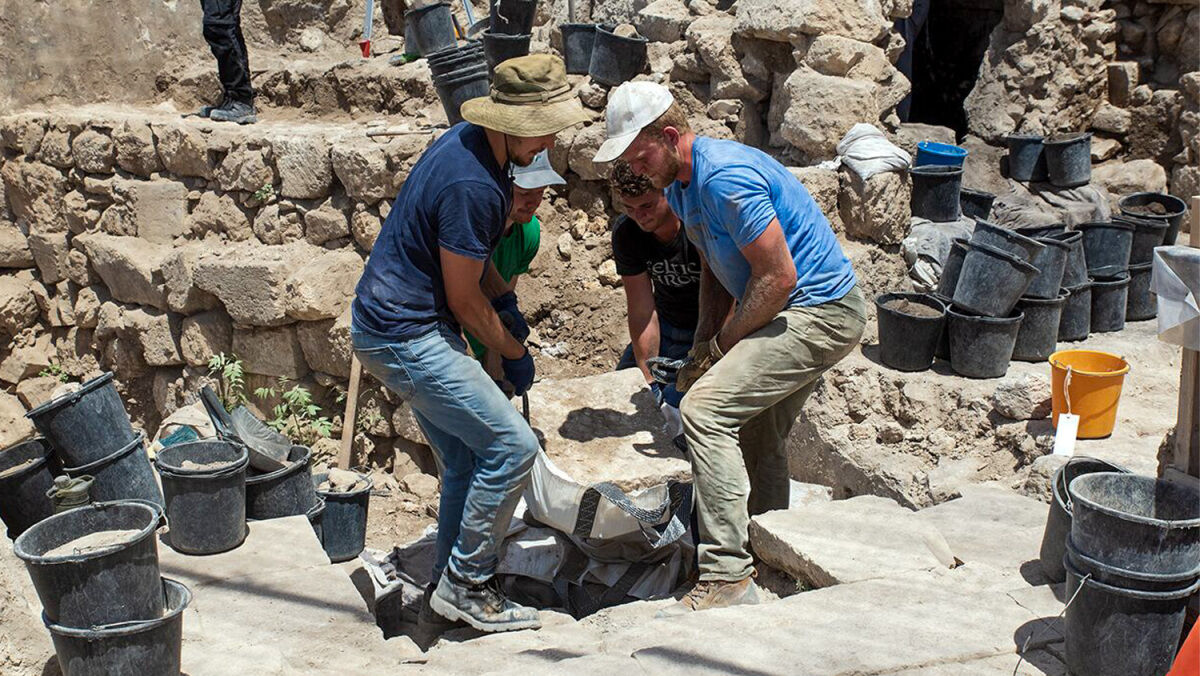
There is something rare and moving about working on an archaeological dig—something beyond the systematic unearthing of human history that every excavation promises, which is wondrous. I’m talking about the other discovery, the subtle one that occurs when strangers work side by side in the same dust and become a family. This happens when people of every personality and background and from every corner of life are united by a single purpose.
One lesson from 20 years of working on archaeological digs is this: Excavating can bring tremendous meaning to life!
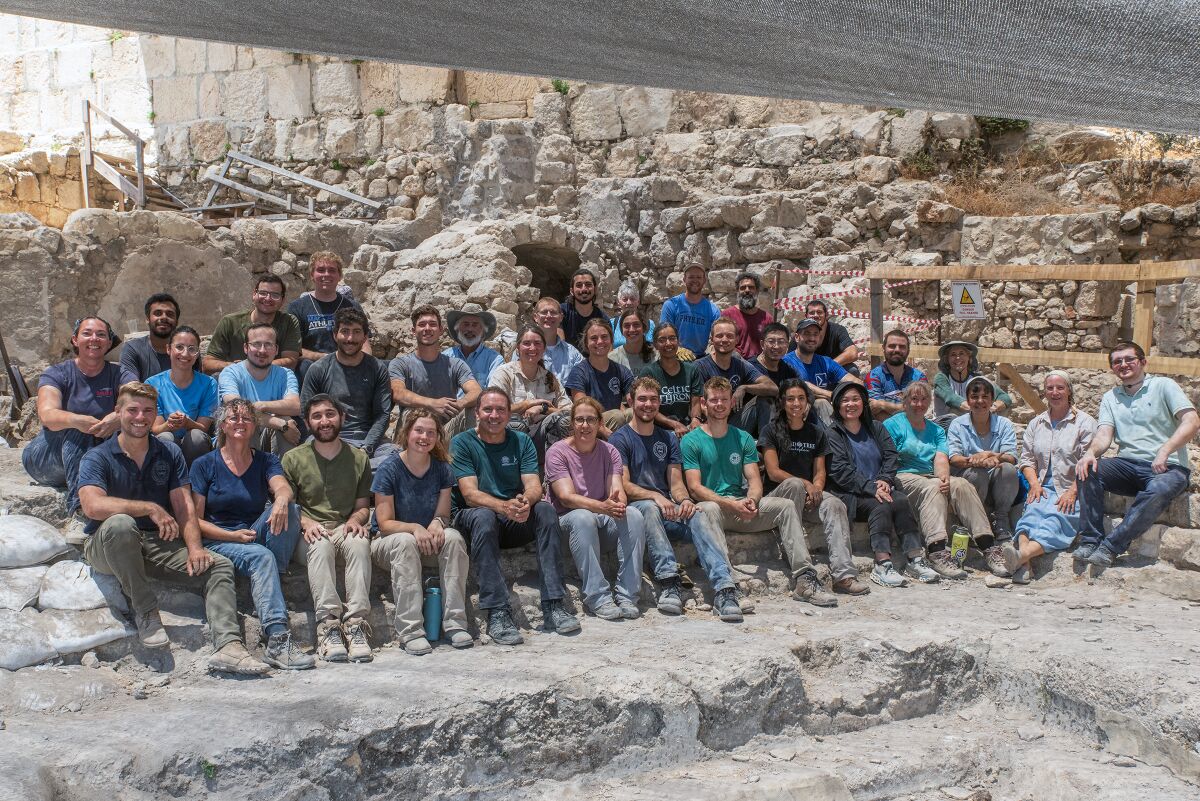
At the end of every season, the Ophel family of diggers gathers for one final dinner. It’s an opportunity for the excavation’s directors, supervisors, office staff and volunteers to come together and share memories and stories from the excavation.
This year’s dinner on July 30 was particularly special because it marked the end of an era. This was our final season (for now) of excavating with professors Leibner and Peleg-Barkat. They will be taking a break from field excavation to focus on publishing reports. I would like to extend my sincere gratitude to them for their warmth, hospitality and commitment to our common goal of sharing Jerusalem’s archaeology. And for taking care of our students and volunteers as if they were their own children. If you ever have the opportunity to dig (or work) with Uzi or Orit, I recommend you take it!
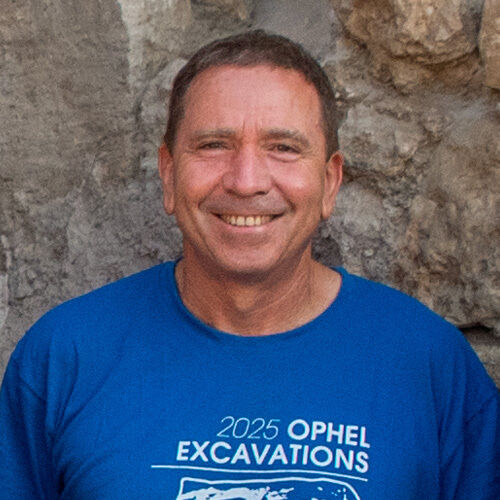
At the end-of-dig dinner, Professor Leibner gave a profound speech on archaeology. He didn’t speak about the awe-inspiring discovery of ancient peoples and civilizations, but about something just as remarkable: the human experience of the excavation itself. Professor Leibner graciously shared his notes with us, and we are honored to pass his message, as follows, on to our readers.
When people hear about archaeology, they usually think about discoveries.
They imagine the moment when a beautiful object comes out of the ground or when the outline of an ancient building suddenly appears.
What they don’t imagine are the thousands of ordinary moments that make those discoveries possible.
Every wall we uncovered this season began with someone filling another bucket.
Every floor we exposed began with someone moving another shovel of dirt.
Every important piece of pottery first passed through someone’s hands at the washing station.
Every photograph, every drawing, every elevation, every locus sheet—none of them is very exciting by itself. But together they allow us to reconstruct the past.
Archaeology constantly reminds us of something that is true far beyond archaeology: Short-term results often come from intensity. Long-term results come from consistency.
Real success comes from doing the obvious things well, day after day, without losing patience, without cutting corners, and without deciding that the ordinary work no longer matters.
This season wasn’t built on dramatic moments.
It was built on getting up early every morning.
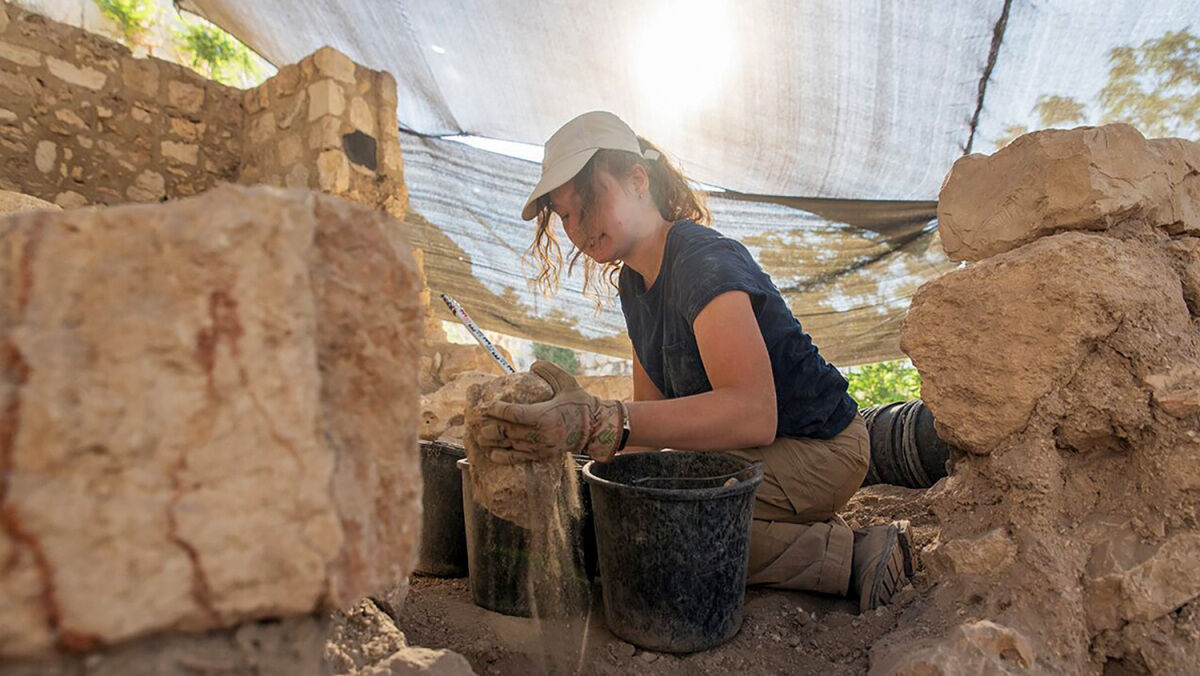
On carrying buckets.
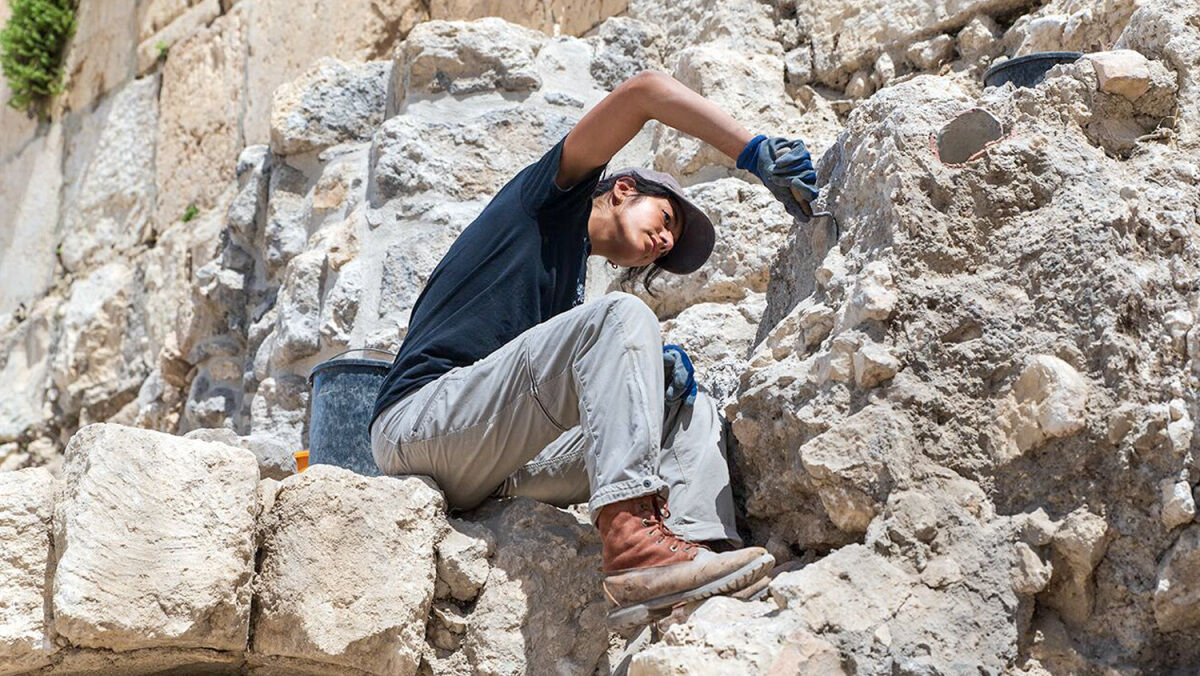
On scraping another layer.
On measuring elevations.
On washing pottery.
On filling out another locus sheet.
On asking one more question.
And perhaps most importantly, on coming back the next day and doing it all over again.
That is what archaeology teaches us. The discoveries we celebrate are never isolated moments of brilliance. They are the accumulated result of ordinary work done faithfully, day after day.
I think that is one of the greatest lessons archaeology teaches us—not only about the ancient past but about life.
The buildings we uncovered this season were themselves created one stone at a time, one day at a time, by people whose names we will probably never know.
And in a way, we excavated them the same way they were built: through countless small actions, faithfully repeated.
One of the beautiful things about archaeology is that it is impossible to excavate alone.
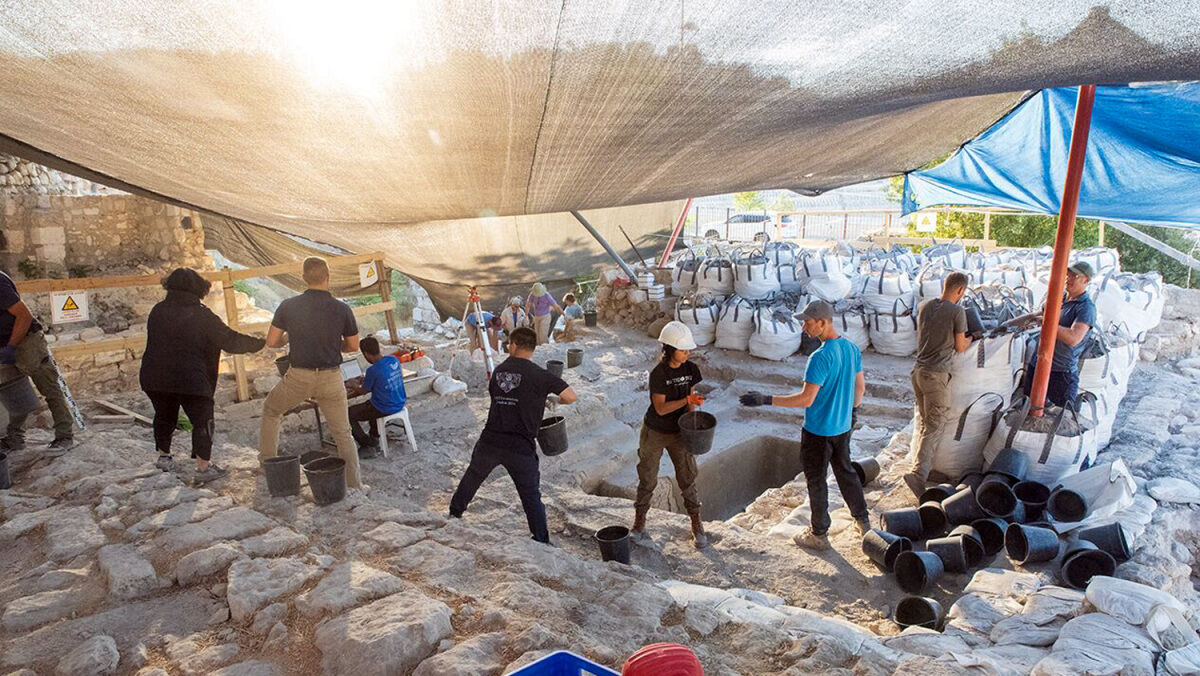
Every significant discovery is a collective achievement. By the time a wall emerges from the ground or an inscription comes to light, it already belongs to everyone who helped make that moment possible. Archaeology has a wonderful way of dissolving the distinction between “my discovery” and “your discovery.” Every find becomes our discovery because it rests on the dedication, patience and care of an entire team.
That is why my thanks this evening are not simply a formality; they are an acknowledgment of how archaeology truly works.
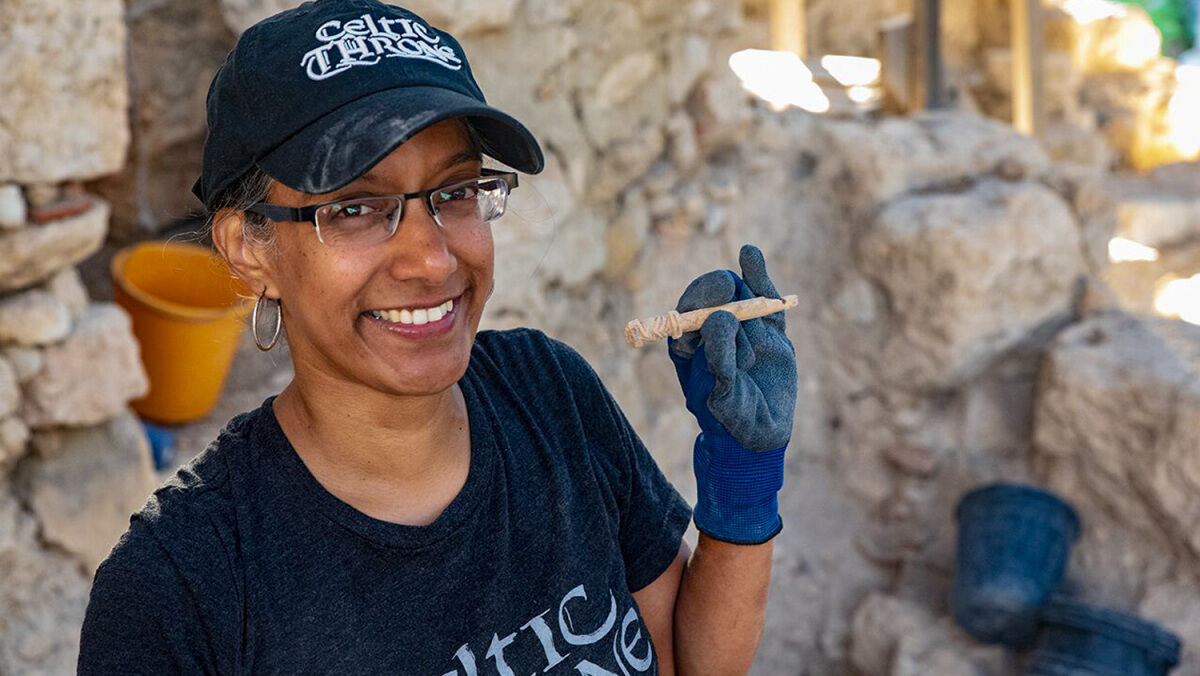
First, I want to thank the Armstrong Institute of Biblical Archaeology. Ours is no longer simply an institutional collaboration; it has become a genuine partnership and, over the years, a friendship. Year after year, you place your trust in us by sending remarkable students who come to Jerusalem ready to work hard, to learn and to contribute. We are deeply grateful for your generous support, your confidence in our project, and, above all, for the wonderful people you send to excavate with us. They arrive as volunteers, but they leave as colleagues and friends.
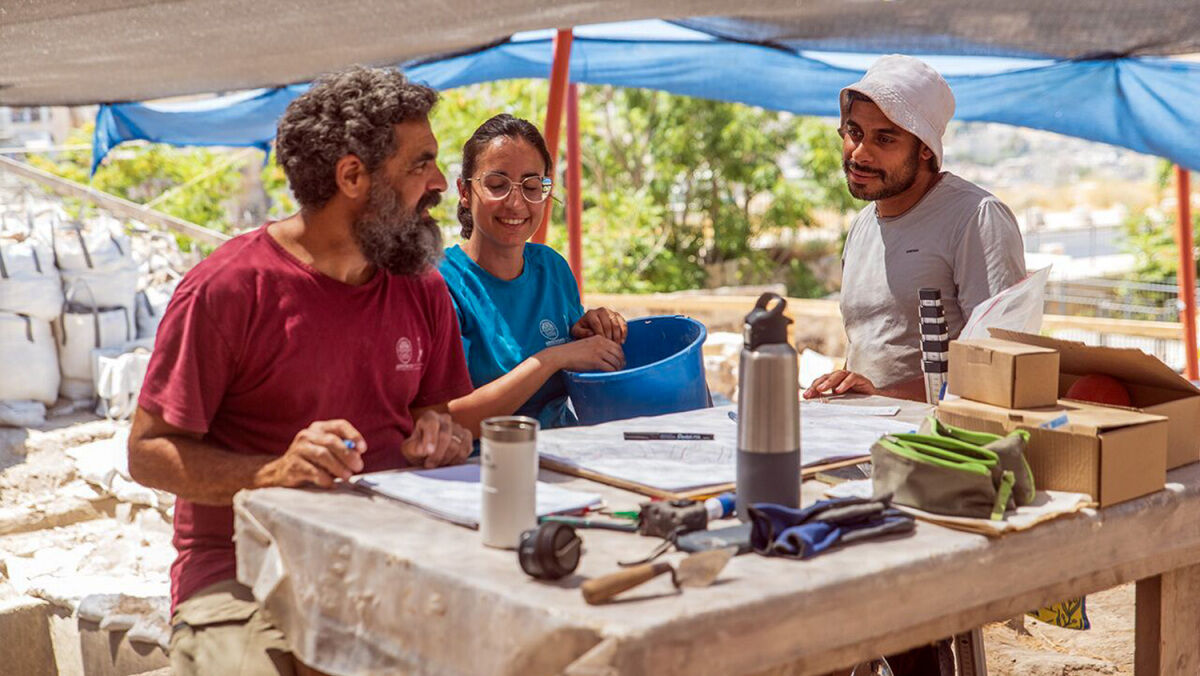
I also want to thank each and every one of our individual volunteers. You came from across the United States, from Europe, from the Far East, and some even from here in Israel, bringing with you different backgrounds, experiences and perspectives. Yet within a remarkably short time, you became one team.
Many of you are not here for the first time. Some have returned for a second season, some for a third, and a few have become such familiar faces that it is difficult to imagine an Ophel excavation without you. Your willingness to come back, year after year, is the greatest compliment this project could receive. You are no longer simply volunteers—you are part of the Ophel family, and we are deeply grateful for your hard work, your enthusiasm and your friendship.
I also want to thank our wonderful staff, whose professionalism, dedication and good humor made this season possible. Area supervisors: Amir, Chris and Akiva; assistant area supervisors: Shoham, Gal, Aviv and Shlomo; Aubrey, our photographer; Nadav, our registrar; Elchai, the administrator; and Marcos, our surveyor—all of whom kept this excavation moving from one day to the next. Much of what you do is invisible to visitors, but it is never invisible to those of us who depend on it every single day.
Amir and Chris, time and again, when Orit and I hesitated or wondered whether a particular area was worth pursuing, you encouraged us to keep going. More than once, your professional judgment, persistence and gentle, or not-that-gentle, insistence led directly to some of the most important discoveries of this season. Thank you for pushing us forward and for reminding us that good archaeology often rewards those who are willing to dig just a little bit further.
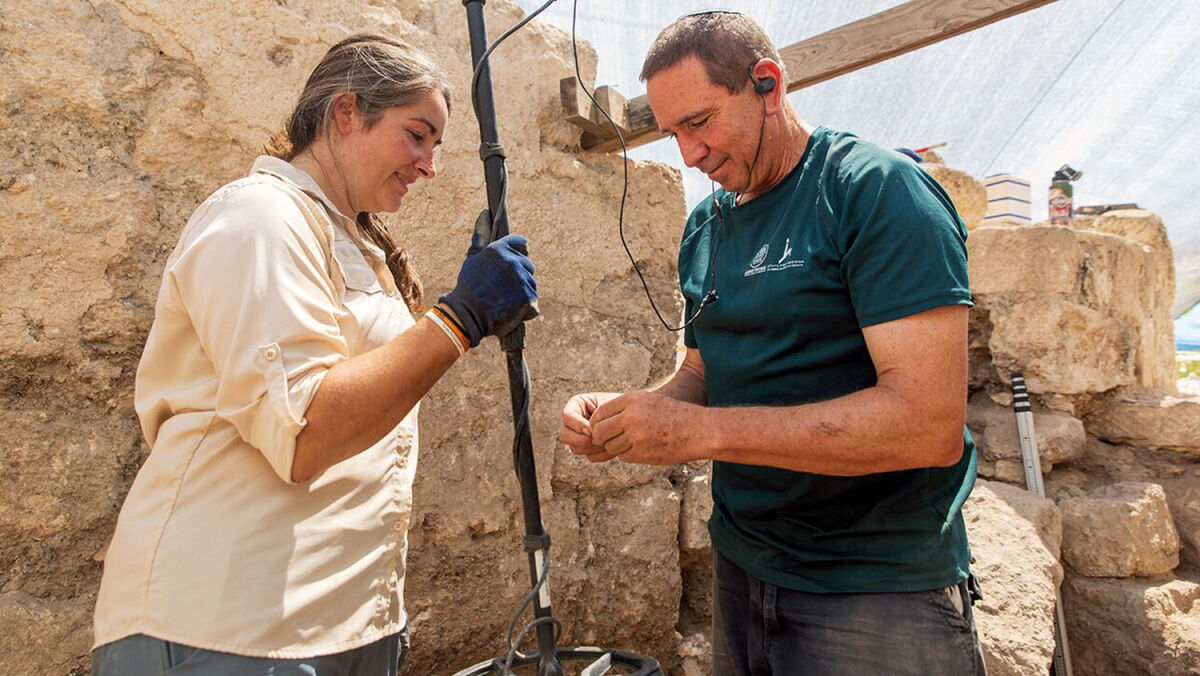
This season has reminded me that professionalism is essential, but it is not enough. What makes a truly exceptional excavation is the spirit in which the work is done, good humor, generosity, patience, a willingness to help without being asked. The ability to stay focused when the days are long and the heat is unforgiving. Those qualities cannot be measured on a locus sheet, but they shape every successful excavation. Thank you all for bringing those qualities with you every morning.
And finally, I want to thank Orit. Thank you for sharing not only the excitement of discovery but also the responsibility: the planning, the decisions, the endless logistics and the long months of post-excavation work that still lie ahead. I am deeply grateful to have a partner with whom I can share both the burdens and the joys of leading this excavation.
As I look around this gathering tonight, I am reminded of one of archaeology’s greatest rewards. We spend a few short weeks uncovering traces of people who lived thousands of years before us. But in the process, we leave traces of our own—not in the ground but in the friendships we build, the knowledge we create, and the community we become.
There is a beautiful verse in the book of Psalms:
יְרוּשָׁלִַם הַבְּנוּיָה כְּעִיר שֶׁחֻבְּרָה־לָּהּ יַחְדָּו
“Jerusalem is built as a city that is united together.”
Rabbinic tradition interpreted שחברה לה יחדו not as referring to the city’s architecture but to Jerusalem itself being a place that joins people together.
Looking around here tonight, I think that is one of the most beautiful things archaeology has done: It has brought together people from different countries, different backgrounds and different experiences, united by curiosity, hard work and friendship.
Thank you all—for your hard work, your curiosity, your patience, your determination and your friendship. Together, we have shown once again that the greatest discoveries are rarely made in a single dramatic moment, but are built one bucket, one stone and one day at a time.
For 3,000 years, people have come to Jerusalem for many different reasons—to worship, to rule, to study, to fight, to dream. We came here for a different purpose: to learn. And in doing so, we have become one small chapter in the long history of this remarkable city.