Jerusalem’s Broad Wall: The Discovery That ‘Revolutionized Scholarship’
After the Six-Day War in 1967 and the unification of Jerusalem under Israeli control, an opportunity of a lifetime presented itself to Israeli archaeologists to excavate the heart of Jewish history. One of the first excavations to take place was in the Jewish Quarter of the Old City in 1969, led by Prof. Nahman Avigad and supported, among others, by the Ambassador International Cultural Foundation, founded by our namesake.
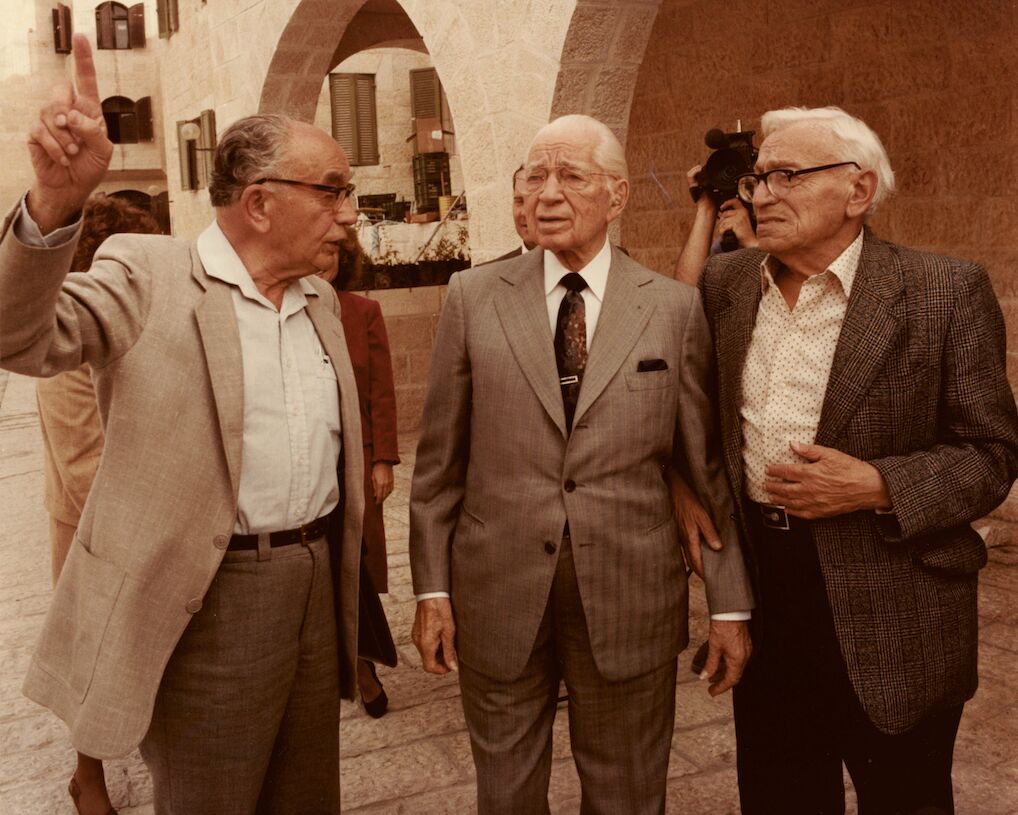
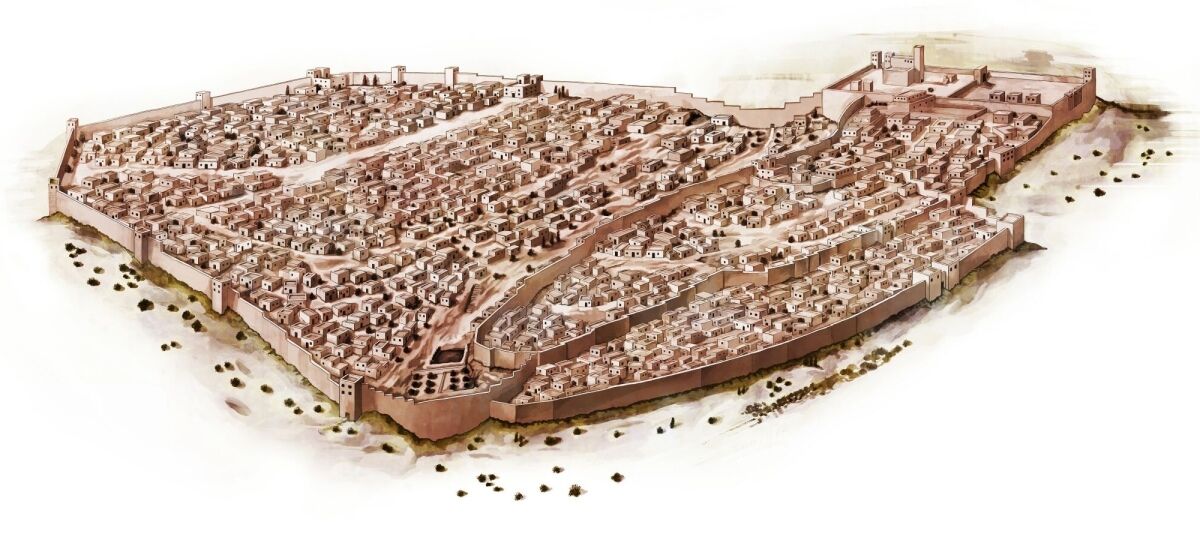
It was during these excavations that Avigad uncovered the remains of a colossal 7-meter-wide Iron Age wall on Jerusalem’s Western Hill that he called the “Broad Wall.” This discovery was especially significant, because of the decades-long academic battle that had been raging between minimalists, maximalists and those in between about the extent of Jerusalem’s borders in the Iron Age. Avigad’s discovery of the Broad Wall was groundbreaking proof that showed Jerusalem was a much more substantial, expansive and heavily fortified city in the Iron Age than many had previously believed.
The following is an overview of this paradigm-shifting discovery in the heart of Jerusalem.
The Debate
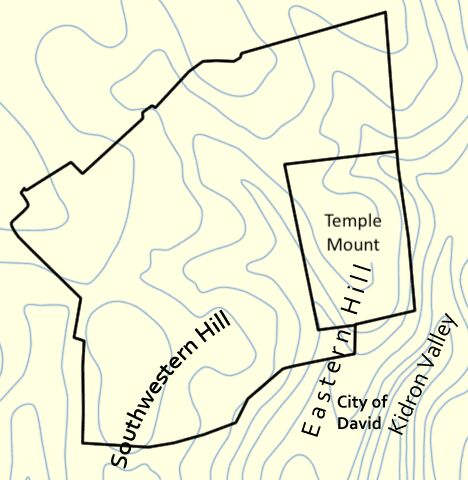
Before any of these Jerusalem excavations began, the standard minimalist position was that the city only expanded to include the Western Hill during the time of the Hasmoneans in the second century b.c.e. But as was (and often still is) the case, “their contention rested mainly on negative archaeological results, for no decisive remains from the period of the Israelite or Judean kingdom had ever been found on the Western Hill,” Avigad wrote in his book Discovering Jerusalem. “Of course, only very limited trial excavations had been conducted there, but this lack of evidence led them to conclude that the Jerusalem of the First Temple period was limited to the Eastern Hill up till the time of its destruction by the Babylonians.”
Despite the fact that few excavations had taken place, their minds were already made up.
Dame Kathleen Kenyon, hoping to put the discussion to rest, opened two trial excavations on the Western Hill during the 1960s—one in the Armenian Garden and one in the Christian Quarter. Although she found some Iron Age ii (circa 1000–586 b.c.e.) material—which she dismissed as remnants of an Iron Age quarry—she claimed that she had found no evidence of occupation earlier than the first century c.e.
Many thought Kenyon’s conclusions were the deathblow to the maximalist position. Yet this sentiment barely outlived the decade.
The Discovery
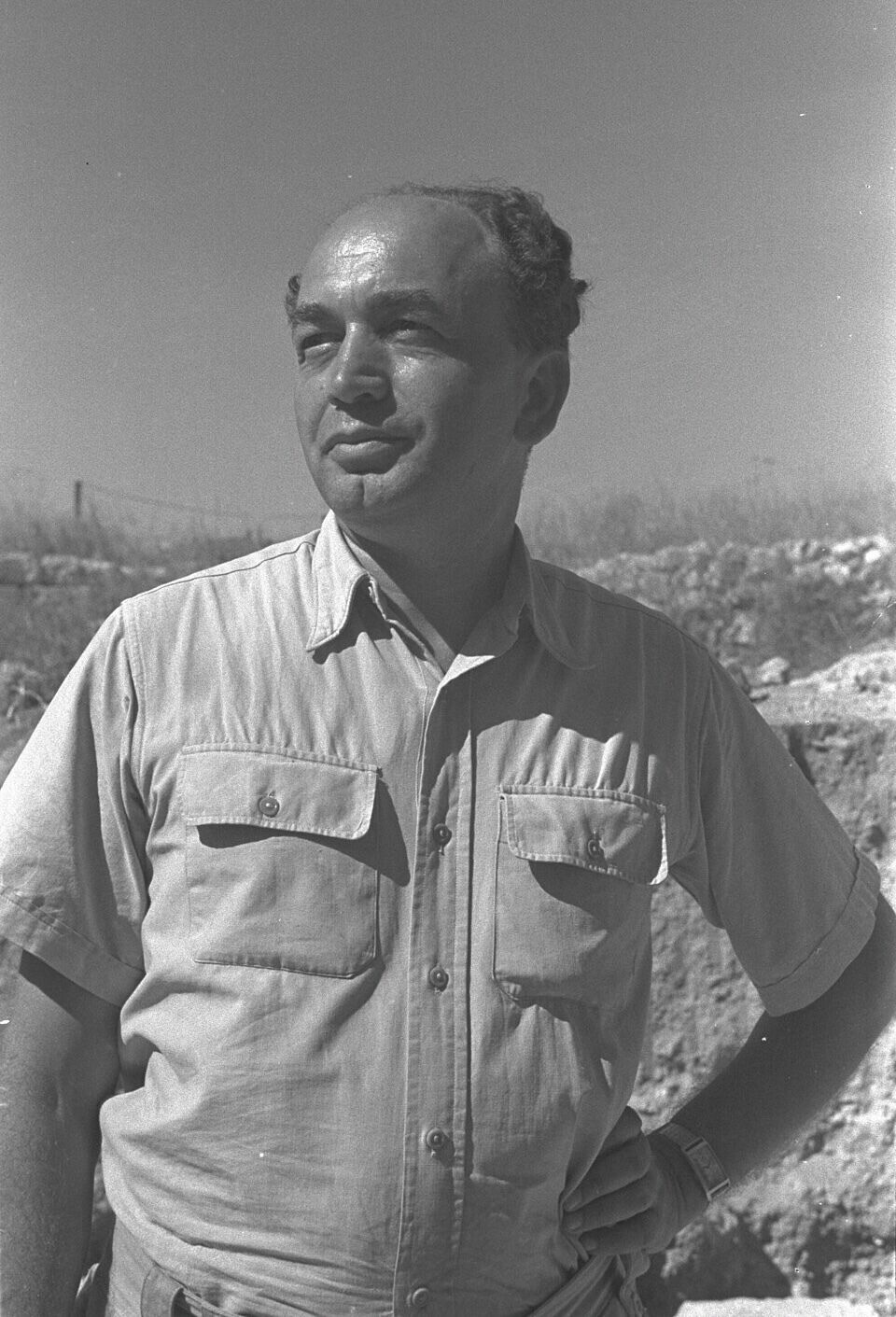
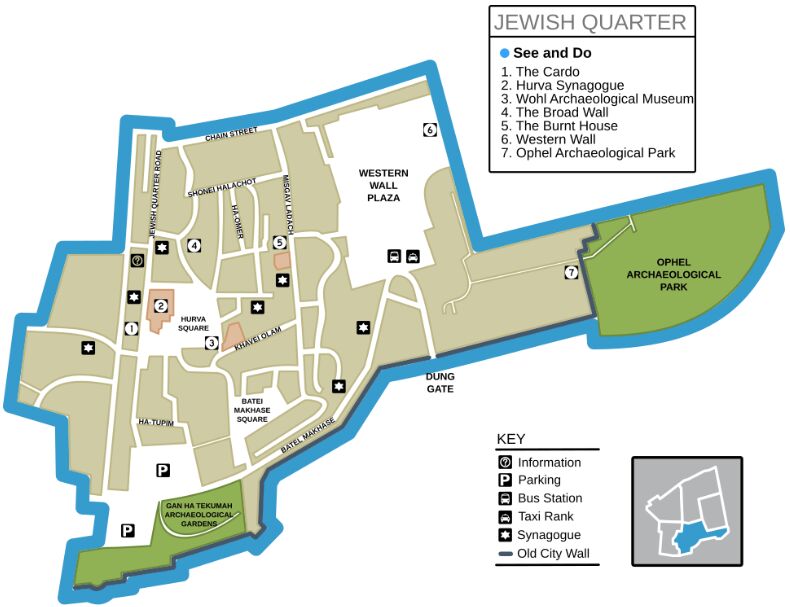
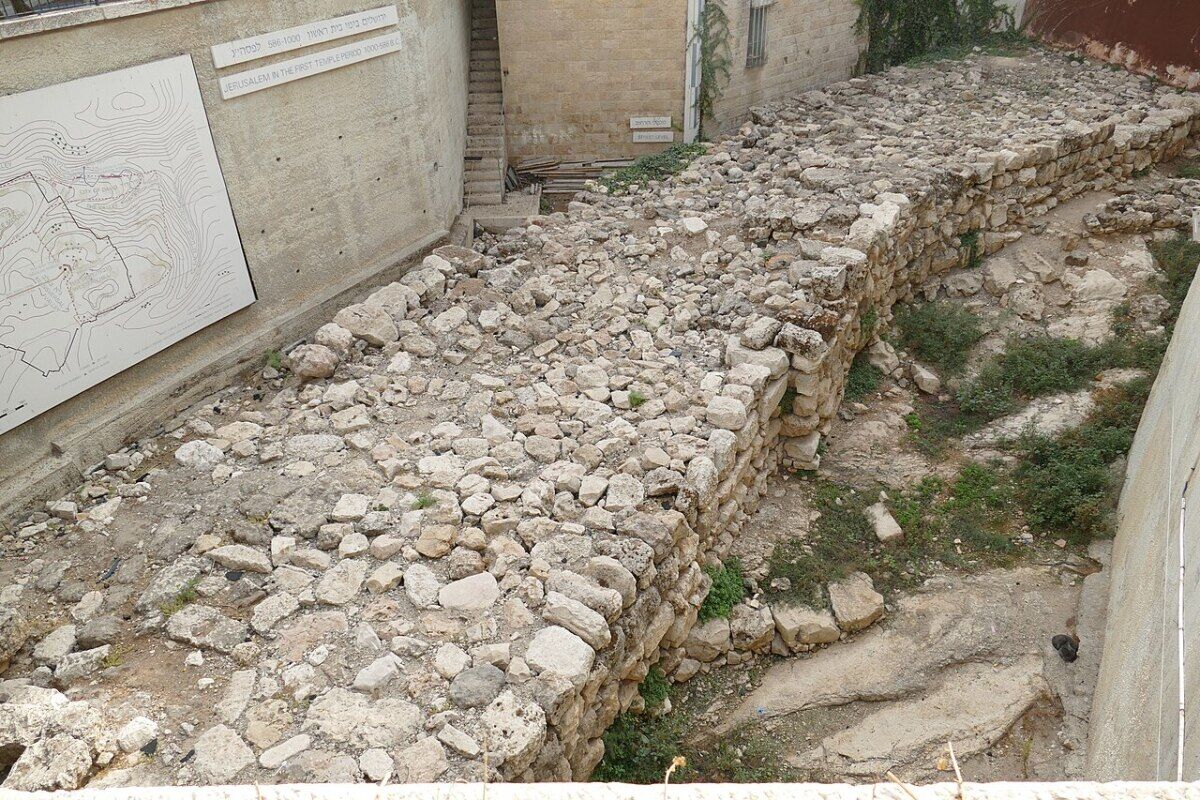
Avigad’s excavations in the Jewish Quarter of the Old City breathed new life into discussions surrounding Iron Age Jerusalem’s settlement. The excavations revealed a stretch of wall 65 meters long and 7 meters wide, constructed out of field stones and dating to the second half of the Iron Age ii. While at first hesitant about their findings, the further Avigad’s team got in the excavation the more convinced they became about what they had discovered.
Avigad proposed that the very wide wall, which he labeled W.555, was one and the same as an unusual stretch of Jerusalem’s wall mentioned in the book of Nehemiah and conspicuously named the “broad wall”: “And next unto him repaired Hananiah one of the perfumers, and they restored Jerusalem even unto the broad wall. … And the other company of them that gave thanks went to meet them, and I after them, with the half of the people, upon the wall, above the tower of the furnaces, even unto the broad wall” (Nehemiah 3:8; 12:38).
Avigad identified the initial construction of the Broad Wall with Stratum 8, dating it to the late eighth-early seventh centuries b.c.e.—the time of King Hezekiah. The excavation final report reads:
The stratigraphic position of the Stratum 8 Broad Wall is clear and permits an approximate dating of its construction to the period between Stratum 9 and Stratum 7. The wall destroyed eighth-century b.c.e. Stratum 9 buildings. Its foundations are covered with an earthen fill and Stratum 7 construction dated to the seventh century b.c.e. It is therefore possible to establish an approximate date for its construction between the latter part of the eighth and beginning of the seventh centuries b.c.e.
Together with the discovery of the Broad Wall, Avigad uncovered within Stratum 8 numerous lmlk and private seal impressions, inscriptions, bowls, kraters, jugs, juglets, cooking pots and storage jars, as well as pillar figurines and horse figurines—all demonstrating extensive and dense occupation at the end of the eighth century b.c.e. “There is no doubt whatsoever that all these finds point to a permanent settlement on the Western Hill,” he wrote. Furthermore, this very thick wall was constructed on top of even earlier Iron Age remains (Stratum 9), demonstrating that the Western Hill was settled even earlier.
As all archaeologists should, Avigad looked into the textual sources to interpret his findings. In Discovering Jerusalem, he pointed to 2 Kings 22:14, which speaks of Hilkiah and other officials going to Huldah the prophetess, the keeper of the king’s wardrobe, who “dwelt in Jerusalem in the second quarter,” or “Mishneh.” Where was this located?
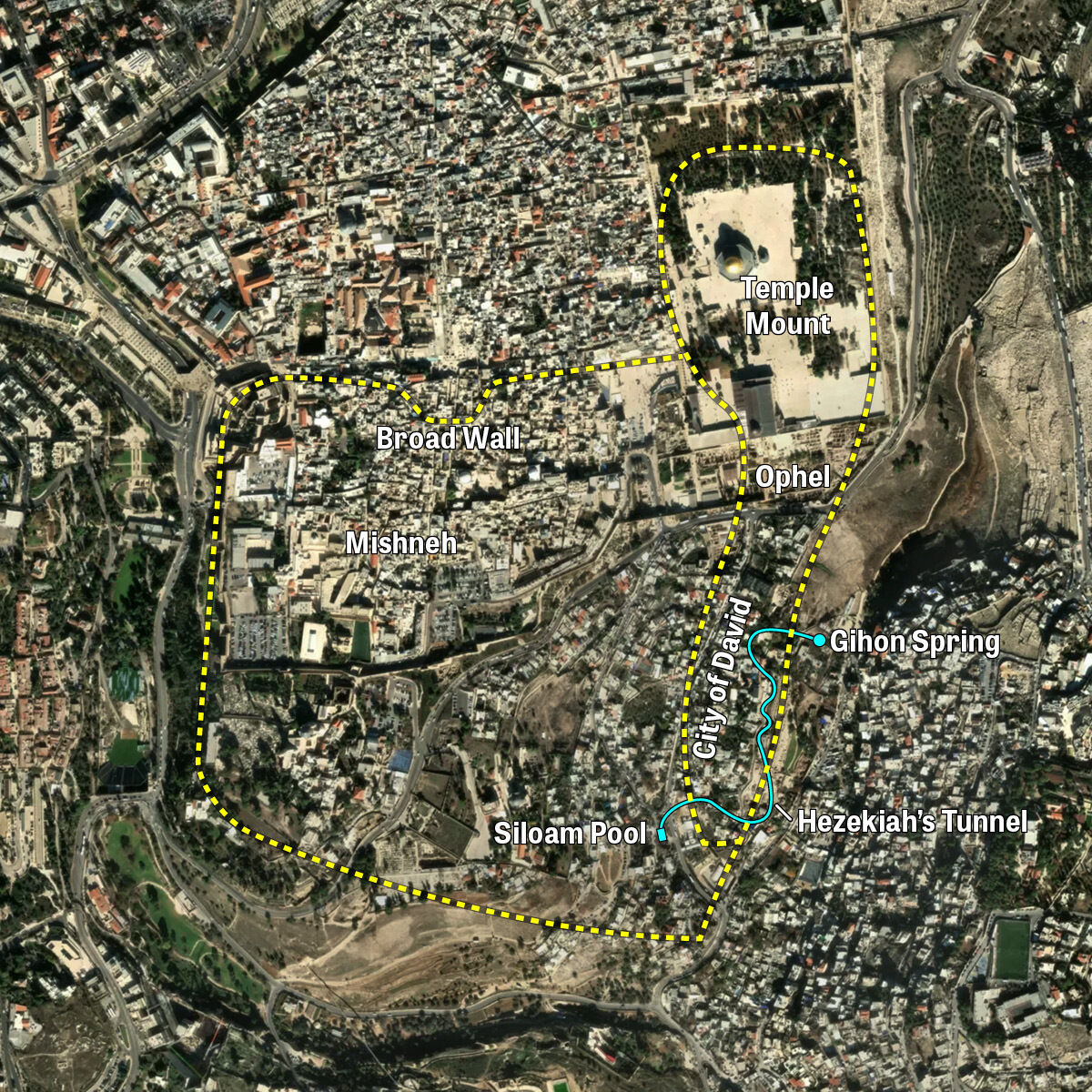
“Our excavations now point to the Mishneh as having been situated on the Western Hill,” Avigad wrote. This Mishneh, or “second quarter,” is also mentioned elsewhere in the Bible relating to later periods: Zephaniah 1:10 (during king Josiah’s reign) and perhaps Nehemiah 3:6, 11:8 and 12:39 (after the return from the exile). These scriptures indicate a secondary part of the city outside of the main acropolis of the City of David, Ophel and temple acropolis.
Based on his findings and the stratigraphy, Avigad suggested: “At first, the new settlement which spread over the entire Western Hill was outside the city wall, isolated from its mother-town, the City of David. Later, the Mishneh was enclosed by a wall which joined up with that of the City of David, forming one large, fortified city.” Such a large, fortified city aptly fits with the biblical description of a powerful kingdom.
Hezekiah’s Wall—or Is It?
The construction of the Broad Wall has been attributed to King Hezekiah. 2 Chronicles 32 discusses Hezekiah’s preparations for the approaching Assyrian invasion at the end of the eighth century b.c.e. Verse 30 says he “stopped the upper spring of the waters of Gihon, and brought them straight down on the west side of the city of David.” If Jerusalem was limited to the Eastern Hill (City of David), Hezekiah would have led the water from one vulnerable position to another vulnerable location outside of the city walls. Verses 4-5, however, state that Hezekiah built “another wall without” to prevent the Assyrians accessing the city’s water supply. Could this refer to the wall enclosing Avigad’s Mishneh?
Further, in light of the remains of the Broad Wall that were found to cross over the ruins of earlier houses containing “Israelite remains” (Stratum 9), Avigad suggested this to be a reflection of Hezekiah’s preparations for a confrontation with the Assyrians, described in Isaiah 22: “And ye saw the breaches of the city of David, that they were many; and ye gathered together the waters of the lower pool. And ye numbered the houses of Jerusalem, and ye broke down the houses to fortify the wall” (verses 9-10). Perhaps Hezekiah tore down settlements already present on the Western Hill to construct this wall.
More recently Chandler Collins, a Ph.D candidate at Bar-Ilan University and faculty member of Jerusalem University College, has highlighted other possibilities concerning the Broad Wall based on textual interpretation, while still conceding that this connection is completely viable. He questions whether the structures of Stratum 9 destroyed for the construction of the wall could truly be called “houses” (בתים) and also whether those structures were still in use at that time. Although the construction of this specific wall portion may not have been the focus of the passage in Isaiah, if the wall was indeed constructed by Hezekiah, it seems almost too hard not to make this connection.
That brings us to the debate on the dating of the wall.
Since the days of Avigad’s excavations some new chronological interpretations of Jerusalem’s westward expansion have been put forth. In a 2024 research paper by 14 scholars titled, “Radiocarbon Chronology of Iron Age Jerusalem Reveals Calibration Offsets and Architectural Developments,” Johanna Regev and her colleagues demonstrated a new chronological picture of Jerusalem’s development based on 103 carbon samples taken from various points around the city. (For more on this study, see our article “A Revolutionary Carbon-Dating Study of Ancient Jerusalem.”)
https://www.youtube.com/watch?v=-QgJphw7Vfg
Concerning the construction of the city fortifications after the famous earthquake (Amos 1:1), Regev et al write that “while the major building project of Jerusalem’s eighth-century b.c.e. fortifications was previously assigned to King Hezekiah in the late eighth century b.c.e. … based on our chronology, these activities can now be associated with the latter years of King Uzziah, whose reign spanned the mid-eighth century b.c.e., suggesting the city was fortified during the Syro-Ephraimite war (2 Kings 15-16).” Still, it is important to note that this redating primarily concerns fortifications on Jerusalem’s Eastern Hill and does not necessarily mean that the Broad Wall on the Western Hill, previously assigned to Hezekiah, should be redated to this earlier time period as well.
Regardless of whether the Broad Wall itself was constructed in the reign of Uzziah or Hezekiah, its discovery—as well as the settlement remains predating it—proved beyond any doubt that Jerusalem was a more significant city than many scholars had previously believed.
Making History
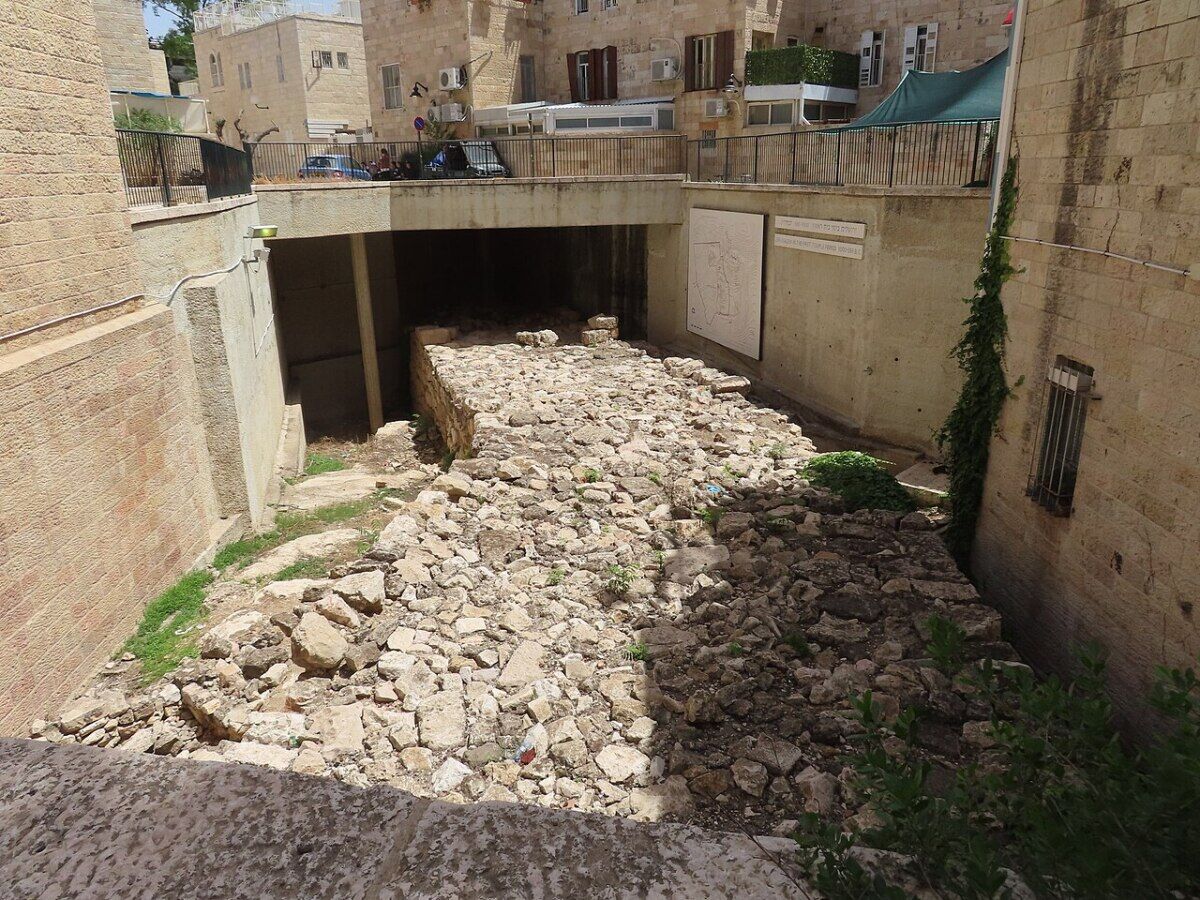
The discovery of the Broad Wall has had a lasting impact on the archaeology of Jerusalem. As Collins wrote, it “revolutionized scholarship at the time because virtually no archaeologists anticipated that the Western Hill had been occupied, let alone fortified, while the Judahite kings reigned.”
In Discovering Jerusalem, Avigad wrote about his own feelings regarding this landmark discovery, stating: “I must admit, unblushingly, that I had the feeling that we had indeed ‘made history.’”
And they certainly did. Thanks to the discovery of the Broad Wall, we now understand that Jerusalem was a far more extensive city during the First Temple Period than previously thought—just as the biblical account conveys.