
‘Engineering Marvel’: 300-Meter-Long Stretch of Jerusalem’s Lower Aqueduct Revealed
In preparation for the construction of a Jerusalem neighborhood near Ramat Rachel, 300 meters worth of an ancient and sophisticated water system was unearthed—part of a more than 2,000-year-old water system known as the Lower Aqueduct, designed to bring water into Jerusalem. While portions of this aqueduct have been revealed in the past, ongoing excavations conducted by the Israel Antiquities Authority (iaa) are continuing to reveal how this aqueduct, apparently originating in the Hasmonean Period, carried spring water from the Gush Etzion area via Solomon’s Pools to central Jerusalem.
According to excavation directors Dr. Benyamin Storchan and Gil Freid, the Lower Aqueduct was an “impressive engineering project, probably built in the time of the Hasmonean kings to supply water to Jerusalem. The system was so well planned that it remained in intermittent use until about 100 years ago. The aqueduct runs about 21 kilometers from Solomon’s Pools, south of Bethlehem, to Jerusalem. Along most of the route, the water flowed along a very gentle gradient, dropping just one meter in elevation per kilometer.”
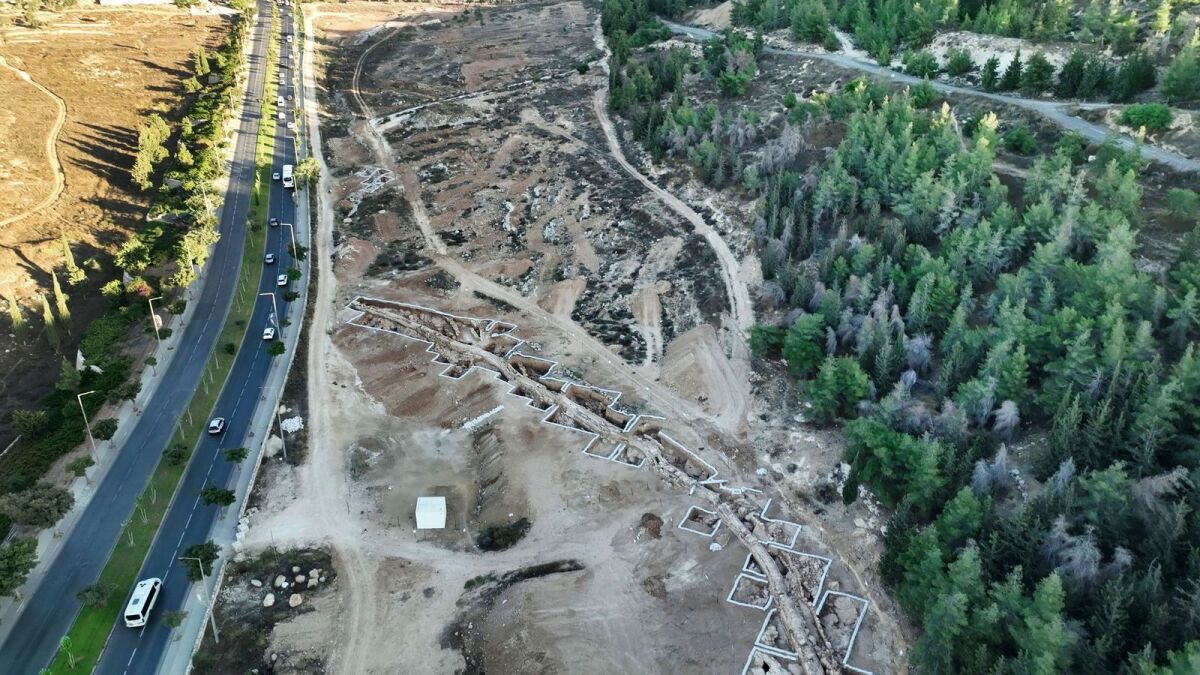
Water needed to travel vast distances by gravity alone—without mechanical help—so the ancient city planners had to maintain precise gradients that spanned over kilometers, adapting and working with the natural slopes and bedrock. Clean-out points were also built along the route to allow clearance of blockages and debris.
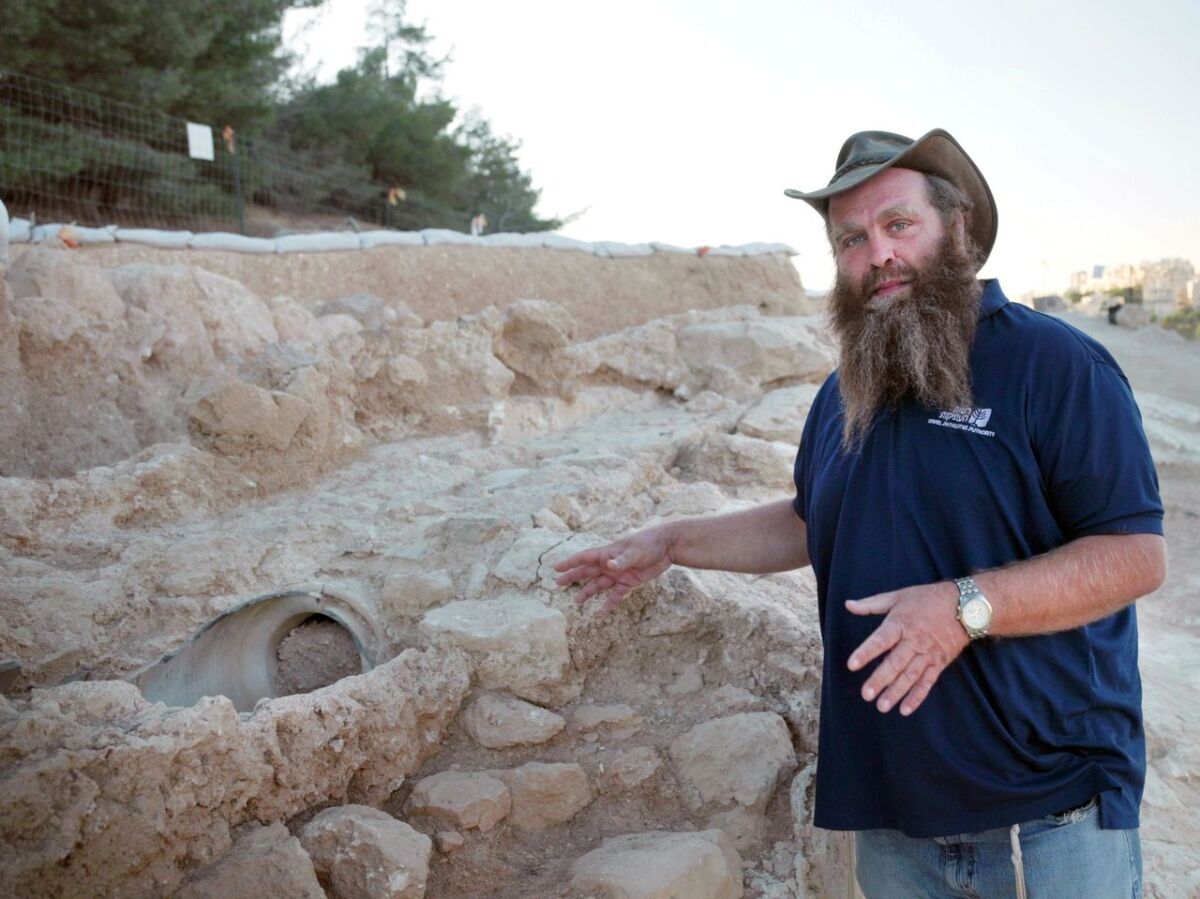
Because the aqueduct remained in continued use for centuries, it provides a unique snapshot of development over time. Originally water flowed through a plastered channel; later ceramic pipes were installed during the Ottoman Period. The evidence of continued repairs and upkeep shows its importance and the immense effort to maintain Jerusalem’s water supply.
The aqueduct was originally constructed to service Jerusalem’s growing needs during the later Second Temple Period, with the city’s burgeoning population and temple-related water requirements—especially during the pilgrimage periods throughout the year. Just last month the discovery of a monumental mikveh complex from our own excavations on Jerusalem’s Ophel was announced—a facility that likely would have been fed by such aqueduct-carried water.
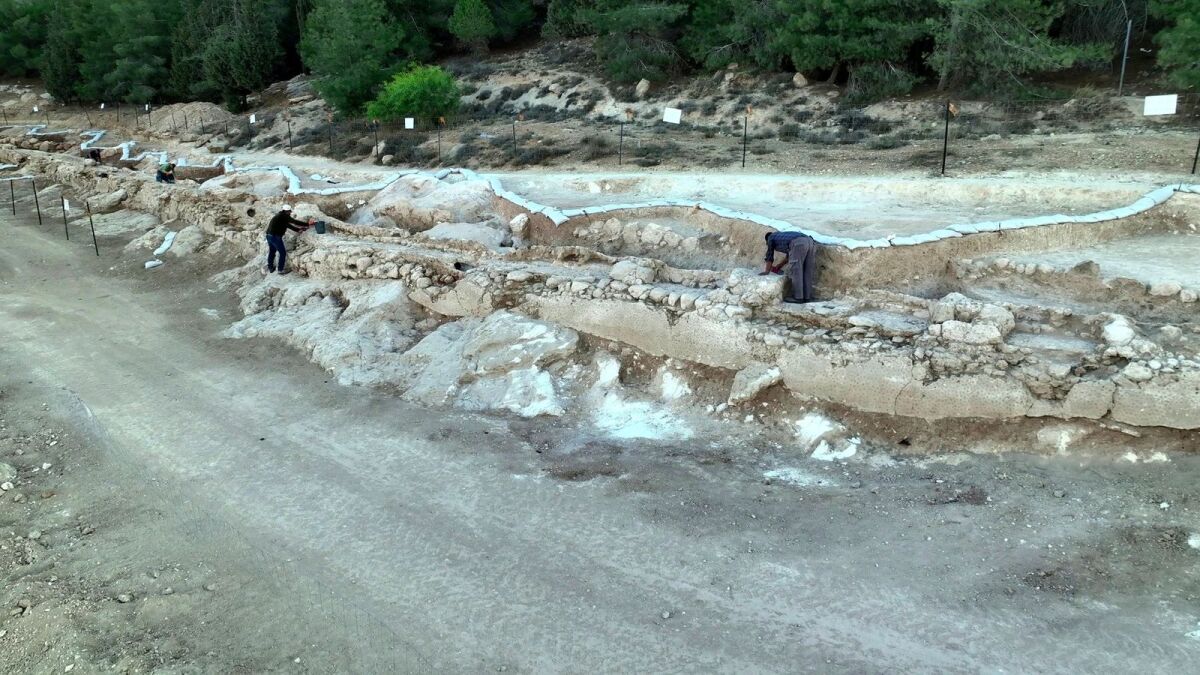
According to Dr. Amit Re’em, Jerusalem District Archaeologist of the iaa, the Lower Aqueduct is an “engineering marvel.”
“Even today, with all our modern technology, building such a system would require extensive planning and effort,” he stated. “The thought that about 2,000 years ago they managed to bring water to Jerusalem this way is astonishing, and we want the public to be able to appreciate this achievement up close.”
The aqueduct will be preserved and the iaa and Israel Land Authority (ila) plan to incorporate it into the entrance of the new neighborhood. Yehuda Eliyahu, Acting Director of the ila, said in a statement: “The spectacular discovery of the ancient aqueduct in the heart of the area planned for the new neighborhood in Jerusalem reminds us that we are continuing a glorious chain of generations of building and development.”
https://www.youtube.com/watch?v=EbEyBLkM6K4