
Unique 2,000-Year-Old Mikveh Moved From Archaeological Site
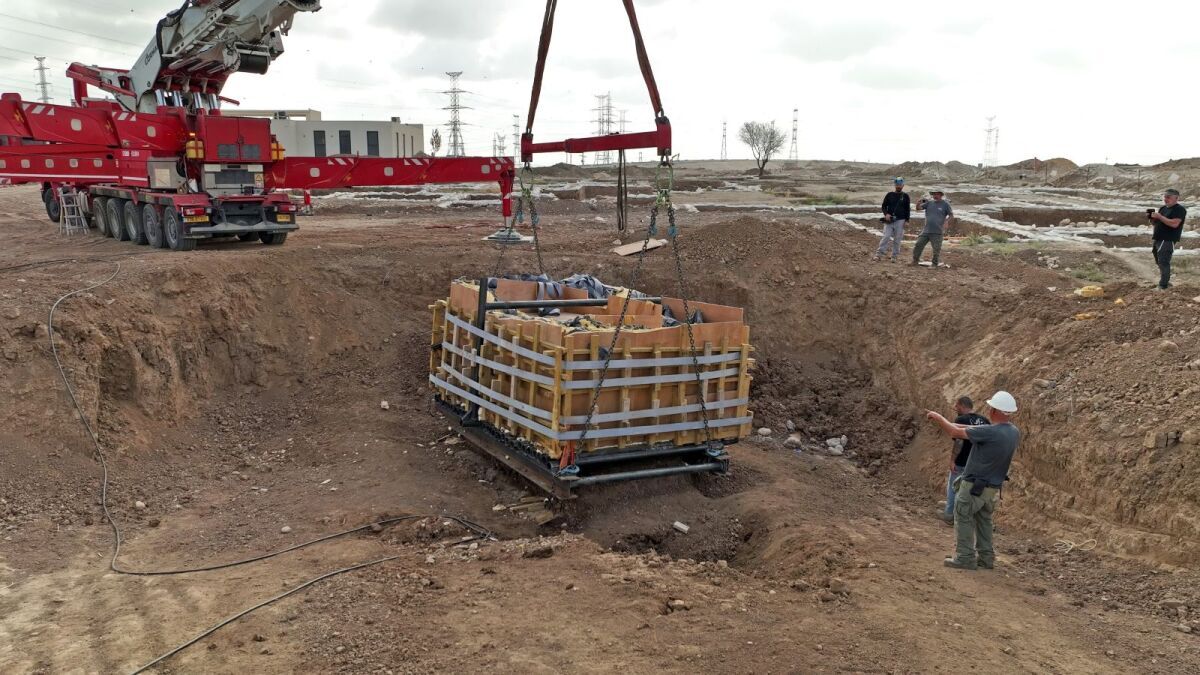
Excavators of the Israel Antiquities Authority (iaa) accomplished a remarkable feat this July, lifting a complete 2,000-year-old, 25-ton Jewish ritual bath (mikveh) out of the ground and safely transporting it to the National Treasures Department.
The mikveh was uncovered during salvage excavations ahead of construction in the Karmei Gat neighborhood of Kiryat Gat—40 kilometers (25 miles) north of Beersheva.
The discovery of this mikveh and Jewish settlement of this period and in this location is a first in the history of Israel’s archaeology. Finding a mikveh is not uncommon; such ritual baths were widespread during the Roman Period in Israel. We have uncovered many of them in our excavations on the Ophel in Jerusalem (including a notable complex that made headlines last week). What makes this one so special is that it was found at Kiryat Gat, providing the first clear evidence of a Jewish settlement from the Roman Period in this area.
Excavation directors Elena Kogan-Zahavi, Maayan Margulis and Shira Lifshitz said: “The Jewish settlement we discovered here is the first and the only known one in this area. In the Judean Lowlands, many Jewish settlements from the Roman period are known, but in the seam between the Judean Lowlands and the northern Negev—no Jewish settlement was known until now.”
Alongside the mikveh, the iaa team found several stone vessels, commonly used in the Second Temple Period. (Compare the early description of this custom in John 2:6.) After the settlement fell out of use during the Jewish Bar Kokhba revolt in the second century b.c.e., it was reinhabited in the Byzantine Period, some 500 years later by a different people.
Evidence of a Jewish settlement in this area is not the only thing unique about this excavation, however. To protect the mikveh from damage during the construction of the Karmei Gat neighborhood, the iaa decided to move the entire structure for safekeeping.
After excavating around the bath, the conservation team inserted steel beams underneath and enveloped the 4-meter-wide structure in foam material to withstand the shocks of extraction and transport. To successfully complete the task the conservators used a 300-ton lifting crane to lift the whole bath onto a wide-load transport truck, finally transporting it to the National Treasures Department storehouse in Beit Guvrin surrounded by escort vehicles. It took about two weeks to complete this “exceptional engineering operation,” as the iaa news report called it.
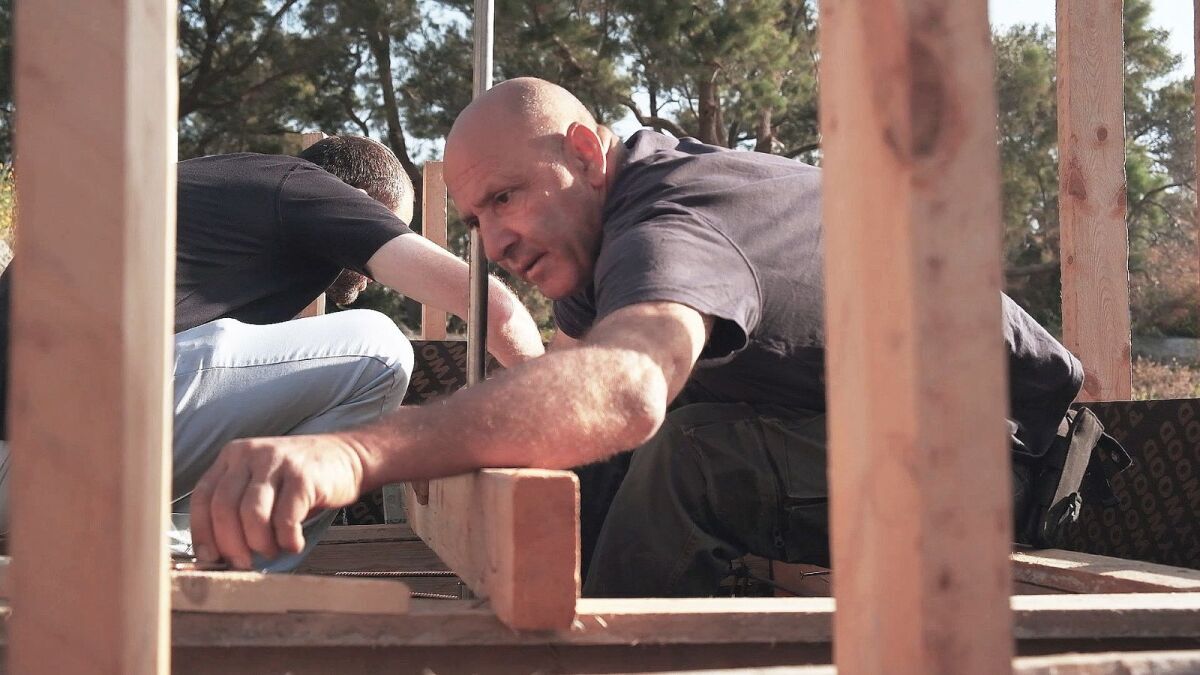
Eyal Kaho from the Conservation Administration of the iaa commented:
One evening I received a call that there was a complex task of relocating a mikveh, and that the mikveh weighs 25 tons according to the calculations. The day before the relocation I didn’t sleep at night. We get excited all over again when we do things like this. It’s like a surgeon. He gets excited every time he does something. After all, he is saving human lives. Here, we are saving our history.
The complete ritual bath will be brought back to the center of the neighborhood after construction is finished so the public can appreciate this evidence of Jewish heritage from 2,000 years ago.
https://www.youtube.com/watch?v=MUBaQx3w9hU