
Nebuchadnezzar—Restorer of Ziggurats
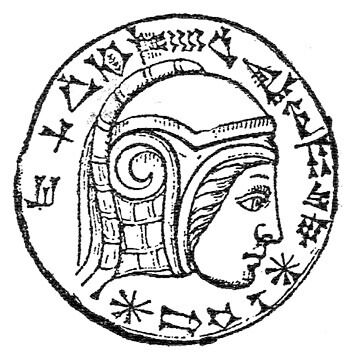
Nebuchadnezzar ii (r. 605–562 b.c.e.) is one of the most important Gentile kings of biblical history, infamous for destroying the temple at Jerusalem in 586 b.c.e. and taking the southern kingdom of Judah into captivity. He is also well known from the history and prophecies of Daniel, who called him “king of kings, unto whom the God of heaven hath given the kingdom, the power, and the strength, and the glory” (Daniel 2:37). Now two newly revealed artifacts belonging to the king demonstrate his great efforts of reconstructing the religious sites of the empire.
Two cylinders found on the surface of ancient Kish, which were handed to the Iraqi State Board of Antiquities and Heritage and registered at the Iraq Museum in 2013, have now been translated. Their revelations were published on Dec. 3, 2025, by Cambridge University Press. The two cylinders are the first to reveal the initiative of the Babylonian king to reconstruct the ziggurat of Kish.
Kish was a historically significant city 12 kilometers (7 miles) east of Babylon. Both cylinders were found in what archaeologists call a “foundation deposit” on Tell al-Uhaimir—the mound of the ziggurat at Kish. These deposits were buried in or underneath a structure as part of its dedication to the gods.
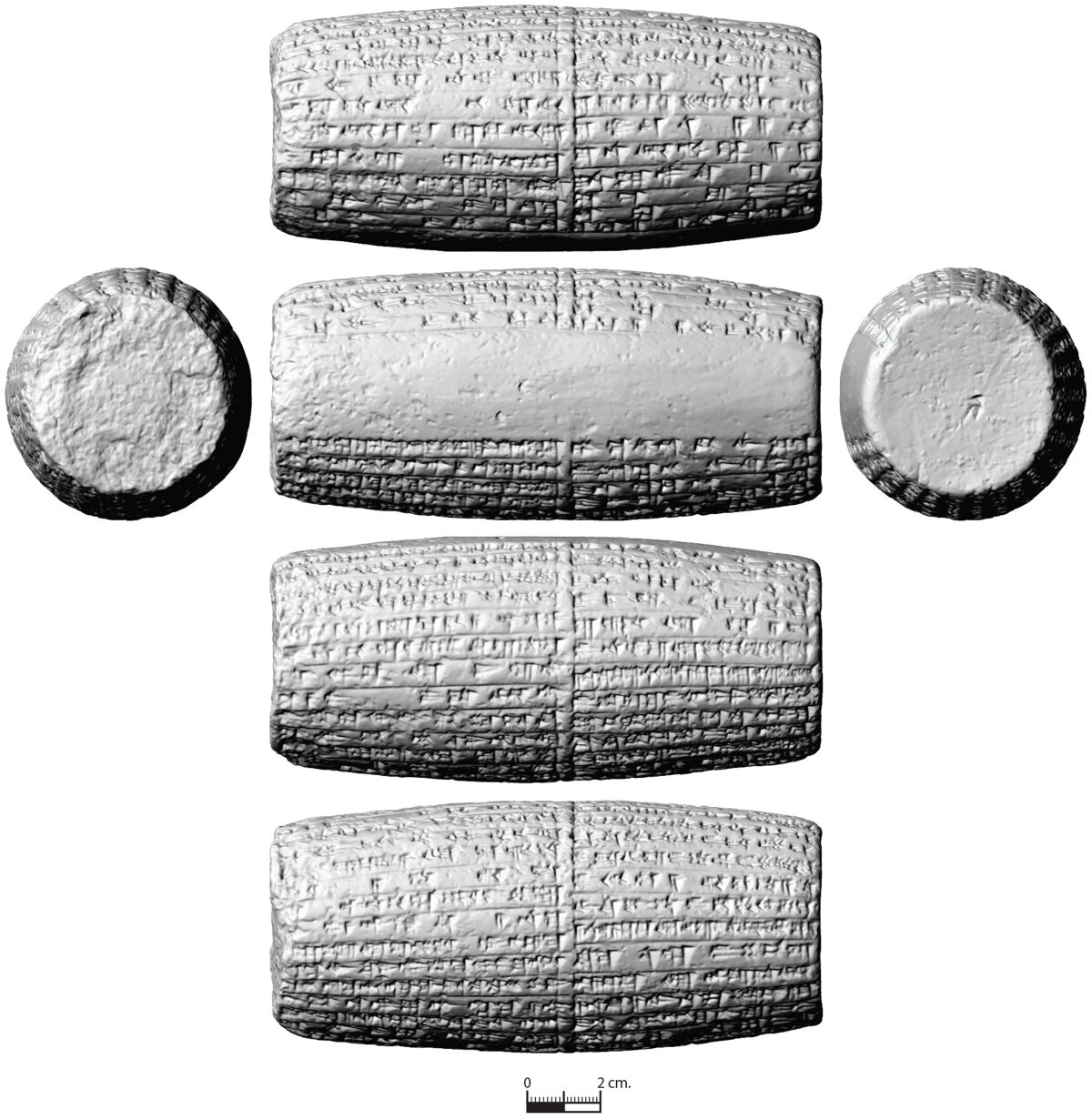
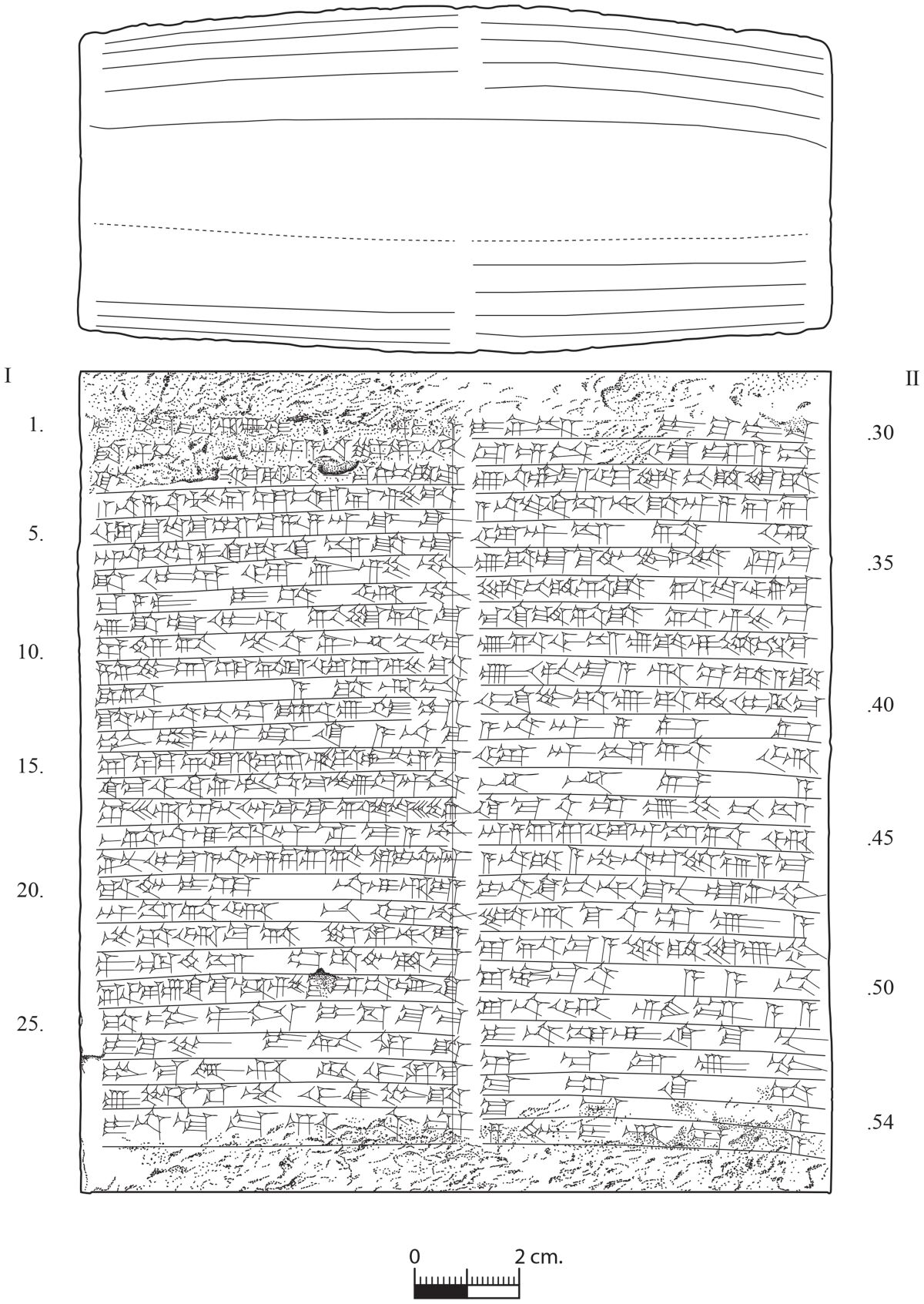
Each cylinder, measuring around 14 to 16 centimeters (4-6 inches) long and 6 centimeters (2 inches) in diameter contains over 50 lines of text in which Nebuchadnezzar discussed his calling by the gods “to keep the cult centers of the great gods in good order.” He also described the history of the structure they were buried under. The longstanding ziggurat that the cylinders belong to was constructed during the reign of Sumulael (1817–1781 b.c.e.), as recorded by Hammurabi (1792–1750 b.c.e.) on a brick found at Tell al-Uhaimir. It had to be repaired twice in its history—with the last restoration now confirmed to be Nebuchadnezzar’s doing.
The ziggurat at Kish was called Eunirkitušmaḫ—translated literally, “House, temple-tower, exalted abode.” The king dedicated this particular ziggurat to the god and goddess of war—Zababa and Ishtar—that “had pushed [his] heart” to restore the structure, as the inscriptions read. According to the authors, Zababa was the highest of the gods in Kish’s pantheon.
Restoring and maintaining religious sites was a way of restoring and maintaining the cosmic order—a responsibility of the king of Babylon.
Nebuchadnezzar believed construction and architecture was a way to unite the diverse empire he had inherited from his father by honoring the traditions of the native Babylonians. Nebuchadnezzar himself was a Chaldean (Ezra 5:12)—a people who had only comparatively recently entered the area. This goal can be seen in examples such as Esagila, the temple of Marduk at Babylon—the most important temple for the native Babylonians.
Ziggurats at various other Neo-Babylonian sites also contained foundation deposit cylinders, like the one that was sold for $605,000 in 2014 and speaks of Nebuchadnezzar restoring the temples belonging to the sun god, Shamash, and the goddess of healing, Ninkarrak, at the city of Sippar north of Babylon.
The Bible confirms Nebuchadnezzar ii was a great builder, who was boastful of his own achievements. Daniel 4:27 quotes him, saying, “Is not this great Babylon, which I have built for a royal dwelling-place, by the might of my power and for the glory of my majesty?” This proud declaration occurs right before the king loses his mind by divine ordinance.
In Historical Illustrations of the Old Testament, George Rawlinson wrote, “He appears to have built or restored almost every city and temple in the whole country. His inscriptions give an elaborate account of the immense works which he constructed in and about Babylon itself, abundantly illustrating the boast, ‘Is not this great Babylon which I have built?’”
Based on what these cylinders reveal about his grand reconstruction efforts, it is no wonder that the Bible calls him a great “king of kings, unto whom the God of heaven hath given the kingdom, the power, and the strength, and the glory” (Daniel 2:37).