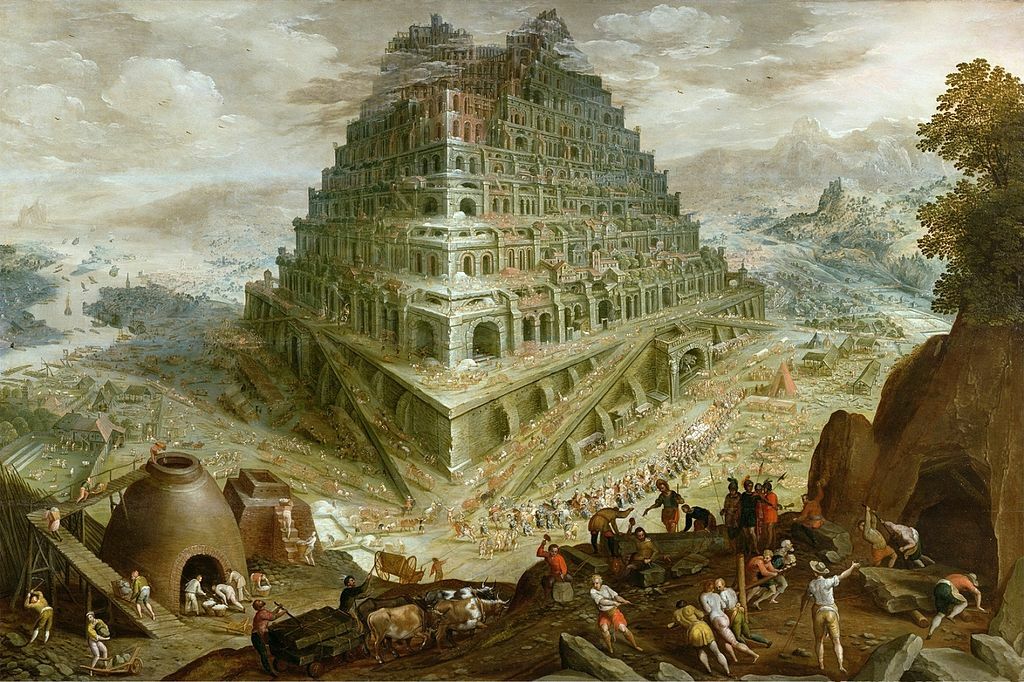
Did Nimrod really build the tower of Babel? Put another way—setting aside questions of historicity for now—does the biblical account imply that Nimrod built the tower of Babel?
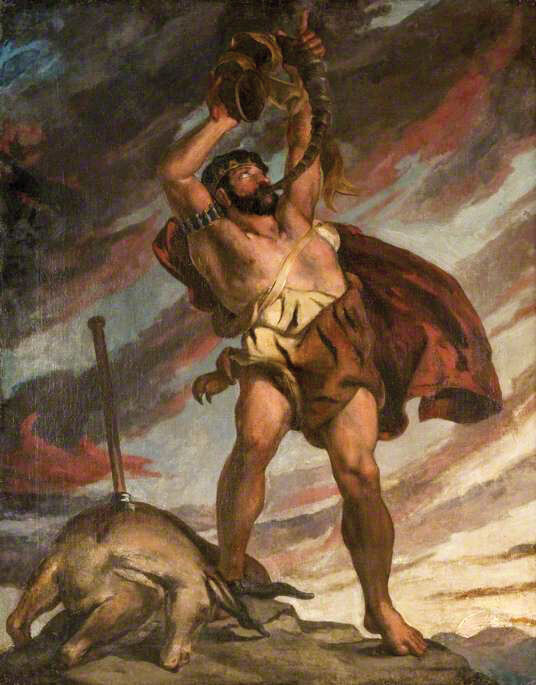
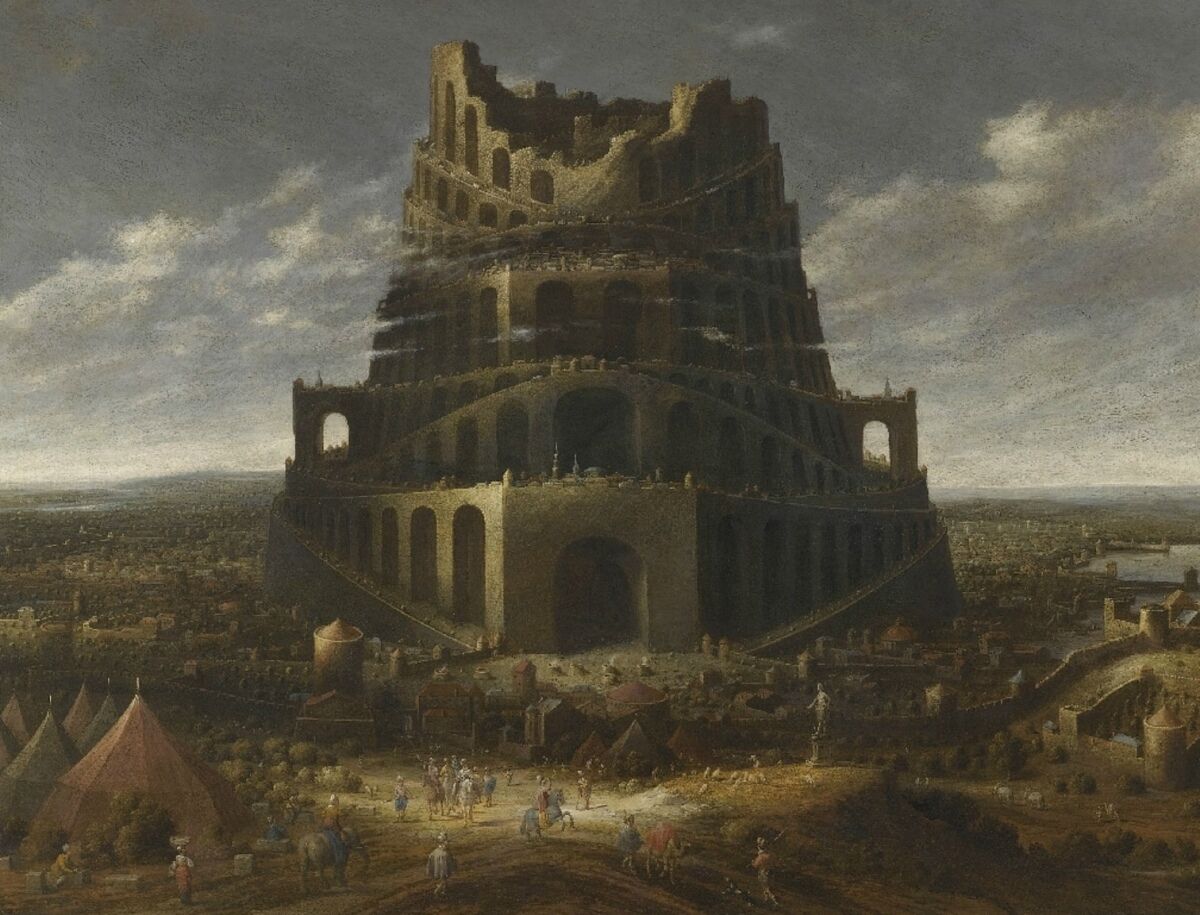
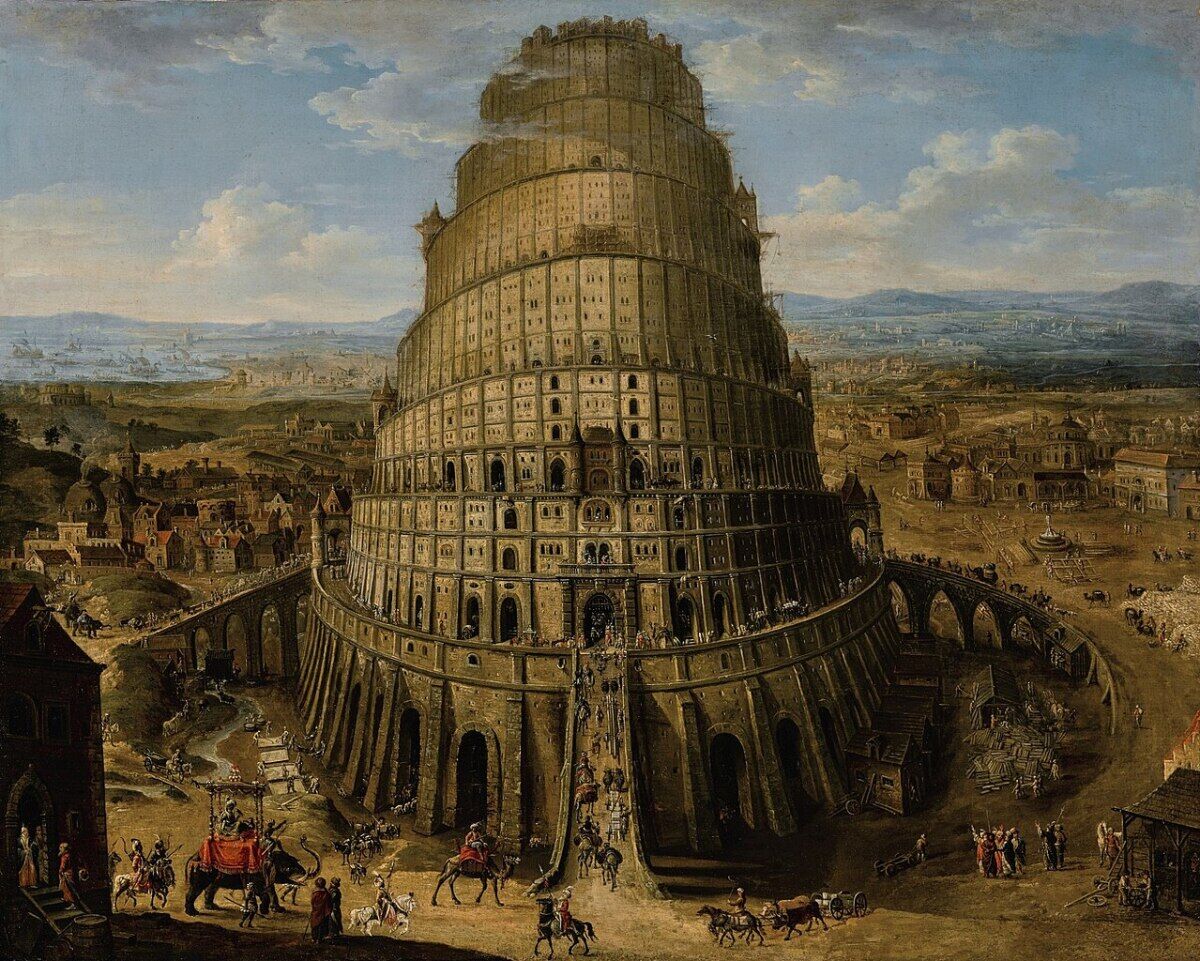
For many, the answer likely seems obvious. It’s a popular biblical story almost taken for granted: Nimrod rebels against God and constructs a great city and tower at Babel, an act that results in the divine confusion of languages and dispersion of peoples across the Earth.
Yet there exists a significant Bible apologetic, literalist opinion that Nimrod did not build the tower of Babel—that he instead may have been on the scene either long prior to or long after the events surrounding the tower of Babel and the confounding of language.
An example of this was highlighted in a recent “reaction” video “Nimrod Built the Tower of Babel??” from popular Christian YouTube apologist Michael Jones. He responded to an individual claiming that “Nimrod was the one who built the tower of Babel to go and try to defeat God.”
“Oh come on, Ryan, I have to debunk this again?” Jones retorted. “For the one millionth time, the Bible does not say Nimrod built the tower of Babel. He’s not even mentioned in Genesis 11. This is a conspiracy theory that goes back to Alexander Hislop in his nonsensical book, The Two Babylons.” Hislop’s now-infamous 19th-century work made the case for Catholicism as promulgating pagan Babylonian rituals first initiated by Nimrod and his consort at Babel—that “papal worship” represented the rising great “mystery” religion warned about by the Apostle John in Revelation 17, “Babylon the Great.”
It is true that Nimrod is not mentioned by name in Genesis 11. But is the notion of Nimrod leading the construction of the tower of Babel really such a modern phenomenon? The Two Babylons aside, is the enduring association of Nimrod with the tower of Babel really so tenuous?
Long Before, or Long After?
The name “Nimrod” is found just four times in the Bible: twice in Genesis 10; once in a parallel genealogical passage in 1 Chronicles 1; and once in Micah 5, which mentions the “land of Nimrod.” Of these passages, Genesis 10:8-10 record the most detail: “And Cush begot Nimrod; he began to be a mighty one in the earth. He was a mighty hunter before the Lord; wherefore it is said: ‘Like Nimrod a mighty hunter before the Lord.’ And the beginning of his kingdom was Babel, and Erech, and Accad, and Calneh, in the land of Shinar.” Certainly, there is no direct statement here specifically saying that “Nimrod built the tower of Babel.” Nor does Genesis 11 specifically mention Nimrod’s name in the context of the construction of the tower.
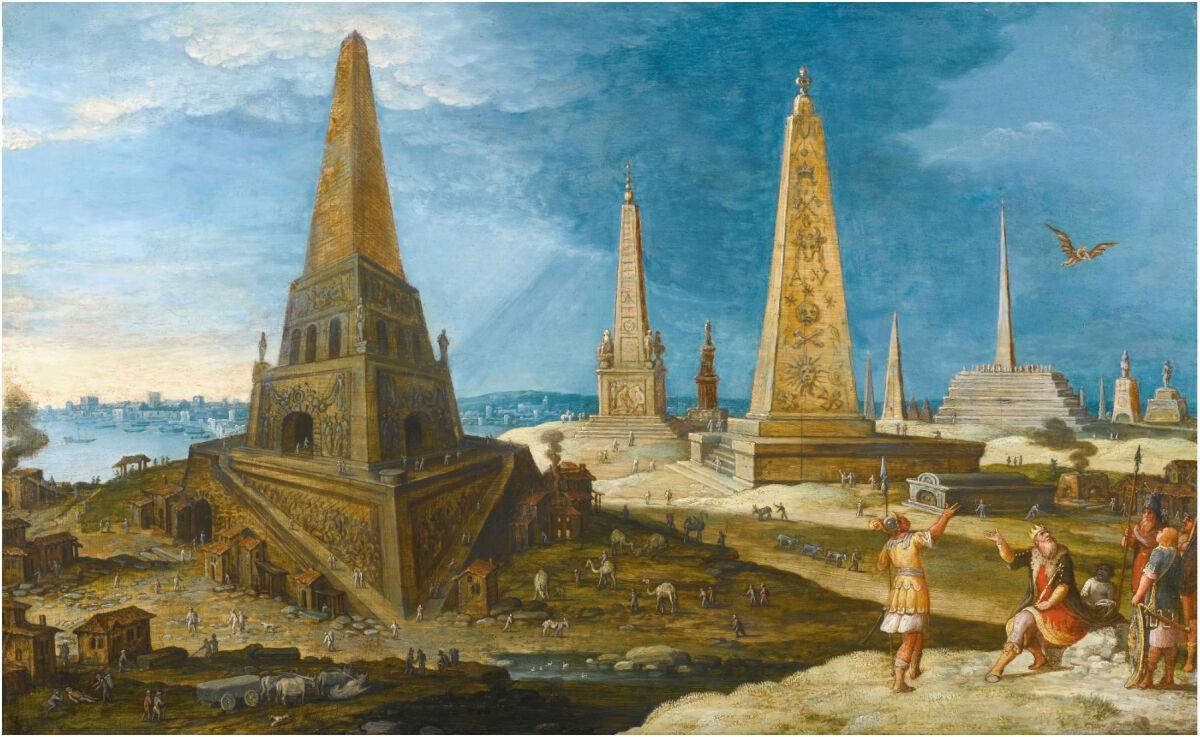
On this basis, various alternate schemes have been proposed. A good example is in Prof. Douglas Petrovich’s recently published book Nimrod the Empire-Builder: Architect of Shock and Awe, in which he makes the case for Nimrod as coming on the scene many centuries after the construction of the tower (using a longer Septuagint chronology for the dating of the Flood and tower of Babel events). On this basis—opposing “the uncritical assumption of many that Nimrod lived before the calamity at the tower of Babel, rather than after this set of eventsî—Petrovich in his book reviews a number of proposed historical “Nimrod” candidates.
Similarly, Prof. Michael Apka in his Asia Adventist Seminary Studies paper “Did Nimrod Build the Tower of Babel?” concluded that “the claim that Nimrod built the tower of Babel does not appear to be feasible.” For his part, Apka suggests the very opposite to Petrovich—that Nimrod long predated the tower of Babel event. Not only that, Apka argued that “the Bible does not portray Nimrod negatively” at all; instead, this is the result of “postbiblical sources, based mostly on speculative traditions, that portrayed Nimrod with the negativity that has persisted up to the present. Therefore, it is unsafe to conclude, based on nonbiblical sources, that Nimrod’s activities were hostile and directed against God or that he built the tower of Babel.”
End of story? Is Nimrod really so divorced from the tower of Babel episode?
One assertion needs to be addressed from the outset: This is the notion that Nimrod’s construction of the tower was a 19th-century “conspiracy.” Regardless of what one thinks of Hislop’s The Two Babylons, nothing could be further from the truth. The belief that it was Nimrod who directed efforts to build the tower has currency across thousands of years and is present in Jewish, Christian and Islamic writings.
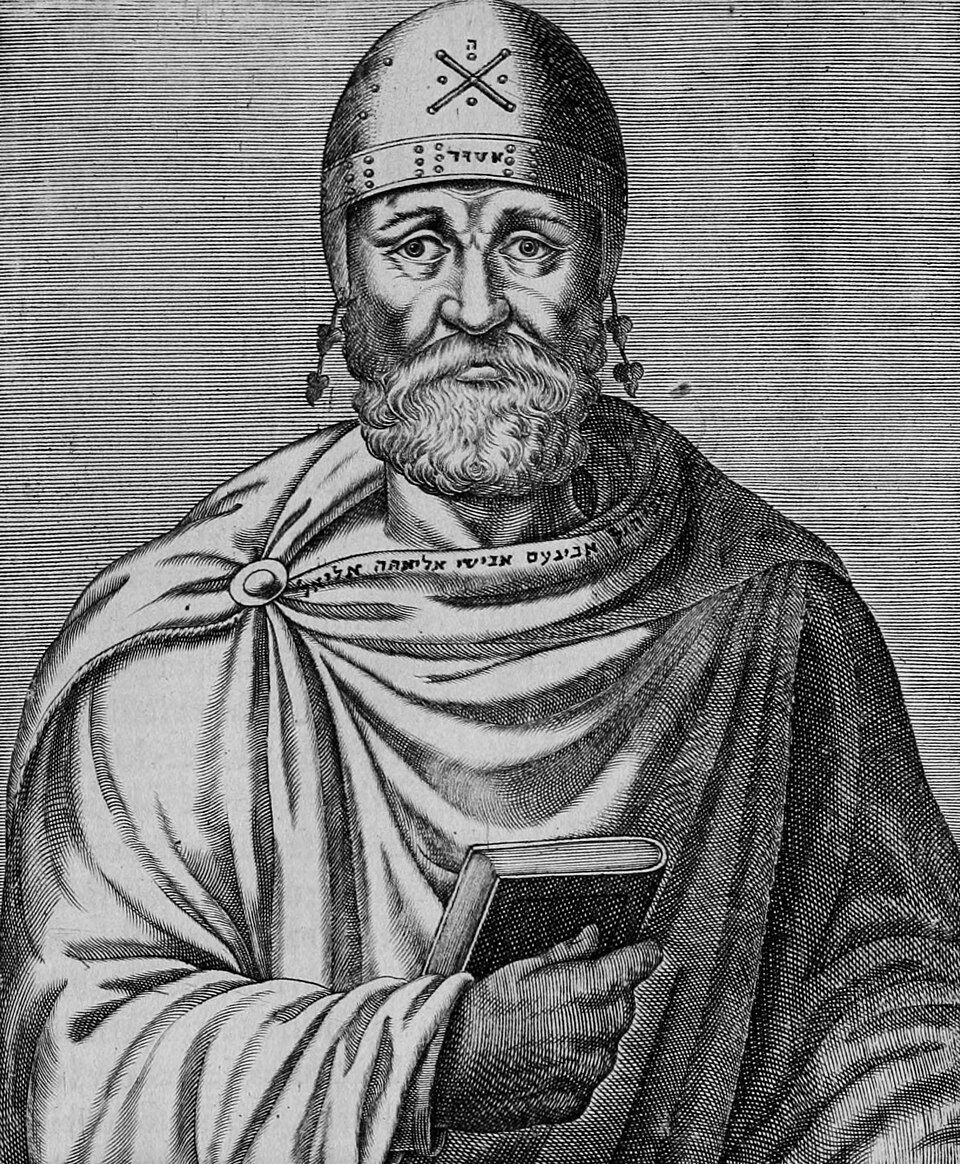
The earliest-known extrabiblical source to clearly describe Nimrod in any detail associates him with the tower. The Jewish philosopher Philo—on the scene more than 2,000 years ago, from the late first century b.c.e. to the early first century c.e.—wrote the following in Questions on Genesis: “[O]n which account they said, ‘Like Nimrod the mighty hunter before the Lord?’ … [I]n truth he who is an emulator of earthly and corruptible things is always engaged in a conflict with heavenly and admirable natures, raising up earth as a bulwark against heaven” (2.82; emphasis added).
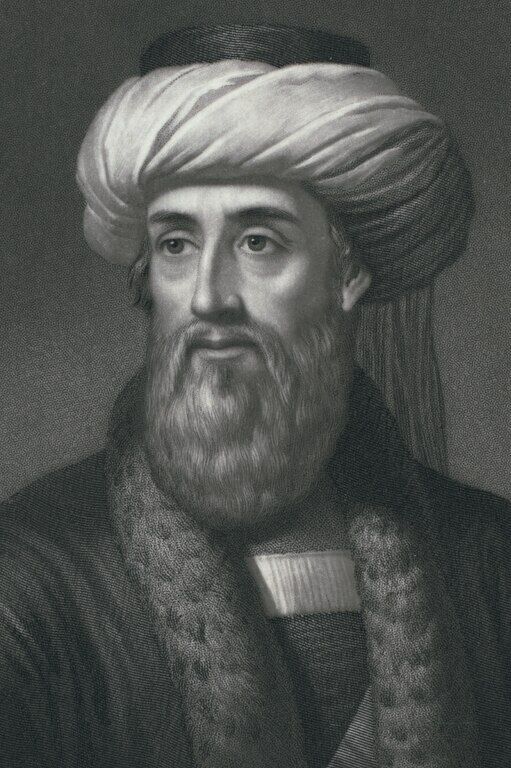
In the decades proceeding Philo, we find the following testimony from the first-century c.e. Jewish historian Josephus:
Now it was Nimrod who excited them to such an affront and contempt of God. … He also said he would be revenged on God, if He should have a mind to drown the world again; for that he would build a tower too high for the waters to be able to reach! and that he would avenge himself on God for destroying their forefathers!
Now the multitude were very ready to follow the determination of Nimrod, and to esteem it a piece of cowardice to submit to God; and they built a tower …. The place wherein they built the tower is now called Babylon, because of the confusion of that language which they readily understood before; for the Hebrews mean by the word Babel, confusion (Antiquities of the Jews, 1.4.2-3).
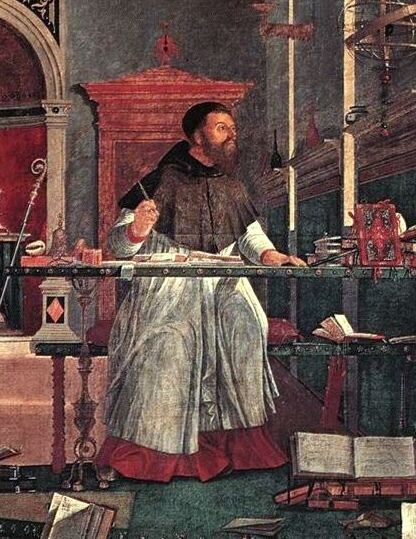
The belief that Nimrod was directly responsible for building the tower of Babel continues from the earliest extrabiblical references on throughout later Jewish and Christian accounts. Numerous first- and second-millennium rabbinic writings attribute the tower to Nimrod, even calling it “the house of Nimrod.” The same is true of the early Christian writers: The fourth-century Augustine wrote in City of God, “Nimrod … with his subject peoples, began to erect a tower against the Lord, which symbolizes his impious pride.” For Islam’s part, while the Qur’an does not refer directly to Nimrod or the tower of Babel, later Muslim sources do. The 11th-century Abu Ishaq al-Tha’labi states that “Nimrod … built a tall tower in Babylon” and proceeds to describe events in relation to this (Lives of the Prophets).
Jones’s remark that the notion of Nimrod building the tower of Babel is merely the product of a 19th-century “conspiracy theory” is clearly wrong. This is a known claim promulgated by assorted historians and religious figures for more than 2,000 years. The belief that Nimrod built the tower of Babel is mentioned so often by so many authors of differing religious and cultural backgrounds. So, then, where does this association stem from?
Back to the Bible
The reason Philo, Josephus and others associate Nimrod with the tower of Babel is simple: The biblical text does the same!
This is seen immediately in the name of the figure we are introduced to: Nimrod (נמרד). It is a matter of debate as to whether this was a title, his real name or a play on his real name (see the following article in this issue). Whatever the case, the most straightforward interpretation of the Hebrew word is “we will rebel” (נ-מרד). This alone would be a perfect synopsis for the Genesis 11 story, which clearly associates the tower of Babel as an act of rebellion. This was granted by Apka: “Admittedly, it was rebellion that fomented the building of the tower of Babel.” It is quite plausible that this was a tweaked Hebraization of a similar original name in order to render this meaning.
We see the same theme in the description of Nimrod as “a mighty hunter before the Lord.” The word “before,” lifne (לפני), literally means “in the face of (פני) something/someone”; thus it is typically rendered “against,” “in front of” or “before.” In Hebrew usage, it does not have to have a negative connotation, but it certainly can. That this negative sense is the true interpretation comes from another early source, centuries earlier than Philo—the Septuagint (lxx).
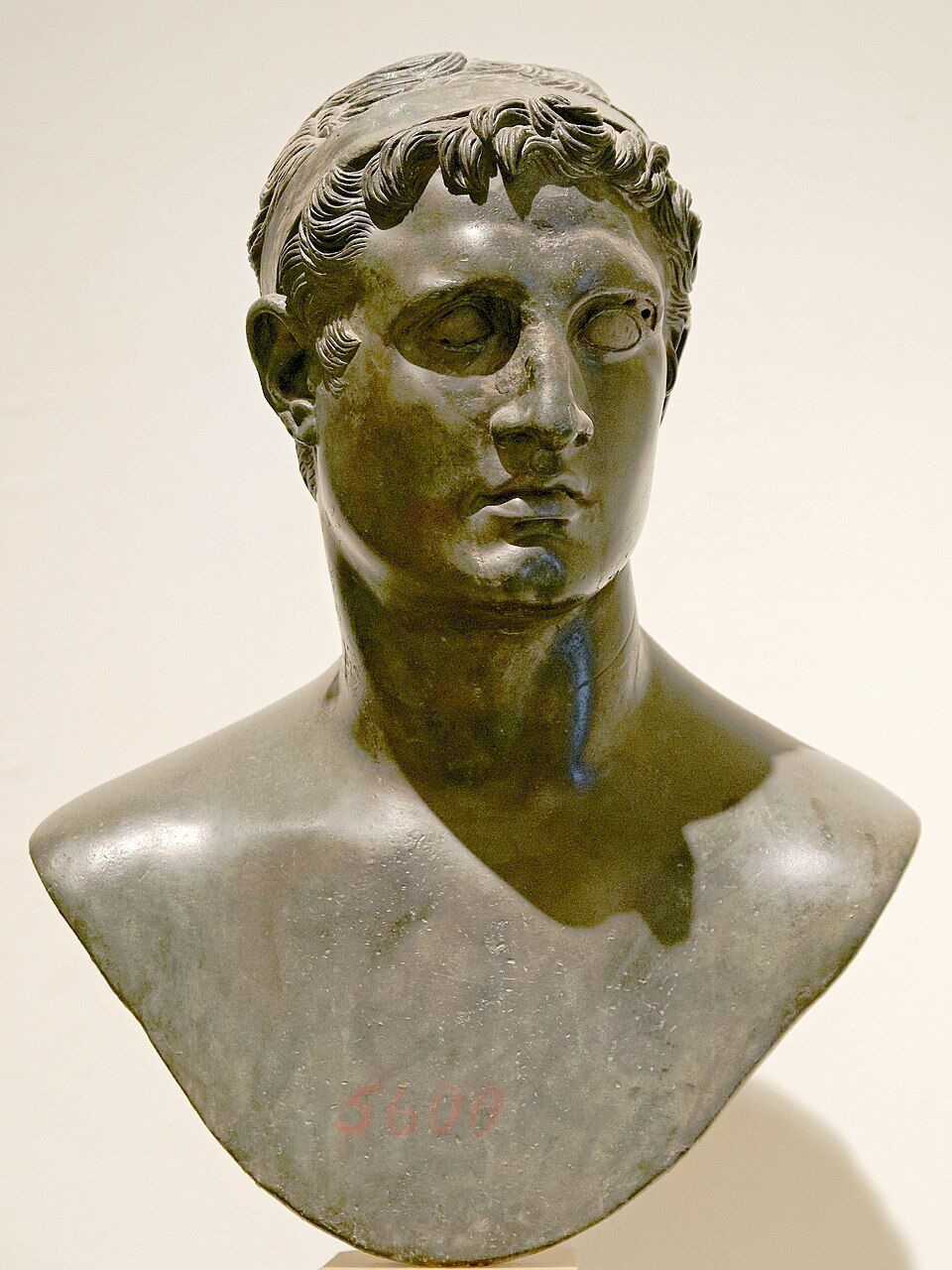
Put simply, the Septuagint is a Greek translation of the Hebrew Bible; the Torah portion of which was translated at the behest of Ptolemy ii Philadelphus in the early third century b.c.e. In cases of textual ambiguity, such early translations can help determine original meanings of since-lost words, as well as interpretations of various themes among early communities—and the lxx is the earliest such known translation. In the lxx, this word “before” was rendered by its translators into Greek as the word enantion (ἐναντίον). This is a decidedly negative word, meaning “contrary,” “opposing,” “hostile” or “against.” To whom is Nimrod contrary, opposing, hostile and against? “The Lord.”
Note further that this characterization of Nimrod is repeated twice for emphasis: “He was a mighty hunter before the Lord; wherefore it is said: ‘Like Nimrod a mighty hunter before the Lord’” (Genesis 10:9). In the words of the New Living Translation, “his name became proverbial”—this repetition serves as another hint at the negative notoriety of this individual.
Small wonder that Nimrod’s name has indeed become proverbial to this day in its negative notoriety. And we haven’t even arrived at Babel yet.
Genesis 10:10 provides the primary link: “[T]he beginning of his kingdom was Babel” (meaning “confusion”). The tower is not mentioned here specifically, but it would seem prodigiously coincidental for Genesis 10:10 to describe a kingdom beginning at Babel and the following chapter to describe the details of such a beginning at Babel, and for them not to be referring to the same event.
To that end, we only see this city “Babel” named in these two side-by-side passages—Genesis 10:10 and 11:9—in the entire Torah. It doesn’t appear again until the end of 2 Kings—9,732 verses later. It hardly seems much of a stretch, then, to associate these two virtually side-by-side mentions of Babel—just 31 verses apart—as part of the same narrative, describing the same series of events.
Especially not given the same pattern of dispersion found in both Genesis 10:10 and 11:9. Genesis 10:10 calls this establishment of Babel “the beginning of his kingdom.” This word, reshit (ראשית), is variously translated as “beginning,” “start” or “the first part” (especially in the literal translations). From there, Nimrod’s kingdom diverted to other territories, from Erech (Uruk) onward. This is the same theme in Genesis 11: A collective city/civilization beginning at Babel and, following the confusion of languages, spreading out. Again, these parallels seem oddly coincidental: In Genesis 10, a beginning at Babel and a spreading out; in Genesis 11, a beginning at Babel and a spreading out.
Genesis 10, the “Table of Nations” as it is often called, is a broad genealogical list. The Nimrod inset stands out, therefore, as a case of particular added detail for a notable individual and a notable event (and what more notable event than the one detailed in the following chapter?).
But it is not the only inset in Genesis 10. There is another that refers to a suspiciously similar event. Enter Peleg.
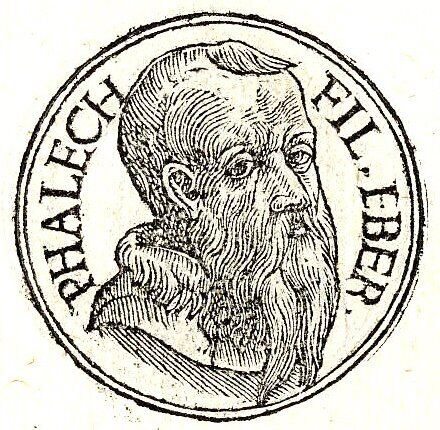
Peleg is a descendant of Noah’s son Shem. His inset, somewhat more brief than Nimrod’s, reads as follows: “And unto Eber were born two sons: the name of the one was Peleg; for in his days was the earth divided; and his brother’s name was Joktan” (verse 25).
As with the Nimrod inset, there has been significant debate about the nature of Peleg’s. But a long-standing interpretation has been to associate it with precisely the same event heralded in the earlier Nimrod inset and explained in detail in the next chapter: the tower of Babel incident. Genesis 10:25 clearly associates Peleg with a “division” of mankind around the Earth, matching well Genesis 11:9, when “the Lord scatter[ed] them abroad upon the face of all the earth.”
The word used for “divided” (נפלגה) in Genesis 10:25—from which Peleg’s name (פלג) is derived—is rare; it is found only three other times in the entire Hebrew Bible. It is used once in the parallel account of Peleg in 1 Chronicles 1:19, once in Job, and once in Psalm 55 indescribing confusion of languages: “Destroy, O Lord, and divide their tongues: for I have seen violence and strife in the city” (verse 9; King James Version).
For this Peleg inset of Genesis 10 to apply to the tower of Babel event would only strengthen the conclusion that the other inset does too (let alone the other connections in this earlier Nimrod inset, including the very use of the name Babel).
Genesis 11:16 states that Eber begat Peleg at the age of 34. In the genealogical list, Eber is the great-great-grandson of Noah. Nimrod, on the other hand, is listed as the great-grandson of Noah, and on the basis of this generational comparison, it would be logical to infer that he was somewhat older than Eber. Despite arguments of generational “telescoping” (the practice of skipping generations in a genealogical list) from those disassociating Nimrod from the tower of Babel incident—thus putting him long after—this comparable generational placement of Nimrod and Eber-Peleg is another clue among the rest that is surely more than coincidental. This puts the “dividing of the earth” as well as the exploits of Nimrod at Babel during the same general period, thus drawing the same logical conclusion that all events are associated directly with the more detailed account we read in the following chapter—the construction of (and dispersion from) the city and tower of Babel.
Is Nimrod’s association with the tower of Babel really so tenuous? Certainly not—quite the contrary. There is good internal biblical evidence connecting the man and his tower, together with the abundance of extrabiblical textual material drawing the same logical conclusion. It seems to me that attempts to separate Nimrod from the tower of Babel are done primarily to try to reinterpret the biblical data into other perceived and preconceived historical or archaeological frameworks.
But is it necessary to separate Nimrod from Genesis 11 and the themes of tower-building and confusion of languages in order to fit with the historical evidence? We’ll explore this topic in the following article.