
Herodotus: Earliest Extrabiblical Author to Mention the Exodus?
The ancient Greek historian and geographer Herodotus of Halicarnassus (484–425 b.c.e.) is often hailed as the “world’s first historian” and “father of history”—a title first applied to him by the first-century b.c.e. Roman statesman and orator Cicero. Herodotus’s Histories, later divided up into nine volumes, is widely regarded as the founding work of Western history.
This popular crediting of Herodotus as “original historian” is highly disputable, however—and Herodotus came with plenteous detractors. These include: Cicero himself, who meant no flattery of the man, but called him a purveyor of “fables” (On the Laws 1.5); the third-century b.c.e. priest-historian Manetho, who penned a now-lost work titled Against Herodotus; and the first-second century c.e. philosopher Plutarch, who effectively called him the “father of lies” in On the Malice of Herodotus. The first-century c.e. Jewish historian Josephus summed it up, writing: “Herodotus is attacked by everyone without exception” (Against Apion 1.3). Josephus, without “naming names,” also noted that “some persons have written histories, and published them, without having been in the places concerned, or having been near them when the actions were done; but these men put a few things together by hearsay, and insolently abuse the world, and call these writings by the name of Histories” (Against Apion 1.8).
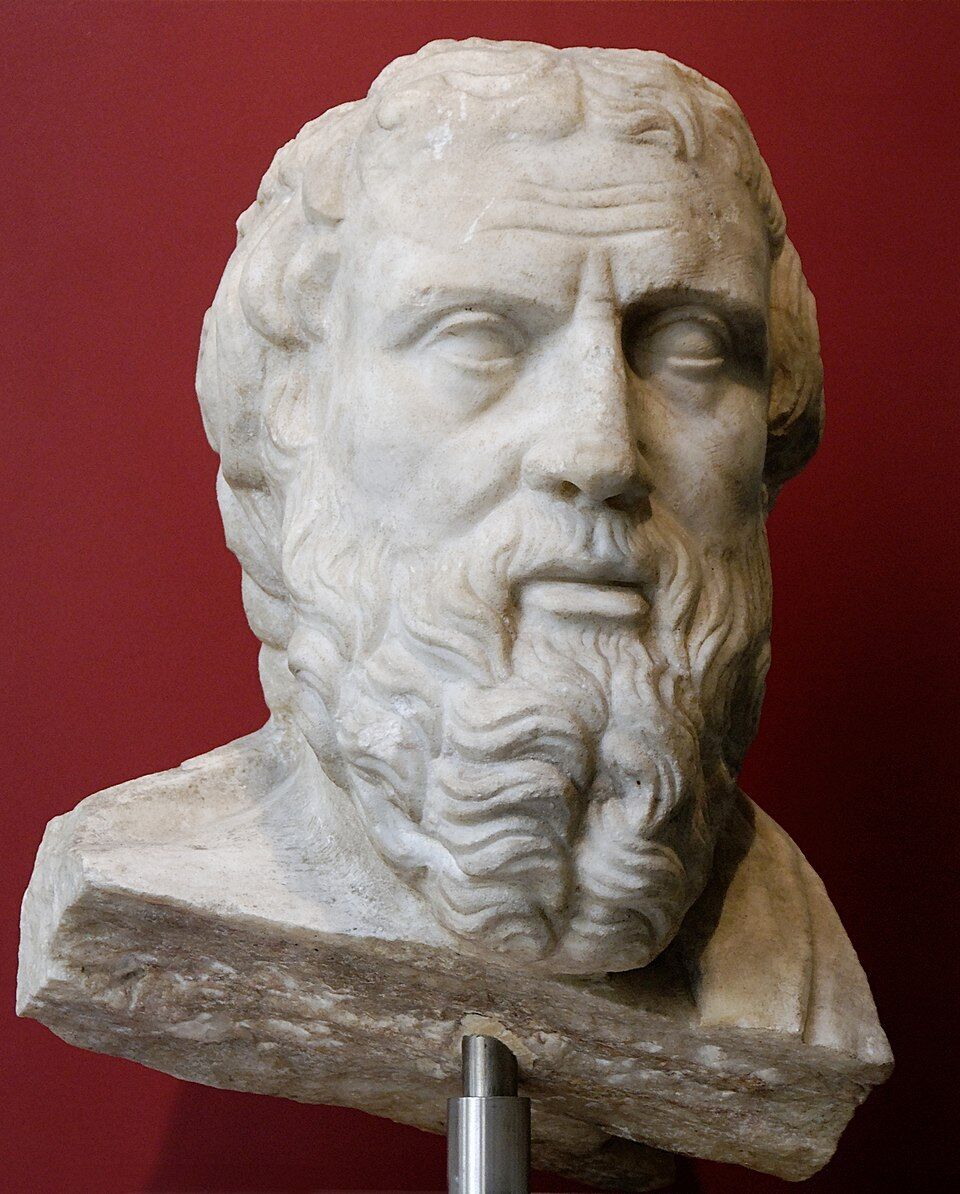
Nonetheless, Herodotus’s fifth-century b.c.e. work is seen as a valuable insight into a time, a place and a man—into the perceptions of this traveling historian and the materials that were available to him, both in recording events of his day, as well as his interpretation of the ancient past, in the stories that were relayed to him.
Yet to the chagrin of biblical researchers, his Histories famously never explicitly mentions “Jews,” “Israelites,” “Hebrews,” “Judea,” etc. This may not be too surprising—comparatively few early Greek works of the second half of the first millennium b.c.e. concern themselves with the history or inhabitants of the Holy Land. If anything is mentioned with some repetition, rather humorously, it is wonderment about the properties of the Dead Sea (e.g. from Aristotle and Hieronymus, fourth century b.c.e.; Xenophilus and Eratosthenes, third century b.c.e.). Remember also that this is the post-exilic period.
That’s not to say that we are entirely without certain detailed accounts of Israel’s past from this general period, though—the third-century b.c.e. Manetho is a case in point. Prior to him, the fourth-century b.c.e. Hecataeus of Abdera is often seen as representing the earliest extrabiblical reference to Israel’s origins, with his account of the Exodus from Egypt—the “oldest account of Jewish origins in Greek literature,” in the words of Menahem Stern (Greek and Latin Authors on Jews and Judaism, Vol. i, 1974).
But what about from the century prior—the fifth century b.c.e., within the works of the great Herodotus? Is this Greek author totally silent as to the history of Israel, the Jewish people, the Holy Land?
Totally silent? No. There are at least a couple of passing references in Histories that are seen in reference to such. Histories 2.104.3, for example, mentions “Phoenicians and the Syrians of Palestine” as practicing circumcision, having “learnt the custom from the Egyptians”; and Histories 2.159.2 describes “Nechos … defeat[ing] the Syrians at Magdolus,” which has been widely understood to refer to Pharaoh Necho’s defeat of Josiah at Megiddo (2 Chronicles 35). Others have drawn more tenuous links to other sections of text.
Yet is this really the extent of it from Herodotus? Or could there be more, hiding in plain sight? I think so, and I think that rather than Hecataeus, it is Herodotus who might be credited with the “oldest account of Jewish origins in Greek literature.”
‘These Came From the Red Sea’
In light of Herodotus’s aforementioned comment about circumcised “Phoenicians and Syrians of Palestine” as an implicit reference to Jews of his time, it is interesting to note the very beginning words of his Histories—where he begins with reference the origins of the “Phoenicians” in rather interesting terms. Histories 1.1.0-1.1.1 reads (from A. D. Godley’s authoritative 1920 translation; emphasis added throughout):
This is the display of the inquiry of Herodotus of Halicarnassus, so that things done by man not be forgotten in time, and that great and marvelous deeds, some displayed by the Hellenes, some by the barbarians, not lose their glory, including among others what was the cause of their waging war on each other.
The Persian learned men say that the Phoenicians were the cause of the dispute. These (they say) came to our seas from the sea which is called Red, and having settled in the country which they still occupy, at once began to make long voyages.
So begins Herodotus’s Histories, with reference to “Phoenicians” coming “from the sea which is called Red.” Lest one should get any ideas, a footnote cautions, “Not the modern Red Sea, but the Persian Gulf and adjacent waters.” Similarly, George Rawlinson’s 1928 translation reads: “the Phœnicians began the quarrel. This people, who had formerly dwelt on the shores of the Erythræan Sea”—then inserts in square brackets, “[Indian Ocean and Persian Gulf] ….”
Godley’s version is a closer rendition of the original Greek, in referring to a sea which is called by this particular name—a name left transliterated by Rawlinson as Erythræan, and translated by Godley as Red.
Erythraean Sea is the Greek name used throughout the Bible of the famous Red Sea crossed by the Israelites. This is the name of the waterway used as such throughout the third-second century b.c.e. Greek Septuagint translation of the Hebrew Bible, as well as in the Greek New Testament references to the Red Sea.
In early Greek usage, the Erythraean Sea can technically refer not only to the Red Sea as we know it today, but also to the continuing Arabian Sea/northwest Indian Ocean and Persian Gulf—effectively representing the stretch of water wrapping around the Arabian Peninsula (compare Histories 1.180.1, 2.11.1, etc). Still, the name is taken to have originated with the seasonal blooms of red Trichodesmium erythraeum within the Red Sea, and may have been a name extended to include the continuation of this waterway around the Arabian Gulf.
Of course, it is from this same stretch of the Erythraean Sea that we already have famous attestation of a people-group “coming up from”—as described in the biblical account.
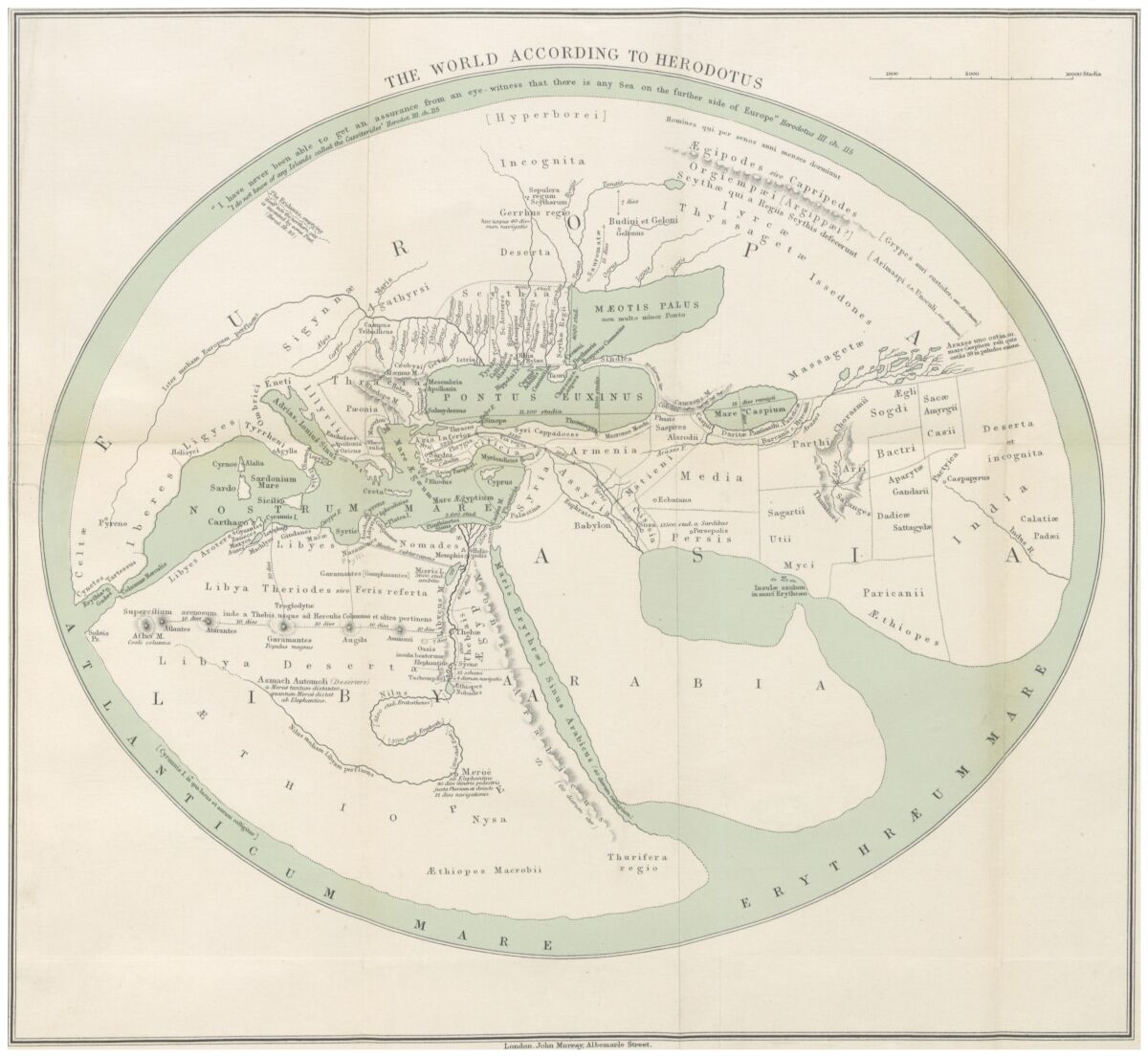
Herodotus includes another similar statement about Phoenicians and the Red Sea elsewhere. Histories 7.89.2 makes the following passing reference: “These Phoenicians formerly dwelt, as they themselves say, by the Red Sea; they crossed from there and now inhabit the seacoast of Syria. This part of Syria as far as Egypt is all called Palestine.” Here we have a couple of additional interesting elements: Herodotus states that the Phoenicians themselves claim that they came up into their land by way of the Red Sea—and, having crossed that sea, the land that they came upon and settled was none other than part of a territory known as Palestine.
The repetition of this story of an origin journey from the Red Sea—as recounted by the Phoenicians themselves (7.82.2), as well as others (1.1.1)—seems to indicate this as some kind of defining and recognizable origin story for this people-group in question.
What other people-group could this be referring to, other than the one whose great origin story centered around the journey up from the Red Sea—and not only that, but a journey into the same aforementioned domain?
Not So Fast?
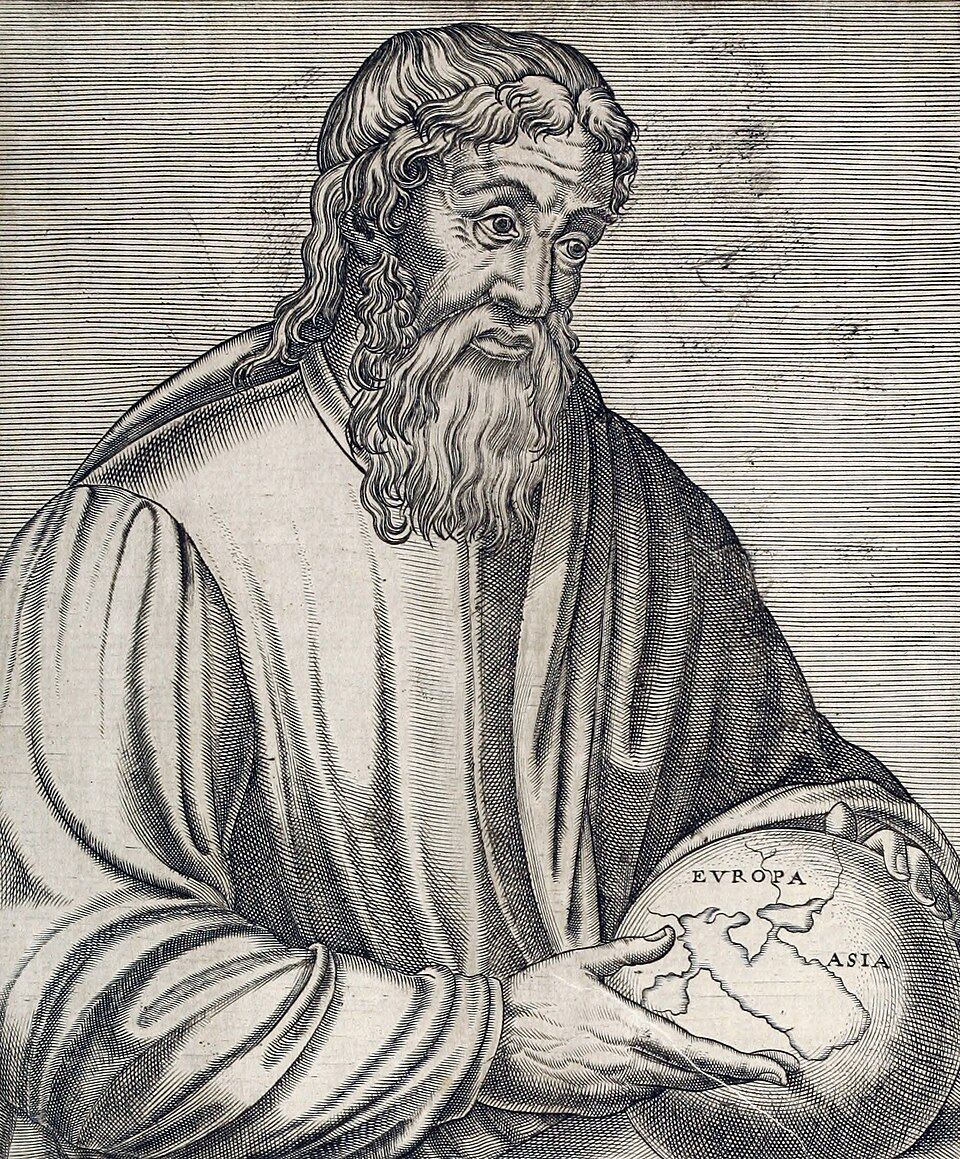
Nonetheless, the common interpretation among those dismissive of this connection is to try to draw a line between some kind of original Phoenician occupation in the Persian Gulf, followed by a migration from there to the Levant. This is based in part on combining these statements from Herodotus with that of the first-century b.c.e.-first-century c.e. Strabo. Strabo’s Geography draws from the testimony of the earlier fourth-century b.c.e. admiral Androsthenes in identifying a couple of islands in the Persian Gulf named “Tyre [Tylos] and Aradus, which have temples like those of the Phoenicians. It is asserted, at least by the inhabitants of the islands, that the islands and cities of the Phoenicians which bear the same name are their own colonies” (16.3.4, translation of H. L. Jones, 1932). Further along, in Geography 16.4.27, Strabo attempts to link the Phoenician Sidonians to this same region, based on a particular interpretation of a passage from the Greek poet Homer:
When the poet says, ‘I came to Aethiopians and Sidonians and Erembians,’ historians are entirely at loss to know, in the first place, in regard to the Sidonians, whether one should call them a certain people who dwelt in the Persian Gulf, from whom the Sidonians in our part of the world were colonists, just as they speak of Tyrians there, islanders, as also of Aradians, from whom they say those in our part of the world were colonists, or whether one should call them the Sidonians themselves ….
These tenuous claims are very much open to interpretation and very much contested—not least based on archaeological and dna evidence. A good case could be made that if anything, this area was colonized from the Phoenician coast, rather than vice-versa—if we indeed do have a solid Phoenician connection in this region.
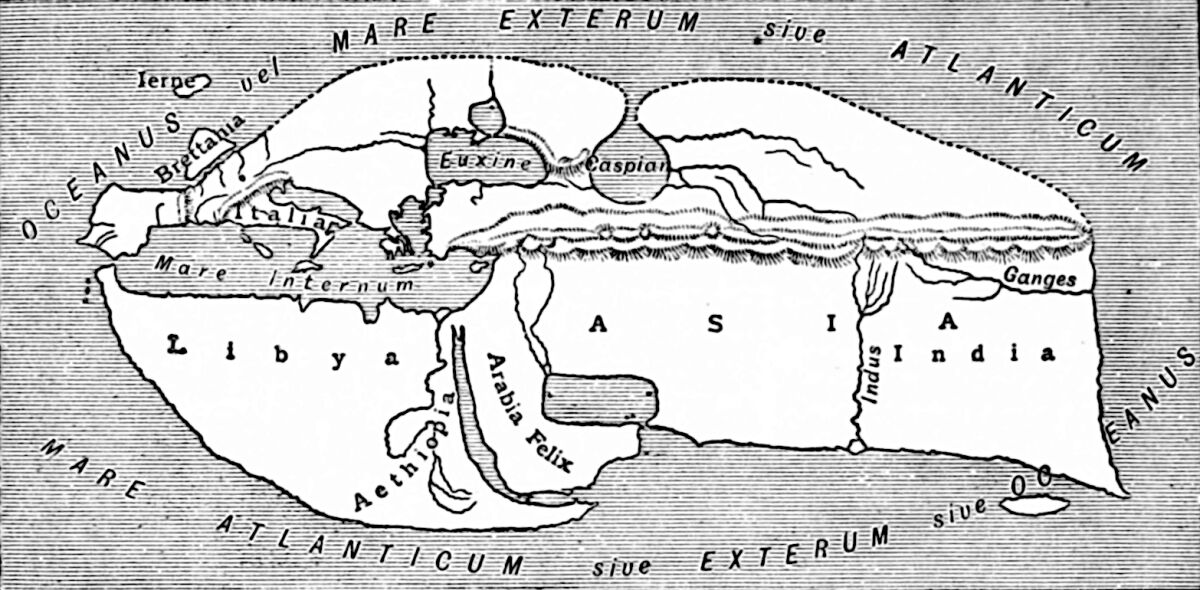
Yet a key piece of the puzzle in determining this subject of origins—what exactly Herodotus might have been referring to, in mentioning Phoenicians coming up from the Red/Erythraean Sea—comes from the century following Herodotus. Enter Hecataeus of Abdera.
Phoenicians and/or Israelites?
The original works of the fourth-century b.c.e. Greek historian and ethnographer Hecataeus are lost. Fragments, however, come to us from secondary sources—most especially through the first-century b.c.e. historian Diodorus Siculus, who relays the following from him (quoted in Stern, op cit):
When in ancient times a pestilence arose in Egypt, the common people ascribed their troubles to the workings of a divine agency; for indeed with many strangers of all sorts dwelling in their midst and practising different rites of religion and sacrifice, their own traditional observances in honour of the gods had fallen into disuse. Hence the natives of the land surmised that unless they removed the foreigners, their troubles would never be resolved. At once, therefore, the aliens were driven from the country, and the most outstanding and active among them banded together and, as some say, were cast ashore in Greece and certain other regions; their leaders were notable men, chief among them being Danaus and Cadmus. But the greater number were driven into what is now called Judaea, which is not far distant from Egypt and was at that time utterly uninhabited. The colony was headed by a man called Moses, outstanding both for his wisdom and for his courage. On taking possession of the land he founded, besides other cities, one that is now the most renowned of all, called Jerusalem. In addition he established the temple that they hold in chief veneration, instituted their forms of worship and ritual, drew up their laws and ordered their political institutions. He also divided them into 12 tribes ….
Hecataeus here clearly alludes to the Israelite Exodus from Egypt, summarizing what he feels are the most pertinent details according to his understanding of events. Especially interesting in this context, for our purposes here, is the inclusion into this same story of the migration of Danaus and Cadmus. The story of Danaus’s migration to the Greek island of Argos is a well-known legend; Cadmus, in turn, is a renowned Phoenician patriarch whom Herodotus mentions elsewhere in some detail, crediting him with bringing the (Hebrew-Phoenician) alphabet to Greece. Elsewhere Hecataeus adds, “these Phoenicians are those who sailed to Europe together with Cadmus”—a statement that further pairs with the continuing account in Herodotus’s Histories, which goes on to describe Phoenician interactions with the Greek island of Argos.
Viewing Herodotus’s account of “Phoenician” origins from the Red Sea in conjunction with Hecataeus’s account of a Phoenician/Israelite Exodus, then, all but seals the deal. That just as Herodotus’s reference to circumcised “Phoenicians and Syrians” is inclusive of, if not expressly referring to, Israelites/Jews; so too is this reference to “Phoenician” origins from the Red Sea.
But if indeed referring to Israelites, why the strange use of the name, “Phoenicians”?
Phoenicians in Israel—or Vice Versa?

Here a record from another historian comes to the fore—our aforementioned Josephus. In Antiquities of the Jews, he records an incident during the fourth century b.c.e. in which the inhabitants of the former Israelite hill country and heartland, including Shechem—at that time, Samaritans—were being referred to as Phoenicians, or more specifically, Sidonians (a reference to the chief Phoenician city of Sidon). Josephus records a petition of the Samaritan Shechemites to the men of Alexander the Great. “When they said that they were Hebrews but were called Sidonians, living at Shechem …” (11.343-344). This interesting throwaway line intimates that these inhabitants of this former Israelite heartland were recognizable to Alexander’s men by the name of the great Phoenician polity.
Certainly, the Bible relates the Samaritans themselves as foreign immigrants—but not of the Phoenician coast (e.g. 2 Kings 17:24). Yet somehow, to these Greek representatives, this Phoenician appellation was seen as a more useful identifier than the self-identification as Hebrews.
This prompts the question: Could there have been more than an incidental conflation of the names of Phoenician, Syrian and Israelite/Jewish people-groups among the early Greek-speaking world? Herodotus’s text is already recognized as implying it, based on his passages about circumcision and Necho’s victory at Megiddo (Histories 2.104.3, 2.159.2).
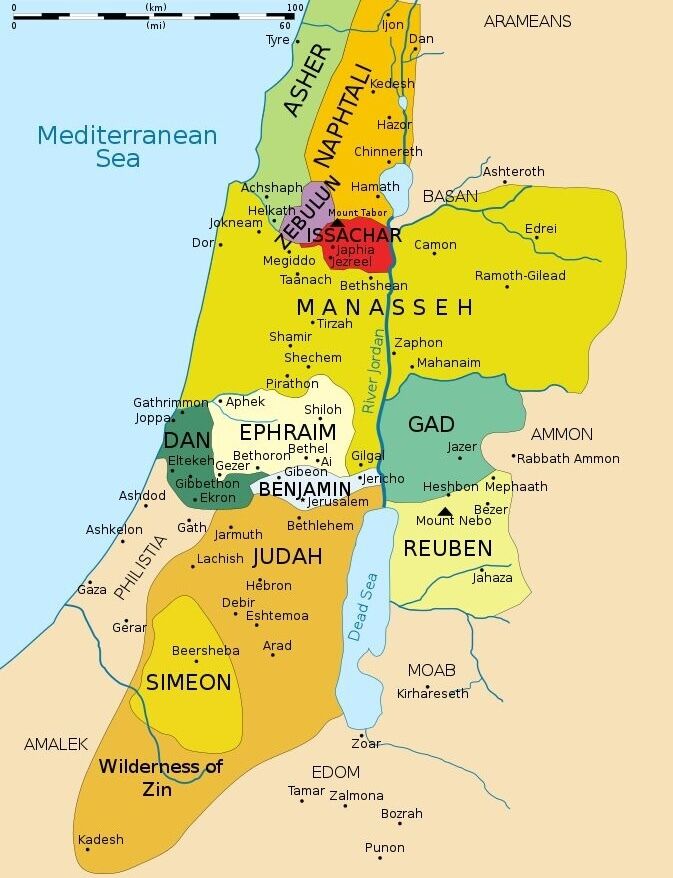
Only adding to this mystery is the fact that the term “Phoenicia” never actually appears in the Hebrew Bible; it is only within the later New Testament that it emerges. Instead, the Hebrew Bible refers expressly to the names of the representative cities of this territory—Tyre, Sidon, etc. Further, the zone between northern Israel and these “Phoenician” cities seems to have been liminal at best—with much of the territory ordinarily considered “Phoenician” included within in the allotments of the Israelite tribes of Asher and Naphtali (e.g. Joshua 19). One theory is that this was a “melting pot” region, which at least included an Israelite population. There is reference to Israelite intermarriage with those of this northern region, as well as a favourable geopolitical relationships (especially during the days of David and Solomon).
If Herodotus Tells Us Anything …
This sticky subject of the confusing identity of the Phoenicians—not just in relation to Herodotus and his writings—continues to perplex researchers. The late Dr. Nissim Ganor tackled the subject in his dedicated 2009 book Who Were the Phoenicians? Concerning the work of Herodotus, Ganor wrote: “We are led to assume that Herodotus’ Red Sea is today’s Persian Gulf, and there are scholars who believe this to be so.” Yet Herodotus’s various “statements taken together appear to corroborate our assumption that Herodotus refers to the Israelites by the term Phoenicians.”
He concluded: “if Herodotus tells us anything about the Israelites it must be looked for under the term ‘Phoenicians.’”
In the end, as much as the work of the fourth-century b.c.e. historian Hecataeus can be appreciated, does it really represent the “oldest account of Jewish origins in Greek literature”? I don’t think so. Rather, that honor—for better or worse, no matter what you (or other ancient historians) might think of the man—goes to Herodotus.