
Second Temple Period Mikveh Gives Evidence of Roman Siege
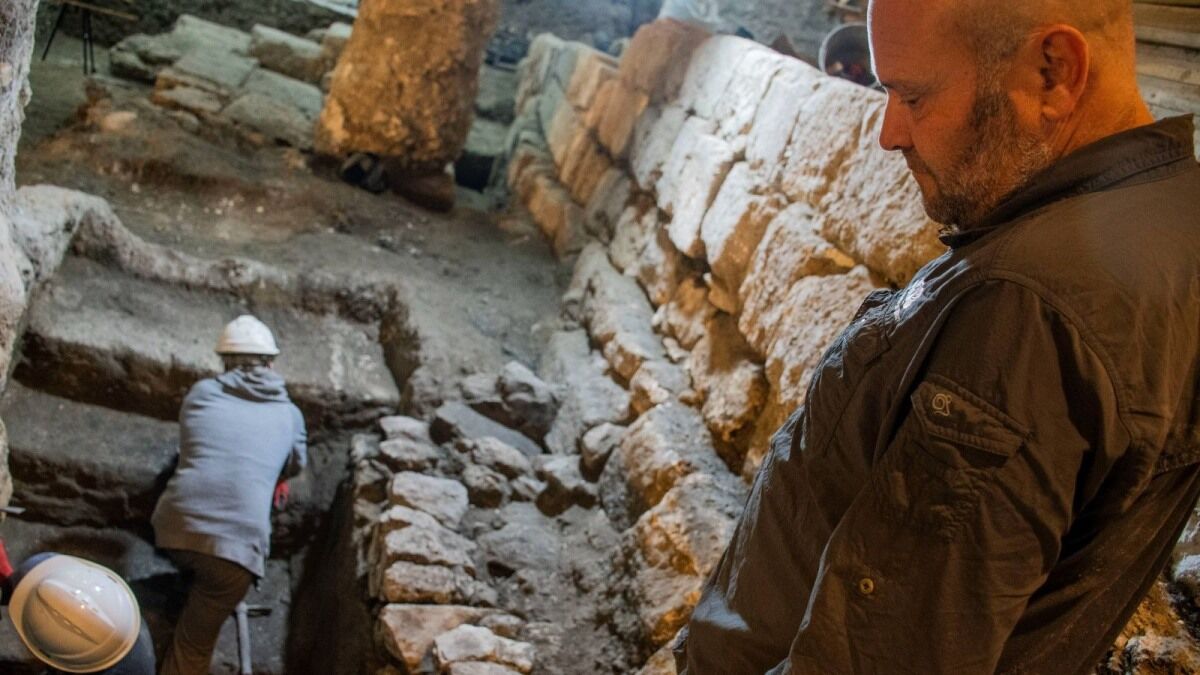
On Monday, December 29, the Israel Antiquities Authority (iaa) announced the discovery of a Second Temple Period rock-hewn mikveh (ritual bath) below the Western Wall Plaza.

The mikveh is 3 meters (10 feet) long and just over 2 meters (6 feet) tall with four hewn steps leading into the basin. According to iaa excavation director Ari Levy, the burned, ashen walls of the mikveh are evidence that it was in use just before the destruction of Jerusalem in 70 c.e.
Mikvaot were necessary for ritual purification, especially for those visiting the temple complex. Levy told the Jerusalem Post that Jerusalem should be remembered as a temple city.
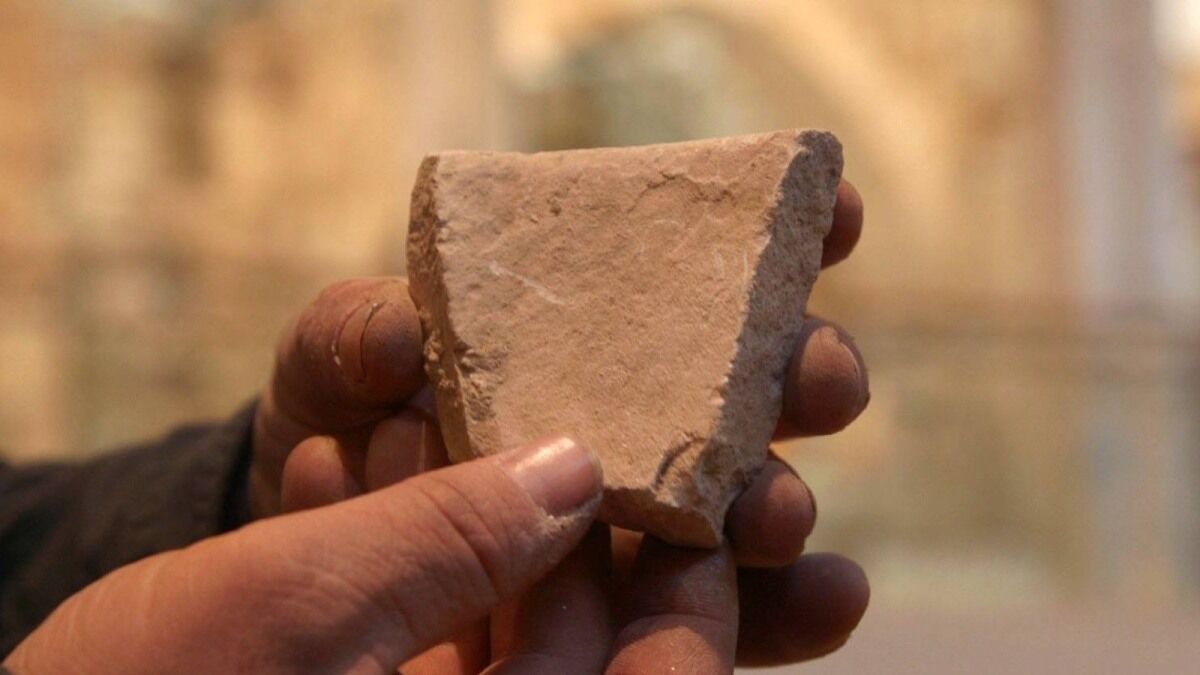
Along with the mikveh, the archaeologists discovered pottery, glass and other stone vessels. These findings give us a glimpse into the lives of those living in Jerusalem just before the Roman destruction.
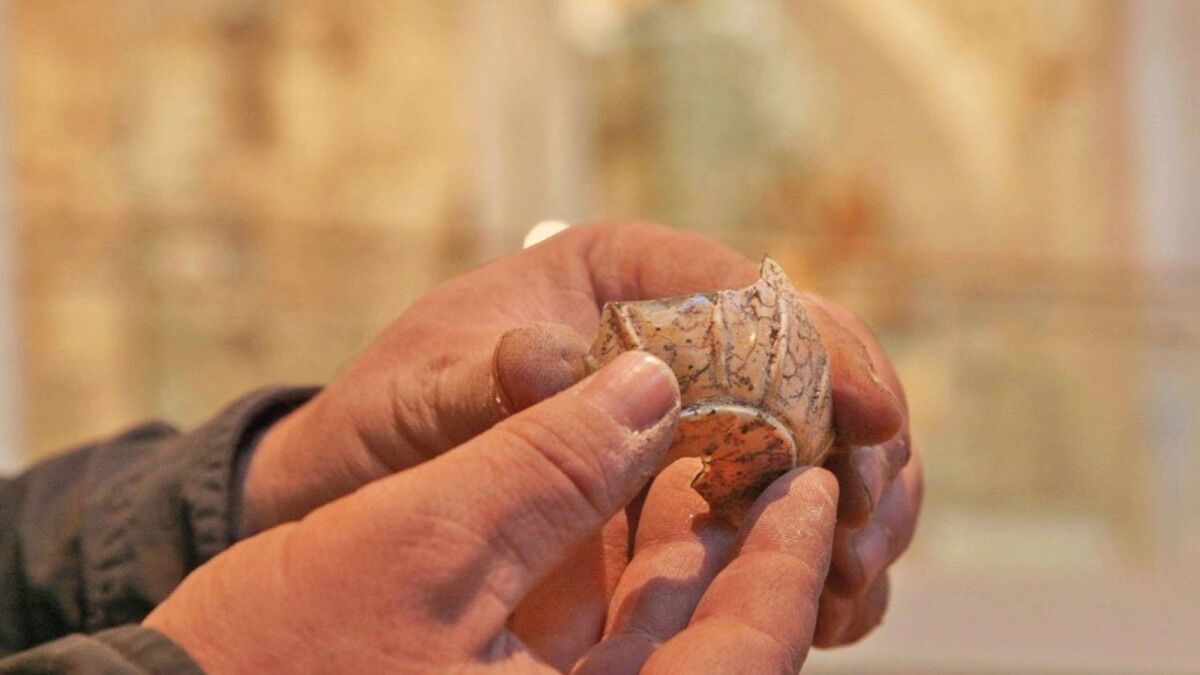
The discovery of stone vessels is significant. “The reasons for using stone vessels are halakhic—rooted in the recognition that stone, unlike pottery and metal vessels, does not contract ritual impurity,” Levy said. “As a result, stone vessels could be used over long periods and repeatedly.” In other words, stone vessels could be washed and reused in ritual practices; pottery vessels had to be thrown out after one use. Therefore, it makes sense that stones vessels were found near a purification bath.
The mikveh was discovered just before the Tenth of Tevet, or Asara Betebet, a day of fasting for the Jewish people in memorial of the first siege of Jerusalem by Babylonian King Nebuchadnezzar in 586 b.c.e. (2 Kings 24-25). Over 600 years later, the 70 c.e. Roman siege took place on the same day. This discovery is a solemn reminder to the Jewish people of what is pictured on the Tenth of Tevet, but also of the resilience the Jewish people have had through the centuries.
https://www.youtube.com/watch?v=9gWEryKAx90
The director of the Western Wall Heritage Foundation, Mordechai (Suli) Eliav, told the Jerusalem Post: “The exposure of a Second Temple Period ritual bath beneath the Western Wall Plaza, with ashes from the destruction at its base, testifies like a thousand witnesses to the ability of the people of Israel to move from impurity to purity, from destruction to renewal.”