
Samaritan Agricultural Estate Discovered in Kafr Qasim
The Israel Antiquities Authority (iaa) recently discovered a fourth-century c.e. Samaritan estate at Khirbet Kafr Qasim, an archaeological site northwest of Jerusalem. Excavation co-director Daniel Leahy Griswold told the Times of Israel that the team expected to uncover Roman remains, yet they came upon something much more impressive.
https://www.youtube.com/watch?v=dw3wNsnPCZs
Within the estate, archaeologists discovered a few buildings, two mikvehs, an olive press and well-preserved mosaic floors.
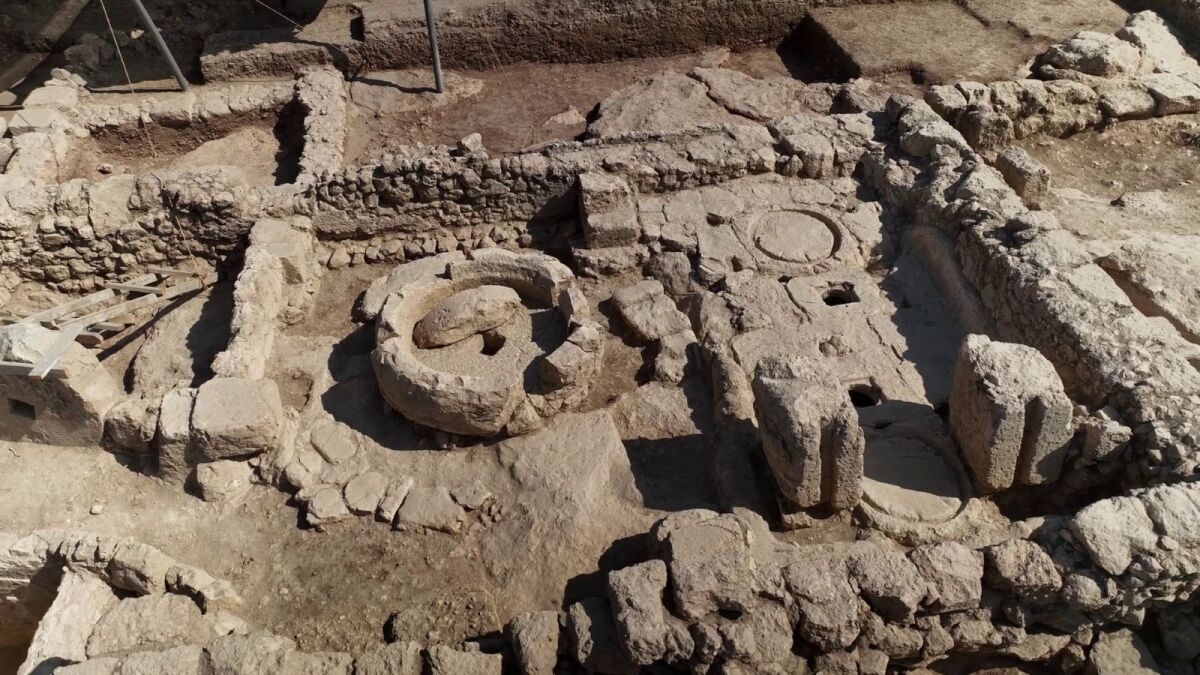
Excavation directors Alla Nagorsky and Dr. Leahy Griswold said: “The size and splendor of the buildings discovered, the quality of their mosaic floors and the impressive agricultural installations, all point to the great wealth and prosperity of the local Samaritan community over the years.”
The Samaritans are descendants from Babylon who were brought to the area following the deportation of the northern tribes of Israel (2 Kings 17:24-41). For more documentation of the early Samaritans, please read “Assyrian Deportation Policy at Tel Hadid.”
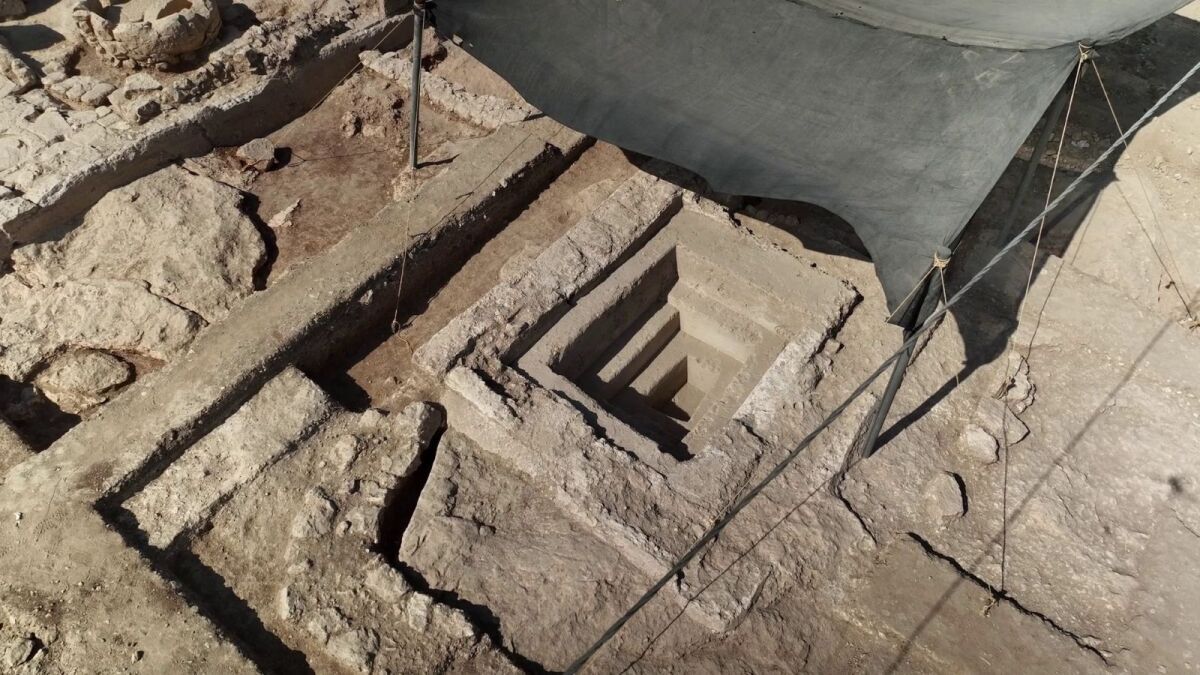
At the site, excavators uncovered two mikvaot (mikvah plural). One, carved into the courtyard of the estate, would have been used for personal cleansing. The other mikveh is north of the olive press. Individuals would use this mikveh specifically for cleaning themselves before entering the press.
The olive press uncovered was evidently a factory at the center of the Samaritans daily life. The press was a large warehouse-type building, with two wings. The north wing was used for production; the south wing contained auxiliary rooms. Located to the south of the estate was a building where the public would come and pay to use the olive press.
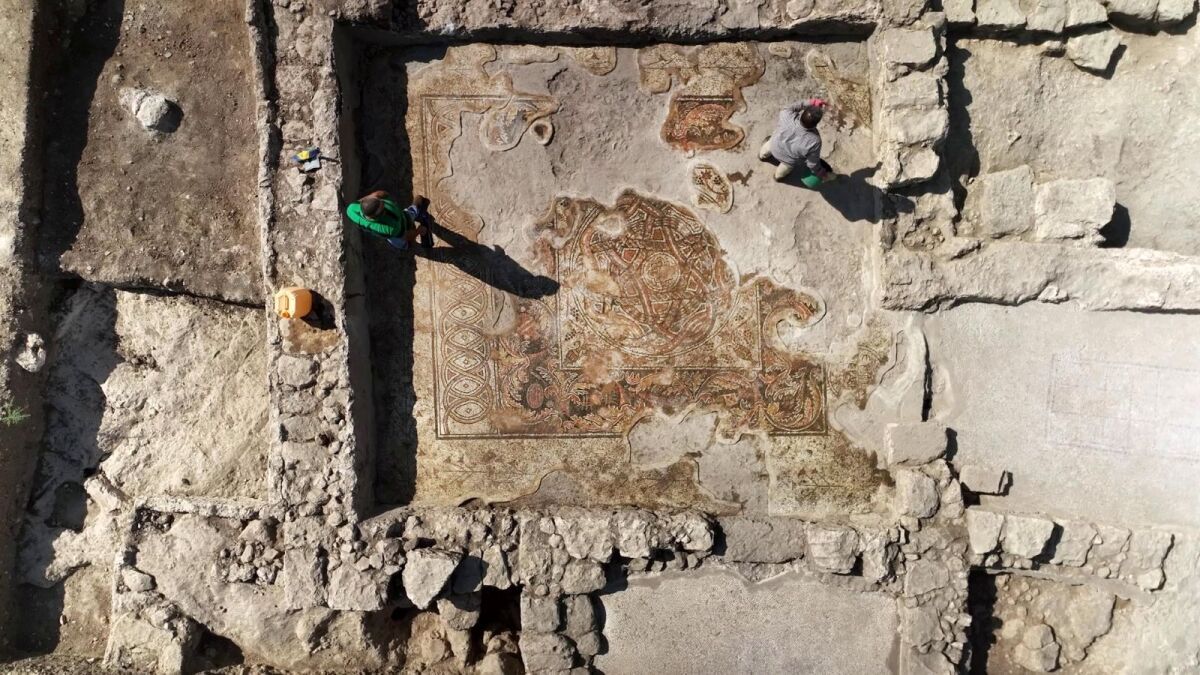
In one of the buildings, excavators uncovered well preserved mosaics. The size of the rooms within this building are large for the time period, which indicates this was an important building. Mosaics at the entrance of the building read, “Congratulations,” followed by the name of the owner—a common practice among the Greeks when a new building was established.
Dozens of Samaritan oil lamps were also discovered, characterized by nob like handles, decorated with geometric designs, contrasting Christian and Jewish lamps discovered from this time period; typically decorated with menorahs and other religious symbols.
Nagorsky believes the estate changed as time progressed: “The wealth and luxury of the buildings were replaced by oil production and agricultural installations ….”
This site uncovered in Kafr Qasim is unique because it shows the wealth and decline of the Samaritan civilization throughout the fifth and sixth centuries. It also provides a contrast to the Christians and Jews of that time period.